Sat. Aug 8th, 2026

Current Affairs

ಕೆಎಎಸ್ ಪ್ರಚಲಿತ ವಿದ್ಯಮಾನಗಳು

ಕೆ.ಎ.ಎಸ್ ಪ್ರಚಲಿತ ವಿದ್ಯಮಾನಗಳು: ಪ್ರಚಲಿತ ವಿದ್ಯಮಾನಗಳು ಕೆ.ಪಿ.ಎಸ್.ಸಿ ಪಠ್ಯಕ್ರಮದ ‘ಜೀವಂತ ನಾಡಿಮಿಡಿತ’ವಿದ್ದಂತೆ. ಇದು ಕೇವಲ ಪ್ರತ್ಯೇಕವಾಗಿ ನೆನಪಿಡಬೇಕಾದ ವಿಷಯವಲ್ಲ; ಬದಲಿಗೆ ಪೂರ್ವಭಾವಿ ಮತ್ತು ಮುಖ್ಯ ಪರೀಕ್ಷೆಗಳೆರಡರಲ್ಲೂ ಇತಿಹಾಸ, ಅರ್ಥಶಾಸ್ತ್ರ, ರಾಜ್ಯಶಾಸ್ತ್ರ ಮತ್ತು ನೀತಿಶಾಸ್ತ್ರವನ್ನು ಒಂದಕ್ಕೊಂದು ಬೆಸೆಯುವ ಒಂದು ಚಲನಶೀಲ ಕೊಂಡಿಯಾಗಿದೆ. ಮುಂಬರುವ ಪರೀಕ್ಷೆಗಳ ಸಂದರ್ಭದಲ್ಲಿ, ಕೇವಲ “ಸುದ್ದಿ ಓದುವುದರಿಂದ” “ಸುದ್ದಿಯ ಮೂಲಕ ಪಠ್ಯಕ್ರಮವನ್ನು ಅಭ್ಯಾಸ ಮಾಡುವುದು” ಎಂಬ ಹಂತಕ್ಕೆ ಬದಲಾಗುವುದು ಒಬ್ಬ ಗಂಭೀರ ಅಭ್ಯರ್ಥಿಯನ್ನು ಸಾಮಾನ್ಯ ಓದುಗನಿಂದ ಪ್ರತ್ಯೇಕಿಸುವ ಪ್ರಮುಖ ಬದಲಾವಣೆಯಾಗಿದೆ.

“ಪಠ್ಯಕ್ರಮಕ್ಕೆ ಮೊದಲ ಆದ್ಯತೆ” ಎಂಬ ತತ್ವ
ಕೆ.ಪಿ.ಎಸ್.ಸಿ ಪಠ್ಯಕ್ರಮಕ್ಕೆ ಕಟ್ಟುನಿಟ್ಟಾಗಿ ಹೊಂದಿಕೆಯಾಗುವ ಪ್ರಚಲಿತ ವಿದ್ಯಮಾನಗಳ ಮಾದರಿಯನ್ನು ಅನುಸರಿಸುವ ಮೂಲಕ, ನೀವು ದಿನಪತ್ರಿಕೆ ಓದಲು ವ್ಯಯಿಸುವ ಪ್ರತಿ ಗಂಟೆಯೂ ನಿಮ್ಮ ಪರೀಕ್ಷೆಯ ಶ್ರೇಣಿಯನ್ನು (Rank) ಉತ್ತಮಪಡಿಸಲು ಪೂರಕವಾಗುತ್ತದೆ ಎಂಬುದನ್ನು ಖಚಿತಪಡಿಸಿಕೊಳ್ಳಬಹುದು.

ಪೂರ್ವಭಾವಿ ಪರೀಕ್ಷೆ

ಪತ್ರಿಕೆ-I: ರಾಷ್ಟ್ರೀಯ ಮತ್ತು ಅಂತರರಾಷ್ಟ್ರೀಯ ಮಹತ್ವದ ಪ್ರಚಲಿತ ವಿದ್ಯಮಾನಗಳು

ವಿಶ್ವ ವುಶು: ಭಾರತಕ್ಕೆ 3 ಸ್ವರ್ಣ
ಸಂದರ್ಭ: ಭಾರತದ ಅಥೀಟ್ಗಳು ಇಲ್ಲಿ ನಡೆಯುತ್ತಿರುವ 10ನೇ ವಿಶ್ವ ಜೂನಿಯರ್ ವುಶು ಚಾಂಪಿಯನ್ಷಿಪ್ನಲ್ಲಿ ಮೂರು ಚಿನ್ನ ಸೇರಿ 10 ಪದಕಗಳನ್ನು ಗೆದ್ದು ಐತಿಹಾಸಿಕ ಸಾಧನೆ ಮಾಡಿದರು.

  • ಸ್ಯಾಂಡಾ (ಕುಸ್ತಿ) ಸ್ಪರ್ಧೆಯಲ್ಲಿ ಪಾರಮ್ಯ ಸಾಧಿಸಿದ ಭಾರತದ ಅಥೀಟ್ ಗಳು ಮೂರು ಚಿನ್ನದ ಪದಕ ಬಾಚಿದರು. ಉಪೇಂದ್ರೆ ತೌಗಮ್ (ಬಾಲಕರ 45 ಕೆ.ಜಿ.), ನೊಂಗಮ್ಮೆಥಮ್ ಪಮ್‌ಹೀಬಾ (ಜೂನಿಯರ್ ಬಾಲಕರ 52 ಕೆ.ಜಿ.) ಹಾಗೂ ಲಾಯ್ಕಂಗ್‌ಬಮ್ ವಿಕ್ಟರ್ (ಯುವ ಬಾಲಕರು 52 ಕೆ.ಜಿ.) ಸೋಮವಾರ ಸ್ವರ್ಣಕ್ಕೆ ಮುತ್ತಿಕ್ಕಿದರು.
  • ಬಾಲಕರ 48 ಕೆ ಜಿ. ವಿಭಾಗದಲ್ಲಿ ಯುವರಾಜ್ ಬೆಳ್ಳಿ ಜಯಿಸಿದರು. ಗೌತಮ್ ಮಂಕಾಸ್ (ಜೂನಿಯರ್ ಬಾಲಕರ 48 ಕೆ.ಜಿ.) ಹಾಗೂ ಅನು (ಯುವ ಬಾಲಕಿಯರು 48 ಕೆ.ಜಿ.) ಅವರು ಭಾನುವಾರ ಕಂಚು ಜಯಿಸಿದ್ದರು.
  • ಟೌಲೊ (ಕಲಾತ್ಮಕ) ಸ್ಪರ್ಧೆಗಳಲ್ಲಿ ಕೊಂಥ್ಜಮ್ ದೇವಿಕರಣಿ ದೇವಿ ಅವರು ತಲಾ ಒಂದು ಬೆಳ್ಳಿ ಹಾಗೂ ಕಂಚಿನ ಪದಕ ಗೆದ್ದರು. ರಾಜಕುಮಾರಿ ಲಾನ್‌ಚೆನ್ನಿ ಚಾನು ಕಂಚಿನ ಪದಕಕ್ಕೆ ಕೊರಳೊಡ್ಡಿದರು.

ವುಶು (Wushu) ಎಂಬುದು ಚೀನಾದ ಸಾಂಪ್ರದಾಯಿಕ ಸಮರ ಕಲೆಗಳ (Martial Arts) ಒಂದು ಆಧುನಿಕ ರೂಪವಾಗಿದೆ. ಇದು ಕೇವಲ ಕ್ರೀಡೆಯಲ್ಲದೆ, ಆತ್ಮರಕ್ಷಣೆ ಮತ್ತು ದೈಹಿಕ ಶಿಸ್ತಿನ ಸಮನ್ವಯವಾಗಿದೆ.
೧. ವುಶು ಎಂದರೇನು?
‘ವುಶು’ ಎಂಬ ಪದವು ಎರಡು ಚೀನೀ ಪದಗಳಿಂದ ಬಂದಿದೆ: ‘Wu’ (ಮಿಲಿಟರಿ/ಸಮರ) ಮತ್ತು ‘Shu’ (ಕಲೆ). ಇದನ್ನು ಸಾಮಾನ್ಯವಾಗಿ ಎರಡು ವಿಭಾಗಗಳಲ್ಲಿ ಸ್ಪರ್ಧಿಸಲಾಗುತ್ತದೆ:
ತಾವೊಲು (Taolu): ಇದು ಕತ್ತಿವರಸೆ, ಲಾಠಿ ಅಥವಾ ಬರಿಗೈ ಮೂಲಕ ಮಾಡುವ ಕಲಾತ್ಮಕ ಚಲನೆಗಳನ್ನು ಒಳಗೊಂಡಿರುತ್ತದೆ. ಇದು ಜಿಮ್ನಾಸ್ಟಿಕ್ಸ್‌ನಂತೆ ಪ್ರದರ್ಶನ ಆಧಾರಿತವಾಗಿರುತ್ತದೆ.
ಸಂದಾ (Sanda): ಇದು ಪೂರ್ಣ-ಸಂಪರ್ಕದ (Full-contact) ಹೋರಾಟವಾಗಿದೆ. ಇದರಲ್ಲಿ ಬಾಕ್ಸಿಂಗ್, ಕಿಕ್-ಬಾಕ್ಸಿಂಗ್ ಮತ್ತು ಕುಸ್ತಿಯ ಅಂಶಗಳಿರುತ್ತವೆ.

೨. ವಿಶ್ವ ವುಶು ಚಾಂಪಿಯನ್‌ಶಿಪ್ (World Wushu Championships – WWC)
ಇದು ಅಂತರಾಷ್ಟ್ರೀಯ ವುಶು ಫೆಡರೇಶನ್ (IWUF) ಆಯೋಜಿಸುವ ಅತ್ಯುನ್ನತ ಮಟ್ಟದ ಜಾಗತಿಕ ಸ್ಪರ್ಧೆಯಾಗಿದೆ.
ಆರಂಭ: ಮೊದಲ ವಿಶ್ವ ಚಾಂಪಿಯನ್‌ಶಿಪ್ 1991 ರಲ್ಲಿ ಬೀಜಿಂಗ್‌ನಲ್ಲಿ ನಡೆಯಿತು.
ಆವರ್ತನ: ಇದು ಪ್ರತಿ ಎರಡು ವರ್ಷಕ್ಕೊಮ್ಮೆ ನಡೆಯುತ್ತದೆ.
ಪ್ರಾಮುಖ್ಯತೆ: ಇದು ವಿಶ್ವದಾದ್ಯಂತ ಇರುವ ಅತ್ಯುತ್ತಮ ವುಶು ಕ್ರೀಡಾಪಟುಗಳನ್ನು ಒಂದೆಡೆ ಸೇರಿಸುತ್ತದೆ.

೩. ಭಾರತ ಮತ್ತು ವುಶು
ಇತ್ತೀಚಿನ ವರ್ಷಗಳಲ್ಲಿ ಭಾರತವು ವಿಶ್ವ ವುಶು ವೇದಿಕೆಯಲ್ಲಿ ಗಮನಾರ್ಹ ಸಾಧನೆ ಮಾಡುತ್ತಿದೆ:
ರೋಶಿಬಿನಾ ದೇವಿ (Roshibina Devi): ಇವರು ಏಷ್ಯನ್ ಗೇಮ್ಸ್ ಮತ್ತು ವಿಶ್ವ ಚಾಂಪಿಯನ್‌ಶಿಪ್‌ಗಳಲ್ಲಿ ಪದಕ ಗೆದ್ದು ಭಾರತದ ಹೆಮ್ಮೆಯಾಗಿದ್ದಾರೆ.
ಪೂಜಾ ಕಾದಿಯನ್ (Pooja Kadian): 2017ರಲ್ಲಿ ವಿಶ್ವ ವುಶು ಚಾಂಪಿಯನ್‌ಶಿಪ್‌ನಲ್ಲಿ ಚಿನ್ನದ ಪದಕ ಗೆದ್ದ ಮೊದಲ ಭಾರತೀಯ ಮಹಿಳೆ ಎಂಬ ಇತಿಹಾಸ ಸೃಷ್ಟಿಸಿದರು.
ಸಂತೋಷ್ ಕುಮಾರ್ ಮತ್ತು ಸೂರ್ಯ ಭಾನು ಪ್ರತಾಪ್ ಸಿಂಗ್: ಇವರು ಸಹ ಅಂತರಾಷ್ಟ್ರೀಯ ಮಟ್ಟದಲ್ಲಿ ಪದಕ ವಿಜೇತರಾಗಿದ್ದಾರೆ.


ಪತ್ರಿಕೆ-II: ರಾಜ್ಯದ ಪ್ರಾಮುಖ್ಯತೆಯ ಪ್ರಸ್ತುತ ಘಟನೆಗಳು ಮತ್ತು ರಾಜ್ಯ ಸರ್ಕಾರದ ಪ್ರಮುಖ ಯೋಜನೆಗಳು

ಜನಸಂಖ್ಯಾಶಾಸ್ತ್ರ: ನಾಳೆಯಿಂದ ಜನಗಣತಿ
ಸಂದರ್ಭ: ಕರ್ನಾಟಕದಲ್ಲಿ ಏಪ್ರಿಲ್ 1ರಿಂದ ಸ್ವಯಂ ಗಣತಿಯೊಂದಿಗೆ ‘ಜನಗಣತಿ-2027’ ಆರಂಭವಾಗಲಿದೆ. ಏಪ್ರಿಲ್ 16ರಿಂದ ಒಂದು ತಿಂಗಳು ‘ಮನೆಗಳ ಪಟ್ಟಿ ತಯಾರಿಕೆ ಮತ್ತು ವಸತಿ ಗಣತಿ’ ನಡೆಯಲಿದೆ.

  • ಕೇಂದ್ರ ಗೃಹ ಸಚಿವಾಲಯ 2027ರ ಜನಗಣತಿಯನ್ನು ಎರಡು ಹಂತಗಳಲ್ಲಿ ನಡೆಸಲು ಉದ್ದೇಶಿಸಿದ್ದು. ಮೊದಲ ಹಂತದಲ್ಲಿ ಮನೆಪಟ್ಟಿ ಮತ್ತು ಮನೆ ಗಣತಿಯನ್ನು ಏಪ್ರಿಲ್ 1ರಿಂದ 15ರವರೆಗೆ ವೆಬ್ ಪೋರ್ಟಲ್ (https://se.census.gov.in) ಮೂಲಕ ಸ್ವಯಂ-ಗಣತಿಗೆ ಅವಕಾಶ ಕಲ್ಪಿಸಿರುತ್ತದೆ.ಮನೆಯ ಯಾವುದೇ ಒಬ್ಬ ಸದಸ್ಯ ಸುಮಾರು 15ರಿಂದ 20 ನಿಮಿಷಗಳಲ್ಲಿ ಸ್ವಯಂ-ಗಣತಿ ಮಾಡಿ, ಮನೆಯ ವಿವರಗಳನ್ನು ಒದಗಿಸಬಹುದು ಮತ್ತು ಮೊಬೈಲ್/ಇಮೇಲ್‌ನಲ್ಲಿ ‘ಸ್ವಯಂ-ಗಣತಿ ಐಡಿ’ಯನ್ನು ಪಡೆಯ ಬಹುದಾಗಿರುತ್ತದೆ. ಸ್ವಯಂ ಗಣತಿ ಪ್ರಕ್ರಿಯೆಗಾಗಿ ನಿಗದಿಪಡಿಸಿರುವ ಅವಧಿಯಲ್ಲಿ ನಾಗರಿಕರು ತಮ್ಮ ಮಾಹಿತಿಯನ್ನು ದಾಖಲಿಸಲು ಅವಕಾಶವಿದ್ದು, ಇದರಿಂದ ಜನಗಣತಿ ಕಾರ್ಯದಲ್ಲಿ ಪಾರದರ್ಶಕತೆ, ವೇಗ ಮತ್ತು ನಿಖರತೆ ಹೆಚ್ಚಲಿದೆ.
  • ಜನಗಣತಿಯ ಎರಡನೇ ಹಂತ ಏಪ್ರಿಲ್ 16ರಿಂದ ಮೇ 15ರವರೆಗೆ ನಡೆಯಲಿದ್ದು, ಗಣತಿದಾರರು ಮನೆ-ಮನೆಗೆ ಭೇಟಿ ನೀಡಿ ಮನೆಪಟ್ಟಿ ಮತ್ತು ಮನೆ ಗಣತಿ ಮಾಹಿತಿಯನ್ನು ಸಂಗ್ರಹಿಸಲಿದ್ದಾರೆ ಗಣತಿ ದಾರರು ಮನೆಗೆ ಭೇಟಿ ನೀಡಿದಾಗ, ದೃಢೀಕರಿಸಲು ಮತ್ತು ಸ್ವಯಂ-ಗಣತಿ ದತ್ತಾಂಶದ ಅಂತಿಮ ಸಲ್ಲಿಕೆಗಾಗಿ ಸ್ವಯಂ-ಗಣತಿ ಐಡಿಯನ್ನು ಗಣತಿದಾರರೊಂದಿಗೆ ಹಂಚಿಕೊಳ್ಳಬೇಕಾಗಿರುತ್ತದೆ.
  • ‘ಮನೆಗಳ ಪಟ್ಟಿ ತಯಾರಿಕೆ ಮತ್ತು ವಸತಿ ಗಣತಿ’ಯು ಜನಗಣತಿಯ ಮೊದಲ ಹಂತವಾಗಿದ್ದು, ದೇಶದಾದ್ಯಂತ ಏಪ್ರಿಲ್ 1ರಿಂದ ಸೆಪ್ಟೆಂಬರ್ 30ರವರೆಗೆ ನಡೆಸಲಾಗುವುದು. ಈ ಸಮಯದಲ್ಲಿ ಮನೆಗಳ ಸ್ಥಿತಿಗತಿಗಳು, ಆಸ್ತಿಗಳು ಮತ್ತು ಮನೆಗಳ ಸೌಕರ್ಯಗಳಿಗೆ ಸಂಬಂಧಿಸಿದ ವಿವರಗಳನ್ನು ಕಲೆ ಹಾಕಲಾಗುತ್ತದೆ.
  • ಕರ್ನಾಟಕದೊಂದಿಗೆ ಇತರ ಏಳು ರಾಜ್ಯಗಳು ಮತ್ತು ಕೇಂದ್ರಾಡಳಿತ ಪ್ರದೇಶಗಳಲ್ಲಿ ಈ ಪ್ರಕ್ರಿಯೆ ಆರಂಭವಾಗಲಿದೆ ಕರ್ನಾಟಕದಲ್ಲಿ ಏಪ್ರಿಲ್ 1ರಿಂದ 15ರ ವರೆಗೆ ಸ್ವಯಂ ಗಣತಿ ಜರುಗಲಿದೆ. ಮನೆ-ಮನೆಗೆ ತೆರಳಿ ಮಾಹಿತಿ ಕಲೆ ಹಾಕುವ ಪ್ರಕ್ರಿಯೆ ಏಪ್ರಿಲ್ 16ರಂದು ಪ್ರಾರಂಭವಾಗಿ ಮೇ 15ರಂದು ಕೊನೆಗೊಳ್ಳಲಿದೆ.
  • ಸ್ವಯಂ ಎಣಿಕೆ ಪ್ರಕ್ರಿಯೆಯ ಸಂದರ್ಭದಲ್ಲಿ ವ್ಯಕ್ತಿಯು ಪೋರ್ಟಲ್‌ನಲ್ಲಿ ತಮ್ಮ ಮನೆಯ ವಿವರಗಳನ್ನು ಭರ್ತಿ ಮಾಡಬೇಕು. ಬಳಿಕ ಸ್ವಯಂ ಗಣತಿಯ ಸಂಖ್ಯೆ ಲಭ್ಯವಾಗುತ್ತದೆ. ಈ ಸಂಖ್ಯೆಯನ್ನು ಗಣತಿದಾರರಿಗೆ ಕ್ಷೇತ್ರ ಭೇಟಿಯ ಸಂದರ್ಭದಲ್ಲಿ ನೀಡಬೇಕು ಮತ್ತು ಸ್ವಯಂ ಎಣಿಕೆಯ ದತ್ತಾಂಶಗಳನ್ನು ದೃಢೀಕರಿಸಿದ ನಂತರ ಗಣತಿದಾರರು ಇದನ್ನು ಮೂಲ ದತ್ತಾಂಶದಲ್ಲಿ ಸೇರಿಸುತ್ತಾರೆ.
  • ಪಶ್ಚಿಮ ಬಂಗಾಳ ಹೊರತುಪಡಿಸಿ, ಚುನಾವಣೆ ನಡೆಯಲಿರುವ ರಾಜ್ಯಗಳ ಗಣತಿ ವೇಳಾಪಟ್ಟಿಯನ್ನು ಸಹ ಪ್ರಕಟಿಸಲಾಗಿದೆ. ಪುದುಚೇರಿಯಲ್ಲಿ ಮೇ 17ರಿಂದ ಸ್ವಯಂ ಎಣಿಕೆ ಮತ್ತು ಜೂನ್ 1ರಿಂದ ಮನೆ ಮನೆಗೆ ತೆರಳಿ ಎಣಿಕೆ ನಡೆಯಲಿದೆ. ಕೇರಳದಲ್ಲಿ ಕ್ರಮವಾಗಿ ಜೂನ್ 16 ಮತ್ತು ಜುಲೈ 1ರಂದು ಗಣತಿ ನಡೆಯಲಿದೆ ತಮಿಳುನಾಡಿನಲ್ಲಿ ಕ್ರಮವಾಗಿ ಜುಲೈ 17 ಮತ್ತು ಆಗಸ್ಟ್ 1 ರಂದು ಹಾಗೂ ಅಸ್ಸಾಂನಲ್ಲಿ ಆಗಸ್ಟ್ 2 ಮತ್ತು ಆಗಸ್ಟ್ 17 ರಂದು ಗಣತಿ ಜರುಗಲಿದೆ ಸ್ವಯಂ ಗಣತಿ ಆರಂಭವಾಗುವ (ಆಗಸ್ಟ್ 17ರಿಂದ) ಮತ್ತು ಮನೆ ಮನೆ ಎಣಿಕೆ ಪ್ರಕ್ರಿಯೆ (ಸೆಪ್ಟೆಂಬರ್ 1ರಿಂದ 30) ಪೂರ್ಣಗೊಳಿಸುವ ಕೊನೆಯ ರಾಜ್ಯ ಮಣಿಪುರವಾಗಲಿದೆ.
  • ಮುಂದಿನ ವರ್ಷದ ಫೆಬ್ರುವರಿಯಲ್ಲಿ ಎರಡನೇ ಹಂತದ ಗಣತಿ ನಡೆಯಲಿದೆ. ಆಗ ಜನಸಂಖ್ಯೆ ಎಣಿಕೆ ಮಾಡಲಾಗುತ್ತದೆ. ಆಗ ಪ್ರತಿಯೊಂದು ಮನೆಯ ಪ್ರತಿ ವ್ಯಕ್ತಿಯ ಜಾತಿ, ಸಾಮಾಜಿಕ-ಆರ್ಥಿಕ ಸಾಮಾಜಿಕ ಮತ್ತು ಇತರ ವಿವರ ಸಂಗ್ರಹಿಸಲಾಗುತ್ತದೆ.
  • ಜನಗಣತಿ ಮಾಹಿತಿಯ ಆಧಾರದ ಮೇಲೆ ಭವಿಷ್ಯದ ನಗರ ಯೋಜನೆ, ಮೂಲಸೌಕರ್ಯ ಅಭಿವೃದ್ಧಿ ಹಾಗೂಸಾರ್ವಜನಿಕ ಕಲ್ಯಾಣ ಕಾರ್ಯಕ್ರಮ ಗಳನ್ನು ರೂಪಿಸಲಾಗುತ್ತದೆ.

ಮುಖ್ಯ ಪರೀಕ್ಷೆ

ಪತ್ರಿಕೆ-I: ಪ್ರಬಂಧಗಳು

ಪ್ರಬಂಧ-1: ರಾಷ್ಟ್ರೀಯ ಮತ್ತು ಅಂತರರಾಷ್ಟ್ರೀಯ ಮಹತ್ವದ ವಿಷಯ

“ಪ್ರಜಾಪ್ರಭುತ್ವ ಎನ್ನುವುದು ಕೇವಲ ಅಂಕಿಅಂಶಗಳ ಆಟವಲ್ಲ, ಅದು ಸಮಾನ ಧ್ವನಿಯ ಹಕ್ಕು. ಭಾರತದ ಸಂದರ್ಭದಲ್ಲಿ, ಚುನಾವಣಾ ಗಣಿತಕ್ಕಿಂತ ಒಕ್ಕೂಟ ವ್ಯವಸ್ಥೆಯ ಸ್ಥಿರತೆಯು ಹೆಚ್ಚು ಮುಖ್ಯವಾಗಿದೆ – ಚರ್ಚಿಸಿ.”

ಪ್ರಬಂಧ-2: ರಾಜ್ಯ ಮಹತ್ವ/ ಸ್ಥಳೀಯ ಮಹತ್ವ ವಿಷಯ

“ಜಾಗತಿಕ ಇಂಧನ ಬಿಕ್ಕಟ್ಟು ಮತ್ತು ಪರಿಸರ ಮಾಲಿನ್ಯದ ಹಿನ್ನೆಲೆಯಲ್ಲಿ, ಕರ್ನಾಟಕದ ಎಲೆಕ್ಟ್ರಿಕ್ ವಾಹನ (EV) ನೀತಿಯು ರಾಜ್ಯವನ್ನು ಸುಸ್ಥಿರ ಸಾರಿಗೆಯತ್ತ ಕೊಂಡೊಯ್ಯುವಲ್ಲಿ ಎಷ್ಟು ಯಶಸ್ವಿಯಾಗಿದೆ? ವಿಮರ್ಶಿಸಿ.”

ಪತ್ರಿಕೆ-II: ಸಾಮಾನ್ಯ ಅಧ್ಯಯನ-1

ಸಾರ್ವಜನಿಕ ವಿತರಣೆ ವ್ಯವಸ್ಥೆಯ (ಪಿಡಿಎಸ್): ಸೀಮೆಎಣ್ಣೆ ವಿತರಣೆಗೆ ಮುಂದಾದ ಕೇಂದ್ರ
ಸಂದರ್ಭ: ಇಂಧನ ಪೂರೈಕೆಯಲ್ಲಿ ಉಂಟಾಗಿರುವ ವ್ಯತ್ಯಯ ದಿಂದ ತೊಂದರೆ ಅನುಭವಿಸುತ್ತಿರುವ ಗ್ರಾಹಕರಿಗೆ ಅನುಕೂಲ ಕಲ್ಪಿಸಲು ಸಾರ್ವಜನಿಕ ವಿತರಣಾ ವ್ಯವಸ್ಥೆಯಡಿ ಗೃಹ ಬಳಕೆ ಉದ್ದೇಶಗಳಿಗಾಗಿ ತಾತ್ಕಾಲಿಕವಾಗಿ ಸೀಮೆಎಣ್ಣೆ ವಿತರಣೆಗೆ ಕೇಂದ್ರ ಪೆಟ್ರೋಲಿಯಂ ಮತ್ತು ನೈಸರ್ಗಿಕ ಅನಿಲ ಸಚಿವಾಲಯ ಮುಂದಾಗಿದೆ.

  • ‘ಸೀಮೆಎಣ್ಣೆ ಮುಕ್ತ’ ಎಂದು ಘೋಷಿಸಿರುವ ರಾಜ್ಯಗಳೂ ಸೇರಿದಂತೆ 21 ರಾಜ್ಯಗಳು ಮತ್ತು ಕೇಂದ್ರಾಡಳಿತ ಪ್ರದೇಶಗಳಿಗೆ ಸಾರ್ವಜನಿಕ ವಿತರಣೆ ವ್ಯವಸ್ಥೆಯ (ಪಿಡಿಎಸ್) ಅಡಿಯಲ್ಲಿ ತಾತ್ಕಾಲಿಕವಾಗಿ ಸೀಮೆಎಣ್ಣೆ ಹಂಚಿಕೆ ಮಾಡಲಾಗುವುದು ಎಲ್‌ಪಿಜಿ ಮೇಲಿನ ಒತ್ತಡವನ್ನು ಕಡಿಮೆ ಮಾಡಲು ಮನೆಗಳಲ್ಲಿ ಅಡುಗೆ ಮಾಡಲು ಮತ್ತು ದೀಪದ ಅಗತ್ಯಗಳನ್ನು ಪೂರೈಸಿಕೊಳ್ಳಲು ಇದು ನೆರವಾಗಲಿದೆ.
  • ಅಧಿಸೂಚನೆ ಪ್ರಕಾರ, ಪ್ರತಿ ಜಿಲ್ಲೆಗೆ ಗೊತ್ತುಪಡಿಸಿದ ಎರಡು ಸರ್ಕಾರಿ ಸ್ವಾಮ್ಯದ ತೈಲ ಮಾರುಕಟ್ಟೆ ಕಂಪನಿಗಳ ಮಾಲೀಕತ್ವದ ಸೇವಾ ಕೇಂದ್ರಗಳು 5 ಸಾವಿರ ಲೀಟರ್‌ವರೆಗೆ ಸೀಮೆಎಣ್ಣೆ ದಾಸ್ತಾನು ಮಾಡಿಕೊಳ್ಳಲು ಅನುಮತಿ ನೀಡಲಾಗಿದೆ.
  • ಈ ಆದೇಶವು ತಕ್ಷಣದಿಂದಲೇ ಜಾರಿಗೆ ಬರಟ್ಟಿದ್ದು. ಮುಂದಿನ 60 ದಿನದವರೆಗೆ ಅಥವಾ ಮುಂದಿನ ಆದೇಶದವರೆಗೆ ಜಾರಿಯಲ್ಲಿ ಇರಲಿದೆ.
  • ಭಾರತವು ತನ್ನ ಆಡುಗೆ ಅನಿಲದ ಅಗತ್ಯದ ಪೈಕಿ ಶೇ 60ರಷ್ಟನ್ನು ಆಮದು ಮಾಡಿಕೊಳ್ಳುತ್ತದೆ ಇದರಲ್ಲಿ ಶೇ 90ರಷ್ಟು ಕೊಲ್ಲಿ ರಾಷ್ಟ್ರಗಳಿಂದ ಬರುತ್ತದೆ ಸಂಘರ್ಷದಿಂದ ಪೂರೈಕೆಗೆ ಸಮಸ್ಯೆಯಾಗಿದ್ದು ಹೋಟೆಲ್ ಮತ್ತು ರೆಸ್ಟೋರೆಂಟ್ಗಳಂತಹ ವಾಣಿಜ್ಯ ಬಳಕೆದಾರರಿಗೆ ಅನಿಲ ಪೂರೈಕೆಯಲ್ಲಿ ಕಡಿತ ಉಂಟಾಗಿದೆ.
  • ಲಭ್ಯವಿರುವ ಎಲ್‌ಪಿಜಿಯಲ್ಲಿ ಗೃಹ ಬಳಕೆಗೆ ಆದ್ಯತೆ ನೀಡಲಾಗಿದ್ದರೂ ಸೀಮಿತ ದಾಸ್ತಾನಿನ ಆತಂಕದಿಂದ ಜನರು ಭೀತಿಗೊಂಡು ಖರೀದಿಸಲು ಮುಂದಾಗಿದ್ದಾರೆ ಎಲ್‌ಪಿಜಿ ಮೇಲಿನ ಒತ್ತಡ ಕಡಿಮೆ ಮಾಡಲು ಇದೀಗ ಸೀಮೆ ಎಣ್ಣೆ ವಿತರಣೆಗೆ ಸರ್ಕಾರ ಮುಂದಾಗಿದೆ.

ಹಣಕಾಸು ಮತ್ತು ಕಾರ್ಪೊರೇಟ್ ವ್ಯವಹಾರ: ಸಂಹಿತೆಯಲ್ಲಿ 12 ತಿದ್ದುಪಡಿ: ಆಡಳಿತ ಸುಧಾರಣೆಗೆ ಸಹಕಾರಿ: ದಿವಾಳಿತನ ಮಸೂದೆಗೆ ಲೋಕಸಭೆ ಒಪ್ಪಿಗೆ
ಸಂದರ್ಭ: ದಿವಾಳಿತನ ಮತ್ತು ದಿವಾಳಿತನ ಸಂಹಿತೆ ತಿದ್ದುಪಡಿ ಮಸೂದೆಗೆ ಲೋಕಸಭೆ ಸೋಮವಾರ ಒಪ್ಪಿಗೆ ನೀಡಿದೆ.

  • ಹಣಕಾಸು ಮತ್ತು ಕಾರ್ಪೊರೇಟ್ ವ್ಯವಹಾರಗಳ ಸಚಿವೆ ಅವರು ಲೋಕಸಭೆಯಲ್ಲಿ ಈ ಮಸೂದೆಯನ್ನು ಮಂಡಿಸಿದರು.
  • 2016ರಲ್ಲಿ ಜಾರಿಗೊಂಡಿದ್ದ ದಿವಾಳಿತನ ಮತ್ತು ದಿವಾಳಿತನ ಸಂಹಿತೆಗೆ (ಐಬಿಸಿ) 12 ತಿದ್ದುಪಡಿಗಳನ್ನು ಮಾಡಲಾಗುತ್ತಿದೆ. ಇದು ಪಾಲುದಾರರ ಮೌಲ್ಯವನ್ನು ಗರಿಷ್ಠಗೊಳಿಸಲು ಮತ್ತು ಆಡಳಿತ ಪ್ರಕ್ರಿಯೆಯನ್ನು ಸುಧಾರಿಸಲು ಸಹಾಯ ಮಾಡಲಿದೆ.
  • ತಿದ್ದುಪಡಿಗಳು ಅಸ್ತಿತ್ವ ದಲ್ಲಿರುವ ದಿವಾಳಿತನ ಚೌಕಟ್ಟನ್ನು ಬಲಪಡಿಸಲು, ಎದುರಾಗುವ ಸವಾಲುಗಳನ್ನು ಪರಿಹರಿಸಲು ಹಾಗೂ ವಿಕಸನಗೊಳ್ಳುತ್ತಿರುವ ಜಾಗತಿಕ ರೂಢಿಗಳನ್ನು ಅಳವಡಿಸಲು ಯತ್ನಿಸುತ್ತವೆ.
  • ದೇಶದ ಬ್ಯಾಂಕಿಂಗ್ ಕ್ಷೇತ್ರದ ಆರೋಗ್ಯ ಸುಧಾರಿಸುವಲ್ಲಿ ಈ ಕಾಯ್ದೆಯು ನಿರ್ಣಾಯಕ ಪಾತ್ರ ವಹಿಸಲಿದೆ.
  • ದಿವಾಳಿತನ ಮತ್ತು ದಿವಾಳಿತನ ಸಂಹಿತೆ (ತಿದ್ದುಪಡಿ) ಮಸೂದೆ-2025 ಅನ್ನು ಲೋಕಸಭೆಯು ಅಂಗೀಕರಿಸಿದೆ.
  • ಐಬಿಸಿ ತಿದ್ದುಪಡಿ ಮಾಡಲು ಸರ್ಕಾರವು 2025ರ ಆಗಸ್ಟ್ 12ರಂದು ಲೋಕಸಭೆಯಲ್ಲಿ ಮಸೂದೆಯನ್ನು ಮಂಡಿಸಿತ್ತು.
  • ದಿವಾಳಿತನ ಪರಿಹಾರ ಅರ್ಜಿಗಳನ್ನು ವಿಲೇವಾರಿಗೊಳಿಸಲು ತೆಗೆದುಕೊಳ್ಳುವ ಸಮಯವನ್ನು ಕಡಿಮೆ ಮಾಡುವ ನಿಬಂಧನೆಗಳು ಒಳಗೊಂಡಂತೆ ಹಲವು ಬದಲಾವಣೆಗಳನ್ನು ಮಸೂದೆಯಲ್ಲಿ ಪ್ರಸ್ತಾಪಿಸಲಾಗಿತ್ತು.
  • ಈ ಮಸೂದೆಯನ್ನು ಲೋಕಸಭೆಯ ಪರಿಶೀಲನಾ ಸಮಿತಿಗೆ ಸ್ಥಳುಹಿಸಲಾಗಿತ್ತು ಸಮಿತಿಯು 2025ರ ಡಿಸೆಂಬರ್‌ನಲ್ಲಿ ತನ್ನ ವರದಿ ಸಲ್ಲಿಸಿತ್ತು. ಸಮಿತಿಯ ಎಲ್ಲ ಶಿಫಾರಸುಗಳನ್ನು ಅಂಗೀಕರಿಸಲಾಗಿದೆ.

ದಿವಾಳಿತನ ಮತ್ತು ದಿವಾಳಿತನ ಸಂಹಿತೆ (Insolvency and Bankruptcy Code – IBC), 2016ರಲ್ಲಿ ಜಾರಿಗೆ ಬಂದ ಈ ಕಾಯಿದೆಯು ಭಾರತದ ಆರ್ಥಿಕ ಸುಧಾರಣೆಯಲ್ಲಿ ಒಂದು ಮಹತ್ವದ ಮೈಲಿಗಲ್ಲು.

೧. ಸಂಹಿತೆಯ ಮುಖ್ಯ ಉದ್ದೇಶ
IBC ಜಾರಿಗೆ ಬರುವ ಮೊದಲು, ಸಾಲ ಮರುಪಾವತಿ ಮಾಡದ ಕಂಪನಿಗಳ ವಿರುದ್ಧ ಕ್ರಮ ಕೈಗೊಳ್ಳಲು ಅನೇಕ ಹಳೆಯ ಕಾಯಿದೆಗಳಿದ್ದವು (ಉದಾ: SICA, SARFAESI). ಇವುಗಳಿಂದಾಗಿ ಪ್ರಕ್ರಿಯೆಗಳು ವಿಳಂಬವಾಗುತ್ತಿದ್ದವು. IBC ಈ ಕೆಳಗಿನ ಗುರಿಗಳನ್ನು ಹೊಂದಿದೆ:
ಸಮಯ ಮಿತಿ: ಸಾಲದ ಸುಳಿಯಲ್ಲಿರುವ ಕಂಪನಿಗಳ ಸಮಸ್ಯೆಯನ್ನು ನಿಗದಿತ ಸಮಯದಲ್ಲಿ (ಗರಿಷ್ಠ 330 ದಿನಗಳು) ಪರಿಹರಿಸುವುದು.
ವ್ಯಾಪಾರ ಸುಲಭೀಕರಣ (Ease of Doing Business): ವಿಫಲವಾದ ಕಂಪನಿಗಳಿಂದ ಬಂಡವಾಳವನ್ನು ಮುಕ್ತಗೊಳಿಸಿ ಆರ್ಥಿಕತೆಯನ್ನು ಚುರುಕುಗೊಳಿಸುವುದು.
ಹೂಡಿಕೆದಾರರ ರಕ್ಷಣೆ: ಸಾಲ ನೀಡಿದ ಬ್ಯಾಂಕುಗಳು ಮತ್ತು ಇತರ ಸಂಸ್ಥೆಗಳ ಹಿತಾಸಕ್ತಿ ಕಾಪಾಡುವುದು.

೨. ಪ್ರಮುಖ ತಿದ್ದುಪಡಿಗಳು (IBC Amendment Bills)
ಕಾಲಕಾಲಕ್ಕೆ ಸರ್ಕಾರವು ವ್ಯವಸ್ಥೆಯಲ್ಲಿನ ಲೋಪದೋಷಗಳನ್ನು ಸರಿಪಡಿಸಲು ತಿದ್ದುಪಡಿಗಳನ್ನು ತಂದಿದೆ. ಇತ್ತೀಚಿನ ಪ್ರಮುಖ ಬದಲಾವಣೆಗಳು ಇಲ್ಲಿವೆ:
ಅ) ಪ್ರಿ-ಪ್ಯಾಕೇಜ್ಡ್ ದಿವಾಳಿತನ ಪರಿಹಾರ ಪ್ರಕ್ರಿಯೆ (Pre-packaged Insolvency Resolution – PPIRP)
ಇದು ವಿಶೇಷವಾಗಿ ಸೂಕ್ಷ್ಮ, ಸಣ್ಣ ಮತ್ತು ಮಧ್ಯಮ ಕೈಗಾರಿಕೆಗಳಿಗೆ (MSMEs) ಸಹಾಯ ಮಾಡುತ್ತದೆ.
ಇಲ್ಲಿ ಕಂಪನಿಯು ದಿವಾಳಿಯಾದಾಗ, ಕೋರ್ಟ್‌ಗೆ ಹೋಗುವ ಮೊದಲೇ ಸಾಲಗಾರರು ಮತ್ತು ಮಾಲೀಕರು ಒಪ್ಪಂದಕ್ಕೆ ಬರಲು ಅವಕಾಶವಿರುತ್ತದೆ. ಇದರಿಂದ ಸಮಯ ಮತ್ತು ಹಣ ಉಳಿತಾಯವಾಗುತ್ತದೆ.

ಆ) ಮನೆ ಖರೀದಿದಾರರ ಹಕ್ಕುಗಳು (Homebuyers’ Rights)
ತಿದ್ದುಪಡಿಯ ಮೂಲಕ ಮನೆ ಖರೀದಿದಾರರನ್ನು ‘ಹಣಕಾಸು ಸಾಲಗಾರರು’ (Financial Creditors) ಎಂದು ಪರಿಗಣಿಸಲಾಗಿದೆ. ಅಂದರೆ, ಬಿಲ್ಡರ್ ಕಂಪನಿ ದಿವಾಳಿಯಾದರೆ, ಬ್ಯಾಂಕುಗಳಂತೆಯೇ ಮನೆ ಖರೀದಿದಾರರಿಗೂ ಸಮಾನ ಹಕ್ಕುಗಳು ಸಿಗುತ್ತವೆ.

ಇ) ಗಡಿಯಾಚೆಗಿನ ದಿವಾಳಿತನ (Cross-border Insolvency)
ಭಾರತೀಯ ಕಂಪನಿಗಳು ವಿದೇಶದಲ್ಲಿ ಆಸ್ತಿ ಹೊಂದಿದ್ದರೆ ಅಥವಾ ವಿದೇಶಿ ಕಂಪನಿಗಳು ಭಾರತದಲ್ಲಿ ಸಾಲ ಬಾಕಿ ಇರಿಸಿದ್ದರೆ, ಅಂತಹ ಪ್ರಕರಣಗಳನ್ನು ನಿರ್ವಹಿಸಲು ಹೊಸ ನಿಯಮಗಳನ್ನು ತರಲಾಗುತ್ತಿದೆ.

೩. IBC ಕಾರ್ಯನಿರ್ವಹಿಸುವ ಸಂಸ್ಥೆಗಳು
ಈ ಸಂಹಿತೆಯನ್ನು ಜಾರಿಗೊಳಿಸಲು ನಾಲ್ಕು ಪ್ರಮುಖ ಪಿಲ್ಲರ್‌ಗಳಿವೆ:
Insolvency Professionals (IPs): ದಿವಾಳಿಯಾದ ಕಂಪನಿಯ ಆಡಳಿತವನ್ನು ತಾತ್ಕಾಲಿಕವಾಗಿ ನೋಡಿಕೊಳ್ಳುವ ವೃತ್ತಿಪರರು.
Insolvency Agencies: ಇವರು ಈ ವೃತ್ತಿಪರರನ್ನು (IPs) ನೋಂದಾಯಿಸುತ್ತಾರೆ ಮತ್ತು ನಿಯಂತ್ರಿಸುತ್ತಾರೆ.
Information Utilities (IU): ಸಾಲ ಮತ್ತು ಮರುಪಾವತಿಯ ಬಗ್ಗೆ ಡಿಜಿಟಲ್ ಮಾಹಿತಿಯನ್ನು ಸಂಗ್ರಹಿಸುವ ಕೇಂದ್ರಗಳು.
IBBI (Insolvency and Bankruptcy Board of India): ಈ ಇಡೀ ವ್ಯವಸ್ಥೆಯನ್ನು ನಿಯಂತ್ರಿಸುವ ಉನ್ನತ ಸಂಸ್ಥೆ.

೪. ನ್ಯಾಯಾಂಗ ವ್ಯವಸ್ಥೆ (Adjudicating Authority)
ದಿವಾಳಿತನ ಪ್ರಕರಣಗಳ ವಿಚಾರಣೆ ಎರಡು ಪ್ರತ್ಯೇಕ ವೇದಿಕೆಗಳಲ್ಲಿ ನಡೆಯುತ್ತದೆ:
NCLT (National Company Law Tribunal): ಕಂಪನಿಗಳು ಮತ್ತು ಎಲ್‌ಎಲ್‌ಪಿಗಳಿಗೆ (LLP).
DRT (Debt Recovery Tribunal): ವ್ಯಕ್ತಿಗಳು ಮತ್ತು ಪಾಲುದಾರಿಕೆ ಸಂಸ್ಥೆಗಳಿಗೆ.

೫. ಸವಾಲುಗಳು
ನ್ಯಾಯಾಲಯಗಳಲ್ಲಿನ ವಿಳಂಬ: ನಿಗದಿತ ಸಮಯದಲ್ಲಿ ಪ್ರಕರಣಗಳು ಮುಗಿಯುತ್ತಿಲ್ಲ.
ಕಡಿಮೆ ರಿಕವರಿ ದರ: ಸಾಲ ನೀಡಿದವರಿಗೆ ಸಿಗುತ್ತಿರುವ ಹಣದ ಪ್ರಮಾಣ (Recovery Rate) ನಿರೀಕ್ಷೆಗಿಂತ ಕಡಿಮೆಯಿದೆ.
ಸಿಬ್ಬಂದಿ ಕೊರತೆ: NCLT ಗಳಲ್ಲಿ ನ್ಯಾಯಾಧೀಶರ ಕೊರತೆ ಇರುವುದು ಪ್ರಕ್ರಿಯೆಯನ್ನು ನಿಧಾನಗೊಳಿಸುತ್ತಿದೆ.೫. ಸವಾಲುಗಳು
ನ್ಯಾಯಾಲಯಗಳಲ್ಲಿನ ವಿಳಂಬ: ನಿಗದಿತ ಸಮಯದಲ್ಲಿ ಪ್ರಕರಣಗಳು ಮುಗಿಯುತ್ತಿಲ್ಲ.
ಕಡಿಮೆ ರಿಕವರಿ ದರ: ಸಾಲ ನೀಡಿದವರಿಗೆ ಸಿಗುತ್ತಿರುವ ಹಣದ ಪ್ರಮಾಣ (Recovery Rate) ನಿರೀಕ್ಷೆಗಿಂತ ಕಡಿಮೆಯಿದೆ.
ಸಿಬ್ಬಂದಿ ಕೊರತೆ: NCLT ಗಳಲ್ಲಿ ನ್ಯಾಯಾಧೀಶರ ಕೊರತೆ ಇರುವುದು ಪ್ರಕ್ರಿಯೆಯನ್ನು ನಿಧಾನಗೊಳಿಸುತ್ತಿದೆ.

1949ರ ಬ್ಯಾಂಕಿಂಗ್ ನಿಯಂತ್ರಣ ಕಾಯ್ದೆ: ಬಡ್ಡಿ ಆದಾಯಕ್ಕೂ ಟಿಡಿಎಸ್ ಕಡಿತ
ಸಂದರ್ಭ: 1949ರ ಬ್ಯಾಂಕಿಂಗ್ ನಿಯಂತ್ರಣ ಕಾಯ್ದೆಯಲ್ಲಿನ ‘ಬ್ಯಾಂಕಿಂಗ್ ಕಂಪನಿ’ ವ್ಯಾಖ್ಯಾನದ ವ್ಯಾಪ್ತಿಯಲ್ಲಿ ಬರುವ ಎಲ್ಲ ಹಣಕಾಸು ಸಂಸ್ಥೆಗಳು (50,000ಕ್ಕಿಂತ ಹೆಚ್ಚಿನ ಮೊತ್ತದ ಬಡ್ಡಿ ವರಮಾನದ ಮೇಲೆ ಇನ್ನು ಮೂಲದಲ್ಲೇ ತೆರಿಗೆ ಕಡಿತ (ಟಿಡಿಎಸ್) ಮಾಡಲಿವೆ ಎಂದು ಆದಾಯ ತೆರಿಗೆ ಇಲಾಖೆ ತಿಳಿಸಿದೆ.

  • ಬ್ಯಾಂಕ್ ಅಥವಾ ಅಂಚೆ ಕಚೇರಿ ಠೇವಣಿಗಳಿಂದ ಬರುವ ಬಡ್ಡಿ ಆದಾಯವು ಆರ್ಥಿಕ ವರ್ಷವೊಂದರಲ್ಲಿ ಸಾಮಾನ್ಯ ನಾಗರಿಕರಿಗೆ ₹50,000 ಮತ್ತು ಹಿರಿಯ ನಾಗರಿಕರಿಗೆ ₹1 ಲಕ್ಷದ ಮಿತಿ ಮೀರಿದರೆ ಅದರಿಂದ ಟಿಡಿಎಸ್ ಕಡಿತಗೊಳಿಸಲಾಗುವುದು. 2025ರ ಆದಾಯ ತೆರಿಗೆ ಕಾಯ್ದೆಯ ಅಡಿಯಲ್ಲಿ ಈ ಕ್ರಮ ಕೈಗೊಳ್ಳಲಾಗುತ್ತಿದೆ ಎಂದು ಇಲಾಖೆ ‘ಎಕ್ಸ್’ಪೋಸ್ಟ್‌ನಲ್ಲಿ ಮಾಹಿತಿ ನೀಡಿದೆ.

ಮೂಲದಲ್ಲೇ ತೆರಿಗೆ ಕಡಿತ (Tax Deducted at Source – TDS) ಎಂಬುದು ಭಾರತೀಯ ಆದಾಯ ತೆರಿಗೆ ವ್ಯವಸ್ಥೆಯ ಒಂದು ಪ್ರಮುಖ ಭಾಗವಾಗಿದೆ. “ಗಳಿಸಿದಾಗ ಪಾವತಿಸು” (Pay as you earn) ಎಂಬ ತತ್ವದ ಮೇಲೆ ಇದು ಕಾರ್ಯನಿರ್ವಹಿಸುತ್ತದೆ.

೧. ಟಿಡಿಎಸ್ (TDS) ಎಂದರೇನು?
ಒಬ್ಬ ವ್ಯಕ್ತಿ ಅಥವಾ ಸಂಸ್ಥೆಯು (Deductor) ಮತ್ತೊಬ್ಬರಿಗೆ ಹಣವನ್ನು ಪಾವತಿಸುವಾಗ, ಆ ಮೊತ್ತದಲ್ಲಿ ನಿರ್ದಿಷ್ಟ ಪ್ರಮಾಣದ ತೆರಿಗೆಯನ್ನು ಮೊದಲೇ ಕಡಿತಗೊಳಿಸಿ ಉಳಿದ ಹಣವನ್ನು ನೀಡಲಾಗುತ್ತದೆ. ಹೀಗೆ ಕಡಿತಗೊಳಿಸಿದ ಮೊತ್ತವನ್ನು ಪಾವತಿದಾರರು ಸರ್ಕಾರದ ಪರವಾಗಿ ಆದಾಯ ತೆರಿಗೆ ಇಲಾಖೆಗೆ ಜಮಾ ಮಾಡುತ್ತಾರೆ.

೨. ಟಿಡಿಎಸ್ ಯಾವುದಕ್ಕೆ ಅನ್ವಯಿಸುತ್ತದೆ?
ಆದಾಯ ತೆರಿಗೆ ಕಾಯಿದೆಯಡಿ ವಿವಿಧ ರೀತಿಯ ಪಾವತಿಗಳಿಗೆ ಟಿಡಿಎಸ್ ಅನ್ವಯಿಸುತ್ತದೆ:
ವೇತನ (Salary): ಉದ್ಯೋಗದಾತರು ಸಂಬಳ ನೀಡುವಾಗ.
ಬಡ್ಡಿ (Interest): ಬ್ಯಾಂಕ್ ಠೇವಣಿ ಅಥವಾ ಇತರ ಹೂಡಿಕೆಗಳ ಮೇಲಿನ ಬಡ್ಡಿ.
ಬಾಡಿಗೆ (Rent): ಒಂದು ನಿರ್ದಿಷ್ಟ ಮಿತಿಗಿಂತ ಹೆಚ್ಚಿನ ಮನೆ ಅಥವಾ ಭೂಮಿಯ ಬಾಡಿಗೆ.
ವೃತ್ತಿಪರ ಶುಲ್ಕ (Professional Fees): ಸಲಹೆಗಾರರು, ವಕೀಲರು ಅಥವಾ ತಾಂತ್ರಿಕ ಸೇವೆಗಳಿಗೆ ನೀಡುವ ಶುಲ್ಕ.
ಗುತ್ತಿಗೆ ಪಾವತಿ (Contract Payments): ಸಿವಿಲ್ ಅಥವಾ ಇತರ ಗುತ್ತಿಗೆದಾರರಿಗೆ ನೀಡುವ ಹಣ.
ಕಮಿಷನ್ ಅಥವಾ ಬ್ರೋಕರೇಜ್ (Commission).
ಗಿಗ್ ಎಕಾನಮಿ (Gig Economy): ಇತ್ತೀಚಿನ ದಿನಗಳಲ್ಲಿ ಇ-ಕಾಮರ್ಸ್ ಪ್ಲಾಟ್‌ಫಾರ್ಮ್‌ಗಳ ಮೂಲಕ ನಡೆಯುವ ಪಾವತಿಗಳಿಗೂ ಇದು ಅನ್ವಯಿಸುತ್ತಿದೆ.

೩. ಟಿಡಿಎಸ್ ಕೆಲಸ ಮಾಡುವ ವಿಧಾನ
ಕಡಿತ (Deduction): ಪಾವತಿದಾರರು (ಉದಾಹರಣೆಗೆ ಬ್ಯಾಂಕ್ ಅಥವಾ ಕಂಪನಿ) ಹಣ ನೀಡುವಾಗಲೇ ತೆರಿಗೆ ಕಡಿತ ಮಾಡುತ್ತಾರೆ.
ಠೇವಣಿ (Deposit): ಕಡಿತಗೊಳಿಸಿದ ತೆರಿಗೆಯನ್ನು ಪ್ರತಿ ತಿಂಗಳು ಸರ್ಕಾರಕ್ಕೆ ಜಮಾ ಮಾಡಬೇಕು.
ರಿಟರ್ನ್ ಸಲ್ಲಿಕೆ (TDS Return): ಕಡಿತ ಮಾಡಿದವರು ಪ್ರತಿ ತ್ರೈಮಾಸಿಕಕ್ಕೊಮ್ಮೆ ಯಾರಿಂದ ಎಷ್ಟು ತೆರಿಗೆ ಕಡಿತ ಮಾಡಲಾಗಿದೆ ಎಂಬ ವಿವರವನ್ನು ಸರ್ಕಾರಕ್ಕೆ ಸಲ್ಲಿಸುತ್ತಾರೆ.
ಟಿಡಿಎಸ್ ಪ್ರಮಾಣಪತ್ರ (Form 16/16A): ತೆರಿಗೆ ಕಡಿತ ಮಾಡಿದ ನಂತರ, ಪಾವತಿದಾರರು ನಿಮಗೆ ‘ಫಾರ್ಮ್ 16’ ಅಥವಾ ‘ಫಾರ್ಮ್ 16A’ ನೀಡುತ್ತಾರೆ. ಇದು ನೀವು ತೆರಿಗೆ ಪಾವತಿಸಿದ್ದೀರಿ ಎಂಬುದಕ್ಕೆ ಸಾಕ್ಷಿ.

೪. ಪ್ರಮುಖ ಅಂಶಗಳು
PAN ಕಾರ್ಡ್ ಅನಿವಾರ್ಯ: ನಿಮ್ಮ ಪ್ಯಾನ್ (PAN) ವಿವರಗಳನ್ನು ಪಾವತಿದಾರರಿಗೆ ನೀಡದಿದ್ದರೆ, ಹೆಚ್ಚಿನ ದರದಲ್ಲಿ (ಸಾಮಾನ್ಯವಾಗಿ 20%) ಟಿಡಿಎಸ್ ಕಡಿತಗೊಳಿಸಲಾಗುತ್ತದೆ.
Form 15G/15H: ನಿಮ್ಮ ಒಟ್ಟು ಆದಾಯವು ತೆರಿಗೆ ಮಿತಿಗಿಂತ ಕಡಿಮೆ ಇದ್ದರೆ, ಬ್ಯಾಂಕ್ ಬಡ್ಡಿಯಲ್ಲಿ ಟಿಡಿಎಸ್ ಕಡಿತ ಮಾಡದಂತೆ ತಡೆಯಲು ಈ ಫಾರ್ಮ್‌ಗಳನ್ನು ಸಲ್ಲಿಸಬಹುದು.
Form 26AS: ನಿಮ್ಮ ಹೆಸರಿನಲ್ಲಿ ಎಷ್ಟು ಟಿಡಿಎಸ್ ಕಡಿತವಾಗಿದೆ ಮತ್ತು ಸರ್ಕಾರಕ್ಕೆ ಜಮೆಯಾಗಿದೆ ಎಂಬುದನ್ನು ನಿಮ್ಮ ಆದಾಯ ತೆರಿಗೆ ಪೋರ್ಟಲ್‌ನಲ್ಲಿರುವ ‘Form 26AS’ ಮೂಲಕ ಪರಿಶೀಲಿಸಬಹುದು.

೫. ಪ್ರಯೋಜನಗಳು
ಸರ್ಕಾರಕ್ಕೆ: ವರ್ಷವಿಡೀ ನಿಯಮಿತವಾಗಿ ತೆರಿಗೆ ಸಂಗ್ರಹವಾಗುತ್ತದೆ ಮತ್ತು ತೆರಿಗೆ ವಂಚನೆಯನ್ನು ತಡೆಯಬಹುದು.
ತೆರಿಗೆದಾರರಿಗೆ: ವರ್ಷದ ಕೊನೆಯಲ್ಲಿ ಒಂದೇ ಬಾರಿಗೆ ದೊಡ್ಡ ಮೊತ್ತದ ತೆರಿಗೆ ಪಾವತಿಸುವ ಹೊರೆ ತಪ್ಪುತ್ತದೆ.

ಪ್ರತಿ ವರ್ಷದ ಬಜೆಟ್‌ನಲ್ಲಿ ಟಿಡಿಎಸ್ ದರಗಳು ಮತ್ತು ಮಿತಿಗಳಲ್ಲಿ ಬದಲಾವಣೆಗಳಾಗಬಹುದು. 2026-27ರ ಆರ್ಥಿಕ ವರ್ಷದ ಇತ್ತೀಚಿನ ನಿಯಮಗಳ ಪ್ರಕಾರ, ಡಿಜಿಟಲ್ ಪಾವತಿಗಳು ಮತ್ತು ಹೊಸ ಆರ್ಥಿಕ ಚಟುವಟಿಕೆಗಳ ಮೇಲೆಯೂ ಟಿಡಿಎಸ್ ವ್ಯಾಪ್ತಿಯನ್ನು ವಿಸ್ತರಿಸಲಾಗುತ್ತಿದೆ.

ವಿತ್ತೀಯ ಕೊರತೆ ₹12.52 ಲಕ್ಷ ಕೋಟಿ
ಸಂದರ್ಭ: ಪ್ರಸಕ್ತ ಆರ್ಥಿಕ ವರ್ಷದ ಏಪ್ರಿಲ್ನಿಂದ ಫೆಬ್ರುವರಿ ವರೆಗೆ ಕೇಂದ್ರ ಸರ್ಕಾರದ ವರ ಮಾನ ಮತ್ತು ವೆಚ್ಚದ ನಡುವಿನ ಅಂತರ ವಾದ ವಿತ್ತೀಯ ಕೊರತೆಯು ಇಡೀ ವರ್ಷದ ಗುರಿಯ ಶೇ 80.4ರಷ್ಟಾಗಿದೆ. ಹಣಕಾಸಿನ ಮೌಲ್ಯದ ಲೆಕ್ಕದಲ್ಲಿ ಇದು ₹12.52 ಲಕ್ಷ ಕೋಟಿಯಾಗಿದೆ.

  • 2024-25ರ ಆರ್ಥಿಕ ವರ್ಷದ ಇದೇ ಅವಧಿಯಲ್ಲಿ ವಿತ್ತೀಯ ಕೊರತೆಯು ಶೇ85.8ರಷ್ಟಿತ್ತು ಎಂದು ಬಿಡುಗಡೆ ಆಗಿರುವ ಲೆಕ್ಕಪತ್ರಗಳಮಹಾನಿಯಂತ್ರಕರ ವರದಿ ತಿಳಿಸಿದೆ.
  • ಏಪ್ರಿಲ್‌ನಿಂದ ಫೆಬ್ರುವರಿ ವರೆಗೆ ಸರ್ಕಾರವು ₹27.91 ಲಕ್ಷ ಕೋಟಿ ವರಮಾನ ಸ್ವೀಕರಿಸಿದೆ. ಇದೇ ಅವಧಿಯಲ್ಲಿ ಸರ್ಕಾರದ ಒಟ್ಟು ವೆಚ್ಚವು ₹40.44 ಲಕ್ಷ ಕೋಟಿಯಾಗಿದೆ ಎಂದು ತಿಳಿಸಿದೆ.

ವಿತ್ತೀಯ ಕೊರತೆ (Fiscal Deficit) ಎನ್ನುವುದು ಒಂದು ದೇಶದ ಹಣಕಾಸಿನ ಆರೋಗ್ಯವನ್ನು ಅಳೆಯುವ ಪ್ರಮುಖ ಸೂಚಕವಾಗಿದೆ. ಸರಳವಾಗಿ ಹೇಳುವುದಾದರೆ, ಸರ್ಕಾರದ ಒಟ್ಟು ಆದಾಯಕ್ಕಿಂತ ಅದರ ಒಟ್ಟು ವೆಚ್ಚ ಹೆಚ್ಚಾದಾಗ ಉಂಟಾಗುವ ವ್ಯತ್ಯಾಸವೇ ವಿತ್ತೀಯ ಕೊರತೆ.
೧. ವಿತ್ತೀಯ ಕೊರತೆ ಎಂದರೇನು? (ಅರ್ಥ)
ಸರ್ಕಾರವು ಸಾಲವನ್ನು ಹೊರತುಪಡಿಸಿ ಪಡೆಯುವ ಒಟ್ಟು ಆದಾಯಕ್ಕಿಂತ (Total Receipts), ಅದು ಮಾಡುವ ಒಟ್ಟು ವೆಚ್ಚ (Total Expenditure) ಹೆಚ್ಚಾದಾಗ ವಿತ್ತೀಯ ಕೊರತೆ ಉಂಟಾಗುತ್ತದೆ.
ಸೂತ್ರ: ವಿತ್ತೀಯ ಕೊರತೆ = ಒಟ್ಟು ವೆಚ್ಚ – (ಕಂದಾಯ ಆದಾಯ + ಸಾಲವಲ್ಲದ ಬಂಡವಾಳ ಆದಾಯ)
(ಗಮನಿಸಿ: ಸಾಲವಲ್ಲದ ಬಂಡವಾಳ ಆದಾಯ ಎಂದರೆ ಸಾಲ ವಸೂಲಾತಿ ಮತ್ತು ಸರ್ಕಾರಿ ಸಂಸ್ಥೆಗಳ ಮಾರಾಟದಿಂದ ಬರುವ ಹಣ).

೨. ಸರ್ಕಾರ ಈ ಕೊರತೆಯನ್ನು ಹೇಗೆ ತುಂಬುತ್ತದೆ?
ವಿತ್ತೀಯ ಕೊರತೆಯನ್ನು ನೀಗಿಸಲು ಸರ್ಕಾರವು ಮುಖ್ಯವಾಗಿ ಸಾಲ (Borrowing) ಮಾಡುತ್ತದೆ. ಈ ಸಾಲವನ್ನು ಎರಡು ಮೂಲಗಳಿಂದ ಪಡೆಯಬಹುದು:
ಆಂತರಿಕ ಮೂಲ: ಭಾರತೀಯ ರಿಸರ್ವ್ ಬ್ಯಾಂಕ್ (RBI), ವಾಣಿಜ್ಯ ಬ್ಯಾಂಕುಗಳು ಅಥವಾ ಸಾರ್ವಜನಿಕರಿಂದ ಬಾಂಡ್‌ಗಳ ಮೂಲಕ.
ಬಾಹ್ಯ ಮೂಲ: ವಿಶ್ವ ಬ್ಯಾಂಕ್ (World Bank), ಅಂತರಾಷ್ಟ್ರೀಯ ಹಣಕಾಸು ನಿಧಿ (IMF) ಅಥವಾ ಇತರ ದೇಶಗಳಿಂದ.

೩. ವಿತ್ತೀಯ ಕೊರತೆ ಹೆಚ್ಚಾದರೆ ಏನಾಗುತ್ತದೆ?
ಒಂದು ಮಿತಿಯಲ್ಲಿ ವಿತ್ತೀಯ ಕೊರತೆ ಇರುವುದು ಅಭಿವೃದ್ಧಿಗೆ ಪೂರಕ (ರಸ್ತೆ, ಶಾಲೆ, ಆಸ್ಪತ್ರೆ ನಿರ್ಮಾಣಕ್ಕಾಗಿ ವೆಚ್ಚ ಮಾಡಿದರೆ). ಆದರೆ ಅದು ಅತಿಯಾದರೆ ಈ ಕೆಳಗಿನ ಸಮಸ್ಯೆಗಳು ಎದುರಾಗುತ್ತವೆ:
ಹಣದುಬ್ಬರ (Inflation): ಮಾರುಕಟ್ಟೆಯಲ್ಲಿ ಹಣದ ಹರಿವು ಹೆಚ್ಚಾಗಿ ವಸ್ತುಗಳ ಬೆಲೆ ಏರಿಕೆಯಾಗಬಹುದು.
ಸಾಲದ ಹೊರೆ: ಭವಿಷ್ಯದ ಪೀಳಿಗೆಯ ಮೇಲೆ ಹೆಚ್ಚಿನ ಸಾಲ ಮತ್ತು ಬಡ್ಡಿಯ ಹೊರೆ ಬೀಳುತ್ತದೆ.
ಖಾಸಗಿ ಹೂಡಿಕೆಗೆ ಅಡ್ಡಿ (Crowding Out Effect): ಸರ್ಕಾರವೇ ಬ್ಯಾಂಕುಗಳಿಂದ ಹೆಚ್ಚಿನ ಸಾಲ ಪಡೆದರೆ, ಖಾಸಗಿ ಉದ್ಯಮಿಗಳಿಗೆ ಸಾಲ ಸಿಗುವುದು ದುಬಾರಿಯಾಗುತ್ತದೆ.

೪. FRBM ಕಾಯಿದೆ (Fiscal Responsibility and Budget Management Act)
ಸರ್ಕಾರದ ವಿತ್ತೀಯ ಶಿಸ್ತನ್ನು ಕಾಪಾಡಲು 2003ರಲ್ಲಿ ಈ ಕಾಯಿದೆಯನ್ನು ತರಲಾಯಿತು.
ಇದರ ಉದ್ದೇಶ ವಿತ್ತೀಯ ಕೊರತೆಯನ್ನು ಜಿಡಿಪಿಯ (GDP) ಶೇ. 3ಕ್ಕೆ ಸೀಮಿತಗೊಳಿಸುವುದಾಗಿದೆ.
ಕರ್ನಾಟಕ ಸರ್ಕಾರವು ಸಹ ತನ್ನದೇ ಆದ ‘ಕರ್ನಾಟಕ ವಿತ್ತೀಯ ಹೊಣೆಗಾರಿಕೆ ಕಾಯಿದೆ’ (Karnataka Fiscal Responsibility Act) ಅನ್ನು ಅಳವಡಿಸಿಕೊಂಡಿದ್ದು, ರಾಜ್ಯದ ವಿತ್ತೀಯ ಕೊರತೆಯನ್ನು ನಿಯಂತ್ರಣದಲ್ಲಿಡಲು ಪ್ರಯತ್ನಿಸುತ್ತದೆ.

೫. ಪ್ರಸ್ತುತ ಸಂದರ್ಭ (2026-27)
ಇತ್ತೀಚಿನ ಕರ್ನಾಟಕ ಬಜೆಟ್‌ನಲ್ಲಿ, ಸರ್ಕಾರವು ವಿವಿಧ ಗ್ಯಾರಂಟಿ ಯೋಜನೆಗಳು ಮತ್ತು ಮೂಲಸೌಕರ್ಯ ಅಭಿವೃದ್ಧಿಯ ನಡುವೆ ಸಮತೋಲನ ಕಾಯ್ದುಕೊಳ್ಳಲು ಶ್ರಮಿಸುತ್ತಿದೆ. ಬಜೆಟ್‌ನಲ್ಲಿ ವಿತ್ತೀಯ ಕೊರತೆಯು ರಾಜ್ಯದ ಒಟ್ಟು ಆಂತರಿಕ ಉತ್ಪನ್ನದ (GSDP) ನಿಗದಿತ ಮಿತಿಯೊಳಗೆ (ಸಾಮಾನ್ಯವಾಗಿ ಶೇ. 3) ಇದೆಯೇ ಎಂಬುದು ಆರ್ಥಿಕ ವಿಶ್ಲೇಷಣೆಯ ಪ್ರಮುಖ ಭಾಗವಾಗಿರುತ್ತದೆ.

ಸಂಕ್ಷಿಪ್ತವಾಗಿ: ವಿತ್ತೀಯ ಕೊರತೆಯು ಸರ್ಕಾರವು ತನ್ನ ವೆಚ್ಚವನ್ನು ಭರಿಸಲು ಆ ವರ್ಷ ಎಷ್ಟು ಸಾಲ ಮಾಡಬೇಕಾಗುತ್ತದೆ ಎಂಬುದನ್ನು ತೋರಿಸುತ್ತದೆ.

ಕೈಗಾರಿಕಾ ಉತ್ಪಾದನೆ ಏರಿಕೆ
ಸಂದರ್ಭ: ದೇಶದ ಕೈಗಾರಿಕಾ ಉತ್ಪಾದನೆಯ ಬೆಳವಣಿಗೆಯು (ಐಐಪಿ) ಫೆಬ್ರುವರಿ ತಿಂಗಳಿನಲ್ಲಿ ಏರಿಕೆಯಾಗಿದ್ದು, ಶೇ 5.2ರಷ್ಟು ದಾಖಲಾಗಿದೆ ಎಂದು ರಾಷ್ಟ್ರೀಯ ಸಾಂಖ್ಯಿಕ ಕಚೇರಿ ಅಂಕಿ-ಅಂಶಗಳು ತಿಳಿಸಿವೆ.

  • ಕಳೆದ ವರ್ಷದ ಫೆಬ್ರುವರಿಯಲ್ಲಿ ಕೈಗಾರಿಕಾ ಉತ್ಪಾದನೆಯ ಪ್ರಗತಿ ಶೇ 2.7ರಷ್ಟಿತ್ತು ತಯಾರಿಕಾ ವಲಯದ ಉತ್ಪಾದನೆಯಲ್ಲಿನ ಹೆಚ್ಚಳವು ಬೆಳವಣಿಗೆಗೆ ಕಾರಣ ಎಂದು ತಿಳಿಸಿದೆ.
  • ಕಳೆದ ವರ್ಷದ ಫೆಬ್ರುವರಿಯಲ್ಲಿ ತಯಾರಿಕಾ ವಲಯದ ಉತ್ಪಾದನೆ ಶೇ 2.8ರಷ್ಟಿತ್ತು. ಅದು ಈ ಫೆಬ್ರುವರಿಯಲ್ಲಿ ಶೇ 6ಕ್ಕೆ ಏರಿಕೆಯಾಗಿದೆ. ಗಣಿಗಾರಿಕೆ ವಲಯದ ಉತ್ಪಾದನೆ ಶೇ 1.6ರಿಂದ ಶೇ 3.1ಕ್ಕೆ ಹೆಚ್ಚಳವಾಗಿದೆ.
  • 2025-26ರ ಆರ್ಥಿಕ ವರ್ಷದ ಏಪ್ರಿಲ್‌ನಿಂದ ಫೆಬ್ರುವರಿವರೆಗೆ ದೇಶದ ಕೈಗಾರಿಕಾ ಉತ್ಪಾದನಾ ಬೆಳವಣಿಗೆ ಶೇ 4. 1ರಷ್ಟಾಗಿದೆ.

ಕೈಗಾರಿಕಾ ಉತ್ಪಾದನೆ (Industrial Production) ಒಂದು ದೇಶ ಅಥವಾ ರಾಜ್ಯದ ಆರ್ಥಿಕ ಪ್ರಗತಿಯನ್ನು ಅಳೆಯುವ ಪ್ರಮುಖ ಮಾನದಂಡವಾಗಿದೆ.
೧. ಕೈಗಾರಿಕಾ ಉತ್ಪಾದನಾ ಸೂಚ್ಯಂಕ (IIP – Index of Industrial Production)
ಕೈಗಾರಿಕಾ ವಲಯದ ಬೆಳವಣಿಗೆಯನ್ನು ಅಳೆಯಲು IIP ಅನ್ನು ಬಳಸಲಾಗುತ್ತದೆ. ಇದು ಒಂದು ನಿರ್ದಿಷ್ಟ ಅವಧಿಯಲ್ಲಿ ಕೈಗಾರಿಕಾ ಉತ್ಪನ್ನಗಳ ಉತ್ಪಾದನೆಯ ಪ್ರಮಾಣದಲ್ಲಾಗುವ ಬದಲಾವಣೆಯನ್ನು ತೋರಿಸುತ್ತದೆ.
ಬಿಡುಗಡೆ ಮಾಡುವವರು: ಕೇಂದ್ರ ಸಾಂಖ್ಯಿಕ ಕಚೇರಿ (NSO), ಸಾಂಖ್ಯಿಕ ಮತ್ತು ಕಾರ್ಯಕ್ರಮ ಅನುಷ್ಠಾನ ಸಚಿವಾಲಯ.
ಆಧಾರ ವರ್ಷ (Base Year): ಪ್ರಸ್ತುತ 2011-12 ಅನ್ನು ಆಧಾರ ವರ್ಷವಾಗಿ ಬಳಸಲಾಗುತ್ತಿದೆ.

ಪ್ರಮುಖ ವಲಯಗಳು: IIP ಯಲ್ಲಿ ಮೂರು ಮುಖ್ಯ ವಲಯಗಳಿವೆ:
ಗಣಿಗಾರಿಕೆ (Mining)
ತಯಾರಿಕೆ (Manufacturing) – ಇದು ಅತಿ ಹೆಚ್ಚು ತೂಕವನ್ನು (Weightage) ಹೊಂದಿದೆ.
ವಿದ್ಯುತ್ (Electricity)

೨. ಎಂಟು ಪ್ರಮುಖ ಕೈಗಾರಿಕೆಗಳು (Eight Core Industries)
ಭಾರತದ ಒಟ್ಟು ಕೈಗಾರಿಕಾ ಉತ್ಪಾದನೆಯ ಸುಮಾರು ೪೦.೨೭% ಭಾಗವನ್ನು ಈ ಎಂಟು ವಲಯಗಳು ಪ್ರತಿನಿಧಿಸುತ್ತವೆ:

ಕ್ರಮ ಸಂಖ್ಯೆಕೈಗಾರಿಕಾ ವಲಯ (Core Industry)ತೂಕದ ಶೇಕಡಾವಾರು (Weightage in %)
1ಪೆಟ್ರೋಲಿಯಂ ಸಂಸ್ಕರಣಾ ಉತ್ಪನ್ನಗಳು (Refinery Products)28.04% (ಅತಿ ಹೆಚ್ಚು)
2ವಿದ್ಯುತ್ (Electricity)19.85%
3ಉಕ್ಕು (Steel)17.92%
4ಕಲ್ಲಿದ್ದಲು (Coal)10.33%
5ಕಚ್ಚಾ ತೈಲ (Crude Oil)8.98%
6ನೈಸರ್ಗಿಕ ಅನಿಲ (Natural Gas)6.88%
7ಸಿಮೆಂಟ್ (Cement)5.37%
8ರಸಗೊಬ್ಬರ (Fertilizers)2.63% (ಅತಿ ಕಡಿಮೆ)
ಒಟ್ಟುಎಂಟು ಪ್ರಮುಖ ಕೈಗಾರಿಕೆಗಳ ಒಟ್ಟು ಪಾಲು40.27%

ಪಶ್ಚಿಮ ಏಷ್ಯಾದಲ್ಲಿ ಬಿಕ್ಕಟ್ಟು; ಭಾರತದ ಆರ್ಥಿಕತೆಗೆ ಪೆಟ್ಟು?
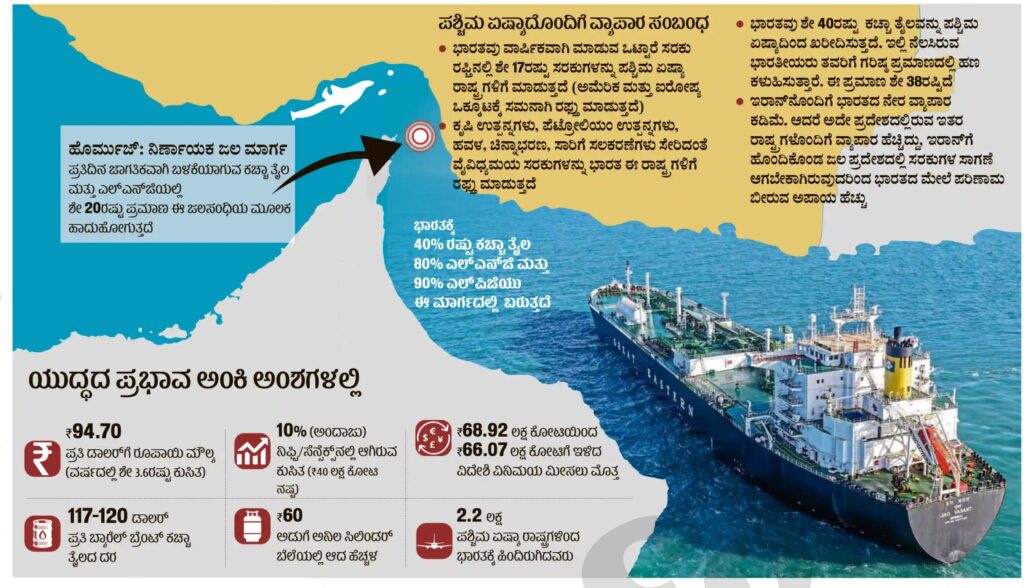
ಸಂದರ್ಭ: ಪಶ್ಚಿಮ ಏಷ್ಯಾದಲ್ಲಿ ತಿಂಗಳಿಂದ ನಡೆಯುತ್ತಿರುವ ಯುದ್ಧದಿಂದ ಭಾರತದ ಹಲವು ವಲಯಗಳ ಮೇಲೆ ಪರಿಣಾಮ ಉಂಟಾಗುತ್ತಿದೆ. ಪೆಟ್ರೋಲ್ ಪಂಪ್‌ಗಳಲ್ಲಿ ಉದ್ದದ ಸಾಲುಗಳು, ಎಲ್‌ಪಿಜಿ ವಿತರಕರ ಕಚೇರಿಗಳಿಗೆ ಆತಂಕದ ಕರೆಗಳು, ವಾಣಿಜ್ಯ ಸಿಲಿಂಡರ್ಗಗಳ ಕೊರತೆ, ಬಾಗಿಲು ಮುಚ್ಚಿದ ರೆಸ್ಟೋರೆಂಟ್‌ಗಳು… ಕಳೆದ ಕೆಲವು ವಾರಗಳಿಂದ ಕರ್ನಾಟಕ, ತೆಲಂಗಾಣ, ಗುಜರಾತ್, ಉತ್ತರ ಪ್ರದೇಶ, ಜಮ್ಮು-ಕಾಶ್ಮೀರ ಸೇರಿನಂತೆ ದೇಶದ ಹಲವೆಡೆ ಈ ದೃಶ್ಯಗಳು ಕಂಡುಬರುತ್ತಿವೆ.

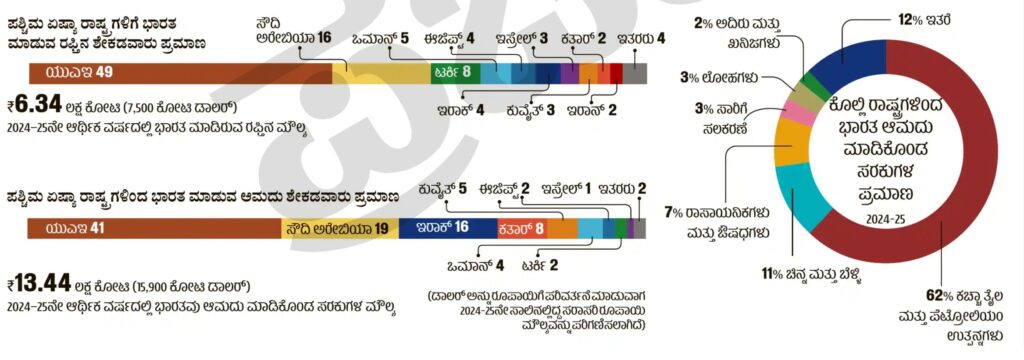
  • ಭಾರತವು ಇರಾನ್‌ನಿಂದ ತೈಲ ರಫ್ತು ಮಾಡಿಕೊಳ್ಳುವುದನ್ನು 2019ರಲ್ಲೇ ಬಹುತೇಕ ನಿಲ್ಲಿಸಿದೆ. ಆದರೆ, ದೇಶಕ್ಕೆ ಆಮದಾಗುವ ಶೇ 40ರಷ್ಟು ಕಚ್ಚಾ ತೈಲ, ಶೇ 80ರಷ್ಟು ದ್ರವೀಕೃತ ನೈಸರ್ಗಿಕ ಅನಿಲ (ಎಲ್‌ಎನ್‌ಜಿ) ಮತ್ತು ಶೇ 90ರಷ್ಟು ಅಡುಗೆ ಅನಿಲ (ಎಲ್‌ಪಿಜಿ) ಸಾಗಣೆಯಾಗುವುದು ಇರಾನ್ ಮತ್ತು ಒಮಾನ್ ನಡುವಿನ ಹೊರ್ಮುಜ್ ಜಲಸಂಧಿ ಮೂಲಕ ದೇಶದ ಇಂಧನ ಮತ್ತು ಎಲ್‌ಪಿಜಿ ಅಗತ್ಯಗಳಿಗಾಗಿ ಹೆಚ್ಚಿನ ಪಾಲು ಆಮದನ್ನೇ ಅವಲಂಬಿಸಿರುವ ಭಾರತದಲ್ಲಿ ಇರಾನ್ ಯುದ್ಧವು ಹಲವು ರೀತಿಯ ಬಿಕ್ಕಟ್ಟುಗಳನ್ನು ಸೃಷ್ಟಿಸಿದೆ.
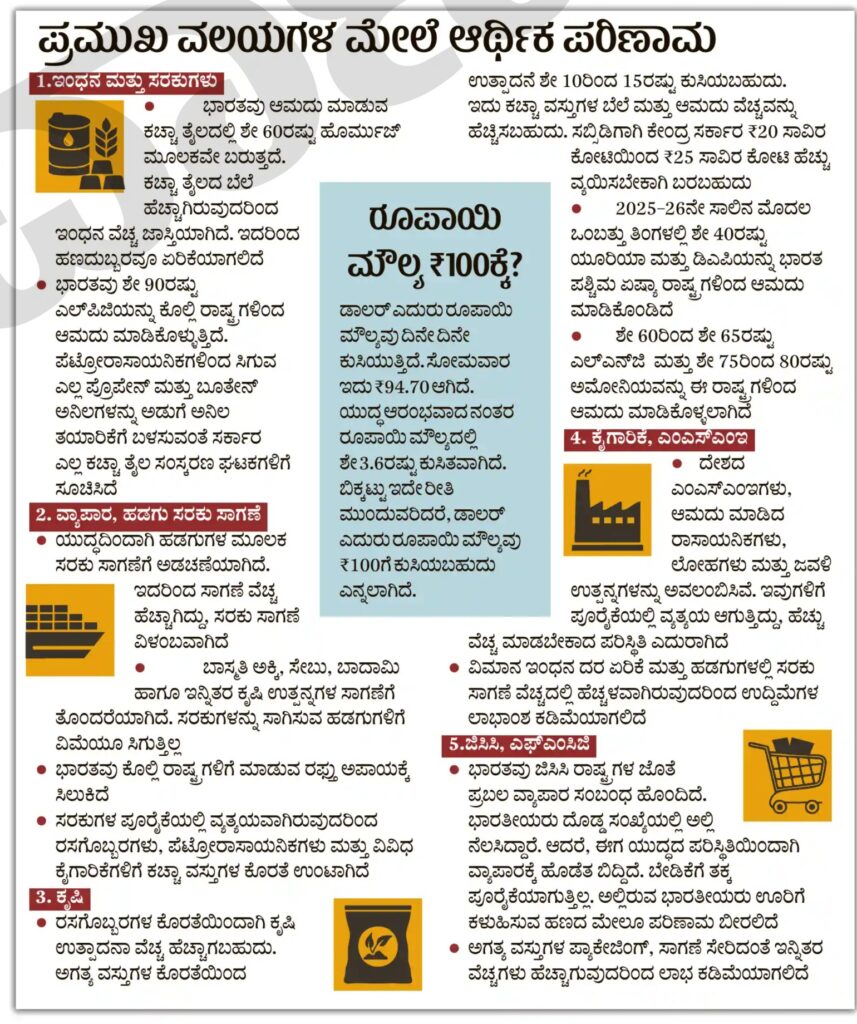
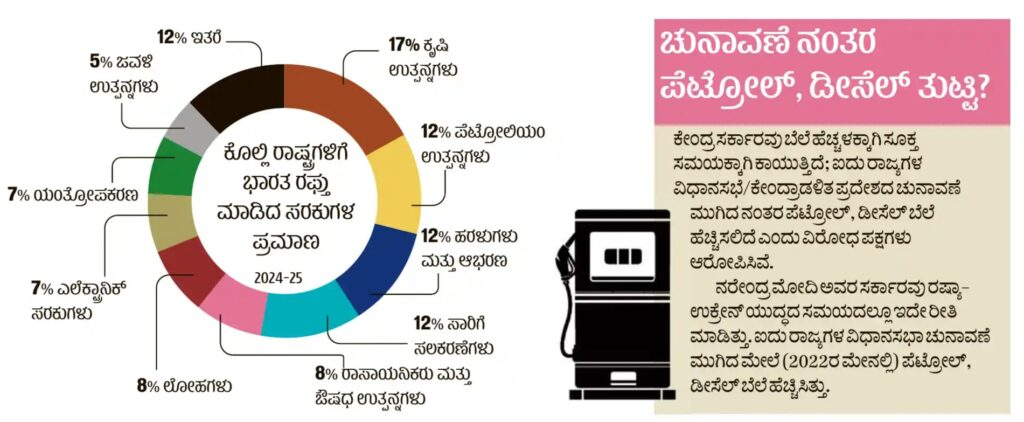
  • ಯುದ್ಧ ಆರಂಭವಾದ ನಂತರ ಜಾಗತಿಕ ಮಟ್ಟದಲ್ಲಿ ಕಚ್ಚಾ ತೈಲದ ದರ ಶೇ 75ರಷ್ಟು ಹೆಚ್ಚಳವಾಗಿದೆ. ಜಗತ್ತಿನ ಹಲವು ದೇಶಗಳಲ್ಲಿ ಇಂಧನ ಮತ್ತು ಎಲ್‌ಪಿಜಿ ದರ ಹೆಚ್ಚಿಸಲಾಗಿದೆ. ಅಮರಿಕ, ಕೆನಡಾ ಸೇರಿದಂತ ಉತ್ತರ ಅಮೆರಿಕದಲ್ಲಿ ಶೇ 30, ಆತ್ಮೀಯ ಏಷ್ಯಾದಲ್ಲಿ ಶೇ 30ರಿಂದ ಶೇ 50, ಯುರೋಪ್‌ನಲ್ಲಿ ಶೇ 20, ಆಫ್ರಿಕಾದ ರಾಷ್ಟ್ರಗಳಲ್ಲಿ ಶೇ 50ರಷ್ಟು ದರ ಹೆಚ್ಚಳವಾಗಿದೆ. ಭಾರತದಲ್ಲಿ ಅಡುಗೆ ಅನಿಲ, ಕೈಗಾರಿಕಾ ಡೀಸೆಲ್ ಮತ್ತು ಪ್ರೀಮಿಯಂ ಪೆಟ್ರೋಲ್ ದರಗಳಲ್ಲಿ ಹೆಚ್ಚಳವಾಗಿದೆ. ಆದರೆ, ಸಾಮಾನ್ಯ ಪೆಟ್ರೋಲ್, ಡೀಸೆಲ್ ದರ ಹೆಚ್ಚಳವಾಗಿಲ್ಲ ಇದರಿಂದ ಇಂಧನ ಕಂಪನಿಗಳಿಗೆ ಲೀಟರ್ ಪೆಟ್ರೋಲ್‌ಗೆ ₹24 ಮತ್ತು ಲೀಟರ್ ಡೀಸೆಲ್‌ಗೆ ₹30 ನಷ್ಟ ಉಂಟಾಗುತ್ತಿದ್ದು, ಕಂಪನಿಗಳಿಗೆ ದಿನಕ್ಕೆ ₹2,400 ಕೋಟಿ ನಷ್ಟವಾಗುತ್ತಿದೆ.
  • ಇಂಧನ ಕಂಪನಿಗಳ ನಷ್ಟವನ್ನು ಕಡಿಮೆ ಮಾಡಲು ಕೇಂದ್ರವು ಪೆಟ್ರೋಲ್ ಮತ್ತು ಡೀಸೆಲ್ ಮೇಲಿನ ಎಕ್ಸೆಸ್ ಸುಂಕದಲ್ಲಿ ಲೀಟ‌ರ್ಗೆಗೆ ₹10 ಕಡಿಮೆ ಮಾಡಿದೆ. ಜತೆಗೆ ಹಲವು ರೀತಿಯ ಹೆಚ್ಚುವರಿ ಎಕ್ಸೆಸ್ ಸುಂಕವನ್ನೂ ಕಡಿತಗೊಳಿಸಿದೆ ಇದರಿಂದ ಕೇಂದ್ರಕ್ಕೆ 15 ದಿನಕ್ಕೆ ಅಂದಾಜು ₹7,000 ಕೋಟಿ ಆದಾಯ ನಷ್ಟವಾಗಲಿದೆ ಇದರಿಂದಾಗಿ 2026-27ರಲ್ಲಿ ₹1 ಲಕ್ಷ ಕೋಟಿಯಿಂದ 12 ಲಕ್ಷ ಕೋಟಿವರೆಗೆ ನಷ್ಟವಾಗಲಿದೆ.
  • ವ್ಯಾಪಕ ಪರಿಣಾಮ: ಪಶ್ಚಿಮ ಏಷ್ಯಾ ಬಿಕ್ಕಟ್ಟು ಪೆಟ್ರೋಲ್, ಡೀಸೆಲ್ ದರಗಳ ಆಚೆಗೂ ಭಾರತದ ಮೇಲೆ ಗಂಭೀರ ಪರಿಣಾಮ ಉಂಟುಮಾಡುವ ಸಂಭವವಿದೆ. ಕಚ್ಚಾ ಪದಾರ್ಥಗಳಿಗಾಗಿ ಕೊಲ್ಲಿ ರಾಷ್ಟ್ರಗಳನ್ನು ಅವಲಂಬಿಸಿರುವ ಸಿಮೆಂಟ್, ರಸಗೊಬ್ಬರ, ಔಷಧಿ ಇತ್ಯಾದಿ ಕೈಗಾರಿಕೆಗಳ ಮೇಲೆ ವ್ಯತಿರಿಕ್ತ ಪರಿಣಾಮ ಉಂಟಾಗಲಿದೆ. ಜತೆಗೆ, ದೇಶದ ಆರ್ಥಿಕತೆಯ ಪ್ರಮುಖ ಸೂಚಕಗಳಾದ ಜಿಡಿಪಿ, ಹಣದುಬ್ಬರ, ವಿತ್ತೀಯ ಕೊರತೆ ಮತ್ತು ವ್ಯಾಪಾರ ಕೊರತೆ ಅಂತರ ಹೆಚ್ಚಳಕ್ಕೆ ಕಾರಣವಾಗುತ್ತದೆ ಎಂದು ವಿಶ್ಲೇಷಿಸಲಾಗಿದೆ. ತೆರಿಗೆ ಆದಾಯದಲ್ಲಿ ಇಳಿಮುಖವಾಗುವುದು, ಹೆಚ್ಚು ಸಬ್ಸಿಡಿ-ವಿನಾಯ್ತಿ ನೀಡುವುದು ಬಂಡವಾಳ ವೆಚ್ಚದ ಮೇಲೆ ಪರಿಣಾಮ ಬೀರಲಿದ್ದು ಇದು ದೇಶದ ಬೆಳವಣಿಗೆಯ ಮೇಲೆ ಮಧ್ಯಮ ಅವಧಿ ಮತ್ತು ದೀರ್ಘಾವಧಿಯ ಪರಿಣಾಮಗಳನ್ನು ಉಂಟುಮಾಡಲಿದೆ ಎನ್ನುವ ಆತಂಕ ವ್ಯಕ್ತವಾಗಿದೆ.
  • ಜಿಡಿಪಿ ಕುಸಿತ: ಭಾರತೀಯ ರಿಸರ್ವ್ ಬ್ಯಾಂಕ್ (ಆರ್‌ಬಿಐ) 2026ರ ಎಪ್ರಿಲ್-ಜೂನ್ ತ್ರೈಮಾಸಿಕಕ್ಕೆ ಶೇ 6.9ರಷ್ಟು ಮತ್ತು ಜುಲೈ-ಸೆಪ್ಟೆಂಬರ್ ತ್ರೈಮಾಸಿಕಕ್ಕೆ ಶೇ 7ರಷ್ಟು ಜಿಡಿಪಿ ಬೆಳವಣಿಗೆ ದರವನ್ನು ಅಂದಾಜಿಸಿತ್ತು. ಕಚ್ಚಾ ತೈಲದ ದರ ಬ್ಯಾರಲ್‌ಗೆ 70 ಡಾಲರ್ ಆಧಾರದಲ್ಲಿ ಈ ಅಂದಾಜು ಮಾಡಲಾಗಿದೆ. ಆದರೆ, ಯುದ್ಧದಿಂದ ಕಚ್ಚಾ ತೈಲದ ದರ ಹೆಚ್ಚಾಗಿದೆ. ಕಚ್ಚಾ ತೈಲವು ಬ್ಯಾರಲ್‌ಗೆ 10 ಡಾಲರ್ಗೆಗೆ ಹೆಚ್ಚಾದರೆ, ಅದು ಆರ್ಥಿಕ ಬೆಳವಣಿಗೆಯನ್ನು 10 ಮೂಲಾಂಕಗಳನ್ನು ಕಡಿಮೆ ಮಾಡುತ್ತದೆ. ಬ್ಯಾರಲ್‌ಗೆ 120 ಡಾಲರ್ ಇದ್ದರೆ ಜಿಡಿಪಿ ಬೆಳವಣಿಗೆಯು ಶೇ 6.2ಕ್ಕೆ ಕುಸಿಯುತ್ತದೆ ಎಂದು ವಿಶ್ಲೇಷಿಸಲಾಗಿದೆ. ಆರ್ಥಿಕ ಸಹಕಾರ ಮತ್ತು ಅಭಿವೃದ್ಧಿ ಸಂಸ್ಥೆ (ಒಇಸಿಡಿ) ಪ್ರಕಾರ, 2026-27ರಲ್ಲಿ ಭಾರತದ ಆರ್ಥಿಕ ಬೆಳವಣಿಗೆ ದರವು ಶೇ 6.1ಕ್ಕೆ ಕುಸಿಯಲಿದೆ. ಗೋಲ್ಡ್‌ಮನ್ ಸ್ಯಾಕ್ಸ್ ಶೇ 5.9ರ ಬೆಳವಣಿಗೆ ದರವನ್ನು ಅಂದಾಜಿಸಿದೆ.
  • ಹಣದುಬ್ಬರ ಏರಿಕೆ: ಇಂದನ ಬೆಲೆ ಹೆಚ್ಚಳ ಮಾಡಿದರೆ, ಅದು ಬಹುತೇಕ ಸರಕುಗಳು, ಗ್ರಾಹಕ ಉತ್ಪನ್ನಗಳು ಮತ್ತು ಸೇವೆಗಳ ದರ ಹೆಚ್ಚಳಕ್ಕೆ ಕಾರಣವಾಗುತ್ತದೆ. ವಿದ್ಯುತ್ ಉತ್ಪಾದನೆ, ರಾಸಾಯನಿಕಗಳು, ಪ್ಲಾಸ್ಟಿಕ್, ಸಿಂಥೆಟಿಕ್ ವಸ್ತುಗಳ ಉತ್ಪಾದನೆ ಮತ್ತು ಬೆಲೆಗಳ ಮೇಲೂ ಇದು ಪರಿಣಾಮ ಬೀರಲಿದೆ. ಇಂಧನ ದರ ಹೆಚ್ಚಳ ಮತ್ತು ಉತ್ಪನ್ನಗಳ ಬೆಲೆ ಹೆಚ್ಚಳವು ಹಲವು ಸರಕು/ಸೇವೆಗಳ ಬೇಡಿಕೆಯನ್ನು ಕಡಿಮೆ ಮಾಡಲಿದ್ದು, ಅದು ಆರ್ಥಿಕತೆಯ ಮೇಲೆ ವ್ಯತಿರಿಕ್ತ ಪರಿಣಾಮ ಉಂಟುಮಾಡಲಿದೆ.
  • ಹಣದುಬ್ಬರ ಕಳೆದೊಂದು ವರ್ಷದಲ್ಲಿ ಇಳಿಮುಖವಾಗುತ್ತಾ ಸಾಗಿತ್ತು ಆದರೆ, ಗ್ರಾಹಕ ಬೆಲೆ ಸೂಚ್ಯಂಕ (ಸಿಪಿಐ) ಆಧಾರಿತ ಚಿಲ್ಲರೆ ಹಣದುಬ್ಬರವು 10 ತಿಂಗಳಲ್ಲಿಯೇ ಅತಿಹಚ್ಚು (ಶೇ 3.21ರಷ್ಟು) ಏರಿಕೆ ಕಂಡಿದೆ. ಸಗಟು ಹಣದುಬ್ಬರವು 11 ತಿಂಗಳಲ್ಲಿಯೇ ಅತಿ ಹೆಚ್ಚು (ಶೇ 2 13) ಏರಿಕೆ ಕಂಡಿದೆ ಆಹಾರ ಪದಾರ್ಥಗಳು ಮತ್ತು ಇಂಧನ ಬೆಲೆಗಳು ಇತ್ತೀಚೆಗೆ ಹಣದುಬ್ಬರವನ್ನು ನಿಯಂತ್ರಣದಲ್ಲಿಟ್ಟಿದ್ದವು. ಆದರೆ, ಮುಂದಿನ ದಿನಗಳಲ್ಲಿ ಪರಿಸ್ಥಿತಿ ವ್ಯತಿರಿಕ್ತವಾಗಲಿದೆ ಎಂದು ತಜ್ಞರು ಅಂದಾಜಿಸಿದ್ದಾರೆ ಅರ್ನ್ಸ್‌ ಆ್ಯಂಡ್ ಯಂಗ್ ಪ್ರಕಾರ, ಪಶ್ಚಿಮ ಏಷ್ಯಾದ ಬಿಕ್ಕಟ್ಟು ಆರ್ಥಿಕ ವರ್ಷದ ಉದ್ದಕ್ಕೂ ವಿಸ್ತರಿಸಿದರೆ, ಭಾರತದ ಜಿಡಿಪಿ ಶೇ 6ಕ್ಕೆ ಕುಸಿಯಲಿದ್ದು, ಸಿಪಿಐ ಹಣದುಬ್ಬರ ಶೇ5.5ಕ್ಕೆ ಏರಲಿದೆ.

ಪತ್ರಿಕೆ-III: ಸಾಮಾನ್ಯ ಅಧ್ಯಯನ-2

ಪತ್ರಿಕೆ-IV: ಸಾಮಾನ್ಯ ಅಧ್ಯಯನ-3

ಪತ್ರಿಕೆ-V: ಸಾಮಾನ್ಯ ಅಧ್ಯಯನ-4

ಕೆಎಎಸ್ ಪ್ರಚಲಿತ ವಿದ್ಯಮಾನಗಳು

ಕೆ.ಎ.ಎಸ್ ಪ್ರಚಲಿತ ವಿದ್ಯಮಾನಗಳು: ಪ್ರಚಲಿತ ವಿದ್ಯಮಾನಗಳು ಕೆ.ಪಿ.ಎಸ್.ಸಿ ಪಠ್ಯಕ್ರಮದ ‘ಜೀವಂತ ನಾಡಿಮಿಡಿತ’ವಿದ್ದಂತೆ. ಇದು ಕೇವಲ ಪ್ರತ್ಯೇಕವಾಗಿ ನೆನಪಿಡಬೇಕಾದ ವಿಷಯವಲ್ಲ; ಬದಲಿಗೆ ಪೂರ್ವಭಾವಿ ಮತ್ತು ಮುಖ್ಯ ಪರೀಕ್ಷೆಗಳೆರಡರಲ್ಲೂ ಇತಿಹಾಸ, ಅರ್ಥಶಾಸ್ತ್ರ, ರಾಜ್ಯಶಾಸ್ತ್ರ ಮತ್ತು ನೀತಿಶಾಸ್ತ್ರವನ್ನು ಒಂದಕ್ಕೊಂದು ಬೆಸೆಯುವ ಒಂದು ಚಲನಶೀಲ ಕೊಂಡಿಯಾಗಿದೆ. ಮುಂಬರುವ ಪರೀಕ್ಷೆಗಳ ಸಂದರ್ಭದಲ್ಲಿ, ಕೇವಲ “ಸುದ್ದಿ ಓದುವುದರಿಂದ” “ಸುದ್ದಿಯ ಮೂಲಕ ಪಠ್ಯಕ್ರಮವನ್ನು ಅಭ್ಯಾಸ ಮಾಡುವುದು” ಎಂಬ ಹಂತಕ್ಕೆ ಬದಲಾಗುವುದು ಒಬ್ಬ ಗಂಭೀರ ಅಭ್ಯರ್ಥಿಯನ್ನು ಸಾಮಾನ್ಯ ಓದುಗನಿಂದ ಪ್ರತ್ಯೇಕಿಸುವ ಪ್ರಮುಖ ಬದಲಾವಣೆಯಾಗಿದೆ.

“ಪಠ್ಯಕ್ರಮಕ್ಕೆ ಮೊದಲ ಆದ್ಯತೆ” ಎಂಬ ತತ್ವ
ಕೆ.ಪಿ.ಎಸ್.ಸಿ ಪಠ್ಯಕ್ರಮಕ್ಕೆ ಕಟ್ಟುನಿಟ್ಟಾಗಿ ಹೊಂದಿಕೆಯಾಗುವ ಪ್ರಚಲಿತ ವಿದ್ಯಮಾನಗಳ ಮಾದರಿಯನ್ನು ಅನುಸರಿಸುವ ಮೂಲಕ, ನೀವು ದಿನಪತ್ರಿಕೆ ಓದಲು ವ್ಯಯಿಸುವ ಪ್ರತಿ ಗಂಟೆಯೂ ನಿಮ್ಮ ಪರೀಕ್ಷೆಯ ಶ್ರೇಣಿಯನ್ನು (Rank) ಉತ್ತಮಪಡಿಸಲು ಪೂರಕವಾಗುತ್ತದೆ ಎಂಬುದನ್ನು ಖಚಿತಪಡಿಸಿಕೊಳ್ಳಬಹುದು.

ಪೂರ್ವಭಾವಿ ಪರೀಕ್ಷೆ

ಪತ್ರಿಕೆ-I: ರಾಷ್ಟ್ರೀಯ ಮತ್ತು ಅಂತರರಾಷ್ಟ್ರೀಯ ಮಹತ್ವದ ಪ್ರಚಲಿತ ವಿದ್ಯಮಾನಗಳು

ವಿಶ್ವ ವುಶು ಚಾಂಪಿಯನ್ಷಿಪ್: ಭಾರತಕ್ಕೆ 2 ಕಂಚು
ಸಂದರ್ಭ: ಭಾರತದ ಗೌತಮ್ ಮಂಕಾಸ್ ಹಾಗೂ ಅನು ಅವರು ಇಲ್ಲಿ ನಡೆಯುತ್ತಿರುವ 10ನೇ ವಿಶ್ವ ವುಶು ಚಾಂಪಿಯನ್ಷಿಪ್ನಲ್ಲಿ ಕ್ರಮವಾಗಿ ಬಾಲಕರ ಮತ್ತು ಬಾಲಕಿಯರ ವಿಭಾಗದಲ್ಲಿ ಭಾನುವಾರ ಕಂಚಿನ ಪದಕ ಗೆದ್ದುಕೊಂಡರು. ಉಪೇಂದ್ರೋ ಚೌಗಮ್, ಪಮಾ ಹೀಬಾ ಸಿಂಗ್, ಯುವರಾಜ್ ಹಾಗೂ ವಿಕ್ಟರ್ ಅವರು ವಿವಿಧ ವಿಭಾಗಗಳಲ್ಲಿ ಪ್ರಶಸ್ತಿ ಸುತ್ತು ಪ್ರವೇಶಿಸಿದರು.

  • ಗೌತಮ್ ಅವರು ಬಾಲಕರ ವಿಭಾಗದ ಸೆಮಿಫೈನಲ್ ಪಂದ್ಯದಲ್ಲಿ ಪರಾಭವಗೊಂಡರು. ಅನು ಅವರು ನಾಲ್ಕರ ಘಟದಲ್ಲಿ ಚೀನಾದ ಝಾಂಗ್ ಲಿನಿಂಗ್ ವಿರುದ್ಧ ಸೋತರು.
  • ಉಪೇಂದ್ರೋ ಅವರು ಸೆಮಿಫೈನಲ್ ಪಂದ್ಯದಲ್ಲಿ ಈಜಿಪ್ಟ್ನ ಅಹ್ಮದ್ ಮೊಹಮ್ಮದ್ ಅವರನ್ನು ಸೋಲಿಸಿದರು. ಪಮಾ ಅವರು ಸೆನೆಗಲ್‌ನ ಅಲಿಮೂ ಸಿ ಅವರನ್ನು ಮಣಿಸಿ, ಫೈನಲ್ ಪ್ರವೇಶಿಸಿದರು. ಯುವರಾಜ್ ಹಾಗೂ ವಿಕ್ಟರ್ ಅವರು ಸೆಮಿಫೈನಲ್ ಪಂದ್ಯಗಳಲ್ಲಿ ಕ್ರಮವಾಗಿ ಫಿಲಿಪ್ಪಿನ್ಸ್‌ನ ಷಿವೀಲ್ ಬಂಟಾಲಿ ಮತ್ತು ಈಜಿಪ್ಟ್ನ ಸಯೀದ್ ಕರೀಂ ಮೊಹಮ್ಮದ್ ವಿರುದ್ಧ ಗೆಲುವು ಸಾಧಿಸಿದರು.

ಪತ್ರಿಕೆ-II: ರಾಜ್ಯದ ಪ್ರಾಮುಖ್ಯತೆಯ ಪ್ರಸ್ತುತ ಘಟನೆಗಳು ಮತ್ತು ರಾಜ್ಯ ಸರ್ಕಾರದ ಪ್ರಮುಖ ಯೋಜನೆಗಳು

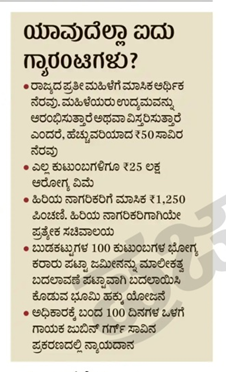
ಕಾಂಗ್ರೆಸ್ ಪಕ್ಷವು ಒಟ್ಟು ಐದು ಗ್ಯಾರಂಟಿಗಳನ್ನು ಅಸ್ಸಾಂ ಜನತೆಗೆ ನೀಡಿದೆ

ಅಸ್ಸಾಂ ವಿಧಾನಸಭೆ ಚುನಾವಣೆ 2026ರ ಹಿನ್ನೆಲೆಯಲ್ಲಿ ಕಾಂಗ್ರೆಸ್ ರಾಷ್ಟ್ರೀಯ ಅಧ್ಯಕ್ಷ ಮಲ್ಲಿಕಾರ್ಜುನ ಖರ್ಗೆ ಅವರು ಅಸ್ಸಾಂನ ನೌಬೋಯಿಚಾದಲ್ಲಿ ಸಾರ್ವಜನಿಕ ರಾಲಿಯನ್ನುದ್ದೇಶಿಸಿ ಮಾತನಾಡುತ್ತಾ **’ಐದು ಗ್ಯಾರಂಟಿ’**ಗಳನ್ನು ಘೋಷಿಸಿದ್ದಾರೆ. ಕರ್ನಾಟಕ ಮತ್ತು ತೆಲಂಗಾಣದ ಮಾದರಿಯಲ್ಲೇ ಈ ಯೋಜನೆಗಳನ್ನು ರೂಪಿಸಲಾಗಿದೆ.

ಅಸ್ಸಾಂ ಜನತೆಗೆ ನೀಡಲಾದ ಆ ಐದು ಮುಖ್ಯ ಗ್ಯಾರಂಟಿಗಳು ಇಲ್ಲಿವೆ:

  1. ಮಹಿಳಾ ಸಬಲೀಕರಣ (ಮಹಿಳೆಯರಿಗೆ ಆರ್ಥಿಕ ನೆರವು)
    ಪ್ರತಿಯೊಬ್ಬ ಮಹಿಳೆಗೆ ಯಾವುದೇ ಷರತ್ತುಗಳಿಲ್ಲದೆ ಮಾಸಿಕ ನಗದು ವರ್ಗಾವಣೆ.
    ಇದರೊಂದಿಗೆ, ಮಹಿಳಾ ಉದ್ಯಮಿಗಳಿಗೆ ತಮ್ಮ ವ್ಯಾಪಾರವನ್ನು ಪ್ರಾರಂಭಿಸಲು ಅಥವಾ ವಿಸ್ತರಿಸಲು ₹50,000 ಧನಸಹಾಯ.
  2. ಆರೋಗ್ಯ ರಕ್ಷಣೆ (ಕ್ಯಾಶ್‌ಲೆಸ್ ವಿಮೆ)
    ಪ್ರತಿ ಕುಟುಂಬಕ್ಕೆ ₹25 ಲಕ್ಷ ವರೆಗಿನ ನಗದು ರಹಿತ (Cashless) ಆರೋಗ್ಯ ವಿಮಾ ಸೌಲಭ್ಯ. ಈ ಯೋಜನೆಯನ್ನು ಈಗಾಗಲೇ ರಾಜಸ್ಥಾನ ಮತ್ತು ಕರ್ನಾಟಕದಂತಹ ರಾಜ್ಯಗಳಲ್ಲಿ ಜಾರಿಗೆ ತಂದಿರುವ ಮಾದರಿಯಲ್ಲೇ ರೂಪಿಸಲಾಗಿದೆ.
  3. ಭೂಮಿ ಹಕ್ಕು (ಶಾಶ್ವತ ಪಟ್ಟಾ)
    ಅಸ್ಸಾಂನ ಸುಮಾರು 10 ಲಕ್ಷ ಮೂಲ ನಿವಾಸಿಗಳಿಗೆ (Indigenous people) ವಾರ್ಷಿಕ ಪಟ್ಟಾಗಳ ಬದಲಿಗೆ ಶಾಶ್ವತ ಭೂಮಿ ಪಟ್ಟಾ (Land Rights) ನೀಡುವ ಭರವಸೆ.
  4. ಹಿರಿಯ ನಾಗರಿಕರ ಗೌರವ (ಪಿಂಚಣಿ)
    ರಾಜ್ಯದ ಎಲ್ಲಾ ಹಿರಿಯ ನಾಗರಿಕರಿಗೆ ಪ್ರತಿ ತಿಂಗಳು ₹1,250 ಮಾಸಿಕ ಪಿಂಚಣಿ ನೀಡುವ ಯೋಜನೆ.
  5. ಸಾಂಸ್ಕೃತಿಕ ನ್ಯಾಯ (ಜುಬಿನ್ ಗಾರ್ಗ್ ಪ್ರಕರಣ)
    ಅಸ್ಸಾಂನ ಜನಪ್ರಿಯ ಗಾಯಕ ದಿವಂಗತ ಜುಬಿನ್ ಗಾರ್ಗ್ ಅವರ ಸಾವಿನ ಪ್ರಕರಣಕ್ಕೆ ಸಂಬಂಧಿಸಿದಂತೆ ಕಾಂಗ್ರೆಸ್ ಅಧಿಕಾರಕ್ಕೆ ಬಂದ 100 ದಿನಗಳಲ್ಲಿ ಸಮಗ್ರ ತನಿಖೆ ನಡೆಸಿ ನ್ಯಾಯ ಒದಗಿಸುವ ಭರವಸೆ.

ಮುಖ್ಯ ಪರೀಕ್ಷೆ

ಪತ್ರಿಕೆ-I: ಪ್ರಬಂಧಗಳು

ಪ್ರಬಂಧ-1: ರಾಷ್ಟ್ರೀಯ ಮತ್ತು ಅಂತರರಾಷ್ಟ್ರೀಯ ಮಹತ್ವದ ವಿಷಯ

ಪ್ರಬಂಧ-2: ರಾಜ್ಯ ಮಹತ್ವ/ ಸ್ಥಳೀಯ ಮಹತ್ವ ವಿಷಯ

ಪತ್ರಿಕೆ-II: ಸಾಮಾನ್ಯ ಅಧ್ಯಯನ-1

ಪತ್ರಿಕೆ-III: ಸಾಮಾನ್ಯ ಅಧ್ಯಯನ-2

ಪತ್ರಿಕೆ-IV: ಸಾಮಾನ್ಯ ಅಧ್ಯಯನ-3

3 ವರ್ಷದ ಹಿಂದೆ ಬಿಎಂಟಿಸಿ ಬಸ್ಗಳಲ್ಲಿ ಮಿಥೆನಾಲ್ ಮಿಶ್ರಿತ ಇಂಧನ ಪ್ರಯೋಗ
ಸಂದರ್ಭ: ಪ್ರಯೋಗಕ್ಕೆ ಸೀಮಿತವಾದ ಮಿಥೆನಾಲ್: ಡೀಸೆಲ್ ಮೇಲಿನ ಅವಲಂಬನೆ ಕಡಿಮೆ ಮಾಡಲು, ವಾಯುಮಾಲಿನ್ಯ ತಡೆಯಲು ಮಿಥೆನಾಲ್ ಮಿಶ್ರಿತ ಇಂಧನ ಪ್ರಯೋಗವನ್ನು ಮೂರು ವರ್ಷಗಳ ಹಿಂದೆ ಬಿಎಂಟಿಸಿ ಬಸ್ಗಳಲ್ಲಿ ನಡೆಸಲಾಗಿತ್ತು ಇದು ಪ್ರಯೋಗಕ್ಕೆ ಸೀಮಿತಗೊಂಡಿದ್ದು, ಬಿಎಂಟಿಸಿಯ ಯಾವುದೇ ಬಸ್ಗಳಲ್ಲಿ ಇದುವರೆಗೆ ಅಳವಡಿಕೆಯಾಗಿಲ್ಲ.

  • ಕೇಂದ್ರ ರಸ್ತೆ ಸಾರಿಗೆ ಸಚಿವಾಲಯದ ಸೂಚನೆಯಂತೆ 2016ರಲ್ಲಿ ನೀತಿ ಆಯೋಗವು ಮಿಥೆನಾಲ್ ಮಿಶ್ರಿತ ಇಂಧನ ಪ್ರಯೋಗ ಆರಂಭಿಸಿತ್ತು ಸತತ 7 ವರ್ಷ ವಿವಿಧ ವಾಹನಗಳಲ್ಲಿ ಪ್ರಯೋಗ ನಡೆಸಿತ್ತು ಸಕಾರಾತ್ಮಕ ಫಲಿತಾಂಶ ಬಂದ ಬಳಿಕ ಸಾರಿಗೆ ವಾಹನಗಳಲ್ಲಿ ಈ ಪ್ರಯೋಗ ನಡೆಸಲು ನಿರ್ಧರಿಸಿತ್ತು. 2023ರ ಮಾರ್ಚ್‌ನಲ್ಲಿ ದೇಶದಲ್ಲೇ ಪ್ರಥಮ ಬಾರಿಗೆ ಬಿಎಂಟಿಸಿಯ 20 ಬಸ್‌ಗಳಲ್ಲಿ ಪ್ರಯೋಗ ಆರಂಭಿಸಿತ್ತು ನಾಲ್ಕು ತಿಂಗಳು ಈ ಬಸ್‌ಗಳು ಮಿಥೆನಾಲ್ ಮಿಶ್ರಿತ ಇಂಧನದಲ್ಲಿ ಸಂಚರಿಸಿದ್ದವು.
  • ‘ಅಶೋಕ ಲೈಲ್ಯಾಂಡ್ ಕಂಪನಿಯು ತಯಾರಿಸಿದ ಬಸ್‌ಗಳನ್ನು ಪ್ರಯೋಗಕ್ಕೆ ಬಳಸಲಾಗಿತ್ತು. 3.2 ಲಕ್ಷ ಕಿ.ಮೀ. ಓಡಾಟ ನಡೆಸಿದ ಬಳಿಕ ಎರಡು ಬಸ್‌ಗಳ ಎಂಜಿನ್‌ಗಳನ್ನು ಪ್ರಯೋಗಾಲಯಕ್ಕೆ ಕಳುಹಿಸಲಾಗಿತ್ತು ಪ್ರಯೋಗಾಲಯದ ವರದಿ, ಸಂಚಾರದ ಸಮಯದ ಸ್ಥಿತಿಗತಿ ಎಲ್ಲ ಸೇರಿಸಿ ಸಾರಿಗೆ ಸಚಿವಾಲಯಕ್ಕೆ ವರದಿ ನೀಡಲಾಗಿದೆ’ ಎಂದು ಮಿಥನಾಲ್ ಕೋರ್ ಕಮಿಟಿ ಸದಸ್ಯ.
  • ‘ಮಿಥೆನಾಲ್ ಮಿಶ್ರಿತ ಇಂಧನ ಪ್ರಯೋಗದ ಸಂದರ್ಭದಲ್ಲಿ ಪ್ರತಿ ಕಿಲೋಮೀಟರ್ಗೆಗೆ ಸುಮಾರು 10 ಉಳಿತಾಯವಾಗಿದೆ. ಡೀಸೆಲ್ ಎಂಜಿನ್ ವಾಹನಗಳನ್ನೇ ಇದಕ್ಕೆ ಬಳಸಲಾಗಿತ್ತು ಸಣ್ಣ ಅವಧಿಯ ಪ್ರಯೋಗದ ಸಮಯದಲ್ಲಿ ದೊಡ್ಡ ಮಟ್ಟದ ಸಮಸ್ಯೆ ಕಾಣಿಸಿಕೊಂಡಿಲ್ಲ, ದೀರ್ಘ ಕಾಲ ಬಳಸಿದಾಗ ಪರಿಣಾಮ ಹೇಗಿರುತ್ತದೆ ಎಂಬುದು ಗೊತ್ತಾಗಿಲ್ಲ ಡೀಸೆಲ್ ಎಂಜಿನ್‌ ವಾಹನದಲ್ಲಿ ಮಿಥೆನಾಲ್ ಮಿಶ್ರಿತ ಡೀಸೆಲ್ ಬಳಸಿದಾಗ ಎಂಜಿನ್ ತುಕ್ಕು ಹಿಡಿಯುವ ಸಾಧ್ಯತೆ ಇರುತ್ತದೆ. ಇಂಧನದಲ್ಲಿ ಉಳಿತಾಯ ಆಗಿದ್ದಕ್ಕಿಂತ ಹೆಚ್ಚು ಎಂಜಿನ್‌ಗೆ ವೆಚ್ಚವಾದರೆ ಕಷ್ಟ’ ಎಂದು ಬಿಎಂಟಿಸಿ ಎಂಜಿನಿಯರ್ ಒಬ್ಬರು ತಿಳಿಸಿದ್ದಾರೆ.
  • ‘ಯುದ್ಧದ ಕರಿನೆರಳು ಪೆಟ್ರೋಲ್ ಡೀಸೆಲ್ ಮೇಲೂ ಬೀಳುತ್ತಿರುವುದರಿಂದ ಮಿಥನಾಲ್ ಬಳಕೆ ಮಾಡಿದ್ದರೆ ಡೀಸೆಲ್ ಮೇಲಿನ ಅವಲಂಬನೆ ಕಡಿಮೆ ಮಾಡಬಹುದಿತ್ತು ಮಿಥನಾಲ್ ಬೆಲೆ ₹25ರಿಂದ ₹27 ಇರುವುದರಿಂದ ವೆಚ್ಚ ಕಡಿಮೆಯಾಗುತ್ತಿತ್ತು ಎಂದು ಚಾಲಕರೊಬ್ಬರು ತಿಳಿಸಿದರು.

ಪ್ರಯೋಗವೇನು?

  • ಈ 15ರಷ್ಟು ಮಿಥನಾಲ್ ಶೇ 12ರಷ್ಟು ಕಪ್ಪರ್ಸ್, ಶೇ 2ರಷ್ಟು ಸಿಟೇನ್ ಇಂಪವರ್ ಹಾಗೂ ಶೇ 71 ಭಾಗ ಡೀಸೆಲ್ ಮಿಶ್ರಣ ಮಾಡಿ ಬಳಸಲಾಗುತ್ತದೆ. ಇಂಡಿಯನ್ ಆಯಿಲ್ ಕಾರ್ಪೊರೇಷನ್ ಮಿಥೆನಾಲ್ ಮಿಶ್ರಣ ಮಾಡಿ ಇಂಧನ ಒದಗಿಸಿತ್ತು 80 ಸಾವಿರ ಲೀಟರ್ ಮಿಥನಾಲ್ ಮಿಶ್ರಣ ಇಂಧನ ಬಳಕೆ ಮಾಡಲಾಗಿತ್ತು.

ಪತ್ರಿಕೆ-V: ಸಾಮಾನ್ಯ ಅಧ್ಯಯನ-4

KAS Current Affairs

KAS Current Affairs: Current Affairs is the living pulse of the KPSC syllabus. It is not a standalone subject to be memorized in isolation; rather, it is a dynamic thread that weaves together History, Economy, Polity, and Ethics across both the Preliminary and Main stages. In the context of the upcoming examinations, transitioning from simply “reading the news” to “studying the syllabus through the news” is the critical shift that separates a serious aspirant from a casual reader.

The “Syllabus-First” Philosophy
By following a current affairs pattern strictly mapped to the KPSC syllabus, you ensure that every hour spent reading the newspaper is an hour spent building your exam rank.

Preliminary Examination

Paper-I: Current Events of National and International Importance

Gyan Bharatam Survey & App

  • This is a massive national undertaking to digitize and catalog India’s vast, often undocumented, wealth of ancient knowledge.
  • Objective: To create a comprehensive national database of manuscripts (handwritten documents on palm leaves, paper, bark, or cloth) scattered across private collections, temples, and local libraries.
  • The App: The Gyan Bharatam App serves as a crowdsourcing platform where citizens can upload images and metadata of manuscripts in their possession.
  • Verification Process: To ensure academic and historical integrity, every entry submitted by the public undergoes a multi-tier verification by experts before being officially recorded in the national register.
  • Significance: It prevents the physical loss of ancient texts and makes India’s intellectual heritage accessible for global research in fields like Ayurveda, Astronomy, Mathematics, and Literature.

MY Bharat Budget Quest

  • Operating under the MY Bharat (Madhyamik Yuva Bharat) platform, this initiative focuses on “Jan Bhagidari” (People’s Participation) in economic policy.
  • Objective: To demystify the Union Budget and policymaking process for the youth, fostering a generation that understands fiscal responsibility and national priorities.
  • Format: A nationwide digital quiz and quest that challenged participants on various aspects of the 2026-27 Budget, including key schemes, allocations, and economic concepts like the 11G Model Economy.
  • Scale of Participation: Approximately 12 lakh (1.2 million) youth participated, signaling a high level of interest in how the country’s finances are managed.
  • Strategic Goal: By connecting youth with the budget, the government aims to increase transparency and ensure that the “Amrit Kaal” goals are understood by the primary stakeholders—the young population.

Paper-II: Current Events of State Importance and Important Government Schemes and Programs

How delayed polls choked city’s air quality
Context: The delay in holding civic body polls has not only affected local administration in Bengaluru but has also led to the stalling of a whopping ₹1,475.90 crore under the 15th Finance Commission’s million-plus cities challenge, aimed at improving air quality.

  • While the stalled funds themselves appear mammoth, the impact of losing them has also affected air quality and particulate matter levels in Bengaluru, which have seen a steady rise over the last five years. For example, the Air Quality Index (AQI), which earlier averaged between the 60s and 90s in the city, has now crossed the 120 mark. In March 2026, the highest recorded AQI stood at 141, according to the city AQI dashboard.

What is the programme?

  • The Union government launched the National Clean Air Programme (NCAP) in 2019 to improve air quality across the country. Cities receive funds to improve air quality either under NCAP or under the 15th Finance Commission’s scheme called the million-plus cities challenge, a performance-based incentive for air quality improvement and solid waste management. Bengaluru was deemed eligible to receive grants from the 15th Finance Commission.
  • Accordingly, documents accessed by The Hindu show that Bengaluru received funds for two consecutive financial years, FY 2021–22 and FY 2022–23. However, after that, the city received no funding.
  • According to Greater Bengaluru Authority (GBA) sources, the criteria to receive grants were amended in 2023, making it mandatory to have an elected urban local body. For the erstwhile Bruhat Bengaluru Mahanagara Palike (BBMP) area, civic polls were last held in 2015, and councillors’ terms ended in 2020, after which elections have not been conducted.
  • As a result, BBMP has missed out on securing ₹1,475.90 crore, which could have been used to address the rising levels of Particulate Matter 10 (PM10) in the city.
  • Compounding the problem, BBMP also failed to utilise the funds it had earlier received. Between 2021 and 2023, the 15th Finance Commission released ₹572 crore under the Solid Waste Management (SWM) component and ₹256 crore under the air quality component.
  • Although the local body had ₹828 crore at its disposal, its utilisation began only in 2023, according to the PRAANA portal set up to monitor the release and usage of funds.

Where were the funds used?

  • Recently, Bangalore Central MP P.C. Mohan raised a question in the Lok Sabha regarding NCAP/15th Finance Commission funds allocated to Bengaluru and their utilisation.
  • The response showed that Bengaluru has used the funds to plant green cover over 1,25,290 square metres, collect 2,72,000 tonnes of construction and demolition (C&D) waste, procure and deploy 127 new electric buses, and intervene at 20 traffic congestion points, among several other measures.
  • In what comes as a welcome move, the civic authority has finally started discussions on improving air quality and greening urban spaces. According to GBA sources, Chief Commissioner M. Maheshwar Rao has been emphasising the need to green urban spaces and median lines during meetings.
  • “Once GBA elections are conducted and a local governance body is elected, we will be eligible for funds and start receiving them. The action plan for intervention is ready, and we have obtained government approval,” a GBA source told The Hindu.
  • Further, a city-level monitoring and implementation committee has been formed to oversee the approved city action plan. An emergency response plan has also been prepared to tackle air pollution during critical situations. The committee has identified nine hotspots (high-emission zones), and action plans have been formulated to address them.

Main Examination

Paper-I: Essays

Essay – 1: Topic of International/National Importance

Essay-2: Topic of State importance/Local Importance

Paper-II: General Studies 1

Russia’s Baltic port of Ust-Luga

In the current geopolitical landscape of March 2026, Russia’s Ust-Luga port has emerged as a high-stakes flashpoint. As one of Russia’s most critical energy export hubs on the Baltic Sea, it has become a primary target in the ongoing conflict between Russia and Ukraine.

Strategic Importance of Ust-Luga
Located approximately 110 km west of St. Petersburg, Ust-Luga is a multi-purpose port that serves as Russia’s “Western Gateway.”

  • Energy Hub: It is a vital artery for the export of crude oil, gas condensate, and refined petroleum products. It handles approximately 700,000 to 1.15 million barrels of oil per day.
  • Revenue Source: The port is essential for generating the foreign currency that sustains Russia’s economy. Together with the nearby port of Primorsk, it handles nearly 45% of Russia’s seaborne crude exports.
  • Global Reach: Much of the oil from Ust-Luga is destined for markets in Asia, specifically India and China, especially as European markets remain largely closed due to sanctions.

Impact on Global Markets
The disruption at Ust-Luga is happening simultaneously with the U.S.-Israel-Iran war in West Asia, creating a “perfect storm” for global energy:

  • Price Surge: With the Strait of Hormuz effectively closed or restricted and Ust-Luga offline, global oil prices have soared past $100 per barrel.
  • Supply Shock: The combined disruption across these major nodes has removed millions of barrels from the daily global supply, causing acute stress in aviation, shipping, and fertilizer production.
  • Sanction Easing: Due to these extreme price pressures, the U.S. Treasury recently issued temporary licenses (March 12, 2026) to allow some Russian oil already at sea to reach markets, despite ongoing sanctions.

Paper-III: General Studies 2

Paper-IV: General Studies 3

Despite assurance from Centre, MGNREGS workers denied work
Context: From Bihar to Rajasthan, thousands of rural workers say work has been halted; as the Centre continues talks with the States on the VB-G RAM G Act, some district officials say they have been directed not to start new work under the old scheme.

  • For the past 87 days, MGNREGS workers have been protesting at the Muzaffarpur district headquarters in Bihar. The Union government had assured them that until the Viksit Bharat-Guarantee for Rozgar and Ajeevika Mission (Gramin) (VB-G RAM G) Act, 2025, passed by Parliament in December, is rolled out, the Mahatma Gandhi National Rural Employment Guarantee Scheme (MGNREGS) will continue unchanged. But on the ground, workers say the story is very different.
  • The protest in Muzaffarpur began on January 2. Nearly 12,000 workers in the district have not received work for the past three or four months — even before the new rural employment law was introduced.

Uncertainty continues

  • There is no clarity on when the new scheme under the VB-G RAM G Act will be implemented on the ground, as the Centre is still holding talks with the States to establish the necessary framework.
  • “Usually, no work is given during the rain. We waited for the monsoon to end, then for the waterlogged areas to drain. By December, the MGNREGA season normally begins. But despite repeated demand, no work has been provided.
  • This is a blatant violation of the law,” said Sanjay Sahni of MGNREGA Watch-Bihar, an organisation working with rural workers. Facing repeated rejections, around 16,000 workers — most of them women — gathered at the district headquarters to demand work. A delegation also travelled to Delhi on March 25 to meet senior officials in the Rural Development Ministry.
  • “The district officials claim they have instructions not to start any new work. But the Ministry officials insist that no such order exists,” Mr. Sahni said. He wonders whether it is lack of information or whether there is an informal signal from the Centre to stop all work under the MGNREGS.

Ground reality

  • In Dungarpur district of Rajasthan, similar complaints have emerged. At Balwarha panchayat, around 40 women workers arrived on March 23 to complete paperwork for April’s work cycle. Panchayat officials asked them to return later, citing a lack of clarity. On Saturday, they were told that the MGNREGS had been discontinued and no further work would be available under the scheme.
  • At Padarmarhi Mewarha panchayat, nearly 30 women workers sat for four hours last Friday, demanding work for the first week of April. Local officials initially claimed that directions had been issued not to start new MGNREGS works. After the women refused to leave, their applications were eventually accepted, but uncertainty continues whether any work will actually be assigned.
  • “For each household, MGNREGA work brings in about ₹25,000 to ₹28,000 annually. In some women-led households, MGNREGA and government pensions are the only sources of income,” said Madhulika of the Rajasthan Asangathit Mazdoor Union.
  • “There are no formal orders. The VB-G RAM G Act clearly states that until it is implemented, MGNREGA will continue. But on the ground, we are being told otherwise,” she said.

Paper-V: General Studies 4

Source: The Hindu

KAS Current Affairs

KAS Current Affairs: Current Affairs is the living pulse of the KPSC syllabus. It is not a standalone subject to be memorized in isolation; rather, it is a dynamic thread that weaves together History, Economy, Polity, and Ethics across both the Preliminary and Main stages. In the context of the upcoming examinations, transitioning from simply “reading the news” to “studying the syllabus through the news” is the critical shift that separates a serious aspirant from a casual reader.

The “Syllabus-First” Philosophy
By following a current affairs pattern strictly mapped to the KPSC syllabus, you ensure that every hour spent reading the newspaper is an hour spent building your exam rank.

Preliminary Examination

Paper-I: Current Events of National and International Importance

India signs ₹858-cr. defence deals with Russian, U.S. firms
Context: The Ministry of Defence signed contracts worth ₹858 crore for the procurement of air defence systems for the Army and maintenance support for the Navy’s reconnaissance fleet, reinforcing India’s balanced defence partnerships with Russia and the United States.

  • A contract worth ₹445 crore was signed with Russian agency JSC Rosoboronexport for the procurement of the Tunguska Air Defence Missile System for the Army. The system is expected to significantly enhance India’s multi-layered air defence capabilities against aerial threats such as aircraft, drones and cruise missiles, while further strengthening the Indo-Russian strategic defence partnership.
  • In a parallel move, the Ministry signed a ₹413-crore contract with U.S. firm Boeing India Defense Private Limited for depot-level inspection of the Navy’s P-8I Long-Range Maritime Reconnaissance Aircraft under the ‘Buy Indian category with 100% Indigenous Content’.
  • The contract will enable in-country maintenance, repair and overhaul (MRO) of the P-8I fleet, enhancing operational readiness, in line with the government’s Aatmanirbhar Bharat and Make in India push. The agreements underline India’s focus on strengthening combat capabilities.

Stronger trade corridors and supply chains needed, says Jaishankar
Context: External Affairs Minister S. Jaishankar’s recent address at the G7 Foreign Ministers’ Meeting in France (March 2026) highlights a critical shift in India’s strategic focus toward resilient trade corridors and supply chain security.
This comes at a high-stakes moment, as the conflict in West Asia—which began on February 28, 2026—enters its second month, directly threatening the global economy.

Key Highlights: Jaishankar at G7 (March 2026)

  1. The “Resilience” Mandate
    Against the backdrop of the U.S.-Israel war against Iran, Jaishankar argued that traditional trade routes are increasingly vulnerable.
    The Problem: The Strait of Hormuz (controlled by Iran) is currently a flashpoint. Since 20% of the world’s energy passes through it, the conflict has caused immediate “shocks” in food, fuel, and fertilizer markets.
    The Solution: India is pushing for “Resilient Trade Corridors” that can bypass single-point chokepoints. This isn’t just about speed; it’s about economic survival for the Global South.
  2. IMEC and the “FTA Advantage”
    A major focus was the India-Middle East-Europe Economic Corridor (IMEC). Jaishankar noted that the project is now more relevant than ever due to:
    India-EU FTA: The political conclusion of the India-European Union Free Trade Agreement in January 2026 (expected to enter force by 2027) provides the legal and economic framework to make IMEC viable.
    Synergy: Combined with the EFTA (European Free Trade Association) and UK FTA, IMEC is no longer just a connectivity project but a high-utility trade highway linking India to the heart of Europe.
  3. Freedom of Navigation & Narco-Terrorism
    Jaishankar underscored two non-traditional security threats:
    Freedom of Navigation: With merchant shipping under attack in the Gulf and Red Sea, India insists that international waterways must remain open for global economic security.
    Narco-Terror Linkages: He raised concerns about the “Captagon” synthetic drug trade and organized crime, which thrive in conflict zones and fund destabilizing activities.

Strategic Context: The West Asia Crisis

AspectCurrent Reality (March 2026)
Energy SecurityIndia has expanded crude oil imports to 41 countries and is rapidly filling its Strategic Petroleum Reserves (targeting 65+ lakh metric tonnes).
Diaspora SafetyOver 375,000 Indians have been evacuated from the Gulf region since the war began.
Trade ImpactDirect shipping costs have spiked due to the closure/risk of the Strait of Hormuz, making MD15 (Methanol) fuel and other domestic alternatives a priority for the Indian economy.

India’s Stance: “Pragmatic Neutrality”
Notably, while India has called for an end to the conflict and expressed concern over civilian lives, it has maintained strategic autonomy. India has:
Avoided direct condemnation of U.S. or Israeli military actions.
Focused on dialogue and diplomacy to reopen trade routes.
Positioned itself as the “Voice of the Global South,” ensuring that the concerns of developing nations (who suffer most from fuel/fertilizer inflation) are heard by the G7.

Paper-II: Current Events of State Importance and Important Government Schemes and Programs

Main Examination

Paper-I: Essays

Essay – 1: Topic of International/National Importance

“While the G7 views the West Asian conflict through the lens of ‘Global Security and Democratic Solidarity,’ the BRICS+ framework emphasizes ‘Strategic Autonomy and Multi-polarity.’ Evaluate the conflicting and converging roles of these two blocs in mediating the 2026 U.S.-Israel-Iran war.”

“The inability of the UN Security Council to prevent the escalation of the U.S.-Israel-Iran conflict has led to the ‘Club-based Diplomacy’ of the G7 and BRICS. Assess whether this shift toward informal blocs strengthens or weakens global peace and stability.”

Essay-2: Topic of State importance/Local Importance

Paper-II: General Studies 1

Paper-III: General Studies 2

Zojila Pass, which connects the Kashmir Valley with Ladakh

Context: The Zojila Pass, situated at an altitude of approximately 3,528 meters (11,575 feet), is one of the most strategic and treacherous mountain passes in the world. It serves as the vital terrestrial link between the Kashmir Valley (Srinagar) and the high-altitude desert of Ladakh (Kargil and Leh) via National Highway 1 (NH-1).

  1. Strategic and Geographical Significance
    The Gateway: It acts as the natural divide between the lush, green Kashmir Valley and the arid, brown mountains of the Dras and Suru Valleys.
    Military Lifeline: It is the primary route for transporting military logistics, fuel, and essential supplies to the troops stationed along the Line of Actual Control (LAC) and the Siachen Glacier.
    Historical Feat (Operation Bison): In 1948, during the Indo-Pakistani War, the Indian Army made history by deploying Stuart light tanks at this altitude to recapture the pass—the highest altitude at which tanks have ever been used in combat.
  2. Current Status & Recent Events (March 2026)
    Recent Avalanche (March 27, 2026): Just days ago, a massive snow avalanche struck near “Zero Point” on the Zojila Pass. Tragically, several vehicles were buried, leading to the loss of seven lives. This event has highlighted the persistent dangers of the pass, especially during the spring when rising temperatures destabilize heavy snow layers.
  3. The Zojila Tunnel: A Game Changer To solve the problem of seasonal isolation, the Zojila Tunnel project is currently under construction.Length: At 14.15 km, it will be India’s longest road tunnel and Asia’s longest bi-directional tunnel.Progress (March 2026): The project has achieved approximately 60% physical progress. A critical breakthrough (where both ends of the tunnel meet) is expected by May 2026.Impact: Once completed (targeted for late 2027 to 2028), it will reduce the travel time across the pass from 3.5 hours to just 15 minutes. Crucially, it will provide all-weather connectivity, ensuring Ladakh is never cut off from the rest of India.

Quick Comparison: Pass vs. Tunnel

FeatureZojila Pass (Current)Zojila Tunnel (Future)
Travel Time~3 to 4 hours~15 minutes
ConditionSeasonal (closed in peak winter)All-weather (365 days)
SafetyHigh avalanche/landslide riskAvalanche-proof corridor
ConnectivityNarrow, steep hairpin bendsModern 2-lane highway

Amid conflict, India sends out invites for key BRICS meetings
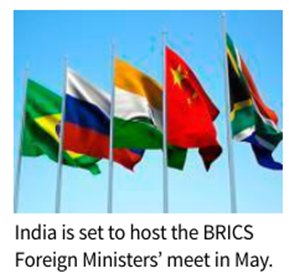
Context: Hoping to forge an elusive consensus over the war in West Asia, New Delhi is going ahead with planning key meetings of BRICS countries this year in India, and has sent out invitations for the BRICS Foreign Ministers’ Meeting to be held in May and the 18th BRICS Summit in September.

  • According to officials and diplomats, the invitations to the 10-nation grouping that also includes Iran and the United Arab Emirates went out in mid-March. Both countries have rebuffed several attempts by India — the current Chair of BRICS — for a joint statement.
  • Officials said it is unclear whether they will attend the meeting together, but “as of now” the BRICS Foreign Ministers’ Meeting is due to be held in-person in mid-May.
  • The summit, which could bring Russian President Vladimir Putin, Chinese President Xi Jinping and leaders from Brazil, South Africa, Egypt, Ethiopia, Indonesia, Iran and the UAE together in Delhi, is expected to be held on September 9-10.
  • “One of the key events on the political track, in addition to the traditional leaders’ meeting [in September], will be the BRICS Foreign Ministers’ Meeting, scheduled for May,” Russian government spokesperson Maria Zakharova told journalists in Moscow this week.
  • “This will be a good opportunity for a thorough discussion of current issues on the international agenda, the role of BRICS in the world, and opportunities for joint action,” she said, responding to questions about how the grouping would tackle the war in West Asia.
  • Diplomats have openly acknowledged difficulties in forging a statement that is agreeable to both Tehran and Abu Dhabi. “We have an ongoing conversation with BRICS members on the conflict in West Asia,” External Affairs Ministry spokesperson Randhir Jaiswal said at a media briefing on Friday.
  • “As you’re aware, some of the BRICS members are also involved directly in the conflict… Because we have differing opinions, it has been difficult for us to forge a consensus on this particular conflict.”
  • In June 2025, the BRICS then chaired by Brazil had managed to issue a strong statement when the U.S. and Israel jointly struck a number of Iranian nuclear sites, condemning the military strikes against Iran.

G-7 allies press Rubio for clarity on American plans for Iran war
Context: G-7 allies were pressing U.S. Secretary of State Marco Rubio for clarity on American plans for Iran almost one month into the war in the West Asia, with concern also intensifying over the extent of cooperation between Russia and the Islamic republic.

  • German Foreign Minister Johann Wadephul said the international community needed to collaborate even more closely now it was dealing with two wars — including the conflict sparked by Moscow’s invasion of Ukraine — in which Russia and Iran were cooperating.
  • In contrast to usual protocol, and in a sign of the distance between the United States and its allies, there is to be no joint communique at the end of the meeting.
  • The UK’s Foreign Minister Yvette Cooper urged a “swift resolution to this conflict that restores regional stability”.
  • Mr. Rubio said earlier that it was in the “interest” of all G-7 nations to push for the reopening of the Strait of Hormuz.

Paper-IV: General Studies 3

Paper-V: General Studies 4

ಕೆಎಎಸ್ ಪ್ರಚಲಿತ ವಿದ್ಯಮಾನಗಳು

ಕೆ.ಎ.ಎಸ್ ಪ್ರಚಲಿತ ವಿದ್ಯಮಾನಗಳು: ಪ್ರಚಲಿತ ವಿದ್ಯಮಾನಗಳು ಕೆ.ಪಿ.ಎಸ್.ಸಿ ಪಠ್ಯಕ್ರಮದ ‘ಜೀವಂತ ನಾಡಿಮಿಡಿತ’ವಿದ್ದಂತೆ. ಇದು ಕೇವಲ ಪ್ರತ್ಯೇಕವಾಗಿ ನೆನಪಿಡಬೇಕಾದ ವಿಷಯವಲ್ಲ; ಬದಲಿಗೆ ಪೂರ್ವಭಾವಿ ಮತ್ತು ಮುಖ್ಯ ಪರೀಕ್ಷೆಗಳೆರಡರಲ್ಲೂ ಇತಿಹಾಸ, ಅರ್ಥಶಾಸ್ತ್ರ, ರಾಜ್ಯಶಾಸ್ತ್ರ ಮತ್ತು ನೀತಿಶಾಸ್ತ್ರವನ್ನು ಒಂದಕ್ಕೊಂದು ಬೆಸೆಯುವ ಒಂದು ಚಲನಶೀಲ ಕೊಂಡಿಯಾಗಿದೆ. ಮುಂಬರುವ ಪರೀಕ್ಷೆಗಳ ಸಂದರ್ಭದಲ್ಲಿ, ಕೇವಲ “ಸುದ್ದಿ ಓದುವುದರಿಂದ” “ಸುದ್ದಿಯ ಮೂಲಕ ಪಠ್ಯಕ್ರಮವನ್ನು ಅಭ್ಯಾಸ ಮಾಡುವುದು” ಎಂಬ ಹಂತಕ್ಕೆ ಬದಲಾಗುವುದು ಒಬ್ಬ ಗಂಭೀರ ಅಭ್ಯರ್ಥಿಯನ್ನು ಸಾಮಾನ್ಯ ಓದುಗನಿಂದ ಪ್ರತ್ಯೇಕಿಸುವ ಪ್ರಮುಖ ಬದಲಾವಣೆಯಾಗಿದೆ.

“ಪಠ್ಯಕ್ರಮಕ್ಕೆ ಮೊದಲ ಆದ್ಯತೆ” ಎಂಬ ತತ್ವ
ಕೆ.ಪಿ.ಎಸ್.ಸಿ ಪಠ್ಯಕ್ರಮಕ್ಕೆ ಕಟ್ಟುನಿಟ್ಟಾಗಿ ಹೊಂದಿಕೆಯಾಗುವ ಪ್ರಚಲಿತ ವಿದ್ಯಮಾನಗಳ ಮಾದರಿಯನ್ನು ಅನುಸರಿಸುವ ಮೂಲಕ, ನೀವು ದಿನಪತ್ರಿಕೆ ಓದಲು ವ್ಯಯಿಸುವ ಪ್ರತಿ ಗಂಟೆಯೂ ನಿಮ್ಮ ಪರೀಕ್ಷೆಯ ಶ್ರೇಣಿಯನ್ನು (Rank) ಉತ್ತಮಪಡಿಸಲು ಪೂರಕವಾಗುತ್ತದೆ ಎಂಬುದನ್ನು ಖಚಿತಪಡಿಸಿಕೊಳ್ಳಬಹುದು.

ಪೂರ್ವಭಾವಿ ಪರೀಕ್ಷೆ

ಪತ್ರಿಕೆ-I: ರಾಷ್ಟ್ರೀಯ ಮತ್ತು ಅಂತರರಾಷ್ಟ್ರೀಯ ಮಹತ್ವದ ಪ್ರಚಲಿತ ವಿದ್ಯಮಾನಗಳು

ರಷ್ಯಾದಿಂದ ಎಸ್-400 ಖರೀದಿ: ಭಾರತ ಒಪ್ಪಂದ
ಸಂದರ್ಭ:
ರಷ್ಯಾದಿಂದ ಐದು ಎಸ್-400 ಕ್ಷಿಪಣಿ ರಕ್ಷಣಾ ವ್ಯವಸ್ಥೆ ಸೇರಿದಂತೆ ಅತ್ಯಾಧುನಿಕ ಶಸ್ತ್ರಾಸ್ತ್ರ ಖರೀದಿಸಲು ಭಾರತವು ಒಪ್ಪಂದಕ್ಕೆ ಸಹಿ ಹಾಕಿದೆ.

  • ದೇಶದ ವಾಯು ರಕ್ಷಣಾ ಸಾಮರ್ಥ್ಯವನ್ನು ಮತ್ತಷ್ಟು ಬಲಪಡಿಸುವುದಕ್ಕಾಗಿ ರಷ್ಯಾದಿಂದ ಐದು ಎಸ್-400 ಕ್ಷಿಪಣಿ ರಕ್ಷಣಾ ವ್ಯವಸ್ಥೆ) ಸೇರಿದಂತೆ ಅತ್ಯಾಧುನಿಕ ಶಸ್ತ್ರಾಸ್ತ್ರ ಖರೀದಿಸಲು ಭಾರತವು ಒಟ್ಟು ₹2.38 ಲಕ್ಷ ಕೋಟಿ ಮೊತ್ತದ ಒಪ್ಪಂದಕ್ಕೆ ಸಹಿ ಹಾಕಿದೆ.
  • ಹಳೆಯದಾದ ಎಎನ್-32 ವಿಮಾನಗಳ ಬದಲು ಮಧ್ಯಮ ಶ್ರೇಣಿಯ 60 ಸಾರಿಗೆ ವಿಮಾನಗಳ ಖರೀದಿಯೂ ಈ ಒಪ್ಪಂದಲ್ಲಿ ಸೇರಿದೆ. ಖರೀದಿ ಒಪ್ಪಂದಗಳಿಗೆ ರಕ್ಷಣಾ ಸಚಿವ ಅಧ್ಯಕ್ಷತೆಯ ಸಮಿತಿಯು ಅನುಮೋದನೆ ನೀಡಿದೆ.
  • ರಷ್ಯಾ-ಉಕ್ರೇನ್ ಯುದ್ಧದಿಂದಾಗಿ ಎಸ್-400 ಕ್ಷಿಪಣಿ ರಕ್ಷಣಾ ವ್ಯವಸ್ಥೆ ಭಾರತಕ್ಕೆ ಬರುವುದು ತಡವಾಗಿತ್ತು. ಈ ವರ್ಷಾಂತ್ಯದೊಳಗೆ ಖರೀದಿ ಪ್ರಕ್ರಿಯೆ ಪೂರ್ಣಗೊಳ್ಳಲಿದೆ ಎಂದು ರಕ್ಷಣಾ ಸಚಿವಾಲಯ ಹೇಳಿದೆ.
  • ಎಸ್-400 ಕ್ಷಿಪಣಿ ರಕ್ಷಣಾ ವ್ಯವಸ್ಥೆಯು, ದೂರದಿಂದಲೇ ಶತ್ರು ಪಡೆಯ ಕ್ಷಿಪಣಿಯನ್ನು ಗುರುತಿಸಿ, ಹೊಡೆದುರುಳಿಸುವ ಸಾಮರ್ಥ್ಯ ಹೊಂದಿದೆ.
  • ರಷ್ಯಾದಿಂದ ತಂಗುಸ್ಕಾ ಹೆಸರಿನ ವಾಯು ರಕ್ಷಣಾ ಕ್ಷಿಪಣಿ ಖರೀದಿಗೆ ₹445 ಕೋಟಿ ಮೊತ್ತದ ಒಪ್ಪಂದ ಮಾಡಿಕೊಳ್ಳಲಾಗಿದೆ.
  • ನೌಕಾಪಡೆಯ ‘ಪಿಐ’ ಯುದ್ಧ ವಿಮಾನಗಳ ನಿರ್ವಹಣೆಗಾಗಿ ಬೋಯಿಂಗ್ ಕಂಪನಿಯೊಂದಿಗೆ ₹413 ಕೋಟಿ ಮೊತ್ತದ ಒಪ್ಪಂದ ಮಾಡಿಕೊಳ್ಳಲಾಗಿದೆ ಎಂದು ರಕ್ಷಣಾ ಸಚಿವಾಲಯ ತಿಳಿಸಿದೆ.

ರಷ್ಯಾದಿಂದ ಭಾರತ ಖರೀದಿಸಿರುವ S-400 ಟ್ರಯಂಫ್ (Triumf) ಎಂಬುದು ವಿಶ್ವದ ಅತ್ಯಾಧುನಿಕ ‘ವಾಯು ರಕ್ಷಣಾ ಕ್ಷಿಪಣಿ ವ್ಯವಸ್ಥೆ’ (Air Defence Missile System) ಆಗಿದೆ. ಇದನ್ನು ಭಾರತೀಯ ಸೇನೆಯಲ್ಲಿ ‘ಸುದರ್ಶನ ಚಕ್ರ’ ಎಂದು ಹೆಸರಿಸಲಾಗಿದೆ.

S-400 ಎಂದರೇನು?
ಇದು ಶತ್ರು ದೇಶಗಳ ವಿಮಾನಗಳು, ಕ್ಷಿಪಣಿಗಳು ಅಥವಾ ಡ್ರೋನ್‌ಗಳು ಭಾರತದ ವಾಯುಗಡಿಯೊಳಗೆ ಪ್ರವೇಶಿಸದಂತೆ ತಡೆಯುವ ಒಂದು ‘ರಕ್ಷಣಾ ಕವಚ’. ಇದು ಭೂಮಿಯಿಂದ ಆಗಸಕ್ಕೆ (Surface-to-Air) ಚಿಮ್ಮುವ ಕ್ಷಿಪಣಿ ವ್ಯವಸ್ಥೆಯಾಗಿದೆ.

ಪ್ರಮುಖ ವೈಶಿಷ್ಟ್ಯಗಳು:
ವ್ಯಾಪ್ತಿ (Range): ಇದು ಸುಮಾರು 400 ಕಿ.ಮೀ ದೂರದವರೆಗಿನ ಶತ್ರು ಗುರಿಗಳನ್ನು ಗುರುತಿಸಿ ಹೊಡೆದುರುಳಿಸುವ ಸಾಮರ್ಥ್ಯ ಹೊಂದಿದೆ.
ಏಕಕಾಲದ ದಾಳಿ: ಒಂದೇ ಸಮಯದಲ್ಲಿ ಸುಮಾರು 36 ಗುರಿಗಳನ್ನು ಏಕಕಾಲಕ್ಕೆ ಟ್ರ್ಯಾಕ್ ಮಾಡಬಹುದು ಮತ್ತು ಅವುಗಳ ಮೇಲೆ ದಾಳಿ ಮಾಡಬಹುದು.
ವೇಗ: ಇದರ ಕ್ಷಿಪಣಿಗಳು ಶಬ್ದಕ್ಕಿಂತ ಸುಮಾರು 14 ಪಟ್ಟು ವೇಗವಾಗಿ (Mach 14) ಚಲಿಸಬಲ್ಲವು.
ಬಹುಪದರದ ರಕ್ಷಣೆ: ಇದರಲ್ಲಿ ನಾಲ್ಕು ವಿಧದ ಕ್ಷಿಪಣಿಗಳಿವೆ. ಇವು 40 ಕಿ.ಮೀ ನಿಂದ 400 ಕಿ.ಮೀ ವರೆಗಿನ ವಿಭಿನ್ನ ದೂರದ ಗುರಿಗಳನ್ನು ನಾಶಪಡಿಸುತ್ತವೆ.
ಗುರುತಿಸುವಿಕೆ: ಇದರ ಅತ್ಯಾಧುನಿಕ ರಾಡಾರ್ ವ್ಯವಸ್ಥೆಯು 600 ಕಿ.ಮೀ ದೂರದಲ್ಲೇ ಶತ್ರು ವಿಮಾನಗಳ ಚಲನವಲನವನ್ನು ಪತ್ತೆಹಚ್ಚಬಲ್ಲದು.

ಭಾರತಕ್ಕೆ ಇದರ ಮಹತ್ವವೇನು?
ದ್ವಿಮುಖ ಬೆದರಿಕೆ: ಚೀನಾ ಮತ್ತು ಪಾಕಿಸ್ತಾನದ ಗಡಿಗಳಲ್ಲಿ ಏಕಕಾಲಕ್ಕೆ ರಕ್ಷಣೆ ನೀಡಲು ಇದು ಅತ್ಯಗತ್ಯ.
ಕಾರ್ಯಾಚರಣೆ ಸಿಂಧೂರ್: ಇತ್ತೀಚಿನ ವರದಿಗಳ ಪ್ರಕಾರ, ‘ಆಪರೇಷನ್ ಸಿಂಧೂರ್’ ಸಮಯದಲ್ಲಿ ಈ ವ್ಯವಸ್ಥೆಯು ಅತ್ಯಂತ ಪರಿಣಾಮಕಾರಿಯಾಗಿ ಕಾರ್ಯನಿರ್ವಹಿಸಿದೆ.
ರಕ್ಷಣಾ ಕವಚ: ದೆಹಲಿ ಅಥವಾ ಮುಂಬೈನಂತಹ ಪ್ರಮುಖ ನಗರಗಳ ಮೇಲೆ ಕ್ಷಿಪಣಿ ದಾಳಿಯಾದಾಗ, ಅವು ನಗರ ತಲುಪುವ ಮೊದಲೇ ಆಕಾಶದಲ್ಲೇ ನಾಶಪಡಿಸಲು ಇದು ಸಹಕಾರಿ.

ಒಪ್ಪಂದದ ಸ್ಥಿತಿಗತಿ (2026ರ ಅಂಕಿಅಂಶ):
ಭಾರತವು 2018ರಲ್ಲಿ ಸುಮಾರು 35,000 ಕೋಟಿ ರೂ. ಮೊತ್ತಕ್ಕೆ 5 ಘಟಕಗಳ (Regiments) ಒಪ್ಪಂದ ಮಾಡಿಕೊಂಡಿತ್ತು.
ಈಗಾಗಲೇ 3 ಘಟಕಗಳು ಭಾರತಕ್ಕೆ ತಲುಪಿದ್ದು, ಉಳಿದ 2 ಘಟಕಗಳು 2026ರ ಅಂತ್ಯದ ವೇಳೆಗೆ ಭಾರತಕ್ಕೆ ತಲುಪಲಿವೆ ಎಂದು ರಷ್ಯಾ ದೃಢಪಡಿಸಿದೆ.
ಇತ್ತೀಚೆಗೆ (ಮಾರ್ಚ್ 2026), ಭಾರತವು ತನ್ನ ವಾಯು ರಕ್ಷಣೆಯನ್ನು ಇನ್ನಷ್ಟು ಬಲಪಡಿಸಲು ಹೆಚ್ಚುವರಿ S-400 ಘಟಕಗಳ ಖರೀದಿಗೆ ಒಪ್ಪಿಗೆ ನೀಡಿದೆ.

ಏಷ್ಯಾ ಕಪ್ ಆರ್ಚರಿ: ಭಾರತಕ್ಕೆ 10 ಪದಕ
ಸಂದರ್ಭ: ಭಾರತದ ಕಾಂಪೌಂಡ್ ಆರ್ಚರಿ ಸ್ಪರ್ಧಿಗಳು, ಏಷ್ಯಾ ಕಪ್-ವಿಶ್ವ ಬ್ಯಾಂಕಿಂಗ್ ಟೂರ್ನಿಯಲ್ಲಿ ಪ್ರಾಬಲ್ಯ ಮೆರೆದರು. ಮಿಶ್ರ ತಂಡ ವಿಭಾಗದಲ್ಲಿ ಚಿನ್ನ, ಮಹಿಳಾ ತಂಡ ವಿಭಾಗದಲ್ಲಿ ಬೆಳ್ಳಿ ಜಯಿಸಿದರಲ್ಲದೇ,ಪುರುಷರ ವೈಯಕ್ತಿಕ ವಿಭಾಗದಲ್ಲಿ ಮೂರೂ ಪದಕಗಳನ್ನು ಬಾಚಿಕೊಂಡರು.

  • ರಿಕರ್ವ್ ವಿಭಾಗದಲ್ಲಿ ಭಾರತ ಎರಡು ಬೆಳ್ಳಿ ಪದಕಗಳನ್ನು ಗೆದ್ದುಕೊಂಡಿತು. ಒಟ್ಟು ಎರಡು ಚಿನ್ನ. ನಾಲ್ಕು ಬೆಳ್ಳಿ ಮತ್ತು ನಾಲ್ಕು ಕಂಚಿನ ಪದಕಗಳನ್ನು ತನ್ನದಾಗಿಸಿಕೊಂಡಿತು.
  • ಆದರೆ ಚಿನ್ನದ ಲೆಕ್ಕ ತೆಗೆದು ಕೊಂಡರೆ, ಭಾರತದ ಸಾಧನೆ ಕಡಿಮೆ ಎನಿಸಿತು. ಕಳೆದ ಆವೃತ್ತಿಯಲ್ಲಿ ಭಾರತ ಐದು ಚಿನ್ನ ಗೆದ್ದುಕೊಂಡಿತ್ತು
  • ರಿಕರ್ವ್ ವಿಭಾಗದ ಕಳಪೆ ಸಾಧನೆ ಇದಕ್ಕೆ, ಕಾರಣವಾಯಿತು. ಈ ವಿಭಾಗದಲ್ಲಿ ಭಾರತ ಒಂದೂ ಚಿನ್ನ ಗೆಲ್ಲಲಾಗಲಿಲ್ಲ, ಪುರುಷರ ವೈಯಕ್ತಿಕ ವಿಭಾಗ ಮತ್ತು ಮಿಶ್ರ ತಂಡ ವಿಭಾಗದಲ್ಲಿ ಭಾರತದ ಸ್ಪರ್ಧಿಗಳಿಗೆ ಪದಕ ಗಳಿಸಲು ವಿಫಲರಾದರು.

ಏಷ್ಯಾ ಕಪ್ ಆರ್ಚರಿ (Asia Cup Archery) ಎಂಬುದು ಏಷ್ಯಾ ಖಂಡದ ಬಿಲ್ಲುಗಾರಿಕೆ (Archery) ಕ್ರೀಡಾಪಟುಗಳಿಗಾಗಿ ನಡೆಸಲಾಗುವ ಒಂದು ಪ್ರತಿಷ್ಠಿತ ಅಂತರರಾಷ್ಟ್ರೀಯ ಪಂದ್ಯಾವಳಿಯಾಗಿದೆ.
ಪ್ರಸ್ತುತ 2026ರ ಮಾರ್ಚ್ ತಿಂಗಳಿನಲ್ಲಿ ಬ್ಯಾಂಕಾಕ್‌ನಲ್ಲಿ ನಡೆದ ಏಷ್ಯಾ ಕಪ್ ಆರ್ಚರಿ ಸ್ಟೇಜ್-1 ಪಂದ್ಯಾವಳಿಯಲ್ಲಿ ಭಾರತದ ಕ್ರೀಡಾಪಟುಗಳು ಅತ್ಯಂತ ಅದ್ಭುತ ಪ್ರದರ್ಶನ ನೀಡಿದ್ದಾರೆ.

1. ಭಾರತದ ಸಾಧನೆ (2026 – ಸ್ಟೇಜ್ 1)
ಬ್ಯಾಂಕಾಕ್‌ನಲ್ಲಿ ನಡೆದ ಈ ಪಂದ್ಯಾವಳಿಯಲ್ಲಿ ಭಾರತವು ಒಟ್ಟು 10 ಪದಕಗಳನ್ನು (2 ಚಿನ್ನ, 4 ಬೆಳ್ಳಿ ಮತ್ತು 4 ಕಂಚು) ಗೆದ್ದು ಬೀಗಿದೆ.
ಕಂಪೌಂಡ್ ವಿಭಾಗದ ಪ್ರಾಬಲ್ಯ: ಪುರುಷರ ವೈಯಕ್ತಿಕ ಕಂಪೌಂಡ್ (Compound) ವಿಭಾಗದಲ್ಲಿ ಭಾರತದ ಕ್ರೀಡಾಪಟುಗಳು ಮೊದಲ ಮೂರೂ ಪದಕಗಳನ್ನು (ಚಿನ್ನ, ಬೆಳ್ಳಿ, ಕಂಚು) ಗೆದ್ದು ‘ಕ್ಲೀನ್ ಸ್ವೀಪ್’ ಸಾಧನೆ ಮಾಡಿದ್ದಾರೆ.
ಪ್ರಮುಖ ಚಿನ್ನದ ಪದಕ ವಿಜೇತರು:
ಉದಯ್ ಕಾಂಬೋಜ್ (Uday Kamboj): ಪುರುಷರ ವೈಯಕ್ತಿಕ ಕಂಪೌಂಡ್ ವಿಭಾಗದಲ್ಲಿ ಚಿನ್ನ ಗೆದ್ದಿದ್ದಾರೆ.
ಚಿಕಿತಾ ತನಿಪರ್ತಿ ಮತ್ತು ರಜತ್ ಚೌಹಾಣ್: ಮಿಶ್ರ ತಂಡ (Mixed Team) ವಿಭಾಗದಲ್ಲಿ ಚಿನ್ನದ ಪದಕ ಪಡೆದಿದ್ದಾರೆ.

2. ಪದಕ ವಿಜೇತರ ಪಟ್ಟಿ (2026):

ಪದಕವಿಜೇತರುವಿಭಾಗ
ಚಿನ್ನಉದಯ್ ಕಾಂಬೋಜ್ಪುರುಷರ ವೈಯಕ್ತಿಕ ಕಂಪೌಂಡ್
ಚಿನ್ನಚಿಕಿತಾ ಮತ್ತು ರಜತ್ ಚೌಹಾಣ್ಮಿಶ್ರ ತಂಡ ಕಂಪೌಂಡ್
ಬೆಳ್ಳಿಪ್ರಥಮೇಶ್ ಜಾವ್ಕರ್ಪುರುಷರ ವೈಯಕ್ತಿಕ ಕಂಪೌಂಡ್
ಬೆಳ್ಳಿರಿದ್ಧಿ ಪೋರ್ (Ridhi Phor)ಮಹಿಳೆಯರ ವೈಯಕ್ತಿಕ ರಿಕರ್ವ್ (Recurve)
ಬೆಳ್ಳಿಪುರುಷರ ತಂಡಪುರುಷರ ರಿಕರ್ವ್ ತಂಡ
ಬೆಳ್ಳಿಮಹಿಳೆಯರ ತಂಡಮಹಿಳೆಯರ ಕಂಪೌಂಡ್ ತಂಡ
ಕಂಚುರಜತ್ ಚೌಹಾಣ್ಪುರುಷರ ವೈಯಕ್ತಿಕ ಕಂಪೌಂಡ್
ಕಂಚುತೇಜಲ್ ಸಾಳ್ವೆಮಹಿಳೆಯರ ವೈಯಕ್ತಿಕ ಕಂಪೌಂಡ್

    3. ಪರೀಕ್ಷಾ ದೃಷ್ಟಿಕೋನ (Key Highlights):
    ಪಂದ್ಯಾವಳಿ ನಡೆದ ಸ್ಥಳ: ಬ್ಯಾಂಕಾಕ್, ಥೈಲ್ಯಾಂಡ್ (ಮಾರ್ಚ್ 2026).
    ಕಂಪೌಂಡ್ ವರ್ಸಸ್ ರಿಕರ್ವ್: ಬಿಲ್ಲುಗಾರಿಕೆಯಲ್ಲಿ ಎರಡು ವಿಧದ ಬಿಲ್ಲುಗಳಿರುತ್ತವೆ. ರಿಕರ್ವ್ (Recurve – ಒಲಿಂಪಿಕ್ಸ್‌ನಲ್ಲಿರುವ ವಿಧ) ಮತ್ತು ಕಂಪೌಂಡ್ (Compound – ಹೆಚ್ಚು ತಾಂತ್ರಿಕವಾದ ಬಿಲ್). ಭಾರತವು ಈ ಬಾರಿ ಕಂಪೌಂಡ್ ವಿಭಾಗದಲ್ಲಿ ವಿಶ್ವಮಟ್ಟದ ಪ್ರಾಬಲ್ಯ ಸಾಧಿಸಿದೆ.
    ಲಕ್ಷ್ಯ 2028: ಕಂಪೌಂಡ್ ಮಿಶ್ರ ತಂಡ ವಿಭಾಗವು 2028ರ ಲಾಸ್ ಏಂಜಲೀಸ್ ಒಲಿಂಪಿಕ್ಸ್‌ನಲ್ಲಿ ಮೊದಲ ಬಾರಿಗೆ ಪದಕದ ವಿಭಾಗವಾಗಿ ಸೇರ್ಪಡೆಯಾಗಲಿದೆ. ಈ ಹಿನ್ನೆಲೆಯಲ್ಲಿ ಭಾರತದ ಈ ಚಿನ್ನದ ಪದಕವು ಬಹಳ ಮಹತ್ವದ್ದಾಗಿದೆ.


    ಪತ್ರಿಕೆ-II: ರಾಜ್ಯದ ಪ್ರಾಮುಖ್ಯತೆಯ ಪ್ರಸ್ತುತ ಘಟನೆಗಳು ಮತ್ತು ರಾಜ್ಯ ಸರ್ಕಾರದ ಪ್ರಮುಖ ಯೋಜನೆಗಳು

    ಗಿರಿಜಾಗೆ ವರನಟ ಡಾ.ರಾಜಕುಮಾರ್’ ಪ್ರಶಸ್ತಿ
    ಸಂದರ್ಭ: ಕನ್ನಡ ಜನಶಕ್ತಿ ಕೇಂದ್ರ ನೀಡುವ 2026ನೇ ಸಾಲಿನ ‘ವರನಟ ಡಾ.ರಾಜಕುಮಾರ್’ ಪ್ರಶಸ್ತಿಗೆ ರಂಗಭೂಮಿ ಕಲಾವಿದೆ ಗಿರಿಜಾ ಲೋಕೇಶ್ ಆಯ್ಕೆ ಆಗಿದ್ದಾರೆ.

    ಪ್ರಶಸ್ತಿಯು 25 ಸಾವಿರ ನಗದು. ಕಂಚಿನ ಫಲಕ ಹಾಗೂ ಪ್ರಶಸ್ತಿ ಗಿರಿಜಾ ಲೋಕೇಶ್ ಪತ್ರವನ್ನು ಒಳಗೊಂಡಿದೆ.

    ಪ್ರಶಸ್ತಿ ವಿವರಗಳು

    ಅಂಶವಿವರ
    ಪ್ರಶಸ್ತಿಯ ಹೆಸರು‘ವರನಟ ಡಾ. ರಾಜಕುಮಾರ್’ ಪ್ರಶಸ್ತಿ
    ಪ್ರಶಸ್ತಿ ನೀಡುವ ಸಂಸ್ಥೆಕನ್ನಡ ಜನಶಕ್ತಿ ಕೇಂದ್ರ
    2026ರ ಸಾಲಿನ ಪುರಸ್ಕೃತರುಗಿರಿಜಾ ಲೋಕೇಶ್ (ಖ್ಯಾತ ರಂಗಭೂಮಿ ಮತ್ತು ಚಲನಚಿತ್ರ ಕಲಾವಿದೆ)
    ಪ್ರಶಸ್ತಿಯ ಮೊತ್ತ₹25,000 (ಇಪ್ಪತ್ತೈದು ಸಾವಿರ) ನಗದು
    ಗೌರವಕಂಚಿನ ಫಲಕ ಮತ್ತು ಪ್ರಶಸ್ತಿ ಪತ್ರ

    ಕನ್ನಡ ಜನಶಕ್ತಿ ಕೇಂದ್ರ ಪ್ರಶಸ್ತಿಗಳು – 2026

    ಪ್ರಶಸ್ತಿಯ ಹೆಸರುಪುರಸ್ಕೃತರುಕ್ಷೇತ್ರ / ಕೊಡುಗೆ
    ವರನಟ ಡಾ. ರಾಜ್‌ಕುಮಾರ್ ಪ್ರಶಸ್ತಿಗಿರಿಜಾ ಲೋಕೇಶ್ರಂಗಭೂಮಿ ಮತ್ತು ಚಲನಚಿತ್ರ (ನಟನೆ)
    ಪಂಪ ಭಾರತ ಪ್ರಶಸ್ತಿಡಾ. ಎಚ್.ಎಸ್. ವೆಂಕಟೇಶಮೂರ್ತಿಸಾಹಿತ್ಯ (ಕವನ ಮತ್ತು ನಾಟಕಗಳು)
    ಕುವೆಂಪು ವಿಶ್ವಮಾನವ ಪ್ರಶಸ್ತಿಪ್ರೊ. ಬರಗೂರು ರಾಮಚಂದ್ರಪ್ಪಸಾಮಾಜಿಕ ಕ್ರಿಯಾಶೀಲತೆ ಮತ್ತು ಸಾಹಿತ್ಯ
    ಕಾಯಕ ರತ್ನ ಪ್ರಶಸ್ತಿಸಾಲುಮರದ ತಿಮ್ಮಕ್ಕಪರಿಸರ ಸಂರಕ್ಷಣೆ
    ಕನ್ನಡ ಶಕ್ತಿ ಪ್ರಶಸ್ತಿಗಣೇಶ್ ಕಾರ್ಣಿಕ್ಶಿಕ್ಷಣ ಮತ್ತು ಸಾರ್ವಜನಿಕ ಸೇವೆ
    ಮಾಧ್ಯಮ ರತ್ನ ಪ್ರಶಸ್ತಿರಂಗನಾಥ್ ಭಾರದ್ವಾಜ್ಪತ್ರಿಕೋದ್ಯಮ (ಎಲೆಕ್ಟ್ರಾನಿಕ್ ಮೀಡಿಯಾ)

    15 ಅಂಶಗಳ ಪ್ರಶ್ನಾವಳಿ: ‘ವಿ.ಆರ್.ಸಿಟಿ 2026’ ವರದಿ ಪ್ರಕಟ
    ಸಂದರ್ಭ: ಬೆಂಗಳೂರು ಹಿಂದಿಕ್ಕಿದ ಹೈದರಾಬಾದ್ ದೇಶದ ಅತ್ಯಂತ ವಾಸಯೋಗ್ಯ ನಗರವಾಗಿ ಹೈದರಾಬಾದ್ ಹೊರಹೊಮ್ಮಿದ್ದು, ಬೆಂಗಳೂರು ನಗರವನ್ನು ಹಿಂದಿಕ್ಕಿದೆ. ಮಾಹಿತಿ ತಂತ್ರಜ್ಞಾನ ಕ್ಷೇತ್ರದಲ್ಲಿ ಮುಂಚೂಣಿಯಲ್ಲಿರುವ ಈ ಎರಡೂ ನಗರಗಳು ಅತಿ ವೇಗವಾಗಿ ಬೆಳೆಯುತ್ತಿವೆ.

    • ಸುಮಾರು 15 ಅಂಶಗಳ ಪ್ರಶ್ನಾವಳಿಗಳನ್ನು ಆಧಾರವಾಗಿಟ್ಟುಕೊಂಡು ಬೆಂಗಳೂರು ಮೂಲದ ಅನ್‌ಬಾಕ್ಸಿಂಗ್ ಬಿಎಲ್‌ಆರ್ ಸಂಸ್ಥೆ ನಡೆಸಿರುವ ಸಮೀಕ್ಷೆ- ‘ವಿ.ಆರ್.ಸಿಟಿ 2026’ ವರದಿಯಲ್ಲಿ ಈ ಅಂಶವನ್ನು ಉಲ್ಲೇಖಿಸಲಾಗಿದೆ.
    • ಉದ್ಯೋಗ, ಬೆಳವಣಿಗೆ ಮತ್ತು ಸಂಪರ್ಕ ಕ್ಷೇತ್ರದಲ್ಲಿ ಹೊಸ ಸಾಧ್ಯತೆಗಳೊಂದಿಗೆ ದೇಶದ ಭವಿಷ್ಯದ ನಗರಗಳಾಗಿ ರೂಪುಗೊಂಡಿರುವ ಎರಡೂ ನಗರಗಳ ಮೇಲೆ ಈ ವರದಿ ಬೆಳಕು ಚೆಲ್ಲಿದೆ.
    • 159 ಪುಟಗಳ ಈ ವರದಿಯಲ್ಲಿ ವಾಸಕ್ಕೆ ಯೋಗ್ಯವಾದ 8 ನಗರಗಳ ಮಾಹಿತಿ ಇದೆ. ಇದರಲ್ಲಿ ಸಂಪರ್ಕ, ವೈವಿಧ್ಯ, ಪ್ರವಾಸ, ವಸತಿ, ಮೂಲಸೌಕರ್ಯ ಹಾಗೂ ಹವಾಮಾನ ಆಧರಿಸಿ ಮಾಹಿತಿ ಸಂಗ್ರಹಿಸಲಾಗಿದೆ.
    • ಈ ಪಟ್ಟಿಯಲ್ಲಿ ಹೈದರಾಬಾದ್ ಅಗ್ರಸ್ಥಾನದಲ್ಲಿದ್ದರೆ, ನಂತರದ ಸ್ಥಾನದಲ್ಲಿ ಬೆಂಗಳೂರು ಮತ್ತು ಕೋಲ್ಕತ್ತ ನಗರಗಳು ಇವೆ. ಗುಜರಾತ್‌ನ ಅಹಮದಾಬಾದ್ ಈ ಪಟ್ಟಿಯ ಕೊನೆ ಸ್ಥಾನದಲ್ಲಿದೆ. ಉಳಿದಂತೆ ಚೆನ್ನೈ ದೆಹಲಿ ಎನ್,ಆರ್. ಪುಣೆ, ಗ್ರೇಟರ್ ಮುಂಬೈ ಕ್ರಮವಾಗಿ ನಾಲ್ಕು, ಐದು, ಆರು ಮತ್ತು ಏಳನೇ ಸ್ಥಾನದಲ್ಲಿವೆ
    • ಬೆಂಗಳೂರು ಹವಾಗುಣ ವೈವಿಧ್ಯದಲ್ಲಿ ಅಗ್ರ ಸ್ಥಾನದಲ್ಲಿದ್ದರೆ, ಹೈದರಾಬಾದ್ ಸಹ ಈ ಎಲ್ಲಾ ವಿಷಯಗಳಲ್ಲಿ ಸಮಾನ ಪೈಪೋಟಿ ನೀಡಿದೆ ಜತೆಗೆ ಇಲ್ಲಿನ ವಾಹನ ದಟ್ಟಣೆ ಬೆಂಗಳೂರಿನಷ್ಟೇ ಇದೆ
    • ಎರಡೂ ನಗರಗಳಲ್ಲಿ ಒಂದು ದಿಕ್ಕಿನಿಂದ ಮತ್ತೊಂದು ದಿಕ್ಕಿನತ್ತ ಸಾಗಲು ಸಾಮಾನ್ಯವಾಗಿ 22 ಕಿ.ಮೀ. ಕ್ರಮಿಸಲು ಸರಾಸರಿ ಅವಧಿ 58ರಿಂದ 59 ನಿಮಿಷಗಳು.
    • ಪ್ರತಿಷ್ಠಿತ ಬಡಾವಣೆಗಳಲ್ಲಿ ಅತ್ಯಾಧುನಿಕ ಸೌಲಭ್ಯವಿರುವ ಕಚೇರಿ ಸ್ಥಳಾವಕಾಶದ ವಿಷಯದಲ್ಲಿ ಈ ಎರಡೂ ನಗರಗಳು ಶೇಕಡ 53ರಷ್ಟು ಪಾಲು ಹೊಂದಿವೆ ದಿಲ್ಲಿ-ಎನ್‌ಸಿಆರ್ ಮತ್ತು ಗ್ರೇಟರ್ ಮುಂಬೈಗಿಂತ ಕಡಿಮೆ ಜನಸಂಖ್ಯೆ ಇರುವ ನಗರಗಳಾದರೂ ತಮ್ಮ ಸಾಮರ್ಥ್ಯ ಮೀರಿ ಸಾಧನೆ ಮಾಡುತ್ತಿವೆ
    • ಕಳೆದ ಎರಡು ವರ್ಷಗಳಲ್ಲಿ ದೇಶದ ಅಗ್ರ 8 ನಗರಗಳ ನಡುವೆ ಹೊಸ ದೇಶಿಯ ವಿಮಾನ ಸಂಚಾರದಲ್ಲಿ ಬೆಂಗಳೂರು ಮತ್ತು ಹೈದರಾಬಾದ್ ಶೇಕಡ ಎರಡೂ ನಗರಗಳು ತಂತ್ರಜ್ಞಾನ ಆಧರಿತ ಬೆಳವಣಿಗೆ ಸಾಧಿಸಿವೆ. ಆದರೆ, ಕಾರ್ಯನಿರ್ವಹಣಾ ರೀತಿ, ಬೆಳವಣಿಗೆಗಳಲ್ಲಿ ತುಂಬ ಅಂತರಗಳಿವೆ. ನವೋದ್ಯಮ, ಹಣಕಾಸು ನೆರವು, ನಾವೀನ್ಯ ಮತ್ತು ಹೊಸ ಉದ್ಯೋಗಳ ಸೃಷ್ಟಿಯಲ್ಲಿ ಬೆಂಗಳೂರು ಮುನ್ನಡೆ ಸಾಧಿಸಿದ್ದು ದೇಶದ ನವೋದ್ಯಮ ರಾಜಧಾನಿಯಾಗಿದೆ.
    • ಇಲ್ಲಿ ಬ್ಯಾಂಕ್ ಠೇವಣಿ ಪ್ರಮಾಣ ಹೆಚ್ಚಿದೆ. ಹೈದರಾಬಾದ್ ಜಾಗತಿಕ ಸಾಮರ್ಥ್ಯ ಕೇಂದ್ರದ ಹಬ್ ಆಗಿ ಹೊರಹೊಮ್ಮುತ್ತಿದೆ. ಟೆಕ್ ಜಾಬ್‌ಗಳಲ್ಲಿ ಬೆಂಗಳೂರು ಮತ್ತು ಹೈದರಾಬಾದ್ ನಡುವಣ ಅಂತರ ಕಡಿಮೆಯಾಗುತ್ತಿದೆ.
    • ಗ್ರಾಹಕರು ಮತ್ತು ಸಣ್ಣ ಉದ್ಯಮಿಗಳಿಗೆ ನೇರವಾಗಿ ನೀಡುವ ಸಾಲ, ಗೃಹ ಸಾಲದಲ್ಲಿ ಹೈದರಾಬಾದ್ ಮುಂದಿದೆ. ಮೂಲಸೌಕರ್ಯ ಅಭಿವೃದ್ಧಿ, ಮಹಿಳೆಯರ ಸುರಕ್ಷತೆಯಲ್ಲಿ ಹೈದರಾಬಾದ್ ಮುಂದಿದೆ. ಐಟಿ, ತಯಾರಿಕಾ ವಲಯ, ಔಷಧ ಮತ್ತು ಬಿಎಫ್‌ಎಸ್‌ಐ ವಲಯಗಳಲ್ಲಿ ಉದ್ಯೋಗಿಗಳ ನೇಮಕದಲ್ಲಿ ಎರಡೂ ನಗರಗಳು ಪ್ರಾಬಲ್ಯ ಸಾಧಿಸಿವೆ.

    ಮುಖ್ಯ ಪರೀಕ್ಷೆ

    ಪತ್ರಿಕೆ-I: ಪ್ರಬಂಧಗಳು

    ಪ್ರಬಂಧ-1: ರಾಷ್ಟ್ರೀಯ ಮತ್ತು ಅಂತರರಾಷ್ಟ್ರೀಯ ಮಹತ್ವದ ವಿಷಯ

    “ಭಾರತದ ಬ್ರಹ್ಮಾಂಡದ ಜಿಗಿತ – ಚಂದ್ರಯಾನದಿಂದ ಶುಕ್ರಯಾನದವರೆಗೆ: ತಾಂತ್ರಿಕ ಉದ್ದೇಶಗಳ ವಿಕಾಸ, ವೈಜ್ಞಾನಿಕ ಸಾರ್ವಭೌಮತ್ವದ ಕಾರ್ಯತಂತ್ರದ ಅನ್ವೇಷಣೆ ಮತ್ತು ಅಭಿವೃದ್ಧಿಶೀಲ ಆರ್ಥಿಕತೆಗೆ ಆಳವಾದ ಬಾಹ್ಯಾಕಾಶ ಸಂಶೋಧನೆಯ ಸಾಮಾಜಿಕ-ಆರ್ಥಿಕ ಸಮರ್ಥನೆ.”

    ಪ್ರಬಂಧ-2: ರಾಜ್ಯ ಮಹತ್ವ/ ಸ್ಥಳೀಯ ಮಹತ್ವ ವಿಷಯ

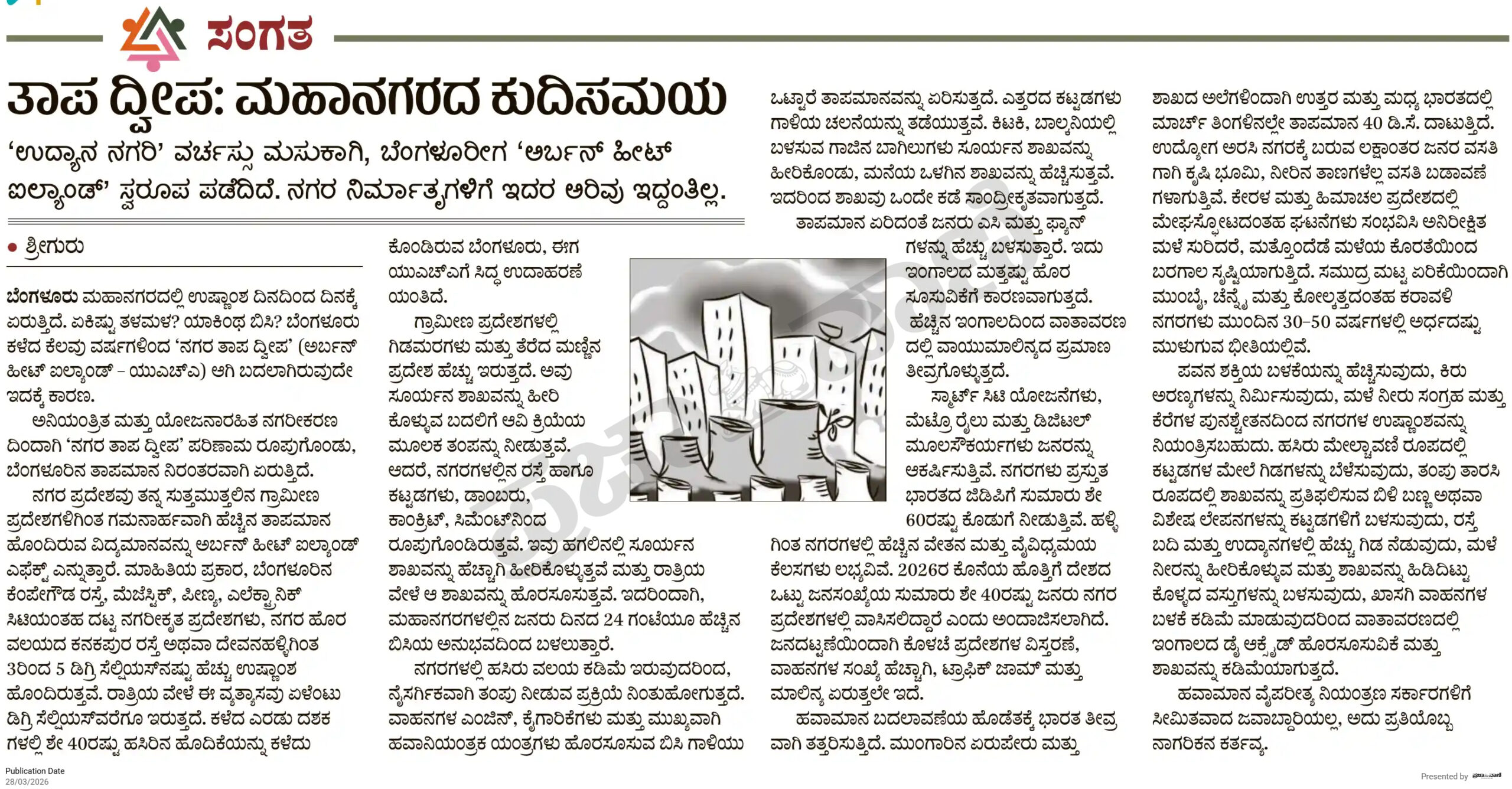
    “ನಗರೀಕರಣದ ಅನಿವಾರ್ಯತೆ ಮತ್ತು ಪರಿಸರದ ಸುಸ್ಥಿರತೆಯ ನಡುವಿನ ಸಂಘರ್ಷ: ‘ನಗರ ತಾಪ ದ್ವೀಪ’ (Urban Heat Island) ಪರಿಣಾಮದ ಹಿನ್ನೆಲೆಯಲ್ಲಿ ಬೆಂಗಳೂರಿನಂತಹ ಮಹಾನಗರಗಳ ಸವಾಲುಗಳು ಮತ್ತು ಅವುಗಳಿಗೆ ಪರಿಹಾರಾತ್ಮಕ ಕ್ರಮಗಳನ್ನು ವಿಶ್ಲೇಷಿಸಿ.”

    ಪತ್ರಿಕೆ-II: ಸಾಮಾನ್ಯ ಅಧ್ಯಯನ-1

    ವಿದೇಶಿ ವಿನಿಮಯ ಸಂಗ್ರಹ ಇಳಿಕೆ
    ಸಂದರ್ಭ: ಮಾರ್ಚ್ 20ಕ್ಕೆ ಅಂತ್ಯಗೊಂಡ ವಾರದಲ್ಲಿ ದೇಶದ ವಿದೇಶಿ ವಿನಿಮಯ ಮೀಸಲು ಸಂಗ್ರಹವು ₹1.08 ಲಕ್ಷ ಕೋಟಿಯಷ್ಟು ಕಡಿಮೆ ಆಗಿದೆ.

    • ಒಟ್ಟು ಮೀಸಲು ಸಂಗ್ರಹವು ₹66.16 ಲಕ್ಷ ಕೋಟಿಗೆ ಇಳಿದಿದೆ ಎಂದು ರಿಸರ್ವ್ ಬ್ಯಾಂಕ್ ಆಫ್ ಇಂಡಿಯಾ (ಆರ್‌ಬಿಐ) ತಿಳಿಸಿದೆ. ಚಿನ್ನದ ಮೀಸಲು ಸಂಗ್ರಹದಲ್ಲಿನ ಇಳಿಕೆಯೇ ಒಟ್ಟಾರೆ ಮೀಸಲು ಸಂಗ್ರಹ ಕಡಿಮೆಯಾಗಲು ಕಾರಣವಾಗಿದೆ.
    • ವಿದೇಶಿ ಕರೆನ್ಸಿಗಳ ಸಂಪತ್ತಿನ ಮೌಲ್ಯ ₹20.154 ಕೋಟಿಯಷ್ಟು ಹೆಚ್ಚಳವಾಗಿದ್ದು, ₹52.84 ಲಕ್ಷ ಕೋಟಿಯಾಗಿದೆ.
    • ಚಿನ್ನದ ಮೀಸಲು ಸಂಗ್ರಹದಲ್ಲಿ ₹1.27 ಲಕ್ಷ ಕೋಟ ಇಳಿಕೆಯಾಗಿದ್ದು, ₹11.09 ಲಕ್ಷ ಕೋಟಿಯಾಗಿದೆ. ಸ್ಪೆಷಲ್ ಡ್ರಾಯಿಂಗ್ ರೈಟ್ (ಎಸ್‌ಡಿಆರ್) ₹1.76 ಲಕ್ಷ ಕೋಟಿ ಆಗಿದೆ. ಅಂತರರಾಷ್ಟ್ರೀಯ ಹಣಕಾಸು ನಿಧಿಯಲ್ಲಿ ಭಾರತದ ಪಾಲು ₹45,795 ಕೋಟಿಯಾಗಿದೆ ಎಂದು ತಿಳಿಸಿದೆ.

    ವಿದೇಶಿ ವಿನಿಮಯ ಸಂಗ್ರಹ ಅಥವಾ ವಿದೇಶಿ ವಿನಿಮಯ ಮೀಸಲು (Foreign Exchange Reserves / Forex Reserves) ಎನ್ನುವುದು ಒಂದು ದೇಶದ ಕೇಂದ್ರೀಯ ಬ್ಯಾಂಕ್ (ಭಾರತದಲ್ಲಿ RBI – ಭಾರತೀಯ ರಿಸರ್ವ ಬ್ಯಾಂಕ್) ಸಂಗ್ರಹಿಸಿಟ್ಟುಕೊಂಡಿರುವ ವಿದೇಶಿ ಕರೆನ್ಸಿ ಮತ್ತು ಇತರ ಆಸ್ತಿಗಳ ಮೊತ್ತವಾಗಿದೆ.
    ಸರಳವಾಗಿ ಹೇಳುವುದಾದರೆ, ತುರ್ತು ಸಂದರ್ಭಗಳಲ್ಲಿ ಅಥವಾ ಅಂತರರಾಷ್ಟ್ರೀಯ ವ್ಯಾಪಾರಕ್ಕಾಗಿ ದೇಶವು ತನ್ನ ಬಳಿ ಇಟ್ಟುಕೊಂಡಿರುವ “ವಿದೇಶಿ ಹಣದ ಬ್ಯಾಂಕ್ ಬ್ಯಾಲೆನ್ಸ್” ಇದಾಗಿದೆ.

    ವಿದೇಶಿ ವಿನಿಮಯ ಸಂಗ್ರಹದಲ್ಲಿ ಏನೇನಿರುತ್ತದೆ? (Components)
    ಭಾರತದ ಫೋರೆಕ್ಸ್ ರಿಸರ್ವ್ ಮುಖ್ಯವಾಗಿ ನಾಲ್ಕು ಅಂಶಗಳನ್ನು ಒಳಗೊಂಡಿದೆ:
    1. ವಿದೇಶಿ ಕರೆನ್ಸಿ ಆಸ್ತಿಗಳು (Foreign Currency Assets – FCA): ಅಮೆರಿಕದ ಡಾಲರ್ ($), ಯುರೋ, ಬ್ರಿಟಿಷ್ ಪೌಂಡ್ ಮತ್ತು ಜಪಾನಿನ ಯೆನ್ ರೂಪದಲ್ಲಿರುವ ಹಣ. ಇದು ಸಂಗ್ರಹದ ಬಹುದೊಡ್ಡ ಭಾಗವಾಗಿದೆ.
    2. ಚಿನ್ನದ ಮೀಸಲು (Gold Reserves): ಆರ್‌ಬಿಐ ತನ್ನ ಬಳಿ ಇಟ್ಟುಕೊಂಡಿರುವ ಬಂಗಾರ.
    3. ವಿಶೇಷ ಹಿಂಪಡೆಯುವಿಕೆ ಹಕ್ಕುಗಳು (SDR): ಇದು ಅಂತರರಾಷ್ಟ್ರೀಯ ಹಣಕಾಸು ನಿಧಿ (IMF) ಸೃಷ್ಟಿಸಿರುವ ಒಂದು ರೀತಿಯ ಅಂತರರಾಷ್ಟ್ರೀಯ ಮೀಸಲು ಆಸ್ತಿ.
    4. ಐಎಂಎಫ್‌ನಲ್ಲಿನ ಮೀಸಲು ಸ್ಥಿತಿ (Reserve Position in IMF): ಭಾರತವು ಐಎಂಎಫ್‌ನಲ್ಲಿ ಇಟ್ಟಿರುವ ಹಣ.

    ಇದರ ಮಹತ್ವವೇನು? (Importance)
    ಆಮದು ಬಿಲ್ ಪಾವತಿ: ನಾವು ವಿದೇಶದಿಂದ ತೈಲ (Oil), ಎಲೆಕ್ಟ್ರಾನಿಕ್ಸ್ ಅಥವಾ ಶಸ್ತ್ರಾಸ್ತ್ರಗಳನ್ನು ಖರೀದಿಸಿದಾಗ ಪಾವತಿಯನ್ನು ಡಾಲರ್ ರೂಪದಲ್ಲೇ ಮಾಡಬೇಕಾಗುತ್ತದೆ. ಈ ಪಾವತಿಗೆ ಫೋರೆಕ್ಸ್ ರಿಸರ್ವ್ ಅಗತ್ಯ.
    ರೂಪಾಯಿ ಮೌಲ್ಯದ ಸ್ಥಿರತೆ: ಅಂತರರಾಷ್ಟ್ರೀಯ ಮಾರುಕಟ್ಟೆಯಲ್ಲಿ ಭಾರತೀಯ ರೂಪಾಯಿಯ ಮೌಲ್ಯ ಕುಸಿಯದಂತೆ ತಡೆಯಲು ಆರ್‌ಬಿಐ ಈ ಸಂಗ್ರಹವನ್ನು ಬಳಸುತ್ತದೆ.
    ಆರ್ಥಿಕ ಭದ್ರತೆ: ದೇಶಕ್ಕೆ ಆರ್ಥಿಕ ಸಂಕಷ್ಟ ಎದುರಾದಾಗ ಅಥವಾ ಜಾಗತಿಕ ಮಾರುಕಟ್ಟೆಯಲ್ಲಿ ಏರುಪೇರಾದಾಗ ಈ ಸಂಗ್ರಹವು “ರಕ್ಷಣಾ ಕವಚ”ವಾಗಿ ಕೆಲಸ ಮಾಡುತ್ತದೆ.

    ಪತ್ರಿಕೆ-III: ಸಾಮಾನ್ಯ ಅಧ್ಯಯನ-2

    ಪತ್ರಿಕೆ-IV: ಸಾಮಾನ್ಯ ಅಧ್ಯಯನ-3

    ಬಾಹ್ಯಾಕಾಶ ಕಾರ್ಯಕ್ರಮಗಳು ವಿಳಂಬ ಸಾಧ್ಯತೆ: ಸಂಸದೀಯ ಸಮಿತಿ
    ಸಂದರ್ಭ: ಬಿಡುಗಡೆಯಾದ ಅನುದಾನದ ಬಳಕೆ ಹಾಗೂ ಯೋಜನೆ ಅನುಷ್ಠಾನ ನಿರೀಕ್ಷಿತ ಮಟ್ಟದಲ್ಲಿ ಆಗದಿರುವ ಕಾರಣ, ಇಸ್ರೋದ ಮಹತ್ವಾಕಾಂಕ್ಷೆಯ ಬಾಹ್ಯಾಕಾಶ ಕಾರ್ಯಕ್ರಮಗಳು ನಿಗದಿತ ಕಾಲಮಿತಿಯಲ್ಲಿ ಕೈಗೂಡುವುದಿಲ್ಲ ಎಂದು ಸಂಸದೀಯ ಸಮಿತಿಯೊಂದು ತನ್ನ ವರದಿಯಲ್ಲಿ ಕಳವಳ ವ್ಯಕ್ತಪಡಿಸಿದೆ.

    • ‘ಯೋಜನೆ ಅನುಷ್ಠಾನದಲ್ಲಿನ ಈ ವಿಳಂಬದಿಂದಾಗಿ ಉದ್ದೇಶಿತ ಬಾಹ್ಯಾಕಾಶ ಕಾರ್ಯಕ್ರಮಗಳು ಇಸ್ರೋಗೆ ಸವಾಲುಗಳಾಗಿ ಪರಿಣಮಿಸುವ ಸಾಧ್ಯತೆ ಇದೆ’ ಎಂದು ವಿಜ್ಞಾನ ಮತ್ತು ತಂತ್ರಜ್ಞಾನ ಕುರಿತ ಸಂಸದೀಯ ಸ್ಥಾಯಿ ಸಮಿತಿ ಹೇಳಿದೆ.
    • ಚಂದ್ರಯಾನ-4, ಚಂದ್ರಯಾನ-5 ಹಾಗೂ ಶುಕ್ರ ಗ್ರಹ ಕಕ್ಷೆಗಾಮಿ ಬಾಹ್ಯಾಕಾಶ ಕಾರ್ಯಕ್ರಮಗಳಿಗೆ ಬಿಡುಗಡೆಯಾದ ಅನುದಾನ, ಈ ವರೆಗೆ ಆಗಿರುವ ವೆಚ್ಚ. ಯೋಜನೆಗಾಗಿ ಸಾಧನಗಳ ಖರೀದಿ ಕುರಿತಂತೆ ಬಾಹ್ಯಾಕಾಶ ಇಲಾಖೆ ಅಧಿಕಾರಿಗಳು ನೀಡಿದ ಮಾಹಿತಿ ಆಧರಿಸಿ, ಸಮಿತಿ ಈ ವರದಿ ಸಿದ್ಧಪಡಿಸಿದೆ.
    • ಈ ಬಾಹ್ಯಾಕಾಶ ಕಾರ್ಯಕ್ರಮಗಳಿಗೆ ಬಳಸುವ ಗಗನನೌಕೆಯ ವಿನ್ಯಾಸದಲ್ಲಿ ಮಾಡಿರುವ ಬದಲಾವಣೆಗಳು, ಕಚ್ಚಾ ವಸ್ತುಗಳ ಖರೀದಿ ಮುಂದೂಡಿರುವುದು ಸೇರಿ ವಿವಿಧ ಕಾರಣಗಳಿಂದಾಗಿ ಅನುದಾನ ಬಳಕೆ ನಿರೀಕ್ಷಿತ ಮಟ್ಟದಲ್ಲಿ ಆಗಿಲ್ಲ ಎಂದು ಅಧಿಕಾರಿಗಳು ತಿಳಿಸಿದ್ದಾರೆ.
    • 2027ರ ಅಕ್ಟೋಬರ್‌ನಲ್ಲಿ ಕಾರ್ಯಗತಗೊಳಿಸುವ ಉದ್ದೇಶದ ಚಂದ್ರಯಾನ-4, ₹2,104 ಕೋಟಿ ವೆಚ್ಚದ ಯೋಜನೆ 2025-26ನೇ ಸಾಲಿನ ಬಜೆಟ್‌ನಲ್ಲಿ ₹129 ಕೋಟಿ ಹಂಚಿಕೆಯಾಗಿತ್ತು. ಈ ಪೈಕಿ ಜನವರಿ 31ರ ವರೆಗೆ ಇಸ್ರೋ ₹34 ಕೋಟಿ ಮಾತ್ರ ಖರ್ಚು ಮಾಡಿದೆ ₹982 ಕೋಟಿ ವೆಚ್ಚದ ಚಂದ್ರಯಾನ-6 ಯೋಜನೆ ಪೈಕಿ ₹58 ಲಕ್ಷ, ₹29 5 ಕೋಟಿ ವೆಚ್ಚದ ಶುಕ್ರ ಗ್ರಹ ಕಾರ್ಯಕ್ರಮದಡಿ ₹5.12 ಕೋಟಿ ಖರ್ಚು ಮಾಡಿದೆ.

    1. ಚಂದ್ರಯಾನ-4 (LUPEX – Lunar Polar Exploration)
    ಇದು ಚಂದ್ರಯಾನ-3ರ ಮುಂದುವರಿದ ಭಾಗವಾಗಿದ್ದು, ಭಾರತ (ISRO) ಮತ್ತು ಜಪಾನ್ (JAXA) ಜಂಟಿಯಾಗಿ ಹಮ್ಮಿಕೊಂಡಿರುವ ಯೋಜನೆಯಾಗಿದೆ.
    ಉದ್ದೇಶ: ಚಂದ್ರನ ದಕ್ಷಿಣ ಧ್ರುವದಲ್ಲಿ ನೀರಿನ ಅಂಶ ಮತ್ತು ಮಂಜುಗಡ್ಡೆಯ ಪ್ರಮಾಣವನ್ನು ನಿಖರವಾಗಿ ಪತ್ತೆಹಚ್ಚುವುದು.
    ವಿಶೇಷತೆ: ಇದು ‘ಸ್ಯಾಂಪಲ್ ರಿಟರ್ನ್’ (Sample Return) ಮಿಷನ್ ಆಗಿರಲಿದ್ದು, ಚಂದ್ರನ ಮೇಲ್ಮೈಯಿಂದ ಮಣ್ಣು ಮತ್ತು ಬಂಡೆಗಳ ಮಾದರಿಯನ್ನು ಸಂಗ್ರಹಿಸಿ ಮತ್ತೆ ಭೂಮಿಗೆ ತರುವ ಗುರಿ ಹೊಂದಿದೆ.
    ಉಡಾವಣೆ: ಸರಿಸುಮಾರು 2028-2029ರ ಅವಧಿಯಲ್ಲಿ ನಿರೀಕ್ಷಿಸಲಾಗಿದೆ.

    2. ಚಂದ್ರಯಾನ-5 (Lunar Night Survival)
    ಚಂದ್ರಯಾನ-4ರ ನಂತರದ ಈ ಯೋಜನೆಯು ಚಂದ್ರನ ಮೇಲಿನ ದೀರ್ಘಾವಧಿಯ ಸಂಶೋಧನೆಗೆ ಒತ್ತು ನೀಡುತ್ತದೆ.
    ಉದ್ದೇಶ: ಚಂದ್ರನ ಮೇಲೆ ಸತತ 14 ದಿನಗಳ ಕಾಲ ಇರುವ ಕತ್ತಲೆಯ ಅವಧಿಯಲ್ಲಿ (Lunar Night) ತಾಪಮಾನವು -200°C ಗಿಂತ ಕಡಿಮೆಯಿರುತ್ತದೆ. ಈ ಭೀಕರ ಚಳಿಯಲ್ಲಿಯೂ ಉಪಕರಣಗಳು ಕಾರ್ಯನಿರ್ವಹಿಸುವಂತೆ ಮಾಡುವ ತಂತ್ರಜ್ಞಾನವನ್ನು ಇದು ಪರೀಕ್ಷಿಸಲಿದೆ.
    ಗುರಿ: ಭವಿಷ್ಯದಲ್ಲಿ ಚಂದ್ರನ ಮೇಲೆ ಮಾನವ ನೆಲೆಗಳನ್ನು ಸ್ಥಾಪಿಸಲು ಬೇಕಾದ ಮೂಲಸೌಕರ್ಯಗಳ ಬಗ್ಗೆ ಸಂಶೋಧನೆ ನಡೆಸುವುದು.

    3. ಶುಕ್ರಯಾನ-1 (Venus Orbiter Mission – Shukrayaan)
    ಮಂಗಳಯಾನದ ಯಶಸ್ಸಿನ ನಂತರ ಇಸ್ರೋ ಈಗ ‘ಶುಕ್ರ’ ಗ್ರಹದತ್ತ ಮುಖ ಮಾಡಿದೆ.
    ಉದ್ದೇಶ: ಶುಕ್ರ ಗ್ರಹದ ಮೇಲ್ಮೈ ಮತ್ತು ಅದರ ದಟ್ಟವಾದ ವಾತಾವರಣವನ್ನು ಅಧ್ಯಯನ ಮಾಡುವುದು. ಶುಕ್ರ ಗ್ರಹದಲ್ಲಿ ಸಲ್ಫ್ಯೂರಿಕ್ ಆಮ್ಲದ ಮೋಡಗಳಿದ್ದು, ಅಲ್ಲಿನ ‘ಗ್ರೀನ್‌ಹೌಸ್ ಪರಿಣಾಮ’ (Greenhouse Effect) ಭೂಮಿಗಿಂತ ವಿಪರೀತವಾಗಿದೆ, ಇದನ್ನು ಅಧ್ಯಯನ ಮಾಡುವುದು ಇದರ ಗುರಿ.
    ವೈಶಿಷ್ಟ್ಯ: ಗ್ರಹದ ಮೇಲ್ಮೈಯನ್ನು ಸ್ಕ್ಯಾನ್ ಮಾಡಲು ‘ಸಿಂಥೆಟಿಕ್ ಅಪರ್ಚರ್ ರಾಡಾರ್’ (SAR) ಅನ್ನು ಬಳಸಲಾಗುತ್ತದೆ.
    ಪ್ರಾಮುಖ್ಯತೆ: ಭೂಮಿ ಮತ್ತು ಶುಕ್ರ ಗ್ರಹಗಳು ಗಾತ್ರದಲ್ಲಿ ಸಮನಾಗಿದ್ದರೂ, ಜೀವನ ವಿಕಾಸದ ಹಾದಿ ಏಕೆ ಬೇರೆಯಾಯಿತು ಎಂಬ ರಹಸ್ಯವನ್ನು ಇದು ಭೇದಿಸಬಹುದು.

    ಪ್ರಮುಖ ಅಂಶಗಳು (Key Highlights):

    ಯೋಜನೆಲಕ್ಷ್ಯಪ್ರಮುಖ ತಂತ್ರಜ್ಞಾನ
    ಚಂದ್ರಯಾನ-4ಮಾದರಿ ಸಂಗ್ರಹ (Sample Return)ಡಾಕಿಂಗ್ ಮತ್ತು ಮರು-ಪ್ರವೇಶ ತಂತ್ರಜ್ಞಾನ
    ಚಂದ್ರಯಾನ-5ದೀರ್ಘಾವಧಿ ಉಳಿವಿಕೆರೇಡಿಯೋ ಐಸೋಟೋಪ್ ಹೀಟರ್‌ಗಳು
    ಶುಕ್ರಯಾನಶುಕ್ರ ಗ್ರಹದ ಕಕ್ಷೆರಾಡಾರ್ ಇಮೇಜಿಂಗ್ ಮತ್ತು ವಾತಾವರಣದ ವಿಶ್ಲೇಷಣೆ

      ಇತ್ತೀಚಿನ ವರದಿಗಳ ಪ್ರಕಾರ, ಇಸ್ರೋ ಈ ಯೋಜನೆಗಳಿಗಾಗಿ ಹೊಸ ತಲೆಮಾರಿನ ಉಡಾವಣಾ ವಾಹನವಾದ NGLV (Next Generation Launch Vehicle) ಅಥವಾ ‘ಸೋಮನಾಥ್’ ರಾಕೆಟ್ ಅನ್ನು ಬಳಸಲು ಸಿದ್ಧತೆ ನಡೆಸುತ್ತಿದೆ.

      ಭಾರತದ ಚಂದ್ರಯಾನ ಯೋಜನೆಗಳ ಕಾಲಾನುಕ್ರಮ ಮತ್ತು ವೈಶಿಷ್ಟ್ಯಗಳು:

      ಮಿಷನ್ (ಯೋಜನೆ)ವರ್ಷಪ್ರಮುಖ ಉದ್ದೇಶ ಮತ್ತು ಸಾಧನೆಗಳುಪ್ರಸ್ತುತ ಸ್ಥಿತಿ
      ಚಂದ್ರಯಾನ-12008ಚಂದ್ರನ ಕಕ್ಷೆಗಾಮಿ (Orbiter). ಚಂದ್ರನ ಮೇಲೆ ನೀರಿನ ಅಣುಗಳ ($H_2O$) ಇರುವಿಕೆಯನ್ನು ಮೊದಲ ಬಾರಿಗೆ ಜಗತ್ತಿಗೆ ದೃಢಪಡಿಸಿತು.ಯಶಸ್ವಿ
      ಚಂದ್ರಯಾನ-22019ಆರ್ಬಿಟರ್, ಲ್ಯಾಂಡರ್ (ವಿಕ್ರಮ್) ಮತ್ತು ರೋವರ್ (ಪ್ರಜ್ಞಾನ್). ಚಂದ್ರನ ದಕ್ಷಿಣ ಧ್ರುವದಲ್ಲಿ ಇಳಿಯುವ ಪ್ರಯತ್ನ. ತಾಂತ್ರಿಕ ಕಾರಣದಿಂದ ಲ್ಯಾಂಡರ್ ಪತನವಾಯಿತು.ಪಾರ್ಶ್ವ ಯಶಸ್ವಿ (ಆರ್ಬಿಟರ್ ಇಂದಿಗೂ ಕಾರ್ಯನಿರ್ವಹಿಸುತ್ತಿದೆ)
      ಚಂದ್ರಯಾನ-32023ಚಂದ್ರನ ದಕ್ಷಿಣ ಧ್ರುವದ ಸಮೀಪ ಯಶಸ್ವಿಯಾಗಿ ಸಾಫ್ಟ್ ಲ್ಯಾಂಡಿಂಗ್ ಮಾಡಿದ ವಿಶ್ವದ ಮೊದಲ ದೇಶ ಎಂಬ ಹೆಗ್ಗಳಿಕೆ. ಮಣ್ಣಿನ ರಾಸಾಯನಿಕ ವಿಶ್ಲೇಷಣೆ ನಡೆಸಿತು.ಪೂರ್ಣ ಯಶಸ್ವಿ
      ಚಂದ್ರಯಾನ-42028*‘ಸ್ಯಾಂಪಲ್ ರಿಟರ್ನ್’ (Sample Return): ಚಂದ್ರನ ಮೇಲಿನ ಮಣ್ಣು ಮತ್ತು ಬಂಡೆಗಳ ಮಾದರಿಯನ್ನು ಸಂಗ್ರಹಿಸಿ ಮತ್ತೆ ಭೂಮಿಗೆ ತರುವ ಅತ್ಯಂತ ಸಂಕೀರ್ಣ ಯೋಜನೆ.ಅನುಮೋದನೆ ನೀಡಲಾಗಿದೆ
      ಚಂದ್ರಯಾನ-52030+LUPEX ಯೋಜನೆ: ಜಪಾನ್‌ನ ‘ಜಾಕ್ಸಾ’ (JAXA) ಜೊತೆಗಿನ ಜಂಟಿ ಯೋಜನೆ. ಚಂದ್ರನ ಕತ್ತಲೆಯ ಭಾಗದಲ್ಲಿರುವ ಮಂಜುಗಡ್ಡೆಯ ಪ್ರಮಾಣವನ್ನು ಅಳೆಯುವುದು ಇದರ ಗುರಿ.ಯೋಜನಾ ಹಂತದಲ್ಲಿದೆ

      ಪತ್ರಿಕೆ-V: ಸಾಮಾನ್ಯ ಅಧ್ಯಯನ-4

      KAS Current Affairs

      Preliminary Examination

      Paper-I: Current Events of National and International Importance

      Paper-II: Current Events of State Importance and Important Government Schemes and Programs

      Main Examination

      Paper-I: Essays

      Essay – 1: Topic of International/National Importance

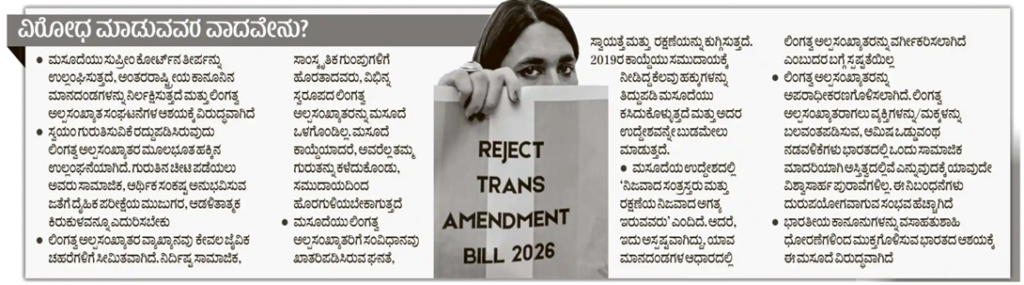
      “From the NALSA Judgment to the 2026 Amendment Bill: An Analysis of the Right to Self-Identification, Challenges of Medical Screening, and the Constitutional Conflict in the Pursuit of Social Justice for Transgender Persons.”

      Essay-2: Topic of State importance/Local Importance

      “Karnataka is past its demographic peak: Discuss the strategic shift required from ‘Generating Employment’ to ‘Ensuring Job Quality’ to sustain the state’s economic growth.”

      Paper-II: General Studies 1

      ‘Only 5% of households received mandated 100 days of employment under MGNREGA’
      Context: Even as the Congress government in Karnataka opposed any move to dilute the Mahatma Gandhi National Rural Employment Guarantee Act (MGNREGA) by the Centre, a report by the Comptroller and Auditor General of India (CAG) flagged several shortcomings in the scheme’s implementation in the State.

      • The CAG report, tabled in the Legislative Assembly for the period 2019–20 to 2023–24, noted that only 5% of households received the mandated 100 days of employment.
      • Most households were provided just 1 to 30 days of work, while demand for employment did not exceed 48% of issued job cards during the audit period.

      Contract management

      • The report highlighted irregularities in contract management, stating that outsourcing contracts were extended without fresh tenders, leading to higher service charges. It also pointed to violations in recruitment, where contract staff were hired without adhering to reservation norms, resulting in inadequate representation of women, Scheduled Castes, Scheduled Tribes, and persons with disabilities.
      • Further, the audit found gaps in data systems, noting that NREGASoft lacked provisions to track employment demand and allocation for vulnerable groups such as nomadic tribes and HIV-positive individuals. Cross-verification with housing scheme records indicated their significant exclusion from the programme.
      • Serious financial irregularities were flagged, including fraudulent payments for completed or non-existent housing works, payments to ineligible beneficiaries, and fabrication of records in projects such as solid waste management, check dams, and social forestry.

      Pendency rate

      • While ombudspersons had been appointed across districts, the report noted a high pendency rate of 59% in grievance disposal, with less than 20% of imposed penalties actually recovered.
      • The audit observed a decline in wage expenditure during 2022–23 and 2023–24, underutilisation of funds under the material component, and inadmissible administrative expenditure of ₹32.78 crore. Additionally, Aadhaar mapping remained incomplete for 3.11 lakh workers out of 84.98 lakh active workers as of March 2024, with ₹35.10 crore worth of transactions pending due to rejected payments.
      • The CAG observed irregularities such as printing of muster rolls without utilising NREGASoft and irregular payments on such manipulated muster rolls.
      • The State government has urged the Centre to scrap the “Viksit Bharat–Guarantee for Rozgar Ajeevika Mission (Gramin)” and restore MGNREGA in its original form to safeguard employment and livelihoods for rural ​workers.

      Karnataka received less than 50% of funds allocated by Centre under JJM: Audit report
      Context: Karnataka received less than 50% of the funds allocated by the Centre under the Jal Jeevan Mission (JJM), primarily due to poor utilisation of released funds, according to a report by the Comptroller and Auditor General of India (CAG).

      • The report, tabled in the Legislative Assembly, for the period 2019-20 to 2023-24, noted that the State received ₹11,189.37 crore — about 45% of the total allocation of ₹24,819.48 crore.
      • It attributed low fund utilisation to the reduced engagement of implementation support agencies. Spending on water quality monitoring and surveillance dropped sharply, from 50% in 2019-20 to just 2% in 2023-24, leading to infrastructure gaps such as inadequate water testing laboratories and equipment.
      • The audit further highlighted negligible community participation, with only ₹22.75 crore mobilised against an expected ₹1,594.90 crore.
      • Delays of three to nine months in submitting utilisation certificates and audited accounts contributed to the State not receiving the remaining central assistance.
      • The findings are seen as a setback for the State government, which has been criticising the Union government for insufficient fund release under the scheme, implemented by the Rural Development and Panchayat Raj Department.
      • Against a target of 72.14 lakh households, tap water connections were provided to 47.62 lakh households (66%) as of November 2024. The shortfall was attributed to delays in tendering, execution of works without ensuring land availability, and slow approvals, the report said.

      Paper-III: General Studies 2

      Karnataka home to 274 springs; Belagavi district tops list with 59
      Context:
      The Karnataka Minor Irrigation and Groundwater Development Department has successfully completed the State’s first spring census. According to the census, 274 springs have been enumerated across 31 districts, with Belagavi reporting the highest number with 59.

      Hot spring

      • The census also noted that there is one hot spring at Bendru Theertha in Dakshina Kannada district.
      • B.K. Pavithra, Secretary, Minor Irrigation and Groundwater Development Department, said that despite the logistical challenges posed by the monsoon, field enumerators leveraged a digital framework to successfully identify and document a total of 247 springs.
      • Highlighting the regional distribution and ecological health of these waterbodies, he added: “Our data reveals that Belagavi district leads the State, reporting the highest number with 59 springs. Furthermore, a significant majority of these vital water sources remain active, with 144 springs classified as perennial and 114 as seasonal, while 16 have dried up over time.”

      Key rivers

      • The census report has mapped the origins of key rivers to these springs, noting that the Cauvery originates at Talacauvery in Kodagu, the Hemavati at Javali in Chikkamagaluru, and the Sharavati at Ambutheertha in Shivamogga.
      • This digitised data will now serve as a foundational database for future spring conservation, rejuvenation projects, groundwater management, and comprehensive water resource planning across Karnataka.
      • Springs are natural outlets where groundwater flows to the surface through openings in the earth’s crust. They typically occur when the water table intersects with the ground surface or when groundwater is forced out through fractures, faults, or permeable rock layers.

      Western Ghats

      • “The Western Ghats and Malnad region, including districts like Kodagu, Chikkamagaluru, Uttara Kannada, Dakshina Kannada, Belagavi, and Shivamogga, are primary hubs for spring formation due to high rainfall and favourable geological conditions. Owing to a unique hydrological feature, a hot spring in Bendru Theertha, is located in Dakshina Kannada district,” the Karnataka Minor Irrigation and Groundwater Development Department added.
      • The department has received a certificate of appreciation from the Union Ministry of Jal Shakti for its first sprint census.

      ‘State past its demographic peak, job quality is key’
      Context: The median age for Karnataka, as per report, is 32; the highest is recorded by Kerala at 39.

      • Karnataka has entered a state of demographic transition where a large working-age population will no longer be enough to drive economic growth, and future gains will depend on how productively people are employed, the ‘State of Working India 2026’ report said.
      • The report by Azim Premji University was released here on Tuesday. It examines how India’s school-to-work transition has evolved over the last 40 years.

      Among ‘older’ States

      • The report places Karnataka among relatively “older” Indian States, alongside Kerala and Tamil Nadu, where the share of the working-age population is no longer rising significantly. In economic terms, this means that the boost to growth that comes from a rising working-age population, the demographic dividend, has largely played out.
      • According to the report, India is still young (with more young people entering the workforce currently), with a median age of 28, and accounts for a significant share of the world’s youth population. However, this window is narrowing quickly. The number of young people has already begun to decline, it said. The report highlights that the demographic dividend only translates into economic growth if there are enough jobs for people to take up. Without job creation, a large working-age population can just as easily become a burden.

      Sharp contrasts

      • The State-level picture shows sharp contrasts. While southern and western States such as Karnataka are ageing faster and must now depend on productivity gains, northern States like Uttar Pradesh and Bihar still have a growing youth population. The median age for Karnataka, as per the report, is 32. The highest is recorded by Kerala at 39, while Bihar has the lowest median age of 22.
      • The report finds that younger States are not necessarily doing better at employing their youth. When it comes to overall employment, there is little difference between younger and older States. However, older and more industrialised States, including Karnataka, perform better in generating regular salaried jobs, which are typically more stable and better paid than casual or self-employment.
      • The link between economic growth and job quality is crucial here, the report said. States such as Karnataka, Gujarat and Tamil Nadu, which have seen relatively stronger economic growth, also show a clearer rise in salaried employment among young people. In contrast, poorer States have struggled to convert growth into such jobs at the same pace.
      • At the national level, the report traces how young Indians have moved between education and work over the past 40 years. Within education, enrollment among teenagers (15-19 years) has risen sharply since the 1980s, with girls nearly closing the gap with boys. More young people are staying in school longer, and more are entering higher education than before, the report said.

      Employment story

      • But the employment story is more uneven. Between 2004-05 and 2017-18, rising education levels meant fewer young people were working, as they stayed in school or college longer. Since 2017-18, however, this trend has reversed. Employment among youth has increased but partly because some are leaving education earlier.
      • This shift is particularly visible among young men. Data shows a noticeable decline in the share of boys aged 15-19 in education in recent years, including in secondary and higher secondary levels. This decline began around the pandemic period and has not fully reversed, the report notes.

      Young women

      • Among young women, the trend is different. The recent rise in employment has come mainly from fewer women remaining outside both education and work, rather than from dropping out of education. However, female workforce participation remains a major concern. A large share of women in their early 20s are still neither studying nor employed, the report mentioned, pointing to persistent structural and social barriers.

      SC status only for Hindus, Buddhists, Sikhs: top court

      Context: Conversion to any other religion will lead to complete loss of Scheduled Caste status, regardless of birth, says Supreme Court Bench as it invokes Clause 3 of Constitution (Scheduled Castes) Order.

      • The Supreme Court held in a judgment that a person professing any religion other than Hinduism, Buddhism, or Sikhism should not be considered a member of a Schedule Caste community.
      • The court concluded that conversion to any other religion would result in “immediate and complete loss of Scheduled Caste status from the moment of conversion, regardless of birth”.
      • A Bench of Justices Prashant Kumar Mishra and Manmohan invoked Clause 3 of the Constitution (Scheduled Castes) Order, 1950, which mandates that “no person who professes a religion different from Hinduism shall be deemed to be a member of a Scheduled Caste”. The Sikh religion was added to the ambit of Clause 3 in 1956. The provision was further amended in 1990 to include persons professing Buddhism.
      • “This bar under Clause 3 of the Constitution (Scheduled Castes) Order, 1950 is categorical and absolute,” Justice Mishra, who authored the judgment, interpreted the 1950 Order.
      • The court was hearing an appeal filed by Chinthada Anand, who was born a Hindu-Madiga (Scheduled Caste) but converted to Christianity to become a pastor.
      • Mr. Anand had filed a case under the Scheduled Castes and Scheduled Tribes (Prevention of Atrocities) Act of 1989 after he alleged that he had suffered repeated attacks and caste slurs.
      • The Andhra Pradesh High Court, in a decision in April last year, quashed the criminal proceedings on the ground that Mr. Anand could no longer claim protection under the 1989 Act as he professed Christianity and had been a pastor for about a decade. The High Court was of the view that the caste system was not recognised in Christianity.
      • Confirming the High Court’s decision in the plea by Mr. Anand, the top court drew attention to the term “profess” in Clause 3 of the 1950 Order.
      • “The term ‘profess’ connotes to publicly declare or practice a religion. The essence of the word lies in the open avowal of one’s religious beliefs in a manner discernible to the public at large. It is not merely a question of personal belief or private conviction, but requires an outward manifestation of one’s faith. It may be observed that Christianity, by its very theological foundation, does not recognise or incorporate the institution of caste,” Justice Mishra said.
      • The top court said a convert who did not profess any of the three religions in Clause 3 of the 1950 Order could not claim any “statutory benefit, protection, reservation or entitlement” of a Scheduled Caste (SC) member. Justice Mishra said the bar admitted no exception. A person cannot simultaneously profess and practice a religion other than the ones specified in Clause 3 and claim membership of a Scheduled Caste at the same time, the court said.
      • “A person who professes and practices such religion for personal, social and spiritual purposes cannot, in law, assert membership of a Scheduled Caste for the purpose of securing statutory benefits. The two positions are mutually exclusive and contrary to the Constitutional scheme,” Justice Mishra observed. A person claiming to have “re-converted” to Hinduism, Sikhism, or Buddhism must “cumulatively and conclusively establish” clear proof of his earlier caste; provide credible and unimpeachable evidence of bona fide reconversion to the original religion; and show satisfactory evidence that members of his original caste have accepted and assimilated him into the community. The court said renunciation of the new religion by the convert must be unequivocal. It should translate to the adoption and observance of the customs, usages, practices, rituals, and religious obligations of the original caste. Failure to establish even one condition renders the claim of re-conversion unsustainable, the court said.
      • The judgment also dealt with the Constitution (Scheduled Tribes) Order, 1950, which did not prescribe religion-based exclusion as in the case of the Scheduled Caste community. Justice Mishra said a person could claim benefits under the Constitution (Scheduled Tribes) Order, 1950, only if he or she continued to belong to that particular tribe “in substance”.

      LS passes new transgender Bill as MPs stage walkout
      Context:
      Amid an Opposition-led walkout, the Lok Sabha passed by voice vote the Transgender Persons (Protection of Rights) Amendment Bill, 2026, which proposes to remove transgender people’s right to self-determination of gender, and introduces a clause for examination by a medical board to determine their gender.

      • The Bill sought to stop adults and children from being “forced or compelled” to become or present as transgender persons through hormone therapy or other interventions and strengthened punishments for crimes against transgender persons.

      Paper-IV: General Studies 3

      AssamSAT: Assam floats tender for satellites to monitor floods
      Context: Chief Minister Sarma announced the project in the 2025-26 State Budget; The procurement is for at least five satellites in low-earth orbit.

      • Assam has become the first Indian State to float a tender for a group of earth-observation satellites that it says will strengthen disaster response along the flood-prone Brahmaputra valley and help survey the State’s borders.
      • The Assam Science Technology and Environment Council issued an Expression of Interest (EOI) on March 16 inviting private aerospace companies to design, build, launch, operate, and eventually transfer the satellites to State ownership. The mission has been named AssamSAT.
      • Chief Minister Himanta Biswa Sarma announced the project in the 2025-26 State Budget as a means to achieve what he has repeatedly described as an “infiltration-free Assam”.
      • Mr. Sarma has argued that conventional border fencing is inadequate for the State’s chars, the seasonally inundated river islands along the Bangladesh border, and that real-time satellite monitoring is the sole practical alternative.
      • The procurement is structured around at least five satellites in low-earth orbit. The brief EOI doesn’t say whether the satellites will operate separately or together, in a constellation. As Per the brief, qualifying parties can avail the full EOI for a fee of ₹30,000.
      • Assuming it’s a constellation, the satellites will be able to scan the same part of the ground once every few hours and map it at high resolution — a useful task for disaster response during floods, where the extent of waters can change within hours.
      • The EOI also doesn’t specify the sensors the satellites will carry. But since the State has cloudy weather for almost half the year, the satellites may carry synthetic aperture radars (SAR), whose gaze can pierce clouds and darkness.
      • Currently, State disaster management agencies seeking satellite data must submit requests to the National Remote Sensing Centre, which will process and fulfill those requests.
      • The State sits close to the Siliguri Corridor, a strip of land colloquially called the chicken’s neck that physically connects the Northeast to the rest of India, and which State and Central security agencies have been preoccupied with monitoring.
      • Mr. Sarma has also extended the satellite’s mandate to include tracking drug-trafficking routes and monitoring poaching in the Kaziranga National Park.
      • In 2024, NewSpace India, Ltd. cleared a private-sector earth observation constellation led by Dhruva Space and Pixxel.
      • The plan combines small satellites carrying optical and hyperspectral sensors in low-earth orbit to deliver near real-time imagery for agriculture, disaster response, and national security users while being owned and operated by industry.

      Paper-V: General Studies 4

      Ethics Case Study: The Harish Rana Landmark Judgment

      The case of Harish Rana is a profound intersection of medical ethics, constitutional law, and human compassion. It serves as a landmark Ethics Case Study for those analyzing the concepts of “Right to Life” versus “Right to Die with Dignity.”

      1. Case Summary
      In a historic first for India, the Supreme Court permitted the withdrawal of Clinically Assisted Nutrition and Hydration (CANH) for 32-year-old Harish Rana. Rana had been in a Permanent Vegetative State (PVS) for 13 years following a tragic fall in 2013 that left him with 100% quadriplegic disability. Following the legal withdrawal of life support, Rana passed away at AIIMS Delhi. In a final act of altruism, his family donated his corneas and heart valves.

      2. Key Ethical Dilemmas

      • Sanctity of Life vs. Quality of Life: While Article 21 of the Indian Constitution guarantees the “Right to Life,” does this mandate the mechanical preservation of a body in a state where there is zero clinical hope of recovery or consciousness?
      • Non-Maleficence (Do No Harm): Is it more harmful to “let go” or to continue invasive medical interventions that merely prolong a vegetative existence without the patient’s consent?
      • Parental Autonomy vs. Moral Duty: The struggle of parents who must decide between the instinct to keep a child alive and the compassionate duty to end their prolonged suffering.
      • Altruism in Grief: The ethical strength required to pivot from a moment of profound loss to the decision of organ donation, benefiting strangers while the family is in mourning.

      3. Analytical Framework for Ethics

      PerspectiveEthical Application
      UtilitarianismFocuses on the “greatest happiness.” Prolonging a vegetative state for 13 years causes immense emotional and financial “disutility” to the family and the state with no “utility” (recovery) for the patient.
      Deontology (Duty)Doctors have a duty to preserve life (Hippocratic Oath), but they also have a duty to respect human dignity. The court ruled that “prolonging agony” is a violation of that duty.
      Virtue EthicsThe family’s decision to donate organs reflects the virtues of Compassion, Fortitude, and Selflessness, turning a private tragedy into a public good.

      4. Legal & Ethical Evolution in India

      • Aruna Shanbaug Case (2011): The starting point for the conversation on passive euthanasia in India.
      • Common Cause vs. Union of India (2018): Recognized that the “Right to Life” includes the “Right to Die with Dignity,” establishing the concept of a Living Will.
      • The Rana Judgment (2026): Goes a step further by allowing the withdrawal of basic nutrition/hydration in specific clinical scenarios, moving past just “ventilator support.”

      Conclusion
      The Harish Rana case teaches us that Compassion is sometimes found in the courage to let go. It reinforces the ethical principle that the “Right to Life” is not merely about biological existence, but about the dignity of the human spirit. His family’s decision to donate organs serves as a powerful testament to the idea that life can have meaning and impact even after it has technically ended.

      Sources: The Hindu

      ಕೆಎಎಸ್ ಪ್ರಚಲಿತ ವಿದ್ಯಮಾನಗಳು

      ಪೂರ್ವಭಾವಿ ಪರೀಕ್ಷೆ

      ಪತ್ರಿಕೆ-I: ರಾಷ್ಟ್ರೀಯ ಮತ್ತು ಅಂತರರಾಷ್ಟ್ರೀಯ ಮಹತ್ವದ ಪ್ರಚಲಿತ ವಿದ್ಯಮಾನಗಳು

      ಹರ ಪಾರ್ವತಿ ಕಥಾಕ್ಕೆ ‘ಸರಸ್ವತಿ ಸಮ್ಮಾನ್’
      ಸಂದರ್ಭ: ಬೆಂಗಳೂರು ಲೇಖಕ ರಾಮ್ ಕುಮಾರ್ ಮುಖ್ಯೋಪಾಧ್ಯಾಯ ಅವರ ‘ಹರ ಪಾರ್ವತಿ ಕಥಾ’ ಬಂಗಾಳಿ ಕಾದಂಬರಿಯು 2025ನೇ ಸಾಲಿನ ‘ಸರಸ್ವತಿ ಸಮ್ಮಾನ್ ಪ್ರಶಸ್ತಿಗೆ ಆಯ್ಕೆಯಾಗಿದೆ. ಈ ಕಾದಂಬರಿಯು ಶಿವ ಮತ್ತು ಪಾರ್ವತಿ ಕುರಿತ ಪೌರಾಣಿಕ ಕಥಾಹಂದರವನ್ನು ಹೊಂದಿದೆ.

      ಪ್ರಶಸ್ತಿಯ ಬಗ್ಗೆ:

      • ಭಾರತೀಯ ಪ್ರಜೆಗಳು ದೇಶದ ಯಾವುದೇ ಭಾಷೆಯಲ್ಲಿ ಬರೆದ ಶ್ರೇಷ್ಠ ಸಾಹಿತ್ಯ ಕೃತಿಗೆ.
      • ಕೆ.ಕೆ. ಬಿರ್ಲಾ ಫೌಂಡೇಷನ್ 1991ರಿಂದ ಈ ಪ್ರಶಸ್ತಿಯನ್ನು ನೀಡುತ್ತಿದೆ.
      • ಅರ್ಹತೆ: ಕಳೆದ 10 ವರ್ಷಗಳಲ್ಲಿ 23 ಮಾನ್ಯತೆ ಪಡೆದ ಭಾರತೀಯ ಭಾಷೆಗಳಲ್ಲಿ ಯಾವುದಾದರೂ ಒಂದರಲ್ಲಿ ಪ್ರಕಟವಾದ ಸಾಹಿತ್ಯ ಕೃತಿಗಳು (ಗದ್ಯ ಅಥವಾ ಕಾವ್ಯ).
      • ಪ್ರಶಸ್ತಿಯು ₹15 ಲಕ್ಷ ನಗದು ಮತ್ತು ಪಾರಿತೋಷಕವನ್ನು ಒಳಗೊಂಡಿದೆ.

      ಲೇಖಕ ರಾಮ್ ಕುಮಾರ್ ಮುಖ್ಯೋಪಾಧ್ಯಾಯ ಅವರ ಬಗ್ಗೆ:

      • ರಾಮ್‌ ಕುಮಾ‌ರ್ ಮುಖ್ಯೋಪಾಧ್ಯಾಯ ಅವರು ಕೋಲ್ಕತ್ತದಲ್ಲಿ 1956 ಅಕ್ಟೋಬರ್ 5ರಂದು ಜನಿಸಿದರು. ಹೌರಾದ ರಾಮಕೃಷ್ಣ ಮಿಷನ್ ವಿದ್ಯಾಮಂದಿರದಲ್ಲಿ ಪದವಿ ಮತ್ತು ಕಲ್ಕತ್ತ ವಿಶ್ವವಿದ್ಯಾಲಯದಲ್ಲಿ ಸ್ನಾತಕೋತ್ತರ ಪದವಿಯನ್ನು ಪಡೆದಿದ್ದಾರೆ. ಜಾದವ್‌ಪುರ ವಿಶ್ವವಿದ್ಯಾಲಯದಲ್ಲಿ ಪಿ.ಎಚ್‌ಡಿ ಮಾಡಿದ್ದಾರೆ. ಸಾಹಿತ್ಯ ಅಕಾಡೆಮಿಯ ಪೂರ್ವ ಮತ್ತು ಈಶಾನ್ಯ ಪ್ರದೇಶದ ಕಾರ್ಯದರ್ಶಿಯಾಗಿ ಮತ್ತು ವಿಶ್ವಭಾರತಿ ಪ್ರಕಾಶನ ಇಲಾಖೆಯಲ್ಲಿ ನಿರ್ದೇಶಕರಾಗಿಯೂ ಸೇವೆ ಸಲ್ಲಿಸಿದ್ದಾರೆ.
      • ಬಹುಮುಖಿ ಪ್ರತಿಭೆಯನ್ನು ಹೊಂದಿರುವ ಅವರು ಈವರೆಗೆ 9 ಕಾದಂಬರಿಗಳು, 11 ಕಥಾ ಸಂಗ್ರಹ ಮತ್ತು ನಾಲ್ಕು ಪ್ರಬಂಧ ಸಂಗ್ರಹ ಹೊರತಂದಿದ್ದಾರೆ. ಎರಡು ಪ್ರವಾಸ ಕಥನಗಳನ್ನು ಬರೆದಿದ್ದಾರೆ. ಅಲ್ಲದೇ, 54 ಭಾಷೆಗಳ ಸುಮಾರು 128 ಜನಪದ ಕಥೆಗಳನ್ನು ಸಂಗ್ರಹಿಸಿದ್ದಾರೆ.
      • ಬಂಕಿಮಚಂದ್ರ ಪುರಸ್ಕಾರ ಮತ್ತು ಬಾಂಗ್ಲಾ ಅಕಾಡೆಮಿ ಪುರಸ್ಕಾರ ಸೇರಿದಂತೆ ಹಲವು ಪ್ರಶಸ್ತಿಗಳಿಗೆ ಅವರು ಭಾಜನರಾಗಿದ್ದಾರೆ.


      ಪತ್ರಿಕೆ-II: ರಾಜ್ಯದ ಪ್ರಾಮುಖ್ಯತೆಯ ಪ್ರಸ್ತುತ ಘಟನೆಗಳು ಮತ್ತು ರಾಜ್ಯ ಸರ್ಕಾರದ ಪ್ರಮುಖ ಯೋಜನೆಗಳು

      ಸಾಹಿತ್ಯ ಅಕಾಡೆಮಿ ಪ್ರಶಸ್ತಿ ಘೋಷಣೆ
      ಸಂದರ್ಭ: ಬೆಂಗಳೂರು ಕರ್ನಾಟಕ ಸಾಹಿತ್ಯ ಅಕಾಡೆಮಿಯ 2025ನೇ ಸಾಲಿನ ‘ಗೌರವ ಪ್ರಶಸ್ತಿ, ಸಾಹಿತ್ಯ ಶ್ರೀ ಪ್ರಶಸ್ತಿ.

      • ಬೆಂಗಳೂರು ಕರ್ನಾಟಕ ಸಾಹಿತ್ಯ ಅಕಾಡೆಮಿಯ 2025ನೇ ಸಾಲಿನ ‘ಗೌರವ ಪ್ರಶಸ್ತಿ’ಗೆ ಸಾಹಿತಿಗಳಾದ ಪ್ರೊ.ಶಿವರಾಮಯ್ಯ (ಬೆಂಗಳೂರು), ಚಂದ್ರಶೇಖರ ತಾಳ್ಯ (ಚಿತ್ರದುರ್ಗ), ಚಂದ್ರಕಾಂತ ಪೋಕಳೆ (ಬೆಳಗಾವಿ), ಡಾ. ವಸುಂಧರಾ ಭೂಪತಿ (ಬಳ್ಳಾರಿ) ಹಾಗೂ ಎಸ್. ತುಕಾರಾಂ (ಮೈಸೂರು) ಆಯ್ಕೆಯಾಗಿದ್ದಾರೆ. ‘ಗೌರವ ಪ್ರಶಸ್ತಿ’ಯು ತಲಾ ₹50 ಸಾವಿರ ನಗದು ಬಹುಮಾನ ಒಳಗೊಂಡಿದೆ.
      • 2025ನೇ ಸಾಲಿನ ಸಾಹಿತ್ಯ ಶ್ರೀ ಪ್ರಶಸ್ತಿಗೆ ನಿಷ್ಠ ರುದ್ರಪ್ಪ (ಬಳ್ಳಾರಿ), ವೀರೇಶ ಬಡಿಗೇರ (ಬಾಗಲಕೋಟೆ), ಸಿ.ಜಿ. ಲಕ್ಷ್ಮೀಪತಿ (ಚಿತ್ರದುರ್ಗ), ಕಂನಾಡಿಗ ನಾರಾಯಣ (ಬೆಂಗಳೂರು), ರೂಪ ಹಾಸನ (ಹಾಸನ), ಜಯರಾಮ್ ರಾಯಪುರ (ವಿಜಯವಾಡ), ಕುಮುದಾ ಸುಶೀಲ್ (ದಾವಣಗೆರೆ), ಓ. ನಾಗರಾಜು (ತುಮಕೂರು), ಬಿ.ಎಂ ಬಷೀರ್ (ಮಂಗಳೂರು) ಹಾಗೂ ಜ್ಯೋತಿ (ಬೆಂಗಳೂರು) ಆಯ್ಕೆಯಾಗಿದ್ದಾರೆ. ಈ ಪ್ರಶಸ್ತಿಯು ತಲಾ ₹25 ಸಾವಿರ ಒಳಗೊಂಡಿದೆ.
      • 2024ರ ಪುಸ್ತಕ ಬಹುಮಾನಕ್ಕೆ ವಿಮರ್ಶಕರ ಅಭಿಪ್ರಾಯ ಆಧರಿಸಿ 17 ಕೃತಿಗಳನ್ನು ಆಯ್ಕೆ ಮಾಡಲಾಗಿದೆ. ಈ ಬಹುಮಾನವು ತಲಾ ₹25 ಸಾವಿರ ನಗದು ಒಳಗೊಂಡಿದೆ.
      • 2024ರ ವಿವಿಧ ದತ್ತಿ ಬಹುಮಾನಗಳಿಗೆ 11 ಕೃತಿಗಳು ಆಯ್ಕೆಯಾಗಿವೆ.

      ಆದಿಕವಿ ಪಂಪ ಪ್ರತಿಷ್ಠಾನ ರಚನೆ
      ಸಂದರ್ಭ: ಬೆಂಗಳೂರು ಕನ್ನಡ ಮತ್ತು ಸಂಸ್ಕೃತಿ ಇಲಾಖೆಯು ಧಾರವಾಡ ಜಿಲ್ಲೆಯ ಅಣ್ಣಿಗೇರಿಯಲ್ಲಿ ಆದಿಕವಿ ಪಂಪ ಪ್ರತಿಷ್ಠಾನ ರಚಿಸಿದೆ.

      • ಪಂಪ ಮೊದಲ ಬಾರಿಗೆ ಜಾತಿ ವ್ಯವಸ್ಥೆಯನ್ನು ವಿರೋಧಿಸಿದ ಕವಿ. ‘ಮನುಷ್ಯ ಜಾತಿ ತಾನೊಂದೆ ವಲಂ’ ಎಂಬ ಪಂಪವಾಣಿಯು ಇಂದಿಗೂ ಪ್ರಸ್ತುತವಾಗಿದೆ ‘ವಿಕ್ರಮಾರ್ಜುನ ವಿಜಯಂ’ ಕಾವ್ಯದಲ್ಲಿ ಕರ್ಣನ ಪಾತ್ರವನ್ನು ಕುಲಪದ್ಮತಿಯ ಪ್ರತಿರೋಧದ ರೂಪಕವಾಗಿ ಬಳಸಿ ಜಾತಿ ಪದ್ಧತಿಯನ್ನು ವಿರೋಧಿಸಿದ್ದರು.
      • ಪಂಪ ಮಹಾಕವಿಯ ಸ್ಮಾರಕವನ್ನು ನಿರ್ಮಿಸಿ, ಪಂಪ ಭವನವನ್ನು ಉನ್ನತೀಕರಿಸಿ, ಜಾತ್ಯತೀತ, ದ್ವೇಷಾತೀತ, ಸೃಜನಶೀಲ ಕೆಲಸಗಳನ್ನು ಮಾಡಬಹುದು ಎಂದು ಕನ್ನಡ ಮತ್ತು ಸಂಸ್ಕೃತಿ ಇಲಾಖೆಯ ನಿರ್ದೇಶಕರು ಕೋರಿದ್ದರು. ಈ ಪುಸ್ತಾವದಂತೆ ಪಂಪ ಪ್ರತಿಷ್ಠಾನ ರಚಿಸಲಾಗಿದೆ ಎಂದು ಇಲಾಖೆ ತಿಳಿಸಿದೆ.

      ಬರಗೂರು ಒತ್ತಾಯದ ಫಲ: ಪಂಪ ಮಹಾಕವಿಯ ಪ್ರತಿಷ್ಠಾನ ಆರಂಭಿಸಬೇಕು ಎಂದು ಸಾಹಿತಿ ಬರಗೂರು ರಾಮಚಂದ್ರಪ್ಪ ಅವರು ಕನ್ನಡ ಮತ್ತು ಸಂಸ್ಕೃತಿ ಸಚಿವ ಅವರನ್ನು ಭೇಟಿ ಮಾಡಿ ಒತ್ತಾಯ ಮಾಡಿದ್ದರು.

      ಆರ್‌ಸಿಬಿಗೆ ಕೆಎಂಎಫ್ ಪ್ರಾಯೋಜಕತ್ವ

      ಸಂದರ್ಭ: ಕರ್ನಾಟಕ ಹಾಲು ಮಹಾ ಮಂಡಳಿಯು ನಂದಿನಿ ಉತ್ಪನ್ನಗಳ ಪ್ರಚಾರದ ಭಾಗವಾಗಿ ಐಪಿಎಲ್-2026 ಲೀಗ್ನಲ್ಲಿ ರಾಯಲ್ ಚಾಲೆಂಜರ್ಸ್ ಬೆಂಗಳೂರು(ಆರ್ಸಿಬಿ) ತಂಡದ ಪ್ರಾಯೋಜಕತ್ವ ವಹಿಸಲಿದೆ.

      • ಎರಡು ವರ್ಷದ ಹಿಂದೆ ಸ್ಯಾಟೆಂಡ್, ಐರ್ಲೆಂಡ್ ತಂಡಗಳಿಗೆ ಕೆಎಂಎಫ್ ಪ್ರಾಯೋಜಕತ್ವ ನೀಡಿತ್ತು. ಈ ಬಾರಿ ಆರ್‌ಸಿಬಿ ತಂಡದ ಅಧಿಕೃತ ಪಾಲುದಾರರಾಗಿ ಕಾರ್ಯ ನಿರ್ವಹಿಸಲಿದ್ದು, ಇದಕ್ಕಾಗಿ ₹4.80 ಕೋಟಿ ವಿನಿಯೋಗ ಮಾಡಲಿದೆ.
      • ‘ಕ್ರೀಡೆ ಮತ್ತು ಯುವಜನರನ್ನು ಪ್ರೋತ್ಸಾಹಿಸುವ ಧೈಯವನ್ನು ನಂದಿನಿ ಬ್ಯಾಂಡ್ ಹೊಂದಿದೆ. ಕರ್ನಾಟಕದ ಹೆಮ್ಮೆಯ ಎರಡು ಪ್ರತಿಷ್ಠಿತ ಬ್ಯಾಂಡ್‌ಗಳಾದ ‘ನಂದಿನಿ’ ಮತ್ತು ‘ಆರ್‌ಸಿಬಿ’ ಒಂದಾಗಿರುವುದು ಸಂತೋಷದ ವಿಷಯ. ಆರ್‌ಸಿಬಿ ಅಭಿಮಾನಿಗಳೊಂದಿಗೆ ನಂಟನ್ನು ವಿಸ್ತರಿಸಿ ಲೀಗ್‌ನಲ್ಲಿ ಸಂಭ್ರಮಿಸಲು ಎದುರು ನೋಡುತ್ತಿದ್ದೇವೆ’ ಎಂದು ಕೆಎಂಎಫ್ ವ್ಯವಸ್ಥಾಪಕ ನಿರ್ದೇಶಕ ಬಿ.ಶಿವಸ್ವಾಮಿ ತಿಳಿಸಿದ್ದಾರೆ.
      • ‘ನಂದಿನಿ ಬ್ಯಾಂಡ್‌ನ ಯಾವುದೇ ಜಾಹೀರಾತು ಕ್ರೀಡಾಂಗಣದಲ್ಲಿ ಪ್ರಕಟವಾಗುವುದಿಲ್ಲ ಆಟಗಾರರ ಜರ್ಸಿಗಳ ಮೇಲೂ ನಂದಿನಿ ಲಾಂಛನ ಇರುವುದಿಲ್ಲ ಬದಲಿಗೆ ನಂದಿನಿ ಉತ್ಪನ್ನಗಳ ಜಾಹೀರಾತಿನಲ್ಲಿ ಆರ್‌ಸಿಬಿ ಆಟಗಾರರಾದ ವಿರಾಟ್ ಕೊಹ್ಲಿ. ರಜತ್ ಪಾಟೀದಾರ್, ದೇವದತ್ತ ಪಡಿಕಲ್ ಅವರ ಭಾವಚಿತ್ರ ಬಳಸಿಕೊಳ್ಳಲು ಅವಕಾಶ ಇರಲಿದೆ’ ಎಂದು ಹೇಳಿದ್ದಾರೆ.

      ಚೊಚ್ಚಲ ಖೇಲೊ ಇಂಡಿಯಾ’ ಆದಿವಾಸಿ ಕ್ರೀಡಾಕೂಟ: ಈಜು: 5 ಚಿನ್ನ ಬಾಚಿದ ಕರ್ನಾಟಕ
      ಸಂದರ್ಭ: ಈಜಿನಲ್ಲಿ ‘ಪವರ್ಹೌಸ್’ ಎನಿಸಿರುವ ಕರ್ನಾಟಕ ತಂಡದ ಸ್ಪರ್ಧಿಗಳು, ಆರಂಭವಾದ ಮೊತ್ತಮೊದಲ ಖೇಲೊ ಇಂಡಿಯಾ ಆದಿವಾಸಿ ಕ್ರೀಡಾಕೂಟ ದಲ್ಲಿ ಸಂಪೂರ್ಣ ಮೇಲುಗೈ ಸಾಧಿಸಿದರು. ಪಣಕ್ಕಿದ್ದ ಆರು ಚಿನ್ನದ ಪದಕಗಳಲ್ಲಿ ಐದನ್ನು ಬಾಚಿಕೊಂಡರು. ಕರ್ನಾಟಕದ ಧೋನೀಶ್ ಎನ್ ಪುರುಷರ 200 ಮೀ ಫ್ರೀಸ್ಟೈಲ್ ಸ್ಪರ್ಧೆಯಲ್ಲಿ ಗಮನ ಸೆಳೆದರು.

      • ಕರ್ನಾಟಕದ ಮಣಿಕಂಠ ಮತ್ತು ಮೆಹಂಜಲಿ ತಲಾ ಎರಡು ಚಿನ್ನದ ಪದಕಗಳನ್ನು ಗೆದ್ದರು.
      • ಧೋನೀಶ್ 32 03.55 ಸೆ.ಗಳಲ್ಲಿ ಗುರಿತಲುಪಿದರು. ಕರ್ನಾಟಕದ ಇನ್ನೊಬ್ಬ ಸ್ಪರ್ಧಿ ಕೀರ್ತನ್ ಶರತ್ (2ನಿ:1099) ಸುಮಾರು ಏಳು ಸೆಕೆಂಡುಗಳು ಅಂತರದಲ್ಲಿ ಹಿಂದೆಬಿದ್ದು ಬೆಳ್ಳಿ ಗೆದ್ದರು. ಮಹಾರಾಷ್ಟ್ರದ ಭಕ್ತಿಶ್ ಕುಮೆ (2ನಿ:14.73 ಸೆ.) ಕಂಚಿನ ಪದಕ ತಮ್ಮದಾಗಿಸಿಕೊಂಡರು.
      • ಮೊದಲ ದಿನದ ಸ್ಪರ್ಧೆಗಳ ನಂತರ ಕರ್ನಾಟಕ ಪದಕ ಪಟ್ಟಿಯಲ್ಲಿ (5 ಚಿನ್ನ ಸಹಿತ 7 ಪದಕ) ಅಗ್ರಸ್ಥಾನದಲ್ಲಿದೆ.ಒಡಿಶಾ (1 ಚಿನ್ನ ಸೇರಿ 4 ಪದಕ) ಎರಡನೇ ಮತ್ತು ಆತಿಥೇಯ ಛತ್ತೀಸಗಢ (2 ಪದಕ) ನಾಲ್ಕನೇ ಸ್ನಾನದಲ್ಲಿದೆ.
      • ಒಡಿಶಾದ ಅಂಜುಲಿ ಮುಂಡಾ ಮಹಿಳೆಯರ 200 ಮೀ ಫ್ರೀಸ್ಟೈಲ್ ಸ್ಪರ್ಧೆಯನ್ನು 2ನಿ.39.02 ಸೆ.ಗಳಲ್ಲಿ ಜಯಿಸಿ ಕರ್ನಾಟಕದ ಏಕಸ್ವಾಮ್ಯ ತಡೆದರು. ಕೂದಲೆಳೆ ಅಂತರದಲ್ಲಿ ಹಿಂದೆಬಿದ್ದ ಕರ್ನಾಟಕದ ನಿಧಿ ಎಸ್. (2:39.09 ಸೆ.) ಎರಡನೇ ಸ್ಥಾನ ಮತ್ತು ಒಡಿಶಾದ ಶ್ರೀಯಾ ಪದಿಯಾಮಿ (2:49.04) ಮೂರನೇ ಸ್ಥಾನ ಗಳಿಸಿದರು.
      • ಪುರುಷರ 100 ಮೀ ಬ್ರೆನ್ಸಸ್ಟೋಕ್‌ನಲ್ಲಿ ಮಣಿಕಂಠ 1ನಿ.07.41ಸೆ.ಗಳಲ್ಲಿ ಗುರಿತಲುಪಿದರೆ, ಮಹಾರಾಷ್ಟ್ರದ ಪಲಾಶ್ ಠಾಕೂರ್ (1.11.69 ಸೆ.) ನಾಲ್ಕು ಸೆಕೆಂಡುಗಳ ಅಂತರದಲ್ಲಿ ಎರಡನೇ ಸ್ನಾನಕ್ಕೆ ಸರಿದರು.
      • ಮಣಿಕಂಠ ಅವರು 50 ಮೀ ಬಟಿರ್‌ಫೈನಲ್ಲೂ 27.60 ಸೆ.ಗಳ ಅವಧಿಯೊಡನೆ ಚಿನ್ನ ಗೆದ್ದರು ಅಸ್ಸಾಮಿನ ಫಿಮಿನೊ ಇಮೋನ್ ಲಾಲುಂಗ್ (27 69 ಸೆ) ಎರಡನೇ ಸ್ಥಾನ ಗಳಿಸಿದರು
      • ಮಹಿಳೆಯರ ವಿಭಾಗದಲ್ಲಿ ಮೆಹಂಜಲಿ ಸಾಧನೆ ಎದ್ದುಕಂಡಿತು 100 ಮೀ ಬ್ರೆನ್ಸಸ್ಟೋಕ್‌ನಲ್ಲಿ 1ನಿ 25 81 ಸೆ.ಗಳಲ್ಲಿ ಗುರಿತಲುಪಿದ ಅವರು ಮೊದಲಿಗರಾದರು ಛತ್ತೀಸಗಡದ ಅನುಷ್ಕಾ ಭಗತ್ (1.29 10) ಎರಡನೇ ಸ್ಥಾನ ಗಳಿಸಿದರು. ಅವರು ನಂತರ 50 ಮೀ. ಬಟರ್‌ಪ್ಲೇ ಸ್ಪರ್ಧೆಯನ್ನು 34.67 ಸೆ.ಗಳಲ್ಲಿ ಕ್ರಮಿಸಿ ಚಿನ್ನ ಗೆದ್ದರು.

      ಮುಖ್ಯ ಪರೀಕ್ಷೆ

      ಪತ್ರಿಕೆ-I: ಪ್ರಬಂಧಗಳು

      ಪ್ರಬಂಧ-1: ರಾಷ್ಟ್ರೀಯ ಮತ್ತು ಅಂತರರಾಷ್ಟ್ರೀಯ ಮಹತ್ವದ ವಿಷಯ

      “ನಲ್ಸಾ (NALSA) ತೀರ್ಪಿನಿಂದ 2026ರ ತಿದ್ದುಪಡಿ ಮಸೂದೆಯವರೆಗೆ: ಲಿಂಗತ್ವ ಅಲ್ಪಸಂಖ್ಯಾತರ ಸ್ವಯಂ-ಗುರುತಿಸುವಿಕೆಯ ಹಕ್ಕು, ವೈದ್ಯಕೀಯ ತಪಾಸಣೆಯ ಸವಾಲುಗಳು ಮತ್ತು ಸಾಮಾಜಿಕ ನ್ಯಾಯದ ಹಾದಿಯಲ್ಲಿನ ಸಾಂವಿಧಾನಿಕ ಸಂಘರ್ಷ – ಒಂದು ವಿಶ್ಲೇಷಣೆ.”

      ಪ್ರಬಂಧ-2: ರಾಜ್ಯ ಮಹತ್ವ/ ಸ್ಥಳೀಯ ಮಹತ್ವ ವಿಷಯ

      “ಕರ್ನಾಟಕವು ತನ್ನ ಜನಸಂಖ್ಯಾ ಲಾಭಾಂಶದ (Demographic Dividend) ಉತ್ತುಂಗವನ್ನು ದಾಟಿದೆ: ರಾಜ್ಯದ ಆರ್ಥಿಕ ಬೆಳವಣಿಗೆಯನ್ನು ಉಳಿಸಿಕೊಳ್ಳಲು ‘ಉದ್ಯೋಗ ಸೃಜನೆ’ಯಿಂದ ‘ಉದ್ಯೋಗದ ಗುಣಮಟ್ಟ’ವನ್ನು ಖಚಿತಪಡಿಸಿಕೊಳ್ಳುವತ್ತ ಅಗತ್ಯವಿರುವ ಕಾರ್ಯತಂತ್ರದ ಬದಲಾವಣೆಯನ್ನು ಚರ್ಚಿಸಿ.”

      ಪತ್ರಿಕೆ-II: ಸಾಮಾನ್ಯ ಅಧ್ಯಯನ-1

      ಪೂರ್ಣ ಬಜೆಟ್ ವಿಧಾನಸಭೆ ಒಪ್ಪಿಗೆ
      ಸಂದರ್ಭ: ವಿಧಾನಸಭೆಯು 2026-27ನೇ ಸಾಲಿನ ಹಣಕಾಸು ವರ್ಷಕ್ಕಾಗಿ ₹4.67 ಲಕ್ಷ ಕೋಟಿ ಮೊತ್ತದ ಪೂರ್ಣ ಪ್ರಮಾಣದ ಬಜೆಟ್ಗೆ ಅನುಮೋದನೆ ನೀಡಿತು.

      • ಬಜೆಟ್ ಮೇಲಿನ ಚರ್ಚೆಗೆ ತಾವು ಉತ್ತರ ನೀಡಿದ ನಂತರ ಮುಖ್ಯಮಂತ್ರಿ ಸಿದ್ದರಾಮಯ್ಯ ಅವರು, 2026ರ ಕರ್ನಾಟಕ ಧನವಿನಿಯೋಗ ಮಸೂದೆಯನ್ನು ಮಂಡಿಸಿದರು.
      • ಬಜೆಟ್ ಮಂಡನೆಯ ವೇಳೆ ಬಜೆಟ್‌ನ ಗಾತ್ರ ₹4.48 ಲಕ್ಷ ಕೋಟಿ ಎಂದು ಉಲ್ಲೇಖಿಸಲಾಗಿತ್ತು ಧನವಿನಿಯೋಗ ಮಸೂದೆಯಲ್ಲಿ ಬಜೆಟ್‌ ಗಾತ್ರವನ್ನು ಸುಮಾರು ₹19,000 ಕೋಟಿಯಷ್ಟು ಹೆಚ್ಚಿಗೆ ತೋರಿಸಲಾಗಿದೆ. ಕೇಂದ್ರದ ಅನುದಾನ, ಸಹಾಯಾನುದಾನ, ಪ್ರಕೃತಿ ವಿಕೋಪಕ್ಕೆ ಪರಿಹಾರ ಎಲ್ಲವೂ ಸೇರಿ ಈ ಮೊತ್ತ ಹೆಚ್ಚಳವಾಗಿದೆ.

      ಆರ್ಥಿಕ ವರ್ಷದ ಕೊನೆಯಲ್ಲಿ ಮಂಡಿಸಲಾದ ಅಂತಿಮ ಹಾಗೂ ಕೊನೆಯ ಕಂತಿನ ₹14 ಸಾವಿರ ಕೋಟಿ ಮೊತ್ತದ ಪೂರಕ ಅಂದಾಜಿಗೂ ವಿಧಾನಸಭೆ ಒಪ್ಪಿಗೆ ಸೂಚಿಸಿತು.

      ಪರಿಷ್ಕೃತ ಉಡಾನ್ ಯೋಜನೆ ₹28,840 ಕೋಟಿ ಎತ್ತಿಟ್ಟ ಕೇಂದ್ರ

      ಸಂದರ್ಭ: ಪ್ರಾದೇಶಿಕ ವಿಮಾನ ಸಂಪರ್ಕವನ್ನು ಬಲಪಡಿಸುವ ಸಲುವಾಗಿ ‘ಪರಿಷ್ಕೃತ ಉಡಾನ್ ಯೋಜನೆ’ಗೆ ಕೇಂದ್ರ ಸಚಿವ ಸಂಪುಟ ಅನುಮೋದನೆ ನೀಡಿದೆ.

      • ನಾಲ್ಕು ಕೋಟಿ ಪ್ರಯಾಣಿಕರಿಗೆ ಅನುಕೂಲ ಕಲ್ಪಿಸುವ ಉದ್ದೇಶದಿಂದ ಒಟ್ಟು ₹28,840 ಕೋಟಿ ವೆಚ್ಚದಲ್ಲಿ 2026-27ನೇ ಹಣಕಾಸು ವರ್ಷದಿಂದ 2035-36ರವರೆಗೆ ಈ ಯೋಜನೆ ಜಾರಿಗೊಳಿಸಲಾಗುವುದು.
      • ಈ ಯೋಜನೆಯಡಿ, ಪ್ರಾದೇಶಿಕ ಸಂಪರ್ಕ ಹೆಚ್ಚಿಸಲು ಪ್ರಸ್ತುತ ಬಳಕೆಯಲ್ಲಿಲ್ಲದ 100 ಏರ್ ಸ್ಕ್ರಿಪ್‌ಗಳನ್ನು ವಿಮಾನ ನಿಲ್ದಾಣಗಳನ್ನಾಗಿ ಅಭಿವೃದ್ಧಿಪಡಿಸಲು ಉದ್ದೇಶಿಸಲಾಗಿದೆ. ಇದಕ್ಕೆ ಮುಂದಿನ ಎಂಟು ವರ್ಷಗಳಲ್ಲಿ ₹12,159 ಕೋಟಿ ವೆಚ್ಚ ಮಾಡಲಾಗುವುದು.
      • ಕೇವಲ ಪ್ರಾದೇಶಿಕ ಸಂಪರ್ಕ ಯೋಜನೆ ಅಡಿಯಲ್ಲಿ ಬರುವ ವಿಮಾನ ನಿಲ್ದಾಣಗಳಿಗೆ ಅಧಿಕ ನಿರ್ವಹಣಾ ವೆಚ್ಚ ತಗಲುತ್ತಿದೆ ಆದರೆ, ಈ ನಿಲ್ದಾಣಗಳಿಗೆ ಸೀಮಿತ ಆದಾಯ ಇದೆ. ಹೀಗಾಗಿ ಈ ಯೋಜನೆಯಡಿ ವಿಮಾನ ನಿಲ್ದಾಣಗಳಿಗೆ ಕಾರ್ಯಾಚರಣೆ ಮತ್ತು ನಿರ್ವಹಣೆ ಬೆಂಬಲ ನೀಡಲಾಗುತ್ತದೆ ಪ್ರತಿ ವಿಮಾನ ನಿಲ್ದಾಣಕ್ಕೆ ವರ್ಷಕ್ಕೆ ಗರಿಷ್ಠ ₹3.06 ಕೋಟಿ ಮತ್ತು ಪ್ರತಿ ಹಲಿಪೋರ್ಟ್/ವಾಟರ್ ಏರೋಡೋಮ್ ಗೆ ವರ್ಷಕ್ಕೆ ₹90 ಲಕ್ಷದಂತೆ ಮೂರು ವರ್ಷ ನೆರವು ನೀಡಲಾಗುತ್ತದೆ 441 ನಿಲ್ದಾಣಗಳಿಗಾಗಿ ₹2,577 ಕೋಟಿ ಮೀಸಲಿಡಲಾಗಿದೆ.
      • ಗುಡ್ಡಗಾಡು, ದೂರದ ಪ್ರದೇಶಗಳು, ದ್ವೀಪಗಳು ಮತ್ತು ಅಭಿವೃದ್ಧಿ ಆಕಾಂಕ್ಷಿ ಜಿಲ್ಲೆಗಳಲ್ಲಿ ತಲಾ ₹15 ಕೋಟಿ ವೆಚ್ಚದಲ್ಲಿ 200 ಹೆಲಿಪ್ಯಾಡ್ ಗಳನ್ನು ನಿರ್ಮಿಸಲಾಗುವುದು ಇದಕ್ಕೆ ಎಂಟು ವರ್ಷಗಳಲ್ಲಿ ₹3,661 ಕೋಟಿ ವೆಚ್ಚ ಮಾಡಲಾಗುವುದು.
      • ವಿಮಾನಯಾನ ಸಂಸ್ಥೆಗಳು ನಿಗದಿತ ಮಾರ್ಗಗಳಲ್ಲಿ ಕಾರ್ಯನಿರ್ವಹಿಸಲು ಕಾರ್ಯಸಾಧ್ಯತಾ ಅಂತರ ನಿಧಿ (ವಿಜಿಎಫ್) ನೀಡಲಾಗು ವುದು ಮುಂದಿನ 10 ವರ್ಷಗಳಲ್ಲಿ ವಿಮಾನಯಾನ ಸಂಸ್ಥೆಗಳಿಗೆ ₹10.043 ಕೋಟಿ ನಿಧಿ ನೀಡಲು ಉದ್ದೇಶಿಸಲಾಗಿದೆ.
      • ದೂರದ ಮತ್ತು ದುರ್ಗಮ ಭೂಪ್ರದೇಶಗಳಲ್ಲಿ ಕಾರ್ಯಾಚರಣೆ ನಡೆಸಲು ಅಗತ್ಯವಿರುವ ಸಣ್ಣ ವಿಮಾನಗಳು ಮತ್ತು ಹೆಲಿಕಾಪ್ಟರ್‌ಗಳ ಕೊರತೆ ನೀಗಿಸಲು ಪವನ್ ಹನ್ಸ್ ಸಂಸ್ಥೆಗೆ ಎರಡು ‘ಎಚ್‌ಎಎಲ್ ಧ್ರುವ’ ಹೆಲಿಕಾಪ್ಟರ್‌ಗಳನ್ನು ಮತ್ತು ಅಲಯನ್ಸ್ ಏರ್ ಸಂಸ್ಥೆಗೆ ಎರಡು ‘ಎಚ್‌ಎಎಲ್ ಡಾರ್ನಿಯರ್’ ವಿಮಾನಗಳನ್ನು ಖರೀದಿಸಲು ಉದ್ದೇಶಿಸಲಾಗಿದೆ.

      ಯೋಜನೆಯ ಪ್ರಮುಖ ವೈಶಿಷ್ಟ್ಯಗಳು

      • ಟೈರ್-2 ಮತ್ತು ಟೈರ್-3 ನಗರಗಳ ಸಂಪರ್ಕ: ಕೇವಲ ಮೆಟ್ರೋ ನಗರಗಳಲ್ಲದೆ, ರಾಜ್ಯದ ಶಿವಮೊಗ್ಗ, ರಾಯಚೂರು, ವಿಜಯಪುರದಂತಹ ನಗರಗಳನ್ನು ಪ್ರಮುಖ ವಾಣಿಜ್ಯ ಕೇಂದ್ರಗಳೊಂದಿಗೆ ಬೆಸೆಯುವುದು.
      • ಹೆಲಿ-ಉಡಾನ್ (Heli-UDAN): ಪ್ರವಾಸಿ ತಾಣಗಳು ಮತ್ತು ತುರ್ತು ಸಂದರ್ಭಗಳಲ್ಲಿ ಸುಲಭ ಸಂಚಾರಕ್ಕಾಗಿ ಹೆಲಿಕಾಪ್ಟರ್ ಸೇವೆಗಳಿಗೆ ಹೆಚ್ಚಿನ ಉತ್ತೇಜನ.
      • ಅಂತರಾಷ್ಟ್ರೀಯ ಉಡಾನ್: ಆಯ್ದ ರಾಜ್ಯಗಳಿಂದ ಸೀಮಿತ ಅಂತರಾಷ್ಟ್ರೀಯ ತಾಣಗಳಿಗೆ (ಉದಾಹರಣೆಗೆ ಆಗ್ನೇಯ ಏಷ್ಯಾ ರಾಷ್ಟ್ರಗಳು) ಕಡಿಮೆ ದರದಲ್ಲಿ ವಿಮಾನ ಯಾನ ಆರಂಭಿಸುವ ಪ್ರಸ್ತಾವನೆ.
      • ಸುಸ್ಥಿರ ಇಂಧನ ಬಳಕೆ: ನೂತನ ವಿಮಾನ ನಿಲ್ದಾಣಗಳಲ್ಲಿ ಸೌರಶಕ್ತಿ ಮತ್ತು ಹಸಿರು ಇಂಧನ ಬಳಕೆಗೆ ಒತ್ತು ನೀಡುವುದು.

      ಕರ್ನಾಟಕದ ಮೇಲೆ ಪ್ರಭಾವ
      ಈ ಬೃಹತ್ ಅನುದಾನದಡಿ ಕರ್ನಾಟಕಕ್ಕೆ ಹಲವಾರು ಪ್ರಯೋಜನಗಳು ಸಿಗಲಿವೆ:

      • ಹೊಸ ವಿಮಾನ ನಿಲ್ದಾಣಗಳು: ಕಾರವಾರ ಮತ್ತು ಧರ್ಮಸ್ಥಳದಂತಹ ಪ್ರವಾಸಿ ಹಾಗೂ ಧಾರ್ಮಿಕ ತಾಣಗಳ ಬಳಿ ಏರ್‌ಸ್ಟ್ರಿಪ್‌ಗಳ ನಿರ್ಮಾಣಕ್ಕೆ ಅವಕಾಶ.
      • ಕೈಗಾರಿಕಾ ಪ್ರಗತಿ: ಕಲ್ಯಾಣ ಕರ್ನಾಟಕ ಮತ್ತು ಕಿತ್ತೂರು ಕರ್ನಾಟಕ ಭಾಗದ ನಗರಗಳಿಗೆ ವಿಮಾನ ಸಂಪರ್ಕ ಸಿಗುವುದರಿಂದ ಹೂಡಿಕೆದಾರರಿಗೆ ಅನುಕೂಲವಾಗಲಿದೆ.
      • ಪ್ರವಾಸೋದ್ಯಮ ವೃದ್ಧಿ: ಹಂಪಿ, ಬಾದಾಮಿಯಂತಹ ತಾಣಗಳಿಗೆ ಹತ್ತಿರದ ವಿಮಾನ ನಿಲ್ದಾಣಗಳಿಂದ ನೇರ ಸಂಪರ್ಕ ಕಲ್ಪಿಸುವುದು.

      ಯೋಜನೆಯ ಆರಂಭ
      ಅಧಿಕೃತ ಚಾಲನೆ: ಈ ಯೋಜನೆಯನ್ನು ಅಕ್ಟೋಬರ್ 21, 2016 ರಂದು ನವದೆಹಲಿಯಲ್ಲಿ ಅಧಿಕೃತವಾಗಿ ಘೋಷಿಸಲಾಯಿತು.
      ಮೊದಲ ವಿಮಾನ ಯಾನ: ಈ ಯೋಜನೆಯಡಿ ಮೊದಲ ವಿಮಾನವು ಏಪ್ರಿಲ್ 27, 2017 ರಂದು ಶಿಮ್ಲಾದಿಂದ ದೆಹಲಿಗೆ ಸಂಚರಿಸಿತು. ಇದನ್ನು ಪ್ರಧಾನಿ ನರೇಂದ್ರ ಮೋದಿ ಅವರು ಹಸಿರು ನಿಶಾನೆ ತೋರುವ ಮೂಲಕ ಉದ್ಘಾಟಿಸಿದರು.
      ಧ್ಯೇಯವಾಕ್ಯ: “ಹವಾಯಿ ಚಪ್ಪಲಿ ಹಾಕುವವರೂ ವಿಮಾನ ಯಾನ ಮಾಡಬೇಕು” ಎಂಬ ಆಶಯದೊಂದಿಗೆ ಇದನ್ನು ಜಾರಿಗೆ ತರಲಾಯಿತು.

      ಉಡಾನ್ ಯೋಜನೆಯ ವಿವಿಧ ಹಂತಗಳು (Phases)

      ಹಂತ (Phase)ವರ್ಷಗಮನಹರಿಸಿದ ಅಂಶಗಳು
      ಉಡಾನ್ 1.0201770 ವಿಮಾನ ನಿಲ್ದಾಣಗಳ ಸಂಪರ್ಕಕ್ಕೆ ಚಾಲನೆ.
      ಉಡಾನ್ 2.02018ಮೊದಲ ಬಾರಿಗೆ ಹೆಲಿಪ್ಯಾಡ್‌ಗಳನ್ನು ಯೋಜನೆಯಡಿ ತರಲಾಯಿತು.
      ಉಡಾನ್ 3.02019ಪ್ರವಾಸಿ ತಾಣಗಳು ಮತ್ತು ಜಲ ವಿಮಾನ (Seaplanes) ಸೌಲಭ್ಯಕ್ಕೆ ಒತ್ತು.
      ಉಡಾನ್ 4.02020ಈಶಾನ್ಯ ರಾಜ್ಯಗಳು ಮತ್ತು ದ್ವೀಪ ಪ್ರದೇಶಗಳ ಸಂಪರ್ಕಕ್ಕೆ ಆದ್ಯತೆ.
      ಉಡಾನ್ 5.02023600 ಕಿ.ಮೀ ದೂರದ ಮಿತಿಯನ್ನು ತೆಗೆದುಹಾಕಿ ದೀರ್ಘ ಪ್ರಯಾಣಕ್ಕೆ ಅವಕಾಶ.
      ಪರಿಷ್ಕೃತ ಉಡಾನ್2026ಮುಂದಿನ 10 ವರ್ಷಗಳ ಸುಸ್ಥಿರ ಅಭಿವೃದ್ಧಿಗಾಗಿ ₹28,840 ಕೋಟಿ ಮೀಸಲು.

      ಐವಿಎಫ್‌ಆರ್‌ಟಿ ಮುಂದುವರಿಕೆ:

      • ವಲಸೆ, ವೀಸಾ, ವಿದೇಶಿಯರ ನೋಂದಣಿ ಮತ್ತು ಟ್ರ್ಯಾಕಿಂಗ್ (ಐವಿಎಫ್‌ಆರ್‌ಟಿ) ಯೋಜನೆಯನ್ನು 2031ರ ಮಾರ್ಚ್ ಅಂತ್ಯದವರೆಗೆ ಮುಂದುವರಿಸಲು ಕೇಂದ್ರ ಸಂಪುಟ ಒಪ್ಪಿಗೆ ನೀಡಲಾಗಿದೆ. ಇದಕ್ಕಾಗಿ ₹1,800 ಕೋಟಿ ಮೀಸಲಿಡಲಾಗಿದೆ.

      ಪತ್ರಿಕೆ-III: ಸಾಮಾನ್ಯ ಅಧ್ಯಯನ-2

      ಎಲ್ಜಿಬಿಟಿಕ್ಕು ಸಮುದಾಯದಲ್ಲಿ ಆತಂಕ ಮೂಡಿಸಿದ ಕೇಂದ್ರದ ನಡೆ: ಲಿಂಗತ್ವ ಅಲ್ಪ ಸಂಖ್ಯಾತರ ಹಕ್ಕು ಮೊಟಕು?
      ಸಂದರ್ಭ: ಕೇಂದ್ರ ಸರ್ಕಾರವು ಲಿಂಗತ್ವ ಅಲ್ಪ ಸಂಖ್ಯಾತರ ಕಾಯ್ದೆ-2019ಕ್ಕೆ ಕೆಲವು ಬದಲಾವಣೆಗಳನ್ನು ಮಾಡಿ, ಲಿಂಗತ್ವ ಅಲ್ಪ ಸಂಖ್ಯಾತರ (ಹಕ್ಕುಗಳ ರಕ್ಷಣೆ) ತಿದ್ದುಪಡಿ ಮಸೂದೆ-2026ಕ್ಕೆ ಲೋಕಸಭೆಯಲ್ಲಿ ಅಂಗೀಕಾರ ಪಡೆದಿದೆ. ರಾಜ್ಯಸಭೆಯಲ್ಲಿಯೂ ಅಂಗೀಕಾರ ಸಿಕ್ಕಿದೆ.

      • ಲಿಂಗತ್ಯ ಅಲ್ಪಸಂಖ್ಯಾತರ ಕುರಿತ ವ್ಯಾಖ್ಯಾನವು ಅಸ್ಪಷ್ಟವಾಗಿದ್ದು, ನಿಜವಾದ ಸಂತ್ರಸ್ತರನ್ನು ಗುರುತಿಸಿ, ಅವರಿಗೆ ಕಾಯ್ದೆಯ ಪ್ರಯೋಜನಗಳನ್ನು ದೊರಕಿಸುವುದು ಅಸಾಧ್ಯವಾಗಿದೆ ತಮ್ಮ ಯಾವ ತವೂ ಇಲ್ಲದೇ ಜೈವಿಕ ಕಾರಣದಿಂದ ತೀವ್ರ ಸಾಮಾಜಿಕ ಸಮಸ್ಯೆಗಳನ್ನು ಎದುರಿಸುತ್ತಿರುವಂಥವರ ಹಕ್ಕುಗಳನ್ನು ಮಾತ್ರವೇ ರಕ್ಷಣೆ ಮಾಡುವುದು ಮಸೂದೆಯ ಉದ್ದೇಶ ಎಂದು ಕೇಂದ್ರವು ಪ್ರತಿಪಾದಿಸಿದೆ.
      • 2019ರ ಕಾಯ್ದೆಯ ಪ್ರಕಾರ, ಲಿಂಗತ್ವ ಅಲ್ಪ ಸಂಖ್ಯಾತರು ಎಂದರೆ, ಹುಟ್ಟಿನಿಂದ ದತ್ತವಾದ ಲಿಂಗತ್ಯಕ್ಕಿಂತ ಭಿನ್ನವಾದ ಲಿಂಗತ್ಯ ಹೊಂಗ್ಲಿರುವವರು. ಹುಟ್ಟಿದಾಗ ಗಂಡಾಗಿದ್ದು ನಂತರ ಹೆಣ್ಣಾಗಿರಬಹುದು (ಟ್ರಾನ್ಸ್ ವುಮನ್), ಹುಟ್ಟಿದಾಗ ಹೆಣ್ಣಾಗಿ ನಂತರ ಗಂಡಾಗಿರಬಹುದು (ಟ್ರಾನ್ಸ್ ಮನ್). ಅಂತರಲಿಂಗತ್ವ ಹೊಂದಿರಬಹುದು, ಇಲ್ಲವೇ ಕಿನ್ನರ್, ಹಿಜ್ರಾ, ಅರವಣೆ, ಮತ್ತು ಜೋಗತಿ-ಇಂಥ ಸಾಮಾಜಿಕ ಸಾಂಸ್ಕೃತಿಕ ಚಹರೆಗಳನ್ನು ಹೊಂದಿರುವವರು, ಲಿಂಗ ಬದಲಾವಣೆಯ ಶಸ್ತ್ರಚಿಕಿತ್ಸೆಗೆ, ಲೇಸರ್ ಥೆರಪಿ, ಹಾರ್ಮೋನ್ ಥೆರಪಿ ಇತ್ಯಾದಿಗಳಿಗೆ ಒಳಗಾಗಿರಬಹುದು ಇಲ್ಲದಿರಬಹುದು. ಎಲ್ಲರನ್ನೂ ವಿಶಾಲ ಅರ್ಥದಲ್ಲಿ ಲಿಂಗತ್ವ ಅಲ್ಪಸಂಖ್ಯಾತರು ಎಂದೇ ಗುರುತಿಸಲಾಗುತ್ತಿತ್ತು.
      • 2019ರ ಕಾಯ್ದೆಯಲ್ಲಿನ ಕೆಲವು ವಿಚಾರಗಳಲ್ಲಿ ಗೊಂದಲಗಳಿದ್ದು, ಅವು ಕಾಯ್ದೆ ಜಾರಿಗೆ ಅಡ್ಡಿಯಾಗಿವೆ; ಲಿಂಗತ್ವ ಅಲ್ಪಸಂಖ್ಯಾತರು ಎಂದರೆ ಯಾರು, ಅವರನ್ನು ಹೇಗೆ ಗುರುತಿಸಲಾಗುತ್ತಿದೆ ಎನ್ನುವ ಅಂಶಗಳು ಕಾಯ್ದೆ ಜಾರಿಯಲ್ಲಿ ನಿರ್ಣಾಯಕವಾಗಿವೆ ಎಂದು ಕೇಂದ್ರವು ಹೇಳಿದೆ. ಈ ಅಂಶಗಳನ್ನು ಮಸೂದೆಯಲ್ಲಿ ಬದಲಾವಣೆ ಮಾಡಲಾಗಿದೆ. ಈ ಬದಲಾವಣೆಯ ಬಗ್ಗೆಯೇ ಲಿಂಗತ್ವ ಅಲ್ಪ ಸಂಖ್ಯಾತರು ಆಕ್ಷೇಪಣೆ ಎತ್ತಿರುವುದು.
      • ಸ್ವಯಂ ಗುರುತಿಸಿಕೊಳ್ಳುವಿಕೆ ರದ್ದು: ಲಿಂಗತ್ವ ಅಲ್ಪಸಂಖ್ಯಾತರು ತಮ್ಮ ಲಿಂಗತ್ಯದ ಗ್ರಹಿಕೆಯ ಆಧಾರದ ಮೇಲೆ ಲಿಂಗತ್ವ ಅಲ್ಪ ಸಂಖ್ಯಾತರೆಂದು ಸ್ವಯಂ ಗುರುತಿಸಿಕೊಳ್ಳಲು 2019ರ ಕಾಯ್ದೆಯ ಸೆಕ್ಷನ್ 4 (2) ಅವಕಾಶ ಕಲ್ಪಿಸಿತ್ತು ತಿದ್ದುಪಡಿ ಮಸೂದೆಯಲ್ಲಿ ಈ ಅಂಶವನ್ನು ಕೈಬಿಡಲಾಗಿದೆ.
      • ತಿದ್ದುಪಡಿ ಮಸೂದೆಯಲ್ಲಿ ‘ಲಿಂಗತ್ವ ಅಲ್ಪ ಸಂಖ್ಯಾತರು ಎಂದರೆ ಯಾರು ಎನ್ನುವುದನ್ನು ಸೀಮಿತವಾಗಿ ವ್ಯಾಖ್ಯಾನಿಸಲಾಗಿದೆ. ಲಿಂಗತ್ಯ ಅಲ್ಪಸಂಖ್ಯಾತರು ಎಂದರೆ, ಜೈವಿಕ ಕಾರಣಗಳಿಂದ ಸಾಮಾಜಿಕ ಬಹಿಷ್ಕಾರಕ್ಕೊಳಗಾಗಿರುವ ಹಿಜ್ರಾ, ಕಿನ್ನರ್, ಅರವಾಣಿ, ಜೋಗತಿ ಮೊದಲಾದ ನಿರ್ದಿಷ್ಟ ಸಾಮಾಜಿಕ-ಸಾಂಸ್ಕೃತಿಕ ಸಮುದಾಯಗಳಿಗೆ ಸೇರಿದವರು, ಅಂತರಲಿಂಗಿಗಳು, ನಿರ್ದಿಷ್ಟ ದೈಹಿಕ ಚಹರೆಗಳನ್ನು ಹೊಂದಿರುವವರು, ಶಸ್ತ್ರಚಿಕಿತ್ಸೆಗೆ ಒಳಗಾದವರು.
      • ವೈದ್ಯಕೀಯ ಮಂಡಳಿ: ಸರ್ಕಾರದ ಯೋಜನೆಗಳ ನೆರವು ಪಡೆಯಲು ಲಿಂಗತ್ವ ಅಲ್ಪ ಸಂಖ್ಯಾತರು ಗುರುತಿನ ಚೀಟಿ ಹೊಂದಿರಬೇಕು. ಅದು ಅವರ ಗುರುತಿನ ಪ್ರಾಥಮಿಕ ದಾಖಲೆಯಾಗಿದೆ. ಒಬ್ಬ ವ್ಯಕ್ತಿ ತಾನು ಲಿಂಗತ್ವ ಅಲ್ಪಸಂಖ್ಯಾತ ಎಂದು ಗುರುತಿನ ಚೀಟಿ ಪಡೆಯಲು ಅರ್ಜಿ ಸಲ್ಲಿಸಿದರೆ, 2019ರ ಕಾಯ್ದೆ ಪ್ರಕಾರ, ಜಿಲ್ಲಾಧಿಕಾರಿ ಪ್ರಮಾಣ ಪತ್ರ ನೀಡುತ್ತಿದ್ದರು. ಅದಕ್ಕೆ ಯಾವುದೇ ವೈದ್ಯಕೀಯ ತಪಾಸಣೆಯ ಅಗತ್ಯವಿರಲಿಲ್ಲ ಆದರೆ, ಈ ಅಂಶವನ್ನು 2026ರ ಮಸೂದೆಯಲ್ಲಿ ತಿದ್ದುಪಡಿ ಮಾಡಲಾಗಿದೆ.
      • ಲಿಂಗತ್ವ ಅಲ್ಪ ಸಂಖ್ಯಾತರ ಗುರುತಿನ ಚೀಟಿ ನೀಡಲು ವೈದ್ಯಕೀಯ ಮಂಡಳಿ’ಯು ಅವರನ್ನು ತಪಾಸಣೆ ಮಾಡುತ್ತದೆ ಮತ್ತು ಅದರ ಆಧಾರದಲ್ಲಿ ಸರ್ಕಾರಕ್ಕೆ ಶಿಫಾರಸು ಮಾಡುತ್ತದೆ, ಜತೆಗೆ, ಲಿಂಗತ್ವ ಅಲ್ಪ ಸಂಖ್ಯಾತ ವ್ಯಕ್ತಿಯು ಲಿಂಗ ಬದಲಾವಣೆ ಶಸ್ತ್ರಚಿಕಿತ್ಸೆಗೆ ಒಳಗಾಗಿರುವುದನ್ನು ದೃಢೀಕ್ಷೆಸುವ ಪ್ರಮಾಣಪತ್ರವನ್ನು ಜಿಲ್ಲಾಧಿಕಾರಿಗೆ ಸಲ್ಲಿಸಬೇಕು (ಸೆಕ್ಷನ್ 5 (1ಎ). ಅವುಗಳನ್ನು ಪರಿಶೀಲಿಸಿ ವ್ಯಕ್ತಿಗೆ ಗುರುತಿನ ಚೀಟಿ ನೀಡಬೇಕೇ ಅಥವಾ ಬೇಡವೇ ಎನ್ನುವ ಅಂತಿಮ ನಿರ್ಧಾರವನ್ನು ಜಿಲ್ಲಾಧಿಕಾರಿಗಳು ಕೈಗೊಳ್ಳುತ್ತಾರೆ.
      • ಅಪರಾಧ ವ್ಯಾಪ್ತಿ ವಿಸ್ತರಣೆ: ಲಿಂಗತ್ವ ಅಲ್ಪ ಸಂಖ್ಯಾತರನ್ನು ಒಲ್ಲದ ಕೆಲಸಕ್ಕೆ ಒಲವಂತಪಡಿಸುವುದು, ಸಾರ್ವಜನಿಕ ಸ್ಥಳ ಪ್ರವೇಶಿಸುವುದಕ್ಕೆ ಅಡ್ಡಿಪಡಿಸುವುದು, ಮನೆ/ಹಳ್ಳಿ ತೊರೆಯುವಂತೆ ಮಾಡುವುದು, ದೈಹಿಕ, ಮಾನಸಿಕ, ಲೈಂಗಿಕ ಕಿರುಕುಳ ನೀಡುವುದು ಇತ್ಯಾದಿಗಳನ್ನು ಅಪರಾಧ ಎಂದು ಪರಿಗಣಿಸಿ, ಶಿಕ್ಷೆ ವಿಧಿಸುವ ನಿಬಂಧನೆಗಳನ್ನು 2019ರ ಕಾಯ್ದೆಯು (ಸೆಕ್ಷನ್ 18) ಒಳಗೊಂಡಿದೆ. ಲಿಂಗತ್ವ ಅಲ್ಪಸಂಖ್ಯಾತರಿಗೆ ಕಿರುಕುಳ ನೀಡಿದರೆ, ಅದರ ಸ್ವರೂಪವನ್ನು ಆಧರಿಸಿ ಅವರಿಗೆ 6 ತಿಂಗಳಿನಿಂದ ಎರಡು ವರ್ಷದವರೆಗೆ ಜೈಲು ಶಿಕ್ಷೆ ಮತ್ತು ದಂಡ ವಿಧಿಸಲು ಕಾಯ್ದೆ ಅವಕಾಶ ನೀಡಿದೆ.
      • ತಿದ್ದುಪಡಿ ಮಸೂದೆಯಲ್ಲಿ ಸೆಕ್ಷನ್ 18ಕ್ಕೆ ನಾಲ್ಕು ಉಪನಿಯಮಗಳನ್ನು ಸೇರಿಸಿ ಅಪರಾಧದ ವ್ಯಾಪ್ತಿಯನ್ನು ವಿಸ್ತರಿಸಲಾಗಿದೆ. ಲಿಂಗತ್ವ ಅಲ್ಪಸಂಖ್ಯಾತರು ಯಾವುದೇ ವಯಸ್ಕನನ್ನು/ಮಗುವನ್ನು ಬಲವಂತ ಆಮಿಷ ಪ್ರಲೋಭನೆ, ವಂಚನೆ, ಪ್ರಭಾವದಿಂದ ಅವರ ಒಪ್ಪಿಗೆ ಇಲ್ಲದೆಯೇ ಶಸ್ತ್ರಚಿಕಿತ್ಸೆ/ಹಾರ್ಮೋನ್ ಬದಲಾವಣೆ ಮೂಲಕ ಲಿಂಗತ್ವ ಅಲ್ಪಸಂಖ್ಯಾತರ ಗುರುತನ್ನು ಆಳವಡಿಸಿಕೊಳ್ಳುವಂತೆ ಒತ್ತಾಯಿಸಿದರೆ, ಅದನ್ನು ಅಪರಾಧ ಎಂದು ವರ್ಗೀಕರಿಸಲಾಗಿದೆ ಇದಕ್ಕೆ. ಅಪರಾಧದ ಸ್ವರೂಪವನ್ನು ಆಧರಿಸಿ ₹1 ಲಕ್ಷದಿಂದ ಆರಂಭಿಸಿ ₹5 ಲಕ್ಷದವರೆಗೆ ದಂಡ ಮತ್ತು ಐದು ವರ್ಷಗಳಿಂದ ಜೀವಿತಾವಧಿವರೆಗೆ ಜೈಲು ಶಿಕ್ಷೆ ವಿಧಿಸಲು ಈ ಉಪನಿಯಮಗಳು ಅವಕಾಶ ಕಲ್ಪಿಸುತ್ತವೆ.

      ನಲ್ಸಾ v/s ಭಾರತಸರ್ಕಾರ

      • ಲಿಂಗತ್ವ ಅಲ್ಪ ಸಂಖ್ಯಾತರನ್ನು ಅಧಿಕೃತವಾಗಿ ಗುರುತಿಸಲು ಕಾರಣವಾಗಿದ್ದು ನಲ್ಸಾ ಮತ್ತು ಭಾರತ ಸರ್ಕಾರದ ನಡುವಿನ ಪ್ರಕರಣಕ್ಕೆ ಸಂಬಂಧಿಸಿ ಸುಪ್ರೀಂ ಕೋರ್ಟ್ 2014ರಲ್ಲಿ ನೀಡಿದ್ದ ತೀರ್ಪು ಈ ತೀರ್ಪು ಎರಡು ಮುಖ್ಯ ಅಂಶಗಳನ್ನು ಒಳಗೊಂಡಿದೆ.
      • ಒಂದು, ಹೆಣ್ಣು, ಗಂಡು ಇದ್ದಂತೆ ಲಿಂಗತ್ಯ ಅಲ್ಪಸಂಖ್ಯಾತರು ತೃತೀಯ ಲಿಂಗಿಗಳಾಗಿದ್ದು, ಅವರಿಗೆ ಸಂವಿಧಾನದ ಎಲ್ಲ ಮೂಲಭೂತ ಹಕ್ಕುಗಳೂ ಇವೆ. ಎರಡು, ಒಬ್ಬ ವ್ಯಕ್ತಿ ತನ್ನನ್ನು ತಾನು ಹೆಣ್ಣು, ಗಂಡು, ಲಿಂಗತ್ವ ಅಲ್ಪಸಂಖ್ಯಾತ ಎಂದು ಸ್ವಯಂ ಗುರುತಿಸಿಕೊಳ್ಳಬಹುದು.
      • ಲಿಂಗತ್ವ ಅಲ್ಪಸಂಖ್ಯಾತರ ಹಕ್ಕುಗಳನ್ನು ಖಾತರಿಪಡಿಸುವುದಕ್ಕಾಗಿ ಮತ್ತು ಅವರ ಅಭ್ಯುದಯಕ್ಕಾಗಿ ಸೂಕ್ತ ಕಾನೂನು ರೂಪಿಸುವಂತೆಯೂ ಸುಪ್ರೀಂ ಕೋರ್ಟ್ ತನ್ನ ತೀರ್ಪಿನಲ್ಲಿ ಸರ್ಕಾರಕ್ಕೆ ಸೂಚಿಸಿತ್ತು. ಲಿಂಗತ್ವ ಅಲ್ಪಸಂಖ್ಯಾತರ ಕಾಯ್ದೆ-2019 ಅಸ್ತಿತ್ವಕ್ಕೆ ಬರಲು ಇದೇ ಪ್ರಮುಖ ಕಾರಣವಾಗಿತ್ತು.

      ‘ಪರವಾನಗಿ ರದ್ದು ಗೊಂಡ ಎನ್ಜಿಒ ಸ್ವತ್ತು ನಿರ್ವಹಣೆಗೆ ಹೊಸ ಪ್ರಾಧಿಕಾರ’
      ಸಂದರ್ಭ: ವಿದೇಶಗಳಿಂದ ದೇಣಿಗೆ ಪಡೆಯುವ ಎನ್ಜಿಒಗಳ ಮೇಲಿನ ಮೇಲ್ವಿಚಾರಣೆಯನ್ನು ಮತ್ತಷ್ಟು ಬಿಗಿಗೊಳಿಸುವುದು ಹಾಗೂ ಪರವಾನಗಿ ರದ್ದು ಗೊಂಡ ಎನ್ಜಿಒಗಳ ಸ್ವತ್ತುಗಳ ಜಪ್ತಿ ಮತ್ತು ನಿರ್ವಹಣೆಗೆ ಹೊಸ ಪ್ರಾಧಿಕಾರ ರಚನೆ ಸೇರಿ ಹಲವು ಅವಕಾಶಗಳನ್ನು ಒಳಗೊಂಡ ತಿದ್ದುಪಡಿ ಮಸೂದೆಯನ್ನು ಲೋಕಸಭೆಯಲ್ಲಿ ಮಂಡಿಸಲಾಯಿತು.

      • ಗೃಹ ಖಾತೆ ರಾಜ್ಯ ಸಚಿವ ‘ವಿದೇಶಿ ದೇಣಿಗೆ (ನಿಯಂತ್ರಣ) ತಿದ್ದುಪಡಿ ಮಸೂದೆ-2026 ಅನ್ನು ಲೋಕಸಭೆಯಲ್ಲಿ ಮಂಡಿಸಿದರು.
      • ವಿದೇಶಗಳಿಂದ ಪಡೆಯುವ ದೇಣಿಗೆಗಳ ಮೇಲ್ವಿಚಾರಣೆ, ನಿರ್ವಹಣೆಗೆ ‘ಉದ್ದೇಶಿತ ಪ್ರಾಧಿಕಾರ’ದ ಮೂಲಕ ಸಮಗ್ರ ಚೌಕಟ್ಟು ರೂಪಿಸುವ ಅವಕಾಶ ಗಳನ್ನು ಈ ಮಸೂದೆ ಒಳಗೊಂಡಿದೆ.
      • ‘ಎನ್‌ಜಿಒಗಳ ನೋಂದಣಿರನ್ನು ಗೊಂಡ ಅಥವಾ ಒಪ್ಪಿಸಿದ ಸಂದರ್ಭ ಗಳಲ್ಲಿ ಅವುಗಳು ಪಡೆಯು ತ್ತಿದ್ದ ವಿದೇಶಿ ದೇಣಿಗೆಗಳು ಹಾಗೂ ಅವುಗಳಿಂದ ಸೃಜಿಸಲಾದ ಆಸ್ತಿಗಳ ನಿರ್ವಹಣೆಗೆ ಸಂಬಂಧಿಸಿ ಕೆಲ ಕಾನೂನಾತ್ಮಕ ನ್ಯೂನತೆ ಗಳಿರುವುದನ್ನು ಗುರುತಿಸ ಲಾಗಿದೆ’.
      • ‘ಪೂರ್ವಾನುಮತಿ ಪಡೆದ ಬಳಿಕ ವಿದೇಶಿ ದೇಣಿಗೆಗಳನ್ನು ಸ್ವೀಕರಿಸಲು ಹಾಗೂ ಬಳಕೆ ಮಾಡಿಕೊಳ್ಳುವುದಕ್ಕೆ ಕಾಲಮತಿ ನಿಗದಿ ಮಾಡುವ ಅವಕಾಶ ಗಳನ್ನು ಈ ಮಸೂದೆ ಒಳ ಗೊಂಡಿದೆ ಪರವಾನಗಿ ಅವಧಿ ಮುಕ್ತಾಯಗೊಂಡ ಸಂದರ್ಭದಲ್ಲಿ ಎನ್‌ಜಿಒಗಳ ಕಾರ್ಯಾಚರಣೆ ಸಮಾಪ್ತಿಗೊಳಿಸುವ ಪ್ರಕ್ರಿಯೆ ನೆರವೇರಿಸುವುದು, ನವೀಕರಣ, ದಂಡಗಳನ್ನು ತರ್ಕಬದ್ಧಗೊಳಿಸುವುದು ಹಾಗೂ ತನಿಖೆ ಆರಂಭಕ್ಕೂ ಮುನ್ನ ಕೇಂದ್ರ ಸರ್ಕಾರದ ಅನುಮೋದನೆ ಪಡೆಯಬೇಕು ಎಂಬ ಹಲವಾರು ಅವಕಾಶಗಳು ಕೂಡ ಮಸೂದೆಯಲ್ಲಿವೆ’.

      ಪ್ರಮುಖ ಅಂಶಗಳು

      • ವಿದೇಶಿ ದೇಣಿ ನಿಯಂತ್ರಣ ಕಾಯ್ದೆ (ಎಫ್‌ಸಿಆರ್‌ಎ) 2010 ಅನ್ನು 2011ರ ಮೇ 1ರಂದು ಜಾರಿಗೊಳಿಸಲಾಯಿತು. 2016, 2018 ಹಾಗೂ 2020ರಲ್ಲಿ ಈ ಕಾಯ್ದೆಗೆ ತಿದ್ದುಪಡಿ ತರಲಾಗಿದೆ.
      • ಎಫ್‌ಸಿಆರ್‌ಎ ಅಡಿ ದೇಶದಲ್ಲಿ ಪ್ರಸ್ತುತ 16 ಸಾವಿರ ಎನ್‌ಜಿಒಗಳು ನೋಂದಣಿ ಮಾಡಿಸಿವೆ.
      • ಈ ಎನ್‌ಜಿಒಗಳು ವಾರ್ಷಿಕ ಅಂದಾಜು ₹22 ಸಾವಿರ ಕೋಟಿಗೂ ಅಧಿಕ ವಿದೇಶಿ ದೇಣಿಗೆ ಪಡೆಯುತ್ತಿವೆ.

      ಪತ್ರಿಕೆ-IV: ಸಾಮಾನ್ಯ ಅಧ್ಯಯನ-3

      ಪತ್ರಿಕೆ-V: ಸಾಮಾನ್ಯ ಅಧ್ಯಯನ-4

      ನೈತಿಕ ಪ್ರಕರಣ ಅಧ್ಯಯನ (Ethics Case Study)
      ವಿಷಯ: ಘನತೆಯುಕ್ತ ಸಾವು (Death with Dignity) ಮತ್ತು ನಿಷ್ಕ್ರಿಯ ದಯಾಮರಣ (Passive Euthanasia).

      ೧. ಪ್ರಕರಣದ ಸಾರಾಂಶ (Case Summary):
      ಹರೀಶ್ ರಾಣಾ ಎಂಬ 32 ವರ್ಷದ ಯುವಕ ಕಳೆದ 13 ವರ್ಷಗಳಿಂದ ‘ವೆಜಿಟೇಟಿವ್ ಸ್ಟೇಟ್’ನಲ್ಲಿ (ಸಸ್ಯದಂತಹ ಸ್ಥಿತಿ) ಇದ್ದರು. 2013 ರಲ್ಲಿ ಕಟ್ಟಡದಿಂದ ಬಿದ್ದು 100% ಪಾರ್ಶ್ವವಾಯು ಪೀಡಿತರಾಗಿದ್ದ ಅವರಿಗೆ ವೈದ್ಯಕೀಯ ನೆರವಿನ ಮೂಲಕ ಪೋಷಣೆ ನೀಡಲಾಗುತ್ತಿತ್ತು (CANH). ಸುಪ್ರೀಂ ಕೋರ್ಟ್ ಇತ್ತೀಚೆಗೆ ಈ ವೈದ್ಯಕೀಯ ನೆರವನ್ನು ಹಿಂತೆಗೆದುಕೊಳ್ಳಲು ಅನುಮತಿ ನೀಡಿತು, ಇದು ಭಾರತದ ಇತಿಹಾಸದಲ್ಲೇ ಇಂತಹ ಮೊದಲ ತೀರ್ಪಾಗಿದೆ. ತೀರ್ಪು ಬಂದ ಕೆಲವೇ ದಿನಗಳಲ್ಲಿ ರಾಣಾ ನಿಧನರಾದರು ಮತ್ತು ಅವರ ಕುಟುಂಬವು ಅವರ ಕಣ್ಣು ಹಾಗೂ ಹೃದಯದ ಕವಾಟಗಳನ್ನು ದಾನ ಮಾಡಿತು.

      ೨. ಈ ಪ್ರಕರಣದಲ್ಲಿರುವ ನೈತಿಕ ದ್ವಂದ್ವಗಳು (Ethical Dilemmas):

      • ಬದುಕುವ ಹಕ್ಕು ವರ್ಸಸ್ ಘನತೆಯುಕ್ತ ಸಾವಿನ ಹಕ್ಕು: ಸಂವಿಧಾನದ 21ನೇ ವಿಧಿಯು ಬದುಕುವ ಹಕ್ಕನ್ನು ನೀಡುತ್ತದೆ. ಆದರೆ, ಕೇವಲ ಯಂತ್ರಗಳ ಸಹಾಯದಿಂದ ಪ್ರಜ್ಞಾಹೀನ ಸ್ಥಿತಿಯಲ್ಲಿ ದಶಕಗಳ ಕಾಲ ಬದುಕುವುದು ‘ಘನತೆಯುಕ್ತ ಜೀವನ’ವೇ? ಎಂಬ ಪ್ರಶ್ನೆ ಇಲ್ಲಿ ಉದ್ಭವಿಸುತ್ತದೆ.
      • ಪೋಷಕರ ಸಂಕಟ ಮತ್ತು ಕರ್ತವ್ಯ: ಒಬ್ಬ ಪೋಷಕನಾಗಿ ಮಗನ ಜೀವ ಉಳಿಸುವುದು ಕರ್ತವ್ಯವೋ ಅಥವಾ ಮಗ ಅನುಭವಿಸುತ್ತಿರುವ ಅಸಹನೀಯ ನೋವನ್ನು ಕೊನೆಗಾಣಿಸುವುದು ಪ್ರೀತಿಯೋ?
      • ವೈದ್ಯಕೀಯ ಧರ್ಮ (Beneficence vs Non-maleficence): ವೈದ್ಯರ ಕೆಲಸ ಜೀವ ಉಳಿಸುವುದು. ಆದರೆ ಗುಣಪಡಿಸಲು ಅಸಾಧ್ಯವಾದ ಸ್ಥಿತಿಯಲ್ಲಿ ಚಿಕಿತ್ಸೆಯನ್ನು ಮುಂದುವರಿಸುವುದು ರೋಗಿಗೆ ನೀಡುವ ಹಿಂಸೆಯಾಗುತ್ತದೆಯೇ?
      • ಅಂಗಾಂಗ ದಾನದ ಔಚಿತ್ಯ: ಮರಣದ ನಂತರವೂ ಸಮಾಜಕ್ಕೆ ಕೊಡುಗೆ ನೀಡುವುದು ಒಬ್ಬ ವ್ಯಕ್ತಿಯ ಘನತೆಯನ್ನು ಹೇಗೆ ಹೆಚ್ಚಿಸುತ್ತದೆ?

      ೩. ವಿಶ್ಲೇಷಣಾತ್ಮಕ ಪ್ರಶ್ನೆಗಳು (Questions for Analysis):
      ಪ್ರಶ್ನೆ ೧: ಸುಪ್ರೀಂ ಕೋರ್ಟ್‌ನ ಈ ತೀರ್ಪನ್ನು ನೀವು ನೈತಿಕವಾಗಿ ಸಮರ್ಥಿಸುತ್ತೀರಾ? ನಿಮ್ಮ ವಾದಕ್ಕೆ ಕಾರಣಗಳನ್ನು ನೀಡಿ.
      ಮಾದರಿ ಉತ್ತರ ಹಾದಿ: ಇಲ್ಲಿ ‘ಅರಿಷ್ಟಾಟಲ್’ ಅವರ ‘ಸುವರ್ಣ ಮಧ್ಯಮ’ ಅಥವಾ ‘ಯುಟಿಲಿಟೇರಿಯನಿಸಂ’ (ಗರಿಷ್ಠ ಜನರಿಗೆ ಗರಿಷ್ಠ ಸುಖ) ಸಿದ್ಧಾಂತವನ್ನು ಬಳಸಬಹುದು. ದಶಕಗಳ ಕಾಲ ಚಿಕಿತ್ಸೆ ನೀಡಿದರೂ ಚೇತರಿಕೆ ಕಾಣದಿದ್ದಾಗ, ವ್ಯಕ್ತಿಯನ್ನು ನೋವಿನಿಂದ ಮುಕ್ತಗೊಳಿಸುವುದು ಮಾನವೀಯತೆಯ ದೃಷ್ಟಿಯಿಂದ ಸರಿ ಎಂಬ ವಾದ ಮಂಡಿಸಬಹುದು.

      ಪ್ರಶ್ನೆ ೨: ಇಂತಹ ಪ್ರಕರಣಗಳಲ್ಲಿ ಕುಟುಂಬದ ಒಪ್ಪಿಗೆ ಮತ್ತು ವೈದ್ಯಕೀಯ ಮಂಡಳಿಯ ವರದಿಯ ನಡುವೆ ಯಾವುದು ಹೆಚ್ಚು ಪ್ರಾಮುಖ್ಯತೆಯನ್ನು ಪಡೆಯಬೇಕು?
      ಮಾದರಿ ಉತ್ತರ ಹಾದಿ: ವೈದ್ಯಕೀಯ ವರದಿಯು ತಾಂತ್ರಿಕ ಸತ್ಯವನ್ನು ಹೇಳಿದರೆ, ಕುಟುಂಬದ ಒಪ್ಪಿಗೆಯು ಭಾವನಾತ್ಮಕ ಮತ್ತು ನೈತಿಕ ಸತ್ಯವನ್ನು ಹೇಳುತ್ತದೆ. ಕಾನೂನು ಈ ಎರಡನ್ನೂ ಸಮತೋಲನದಲ್ಲಿರಿಸಬೇಕು.

      ಪ್ರಶ್ನೆ ೩: ಹರೀಶ್ ರಾಣಾ ಅವರ ಕುಟುಂಬದ ಅಂಗಾಂಗ ದಾನದ ನಿರ್ಧಾರವು ಸಮಾಜಕ್ಕೆ ಯಾವ ಸಂದೇಶವನ್ನು ನೀಡುತ್ತದೆ?
      ಮಾದರಿ ಉತ್ತರ ಹಾದಿ: ಇದು ‘ಪರೋಪಕಾರ’ದ (Altruism) ಅತ್ಯುನ್ನತ ಉದಾಹರಣೆ. ಸಾವಿನಲ್ಲೂ ಸಾರ್ಥಕತೆ ಕಾಣುವ ಭಾರತೀಯ ಸಾಂಸ್ಕೃತಿಕ ಮೌಲ್ಯಗಳನ್ನು ಇದು ಪ್ರತಿಬಿಂಬಿಸುತ್ತದೆ.

      ೪. ಪ್ರಮುಖ ಪರಿಕಲ್ಪನೆಗಳು (Key Concepts to highlight):
      ನಿಷ್ಕ್ರಿಯ ದಯಾಮರಣ (Passive Euthanasia): ಬದುಕನ್ನು ಉಳಿಸುವ ಕೃತಕ ನೆರವನ್ನು (ಉದಾಹರಣೆಗೆ ವೆಂಟಿಲೇಟರ್ ಅಥವಾ ಪೋಷಣೆ) ಹಿಂತೆಗೆದುಕೊಳ್ಳುವುದು.
      ಲಿವಿಂಗ್ ವಿಲ್ (Living Will): ಒಬ್ಬ ವ್ಯಕ್ತಿಯು ತಾನು ಪ್ರಜ್ಞಾಹೀನ ಸ್ಥಿತಿಗೆ ಹೋದರೆ ತನಗೆ ಯಾವ ರೀತಿಯ ಚಿಕಿತ್ಸೆ ನೀಡಬೇಕು ಅಥವಾ ನೀಡಬಾರದು ಎಂದು ಮುಂಚಿತವಾಗಿ ಬರೆದಿಡುವ ದಾಖಲೆ.
      ಅರುಣಾ ಶಾನ್‌ಬಾಗ್ ಪ್ರಕರಣ: ಈ ಪ್ರಕರಣದ ಹಿನ್ನೆಲೆಯಲ್ಲಿ ಸುಪ್ರೀಂ ಕೋರ್ಟ್ ಮೊದಲ ಬಾರಿಗೆ ದಯಾಮರಣದ ಬಗ್ಗೆ ಚರ್ಚೆ ಆರಂಭಿಸಿತ್ತು.

      ೫. ತೀರ್ಮಾನ (Conclusion):
      ಹರೀಶ್ ರಾಣಾ ಅವರ ಪ್ರಕರಣವು ಕಾನೂನು ಮತ್ತು ಭಾವನೆಗಳ ನಡುವಿನ ಸೇತುವೆಯಾಗಿದೆ. “ಜೀವನದ ಉದ್ದಕ್ಕಿಂತ ಜೀವನದ ಆಳ ಮತ್ತು ಗುಣಮಟ್ಟ ಮುಖ್ಯ” ಎಂಬ ಸತ್ಯವನ್ನು ಇದು ಎತ್ತಿ ತೋರಿಸುತ್ತದೆ. ಈ ಪ್ರಕರಣವು ಭವಿಷ್ಯದಲ್ಲಿ ಇಂತಹ ಕಠಿಣ ಪರಿಸ್ಥಿತಿಯಲ್ಲಿರುವ ಸಾವಿರಾರು ಕುಟುಂಬಗಳಿಗೆ ಒಂದು ದಿಕ್ಸೂಚಿಯಾಗಲಿದೆ.

      Sources: Prajavani

      KAS Current Affairs

      Preliminary Examination

      Paper-I: Current Events of National and International Importance

      Paper-II: Current Events of State Importance and Important Government Schemes and Programs

      Karnataka received less than 50% of funds allocated by Centre under JJM: Audit report

      Context: Karnataka received less than 50% of the funds allocated by the Centre under the Jal Jeevan Mission (JJM), primarily due to poor utilisation of released funds, according to a report by the Comptroller and Auditor General of India (CAG).

      • The report, tabled in the Legislative Assembly on Tuesday, for the period 2019-20 to 2023-24, noted that the State received ₹11,189.37 crore — about 45% of the total allocation of ₹24,819.48 crore.
      • It attributed low fund utilisation to the reduced engagement of implementation support agencies. Spending on water quality monitoring and surveillance dropped sharply, from 50% in 2019-20 to just 2% in 2023-24, leading to infrastructure gaps such as inadequate water testing laboratories and equipment.
      • The audit further highlighted negligible community participation, with only ₹22.75 crore mobilised against an expected ₹1,594.90 crore.
      • Delays of three to nine months in submitting utilisation certificates and audited accounts contributed to the State not receiving the remaining central assistance.
      • The findings are seen as a setback for the State government, which has been criticising the Union government for insufficient fund release under the scheme, implemented by the Rural Development and Panchayat Raj Department.
      • Against a target of 72.14 lakh households, tap water connections were provided to 47.62 lakh households (66%) as of November 2024. The shortfall was attributed to delays in tendering, execution of works without ensuring land availability, and slow approvals, the report said.

      Main Examination

      Paper-I: Essays

      Essay – 1: Topic of International/National Importance

      “Discuss the historical background, legislative journey, and political implications of women’s reservation in the Indian Parliament and State Assemblies. In your answer, critically evaluate the proposed constitutional amendments for increasing Lok Sabha seats and ensuring 33% representation for women by 2029.”

      Essay-2: Topic of State importance/Local Importance

      “Critically examine the implementation of the Jal Jeevan Mission in Karnataka. Why has the state been able to utilize only ₹11,189 crore out of the ₹24,819.48 crore allocated by the Centre? Discuss the challenges, audit findings, and suggest measures for effective utilization of funds to achieve the goal of providing piped drinking water to every household.”

      Paper-II: General Studies 1

      ‘State past its demographic peak, job quality is key’
      Context: The median age for Karnataka, as per report, is 32; the highest is recorded by Kerala at 39.

      • Karnataka has entered a state of demographic transition where a large working-age population will no longer be enough to drive economic growth, and future gains will depend on how productively people are employed, the ‘State of Working India 2026’ report said.
      • The report by Azim Premji University was released here on Tuesday. It examines how India’s school-to-work transition has evolved over the last 40 years.

      Among ‘older’ States

      • The report places Karnataka among relatively “older” Indian States, alongside Kerala and Tamil Nadu, where the share of the working-age population is no longer rising significantly. In economic terms, this means that the boost to growth that comes from a rising working-age population, the demographic dividend, has largely played out.
      • According to the report, India is still young (with more young people entering the workforce currently), with a median age of 28, and accounts for a significant share of the world’s youth population. However, this window is narrowing quickly. The number of young people has already begun to decline, it said. The report highlights that the demographic dividend only translates into economic growth if there are enough jobs for people to take up. Without job creation, a large working-age population can just as easily become a burden.

      Sharp contrasts

      • The State-level picture shows sharp contrasts. While southern and western States such as Karnataka are ageing faster and must now depend on productivity gains, northern States like Uttar Pradesh and Bihar still have a growing youth population. The median age for Karnataka, as per the report, is 32. The highest is recorded by Kerala at 39, while Bihar has the lowest median age of 22.
      • The report finds that younger States are not necessarily doing better at employing their youth. When it comes to overall employment, there is little difference between younger and older States. However, older and more industrialised States, including Karnataka, perform better in generating regular salaried jobs, which are typically more stable and better paid than casual or self-employment.
      • The link between economic growth and job quality is crucial here, the report said. States such as Karnataka, Gujarat and Tamil Nadu, which have seen relatively stronger economic growth, also show a clearer rise in salaried employment among young people. In contrast, poorer States have struggled to convert growth into such jobs at the same pace.
      • At the national level, the report traces how young Indians have moved between education and work over the past 40 years. Within education, enrollment among teenagers (15-19 years) has risen sharply since the 1980s, with girls nearly closing the gap with boys. More young people are staying in school longer, and more are entering higher education than before, the report said.

      Employment story

      • But the employment story is more uneven. Between 2004-05 and 2017-18, rising education levels meant fewer young people were working, as they stayed in school or college longer. Since 2017-18, however, this trend has reversed. Employment among youth has increased but partly because some are leaving education earlier.
      • This shift is particularly visible among young men. Data shows a noticeable decline in the share of boys aged 15-19 in education in recent years, including in secondary and higher secondary levels. This decline began around the pandemic period and has not fully reversed, the report notes.

      Young women

      • Among young women, the trend is different. The recent rise in employment has come mainly from fewer women remaining outside both education and work, rather than from dropping out of education. However, female workforce participation remains a major concern. A large share of women in their early 20s are still neither studying nor employed, the report mentioned, pointing to persistent structural and social barriers.

      ‘Only 5% of households received mandated 100 days of employment under MGNREGA’
      Context: Even as the Congress government in Karnataka opposed any move to dilute the Mahatma Gandhi National Rural Employment Guarantee Act (MGNREGA) by the Centre, a report by the Comptroller and Auditor General of India (CAG) flagged several shortcomings in the scheme’s implementation in the State.

      • The CAG report, tabled in the Legislative Assembly for the period 2019–20 to 2023–24, noted that only 5% of households received the mandated 100 days of employment.
      • Most households were provided just 1 to 30 days of work, while demand for employment did not exceed 48% of issued job cards during the audit period.

      Contract management

      • The report highlighted irregularities in contract management, stating that outsourcing contracts were extended without fresh tenders, leading to higher service charges. It also pointed to violations in recruitment, where contract staff were hired without adhering to reservation norms, resulting in inadequate representation of women, Scheduled Castes, Scheduled Tribes, and persons with disabilities.
      • Further, the audit found gaps in data systems, noting that NREGASoft lacked provisions to track employment demand and allocation for vulnerable groups such as nomadic tribes and HIV-positive individuals. Cross-verification with housing scheme records indicated their significant exclusion from the programme.
      • Serious financial irregularities were flagged, including fraudulent payments for completed or non-existent housing works, payments to ineligible beneficiaries, and fabrication of records in projects such as solid waste management, check dams, and social forestry.

      Pendency rate

      • While ombudspersons had been appointed across districts, the report noted a high pendency rate of 59% in grievance disposal, with less than 20% of imposed penalties actually recovered.
      • The audit observed a decline in wage expenditure during 2022–23 and 2023–24, underutilisation of funds under the material component, and inadmissible administrative expenditure of ₹32.78 crore. Additionally, Aadhaar mapping remained incomplete for 3.11 lakh workers out of 84.98 lakh active workers as of March 2024, with ₹35.10 crore worth of transactions pending due to rejected payments.
      • The CAG observed irregularities such as printing of muster rolls without utilising NREGASoft and irregular payments on such manipulated muster rolls.
      • The State government has urged the Centre to scrap the “Viksit Bharat–Guarantee for Rozgar Ajeevika Mission (Gramin)” and restore MGNREGA in its original form to safeguard employment and livelihoods for rural ​workers.

      Paper-III: General Studies 2

      SC status only for Hindus, Buddhists, Sikhs: top court
      Context: Conversion to any other religion will lead to complete loss of Scheduled Caste status, regardless of birth, says Supreme Court Bench as it invokes Clause 3 of Constitution (Scheduled Castes) Order.

      • The Supreme Court held in a judgment that a person professing any religion other than Hinduism, Buddhism, or Sikhism should not be considered a member of a Schedule Caste community.
      • The court concluded that conversion to any other religion would result in “immediate and complete loss of Scheduled Caste status from the moment of conversion, regardless of birth”.
      • A Bench of Justices Prashant Kumar Mishra and Manmohan invoked Clause 3 of the Constitution (Scheduled Castes) Order, 1950, which mandates that “no person who professes a religion different from Hinduism shall be deemed to be a member of a Scheduled Caste”. The Sikh religion was added to the ambit of Clause 3 in 1956. The provision was further amended in 1990 to include persons professing Buddhism.
      • “This bar under Clause 3 of the Constitution (Scheduled Castes) Order, 1950 is categorical and absolute,” Justice Mishra, who authored the judgment, interpreted the 1950 Order.
      • The court was hearing an appeal filed by Chinthada Anand, who was born a Hindu-Madiga (Scheduled Caste) but converted to Christianity to become a pastor.
      • Mr. Anand had filed a case under the Scheduled Castes and Scheduled Tribes (Prevention of Atrocities) Act of 1989 after he alleged that he had suffered repeated attacks and caste slurs.
      • The Andhra Pradesh High Court, in a decision in April last year, quashed the criminal proceedings on the ground that Mr. Anand could no longer claim protection under the 1989 Act as he professed Christianity and had been a pastor for about a decade. The High Court was of the view that the caste system was not recognised in Christianity.
      • Confirming the High Court’s decision in the plea by Mr. Anand, the top court drew attention to the term “profess” in Clause 3 of the 1950 Order.
      • “The term ‘profess’ connotes to publicly declare or practice a religion. The essence of the word lies in the open avowal of one’s religious beliefs in a manner discernible to the public at large. It is not merely a question of personal belief or private conviction, but requires an outward manifestation of one’s faith. It may be observed that Christianity, by its very theological foundation, does not recognise or incorporate the institution of caste,” Justice Mishra said.
      • The top court said a convert who did not profess any of the three religions in Clause 3 of the 1950 Order could not claim any “statutory benefit, protection, reservation or entitlement” of a Scheduled Caste (SC) member. Justice Mishra said the bar admitted no exception. A person cannot simultaneously profess and practice a religion other than the ones specified in Clause 3 and claim membership of a Scheduled Caste at the same time, the court said.
      • “A person who professes and practices such religion for personal, social and spiritual purposes cannot, in law, assert membership of a Scheduled Caste for the purpose of securing statutory benefits. The two positions are mutually exclusive and contrary to the Constitutional scheme,” Justice Mishra observed. A person claiming to have “re-converted” to Hinduism, Sikhism, or Buddhism must “cumulatively and conclusively establish” clear proof of his earlier caste; provide credible and unimpeachable evidence of bona fide reconversion to the original religion; and show satisfactory evidence that members of his original caste have accepted and assimilated him into the community. The court said renunciation of the new religion by the convert must be unequivocal. It should translate to the adoption and observance of the customs, usages, practices, rituals, and religious obligations of the original caste. Failure to establish even one condition renders the claim of re-conversion unsustainable, the court said.
      • The judgment also dealt with the Constitution (Scheduled Tribes) Order, 1950, which did not prescribe religion-based exclusion as in the case of the Scheduled Caste community. Justice Mishra said a person could claim benefits under the Constitution (Scheduled Tribes) Order, 1950, only if he or she continued to belong to that particular tribe “in substance”.

      LS passes new transgender Bill

      Context: Amid an Opposition-led walkout, the Lok Sabha passed by voice vote the Transgender Persons (Protection of Rights) Amendment Bill, 2026, which proposes to remove transgender people’s right to self-determination of gender, and introduces a clause for examination by a medical board to determine their gender.

      • The MPs who walked out of the House were from parties such as the Congress, Samajwadi Party, Trinamool Congress, DMK, Shiv Sena (UBT), Nationalist Congress Party, and the CPI(M). Congress whip Manickam Tagore said they walked out as they were “not satisfied with the reply” of the Minister on the Bill. Transgender rights groups, civil society leaders, and several prominent members of the community condemned the passing of the Bill as an “injustice”.
      • Union Minister for Social Justice Virendra Kumar said the Bill sought to stop adults and children from being “forced or compelled” to become or present as transgender persons through hormone therapy or other interventions, and strengthened punishments for crimes against transgender persons. He said the Bill was aimed at empowering the transgender community.

      Karnataka home to 274 springs; Belagavi district tops list with 59
      Context: The Karnataka Minor Irrigation and Groundwater Development Department has successfully completed the State’s first spring census. According to the census, 274 springs have been enumerated across 31 districts, with Belagavi reporting the highest number with 59.

      Hot spring

      • The census also noted that there is one hot spring at Bendru Theertha in Dakshina Kannada district.
      • B.K. Pavithra, Secretary, Minor Irrigation and Groundwater Development Department, said that despite the logistical challenges posed by the monsoon, field enumerators leveraged a digital framework to successfully identify and document a total of 247 springs.
      • Highlighting the regional distribution and ecological health of these waterbodies, he added: “Our data reveals that Belagavi district leads the State, reporting the highest number with 59 springs. Furthermore, a significant majority of these vital water sources remain active, with 144 springs classified as perennial and 114 as seasonal, while 16 have dried up over time.”

      Key rivers

      • The census report has mapped the origins of key rivers to these springs, noting that the Cauvery originates at Talacauvery in Kodagu, the Hemavati at Javali in Chikkamagaluru, and the Sharavati at Ambutheertha in Shivamogga.
      • This digitised data will now serve as a foundational database for future spring conservation, rejuvenation projects, groundwater management, and comprehensive water resource planning across Karnataka.
      • Springs are natural outlets where groundwater flows to the surface through openings in the earth’s crust. They typically occur when the water table intersects with the ground surface or when groundwater is forced out through fractures, faults, or permeable rock layers.

      Western Ghats

      • “The Western Ghats and Malnad region, including districts like Kodagu, Chikkamagaluru, Uttara Kannada, Dakshina Kannada, Belagavi, and Shivamogga, are primary hubs for spring formation due to high rainfall and favourable geological conditions. Owing to a unique hydrological feature, a hot spring in Bendru Theertha, is located in Dakshina Kannada district,” the Karnataka Minor Irrigation and Groundwater Development Department added.
      • The department has received a certificate of appreciation from the Union Ministry of Jal Shakti for its first sprint census.

      Paper-IV: General Studies 3

      Assam floats tender for satellites to monitor floods

      Context: Chief Minister Sarma announced the project in the 2025-26 State Budget; The procurement is for at least five satellites in low-earth orbit.

      • Assam has become the first Indian State to float a tender for a group of earth-observation satellites that it says will strengthen disaster response along the flood-prone Brahmaputra valley and help survey the State’s borders.
      • The Assam Science Technology and Environment Council issued an Expression of Interest (EOI) on March 16 inviting private aerospace companies to design, build, launch, operate, and eventually transfer the satellites to State ownership. The mission has been named AssamSAT.
      • Chief Minister Himanta Biswa Sarma announced the project in the 2025-26 State Budget as a means to achieve what he has repeatedly described as an “infiltration-free Assam”.
      • Mr. Sarma has argued that conventional border fencing is inadequate for the State’s chars, the seasonally inundated river islands along the Bangladesh border, and that real-time satellite monitoring is the sole practical alternative.
      • The procurement is structured around at least five satellites in low-earth orbit. The brief EOI doesn’t say whether the satellites will operate separately or together, in a constellation. Per the brief, qualifying parties can avail the full EOI for a fee of ₹30,000.
      • Assuming it’s a constellation, the satellites will be able to scan the same part of the ground once every few hours and map it at high resolution — a useful task for disaster response during floods, where the extent of waters can change within hours.
      • The EOI also doesn’t specify the sensors the satellites will carry. But since the State has cloudy weather for almost half the year, the satellites may carry synthetic aperture radars (SAR), whose gaze can pierce clouds and darkness.
      • Currently, State disaster management agencies seeking satellite data must submit requests to the National Remote Sensing Centre, which will process and fulfill those requests.
      • The State sits close to the Siliguri Corridor, a strip of land colloquially called the chicken’s neck that physically connects the Northeast to the rest of India, and which State and Central security agencies have been preoccupied with monitoring.
      • Mr. Sarma has also extended the satellite’s mandate to include tracking drug-trafficking routes and monitoring poaching in the Kaziranga National Park.
      • In 2024, NewSpace India, Ltd. cleared a private-sector earth observation constellation led by Dhruva Space and Pixxel.
      • The plan combines small satellites carrying optical and hyperspectral sensors in low-earth orbit to deliver near real-time imagery for agriculture, disaster response, and national security users while being owned and operated by industry.

      Paper-V: General Studies 4

      Sources: The Hindu

      ಕೆಎಎಸ್ ಪ್ರಚಲಿತ ವಿದ್ಯಮಾನಗಳು

      ಪೂರ್ವಭಾವಿ ಪರೀಕ್ಷೆ

      ಪತ್ರಿಕೆ-I: ರಾಷ್ಟ್ರೀಯ ಮತ್ತು ಅಂತರರಾಷ್ಟ್ರೀಯ ಮಹತ್ವದ ಪ್ರಚಲಿತ ವಿದ್ಯಮಾನಗಳು

      ‘ಭಾರತಕ್ಕೆ ಹೊರ್ಮುಜ್ ಜಲಸಂಧಿ ಮುಕ್ತ’
      ಸಂದರ್ಭ: ಅಮೆರಿಕ ಹಾಗೂ ಮಿತ್ರದೇಶಗಳನ್ನು ಹೊರತುಪಡಿಸಿದ ರಾಷ್ಟ್ರಗಳ ಹಡಗುಗಳು ಹೊರ್ಮುಜ್ ಜಲಸಂಧಿ ಮೂಲಕ ಸಾಗಲು ಮುಕ್ತ ಅವಕಾಶ ಕಲ್ಪಿಸಲಾಗಿದೆ ಎಂದು ಅಂತರರಾಷ್ಟ್ರೀಯ ಕಡಲ ಸಂಘಟನೆಗಳ ಸದಸ್ಯರಾಷ್ಟ್ರಗಳಿಗೆ ಇರಾನ್ ತಿಳಿಸಿದೆ.

      ಇತಿಹಾಸ ಮತ್ತು ಸ್ಥಾಪನೆ
      ಸ್ಥಾಪನೆ: 17 ಮಾರ್ಚ್ 1948 ರಂದು ವಿಶ್ವಸಂಸ್ಥೆಯ ಆರ್ಥಿಕ ಮತ್ತು ಸಾಮಾಜಿಕ ಮಂಡಳಿಯಡಿ ಸ್ಥಾಪನೆ.
      ಕಾರ್ಯಾರಂಭ: 1959ರಲ್ಲಿ ಅಧಿಕೃತವಾಗಿ ಕಾರ್ಯಾರಂಭ.
      ಮುಖ್ಯ ಉದ್ದೇಶ: ಸಮುದ್ರ ಸಾರಿಗೆ ಸುರಕ್ಷತೆ, ಮಾಲಿನ್ಯ ನಿಯಂತ್ರಣ, ಮತ್ತು ಅಂತರರಾಷ್ಟ್ರೀಯ ಸಾಗರ ಕಾನೂನುಗಳ ರೂಪಣೆ.

      ಮುಖ್ಯ ಕಾರ್ಯಗಳು
      ಸಮುದ್ರ ಸುರಕ್ಷತೆ: ಹಡಗುಗಳ ವಿನ್ಯಾಸ, ನಿರ್ಮಾಣ, ಕಾರ್ಯಾಚರಣೆಗಳಿಗೆ ಅಂತರರಾಷ್ಟ್ರೀಯ ಮಾನದಂಡ.
      ಪರಿಸರ ಸಂರಕ್ಷಣೆ: ಸಮುದ್ರ ಮಾಲಿನ್ಯ ತಡೆ (oil spills, plastics, chemical discharge).
      ಸಾಗರ ಕಾನೂನು: ಹಡಗುಗಳ ನೋಂದಣಿ, ಸಮುದ್ರ ಮಾರ್ಗಗಳಲ್ಲಿ ಸುರಕ್ಷಿತ ಸಂಚಾರ.
      ಸಮುದ್ರ ಕಾರ್ಮಿಕರ ಹಕ್ಕುಗಳು: ನಾವಿಕರ ಸುರಕ್ಷತೆ ಮತ್ತು ಕಲ್ಯಾಣ.
      ಅಂತರರಾಷ್ಟ್ರೀಯ ಸಹಕಾರ: ಸದಸ್ಯ ರಾಷ್ಟ್ರಗಳ ನಡುವೆ ಸಮುದ್ರ ಸಾರಿಗೆ ನಿಯಮಗಳ ಏಕೀಕರಣ.

      ಪ್ರಸ್ತುತ ಪರಿಸ್ಥಿತಿ (2026)
      ಮಧ್ಯಪ್ರಾಚ್ಯ ಸಂಕಷ್ಟ: ಹೋರ್ಮುಜ್ ಕಣಿವೆಯಲ್ಲಿ ಹಡಗುಗಳ ಮೇಲೆ ದಾಳಿಗಳನ್ನು IMO ಖಂಡಿಸಿದೆ.
      ತುರ್ತು ಸಭೆ: ಲಂಡನ್‌ನಲ್ಲಿ ವಿಶೇಷ ಸಭೆ ನಡೆಸಿ, ಹಡಗುಗಳ ಸುರಕ್ಷಿತ ಸಂಚಾರಕ್ಕೆ ಅಂತರರಾಷ್ಟ್ರೀಯ ಸಹಕಾರದ ಅಗತ್ಯವನ್ನು ಒತ್ತಿ ಹೇಳಿದೆ.
      ಸಚಿವರ ಹೇಳಿಕೆ: “ನಾವಿಕರ ಸಾವನ್ನು ಸಹಿಸಲಾಗುವುದಿಲ್ಲ, ಅವರು ಗುರಿಯಾಗಬಾರದು” ಎಂದು ಪ್ರಧಾನ ಕಾರ್ಯದರ್ಶಿ ಅರ್‌ಸೆನಿಯೋ ಡೊಮಿಂಗ್ವೆಜ್ ಹೇಳಿದ್ದಾರೆ.

      ಮಹತ್ವ
      ಭಾರತಕ್ಕೆ ಪ್ರಾಮುಖ್ಯತೆ: 90% ಕ್ಕಿಂತ ಹೆಚ್ಚು ವಿದೇಶಿ ವ್ಯಾಪಾರ ಸಮುದ್ರ ಮಾರ್ಗದ ಮೂಲಕ ಸಾಗುತ್ತದೆ. IMO ನಿಯಮಗಳು ಭಾರತದ ಹಡಗುಗಳು, ಬಂದರುಗಳು ಮತ್ತು ಸಮುದ್ರ ಸಾರಿಗೆ ಸುರಕ್ಷತೆಗೆ ನೇರ ಪರಿಣಾಮ ಬೀರುತ್ತವೆ.
      ಜಾಗತಿಕ ಆರ್ಥಿಕತೆ: IMO ನಿಯಮಗಳು ಜಾಗತಿಕ ವ್ಯಾಪಾರ, ಇಂಧನ ಸಾಗಣೆ, ಮತ್ತು ಪರಿಸರ ಸಂರಕ್ಷಣೆಗೆ ಮೂಲಭೂತ.


      ಪತ್ರಿಕೆ-II: ರಾಜ್ಯದ ಪ್ರಾಮುಖ್ಯತೆಯ ಪ್ರಸ್ತುತ ಘಟನೆಗಳು ಮತ್ತು ರಾಜ್ಯ ಸರ್ಕಾರದ ಪ್ರಮುಖ ಯೋಜನೆಗಳು

      ಜಲ ಜೀವನ್ ಮಿಷನ್ (ಜೆಜೆಎಂ)

      ಸಂದರ್ಭ: ‘ಮನೆ ಮನೆಗೆ ಪೈಪ್ ಮೂಲಕ ಕುಡಿಯುವ ನೀರಿನ ಸಂಪರ್ಕ ಕಲ್ಪಿಸುವ ಜಲ ಜೀವನ್ ಮಿಷನ್ (ಜೆಜೆಎಂ) ನಿಧಿಯಡಿ ಕೇಂದ್ರ ದಿಂದ ಹಂಚಿಕೆಯಾದ ₹24,819.48 ಕೋಟಿಯಲ್ಲಿ ರಾಜ್ಯಕ್ಕೆ ಕೇವಲ ₹ 11,189 ಕೋಟಿ ಪಡೆಯಲಷ್ಟೆ ಸಾಧ್ಯವಾಗಿದೆ’ ಎಂದು ಜಲ ಜೀವನ್ ಮಿಷನ್ ಅನುಷ್ಠಾನ ಕುರಿತ ಮಹಾಲೇಖಪಾಲರ ವರದಿ ಉಲ್ಲೇಖಿಸಿದೆ.

      • ‘2019-20ರಿಂದ 2023-24 ರವರೆಗಿನ ಅವಧಿಯ ಕುರಿತ ಕಾರ್ಯ ನಿರ್ವಹಣಾ ವರದಿಯನ್ನು ವಿಧಾನಸಭೆ ಯಲ್ಲಿ ಮಂಡಿಸಲಾಯಿತು.
      • ಟೆಂಡ‌ರ್ ವಿಳಂಬ, ಭೂಮಿ ಲಭ್ಯತೆಗೂ ಮೊದಲೇ ಕಾಮಗಾರಿ ವಹಿಸಿರುವುದು, ಭೂ ಮಂಜೂರಾತಿ ಪಡೆಯಲು ವಿಳಂಬ, ಡಿಪಿಆರ್‌ಗಳ ಕೊರತೆ ಮತ್ತಿತರ ನಾನಾ ಕಾರಣಗಳಿಗೆ ರಾಜ್ಯಕ್ಕೆ ಕೇಂದ್ರದಿಂದ ಅನುದಾನ ಪಡೆಯಲು ಸಾಧ್ಯ ಆಗಿಲ್ಲ. ರಾಜ್ಯ ಸರ್ಕಾರವು ಬಳಕೆ ಪ್ರಮಾಣಪತ್ರ ಮತ್ತು ಲೆಕ್ಕಪರಿಶೋಧಕ ವರದಿ ಸಲ್ಲಿಸಲು 3ರಿಂದ 9 ತಿಂಗಳವರೆಗೆ ವಿಳಂಬ ಆಗಿರುವುದು ಅನುದಾನ ಬಳಕೆ ಆಗದಿರಲು ಕಾರಣ’ ಎಂದೂ ವರದಿ ಹೇಳಿದೆ.
      • ಗ್ರಾಮೀಣ ಪ್ರದೇಶದ ಜನರಿಗೆ ಶುದ್ಧ ಕುಡಿಯುವ ನೀರು ಒದಗಿಸುವ ಉದ್ದೇಶ ಹೊಂದಿರುವ ಈ ಯೋಜನೆಯಲ್ಲಿ ಸಮುದಾಯಗಳ ಸಹಭಾಗಿತ್ವವೂ ಇದೆ ಸಮುದಾಯವೂ ಕೊಡುಗೆ ನೀಡಬೇಕು. ಆದರೆ, ರಾಜ್ಯದಲ್ಲಿ ಸಮುದಾಯದ ಕೊಡುಗೆ ಅತ್ಯಲ್ಪವಾಗಿದ್ದು, ನಿರೀಕ್ಷಿತ ₹1,594.90 ಕೋಟಿಯಲ್ಲಿ ಕೇವಲ ₹22.57 ಕೋಟಿ ಮಾತ್ರ ಸಂಗ್ರಹಿಸ ಲಾಗಿದೆ ಎಂದು ವರದಿ ಬೊಟ್ಟು ಮಾಡಿದೆ.
      • ‘ರಾಜ್ಯದ 533 ಗ್ರಾಮಗಳಲ್ಲಿ ಕ್ಷೇತ್ರ ತಪಾಸಣಾ ಕಿಟ್ ಗಳನ್ನು ಬಳಸುವ ಬಗ್ಗೆ, ಮಹಿಳೆಯರಿಗೆ ತರಬೇತಿ ನೀಡಿರಲಿಲ್ಲ ಕಲುಷಿತ ನೀರಿನ ಮಾದರಿಗಳ ಪರೀಕ್ಷೆಯನ್ನು 2023-24ರಲ್ಲಿ ಮಾತ್ರ ಮಾಡಲಾಗಿದೆ. ಅದೂ ಕೇವಲ ಶೇ 18ರಷ್ಟು 31 ಜಿಲ್ಲಾ ಮಟ್ಟದ ಮತ್ತು 48 ತಾಲ್ಲೂಕು ಮಟ್ಟದ ಪ್ರಯೋಗಾಲಯಗಳಲ್ಲಿ ನೀರಿನಲ್ಲಿ ಆರ್ಸೆನಿಕ್ ಮಟ್ಟ ಪರೀಕ್ಷೆ ಮಾಡುವ ವ್ಯವಸ್ಥೆ ಇಲ್ಲ. ಸೂಕ್ಷ್ಮ ಜೀವ ವೈಜ್ಞಾನಿಕ ನಿಯಾಂತಗಳನ್ನು ಪರೀಕ್ಷಿಸಲು 17 ಜಿಲ್ಲಾಮಟ್ಟದ ಮತ್ತು 4 ತಾಲ್ಲೂಕು ಮಟ್ಟದ ಪ್ರಯೋಗಾಲಯಗಳನ್ನು ಮಾತ್ರ ಸಜ್ಜುಗೊಳಿಸಲಾಗಿತ್ತು 2019-10ರಿಂದ 2023-24ರ ಅವಧಿಯಲ್ಲಿ ಗೊತ್ತುಪಡಿಸಿದ ರಾಜ್ಯದ ಪ್ರಯೋಗಾಲಯದಿಂದ ಒಂದೇ ಒಂದು ಮಾದರಿಯನ್ನು ಪರೀಕ್ಷಿಸಲು ಇಲಾಖೆ ವಿಫಲವಾಗಿತ್ತು’ ಎಂದು ವರದಿಯಲ್ಲಿದೆ.
      • ಪರಿಣಾಮ ‘ಪ್ರಾಥಮಿಕ ಶಾಲೆಗೆ ಹೋಗುವ ವಿದ್ಯಾರ್ಥಿನಿಯರ ಶಾಲೆ ಬಿಡುವ ಪ್ರಮಾಣ ಕಡಿಮೆ ಮಾಡಲುಸುತ್ತು ಮಹಿಳೆಯರ ಹೊರೆಯನ್ನು ಕಡಿಮೆ ಮಾಡಲು ಈ ಯೋಜನೆ ಸಹಾಯ ಮಾಡಿದೆ. ಆದರೆ, ಉದ್ಯೋಗ ಮತ್ತು ಸಾರ್ವಜನಿಕ ಆರೋಗ್ಯದ ಮೇಲೆ ಅಷ್ಟೊಂದು ಪರಿಣಾಮ ಬೀರಿಲ್ಲ’ ಎಂದೂ ವರದಿ ಅಭಿಪ್ರಾಯಪಟ್ಟಿದೆ.
      • ಶಿಫಾರಸು ಜೆಜೆಎಂ ಅನುಷ್ಠಾನ ಮೇಲ್ವಿಚಾರಣೆಗೆ ರಚಿಸಲಾದ ಸಮಿತಿಗಳು ಸಂಪನ್ಮೂಲ ಬಳಕೆಯ ಸಮನ್ವಯ ಕಡೆಗೆ ರಾಜ್ಯ ಸರ್ಕಾರ ಗಮನಹರಿಸಬೇಕು, ಕಾಮಗಾರಿಗಳನ್ನು ಪೂರ್ಣಗೊಳಿಸುವಾಗ ಆಗುವ ವಿಳಂಬ ತಪ್ಪಿಸಲು ಭೂಮಿಯ ಲಭ್ಯತೆಯನ್ನು ಖಚಿತಪಡಿಸಿಕೊಳ್ಳಬೇಕು. ಗುತ್ತಿಗೆದಾರರ ಟೆಂಡರ್ ಸಾಮರ್ಥ್ಯ ಪರಿಗಣಿಸಿದ ನಂತರ ಕಾಮಗಾರಿ ವಹಿಸಬೇಕು ಕೇಂದ್ರದಿಂದ ಬಿಡುಗಡೆಯಾದ ಹಣವನ್ನು ಪಡೆದುಕೊಳ್ಳಲು ಅಗತ್ಯ ಕ್ರಮ ತೆಗೆದುಕೊಳ್ಳಬೇಕು ನೀರಿನ ಗುಣಮಟ್ಟದ ಪರೀಕ್ಷೆಗೆ ಆದ್ಯತೆ ನೀಡಬೇಕು ತಪ್ಪಾದ ವರದಿ ಆನ್‌ಲೈನ್‌ ಪೋರ್ಟಲ್‌ನಲ್ಲಿ ಅಪ್ಲೋಡ್ ಆಗದಂತೆ ರಾಜ್ಯ ಸರ್ಕಾರ ಪರಿಶೀಲಿಸಬೇಕು ಎಂದೂ ವರದಿಯಲ್ಲಿ ಶಿಫಾರಸು ಮಾಡಲಾಗಿದೆ.
      • ಈ ಯೋಜನೆಯ ಅವಧಿ 2024ರ ಮಾರ್ಚ್ 31ಕ್ಕೆ ಕೊನೆಗೊಂಡಿದೆ. ಆದರೆ, ಅದೇ ವರ್ಷದ ನವೆಂಬರ್‌ವರೆಗೆ 72.14 ಲಕ್ಷ ಮನೆಗಳ ಪೈಕಿ ಇನ್ನೂ 24.52 ಲಕ್ಷ ಮನೆಗಳಿಗೆ (ಶೇ 34) ನಲ್ಲಿಯ ಸಂಪರ್ಕ ಒದಗಿಸಿಲ್ಲ ಎಂದೂ ವರದಿ ಉಲ್ಲೇಖಿಸಿದೆ.
      • ‘ಹಲವು ಕಡೆ ವಾಸಸ್ಥಳಗಳಲ್ಲಿ ಮನೆಗಳ ಸಂಖ್ಯೆ ಕಡಿಮೆ ಆಗಿರುವುದರಿಂದ ವೆಚ್ಚ ಹೆಚ್ಚಾಗುತ್ತದೆ ಎಂಬ ಕಾರಣಕ್ಕೆ ಕಾಮಗಾರಿಗಳನ್ನು ಕೈಬಿಡಲಾಗಿದೆ. ಕೆಲವು ಕಡೆ ಓವರ್ ಹೆಡ್ ಟ್ಯಾಂಕ್ (ಒಎಚ್‌ ಟಿ) ನಿರ್ಮಾಣಕ್ಕೆ ಭೂಮಿಯನ್ನು ಗುತ್ತಿಗೆದಾರರಿಗೆ ಹಸ್ತಾಂತರಿಸದ ಕಾರಣ ಕಾಮಗಾರಿ ಆರಂಭಿಸಲು ಸಾಧ್ಯ ಆಗಿಲ್ಲ.
      • ಪಂಚಾಯತ್‌ರಾಜ್ ಇಲಾಖೆಯು 2024ರ ಮೇ ವೇಳೆಗೆ ತೆರೆದ ಬಾವಿಯನ್ನು ನಿರ್ಮಿಸಿ, ಕೊಳವೆಗಳನ್ನು ಹಾಕಲು ₹ 60.41 ಲಕ್ಷ ವೆಚ್ಚ ಮಾಡಿದ್ದರೂ ಕಾಮಗಾರಿ ಅರ್ಥದಲ್ಲಿಯೇ ಸ್ಥಗಿತಗೊಂಡಿದೆ ಹೀಗಾಗಿ, 435 ಮನೆಗಳಿಗೆ ನೀರು ಪೂರೈಸುವ ಉದ್ದೇಶ ಈಡೇರಿಲ್ಲ’ ಎಂದು ವರದಿ ಹೇಳಿದೆ.

      ಮುಖ್ಯ ಪರೀಕ್ಷೆ

      ಪತ್ರಿಕೆ-I: ಪ್ರಬಂಧಗಳು

      ಪ್ರಬಂಧ-1: ರಾಷ್ಟ್ರೀಯ ಮತ್ತು ಅಂತರರಾಷ್ಟ್ರೀಯ ಮಹತ್ವದ ವಿಷಯ

      “ಲೋಕಸಭೆ ಮತ್ತು ವಿಧಾನಸಭೆಗಳಲ್ಲಿ ಮಹಿಳೆಯರಿಗೆ ಶೇ 33ರಷ್ಟು ಮೀಸಲಾತಿ ನೀಡುವ ಕುರಿತು ಇತಿಹಾಸ, ಕಾನೂನು ಪ್ರಕ್ರಿಯೆ ಹಾಗೂ ರಾಜಕೀಯ ಪರಿಣಾಮಗಳನ್ನು ಚರ್ಚಿಸಿ. 2029ರೊಳಗೆ ಮಹಿಳಾ ಪ್ರತಿನಿಧಿತ್ವವನ್ನು ಖಚಿತಪಡಿಸಲು ಲೋಕಸಭಾ ಸ್ಥಾನಗಳನ್ನು ಹೆಚ್ಚಿಸುವ ಹಾಗೂ ಸಂವಿಧಾನ ತಿದ್ದುಪಡಿ ಪ್ರಸ್ತಾಪಗಳನ್ನು ವಿಮರ್ಶಾತ್ಮಕವಾಗಿ ವಿಶ್ಲೇಷಿಸಿ.”

      ಪ್ರಬಂಧ-2: ರಾಜ್ಯ ಮಹತ್ವ/ ಸ್ಥಳೀಯ ಮಹತ್ವ ವಿಷಯ

      “ಕರ್ನಾಟಕದಲ್ಲಿ ಜಲ ಜೀವನ್ ಮಿಷನ್ ಅನುಷ್ಠಾನವನ್ನು ವಿಮರ್ಶಾತ್ಮಕವಾಗಿ ವಿಶ್ಲೇಷಿಸಿ. ಕೇಂದ್ರದಿಂದ ಹಂಚಿಕೆಯಾದ ₹24,819.48 ಕೋಟಿಯಲ್ಲಿ ರಾಜ್ಯವು ಕೇವಲ ₹11,189 ಕೋಟಿ ಮಾತ್ರ ಬಳಸಲು ಸಾಧ್ಯವಾದ ಕಾರಣವೇನು? ಅನುಷ್ಠಾನದಲ್ಲಿ ಎದುರಾದ ಸವಾಲುಗಳು, ಮಹಾಲೇಖಪಾಲರ ವರದಿ ಉಲ್ಲೇಖಗಳು ಹಾಗೂ ಮನೆ ಮನೆಗೆ ಪೈಪ್ ಮೂಲಕ ಕುಡಿಯುವ ನೀರಿನ ಸಂಪರ್ಕ ಕಲ್ಪಿಸಲು ಪರಿಣಾಮಕಾರಿ ಕ್ರಮಗಳನ್ನು ಸೂಚಿಸಿ.”

      ಪತ್ರಿಕೆ-II: ಸಾಮಾನ್ಯ ಅಧ್ಯಯನ-1

      ಪತ್ರಿಕೆ-III: ಸಾಮಾನ್ಯ ಅಧ್ಯಯನ-2

      ಮತಾಂತರ, ಆಂಧ್ರಪ್ರದೇಶ ಹೈಕೋರ್ಟ್ ಆದೇಶ ಎತ್ತಿ ಹಿಡಿದ ಸುಪ್ರೀಂ ಕೋರ್ಟ್: ಎಸ್ಸಿ ಸ್ಥಾನಮಾನ ನಷ್ಟ
      ಸಂದರ್ಭ: ಪರಿಶಿಷ್ಟ ಜಾತಿಗೆ (ಎಸ್ಸಿ) ಸೇರಿದ ವ್ಯಕ್ತಿಯು ಹಿಂದೂ, ಬೌದ್ಧ ಅಥವಾ ಸಿಖ್ ಧರ್ಮ ಹೊರತುಪಡಿಸಿ ಇತರ ಧರ್ಮಗಳಿಗೆ ಮತಾಂತರಗೊಂಡಲ್ಲಿ ಆತ/ಆಕೆಯ ಎಸ್ಸಿ ಸ್ನಾನಮಾನ ನಷ್ಟವಾಗಲಿದೆ ಎಂದು ಸುಪ್ರೀಂ ಕೋರ್ಟ್ ಮಹತ್ವದ ತೀರ್ಪು ನೀಡಿದೆ.

      • ಹಿಂದೂ, ಸಿಖ್ ಅಥವಾ ಬೌದ್ಧ ಧರ್ಮಗಳನ್ನು ಹೊರತುಪಡಿಸಿ ಇತರ ಧರ್ಮಗಳಲ್ಲಿ ಶ್ರದ್ಧೆ-ನಂಬಿಕೆ ಹೊಂದಿರುವುದಾಗಿ ಘೋಷಿಸಿಕೊಳ್ಳುವ ವ್ಯಕ್ತಿಯು ಪರಿಶಿಷ್ಟ ಜಾತಿಗೆ (ಎಸ್‌ಸಿ) ಸೇರಿದವರು ಎಂದು ಪರಿಭಾವಿಸು ವಂತಿಲ್ಲ ಎಂದು ಸುಪ್ರೀಂ ಕೋರ್ಟ್ ಹೇಳಿದೆ.
      • ಪರಿಶಿಷ್ಟ ಪಂಗಡದವರ (ಎಸ್‌ಟಿ) ಮತಾಂತರಕ್ಕೆ ಸಂಬಂಧಪಟ್ಟಂತೆ ಈ ಆದೇಶವು ಅನ್ವಯಿಸದು. ಏಕೆಂದರೆ, ಎಸ್‌ಟಿ ಸ್ನಾನಮಾನವು ಧರ್ಮ ಆಧಾರಿತ ವಾಗಿಲ್ಲ. ಈ ಪಂಗಡಕ್ಕೆ ಸೇರಿದವರು ಅನುಸರಿಸುವ ಸಂಪ್ರದಾಯ, ಜೀವನ ಪದ್ಧತಿ ಮತ್ತು ಸಂಬಂಧಿಸಿದ ಬುಡಕಟ್ಟು ಗುಂಪು ಈ ಸಮುದಾಯವನ್ನು ಹೇಗೆ ಸ್ವೀಕರಿಸುತ್ತದೆ ಎಂಬುದರ ಮೇಲೆ ಎಸ್‌ಟಿ ಸ್ನಾನಮಾನ ನಿರ್ಧಾರವಾಗುತ್ತದೆ ಎಂದೂ ನ್ಯಾಯಪೀಠ ಸ್ಪಷ್ಟಪಡಿಸಿದೆ.
      • ‘ಪರಿಶಿಷ್ಟ ಜಾತಿಗೆ ಸೇರಿದ ವ್ಯಕ್ತಿಯು ಇತರ ಧರ್ಮಕ್ಕೆ ಮತಾಂತರಗೊಂಡಾಗ ಆ ಕ್ಷಣವೇ ಹಾಗೂ ಸಂಪೂರ್ಣವಾಗಿ ಆತ/ಆಕೆ ಎಸ್‌ಸಿ ಸ್ನಾನಮಾನವನ್ನು ಕಳೆದುಕೊಳ್ಳುವರು’ ಎಂಬ ಆಂಧ್ರ ಪ್ರದೇಶ ಹೈಕೋರ್ಟ್ ಆದೇಶವನ್ನು ಎತ್ತಿ ಹಿಡಿದು ತೀರ್ಪು ನೀಡಿದ ವೇಳೆ ಸುಪ್ರೀಂ ಕೋರ್ಟ್ ಈ ಮಾತು ಹೇಳಿದೆ.
      • ‘ಯಾವುದೇ ವ್ಯಕ್ತಿಯು ಕ್ರೈಸ್ತ ಧರ್ಮ ಸ್ವೀಕರಿಸಿ, ಆ ಧರ್ಮದಲ್ಲಿ ಶ್ರದ್ಧೆ ಹೊಂದಿದ್ದಾಗಿ ಘೋಷಿಸಿ ಹಾಗೂ ಅದನ್ನು ಪಾಲನೆ ಮಾಡುವುದನ್ನು ಆರಂಭಿಸಿದ ಬಳಿಕ ಆ ವ್ಯಕ್ತಿಯು ಪರಿಶಿಷ್ಟ ಜಾತಿ ಸಮುದಾಯಕ್ಕೆ ಸೇರಿದವರು ಎಂಬುದಾಗಿ ಪರಿಗಣಿಸಲಾಗದು’ ಎಂದು ಆಂಧ್ರ ಪ್ರದೇಶ ಹೈಕೋರ್ಟ್ ಕಳೆದ ವರ್ಷ ಏಪ್ರಿಲ್ 30ರಂದು ಆದೇಶಿಸಿತ್ತು.
      • ‘ಜಾತಿ ವ್ಯವಸ್ಥೆ ಕ್ರೈಸ್ತ ಧರ್ಮಕ್ಕೆ ವಿರುದ್ಧವಾದುದು. ಹೀಗಾಗಿ, ಕ್ರೈಸ್ತ ಧರ್ಮಕ್ಕೆ ಮತಾಂತರಗೊಂಡ ವ್ಯಕ್ತಿಯು ‘ಎಸ್‌ಸಿ, ಎಸ್‌ಟಿ ವಿರುದ್ಧ ದೌರ್ಜನ್ಯ ತಡೆ ಕಾಯ್ದೆ’ಯ ಅವಕಾಶಗಳಡಿ ಪರಿಹಾರ ಕೇಳುವುದನ್ನು ನಿರ್ಬಂಧಿಸಲಾಗಿದೆ’ ಎಂದು ಹೈಕೋರ್ಟ್ ಹೇಳಿತ್ತು.
      • ಈ ಆದೇಶ ಪ್ರಶ್ನಿಸಿ, ಪಾದ್ರಿ ಚಿಂತಾಡ ಆನಂದ ಅವರು ಸಲ್ಲಿಸಿದ್ದ ಮೇಲ್ಮನವಿಯ ವಿಚಾರಣೆಯನ್ನು ನ್ಯಾಯಮೂರ್ತಿಗಳಾದ ಪ್ರಶಾಂತ ಕುಮಾರ್ ಮಿಶ್ರಾ, ಎನ್.ವಿ.ಅಂಜಾರಿಯಾ ಹಾಗೂ ಮನಮೋಹನ್ ಅವರು ಇದ್ದ ಪೀಠ ನಡೆಸಿತು.
      • ಚಿಂತಾಡ ಆನಂದ ಅವರ ಮೇಲ್ಮನವಿಯನ್ನು ವಜಾಗೊಳಿಸುವ ಜೊತೆಗೆ, ಎಸ್‌ಸಿ, ಎಸ್‌ಟಿ ವಿರುದ್ಧ ದೌರ್ಜನ್ಯ ತಡೆ ಕಾಯ್ದೆಯ ಅವಕಾಶಗಳಡಿ ವ್ಯಕ್ತಿಯೊಬ್ಬರ ವಿರುದ್ಧ ಹೊರಿಸಿದ್ದ ಆರೋಪಗಳನ್ನು ನ್ಯಾಯಪೀಠ ರದ್ದು ಮಾಡಿದೆ.
      • ಈ ಪ್ರಕರಣದಲ್ಲಿ ಮೇಲ್ಮನವಿದಾರ ಕ್ರೈಸ್ತ ಧರ್ಮದಿಂದ ಪುನಃ ತನ್ನ ಮೂಲ ಧರ್ಮಕ್ಕೆ ಮತಾಂತರಗೊಂಡಿಲ್ಲ ಅಥವಾ ಆತ ಸಮುದಾಯಕ್ಕೆ ಮರಳಿರುವುದಾಗಿ ಮಾದಿಗ ಸಮುದಾಯ ಒಪ್ಪಿಕೊಂಡಿಲ್ಲ ಎಂಬುದನ್ನು ಪೀಠ ಗಮನಿಸಿದೆ.
      • ಮೇಲ್ಮನವಿದಾರ ಕ್ರೈಸ್ತ ಧರ್ಮದಲ್ಲಿ ಶ್ರದ್ಧೆ-ನಂಬಿಕೆ ಹೊಂದಿದ್ದು ಅದನ್ನು ಪಾಲನೆ ಮಾಡುತ್ತಿದ್ದಾರೆ. ದಶಕಕ್ಕೂ ಹೆಚ್ಚು ಕಾಲ ಪಾದ್ರಿಯಾಗಿ ಕಾರ್ಯ ನಿರ್ವಹಿಸುತ್ತಿದ್ದಾರೆ. ಆಂಧ್ರಪ್ರದೇಶದ ಬಾಪಟ್ಟ ಜಿಲ್ಲೆಯ ಪಿಟ್ಟಲವಾನಿಪಾಲೆಂನಲ್ಲಿ ಪಾದ್ರಿಗಳ ಫೆಲೋಶಿಪ್‌ನ ಖಜಾಂಚಿಯೂ ಆಗಿದ್ದಾರೆ. ಗ್ರಾಮದ ಮನೆಗಳಲ್ಲಿ ಪ್ರತಿ ಭಾನುವಾರ ಪ್ರಾರ್ಥನಾ ಸಭೆಗಳನ್ನು ಆಯೋಜಿಸುತ್ತಿದ್ದಾರೆ. ಅವರ ಈ ಉದ್ಯೋಗ ಹಾಗೂ ವರ್ತನೆಯು ಮೇಲ್ಮನವಿದಾರ ಕ್ರೈಸ್ತ ಧರ್ಮದಲ್ಲಿ ನಂಬಿಕೆ ಹೊಂದಿರುವುದನ್ನು ಸಾರ್ವಜನಿಕವಾಗಿ ಘೋಷಿಸಿದಂತೆಯೆ ಆಗಿದೆ ಎಂದೂ ಪೀಠ ಹೇಳಿದೆ.

      ದಯಾಮರಣ: ಹರೀಶ್ ಇನ್ನಿಲ್ಲ
      ಸಂದರ್ಭ: ದೇಶದಲ್ಲಿ ಪರೋಕ್ಷ ದಯಾಮರಣಕ್ಕೆ ಅವಕಾಶ ಪಡೆದುಕೊಂಡ ಮೊದಲ ವ್ಯಕ್ತಿ, 13 ವರ್ಷಗಳಿಂದ ಕೋಮಾ ದಲ್ಲಿದ್ದ ಗಾಜಿಯಾಬಾದ್ನ ಹರೀಶ್ ರಾಣಾ (31) ದೆಹಲಿಯ ಅಖಿಲ ಭಾರತ ವೈದ್ಯಕೀಯ ವಿಜ್ಞಾನಗಳ ಸಂಸ್ಥೆಯಲ್ಲಿ (ಏಮ್ಸ್) ನಿಧನರಾದರು.

      • ದಶಕಕ್ಕೂ ಹೆಚ್ಚು ಕಾಲ ಹಾಸಿಗೆ ಯಲ್ಲಿಯೇ ಜೀವಚ್ಛವದಂತೆ ಇದ್ದ ಅವರ ದಯಾಮರಣಕ್ಕೆ ಸುಪ್ರೀಂ ಕೋರ್ಟ್ ಮಾರ್ಚ್ 11ರಂದು ಅನುಮತಿ ನೀಡಿತ್ತು ಸುಪ್ರೀಂಕೋರ್ಟ್ನ 2023ರ ಪರಿಷ್ಕೃತ ಮಾರ್ಗಸೂಚಿ ಅನ್ವಯ ದೇಶದಲ್ಲಿ ದಯಾಮರಣಕ್ಕೆ ಅವಕಾಶ ಪಡೆದ ಮೊದಲ ಪ್ರಕರಣ ಹರೀಶ್ ರಾಣಾ ಅವರದ್ದಾಗಿದೆ.
      • ಪಂಜಾಬ್ ವಿಶ್ವವಿದ್ಯಾಲಯದಲ್ಲಿ ಸಿವಿಲ್ ಎಂಜಿನಿಯರಿಂಗ್ ಅಧ್ಯಯನ ಮಾಡುತ್ತಿದ್ದ ರಾಣಾ, 2013ರಲ್ಲಿ ವಸತಿ ನಿಲಯದ ನಾಲ್ಕನೇ ಮಹಡಿಯಿಂದ ಆಕಸ್ಮಿಕ ವಾಗಿ ಜಾರಿ ಬಿದ್ದು, ತಲೆಗೆ ತೀವ್ರ ಪೆಟ್ಟಾಗಿ ಕೋಮಾಕ್ಕೆ ಜಾರಿದ್ದರು.

      ‘ಇವ ನಮ್ಮವ’ ಮಸೂದೆ ಅಂಗೀಕಾರ
      ಸಂದರ್ಭ: ಮರ್ಯಾದೆಗೇಡು ಹತ್ಯೆಯಂತಹ ಅಮಾನವೀಯ ಕೃತ್ಯಗಳಿಗೆ ಕಡಿವಾಣ ಹಾಕುವ ಉದ್ದೇಶದ ‘ಇವ ನಮ್ಮವ ಇವ ನಮ್ಮವ ಮಸೂದೆ’ಗೆ ಸುದೀರ್ಘ ಅವಧಿಯ ಚರ್ಚೆಯ ನಂತರ ವಿಧಾನ ಪರಿಷತ್ತು ಅಂಗೀಕಾರ ನೀಡಿತು.

      • ಕಾನೂನು ಸಚಿವ ಎಚ್.ಕೆ.ಪಾಟೀಲ ಅವರು ಪರಿಷತ್ತಿನ ಕಲಾಪದಲ್ಲಿ ‘ಕರ್ನಾಟಕ ವಿವಾಹದಲ್ಲಿ ಆಯ್ಕೆಯ ಸ್ವಾತಂತ್ರ್ಯ ಹಾಗೂ ಮರ್ಯಾದೆ ಮತ್ತು ಸಂಪ್ರದಾಯದ ಹೆಸರಿನಲ್ಲಿ ಅಪರಾಧಗಳ ಪ್ರತಿಬಂಧಕ ಮತ್ತು ನಿಷೇಧ (ಇವ ನಮ್ಮವ ಇವ ನಮ್ಮವ) ಮಸೂದೆ-2026’ ಅನ್ನು ಮಂಡಿಸಿದರು.
      • ಆಡಳಿತ ಮತ್ತು ವಿರೋಧ ಪಕ್ಷದ ಒಟ್ಟು 23 ಸದಸ್ಯರು ಮಸೂದೆಯಲ್ಲಿನ ಅಂಶಗಳ ಕುರಿತು 4 ಗಂಟೆ 25 ನಿಮಿಷ ಮಾತನಾಡಿ, ಮಸೂದೆಯನ್ನು ಸ್ವಾಗತಿಸಿದರು.
      • ಹೆಣ್ಣುಮಕ್ಕಳ ಮದುವೆಯ ಕನಿಷ್ಠ ವಯಸ್ಸನ್ನು 18 ವರ್ಷದಿಂದ 21 ವರ್ಷಕ್ಕೆ ಹೆಚ್ಚಿಸಬೇಕು, ಈ ಮಸೂದೆಯ ನಿಯಮಗಳಂತೆ ವಿವಾಹವಾಗಲು ಇಚ್ಛಿಸುವ ಜೋಡಿಗಳಿಗೆ ಆಪ್ತ ಸಮಾಲೋಚನೆ ನೀಡುವ ವ್ಯವಸ್ಥೆಯನ್ನು ಮಾಡಬೇಕು, ಶಿಕ್ಷೆ ಪ್ರಮಾಣವನ್ನು ಐದು ವರ್ಷದಿಂದ ಜೀವಾವಧಿಗೆ ಹೆಚ್ಚಿಸಬೇಕು ಎಂಬ ಸಲಹೆ ಚರ್ಚೆಯ ವೇಳೆ ವ್ಯಕ್ತವಾಯಿತು.
      • ‘ನಾನೇ ಕ್ಷೌರ ಮಾಡಿಕೊಳ್ಳುತ್ತೇನೆ’ ‘ನಮ್ಮೂರಿನಲ್ಲಿ ನಮ್ಮವರಿಗೆ ಕ್ಷೌರಿಕ ಕ್ಷೌರ ಮಾಡುತ್ತಿರಲಿಲ್ಲ. ನಮ್ಮಪ್ಪ ಮನೆಯಲ್ಲೇ ಕ್ಷೌರ ಮಾಡುವ ಸಾಮಗ್ರಿ ಇಟ್ಟುಕೊಂಡಿದ್ದರು ಅಪ್ಪನೇ ನಮಗೆ ಕ್ಷೌರ ಮಾಡುತ್ತಿದ್ದರು ಕಾಲೇಜು ದಿನಗಳಲ್ಲಿ ಒಮ್ಮೆ ಕ್ಷೌರದ ಅಂಗಡಿಗೆ ಹೋಗಿದ್ದೆ ಜಾತಿ ಕಾರಣಕ್ಕೆ ಗದರಿಸಿ ಅಲ್ಲಿಂದ ಹೊರ ಕಳುಹಿಸಿದ್ದರು ಅಂದಿನಿಂದ ಇಲ್ಲಿಯವರೆಗೂ ನಾನೇ ಕ್ಷೌರ ಮಾಡಿಕೊಳ್ಳುತ್ತಿದ್ದೇನೆ, ಮರ್ಯಾದೆಗೇಡು ಹತ್ಯೆ ತಡೆಗೆ ಮಸೂದೆ ರೂಪಿಸುವ ಸರ್ಕಾರದ ನಿರ್ಧಾರ ಒಳ್ಳೆಯ ನಡೆ’ ಎಂದು ವಿರೋಧ ಪಕ್ಷದ ನಾಯಕ ಛಲವಾದಿ ನಾರಾಯಣಸ್ವಾಮಿ ಹೇಳಿದರು.

      ಲೋಕಸಭೆ, ವಿಧಾನಸಭೆಗಳಲ್ಲಿ ಶೇ 33ರಷ್ಟು ಪ್ರಾತಿನಿಧ್ಯ ಕಲ್ಪಿಸಲು ಕೇಂದ್ರದ ಚಿಂತನೆ
      ಸಂದರ್ಭ: ಕೇಂದ್ರ ಸರ್ಕಾರವು ಮಹಿಳೆಯರಿಗೆ ಸಂಸತ್ತಿನಲ್ಲಿ ಮತ್ತು ವಿಧಾನಸಭೆಗಳಲ್ಲಿ ಮೀಸಲಾತಿ ದೊರಕಿಸಿಕೊಡುವ ದಿಸೆಯಲ್ಲಿ ಮಹತ್ವದ ಹೆಜ್ಜೆ ಹಾಕಲು ಮುಂದಾಗಿದೆ.

      • ಲೋಕಸಭೆಯಲ್ಲಿ ಮತ್ತು ವಿಧಾನಸಭೆಗಳಲ್ಲಿ ಮಹಿಳೆಯರಿಗೆ ಶೇ 33ರಷ್ಟು ಮೀಸಲಾತಿ ನೀಡುವುದಕ್ಕಾಗಿ ಪ್ರಸ್ತುತ ನಡೆಯುತ್ತಿರುವ ಬಜೆಟ್ ಅಧಿವೇಶನದಲ್ಲಿಯೇ ಎರಡು ಮಸೂದೆಗಳನ್ನು ಮಂಡಿಸಲಿದೆ ಲೋಕಸಭೆ ಮತ್ತು ವಿಧಾನಸಭಾ ಕ್ಷೇತ್ರಗಳ ಮರುವಿಂಗಡಣೆಯ ಜತೆಯಲ್ಲೇ ಮಹಿಳಾ ಮೀಸಲಾತಿ ಜಾರಿ ಮಾಡುವುದು ಕೇಂದ್ರ ಸರ್ಕಾರದ ಉದ್ದೇಶವಾಗಿದೆ ಎನ್ನಲಾಗುತ್ತಿದೆ.
      • ಲೋಕಸಭೆ ಮತ್ತು ರಾಜ್ಯ/ಕೇಂದ್ರಾಡಳಿತ ಪ್ರದೇಶಗಳ ವಿಧಾನಸಭೆಗಳಲ್ಲಿ ಮಹಿಳೆಯರಿಗೆ ಶೇ 33ರಷ್ಟು ಮೀಸಲಾತಿ ನೀಡಬೇಕು ಎನ್ನುವುದು ಬಹಳ ಹಳೆಯ ಬೇಡಿಕೆ. 2029ರ ಲೋಕಸಭಾ ಚುನಾವಣೆಯಲ್ಲೇ ಆ ಬೇಡಿಕೆ ಈಡೇರಿಸಲು ಬಿಜೆಪಿ ನೇತೃತ್ವದ ಎನ್‌ಡಿಎ ಸರ್ಕಾರವು ಚಿಂತನೆ ನಡೆಸಿದ್ದು. ಅದಕ್ಕಾಗಿ ತಂತ್ರಗಾರಿಕೆಯಲ್ಲಿ ತೊಡಗಿದೆ ನಾರಿ ಶಕ್ತಿ ವಂದನಾ ಅಧಿನಿಯಮಕ್ಕೆ (ಮಹಿಳಾ ಮೀಸಲಾತಿ ಕಾಯ್ದೆ) ತಿದ್ದುಪಡಿ ತರಲು ಸಂವಿಧಾನ ತಿದ್ದುಪಡಿ ಮಾಡುವ ಮಸೂದೆ, ಕ್ಷೇತ್ರ ಮರುವಿಂಗಡಣೆ ಕಾಯ್ದೆಯನ್ನು ತಿದ್ದುಪಡಿ ಮಾಡುವ ಮಸೂದೆಯನ್ನು ಈ ಅಧಿವೇಶನದಲ್ಲೇ ಕೇಂದ್ರವು ಸಂಸತ್‌ನಲ್ಲಿ ಮಂಡಿಸಲು ಬಯಸಿದೆ. ಒಂದು ವೇಳೆ ಸಾಧ್ಯವಾಗದಿದ್ದರೆ, ಅದಕ್ಕಾಗಿಯೇ ತುರ್ತಾಗಿ ವಿಶೇಷ ಅಧಿವೇಶನ ಕರೆಯುವುದಕ್ಕೂ, ಅದು ಯೋಚಿಸಿದೆ ಎಂದು ವರದಿಯಾಗಿದೆ.
      • ಸಂವಿಧಾನಕ್ಕೆ 106ನೇ ತಿದ್ದುಪಡಿ ತಂದು ಮಹಿಳೆಯರಿ ಶೇ 33ರನ್ನು ಮೀಸಲಾತಿ ಕಲ್ಪಿಸುವ ಮಸೂದೆಯನ್ನು 2023ರಲ್ಲಿ ಸಂಸತ್ತು ಮೂರನೇ ಎರಡು ಬಹುಮತದೊಂದಿಗೆ ಅಂಗೀಕರಿಸಿತ್ತು ರಾಷ್ಟ್ರಪತಿ ಬ್ರೌಪದಿ ಮುರ್ಮು ಅವರು ಸೆಪ್ಟೆಂಬರ್‌ನಲ್ಲಿ ಮಸೂದೆಗೆ ಅಂಕಿತ ಹಾಕಿದ್ದರು. 2027ರಲ್ಲಿ ನಡೆಯಲಿರುವ ಜನಗಣತಿ ಆಧಾರದಲ್ಲಿ ಮಹಿಳಾ ಮೀಸಲಾತಿ ಮತ್ತು ಕ್ಷೇತ್ರ ಮರುವಿಂಗಡಣೆ ನಡೆಸಲಾಗುವುದು ಎಂದು ಕೇಂದ್ರ ಸರ್ಕಾರ ಹೇಳಿತ್ತು ಇನ್ನು ಆರಂಭವಾಗಲಿರುವ ಜನಗಣತಿಯ ಮಾಹಿತಿ ಪಡೆಯಲು 2030ರವರೆಗೆ ಕಾಯಬೇಕು ಆದರೆ, 2029ರಲ್ಲಿ ಲೋಕಸಭಾ ಚುನಾವಣೆ ನಡೆಯಲಿದೆ. ಹೀಗಾಗಿ 2011ರ ಜನಗಣತಿಯ ದತ್ತಾಂಶದ ಆಧಾರದಲ್ಲಿಯೇ ಮಹಿಳಾ ಮೀಸಲಾತಿ ಕಾಯ್ದೆ ಜಾರಿ ಮಾಡುವುದು ಸರ್ಕಾರದ ಚಿಂತನೆ ಆದರೆ, ಅದಕ್ಕಾಗಿ ಸಂವಿಧಾನ ತಿದ್ದುಪಡಿಯ ಅಗತ್ಯವಿದೆ.
      • ಈ ಮಸೂದೆಗಳು ಅಂಗೀಕಾರಗೊಂಡು ಕಾಯ್ದೆಗಳಾದರೆ, 2029ರ ಮಾರ್ಚ್ 31ರಿಂದ ಜಾರಿಗೆ ಬರಲಿವೆ. ಮುಂದಿನ ಲೋಕಸಭಾ ಚುನಾವಣೆ ಮತ್ತು ಒಡಿಶಾ, ಅರುಣಾಚಲ ಪ್ರದೇಶ, ಸಿಕ್ಕಿಂ ಮತ್ತು ಆಂಧ್ರಪ್ರದೇಶ ವಿಧಾನಸಭಾ ಚುನಾವಣೆಗಳಲ್ಲಿ ಕಾಯ್ದೆಗಳ ಪ್ರಯೋಜನ ಸಿಗಲಿದೆ.
      • ಕ್ಷೇತ್ರ ಮರುವಿಂಗಡಣೆ ಮಹಿಳಾ ಮೀಸಲಾತಿ ಕಾಯ್ಕ ಜಾರಿಗೊಳಿಸುವುದರ ಜತೆಯಲ್ಲಿ ಲೋಕಸಭೆ ಮತ್ತು ವಿಧಾನಸಭೆಗಳ ಕ್ಷೇತ್ರ ಮರುವಿಂಗಡಣೆ ಮಾಡುವುದು ಕೇಂದ್ರ ಸರ್ಕಾರದ ಚಿಂತನೆಯಾಗಿದೆ ಅದನ್ನು ಕ್ಷೇತ್ರ ಮರುವಿಂಗಡಣೆ ಅಥವಾ ಗಡಿ ಆಯೋಗವು ಮಾಡುತ್ತದೆ ಅದು ತಟಸ್ಕ ಸಂಸ್ಥೆಯಾಗಿದ್ದು, ಅದರ ತೀರ್ಮಾನಗಳನ್ನು ಸುಪ್ರೀಂ ಕೋರ್ಟ್‌ ನಲ್ಲಿಯೂ ಪ್ರಶ್ನಿಸಲಾಗುವುದಿಲ್ಲ.
      • ಈ ಹಿಂದಿನ ಕ್ಷೇತ್ರ ಮರುವಿಂಗಡಣೆಯ ಸಂದರ್ಭದಲ್ಲಿ ಜನಸಂಖ್ಯೆಯನ್ನು ಆಧರಿಸಿ ಲೋಕಸಭೆ ಮತ್ತು ವಿಧಾನಭೆಗಳಲ್ಲಿ ಎಸ್‌ಸಿ ಎಸ್‌ಟಿ ಮೀಸಲಾತಿ ಕಲ್ಪಿಸಲಾಗಿತ್ತು ಮಹಿಳಾ ಮೀಸಲು ಕ್ಷೇತ್ರಗಳನ್ನು ಗುರುತಿಸಲೂ ಇದೇ ಮಾರ್ಗವನ್ನು ಅನುಸರಿಸುವ ಸಾಧ್ಯತೆ ಇದೆ. ಜತೆಗೆ, ಆವರ್ತನ ಪದ್ಮತಿಯ ಆಧಾರದಲ್ಲಿಯೂ ಮಹಿಳಾ ಮೀಸಲು ಕ್ಷೇತ್ರಗಳನ್ನು ನಿಗದಿಪಡಿಸಲು ಚಿಂತನೆ ನಡೆಸಲಾಗುತ್ತಿದೆ ಮಹಿಳಾ ಮೀಸಲು ಸ್ಥಾನಗಳಲ್ಲಿ ಎಸ್‌ಸಿ, ಎಸ್‌ಟಿ ಮೀಸಲಾತಿ ಇರುತ್ತದೆ ಆದರೆ ಒಬಿಸಿ ಮೀಸಲಾತಿ ಇರುವುದಿಲ್ಲ, ಎನ್ನಲಾಗುತ್ತಿದೆ ಮಹಿಳಾ ಮೀಸಲಿನಲ್ಲಿ ಎಸ್‌ಸಿ ಎಸ್‌ಟಿ, ಒಬಿಸಿ ಮಹಿಳೆಯರಿಗೆ ಒಳಮೀಸಲಾತಿ ಕಲ್ಪಿಸಬೇಕು ಎನ್ನುವುದು ಪ್ರಬಲ ಒತ್ತಾಯವಾಗಿತ್ತು ಈ ಕಾರಣಕ್ಕೆ ಹಿಂದೆ ಹಲವು ಬಾರಿ ಸಂಸತ್ ನಲ್ಲಿ ಮಸೂದೆ ಅಂಗೀಕಾರಗೊಂಡಿರಲಿಲ್ಲ.

      ಲಿಂಗತ್ವ ಅಲ್ಪ ಸಂಖ್ಯಾತರ ಹಕ್ಕುಗಳ ರಕ್ಷಣೆ ತಿದ್ದುಪಡಿ ಮಸೂದೆಗೆ ಅಸ್ತು
      ಸಂದರ್ಭ: ಲಿಂಗತ್ವ ಅಲ್ಪ ಸಂಖ್ಯಾತರ ಹಕ್ಕುಗಳ ರಕ್ಷಣೆ ತಿದ್ದುಪಡಿ ಮಸೂದೆಗೆ ಲೋಕಸಭೆಯು ಅನುಮೋದನೆ ನೀಡಿತು.

      • ಮಸೂದೆ ಬಗ್ಗೆ ಪ್ರತಿಕ್ರಿಯಿಸಿದ ಸಾಮಾಜಿಕ ನ್ಯಾಯ ಮತ್ತು ಸಬಲೀಕರಣ ಸಚಿವ ವೀರೇಂದ್ರ ಕುಮಾರ್ ಅವರು, ‘ಲಿಂಗದ ಕಾರಣಕ್ಕಾಗಿಯೇ ಬಹಿಷ್ಕಾರದ ಶಿಕ್ಷೆಯನ್ನು ಎದುರಿಸುವವರನ್ನು ರಕ್ಷಿಸುವ ಉದ್ದೇಶವನ್ನು ಈ ಮಸೂದೆಯು ಹೊಂದಿದೆ’ ಎಂದು ಹೇಳಿದರು.
      • ‘ಲಿಂಗತ್ಯ ಅಲ್ಪ ಸಂಖ್ಯಾತರಿಗೆ ಕಾನೂನಾತ್ಮಕ ಮಾನ್ಯತೆ ಮತ್ತು ರಕ್ಷಣೆಯನ್ನೂ ಒದಗಿಸಲಿದೆ’ ಎಂದು ಅವರು ಒತ್ತಿ ಹೇಳಿದರು.
      • 2019ರ ಕಾನೂನು ಇಂಥವರ ವಿರುದ್ಧದ ದೌರ್ಜನ್ಯಕ್ಕೆ ಗರಿಷ್ಠ 2 ವರ್ಷ ಕಾರಾಗೃಹ ಶಿಕ್ಷೆ ನೀಡುವ ಅವಕಾಶ ನೀಡುತ್ತಿತ್ತು ತಿದ್ದುಪಡಿ ಮಸೂದೆಯು ಗರಿಷ್ಠ 14 ವರ್ಷ ಜೈಲು ಶಿಕ್ಷೆ ಮತ್ತು ದಂಡವನ್ನು ವಿಧಿಸಲು ಅವಕಾಶ ನೀಡುತ್ತದೆ ಎಂದು ಹೇಳಿದರು.
      • ಪ್ರಸ್ತಾವಿತ ಮಸೂದೆಯು ಲಿಂಗತ್ಯದ ಚಹರೆಗಳನ್ನು ನಿರ್ಣಯಿಸುವ ಹಕ್ಕನ್ನು ಕಸಿದುಕೊಳ್ಳಲಿದೆ ಇದನ್ನು ಸ್ಥಾಯಿ ಸಮಿತಿಗೆ ಕಳುಹಿಸಬೇಕು ಎಂದು ವಿರೋಧ ಪಕ್ಷಗಳು ಒತ್ತಾಯಿಸಿವೆ.

      ಪತ್ರಿಕೆ-IV: ಸಾಮಾನ್ಯ ಅಧ್ಯಯನ-3

      ಸಾಮಾಜಿಕ ಜಾಲತಾಣ ನಿರ್ಬಂಧಿಸಲು ಶಾಲೆಗಳಲ್ಲಿ ಜಾಗೃತಿ ಜತೆಗೆ ತರಬೇತಿ: ಡಿಜಿಟಲ್ ಸಾಧನ ಬಳಕೆಗೆ ಕರಡು ನೀತಿ ಸಿದ್ಧ
      ಸಂದರ್ಭ: ಮೊಬೈಲ್ ಮತ್ತು ಸಾಮಾಜಿಕ ಜಾಲತಾಣಗಳ ಅತಿಯಾದ ಬಳಕೆಯಿಂದ ಮಕ್ಕಳಲ್ಲಿ ಮಾನಸಿಕ ಅನಾರೋಗ್ಯ ಸಮಸ್ಯೆಗಳು ಹೆಚ್ಚುತ್ತಿರುವ ಕಾರಣ, ರಾಜ್ಯ ಸರ್ಕಾರವು ಮಕ್ಕಳ ಜವಾಬ್ದಾರಿಯುತ ಡಿಜಿಟಲ್ ಬಳಕೆಗೆ ಕರಡು ನೀತಿ ರೂಪಿಸಿದೆ.

      • ಡಿಜಿಟಲ್ ಸಾಧನಗಳ ಬಳಕೆ ಕುರಿತು ಜಾಗೃತಿ, ಶಿಕ್ಷಕರಿಗೆ ತರಬೇತಿ, ಡಿಜಿಟಲ್ ಕ್ಷೇಮ ಸಮಿತಿ ರಚನೆಯಂತಹ ಕ್ರಮಗಳನ್ನೂ ಸೂಚಿಸಲಾಗಿದೆ.
      • ಆರೋಗ್ಯ ಇಲಾಖೆ, ಶಿಕ್ಷಣ ಇಲಾಖೆ, ಕರ್ನಾಟಕ ರಾಜ್ಯ ಮಾನಸಿಕ ಆರೋಗ್ಯ ಪ್ರಾಧಿಕಾರ ಹಾಗೂ ನಿಮ್ಹಾನ್ಸ್ ತಜ್ಞರು ಪೋಷಕರ ಜತೆಗೆ ಸಮಾಲೋಚನೆ ನಡೆಸಿ, ಶಾಲಾ ಕಾಲೇಜು ವಿದ್ಯಾರ್ಥಿಗಳಿಗಾಗಿ ಕರಡು ನೀತಿ ರಚಿಸಿದ್ದಾರೆ. ಡಿಜಿಟಲ್ ಸಾಧನಗಳ ಬಳಕೆ ಮತ್ತು ಮಾನಸಿಕ ಅನಾರೋಗ್ಯ ಸಮಸ್ಯೆಗಳ ನಿರ್ವಹಣೆ ಬಗ್ಗೆ ಶಿಕ್ಷಣ ಸಂಸ್ಥೆಗಳು, ಶಿಕ್ಷಕರು ಹಾಗೂ ಪಾಲಕರು ಕೈಗೊಳ್ಳಬೇಕಾದ ಕ್ರಮಗಳ ಬಗ್ಗೆ ಉಲ್ಲೇಖಿಸಲಾಗಿದೆ.
      • ‘ಮಾನಸಿಕ ಅನಾರೋಗ್ಯ ಸಮಸ್ಯೆಗಳು ಇತ್ತೀಚಿನ ವರ್ಷಗಳಲ್ಲಿ ಹೆಚ್ಚಳವಾಗುತ್ತಿವೆ. ಅತಿಯಾದ ಮತ್ತು ಅನಿಯಂತ್ರಿತ ತಂತ್ರಜ್ಞಾನ ಬಳಕೆಯು ಇದಕ್ಕೆ ಪ್ರಮುಖ ಕಾರಣವಾಗಿದೆ. ಅಧ್ಯಯನಗಳ ಪ್ರಕಾರ, ಶೇ 25ರಷ್ಟು ಹದಿಹರೆಯದವರು ಸಾಮಾಜಿಕ ಜಾಲತಾಣಗಳ ವ್ಯಸನಿಗಳಾಗಿದ್ದಾರೆ. ಅವರಲ್ಲಿ ಅನೇಕರು ಆತಂಕ, ಉದ್ವಿಗ್ನತೆ, ನಿದ್ರಾಹೀನತೆ ಹಾಗೂ ಏಕಾಗ್ರತೆ ಕೊರತೆಯಂತಹ ಸಮಸ್ಯೆ ಎದುರಿಸುತ್ತಿದ್ದಾರೆ ಆದ್ದರಿಂದ ಡಿಜಿಟಲ್ ಸಾಧನಗಳ ಅತಿಯಾದ ಬಳಕೆ ಮತ್ತು ಅವುಗಳಿಂದ ಉಂಟಾಗುವ ಮಾನಸಿಕ ಸಮಸ್ಯೆಗಳನ್ನು ಪ್ರಾರಂಭಿಕ ಹಂತದಲ್ಲಿಯೇ ಗುರುತಿಸಬೇಕಿದೆ. ಮಕ್ಕಳಲ್ಲಿ ಆರೋಗ್ಯಕರ ಮತ್ತು ಸಮತೋಲಿತ ತಂತ್ರಜ್ಞಾನ ಅಭ್ಯಾಸ ಉತ್ತೇಜಿಸಬೇಕಿದೆ. ಹಾಗಾಗಿ, ಶಿಕ್ಷಕರು ಮತ್ತು ಪೋಷಕರ ತರಬೇತಿ ಕಾರ್ಯಕ್ರಮ ತುರ್ತು ಅಗತ್ಯ’ ಎಂದು ಕರಡು ನೀತಿಯಲ್ಲಿ ತಿಳಿಸಲಾಗಿದೆ.
      • ಡಿಜಿಟಲ್ ಸಾಕ್ಷರತೆ ಶಾಲಾ ಪಠ್ಯಕ್ರಮದಲ್ಲಿ ಡಿಜಿಟಲ್ ಸಾಕ್ಷರತೆ ಅಳವಡಿಕೆ ಬಗ್ಗೆಯೂ ಸೂಚಿಸಲಾಗಿದೆ. ಸಕಾರಾತ್ಮಕ ಡಿಜಿಟಲ್ ಅಭ್ಯಾಸ, ಆನ್‌ಲೈನ್ ಶಿಷ್ಟಾಚಾರ, ಅಂತರ್ಜಾಲ ತಾಣಗಳ ಸುರಕ್ಷಿತ ಬಳಕೆಯ ಬಗ್ಗೆ, ವಯಸ್ಸಿಗೆ ಅನುಗುಣವಾಗಿ ತಿಳಿಸುವಿಕೆ, ವಿದ್ಯಾರ್ಥಿಗಳಲ್ಲಿನ ಆತಂಕ, ಒತ್ತಡ ಹಾಗೂ ಅಧ್ಯಯನ ಸಾಮರ್ಥ್ಯ ಕುಂಠಿತವಾಗುವ ಬಗ್ಗೆ ಜಾಗೃತಿ ಮೂಡಿಸುವಿಕೆಯಂತಹ ಕ್ರಮಗಳ ಬಗ್ಗೆ ಕರಡು ನೀತಿಯಲ್ಲಿ ಹೇಳಲಾಗಿದೆ.
      • ಪ್ರತಿಯೊಂದು ಶಾಲೆಯೂ ಡಿಜಿಟಲ್ ಸಾಧನಗಳ ಬಳಕೆ ಬಗ್ಗೆ, ನೀತಿ ರೂಪಿಸಿ, ಜಾರಿಗೊಳಿಸಬೇಕೆಂದು ಸೂಚಿಸಲಾಗಿದೆ ಡಿಜಿಟಲ್ ಸಾಧನಗಳ ಬಳಕೆ ಮೇಲೆ ನಿಗಾ ಇಡುವ ಜತೆಗೆ, ಶಾಲಾ ಕೆಲಸದ ಹೊರತಾಗಿ ಡಿಜಿಟಲ್ ಸಾಧನಗಳ ಬಳಕೆಯ ಅವಧಿಯನ್ನು ದಿನಕ್ಕೆ ಒಂದು ಗಂಟೆಗೆ ನಿಗದಿಪಡಿಸಬೇಕು ಎಂದು ಹೇಳಲಾಗಿದೆ ವಿದ್ಯಾರ್ಥಿಗಳನ್ನು ವಾಟ್ಸ್ಆ್ಯಪ್ ನಂತಹ ಸಾಮಾಜಿಕ ಜಾಲತಾಣಗಳ ಮೂಲಕ ಸಂಪರ್ಕಿಸುವ ಬದಲು ಮೊದಲಿನಂತೆ ದಿನಚರಿ ವ್ಯವಸ್ಥೆ (ಡೈರಿ) ಮೂಲಕ ಸಂಪರ್ಕಿಸಬೇಕು ಎಂದು ತಿಳಿಸಲಾಗಿದೆ

      ಪತ್ರಿಕೆ-V: ಸಾಮಾನ್ಯ ಅಧ್ಯಯನ-4

      Sources: Prajavani

      KAS Current Affairs

      Preliminary Examination

      Paper-I: Current Events of National and International Importance

      IEA chief warns oil shock worse than 1970s crises
      Context: The crisis in West Asia, he said, has had a worse impact on oil than the two oil shocks of the 1970s combined, and a worse effect on gas than the Russia-Ukraine war.

      Comparison of Current West Asia Oil Shock vs 1970s Oil Crises & Russia–Ukraine Gas Shock

      Aspect1970s Oil Crises (1973 & 1979)Russia–Ukraine Gas Shock (2022)Current West Asia Crisis (2026, Iran War)
      Trigger1973: Arab–Israeli War → OPEC oil embargo.<br/>1979: Iranian Revolution → supply disruption.Russia’s invasion of Ukraine → Europe lost access to Russian gas pipelines.Iran war & regional conflict damaging energy assets across 9 countries.
      Oil Supply Loss~10 million barrels/day combined (1973 + 1979).Not oil-focused; mainly gas disruption.~11 million barrels/day lost already – greater than both 1970s shocks combined.
      Gas Supply LossLimited impact in 1970s (oil-centric).~75 BCM lost in Europe.~140 BCM lost – almost double Russia–Ukraine shock.
      Economic ImpactSevere global recessions, inflation spikes, stagflation in many economies.Europe faced energy crisis, high gas prices, inflation, industrial slowdown.Inflation risk globally, petrochemical/fertilizer/helium trade disrupted, potential prolonged high prices.
      Energy AssetsOil fields & supply chains disrupted.Pipelines & gas infrastructure targeted.40 energy assets in 9 countries severely damaged.
      Global ResponseStrategic reserves, alternative suppliers, conservation measures.LNG imports, diversification of supply, subsidies for households.IEA released 400 million barrels of oil (historic largest release). Calls to reopen Hormuz Strait.
      Long-Term EffectShift towards energy conservation, alternative sources, beginning of renewable debates.Accelerated Europe’s transition to renewables & LNG diversification.Could reshape global energy security, accelerate renewables, but immediate inflationary shock feared.
      • The current West Asia crisis is already worse in terms of oil and gas supply loss compared to both the 1970s oil shocks and the Russia–Ukraine gas shock.
      • Unlike earlier crises, this one affects multiple energy commodities (oil, gas, petrochemicals, fertilizers, helium, sulfur).
      • The IEA’s emergency release of 400 million barrels shows the scale of concern.
      • The Hormuz Strait remains the single most critical chokepoint for stabilising global energy flows.

      Impact of Current West Asia Oil Shock on India

      India, being the third-largest oil importer and heavily dependent on West Asian supplies, faces significant consequences from the ongoing crisis.

      DimensionDetails
      Energy SecurityIndia imports ~85% of its crude oil, with a large share from West Asia. Disruption in supply raises risks of shortages and dependence on costlier alternatives.
      Price ShockRising crude oil prices → higher petrol, diesel, LPG costs domestically. This fuels inflation, affecting households and industries.
      Fiscal PressureGovernment spends more on subsidies (fuel, fertilizer, food) to shield citizens. This strains fiscal deficit and budgetary balance.
      Trade BalanceHigher import bill worsens current account deficit (CAD), weakens rupee against dollar.
      Industrial ImpactPetrochemical, fertilizer, and energy-intensive industries face higher input costs, reducing competitiveness.
      AgricultureFertilizer prices rise due to disrupted global supply chains (sulfur, ammonia, urea). Farmers face higher costs.
      Inflationary RippleTransport, logistics, and food prices rise, hitting poor households hardest.
      Strategic Response– India may tap Strategic Petroleum Reserves (SPR).<br/>- Diversify imports (Russia, U.S., Africa).<br/>- Accelerate renewable energy adoption (solar, wind, green hydrogen).
      Geopolitical PositionIndia must balance relations with West Asian nations, U.S., and global energy markets to secure supplies.
      • India is highly vulnerable to West Asia’s oil shock due to import dependence.
      • The crisis could raise inflation, weaken rupee, and strain fiscal health.
      • It may also accelerate India’s push for renewable energy and diversification of supply sources.

      Paper-II: Current Events of State Importance and Important Government Schemes and Programs

      Main Examination

      Paper-I: Essays

      Essay – 1: Topic of International/National Importance

      Essay-2: Topic of State importance/Local Importance

      Paper-II: General Studies 1

      Centre to amend the Foreign Contribution (Regulation) Act

      Context: The Union government is likely to amend the Foreign Contribution (Regulation) Act in the ongoing session of Parliament session. One of the key changes proposed is the appointment of a “designated authority” to take over, manage or dispose of assets created out of foreign funds by an NGO or association, which has had its FCRA registration suspended, cancelled, or not renewed.

      • Another proposed amendment is expanding the definition of “key functionary” of an NGO beyond an “office bearer/director” to include directors; partners; trustees; the karta (head) of a Hindu Undivided Family; office-bearers or members of the governing body or managing committee of a society, trust, trade union or association; and any other person who has control over or responsibility for the management or affairs of such an organisation.
      • The amendment also proposes to make key functionaries liable for offences under the FCRA.
      • Registration under the FCRA is mandatory for an NGO to receive foreign funds. Till now, the 2010 parent Act only had the provision to regulate the flow of foreign funds, and not the statutory framework to manage the assets created out of such funds.
      • The Foreign Contribution (Regulation) Amendment Bill, 2026 also proposes to amend Section 43 of the parent Act, which will require any law enforcement agency or State government to seek prior approval of the Central government for initiation of investigation into FCRA-related complaints.
      • The Statement of Objects and Reasons of the Bill circulated by Home Minister Amit Shah said that, at present, around 16,000 associations are registered under the FCRA and they receive around ₹22,000 crore annually.
      • The Bill proposes to reduce the maximum imprisonment for FCRA offences from five years to one year. It also proposes fixed timelines for the utilisation of foreign funds received under the “prior permission” category, unlike the open-ended provision under the 2010 Act.

      Net FDI negative for fifth straight month
      Context: Net FDI into India contracted for the fifth consecutive month in January 2026, with outflows exceeding inflows by nearly $1.4 billion, a three-month high. The data shows this was because inflows into India fell nearly 7% while the amount repatriated out of the country nearly doubled.

      • According to data released by the Reserve Bank of India on Monday as part of its monthly bulletin, the total amount of money entering India as direct investment, or gross FDI, stood at about $5.7 billion in January 2026.
      • This was 7% lower than in January last year, and only two-thirds of the amount that came in December 2025. The RBI, however, looked at a longer time period to draw some positive conclusions.
      • “During April 2025 – January 2026, gross FDI inflows remained strong, higher than the corresponding period a year ago,” the central bank noted in its report. “Sector-wise, manufacturing received the highest share of equity inflows, followed by computer services, electricity and other energy, and financial services — these sectors together accounted for over 60% of total inflows.”
      • With regard to outflows, the outward FDI by Indian companies increased by 5.4% in January 2026 to $2.1 billion. This was, however, nearly 30% lower than the outward FDI in December 2025.
      • “Around 75% of the outward FDI flows were directed to the U.S., Singapore, the UK, and the UAE during the [April 2025 – January 2026] period,” the RBI said. Repatriation and disinvestment by foreign companies doing business in India, on the other hand, increased by 97.3% to $4.9 billion in January 2026. But this was nearly 18% lower than the amount in December 2025.
      • As a result, net FDI stood at about -$1.4 billion, the lowest since October 2025.
      • The central bank noted that portfolio investments again flowed out more than they flowed in in March this year.

      Centre restores RoDTEP benefits for exporters
      Context: The government has restored the complete benefits provided to exporters under the Remission of Duties and Taxes on Exported Products (RoDTEP) scheme. In a notification it said the rates and values applicable 22 this year and were reduced by 50% are now being restored to earlier levels from February 23 to March 31.

      • According to GTRI, while the DGFT decision is welcome, the initial reduction is hard to justify as RoDTEP is not a subsidy.

      Subsidies & Karnataka’s Economy – Positives vs Negatives

      Definition
      Subsidy: A financial support or incentive provided by the government to reduce the burden on citizens or producers, making essential goods, services, or welfare schemes more affordable.
      It can be in the form of cash transfers, reduced prices, tax exemptions, or guarantees.
      Objective: Social justice + Economic stimulus + Welfare support.

      Types of Subsidies in India

      TypeExamples
      Food SubsidyPublic Distribution System (PDS), free rice/wheat under NFSA.
      Fertilizer SubsidyUrea, DAP, and other fertilizers provided at lower cost to farmers.
      Fuel/Energy SubsidyLPG cylinder subsidy, kerosene subsidy, electricity tariff concessions.
      Education SubsidyScholarships, fee waivers, mid-day meal scheme.
      Healthcare SubsidyAyushman Bharat, free medicines, health insurance premium support.
      Employment SubsidyMGNREGA wage support, skill development incentives.
      Transport SubsidyRailway concessions, bus pass subsidies for students/senior citizens.
      Housing SubsidyPMAY (Pradhan Mantri Awas Yojana), interest subvention on housing loans.

      Types of Subsidies in Karnataka

      TypeExamples (Guarantees & Schemes)
      Food SecurityAnna Bhagya – 10 kg free rice per person.
      Women EmpowermentGruha Lakshmi – ₹2,000 monthly support to women heads of households.
      Transport SubsidyShakti – Free bus travel for women in state-run buses.
      Employment SubsidyYuva Nidhi – Unemployment allowance for graduates/diploma holders.
      Energy SubsidyGruha Jyothi – Free 200 units of electricity per household.
      Agriculture SubsidyInput subsidies, irrigation support, crop insurance premium support.
      Education SubsidyFee waivers, scholarships for SC/ST/OBC students, Vidyasiri scheme.
      Healthcare SubsidyArogya Karnataka – free treatment in government hospitals.
      • India: Subsidies are broad-based, covering food, fuel, fertilizer, education, health, housing, and employment.
      • Karnataka: Focuses on guarantee schemes (Anna Bhagya, Gruha Lakshmi, Shakti, Yuva Nidhi, Gruha Jyothi) alongside traditional subsidies in agriculture, education, and health.
      • Economic Role: Subsidies act as both welfare support and economic stimulus, especially for vulnerable groups.

      Subsidies & Karnataka’s Economy – Positives vs Negatives

      AspectPositives (Revenue Minister’s View)Negatives (Opposition’s Concerns)
      Economic ImpactSubsidies strengthen the economy by boosting consumer demand. Karnataka tops in GST revenue growth and per capita income.Large share of budget (14%) spent on subsidies may strain fiscal health in the long run.
      Theoretical BasisSupported by Keynesian economics – government intervention through subsidies stabilises economies during recessions.Reliance on subsidies may discourage production-side reforms like tax cuts or investment incentives.
      Circulation EffectMoney given to poor circulates multiple times (₹1 → circulates 5 times), creating a multiplier effect in the economy.If subsidies are not well-targeted, funds may not generate the intended multiplier effect.
      Social JusticeHelps poor households meet basic needs, improves buying power, and reduces inequality.Risk of creating dependency; beneficiaries may not become self-reliant.
      Political PerceptionMinister argued subsidies should not be “villainised or criminalised” – they are a legitimate tool of welfare.Opposition cautioned against over-reliance and demanded better targeting to ensure only the poor benefit.
      Fiscal BalanceGovernment claims it is mindful of challenges and maintaining fiscal discipline.Concerns remain about future sustainability if guarantees continue at current scale.

      Paper-III: General Studies 2

      Centre signals early delimitation, women’s quota for 2029 polls
      Context: The Union government has indicated that it will bring an amendment Bill proposing a delimitation exercise based on the 2011 Census to ensure the implementation of the Women’s Reservation Act, 2023, ahead of the 2029 Lok Sabha election.

      • Under the proposed amendments, the number of Lok Sabha seats will increase from 543 to 816, with 273 seats, 33%, reserved for women. The amendments could be brought in the ongoing Budget Session or in a Special Session called for the purpose.

      States’ concern

      • Though the draft of the amendments are yet to be circulated, that care would be taken so that the existing proportion of seats will be maintained for all States, amid concerns that States that had showed success in population control programmes would lose out on representation vis a vis more populous States. Southern States had in particular expressed this concern. Overall, each State is likely to see a 50% rise in seats, but the pro rata basis would be maintained.
      • As per Article 82 of the Constitution, the next delimitation exercise was to be done based on the first Census after 2026, but these amendments could mean that the 2011 Census data will be applied and the remaking of constituencies can proceed without the current Census exercise being concluded. The proposals may include the expansion of State Assemblies as well.
      • The Act originally passed in September 2023 envisaged the conduct of the Decadal Census, followed by delimitation of seats. The 2021 Decadal Census, which got delayed because of COVID, beginning next month. As per the current timelines, implementation of the Act could be pushed beyond 2030. However, by bringing in fresh amendments, the government is now seeking to bring forward the implementation of the Act.
      • “The amendments will require a two-thirds majority of both Houses.
      • The Women’s Reservation Act, 2023, known as the Constitution (106th Amendment) Act, 2023, mandates a 33% reservation for women in the Lok Sabha and State Assemblies.

      Kolar water table has risen to 50-100 ft. under K.C. Valley project, says IISc
      Context: The groundwater level in parts of Kolar has risen significantly under the K.C. Valley project, with water now available at depths of just 50 to 100 ft. compared to nearly 1,800 ft. earlier, said the Indian Institute of Science (IISc), adding that sustained monitoring since 2019 has found no adverse impact on water quality, public health, soil, crops, or livestock.

      The K.C. Valley Project (Koramangala–Challaghatta Valley Project) is Karnataka’s flagship initiative to recharge groundwater in the parched districts of Kolar and Chikkaballapur by pumping treated wastewater from Bengaluru’s sewage treatment plants into local lakes. It has raised water tables significantly, but concerns remain about untreated sewage inflows and water quality.

      • IISc officials said the project has significantly improved groundwater availability across Kolar and surrounding districts, with 144 lakes being replenished and wells in the region also showing increased water level.
      • They said groundwater is being treated through a five-stage purification process, resulting in clean water that is free from odour and colour. Multiple rounds of research conducted by the IISc have found no traces of harmful metal elements in the water.
      • The officials also noted that there had been no impact on human or animal health.
      • “Crops such as fenugreek, cucumber, beetroot, tomato, and other flowering plants are being cultivated successfully, while soil quality has improved across the region,” the institute said, dismissing allegations of excessive nitrogen content in the soil, stating that there is no difference in soil quality between irrigated and non-irrigated ones.
      • The institute said there is also an increase in bird populations and healthy aquatic life in lakes. IISc said surveys conducted three times among residents revealed no complaints, with many reporting improved access to water and better living conditions. Farmers’ livelihood had improved, and officials pointed out to increase in milk production. They also pointed out that instances of kidney stones among residents have reduced attributing it to acess to cleaner water.
      • While presenting the findings, IISc officials said several organisations have recommended that the K.C. Valley model be replicated across the country. However, concerns were raised during the meeting over the discharge of untreated sewage into lakes, particularly in parts of Chickballapur, where city sewage is reportedly being let directly into waterbodies.
      AspectDetails
      WhatA lift irrigation and lake rejuvenation project that pumps secondary treated wastewater from Bengaluru’s sewage treatment plants (STPs) into ~122 rain-fed tanks in Kolar and Chikkaballapur districts.
      Why• To address acute groundwater depletion in Kolar & Chikkaballapur.
      • To provide sustainable irrigation support.
      • To recharge aquifers and revive lakes in drought-prone regions.
      How• Wastewater from 5 Bengaluru STPs is treated and pumped ~60 km.
      • Water is released into lakes, where it percolates into the groundwater table.
      • Implemented at a cost of ₹1,342 crore.
      • Managed by the Karnataka Minor Irrigation Department with IISc monitoring.
      WhereOrigin: Koramangala–Challaghatta Valley, Bengaluru.
      Destination: 122 lakes in Kolar (Dakshina Pinakini & Palar river sub-catchments) and extended to Chikkaballapur.
      Impact (Positive)Water table rise: IISc reports groundwater rose by 50–100 ft in many wells.
      Lake revival: 144 lakes replenished.
      Agriculture: Farmers report significantly improved irrigation availability.
      Health & crops: IISc studies clarified no adverse impact on crops or livestock.
      Challenges (Negative)Untreated sewage inflow: Reports of municipal sewage mixing into lakes, reducing project credibility.
      Water quality concerns: Farmers demand tertiary treatment for safer long-term use.
      Frothing incidents: Lakshmisagara lake showed froth, raising environmental alarms.
      Status (2026)• Project is fully operational but remains under heavy public and scientific scrutiny.
      • Farmers in Chikkaballapur have staged protests demanding higher-quality treated water.
      • Ministers (Krishna Byre Gowda, NS Boseraju) have issued warnings to municipal bodies against operational lapses.
      Planned Outcomes• Long-term groundwater recharge.
      • Sustainable irrigation for drought-prone districts.
      • Reduction in dependence on deep borewells.
      • Potential global model for other water-scarce urban-rural corridors.

      Significance of the Project
      Environmental: Effectively reuses urban wastewater, significantly reducing the pressure on finite freshwater sources.
      Agricultural: Acts as a lifeline for farmers in semi-arid districts, supporting dairy and crop production.
      Social: Revives traditional lake ecosystems and strengthens rural water security, preventing migration.
      Policy: Demonstrates Karnataka’s innovative and aggressive approach to integrated water management.

      ‘U.S.-led Pax Silica

      • The U.S.-led initiative is aimed at building resilient supply chains for critical minerals and Artificial Intelligence (AI) technologies. India joined the coalition in February 2026, during the AI Impact summit held in New Delhi.

      Lok Sabha sends Corporate Law Amendment Bill 2026 to JPC

      Context: The government introduced the Corporate Laws (Amendment) Bill, 2026 in the Lok Sabha following which the House adopted a motion to send the proposed legislation to a Joint Parliamentary Committee (JPC) for detailed examination.

      • The JPC will comprise members from both Houses of Parliament for detailed analysis and recommendations, Union Finance Minister Nirmala Sitharaman said while proposing the motion for JPC reference. The motion was adopted by a voice vote.
      • The Bill seeks further amendments to the Limited Liability Partnership Act, 2008 and the Companies Act, 2013 to facilitate ease of doing business and address the gaps identified by the Company Law Committee in its 2022 report.
      • The proposed amendments are expected to rationalise penalties, shift several minor procedural lapses from criminal liability to monetary penalties, and streamline regulatory processes to promote ease of doing business.
      • The FM said the Bill was aimed at promoting ease of doing business and ease of living for corporates by decriminalising more provisions.

      ‘Diluting provisions’

      • When the Bill was introduced in Lok Sabha, Opposition members Manish Tewari (Congress), Saugata Roy (Trinamool Congress) and T. Sumathy (DMK) opposed the same claiming the legislation sought to dilute the provisions of law under which companies mandatorily had to pay 2% of profit towards corporate social responsibility (CSR).
      • The FM refuted the claim and said that the Bill had been introduced after two years of deliberations and the apprehensions of the members were unfounded as the proposed legislation sought to amend only the criteria for net profit, not the entire clause related to CSR.
      • Mr. Tewari also said since a Parliamentary Standing Committee on Corporate Affairs was already in place, the Bill must be sent there rather than setting up new JPC.
      • Home Minister Amit Shah, intervening, said none of the Opposition members talked about referring the Bill to a panel and now, when the FM has herself sought it, they were arguing as to which panel the Bill should be sent.

      Greater cooperation needed between India and Russia, says Jaishankar

      Context: Against the backdrop of the war in West Asia, External Affairs Minister S. Jaishankar, said the “evolving multipolar order” calls for “greater cooperation” between India and Russia both bilaterally as well as multilaterally through groupings such as BRICS, SCO, G-20, and the United Nations.

      In the context of the 2026 geopolitical landscape, this dialogue underscores India’s mastery of Strategic Autonomy—maintaining a deep, functional bond with Moscow while navigating a world fractured by conflicts in West Asia and Eurasia.

      India-Russia Bilateral Agenda (2026)

      DimensionAnalytical Insight
      Geopolitical ContextThe relationship is being recalibrated against the “acute crisis in the Persian Gulf” (US-Israel-Iran tensions). India is positioning itself as a stabilizing force that uses its BRICS Chairmanship to promote a “Humanity First” approach.
      Economic SovereigntyA breakthrough in De-dollarization: 96% of bilateral trade is now conducted in national currencies (Rupee-Ruble). This insulates the partnership from Western-led financial sanctions and streamlines commerce.
      Multipolarity & GroupsIndia and Russia are leveraging BRICS, SCO, and G-20 to challenge unipolarity. Russia’s explicit support for India’s 2026 BRICS Chairmanship signals a unified front in the “Global South” discourse.
      Strategic PillarsCivil Nuclear Energy remains the bedrock, with the Kudankulam project serving as a “stellar example.” Additionally, the push for the Eurasian Economic Union (EAEU) FTA suggests a shift toward deeper regional economic integration.
      New FrontiersPost-Putin’s Dec 2025 visit, the focus has expanded beyond defense to skilled professional mobility, food safety, and maritime cooperation, diversifying the relationship to be more resilient.

      Key Strategic Takeaways:

      1. The “Strategic Autonomy” Litmus Test
        By engaging deeply with Russia amidst the West Asian war, India is signaling to the global community that its foreign policy is dictated by its own national interests. Lavrov’s praise for India’s “strategic autonomy” suggests that Russia views India not just as a buyer, but as an independent pole in the Evolving Multipolar Order.
      2. Economic Decoupling from the West
        The transition of nearly all trade (96%) to national currencies is a massive shift. It reduces transaction costs and creates a closed-loop economic system that is “sanction-proof,” ensuring that essential supplies like fertilizers, oil, and nuclear tech remain uninterrupted regardless of global political pressure.
      3. BRICS 2026: “Humanity First”
        Under India’s leadership, BRICS is moving toward a people-centric agenda. This softens the “anti-West” image often associated with the bloc, instead focusing on shared global challenges like food security and health, where Russian resources and Indian manufacturing/human capital create a perfect synergy.
      4. Connectivity & Energy Security
        The mention of Maritime Cooperation and the EAEU FTA points toward the operationalization of the International North-South Transport Corridor (INSTC) and the Chennai-Vladivostok Maritime Route. This ensures India has a stable, alternate supply chain for energy and minerals from the Russian Far East.

      Summary
      The India-Russia Annual Summit 2026 is set to be a milestone. While the West focuses on containment strategies, India is focusing on “Inclusive Multipolarity.” By bridging the gap between its ties with the West and its “special” bond with Russia, India is effectively acting as the diplomatic “hinge” of the 21st century.

      This dialogue is a classic example of Realpolitik. India is balancing its “Global Strategic Partnership” with the US against its “Privileged” partnership with Russia to maximize its influence in the Persian Gulf and Eurasia.

      Paper-IV: General Studies 3

      Karnataka accounted for 9% of India’s ransomware cases in 2025-26: Report
      Context: Nearly 9% of the total ransomware cases in India in 2025–26 were from Karnataka, according to the Centre of Excellence for Cybersecurity – Karnataka (CySecK) annual compendium report released.

      • The report also stated that 4.3% of the total malware detections were from Karnataka.
      • Bengaluru, too, witnessed cyberattacks that were four times higher than the previous year, according to the report.

      Vulnerable sectors

      • Among the most vulnerable sectors for cyberattacks are government departments, education, and healthcare, which, according to the report, collectively witnessed more than 6.8 million malware detections in Karnataka.
      • CySecK is a flagship initiative by the State government through the Department of Electronics, IT, and BT, established in 2019 to drive cybersecurity innovation, research, and ecosystem development across Karnataka.
      • CySecK held its annual cybersecurity conference on March 17.
      • The report, published as part of the conference, outlines the State’s cybersecurity landscape, key risks, and strategic priorities to strengthen digital resilience.

      Major attacks

      • The report also details major cybersecurity incidents in the State.
      • The most significant was the Kaveri 2.0 Distributed Denial-of-Service (DDoS) attack in February 2025, which led to service disruption and an estimated ₹47.75 crore in daily revenue loss.
      • DDoS attacks are launched to slow down or crash websites, servers, or networks, making them unavailable to genuine users.
      • The second major incident was a ransomware attack on a private hospital that led to encrypted medical records and disruption in patient care. There were also telecom API data breaches, highlighting third-party security risks.
      • “As digital adoption accelerates across governance, education, healthcare, finance, and industry, the state’s exposure to cyber risks has increased significantly,” the report noted.
      • It also underscored that the growing reliance on digital infrastructure has widened the cyberattack surface across sectors and regions, including cloud platforms, digital payments, connected systems, and data-driven services.

      Ignored area

      • A senior police officer explained that in the backdrop of technological advancement, cybercrimes are widely discussed and reported, but cybersecurity is less talked about.
      • However, Karnataka notified its cybersecurity policy as early as 2024, adopting a dual approach: strengthening government cybersecurity while fostering a robust public cybersecurity ecosystem.
      • Aligning with the objectives of the policy, the Karnataka government has launched several initiatives, including CySecK. A major stride has been made by bringing cybersecurity under the Cyber Command Unit.
      • CySecK plays this role by working across academia, government, industry, and startups to strengthen Karnataka’s overall cybersecurity readiness.

      Draft policy on ‘Responsible Digital Use Among Students’ sets goals for parents, schools
      Context: It recommends that schools include digital well-being and social media literacy in the curriculum.

      • The draft policy for “Responsible Digital Use Among Students”, released by the Department of Health and Family Welfare, has recommended that parents set structured routines with clear screen-time rules and prioritise privacy, safety, and open conversation with children on digital well-being.
      • It recommended that schools incorporate digital well-being and social media literacy in their curriculum, besides implementing special programmes for digital detox and identifying early mental health red flags.
      • The policy has been drafted in collaboration with the Karnataka State Mental Health Authority, NIMHANS, and the School Education Department, based on deliberations with stakeholders. It further recommended a set of “preventive, promotive, and responsive strategies for all schools to implement”. “Parents should facilitate more peer interactions and conversations without screens, invite friends over for offline play, promote role play, group reading, or drama at home, and model face-to-face communication,” the draft said.
      • The government announced it would bring in a policy to restrict social media use among children below 16. The draft policy aims “to create a safe, balanced, and psychologically healthy digital environment for students”.
      • “Parents should define screen time limits (as per age), mandatory screen-free time during meals, sleep hours, and study periods, tech curfew all screens off 1 hour before bedtime,” it recommended for parents, advocating marking digital free zones like bedroom, dining table, kitchen, bathroom, and motorised vehicle where no family members use technology. “Decide upon digital fasting time where no family members use any device,” said the draft.
      • On the responsibility of schools, the draft policy states, “Schools must incorporate digital well-being and social media literacy within the life skills, value education, and ICT (Information and Communication Technology) curriculum. Age-appropriate lessons on responsible digital behaviour, privacy, online safety, and screen-time balance should be taught regularly.”

      Centre launches AI skilling drive with Google, YouTube
      Context: Part of initiatives unveiled by Ashwini Vaishnaw to boost creative economy; a citizen creator platform, and in-built satellite tuners in television sets for access to DD Free Dish launched.

      • Union Minister Ashwini Vaishnaw on Monday unveiled three new initiatives aimed at strengthening India’s media, broadcasting, and digital sector and promoting the “orange economy”, or the creative economy.
      • The creative economy includes industries where economic value is generated primarily from creativity, culture, technology, and intellectual property.
      • The three initiatives are named the National AI Skilling Initiative in partnership with Google and YouTube through the Indian Institute of Creative Technologies (IICT); MyWAVES, a citizen creator platform on WAVES OTT; and the rollout of advanced Electronic Programme Guide and in-built satellite tuners in television sets for enhancing access to DD Free Dish services.
      • Key media and entertainment industry representatives, the head of YouTube India along with senior Ministry officials took part in the event.
      • Underscoring Prime Minister Narendra Modi’s vision of democratising technology, Mr. Vaishnaw said the initiatives will make technology more affordable and accessible. He said that with in-built satellite tuners and an advanced programme guide, citizens can now access content easily without additional equipment.
      • He described MyWAVES as a powerful platform for content creators, enabling them to create, upload, and share content.
      • Referring to the Union Budget announcements, he underlined the government’s commitment to promoting the “orange economy” and supporting the creative sector.
      • The Union Minister said under the National AI Skilling Initiative, being implemented with the support of YouTube, about 15,000 youth will be trained without levying any fee.
      • He spoke about the “Creators’ Corner” scheme and urged content creators to actively use Doordarshan and platforms such as MyWAVES to showcase India’s rich culture and regional diversity.
      • Speaking about the partnership’s impact, YouTube India managing director Gunjan Soni said: “We believe that AI has the potential to open up remarkable opportunities for India’s dynamic creative economy. Through our collaboration with the Ministry of Information & Broadcasting and IICT, we aim to equip creators and professionals with the skills required to master the tools of the future, leverage AI to tell more compelling stories… expand their reach to new audiences, and play a role in shaping the future of media.”
      • The AI skilling programme will be conducted in two phases — Phase I from March 23 to June 30 2026, and Phase II from July to December 2026.
      • The first phase will focus on foundational AI learning at scale through Google Career Certificates and Google Cloud Generative AI learning paths. Participants will undergo courses such as AI Essentials, Prompting Essentials, Introduction to Generative AI, and Generative AI Leader Path.
      • The second phase will involve advanced, project-based specialisation for the creative industry. The curriculum will include modules on the art of storytelling, YouTube best practices, and advanced training using AI tools such as Gemini 3 and Vertex AI.

      Paper-V: General Studies 4

      Sources: The Hindu