Mon. May 4th, 2026

Explained

Jan Vishwas (Amendment of Provisions) Bill, 2025-26

The Jan Vishwas (Amendment of Provisions) Bill, 2025-26, seeks to shift India’s regulatory approach from a punitive model to “trust-based governance.” It builds on the earlier Jan Vishwas (Amendment of Provisions) Act, 2023, which decriminalised 183 provisions across 42 Central laws.

Why is the Bill being introduced?

  • The 2026 Bill proposes amendments to 784 provisions across 79 Central Acts administered by 23 ministries. Of these, 717 provisions are earmarked for decriminalisation, while the rest address ease of living more broadly. Its governing principle is proportionality — the severity of the State’s response must bear a rational relationship to the gravity of the conduct it targets.
  • The Bill pursues three related goals, all rooted in ensuring proportionality in regulation.
  • First, it seeks a principled separation between conduct that warrants criminal sanction, such as fraud, wilful evasion, and threats to public safety, and procedural non-compliance that carries no comparable moral charge. Conflating the two does a disservice to the seriousness of the former and an injustice to those caught by the latter.
  • The second objective is equity. Smaller enterprises and MSMEs are disproportionately exposed to compliance risks, not because they violate laws more often, but because they lack the capacity to absorb the consequences when accused of doing so. The idea is to make compliance simpler.
  • Third, it seeks to provide institutional relief. India’s district and subordinate courts carry over 4.8 crore pending cases (NJDG, December 2025), a significant share of which consists of minor regulatory matters. Decriminalising such cases is not leniency but a rational reallocation of judicial resources.

What are the key features?

  • The Bill focuses on removing the criminal liability clause for minor procedural lapses and improving the ease of doing business and living.
  • Its central mechanism is the replacement of criminal penalties with civil and administrative alternatives. The measures on imprisonment provisions are intended to be replaced by monetary penalties calibrated to the gravity of the violation.
  • For minor or first-time defaults, graded responses such as warnings and advisory notices replace prosecution. Compounding provisions are expanded to provide faster resolution without full adjudication.
  • Adjudicating officers are empowered to decide cases within defined timelines, with appellate mechanisms to ensure fairness. Penalties are to be periodically revised to retain their deterrent value, and the Bill emphasises digitisation and procedural simplification to reduce inconsistencies in enforcement.

How does it impact institutions?

  • For the judiciary, the most immediate consequence is meaningful relief. Diverting routine regulatory cases from criminal dockets should free courts to concentrate on matters of genuine public significance.
  • For regulatory agencies, the Bill increases responsibility. Administrative adjudication is faster and less resource-intensive than criminal prosecution, but it requires institutional capacity, clear guidelines, and oversight mechanisms to avoid arbitrariness. The appellate structures built into the Bill acknowledge this risk, and hence, their effectiveness will depend entirely on how seriously they are operationalised.
  • For businesses, particularly MSMEs, reduced criminal exposure could meaningfully shift the calculus around formalisation. The fear of prosecution, even where the underlying conduct is technical rather than intentional, has long acted as a disincentive to transparency and engagement with the formal economy.

How does the Bill promote efficient justice?

  • The indiscriminate use of criminal sanctions — treating a tax fraudster and a businessperson who faltered on a procedural formality — undermines the law’s pragmatism. By reserving criminal liability for conduct involving genuine intent or harm, and channelling procedural defaults through civil mechanisms, the Bill narrows the scope for over-criminalisation in a structured way.
  • A more predictable regulatory environment encourages voluntary compliance. When the consequence of a minor lapse is a proportionate penalty rather than the spectre of prosecution, the incentive structure shifts towards transparency. The durability of these gains will depend on implementation. Enhanced administrative discretion must be matched with clear guidelines, meaningful oversight, and appellate mechanisms that function as genuine checks.
  • The Jan Vishwas Bill is a serious and overdue reform. Its success will depend less on what it says than on whether the institutions tasked with carrying it forward are genuinely equipped, and held accountable, to do so.
  • There is a risk of excessive discretion in administrative authorities, weak appellate safeguards in some sectors, the possibility that monetary penalties may replace criminalisation without reducing the burden, and limited clarity on uniform standards across different laws.

Source: The Hindu
The issues surrounding Governors’ address


What do Articles 175 and 176 of the Constitution mandate? How are Governors acting against established constitutional practices when it comes to the yearly address to State legislatures, especially in Opposition-ruled States? What were the recommendations of the Sarkaria and Punchhi Commission?
There have been a series of issues in Opposition-ruled States with respect to the address by the Governor to the State legislature at the commencement of the first session of the year. This has raised constitutional and political questions about the Governor’s role in State legislature.

What is the history?

Section 63 of the Government of India Act, 1935 (GOI Act) provided that the Governor may in his discretion address the provincial legislature. From April 1937, when provincial autonomy started under the GOI act, the Governor’s speech was prepared in consultation with the council of ministers in provinces that laid down the legislative agenda.

Similarly, in the Constituent Assembly, while adopting the Article dealing with Governors’ address to State legislature, it was understood that it would reflect the policy of the elected council of ministers and not the Governor’s personal views.

What are Constitutional provisions?

Article 175 of the Constitution specifies that the Governor may address the house(s) of the State legislature. This is not a mandatory address and may be rarely used by a ruling government. Article 176, on the other hand, provides that the Governor shall address the house(s) of the State legislature at the commencement of the first session after each general election to the Legislative Assembly and at the commencement of the first session of each year. This is a mandatory address to be prepared by the council of ministers, and delivered by the Governor, outlining the government’s achievements in the previous year and its roadmap for policies in the ensuing year. This address is also provided whenever a new assembly is constituted to enable a newly sworn-in council of ministers to outline their policies to the elected representatives and through them to the citizens at large. Article 176 further directs that the rules of procedure of the house(s) shall have provisions for allotment of time for discussion of matters referred in such address. This is the ‘Motion of thanks on Governor’s address’ where the ruling and opposition legislators debate on policy matters announced in the address before voting on the same.

The Supreme Court in Shamsher Singh versus State of Punjab (1974) had held that the Governor is only a constitutional head who acts on the advice of the council of ministers. In Nabam Rebia versus Deputy Speaker (2016), the Supreme Court reiterated that the address under Article 175 or 176 is to be performed by the Governor on the aid and advice of the council of ministers.

What are the current issues?

The current issues arise because Governors in Opposition-ruled States act against established constitutional practices. In Tamil Nadu, the Governor had skipped some portions of the address prepared by the council of ministers in 2022 and 2023. Subsequently, since 2024, the Governor has failed to address the assembly as required under Article 176. In Kerala, the Governor skipped a few portions of the policy address prepared by the State’s cabinet. In Karnataka, the Governor did not read out the address prepared by the council of ministers but instead delivered his own two-line address before leaving the joint session of the legislature.

It is pertinent to note that the Governors take the oath of office under Article 159 that requires them to ‘preserve, protect and defend the Constitution and the law.’ Such actions go against constitutional principles and the law as settled by the highest court of the country. There have been instances of friction between elected governments and nominated governors since the 1960s with respect to the formal yearly address to the State legislature.

However, current instances are more frequent with Governors altogether skipping the address.

What can be the way forward?

Governors act as the nominal head of the State executive just like the President does for the Union executive. Further, the Governor acts as an appointee of the Centre which may be required for maintaining the unity and integrity of the nation in critical times. Nevertheless, federalism is also a basic feature of our Constitution and the Governor’s office should not undermine the powers of popularly elected governments. The underlying issue for conflicts has been the politicisation of the Governor’s post. Many political leaders have called for abolition of the post in the past. But considering our quasi-federal constitutional scheme, such demands for abolition are likely to remain only on paper. The reform that can be implemented is the recommendation of the Sarkaria and Punchhi Commission. As per these recommendations, the Constitution may be amended to provide that the Chief Ministers of States shall be consulted before the appointment of Governors. While this may not be a panacea for all issues between Governors and elected governments, it could be a good starting point to minimise discord on important legislative issues and avoid confrontation on customary practices like the annual address.

Source: The Hindu

Pax Silica initiative

Both enduring continuities and significant shifts define the functioning of the global economy. While the North-South divide in per capita income and resource utilisation remains an enduring feature, new technologies such as semiconductors and Artificial Intelligence (AI) are gaining greater salience in powering the global economy. These technologies will have a significant impact on the everyday lives of many people around the world. Consequently, there is now a growing urgency to secure the supply of Rare Earth Elements (REEs) and to nurture manufacturing processes associated with these technologies.

On December 12, 2025, the U.S. convened the inaugural Pax Silica Summit to secure the supply chain of critical minerals and build advanced manufacturing and logistics capabilities critical to new frontier technologies such as semiconductors and AI. ‘Pax’ in Latin means ‘peace’ and ‘Silica’ is a key compound used in chip manufacturing — taken together they suggest that the supply chain for new technologies should promote peace and prosperity. The Pax Silica Declaration noted that the initiative seeks to reduce coercive dependencies, secure global tech/AI supply chains, and build trusted digital infrastructure.

Major participants

The membership of the Pax Silica is evolving. While the U.S. and Japan are technological powerhouses, Australia is the leading exporter of Lithium (a key component in rechargeable batteries and digital products) and has significant REE deposits. The Netherlands has leading firms such as ASML, which develop advanced lithography technology that enables semiconductor chip engineering, while South Korea is well-known for its manufacturing prowess in memory chips. Singapore also has a long history of chip manufacturing in collaboration with leading U.S. firms. Israel has made significant strides in AI software, defence-related technologies and cybersecurity. Moreover, the United Kingdom has the third-largest AI market and a robust innovation ecosystem, which includes established research labs and start-ups. Qatar and the United Arab Emirates command large investment funds and have initiated measures to develop world-class AI ecosystems.

Canada, the European Union, the Organisation for Economic Co-operation and Development (OECD), and Taiwan participated in the inaugural Pax Silica Summit as observers, and they may be admitted as members at a later date.

Countering China

Pax Silica is a response to new geopolitical realities. There are concerns that China has emerged as a principal supplier of REEs and acquired the capability to shape the global flow of these resources. In recent years, China has restricted the flow of critical resources to achieve its desired political and economic ends. Last year, in response to U.S. President Donald Trump’s tariff policies, China suspended the export of REEs to the U.S. and other countries. India also experienced disruptions to the import of rare-earth magnets from China, negatively impacting the country’s automobile and electronics industries. The supply of rare-earth magnets to India was restored only after Indian companies complied with China’s stringent licensing regulations, which included providing an undertaking that imported rare-earth magnets would not be used for defence or dual-use purposes.

Even before the recent challenges in accessing REEs, the pandemic demonstrated the limitations of supply chains that are heavily reliant on a single country. In 2021, India, along with Australia and Japan, launched the Supply Chain Resilience Initiative. India was also working with the Quad countries to strengthen the supply chain resilience of critical and emerging technologies. The Quad Critical Minerals Initiative was launched at the foreign ministers’ meeting in Washington in 2025. Interestingly, despite being a member of the above-mentioned initiatives, India was not invited to the inaugural meeting of Pax Silica. However, on January 12, the new U.S. Ambassador to India, Sergio Gor, in his arrival speech, stated that India will soon be invited to join the Pax Silica.

India’s challenges

What would India bring to the table in the Pax Silica?

Indian and American firms have a history of healthy collaboration in the technology domain.

India has a strong digital infrastructure, and its AI market is growing rapidly, with many enterprises adopting AI solutions.

It is also true that India’s AI and semiconductor ecosystems are well behind those of Pax Silica countries. However, it should be noted that India has launched AI and Semiconductor Missions with substantial financial allocations in recent years. While Indian private companies such as the Tatas have invested in the semiconductor segment, leading U.S. chip manufacturers such as Micron have also invested in India. There has also been a steady increase in the number of newly funded AI companies in India.

Furthermore, India is sending a large number of educated young people to pursue graduate and PhD programmes in computer science and related fields in the U.S. If the current U.S. visa policies persist, many of these engineers will have to return to their home country, providing India with a large, highly trained human resource pool to power AI and semiconductor industries.

Moreover, India has been working to develop resilient semiconductor supply chains with other Pax Silica countries such as Japan and Singapore. Indian private-sector companies are also collaborating with Israeli firms to establish semiconductor fabrication plants in India. By participating in the Pax Silica, India can scale-up its collaborations with other countries to develop robust semiconductor and AI ecosystems in the country.

However, India will need to be mindful of a few challenges that it needs to navigate carefully. Thus far, the member countries of the Pax Silica, in addition to their technological strengths, are U.S. allies and high-income countries. If India decides to join the Pax Silica, it will be the first developing country to do so. India will also be the first non-ally (but a strategic partner) of the U.S. to join the Pax Silica. This may create an ‘expectation gap’ between India and the other members of Pax Silica. While India’s response to global security threats may not undermine the interests of the U.S. and its allies, it will differ in nuance. India will be keen to ensure that its strategic autonomy is not diluted through its participation in the Pax Silica.

As a developing country, India has relatively young semiconductor and AI ecosystems compared with those of other Pax Silica countries. Consequently, India will seek to protect its semiconductor and AI ecosystems by granting domestic firms preferential treatment through subsidies, government procurement, and calibrated import regulations. While the current mood in Washington may not be in agreement with such policy measures, it remains unclear how other Pax Silica countries will respond to such initiatives.

The road ahead

At the moment, China is a leading player in the REE supply chain and has already instituted export control regulations to preserve its dominant position.

Beijing has also not demonstrated a willingness to create REE supply chains that are sensitive to the development needs of emerging economies such as India. It is likely that the Pax Silica will come up with its own export regulation framework. Over time, two REE supply chains will dominate the global economy, namely that of China’s and Pax Silica’s. Given the history of collaboration between Indian and Western firms in information technology and related domains, India may lean towards the Pax Silica.

However, given the current strain in economic relations with the U.S., India may seek to have more conversations to better understand the possible trajectory of Pax Silica’s evolution.

Source: The Hindu

ಗ್ರೀನ್‌ಲ್ಯಾಂಡ್

ಐತಿಹಾಸಿಕ ಹಾಗೂ ಸಾಂಸ್ಕೃತಿಕವಾಗಿ ಗ್ರೀನ್‌ಲ್ಯಾಂಡ್ ಯಾವಾಗಲೂ ನಾರ್ಡಿಕ್ ಮತ್ತು ಸ್ಕ್ಯಾಂಡಿನೇವಿಯನ್ ದೇಶಗಳೊಂದಿಗೆ ಗಾಢ ಸಂಬಂಧ ಹೊಂದಿದೆ.

ಟ್ರಂಪ್ ಆರ್ಕ್ಟಿಕ್‌ನಲ್ಲಿರುವ ಖನಿಜ-ಸಮೃದ್ಧ, ಸ್ವ-ಆಡಳಿತದ ಡ್ಯಾನಿಶ್ ಪ್ರದೇಶದ ಮೇಲೆ ಕಣ್ಣಿಟ್ಟಿದ್ದು, ಇದನ್ನು ಅಮೆರಿಕದ ರಾಷ್ಟ್ರೀಯ ಭದ್ರತೆಗೆ ಕಾರ್ಯತಂತ್ರದ ಆದ್ಯತೆಯಾಗಿ ರೂಪಿಸಿದ್ದಾರೆ.

ರಷ್ಯಾ ಮತ್ತು ಚೀನಾದಂತಹ ಅಮೆರಿಕದ ವಿರೋಧಿಗಳನ್ನು ತಡೆಯುವ ಗುರಿಯೊಂದಿಗೆ “ಗ್ರೀನ್‌ಲ್ಯಾಂಡ್ ಅನ್ನು ಸ್ವಾಧೀನಪಡಿಸಿಕೊಳ್ಳುವುದು ಟ್ರಂಪ್‌ ಗೆ ರಾಷ್ಟ್ರೀಯ ಭದ್ರತಾ ಆದ್ಯತೆಯಾಗಿದೆ” ಎಂದು ಶ್ವೇತಭವನದ ಪತ್ರಿಕಾ ಕಾರ್ಯದರ್ಶಿ ಕ್ಯಾರೋಲಿನ್ ಲೀವಿಟ್ ಹೇಳಿದ್ದಾರೆ.

ಹೇಗಿದೆ ಗ್ರೀನ್‌ಲ್ಯಾಂಡ್?

836,000 ಚದರ ಮೈಲುಗಳು (2.16 ಮಿಲಿಯನ್ ಚದರ ಕಿಲೋಮೀಟರ್) ವಿಸ್ತೀರ್ಣ ಹೊಂದಿರುವ ಸಂಪನ್ಮೂಲ-ಸಮೃದ್ಧ ದ್ವೀಪವಾದ ಗ್ರೀನ್‌ಲ್ಯಾಂಡ್, ಹಿಂದಿನ ಡ್ಯಾನಿಶ್ ವಸಾಹತು ಮತ್ತು ಈಗ ಡೆನ್ಮಾರ್ಕ್‌ನ ಸ್ವಾಯತ್ತ ಪ್ರದೇಶವಾಗಿದೆ.

ಇದು ಆರ್ಕ್ಟಿಕ್‌ನಲ್ಲಿ ಸ್ಥಿತಗೊಂಡಿದ್ದು, ವಿಶ್ವದ ಅತ್ಯಂತ ಕಡಿಮೆ ಜನನಿಬಿಡ ಪ್ರದೇಶಗಳಲ್ಲೊಂದು. ಇದರ ಬಹುಪಾಲು ಭೂಭಾಗ ಮಂಜುಗಡ್ಡೆಯ ಅಡಿಯಲ್ಲಿ ಮುಚ್ಚಿಕೊಂಡಿದೆ.

ಸುಮಾರು 56,000 ನಿವಾಸಿಗಳು ದ್ವೀಪದ ಪಟ್ಟಣಗಳ ನಡುವೆ ದೋಣಿ, ಹೆಲಿಕಾಪ್ಟರ್ ಮತ್ತು ವಿಮಾನದ ಮೂಲಕ ಪ್ರಯಾಣಿಸುತ್ತಾರೆ. ಈ ಪಟ್ಟಣಗಳು ಪ್ರಧಾನವಾಗಿ ಪಶ್ಚಿಮ ಕರಾವಳಿಯಲ್ಲೇ ಹರಡಿಕೊಂಡಿವೆ. ಗ್ರೀನ್‌ಲ್ಯಾಂಡ್‌ನ ರಾಜಧಾನಿ ನೂಕ್.

ಕರಾವಳಿ ಮತ್ತು ಒಳನಾಡಿನ ಪರ್ವತಗಳ ನಡುವೆ ಇರುವ ಈ ನಗರಗಳಲ್ಲಿ ಗಾಢ ಬಣ್ಣದ ಮನೆಗಳನ್ನು ಒತ್ತೊತ್ತಾಗಿ ಕಟ್ಟಿರುವ ದೃಶ್ಯ ಕಂಡುಬರುತ್ತದೆ.

ನಗರಗಳ ಹೊರಗೆ ಗ್ರೀನ್‌ಲ್ಯಾಂಡ್ ಬಹುತೇಕ ನಿರ್ಜನವಾಗಿದ್ದು, ಅದರ 81 ಶೇಕಡಾ ಭೂಮಿ ಮಂಜುಗಡ್ಡೆಯ ಅಡಿಯಲ್ಲಿದೆ. ಜನಸಂಖ್ಯೆಯ ಸುಮಾರು 90 ಶೇಕಡಾ ಇನ್ಯೂಟ್ ಮೂಲದವರು. ಗ್ರೀನ್‌ಲ್ಯಾಂಡ್‌ನ ಆರ್ಥಿಕತೆ ಬಹುಕಾಲದಿಂದ ಮೀನುಗಾರಿಕೆಯನ್ನು ಆಧರಿಸಿದೆ.

ಕಾರ್ಯತಂತ್ರವಾಗಿ ಏಕೆ ಮುಖ್ಯ?

ಭೌಗೋಳಿಕ ರಾಜಕೀಯ ಸ್ಥಾನಮಾನ, ಸಮೃದ್ಧ ನೈಸರ್ಗಿಕ ಸಂಪನ್ಮೂಲಗಳು ಮತ್ತು ಅದರ ಸುತ್ತಲಿನ ಸಂಭಾವ್ಯ ಉತ್ತರದ ಹಡಗು ಮಾರ್ಗಗಳು ಗ್ರೀನ್‌ಲ್ಯಾಂಡ್ ಅನ್ನು ಪ್ರಮುಖ ಕಾರ್ಯತಂತ್ರದ ಪ್ರದೇಶವನ್ನಾಗಿ ಮಾಡುತ್ತವೆ.

ಗ್ರೀನ್‌ಲ್ಯಾಂಡ್ ಅಮೆರಿಕ ಮತ್ತು ಯುರೋಪ್ ನಡುವಿನ ಮಧ್ಯಭಾಗದಲ್ಲಿ ಸ್ಥಿತಗೊಂಡಿದ್ದು, ಎರಡು ಖಂಡಗಳ ನಡುವೆ ನೈಸರ್ಗಿಕ ಸೇತುವೆ ಅಥವಾ ತಡೆಗೋಡೆಯಾಗಿ ಕಾರ್ಯನಿರ್ವಹಿಸುತ್ತದೆ. ಗ್ರೀನ್‌ಲ್ಯಾಂಡ್, ಐಸ್ಲ್ಯಾಂಡ್ ಮತ್ತು ಯುಕೆ ನಡುವಿನ ಸಮುದ್ರ ಮಾರ್ಗವನ್ನು GIUK Gap ಎಂದು ಕರೆಯಲಾಗುತ್ತದೆ. ಇದು ಆರ್ಕ್ಟಿಕ್ ಪ್ರದೇಶವನ್ನು ಅಟ್ಲಾಂಟಿಕ್ ಮಹಾಸಾಗರಕ್ಕೆ ಸಂಪರ್ಕಿಸುವ ಪ್ರಮುಖ ಮಾರ್ಗವಾಗಿದ್ದು, ವ್ಯಾಪಾರ ಮತ್ತು ಭದ್ರತೆ ಎರಡಕ್ಕೂ ಉತ್ತರ ಅಟ್ಲಾಂಟಿಕ್‌ಗೆ ಪ್ರವೇಶವನ್ನು ನಿಯಂತ್ರಿಸುವಲ್ಲಿ ಮಹತ್ವದ್ದಾಗಿದೆ.ತೈಲ, ಅನಿಲ ಹಾಗೂ ಅಪರೂಪದ ಖನಿಜಗಳನ್ನು ಒಳಗೊಂಡ ಸಮೃದ್ಧ ನೈಸರ್ಗಿಕ ಸಂಪನ್ಮೂಲಗಳು ಇದರ ಕಾರ್ಯತಂತ್ರದ ಮಹತ್ವವನ್ನು ಇನ್ನಷ್ಟು ಹೆಚ್ಚಿಸುತ್ತವೆ.

ಚೀನಾ ಅಪರೂಪದ ಖನಿಜ ಉದ್ಯಮದ ಮೇಲಿನ ತನ್ನ ಪ್ರಾಬಲ್ಯವನ್ನು ಅಮೆರಿಕದ ಮೇಲೆ ಒತ್ತಡ ಹೇರುವ ಸಾಧನವಾಗಿ ಬಳಸಿಕೊಳ್ಳುತ್ತಿರುವ ಹಿನ್ನೆಲೆಯಲ್ಲಿ ಈ ಸಂಪನ್ಮೂಲಗಳು ಜಾಗತಿಕ ಆರ್ಥಿಕತೆಗೆ ನಿರ್ಣಾಯಕವಾಗಿವೆ.

ಹವಾಮಾನ ಬಿಕ್ಕಟ್ಟಿನಿಂದಾಗಿ ಆರ್ಕ್ಟಿಕ್‌ ನ ಮಂಜುಗಡ್ಡೆ ಕರಗುತ್ತಿದ್ದು, ಇದರಿಂದ ಗ್ರೀನ್‌ಲ್ಯಾಂಡ್‌ನ ಖನಿಜ ಸಂಗ್ರಹಗಳಿಗೆ ಹೆಚ್ಚಿನ ಪ್ರವೇಶ ಸಾಧ್ಯವಾಗಬಹುದು. ಆದರೆ ಪರ್ವತಮಯ ಭೂಪ್ರದೇಶ, ಮೂಲಸೌಕರ್ಯಗಳ ಕೊರತೆ ಮತ್ತು ಜಾರಿಯಲ್ಲಿರುವ ಪರಿಸರ ನಿಯಮಗಳು ಗಣಿಗಾರಿಕೆಯನ್ನು ಸವಾಲಿನದ್ದಾಗಿಸುತ್ತವೆ. ಅದೇ ಸಮಯದಲ್ಲಿ ಕರಗುತ್ತಿರುವ ಮಂಜುಗಡ್ಡೆ ಉತ್ತರದ ಹಡಗು ಮಾರ್ಗಗಳನ್ನು ವರ್ಷದ ಹೆಚ್ಚಿನ ಅವಧಿಗೆ ಸಂಚಾರಕ್ಕೆ ಯೋಗ್ಯವಾಗಿಸುತ್ತಿದ್ದು, ವ್ಯಾಪಾರ ಮತ್ತು ಭದ್ರತೆ ಎರಡರ ಮೇಲೂ ಪರಿಣಾಮ ಬೀರುತ್ತದೆ.ಕಳೆದ ತಿಂಗಳು ಮಾಧ್ಯಮದವರೊಂದಿಗೆ ಮಾತನಾಡಿದ ಟ್ರಂಪ್, “ನಮಗೆ ಗ್ರೀನ್‌ಲ್ಯಾಂಡ್ ಖನಿಜಗಳಿಗಾಗಿ ಅಲ್ಲ, ರಾಷ್ಟ್ರೀಯ ಭದ್ರತೆಗಾಗಿ ಅಗತ್ಯ” ಎಂದು ಹೇಳಿದ್ದಾರೆ.

ರಾಜಕೀಯ ಸ್ಥಾನಮಾನ

ಗ್ರೀನ್‌ ಲ್ಯಾಂಡ್ ಸ್ವತಂತ್ರ ರಾಷ್ಟ್ರವಲ್ಲ; ಇದು ಡೆನ್ಮಾರ್ಕ್ ಸಾಮ್ರಾಜ್ಯದೊಳಗಿನ ಸ್ವ-ಆಡಳಿತ ಪ್ರದೇಶವಾಗಿದೆ. ಕಳೆದ ದಶಕಗಳಲ್ಲಿ ಗ್ರೀನ್‌ಲ್ಯಾಂಡ್ ಕ್ರಮೇಣ ಹೆಚ್ಚಿನ ಅಧಿಕಾರಗಳನ್ನು ಪಡೆದುಕೊಂಡಿದೆ. ವಿಶೇಷವಾಗಿ 2009ರ ಸ್ವ-ಸರ್ಕಾರಿ ಕಾಯ್ದೆಯು ದ್ವೀಪಕ್ಕೆ ತನ್ನದೇ ಆದ ಸ್ಥಳೀಯ ವಿಷಯಗಳ ಮೇಲೆ ನಿಯಂತ್ರಣ ನೀಡಿತು.ಡೆನ್ಮಾರ್ಕ್‌ನ ಆರ್ಥಿಕ ಬೆಂಬಲವಿಲ್ಲದೆ ತನ್ನ ಆರ್ಥಿಕತೆ ಸ್ವತಂತ್ರವಾಗಿ ನಿಲ್ಲುವ ಹಂತವನ್ನು ತಲುಪಿದರೆ, ಗ್ರೀನ್‌ಲ್ಯಾಂಡ್ ಸಂಪೂರ್ಣ ಸ್ವತಂತ್ರ ರಾಷ್ಟ್ರವಾಗುವ ಹಕ್ಕನ್ನು ಈ ಒಪ್ಪಂದ ಅಧಿಕೃತವಾಗಿ ಗುರುತಿಸುತ್ತದೆ. ಆದರೆ ಡ್ಯಾನಿಶ್ ಸಬ್ಸಿಡಿಗಳು ಗ್ರೀನ್‌ಲ್ಯಾಂಡ್‌ನ ಆರ್ಥಿಕತೆಯಲ್ಲಿ ಇನ್ನೂ ಪ್ರಮುಖ ಪಾತ್ರ ವಹಿಸುತ್ತಿವೆ. ಅವು ಅದರ ಸರ್ಕಾರಿ ಬಜೆಟ್‌ನ ಸುಮಾರು ಮೂರನೇ ಒಂದು ಭಾಗವನ್ನು ಹೊಂದಿವೆ.ಅನೇಕ ಗ್ರೀನ್‌ಲ್ಯಾಂಡರ್‌ಗಳು ಸ್ವಾತಂತ್ರ್ಯದ ಕಲ್ಪನೆಯನ್ನು ಬೆಂಬಲಿಸುತ್ತಿದ್ದರೂ, ಮೀನುಗಾರಿಕೆಯನ್ನು ಮೀರಿದ ಕೈಗಾರಿಕೆಗಳನ್ನು ಅಭಿವೃದ್ಧಿಪಡಿಸುವ ಅಗತ್ಯ ಸೇರಿದಂತೆ ಆರ್ಥಿಕ ವಾಸ್ತವಗಳು ಪ್ರಮುಖ ಅಡಚಣೆಗಳಾಗಿ ಉಳಿದಿವೆ.

ಟ್ರ್ಯಾಕಿಂಗ್ಸಾಂಪ್ರದಾಯಿಕ ಕೈಗಾರಿಕೆಗಳು ಮತ್ತು ಹೊಸ ಸಾಧ್ಯತೆಗಳು ದಶಕಗಳಿಂದ ಗ್ರೀನ್‌ಲ್ಯಾಂಡ್‌ನ ಆರ್ಥಿಕತೆಯ ಬೆನ್ನೆಲುಬಾಗಿರುವುದು ಮೀನುಗಾರಿಕೆ ಮತ್ತು ಸಮುದ್ರ ಆಹಾರ ರಫ್ತು. ಇವು ದ್ವೀಪದ ಆದಾಯದ ಬಹುಪಾಲನ್ನು ಹೊಂದಿವೆ. ತಣ್ಣೀರುಗಳಲ್ಲಿ ಸೀಗಡಿ, ಕಾಡ್ ಮತ್ತು ಹಾಲಿಬಟ್ ಸಮೃದ್ಧವಾಗಿದ್ದು, ಸ್ಥಳೀಯ ಜೀವನೋಪಾಯಕ್ಕೂ ವಿದೇಶಿ ಮಾರುಕಟ್ಟೆಗೂ ಪ್ರಮುಖ ಉತ್ಪನ್ನಗಳಾಗಿವೆ.

ಇತ್ತೀಚಿನ ವರ್ಷಗಳಲ್ಲಿ ಅಂತರರಾಷ್ಟ್ರೀಯ ಪ್ರವಾಸಿಗರು ದ್ವೀಪದ ಮಂಜುಗಡ್ಡೆಗಳು, ವನ್ಯಜೀವಿಗಳು ಮತ್ತು ಧ್ರುವ ಪ್ರಭೆ (ನಾರ್ದರ್ನ್ ಲೈಟ್ಸ್) ನೋಡಲು ಬರುತ್ತಿರುವುದರಿಂದ ಪ್ರವಾಸೋದ್ಯಮವೂ ಬೆಳೆಯುತ್ತಿದೆ. ಆದರೆ ಕಾಲೋಚಿತ ಪ್ರವಾಸೋದ್ಯಮವು ಇನ್ನೂ ಸಂಪೂರ್ಣವಾಗಿ ಅಭಿವೃದ್ಧಿಯಾಗಿಲ್ಲದ ಸಾರಿಗೆ ಮತ್ತು ಮೂಲಸೌಕರ್ಯಗಳ ಮೇಲೆ ಒತ್ತಡ ಉಂಟುಮಾಡುತ್ತಿದೆ.ಜಾಗತಿಕ ಮಹತ್ವಗ್ರೀನ್‌ಲ್ಯಾಂಡ್‌ನ ನಿಜವಾದ ಜಾಗತಿಕ ಮಹತ್ವವು ಅದರ ಸಣ್ಣ ಜನಸಂಖ್ಯೆಯನ್ನು ಮೀರಿದೆ. ಮಂಜುಗಡ್ಡೆ ಕರಗುತ್ತಿದ್ದಂತೆ ಹೊಸ ಹಡಗು ಮಾರ್ಗಗಳು ಮತ್ತು ನೈಸರ್ಗಿಕ ಸಂಪನ್ಮೂಲಗಳಿಗೆ ಪ್ರವೇಶ ಮಾರ್ಗಗಳು ತೆರೆದಿಡುತ್ತಿವೆ. ದ್ವೀಪವು ಈಗಾಗಲೇ ಪ್ರಮುಖ ಸೈನಿಕ ಮೂಲಸೌಕರ್ಯಕ್ಕೆ ನೆಲೆಯಾಗಿದೆ.ಆರ್ಕ್ಟಿಕ್ ಪ್ರದೇಶದಲ್ಲಿ ತನ್ನ ಪ್ರಭಾವ ವಿಸ್ತರಿಸಲು ಚೀನಾ ಕೂಡ ಆಸಕ್ತಿ ತೋರಿಸುತ್ತಿದೆ. 2018ರಲ್ಲಿ ಚೀನಾ ತನ್ನ ಆರ್ಕ್ಟಿಕ್ ನೀತಿಯನ್ನು ಆರಂಭಿಸಿತು; ಇದನ್ನು ‘ಪೋಲಾರ್ ಸಿಲ್ಕ್ ರೋಡ್’ ಎಂದು ಕರೆಯಲಾಗುತ್ತದೆ. ಕಳೆದ ಏಳು ವರ್ಷಗಳಲ್ಲಿ ವೈಜ್ಞಾನಿಕ ಸಂಶೋಧನಾ ಯಾತ್ರೆಗಳು, ಮೂಲಸೌಕರ್ಯ ಹೂಡಿಕೆಗಳು ಮತ್ತು ನೈಸರ್ಗಿಕ ಸಂಪನ್ಮೂಲ ಸ್ವಾಧೀನಗಳ ಮೂಲಕ ಈ ಪ್ರದೇಶದಲ್ಲಿ ತನ್ನ ಹೆಜ್ಜೆಗುರುತನ್ನು ವಿಸ್ತರಿಸಲು ಚೀನಾ ಪ್ರಯತ್ನಿಸಿದೆ.ಆದರೆ ಭದ್ರತಾ ಆತಂಕಗಳ ಹಿನ್ನೆಲೆಯಲ್ಲಿ ಪ್ರಮುಖ ಯೋಜನೆಗಳು ನಿರ್ಬಂಧಿಸಲ್ಪಟ್ಟಿರುವುದರಿಂದ ಈ ತಂತ್ರವು ಬಹುತೇಕ ವಿಫಲವಾಗಿದೆ. ಆದರೂ ಗ್ರೀನ್‌ಲ್ಯಾಂಡ್‌ನ ಮೇಲಿನ ಚೀನಾದ ನಿರಂತರ ಆಸಕ್ತಿ ದ್ವೀಪದ ಭೂ-ಕಾರ್ಯತಂತ್ರದ ಮಹತ್ವವನ್ನು ಪ್ರತಿಬಿಂಬಿಸುತ್ತದೆ.ಪಾಶ್ಚಿಮಾತ್ಯ ಪಾಲುದಾರಿಕೆಗಳಿಗೆ ಆದ್ಯತೆ ನೀಡಲಾಗುತ್ತಿದ್ದರೂ, ಹೂಡಿಕೆಗಳ ಒಳಹರಿವು ಇಲ್ಲದಿದ್ದರೆ ಗ್ರೀನ್‌ಲ್ಯಾಂಡ್ ಚೀನಾ ಸೇರಿದಂತೆ ಇತರ ರಾಷ್ಟ್ರಗಳತ್ತ ತಿರುಗಬೇಕಾಗುತ್ತದೆ ಎಂದು ಗ್ರೀನ್‌ಲ್ಯಾಂಡ್‌ನ ವ್ಯವಹಾರ ಮತ್ತು ಖನಿಜ ಸಂಪನ್ಮೂಲಗಳ ಸಚಿವರು ಎಚ್ಚರಿಸಿದ್ದಾರೆ. ಈಗಾಗಲೇ ಚೀನಾದ ಕಂಪನಿ ಶೆಂಘೆ ರಿಸೋರ್ಸಸ್ ಕ್ವಾನೆಫ್‌ಜೆಲ್ಡ್ ಗಣಿಯಲ್ಲಿ ಅತಿದೊಡ್ಡ ಷೇರುದಾರವಾಗಿದ್ದು, ಶೇಕಡಾ 12.5ರಷ್ಟು ಮಾಲೀಕತ್ವ ಹೊಂದಿದೆ.ಖನಿಜ ನಿಕ್ಷೇಪಗಳು2025ರ ವೇಳೆಗೆ 44 ಮಿಲಿಯನ್ ಮೆಟ್ರಿಕ್ ಟನ್‌ಗಳೊಂದಿಗೆ ಚೀನಾ ವಿಶ್ವದ ಅಪರೂಪದ ಖನಿಜ ನಿಕ್ಷೇಪಗಳಲ್ಲಿ ಪ್ರಾಬಲ್ಯ ಸಾಧಿಸಿದ್ದು, ಇದು ವಿಶ್ವದ ಒಟ್ಟು ಅಂದಾಜು 91.9 ಮಿಲಿಯನ್ ಮೆಟ್ರಿಕ್ ಟನ್‌ಗಳಲ್ಲಿ ಅರ್ಧದಷ್ಟಾಗಿದೆ. ಯುಎಸ್‌ಜಿಎಸ್ ಪ್ರಕಾರ, ಗ್ರೀನ್‌ಲ್ಯಾಂಡ್‌ನ ಅಪರೂಪದ ಖನಿಜ ನಿಕ್ಷೇಪಗಳು ಸುಮಾರು 1.5 ಮಿಲಿಯನ್ ಮೆಟ್ರಿಕ್ ಟನ್‌ಗಳೆಂದು ಅಂದಾಜಿಸಲಾಗಿದೆ.ಚೀನಾದಷ್ಟಿಲ್ಲದಿದ್ದರೂ, ಗ್ರೀನ್‌ಲ್ಯಾಂಡ್‌ನ ನಿಕ್ಷೇಪಗಳು ಅಮೆರಿಕದ (1.9 ಮಿಲಿಯನ್ ಮೆಟ್ರಿಕ್ ಟನ್) ನಿಕ್ಷೇಪಗಳಿಗೆ ಸಮೀಪದಲ್ಲಿವೆ. ಅದೇ ವೇಳೆ ಕೆನಡಾ (830,000 ಮೆಟ್ರಿಕ್ ಟನ್), ದಕ್ಷಿಣ ಆಫ್ರಿಕಾ (860,000 ಮೆಟ್ರಿಕ್ ಟನ್), ಬ್ರೆಜಿಲ್ (21 ಮಿಲಿಯನ್ ಮೆಟ್ರಿಕ್ ಟನ್), ಭಾರತ (6.9 ಮಿಲಿಯನ್ ಮೆಟ್ರಿಕ್ ಟನ್) ಮತ್ತು ಆಸ್ಟ್ರೇಲಿಯಾ (5.7 ಮಿಲಿಯನ್ ಮೆಟ್ರಿಕ್ ಟನ್) ಅಪರೂಪದ ಖನಿಜ ನಿಕ್ಷೇಪಗಳನ್ನು ಹೊಂದಿವೆ.ಗ್ರೀನ್‌ಲ್ಯಾಂಡ್‌ನ ಅಪರೂಪದ ಖನಿಜ ಸಂಪತ್ತು ಕುಜಲ್ಲೆಕ್ ಮುನ್ಸಿಪಾಲಿಟಿಯಲ್ಲಿರುವ ಕ್ವಾನೆಫ್‌ಜೆಲ್ಡ್ ಪ್ರದೇಶದಲ್ಲಿದೆ. ಇಲ್ಲಿ ನಿಯೋಡೈಮಿಯಮ್, ಡಿಸ್ಪ್ರೋಸಿಯಮ್ ಸೇರಿದಂತೆ ಹಲವಾರು ಖನಿಜಗಳ ಗಮನಾರ್ಹ ನಿಕ್ಷೇಪಗಳಿವೆ. ಯುಎಸ್‌ಜಿಎಸ್ ಪ್ರಕಾರ, ಇವು ಉನ್ನತ ಕಾರ್ಯಕ್ಷಮತೆಯ ಆಯಸ್ಕಾಂತಗಳು, ವಿದ್ಯುತ್ ವಾಹನ ಬ್ಯಾಟರಿಗಳು, ಗಾಳಿ ಟರ್ಬೈನ್‌ಗಳು ಮತ್ತು ಸೈನಿಕ ಉಪಕರಣಗಳ ತಯಾರಿಕೆಗೆ ಅತ್ಯಗತ್ಯವಾಗಿವೆ.2021ರಲ್ಲಿ ಗ್ರೀನ್‌ಲ್ಯಾಂಡ್ ಸಂಸತ್ತು ಯುರೇನಿಯಂ ಉಪ ಉತ್ಪನ್ನಗಳನ್ನು ನಿರ್ಬಂಧಿಸುವ ಶಾಸನವನ್ನು ಅಂಗೀಕರಿಸಿತು. ಇದು ಪ್ರಮುಖ ಗಣಿಗಾರಿಕೆ ಯೋಜನೆಗಳ ಕಾಲಮಿತಿಯ ಮೇಲೆ ನೇರ ಪರಿಣಾಮ ಬೀರಿದೆ. ಈ ಸವಾಲುಗಳ ನಡುವೆಯೂ ಗ್ರೀನ್‌ಲ್ಯಾಂಡ್‌ನ ಖನಿಜ ಸಂಪತ್ತಿನ ಮೇಲಿನ ಪಾಶ್ಚಿಮಾತ್ಯ ರಾಷ್ಟ್ರಗಳ ಆಸಕ್ತಿ ಮತ್ತಷ್ಟು ತೀವ್ರಗೊಂಡಿದೆ.

https://www.varthabharati.in/international/its-not-just-ice-here-why-are-the-worlds-powerful-nations-eyeing-greenland-2108482#goog_rewarded

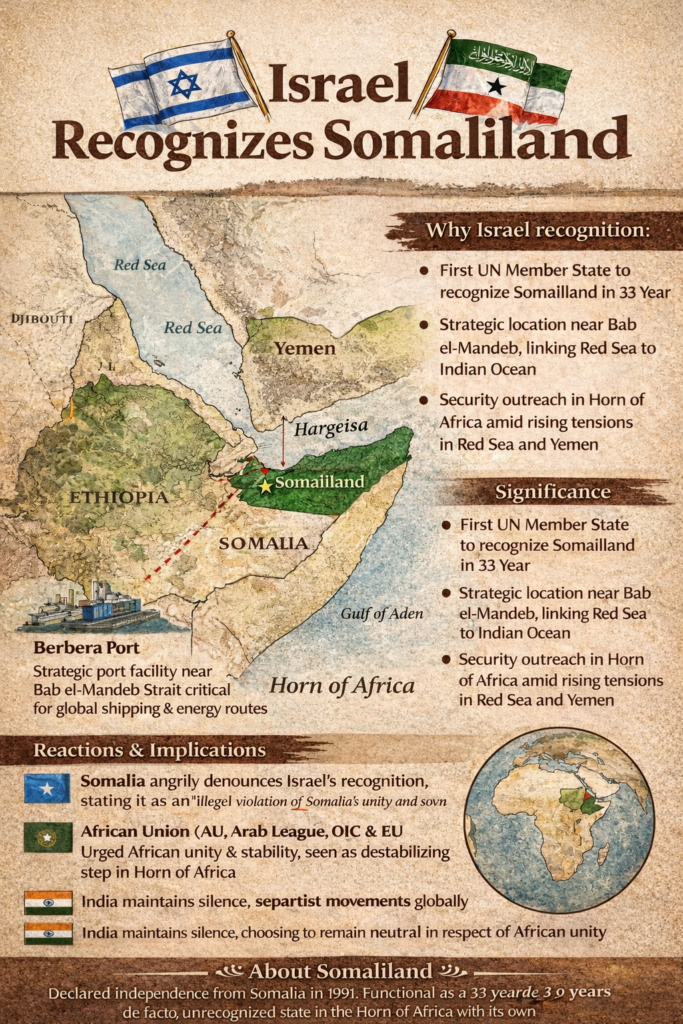
ಸೊಮಾಲಿಲ್ಯಾಂಡ್​ಗೆ ಮಾನ್ಯತೆ ಕೊಟ್ಟ ವಿಶ್ವದ ಏಕೈಕ ದೇಶ ಇಸ್ರೇಲ್; ಯಾವುದಿದು ಆಫ್ರಿಕನ್ ನಾಡು?Israel becomes first country to recognize Somaliland

1991ರಲ್ಲಿ ಸೊಮಾಲಿಯಾದಿಂದ ಪ್ರತ್ಯೇಕಗೊಂಡಿದ್ದ ಸೊಮಾಲಿಲ್ಯಾಂಡ್ ಅನ್ನು ಪ್ರತ್ಯೇಕ ದೇಶವೆಂದು ಇಸ್ರೇಲ್ ಮಾನ್ಯ ಮಾಡಿದೆ. ಹಾಗೆ ಅಧಿಕೃತವಾಗಿ ಒಪ್ಪಿಕೊಂಡ ವಿಶ್ವದ ಏಕೈಕ ದೇಶ ಇಸ್ರೇಲ್.

ದಶಕಗಳ ಹಿಂದೆ ಸೊಮಾಲಿಯಾ ದೇಶದಿಂದ ಪ್ರತ್ಯೇಕಗೊಂಡಿದ್ದ ಸೊಮಾಲಿಲ್ಯಾಂಡ್ (Somaliland) ಅನ್ನು ಸ್ವತಂತ್ರ ದೇಶ ಎಂದು ಇಸ್ರೇಲ್ ಮಾನ್ಯ ಮಾಡಿದೆ. ಸೋಮಾಲಿಲ್ಯಾಂಡ್​ಗೆ ಅಧಿಕೃತ ದೇಶವೆಂಬ ಮಾನ್ಯತೆ ಕೊಟ್ಟ ಮೊದಲ ದೇಶವೂ ಇಸ್ರೇಲ್ ಆಗಿದೆ. ಇಸ್ರೇಲ್ ಪ್ರಧಾನಿ ಬೆಂಜಮಿನ್ ನೇತಾನ್ಯಹು ಅವರ ಕಚೇರಿಯು ಈ ವಿಚಾರವನ್ನು ಪ್ರಕಟಿಸಿದ್ದು, ಸೋಮಾಲಿಲ್ಯಾಂಡ್ ಜೊತೆ ಇಸ್ರೇಲ್ ಪೂರ್ಣ ರಾಜತಾಂತ್ರಿಕ ಸಂಬಂಧಗಳನ್ನು ಸ್ಥಾಪಿಸುತ್ತದೆ ಎಂದು ಘೋಷಿಸಿದೆ. ಆದರೆ, ಆಫ್ರಿಕಾ ಹಾಗೂ ಮಧ್ಯಪ್ರಾಚ್ಯದ ಹಲವು ದೇಶಗಳು ಇದನ್ನು ಬಲವಾಗಿ ವಿರೋಧಿಸಿವೆ.

ಸೋಮಾಲಿಲ್ಯಾಂಡ್ ಅಧ್ಯಕ್ಷ ಅಬ್ದಿರಹಮಾನ್ ಮೊಹಮ್ಮದ್ ಅಬ್ದುಲ್ಲಾಹಿ ಅವರು ಇಸ್ರೇಲ್ ಬೆಂಬಲವನ್ನು ಐತಿಹಾಸಿಕ ಕ್ಷಣವೆಂದು ಬಣ್ಣಿಸಿದ್ದಾರೆ. ಅಬ್ದಿರಹಮಾನ್ ಜೊತೆ ದೂರವಾಣಿ ಮೂಲಕ ಮಾತನಾಡಿದ ಇಸ್ರೇಲ್ ಪ್ರಧಾನಿಯವರು, ಸೊಮಾಲಿಲ್ಯಾಂಡ್ ಜನತೆಗೆ ಶುಭ ಹಾರೈಕೆ ಮಾಡಿದ್ದಾರೆ. ಆದರೆ, ಸೊಮಾಲಿಲ್ಯಾಂಡ್ ಅನ್ನು ಪ್ರತ್ಯೇಕ ದೇಶವೆಂದು ಮಾನ್ಯ ಮಾಡಿದ ಇಸ್ರೇಲ್ ಕ್ರಮವನ್ನು ಸೊಮಾಲಿಯಾ ಹಾಗೂ ಆಫ್ರಿಕನ್ ಯೂನಿಯನ್ ಬಲವಾಗಿ ವಿರೋಧಿಸಿವೆ. ಸೊಮಾಲಿಲ್ಯಾಂಡ್ ಸೊಮಾಲಿಯಾದ ಅವಿಭಾಜ್ಯ ಅಂಗ ಎಂದು ಆಫ್ರಿಕನ್ ಒಕ್ಕೂಟ ಹೇಳಿದೆ.

ಯಾವುದಿದು ಸೊಮಾಲಿಲ್ಯಾಂಡ್?

ಸೊಮಾಲಿಲ್ಯಾಂಡ್ 1991ರಲ್ಲಿ ಸೊಮಾಲಿಯಾ ಬಿಕ್ಕಟ್ಟಿನ ವೇಳೆ ಪ್ರತ್ಯೇಕಗೊಂಡ ಪ್ರದೇಶ. ಇದು ಗಲ್ಫ್ ಪ್ರದೇಶದ ಕೆಳಗೆ ಇದೆ. ಗಲ್ಫ್ ಪ್ರದೇಶಕ್ಕೂ ಸೊಮಾಲಿಲ್ಯಾಂಡ್​ಗೂ ನಡುವೆ ಗಲ್ಫ್ ಆಫ್ ಏಡನ್ ಬರುತ್ತದೆ. ಇದು ಬಹಳ ಕಿರಿದಾದ ಸಮುದ್ರ ಮಾರ್ಗವಾಗಿದೆ. ನಿತ್ಯವೂ ನೂರಾರು ಹಡಗುಗಳು ಇಲ್ಲಿ ಹಾದು ಹೋಗುತ್ತವೆ. ಜಾಗತಿಕ ವ್ಯಾಪಾರ ವಹಿವಾಟು ಸುಗಮವಾಗಿ ನಡೆಯಲು ಈ ಮಾರ್ಗ ಸುರಕ್ಷಿತವಾಗಿರಬೇಕು. ಹಾಗಾಗಿ, ಈ ಸೋಮಾಲಿಲ್ಯಾಂಡ್ ವಿಚಾರ ಪ್ರಸಕ್ತ ಬಹಳ ಮುಖ್ಯ.1991ರಲ್ಲಿ ಸೊಮಾಲಿಲ್ಯಾಂಡ್ ಸ್ವಯಂ ಆಗಿ ಪ್ರತ್ಯೇಕ ದೇಶವೆಂದು ಘೋಷಿಸಿಕೊಂಡಿತು. ಮೂರು ದಶಕಗಳ ಕಾಲ ಸ್ವತಂತ್ರವಾಗಿಯೇ ಅಸ್ತಿತ್ವದಲ್ಲಿದೆ. ಅದರದ್ದೇ ಸ್ವಂತ ಸರ್ಕಾರ, ಸಂವಿಧಾನ, ಕರೆನ್ಸಿ, ಪಾಸ್​ಪೋರ್ಟ್, ಭದ್ರತಾ ಪಡೆಗಳು ಹೀಗೆ ಎಲ್ಲಾ ವ್ಯವಸ್ಥೆ ಇದೆ. ಚುನಾವಣೆಗಳು ನಡೆಯುತ್ತವೆ. ಸೊಮಾಲಿಯಾದಲ್ಲಿ ಇರುವಂತೆ ಸೊಮಾಲಿಲ್ಯಾಂಡ್​ನಲ್ಲಿ ಸಿವಿಲ್ ವಾರ್ ಇತ್ಯಾದಿ ಬಿಕ್ಕಟ್ಟು ಇಲ್ಲದೆ ಶಾಂತಿಯುತವಾಗಿದೆ.

ಆದರೆ, ಸೊಮಾಲಿಲ್ಯಾಂಡ್​ಗೆ ಪ್ರಮುಖ ಸಮಸ್ಯೆ ಇರುವುದು ಇದಕ್ಕೆ ಇಲ್ಲದ ಅಂತಾರಾಷ್ಟ್ರೀಯ ಮಾನ್ಯತೆ. ವಿಶ್ವಬ್ಯಾಂಕ್ ಇತ್ಯಾದಿ ಅಂತಾರಾಷ್ಟ್ರೀಯ ಹಣಕಾಸು ಸಂಸ್ಥೆಗಳಿಂದ ಧನಸಹಾಯ ಸಿಕ್ಕುವುದಿಲ್ಲ. ಹೀಗಾಗಿ, ಸೋಮಾಲಿಲ್ಯಾಂಡ್​ನಲ್ಲಿ ಹೆಚ್ಚಿನ ಅಭಿವೃದ್ಧಿ ಆಗಿಲ್ಲ. ಹಲವು ದೇಶಗಳು ಸೊಮಾಲಿಲ್ಯಾಂಡ್ ಜೊತೆ ಬೇರೆ ಬೇರೆ ರೂಪಗಳಲ್ಲಿ ಸಂಬಂಧ ಹೊಂದಿವೆಯಾದರೂ ಯಾವುವೂ ಕೂಡ ಅದನ್ನು ಸ್ವತಂತ್ರ ದೇಶವೆಂದು ಅಧಿಕೃತವಾಗಿ ಮಾನ್ಯ ಮಾಡಿಲ್ಲ. ಹಾಗೆ ಮಾಡಿದ ಮೊದಲ ದೇಶ ಇಸ್ರೇಲ್ ಆಗಿದೆ.

Source: TV9; Infographic-ChatGPT

https://tv9kannada.com/world/israel-becomes-first-country-to-recognize-somaliland-know-the-importance-of-this-african-land-1128177.html/amp

ಭಾರತದಲ್ಲಿನ ಆನೆಗಳ ಸಂಖ್ಯೆ (Elephant Population) ಮತ್ತು ಅವುಗಳ ಸಂಚಾರ ಮಾರ್ಗಗಳಾದ ‘ಆನೆ ಕಾರಿಡಾರ್‌’ (Elephant Corridors)

ಅಕ್ಟೋಬರ್ 2025ರಲ್ಲಿ ಬಿಡುಗಡೆಯಾದ ‘ಅಖಿಲ ಭಾರತ ಸಮಕಾಲೀನ ಆನೆಗಳ ಅಂದಾಜು’ (SAIEE 2021-25) ವರದಿಯ ಪ್ರಕಾರ, ಭಾರತದಲ್ಲಿ ಒಟ್ಟು 22,446 ಕಾಡಾನೆಗಳಿವೆ. ಇದು 2017ರ ಅಂದಾಜಿಗಿಂತ (27,312) ಸುಮಾರು ಶೇ. 18ರಷ್ಟು ಇಳಿಕೆಯಾಗಿದೆ

1. ರಾಜ್ಯವಾರು ಆನೆಗಳ ಸಂಖ್ಯೆ (2025ರ ವರದಿ)
ಕರ್ನಾಟಕವು ದೇಶದಲ್ಲೇ ಅತಿ ಹೆಚ್ಚು ಆನೆಗಳನ್ನು ಹೊಂದಿರುವ ರಾಜ್ಯವಾಗಿ ತನ್ನ ಮೊದಲ ಸ್ಥಾನವನ್ನು ಉಳಿಸಿಕೊಂಡಿದೆ.

ರಾಜ್ಯ (State)ಆನೆಗಳ ಸಂಖ್ಯೆ (Population)
ಕರ್ನಾಟಕ (Karnataka)6,013
ಅಸ್ಸಾಂ (Assam)4,159
ತಮಿಳುನಾಡು (Tamil Nadu)3,136
ಕೇರಳ (Kerala)2,785
ಉತ್ತರಾಖಂಡ (Uttarakhand)1,792
ಒಡಿಶಾ (Odisha)912
ಮೇಘಾಲಯ (Meghalaya)677
ಅರುಣಾಚಲ ಪ್ರದೇಶ (Arunachal Pradesh)617
ಛತ್ತೀಸಗಢ (Chhattisgarh)451

2.ಆನೆ ಕಾರಿಡಾರ್‌ಗಳು (Elephant Corridors)
ಆನೆಗಳು ಒಂದು ಅರಣ್ಯ ಪ್ರದೇಶದಿಂದ ಇನ್ನೊಂದಕ್ಕೆ ಸಂಚರಿಸಲು ಬಳಸುವ ನೈಸರ್ಗಿಕ ಹಾದಿಗಳನ್ನು ‘ಕಾರಿಡಾರ್‌ಗಳು’ ಎನ್ನುತ್ತಾರೆ. 2023-24ರ ಕೇಂದ್ರ ಸರ್ಕಾರದ ವರದಿಯ ಪ್ರಕಾರ, ಭಾರತದಲ್ಲಿ ಒಟ್ಟು 150 ಆನೆ ಕಾರಿಡಾರ್‌ಗಳನ್ನು ಗುರುತಿಸಲಾಗಿದೆ.

ಅತಿ ಹೆಚ್ಚು ಕಾರಿಡಾರ್‌ಗಳಿರುವ ರಾಜ್ಯ: ಪಶ್ಚಿಮ ಬಂಗಾಳ (26).

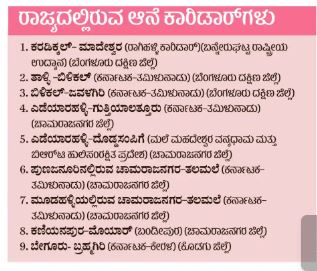
ಕರ್ನಾಟಕದ ಪ್ರಮುಖ ಕಾರಿಡಾರ್‌ಗಳು: ಕಣಿಯನಪುರ-ಮೋಯಾರ್ (ಬಂಡೀಪುರ), ಎಡೆಯಾರಹಳ್ಳಿ-ದೊಡ್ಡಸಂಪಿಗೆ, ಕರಡಿಕಲ್-ಮಾದೇಶ್ವರ.

ವಲಯವಾರು ಹಂಚಿಕೆ:

ಪಶ್ಚಿಮ ಬಂಗಾಳವು ದೇಶದ ಒಟ್ಟು ಕಾರಿಡಾರ್‌ಗಳ ಪೈಕಿ ಶೇ. 17ರಷ್ಟನ್ನು ಹೊಂದಿದೆ.

ದಕ್ಷಿಣ ಭಾರತದಲ್ಲಿ ಕರ್ನಾಟಕ, ತಮಿಳುನಾಡು ಮತ್ತು ಕೇರಳ ರಾಜ್ಯಗಳ ನಡುವೆ ಅನೇಕ ಅಂತರರಾಜ್ಯ ಕಾರಿಡಾರ್‌ಗಳಿವೆ.

3. ಪ್ರಮುಖ ಅಂಶಗಳು
ಡಿಎನ್‌ಎ ಆಧಾರಿತ ಗಣತಿ: 2025ರ ವರದಿಯಲ್ಲಿ ಮೊದಲ ಬಾರಿಗೆ ಆನೆಗಳ ಲದ್ದಿಯಿಂದ ಡಿಎನ್‌ಎ (DNA) ಮಾದರಿಗಳನ್ನು ಸಂಗ್ರಹಿಸಿ ವೈಜ್ಞಾನಿಕವಾಗಿ ಗಣತಿ ಮಾಡಲಾಗಿದೆ.

ಪಶ್ಚಿಮ ಘಟ್ಟಗಳು: ಭಾರತದ ಒಟ್ಟು ಆನೆಗಳ ಪೈಕಿ ಅರ್ಧಕ್ಕಿಂತ ಹೆಚ್ಚು (11,934) ಆನೆಗಳು ಪಶ್ಚಿಮ ಘಟ್ಟಗಳಲ್ಲೇ ವಾಸಿಸುತ್ತಿವೆ.

ಸಂರಕ್ಷಣಾ ಸವಾಲುಗಳು: ರೈಲು ಅಪಘಾತಗಳು, ವಿದ್ಯುತ್ ಸ್ಪರ್ಶ ಮತ್ತು ಮಾನವ-ಆನೆ ಸಂಘರ್ಷಗಳು ಆನೆಗಳ ಸಂಖ್ಯೆ ಕಡಿಮೆಯಾಗಲು ಪ್ರಮುಖ ಕಾರಣಗಳಾಗಿವೆ.

1. ಆನೆಗಳ ಸಂಖ್ಯೆ: ವಲಯವಾರು ವಿವರ (2025ರ ವರದಿ)
2025ರ ಅಕ್ಟೋಬರ್‌ನಲ್ಲಿ ಬಿಡುಗಡೆಯಾದ Synchronous All India Elephant Estimation (SAIEE) 2021-25 ವರದಿಯು ಡಿಎನ್‌ಎ (DNA) ಆಧಾರಿತ ಗಣತಿಯನ್ನು ಬಳಸಿದೆ. ಇದು ಹಿಂದಿನ ಗಣತಿಗಿಂತ ಹೆಚ್ಚು ವೈಜ್ಞಾನಿಕವಾಗಿದೆ.

ವಲಯ (Landscape)ಒಳಗೊಂಡಿರುವ ರಾಜ್ಯಗಳುಆನೆಗಳ ಸಂಖ್ಯೆ
ಪಶ್ಚಿಮ ಘಟ್ಟಗಳುಕರ್ನಾಟಕ, ತಮಿಳುನಾಡು, ಕೇರಳ, ಮಹಾರಾಷ್ಟ್ರ11,934 (~53%)
ಈಶಾನ್ಯ ಬೆಟ್ಟಗಳುಅಸ್ಸಾಂ, ಅರುಣಾಚಲ, ಮೇಘಾಲಯ ಇತ್ಯಾದಿ6,559 (~29%)
ಶಿವಾಲಿಕ್ ಮತ್ತು ಗಂಗಾ ಬಯಲುಉತ್ತರಾಖಂಡ, ಉತ್ತರ ಪ್ರದೇಶ, ಬಿಹಾರ2,062 (~9%)
ಮಧ್ಯ ಭಾರತ ಮತ್ತು ಪೂರ್ವ ಘಟ್ಟಗಳುಒಡಿಶಾ, ಜಾರ್ಖಂಡ್, ಛತ್ತೀಸಗಢ, ಆಂಧ್ರ1,891 (~8%)

2. ಆನೆ ಕಾರಿಡಾರ್‌ಗಳ (Elephant Corridors) ವಿವರ
2023ರಲ್ಲಿ ಕೇಂದ್ರ ಸರ್ಕಾರವು “Elephant Corridors of India 2023” ಎಂಬ ವರದಿಯನ್ನು ಬಿಡುಗಡೆ ಮಾಡಿತು. ಅದರ ಮುಖ್ಯಾಂಶಗಳು ಹೀಗಿವೆ:

ಒಟ್ಟು ಕಾರಿಡಾರ್‌ಗಳು: ದೇಶದಲ್ಲಿ ಈಗ ಒಟ್ಟು 150 ಕಾರಿಡಾರ್‌ಗಳನ್ನು ಗುರುತಿಸಲಾಗಿದೆ (2005ರಲ್ಲಿ ಇದು ಕೇವಲ 88 ಇತ್ತು).

ರಾಜ್ಯವಾರು ಹಂಚಿಕೆ: * ಪಶ್ಚಿಮ ಬಂಗಾಳ: ಅತಿ ಹೆಚ್ಚು (26 ಕಾರಿಡಾರ್‌ಗಳು).

ಒಡಿಶಾ: 14 ಕಾರಿಡಾರ್‌ಗಳು.

ಜಾರ್ಖಂಡ್: 13 ಕಾರಿಡಾರ್‌ಗಳು.

ಕರ್ನಾಟಕ: 10 ಕ್ಕೂ ಹೆಚ್ಚು ಪ್ರಮುಖ ಕಾರಿಡಾರ್‌ಗಳು (ಅಂತರರಾಜ್ಯ ಕಾರಿಡಾರ್‌ಗಳೂ ಸೇರಿ).

ಅಂತರರಾಜ್ಯ ಕಾರಿಡಾರ್‌ಗಳು: ಸುಮಾರು 19 ಕಾರಿಡಾರ್‌ಗಳು ಎರಡು ಅಥವಾ ಅದಕ್ಕಿಂತ ಹೆಚ್ಚು ರಾಜ್ಯಗಳ ನಡುವೆ ಸಂಪರ್ಕ ಕಲ್ಪಿಸುತ್ತವೆ. ಉದಾಹರಣೆಗೆ: ಕರ್ನಾಟಕ-ತಮಿಳುನಾಡು ನಡುವಿನ ಬಾಬಾಬುಡನ್‌ಗಿರಿ-ನೀಲಗಿರಿ ಸಂಪರ್ಕ.

3. ಕರ್ನಾಟಕದ ಪ್ರಮುಖ ಆನೆ ಕಾರಿಡಾರ್‌ಗಳು
ಕರ್ನಾಟಕವು ಆನೆಗಳ ಸಂರಕ್ಷಣೆಯಲ್ಲಿ ಪ್ರಮುಖ ಪಾತ್ರ ವಹಿಸಿದೆ. ಇಲ್ಲಿನ ಕೆಲವು ಮುಖ್ಯ ಕಾರಿಡಾರ್‌ಗಳೆಂದರೆ:

ಕಣಿಯನಪುರ – ಮೋಯಾರ್: ಇದು ಬಂಡೀಪುರ ಹುಲಿ ಸಂರಕ್ಷಿತ ಪ್ರದೇಶದಲ್ಲಿದೆ. ಇದು ಕರ್ನಾಟಕ ಮತ್ತು ತಮಿಳುನಾಡಿನ ಸತ್ಯಮಂಗಲ ಅರಣ್ಯವನ್ನು ಸಂಪರ್ಕಿಸುತ್ತದೆ.

ಎಡೆಯಾರಹಳ್ಳಿ – ದೊಡ್ಡಸಂಪಿಗೆ: ಚಾಮರಾಜನಗರ ಜಿಲ್ಲೆಯ ಬಿಳಿಗಿರಿ ರಂಗನಾಥ ಸ್ವಾಮಿ (BRT) ಬೆಟ್ಟದ ಪ್ರದೇಶದಲ್ಲಿದೆ.

ಕರಡಿಕಲ್ – ಮಾದೇಶ್ವರ: ಕಾವೇರಿ ವನ್ಯಜೀವಿ ಧಾಮ ಮತ್ತು ಮಲೆ ಮಹದೇಶ್ವರ ಬೆಟ್ಟಗಳ ನಡುವಿನ ಹಾದಿ.

ಬೇಗೂರು – ಬ್ರಹ್ಮಗಿರಿ: ಕರ್ನಾಟಕ ಮತ್ತು ಕೇರಳದ ವಯನಾಡ್ ಅರಣ್ಯವನ್ನು ಸಂಪರ್ಕಿಸುತ್ತದೆ.

4. ಆನೆಗಳ ಸಂರಕ್ಷಣೆಗೆ ಇರುವ ಪ್ರಮುಖ ಸವಾಲುಗಳು
ರೇಖೀಯ ಮೂಲಸೌಕರ್ಯ (Linear Infrastructure): ರೈಲ್ವೆ ಹಳಿಗಳು, ರಾಷ್ಟ್ರೀಯ ಹೆದ್ದಾರಿಗಳು ಮತ್ತು ವಿದ್ಯುತ್ ಮಾರ್ಗಗಳು ಕಾರಿಡಾರ್‌ಗಳ ಮಧ್ಯೆ ಹಾದುಹೋಗುವುದರಿಂದ ಆನೆಗಳ ಸಾವಿನ ಸಂಖ್ಯೆ ಹೆಚ್ಚುತ್ತಿದೆ.

ಗಣಿಗಾರಿಕೆ: ವಿಶೇಷವಾಗಿ ಒಡಿಶಾ, ಜಾರ್ಖಂಡ್ ಮತ್ತು ಛತ್ತೀಸಗಢದಲ್ಲಿ ಕಲ್ಲಿದ್ದಲು ಮತ್ತು ಕಬ್ಬಿಣದ ಅದಿರು ಗಣಿಗಾರಿಕೆಯಿಂದ ಆನೆಗಳ ಆವಾಸಸ್ಥಾನ ನಾಶವಾಗುತ್ತಿದೆ.

ಮಾನವ-ಆನೆ ಸಂಘರ್ಷ: ಕಾಡುಗಳು ತುಂಡಾಗುತ್ತಿರುವುದರಿಂದ (Fragmentation), ಆಹಾರ ಮತ್ತು ನೀರಿಗಾಗಿ ಆನೆಗಳು ಗ್ರಾಮಗಳಿಗೆ ನುಗ್ಗುತ್ತಿವೆ. ಇದರಿಂದ ವರ್ಷಕ್ಕೆ ಸರಾಸರಿ 500 ಜನ ಮತ್ತು 100 ಆನೆಗಳು ಪ್ರಾಣ ಕಳೆದುಕೊಳ್ಳುತ್ತಿವೆ.

5. ಸರ್ಕಾರದ ಕ್ರಮಗಳು
ಪ್ರಾಜೆಕ್ಟ್ ಎಲಿಫೆಂಟ್ (1992): ಆನೆಗಳ ಆವಾಸಸ್ಥಾನ ಮತ್ತು ಕಾರಿಡಾರ್‌ಗಳ ರಕ್ಷಣೆಗಾಗಿ ಆರಂಭಿಸಲಾದ ಯೋಜನೆ. ಇತ್ತೀಚೆಗೆ ಇದನ್ನು ‘ಪ್ರಾಜೆಕ್ಟ್ ಟೈಗರ್’ ಜೊತೆಗೆ ವಿಲೀನಗೊಳಿಸಲಾಗಿದೆ.

ಗಜ ಯಾತ್ರೆ: ಆನೆ ಕಾರಿಡಾರ್‌ಗಳ ಬಗ್ಗೆ ಜನರಲ್ಲಿ ಜಾಗೃತಿ ಮೂಡಿಸಲು ಹಮ್ಮಿಕೊಂಡಿರುವ ರಾಷ್ಟ್ರಮಟ್ಟದ ಅಭಿಯಾನ.

ತಂತ್ರಜ್ಞಾನದ ಬಳಕೆ: ರೈಲ್ವೆ ಹಳಿಗಳ ಮೇಲೆ ಆನೆಗಳು ಬರುವುದನ್ನು ಪತ್ತೆಹಚ್ಚಲು ‘AI ಆಧಾರಿತ ಸೆನ್ಸರ್’ಗಳನ್ನು ಅಸ್ಸಾಂ ಮತ್ತು ಪಶ್ಚಿಮ ಬಂಗಾಳದಲ್ಲಿ ಅಳವಡಿಸಲಾಗಿದೆ.

ದೇಶದಲ್ಲೇ ಅತಿ ಹೆಚ್ಚು ಆನೆಗಳಿರುವ ರಾಜ್ಯ ಎಂಬ ಹೆಗ್ಗಳಿಕೆ ಕರ್ನಾಟಕದ್ದು, ಇರುವ ಆನೆಗಳಿಗೆ ಅಡ್ಡಿ ಆತಂಕಗಳಿಲ್ಲದೆ ಓಡಾಡಲು ಜಾಗವೇ ಇಲ್ಲ. ಕರ್ನಾಟಕ, ಕೇರಳ, ತಮಿಳುನಾಡು ಮಹಾರಾಷ್ಟ್ರ ಗಳಲ್ಲಿ ಹರಡಿರುವ ಪಶ್ಚಿಮ ಘಟ್ಟಗಳಲ್ಲಿ ಆನೆಗಳ ಸಂಖ್ಯೆ ಹೆಚ್ಚಿದೆ. ಆದರೆ, ಹಿಂದಿನ ಅಂಕಿ ಅಂಶಗಳಿಗೆ ಹೋಲಿಸಿದರೆ, ಇತ್ತೀಚಿನ ವರ್ಷಗಳಲ್ಲಿ ಆನೆಗಳ ಸಂಖ್ಯೆ ಕಡಿಮೆಯಾಗುತ್ತಿದೆ. ‘ಪಶ್ಚಿಮ ಘಟ್ಟದ ಅರಣ್ಯದಲ್ಲಿ ಆಶ್ರಯ ಪಡೆದಿರುವ ಆನೆಗಳಿಗೆ ಒಂದು ಪ್ರದೇಶದಿಂದ ಇನ್ನೊಂದು ಪ್ರದೇಶಕ್ಕೆ ಓಡಾಡಲು ಕಾರಿಡಾರ್ ಇಲ್ಲದಂತೆ ಆಗಿದೆ. ಕಾಫಿ, ಚಹಾ ತೋಟಗಳು ವಿಸ್ತರಣೆಯಾಗುತ್ತಿವೆ. ಮಾನವನ ಹಸ್ತಕ್ಷೇಪ, ಒತ್ತುವರಿ, ಅಭಿವೃದ್ಧಿ ಯೋಜನೆಗಳು ಆನೆಗಳಿಗೆ ಮಾರಕವಾಗುತ್ತಿದೆ’ ಎಂದು ಇತ್ತೀಚೆಗೆ ಬಿಡುಗಡೆಯಾಗಿರುವ ‘ಆನೆಗಳ ಸ್ಥಿತಿಗತಿ ವರದಿ-2025’ ಕಳವಳ ವ್ಯಕ್ತಪಡಿಸಿದೆ.

ರಾಜ್ಯದ ಬಹುಪಾಲು ಅರಣ್ಯ ಪಶ್ಚಿಮ ಘಟ್ಟದ ವ್ಯಾಪ್ತಿಯಲ್ಲಿದೆ. ಅತಿ ಹೆಚ್ಚು ಆನೆಗಳನ್ನು ಹೊಂದಿರುವ ಮೈಸೂರು ಆನೆ ಸಂರಕ್ಷಿತ ವಲಯ ಈ ಪ್ರದೇಶದಲ್ಲೇ ಇದೆ. ಇದರ ವ್ಯಾಪ್ತಿಗೆ ಬರುವ ಮೈಸೂರು, ಚಾಮರಾಜನಗರ, ರಾಮನಗರ, ಹಾಸನ, ಕೊಡಗು, ದಕ್ಷಿಣ ಕನ್ನಡ, ಉಡುಪಿ, ಚಿಕ್ಕಮಗಳೂರು, ಶಿವಮೊಗ್ಗ ಜಿಲ್ಲೆಗಳಲ್ಲಿ ಮಾನವ ವನ್ಯಜೀವಿ ಸಂಘರ್ಷ ಹೆಚ್ಚಿದೆ. ಉತ್ತರದ ದಾಂಡೇಲಿ ಆನೆ ಸಂರಕ್ಷಿತ ಪ್ರದೇಶದ ವ್ಯಾಪ್ತಿಯ ಜಿಲ್ಲೆಗಳಲ್ಲೂ ಮಾನವ ವನ್ಯಜೀವಿ ಸಂಘರ್ಷಗಳು ವರದಿಯಾ ಗುತ್ತಲೇ ಇರುತ್ತವೆ. ಈ ಪ್ರದೇಶದಲ್ಲಿರುವ ಆನೆಗಳು ಶಿರಸಿ, ಬೆಳಗಾವಿ, ಹಳಿಯಾಳ, ಯಲ್ಲಾಪುರ, ಧಾರವಾಡ ವ್ಯಾಪ್ತಿಯಲ್ಲಿ ಹಾವಳಿ ಸೃಷ್ಟಿಸುತ್ತಿವೆ.

ಬೇಕಿದೆ ಕಾರಿದಾರ್‌ಗಳು: ಕಾಡಾನೆಗಳ ಕಾಟ ಒಂಬತ್ತು ಮಾತ್ರ. ಇವುಗಳೆಲ್ಲವೂ ಇರುವುದು ದಕ್ಷಿಣದ ಜಿಲ್ಲೆಗಳಲ್ಲಿ, ಚಾಮರಾಜನಗರ ಜಿಲ್ಲೆಯಲ್ಲಿ ಐದು ಕಾರಿಡಾರ್‌ಗಳಿದ್ದರೆ, ಬೆಂಗಳೂರು ದಕ್ಷಿಣ ಜಿಲ್ಲೆಯಲ್ಲಿ ಮೂರು ಇವೆ. ಇನ್ನೊಂದು ಕೊಡಗು ಜಿಲ್ಲೆಯಲ್ಲಿದೆ. ರಾಜ್ಯವು ಐದು ಕಾರಿಡಾರ್‌ಗಳನ್ನು ನೆರೆಯ ತಮಿಳುನಾಡು ಮತ್ತು ಎರಡು ಕಾರಿಡಾರ್ ಗಳನ್ನು ಕೇರಳದೊಂದಿಗೆ ಹಂಚಿಕೊಂಡಿದೆ. ಈ ಕಾರಿಡಾರ್‌ಗಳು ಆನೆಗಳ ಬಳಕೆಗೆ ಸಂಪೂರ್ಣವಾಗಿ ಸಿಗುತ್ತಿಲ್ಲ. ಎರಡು ಕಾರಿಡಾರ್ ಗಳನ್ನು ಸಂರಕ್ಷಿಸಲು ಮಾತ್ರ ಅರಣ್ಯ ಇಲಾಖೆಗೆ ಸಾಧ್ಯವಾಗಿದೆ.

ಚಾಮರಾಜನಗರ ಜಿಲ್ಲೆಯ ಮಲೆ ಮಹದೇಶ್ವರ ವನ್ಯಧಾಮ ಮತ್ತು ಬಿಳಿಗಿರಿ-ರಂಗನಾಥಸ್ವಾಮಿ ದೇವಾಲಯ (ಬಿಆರ್‌ಟಿ) ಹುಲಿ ಸಂರಕ್ಷಿತ ಪ್ರದೇಶದ ನಡುವೆ ಸಂಪರ್ಕ ಕಲ್ಪಿಸುವ ಎಡೆಯಾರಹಳ್ಳಿ-ದೊಡ್ಡಸಂಪಿಗೆ ಆನೆ ಕಾರಿಡಾರ್ ಅನ್ನು ಖಾಸಗಿಯವರಿಂದ 25.37 ಎಕರೆ ಜಮೀನು ಖರೀದಿ ಮಾಡಿ ಪುನರುಜೀವ ನಗೊಳಿಸಲಾಗಿದೆ. ಬಂಡೀಪುರ ಹುಲಿ ಸಂರಕ್ಷಿತ ಪ್ರದೇಶದ ವ್ಯಾಪ್ತಿಯಲ್ಲಿ ಬರುವ ಕಣಿಯನಪುರ-ಮೊಯಾರ್ ಆನೆ ಕಾರಿಡಾರ್ ಕೂಡ ತಕ್ಕಮಟ್ಟಿಗೆ ಸುಸ್ಥಿತಿಯಲ್ಲಿದೆ. ಕಾರಿಡಾರ್ ವ್ಯಾಪ್ತಿಯಲ್ಲಿ ಮೂರು ಕಂದಾಯ ಗ್ರಾಮಗಳು, ಕೃಷಿ ಜಮೀನುಗಳು, ರೆಸಾರ್ಟ್ ನಂತಹ ವಾಣಿಯ ಚಟುವಟಿಕೆಗಳು ನಡೆಯುತ್ತಿವೆ. ಬಿಳಿಗಿರಿರಂಗನಾಥಸ್ವಾಮಿ ಹುಲಿ ಸಂರಕ್ಷಿತ ಪ್ರದೇಶ ಮತ್ತು ತಮಿಳುನಾಡಿನ ಸತ್ಯಮಂಗಲ ಹುಲಿ ಸಂರಕ್ಷಿತ ಪ್ರದೇಶದ ನಡುವೆ ಸಂಪರ್ಕ ಕಲ್ಪಿಸುವ ಮೂಡಹಳ್ಳಿ ತಲಮಲೆ ಕಾರಿಡಾರ್ ಅನ್ನು ಸಂರಕ್ಷಿಸುವ ಪ್ರಯತ್ನ ಸರ್ಕಾರೇತರ ಸಂಸ್ಥೆಗಳಿಂದ ನಡೆದಿದೆ.

ಕೇಂದ್ರ ಪರಿಸರ ಮತ್ತು ಅರಣ್ಯ ಸಚಿವಾಲಯವು ಆನೆ ಸಂರಕ್ಷಣೆ ಕಾರ್ಯಕ್ರಮದ ಅಡಿಯಲ್ಲಿ ದೇಶದಲ್ಲಿರುವ ಆನೆ ಕಾರಿಡಾರ್‌ಗಳ ಸ್ಥಿತಿಗತಿಗಳ ಬಗ್ಗೆ 2023ರಲ್ಲಿ ವರದಿ ಬಿಡುಗಡೆ ಮಾಡಿದೆ. ರಾಜ್ಯದ ಒಂಬತ್ತು ಕಾರಿಡಾರ್‌ಗಳ ಪರಿಸ್ಥಿತಿಗಳನ್ನು ಅದರಲ್ಲಿ ವಿವರಿಸಲಾಗಿದೆ. ಕಾರಿಡಾರ್ ವ್ಯಾಪ್ತಿಯಲ್ಲಿ ಜನವಸತಿ, ಕೃಷಿ ಭೂಮಿ, ವಾಣಿಜ್ಯ ಚಟುವಟಿಕೆಗಳು ನಡೆಯುತ್ತಿರುವುದ ನ್ನು ವರದಿ ಉಲ್ಲೇಖಿಸಿದೆ. ಅರಣ್ಯ ಇಲಾಖೆಯು ಆ ಪ್ರದೇಶವು ಕಾರಿಡಾರ್ ಎಂದು ಅಧಿಕೃತವಾಗಿ ಅಧಿಸೂಚನೆ ಹೊರಡಿಸಿ ಸಂರಕ್ಷಿಸಬೇಕು ಎಂದು ವರದಿ ಶಿಫಾರಸುಮಾಡಿದೆ.

ಉತ್ತರದಲ್ಲಿ ಪಥಗಳೇ ಇಲ್ಲ: ರಾಜ್ಯದ

ದಕ್ಷಿಣಕ್ಕಿರುವ ಕೆಲವು ಜಿಲ್ಲೆಗಳಲ್ಲಿ ಹೇಳುವುದ ಕ್ಕಾದರೂ ಕಾರಿಡಾರ್‌ಗಳಿವೆ. ಆದರೆ, ಕಡಿಮೆ ಸಂಖ್ಯೆಯ ಆನೆಗಳಿದ್ದರೂ, ಅವುಗಳ ಹಾವಳಿ ಹೆಚ್ಚಾಗಿರುವ ರಾಜ್ಯದ ಮಧ್ಯ ಭಾಗ ಮತ್ತು ಉತ್ತರದ ಕೆಲವು ಜಿಲ್ಲೆಗಳಲ್ಲಿ ಗಜ ಪಥಗಳೇ ಇಲ್ಲ.

ಉದಾಹರಣೆಗೆ, ಆನೆ ಮಾನವ ಸಂಘರ್ಷ ತೀವ್ರವಾಗಿರುವ ಚಿಕ್ಕಮಗಳೂರು ಜಿಲ್ಲೆಯಲ್ಲಿ ಘೋಷಿತ ಆನೆ ಕಾರಿಡಾರ್ ಇಲ್ಲ. ಜಿಲ್ಲೆಯ ಭದ್ರಾ ಹುಲಿ ಸಂರಕ್ಷಿತ ಪ್ರದೇಶ ಮತ್ತು ಸುತ್ತಮುತ್ತಲ ಪ್ರದೇಶ ಮೈಸೂರು ಆನೆ ವಿಸ್ತರಿತ ಸಂರಕ್ಷಿತ ಪ್ರದೇಶದ ವ್ಯಾಪ್ತಿಗೆ ಬರುತ್ತದೆ. 2002ರಲ್ಲಿ ಈ ಅಧಿಸೂಚನೆ ಹೊರಡಿಸಲಾಗಿದ್ದು, ಆನೆಗಳ

ವಾಸಸ್ಥಾನ ವಿಸ್ತರಣೆಗೊಳ್ಳುತ್ತಿರುವ ಪ್ರದೇಶ ಎಂದು ಹೇಳಲಾಗಿದೆ. 2002ಕ್ಕೆ ಹೋಲಿಸಿದರೆ ಚಿಕ್ಕಮಗಳೂರು ಜಿಲ್ಲೆಯಲ್ಲಿ ಆನೆಗಳ ಸಂಖ್ಯೆ ಹೆಚ್ಚಾಗಿದೆ. ಭದ್ರಾ ಹುಲಿ ಸಂರಕ್ಷಿತ ಪ್ರದೇಶದ ಆನೆಗಳು ಮೂಡಿಗೆರೆ, ನರಸಿಂಹರಾಜಪುರ, ಕೊಪ್ಪ, ಶೃಂಗೇರಿ ತನಕ ಓಡಾಡುತ್ತವೆ. ಆನೆ ಮತ್ತು ಮಾನವ ಸಂಘರ್ಷಆಗಾಗಸಂಭವಿಸುತ್ತಿವೆ.

ಶಿವಮೊಗ್ಗ, ಚಿಕ್ಕಮಗಳೂರು, ಉಡುಪಿ ಜಿಲ್ಲೆಗಳನ್ನು ಬೆಸೆಯುವ ಭದ್ರಾ, ಶೆಟ್ಟಿಹಳ್ಳಿ, ಶರಾವತಿ ಅಭಯಾರಣ್ಯಗಳು, ಸೋಮೇಶ್ವರ ಹಾಗೂ ಮೂಕಾಂಬಿಕಾ ವನ್ಯಜೀವಿಧಾಮಗಳ ನಡುವೆ ಮೊದಲು ಆನೆ ಪಥ ಇತ್ತು. 1972ರಲ್ಲಿ ಗಾಜನೂರು ಬಳಿ ತುಂಗಾ ಜಲಾಶಯ ನಿರ್ಮಾಣದ ನಂತರ ಭದ್ರಾ ಹಾಗೂ ಶೆಟ್ಟಿಹಳ್ಳಿ ಅಭಯಾರಣ್ಯದ ನಡುವಿನ ಕಾರಿಡಾರ್ ಬಹುತೇಕ ಮುಚ್ಚಿ ಹೋಗಿದೆ. ಮಳೆಗಾಲದಲ್ಲಿ ಸಂಪರ್ಕ ಸಂಪೂರ್ಣವಾಗಿ ಸ್ಥಗಿತ ಗೊಳ್ಳುತ್ತದೆ.

ಉತ್ತರ ಕನ್ನಡ ಜಿಲ್ಲೆಯ ಕಾಳಿ ಹುಲಿ ಸಂರಕ್ಷಿತ ಅರಣ್ಯ ಮತ್ತು ಬೆಳಗಾವಿ ಜಿಲ್ಲೆಯ ಭೀಮಗಡ ಅಭಯಾರಣ್ಯ ವ್ಯಾಪ್ತಿಯಿಂದ ಮಳೆಗಾಲ ಮುಗಿದೊಡನೆ ಹೊರಡುವ ಕಾಡಾನೆಗಳ ಹಿಂಡುಗಳು ಜಿಲ್ಲೆಯಲ್ಲಿ ಸಾಗುತ್ತವೆ. ಹೀಗೆ ಸಾಗುವ ಹಿಂಡು, ಕಬ್ಬು, ಕಬ್ಬು, ಭತ್ತದ ಗದ್ದೆ ನಾಶಪಡಿಸುವ ಘಟನೆಗಳುವರ್ಷದಿಂದ ವರ್ಷಕ್ಕೆ ಹೆಚ್ಚುತ್ತಿವೆ.

ಪ್ರಸ್ತಾವಿತ ಹುಬ್ಬಳ್ಳಿ ಅಂಕೋಲಾ ರೈಲು ಮಾರ್ಗವು ಅರಣ್ಯ ಪ್ರದೇಶದಲ್ಲಿ ಹಾದು ಹೋಗಲಿದೆ. ಇಲ್ಲಿ ಘೋಷಿತ ಆನೆ ಕಾರಿಡಾರ್ ಇಲ್ಲ. ಆದರೆ, ಆನೆಗಳ ಓಡಾಟ ಇದೆ. ರೈಲು ಮಾರ್ಗ ನಿರ್ಮಾಣವಾದರೆ, ಆನೆಗಳು ಸೇರಿದಂತೆ ವನ್ಯಪ್ರಾ-ಣಿಗಳ ಓಡಾಟಕ್ಕೆ ಅಡಚಣೆಯಾಗಲಿದೆ.

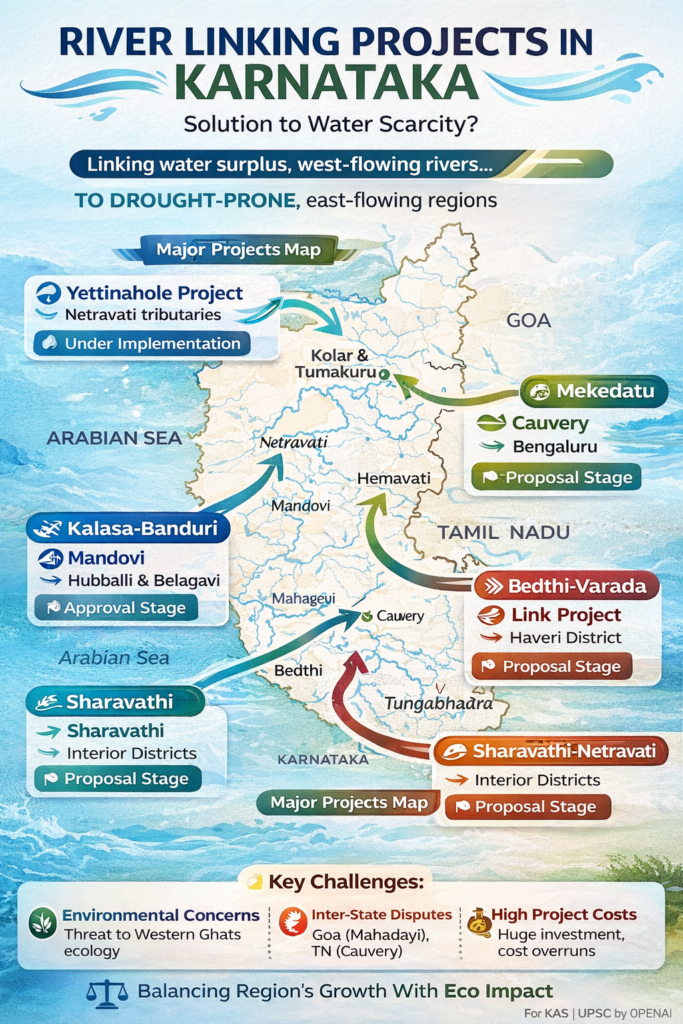
ಬೇಡ್ತಿ–ವರದಾ ನದಿ ಜೋಡಣೆಗೆ ಡಿಪಿಆರ್: ರಾಜ್ಯ ಒಪ್ಪಿಗೆ

ಕರ್ನಾಟಕದಲ್ಲಿ ಪರಿಸರಾಸಕ್ತರ ವ್ಯಾಪಕ ವಿರೋಧದ ನಡುವೆಯೂ ಬೇಡ್ತಿ–ವರದಾ ನದಿಗಳ ಜೋಡಣೆಗೆ ವಿಸ್ತೃತ ಯೋಜನಾ ವರದಿ (ಡಿಪಿಆರ್‌) ತಯಾರಿಸಲು ರಾಜ್ಯ ಸರ್ಕಾರ ಒಪ್ಪಿಗೆ ಸೂಚಿಸಿದೆ.

ಈ ಯೋಜನೆಗೆ ₹10 ಸಾವಿರ ಕೋಟಿ ವೆಚ್ಚ ಆಗಲಿದ್ದು, ಕೇಂದ್ರ ಸರ್ಕಾರ ₹9 ಸಾವಿರ ಕೋಟಿ ಭರಿಸಲಿದೆ.

ಈ ಯೋಜನೆಯು ಪಶ್ಚಿಮಕ್ಕೆ ಹರಿಯುವ ನದಿಗಳಿಂದ ರಾಜ್ಯದ ಪೂರ್ವ ಭಾಗದ ಬರ ಪೀಡಿತ ಭಾಗಗಳಿಗೆ ನೀರನ್ನು ಹರಿಸಲು ಸಹಾಯ ಮಾಡುತ್ತದೆ.

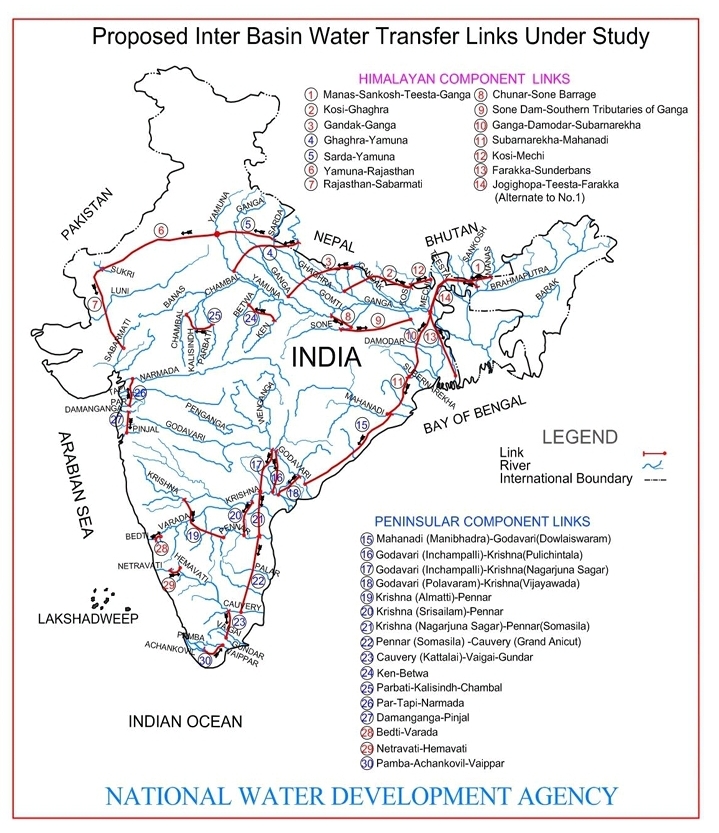
‘ಗೋದಾವರಿ–ಕಾವೇರಿ ನದಿಗಳ ಜೋಡಣೆ ಯೋಜನೆಯ ಮೊದಲ ಹಂತದಲ್ಲಿ 148 ಟಿಎಂಸಿ ಅಡಿ ನೀರನ್ನು ತಿರುಗಿಸಲು ಪ್ರಸ್ತಾಪಿಸಲಾಗಿದೆ. ಇದರಲ್ಲಿ ಕರ್ನಾಟಕಕ್ಕೆ ಕೇವಲ 15.90 ಟಿಎಂಸಿ ಅಡಿ ಹಂಚಿಕೆ ಮಾಡಲಾಗಿದೆ. ಇದಕ್ಕೆ ವ್ಯತಿರಿಕ್ತವಾಗಿ, ಇತರ ಫಲಾನುಭವಿ ರಾಜ್ಯಗಳಿಗೆ ನೀರಾವರಿ ಸೇರಿದಂತೆ ವಿವಿಧ ಉದ್ದೇಶಗಳಿಗೆ ಹೆಚ್ಚಿನ ಪ್ರಮಾಣದಲ್ಲಿ ಹಂಚಿಕೆ ಮಾಡಲಾಗಿದೆ. ಬೇಡ್ತಿ-ವರದಾ ನದಿ ಜೋಡಣೆ ಬಳಿಕವೂ ರಾಜ್ಯಕ್ಕೆ ಸಿಗುವುದು ಕೇವಲ 34.40 ಟಿಎಂಸಿ ಅಡಿಗೆ ಮಾತ್ರ. ನದಿ ಜೋಡಣೆ ಯೋಜನೆಯಲ್ಲಿ ನಮ್ಮ ರಾಜ್ಯಕ್ಕೆ ಕನಿಷ್ಠ 40-45 ಟಿಎಂಸಿ ಅಡಿ ನೀರನ್ನು ನೀಡಬೇಕು. ಗೋದಾವರಿ- ಕಾವೇರಿ ನದಿ ಜೋಡಣೆ ಯೋಜನೆಯಲ್ಲಿ ಹೆಚ್ಚುವರಿ 5 ಟಿಎಂಸಿ ಅಡಿ ನೀರನ್ನು ಭೀಮಾ ನದಿ ಪ್ರದೇಶಕ್ಕೆ ನೀಡಬೇಕು ಎಂದು ಕೇಂದ್ರ ಸರ್ಕಾರಕ್ಕೆ ಮನವಿ ಸಲ್ಲಿಸಲಾಗಿದೆ.

# **ಬೇಡ್ತಿ–ವರದಾ ನದಿ ಜೋಡಣೆ ಯೋಜನೆ**### ಪರಿಚಯ

ಕರ್ನಾಟಕ ರಾಜ್ಯವು ಜಲ ಸಂಪನ್ಮೂಲಗಳ ವಿತರಣೆಯಲ್ಲಿ ತೀವ್ರ ಪ್ರಾದೇಶಿಕ ಅಸಮಾನತೆಯನ್ನು ಅನುಭವಿಸುತ್ತಿರುವ ರಾಜ್ಯವಾಗಿದೆ. ಪಶ್ಚಿಮ ಘಟ್ಟ ಪ್ರದೇಶದಲ್ಲಿ ವರ್ಷಕ್ಕೆ **3,000 ರಿಂದ 5,000 ಮಿ.ಮೀ.ವರೆಗೆ ಹೆಚ್ಚಿನ ಮಳೆಯಾಗುತ್ತಿದರೂ**, ರಾಜ್ಯದ ಮಧ್ಯ ಮತ್ತು ಉತ್ತರ ಭಾಗಗಳು ಕೇವಲ **600–700 ಮಿ.ಮೀ. ಮಳೆಯನ್ನೇ** ಅವಲಂಬಿಸಿವೆ. ಈ ಅಸಮಾನತೆಯೇ ನಿರಂತರ ಬರ, ಕೃಷಿ ಅಸ್ಥಿರತೆ ಮತ್ತು ಭೂಗರ್ಭ ಜಲದ ಅತಿಯಾದ ಬಳಕೆಗೆ ಕಾರಣವಾಗಿದೆ.ಈ ಹಿನ್ನೆಲೆಗಳಲ್ಲಿ, ಪಶ್ಚಿಮ ದಿಕ್ಕಿನಲ್ಲಿ ಅರಬ್ಬೀ ಸಮುದ್ರಕ್ಕೆ ಹರಿಯುವ **ಬೇಡ್ತಿ (ಗಂಗಾವಳಿ) ನದಿಯ** ಮಳೆಗಾಲದ ಹೆಚ್ಚುವರಿ ನೀರನ್ನು, ಪೂರ್ವ ದಿಕ್ಕಿನಲ್ಲಿ ಹರಿಯುವ **ವರದಾ ನದಿಗೆ** ವರ್ಗಾಯಿಸುವ ಉದ್ದೇಶದ **ಬೇಡ್ತಿ–ವರದಾ ನದಿ ಜೋಡಣೆ ಯೋಜನೆ** ಪ್ರಸ್ತಾಪಿಸಲಾಗಿದೆ.

## ಯೋಜನೆಯ ಹಿನ್ನೆಲೆ ಮತ್ತು ಅಗತ್ಯತೆ

ಕರ್ನಾಟಕದಲ್ಲಿ ಲಭ್ಯವಿರುವ ಒಟ್ಟು ಮೇಲ್ಮೈ ನೀರಿನ ಸುಮಾರು **60% ಪಶ್ಚಿಮಕ್ಕೆ ಹರಿದು ಸಮುದ್ರ ಸೇರುತ್ತದೆ**, ಆದರೆ ರಾಜ್ಯದ **70%ಕ್ಕೂ ಹೆಚ್ಚು ಜನಸಂಖ್ಯೆ ಮತ್ತು ಕೃಷಿ ಚಟುವಟಿಕೆಗಳು ಪೂರ್ವ ದಿಕ್ಕಿನ ನದಿ ಕಣಿವೆಗಳಲ್ಲಿ** συγκ್ರಹಗೊಂಡಿವೆ.ಮಧ್ಯ ಮತ್ತು ಉತ್ತರ ಕರ್ನಾಟಕದಲ್ಲಿ ಕೃಷಿಯ **65% ಕ್ಕಿಂತ ಹೆಚ್ಚು ಭಾಗ ಮಳೆಯ ಮೇಲೆ ಅವಲಂಬಿತವಾಗಿದೆ**. ಹವಾಮಾನ ಬದಲಾವಣೆಯಿಂದಾಗಿ ಮಳೆಯ ಅಸಮತೋಲನ, ಕಡಿಮೆ ದಿನಗಳಲ್ಲಿ ಹೆಚ್ಚಿನ ಮಳೆ ಮತ್ತು ದೀರ್ಘ ಒಣಕಾಲಗಳು ಹೆಚ್ಚಾಗುತ್ತಿವೆ. ಇದರಿಂದ ಒಳನಾಡು ಪ್ರದೇಶಗಳ ಜಲ ಸಂಕಷ್ಟ ಮತ್ತಷ್ಟು ಗಂಭೀರವಾಗಿದೆ.ಈ ಪರಿಸ್ಥಿತಿಯಲ್ಲಿ, ಪಶ್ಚಿಮ ಘಟ್ಟದಲ್ಲಿ ಮಳೆಗಾಲದಲ್ಲಿ ಸಮುದ್ರಕ್ಕೆ ಹರಿದುಹೋಗುವ ಹೆಚ್ಚುವರಿ ನೀರನ್ನು ಒಳನಾಡಿಗೆ ವರ್ಗಾಯಿಸುವುದು ಸರ್ಕಾರದ ಪ್ರಮುಖ ತಂತ್ರವಾಗಿದೆ.

## ಭಾಗವಹಿಸುವ ನದಿಗಳ ವಿವರ###

🔹 ಬೇಡ್ತಿ ನದಿ (ಗಂಗಾವಳಿ)* ಉಗಮ: ಪಶ್ಚಿಮ ಘಟ್ಟ, ಉತ್ತರ ಕನ್ನಡ ಜಿಲ್ಲೆ* ಹರಿವು: ಪಶ್ಚಿಮ ದಿಕ್ಕಿನಲ್ಲಿ* ಅಂತ್ಯ: ಅರಬ್ಬೀ ಸಮುದ್ರ (ಅಂಕೋಲಾ ಸಮೀಪ)* ವಿಶೇಷತೆ: **ಮಾಗೋಡ್ ಜಲಪಾತ** – ಕರ್ನಾಟಕದ ಎರಡನೇ ಅತಿ ಎತ್ತರದ ಜಲಪಾತ* ಲಕ್ಷಣ: ಕಡಿಮೆ ಉದ್ದದ ನದಿಯಾದರೂ, ತೀವ್ರ ಇಳಿಜಾರಿನ ಕಾರಣ ಮಳೆಗಾಲದಲ್ಲಿ ಹೆಚ್ಚಿನ ವೇಗ ಮತ್ತು ನೀರಿನ ಹರಿವು

### 🔹 ವರದಾ ನದಿ* ಉಗಮ: ಪಶ್ಚಿಮ ಘಟ್ಟ, ಶಿವಮೊಗ್ಗ ಜಿಲ್ಲೆ* ಹರಿವು: ಪೂರ್ವ ದಿಕ್ಕಿನಲ್ಲಿ* ಸೇರ್ಪಡೆ: ಹಾವೇರಿ ಜಿಲ್ಲೆಯಲ್ಲಿ **ತುಂಗಭದ್ರಾ ನದಿಗೆ*** ನದಿ ವ್ಯವಸ್ಥೆ: ಕೃಷ್ಣಾ ನದಿ ಕಣಿವೆ* ಮಹತ್ವ: ತುಂಗಭದ್ರಾ–ಕೃಷ್ಣಾ ನೀರಾವರಿ ವ್ಯವಸ್ಥೆಗೆ ಪ್ರಮುಖ ಉಪನದಿ##

ಯೋಜನೆಯ ಪ್ರಮುಖ ಉದ್ದೇಶಗಳು*

ಮಧ್ಯ ಮತ್ತು ಉತ್ತರ ಕರ್ನಾಟಕದ ಬರಪೀಡಿತ ಜಿಲ್ಲೆಗಳಿಗೆ **ನೀರಾವರಿ ಸೌಲಭ್ಯ ವಿಸ್ತರಣೆ*** ಮಳೆಯ ಮೇಲಿನ ಅತಿಯಾದ ಅವಲಂಬನೆ ಕಡಿಮೆ ಮಾಡುವುದು* ಕೃಷಿ ಉತ್ಪಾದನೆ ಮತ್ತು ರೈತರ ಆದಾಯದಲ್ಲಿ ಸ್ಥಿರತೆ ಸಾಧಿಸುವುದು* ಭೂಗರ್ಭ ಜಲದ ದುರ್ಬಳಕೆಯನ್ನು ತಡೆಯುವುದು* ಪ್ರಾದೇಶಿಕ ಅಭಿವೃದ್ಧಿಯಲ್ಲಿ ಸಮತೋಲನ ಸಾಧಿಸುವುದು

## ತಾಂತ್ರಿಕ ಅಂಶಗಳು* ಬೇಡ್ತಿ ನದಿಯಿಂದ ಸುಮಾರು **18–19 TMC (242 MCM)** ನೀರನ್ನು ವರ್ಗಾಯಿಸುವ ಪ್ರಸ್ತಾವ* ಪಶ್ಚಿಮ ಘಟ್ಟವನ್ನು ದಾಟಲು **ಸುರಂಗಗಳು ಮತ್ತು ಎತ್ತುವ ನೀರಾವರಿ ವ್ಯವಸ್ಥೆಗಳು*** ಹೆಚ್ಚಿನ ವಿದ್ಯುತ್ ಬಳಕೆ ಮತ್ತು ಸುಧಾರಿತ ತಾಂತ್ರಿಕ ಮೂಲಸೌಕರ್ಯದ ಅಗತ್ಯ

## ಆಡಳಿತಾತ್ಮಕ ಮತ್ತು ನೀತಿಗತ ಪ್ರಗತಿ*

ಕರ್ನಾಟಕ ಸರ್ಕಾರವು ಯೋಜನೆಯ **ವಿಸ್ತೃತ ಯೋಜನಾ ವರದಿ (DPR) ತಯಾರಿಕೆಗೆ ಅನುಮೋದನೆ ನೀಡಿದೆ***

ಯೋಜನೆಯ ಅಂದಾಜು ವೆಚ್ಚ: **ಸುಮಾರು ₹10,000 ಕೋಟಿ (ಹಂತವಾರು ಹೆಚ್ಚಳ ಸಾಧ್ಯತೆ)*** ಹಣಕಾಸು ಮಾದರಿ: **90% ಕೇಂದ್ರ ಸರ್ಕಾರ ಮತ್ತು 10% ರಾಜ್ಯ ಸರ್ಕಾರ*** ಯೋಜನೆ **ರಾಷ್ಟ್ರೀಯ ಜಲ ಅಭಿವೃದ್ಧಿ ಪ್ರಾಧಿಕಾರದ (NWDA)** ಮಾರ್ಗಸೂಚಿಗಳ ಪ್ರಕಾರ ರೂಪುಗೊಳ್ಳುತ್ತಿದೆ##

ನಿರೀಕ್ಷಿತ ಲಾಭಗಳು*

ಹಾವೇರಿ, ಗದಗ, ಕೊಪ್ಪಳ ಸೇರಿದಂತೆ ಒಳನಾಡು ಜಿಲ್ಲೆಗಳಲ್ಲಿ **ನೀರಾವರಿ ವ್ಯಾಪ್ತಿ ವಿಸ್ತರಣೆ*** ಕೃಷಿ ಉತ್ಪಾದನೆಯಲ್ಲಿ ಸ್ಥಿರತೆ ಮತ್ತು ಬೆಳೆ ನಷ್ಟದ ಕಡಿತ* ರೈತರ ಆದಾಯ ಮತ್ತು ಗ್ರಾಮೀಣ ಜೀವನಮಟ್ಟದಲ್ಲಿ ಸುಧಾರಣೆ* ಹಂಗಾಮಿ ವಲಸೆ ಮತ್ತು ಬರ ಆಧಾರಿತ ಸಾಮಾಜಿಕ ಒತ್ತಡ ಕಡಿಮೆಯಾಗುವ ಸಾಧ್ಯತೆ

## ಪರಿಸರ ಮತ್ತು ಸಾಮಾಜಿಕ ಚಿಂತೆಗಳು* ಯೋಜನೆ **ಯುನೆಸ್ಕೋ ಮಾನ್ಯತೆ ಪಡೆದ ಪಶ್ಚಿಮ ಘಟ್ಟದ ಪರಿಸರ ಸಂವೇದನಾಶೀಲ ಪ್ರದೇಶದಲ್ಲಿ** ಅನುಷ್ಠಾನಗೊಳ್ಳುತ್ತಿರುವುದರಿಂದ ಪರಿಸರ ಚಿಂತೆಗಳು ಗಂಭೀರವಾಗಿವೆ* ಅರಣ್ಯ ನಾಶ, ಜೀವ ವೈವಿಧ್ಯಕ್ಕೆ ಅಪಾಯ ಮತ್ತು ವನ್ಯಜೀವಿ ವಾಸಸ್ಥಳಗಳ ಮೇಲೆ ಪರಿಣಾಮ* ಕರಾವಳಿ ಪ್ರದೇಶಗಳಲ್ಲಿ ನದಿ ಹರಿವಿನ ಕಡಿತದಿಂದ: * ಎಸ್ಟ್ಯುರಿ ಪರಿಸರ ವ್ಯವಸ್ಥೆ * ಮೀನುಗಾರಿಕೆ * ಭೂಗರ್ಭ ಜಲ ಮರುಪೂರಣೆ ಮೇಲೆ ಪರಿಣಾಮ ಬೀಳುವ ಸಾಧ್ಯತೆ* ಸ್ಥಳೀಯ ಸಮುದಾಯಗಳು ಮತ್ತು ಪರಿಸರ ತಜ್ಞರಿಂದ ವಿರೋಧ ವ್ಯಕ್ತವಾಗಿದೆ

## ಪ್ರಮುಖ ಸವಾಲುಗಳು*

ಪರಿಸರ, ಅರಣ್ಯ ಮತ್ತು ವನ್ಯಜೀವಿ ಅನುಮತಿಗಳ ಪಡೆಯುವಿಕೆ* ತಾಂತ್ರಿಕ ಜಟಿಲತೆಗಳು ಮತ್ತು ವೆಚ್ಚದ ಏರಿಕೆ* ನ್ಯಾಯಾಲಯದ ಮೊಕದ್ದಮೆಗಳು ಮತ್ತು ಅನುಷ್ಠಾನ ವಿಳಂಬದ ಸಾಧ್ಯತೆ

## ಮುಂದಿನ ದಾರಿ (Way Forward)*

ಸಮಗ್ರ ಮತ್ತು ಪಾರದರ್ಶಕ **ಪರಿಸರ ಪರಿಣಾಮ ಅಧ್ಯಯನ (EIA)*** ನದಿಗಳಲ್ಲಿ ಕನಿಷ್ಠ ಪರಿಸರ ಹರಿವನ್ನು ಕಡ್ಡಾಯವಾಗಿ ಕಾಪಾಡುವುದು* ದೊಡ್ಡ ಯೋಜನೆಗಳ ಜೊತೆಗೆ **ಸ್ಥಳೀಯ ಜಲ ಸಂರಕ್ಷಣಾ ಕ್ರಮಗಳಿಗೆ** ಒತ್ತು* ಸಾರ್ವಜನಿಕ ಸಲಹೆ, ವೈಜ್ಞಾನಿಕ ಅಧ್ಯಯನ ಮತ್ತು ಹಂತವಾರು ಅನುಷ್ಠಾನ

## ಉಪಸಂಹಾರ

**ಬೇಡ್ತಿ–ವರದಾ ನದಿ ಜೋಡಣೆ ಯೋಜನೆ** ಕರ್ನಾಟಕದ ಜಲ ಅಸಮಾನತೆಯನ್ನು ಕಡಿಮೆ ಮಾಡುವ ಮಹತ್ವದ ಪ್ರಯತ್ನವಾಗಿದೆ. ಆದರೆ ಇದು ಪಶ್ಚಿಮ ಘಟ್ಟದಂತಹ ಸೂಕ್ಷ್ಮ ಪರಿಸರ ವ್ಯವಸ್ಥೆಯಲ್ಲಿ ಅನುಷ್ಠಾನಗೊಳ್ಳುತ್ತಿರುವುದರಿಂದ, ಕೇವಲ ತಾಂತ್ರಿಕ ಪರಿಹಾರಗಳಿಗಿಂತಲೂ **ಪರಿಸರ ಸಂರಕ್ಷಣೆ, ಸಾಮಾಜಿಕ ನ್ಯಾಯ ಮತ್ತು ದೀರ್ಘಕಾಲೀನ ಜಲ ನಿರ್ವಹಣೆಯ ಸಮತೋಲನ** ಅತ್ಯಗತ್ಯವಾಗಿದೆ. ಸಮಗ್ರ ದೃಷ್ಟಿಕೋನ ಮತ್ತು ಜವಾಬ್ದಾರಿಯುತ ಅನುಷ್ಠಾನವೇ ಈ ಯೋಜನೆಯ ಯಶಸ್ಸನ್ನು ನಿರ್ಧರಿಸುತ್ತದೆ.

River Linking in Karnataka

Bedthi–Varada River Linking Project

The Bedthi–Varada River Linking Project is one of Karnataka’s most significant proposed intra-state inter-basin water transfer schemes. It aims to address chronic water scarcity in central and northern Karnataka by diverting surplus flows from the west-flowing Bedthi (Gangavali) river to the east-flowing Varada river — a tributary of the Tungabhadra River in the Krishna basin.

Background: Water Scarcity and Interlinking Policy

Interlinking rivers has been part of India’s long-term strategy to redistribute water across water-short and water-rich regions. The National Perspective Plan envisaged multiple links, including several in Karnataka’s peninsular river systems. Among these, the Bedthi–Varada project stands out for its intra-state scope and potential to support irrigation and reduce drought stress.

Geographical Features of the Rivers

Bedthi (Gangavali) River

  • Originates in the Western Ghats and flows westward into the Arabian Sea.
  • Drains the Sirsi–Yellapura region of Uttara Kannada district.
  • Known for Magod Falls, one of Karnataka’s highest waterfalls.
  • Substantial monsoon flows often go unused due to steep terrain.

Varada River

  • Begins in the Western Ghats and flows eastward through Shivamogga and Haveri districts.
  • Joins the Tungabhadra River, which feeds into the Krishna basin.
  • Supports agriculture in otherwise water-stress regions.

Project Design and Technical Details

According to feasibility studies and pre-feasibility reports:

  • The project envisages diversion of surplus waters (around 242 MCM / ~18–18.5 TMC) from the Bedthi basin to the Varada basin.
  • Conveyance includes tunnels and lifting systems to transfer the water across the Western Ghats into the Varada river.
  • Two link components are proposed:
  1. Direct lift and tunnel route from Bedthi to Varada.
  2. Via storage at Dharma reservoir, then conveyed to Varada.

The NWDA has completed draft DPR work and submitted it to the Karnataka government for observations.

Political and Administrative Progress

Government Approval

  • The Karnataka government has approved the preparation of the DPR for the Bedthi–Varada linking project, marking an important procedural milestone.

Official Statements

Deputy Chief Minister D.K. Shivakumar confirmed that:

  • The state has given go-ahead for the DPR, estimated to cost around ₹10,000 crore.
  • The Centre will bear 90% of the cost, while the State will contribute 10%.
  • Karnataka has sought an allocation of 40–45 TMC from river linking projects to address wider water needs, including an additional request to release 5 TMC for the Bhima basin.

Water Allocation

  • The Bedthi–Varada scheme has been allotted roughly 18.5 TMC for diversion under the overall interlinking effort.

Expected Benefits

The main motivations for the project include:

  • Irrigation expansion in drought-prone districts like Gadag, Koppal, Raichur and parts of Haveri.
  • Augmentation of water supply for agriculture and allied uses.
  • Reduction of monsoon runoff losses into the sea in the Western Ghats.
  • Potential socio-economic uplift in rain-shadow regions.

Local farmer associations and political leaders have repeatedly voiced support for expediting implementation.

Environmental and Technical Challenges

Despite its promise, the project has generated opposition and technical critique:

Ecology and Biodiversity

Environmental groups argue that diverting water from the ecologically sensitive Western Ghats could:

  • Damage biodiversity hotspots.
  • Affect downstream freshwater and estuarine ecosystems.
  • Impact local communities reliant on riverine resources.

Technical Feasibility Concerns

Critics contend the project design:

  • May not guarantee water delivery to intended areas.
  • Risks large forest and agricultural land submergence due to dams/weirs.
  • Needs more accurate water availability assessments and field-based studies.

Balancing Development and Sustainability

The Bedthi–Varada project exemplifies the development vs environment dilemma in India’s water governance:

  • Water redistribution is crucial for drought-mitigation and agricultural sustainability.
  • Yet large infrastructure must respect ecological limits, biodiversity and long-term environmental health.
    Policy experts suggest that river links should be paired with demand-management solutions like watershed development, rainwater harvesting and aquifer recharge.

Conclusion

The Bedthi–Varada River Linking Project has advanced from concept to DPR approval phase, backed by political support and central funding patterns. While it holds strong potential to transform water availability for central Karnataka, its technical, ecological and socio-economic implications require thorough evaluation, transparent planning and community engagement.