Tue. Mar 24th, 2026

Current Affairs

Article 309 of the Constitution

MNS officers to be eligible for re-employment benefits

Context: The Union Government has notified the Ex-servicemen (Re-employment in Central Civil Services & Posts) Amendment Rules, 2026 under Article 309 of the Constitution, formally expanding the definition of ex-servicemen to include personnel of the Military Nursing Service (MNS).

  • The amendment revises Rule 2(c)(i) to explicitly cover those who have served in any rank — combatant or non-combatant — in the Regular Army, Navy or Air Force, as well as the Military Nursing Service of the Indian Union. The change removes a long-standing ambiguity over the eligibility of MNS officers, who are commissioned officers, for re-employment benefits available to other veterans.
  • MNS personnel are now entitled to the same re-employment provisions as other ex-servicemen.

Article 309 of the Constitution of India

👉 Provision relating to Recruitment and Conditions of Service of persons serving the Union or a State

Meaning and Scope

Article 309 provides that:

  • Parliament (for Union services) and State Legislatures (for State services) have the power to make laws regulating the recruitment and conditions of service of persons appointed to public services and posts.
  • Until such laws are enacted,
    • The President (for Union services) and
    • The Governor (for State services)
      may make rules regulating these matters.

Key Features

  • Covers service conditions such as recruitment, pay, promotion, transfer, disciplinary action, and retirement of government employees.
  • Rules made by the President or Governor under Article 309 have statutory force.
  • If Parliament or a State Legislature later enacts a law, that law will prevail over the rules.

In Brief

Article 309 forms the constitutional basis of civil services administration in India, ensuring a legal framework for governing the service conditions of government employees.
Information Technology (Intermediary Guidelines and Digital Media Ethics Code) Amendment Rules, 2026

Context: Amended IT Rules call for disclosure of AI-generated synthetic media, and warn platforms of loss of safe harbour for non-compliance; changes notified by the govt. to take effect on February 20.

  • The Union government has notified amendments to the Information Technology Act, 2021, requiring photorealistic AI-generated content to be prominently labelled. The changes, which will come into force on February 20, also significantly shorten timelines for takedown of illegal material.
  • Under the new rules, social media platforms will now have between two and three hours to remove certain categories of unlawful content, a sharp reduction from the earlier 24-36 hours.
  • Content deemed illegal by a court or an “appropriate government” will have to be taken down within three hours, while sensitive content, featuring non-consensual nudity and deepfakes, must be removed within two hours.
  • The Information Technology (Intermediary Guidelines and Digital Media Ethics Code) Amendment Rules, 2026, defines synthetically generated content as “audio, visual or audio-visual information which is artificially or algorithmically created, generated, modified or altered using a computer resource, in a manner that such information appears to be real, authentic or true and depicts or portrays any individual or event in a manner that is, or is likely to be perceived as indistinguishable from a natural person or a real-world event.” The final definition is narrower than the one released in a draft version of these rules in October 2025. As with the existing IT Rules, failure to comply with the rules could result in loss of safe harbour, the legal principle that sites allowing users to post content cannot automatically be held liable in the same way as a publisher of a book or a periodical can.
  • The rules include a carve-out for touch-ups that smartphone cameras often perform automatically.
  • Platforms will be required to seek disclosures from users in case their content is AI-generated. If such a disclosure is not received for synthetically generated content, the official said, firms would either have to proactively label the content or take it down in cases of non-consensual deepfakes.
  • The amended rules mandate that AI-generated imagery be labelled “prominently”. While the draft version specified that 10% of any imagery would have to be covered with such a disclosure, platforms have been given some more leeway, the official said, since they pushed back on such a specific mandate.

Safe harbour

  • “Provided that where [a social media] intermediary becomes aware, or it is otherwise established, that the intermediary knowingly permitted, promoted, or failed to act upon such synthetically generated information in contravention of these rules, such intermediary shall be deemed to have failed to exercise due diligence under this sub-rule,” the rules say, hinting at a loss of safe harbour.
  • The rules also partially roll back an amendment notified in October 2025, which had limited each State to designating a single officer authorised to issue takedown orders. States may now notify more than one such officer— an “administrative” measure to address the need of States with large populations, the official said.

ಸಹಕಾರಿ ‘ಭಾರತ್ ಟ್ಯಾಕ್ಸಿ’ ಸೇವೆ ಶುರು

ಸಂದರ್ಭ: ಭಾರತ್‌ ಟ್ಯಾಕ್ಸಿ’ ಸೇವೆಗೆ ಕೇಂದ್ರ ಸಹಕಾರ ಸಚಿವ ಅಮಿತ್ ಶಾ ಅವರು ಚಾಲನೆ ನೀಡಿದ್ದಾರೆ. ಇದು ದೇಶದಲ್ಲಿ ಸಹಕಾರ ತತ್ತ್ವದಲ್ಲಿ ಟ್ಯಾಕ್ಸಿ ಸೇವೆಗಳನ್ನು ಒದಗಿಸುವ ಮೊದಲ ವೇದಿಕೆ ಆಗಿದೆ.

  • ಮುಂದಿನ ಮೂರು ವರ್ಷಗಳಲ್ಲಿ ಭಾರತ್ ಟ್ಯಾಕ್ಸಿ ಸೇವೆಯನ್ನು ಕಾಶ್ಮೀರದಿಂದ ಕನ್ಯಾಕುಮಾರಿ ವರೆಗೆ ಮತ್ತು ದ್ವಾರಕಾದಿಂದ ಕಾಮಾಕ್ಯದವರೆಗೆ ವಿಸ್ತರಿಸಲಾಗುವುದು.
  • ಭಾರತ್ ಟ್ಯಾಕ್ಸಿ ಜೊತೆ ಸೇರಿರುವ ಚಾಲಕರೊಂದಿಗೆ ಲಾಭವನ್ನು ಹಂಚಿಕೊಳ್ಳಲಾಗುವುದು ಚಾಲಕರುಗಳಿಸುವ ಪ್ರತಿ 1 ಖಾತೆಗೆ ಜಮಾ ಆಗಲಿದೆ. ಉಳಿದ ₹20 ವೇದಿಕೆಯಲ್ಲಿ ಉಳಿಯಲಿದೆ. ಆ ₹20ಕ್ಕೂ ಚಾಲಕರೇ ಮಾಲೀಕರಾಗಿ ಇರುತ್ತಾರೆ ಎಂದಿದ್ದಾರೆ.
  • ಗ್ರಾಹಕರು ಈ ವೇದಿಕೆಯ ಮೂಲಕ ಕಾರು, ತ್ರಿಚಕ್ರ ಮತ್ತು ದ್ವಿಚಕ್ರ ವಾಹನಗಳ ಸೇವೆಯನ್ನು ಪಡೆಯಬಹುದಾಗಿದೆ ಎಂದು ಹೇಳಿದ್ದಾರೆ.
  • ಈಗ ದೇಶದಲ್ಲಿ ಟ್ಯಾಕ್ಸಿ ಸೇವೆಗಳನ್ನು ಒದಗಿಸುವ ಮಾರುಕಟ್ಟೆಯಲ್ಲಿ ಊಬರ್, ಓಲಾ ಮತ್ತು ರಾಪಿಡೊ ಪ್ರಾಬಲ್ಯ ಹೊಂದಿವೆ.
  • ಚಾಲಕರೇ ಮಾಲೀಕರಾಗುವ ಅವಕಾಶವನ್ನು ಇಂತಹ ಈ ವೇದಿಕೆಯು ನೀಡಲಿದೆ. ಅವಕಾಶವನ್ನು ಇತರೆ ಯಾವುದೇ ವೇದಿಕೆ ಒದಗಿ-ಸುತ್ತಿಲ್ಲ.
  • ಅಮೂಲ್ ಸೇರಿದಂತೆ ದೇಶದ ಎಂಟು ಪ್ರಮುಖ ಸಹಕಾರ ಸಂಘಗಳ ನೆರವಿನೊಂದಿಗೆ ಕಳೆದ ಡಿಸೆಂಬರ್ 2ರಂದು ದೆಹಲಿ ಎನ್‌ಸಿಆರ್ ಮತ್ತು ಗುಜರಾತ್‌ನಲ್ಲಿ ಪ್ರಾಯೋಗಿಕವಾಗಿ ಈ ಸೇವೆಯನ್ನು ಆರಂಭಿಸಲಾಯಿತು.
  • ಸಹಕಾರ ತತ್ತ್ವದ ಆಧಾರದಲ್ಲಿ ಆ್ಯಪ್ ಮೂಲಕ ಟ್ಯಾಕ್ಸಿ ಸೇವೆ ಒದಗಿಸುವ ಜಗತ್ತಿನ ಅತಿದೊಡ್ಡ ವೇದಿಕೆ ಇದಾಗಿದೆ. ಅಲ್ಲದೆ, ಚಾಲಕರ ಮಾಲೀಕತ್ವದ ವಿಶ್ವದ ಅತಿದೊಡ್ಡ ವೇದಿಕೆಯೂ ಹೌದು ಎಂದು ಸಹಕಾರ ಸಚಿವಾಲಯ ಹೇಳಿದೆ.
  • ಈ ಸೇವೆ ಆರಂಭಗೊಂಡಾಗಿನಿಂದ ಇಲ್ಲಿಯವರೆಗೆ 3 ಲಕ್ಷಕ್ಕೂ ಅಧಿಕ ಚಾಲಕರು ಈ ವೇದಿಕೆ ಸೇರಿದ್ದಾರೆ. 1 ಲಕ್ಷ ಹೆಚ್ಚು ಬಳಕೆದಾರರು ನೋಂದಣಿ ಆಗಿದ್ದಾರೆ.
  • ಮುಂಬರುವ ವರ್ಷಗಳಲ್ಲಿ ಸಂಘಗಳು ಹೊಸ ಸಹಕಾರ ವ್ಯವಹಾರಗಳಿಗೆ ಪ್ರವೇಶಿಸಲಿವೆ. ಈ ಚಾಲಕರನ್ನು ‘ಸಾರಥಿಗಳು’ ಎಂದು ಕರೆಯಲಾಗುತ್ತದೆ. ಈ ಚಾಲಕರಿಗೆ ಇನ್ನೊ-ಟೋಕಿಯೊ ಜನರಲ್‌ ಇನ್ಸೂರೆನ್ಸ್ ಕಂಪನಿಯು ವೈಯಕ್ತಿಕ ಅಪಘಾತ ಮತ್ತು ಆರೋಗ್ಯ ವಿಮಾ ರಕ್ಷಣೆಯನ್ನು ಒದಗಿಸುತ್ತದೆ ಎಂದು ಹೇಳಿದ್ದಾರೆ.
  • ಭಾರತ್ ಟ್ಯಾಕ್ಸಿ ಸೇವೆಯು ಸಾರ್ವಜನಿಕರಿಗೆ ಕೈಗೆಟಕುವ, ಸುರಕ್ಷಿತ ಸೇವೆಯನ್ನು ಒದಗಿಸಲು ಪ್ರಯತ್ನಿಸುತ್ತದೆ ಎಂದಿದ್ದಾರೆ.

Source: PV

ರಾಷ್ಟ್ರಪತಿ ಅಂಕಿತಕ್ಕೆ ‘ದ್ವೇಷಭಾಷಣ ತಡೆ’ ಮಸೂದೆ

ಸಂದರ್ಭ: ಹಲವು ಕಾರಣಗಳನ್ನು ನೀಡಿ ಅಂಕಿತ ಹಾಕದೆ ಆರ್. ರಾಷ್ಟ್ರಪತಿಯ ವಿವೇಚನೆಗೆ ರಾಜ್ಯಪಾಲರು ಕಾಯ್ದಿರಿಸಿದ್ದ ದ್ವೇಷ ಭಾಷಣ ತಡೆ ಮಸೂದೆಯನ್ನು ರಾಷ್ಟ್ರಪತಿಯವರ ಅಂಕಿತಕ್ಕಾಗಿ ಕೇಂದ್ರ ಗೃಹ ಸಚಿವಾಲಯದ ಜಂಟಿ ಕಾರ್ಯದರ್ಶಿಗೆ (ನ್ಯಾಯಾಂಗ) ರಾಜ್ಯ ಸರ್ಕಾರವು (ಫೆ. 4) ರವಾನಿಸಿದೆ.

  • ದ್ವೇಷ ಭಾಷಣ ಹಾಗೂ ದ್ವೇಷಾಪರಾಧಗಳನ್ನು ತಡೆಯಲು ‘ಕರ್ನಾಟಕ ದ್ವೇಷ ಭಾಷಣ ಮತ್ತು ದ್ವೇಷ ಅಪರಾಧಗಳ (ಪ್ರತಿಬಂಧಕ) ಮಸೂದೆ -2025’ ಅನ್ನು ಸರ್ಕಾರ ರೂಪಿಸಿ, ಅಂಕಿತ ಹಾಕುವಂತೆ ಕೋರಿ ಲೋಕಭವನಕ್ಕೆ ಕಳುಹಿಸಿತ್ತು.
  • ಆದರೆ, ಹೈಕೋರ್ಟ್‌ಗಳು ಮತ್ತು ಸುಪ್ರೀಂ ಕೋರ್ಟ್ ನೀಡಿದ್ದ ಕೆಲವು ತೀರ್ಪುಗಳನ್ನು ಉಲ್ಲೇಖಿಸಿ ಮತ್ತು ಸಾಂವಿಧಾನಿಕವಾಗಿ ಸಂರಕ್ಷಿತ ಪ್ರಜಾಪ್ರಭುತ್ವದ ಚರ್ಚೆಯ ಮೇಲೆ ತೀವ್ರ ನಕಾರಾತ್ಮಕ ಪರಿಣಾಮ ಉಂಟು ಮಾಡುವ ಸಾಧ್ಯತೆಯ ಆತಂಕ ವ್ಯಕ್ತಪಡಿಸಿ ಈ ಮಸೂದೆಯನ್ನು ರಾಜ್ಯಪಾಲರು ಸರ್ಕಾರಕ್ಕೆ ವಾಪಸ್ ಕಳುಹಿಸಿದ್ದರು.

New Strategic Arms Reduction Treaty (New START)

Context: The New Strategic Arms Reduction Treaty (New START) officially expired on February 5, marking the end of the last remaining bilateral agreement constraining the nuclear arsenals of the U.S. and Russia. The New START treaty emerged from a period of diplomatic reset between Washington and Moscow in the late 2000s.

  • After entering into force on February 5, 2011, New START set up verifiable limits on the strategic offensive arms of both nations, including capping the number of deployed warheads to 1,550, and required both parties to reach these limits within seven years and maintain them thereafter. It also allowed 18 on-site inspections a year, mandated data exchange, and set up a bilateral commission to resolve issues.
  • New START was constantly beleaguered. Russia often argued that U.S. missile defense systems undermined the strategic balance, suggesting that if one side could neutralise the other’s retaliatory strike, the ‘mutually assured destruction’ dynamic would be broken. The U.S. expressed concerns over conventional prompt global strike capabilities, where precise conventional warheads are placed on ballistic missiles, systems that New START counted under its nuclear limits.
  • Later Russia also unveiled several novel strategic systems, including the Sarmat heavy ICBM and the Avangard hypersonic glide vehicle. While the U.S. successfully argued that these should be counted under New START, other systems like the nuclear-powered underwater drone Poseidon and nuclear-powered cruise missile Burevestnik remained outside the treaty’s technical definitions.

No binding limits

  • The treaty was originally set to expire in 2021. Just days before the deadline, the Biden administration and the Kremlin agreed to a one-time, five-year extension, moving the expiration date to February 5, 2026. But in February 2023, after the conflict in Ukraine escalated and undermined bilateral relations, President Vladimir Putin said he was suspending Russia’s participation in New START because, Moscow said, the U.S. was seeking a “strategic defeat” of Russia and that western aid to Ukraine made on-site inspections in Russia impossible. The U.S. soon followed.
  • Today, for the first time since 1972, there are no legally binding limits on the number of strategic nuclear weapons the U.S. and Russia can deploy. The formal channels to verify the locations and status of nuclear forces have ceased to exist, forcing intelligence agencies to rely entirely on satellite imagery and other unilateral methods, which are more error-prone and easier to politicise. Nuclear and non-nuclear strategic systems are also entangled today and that, together with the premium both sides place on non-contact options like cyberattacks, can threaten nuclear command and control without crossing a nuclear threshold. This is why analysts have stressed the loss of predictability rather than the appearance of new warheads alone.
  • New START’s expiry also makes the prospect of including China and other nuclear states in a larger nonproliferation regime harder in practice. Washington can now argue that it shouldn’t be the only state constrained while Beijing grows. Moscow can argue that it shouldn’t accept constraints while NATO’s aggregate capabilities shape its security environment. And Beijing has already argued that its arsenal is smaller than those of the U.S. and Russia and that therefore it’s “not fair or reasonable” to demand it enter their disarmament framework now.
  • In 2025, Arms Control Association board chairman Thomas Countryman argued that the most realistic near-term path is a regime with three prongs: the U.S. and Russia establishing measures to restore basic level of transparency, the P5 group standardising definitions and modest transparency practices; and setting up of nonproliferation tools such as hotlines, launch notifications, incident prevention, and fissile material security, to involve more states without immediately forcing them to count each other’s warheads.

Source: The Hindu

India, GCC nations sign terms of reference for FTA

Context: Appropriate that we enter a robust trading arrangement for greater free flow of goods and services, and predictability, stability to policy: Goyal

  • Representatives of India and the six-nation Gulf Cooperation Council (GCC) signed the Terms of Reference for negotiations on a free trade agreement (FTA).
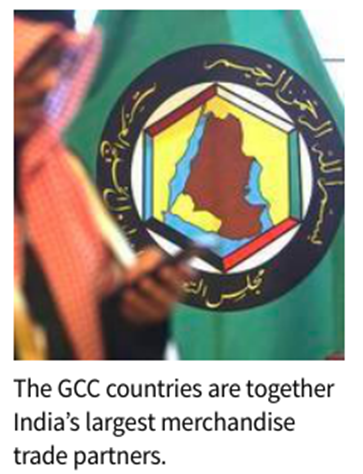
  • The GCC countries are together India’s largest merchandise trade partners, with total merchandise trade exceeding that done with even the EU and the U.S.
  • The Terms of Reference (ToR) were signed by India’s chief negotiator for the FTA, Additional Secretary Ajay Bhadoo, and his counterpart representing the Secretariat General of the Gulf Cooperation Council, Raja Al Marzouki. The signing of the ToR is a necessary precursor for the start of formal negotiations. The GCC countries are Bahrain, Kuwait, Oman, Qatar, Saudi Arabia, and the UAE.
  • “It is most appropriate that we now enter into a much stronger and robust trading arrangement, which will enable a greater free flow of goods and services, bring predictability and stability to policy, help encourage greater degree of investments and take our bilateral relations between the six nation GCC group and India to greater heights,” Commerce and Industry Minister Piyush Goyal, who presided over the signing, said in his speech.
  • Bilateral benefit
  • Mr. Goyal pointed out that the two sides could significantly benefit from each other, with India’s workforce both within the GCC countries as well as in India standing to gain from the eventual agreement.
  • “The GCC countries can help us with further diversification and growth of our energy sources, opportunities for our youth, and massive amounts of investments that different countries have already committed at different points of time, which will further get an impetus with a free trade agreement between India and the GCC nations,” he added.

Source: The Hindu

Bharat Taxi, India’s first cooperative-led ride-hailing platform

Context: Union Home, Cooperation Minister Amit Shah launched Bharat Taxi, India’s first cooperative-led ride-hailing platform, after a successful two-month pilot operation.

  • The service has been initially launched in Delhi-NCR and Gujarat, and will be expanded across all States and Union Territories within two years.
  • “In three years, Bharat Taxi will be rolled out across the country, from Kashmir to Kanniyakumari and Dwarka to Kamakhya.
  • The profits will be shared with drivers associated with Bharat Taxi. Customers can hail cars, three-wheelers and two-wheelers through the platform.

Source: The Hindu

Motion of Thanks in Lok Sabha & Rajya Sabha

Context: Amid continued protests by Opposition, Lok Sabha was adjourned; Speaker says the conduct of some Opposition members in his office was not appropriate, terms it a ‘black spot’

  • Prime Minister Narendra Modi did not reply to the debate on the Motion of Thanks to the President’s address before it was passed in the Lok Sabha . In fact, he was not present in the House when the Motion was put to vote.
  • The last time that the Motion of Thanks to the President’s Address was passed without the Prime Minister’s reply was in June 2004, when then Prime Minister Manmohan Singh could not deliver his reply to the debate in the Lok Sabha following BJP protests.
  • He had then asked the Lok Sabha to put the Motion to vote without his reply. In his 2005 speech, Dr. Singh mentioned that he had not been allowed to speak the previous year.
  • The Rajya Sabha adopted the Motion to Thank President Droupadi Murmu for her Address to the joint session of Parliament. The amendments moved by Opposition MPs were defeated in a voice vote in their absence. The Opposition had walked out of the House during Prime Minister Narendra Modi’s reply to the debate.

Source: The Hindu

Frontier Nagaland Territorial Authority (FNTA)

Context: A tripartite agreement for creation of the Frontier Nagaland Territorial Authority (FNTA) was signed between Eastern Nagaland People’s Organisation (ENPO), Nagaland government and Union Home Ministry.

  • The agreement was signed in the presence of Union Home Minister Amit Shah and Nagaland Chief Minister Neiphiu Rio. ENPO is an apex body representing eight recognised Naga tribes of the six eastern districts of Nagaland.
  • The agreement paves the way for creation of the FNTA for six districts of Nagaland — Tuensang, Mon, Kiphire, Longleng, Noklak and Shamator — and devolution of powers in respect of 46 subjects to the FNTA.
  • Mr. Shah said it was a significant day for a dispute-free Northeast. “Eleven years ago, several armed groups and disputes in the Northeast were pushing the region towards fragmentation and disturbing its peace. At the same time, many inter-State disputes were disrupting the peace of the States,” he said.
  • Mr. Shah said that since 2019, the Centre has signed 12 important agreements in the Northeast. Mr. Shah said that he wants to assure the representatives of ENPO that the Government of India will assist in the development of Eastern Nagaland and also will shoulder its responsibility. He added that a fixed amount will be determined every year, and the MHA will cover the initial expenditure for its establishment.
  • The agreement provides, inter alia, for a mini-Secretariat for FNTA, headed by Additional Chief Secretary/Principal Secretary, sharing of development outlay for the Eastern Nagaland region proportional to population and area. However, this agreement does not affect in any manner, the provisions of Article 371(A) of the Constitution, the Ministry said.

Source: The Hindu

Karnataka Gram Swaraj and Panchayat Raj (Amendment) Bill, 2026

Context: The State Cabinet has decided to bring an amendment through the Karnataka Gram Swaraj and Panchayat Raj (Amendment) Bill, 2026, to reintroduce ballot papers in the local body election. The decision was taken to bring transparency and secrecy in elections, a note said, adding that the government had decided to drop EVMs from the election process.

  • The Cabinet also decided to bring amendment through Karnataka Police (Amendment) bill, 2026, to allow Police Establishment Board to transfer officials who have been suspended following dereliction of duty, gross negligence and misconduct.
  • Currently because of the two-year tenure, the law had not permitted transfer of such officials though being suspended.
  • The government has also decided to announce a one-time settlement scheme (OTS) for those who had availed themselves of loans from Karnataka Minorities Development Corporation between 2013 and 2019 when about ₹800 crore had been disbursed to beneficiaries under various schemes.