Violin maestro R.K. Shriramkumar has been conferred the prestigious Sangita Kalanidhi award for the year 2025 by The Music Academy, Chennai — one of the highest honours in Carnatic classical music.
About the Award The Sangita Kalanidhi is regarded as the highest recognition in Carnatic music, given annually to an outstanding musician in recognition of lifetime achievement and contribution to the art. The awardee typically presides over the Music Academy’s annual conference and concert series held during Chennai’s famous December Music Season.
About R.K. Shriramkumar R.K. Shriramkumar is a renowned Carnatic violinist from the celebrated Rudrapatnam lineage of musicians in Karnataka. He has accompanied generations of legendary vocalists and musicians, including Semmangudi Srinivasa Iyer, M.S. Subbulakshmi, D.K. Pattammal, and contemporary stars like T.M. Krishna, Bombay Jayashri, and others.
His deep musical scholarship and expertise — particularly in the compositions and musicological work of Subbarama Dikshitar and Muthuswami Dikshitar’s tradition — have greatly contributed to his selection.
Significance of the 2025 Award Shriramkumar’s selection coincides with the 250th birth anniversary of the composer Muthuswami Dikshitar, adding special cultural significance to the honour this year.
Context: Finance Ministry announces end of GST compensation cess; beed is in 18% slab, other tobacco products in 40% bracket as govt. bids to ‘ensure that real cigarette prices rise faster than incomes’.
The Union Finance Ministry issued a series of notifications that will give effect to the new taxation regime for tobacco products from February 1 2026.
The Central Excise (Amendment) Act, 2025, passed recently, specifies new rates of excise duty on tobacco products.
Excise duty on cigarette
The Ministry also notified that provisions of the Health Security se National Security Act, 2025, which intends to levy a cess on pan masala units, will come into force from February 1.
Under the Goods and Services Tax (GST) regime, the excise duty on cigarettes had so far been rendered a nominal amount of a “fraction of a paisa” per cigarette stick, and the GST compensation cess rate on tobacco products had not been increased since it was implemented in July 2017.
“For India, affordability has either stagnated or increased in the past decade, meaning cigarettes have not become more expensive relative to consumers’ purchasing power,” the note said. “This is contrary to global public health guidance, which emphasises annual increases in specific excise duties to ensure that real cigarette prices rise faster than incomes.”
At the same time, the Ministry notified February 1 as the date from which the GST compensation cess would cease to exist. The cess was originally introduced for a period of five years to compensate States for any loss arising out of the implementation of GST.
Tax slabs
The Finance Ministry also notified the new GST rates for tobacco products. Beedis have been moved to the 18% category from the now-defunct 28% slab. All other tobacco products have been moved to the 40% slab. These new rates will be effective from February 1.
The GST compensation cess was to end in 2022. However, due to the COVID-19 pandemic, the cess collections were not enough to compensate the States and so the Centre borrowed money to compensate them.Hence, it was extended until 2026, with the proceeds being used to repay the loan.
With the impending end of the loan, the Centre on September 22, 2025, removed the incidence of the cess on most items except tobacco items. From February 1, 2026, the cess will no longer apply on these items either, effectively ending it.
Finally, the Ministry introduced a new valuation mechanism for tobacco products such as chewing tobacco, filter khaini, jarda, scented tobacco, and gutkha, whereby the GST value would be determined based on the retail sale price declared on the package.
Regarding the Health Security se National Security Act, 2025, the Ministry justified the inclusion of the national security aspect by saying that conventional tax revenues cannot always guarantee funding for national security functions, and so a dedicated cess is needed for the purpose.
“General tax revenues are subject to competing developmental priorities and cannot always guarantee sustained long-term funding for core national security functions,” the FAQ note said.
“A dedicated purpose-specific cess enables the Union to create a non-lapsable, predictable financial stream that supports multi-year security preparedness, technological upgradation, capacity creation, and advanced equipment procurement — without increasing the tax burden on the general population or raising broad-based rates such as GST.”
Brief on Central Excise (Amendment) Act, 2025:
What is it?
The Central Excise (Amendment) Act, 2025 is a law passed by Parliament in December 2025 to amend the Central Excise Act, 1944 by revising excise duty rates on tobacco and tobacco-related products. The amendment was introduced to ensure that tax incidence on tobacco products remains protected even after the cessation of GST compensation cess.
Key Features of the Amendment
Higher Excise Duties on Tobacco Products
The Act increases central excise duty on various tobacco products:
Cigarettes, cigars, hookah, chewing tobacco, zarda and scented tobacco products are covered under the revised structure.
Excise duty on cigarettes is raised from the earlier ₹200–₹735 per 1,000 sticks to ₹2,700–₹11,000 per 1,000 sticks (depending on category).
Chewing tobacco duty increased from 25% → 100%.
Hookah tobacco duty increased from 25% → 40%.
Smoking mixtures (for pipes/cigarettes) duty increased from 60% → 325%.
The objective is to protect total tax incidence after GST compensation cess ends, and also to discourage tobacco consumption for public health reasons.
1991ರಲ್ಲಿ ಸೊಮಾಲಿಯಾದಿಂದ ಪ್ರತ್ಯೇಕಗೊಂಡಿದ್ದ ಸೊಮಾಲಿಲ್ಯಾಂಡ್ ಅನ್ನು ಪ್ರತ್ಯೇಕ ದೇಶವೆಂದು ಇಸ್ರೇಲ್ ಮಾನ್ಯ ಮಾಡಿದೆ. ಹಾಗೆ ಅಧಿಕೃತವಾಗಿ ಒಪ್ಪಿಕೊಂಡ ವಿಶ್ವದ ಏಕೈಕ ದೇಶ ಇಸ್ರೇಲ್.
ದಶಕಗಳ ಹಿಂದೆ ಸೊಮಾಲಿಯಾ ದೇಶದಿಂದ ಪ್ರತ್ಯೇಕಗೊಂಡಿದ್ದ ಸೊಮಾಲಿಲ್ಯಾಂಡ್ (Somaliland) ಅನ್ನು ಸ್ವತಂತ್ರ ದೇಶ ಎಂದು ಇಸ್ರೇಲ್ ಮಾನ್ಯ ಮಾಡಿದೆ. ಸೋಮಾಲಿಲ್ಯಾಂಡ್ಗೆ ಅಧಿಕೃತ ದೇಶವೆಂಬ ಮಾನ್ಯತೆ ಕೊಟ್ಟ ಮೊದಲ ದೇಶವೂ ಇಸ್ರೇಲ್ ಆಗಿದೆ. ಇಸ್ರೇಲ್ ಪ್ರಧಾನಿ ಬೆಂಜಮಿನ್ ನೇತಾನ್ಯಹು ಅವರ ಕಚೇರಿಯು ಈ ವಿಚಾರವನ್ನು ಪ್ರಕಟಿಸಿದ್ದು, ಸೋಮಾಲಿಲ್ಯಾಂಡ್ ಜೊತೆ ಇಸ್ರೇಲ್ ಪೂರ್ಣ ರಾಜತಾಂತ್ರಿಕ ಸಂಬಂಧಗಳನ್ನು ಸ್ಥಾಪಿಸುತ್ತದೆ ಎಂದು ಘೋಷಿಸಿದೆ. ಆದರೆ, ಆಫ್ರಿಕಾ ಹಾಗೂ ಮಧ್ಯಪ್ರಾಚ್ಯದ ಹಲವು ದೇಶಗಳು ಇದನ್ನು ಬಲವಾಗಿ ವಿರೋಧಿಸಿವೆ.
ಸೋಮಾಲಿಲ್ಯಾಂಡ್ ಅಧ್ಯಕ್ಷ ಅಬ್ದಿರಹಮಾನ್ ಮೊಹಮ್ಮದ್ ಅಬ್ದುಲ್ಲಾಹಿ ಅವರು ಇಸ್ರೇಲ್ ಬೆಂಬಲವನ್ನು ಐತಿಹಾಸಿಕ ಕ್ಷಣವೆಂದು ಬಣ್ಣಿಸಿದ್ದಾರೆ. ಅಬ್ದಿರಹಮಾನ್ ಜೊತೆ ದೂರವಾಣಿ ಮೂಲಕ ಮಾತನಾಡಿದ ಇಸ್ರೇಲ್ ಪ್ರಧಾನಿಯವರು, ಸೊಮಾಲಿಲ್ಯಾಂಡ್ ಜನತೆಗೆ ಶುಭ ಹಾರೈಕೆ ಮಾಡಿದ್ದಾರೆ. ಆದರೆ, ಸೊಮಾಲಿಲ್ಯಾಂಡ್ ಅನ್ನು ಪ್ರತ್ಯೇಕ ದೇಶವೆಂದು ಮಾನ್ಯ ಮಾಡಿದ ಇಸ್ರೇಲ್ ಕ್ರಮವನ್ನು ಸೊಮಾಲಿಯಾ ಹಾಗೂ ಆಫ್ರಿಕನ್ ಯೂನಿಯನ್ ಬಲವಾಗಿ ವಿರೋಧಿಸಿವೆ. ಸೊಮಾಲಿಲ್ಯಾಂಡ್ ಸೊಮಾಲಿಯಾದ ಅವಿಭಾಜ್ಯ ಅಂಗ ಎಂದು ಆಫ್ರಿಕನ್ ಒಕ್ಕೂಟ ಹೇಳಿದೆ.
ಯಾವುದಿದು ಸೊಮಾಲಿಲ್ಯಾಂಡ್?
ಸೊಮಾಲಿಲ್ಯಾಂಡ್ 1991ರಲ್ಲಿ ಸೊಮಾಲಿಯಾ ಬಿಕ್ಕಟ್ಟಿನ ವೇಳೆ ಪ್ರತ್ಯೇಕಗೊಂಡ ಪ್ರದೇಶ. ಇದು ಗಲ್ಫ್ ಪ್ರದೇಶದ ಕೆಳಗೆ ಇದೆ. ಗಲ್ಫ್ ಪ್ರದೇಶಕ್ಕೂ ಸೊಮಾಲಿಲ್ಯಾಂಡ್ಗೂ ನಡುವೆ ಗಲ್ಫ್ ಆಫ್ ಏಡನ್ ಬರುತ್ತದೆ. ಇದು ಬಹಳ ಕಿರಿದಾದ ಸಮುದ್ರ ಮಾರ್ಗವಾಗಿದೆ. ನಿತ್ಯವೂ ನೂರಾರು ಹಡಗುಗಳು ಇಲ್ಲಿ ಹಾದು ಹೋಗುತ್ತವೆ. ಜಾಗತಿಕ ವ್ಯಾಪಾರ ವಹಿವಾಟು ಸುಗಮವಾಗಿ ನಡೆಯಲು ಈ ಮಾರ್ಗ ಸುರಕ್ಷಿತವಾಗಿರಬೇಕು. ಹಾಗಾಗಿ, ಈ ಸೋಮಾಲಿಲ್ಯಾಂಡ್ ವಿಚಾರ ಪ್ರಸಕ್ತ ಬಹಳ ಮುಖ್ಯ.1991ರಲ್ಲಿ ಸೊಮಾಲಿಲ್ಯಾಂಡ್ ಸ್ವಯಂ ಆಗಿ ಪ್ರತ್ಯೇಕ ದೇಶವೆಂದು ಘೋಷಿಸಿಕೊಂಡಿತು. ಮೂರು ದಶಕಗಳ ಕಾಲ ಸ್ವತಂತ್ರವಾಗಿಯೇ ಅಸ್ತಿತ್ವದಲ್ಲಿದೆ. ಅದರದ್ದೇ ಸ್ವಂತ ಸರ್ಕಾರ, ಸಂವಿಧಾನ, ಕರೆನ್ಸಿ, ಪಾಸ್ಪೋರ್ಟ್, ಭದ್ರತಾ ಪಡೆಗಳು ಹೀಗೆ ಎಲ್ಲಾ ವ್ಯವಸ್ಥೆ ಇದೆ. ಚುನಾವಣೆಗಳು ನಡೆಯುತ್ತವೆ. ಸೊಮಾಲಿಯಾದಲ್ಲಿ ಇರುವಂತೆ ಸೊಮಾಲಿಲ್ಯಾಂಡ್ನಲ್ಲಿ ಸಿವಿಲ್ ವಾರ್ ಇತ್ಯಾದಿ ಬಿಕ್ಕಟ್ಟು ಇಲ್ಲದೆ ಶಾಂತಿಯುತವಾಗಿದೆ.
ಆದರೆ, ಸೊಮಾಲಿಲ್ಯಾಂಡ್ಗೆ ಪ್ರಮುಖ ಸಮಸ್ಯೆ ಇರುವುದು ಇದಕ್ಕೆ ಇಲ್ಲದ ಅಂತಾರಾಷ್ಟ್ರೀಯ ಮಾನ್ಯತೆ. ವಿಶ್ವಬ್ಯಾಂಕ್ ಇತ್ಯಾದಿ ಅಂತಾರಾಷ್ಟ್ರೀಯ ಹಣಕಾಸು ಸಂಸ್ಥೆಗಳಿಂದ ಧನಸಹಾಯ ಸಿಕ್ಕುವುದಿಲ್ಲ. ಹೀಗಾಗಿ, ಸೋಮಾಲಿಲ್ಯಾಂಡ್ನಲ್ಲಿ ಹೆಚ್ಚಿನ ಅಭಿವೃದ್ಧಿ ಆಗಿಲ್ಲ. ಹಲವು ದೇಶಗಳು ಸೊಮಾಲಿಲ್ಯಾಂಡ್ ಜೊತೆ ಬೇರೆ ಬೇರೆ ರೂಪಗಳಲ್ಲಿ ಸಂಬಂಧ ಹೊಂದಿವೆಯಾದರೂ ಯಾವುವೂ ಕೂಡ ಅದನ್ನು ಸ್ವತಂತ್ರ ದೇಶವೆಂದು ಅಧಿಕೃತವಾಗಿ ಮಾನ್ಯ ಮಾಡಿಲ್ಲ. ಹಾಗೆ ಮಾಡಿದ ಮೊದಲ ದೇಶ ಇಸ್ರೇಲ್ ಆಗಿದೆ.
ಅಕ್ಟೋಬರ್ 2025ರಲ್ಲಿ ಬಿಡುಗಡೆಯಾದ ‘ಅಖಿಲ ಭಾರತ ಸಮಕಾಲೀನ ಆನೆಗಳ ಅಂದಾಜು’ (SAIEE 2021-25) ವರದಿಯ ಪ್ರಕಾರ, ಭಾರತದಲ್ಲಿ ಒಟ್ಟು 22,446 ಕಾಡಾನೆಗಳಿವೆ. ಇದು 2017ರ ಅಂದಾಜಿಗಿಂತ (27,312) ಸುಮಾರು ಶೇ. 18ರಷ್ಟು ಇಳಿಕೆಯಾಗಿದೆ
1. ರಾಜ್ಯವಾರು ಆನೆಗಳ ಸಂಖ್ಯೆ (2025ರ ವರದಿ) ಕರ್ನಾಟಕವು ದೇಶದಲ್ಲೇ ಅತಿ ಹೆಚ್ಚು ಆನೆಗಳನ್ನು ಹೊಂದಿರುವ ರಾಜ್ಯವಾಗಿ ತನ್ನ ಮೊದಲ ಸ್ಥಾನವನ್ನು ಉಳಿಸಿಕೊಂಡಿದೆ.
ರಾಜ್ಯ (State)
ಆನೆಗಳ ಸಂಖ್ಯೆ (Population)
ಕರ್ನಾಟಕ (Karnataka)
6,013
ಅಸ್ಸಾಂ (Assam)
4,159
ತಮಿಳುನಾಡು (Tamil Nadu)
3,136
ಕೇರಳ (Kerala)
2,785
ಉತ್ತರಾಖಂಡ (Uttarakhand)
1,792
ಒಡಿಶಾ (Odisha)
912
ಮೇಘಾಲಯ (Meghalaya)
677
ಅರುಣಾಚಲ ಪ್ರದೇಶ (Arunachal Pradesh)
617
ಛತ್ತೀಸಗಢ (Chhattisgarh)
451
2.ಆನೆ ಕಾರಿಡಾರ್ಗಳು (Elephant Corridors) ಆನೆಗಳು ಒಂದು ಅರಣ್ಯ ಪ್ರದೇಶದಿಂದ ಇನ್ನೊಂದಕ್ಕೆ ಸಂಚರಿಸಲು ಬಳಸುವ ನೈಸರ್ಗಿಕ ಹಾದಿಗಳನ್ನು ‘ಕಾರಿಡಾರ್ಗಳು’ ಎನ್ನುತ್ತಾರೆ. 2023-24ರ ಕೇಂದ್ರ ಸರ್ಕಾರದ ವರದಿಯ ಪ್ರಕಾರ, ಭಾರತದಲ್ಲಿ ಒಟ್ಟು 150 ಆನೆ ಕಾರಿಡಾರ್ಗಳನ್ನು ಗುರುತಿಸಲಾಗಿದೆ.
ಅತಿ ಹೆಚ್ಚು ಕಾರಿಡಾರ್ಗಳಿರುವ ರಾಜ್ಯ: ಪಶ್ಚಿಮ ಬಂಗಾಳ (26).
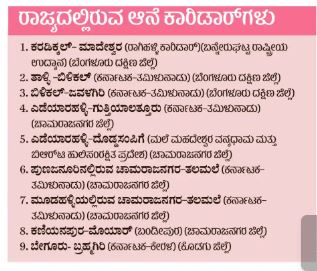
ಕರ್ನಾಟಕದ ಪ್ರಮುಖ ಕಾರಿಡಾರ್ಗಳು: ಕಣಿಯನಪುರ-ಮೋಯಾರ್ (ಬಂಡೀಪುರ), ಎಡೆಯಾರಹಳ್ಳಿ-ದೊಡ್ಡಸಂಪಿಗೆ, ಕರಡಿಕಲ್-ಮಾದೇಶ್ವರ.
ವಲಯವಾರು ಹಂಚಿಕೆ:
ಪಶ್ಚಿಮ ಬಂಗಾಳವು ದೇಶದ ಒಟ್ಟು ಕಾರಿಡಾರ್ಗಳ ಪೈಕಿ ಶೇ. 17ರಷ್ಟನ್ನು ಹೊಂದಿದೆ.
ದಕ್ಷಿಣ ಭಾರತದಲ್ಲಿ ಕರ್ನಾಟಕ, ತಮಿಳುನಾಡು ಮತ್ತು ಕೇರಳ ರಾಜ್ಯಗಳ ನಡುವೆ ಅನೇಕ ಅಂತರರಾಜ್ಯ ಕಾರಿಡಾರ್ಗಳಿವೆ.
3. ಪ್ರಮುಖ ಅಂಶಗಳು ಡಿಎನ್ಎ ಆಧಾರಿತ ಗಣತಿ: 2025ರ ವರದಿಯಲ್ಲಿ ಮೊದಲ ಬಾರಿಗೆ ಆನೆಗಳ ಲದ್ದಿಯಿಂದ ಡಿಎನ್ಎ (DNA) ಮಾದರಿಗಳನ್ನು ಸಂಗ್ರಹಿಸಿ ವೈಜ್ಞಾನಿಕವಾಗಿ ಗಣತಿ ಮಾಡಲಾಗಿದೆ.
ಪಶ್ಚಿಮ ಘಟ್ಟಗಳು: ಭಾರತದ ಒಟ್ಟು ಆನೆಗಳ ಪೈಕಿ ಅರ್ಧಕ್ಕಿಂತ ಹೆಚ್ಚು (11,934) ಆನೆಗಳು ಪಶ್ಚಿಮ ಘಟ್ಟಗಳಲ್ಲೇ ವಾಸಿಸುತ್ತಿವೆ.
ಸಂರಕ್ಷಣಾ ಸವಾಲುಗಳು: ರೈಲು ಅಪಘಾತಗಳು, ವಿದ್ಯುತ್ ಸ್ಪರ್ಶ ಮತ್ತು ಮಾನವ-ಆನೆ ಸಂಘರ್ಷಗಳು ಆನೆಗಳ ಸಂಖ್ಯೆ ಕಡಿಮೆಯಾಗಲು ಪ್ರಮುಖ ಕಾರಣಗಳಾಗಿವೆ.
1. ಆನೆಗಳ ಸಂಖ್ಯೆ: ವಲಯವಾರು ವಿವರ (2025ರ ವರದಿ) 2025ರ ಅಕ್ಟೋಬರ್ನಲ್ಲಿ ಬಿಡುಗಡೆಯಾದ Synchronous All India Elephant Estimation (SAIEE) 2021-25 ವರದಿಯು ಡಿಎನ್ಎ (DNA) ಆಧಾರಿತ ಗಣತಿಯನ್ನು ಬಳಸಿದೆ. ಇದು ಹಿಂದಿನ ಗಣತಿಗಿಂತ ಹೆಚ್ಚು ವೈಜ್ಞಾನಿಕವಾಗಿದೆ.
ವಲಯ (Landscape)
ಒಳಗೊಂಡಿರುವ ರಾಜ್ಯಗಳು
ಆನೆಗಳ ಸಂಖ್ಯೆ
ಪಶ್ಚಿಮ ಘಟ್ಟಗಳು
ಕರ್ನಾಟಕ, ತಮಿಳುನಾಡು, ಕೇರಳ, ಮಹಾರಾಷ್ಟ್ರ
11,934 (~53%)
ಈಶಾನ್ಯ ಬೆಟ್ಟಗಳು
ಅಸ್ಸಾಂ, ಅರುಣಾಚಲ, ಮೇಘಾಲಯ ಇತ್ಯಾದಿ
6,559 (~29%)
ಶಿವಾಲಿಕ್ ಮತ್ತು ಗಂಗಾ ಬಯಲು
ಉತ್ತರಾಖಂಡ, ಉತ್ತರ ಪ್ರದೇಶ, ಬಿಹಾರ
2,062 (~9%)
ಮಧ್ಯ ಭಾರತ ಮತ್ತು ಪೂರ್ವ ಘಟ್ಟಗಳು
ಒಡಿಶಾ, ಜಾರ್ಖಂಡ್, ಛತ್ತೀಸಗಢ, ಆಂಧ್ರ
1,891 (~8%)
2. ಆನೆ ಕಾರಿಡಾರ್ಗಳ (Elephant Corridors) ವಿವರ 2023ರಲ್ಲಿ ಕೇಂದ್ರ ಸರ್ಕಾರವು “Elephant Corridors of India 2023” ಎಂಬ ವರದಿಯನ್ನು ಬಿಡುಗಡೆ ಮಾಡಿತು. ಅದರ ಮುಖ್ಯಾಂಶಗಳು ಹೀಗಿವೆ:
ಒಟ್ಟು ಕಾರಿಡಾರ್ಗಳು: ದೇಶದಲ್ಲಿ ಈಗ ಒಟ್ಟು 150 ಕಾರಿಡಾರ್ಗಳನ್ನು ಗುರುತಿಸಲಾಗಿದೆ (2005ರಲ್ಲಿ ಇದು ಕೇವಲ 88 ಇತ್ತು).
ರಾಜ್ಯವಾರು ಹಂಚಿಕೆ: * ಪಶ್ಚಿಮ ಬಂಗಾಳ: ಅತಿ ಹೆಚ್ಚು (26 ಕಾರಿಡಾರ್ಗಳು).
ಒಡಿಶಾ: 14 ಕಾರಿಡಾರ್ಗಳು.
ಜಾರ್ಖಂಡ್: 13 ಕಾರಿಡಾರ್ಗಳು.
ಕರ್ನಾಟಕ: 10 ಕ್ಕೂ ಹೆಚ್ಚು ಪ್ರಮುಖ ಕಾರಿಡಾರ್ಗಳು (ಅಂತರರಾಜ್ಯ ಕಾರಿಡಾರ್ಗಳೂ ಸೇರಿ).
ಅಂತರರಾಜ್ಯ ಕಾರಿಡಾರ್ಗಳು: ಸುಮಾರು 19 ಕಾರಿಡಾರ್ಗಳು ಎರಡು ಅಥವಾ ಅದಕ್ಕಿಂತ ಹೆಚ್ಚು ರಾಜ್ಯಗಳ ನಡುವೆ ಸಂಪರ್ಕ ಕಲ್ಪಿಸುತ್ತವೆ. ಉದಾಹರಣೆಗೆ: ಕರ್ನಾಟಕ-ತಮಿಳುನಾಡು ನಡುವಿನ ಬಾಬಾಬುಡನ್ಗಿರಿ-ನೀಲಗಿರಿ ಸಂಪರ್ಕ.
3. ಕರ್ನಾಟಕದ ಪ್ರಮುಖ ಆನೆ ಕಾರಿಡಾರ್ಗಳು ಕರ್ನಾಟಕವು ಆನೆಗಳ ಸಂರಕ್ಷಣೆಯಲ್ಲಿ ಪ್ರಮುಖ ಪಾತ್ರ ವಹಿಸಿದೆ. ಇಲ್ಲಿನ ಕೆಲವು ಮುಖ್ಯ ಕಾರಿಡಾರ್ಗಳೆಂದರೆ:
ಕಣಿಯನಪುರ – ಮೋಯಾರ್: ಇದು ಬಂಡೀಪುರ ಹುಲಿ ಸಂರಕ್ಷಿತ ಪ್ರದೇಶದಲ್ಲಿದೆ. ಇದು ಕರ್ನಾಟಕ ಮತ್ತು ತಮಿಳುನಾಡಿನ ಸತ್ಯಮಂಗಲ ಅರಣ್ಯವನ್ನು ಸಂಪರ್ಕಿಸುತ್ತದೆ.
ಎಡೆಯಾರಹಳ್ಳಿ – ದೊಡ್ಡಸಂಪಿಗೆ: ಚಾಮರಾಜನಗರ ಜಿಲ್ಲೆಯ ಬಿಳಿಗಿರಿ ರಂಗನಾಥ ಸ್ವಾಮಿ (BRT) ಬೆಟ್ಟದ ಪ್ರದೇಶದಲ್ಲಿದೆ.
ಕರಡಿಕಲ್ – ಮಾದೇಶ್ವರ: ಕಾವೇರಿ ವನ್ಯಜೀವಿ ಧಾಮ ಮತ್ತು ಮಲೆ ಮಹದೇಶ್ವರ ಬೆಟ್ಟಗಳ ನಡುವಿನ ಹಾದಿ.
ಬೇಗೂರು – ಬ್ರಹ್ಮಗಿರಿ: ಕರ್ನಾಟಕ ಮತ್ತು ಕೇರಳದ ವಯನಾಡ್ ಅರಣ್ಯವನ್ನು ಸಂಪರ್ಕಿಸುತ್ತದೆ.
4. ಆನೆಗಳ ಸಂರಕ್ಷಣೆಗೆ ಇರುವ ಪ್ರಮುಖ ಸವಾಲುಗಳು ರೇಖೀಯ ಮೂಲಸೌಕರ್ಯ (Linear Infrastructure): ರೈಲ್ವೆ ಹಳಿಗಳು, ರಾಷ್ಟ್ರೀಯ ಹೆದ್ದಾರಿಗಳು ಮತ್ತು ವಿದ್ಯುತ್ ಮಾರ್ಗಗಳು ಕಾರಿಡಾರ್ಗಳ ಮಧ್ಯೆ ಹಾದುಹೋಗುವುದರಿಂದ ಆನೆಗಳ ಸಾವಿನ ಸಂಖ್ಯೆ ಹೆಚ್ಚುತ್ತಿದೆ.
ಗಣಿಗಾರಿಕೆ: ವಿಶೇಷವಾಗಿ ಒಡಿಶಾ, ಜಾರ್ಖಂಡ್ ಮತ್ತು ಛತ್ತೀಸಗಢದಲ್ಲಿ ಕಲ್ಲಿದ್ದಲು ಮತ್ತು ಕಬ್ಬಿಣದ ಅದಿರು ಗಣಿಗಾರಿಕೆಯಿಂದ ಆನೆಗಳ ಆವಾಸಸ್ಥಾನ ನಾಶವಾಗುತ್ತಿದೆ.
ಮಾನವ-ಆನೆ ಸಂಘರ್ಷ: ಕಾಡುಗಳು ತುಂಡಾಗುತ್ತಿರುವುದರಿಂದ (Fragmentation), ಆಹಾರ ಮತ್ತು ನೀರಿಗಾಗಿ ಆನೆಗಳು ಗ್ರಾಮಗಳಿಗೆ ನುಗ್ಗುತ್ತಿವೆ. ಇದರಿಂದ ವರ್ಷಕ್ಕೆ ಸರಾಸರಿ 500 ಜನ ಮತ್ತು 100 ಆನೆಗಳು ಪ್ರಾಣ ಕಳೆದುಕೊಳ್ಳುತ್ತಿವೆ.
5. ಸರ್ಕಾರದ ಕ್ರಮಗಳು ಪ್ರಾಜೆಕ್ಟ್ ಎಲಿಫೆಂಟ್ (1992): ಆನೆಗಳ ಆವಾಸಸ್ಥಾನ ಮತ್ತು ಕಾರಿಡಾರ್ಗಳ ರಕ್ಷಣೆಗಾಗಿ ಆರಂಭಿಸಲಾದ ಯೋಜನೆ. ಇತ್ತೀಚೆಗೆ ಇದನ್ನು ‘ಪ್ರಾಜೆಕ್ಟ್ ಟೈಗರ್’ ಜೊತೆಗೆ ವಿಲೀನಗೊಳಿಸಲಾಗಿದೆ.
ಗಜ ಯಾತ್ರೆ: ಆನೆ ಕಾರಿಡಾರ್ಗಳ ಬಗ್ಗೆ ಜನರಲ್ಲಿ ಜಾಗೃತಿ ಮೂಡಿಸಲು ಹಮ್ಮಿಕೊಂಡಿರುವ ರಾಷ್ಟ್ರಮಟ್ಟದ ಅಭಿಯಾನ.
ತಂತ್ರಜ್ಞಾನದ ಬಳಕೆ: ರೈಲ್ವೆ ಹಳಿಗಳ ಮೇಲೆ ಆನೆಗಳು ಬರುವುದನ್ನು ಪತ್ತೆಹಚ್ಚಲು ‘AI ಆಧಾರಿತ ಸೆನ್ಸರ್’ಗಳನ್ನು ಅಸ್ಸಾಂ ಮತ್ತು ಪಶ್ಚಿಮ ಬಂಗಾಳದಲ್ಲಿ ಅಳವಡಿಸಲಾಗಿದೆ.
ದೇಶದಲ್ಲೇ ಅತಿ ಹೆಚ್ಚು ಆನೆಗಳಿರುವ ರಾಜ್ಯ ಎಂಬ ಹೆಗ್ಗಳಿಕೆ ಕರ್ನಾಟಕದ್ದು, ಇರುವ ಆನೆಗಳಿಗೆ ಅಡ್ಡಿ ಆತಂಕಗಳಿಲ್ಲದೆ ಓಡಾಡಲು ಜಾಗವೇ ಇಲ್ಲ. ಕರ್ನಾಟಕ, ಕೇರಳ, ತಮಿಳುನಾಡು ಮಹಾರಾಷ್ಟ್ರ ಗಳಲ್ಲಿ ಹರಡಿರುವ ಪಶ್ಚಿಮ ಘಟ್ಟಗಳಲ್ಲಿ ಆನೆಗಳ ಸಂಖ್ಯೆ ಹೆಚ್ಚಿದೆ. ಆದರೆ, ಹಿಂದಿನ ಅಂಕಿ ಅಂಶಗಳಿಗೆ ಹೋಲಿಸಿದರೆ, ಇತ್ತೀಚಿನ ವರ್ಷಗಳಲ್ಲಿ ಆನೆಗಳ ಸಂಖ್ಯೆ ಕಡಿಮೆಯಾಗುತ್ತಿದೆ. ‘ಪಶ್ಚಿಮ ಘಟ್ಟದ ಅರಣ್ಯದಲ್ಲಿ ಆಶ್ರಯ ಪಡೆದಿರುವ ಆನೆಗಳಿಗೆ ಒಂದು ಪ್ರದೇಶದಿಂದ ಇನ್ನೊಂದು ಪ್ರದೇಶಕ್ಕೆ ಓಡಾಡಲು ಕಾರಿಡಾರ್ ಇಲ್ಲದಂತೆ ಆಗಿದೆ. ಕಾಫಿ, ಚಹಾ ತೋಟಗಳು ವಿಸ್ತರಣೆಯಾಗುತ್ತಿವೆ. ಮಾನವನ ಹಸ್ತಕ್ಷೇಪ, ಒತ್ತುವರಿ, ಅಭಿವೃದ್ಧಿ ಯೋಜನೆಗಳು ಆನೆಗಳಿಗೆ ಮಾರಕವಾಗುತ್ತಿದೆ’ ಎಂದು ಇತ್ತೀಚೆಗೆ ಬಿಡುಗಡೆಯಾಗಿರುವ ‘ಆನೆಗಳ ಸ್ಥಿತಿಗತಿ ವರದಿ-2025’ ಕಳವಳ ವ್ಯಕ್ತಪಡಿಸಿದೆ.
ರಾಜ್ಯದ ಬಹುಪಾಲು ಅರಣ್ಯ ಪಶ್ಚಿಮ ಘಟ್ಟದ ವ್ಯಾಪ್ತಿಯಲ್ಲಿದೆ. ಅತಿ ಹೆಚ್ಚು ಆನೆಗಳನ್ನು ಹೊಂದಿರುವ ಮೈಸೂರು ಆನೆ ಸಂರಕ್ಷಿತ ವಲಯ ಈ ಪ್ರದೇಶದಲ್ಲೇ ಇದೆ. ಇದರ ವ್ಯಾಪ್ತಿಗೆ ಬರುವ ಮೈಸೂರು, ಚಾಮರಾಜನಗರ, ರಾಮನಗರ, ಹಾಸನ, ಕೊಡಗು, ದಕ್ಷಿಣ ಕನ್ನಡ, ಉಡುಪಿ, ಚಿಕ್ಕಮಗಳೂರು, ಶಿವಮೊಗ್ಗ ಜಿಲ್ಲೆಗಳಲ್ಲಿ ಮಾನವ ವನ್ಯಜೀವಿ ಸಂಘರ್ಷ ಹೆಚ್ಚಿದೆ. ಉತ್ತರದ ದಾಂಡೇಲಿ ಆನೆ ಸಂರಕ್ಷಿತ ಪ್ರದೇಶದ ವ್ಯಾಪ್ತಿಯ ಜಿಲ್ಲೆಗಳಲ್ಲೂ ಮಾನವ ವನ್ಯಜೀವಿ ಸಂಘರ್ಷಗಳು ವರದಿಯಾ ಗುತ್ತಲೇ ಇರುತ್ತವೆ. ಈ ಪ್ರದೇಶದಲ್ಲಿರುವ ಆನೆಗಳು ಶಿರಸಿ, ಬೆಳಗಾವಿ, ಹಳಿಯಾಳ, ಯಲ್ಲಾಪುರ, ಧಾರವಾಡ ವ್ಯಾಪ್ತಿಯಲ್ಲಿ ಹಾವಳಿ ಸೃಷ್ಟಿಸುತ್ತಿವೆ.
ಬೇಕಿದೆ ಕಾರಿದಾರ್ಗಳು: ಕಾಡಾನೆಗಳ ಕಾಟ ಒಂಬತ್ತು ಮಾತ್ರ. ಇವುಗಳೆಲ್ಲವೂ ಇರುವುದು ದಕ್ಷಿಣದ ಜಿಲ್ಲೆಗಳಲ್ಲಿ, ಚಾಮರಾಜನಗರ ಜಿಲ್ಲೆಯಲ್ಲಿ ಐದು ಕಾರಿಡಾರ್ಗಳಿದ್ದರೆ, ಬೆಂಗಳೂರು ದಕ್ಷಿಣ ಜಿಲ್ಲೆಯಲ್ಲಿ ಮೂರು ಇವೆ. ಇನ್ನೊಂದು ಕೊಡಗು ಜಿಲ್ಲೆಯಲ್ಲಿದೆ. ರಾಜ್ಯವು ಐದು ಕಾರಿಡಾರ್ಗಳನ್ನು ನೆರೆಯ ತಮಿಳುನಾಡು ಮತ್ತು ಎರಡು ಕಾರಿಡಾರ್ ಗಳನ್ನು ಕೇರಳದೊಂದಿಗೆ ಹಂಚಿಕೊಂಡಿದೆ. ಈ ಕಾರಿಡಾರ್ಗಳು ಆನೆಗಳ ಬಳಕೆಗೆ ಸಂಪೂರ್ಣವಾಗಿ ಸಿಗುತ್ತಿಲ್ಲ. ಎರಡು ಕಾರಿಡಾರ್ ಗಳನ್ನು ಸಂರಕ್ಷಿಸಲು ಮಾತ್ರ ಅರಣ್ಯ ಇಲಾಖೆಗೆ ಸಾಧ್ಯವಾಗಿದೆ.
ಚಾಮರಾಜನಗರ ಜಿಲ್ಲೆಯ ಮಲೆ ಮಹದೇಶ್ವರ ವನ್ಯಧಾಮ ಮತ್ತು ಬಿಳಿಗಿರಿ-ರಂಗನಾಥಸ್ವಾಮಿ ದೇವಾಲಯ (ಬಿಆರ್ಟಿ) ಹುಲಿ ಸಂರಕ್ಷಿತ ಪ್ರದೇಶದ ನಡುವೆ ಸಂಪರ್ಕ ಕಲ್ಪಿಸುವ ಎಡೆಯಾರಹಳ್ಳಿ-ದೊಡ್ಡಸಂಪಿಗೆ ಆನೆ ಕಾರಿಡಾರ್ ಅನ್ನು ಖಾಸಗಿಯವರಿಂದ 25.37 ಎಕರೆ ಜಮೀನು ಖರೀದಿ ಮಾಡಿ ಪುನರುಜೀವ ನಗೊಳಿಸಲಾಗಿದೆ. ಬಂಡೀಪುರ ಹುಲಿ ಸಂರಕ್ಷಿತ ಪ್ರದೇಶದ ವ್ಯಾಪ್ತಿಯಲ್ಲಿ ಬರುವ ಕಣಿಯನಪುರ-ಮೊಯಾರ್ ಆನೆ ಕಾರಿಡಾರ್ ಕೂಡ ತಕ್ಕಮಟ್ಟಿಗೆ ಸುಸ್ಥಿತಿಯಲ್ಲಿದೆ. ಕಾರಿಡಾರ್ ವ್ಯಾಪ್ತಿಯಲ್ಲಿ ಮೂರು ಕಂದಾಯ ಗ್ರಾಮಗಳು, ಕೃಷಿ ಜಮೀನುಗಳು, ರೆಸಾರ್ಟ್ ನಂತಹ ವಾಣಿಯ ಚಟುವಟಿಕೆಗಳು ನಡೆಯುತ್ತಿವೆ. ಬಿಳಿಗಿರಿರಂಗನಾಥಸ್ವಾಮಿ ಹುಲಿ ಸಂರಕ್ಷಿತ ಪ್ರದೇಶ ಮತ್ತು ತಮಿಳುನಾಡಿನ ಸತ್ಯಮಂಗಲ ಹುಲಿ ಸಂರಕ್ಷಿತ ಪ್ರದೇಶದ ನಡುವೆ ಸಂಪರ್ಕ ಕಲ್ಪಿಸುವ ಮೂಡಹಳ್ಳಿ ತಲಮಲೆ ಕಾರಿಡಾರ್ ಅನ್ನು ಸಂರಕ್ಷಿಸುವ ಪ್ರಯತ್ನ ಸರ್ಕಾರೇತರ ಸಂಸ್ಥೆಗಳಿಂದ ನಡೆದಿದೆ.
ಕೇಂದ್ರ ಪರಿಸರ ಮತ್ತು ಅರಣ್ಯ ಸಚಿವಾಲಯವು ಆನೆ ಸಂರಕ್ಷಣೆ ಕಾರ್ಯಕ್ರಮದ ಅಡಿಯಲ್ಲಿ ದೇಶದಲ್ಲಿರುವ ಆನೆ ಕಾರಿಡಾರ್ಗಳ ಸ್ಥಿತಿಗತಿಗಳ ಬಗ್ಗೆ 2023ರಲ್ಲಿ ವರದಿ ಬಿಡುಗಡೆ ಮಾಡಿದೆ. ರಾಜ್ಯದ ಒಂಬತ್ತು ಕಾರಿಡಾರ್ಗಳ ಪರಿಸ್ಥಿತಿಗಳನ್ನು ಅದರಲ್ಲಿ ವಿವರಿಸಲಾಗಿದೆ. ಕಾರಿಡಾರ್ ವ್ಯಾಪ್ತಿಯಲ್ಲಿ ಜನವಸತಿ, ಕೃಷಿ ಭೂಮಿ, ವಾಣಿಜ್ಯ ಚಟುವಟಿಕೆಗಳು ನಡೆಯುತ್ತಿರುವುದ ನ್ನು ವರದಿ ಉಲ್ಲೇಖಿಸಿದೆ. ಅರಣ್ಯ ಇಲಾಖೆಯು ಆ ಪ್ರದೇಶವು ಕಾರಿಡಾರ್ ಎಂದು ಅಧಿಕೃತವಾಗಿ ಅಧಿಸೂಚನೆ ಹೊರಡಿಸಿ ಸಂರಕ್ಷಿಸಬೇಕು ಎಂದು ವರದಿ ಶಿಫಾರಸುಮಾಡಿದೆ.
ಉತ್ತರದಲ್ಲಿ ಪಥಗಳೇ ಇಲ್ಲ: ರಾಜ್ಯದ
ದಕ್ಷಿಣಕ್ಕಿರುವ ಕೆಲವು ಜಿಲ್ಲೆಗಳಲ್ಲಿ ಹೇಳುವುದ ಕ್ಕಾದರೂ ಕಾರಿಡಾರ್ಗಳಿವೆ. ಆದರೆ, ಕಡಿಮೆ ಸಂಖ್ಯೆಯ ಆನೆಗಳಿದ್ದರೂ, ಅವುಗಳ ಹಾವಳಿ ಹೆಚ್ಚಾಗಿರುವ ರಾಜ್ಯದ ಮಧ್ಯ ಭಾಗ ಮತ್ತು ಉತ್ತರದ ಕೆಲವು ಜಿಲ್ಲೆಗಳಲ್ಲಿ ಗಜ ಪಥಗಳೇ ಇಲ್ಲ.
ಉದಾಹರಣೆಗೆ, ಆನೆ ಮಾನವ ಸಂಘರ್ಷ ತೀವ್ರವಾಗಿರುವ ಚಿಕ್ಕಮಗಳೂರು ಜಿಲ್ಲೆಯಲ್ಲಿ ಘೋಷಿತ ಆನೆ ಕಾರಿಡಾರ್ ಇಲ್ಲ. ಜಿಲ್ಲೆಯ ಭದ್ರಾ ಹುಲಿ ಸಂರಕ್ಷಿತ ಪ್ರದೇಶ ಮತ್ತು ಸುತ್ತಮುತ್ತಲ ಪ್ರದೇಶ ಮೈಸೂರು ಆನೆ ವಿಸ್ತರಿತ ಸಂರಕ್ಷಿತ ಪ್ರದೇಶದ ವ್ಯಾಪ್ತಿಗೆ ಬರುತ್ತದೆ. 2002ರಲ್ಲಿ ಈ ಅಧಿಸೂಚನೆ ಹೊರಡಿಸಲಾಗಿದ್ದು, ಆನೆಗಳ
ವಾಸಸ್ಥಾನ ವಿಸ್ತರಣೆಗೊಳ್ಳುತ್ತಿರುವ ಪ್ರದೇಶ ಎಂದು ಹೇಳಲಾಗಿದೆ. 2002ಕ್ಕೆ ಹೋಲಿಸಿದರೆ ಚಿಕ್ಕಮಗಳೂರು ಜಿಲ್ಲೆಯಲ್ಲಿ ಆನೆಗಳ ಸಂಖ್ಯೆ ಹೆಚ್ಚಾಗಿದೆ. ಭದ್ರಾ ಹುಲಿ ಸಂರಕ್ಷಿತ ಪ್ರದೇಶದ ಆನೆಗಳು ಮೂಡಿಗೆರೆ, ನರಸಿಂಹರಾಜಪುರ, ಕೊಪ್ಪ, ಶೃಂಗೇರಿ ತನಕ ಓಡಾಡುತ್ತವೆ. ಆನೆ ಮತ್ತು ಮಾನವ ಸಂಘರ್ಷಆಗಾಗಸಂಭವಿಸುತ್ತಿವೆ.
ಶಿವಮೊಗ್ಗ, ಚಿಕ್ಕಮಗಳೂರು, ಉಡುಪಿ ಜಿಲ್ಲೆಗಳನ್ನು ಬೆಸೆಯುವ ಭದ್ರಾ, ಶೆಟ್ಟಿಹಳ್ಳಿ, ಶರಾವತಿ ಅಭಯಾರಣ್ಯಗಳು, ಸೋಮೇಶ್ವರ ಹಾಗೂ ಮೂಕಾಂಬಿಕಾ ವನ್ಯಜೀವಿಧಾಮಗಳ ನಡುವೆ ಮೊದಲು ಆನೆ ಪಥ ಇತ್ತು. 1972ರಲ್ಲಿ ಗಾಜನೂರು ಬಳಿ ತುಂಗಾ ಜಲಾಶಯ ನಿರ್ಮಾಣದ ನಂತರ ಭದ್ರಾ ಹಾಗೂ ಶೆಟ್ಟಿಹಳ್ಳಿ ಅಭಯಾರಣ್ಯದ ನಡುವಿನ ಕಾರಿಡಾರ್ ಬಹುತೇಕ ಮುಚ್ಚಿ ಹೋಗಿದೆ. ಮಳೆಗಾಲದಲ್ಲಿ ಸಂಪರ್ಕ ಸಂಪೂರ್ಣವಾಗಿ ಸ್ಥಗಿತ ಗೊಳ್ಳುತ್ತದೆ.
ಉತ್ತರ ಕನ್ನಡ ಜಿಲ್ಲೆಯ ಕಾಳಿ ಹುಲಿ ಸಂರಕ್ಷಿತ ಅರಣ್ಯ ಮತ್ತು ಬೆಳಗಾವಿ ಜಿಲ್ಲೆಯ ಭೀಮಗಡ ಅಭಯಾರಣ್ಯ ವ್ಯಾಪ್ತಿಯಿಂದ ಮಳೆಗಾಲ ಮುಗಿದೊಡನೆ ಹೊರಡುವ ಕಾಡಾನೆಗಳ ಹಿಂಡುಗಳು ಜಿಲ್ಲೆಯಲ್ಲಿ ಸಾಗುತ್ತವೆ. ಹೀಗೆ ಸಾಗುವ ಹಿಂಡು, ಕಬ್ಬು, ಕಬ್ಬು, ಭತ್ತದ ಗದ್ದೆ ನಾಶಪಡಿಸುವ ಘಟನೆಗಳುವರ್ಷದಿಂದ ವರ್ಷಕ್ಕೆ ಹೆಚ್ಚುತ್ತಿವೆ.
ಪ್ರಸ್ತಾವಿತ ಹುಬ್ಬಳ್ಳಿ ಅಂಕೋಲಾ ರೈಲು ಮಾರ್ಗವು ಅರಣ್ಯ ಪ್ರದೇಶದಲ್ಲಿ ಹಾದು ಹೋಗಲಿದೆ. ಇಲ್ಲಿ ಘೋಷಿತ ಆನೆ ಕಾರಿಡಾರ್ ಇಲ್ಲ. ಆದರೆ, ಆನೆಗಳ ಓಡಾಟ ಇದೆ. ರೈಲು ಮಾರ್ಗ ನಿರ್ಮಾಣವಾದರೆ, ಆನೆಗಳು ಸೇರಿದಂತೆ ವನ್ಯಪ್ರಾ-ಣಿಗಳ ಓಡಾಟಕ್ಕೆ ಅಡಚಣೆಯಾಗಲಿದೆ.
ಕೇಂದ್ರ ಗ್ರಾಹಕ ವ್ಯವಹಾರಗಳ ಸಚಿವಾಲಯಗ್ರಾಹಕರ ಸುರಕ್ಷತೆಗಾಗಿ ಅಗರಬತ್ತಿಗಳಿಗೆ ಮೀಸಲಾದ ‘ಐಎಸ್ 19412:2025’ ಅನ್ನು ಭಾರತೀಯ ಮಾನಕ ಬ್ಯೂರೊ (ಬಿಐಎಸ್) ರೂಪಿಸಿದೆ ಎಂದು ಕೇಂದ್ರ ಗ್ರಾಹಕ ವ್ಯವಹಾರಗಳ ಸಚಿವಾಲಯವು ತಿಳಿಸಿದೆ.
ಅಗರಬತ್ತಿಗಳ ತಯಾರಿಕೆಯಲ್ಲಿ ಕೆಲವು ಕೀಟನಾಶಕ ರಾಸಾಯನಿಕಗಳನ್ನು ನಿಷೇಧಿಸುವ ಮೂಲಕ ಗ್ರಾಹಕರ ಸುರಕ್ಷತೆಯನ್ನು ಖಚಿತಪಡಿಸಿಕೊಳ್ಳಲು ಮತ್ತು ಅಗರಬತ್ತಿ ಮಾರುಕಟ್ಟೆಗೆ ಉತ್ತೇಜನ ನೀಡಲು ಹೊಸ ಮಾನದಂಡವನ್ನು ಹೊರತರಲಾಗಿದೆ ಎಂದು ತಿಳಿಸಿದೆ.
‘ಐಎಸ್ 19412:2025’ ಅಗರಬತ್ತಿಗಳಿಗೆ ಮೀಸಲಾದ ಹೊಸ ಮಾನದಂಡವಾಗಿದೆ. ಈ ಮಾನದಂಡವು, ಗ್ರಾಹಕರಿಗೆ ಗುಣಮಟ್ಟದ ಅಗರಬತ್ತಿ ಆಯ್ಕೆಗೆ ನೆರವು ನೀಡಲಿದೆ ಎಂದು ತಿಳಿಸಿದೆ.
ಭಾರತೀಯ ಮಾನಕ ಬ್ಯೂರೊ ಅಗರಬತ್ತಿಗಳು ಅಥವಾ ಧೂಪದ್ರವ್ಯ ತಯಾರಿಕೆಯಲ್ಲಿ ಬಳಸಲು ನಿಷೇಧಿಸಲಾದ ವಸ್ತುಗಳನ್ನು ಪಟ್ಟಿ ಮಾಡಿದೆ. ಇದರಲ್ಲಿ ಅಲೆಥ್ರಿನ್, ಪರ್ಮೆಥ್ರಿನ್, ಸೈಪರ್ಮೆಥ್ರಿನ್, ಡೆಲ್ಟಾಮೆಥ್ರಿನ್ ಮತ್ತು ಫಿಪ್ರೊನಿಲ್ ನಂತಹ ಕೆಲವು ಕೀಟನಾಶಕ ರಾಸಾಯನಿಕಗಳು ಹಾಗೂ ಬೆಂಜೈಲ್ ಸೈನೈಡ್, ಈಥೈಲ್ ಅಕ್ರಿಲೇಟ್ ಮತ್ತು ಡೈಫೆನಿಲಮೈನ್ ಸಹ ಸೇರಿವೆ.
ಮಾನವನ ಆರೋಗ್ಯ, ತಯಾರಿಕಾ ಘಟಕಗಳ ಒಳಾಂಗಣದಲ್ಲಿ ಗಾಳಿಯ ಗುಣಮಟ್ಟ ಮತ್ತು ಪರಿಸರ ಸುರಕ್ಷತೆಯ ಮೇಲೆ ಇವು ಪರಿಣಾಮ ಬೀರುವುದರಿಂದ ಇವುಗಳಲ್ಲಿ ಹಲವು ವಸ್ತುಗಳನ್ನು ಅಂತರರಾಷ್ಟ್ರೀಯ ಮಟ್ಟದಲ್ಲಿ ನಿರ್ಬಂಧಿಸಲಾಗಿದೆ ಅಥವಾ ನಿಷೇಧಿಸಲಾಗಿದೆ ಎಂದು ಸಚಿವಾಲಯ ತಿಳಿಸಿದೆ.
ಈ ಕ್ರಮವು ಗ್ರಾಹಕರಲ್ಲಿ ವಿಶ್ವಾಸವನ್ನು ಹೆಚ್ಚಿಸುವುದಲ್ಲದೆ, ತಯಾರಿಕ ಘಟಕಗಳು ನೈತಿಕ ಮತ್ತು ಸುಸ್ಥಿರ ತಯಾರಿಕಾ ಚಟುವಟಿಕೆ ಅನುಸರಿಸುವಂತೆ ಮಾಡಲಿವೆ ಎಂದು ತಿಳಿಸಿದೆ.
ಭಾರತವು, ಜಗತ್ತಿನಲ್ಲಿ ಅತಿಹೆಚ್ಚು ಅಗರಬತ್ತಿಗಳನ್ನು ಉತ್ಪಾದನೆ ಮತ್ತು ರಫ್ತು ಮಾಡುವ ರಾಷ್ಟ್ರವಾಗಿದ್ದು, ದೇಶದ ಅಗರಬತ್ತಿ ಉದ್ಯಮದ ಮೌಲ್ಯವು ₹8 ಸಾವಿರ ಕೋಟಿಯಷ್ಟಿದೆ. ಈ ಪೈಕಿ ₹1,200 ಕೋಟಿ ಮೌಲ್ಯದಷ್ಟು ಅಗರಬತ್ತಿಗಳನ್ನು 150ಕ್ಕೂ ಹೆಚ್ಚು ದೇಶಗಳಿಗೆ ರಫ್ತು ಮಾಡಲಾಗುತ್ತದೆ. ಅಮೆರಿಕ, ಮಲೇಷ್ಯಾ, ನೈಜೀರಿಯಾ, ಬ್ರೆಜಿಲ್ ಮತ್ತು ಮೆಕ್ಸಿಕೊ ಪ್ರಮುಖ ಮಾರುಕಟ್ಟೆಗಳಾಗಿವೆ.
What changes for consumers, manufacturers and exports? On National Consumer Day 2025, released a New Indian Standard for incense sticks (agarbattis)—IS 19412:2025–Incense Sticks (Agarbatti)—Specification—developed by the Bureau of Indian Standards (BIS).
The newly notified standard aims to enhance consumer safety, indoor air quality, and product consistency, while supporting ethical manufacturing practices and boosting India’s global competitiveness in the agarbatti sector.
“The newly notified standard specifies prohibited use of certain insecticidal chemicals and synthetic fragrance substances in agarbattis that may pose risks to human health, indoor air quality and the environment. To address these issues, IS 19412:2025 specifies a list of substances prohibited for use in agarbattis,” the official release read.
What consumers should know? The new standard not only eliminates the use of some of the most effective insecticidal agents and synthetic fragrance substances but also improves health and environmental conditions.
The announcement lists out the following main substances that are banned:
Many of these substances have already been classified as hazardous and are subject to stringent control and prohibition measures across the globe due to their deleterious effects on human health, air quality, and the environment.
Thus, consumers will be able to find the standard mark (BIS) on certified agarbatti products, indicating that the incense sticks are safe and of a higher quality.
Impact on manufacturers The new IS 19412:2025 stipulates that very strict rules and regulations are to be followed in respect of raw materials, burning quality, fragrance performance and chemical parameters. Moreover, the standard has also categorised agarbattis based on the method of production as;
Machine-made Hand-made Traditional masala agarbattis For the producers, this implies:
Adoption of good and safe production practices Shifting to the use of ethical and sustainable methods Assured continuity of traditional crafts Better prospects of accessing the international markets “Products conforming to this standard will be eligible to carry the BIS Standard Mark, enabling consumers to make informed choices with confidence,” the release read.
Boost for exports India is the top manufacturer and exporter of agarbatti in the world; it has an industry worth Rs 8,000 crore per year and exports valued at Rs 1,200 crore to more than 150 countries.
With the new BIS standard, Indian incense products are likely to become acceptable to the international market for their quality and safety, thereby augmenting their status in the global marketplace.
How was the standard developed? IS 19412:2025 was formulated by the Fragrance and Flavour Sectional Committee (PCD 18) of BIS with extensive stakeholder input. Experts from leading institutions contributed, including:
CSIR–Central Institute of Medicinal and Aromatic Plants (CIMAP) CSIR–Indian Institute of Toxicology Research (IITR) CSIR–Central Food Technological Research Institute (CFTRI) Fragrance and Flavour Development Centre (FFDC), Kannauj All India Agarbatti Manufacturers Association Why does this matter? Incense sticks or agarbattis are an integral part of India’s cultural and religious practices and are widely used in households, places of worship, meditation centres and wellness spaces.
With rising global interest in yoga, meditation, aromatherapy and holistic well-being, demand for incense products has increased significantly in both domestic and international markets, the release said.
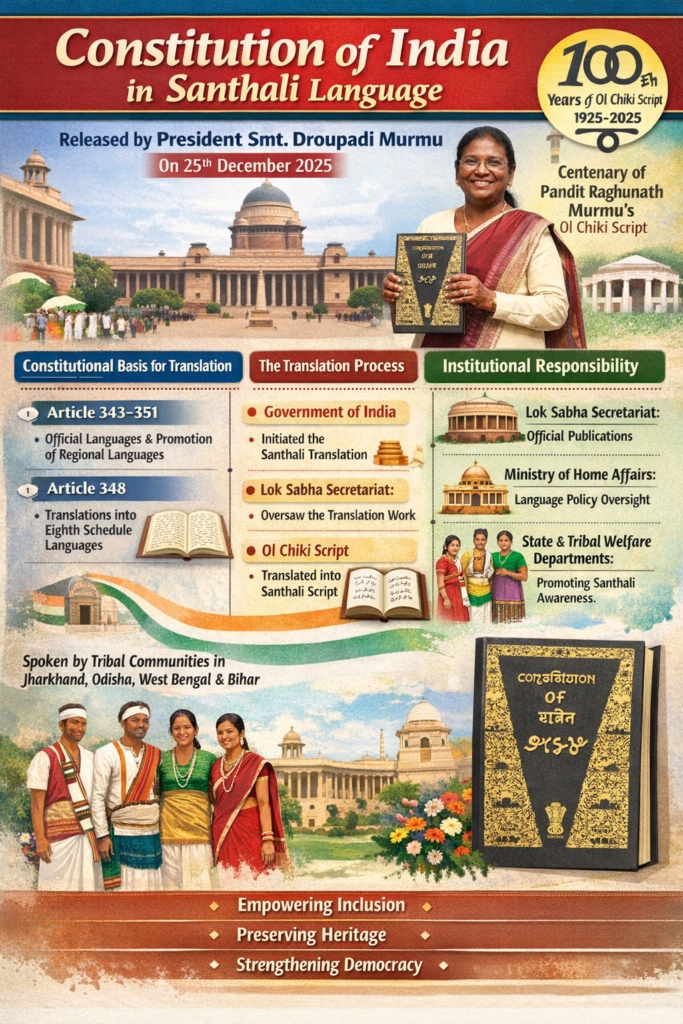
ರಾಷ್ಟ್ರಪತಿ ದೌಪದಿ ಮುರ್ಮು ಅವರು ಸಂತಾಲಿ ಭಾಷೆಯಲ್ಲಿ ಭಾರತ ಸಂವಿಧಾನವನ್ನು ಬಿಡುಗಡೆ ಮಾಡಿದರು.
‘ಭಾರತೀಯ ಸಂವಿಧಾನವು ಸಂತಾಲಿ ಭಾಷೆಯಲ್ಲಿ ಲಭ್ಯವಿರುವುದು ಸಂತಾಲಿ ಜನರಿಗೆ ಹೆಮ್ಮೆ ಮತ್ತು ಸಂತೋಷದ ವಿಷಯವಾಗಿದೆ. ಇದನ್ನು ಒಲ್ ಚಿಕಿ ಲಿಪಿಯಲ್ಲಿ ಬರೆಯಲಾಗಿದೆ. ಅವರ ಭಾಷೆಯಲ್ಲಿ ಸಂವಿಧಾನವನ್ನು ಓದಲು ಮತ್ತು ಅರ್ಥ ಮಾಡಿಕೊಳ್ಳಲು ಸಾಧ್ಯವಾಗುತ್ತದೆ’ ಎಂದು ಬ್ರೌಪದಿ ಮುರ್ಮು ಅವರು ಹೇಳಿದರು.
ಒಲ್ ಚಿಕಿ ಲಿಪಿಯ ಶತಮಾನೋತ್ಸವದ ಸಂದರ್ಭದಲ್ಲಿ ಸಂವಿಧಾನವನ್ನು ಈ ಲಿಪಿಯಲ್ಲಿ ಹೊರತಂದಿರುವುದಕ್ಕೆ ಕೇಂದ್ರ ಕಾನೂನು ಸಚಿವ ಅವರನ್ನು ಮುರ್ಮು ಶ್ಲಾಘಿಸಿದರು.
ಸಂತಾಲಿ ಭಾಷೆಯನ್ನು 2003ರಲ್ಲಿ, 92ನೇ ಸಂವಿಧಾನಾತ್ಮಕ ತಿದ್ದುಪಡಿ ಕಾಯ್ದೆಯ ಮೂಲಕ ಭಾರತದ ಸಂವಿಧಾನದ ಎಂಟನೇ ಅನುಸೂಚಿಗೆ ಸೇರಿಸಲಾಯಿತು.
2003ರ 92ನೇ ಸಂವಿಧಾನ ತಿದ್ದುಪಡಿ ಕಾಯ್ದೆಯ ಮೂಲಕ ಸಂವಿಧಾನದ ಎಂಟನೇ ಅನುಸೂಚಿಯಲ್ಲಿ ಸೇರಿಸಲಾದ ಸಂತಾಲಿ ಭಾಷೆ, ಭಾರತದ ಅತ್ಯಂತ ಪ್ರಾಚೀನ ಜೀವಂತ ಭಾಷೆಗಳಲ್ಲೊಂದು ಆಗಿದೆ.
ಜಾರ್ಖಂಡ್, ಒಡಿಶಾ, ಪಶ್ಚಿಮ ಬಂಗಾಳ ಮತ್ತು ಬಿಹಾರ ರಾಜ್ಯಗಳಲ್ಲಿ ಗಣನೀಯ ಸಂಖ್ಯೆಯ ಆದಿವಾಸಿ ಜನರು ಈ ಭಾಷೆಯನ್ನು ಮಾತನಾಡುತ್ತಾರೆ.
1950: ಆರಂಭದಲ್ಲಿ 14 ಭಾಷೆಗಳು
1967: ಸಿಂಧಿ ಸೇರಿಕೆ
1992: ಕೊಂಕಣಿ, ಮಣಿಪುರಿ, ನೇಪಾಳಿ
2004: ಬೋಡೋ, ಡೋಗ್ರಿ, ಮೈಥಿಲಿ, ಸಂಥಾಲಿ ➡️ ಒಟ್ಟು 22 ಭಾಷೆಗಳು
The Food Safety and Standards Authority of India (FSSAI) has issued a stern warning to food business operators against using the word „tea‟ for herbal infusions and plantbased blends not derived from Camellia sinensis, terming it a case of misbranding and misleading practices under the law.
The directive comes after the regulator found several food business operators (FBOs) marketing products, such as „herbal tea‟ and „flower tea‟, none of which are obtained from the Camellia sinensis plant. According to FSSAI regulations, the term „tea‟ can only be used on packaging and labelling if the beverage is derived from Camellia sinensis.
Context: Constitution of India in the Santhali language.
The Santhali language is spoken by a significant number of tribal people in Jharkhand, Odisha, West Bengal, and Bihar.
The President said it is a matter of pride for all the Santhali people that the Constitution of India is now available in their language, written in the Ol Chiki script.