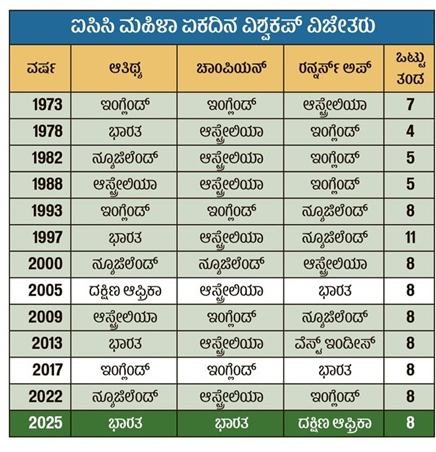
ಸಂದರ್ಭ: ಮಹಿಳಾ ಕ್ರಿಕೆಟ್ ರಂಗದಲ್ಲಿ ಹೊಸ ಶಕೆ ಆರಂಭವಾಯಿತು. ಡಿ.ವೈ. ಪಾಟೀಲ ಕ್ರೀಡಾಂಗಣದಲ್ಲಿ ಭಾರತ ತಂಡವು ಮೊದಲ ಬಾರಿಗೆ ವಿಶ್ವ ಕಿರೀಟ ಮುಡಿಗೇರಿಸಿಕೊಂಡು ಚಾರಿತ್ರಿಕ ಸಾಧನೆ ಮೆರೆಯಿತು. ಹಲವು ವರ್ಷಗಳಿಂದ ಕೋಟ್ಯಂತರ ಕ್ರಿಕೆಟ್ ಅಭಿಮಾನಿಗಳು ಕಂಡಿದ್ದ ಕನಸು ನನಸಾಯಿತು. ಹರ್ಮನ್ ಪ್ರೀತ್ ಕೌರ್ ಬಳಗದ ಆಟಗಾರ್ತಿಯರು ಹರ್ಷದ ಹೊನಲಲ್ಲಿ ತೇಲಿದರು.
2005 ಮತ್ತು 2017ರ ಟೂರ್ನಿಗಳಲ್ಲಿ ಫೈನಲ್ನಲ್ಲಿ ಎಡವಿದ್ದ ಭಾರತ ತಂಡ ಈ ಬಾರಿ ಗುರಿ ತಪ್ಪಲಿಲ್ಲ. ದೀಪ್ತಿ ಶರ್ಮಾ ಮತ್ತು ಶಫಾಲಿ ವರ್ಮಾ ಅವರ ಆಲ್ರೌಂಡ್ ಆಟದ ಬಲದಿಂದ ಭಾರತವು 52 ರನ್ಗಳಿಂದ ದಕ್ಷಿಣ ಆಫ್ರಿಕಾ ವನಿತೆಯರ ಎದುರು ಜಯಭೇರಿ ಬಾರಿಸಿತು.
ದಕ್ಷಿಣ ಆಫ್ರಿಕಾ ತಂಡಕ್ಕೆ ಚೊಚ್ಚಲ ಪ್ರಶಸ್ತಿ ಜಯಿಸುವ ಅವಕಾಶ ಕೈತಪ್ಪಿತು. ಆದರೆ ತಂಡದ ನಾಯಕಿ ಲಾರಾ ವೋಲ್ವಾರ್ಟ್ (101; 98 ಎಸೆತ; 4X11, 6X1) ಅವರ ಅಮೋಘ ಶತಕವು ಇತಿಹಾಸದ ಪುಟ ಸೇರಿತು. ಅವರ ಬಳಗದ ದಿಟ್ಟ ಹೋರಾಟವೂ ಮನಗೆದ್ದಿತು.
ಏಳು ಬಾರಿಯ ವಿಶ್ವ ಚಾಂಪಿಯನ್ ಆಸ್ಟ್ರೇಲಿಯಾ ತಂಡವನ್ನು ಸೆಮಿಫೈನಲ್ ನಲ್ಲಿ ಸೋಲಿಸಿದ್ದ ಭಾರತ ಮತ್ತು ನಾಲ್ಕು ಸಲ ಕಿರೀಟ ಧರಿಸಿದ್ದ ಇಂಗ್ಲೆಂಡ್ ತಂಡ ವನ್ನು ಮಣಿಸಿದ್ದ ದಕ್ಷಿಣ ಆಫ್ರಿಕಾ ಫೈನಲ್ ನಲ್ಲಿ ಮುಖಾಮುಖಿಯಾಗಿದ್ದವು.
ಹೊಸ ತಲೆಮಾರಿನ, ಸ್ವದೇಶಿ ನಿರ್ಮಿತ ‘ಬಾಹುಬಲಿ’ ರಾಕೆಟ್ ಮೂಲಕ ಅತ್ಯಂತ ಭಾರವಾದ ಉಪಗ್ರಹವನ್ನು ಕಕ್ಷೆಗೆ ಸೇರಿಸುವುದರೊಂದಿಗೆ ಇಸ್ರೊ ಚಾರಿತ್ರಿಕ ಸಾಧನೆ ಮಾಡಿದೆ.
ಶ್ರೀಹರಿಕೋಟಾದ ಬಾಹ್ಯಾಕಾಶ ಕೇಂದ್ರದಿಂದ 4,410 ಕೆ.ಜಿ ತೂಕದ ಸಂವಹನ ಉಪಗ್ರಹವನ್ನು (ಸಿಎಂಎಸ್–03) ಹೊತ್ತು ನಭಕ್ಕೆ ಚಿಮ್ಮಿದ ಲಾಂಚ್ ವೆಹಿಕಲ್ ಮಾರ್ಕ್–3 (ಎಲ್ವಿಎಂ3-ಎಂ5) ‘ಬಾಹುಬಲಿ’ಯು ‘ಆತ್ಮನಿರ್ಭರ ಭಾರತ’ದ ಸಾಧನೆಗೆ ಸಾಕ್ಷಿಯಾಯಿತು.
ದೇಶದ ಬಾಹ್ಯಾಕಾಶ ಕೇಂದ್ರ ದಿಂದ ಮೊದಲ ಬಾರಿಗೆ ಉಡ್ಡಯನ ಮಾಡಲಾಗುತ್ತಿರುವ ಭಾರಿ ತೂಕದ ಉಪಗ್ರಹ ಎಂಬ ಹೆಗ್ಗಳಿಕೆಗೆ ‘ಸಿಎಂಎಸ್–03’ ಪಾತ್ರವಾಯಿತು. ಇದರ ಉಡ್ಡಯನಕ್ಕೆ ಬಳಸಿದ ಭಾರಿ ಗಾತ್ರದ ರಾಕೆಟ್ (ಎಲ್ವಿಎಂ3-ಎಂ5) ಕೂಡ ‘ಬಾಹುಬಲಿ’ ಹೆಸರಿನ ಹಿರಿಮೆಯನ್ನು ಹೆಚ್ಚಿಸಿತು.
7 ಉಪಗ್ರಹಉಡಾವಣೆಗುರಿ
ಇಸ್ರೊದ ಮಹತ್ವಾಕಾಂಕ್ಷೆಯ ಗಗನಯಾನ ಕಾರ್ಯಕ್ರಮದಡಿ ಮೊದಲ ಮಾನವ ರಹಿತ ಯೋಜನೆಯೂ ಸೇರಿದಂತೆ 2026ರ ಮಾರ್ಚ್ ಒಳಗೆ 7 ಉಪಗ್ರಹ ಉಡಾವಣೆಗಳನ್ನು ನಡೆಸುವ ಗುರಿಯನ್ನು ಇಸ್ರೊ ಹೊಂದಿದೆ.
ಉಪಗ್ರಹದತೂಕ: 4,410 ಕೆ.ಜಿ
ಉಡ್ಡಯನಕ್ಕೆಬಳಸಿದರಾಕೆಟ್ನಎತ್ತರ: 43.5 ಮೀಟರ್
ಉಪಗ್ರಹದಕಾರ್ಯನಿರ್ವಹಣೆಯಅವಧಿ :15 ವರ್ಷ
ಕನಿಷ್ಠ 15 ವರ್ಷಕಾರ್ಯಾಚರಣೆ: ಉಪಗ್ರಹವನ್ನು ಭೂಹೊಂದಾಣಿಕೆ ವರ್ಗಾವಣೆ ಕಕ್ಷೆಗೆ (ಜಿಟಿಒ) ಸೇರಿಸಲಾಗಿದ್ದು, ಇದು 2013ರಲ್ಲಿ ಉಡಾವಣೆ ಮಾಡಿದ ‘ಜಿಎಸ್ಎಟಿ–7’ ಸರಣಿಯ ಉಪಗ್ರಹಕ್ಕೆ ಬದಲಿಯಾಗಿ, ಮುಂದಿನ 15 ವರ್ಷಗಳವರೆಗೆ ಕಾರ್ಯ ನಿರ್ವಹಿಸಲಿದೆ ಎಂದು ಇಸ್ರೊ ಹೇಳಿದೆ.
ಸಾಗರಯಾನಕ್ಕೆ,ಭೂಮೇಲ್ಮೈ ನಲ್ಲಿ ನಡೆಯುವ ಚಟುವಟಿಕೆಗೆ ಅಗತ್ಯವಿರುವ ಸಂವಹನ ಸೇವೆಯನ್ನು ಈ ಉಪಗ್ರಹದ ಮೂಲಕ ನೀಡಲಾಗುತ್ತದೆ.
ಎಲ್ವಿಎಂ–3 ಮೂಲಕ ನಡೆದಿರುವ ಉಡಾವಣೆಗಳು ಶೇ 100ರಷ್ಟು ಯಶಸ್ಸಿನ ದರ ಹೊಂದಿವೆ. ಚಂದ್ರಯಾನ– 3ರ (3,841.4 ಕೆ.ಜಿ) ಉಡಾವಣೆ ನಂತರ ಈ ರಾಕೆಟ್, ಮತ್ತೊಂದು ಮೈಲಿಗಲ್ಲು ನಿರ್ಮಿಸಿದೆ.
ಇಸ್ರೊದ ಗಗನಯಾನ ಯೋಜನೆಯಲ್ಲಿ ‘ಎಲ್ವಿಎಂ–3’ ರಾಕೆಟ್ ಬಳಸುವ ಯೋಜನೆ ಇದ್ದು, ಇದಕ್ಕೆ ‘ಎಚ್ಆರ್ಎಲ್ವಿ’ ಎಂದು ಹೆಸರಿಡಲಾಗಿದೆ. 2018ರಲ್ಲಿ ಜಿಸ್ಯಾಟ್–11 (5,854 ಕೆ.ಜಿ) ಉಪಗ್ರಹವನ್ನು ಫ್ರೆಂಚ್ ಗಯಾನದಿಂದ ಉಡ್ಡಯನ ಮಾಡಲಾಗಿತ್ತು.
ವಿಂಡ್ ಟರ್ಬೈನ್ ತಯಾರಕರ ಸಂಘ (ಐಡಬ್ಲ್ಯುಟಿಎಂಎ) ಚೆನ್ನೈನ ಟ್ರೇಡ್ ಸೆಂಟರ್ನಲ್ಲಿ ಆಯೋಜಿಸಿದ್ದ ‘ವಿಂಡ್ ಎನರ್ಜಿ ಇಂಡಿಯಾ 2025’ರ ಏಳನೇ ಆವೃತ್ತಿಯಲ್ಲಿ ಕೇಂದ್ರ ನವ ಮತ್ತು ನವೀಕರಿಸಬಹುದಾದ ಇಂಧನ ಸಚಿವ ಪ್ರಲ್ಹಾದ್ ಜೋಶಿ ಅವರು ಕ್ರೆಡಲ್ ಅಧ್ಯಕ್ಷರೂ ಆದ ಶಾಸಕ ಟಿ.ಡಿ. ರಾಜೇಗೌಡ ಮತ್ತು ವ್ಯವಸ್ಥಾಪಕ ನಿರ್ದೇಶಕ ಕೆ.ಪಿ. ರುದ್ರಪ್ಪಯ್ಯ ಅವರಿಗೆ ಪ್ರಶಸ್ತಿ ಪ್ರದಾನ ಮಾಡಿದರು.
ನಂತರ ಮಾತನಾಡಿದ ರಾಜೇಗೌಡ, ‘ಇದು ನಮ್ಮ ರಾಜ್ಯಕ್ಕೆ ಹೆಮ್ಮೆಯ ಸಂಗತಿ. ಶುದ್ಧ ಇಂಧನ ಉತ್ಪಾದನೆ ಮತ್ತು ಬಳಕೆಗೆ ಆದ್ಯತೆ ನೀಡಿ, ಈ ನಿಟ್ಟಿನಲ್ಲಿ ಕಾರ್ಯೋನ್ಮುಖರಾಗಿರುವ ಎಲ್ಲಾ ಪಾಲುದಾರರ ಬೆಂಬಲಕ್ಕಾಗಿ ಧನ್ಯವಾದಗಳನ್ನು ಅರ್ಪಿಸುತ್ತೇನೆ’ ಎಂದರು.
‘ಅನುಷ್ಠಾನ ಹಂತದಲ್ಲಿರುವ ಪವನ ವಿದ್ಯುತ್ ಸಾಮರ್ಥ್ಯದಲ್ಲಿ ಕರ್ನಾಟಕವು ದೇಶದಲ್ಲಿ ಮೊದಲ ಸ್ಥಾನ ಹೊಂದಿದೆ. ಇದನ್ನು ಗುರುತಿಸಿ ಪ್ರಶಸ್ತಿ ನೀಡಲಾಗಿದೆ’ ಎಂದು ಇಂಧನ ಸಚಿವ ಕೆ.ಜೆ. ಜಾರ್ಜ್ ಹೇಳಿದ್ದಾರೆ.
‘ಇಂಧನ ವಲಯದಲ್ಲಿನ ಹೊಸ ನೀತಿಗಳು ರಾಜ್ಯವನ್ನು ನವೀಕರಿಸಬಹುದಾದ ಇಂಧನದ ಶಕ್ತಿ ಕೇಂದ್ರವನ್ನಾಗಿ ರೂಪಿಸುತ್ತಿವೆ’ ಎಂದು ಇಂಧನ ಇಲಾಖೆ ಹೆಚ್ಚುವರಿ ಮುಖ್ಯ ಕಾರ್ಯದರ್ಶಿ ಗೌರವ್ ಗುಪ್ತ ಹೇಳಿದ್ದಾರೆ.
‘ನವೀಕರಿಸಬಹುದಾದ ಇಂಧನದ ರಾಷ್ಟ್ರೀಯ ಗುರಿಗಳನ್ನು ಬೆಂಬಲಿಸುವ ನಿಟ್ಟಿನಲ್ಲಿ ಮಾಡುತ್ತಿರುವ ಅವಿರತ ಪ್ರಯತ್ನಕ್ಕೆ ಈ ಪ್ರಶಸ್ತಿ ಸಂದಿದೆ’ ಎಂದು ಕೆ.ಪಿ. ರುದ್ರಪ್ಪಯ್ಯ ಅವರು ತಿಳಿಸಿದ್ದಾರೆ.
ಈ ಪ್ರಶಸ್ತಿಯು ₹ 10 ಸಾವಿರ ನಗದು ಒಳಗೊಂಡಿದೆ. ಶಿವಕುಮಾರ್ ಕಂಪ್ಲಿ ಅಧ್ಯಕ್ಷತೆಯಲ್ಲಿ ತುರುವನೂರು ಮಂಜುನಾಥ, ಶ್ರೀದೇವಿ ಕೆರೆಮನೆ ಮತ್ತು ಪರಶಿವ ಧನಗೂರು ಅವರ ಸಮಿತಿ ಈ ಆಯ್ಕೆ ಮಾಡಿದೆ.
‘ಕೆಂಧೂಳಿ ಪತ್ರಿಕೆ ಐದು ವರ್ಷ ಪೂರೈಸಿದ ಈ ಸಂದರ್ಭದಲ್ಲಿ ಸಾಹಿತ್ಯ, ಪತ್ರಿಕೋದ್ಯಮ, ಕೃಷಿ ಮತ್ತು ಸಾಮಾಜಿಕ ಕ್ಷೇತ್ರದಲ್ಲಿ ಸೇವೆ ಸಲ್ಲಿಸಿದ ಗಣ್ಯರಿಗೆ ಪ್ರತಿ ವರ್ಷ ಪ್ರಶಸ್ತಿ ನೀಡಲು ತೀರ್ಮಾನಿಸಿದೆ’ ಎಂದು ಪತ್ರಿಕೆ ಸಂಪಾದಕ ತುರುವನೂರು ಮಂಜುನಾಥ ತಿಳಿಸಿದ್ದಾರೆ.
‘1956 ಆಗಸ್ಟ್ 28ರಂದು ದೇಶದ ನದಿಗಳ ಮತ್ತು ಕಣಿವೆ ವಿವಾದಗಳ ನ್ಯಾಯ ನಿರ್ಣಯಕ್ಕೆ ಜಾರಿಗೊಳಿಸಲಾದ ಅಂತರರಾಷ್ಟ್ರೀಯ ಜಲ ಕಾಯ್ದೆ, ಜಲ ಒಪ್ಪಂದಗಳು ಯಾವುವು, ಆ ದೇಶಗಳು ಕೈಗೊಂಡ ನಿರ್ಧಾರಗಳೇನು? ಭಾರತದ ನಿಲುವುಗಳು ಏನಾಗಿತ್ತು? ದೇಶದ ನದಿಗಳ ಜೋಡಣೆ ಬಿಕ್ಕಟ್ಟು, ಪರಿಹಾರ ಹಾಗೂ ಜೋಡಣೆ ಸಾಧ್ಯವೇ? ದೇಶದಲ್ಲಿನ ನದಿಗಳ ವಿವಾದ ಮತ್ತು ಅಲ್ಲಿನ ಪರಿಸ್ಥಿತಿ ಏನು ಎಂಬುದರ ಬಗ್ಗೆ ಈ ಕೃತಿಯಲ್ಲಿ ದಾಖಲಿಸಿದ್ದೇನೆ. ರಾಜ್ಯದ ಮಹದಾಯಿ ಸೇರಿದಂತೆ ವಿವಿಧ ನೀರಾವರಿ ಯೋಜನೆಗಳ ಬಗ್ಗೆಯೂ ಸಮಗ್ರ ಮಾಹಿತಿಯಿದೆ’ ಎಂದರು.
‘ಬಾಂಗ್ಲಾದೇಶದೊಂದಿಗೆ ಬೇಸಿಗೆ ಅವಧಿಯಲ್ಲಿ ನೀರಿನ ಹರಿವು ಹಂಚಿ ಕೊಳ್ಳಬೇಕೆಂಬ ಒಪ್ಪಂದ ಮಾಡಿಕೊಳ್ಳ ಲಾಗಿತ್ತು.
ಮಹಾನದಿ, ಶಾರದಾ ಒಪ್ಪಂದಕ್ಕೆ ಅಂದಿನ ಪ್ರಧಾನಿ ದೇವೇಗೌಡರು ಸಹಿ ಹಾಕಿ, ಪ್ರಮುಖ 12 ಅಧ್ಯಾಯಗಳನ್ನು ಒಳಗೊಂಡ ನಿಯಮಾವಳಿ ರೂಪಿಸಲಾಗಿತ್ತು.
ನಂತರದಲ್ಲಿ ದೇಶದ ನದಿ ಜೋಡಣೆ ವಿಚಾರ ಮುನ್ನೆಲೆಗೆ ಬಂತು. ಕೇಂದ್ರ ಸರ್ಕಾರದ ರಾಷ್ಟ್ರೀಯ ನೀರಾವರಿ ಅಭಿವೃದ್ಧಿ ಸಂಸ್ಥೆಯು ಹಿಮಾಲಯದ 14 ನದಿ, ದಕ್ಷಿಣ ಭಾರತದ 16 ನದಿ ಜೋಡಣೆ ಹಾಗೂ ರಾಜ್ಯದ ಒಳಗಿನ 37 ನದಿ ಜೋಡಣೆಗೆ ವರದಿ ನೀಡಿತ್ತು. ಆ ಎಲ್ಲ ವಿಷಯಗಳು ಈ ಕೃತಿಯಲ್ಲಿದೆ’ ಎಂದು ವಿವರಿಸಿದರು.
‘1952ರ ಸೆ. 29ರಂದು ಕೃಷ್ಣಾ ನದಿ ಅಣೆಕಟ್ಟು ನಿರ್ಮಾಣಕ್ಕೆ ಶಂಕುಸ್ಥಾಪನೆಗೆ ಬಂದಿದ್ದ ಅಂದಿನ ಪ್ರಧಾನಿ ಜವಾಹರಲಾಲ್ ನೆಹರೂ ಅವರು ಅಣೆಕಟ್ಟುಗಳು ಆಧುನಿಕ ಭಾರತದ ದೇಗುಲಗಳಿದ್ದಂತೆ ಎಂದು ಉಲ್ಲೇಖಿಸಿದ್ದರು. ಅದನ್ನೂ ಉಲ್ಲೇಖಿಸಿ ದ್ದೇನೆ. ಕೃತಿಯಲ್ಲಿ ಯಾರನ್ನೂ ಟೀಕೆ ಮಾಡಿಲ್ಲ. ರಾಜಕೀಯ ವಿಚಾರಗಳ ಬಗ್ಗೆಯೂ ಪ್ರಸ್ತಾಪ ಮಾಡಿಲ್ಲ. ವಾಸ್ತವಾಂಶಗಳನ್ನಷ್ಟೆ ದಾಖಲಿಸಿದ್ದೇನೆ’ ಎಂದೂ ಅವರು ಸ್ಪಷ್ಟಪಡಿಸಿದರು.
ಜಿಲ್ಲೆಯ ಸರಗೂರು ತಾಲ್ಲೂಕಿನ ನುಗು ಅಭಯಾರಣ್ಯದ ಪರಿಸರ ಸೂಕ್ಷ್ಮ ವಲಯದ ಸನಿಹದಲ್ಲಿರುವ ಅರಣ್ಯ ಪ್ರದೇಶ ಸೇರಿ 13 ಗ್ರಾಮಗಳಲ್ಲಿ ಸಿಲಿಮನೈಟ್ ಮತ್ತು ಕಯನೈಟ್ ಅದಿರಿನ ಶೋಧ ನಡೆಸಲು ಭಾರತೀಯ ಭೂಸರ್ವೇಕ್ಷಣಾ ಸಂಸ್ಥೆಯು (ಜಿಎಸ್ಐ) ಅರಣ್ಯ ಇಲಾಖೆಗೆ ಆನ್ಲೈನ್ನಲ್ಲಿ ಅರ್ಜಿ ಸಲ್ಲಿಸಿದ್ದು, ಪ್ರಸ್ತಾವವು ಪರಿಶೀಲನಾ ಹಂತದಲ್ಲಿದೆ.
ಒಂದು ವೇಳೆ ಅನುಮತಿ ದೊರೆತಲ್ಲಿ ಸರಗೂರು ತಾಲ್ಲೂಕಿನ ಹೊನಗನಹಳ್ಳಿ ಮತ್ತು ಶಾಂತಿಪುರ ವಲಯದ 499 ಹೆಕ್ಟೇರ್ ಅರಣ್ಯ ಪ್ರದೇಶ ಹಾಗೂ 1,001 ಅರಣ್ಯೇತರ ಭೂಮಿಯಲ್ಲಿ ಉದ್ದೇಶಿತ ಅದಿರು ಅನ್ವೇಷಣೆ ನಡೆಯಲಿದೆ. ಹಿರಿಯ ಭೂವಿಜ್ಞಾನಿ ನೇತೃತ್ವದ ಮೂವರು ಸಿಬ್ಬಂದಿಯನ್ನು ಅ.16ರಂದು ‘ಜಿಎಸ್ಐ’ ನಿಯೋಜಿಸಿದೆ. ‘50 ದಿನಗಳಲ್ಲಿ ಶೋಧ ನಡೆಸಿ, ವರದಿ ತಯಾರಿಸಲಿದ್ದಾರೆ’ ಎಂದು ಅರ್ಜಿಯಲ್ಲಿ ಹೇಳಿದೆ.
ಎಚ್.ಡಿ.ಕೋಟೆ, ಸರಗೂರು ತಾಲ್ಲೂಕುಗಳ ಗಡಿಯಾಗಿ ಹರಿಯುವ ಕಬಿನಿ ನದಿ ತೀರದಲ್ಲಿರುವ ಶಾಂತಿಪುರ ಗ್ರಾಮದ ಎರಡು ಬೃಹತ್ ಬೆಟ್ಟಗಳ ಅರಣ್ಯ ಭೂಮಿ ಹಾಗೂ ಸುತ್ತಲ ಗ್ರಾಮಗಳಲ್ಲಿ ಶೋಧ ನಡೆಯಲಿದೆ. ಇಲ್ಲಿಂದ ನುಗು ಜಲಾಶಯ 4.5 ಕಿ.ಮೀ ಹಾಗೂ ಕಬಿನಿ ಜಲಾಶಯದ ಅಣೆಕಟ್ಟೆ 6.8 ಕಿ.ಮೀ ದೂರದಲ್ಲಿವೆ. ಬಂಡೀಪುರ ಹುಲಿ ಸಂರಕ್ಷಿತ ಪ್ರದೇಶ ಹಾಗೂ ನುಗು ವನ್ಯಜೀವಿಧಾಮ ಕೂಡ ಸನಿಹದಲ್ಲಿವೆ. ಪ್ರಸಿದ್ಧ ಧಾರ್ಮಿಕ ಕ್ಷೇತ್ರವಾದ ಚಿಕ್ಕದೇವಮ್ಮ ಬೆಟ್ಟವೂ 1.5 ಕಿ.ಮೀ ದೂರದಲ್ಲಿದೆ.
‘ಮಾನವ– ವನ್ಯಜೀವಿ ಸಂಘರ್ಷದಲ್ಲಿ ನಲುಗಿರುವ ಪರಿಸರ ಸೂಕ್ಷ್ಮ ವಲಯದ ಈ ಭಾಗದಲ್ಲಿ ಗಣಿಗಾರಿಕೆ ಆರಂಭವಾದರೆ ಪರಿಸ್ಥಿತಿಯು ಮತ್ತಷ್ಟು ಬಿಗಡಾಯಿಸಲಿದೆ’ ಎಂಬ ಆತಂಕವೂ ಇದೇ ವೇಳೆ ಪರಿಸರ ಹೋರಾಟಗಾರರಿಂದ ವ್ಯಕ್ತವಾಗಿದೆ.
‘ವನ್ಯಜೀವಿ ಹಾಗೂ ಜನರ ಮೇಲೆ ಪರಿಣಾಮ ಬೀರುವ ಗಣಿಗಾರಿಕೆ, ವಾಣಿಜ್ಯ ಪ್ರವಾಸೋದ್ಯಮದಂಥ ಯೋಜನೆ ತರುವ ಮೊದಲು ಸ್ಥಳೀಯರು, ಸಂಘ– ಸಂಸ್ಥೆಗಳನ್ನು ವಿಶ್ವಾಸಕ್ಕೆ ತೆಗೆದುಕೊಳ್ಳುವುದು ಸೂಕ್ತ’ ಎನ್ನುತ್ತಾರೆ ವನ್ಯಜೀವಿ ಸಂರಕ್ಷಣಾವಾದಿ ಗಿರಿಧರ ಕುಲಕರ್ಣಿ.
ಎಲ್ಲೆಲ್ಲಿಶೋಧ?: ಸರಗೂರು ಪಟ್ಟಣಕ್ಕೆ ಸಮೀಪದಲ್ಲೇ ಇರುವ ಶಾಂತಿಪುರ ಗ್ರಾಮದ ಸರ್ವೆ ಸಂಖ್ಯೆ 49, ಮಂಚಹಳ್ಳಿಯ ಸರ್ವೆ ಸಂಖ್ಯೆ 7, ಹುಣಸೇಹಳ್ಳಿಯ ಸರ್ವೆ ಸಂಖ್ಯೆ 54ರ ಅರಣ್ಯ ಪ್ರದೇಶ, ಅಡಹಳ್ಳಿ, ಹಳೆ ಮಂಚನಹಳ್ಳಿ, ಹುನುಗಹಳ್ಳಿ, ಇಟ್ನ, ಕಾಟೂರು, ಕೂಲ್ಯ, ಕುಂದಾಪಟ್ಟಣ, ಕೆ.ಬೆಳತೂರು, ಲಕ್ಕೂರು, ಮನುಗನಹಳ್ಳಿಯಲ್ಲಿ ಅದಿರು ಶೋಧ ನಡೆಯಲಿದೆ.
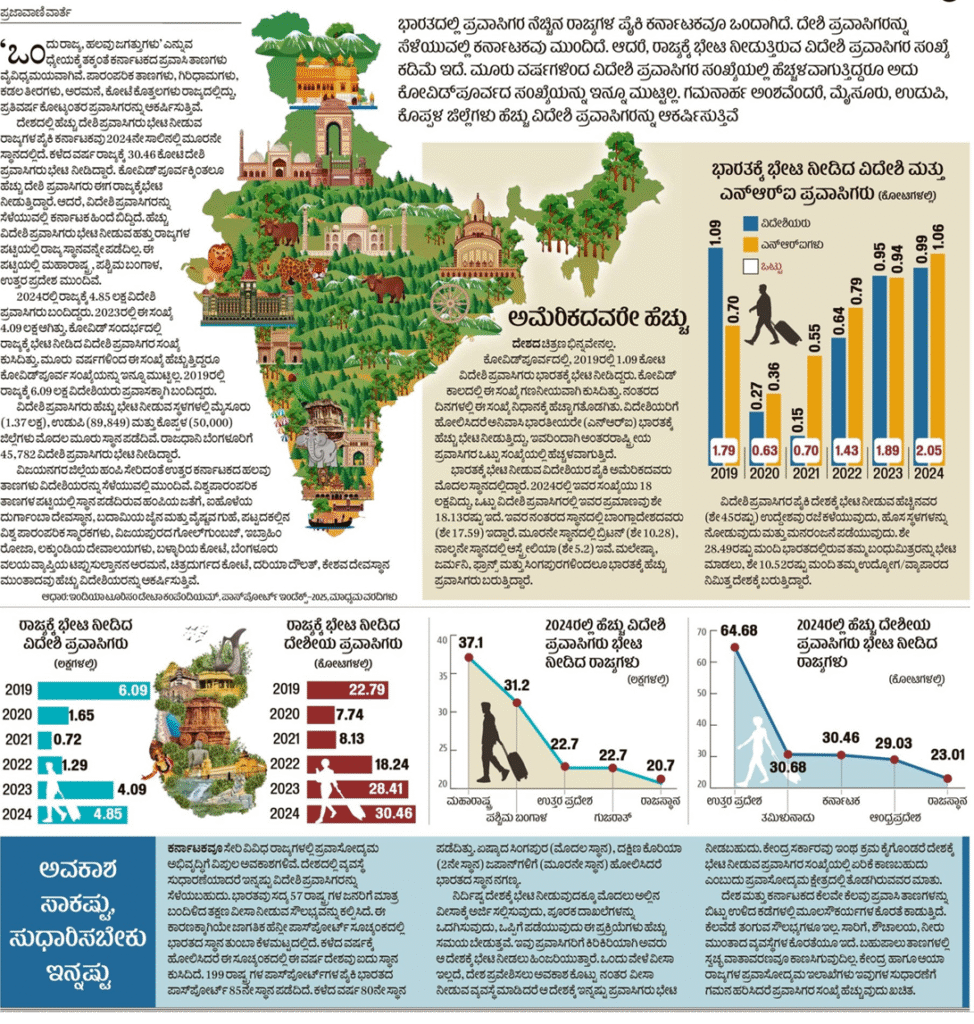
ವಿದೇಶಿಪ್ರವಾಸಿಗರು: ಹಿಂದೆಬಿದ್ದರಾಜ್ಯ
₹14 ಸಾವಿರಕೋಟಿವಿದೇಶಿಹೂಡಿಕೆ
ಸಂದರ್ಭ: ಸತತಮೂರುತಿಂಗಳುಗಳಿಂದದೇಶದಬಂಡವಾಳಮಾರುಕಟ್ಟೆಗಳಿಂದಹಣವನ್ನುಹಿಂದಕ್ಕೆಪಡೆಯುತ್ತಿದ್ದವಿದೇಶಿಹೂಡಿಕೆದಾರರು (ಎಫ್ಪಿಐ) ಅಕ್ಟೋಬರ್ ತಿಂಗಳಲ್ಲಿನಿವ್ವಳ ₹14,610 ಕೋಟಿಹೂಡಿಕೆಮಾಡಿದ್ದಾರೆ.
ದೇಶದ ಕಾರ್ಪೊರೇಟ್ ಕಂಪನಿಗಳ ವರಮಾನ ಗಳಿಕೆಯು ಚೆನ್ನಾಗಿ ಇರುವುದು, ಅಮೆರಿಕದ ಫೆಡರಲ್ ರಿಸರ್ವ್ ಬಡ್ಡಿ ದರವನ್ನು ಇಳಿಕೆ ಮಾಡಿರುವುದು ಮತ್ತು ಭಾರತ–ಅಮೆರಿಕ ನಡುವೆ ವಾಣಿಜ್ಯ ಒಪ್ಪಂದವೊಂದು ಶೀಘ್ರವೇ ಸಾಧ್ಯವಾಗ ಬಹುದು ಎಂಬ ಆಶಾಭಾವನೆಯಲ್ಲಿ ಅವರು ಈ ಹೂಡಿಕೆ ಮಾಡಿದ್ದಾರೆ.
ವಿದೇಶಿ ಹೂಡಿಕೆದಾರರು ಸೆಪ್ಟೆಂಬರ್ನಲ್ಲಿ ₹23,885 ಕೋಟಿ, ಆಗಸ್ಟ್ನಲ್ಲಿ ₹34,990 ಕೋಟಿ ಹಾಗೂ ಜುಲೈನಲ್ಲಿ ₹17,700 ಕೋಟಿ ಹೂಡಿಕೆಯನ್ನು ಹಿಂಪಡೆದಿದ್ದರು. ಅಕ್ಟೋಬರ್ ತಿಂಗಳಲ್ಲಿ ವಿದೇಶಿ ಹೂಡಿಕೆದಾರರ ನಿಲುವು ಬದಲಾಗಿದೆ. ಅಂದರೆ, ಜಾಗತಿಕ ಹೂಡಿಕೆದಾರರಿಗೆ ಭಾರತದ ಬಂಡವಾಳ ಮಾರುಕಟ್ಟೆಗಳ ಮೇಲೆ ಹೊಸದಾಗಿ ವಿಶ್ವಾಸ ಮೂಡಿದೆ.
ದೇಶದ ಷೇರುಪೇಟೆಗಳಲ್ಲಿ ಈಚೆಗೆ ಕಂಡುಬಂದ ಇಳಿಕೆ ಹಾಗೂ ಕಾರ್ಪೊರೇಟ್ ಕಂಪನಿಗಳು ಉತ್ತಮ ಫಲಿತಾಂಶ ತೋರಿರುವ ಕಾರಣದಿಂದಾಗಿ ದೇಶದ ಷೇರುಗಳ ಮೌಲ್ಯವು ಆಕರ್ಷಕವಾಗಿ ಕಾಣಲಾರಂಭಿಸಿದೆ. ವಿದೇಶಿ ಹೂಡಿಕೆದಾರರು ಭಾರತದ ಮಾರುಕಟ್ಟೆಗಳತ್ತ ಮತ್ತೆ ಮರಳಿ ರುವುದಕ್ಕೆ ಇದೂ ಒಂದು ಕಾರಣ ಎಂದು ಮಾರ್ನಿಂಗ್ಸ್ಟಾರ್ ಇನ್ವೆಸ್ಟ್ಮೆಂಟ್ ರಿಸರ್ಚ್ ಇಂಡಿಯಾ ಸಂಸ್ಥೆಯ ಸಂಶೋಧನಾ ನಿರ್ವಾಹಕ ಹಿಮಾಂಶು ಶ್ರೀವಾಸ್ತವ ಹೇಳಿದ್ದಾರೆ.
ದೇಶದ ಅರ್ಥ ವ್ಯವಸ್ಥೆಯಲ್ಲಿನ ಸ್ಥಿರತೆ, ಜಾಗತಿಕ ಮಟ್ಟದಲ್ಲಿ ಪೂರಕ ಪರಿಸ್ಥಿತಿ ಹಾಗೂ ದೇಶದ ಕಾರ್ಪೊರೇಟ್ ಕಂಪನಿಗಳ ವರಮಾನದಲ್ಲಿ ಸ್ಥಿರತೆ ಕಂಡುಬಂದರೆ ಮುಂದಿನ ದಿನಗಳಲ್ಲಿಯೂ ವಿದೇಶಿ ಹೂಡಿಕೆದಾರರು ಹೂಡಿಕೆಯನ್ನು ಮುಂದುವರಿಸಬಹುದು ಎಂದು ಶ್ರೀವಾಸ್ತವ ಹೇಳಿದ್ದಾರೆ.
‘ಕಾರ್ಪೊರೇಟ್ ಕಂಪನಿಗಳ ವರಮಾನವು ಸುಧಾರಿಸಿದ ಸ್ಪಷ್ಟ ಲಕ್ಷಣಗಳು ಇವೆ. ಬೇಡಿಕೆಯಲ್ಲಿ ಉತ್ತಮ ಮಟ್ಟವು ಮುಂದುವರಿದರೆ ವರಮಾನವು ಇನ್ನಷ್ಟು ಹೆಚ್ಚಾಗುತ್ತದೆ. ಆಗ ಷೇರುಗಳ ಮೌಲ್ಯವು ಇನ್ನಷ್ಟು ಸಮಾಧಾನಕರವಾಗುತ್ತದೆ. ಹಾಗೆ ಆದಾಗ ವಿದೇಶಿ ಹೂಡಿಕೆದಾರರು ಹೂಡಿಕೆ ಮುಂದುವರಿಸುವ ಸಾಧ್ಯತೆ ಇದೆ’ ಎಂದು ಜಿಯೋಜಿತ್ ಇನ್ವೆಸ್ಟ್ ಮೆಂಟ್ಸ್ ಸಂಸ್ಥೆಯ ಮುಖ್ಯ ಹೂಡಿಕೆ ತಜ್ಞ ವಿ.ಕೆ. ವಿಜಯಕುಮಾರ್ ಹೇಳಿದ್ದಾರೆ.
Indian women script history, clinch maiden World Cup title
Context: In testimony to the progress made by the team over the years, Harmanpreet Kaur’s unit defeats South Africa by 52 runsin the final; Shafali Verma makes a sensational comeback, with a half-century, two key wickets to seal India’s coronation.
Indian women created history before a packed D.Y. Patil Stadium, winning the Women’s ODI World Cup defeating South Africa by 52 runs.
If the team’s astounding run to the final in 2017, slaying giant Australia en route, is often cited as the cornerstone of a revolution, the maiden championship win is the fulfilment of a gritty effort to match promise with performance.
In the eight years since, progress was agonisingly slow but steady. India’s ambitions to dominate world cricket slowly made room for the women.
Parity in match fees, more fixtures, and the lucrative Women’s Premier League helped India rub shoulders with Australia and England.
ISRO launches GSAT-7R, India’s heaviest communication satellite
Context: The Indian Space Research Organisation on Sunday successfully launched the Indian Navy’s advanced communication satellite GSAT-7R (CMS-03) from the Satish Dhawan Space Centre in Sriharikota.
The indigenously designed and developed satellite, weighing approximately 4,400 kg, is India’s heaviest communication satellite to date and marks a major milestone in strengthening the Navy’s space-based communications and maritime domain awareness.
The ISRO launched the rocket aboard its most powerful launch vehicle, the LVM3, on its M5 mission. The lift-off took place at about 5.26 p.m. from the second launch pad, and mission control soon confirmed that the satellite had been successfully inserted into a geosynchronous transfer orbit (GTO).
This is the heaviest Indian-built communications satellite launched from Indian soil so far.
Because of the high mass of the GSAT-7R, the launch vehicle targeted a standard GTO; once there, the satellite will raise and circularise its orbit using its onboard propulsion systems.
The Navy said that equipped with state-of-the-art indigenous components, the GSAT-7R would provide robust and secure telecommunication coverage across the Indian Ocean Region.
Its advanced payload features transponders supporting voice, data, and video links over multiple communication bands, ensuring seamless connectivity between the Navy’s ships, submarines, aircraft, and Maritime Operations Centres.
The launch highlights India’s growing self-reliance in space technology and the Navy’s commitment to safeguarding national maritime interests, it said.
It stands as a testament to Atmanirbhar Bharat, enabling the armed forces to operate with enhanced situational awareness and secure, high-capacity communication links in complex maritime environments, it added.
The launch also demonstrated the capacity of the LVM3 rocket to routinely handle four-tonne-plus satellites to GTO from India, reducing dependence on foreign launchers for heavy communications satellites as well as feeding directly into ISRO’s preparations for Gaganyaan, its maiden human spaceflight programme, which plans to use an evolved LVM3 variant.
“ISRO has successfully launched the heaviest GEO communication satellite from Indian soil,” ISRO Chairman V. Narayanan posted on X following the successful launch. “The Indian space sector is soaring high to provide valuable services to the user community in and around the Indian region,” he added.
Horticulture sector to get hi-tech boost with Dutch initiative
Context: India’s horticultural sector is set to get a hi-tech boost powered by AI for precision, as the Dutch government has embarked on a collaborative project in India to help produce pesticide-free food in state-of-the-art green houses that focus on water conservation and energy efficiency.
The initiative focuses on technologies and practices that help produce food crops in a climate resilient manner.
The Dutch horticultural sector has formed a consortium, HortiRoad2India, a public-private partnership, to take forward its initiative in India. The consortium is now ready to forge alliance with stakeholders in India.
Indian requirement
The Dutch package would offer mid-tech and high-tech green house technologies that include building glass houses instead of conventional polyhouses for high-efficiency and climate resilience.
However, the choice of mid-tech or high-tech polyhouses would depend on the nature of crops proposed to be grown. While strawberry, coloured capsicum, cherry tomato, micro greens and lettuce are proposed to be grown in hi-tech glass houses, tomato cultivation can be ideally taken place in mid-tech green houses, he explained.
Sustainable
“The technology is environmentally and financially sustainable as we use 96% less water when compared with cultivation on open field, and get 30 times more yield (with respect to tomato). We desist from using pesticides, and manage pests only with biological control methods. Also, we do not use genetically modified crops. We prefer disease-resistance hybrid varieties,” he says.
“We want to generate clean food that does not need washing.” The main intention is to develop clusters of high-value crop producing green houses near big cities so that the loss in terms of transport could be minimized, he explains.
“We are now in the process of taking up glass house projects in Bengaluru, Chennai and Punjab along with farmers who are investing on infrastructure,” he says.
International & Economic Affairs at Policy/economics Department of Dutch government, points out that in India, a large quantum of food is getting wasted due to post-harvest losses. The Dutch initiative would also focus on setting up a chain of cold storage units to prevent this.
Dutch Consul General to South India Ewout de Wit says the proposed initiative will not only help ensure availability of clean and pesticide-free food for consumers, but would also ensure sustainable incomes to farmers.
It would turn farming into a more technical profession and create more employment in rural areas, he says. “With this technology, you can set up production units near ports, markets, consumption centres or whatever place is ideal for export,” he points out.
Kerala’s poverty eradication mission now has a helpline
Context: Kerala’s Extreme Poverty Eradication Programme 2.0 (EPEP 2.0), the second phase of the programme, will focus on dynamic identification of families at risk of falling into extreme poverty, implementation of a helpline, and steps to improve the situation of families freed from extreme poverty based on the standards of the Multidimensional Poverty Index.
Minister for Local Self-Governments, the public will be able to use the helpline to inform the Local Self-Government Department about families facing extreme poverty.
The EPEP 2.0 document acknowledges that the declaration of Kerala as an extreme poverty-free State is the beginning of a process to ensure that families who came out of extreme poverty are not pushed back into. An EPEP safety net cell will be formed in every local body.
Grassroots involvement
The 64,006 micro-plans prepared for the extremely poor families in the first phase will be updated and used as the basis for further actions.
Self-help groups will be formed through Kudumbashree to promote income-generating activities for members of extremely poor families. Voluntary organisations and activists will be made part of the interventions.
The EPEP 2.0 also has a target of ensuring a social security net for all citizens of Kerala. Monitoring mechanisms will be set up so that the families freed from extreme poverty continue to receive the services provided in the first phase. Health insurance, free medical care, mental health support, skill training and sustainable income generating job opportunities will be provided.
Separate allocation will be made in the State Budget for the continued activities under EPEP 2.0. The plan fund of the local bodies will also be utilised.
ICMR seeks partnersto develop antibody against Nipah virus
Context: The Indian Council of Medical Research (ICMR) has invited Expression of Interest (EoI) from eligible organisations, companies, and manufacturers for the development and production of monoclonal antibodies (mAbs) against Nipah viral disease.
The Nipah virus (NiV) has emerged as a major zoonotic threat in India, with repeated outbreaks recorded since 2001. Case fatality rates range between 40% and 75%, depending on the level of clinical care available.
“The importance of having monoclonal antibody stocks ready for deployment in India cannot be overstated. Given the very high case fatality and absence of licensed vaccines, mAbs represent the only currently feasible biomedical countermeasure,” the ICMR said.
Antibodies serve as PEP
It added that monoclonal antibodies could also serve as post-exposure prophylaxis (PEP) for high-risk contacts such as healthcare workers exposed without adequate protection, family members in close contact, or laboratory personnel with accidental exposure. Administered early, they can prevent disease onset, as demonstrated in animal models.
The council further noted that in patients presenting early during infection, monoclonal antibodies may offer therapeutic benefit by reducing viral load and limiting disease progression.
The ICMR said this initiative aims to build India’s indigenous medical countermeasures against Nipah virus, particularly monoclonal antibodies. “The intent is to take this forward through active collaboration with Indian industry partners for developing an indigenous monoclonal antibody platform. Producing the stock will ensure timely access during outbreak and boost national preparedness for viral threats,” it said.
The ICMR-National Institute of Virology (ICMR-NIV), Pune, has already initiated research and development in this direction, with experimental work at an advanced stage.
As per the latest order, the ICMR and its institutes will provide expert guidance and technical support in R&D for developing monoclonal antibodies against Nipah viral disease at all phases. “This technical oversight by ICMR would accelerate the development of the product and its commercialisation,” it said.
Experts join hands for Ramsar site tag for wetlands in Assam sanctuary’
Context: Conservationists, wildlife officials, academics, and students have got together to push for the Ramsar site tag for two interconnected wetlands in central Assam’s Nagaon district.
The Rowmari-Donduwa wetland complex is within the 70.13 sq. km Laokhowa Wildlife Sanctuary, which is a part of the Kaziranga Tiger Reserve. This complex has been recording more birds than the only two Ramsar sites in the northeast – Assam’s Deepor Beel and Manipur’s Loktak Lake.
A Ramsar site is a wetland designated as one of international importance under the Ramsar Convention, an intergovernmental treaty signed in Ramsar, Iran in 1971.
“Laokhowa and the adjoining Burhachapori Wildlife Sanctuaries function as connectivity corridors for wild animals migrating between the Kaziranga Tiger Reserve and Orang National Park (Kaziranga-Orang landscape),” said Sonali Ghosh, the Field Director of Kaziranga National Park and Tiger Reserve.
She said that civil society organisations and students have been researching and monitoring the wetland complex. She said that their efforts have yielded vital data on avian species and the floodplain-marsh ecosystem of the two wetlands, which cover an area of approximately 3 sq. km. An average of 120 species of resident and migratory birds, including globally threatened species such as the knob-billed duck, black-necked stork, and the ferruginous pochard, have been recorded in the wetland complex annually.
According to the 6th Kaziranga Waterbird Census conducted a few months ago, 20,653 birds of 75 species were recorded at the Rowmari Beel, and 26,480 birds of 88 species were counted at Donduwa Beel.
Assam Forest Department officials said a proposal has been submitted to make the Rowmari-Donduwa wetland complex to a Ramsar Site.
Tri-services exercise Trishul begins today, to strengthen joint combat preparedness
Context: The tri-services exercise Trishul will commence on Monday, with the Indian Navy leading the large-scale joint drills alongside the Indian Army and the Indian Air Force across the creek and desert sectors of Rajasthan and Gujarat, extending into the northern Arabian Sea.
The 12-day exercise is being coordinated by the Western Naval Command.
According to the Navy, the principal formations participating in the exercise include the Army Southern Command, Western Naval Command, and South Western Air Command, supported by the Indian Coast Guard, Border Security Force, and other Central agencies, underscoring robust inter-agency coordination and multi-domain integration.
Boost interoperability
More than 20,000 troops, supported by T-90S and Arjun tanks, attack helicopters, missile systems, Rafale and Sukhoi-30MKI fighters, as well as a fleet of frigates and destroyers, will take part in the exercise, said sources. The exercise aims to validate joint operational procedures, enhance interoperability, and strengthen network integration among the services.
It will feature extensive maritime operations, including amphibious landings using INS Jalashwa and Landing Craft Utility vessels, alongside carrier operations and air-sea coordinated missions with the Air Force, the Navy added.
A key focus of Trishul, 2025, is on joint intelligence, surveillance and reconnaissance; electronic warfare; and cyberwarfare operations.
The drills will also emphasise the use of indigenous systems and refine strategies to meet emerging security challenges.
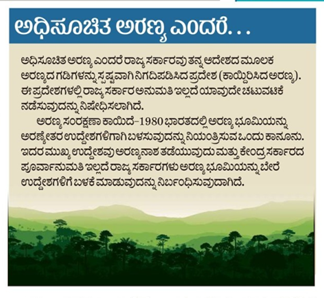
ಸಂದರ್ಭ: ಅಧಿಸೂಚಿತ ಅರಣ್ಯ ಪ್ರದೇಶಗಳಲ್ಲಿ 1980ರ ನಂತರ ಖಾಸಗಿ ವ್ಯಕ್ತಿಗಳು, ಖಾಸಗಿ ಸಂಸ್ಥೆಗಳು ಹಾಗೂ ಸರ್ಕಾರಿ ಸಂಸ್ಥೆಗಳಿಗೆ ಮಂಜೂರು ಮಾಡಿದ ಎಲ್ಲ ಭೂಮಿಯೂ ಕಾನೂನುಬಾಹಿರ ವಾಗಿದ್ದು, ಇಂತಹ ಪ್ರಕರಣಗಳ ಪಟ್ಟಿಯನ್ನು ಸಿದ್ಧಪಡಿಸಿ, ವರದಿ ಸಲ್ಲಿಸುವಂತೆ ಜಿಲ್ಲಾ ಮಟ್ಟದ ವಿಶೇಷ ತನಿಖಾ ತಂಡಗಳಿಗೆ (ಎಸ್ಐಟಿ) ಸರ್ಕಾರ ಸೂಚಿಸಿದೆ.
ಜಿಲ್ಲಾ ಮಟ್ಟದ ಎಸ್ಐಟಿಗಳು ನಿರ್ವಹಿಸಬೇಕಾದ ಕಾರ್ಯವಿಧಾನ ಕುರಿತು ಅರಣ್ಯ ಇಲಾಖೆಯು ಹೊರಡಿಸಿದ ಸುತ್ತೋಲೆಯಲ್ಲಿ ಈ ಸೂಚನೆ ನೀಡಲಾಗಿದೆ. ಅಧಿಸೂಚಿತ ಅರಣ್ಯ ಪ್ರದೇಶಗಳಲ್ಲಿ ಹಂಚಿಕೆ, ಮಂಜೂರು ಮಾಡಿದ ಪ್ರದೇಶಗಳ ಪಟ್ಟಿಯನ್ನು ರಾಜ್ಯ ಮಟ್ಟದ ವಿಶೇಷ ತನಿಖಾ ತಂಡಕ್ಕೆ ಸಲ್ಲಿಸುವಂತೆ ಹೇಳಿದೆ.
ಅರಣ್ಯ ಸಂರಕ್ಷಣಾ ಕಾಯಿದೆ–1980ರ ಪೂರ್ವದಲ್ಲಿ ಕಂದಾಯ ಇಲಾಖೆಯು ಅಧಿಸೂಚಿತ ಅರಣ್ಯ ಪ್ರದೇಶಗಳಲ್ಲಿ ಮಾಡಿರುವ ಮಂಜೂರಾತಿಯನ್ನು ಸಕ್ಷಮ ಪ್ರಾಧಿಕಾರದಿಂದ ಮಾಡಲಾಗಿದೆಯೇ? ಒಂದು ವೇಳೆ ಸಕ್ಷಮ ಪ್ರಾಧಿಕಾರದಿಂದ ಮಂಜೂರು ಮಾಡಿದ್ದರೆ ಅಂತಹ ಅಧಿಕಾರವನ್ನು ಯಾವ ಕಾಯ್ದೆ, ನಿಯಮ, ಆದೇಶಗಳ ಮೂಲಕ ನೀಡಲಾಗಿದೆ ಎನ್ನುವ ಕುರಿತು ದಾಖಲೆಗಳನ್ನು ಸಂಗ್ರಹಿಸಬೇಕು. ಕಂದಾಯ ಇಲಾಖೆಯ ಸಕ್ಷಮ ಪ್ರಾಧಿಕಾರ ಹೊರತುಪಡಿಸಿ, ಇತರೆ ಪ್ರಾಧಿಕಾರಗಳು ಮಂಜೂರು ಮಾಡಿದ ವಿವರಗಳನ್ನು ಪ್ರತ್ಯೇಕವಾಗಿ ಪಟ್ಟಿ ಮಾಡಬೇಕು ಎಂದು ಸೂಚನೆ ನೀಡಲಾಗಿದೆ.
1996ರ ನಂತರ ಸರ್ಕಾರಿ ದಾಖಲೆಗಳಲ್ಲಿ ಅರಣ್ಯ ಎಂದು ನಮೂದಿಸಿ ರುವ ಪ್ರದೇಶಗಳಲ್ಲಿ ಕಂದಾಯ ಇಲಾಖೆ ಭೂ ಮಂಜೂರಾತಿ ಮಾಡಿದ್ದರೆ ಅಂತಹ ದಾಖಲೆಗಳನ್ನು ಸಮಗ್ರವಾಗಿ ಪರಿಶೀಲಿಸಬೇಕು. ಸೂಕ್ತ ಶಿಫಾರಸು ಗಳೊಂದಿಗೆ ರಾಜ್ಯಮಟ್ಟದ ವಿಶೇಷ ತನಿಖಾ ತಂಡಕ್ಕೆ ಸಲ್ಲಿಸಬೇಕು ಎಂದು ವಿವರಿಸಲಾಗಿದೆ.
ದಂಡವಸೂಲಿಗೆಮಾರ್ಗಸೂಚಿದರ
ಕಾನೂನುಬಾಹಿರವಾಗಿ ಮಂಜೂರು ಮಾಡಿದ ಪ್ರತಿ ಪ್ರಕರಣ ಪಟ್ಟಿ ಮಾಡಿ, ಅಂತಹ ಪ್ರದೇಶಗಳನ್ನು ಮರಳಿ ಅರಣ್ಯ ಇಲಾಖೆಯ ವಶಕ್ಕೆ ಪಡೆಯಲು ಕ್ರಮಗಳನ್ನು ತೆಗೆದುಕೊಳ್ಳಬೇಕು. ಒಂದು ವೇಳೆ ಮಂಜೂರಾತಿ ನೀಡಿದ ಅರಣ್ಯ ಪ್ರದೇಶವನ್ನು ಮರಳಿ ವಶಕ್ಕೆ ಪಡೆಯುವುದು ಸಾರ್ವಜನಿಕ ಹಿತದೃಷ್ಟಿಯಿಂದ ಪೂರಕವಲ್ಲದಿದ್ದರೆ, ಸರ್ಕಾರದ ಮಾರ್ಗಸೂಚಿ ದರಗಳ ಅನುಸಾರ ಭೂಮಾಲೀಕರಿಂದ ದಂಡ ವಸೂಲಿ ಮಾಡುವುದೂ ಸೇರಿದಂತೆ ಅಳಡಿಸಿಕೊಳ್ಳ ಬಹುದಾದ ವಿಧಾನದ ಕುರಿತು ವರದಿಯಲ್ಲಿ ಉಲ್ಲೇಖಿಸುವಂತೆ ಅರಣ್ಯ ಇಲಾಖೆ ಸೂಚಿಸಿದೆ.
ಕರ್ನಾಟಕ ರಾಜ್ಯ ದೂರ ಸಂವೇದಿ ಆನ್ವಯಿಕ ಕೇಂದ್ರವು ಅರಣ್ಯ ಭೂಮಿಗಳ ಕ್ರೋಡೀಕೃತ ದಾಖಲೆಗಳನ್ನು ತಯಾರಿಸಲು ಅಭಿವೃದ್ಧಿಪಡಿಸಲಾದ ಪೋರ್ಟಲ್ ಅನ್ನು ತಾಲ್ಲೂಕು, ಹೋಬಳಿ, ಗ್ರಾಮ, ಸರ್ವೆ ಸಂಖ್ಯೆ, ವಿಸ್ತೀರ್ಣವನ್ನು ಗುರುತಿಸಲು ಉಪಯೋಗಿಸಿಕೊಳ್ಳಲು ಹೇಳಿದೆ.
ಆಯೋಗವು ನಡಸಿದ್ದ ಸಮೀಕ್ಷೆಯ ಮನೆ–ಮನೆ ಭೇಟಿ ಹಂತವು (ಅಕ್ಟೋಬರ್ 31ಕ್ಕೆ) ಕೊನೆಗೊಂಡಿದೆ.
ರಾಜ್ಯದಾದ್ಯಂತ ಒಟ್ಟು 6.85 ಕೋಟಿ ಜನರನ್ನು ಸಮೀಕ್ಷೆಗೆ ಒಳಪಡಿಸುವ ಗುರಿಯನ್ನು ಹಾಕಿಕೊಳ್ಳಲಾಗಿತ್ತು. ಅದರಲ್ಲಿ 6.13 ಕೋಟಿ ಜನರನ್ನು ಸಮೀಕ್ಷೆಗೆ ಒಳಪಡಿಸಿದ್ದು, 72 ಲಕ್ಷ ಜನರು ಸಮೀಕ್ಷೆಯಲ್ಲಿ ಭಾಗಿಯಾಗಿಲ್ಲ ಎಂದು ಆಯೋಗದ ಪ್ರಕಟಣೆ ತಿಳಿಸಿದೆ.
ರಾಜ್ಯದಾದ್ಯಂತ ನಡೆದ ಸಮೀಕ್ಷೆಯ ವೇಳೆ 34.49 ಲಕ್ಷ ಮನೆಗಳಿಗೆ ಬೀಗ ಹಾಕಲಾಗಿತ್ತು ಇಲ್ಲವೇ ಮನೆಗಳು ಖಾಲಿ ಇದ್ದವು. ಈ ಪೈಕಿ ಗ್ರೇಟರ್ ಬೆಂಗಳೂರು ಪ್ರಾಧಿಕಾರದ ವ್ಯಾಪ್ತಿಯಲ್ಲೇ 29 ಲಕ್ಷಕ್ಕೂ ಹೆಚ್ಚು ಮನೆಗಳನ್ನು ಖಾಲಿ/ಬೀಗ ಹಾಕಲಾದ/ಸಮೀಕ್ಷೆ ಮಾಡಲಾಗದ ಮನೆಗಳು ಎಂದು ಗುರುತಿಸಲಾಗಿದೆ. ರಾಜ್ಯದಾದ್ಯಂತ ಒಟ್ಟು
ಸಮೀಕ್ಷೆಯ ಮನೆ–ಮನೆ ಭೇಟಿ ಹಂತವು ಕೊನೆಗೊಂಡಿದ್ದರೂ, ಆನ್ಲೈನ್ನಲ್ಲಿ ಮಾಹಿತಿ ನಮೂದಿಸಲು ನವೆಂಬರ್ 10ರವರೆಗೆ ಅವಕಾಶವಿದೆ.
ಬೆಳೆ ವಿಮೆ (ಫಸಲ್ ಬಿಮಾ) ಯೋಜನೆಯಡಿ 2024ರ ಏಪ್ರಿಲ್ನಿಂದ 2025ರ ಮಾರ್ಚ್ ಅವಧಿಯಲ್ಲಿ ದ್ರಾಕ್ಷಿ ಬೆಳೆಗೆ ವಿಮೆ ಮಾಡಿಸಿದ್ದ ರಾಜ್ಯದ 31,470 ಬೆಳೆಗಾರರಿಗೆ ಇನ್ನೂ ಪರಿಹಾರ ಸಿಕ್ಕಿಲ್ಲ.
ದ್ರಾಕ್ಷಿಯನ್ನುವಿಜಯಪುರ, ಬೆಳಗಾವಿ, ಬಾಗಲಕೋಟೆ, ಬೆಂಗಳೂರುಗ್ರಾಮಾಂತರ, ಚಿಕ್ಕಬಳ್ಳಾಪುರ, ತುಮಕೂರು, ಕಲಬುರಗಿ, ಕೊಪ್ಪಳ, ಯಾದಗಿರಿ, ಬೀದರ್, ಕೋಲಾರಜಿಲ್ಲೆಗಳಲ್ಲಿಹವಾಮಾನಆಧಾರಿತಬೆಳೆಯಾಗಿಬೆಳೆಯಲಾಗುತ್ತದೆ. ರಾಜ್ಯದಲ್ಲಿ 42 ಸಾವಿರಹೆಕ್ಟೇರ್ಗಿಂತಹೆಚ್ಚಿನಪ್ರದೇಶದಲ್ಲಿಬೆಳೆಇದೆ. ಮಳೆ, ಪ್ರತಿಕೂಲ ಹವಾಮಾನದಿಂದ ಕಳೆದ ವರ್ಷ ಅಪಾರ ಪ್ರಮಾಣದಲ್ಲಿ ಬೆಳೆ ಹಾನಿಯಾಗಿತ್ತು.
ಬೆಳೆ ವಿಮೆ ಯೋಜನೆಯಡಿ 31,470 ರೈತರು ಹೆಕ್ಟೇರ್ಗೆ ₹14 ಸಾವಿರ ಕಂತು (ಪ್ರೀಮಿಯಂ) ಪಾವತಿಸಿದ್ದರು. 27,953 ಹೆಕ್ಟೇರ್ ವಿಮೆ ಯೋಜನೆಗೆ ಒಳಪಟ್ಟಿತ್ತು. ₹39.13 ಕೋಟಿ ವಿಮೆ ಮೊತ್ತ ಪಾವತಿಯಾಗಿತ್ತು.
ಬೆಳೆ ಹಾನಿಯಾದರೆ ಪ್ರತಿ ಹೆಕ್ಟೇರ್ಗೆ ₹2.80 ಲಕ್ಷ ಪರಿಹಾರ ಬರಬೇಕಿತ್ತು. ಆದರೆ, ವಿಮೆ ಅವಧಿ ಮುಗಿದರೂ ಹಣ ಕೈಸೇರಿಲ್ಲ. ಪ್ರಕ್ರಿಯೆ ವಿಳಂಬವಾಗಿದ್ದರಿಂದ ರೈತರು ಇಕ್ಕಟ್ಟಿಗೆ ಸಿಲುಕಿದ್ದಾರೆ.
‘ನಾನು ನಾಲ್ಕು ಎಕರೆಯಲ್ಲಿ ದ್ರಾಕ್ಷಿ ಬೆಳೆದಿದ್ದು, ವಿಮೆಯನ್ನೂ ಮಾಡಿಸಿದ್ದೆ. ಹವಾಮಾನ ವೈಪರೀತ್ಯದಿಂದ ಬೆಳೆ ಕೈಕೊಟ್ಟಿತು. ಈಗ ವಿಮೆ ಪರಿಹಾರವೂ ಸಿಗದೆ ತೊಂದೆರೆಯಾಗಿದೆ’ ಎಂದು ಅಥಣಿ ತಾಲ್ಲೂಕಿನ ತೆಲಸಂಗದ ರೈತ ರವಿ.
‘ಅಕ್ರಮವಾಗಿ ವಿಮೆ ಪರಿಹಾರ ಪಡೆಯಲು ಕೆಲ ರೈತರು ಯತ್ನಿಸಿದ್ದಾರೆ. ದ್ರಾಕ್ಷಿ ಬೆಳೆಯದಿದ್ದರೂ ವಿಮೆ ಮಾಡಿಸಿದ್ದಾರೆ ಎಂಬ ಆರೋಪವಿದೆ. ಪರಿಶೀಲನೆ ನಂತರ ಪರಿಹಾರ ಕೊಡುತ್ತೇವೆ ಎಂದು ವಿಮೆ ಕಂಪನಿ ಅಧಿಕಾರಿಗಳು ಹೇಳುತ್ತಾರೆ’ ಎಂದು ಹೇಳಿದರು.
ಹಣಕಾಸಿನ ಮೌಲ್ಯದ ಲೆಕ್ಕದಲ್ಲಿ ಇದು ₹5.73 ಲಕ್ಷ ಕೋಟಿಯಾಗಿದೆ ಎಂದು ಲೆಕ್ಕಪತ್ರಗಳ ಮಹಾನಿಯಂತ್ರಕರ (ಸಿಜಿಎ) ವರದಿ ಶುಕ್ರವಾರ ತಿಳಿಸಿದೆ.
ಕಳೆದ ಆರ್ಥಿಕ ವರ್ಷದ ಇದೇ ಅವಧಿಯಲ್ಲಿ ವಿತ್ತೀಯ ಕೊರತೆಯು ₹4.7 ಲಕ್ಷ ಕೋಟಿಯಷ್ಟು (ಶೇ 29) ಇತ್ತು. 2025–26ರಲ್ಲಿ ವಿತ್ತೀಯ ಕೊರತೆಯನ್ನು ಜಿಡಿಪಿಯ ಶೇ 4.4ಕ್ಕೆ (ಹಣಕಾಸಿನ ಮೌಲ್ಯದ ಲೆಕ್ಕದಲ್ಲಿ ₹15.69 ಲಕ್ಷ ಕೋಟಿ) ತಗ್ಗಿಸಲು ಸರ್ಕಾರ ಬಜೆಟ್ನಲ್ಲಿ ಗುರಿ ನಿಗದಿಪಡಿಸಲಾಗಿದೆ.
ಏಪ್ರಿಲ್ನಿಂದ ಸೆಪ್ಟೆಂಬರ್ ವರೆಗೆ ಸರ್ಕಾರವು ₹17.3 ಲಕ್ಷ ಕೋಟಿ (ಶೇ 49.5) ವರಮಾನ ಸ್ವೀಕರಿಸಿದೆ. ಒಟ್ಟು ವೆಚ್ಚವು ₹23 ಲಕ್ಷ ಕೋಟಿ ಆಗಿದೆ. ಇದು ಬಜೆಟ್ ಅಂದಾಜಿನ ಶೇ 45ರಷ್ಟಾಗಿದೆ.
ಕೇಂದ್ರ ಸರ್ಕಾರ ಸ್ವೀಕರಿಸಿದ ಒಟ್ಟು ಮೊತ್ತದ ಪೈಕಿ ₹12.29 ಲಕ್ಷ ಕೋಟಿ ತೆರಿಗೆ ವರಮಾನದಿಂದ ಸಂಗ್ರಹಿಸಿದೆ. ₹4.66 ಲಕ್ಷ ಕೋಟಿ ತೆರಿಗೆಯೇತರ ವರಮಾನ ಮತ್ತು ಇತರೆ ಮೂಲಗಳಿಂದ ₹34,770 ಕೋಟಿ ಸಂಗ್ರಹಿಸಿದೆ.
ಕೇಂದ್ರ ಸರ್ಕಾರವು, ರಾಜ್ಯ ಸರ್ಕಾರಗಳಿಗೆ ₹6.31 ಲಕ್ಷ ಕೋಟಿಯನ್ನು ತೆರಿಗೆ ಪಾಲಾಗಿ ವರ್ಗಾಯಿಸಿದೆ. ಇದು ಕಳೆದ ಆರ್ಥಿಕ ವರ್ಷದ ಇದೇ ಅವಧಿಗೆ ಹೋಲಿಸಿದರೆ ₹86,948 ಕೋಟಿಯಷ್ಟು ಅಧಿಕವಾಗಿದೆ ಎಂದು ತಿಳಿಸಿದೆ.
ವಿದೇಶಿವಿನಿಮಯಸಂಗ್ರಹಇಳಿಕೆ
ಸಂದರ್ಭ: ಅಕ್ಟೋಬರ್ 24ಕ್ಕೆಅಂತ್ಯಗೊಂಡವಾರದಲ್ಲಿದೇಶದವಿದೇಶಿವಿನಿಮಯಮೀಸಲುಸಂಗ್ರಹದಪ್ರಮಾಣವು ₹61,434 ಕೋಟಿಯಷ್ಟುಕಡಿಮೆಆಗಿದೆ.
ಪ್ರಸ್ತುತ ಒಟ್ಟು ಮೀಸಲು ಸಂಗ್ರಹ ₹61.69 ಲಕ್ಷ ಕೋಟಿಯಷ್ಟಾಗಿದೆ ಎಂದು ಭಾರತೀಯ ರಿಸರ್ವ್ ಬ್ಯಾಂಕ್ (ಆರ್ಬಿಐ) ತಿಳಿಸಿದೆ.
ವಿದೇಶಿ ಕರೆನ್ಸಿಗಳ ಸಂಪತ್ತಿನ ಮೌಲ್ಯ ₹34,266 ಕೋಟಿಯಷ್ಟು ಕಡಿಮೆಯಾಗಿದ್ದು, ₹50.26 ಲಕ್ಷ ಕೋಟಿಯಾಗಿದೆ. ಚಿನ್ನದ ಮೀಸಲು ಸಂಗ್ರಹದಲ್ಲಿ ₹26,706 ಕೋಟಿ ಇಳಿಕೆಯಾಗಿದ್ದು, ₹9.36 ಲಕ್ಷ ಕೋಟಿಯಾಗಿದೆ. ಸ್ಪೆಷಲ್ ಡ್ರಾಯಿಂಗ್ ರೈಟ್ಸ್ (ಎಸ್ಡಿಆರ್) ₹1.65 ಲಕ್ಷ ಕೋಟಿ ಆಗಿದೆ. ಅಂತರರಾಷ್ಟ್ರೀಯ ಹಣಕಾಸು ನಿಧಿಯಲ್ಲಿ ಭಾರತದ ಪಾಲು ₹40,887 ಕೋಟಿಯಾಗಿದೆ ಎಂದು ತಿಳಿಸಿದೆ.
Human-animal conflict claims three lives on a single day in State
Context: In a sign of human-animal conflict situation only escalating, in Karnataka.
Kudremukh Wildlife Division in Sringeri taluk of Chikkamagaluru.
Bandipur Tiger Reserve in Saragur taluk in Mysuru district.
About:
Kudremukha National park
Derives its name from the highest hill peak known as the Kudremukha Peak having an altitude of 1892 meters from sea level.
Is spread across 600.57 sq km. in Chikkamagaluru and Dakshina Kannada districts.
Houses a variety of wildlife such as the leopard, Malabar giant squirrel, sloth bear, gaur, sambar, jackal, mongoose, tiger, wild dog, common langur, porcupine, spotted deer, barking deer and giant flying squirrel.
The park is home to a variety of birds such as the Malabar trogon, Malabar whistling thrush, and the imperial pigeon.
At 1892 meters, Kuduremukh is the second highest peak in Karnataka (after Mullayyanagiri). Kuduremukh is declared one of 34 biological hotspots of the world because of its tropical biological richness.
Kudremukh Township was primarily developed as an iron ore mining town where the Government ran Kudremukh Iron Ore Company Ltd., (KIOCL)
Bandipur Tiger Reserve
The Bandipur Tiger Reserve is situated in the Mysore and Chamarajanagar revenue districts of southern Karnataka. Geographically, it is an “ecological confluence” as the western and Eastern Ghats meet.
Tiger Status: The Bandipur tiger reserve has a high density of tiger in the Western ghats landscape, bounded by other important tiger habitats, namely Mudumalai, Waynad, Nagarahole and BRT. As per the 2010 tiger assessment, the tiger density is 11 per 100 sq.km
India, U.S. sign pact to boost defence ties
Context: Framework outlines a 10-year road map for strategic collaboration; both sides reaffirm commitment to advance cooperation in defence industry.
India and the United States have unveiled a 10-year defence framework, marking a new phase in their strategic cooperation aimed at “advancing peace, security, and stability in the Indo-Pacific”.
The “Framework for the U.S.-India Major Defence Partnership” was signed by Defence Minister Rajnath Singh and U.S. Secretary of War Pete Hegseth on the sidelines of the 12th ASEAN Defence Ministers’ Meeting-Plus (ADMM-Plus) in Kuala Lumpur, Malaysia. The development came amid strained ties due to Washington’s slapping of 50% tariffs on Indian goods.
According to the Ministry of Defence, both sides appreciated the continuing momentum in bilateral defence cooperation and reaffirmed their commitment to further strengthening the partnership.
They reviewed ongoing defence engagements, addressed emerging challenges, and discussed progress in defence industry and technology collaborations, the Ministry said.
Building on the 2013 Joint Principles for Defence Cooperation and the 2016 recognition of India as a Major Defence Partner (MDP), the new framework charts a 10-year road map to deepen collaboration across all defence domains — land, maritime, air, space, and cyberspace, a senior Defence Ministry.
The framework focuses on maintaining a free and open Indo-Pacific, enhancing interoperability, and strengthening maritime security to ensure the free flow of commerce. It also seeks to expand cooperation with like-minded partners through mechanisms such as the Quad, prevent proliferation of weapons of mass destruction, and bolster defence industrial innovation through advanced technology partnerships, the official said.
Both sides had already launched the COMPACT initiative (Catalysing Opportunities for Military Partnership, Accelerated Commerce and Technology) to drive transformative changes in key areas of defence cooperation.
The new framework underscores a shared intent to respond jointly to common security threats, deter conflict, and uphold the sovereignty and autonomy of regional partners, while laying the foundation for collective peace and prosperity in the region.
The U.S. Secretary of War reiterated that India remains a priority partner for Washington in defence cooperation.
In a post, Mr. Hegseth stated that the framework advances the bilateral defence partnership, a cornerstone for regional stability and deterrence. “We’re enhancing our coordination, info sharing, and tech cooperation. Our defense ties have never been stronger,” he wrote.
The defence framework is expected to provide unified policy direction to transform and expand the partnership between the two countries over the next decade, the Ministry added.
Ministry of Mines recognises IISc as CoEto expedite India’s critical mineral mission
Context: The Ministry of Mines recognised the Indian Institute of Science (IISc), Bengaluru, as one of the Centres of Excellence (CoE) under the National Critical Minerals Mission (NCMM).
The NCMM was launched with a budget of ₹16,300 crore, and the mission aims to strengthen India’s self-reliance in critical minerals vital for clean energy, defence, and advanced technology sectors.
The newly established CoE at IISc will set up an Integrated Critical Minerals Research and Development Facility covering the entire value chain right from exploration and extraction to processing and recycling. It will design modular pilot-scale plants using indigenous process and equipment technologies to reduce import dependence and drive sustainable growth.
Industrial solutions
The CoE will also collaborate with industry partners through IISc’s Foundation for Science, Innovation and Development (FSID) to translate research into scalable industrial solutions, according to the IISc.
Under this programme, the IISc would pioneer a greener lithium-ion battery recycling process, offering a sustainable alternative to the conventional black-mass route currently exported due to inefficient recovery systems. To support India’s Green Hydrogen and Fuel Cell Mission, the IISc would also recycle platinum group elements (PGEs) from spent auto catalysts, targeting up to 90% recovery efficiency through high-throughput systems integrated with PGE separation and purification technologies.
Given the volatility in global supply chains, India’s reliance on imported rare earths and strategic minerals highlights the urgency of indigenous R&D. From toys to satellites, critical minerals underpin modern manufacturing and innovation.
Strong capabilities
While India has built strong capabilities in semiconductors, digital infrastructure, and mobility, sustained progress depends on developing core material technologies at home.
Omprakash Subbarao, CEO, FSID CORE at IISc, said, “This milestone marks a decisive step toward building India’s indigenous capabilities in the critical-mineral value chain right from exploration to processing and recycling.”
‘Govt. committed to providing 1% quota to nomadic communities’’
Context: Chief Minister Siddaramaiah said that the State government was committed to providing 1% reservation to nomadic communities as part of social justice.
“The government will review and take action on how the reservation can be given. The government does not have any intention to cause injustice to the community, and the government intends to compensate everyone,” the Chief Minister told a delegation of the nomadic community that met him here.
He said that the government has made efforts to provide internal reservation, and that the confusion around the issue will be sorted out.
The government did not accept the recommendation of the one-man commission headed by retired judge H.N. Nagamohan Das that had recommended 1% reservation to 59 communities, including 49 microscopic communities, that are most backward. Instead, these communities were clubbed with backward communities of Lambani, Korama, Koracha, and Bhovi for a reservation matrix of 5%.
However, the communities have argued that competition for reservation benefits is among unequals, and the nomadic communities may not be able to compete with relatively better off Lambanis and others.
The community leaders petitioned the Chief Minister seeking a separate 1% reservation for their communities, whose numbers are about 5.2 lakh, a special financial package, and the setting up of a separate development corporation for the nomadic and semi nomadic communities.
Centre allocates routes for seaplane project in Kerala
Context: The Union government has awarded 48 seaplane routes, including in Kerala, under the Regional Connectivity Scheme (RCS)-UDAN.
Speaking, a government officer said the Centre directed Kerala to prepare a detailed project report for starting seaplane services from the Idukki dam, Malampuzha dam, Banasura Sagar dam, Mattupetty/Chenkulam dam, and Bekal. “The routes will be clear once the Centre issues a detailed government order,”.
Union Health Ministry sets3 Guinness World Records
Context: The Union Health Ministry has achieved three Guinness World Records titles under the nationwide Swasth Nari, Sashakt Parivar Abhiyaan (SNSPA) campaign, according to a release issued by the Ministry.
The records include — the most people to register for a healthcare platform in one month (over 3.21 crore), the most people to sign up for a breast cancer screening online in one week (over 9.94 lakh), and the most people to sign up for vital signs screening online in one week at the State level (over 1.25 lakh). The campaign was launched on September 17 in conjunction with Poshan Maah.
‘Probe agencies cannot force lawyers to reveal client info’
Context: The CJI-led Bench of the SC records that lawyers were not at the beck-and-call of probe agencies; it says their ability to protect their clients without fear was part of their fundamental rights.
The Supreme Court in a judgment on Friday held that investigating agencies cannot summon lawyers and coerce them to disclose any professional communication made in confidence with their clients.
A three-judge Bench headed by Chief Justice of India B.R. Gavai said compelling a lawyer to prejudice his or her own client, without the latter’s consent or knowledge, amounted to an “outrageous” infringement of the client’s constitutional right against self-incrimination under Article 20(3) of the Constitution.
“The facts and circumstances of a crime committed, or an FIR registered, is not to be elicited from the advocate who represents the accused, which again is a reflection of the abject failure of the investigating agency.
It is for the investigator to obtain independent evidence of the culpability of the accused. The position of trust the advocate occupies vis-à-vis his client cannot be put to test by an attempt to breach the professional confidence, conferred with a solemn privilege under Section 132; which has reflections of the constitutional protection against self-incrimination,” Justice K. Vinod Chandran, who authored the judgment for the Bench also comprising Justice N.V. Anjaria, observed.
Lawyer-client privilege
The judgment recorded that lawyers were not at the beck-and-call of probe agencies. Their ability to protect their clients without fear was part of their fundamental rights under Article 19(1)(g) and Article 21 of the Constitution, coupled with the provisions of the Advocates Act, 1961.
The court said lawyer-client privilege was protected in Section 132 of the Bharatiya Sakshya Adhiniyam (BSA) of 2023, which mandates that an advocate cannot be coerced into revealing any information with respect to the client he represents or the cause he is engaged to prosecute or defend. The exceptions to this rule are clear. The confidentiality of the lawyer-client communication can be waived only with the consent of the client or if it was in furtherance of an illegal purpose or a if a crime or fraud is committed as a result.
The judgment was based on a suo motu case registered by the Supreme Court after two senior advocates were summoned by the Enforcement Directorate (ED) for legal advice they gave their clients. The Bar had risen up in unison against the ED, which had quickly withdrawn the summons. In fact, even the Attorney-General and the Solicitor-General had highlighted that the such summons by investigative agencies affect a large body of advocates in the country “whose voice is the voice of the victim, the accused, the marginalised and the downtrodden”.
The court held that investigating or prosecuting agencies or the police cannot directly summon a lawyer to elicit the details of the case, unless there was something the investigating officer had knowledge of, which fell under the exceptions [of Section 132]. In such cases, the exception had to be specifically mentioned in the summons.
The court made it clear that summons issued against a lawyer by a probe officer should be approved by a superior officer not below the rank of a Superintendent of Police, whose satisfaction has to be recorded in writing.
‘Navy monitors every Chinese ship entering Indian Ocean Region’
Context: The Indian Navy is keeping a close and continuous watch on every Chinese vessel that enters the Indian Ocean Region, including naval and research ships, Vice-Chief of the Naval Staff Vice-Admiral Sanjay Vatsayan.
“We are aware of what they are doing, when they come in, and when they go out,” he said, underscoring the Navy’s continuous surveillance of extra-regional powers operating in the region.
In September, reports emerged of the Chinese tracking vessel Yuan Wang-5 operating in the Indian Ocean Region. The officer emphasised that the Navy remains fully alert and operationally prepared to meet any contingency.
“At any given point of time, there are between 40 and 50 foreign ships operating in the Indian Ocean. We are aware of what they are doing, what they are likely to do, when do they come in, when they go out, etc. Challenges remain but the bottom line remains that the Indian Ocean is the main source of transit of goods and oil as far as the world is concerned,” he said.
Vice-Admiral Vatsayan was speaking at a curtain raiser for three major international maritime events — the International Fleet Review 2026, Exercise MILAN 2026, and the Indian Ocean Naval Symposium Conclave of Chiefs — to be held at Visakhapatnam from February 17 to 25.
He said 55 countries, including the U.S. and Russia, have confirmed their attendance, making it one of the largest maritime gatherings in the region. “These events align with the MAHASAGAR vision of inclusive maritime growth,” he noted.
He said the Navy continues to operate under Operation Sindoor and maintains flexible deployment based on threat assessment and operational needs.
Indian Railways to patronise ‘Aabhar’ online store in a bid to encourage local artisans
Context: In a bid to promote local talent, the Indian Railways will patronise the newly launched ‘Aabhar’ online store that will showcase a range of exquisite gift items manufactured by indigenous tribes, handloom weavers and others coming under the ambit of One District One Product (ODOP) and Geographical Indication (GI) products.
The online store hosted by the Government e-Marketplace (GeM) sources gift items exclusively from the Central Cottage Industries Emporium (CCIE), Khadi and Village Industries Commission (KVIC), and various Central and State Handicraft and Handloom Emporiums.
Promoted with the ‘Vocal for Local’ campaign, the store would offer a variety of articles and hampers that could be used in official events, ceremonies, and functions. The objective is to promote social inclusion and encourage local artisans and traditional industries.
Promote rich heritage
Sharing details of the website and liaison officers to facilitate the purchase, the Railway Board referred to a note issued by the Chief Executive Officer, GeM, which stated that the purpose of the initiative was also to promote India’s rich heritage through handlooms, handicrafts, artisanal goods, etc., by providing market access to local artisans, rural entrepreneurs and women-led enterprises. The GeM is aimed at supporting a sustainable and inclusive economic development.
To provide a market for local/ indigenous products and create additional income opportunities for the marginalised sections of society, the railways launched ‘One Station One Product’ (OSOP) scheme over its network a few years ago where articles, like artefacts made by indigenous tribes, handlooms by local weavers, and handicrafts like chikankari were showcased.
After 3 month outflows, FPIs net buy ₹14,610-cr. equities
Context: While FPIs’ equity buying was a marginal increase compared with the overall selling in the calendar year, they bought debt securities worth ₹3,507 crore in the month of October.
Foreign Portfolio Investors (FPIs) net bought equities worth ₹14,610 crore in October after three consecutive months of selling, the strongest inflow since July this year.
As of October 31, FPIs sold Indian equities worth ₹1.39 lakh crore, the worst number in three years. FPIs sold about ₹1.68 lakh crore in the 10-month period in calendar year (CY) 2022. The current year continues to be worse than CY2024, when global funds still net bought a marginal ₹6,593 crore. On a year-on-year basis, however, October 2025, is better than the same month last year when FPIs sold record ₹94,017 crore.
While FPIs’ equity buying was a marginal rise vis a vis overall selling in the calendar year, they bought debt securities worth ₹3,507 crore in October, making it the third consecutive month of buying.
“The pressure on India dedicated flows continues from long-only funds, which saw a euphoric rise in flows and AUM in 2023-24. This week, long-only funds saw outflows of $260 million and ETFs inflows of $98 million,” said Sunil Jain, VP, Elara Capital.
‘H1 fiscal deficit stands at 36.5% of full-year goal’
Context: The Centre’s fiscal deficit stood at 36.5% of the full-year target at the end of the first half of FY26, according to data released by the Controller General of Accounts (CGA).
The fiscal deficit was 29% of the Budget Estimates (BE) of 2024-25 in the first six months of the previous financial year.
In absolute terms, the fiscal deficit, or gap between the government’s expenditure and revenue, was ₹5,73,123 crore in the April-September period of 2025-26. The Centre estimates the fiscal deficit during 2025-26 at 4.4% of GDP, or ₹15.69 lakh crore.
The government has received ₹17.3 lakh crore, or 49.5% of the corresponding BE 2025-26, of total receipts up to September.
According to the CGA data, more than ₹6.31 lakh crore has been transferred to State governments as devolution of share of taxes by the Central government during the period. The total expenditure incurred by the Central government stood at about ₹23 lakh crore (45.5% of the corresponding BE 2025-26).
Spike in capex
Aditi Nayar, chief economist at Icra, said a welcome 40% spike in capital expenditure widened the Government of India’s fiscal deficit to ₹5.7 lakh crore or about 37% of the BE during the first half of the fiscal from ₹4.7 lakh crore in the year-ago period.
ಏಷ್ಯಾ ಪೆಸಿಫಿಕ್ ಆರ್ಥಿಕ ಸಹಕಾರ – ಸಿಇಒ ಶೃಂಗದಲ್ಲಿ ಮಾತನಾಡಿದ ಟ್ರಂಪ್ ಅವರು ಭಾರತದ ಪ್ರಧಾನಿ ನರೇಂದ್ರ ಮೋದಿ ಅವರ ಬಗ್ಗೆ ತಮಗೆ ‘ಅಪಾರ ಗೌರವ ಹಾಗೂ ಪ್ರೀತಿ’ ಇರುವುದಾಗಿ ಹೇಳಿದ್ದಾರೆ. ಪ್ರಧಾನಿ ಮೋದಿ ಅವರ ಜೊತೆಗಿನ ತಮ್ಮ ಸ್ನೇಹ ಬಹಳ ದೊಡ್ಡದು ಎಂದೂ ಟ್ರಂಪ್ ಹೇಳಿಕೊಂಡಿದ್ದಾರೆ.ಆದರೆ ವಾಣಿಜ್ಯ ಒಪ್ಪಂದದ ಕುರಿತಾಗಿ ಅವರು ಹೆಚ್ಚಿನ ಮಾಹಿತಿ ನೀಡಲಿಲ್ಲ.
ಅಮೆರಿಕದ ವಿದೇಶಾಂಗ ಕಾರ್ಯದರ್ಶಿ ಮಾರ್ಕೊ ರುಬಿಯೊ ಅವರನ್ನು ಕ್ವಾಲಾಲಂಪುರದಲ್ಲಿ ಭೇಟಿಯಾಗಿದ್ದ ಭಾರತದ ವಿದೇಶಾಂಗ ವ್ಯವಹಾರಗಳ ಸಚಿವ ಎಸ್. ಜೈಶಂಕರ್ ಅವರು, ವ್ಯಾಪಾರ ಒಪ್ಪಂದದ ಕುರಿತಾಗಿ ಮಾತುಕತೆ ನಡೆಸಿದ್ದಾರೆ ಎನ್ನಲಾಗಿದೆ.
ಆದರೆ, ರಷ್ಯಾದಿಂದ ಕಚ್ಚಾ ತೈಲ ಖರೀದಿಸುತ್ತಿರುವುದಕ್ಕಾಗಿ ಭಾರತದ ಮೇಲೆ ಹೆಚ್ಚುವರಿಯಾಗಿ ವಿಧಿಸಿರುವ ಶೇ 25ರಷ್ಟು ತೆರಿಗೆಯನ್ನು ರದ್ದುಪಡಿಸುವ ಬಗ್ಗೆ ಅಮೆರಿಕದಿಂದ ಭರವಸೆ ಸಿಕ್ಕಿರುವ ಸೂಚನೆ ಇಲ್ಲ. ಅಮೆರಿಕದ ಜೊತೆಗಿನ ವ್ಯಾಪಾರ ಒಪ್ಪಂದವು ಅಂತಿಮ ಹಂತಕ್ಕೆ ಬಹಳ ಹತ್ತಿರದಲ್ಲಿದೆ ಎಂದು ಭಾರತದ ಅಧಿಕಾರಿಯೊಬ್ಬರು ಕಳೆದ ವಾರ ಹೇಳಿದ್ದಾರೆ.
‘ಫೆಬ್ರುವರಿಯಲ್ಲಿ ಹಿಮಾಚಲ ಪ್ರದೇಶಕ್ಕೆ ತೆರಳಿದ್ದ ವೇಳೆ ಅಲ್ಲಿನ ಜನರಿಗೆ ಪೆಟ್ ಪ್ಲಾನೆಟ್ ಬಗ್ಗೆ ತಿಳಿಸಿದ್ದೆ. ಅಲ್ಲಿನ ನಿವಾಸಿಗಳು ಹಣದ ಬದಲು ಚಮರಿಮೃಗಗಳನ್ನು ಕೊಡುಗೆ ನೀಡು ತ್ತೇವೆ. ಅವುಗಳನ್ನು ನೋಡಲು ಪ್ರವಾಸಿಗರಿಗೂ ಖುಷಿಯಾಗುತ್ತದೆ ಎಂದು ಮೂರು ಚಮರಿಮೃಗಗಳನ್ನು ವಾಹನದಲ್ಲಿ ಕಳುಹಿಸಿದ್ದು, ಎಲ್ಲವೂ ಆರೋಗ್ಯವಾಗಿವೆ. ಇಲ್ಲಿನ ವಾತಾವರಣಕ್ಕೆ ಹೊಂದಿಕೊಂಡಿವೆ’ ಎಂದು ಪ್ಲಾನೆಟ್ನ ಪ್ರಮುಖ ರಾಜೇಂದ್ರ ಶಿರ್ಸಿಕರ ಮಾಹಿತಿ ಹಂಚಿಕೊಂಡರು.
‘14 ವರ್ಷ ಮತ್ತು 10 ತಿಂಗಳ ಹೆಣ್ಣು ಮತ್ತು 2 ವರ್ಷದ ಒಂದು ಗಂಡು ಚಮರಿ ಮೃಗವಿದೆ. ಹಿಮಾಚಲದ ವಾತಾ ವರಣದ ಅನುಭವಕ್ಕಾಗಿ ಶೆಡ್ ಫ್ಯಾನ್ ಅಳವಡಿಸ ಲಾಗಿದೆ. ಪಶ್ಚಿಮಘಟ್ಟದ ವಾತಾವರಣಕ್ಕೆ ಬಹುತೇಕ ಎಲ್ಲ ಪ್ರಬೇಧಗಳ ಪ್ರಾಣಿಗಳು ಹೊಂದಿಕೊಳ್ಳುತ್ತವೆ’ ಎಂದರು.
ವಿಜಯಪುರದಲ್ಲಿಲಘುಭೂಕಂಪನ
ಸಂದರ್ಭ: ನಗರದಲ್ಲಿ28th Oct 11.41, ರಾತ್ರಿ 12.38 ಮತ್ತು29th Oct ಬೆಳಿಗ್ಗೆ 5.30ಕ್ಕೆಮೂರುಬಾರಿಸರಣಿಲಘುಭೂಕಂಪನದಅನುಭವವಾಗಿದೆ.
‘ಗುಡುಗಿದ ಶಬ್ದ ಕೇಳಿಬಂದಿದೆ. ಜೊತೆಗೆ ಭೂಮಿ ಕಂಪಿಸಿದ್ದು, ಭಯದಿಂದ ಜನರು ಮನೆಯಿಂದ ಹೊರಗೆ ಓಡಿಬಂದರು. ಆತಂಕದಲ್ಲೇ ರಾತ್ರಿ ಕಳೆದರು. ಸಿಸಿಟಿವಿ ಕ್ಯಾಮೆರಾಗಳಲ್ಲಿ ಈ ದೃಶ್ಯ ಸೆರೆಯಾಗಿದೆ.
‘ರಿಕ್ಟರ್ ಮಾಪಕದಲ್ಲಿ ಭೂಕಂಪನದ ತೀವ್ರತೆ ದಾಖಲಾಗಿಲ್ಲ ಎಂದು ಕರ್ನಾಟಕ ರಾಜ್ಯ ನೈಸರ್ಗಿಕ ವಿಕೋಪ ನಿರ್ವಹಣಾ ಕೇಂದ್ರದ ವಿಜ್ಞಾನಿಗಳು ತಿಳಿಸಿದ್ದಾರೆ’ ಎಂದು ಜಿಲ್ಲಾಡಳಿತ ತಿಳಿಸಿದೆ.
ಸ್ವಿಡ್ಜರ್ಲೆಂಡ್ನಲ್ಲಿ ಈಚೆಗೆ ನಡೆದ ಸ್ವಿಸ್ನೆಕ್ಸ್ ಕ್ವಾಂಟಮ್ ಸಮಾವೇಶದಲ್ಲಿ ಭಾಗಿಯಾಗಿದ್ದರ ಬಗ್ಗೆ ಸುದ್ದಿಗೋಷ್ಠಿಯಲ್ಲಿ ಅವರು ಮಾಹಿತಿ ನೀಡಿದರು. ‘ಕ್ವಾಂಟಮ್ ಕ್ಷೇತ್ರದಲ್ಲಿ ಹೂಡಿಕೆಗೆ ಇರುವ ಅವಕಾಶಗಳು ಹಾಗೂ ಈ ಕ್ಷೇತ್ರದ ಅಭಿವೃದ್ಧಿಗೆ ಕರ್ನಾಟಕದಲ್ಲಿ ಇರುವ ಅವಕಾಶಗಳ ಬಗ್ಗೆ ಸಮಾವೇಶದಲ್ಲಿ ಭಾಗಿಯಾಗಿದ್ದ ಕಂಪನಿಗಳಿಗೆ ವಿವರಿಸಲಾಗಿದೆ’ ಎಂದು ಹೇಳಿದರು.
‘ದೇಶದ ಮೊದಲ ಕ್ವಾಂಟಮ್ ಸಮಾವೇಶ ಬೆಂಗಳೂರಿನಲ್ಲಿ ನಡೆದಿತ್ತು ಮತ್ತು ಅದರಲ್ಲಿ ಘೋಷಿಸಿದ್ದಂತೆ ಕ್ವಾಂಟಮ್ ಸಿಟಿ ಸ್ಥಾಪನೆಗೆ ರಾಜ್ಯ ಸರ್ಕಾರವು ಈಗಾಗಲೇ ಜಮೀನು ಮಂಜೂರು ಮಾಡಿದೆ. ಜತೆಗೆ ಕ್ವಾಂಟಮ್ ತಂತ್ರಜ್ಞಾನದಲ್ಲಿ ಪರಿಣಿತರನ್ನು ರೂಪಿಸುವ ಉದ್ದೇಶದಿಂದ ಭಾರತೀಯ ವಿಜ್ಞಾನ ಸಂಸ್ಥೆಯ ಸಹಯೋಗದಲ್ಲಿ ಕೋರ್ಸ್ಗಳನ್ನು ಆರಂಭಿಸಲಾಗಿದೆ. ಈ ಅಂಶಗಳು ಕ್ವಾಂಟಮ್ ಕ್ಷೇತ್ರದ ಜಾಗತಿಕ ಮಟ್ಟದ ಕಂಪನಿಗಳನ್ನು ಆಕರ್ಷಿಸಿವೆ’ ಎಂದರು.
‘ಈ ಪ್ರವಾಸದ ವೇಳೆ ಕ್ವಾಂಟಮ್ ಬೇಸೆಲ್, ಸಿಇಆರ್ಎನ್, ಇಟಿಎಚ್ ಝ್ಯೂರಿಚ್ ಆ್ಯಂಡ್ ಝ್ಯೂರಿಚ್ ಇನ್ಸ್ಟ್ರುಮೆಂಟ್ಸ್ ಸಂಸ್ಥೆಗಳಿಗೆ ಭೇಟಿ ನೀಡಲಾಗಿತ್ತು. ಬೆಂಗಳೂರಿನ ಕ್ವಾಂಟಮ್ ಸಿಟಿಯಲ್ಲಿ ಹೂಡಿಕೆ ಮಾಡುವಂತೆ ಈ ಕಂಪನಿಗಳಿಗೆ ಆಹ್ವಾನ ನೀಡಲಾಗಿದೆ. ಕಂಪನಿಗಳ ಪ್ರತಿನಿಧಿಗಳು ಸಕಾರಾತ್ಮಕವಾಗಿ ಸ್ಪಂದಿಸಿದ್ದಾರೆ’ ಎಂದು ಪ್ರಶ್ನೆಯೊಂದಕ್ಕೆ ಉತ್ತರಿಸಿದರು.
‘ಜಿಡಿಪಿಪ್ರಗತಿಶೇ 7ರಷ್ಟುನಿರೀಕ್ಷೆ’
ಸಂದರ್ಭ: ‘ಪ್ರಸಕ್ತಆರ್ಥಿಕವರ್ಷದಲ್ಲಿದೇಶದಜಿಡಿಪಿಬೆಳವಣಿಗೆಶೇ 7ಕ್ಕೆತಲುಪುವಸಾಧ್ಯತೆಇದೆ’ಎಂದುಕೇಂದ್ರಸರ್ಕಾರದಮುಖ್ಯಆರ್ಥಿಕಸಲಹೆಗಾರ (ಸಿಇಎ) ವಿ. ಅನಂತನಾಗೇಶ್ವರನ್ ಹೇಳಿದ್ದಾರೆ.
ಮೂರು ಜಾಗತಿಕ ರೇಟಿಂಗ್ ಸಂಸ್ಥೆಗಳು ಇತ್ತೀಚೆಗೆ ದೇಶದ ರೇಟಿಂಗ್ ಹೆಚ್ಚಿಸಿವೆ. ದೇಶವು ಇದೇ ಪಥದಲ್ಲಿ ಮುಂದುವರಿದರೆ ಶೀಘ್ರ ‘ಎ’ ರೇಟಿಂಗ್ ವರ್ಗಕ್ಕೆ ಸೇರ್ಪಡೆ ಆಗಬಹುದು ಎಂದು ನಡೆದ ಕಾರ್ಯಕ್ರಮದಲ್ಲಿ ಹೇಳಿದ್ದಾರೆ.
ಕೇಂದ್ರ ಸರ್ಕಾರ ಮತ್ತು ಭಾರತೀಯ ರಿಸರ್ವ್ ಬ್ಯಾಂಕ್ (ಆರ್ಬಿಐ) ತೆಗೆದುಕೊಂಡ ಕ್ರಮಗಳು ದೇಶದ ಆರ್ಥಿಕತೆಯನ್ನು ‘ಆರಾಮದಾಯಕ ಸ್ಥಾನದಲ್ಲಿ’ ಇರಿಸುತ್ತವೆ. ಆದಾಯ ತೆರಿಗೆ ವಿನಾಯಿತಿ ಮತ್ತು ಜಿಎಸ್ಟಿ ಇಳಿಕೆಯಂತಹ ಆರ್ಥಿಕ ಕ್ರಮಗಳು ದೇಶದ ಆರ್ಥಿಕ ಪ್ರಗತಿಯನ್ನು ಹೆಚ್ಚಿಸಲಿವೆ ಎಂದು ಹೇಳಿದ್ದಾರೆ.
ಪ್ರಸಕ್ತ ಆರ್ಥಿಕ ವರ್ಷದಲ್ಲಿ ದೇಶದ ಜಿಡಿಪಿ ಬೆಳವಣಿಗೆ ಶೇ 6.3ಕ್ಕೆ ಇಳಿಕೆ ಆಗಬಹುದು ಎಂದು ಫೆಬ್ರುವರಿಯಲ್ಲಿ ಅನಂತ ನಾಗೇಶ್ವರನ್ ಹೇಳಿದ್ದರು. ಅಮೆರಿಕದ ಸುಂಕದಿಂದ ಜಿಡಿಪಿ ಶೇ 6ಕ್ಕೆ ಇಳಿಯುವ ನಿರೀಕ್ಷೆ ಇದೆ ಎಂದು ಹೇಳಿದ್ದರು.
ಇಂದಿನಿಂದಸ್ಟಾರ್ಲಿಂಕ್ ಪರೀಕ್ಷಾರ್ಥಪ್ರಯೋಗ
ಸಂದರ್ಭ: ಉದ್ಯಮಿಇಲಾನ್ ಮಸ್ಕ್ ಒಡೆತನದಸ್ಟಾರ್ಲಿಂಕ್, ದೇಶದಲ್ಲಿಉಪಗ್ರಹಆಧಾರಿತಬ್ರಾಡ್ಬ್ಯಾಂಡ್ ಸೇವೆಆರಂಭಿಸುವುದಕ್ಕೆಸಂಬಂಧಿಸಿದಪರೀಕ್ಷಾರ್ಥಪ್ರಯೋಗವನ್ನುಅಕ್ಟೋಬರ್ 30 ಮತ್ತು 31ರಂದುಮುಂಬೈನಲ್ಲಿನಡೆಸಲಿದೆಎಂದುಮೂಲಗಳುತಿಳಿಸಿವೆ.
ಕಾನೂನು ಜಾರಿ ಪ್ರಾಧಿಕಾರಗಳ ಸಮಕ್ಷಮದಲ್ಲಿ ಈ ಪರೀಕ್ಷಾರ್ಥ ಪ್ರಯೋಗ ನಡೆಸಲಿದೆ. ಇದು ಸ್ಟಾರ್ಲಿಂಕ್ಗೆ ಹಂಚಿಕೆ ಮಾಡಿರುವ ತಾತ್ಕಾಲಿಕ ತರಂಗಾತರವನ್ನು ಆಧರಿಸಿದೆ ಎಂದು ತಿಳಿಸಿವೆ.
ಸ್ಟಾರ್ಲಿಂಕ್ ಭಾರತದಲ್ಲಿ ಉಪಗ್ರಹ ಆಧಾರಿತ ಇಂಟರ್ನೆಟ್ ಸೇವೆ ಆರಂಭಿಸಲು ಈ ಪರೀಕ್ಷಾರ್ಥ ಪ್ರಯೋಗ ಕಡ್ಡಾಯವಾಗಿದೆ. ಸ್ಟಾರ್ಲಿಂಕ್ ತನ್ನ ವಾಣಿಜ್ಯ ಸೇವೆ ಆರಂಭಿಸುವುದಕ್ಕೂ ಮುನ್ನ ಅನುಮತಿ ಪಡೆಯವುದು ಅತ್ಯವಶ್ಯಕವಾಗಿದೆ.
2024–25ರಲ್ಲಿ ದೇಶದ ಸಕ್ಕರೆ ಕಾರ್ಖಾನೆಗಳು 34 ಲಕ್ಷ ಟನ್ ಸಕ್ಕರೆಯನ್ನು ಮಾತ್ರ ಎಥೆನಾಲ್ ಉತ್ಪಾದನೆಗೆ ಬಳಸಿಕೊಂಡವು. ಆ ವರ್ಷದಲ್ಲಿ ಕಾರ್ಖಾನೆಗಳು 45 ಲಕ್ಷ ಟನ್ ಸಕ್ಕರೆಯನ್ನು ಎಥೆನಾಲ್ ಉತ್ಪಾದನೆಗೆ ಬಳಸುವ ನಿರೀಕ್ಷೆ ಇತ್ತು.
ಎಥೆನಾಲ್ಗೆ ಸಕ್ಕರೆ ಬಳಕೆ ಕಡಿಮೆಯಾದ ಪರಿಣಾಮವಾಗಿ 2025–26ನೇ ಮಾರುಕಟ್ಟೆ ವರ್ಷದ ಆರಂಭದಲ್ಲಿ ಸಕ್ಕರೆ ದಾಸ್ತಾನು ಹೆಚ್ಚಿನ ಮಟ್ಟದಲ್ಲಿದೆ ಎಂದು ಅವರು ತಿಳಿಸಿದ್ದಾರೆ. ಪ್ರತಿ ವರ್ಷದ ಅಕ್ಟೋಬರ್ನಿಂದ ಸೆಪ್ಟೆಂಬರ್ವರೆಗಿನ ಅವಧಿಯನ್ನು ಮಾರುಕಟ್ಟೆ ವರ್ಷ ಎಂದು ಪರಿಗಣಿಸಲಾಗುತ್ತದೆ.
ಸಕ್ಕರೆ ರಫ್ತಿಗೆ ಅವಕಾಶ ಕಲ್ಪಿಸಬೇಕು ಎಂದು ಕಾರ್ಖಾನೆಗಳು ಆಗ್ರಹಿಸುತ್ತಿವೆ. ಈ ಕುರಿತು ಚೋಪ್ರಾ ಅವರನ್ನು ಪ್ರಶ್ನಿಸಿದಾಗ ‘ನಮ್ಮಲ್ಲಿ ಸಕ್ಕರೆ ದಾಸ್ತಾನು ಹೆಚ್ಚಿರುವುದು ನಿಜ… ರಫ್ತಿಗೆ ಅವಕಾಶ ಕಲ್ಪಿಸುವುದನ್ನು ನಾವು ಪರಿಶೀಲಿಸು ತ್ತಿದ್ದೇವೆ’ ಎಂದು ಉತ್ತರಿಸಿದ್ದಾರೆ.
ಈ ವಿಚಾರವಾಗಿ ತೀರ್ಮಾನವು ಶೀಘ್ರವೇ ಆಗಬಹುದು ಎಂದು ಅವರು ಸೂಚ್ಯವಾಗಿ ಹೇಳಿದ್ದಾರೆ. ತೀರ್ಮಾನ ತೆಗೆದುಕೊಳ್ಳಲು ಸಚಿವರ ಸಮಿತಿಯೊಂದು ಮುಂದಿನ ವಾರ ಸಭೆ ಸೇರುವ ಸಾಧ್ಯತೆ ಇದೆ.
ಕಳೆದ ಮಾರುಕಟ್ಟೆ ವರ್ಷದಲ್ಲಿ 10 ಲಕ್ಷ ಟನ್ ಸಕ್ಕರೆ ರಫ್ತಿಗೆ ಅನುಮತಿ ನೀಡಲಾಗಿತ್ತು. ಆದರೆ ಆ ವರ್ಷದಲ್ಲಿ ದೇಶದಿಂದ ಒಟ್ಟು 8 ಲಕ್ಷ ಟನ್ ಸಕ್ಕರೆಯನ್ನು ರಫ್ತು ಮಾಡಲಾಗಿದೆ.
ಪಿಎಂ–ಶ್ರೀಯೋಜನೆಅನುಷ್ಠಾನಕ್ಕೆತಡೆ
ಸಂದರ್ಭ:ರಾಜ್ಯದಲ್ಲಿ ‘ಪ್ರಧಾನಮಂತ್ರಿಸ್ಕೂಲ್ ಫಾರ್ ರೈಸಿಂಗ್ ಇಂಡಿಯಾ’ (ಪಿಎಂ–ಶ್ರೀ) ಯೋಜನೆಅನುಷ್ಠಾನಗೊಳಿಸುವನಿರ್ಧಾರವನ್ನುತಡೆಹಿಡಿಯಲುಕೇರಳಸರ್ಕಾರನಿರ್ಧರಿಸಿದೆ. ಯೋಜನೆಗೆಸಿಪಿಐತೀವ್ರಆಕ್ಷೇಪವ್ಯಕ್ತಪಡಿಸುತ್ತಿರುವಕಾರಣಈನಿರ್ಧಾರಕ್ಕೆಬಂದಿದೆ.
‘ಏಳು ಮಂದಿ ಸದಸ್ಯರನ್ನು ಒಳಗೊಂಡ ಸಂಪುಟ ಉಪ ಸಮಿತಿಯು ಯೋಜನೆಯನ್ನು ಪರಿಶೀಲಿಸಲಿದೆ. ಸಮಿತಿಯ ವರದಿ ಆಧಾರದಲ್ಲಿ ಮುಂದಿನ ನಿರ್ಧಾರ ಕೈಗೊಳ್ಳಲಾಗುವುದು’ ಎಂದು ಮುಖ್ಯಮಂತ್ರಿ ಪಿಣರಾಯಿ ವಿಜಯನ್ ಅವರು ತಿಳಿಸಿದರು.
ಉಪ ಸಮಿತಿ ಪರಿಶೀಲನೆ ನಂತರವೇ ಪಿಎಂ–ಶ್ರೀ ಯೋಜನೆ ಅನುಷ್ಠಾನಕ್ಕೆ ಸಂಬಂಧಿಸಿದಂತೆ ಕ್ರಮ ಕೈಗೊಳ್ಳಬೇಕು ಎಂದು ಶಿಕ್ಷಣ ಇಲಾಖೆಗೆ ಪತ್ರದ ಮೂಲಕ ತಿಳಿಸಲಾಗಿದೆ.
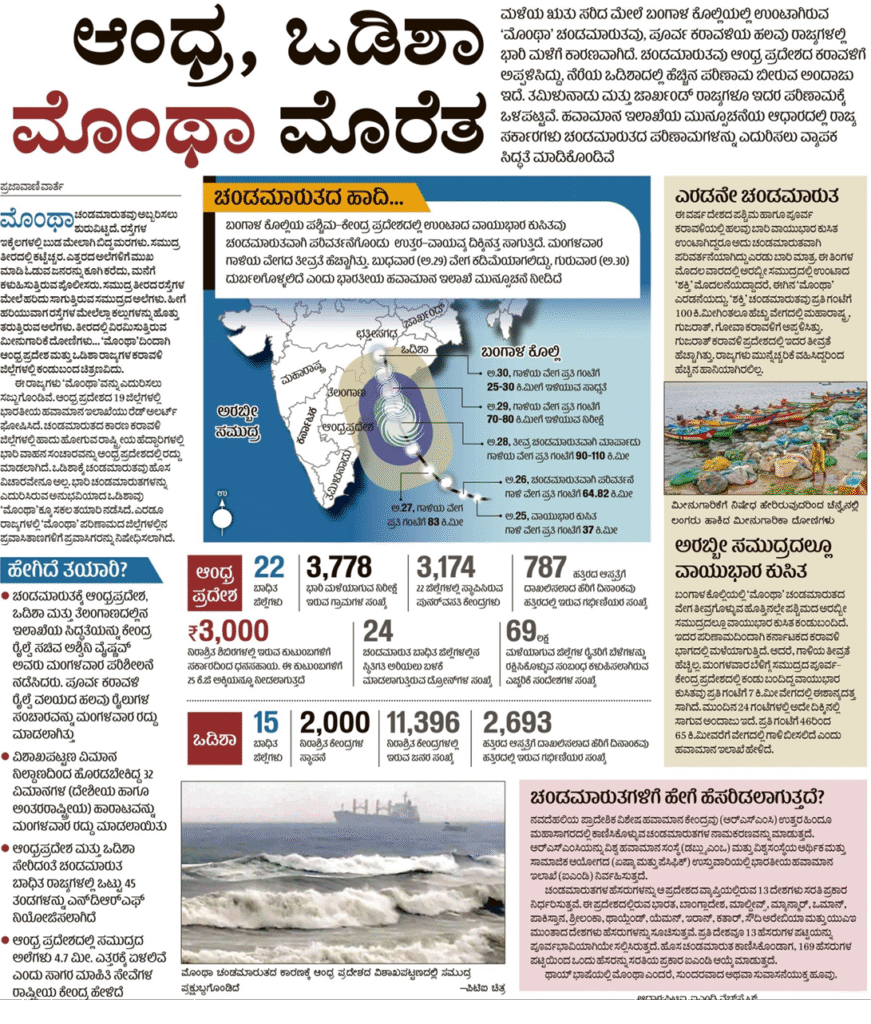
‘ಮೊಂಥಾ’ ಕಾರಣದಿಂದಾಗಿ ರಾಜ್ಯದಲ್ಲಿ ಇಬ್ಬರು ಮೃತಪಟ್ಟಿದ್ದಾರೆ’ ಎಂದು ಆಂಧ್ರ ಪ್ರದೇಶ ಮುಖ್ಯಮಂತ್ರಿ ಚಂದ್ರಬಾಬು ನಾಯ್ಡು ಹೇಳಿದರು. ತೆಲಂಗಾಣದ ಸೂರ್ಯಪೇಟೆ ಜಿಲ್ಲೆಯಲ್ಲಿ ತಲೆ ಮೇಲೆ ಮರ ಬಿದ್ದು ವ್ಯಕ್ತಿಯೊಬ್ಬರು ಮೃತ ಪಟ್ಟಿದ್ದಾರೆ. ಖಮ್ಮಂ ಜಿಲ್ಲೆಯಲ್ಲಿ ಟ್ರಕ್ನಲ್ಲಿ ಸಂಚರಿಸುತ್ತಿದ್ದಾಗ ಮಳೆ ನೀರಿನಲ್ಲಿ ಚಾಲಕ ಕೊಚ್ಚಿ ಹೋಗಿದ್ದಾರೆ.
ಆಂಧ್ರ ಪ್ರದೇಶ ಹಾಗೂ ತೆಲಂಗಾಣದಲ್ಲಿ ಭಾರಿ ಮಳೆಯಾಗಿದೆ. ತೆಲಂಗಾಣದ 8 ಜಿಲ್ಲೆಗಳಲ್ಲಿ ಹವಾಮಾನ ಇಲಾಖೆಯು ರೆಡ್ ಅಲರ್ಟ್ ಘೋಷಿಸಿದೆ.
ತೀವ್ರ ಮಳೆಗೆ ಒಳಗಾದ ಜಿಲ್ಲೆಗಳಲ್ಲಿ ಮುಖ್ಯಮಂತ್ರಿ ನಾಯ್ಡು ಅವರು ವೈಮಾನಿಕ ಸಮೀಕ್ಷೆ ನಡೆಸಿದರು. ವೇಗದ ಗಾಳಿ ಬೀಸಿದ್ದರಿಂದ ಆಂಧ್ರದಲ್ಲಿ ಸಾವಿರಾರು ಮರಗಳು ಧರೆಗುರುಳಿವೆ. ನೂರಾರು ವಿದ್ಯುತ್ ಕಂಬಗಳು ಬಿದ್ದಿವೆ. ‘380 ಕಿ.ಮೀ ರಸ್ತೆಗಳು, 14 ಸೇತುವೆಗಳಿಗೆ ಹಾನಿಯಾಗಿವೆ’ ಎಂದು ನಾಯ್ಡು ಮಾಹಿತಿ ನೀಡಿದರು. ‘ಒಡಿಶಾದಲ್ಲಿ ‘ಮೊಂಥಾ’ದ ಪರಿಣಾಮವು ಹೆಚ್ಚೇನು ಆಗಿಲ್ಲ’ ಎಂದು ಮುಖ್ಯಮಂತ್ರಿ ಮೋಹನ್ ಚರನ್ ಮಾಂಝಿ ಹೇಳಿದರು.
50 ಕೆ.ಜಿಅಕ್ಕಿವಿತರಣೆ
lಮೀನುಗಾರರು ಮತ್ತು ನೇಕಾರರಿಗೆ ಬುಧವಾರದಿಂದ ₹50 ಕೆ.ಜಿ ಅಕ್ಕಿ, 1 ಕೆ.ಜಿ ಬೆಳೆ, 1 ಲೀಟರ್ ಅಡುಗೆ ಎಣ್ಣೆ, 1 ಕೆ.ಜಿ. ಈರುಳ್ಳಿ, 1 ಕೆ.ಜಿ. ಆಲೂಗೆಡ್ಡೆ ಮತ್ತು 1 ಕೆ.ಜಿ. ಸಕ್ಕರೆ ನೀಡಲು ಆಂಧ್ರ ಸರ್ಕಾರ ನಿರ್ಧರಿಸಿದೆ
ಬೆಳೆಹಾನಿ
lಆಂಧ್ರದ ಭತ್ತ, ಹತ್ತಿ, ಜೋಳ ಮತ್ತು ಹೆಸರುಕಾಳು ಬೆಳೆಗಳಿಗೆ ಮತ್ತು ತೋಟಗಾರಿಕಾ ಬೆಳೆಗಳಿಗೆ ತೀವ್ರ ಹಾನಿಯಾಗಿದೆ. 87 ಸಾವಿರ ಹೆಕ್ಟೇರ್ನಷ್ಟು ಬೆಳೆಗಳು ನಾಶವಾಗಿವೆ.59 ಸಾವಿರ ಹೆಕ್ಟೇರ್ ವಿಸ್ತೀರ್ಣದಲ್ಲಿನ ಬೆಳೆಗಳು ನೀರಿನಲ್ಲಿ ಮುಳುಗಿವೆ. ವೇಗದ ಗಾಳಿಗೆ ಕೊನಸೀಮಾ ಜಿಲ್ಲೆಯಲ್ಲಿನ ಭತ್ತ ಮತ್ತು ಬಾಳೆಮರಗಳು ನೆಲಸಮವಾಗಿವೆ
lಮಳೆಯ ಕಾರಣ ಭತ್ತ ಮತ್ತು ಹತ್ತಿ ಬೆಳೆಗಳಿಗೆ ಆಗುವ ಹಾನಿಯನ್ನು ತಡೆಯಲು ಕ್ರಮ ಕೈಗೊಳ್ಳುವಂತೆ ತೆಲಂಗಾಣ ಮುಖ್ಯಮಂತ್ರಿ ರೇವಂತ ರೆಡ್ಡಿ ಅವರು ಅಧಿಕಾರಿಗಳಿಗೆ ಸೂಚಿಸಿದರುಜನ
38 ವರ್ಷ ವಯಸ್ಸಿನ ಮುಂಬೈ ಆಟಗಾರ ರೋಹಿತ್ ಅವರು ಎರಡು ಸ್ಥಾನ ಬಡ್ತಿ ಪಡೆದಿದ್ದಾರೆ. ಅವರ ವೃತ್ತಿಜೀವನದಲ್ಲಿ ಅಗ್ರಸ್ಥಾನಕ್ಕೇರಿದ್ದು ಇದೇ ಮೊದಲು.
ಈಚೆಗೆ ಆಸ್ಟ್ರೇಲಿಯಾದಲ್ಲಿ ನಡೆದಿದ್ದ ಏಕದಿನ ಸರಣಿಯ ಕೊನೆಯ ಪಂದ್ಯದಲ್ಲಿ ಅಜೇಯ 121 ರನ್ ಗಳಿಸಿದ್ದರು. ಗೆಲುವಿನ ರೂವಾರಿಯಾಗಿದ್ದರು. ಸರಣಿಶ್ರೇಷ್ಠ ಗೌರವ ಕೂಡ ಗಳಿಸಿದ್ದರು. ರೋಹಿತ್ ಅವರು ಒಟ್ಟು 781 ರೇಟಿಂಗ್ ಪಾಯಿಂಟ್ಸ್ ಗಳಿಸಿದ್ದಾರೆ.
ರೋಹಿತ್ 2007ರಲ್ಲಿ ಭಾರತ ತಂಡಕ್ಕೆ ಪದಾರ್ಪಣೆ ಮಾಡಿದ್ದರು. ಇತ್ತೀಚೆಗೆ ಅವರು ಟೆಸ್ಟ್ ಮತ್ತು ಟಿ20 ಮಾದರಿಗಳಿಗೆ ನಿವೃತ್ತಿ ಘೋಷಿಸಿದ್ದರು. ಏಕದಿನ ಕ್ರಿಕೆಟ್ ಮಾದರಿ ಯಲ್ಲಿ ಮಾತ್ರ ಮುಂದುವರಿದಿದ್ದಾರೆ.
ಈ ಸಾಧನೆಯಿಂದಾಗಿ ಅವರು ಐಸಿಸಿ ರ್ಯಾಂಕಿಂಗ್ನಲ್ಲಿ ಅಗ್ರಸ್ಥಾನದಲ್ಲಿದ್ದ ಅಫ್ಗಾನಿಸ್ತಾನದ ಇಬ್ರಾಹಿಂ ಝದ್ರಾನ್ ಅವರನ್ನು ಹಿಂದಿಕ್ಕಿದರು. ಭಾರತದ ಶುಭಮನ್ ಗಿಲ್ ಅವರು ಮೂರನೇ ಸ್ಥಾನ ಪಡೆದರು. ವಿರಾಟ್ ಕೊಹ್ಲಿ ಮತ್ತು ಶ್ರೇಯಸ್ ಅಯ್ಯರ್ ಅವರು ಕ್ರಮವಾಗಿ 6 ಮತ್ತು 9ನೇ ಸ್ಥಾನದಲ್ಲಿದ್ದಾರೆ.
‘ಪುಟ್ಟಣ್ಣ ಕಣಗಾಲ್ ಪ್ರಶಸ್ತಿ’ಗೆ ನಿರ್ದೇಶಕ ಎನ್.ಆರ್.ನಂಜುಂಡೇಗೌಡ, ‘ಡಾ.ವಿಷ್ಣುವರ್ಧನ್ ಪ್ರಶಸ್ತಿ’ಗೆ ನಿರ್ಮಾಪಕ–ನಿರ್ದೇಶಕ ರಿಚರ್ಡ್ ಕ್ಯಾಸ್ಟಲಿನೊ ಅವರು ಆಯ್ಕೆಯಾಗಿದ್ದಾರೆ. ಈ ಮೂರೂ ಪ್ರಶಸ್ತಿಗಳು ತಲಾ 50 ಗ್ರಾಂ ಚಿನ್ನದ ಪದಕ ಮತ್ತು ₹5 ಲಕ್ಷ ನಗದು ಒಳಗೊಂಡಿವೆ.
ಅದೇ ಸಾಲಿನ ಚಲನಚಿತ್ರ ಸಾಹಿತ್ಯ ಪ್ರಶಸ್ತಿಗೆ ‘ಪ್ರಜಾವಾಣಿ’ಯ ಅಭಿಮತ ಸಂಪಾದಕ ರಘುನಾಥ ಚ.ಹ. ಅವರು ಬರೆದಿರುವ ‘ಬೆಳ್ಳಿತೊರೆ– ಸಿನಿಮಾ ಪ್ರಬಂಧಗಳು’ ಆಯ್ಕೆಯಾಗಿದೆ. ಪ್ರಶಸ್ತಿಯು ₹20,000 ನಗದು ಮತ್ತು 50 ಗ್ರಾಂ ಬೆಳ್ಳಿಯ ಪದಕ ಒಳಗೊಂಡಿದೆ. ಪುಸ್ತಕದ ಪ್ರಕಾಶಕ, ಅಂಕಿತ ಪುಸ್ತಕದ ಪ್ರಕಾಶ ಕಂಬತ್ತಳ್ಳಿ ಅವರನ್ನೂ ಪ್ರಶಸ್ತಿಗೆ ಆಯ್ಕೆ ಮಾಡಿದ್ದು, ₹20,000 ನಗದು ಮತ್ತು 50 ಗ್ರಾಂ ಬೆಳ್ಳಿಯ ಪದಕ ಒಳಗೊಂಡಿದೆ.
ಅತ್ಯುತ್ತಮ ಕಿರುಚಿತ್ರ ಪ್ರಶಸ್ತಿಗೆ ಶ್ರೀನಾಥ್ ಎಸ್. ಹಡಗಲಿ ಅವರ ನಿರ್ದೇಶನದ ‘ಗುಳೆ’ ಕಿರುಚಿತ್ರ ಆಯ್ಕೆಯಾಗಿದೆ. ನಿರ್ದೇಶಕ ಶ್ರೀನಾಥ್ ಮತ್ತು ನಿರ್ಮಾಪಕ ಮನೋಹರ್ ಎಸ್.ಐಯರ್ ಅವರಿಗೆ ತಲಾ ₹25,000 ನಗದು ಮತ್ತು 50 ಗ್ರಾಂ ಬೆಳ್ಳಿಯ ಪದಕ ನೀಡಲಾಗುತ್ತದೆ ಎಂದು ವಾರ್ತಾ ಮತ್ತು ಸಾರ್ವಜನಿಕ ಸಂಪರ್ಕ ಇಲಾಖೆ ಪ್ರಕಟಣೆ ತಿಳಿಸಿದೆ.
ಯೋಜನೆಗೆ ಚಾಲನೆ ನೀಡಿ ಮಾತನಾಡಿದ ಅವರು, ‘ಗ್ರಾಮೀಣಾಭಿವೃದ್ಧಿಯ ಇ-ಆಡಳಿತ ವಿಭಾಗವು ಪಂಚತಂತ್ರ ತಂತ್ರಾಂಶದಲ್ಲಿ ಗ್ರಾಮ ಪಂಚಾಯಿತಿ ಕಾರ್ಯಕ್ಷಮತೆಯ ಶ್ರೇಯಾಂಕ ವರದಿಯಲ್ಲಿ ಗುರುತಿಸುವಂತೆ ಕೊನೆಯ ಸ್ಥಾನಗಳಲ್ಲಿರುವ ಗ್ರಾಮ ಪಂಚಾಯತಿಗಳನ್ನು ವೈಜ್ಞಾನಿಕವಾಗಿ ಆಯ್ಕೆ ಮಾಡಿಕೊಳ್ಳಲಾಗುತ್ತದೆ. ವಿವಿಧ ಇಲಾಖೆಗಳ ಸಮನ್ವಯದಲ್ಲಿ ಸಮಗ್ರ ಅಭಿವೃದ್ಧಿ ಸಾಧಿಸಲಾಗುವುದು. ತಾಲ್ಲೂಕು, ಜಿಲ್ಲೆ ಮತ್ತು ರಾಜ್ಯಮಟ್ಟದ ಅಧಿಕಾರಿಗಳು ಉಸ್ತುವಾರಿ ನೋಡಿಕೊಳ್ಳುವರು’ ಎಂದರು.
ಗ್ರಾಮ ಪಂಚಾಯಿತಿಗಳನ್ನು ಹಿರಿಯ ಅಧಿಕಾರಿಗಳು ದತ್ತು ಪಡೆದು ಅಭಿವೃದ್ಧಿಪಡಿಸಲು ಹೊಸ ಯೋಜನೆ ರೂಪಿಸಲಾಗುವುದು ಎಂದು ಬಜೆಟ್ನಲ್ಲಿ ಮುಖ್ಯಮಂತ್ರಿ ಘೋಷಿಸಿದ್ದರು.
ಬಸವಣ್ಣನವರ ಕಾಯಕದ ಸಂದೇಶವನ್ನು ಸಾಕಾರಗೊಳಿಸಲು ‘ಕಾಯಕ ಗ್ರಾಮ’ ಯೋಜನೆ ರೂಪಿಸಲಾಗಿದೆ ಎಂದರು.
ಜಿಲ್ಲಾ ಮಟ್ಟದಲ್ಲಿ ಜಿಲ್ಲಾ ಪಂಚಾಯಿತಿ ಮುಖ್ಯ ಕಾರ್ಯನಿರ್ವಾಹಕ ಅಧಿಕಾರಿ ಗಳು ಸೇರಿದಂತೆ ಆರು ಅಧಿಕಾರಿಗಳು, ತಾಲ್ಲೂಕು ಮಟ್ಟದಲ್ಲಿ ಮೂವರು ಅಧಿಕಾರಿಗಳು ಹಾಗೂ ರಾಜ್ಯ ಮಟ್ಟದಲ್ಲಿ ಜಿಲ್ಲಾವಾರು ನೇಮಕ ಮಾಡಲಾಗಿರುವ ನೋಡಲ್ ಅಧಿಕಾರಿಗಳು ಇರುತ್ತಾರೆ ಎಂದರು.
lಕರ್ನಾಟಕ ನವೋದ್ಯಮ ನೀತಿ 2022–27ರ ಅಡಿ ಐದು ವರ್ಷಗಳ ಅವಧಿಗೆ ₹80 ಕೋಟಿ ಅನುದಾನ ಹಂಚಿಕೆಯೊಂದಿಗೆ ಒಟ್ಟು ಎಂಟು ಟೆಕ್ನಾಲಜಿ ಇನ್ಕ್ಯುಬೇಟರ್ 2.0 ಸ್ಥಾಪಿಸಲು ತೀರ್ಮಾನ.
lಕಾರವಾರ, ಹಳೆ ಮಂಗಳೂರು(ಬೆಂಗ್ರೆ), ಹಳೆ ಮಂಗಳೂರು(ನಗರ ಬದಿ) ಮತ್ತು ಮಲ್ಪೆಯ ಬರ್ತ್ಗಳನ್ನು ಸಾರ್ವಜನಿಕ ಮತ್ತು ಖಾಸಗಿ ಸಹಭಾಗಿತ್ವದಲ್ಲಿ ಅಭಿವೃದ್ಧಿಪಡಿಸಿ ನಿರ್ವಹಿಸಲು ತೀರ್ಮಾನ
lಮಂಡ್ಯ ಕೃಷಿ ವಿಜ್ಞಾನಗಳ ವಿಶ್ವವಿದ್ಯಾಲಯದ ಪ್ರಾಥಮಿಕ ಹಂತಕ್ಕಾಗಿ ₹23.25 ಕೋಟಿ ಮೊತ್ತದಲ್ಲಿ ಮೂಲ ಸೌಕರ್ಯ ಅಭಿವೃದ್ಧಿ, ದುರಸ್ತಿ ಮತ್ತು ನವೀಕರಣ ಕಾಮಗಾರಿ
lಕಾರವಾರ ಕ್ಯಾನ್ಸರ್ ಕೇರ್ ಘಟಕದ ಸ್ಥಾಪನೆಗೆ ಅಗತ್ಯವಿರುವ ಹೆಚ್ಚುವರಿ ಉಪಕರಣಗಳಿಗೆ ತಗಲುವ ಅನುದಾನವನ್ನು ಈಗಾಗಲೇ ಅನುಮೋದನೆ ಆಗಿರುವ ₹18.25 ಕೋಟಿ ಸರ್ಕಾರದ ವತಿಯಿಂದ ಭರಿಸಲಾಗುವುದು. ಇನ್ನುಳಿದ ಮೊತ್ತ ₹13.38 ಕೋಟಿಯನ್ನು ಸಂಸ್ಥೆಯ ಆಂತರಿಕ ಸಂಪನ್ಮೂಲದಿಂದ ಭರಿಸಲು ಒಪ್ಪಿಗೆ.
lತುಮಕೂರು ಜಿಲ್ಲಾ ಆಸ್ಪತ್ರೆಯಲ್ಲಿ ಕ್ಯಾನ್ಸರ್ ಕೇರ್ ಕೇಂದ್ರ ಸ್ಥಾಪನೆಗೆ ಅಗತ್ಯವಿರುವ ಮೊದಲ ಹಂತದ ಉಪಕರಣಗಳ ಖರೀದಿಗೆ ₹50 ಕೋಟಿ.
lಕೆ–ಶೋರ್ ಯೋಜನೆಗೆ ತಾಂತ್ರಿಕ ಮತ್ತು ನಿರ್ವಹಣಾ ಸಲಹೆಗಾರರ ಸೇವೆಗಳನ್ನು ಪಡೆಯಲು ₹20.47 ಕೋಟಿಗೆ ಆಡಳಿತಾತ್ಮಕ ಅನುಮೋದನೆ.
lಯಾದಗಿರಿ ಜಿಲ್ಲೆ ಶಹಾಪುರ ನಗರಸಭೆ ವ್ಯಾಪ್ತಿಯಲ್ಲಿ ಕನಕಭವನ ನಿರ್ಮಾಣಕ್ಕೆ 300.14 ಚದರ ಮೀಟರ್ ಕರ್ನಾಟಕ ಪ್ರದೇಶ ಕುರುಬರ ಸಂಘಕ್ಕೆ ಉಚಿತವಾಗಿ ಮಂಜೂರು ಮಾಡಲು ತೀರ್ಮಾನ
l2025–26 ನೇ ಸಾಲಿನಲ್ಲಿ ಪೊಲೀಸ್ ಇಲಾಖೆಗೆ ವಿವಿಧ ಮಾದರಿಯ 241 ವಾಹನಗಳನ್ನು ₹34.95 ಕೋಟಿ ವೆಚ್ಚದಲ್ಲಿ ಖರೀದಿಸಲು ಒಪ್ಪಿಗೆ
lಬೆಂಗಳೂರು ಗ್ರಾಮಾಂತರ ಜಿಲ್ಲೆ ನೆಲಮಂಗಲ, ಉಡುಪಿ ಜಿಲ್ಲೆ ಅಂಜಾರು ಗ್ರಾಮ, ಉಡುಪಿ ಜಿಲ್ಲೆ ಕುಂದಾಪುರ ತಾಲ್ಲೂಕಿನಲ್ಲಿ ಕಾಂಗ್ರೆಸ್ ಭವನ ನಿರ್ಮಾಣಕ್ಕೆ ಜಮೀನು ಮಂಜೂರು
ಭಾರತೀಯ ಕೈಗಾರಿಕೆಗಳ ಒಕ್ಕೂಟವು ಆಯೋಜಿಸಿದ್ದ ‘ಕೌಶಲ ಶೃಂಗಸಭೆ–2025’ಯಲ್ಲಿ ಅವರು ಮಾತನಾಡಿದರು.
‘ಪದವಿ, ವೃತ್ತಿಪರ ಕೋರ್ಸ್ಗಳನ್ನು ಮಾಡಿದ ವಿದ್ಯಾರ್ಥಿಗಳಲ್ಲಿ ಉದ್ಯೋಗಾವಕಾಶವನ್ನು ಹೆಚ್ಚಿಸುವ ಅಗತ್ಯವಿದೆ. ಇದಕ್ಕಾಗಿ ಉದ್ಯಮಗಳ ಸಹಯೋಗದಲ್ಲೇ ತರಬೇತಿ ಕೇಂದ್ರ ಅಥವಾ ಪ್ರಯೋಗಾಲಯಗಳನ್ನು ಸ್ಥಾಪಿಸಬೇಕಿದೆ. ಇದಕ್ಕೆ ಸರ್ಕಾರವು ಅಗತ್ಯ ನೆರವುಗಳನ್ನು ನೀಡಲಿದೆ’ ಎಂದರು.
‘ಬೆಂಗಳೂರಿನ ಪಿಇಎಸ್ ವಿಶ್ವವಿದ್ಯಾ ಲಯದಲ್ಲಿ ಬಜಾಜ್ ಕಂಪನಿಯು ಎಂಜಿನಿಯರಿಂಗ್ ಕೌಶಲ ತರಬೇತಿ ಕೇಂದ್ರವನ್ನು ಆರಂಭಿಸಿದೆ. ಖಾಸಗಿ–ಸರ್ಕಾರಿ ಸಹಯೋಗದಲ್ಲಿ ಕಾರ್ಯನಿರ್ವಹಿಸುತ್ತಿರುವ ಈ ಕೇಂದ್ರದಲ್ಲಿ ಎಂಜಿನಿಯರಿಂಗ್ ವಿದ್ಯಾರ್ಥಿಗಳಿಗೆ ಮೆಕಾಟ್ರಾನಿಕ್ಸ್, ರೊಬೊಟಿಕ್ಸ್ ಮೊದಲಾದ ಕ್ಷೇತ್ರಗಳಲ್ಲಿ ಪ್ರಾಯೋಗಿಕ ತರಬೇತಿಯನ್ನು ನೀಡಲಾಗುತ್ತಿದೆ. ರಾಜ್ಯದ ಹಲವೆಡೆ ಇಂತಹ ಕೇಂದ್ರಗಳನ್ನು ಸ್ಥಾಪಿಸಲು ಅವಕಾಶಗಳಿವೆ’ ಎಂದು ಹೇಳಿದರು.
‘ಶೈಕ್ಷಣಿಕ ಕಲಿಕೆ ಮತ್ತು ಪ್ರಾಯೋಗಿಕ ತರಬೇತಿ ಎರಡಕ್ಕೂ ಅವಕಾಶವಿರುವ ‘ಡ್ಯುಯಲ್ ಅಪ್ರೆಂಟಿಸ್ಶಿಪ್’ ಕಾರ್ಯಕ್ರಮವನ್ನು ರೂಪಿಸಲಾಗುತ್ತಿದೆ. ಈ ಯೋಜನೆಯನ್ನು ಸಾಕಾರಗೊಳಿಸಲು ಉದ್ಯಮರಂಗದ ಸಹಕಾರ ಅಗತ್ಯ. ಶಿಕ್ಷಣ–ಉದ್ಯಮ ಸಹಯೋಗವನ್ನು ಹೊಸ ಎತ್ತರಕ್ಕೆ ಒಯ್ಯೋಣ’ ಎಂದು ಉದ್ಯಮಿಗಳಿಗೆ ಆಹ್ವಾನ ನೀಡಿದರು.
ಜಿಯೊಬಳಕೆದಾರರಿಗೆಗೂಗಲ್ ಎ.ಐಪ್ರೊಉಚಿತ
ಸಂದರ್ಭ:ಗೂಗಲ್ ಕಂಪನಿಯಎ.ಐ. ಪರಿಕರ ‘ಗೂಗಲ್ಎ.ಐ. ಪ್ರೊ’ಚಂದಾದಾರಿಕೆಯುಅರ್ಹಜಿಯೊಬಳಕೆದಾರರಿಗೆ 18 ತಿಂಗಳುಉಚಿತವಾಗಿಸಿಗಲಿದೆಎಂದುರಿಲಯನ್ಸ್ ಇಂಡಸ್ಟ್ರೀಸ್ ತಿಳಿಸಿದೆ.
ರಿಲಯನ್ಸ್ ಇಂಡಸ್ಟ್ರೀಸ್ನ ಅಂಗಸಂಸ್ಥೆಯಾದ ರಿಲಯನ್ಸ್ ಇಂಟೆಲಿಜೆನ್ಸ್, ಗೂಗಲ್ ಜೊತೆ ಪಾಲುದಾರಿಕೆ ಮಾಡಿಕೊಂಡಿದೆ. ಈ ಪಾಲುದಾರಿಕೆಯ ಮೂಲಕ ರಿಲಯನ್ಸ್, ಜಿಯೊ 5ಜಿ ಅನ್ಲಿಮಿಟೆಡ್ ಯೋಜನೆ ಹೊಂದಿರುವ ಬಳಕೆದಾರರಿಗೆ ಈ ಕೊಡುಗೆ ನೀಡಿದೆ.
ಹಣಕಾಸಿನ ಮೌಲ್ಯದಲ್ಲಿ ಈ ಕೊಡುಗೆ ಬೆಲೆ ₹35,100 ಆಗಿದೆ ಎಂದು ಕಂಪನಿ ಹೇಳಿದೆ. ಆರಂಭಿಕವಾಗಿ 18–25 ವರ್ಷದ ನಡುವಿನವರಿಗೆ ಈ ಕೊಡುಗೆ ದೊರೆಯಲಿದೆ. ನಂತರ ಎಲ್ಲ ಬಳಕೆದಾರರಿಗೆ ಈ ಸೇವೆ ದೊರೆಯುವಂತೆ ಮಾಡಲಾಗುವುದು ಎಂದು ಕಂಪನಿ ತಿಳಿಸಿದೆ.
ಈ ಪ್ಲ್ಯಾನ್ ಜೊತೆಗೆ ಗೂಗಲ್ ಜೆಮಿನಿ 2.5 ಪ್ರೊ, ಇತ್ತೀಚಿನ ನ್ಯಾನೋ ಬನಾನಾ ಮತ್ತು ವಿಯೋ 3.1 ಮಾದರಿಗಳೊಂದಿಗೆ ಚಿತ್ರಗಳು ಮತ್ತು ವಿಡಿಯೋಗಳನ್ನು ಸೃಷ್ಟಿಸಲು ಬಳಕೆದಾರರಿಗೆ ಹೆಚ್ಚಿನ ಅವಕಾಶಗಳು ದೊರೆಯುತ್ತವೆ.
ಅಧ್ಯಯನ ಮತ್ತು ಸಂಶೋಧನೆಗಾಗಿ ನೋಟ್ಬುಕ್ ಎಲ್ಎಂಗೆ ಹೆಚ್ಚಿನ ಅವಕಾಶ ಮತ್ತು 2 ಟಿಬಿ ಕ್ಲೌಡ್ ಸಂಗ್ರಹದ ಸೌಲಭ್ಯ ಕೂಡ ದೊರೆಯಲಿದೆ ಎಂದು ತಿಳಿಸಿದೆ.
ಅಮೆರಿಕ ಅಧ್ಯಕ್ಷ ಡೊನಾಲ್ಡ್ ಟ್ರಂಪ್ ಅವರು, ಅಕ್ಟೋಬರ್ 29ರಿಂದ ಜಾರಿಗೆ ಬರುವಂತೆ ಆರು ತಿಂಗಳವರೆಗೆ ವಿನಾಯಿತಿ ನೀಡಿ ಆದೇಶಿಸಿದ್ದಾರೆ ಎಂದು ಅವರು ಹೇಳಿದರು.
ಛಾಬಹಾರ್ ಬಂದರಿನ ಕಾರ್ಯನಿರ್ವಹಣೆ ಕುರಿತು ಇರಾನ್ ಮತ್ತು ಭಾರತ ಸರ್ಕಾರ ಕಳೆದ ವರ್ಷ ಒಪ್ಪಂದ ಮಾಡಿಕೊಂಡಿವೆ. ಈ ಬಂದರು ಅಭಿವೃದ್ಧಿ ಮತ್ತು ನಿರ್ವಹಣೆ ಸಂಬಂಧ ಎರಡೂ ಸರ್ಕಾರಗಳು 2003, 2015 ಮತ್ತು 2017ರಲ್ಲಿ ಒಪ್ಪಂದ ಮಾಡಿಕೊಂಡಿದ್ದವು. 2018ರಿಂದ ಈ ಬಂದರನ್ನು ಭಾರತವೇ ನಿರ್ವಹಿಸುತ್ತಿದೆ. ಅದನ್ನು 10 ವರ್ಷಗಳಿಗೆ ವಿಸ್ತರಿಸಿ ಕಳೆದ ವರ್ಷ ಒಪ್ಪಂದ ಮಾಡಿಕೊಳ್ಳಲಾಗಿದೆ.
ಅಫ್ಗಾನಿಸ್ತಾನದ ಸಾರ್ವಭೌಮತ್ವಕ್ಕೆ ಭಾರತ ಬದ್ಧ: ಪಾಕಿಸ್ತಾನ– ಅಫ್ಗಾನಿಸ್ತಾನ ಗಡಿ ಸಂಘರ್ಷಕ್ಕೆ ಸಂಬಂಧಿಸಿದಂತೆ ಅಫ್ಗಾನಿಸ್ತಾನವನ್ನು ಬೆಂಬಲಿಸಿರುವ ಭಾರತವು, ಅಫ್ಗಾನಿಸ್ತಾನದ ಸಾರ್ವಭೌಮತ್ವ, ಪ್ರಾದೇಶಿಕ ಸಮಗ್ರತೆ ಮತ್ತು ಸ್ವಾತಂತ್ರ್ಯವನ್ನು ಪೂರ್ಣವಾಗಿ ಗೌರವಿಸುತ್ತದೆ ಮತ್ತು ಅದಕ್ಕೆ ಬದ್ಧವಾಗಿದೆ ಎಂದು ಪ್ರತಿಪಾದಿಸಿದೆ.
ತೈಲಖರೀದಿ– ಅಮೆರಿಕನಿರ್ಬಂಧ: ಪರಿಣಾಮಗಳಬಗ್ಗೆಭಾರತಅಧ್ಯಯನ
ಸಂದರ್ಭ: ರಷ್ಯಾದಬೃಹತ್ ತೈಲಕಂಪನಿಗಳಾದ ‘ರೋಸ್ನೆಫ್ಟ್’ಮತ್ತು ‘ಲುಕೋಯಿಲ್’ಮೇಲೆಇತ್ತೀಚೆಗೆಅಮೆರಿಕವಿಧಿಸಿರುವನಿರ್ಬಂಧದಿಂದಉಂಟಾಗುವಪರಿಣಾಮಗಳಬಗ್ಗೆಭಾರತಅಧ್ಯಯನನಡೆಸುತ್ತಿದೆಎಂದುರಣಧೀರ್ ಜೈಸ್ವಾಲ್ ತಿಳಿಸಿದರು.
‘ಭಾರತವು ಜಾಗತಿಕ ಮಾರುಕಟ್ಟೆಯ ಚಲನಶೀಲತೆಯನ್ನು ಆಧರಿಸಿ ನಿರ್ಧಾರಗಳನ್ನು ತೆಗೆದುಕೊಳ್ಳುತ್ತದೆ. ನಮ್ಮ 140 ಕೋಟಿ ಜನರ ಇಂಧನದ ಅಗತ್ಯಗಳನ್ನು ಪೂರೈಸಲು ವೈವಿಧ್ಯಮಯ ಮೂಲಗಳಿಂದ ಕೈಗೆಟುಕುವ ದರದಲ್ಲಿ ಇಂಧನ ಖರೀದಿಸಲು ಒತ್ತು ನೀಡುತ್ತದೆ’ ಎಂದೂ ಅವರು ಸುದ್ದಿಗೋಷ್ಠಿಯಲ್ಲಿ ಹೇಳಿದರು.
ಭಾರತದ ತೈಲ ಖರೀದಿದಾರರು ರಷ್ಯಾದ ಕಚ್ಚಾ ತೈಲ ಖರೀದಿಯನ್ನು ನಿಧಾನವಾಗಿ ಕಡಿಮೆ ಮಾಡುತ್ತಿದ್ದಾರೆ ಮತ್ತು ಅಮೆರಿಕದಿಂದ ಪೆಟ್ರೋಲಿಯಂ ಉತ್ಪನ್ನಗಳ ಆಮದನ್ನು ಎದುರು ನೋಡುತ್ತಿ ದ್ದಾರೆ ಎಂಬ ಮಾಹಿತಿ ಬೆನ್ನಲ್ಲೇ ಜೈಸ್ವಾಲ್ ಅವರಿಂದ ಪ್ರತಿಕ್ರಿಯೆ ಬಂದಿದೆ.
ವ್ಯಾಪಾರ ಒಪ್ಪಂದವನ್ನು ಅಂತಿಮಗೊಳಿಸುವ ಕಾರ್ಯದಲ್ಲಿ ಭಾರತ ಮತ್ತು ಅಮೆರಿಕ ನಿರತವಾಗಿವೆ ಎಂದು ಅವರು ಇದೇ ವೇಳೆ ಪ್ರತಿಕ್ರಿಯಿಸಿದರು.
ಅಧ್ಯಕ್ಷ ಡೊನಾಲ್ಡ್ ಟ್ರಂಪ್ ಆಡಳಿತದ ಈ ನಡೆಯಿಂದ, ಅಮೆರಿಕದಲ್ಲಿ ಉದ್ಯೋಗದಲ್ಲಿರುವ ಭಾರಿ ಸಂಖ್ಯೆಯ ಭಾರತೀಯರಿಗೆ ತೊಂದರೆಯಾಗಲಿದೆ.
ಭದ್ರತಾ ಇಲಾಖೆಯು ಈ ಕುರಿತು ಘೋಷಣೆ ಮಾಡಿದೆ. ‘ವಿದೇಶಿಯರ ಉದ್ಯೋಗ ದೃಢೀಕರಣ ದಾಖಲೆಗಳ (ಇಎಡಿ) ಸಿಂಧುತ್ವವನ್ನು ವಿಸ್ತರಣೆ ಮಾಡುವು ದಕ್ಕೂ ಮುನ್ನ ವ್ಯಾಪಕ ಪರಿಶೀಲನೆ ನಡೆಸಲಾಗುವುದು’ ಎಂದು ಹೇಳಿದೆ.
‘ಹೊಸ ನಿಯಮದ ಪ್ರಕಾರ, 2025ರ ಅಕ್ಟೋಬರ್ 30ರಂದು ಅಥವಾ ನಂತರ ತಮ್ಮ ಇಎಡಿ ನವೀಕರಣಕ್ಕೆ ಅರ್ಜಿ ಸಲ್ಲಿಸುವ ವಿದೇಶಿಯರ ಉದ್ಯೋಗ ಪರವಾನಗಿ ಅವಧಿಯು ಸ್ವಯಂಚಾಲಿತವಾಗಿ ವಿಸ್ತರಣೆ ಆಗುವುದಿಲ್ಲ’ ಎಂದು ಇಲಾಖೆ ತಿಳಿಸಿದೆ.
‘ಅಕ್ಟೋಬರ್ 30ರ ಒಳಗಾಗಿ, ಪರವಾನಗಿಯನ್ನು ಸ್ವಯಂಚಾಲಿತ ವಾಗಿ ವಿಸ್ತರಣೆ ಮಾಡಲಾಗಿರುವ ಇಎಡಿಗಳಿಗೆ ಈ ಮಧ್ಯಂತರ ನಿಯಮ ಅನ್ವಯಿಸದು’ ಎಂದು ಸ್ಪಷ್ಟಪಡಿಸಿದೆ.
‘ಇಎಡಿ ಅವಧಿ ಕೊನೆಗೊಳ್ಳುವುದಕ್ಕೂ 180 ದಿನಗಳ ಮೊದಲೇ ನವೀಕರಣಕ್ಕೆ ವಿದೇಶಿಯರು ಅರ್ಜಿ ಸಲ್ಲಿಸಬೇಕು’ ಎಂದೂ ಇಲಾಖೆ ಸೂಚಿಸಿದೆ.
ಜೋ ಬೈಡನ್ ಅವರು ಅಧ್ಯಕ್ಷ ರಾಗಿದ್ದ ವೇಳೆ, ಇಎಡಿ ನವೀಕರಣ ಕೋರಿ ನಿಗದಿತ ಸಮಯದೊಳಗೆ ಅರ್ಜಿ ಸಲ್ಲಿಸುವ ವಿದೇಶಿಯರ ಉದ್ಯೋಗ ಪರವಾನಗಿಯು ಸ್ವಯಂಚಾಲಿತವಾಗಿ 540 ದಿನಗಳಷ್ಟು ವಿಸ್ತರಣೆಯಾಗುತ್ತಿತ್ತು.
2026–27ರ ಶೈಕ್ಷಣಿಕ ವರ್ಷದಿಂದ ತನ್ನ ವ್ಯಾಪ್ತಿಯ ಎಲ್ಲ ಶಾಲೆಗಳಲ್ಲಿ ಮೂರನೇ ತರಗತಿಯಿಂದ ಎ.ಐ ಪಠ್ಯಕ್ರಮವನ್ನು ಅಳವಡಿಸುವ ಪ್ರಯತ್ನದ ಭಾಗವಾಗಿ ಸಮಿತಿ ರಚಿಸಲಾಗಿದೆ.
‘ಸಿಬಿಎಸ್ಇ, ಎನ್ಸಿಇಆರ್ಟಿ, ಕೆವಿಎಸ್, ಎನ್ವಿಎಸ್ ತಜ್ಞರು ಮತ್ತು ಬಾಹ್ಯ ತಜ್ಞರೊಂದಿಗೆ ಮಂಡಳಿಯ ಪ್ರಮುಖರು ಸಮಾಲೋಚನೆ ನಡೆಸಿದರು. ಸಭೆಯಲ್ಲಿ ಮದ್ರಾಸ್ ಐಐಟಿಯ ದತ್ತಾಂಶ ವಿಜ್ಞಾನ (ಡೆಟಾ ಸೈನ್ಸ್) ಮತ್ತು ಎ.ಐ ವಿಭಾಗದ ಪ್ರಾಧ್ಯಾಪಕ ಕಾರ್ತಿಕ್ ರಮಣ್ ನೇತೃತ್ವದಲ್ಲಿ ಪಠ್ಯಕ್ರಮ ರಚನಾ ಸಮಿತಿ ರಚಿಸಲಾಯಿತು’ ಎಂದು ಶಾಲಾ ಶಿಕ್ಷಣ ಕಾರ್ಯದರ್ಶಿ ಸಂಜಯ್ ಕುಮಾರ್ ತಿಳಿಸಿದ್ದಾರೆ.
‘ವಿಶಾಲವಾದ, ಸಮಗ್ರವಾದ ಮತ್ತು ಶಾಲಾ ಶಿಕ್ಷಣದ ರಾಷ್ಟ್ರೀಯ ಪಠ್ಯಕ್ರಮ ಸ್ವರೂಪದ (ಎನ್ಸಿಎಫ್–ಎಸ್ಇ) ಪರಿಧಿಯಲ್ಲಿ ಎಐ ಪಠ್ಯಕ್ರಮ ರಚಿಸಲಾಗುತ್ತದೆ. ಪ್ರತಿಯೊಂದು ಮಗುವಿನ ವಿಶಿಷ್ಟ ಸಾಮರ್ಥ್ಯ ನಮ್ಮ ಆದ್ಯತೆ’ ಎಂದು ಹೇಳಿದರು.
ಪ್ರಸ್ತುತ, ದೇಶದ 18,000 ಸಿಬಿಎಸ್ಇ ಶಾಲೆಗಳು 6ನೇ ತರಗತಿ ನಂತರ ಕೃತಕ ಬುದ್ಧಿಮತ್ತೆಯನ್ನು ಕೌಶಲ ವಿಷಯದ ರೂಪದಲ್ಲಿ 15 ಗಂಟೆಗಳಷ್ಟು ಕಾಲ ಬೋಧಿಸುತ್ತಿವೆ. 9ರಿಂದ 12ನೇ ತರಗತಿವರೆಗೆ ಇದು ಐಚ್ಛಿಕ ವಿಷಯವಾಗಿದೆ.
12 ಚಿನ್ನ, 15 ಬೆಳ್ಳಿ ಮತ್ತು 14 ಕಂಚು ಸೇರಿದಂತೆ 41 ಪದಕ ಗೆದ್ದ ಭಾರತ ಪದಕಪಟ್ಟಿಯಲ್ಲಿ ಆರನೇ ಸ್ಥಾನದಲ್ಲಿದೆ. ಚೀನಾ (136 ಪದಕ) ಅಗ್ರಸ್ಥಾನದಲ್ಲಿದೆ.
ಮಹಿಳಾ ಬಾಕ್ಸರ್ಗಳಾದ ಖುಷಿ ಚಂದ್, ಅಹಾನಾ ಶರ್ಮಾ ಮತ್ತು ಚಂದ್ರಿಕಾ ಪೂಜಾರಿ ಅವರು ಚಿನ್ನಕ್ಕೆ ಕೊರಳೊಡ್ಡಿದರು.ಪುರುಷರ ವಿಭಾಗದಲ್ಲಿ ಲ್ಯಾಂಚೆನ್ಬಾ ಸಿಂಗ್ ಬೆಳ್ಳಿ ಪದಕವನ್ನು ಜಯಿಸಿದರು.
46 ಕೆ.ಜಿ ವಿಭಾಗದ ಫೈನಲ್ನಲ್ಲಿ ಖುಷಿ 4–1ರಿಂದ ಚೀನಾದ ಲುವೊ ಜಿನ್ಸಿಯು ವಿರುದ್ಧ ಗೆಲುವು ಸಾಧಿಸಿದರು. ಚಂದ್ರಿಕಾ 54 ಕೆಜಿ ವಿಭಾಗದಲ್ಲಿ 5–0ಯಿಂದ ಉಜ್ಬೇಕಿಸ್ತಾನದ ಮುಹಮ್ಮದೋವಾ ಕುಮ್ರಿನಿಸೊ ಅವರನ್ನು ಮಣಿಸಿದರು. ಅಹಾನಾ 50 ಕೆ.ಜಿ ವಿಭಾಗದ ಪ್ರಶಸ್ತಿ ಸುತ್ತಿನಲ್ಲಿ ಆರ್ಎಸ್ಸಿ ಆಧಾರದಲ್ಲಿ ಮಾ ಜೊಂಗ್ ಹಯಾಂಗ್ ವಿರುದ್ಧ ಜಯ ಗಳಿಸಿದರು.
ಬೀಚ್ ಕುಸ್ತಿಯಲ್ಲಿ ಐದು ಪದಕ: ಬೀಚ್ ಕುಸ್ತಿಯಲ್ಲಿ ಅರ್ಜುನ್ ರುಹಿಲ್ (ಬಾಲಕರ 90 ಕೆಜಿ), ಸಾನಿ ಸುಭಾಷ್ ಫುಲ್ಮಾಲಿ (ಬಾಲಕರ 60 ಕೆಜಿ), ಅಂಜಲಿ (ಬಾಲಕಿಯರ 55 ಕೆಜಿ) ಚಿನ್ನದ ಸಾಧನೆ ಮಾಡಿದರು.
Context: U.S. President Donald Trump said Washington is “doing a trade deal with India”, and emphasised that he has “a great relationship” with Prime Minister Narendra Modi, as both sides continue negotiations on a proposed pact.
“If you look at India and Pakistan… so, I’m doing a trade deal with India and I have great respect and love, as you know, for Prime Minister Modi. We have a great relationship,” Mr. Trump said at the APEC (Asia-Pacific Economic Cooperation) CEO Summit in Gyeongju, South Korea.
He landed in South Korea from Japan as part of a three-nation tour of Asia.
Mr. Trump, who did not elaborate on trade talks, reiterated his claim that he used trade to resolve the war between India and Pakistan in May.
‘Under strain’
The U.S. President’s comment came at a time when the relations between New Delhi and Washington have been reeling under severe strain after Mr. Trump imposed 50% tariffs on India, including an additional 25% levies for its procurement of Russian crude oil.
FTA talks with EU crossed halfway mark: Piyush Goyal
Context: The negotiations between India and the European Union on a free trade agreement have crossed the halfway mark, with 10 out of 20 chapters of the agreement having been finalised, and several other chapters nearing completion, Union Commerce Minister Piyush Goyal said.
“We have made significant progress in the three-day discussion between European Commissioner for Trade and Economic Security Maros Sefcovic and his team and our team on several areas,” Mr. Goyal said at a press briefing.
The Minister has returned from a three-nation tour over the last week or so, having visited Geneva for the 16th session of the United Nations Conference on Trade and Development (UNCTAD), Berlin for the Berlin Global Dialogues, and Brussels to “further our negotiations with the European Union” for an FTA.
He further said that, on an increasing number of issues, the two teams are moving towards convergence. The team from the EU is set to visit New Delhi next week for the next round of negotiations, and Mr. Sefcovic will visit the capital at the end of November or in December, the Minister said.
‘Swiss firms have shown interest in Quantum City’
Context: Swiss companies and key research institutions in the quantum technology sector have responded positively to partnership opportunities in the proposed Quantum City in Bengaluru, said N.S. Boseraju, Minister for Minor Irrigation, Science and Technology.
The Karnataka government is implementing several programmes aimed at establishing Bengaluru as the “global focal point for the quantum sector”. Following the announcement at the country’s first Quantum Conference, the State government has already allocated land for the Quantum City.
Discussions concerning the city’s development were held with representatives from leading global quantum research institutions, including ETH Zurich and CERN. The Minister noted that Karnataka, in collaboration with the Indian Institute of Science (IISc), has initiated courses to develop skilled quantum human resources. He emphasised the availability of expert talent and a conducive environment for new research in the State.
Karnataka participated in the “Swissnex Quantum Summit”, where the delegation provided information on investment opportunities to representatives of major global quantum companies. A demonstration of the proposed Quantum City was also showcased.
The delegation visited ETH Zurich, the institution famously associated with Albert Einstein’s research. The Minister extended an invitation to world-renowned directors of the ETH Zurich Quantum Center — Andreas Wallraff, Jonathan Home, and Klaus Ensslin — pioneers in superconducting qubits and trapped ion systems research for over 20 years, to attend the upcoming Quantum India Conference.
During the visit to Zurich Instruments, information was gathered on the manufacture of essential instrumentation required for Quantum Computing development. The Minister announced that this institution has agreed to provide training to research students from Karnataka.
Kerala puts PM SHRI scheme on hold, sets up review panel
Context: Education Minister Sivankutty will chair the committee; move comes after ruling front ally CPI raises concerns over mandatory inclusion in the scheme to receive Central funds for education.
Kerala Chief Minister Pinarayi Vijayan announced a seven-member Cabinet subcommittee to study the CPI’s concerns on the PM SHRI scheme.
The key ruling front ally publicly denounced the signing of MoU by the State government, as the “reactionary” National Education Policy-linked PM SHRI scheme, which the BJP-led Central government had set as an obligatory condition for releasing statutory federal grants estimated at ₹1,446 crore for school education.
Mr. Vijayan said the government had frozen further procedures concerning the scheme until the panel submitted its report to the government.
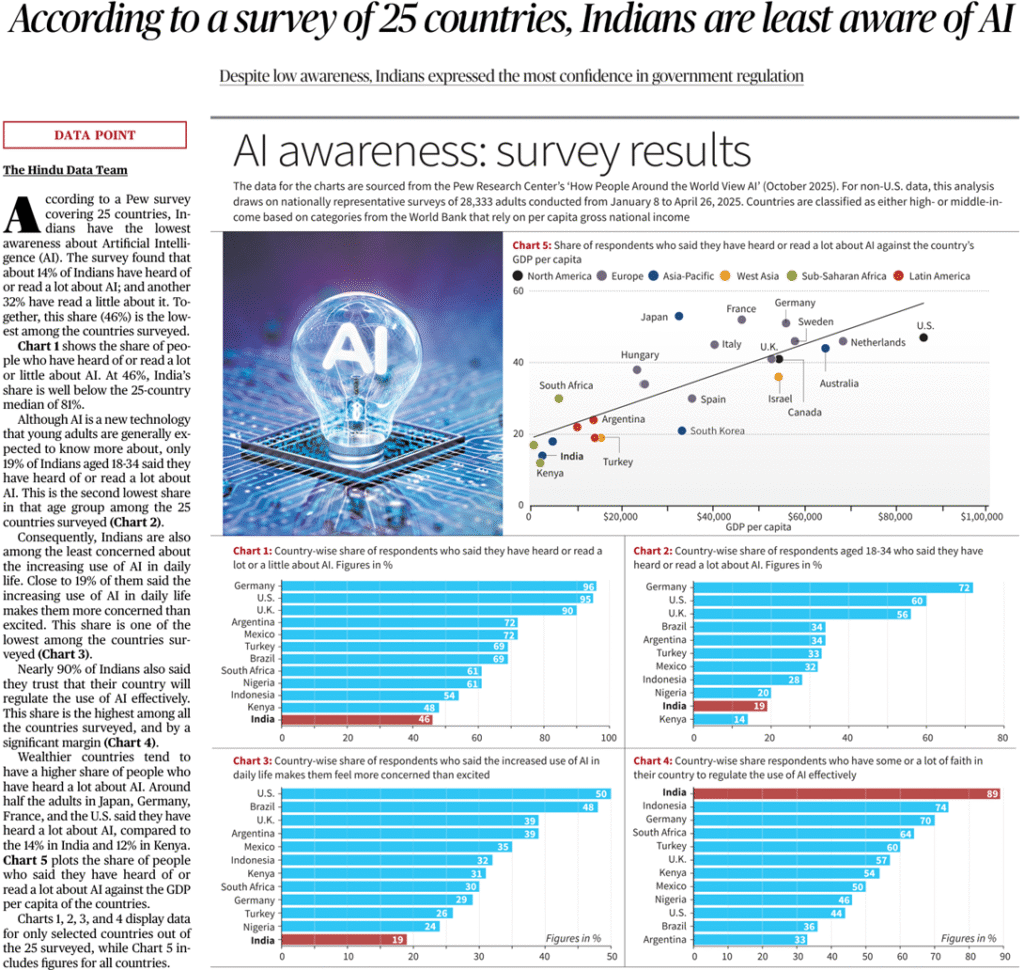
According to a survey of 25 countries, Indians are least aware of AI
Indian maritime sector has seen historic progress: Modi
Context: PM launches initiatives worth ₹2.2 lakh crore for shipping and shipbuilding sectors at Maritime Leaders’ Conclave; amid global tensions, India represents autonomy and inclusive growth.
The progress in India’s maritime domain has been historic and the capability of major ports has doubled, Prime Minister Narendra Modi.
“Cargo movement has increased 700% in inland areas. Today, India’s ports are considered among the best in the developing world,” he added.
Mr. Modi was speaking at the Maritime Leaders’ Conclave held at the NESCO Ground to mark ‘India Maritime Week’.
During the event, Mr. Modi launched initiatives worth ₹2.2 lakh crore for the shipping and shipbuilding sectors, including acquisition of 437 vessels. Several memoranda of understanding (MoUs) for port-led industrialisation, sustainability, and shipbuilding, among others, were signed.
Sign of confidence
“In 2016, the maiden India Maritime Week was held in Mumbai. Today, it has become a global summit. Eighty-five countries participate in it today. This itself sends a very big message,” Mr. Modi said.
“The MoUs signed here show the confidence of the world in India’s maritime capabilities.”
“This [2025] is a crucial year for the country’s maritime capabilities. The Vizhinjam deep water transit hub has been operational. It is a matter of pride for every Indian. Kandla port and the Jawaharlal Nehru Port Trust (JNPT) have shown great capabilities. The JNPT’s handling capability has doubled, making it India’s biggest container port,” he added.
Modern and futuristic laws have been implemented and old laws scrapped. They strengthen sustainability and enhance digitisation in ports. The safety of our ports has increased and ease of business has improved.”
Logistics performance
Praising logistics performance of Indian ports, Mr. Modi said, “In the Logistics Performance Index of the World Bank, India had performed better.”
“Shipbuilding is our top priority too. India is making great strides in shipbuilding,” he said, adding, “New alternatives for finance and easy credit will be offered.”
“We welcome your ideas, innovation and investment. Public-Private Partnerships [PPP] have been increasing. We are giving incentives to States to attract investment,” he told the attendees at the conclave.
India, China hold fresh round of talks on border peace
Context: The Indian and Chinese militaries held a fresh round of high-level talks aimed at maintaining peace and security along the Line of Actual Control (LAC) in eastern Ladakh.
It was the first such interaction between the two militaries after the Special Representatives’ talks in August between National Security Adviser Ajit Doval and Chinese Foreign Minister Wang Yi.
According to the Ministry of External Affairs (MEA), the 23rd round of India-China Corps Commander-level meeting was held on October 25 at the Chushul-Moldo border meeting point.
This was the first meeting of the General Level Mechanism in the Western Sector since the 24th round of Special Representatives’ talks held on August 19. The discussions, the Ministry said, were held in a “friendly and cordial atmosphere”.
The Ministry added that both sides had reviewed the progress since the 22nd round of Corps Commander-level Meeting held in October 2024 and shared the view that peace and tranquillity have been maintained in the border areas. The two sides agreed to continue using existing mechanisms to resolve any issues on the ground and to maintain stability along the LAC.
The Chinese Ministry of National Defence also confirmed the talks, stating that “the two sides engaged in active and in-depth communication on the management of the western section of the China-India border”.
The latest round of talks comes amid ongoing efforts by both nations to sustain dialogue and prevent incidents along the contested frontier, where disengagement efforts have been under way since 2020.
Japan’s new PM calls Modi, discusses Quad, economic and security issues
Context: India and Japan would like to open a “golden chapter” in their ties, said Japan’s Prime Minister Sanae Takaichi, who held her first conversation with Prime Minister Narendra Modi, a week after she took office. The conversation, which lasted about 25 minutes, focused on the Quad, economic and defence cooperation, and the mobility of professionals, both sides said.
In a post, Mr. Modi said he had discussed their “shared vision for advancing the India-Japan Special Strategic and Global Partnership, indicating India and Japan will move forward with the initiatives and agreements signed during Mr. Modi’s visit to Japan in August. Mr. Modi had then met with Ms. Takaichi’s predecessor Shigeru Ishiba, who subsequently had to resign from office.
The Japanese Prime Minister’s office said that Ms. Takaichi stated that India and Japan share “fundamental values and strategic interests”.
“Japan intends to continue to work together toward realizing a Free and Open Indo-Pacific, including through Japan-Australia-India-U.S.,” it said in statement, adding that Japan will continue its cooperation with India on security, economy, investment, innovation, and people-to-people exchanges. In a post responding to Mr. Modi on social media, Ms. Takaichi said that she would like to open a “new golden chapter in the Japan-India Special Strategic and Global Partnership”, along with Mr. Modi.
The new Japanese Prime Minister has met many of her Asian and Indo-Pacific counterparts already, as she attended the ASEAN summit in Kuala Lumpur last week, that Mr. Modi pulled out of. Ms. Takaichi will be in Gyeongju in South Korea for the Asia Pacific Economic Cooperation Summit.
When asked about whether she will meet Chinese President Xi Jinping, who will hold a summit with U.S. President Donald Trump morning, Chief Cabinet Secretary Minoru Kihara said that her schedule is still being finalised.
The conversation between the two Prime Ministers came a day after Mr. Trump’s visit to Japan, when Ms. Takaichi had also referenced the Quad.
Developing nations need 12 times more funds to fight climate crisis
Context: To adapt to climate change, developing countries will require anywhere from $310-365 billion (at least ₹27 lakh crore) annually by 2035, according to a United Nations analysis. This is nearly 12 times more than the money that currently flows from the developed to the developing world for this purpose.
The analysis, underlining the huge gap between the demand and supply of funds needed to protect developing nations from climate change impacts, appears in Running on Empty, an annual report on the shortfall released, ahead of the 30th edition of the UN Framework Convention on Climate Change Conference of Parties (COP-30) to be held in Belem, Brazil next month.
International public adaptation finance flows to developing countries stood at $26 billion (about ₹2.2 lakh crore) in 2023, down from $28 billion the previous year. If these trends continue, a target agreed upon by countries at the COP-26 in Glasgow, to double adaptation finance to $40 billion by 2025 will be “missed”, the report added.
Disappointing target
Finance is a significant issue in climate negotiations, as developing countries insist that developed countries pay the costs of adaptation (to deal with climate change impacts) and mitigation (to move away from fossil fuels), as well as compensation for losses and damages already occurring. This total bill is collectively called “climate finance”.
At COP-29 in Baku, Azerbaijan last year, developing countries, which were demanding nearly $1.3 trillion annually by 2035, were disappointed when the developed world agreed to only $300 billion, called the New Collective Quantified Goal (NCQG) on climate finance.
Tuesday’s UN report underlines this criticism. “…it is far too evident that the financial resources needed to enable adaptation action in developing countries at the scale necessary to meet the growing challenges of current and future climate risks is woefully inadequate. It will take nothing less than a global collective effort to increase climate finance to the levels articulated in the Baku to Belém Roadmap to 1.3 trillion,” it notes.
The report also raises concerns that whatever money has been made available at present is primarily classified as ‘debt.’ Although 70% of international public adaptation finance was concessional in 2022-23, it is “worrisome” that debt instruments continue to dominate these overall flows, comprising 58% on average in that financial year, the report said.
SEBI favours ‘simpler’ mutual fund rules
Context: Regulator proposes to do away with old rules, simplify language,and rationalise fee structure; changes aimed at reducing investor costs.
The Securities and Exchange Board of India (SEBI) has proposed major changes to mutual fund regulations to reduce investor costs and to make them simpler.
The markets regulator said that the proposals contained provisions to do away with old rules, simplify the language, and rationalise fee structures.
“Numerous amendments over the last 29 years have contributed to the MF regulations becoming considerably voluminous and complex. Hence, SEBI has undertaken an exercise to comprehensively review the MF regulations,” according to a consultation paper.
As part of the efforts to make MF schemes cheaper for the investor, SEBI has done away with the additional expense of 0.05% charged by AMCs over exit load. “In 2012, mutual funds were mandated to credit exit load to the scheme and AMCs were allowed to charge 20 bps more as additional expenses to the scheme. A basis point is one-hundredth of a percentage. The said additional charge, was reduced from 20 bps to 5 bps in 2018,” SEBI said.
“The provision for additional expense of 5 bps allowed to the AMCs to charge the mutual fund schemes, was transitory in nature..with an objective to rationalise cost for unit holder, this expense charged to the scheme has been removed from the draft MF regulations,” SEBI said.
To lighten the impact of the removal of additional expense on exit load, SEBI proposed that the first two slabs of the expense ratio of open-ended active schemes be revised upwards by 5 bps. It also proposed to exclude all statutory levy like STT, GST, CTT, and stamp duty from the expense ratio limits along with the present permissible expenses for brokerage, exchange and regulatory fees. SEBI also proposed to reduce brokerage charges to 0.02% from 0.12% in cash market and 0.01% from 0.05% in the derivatives market.
India mulls $12-bn plan to bail out debt-laden State power discoms
Context: India is considering a bailout exceeding ₹1 trillion ($12 billion) for debt-laden state-run power distribution companies.
To receive the bailout funds, the States will be required to privatise their electric utilities and transfer managerial control or keep control but list them on a stock exchange, according to three government officials and a document outlining the plan prepared by the Union Ministry of Power.
The plan marks Prime Minister Narendra Modi’s toughest reform push yet to overhaul the chronically inefficient state-run electricity distribution companies, seen as the weakest link in India’s energy chain. The Power Ministry and the Ministry of Finance are discussing the final details of the bailout, with an announcement expected in the February budget, said two government sources.
Under the proposal, at least 20% of the state’s total power consumption must be met by private companies and the States must assume part of the retailer’s debt, according to the Power Ministry presentation.
To do so the States can choose to privatise their distribution operations for access to loans to pay off existing debt under two options. First, the States can create a new distribution company, divest 51% of the equity, which will enable them to access a 50-year interest-free loan for the privatised company’s debt, along with access to low-interest federal loans for five years, the presentation showed.
The second option would let States privatise up to 26% of the equity of an existing State-owned power distribution company in exchange for access to low-interest loans from the federal government for five years, it showed.
Alternatively, States that do not decide to transfer managerial control through privatisation must list their utilities on a recognised stock exchange within three years.
States that choose to list would receive low-interest loans from the federal government for infrastructure management, the presentation showed.
The State power retailers have accumulated losses of ₹7.08 trillion ($80.6 billion) and outstanding debt of ₹7.42 trillion ($84.4 billion) as of March 2024, the documents showed.
Private companies such as Adani Power, ReliancePower, Tata Power, CESC and Torrent Power are expected to benefit from the reforms as they are likely to gain stakes in the State companies.
Sugar sector concerned over reduction in ethanol sourcing
Context: The sugar sector is concerned over the cut in ethanol sourcing in the 2025-2026 ethanol supply year.
The Indian Sugar & Bio-Energy Manufacturers Association (ISMA) said only 289 crore litre ethanol had been allocated from sugar-based feedstock or 28% of the total need. The industry invested almost ₹40,000 crore with a capacity to supply 650 crore litre of ethanol a year. It supplied 330 crore litre last ethanol supply year.
The sector expects almost 345 lakh tonne sugar output between October 1 and September 30, 2026. Of this, local consumption will be just 284 lakh tonne and sugar diversion for ethanol 34 lakh tonne leading to excess sugar stocks.
While the Fair and Remunerative Price of sugarcane rose 16.5% to ₹355 a quintal since 2022–23, ethanol procurement prices from sugarcane juice and B-heavy molasses was static at ₹60.73 and ₹65.61 a litre respectively. Ethanol’s cost of production was ₹66.09 a litre from B-heavy molasses and ₹70.70 a litre from cane juice.
The minimum selling price (MSP) of sugar has been ₹31 a kg since February 2019 with output cost at ₹40.24/kg. The Centre must ensure 50% ethanol is sourced from sugar sector, raise MSP, announce sugar export policy and increase ethanol procurement prices, ISMA said.
What is China’s complaint against India at WTO?
Context: China has filed a complaint with the World Trade Organization (WTO) against India. It alleges that India is providing subsidies, as part of the Production-Linked Incentive (PLI) scheme, for the development of advanced chemistry cell (ACC) batteries; for boosting the auto sector; and for facilitating the production of Electric Vehicles, in contravention of WTO law.
What is the PLI scheme?
India launched the PLI scheme in 2020 to give a fillip to Indian manufacturing. This scheme provides financial incentives based on incremental sales to strategic industries; aims to bolster India’s position in global value chains; and integrates medium and small-scale industries into the industrial production process through backward linkages.
The three specific PLI schemes that China has challenged are — the PLI scheme which aims to incentivise the establishment of giga-scale manufacturing capabilities of ACC batteries in India; the scheme for the auto industry, which seeks to buttress the manufacturing of Advanced Automotive Technology (AAT) products in India, encompassing both vehicles and their components; and third, a scheme to promote EV manufacturing by attracting global EV manufacturers to the country.
What is China’s complaint?
China alleges that the three PLI schemes provide financial benefits or subsidies to companies operating in India contingent on Domestic Value Addition (DVA). For instance, under the PLI scheme for the auto sector, one of the conditions for eligibility to get financial benefits is that there must be a 50% DVA.
Likewise, one of the salient features of the PLI scheme for ACC batteries is that the beneficiary must ensure a DVA of 25%. The Chinese argue that the DVA requirements under these PLI schemes incentivise companies to use domestic goods rather than imported goods, discriminating against Chinese goods in the Indian market.
What is the law on subsidies in WTO?
While providing industrial subsidies to boost domestic industry is a sovereign right of states, WTO law ensures that these subsidies are not provided in a manner that jeopardises the international trade of other countries by ushering in unfair competition.
Unfair competition may arise from subsidies that confer an artificial advantage on industries for exporting or competing with imported products. Consequently, the grant of industrial subsidies is regulated by the Subsidies and Countervailing Measures (SCM) agreement of the WTO. Article 1 of the SCM agreement defines a subsidy as a financial contribution by a government or a public body that confers a benefit. The subsidy should also be specific.
The SCM agreement divides subsidies into three categories — prohibited subsidies, actionable subsidies, and non-actionable subsidies. Prohibited subsidies are forbidden by definition and are generally of two types: export subsidies and Import Substitution (IS) subsidies. Export subsidies are contingent on export performance, and IS subsidies, as defined in Article 3.1(b) of the SCM agreement, refer to subsidies contingent upon the use of domestic goods over imported goods. Thus, if a country promises a financial contribution to a specific industry on the condition that it use domestic goods or goods produced locally, rather than imported goods, it would constitute a prohibited subsidy.
Do IS subsidies violate other laws?
An IS subsidy will also breach two other WTO legal provisions. First is the national treatment obligation, codified in Article III.4 of the General Agreement on Tariffs and Trade (GATT), which obligates countries to ensure that their domestic laws do not treat imported products less favourably than their domestic products; and second, is Article 2.1 of the Trade Related Investment Measures (TRIMs) Agreement which states that no country shall impose any TRIM that is inconsistent with its national treatment obligations enshrined in GATT’s Article III.
The TRIMs agreement contains a specific illustration of a prohibited trade-related investment measure. This illustration pertains to local content requirements which incentivise the use of domestically produced goods. Since an IS subsidy gives preference to domestic over foreign goods, it constitutes as a proscribed TRIM under the WTO law.
China alleges that India’s three PLI schemes are IS subsidies. However, it is critical to note that the DVA milestones in India’s PLI scheme do not automatically translate to local content requirements. Value addition at the domestic level can occur in multiple ways, and not just through the use of domestic goods. The analysis of the DVA component in these three PLI schemes must thus consider a complex set of facts.
What happens next?
The first step in resolving a dispute at the WTO is through consultations. Thus, India and China will try to resolve this matter amicably. If this does not occur, the dispute will proceed to adjudication by a three-member ad hoc WTO panel. The WTO’s appellate mechanism, the Appellate Body, has remained incapacitated since December 2019.
Thus, if the WTO panel’s decision is appealed, it would mean postponing the adjudication of the dispute till the time the Appellate Body is resurrected. The practical implication is that the status quo remains, and a country can continue with its impugned measures.
How do cyclones form and how are they measured?
Context: If you think of a cyclone as a machine, it would be an incredibly powerful entity — an engine that draws heat from the earth’s tropical waters to drive destructive winds, heavy rainfall, and storm surges. Similar storms are known variously as hurricanes in the Atlantic and eastern Pacific Oceans, and typhoons in the western Pacific Ocean.
How do cyclones form?
A tropical cyclone begins as an area of low pressure, often associated with clusters of thunderstorms. For such a disturbance to develop into a cyclone, several atmospheric and oceanic conditions must come together.
The most important is warm sea surface temperature, generally above 26.5°C and up to a depth of at least 50 m. When moist air near such a water surface rises, it releases its latent heat, cools, and condenses to form clouds. The released heat warms the surrounding air, causing it to rise even further and drawing in more moist air from below, setting up a self-reinforcing cycle of convection.
A second important condition is that the atmosphere must be unstable, that is, rising air must continue to rise rather than being forced back down, and there must be a sufficient Coriolis force (a deflection of circulating air due to the earth’s rotation, causing it to curve right in the Northern Hemisphere and left in the Southern Hemisphere) to induce rotation. As the Coriolis effect is weakest at the equator, cyclones rarely form within about five degrees of latitude from it. At the same time, the vertical wind shear, which is the difference in wind speed and direction between the lower and the upper levels of the atmosphere, must be low. High wind shear can disrupt a cyclone’s organised circulation and keep it from building in strength.
As the cyclone develops, a well-defined centre called the ‘eye’ may form. This is a calm, clear region surrounded by a ring of towering thunderstorms that produce the most intense winds and heaviest rainfall, called the eyewall.
Air spirals in towards the low-pressure centre at the surface and rises rapidly near the eyewall, while at higher altitudes it flows outwards, completing the circulation.
How are cyclones classified?
Since the storm draws energy from the ocean through evaporation, it can intensify as long as it remains over warm water. Cyclones are primarily classified by their maximum sustained wind speed and central pressure. Different ocean basins use slightly different classification schemes but the principle is the same. In the North Indian Ocean, the India Meteorological Department classification ranges from a ‘depression’ (31-49 km/hr) to ‘super cyclonic storm’ (>222 km/hr).
For measurements, meteorologists use ground-based observations, aircraft reconnaissance, satellite data, and ocean buoys. Satellites play a crucial role in monitoring cyclones over remote ocean areas: infrared images help estimate the temperature of cloud tops, indicating storm intensity, while visible and microwave sensors reveal structure, rainfall distribution, and eye formation.
In the North Atlantic, specialised aircraft called hurricane hunters fly directly into storms to measure wind speeds, pressure, humidity, and temperature. Instruments called dropsondes are released into the storm, transmitting data as they fall. In the Indian Ocean, satellites and automated buoys provide most of the data.
How well are cyclones forecast?
Forecasting the path and intensity of cyclones remains a complex challenge. Sophisticated numerical weather models simulate atmospheric and oceanic conditions, but even small errors in initial data can lead to large uncertainties. Advances in computing power, remote sensing, and data assimilation have improved forecasts significantly over the last few decades. Today, most meteorological agencies can predict a cyclone’s track three to five days in advance with reasonable accuracy.
India gets 6-month waiver for Iran port
Context: U.S. relief on sanctions against Chabahar in force from, says MEA; essential supplies to Afghanistan can now be sent through the port.
India has received a waiver on the United States’ sanctions against Iran’s Chabahar port for six months, the Ministry of External Affairs spokesperson Randhir Jaiswal announced. Officials said that the sanctions waiver had come into effect from October 29.
India has been associated with the Chabahar port at least since 2005, when it entered into an agreement with Iran to develop the port.
Both sides signed an MoU in 2015 to jointly develop the Shahid Beheshti Port at Chabahar in the hope that it would emerge as a major commercial hub helping India access the markets of Afghanistan, the Central Asian states, and Russia. The port’s prospects came under a cloud due to Western sanctions against Iran, but in 2018, the first Trump administration gave a waiver to Indian operations at the Chabahar port as it was aimed at helping the development needs of the U.S.-backed Islamic Republic of Afghanistan.
In September, the U.S. Department of State said that it would revoke the waiver for Indian operations that was offered by Donald Trump in 2018. The move exposed anyone associated with the Chabahar project to U.S. sanctions under the Iran Freedom and Counter-Proliferation Act.
However, the latest U.S. decision means that supplies to Afghanistan, especially essential items like food grains and medical products, can still be sent through Chabahar.
70 persons selected for Rajyotsava award
Context: On the occasion of the Kannada Rajyotsava celebrations on November 1, the State government on Thursday announced its annual Rajyotsava awards for 70 personalities for their contributions in different fields.
Writers including Rajendra Chenni, Rahamath Tarikere, R. Sunandamma, and H.L. Pushpa, multilingual actor Prakash Raj, actor Vijayalakshmi Singh, former IAS officer H. Siddaiah, and M.R. Jayaram of Ramaiah University are among the 70 people selected for the award for 2025.
The award carries an amount of ₹5 lakh, a 25-gram gold medal, and a citation.
Chief Minister Siddaramaiah will present the awards at a function to be held on Saturday. A committee headed by the Chief Minister selected persons for the award, Kannada and Culture Minister Shivaraj Tangadagi told mediapersons.
Umashree to receive Dr. Rajkumar Award
Context: Veteran film and theatre person Umashree has been chosen for Dr. Rajkumar Award for lifetime achievement in Kannada cinema.
The State government announced the recipients of the 2019 State Film Lifetime Achievement and Literary Awards. The awards will be presented at a ceremony in Mysuru on November 3, which will also include the presentation of the 2018 and 2019 State Film Awards.
N.R. Nanjunde Gowda has been selected for the Puttanna Kanagal Award, which honors outstanding contributions to direction in Kannada cinema, while the Dr. Vishnuvardhan Award will go to filmmaker Richard Castelino. Each of these awards carries a cash prize of ₹5 lakh and a gold medal.
In the literary category, the State Film Literature Award for 2019 has been conferred on senior journalist Raghunath Ch.Ha. for his book “Belli Tore – Cinema Essays,” published by Ankita Prakashana. Both the author and the publisher will receive ₹20,000 in cash and a silver medal each.
Sardar Patel’s vision and the meaning of national unity today
Context: Every year, on October 31, India observes Rashtriya Ekta Diwas — National Unity Day — to honour the birth anniversary of Sardar Vallabhbhai Patel, Independent India’s first Deputy Prime Minister and Home Minister. Few figures shaped the foundations of the Republic as decisively as Patel, who brought together more than 560 princely states after 1947 to create a single political entity.
Patel’s realism, patience and firmness prevented the subcontinent from fracturing in the wake of Partition. Junagarh, Hyderabad, and Jammu & Kashmir might well have slipped into uncertainty but for his persuasion and resolve. The idea of unity he espoused was never uniformity; it was a federation of minds and hearts bound by shared heritage. That belief remains India’s anchor in an age of widening diversities and new aspirations.
The decision in 2014 to commemorate Patel’s birthday as National Unity Day recognised that unity is not a settled fact but a continuous act of national renewal. Across the country, schools, civil organisations and citizens reaffirm the pledge to uphold the nation’s integrity. Events such as the ‘Run for Unity’ embody Patel’s call for collective action — reminding us that patriotism must move from sentiment to participation.
The 150th birth anniversary that falls this year will be observed with special programmes at Ekta Nagar near the 182-metre-tall Statue of Unity — itself a monumental tribute to Patel’s nation-building legacy. Cultural parades, tableaux from States, and performances by over 900 artists will celebrate the idea that India’s strength lies in its many voices speaking as one.
Culture as a bond
In a country where languages, faiths and folk traditions coexist in profusion, culture has long served as the most durable bond of unity. Institutions under the Ministry of Culture — from zonal cultural centres to national museums — work to democratise heritage, ensuring that no region feels isolated from the national narrative.
Programmes such as ‘Ek Bharat Shreshtha Bharat’ institutionalise this spirit by pairing States and Union Territories for exchanges in language, cuisine, and art. When students in Maharashtra learn Bihu or young performers from Assam stage Lavani in Pune, they practise Patel’s idea that knowing one another is the first step to standing together.
Tourism, too, is an instrument of cohesion. The ‘Dekho Apna Desh’ campaign and an upgraded ‘Incredible India’ digital platform encourage citizens to explore their own land — from Punjab’s Golden Temple to Kerala’s backwaters, from Assam’s tea gardens to Rajasthan’s deserts. In 2024 alone, domestic tourism crossed 294 crore visits, reflecting a surge in curiosity and pride among Indians about India.
Schemes such as Swadesh Darshan and PRASHAD go beyond infrastructure to create local livelihoods. When a woman in Nagaland runs a homestay for visitors from Gujarat or an artisan in Jodhpur sells crafts to travellers from Tamil Nadu, they exchange more than goods — they share experiences that knit the Republic closer.
Unity, Patel taught, is a task renewed in every generation. It must be defended against the fragmenting impulses of indifference, ignorance and regionalism.
The ‘Panch Pran’ — the five resolves of the ‘Azadi ka Amrit Mahotsav’ — place the pledge of national solidarity at the heart of India’s journey towards 2047.
As India marks the sesquicentennial year of Sardar Patel’s birth, the true homage to the Iron Man lies not in marble or memory, but in ensuring that every Indian feels part of the same national story. Whether through a cultural performance, a museum exhibit, or a journey across States, each act of participation strengthens the invisible threads that bind this civilisation together.
In Sardar Patel’s words and in Prime Minister Narendra Modi’s reiteration of them, unity remains both the means and the goal of India’s destiny — Ek Bharat, Shreshtha Bharat.
Trump-Xi bonhomie and reference to G-2 may impact India and Quad
Context: External Affairs Ministry non-committal on outcome of U.S.-China summit in South Korea; experts warn of ripple effects in region; after talks, U.S. reduced tariffs on China to 47%, making India and Brazil, at 50%, among nations with highest tariff.
The summit between U.S. President Donald Trump and Chinese President Xi Jinping in Busan, South Korea, ended with several outcomes for bilateral ties between the two countries, but also sent ripple effects to India. As a result of the talks, the U.S. has reduced tariffs on China to 47%, making India and Brazil, at 50%, among the countries with the highest tariffs.
More than the specific outcomes, including a one-year truce on trade tariffs and export restrictions on rare earth minerals, experts said the characterisation by both leaders of the U.S.-China “G-2” or grouping of the two biggest global powers, may have a bigger impact. At the meeting with Mr. Xi, Mr. Trump began by saying, “I think we are going to have a fantastic relationship for a long period of time.”
“China and the U.S. can jointly shoulder our responsibility as major countries, and work together to accomplish more great and concrete things for the good of our two countries and the whole world,” Mr. Xi said, as per Chinese Foreign Ministry’s statement.
When asked about the summit, Ministry of External Affairs spokesperson Randhir Jaiswal was non-committal. “As far as the question of the latest [Trump-Xi] talks and relaxations that have happened between U.S. and China, as to how it is going to play into our domain, I will come back to you,” he told reporters on Thursday.
The G-2 or the idea of creating an exclusive U.S.-China club to work on global issues was floated as a concept about 15 years ago around the summit between U.S. President Barack Obama and Chinese President Hu Jintao in 2009, when trade, climate change and nuclear proliferations were pressing concerns for the U.S.
However, Mr. Obama never used the term, and subsequently as U.S.-China tensions increased, the administration dropped the idea entirely by 2011.
Impact of entente
Another issue is the impact of any entente between the U.S. and China on the Quad and other Indo-Pacific initiatives.
India has always been more for a multi-polar world order rather than for a shared hegemony between the top two powers. One has to wonder if this will lead to carving up of the world into “spheres of influence”, as that will challenge not only India’s stature but also the viability of the Quad.
Speaking to reporters onboard his flight back to the U.S., Mr. Trump said he intended to visit China in April 2026, and host Mr. Xi in the U.S. later in the year. While no date has been sent for Mr. Trump’s travel to India to attend the Australia-India-Japan-U.S. Quad Summit to be hosted by Prime Minister Narendra Modi, reports suggested that this was unlikely to take place in 2025.
As a result, if Mr. Trump returns to Asia next year, the question won’t just be whether he will be part of the Quad summit in India, but also that whether his new “G-2” plans with China will dilute the group’s agenda to secure a free and open Indo-Pacific.
Justice Surya Kant to take over as 53rd Chief Justiceof India on November 24
Context: The apppointment of Justice Surya Kant as the 53rd Chief Justice of India (CJI) was notified on Thursday. He will assume charge on November 24 and will remain CJI for nearly 16 months, till February 9, 2027.
The notification was issued by the Department of Justice in the Union Law Ministry.
“In exercise of the powers conferred by the Constitution of India, the President is pleased to appoint Shri Justice Surya Kant, Judge of the Supreme Court as the Chief Justice of India with effect from 24th November 2025,” Union Law Minister Arjun Ram Meghwal wrote on X.
“I convey my heartiest congratulations and best wishes to him,” he added.
Justice Surya Kant succeeds Justice Bhushan R. Gavai, who demits office on November 23.
According to a communique by the, Justice Surya Kant was born on February 10, 1962 in Petwar of Hisar, Haryana. He earned his Law degree from Maharishi Dayanand University, Rohtak, in 1984. He then began his practice the same year at District Courts, Hisar.
In 1985, he shifted to the Punjab and Haryana High Court, Chandigarh, specialising in constitutional, service, and civil matters. On July 7, 2000, he earned the distinction of being appointed the youngest Advocate-General of Haryana and was also designated as a senior advocate.
He served as the Advocate-General until his elevation as a permanent Judge of the Punjab and Haryana High Court on January 9, 2004.
As a judge, he served on the governing body of the National Legal Services Authority (NALSA) from 2007 to 2011 and, later, earned a first class in his Master’s degree in Law in 2011. He was appointed the Chief Justice of the Himachal Pradesh High Court on October 5, 2018, and thereafter was elevated to the Supreme Court of India on May 24, 2019.
Since May 14, 2025, he has been the Executive Chairman of NALSA and also serves on several committees of the Indian Law Institute.
Fully aware of Great Nicobar project’s impact, says Centre
Context: The Centre tells the NGT that no tribal persons will be displaced, noting that the projectwill cover about 18% of the Great Nicobar area, leaving over two-thirds of its land mass as forests.
Defending the Great Nicobar Island mega-infrastructure project at the National Green Tribunal (NGT) on Thursday, the Union government argued that it was fully aware of the project’s likely impact on the biodiversity of the surrounding areas, positing that the main issue was whether the government was “alive to this or not”.
Noting that the government considers it its duty to undertake mitigation measures, Additional Solicitor-General Aishwarya Bhati said that the Centre had mandated conservation and monitoring programmes to run for the next three decades as the project was developed. She said that the project “is going to be a national asset”.
The submissions came in response to a batch of petitions that have challenged the environmental clearance issued for the ₹92,000-crore project, which will include a transshipment port, an international airport, a township, and a power plant to be built on more than 160 sq. km of land. Of this, about 130 sq. km is forest land inhabited by the Nicobarese and the Shompen communities, both Scheduled Tribes, with the Shompen categorised as a Particularly Vulnerable Tribal Group.
One petition, submitted by activist Ashish Kothari, challenges the clearances obtained for the project, citing violations of the Island Coastal Regulation Zone (ICRZ) notification, 2019 notification and inadequacies in the environmental impact assessment.
Making its arguments before the NGT Bench now hearing the matter, the Union government submitted that it had considered studies and research conducted over decades before mandating measures to translocate, conserve, and monitor the project activities’ impact on the biodiversity of the region.
Coral colonies
Ms. Bhati noted that while plans had been outlined for translocating over 16,000 of the 20,668 coral colonies that are under threat from the project’s activities, there is also a plan in place to ensure the monitoring of the remaining 4,500-odd coral colonies. She submitted that there were about 51 active nests of the Nicobar megapode in the project activities’ area; though about 30 will be permanently destroyed, there were also plans in place to conserve the remaining nests.
“There is biodiversity all around the islands, and the conclusion was that this region is the most suitable. All other nesting beaches of the leatherback turtles will be protected and conserved,” Ms. Bhati argued.
The Centre added that no tribal persons will be displaced or dispersed, noting that the project will only cover 1.82% of the whole island’s archipelago area, which amounts to about 18% of the Great Nicobar area, still leaving GNI with over two-thirds of its land mass as forests.
The Centre also defended the environment clearance granted for the project, which has mandated detailed measures to study and monitor the biodiversity of the region as the project is developed, calling it “an alive document” that prescribes conservation measures till 2052.
India ready to help Afghanistan with hydel projects: MEA
Context: India is willing to support Taliban-governed Afghanistan in building “hydroelectric projects”, the official spokesperson of the Ministry of External Affairs, Randhir Jaiswal.
Addressing the weekly MEA press conference, Mr. Jaiswal said that the two sides can build on a “history of cooperation” on water-related matters and reiterated that India remains “committed” to the sovereignty and territorial integrity of Afghanistan.
The Taliban side welcomed Mr. Jaiswal’s remarks about cooperation in hydroelectric projects.
“As emphasised in the recently adopted India-Afghanistan Joint Statement, India stands ready to support Afghanistan in its efforts to manage water resources sustainably, including with hydroelectric projects,” Mr. Jaiswal said.
The Taliban spokesperson for international media, Suhail Shaheen, welcomed the announcement and said, “There are a lot of opportunities for cooperation between the two countries.”
“The need is to send delegates from various Ministries to explore the opportunities and areas of cooperation. Hydel power is one of them,” Mr. Shaheen. Sources here indicated that India would consider sending delegates if the Taliban made appropriate requests.
Cooperation to build hydel power projects was part of a joint statement issued during a visit by the Taliban’s Acting Foreign Minister Amir Khan Muttaqi on October 10.
Referring to Pakistani attacks against Afghan positions along the Durand Line earlier this month and also on the capital Kabul, Mr. Jaiswal said, “Pakistan is infuriated with Afghanistan exercising sovereignty over its own territories.”
‘Over 600 MoUs worth ₹12 lakh crore signed at the Maritime Week’
Context: Agreements were in diverse sectors such as port development, indigenous ship building and container manufacturing: Sonowal.
More than 600 memorandum of understanding (MoUs) worth over ₹12 lakh crore were signed at the Indian Maritime Week 2025, Union Minister of Ports, Shipping and Waterways Sarbananda Sonowal said.
Mr. Sonowal said the MoUs were in diverse sectors such as ship building, port development, indigenous ship building and container manufacturing.
“In the last 11 years, whatever transformative journey we could create, we did. Also, in the transformative policy programmes whatever changes we could create, we did. This will ultimately make India globally, the most desirable, favourable investment destination,” he said.
Secretary in the Ministry of Ports, Shipping, and Waterways Vijay Kumar said that of the MoUs signed, 30% were for port development and port modernisation, 20% for sustainable green shipping and green ports, 20% for shipping and ship building, 20% with regard to port-led industrialisation and 10% for trade, business and skilling.
“Maritime sector projects have long gestation periods. Investment comes in, it takes time to get invested. Already 60% of the MoUs entered into at the last summit have been grounded, meaning, the money [has been committed] and has started coming in,” he said.
During the event, 11 global CEOs met with the PM. “They represented different divisions of maritime sectors including, ports, port modernisation, port operators, dredging operators and ship building. In almost all the areas, they promised and committed to invest,” Mr. Kumar said.
The event witnessed the participation of about one lakh people and delegates from 85 countries.
India expected to add 6 GW of new wind energy capacity: Joshi
Context: Union Minister for New and Renewable Energy (MNRE) Pralhad Joshi on Thursday said 6 gigawatts (GW) of new wind capacity is expected to be added by the end of financial year 2025-2026, the highest-ever annual addition, up from last year’s 4 GW.
“[In] this financial year, so far, over 3 GW of new wind capacity has been added,” he said in a media interaction on the sidelines of the 7th edition of Windergy India 2025 conference in Chennai.
“India is moving with clear determination towards the goal of achieving 500 GW of renewable energy by 2030, and wind power will play a major part — contributing 100 GW or more. With 54 GW of installed wind energy and another 30 GW under implementation, we are well on track to meet our 2030 target, Mr. Joshi said.
Tamil Nadu, Karnataka, and Andhra Pradesh together contribute almost half of India’s total wind capacity of 54 GW, he said.
“India’s wind industry already has 70% local content, showing strong domestic capability. Under the Atmanirbhar Wind Mission, our goal is to increase this to 85% by 2030,” Mr. Joshi said.
“The GST on wind equipment has been reduced from 12% to 5%, helping reduce turbine cost by over ₹25 lakh per MW,” Mr. Joshi said.
“With the approved list of models and manufacturers (ALMM) – wind framework and related initiatives, India can soon meet 10% of global wind demand by 2030 and up to 20% by 2040 and emerge as a global manufacturing hub for turbines and components,” he said.
“A study by the National Institute of Wind Energy (NIWE) shows a potential of 1,164 GW at 150 metres hub height across India. To unlock new areas, the government has launched a viability gap funding (VGF) scheme for offshore wind projects, targeting 1 GW in the first phase — 500 MW each off Gujarat and Tamil Nadu,” Mr. Joshi said.
MNRE Secretary Santosh Kumar Sarangi said the tender for the Tamil Nadu offshore wind project is expected to be floated by February.
Earlier speaking at the inaugural of the conference, Mr. Joshi said India’s total installed capacity was nearing 500 GW, with non-fossil sources contributing over 257 GW.
‘ಖಾಸಗಿ ಸಂಘ ಸಂಸ್ಥೆಗಳು, ಸಂಘಟನೆ ಗಳು ಸರ್ಕಾರದ ಸ್ಥಳ, ಆವರಣ ಹಾಗೂ ಸಾರ್ವಜನಿಕ ಆಸ್ತಿಗಳನ್ನು ಬಳಸುವ ಮುನ್ನ ಕಡ್ಡಾಯವಾಗಿ ಪೂರ್ವಾನುಮತಿ ಪಡೆಯಬೇಕು’ ಎಂಬ ರಾಜ್ಯ ಸರ್ಕಾರದ ಆದೇಶ ಅನುಷ್ಠಾನಕ್ಕೆ ಹೈಕೋರ್ಟ್ ತಡೆ ನೀಡಿದೆ.
ರಾಜ್ಯ ಸಚಿವ ಸಂಪುಟದ ಈ ನಿರ್ಣಯವನ್ನು ಪ್ರಶ್ನಿಸಿ ಹುಬ್ಬಳ್ಳಿಯ, ‘ಪುನಶ್ಚೇತನ ಸೇವಾ ಸಂಸ್ಥೆ’ ಅಧ್ಯಕ್ಷ ವಿನಾಯಕ ಮತ್ತು ‘ವಿ ಕೇರ್ ಫೌಂಡೇಶನ್’ ಅಧ್ಯಕ್ಷ ಗಂಗಾಧರಯ್ಯ, ಧಾರವಾಡದ ರಾಜೀವ ಮಲ್ಹಾರ ಕುಲಕರ್ಣಿ ಹಾಗೂ ಬೆಳಗಾವಿಯ ಉಮಾ ಸತ್ಯಜಿತ್ ಚವಾಣ್ ಸಲ್ಲಿಸಿದ್ದ ರಿಟ್ ಅರ್ಜಿಯನ್ನು ವಿಚಾರಣೆ ನಡೆಸಿದ ನ್ಯಾಯಮೂರ್ತಿ ಎಂ.ನಾಗಪ್ರಸನ್ನ ಅವರಿದ್ದ ಏಕಸದಸ್ಯ ನ್ಯಾಯಪೀಠ (ಧಾರವಾಡ) ಈ ಕುರಿತಂತೆ ಆದೇಶಿಸಿದೆ.
ಅರ್ಜಿದಾರರ ಪರ ಹಿರಿಯ ವಕೀಲ ಅಶೋಕ ಹಾರನಹಳ್ಳಿ ಅವರ ವಾದ ಆಲಿಸಿದ ನ್ಯಾಯಪೀಠ, ‘ಸರ್ಕಾರದ ಈ ಆದೇಶವು ಸಂವಿಧಾನದ 13(2)ನೇ ವಿಧಿಯ ಸ್ಪಷ್ಟ ಉಲ್ಲಂಘನೆಯಾಗಿದೆ. ಹಾಗಾಗಿ, ಈ ಆಕ್ಷೇಪಾರ್ಹ ಆದೇಶದ ಕಾರ್ಯಾಚರಣೆ ಮತ್ತು ಅದರಿಂದ ಈಗಾಗಲೇ ಹೊರಹೊಮ್ಮಿರುವ ಎಲ್ಲಾ ಪರಿಣಾಮಗಳ ಪ್ರಕ್ರಿಯೆಗಳನ್ನು ಮುಂದಿನ ವಿಚಾರಣೆ ಯವರೆಗೆ ತಡೆಹಿಡಿಯುವುದು ಸೂಕ್ತವೆಂದು ಪರಿಗಣಿಸಿ ಈ ಆದೇಶ ನೀಡಲಾಗುತ್ತಿದೆ’ ಎಂದು ಸ್ಪಷ್ಟಪಡಿಸಿತು.
‘ಆಕ್ಷೇಪಾರ್ಹ ಆದೇಶವು ಸಂವಿಧಾನದ 13(2)ನೇ ವಿಧಿಗೆ ವಿರುದ್ಧವಾಗಿದೆ ಮತ್ತು ಈ ಮೂಲಕ 19(1)(ಎ) ಮತ್ತು (ಬಿ) ವಿಧಿಯ ಅಡಿಯಲ್ಲಿ ಪ್ರತಿಯೊಬ್ಬ ನಾಗರಿಕರಿಗೆ ಕೊಡಮಾಡಲಾಗಿರುವ ಮೂಲಭೂತ ಹಕ್ಕನ್ನು ಕಸಿದುಕೊಳ್ಳುತ್ತದೆ. ಮೂಲಭೂತ ಹಕ್ಕುಗಳನ್ನು ಕಾರ್ಯಕಾರಿ ಆದೇಶಗಳಿಂದ ಮೊಟಕುಗೊಳಿಸಲು ಸಾಧ್ಯವಿಲ್ಲ’ ಎಂದು ನ್ಯಾಯಪೀಠ ಆದೇಶದಲ್ಲಿ ವಿವರಿಸಿದೆ.
‘ಸಾರ್ವಜನಿಕ ಸಭೆಗಳು ಮತ್ತು ಮೆರವಣಿಗೆಗಳನ್ನು ನಿಯಂತ್ರಿಸುವ ಬಗ್ಗೆ, ಕರ್ನಾಟಕ ಪೊಲೀಸ್ ಕಾಯ್ದೆ–1963ರ ಕಲಂ 31ರಲ್ಲಿ ಈಗಾಗಲೇ ವಿಶೇಷವಾಗಿ ವಿವರಿಸಲಾಗಿದೆ. ಇಂತಹ ಸಂದರ್ಭಗಳ ನಿಯಂತ್ರಣದ ಬಗ್ಗೆ ಕಲಂ 31ರ ಉಪ ವಿಭಾಗ (6)ರಲ್ಲಿ ಏನೆಲ್ಲಾ ವಿಧಾನಗಳನ್ನು ಅನುಸರಿಸ ಬೇಕೆಂಬುದನ್ನು ನಿಖರವಾಗಿ ಸೂಚಿಸಲಾಗಿದೆ. ಇಂತಹುದೊಂದು ಶಾಸನಬದ್ಧ ಕಲಂ ಅಸ್ತಿತ್ವದಲ್ಲಿ ಇರುವಾಗ ಸರ್ಕಾರದ ಹೊಸ ಆದೇಶ ಸಂವಿಧಾನ ವಿರೋಧಿ’ ಎಂದು ನ್ಯಾಯಪೀಠ ಅಭಿಪ್ರಾಯಪಟ್ಟಿದೆ.
ನೋಟಿಸ್: ರಾಜ್ಯ ಸರ್ಕಾರದ ಮುಖ್ಯ ಕಾರ್ಯದರ್ಶಿ, ಗೃಹ ಇಲಾಖೆ ಅಧೀನ ಕಾರ್ಯದರ್ಶಿ, ಸಿಬ್ಬಂದಿ ಮತ್ತು ಆಡಳಿತ ಸುಧಾರಣ ಇಲಾಖೆ ಕಾರ್ಯದರ್ಶಿ, ಡಿಜಿ-ಐಜಿಪಿ ಹಾಗೂ ಹುಬ್ಬಳ್ಳಿ-ಧಾರವಾಡ ಪೊಲೀಸ್ ಕಮಿಶನರ್ ಸೇರಿದಂತೆ ಪ್ರಕರಣದ ಎಲ್ಲ ಪ್ರತಿವಾದಿಗಳಿಗೆ ನೋಟಿಸ್ ಜಾರಿಗೊಳಿಸಲು ಆದೇಶಿಸಿದ ನ್ಯಾಯಪೀಠ, ವಿಚಾರಣೆಯನ್ನು ನವೆಂಬರ್ 17ರ ಮಧ್ಯಾಹ್ನ 2:30ಕ್ಕೆ ನಿಗದಿ ಮಾಡಿದೆ. ಅರ್ಜಿದಾರರ ಪರ ಹೈಕೋರ್ಟ್ ವಕೀಲ ಮಲ್ಲಿಕಾರ್ಜುನ ಹಿರೇಮಠ ವಕಾಲತ್ತು ವಹಿಸಿದ್ದಾರೆ.
ಅಶೋಕಹಾರನಹಳ್ಳಿವಾದಾಂಶ
l ಕರ್ನಾಟಕ ರಾಜ್ಯದಾದ್ಯಂತ ನಾಗರಿಕ ಮತ್ತು ಸಾಂಸ್ಕೃತಿಕ ಸಂಘಟನೆಗಳು, ನಡಿಗೆದಾರರ ಸಂಘಗಳು, ಯೋಗ ಕ್ಲಬ್ಗಳು ಮತ್ತು ಓಟಗಾರರ ಗುಂಪುಗಳು, ಸಾರ್ವಜನಿಕ ಸ್ಥಳಗಳಲ್ಲಿ ತಮ್ಮ ನಿಯಮಿತ ಚಟುವಟಿಕೆಗಳನ್ನು ನಡೆಸಿಕೊಂಡು ಬರುತ್ತಿವೆ. ಆದರೆ, ಸರ್ಕಾರ ಹೊರಡಿಸಿರುವ ಆದೇಶದ ಅನುಸಾರ ಪೂರ್ವಾನುಮತಿ ಕೊರತೆಯಿಂದಾಗಿ ಕ್ರಿಮಿನಲ್ ಕ್ರಮಕ್ಕೆ ಗುರಿಯಾಗಬಹುದು.
lಯಾವುದೇ ವ್ಯಕ್ತಿ ಅಥವಾ ವ್ಯಕ್ತಿಗಳಿಂದ ಕೂಡಿದ ಸಂಘ, ಸಂಸ್ಥೆಗಳು, ಅಥವಾ ವ್ಯಕ್ತಿಗಳ ಗುಂಪು ಅಥವಾ ಅವರ ಪರವಾಗಿ ಯಾವುದೇ ಇತರ ವ್ಯಕ್ತಿಯ ಸಂಸ್ಥೆಯು ಈ ಸರ್ಕಾರಿ ಆದೇಶವನ್ನು ಉಲ್ಲಂಘಿಸಿ ಸರ್ಕಾರಿ ಆಸ್ತಿಗಳಲ್ಲಿ ಯಾವುದೇ ಕಾರ್ಯಕ್ರಮ ಅಥವಾ ಮೆರವಣಿಗೆಯನ್ನು ನಡೆಸಿದರೆ, ಅಂತಹುದನ್ನು ಕಾನೂನುಬಾಹಿರ ಎಂದು ಪರಿಗಣಿಸಲಾಗುತ್ತದೆ ಮತ್ತು ಭಾರತೀಯ ನ್ಯಾಯ ಸಂಹಿತೆ–2023ರ (ಬಿಎನ್ಎಸ್) ಕಲಂಗಳ ಪ್ರಕಾರ ಸಭೆ ಸೇರುವುದನ್ನು ಕಾನೂನುಬಾಹಿರ ಸಭೆ ಎಂದು ಪರಿಗಣಿಸಲಾಗುತ್ತದೆ.
l ಸರ್ಕಾರಿ ಆಸ್ತಿ ಎಂದರೆ: ಸ್ಥಳೀಯ ಪ್ರಾಧಿಕಾರ ಅಥವಾ ಇಲಾಖೆ, ಮಂಡಳಿಗಳು, ಬೆಳೆಗಾರರ ಒಡೆತನದಲ್ಲಿರುವ ಮತ್ತು ನಿರ್ವಹಿಸುವ ಯಾವುದೇ ಭೂಮಿ, ಕಟ್ಟಡ, ರಚನೆ, ರಸ್ತೆ, ಉದ್ಯಾನವನ, ಆಟದ ಮೈದಾನ, ಜಲಮೂಲ ಅಥವಾ ಕರ್ನಾಟಕ ಸರ್ಕಾರದ ನಿಯಂತ್ರಣದಲ್ಲಿರುವ ಅಥವಾ ನಿಹಿತವಾಗಿರುವ, ವಹಿಸಲಾಗಿರುವ ಅಥವಾ ನಿರ್ವಹಿಸುವ ಯಾವುದೇ ಇತರ ಸ್ಥಿರ ಆಸ್ತಿ.
ಅರ್ಜಿದಾರರಪ್ರಶ್ನೆಯಮುಖ್ಯಾಂಶಗಳು
l16.10.2025: ಖಾಸಗಿ ಸಂಸ್ಥೆಗಳು ಸಾರ್ವಜನಿಕ ಸ್ಥಳಗಳನ್ನು ದುರುಪಯೋಗ ಮಾಡಿಕೊಳ್ಳುವುದನ್ನು ತಡೆಗಟ್ಟುವ ಸಲುವಾಗಿ ‘ಪರಿಹಾರ ಮತ್ತು ನಿಯಂತ್ರಣ’ಕ್ಕಾಗಿ ಸಂಪುಟ ಸಭೆ ಕೈಗೊಂಡ ನಿರ್ಧಾರ
l ಇದಕ್ಕೆ ಅನುಗುಣವಾಗಿ 18.10.2025ರಂದು ರಾಜ್ಯ ಗೃಹ ಇಲಾಖೆಯ ಕಾರ್ಯದರ್ಶಿ ಹೊರಡಿಸಿದ ಆದೇಶ.
l19.10.2025 ಮತ್ತು 20.10.2025ರಂದು ಕೆಲವು ಸಚಿವರು ಮಾಧ್ಯಮಗಳೊಂದಿಗೆ ಮಾತನಾಡುತ್ತಾ ಸಂಪುಟದ ನಿರ್ಧಾರವನ್ನು ಸಮರ್ಥಿಸಿಕೊಂಡರು
lಅದರಲ್ಲೂ ಐ.ಟಿ–ಬಿ.ಟಿ ಸಚಿವ ಪ್ರಿಯಾಂಕ್ ಖರ್ಗೆ ರಾಷ್ಟ್ರೀಯ ಸ್ವಯಂಸೇವಕ ಸಂಘದ (ಆರ್ಎಸ್ಎಸ್) ಶಾಖೆಗಳಿಗೆ ಮತ್ತು ಖಾಸಗಿ ಸಂಸ್ಥೆಗಳಿಗೆ ಸರ್ಕಾರದ ಜಾಗ ಬಳಸಲು ಅನುಮತಿ ನೀಡಲಾಗುವುದಿಲ್ಲ ಎಂದು ಉಚ್ಚರಿಸಿದರು. ಈ ಮಾತುಗಳಲ್ಲಿ ಅವರು ಯಾರನ್ನು ಉದ್ದೇಶಿಸಿ ಈ ನಿರ್ಧಾರ ಕೈಗೊಂಡರು ಎಂಬುದು ಸ್ಪಷ್ಟವಾಗಿದೆ
lಕೋರಿಕೆಏನು?: ಸರ್ಕಾರಿಸ್ಥಳಗಳಲ್ಲಿಅನುಮತಿಯಿಲ್ಲದಮೆರವಣಿಗೆ, ಸಭೆನಡೆಸುವುದನ್ನುನಿರ್ಬಂಧಿಸಿಸರ್ಕಾರಇದೇ 18ರಂದುಹೊರಡಿಸಿರುವಆದೇಶವುಸಂವಿಧಾನದ 13, 14 ಮತ್ತು 19ನೇವಿಧಿಗಳಸ್ಪಷ್ಟಉಲ್ಲಂಘನೆಯಾಗಿದೆ. ಆದ್ದರಿಂದ, ಈಆದೇಶವನ್ನುರದ್ದುಗೊಳಿಸಬೇಕು
ಸರ್ಕಾರಿಸ್ಥಳದಲ್ಲಿಜನಜಮಾವಣೆಸ್ವರೂಪ
l‘ಮೆರವಣಿಗೆ ಅಥವಾ ರ್ಯಾಲಿ’ ಎಂದರೆ ಮದುವೆ ಮತ್ತು ಅಂತ್ಯಕ್ರಿಯೆ ಸಭೆಗಳು ಮತ್ತು ಚಳವಳಿಗಳನ್ನು ಹೊರತುಪಡಿಸಿ, ಸಂಗೀತ ಅಥವಾ ಇತರ ರೀತಿಯಲ್ಲಿ, ಸರ್ಕಾರಿ ಆಸ್ತಿಯ ಮೂಲಕ ಹಾದುಹೋಗುವ ಸಾಮಾನ್ಯ ಚಳವಳಿ ಅಥವಾ ಮಾರ್ಗ ಮೆರವಣಿಗೆಯನ್ನು ನಡೆಸಲು ಸಾಮಾನ್ಯ ಉದ್ದೇಶ ಹೊಂದಿರುವ ಅಥವಾ ಯಾವುದೇ ಇತರ ಚಟುವಟಿಕೆಯೊಂದಿಗೆ ಯಾವುದೇ ಹೆಸರಿನಿಂದ ಕರೆಯಲಾಗುವ 10ಕ್ಕೂ ಹೆಚ್ಚು ಜನರ ಸಭೆ.
lಪೂರ್ವಾನುಮತಿ ಇಲ್ಲದೆ 10ಕ್ಕೂ ಹೆಚ್ಚು ವ್ಯಕ್ತಿಗಳು ಸಭೆ ಸೇರುವುದನ್ನು ಸರ್ಕಾರದ ಹೊಸ ಆದೇಶ ನಿಷೇಧಿಸುತ್ತದೆ. ಅಂತಹ ಸಭೆಯನ್ನು ಕಾನೂನುಬಾಹಿರ ಸಭೆ ಎಂದು ಘೋಷಿಸುತ್ತದೆ. ಇದರಿಂದಾಗಿ ಈ ರೀತಿ ಸಭೆಯಲ್ಲಿ ಭಾಗವಹಿಸು ವವರು ಬಿಎನ್ಎಸ್ ಕಾಯ್ದೆಯ ಅಡಿಯಲ್ಲಿ ದಂಡದ ಪರಿಣಾಮಗಳಿಗೆ ಗುರಿಯಾಗುತ್ತಾರೆ. ಅನುಮತಿ ಉಲ್ಲಂಘಿಸಿ ನಡೆಸುವ ಅಪರಾಧಗಳನ್ನು ತಡೆಗಟ್ಟಲು ಅಥವಾ ವಿಚಾರಣೆಗೆ ಒಳಪಡಿಸಲು ನ್ಯಾಯವ್ಯಾಪ್ತಿಯ ಅನುಸಾರ ಆದೇಶವು ಪೊಲೀಸರಿಗೆ ಅಧಿಕಾರ ನೀಡಲಾಗಿದೆ.
ಸಂದರ್ಭ: 8ನೇವೇತನಆಯೋಗದಶಿಫಾರಸುಜಾರಿಯುಮಧ್ಯಂತರವರದಿಬಂದನಂತರಖಚಿತವಾಗುತ್ತದೆ. ಆದರೂ, ಇದು 2026ರಜ.1ರಿಂದಲೇಜಾರಿಗೆಬರಬಹುದುಅಶ್ವಿನಿವೈಷ್ಣವ್, ಕೇಂದ್ರಸಚಿವ 8ನೇವೇತನಆಯೋಗರಚನೆಯನಿಯಮಮತ್ತುನಿಬಂಧನೆಗಳಿಗೆ (ಟಿಒಆರ್) ಕೇಂದ್ರಸಚಿವಸಂಪುಟವುಮಂಗಳವಾರಅನುಮೋದನೆನೀಡಿದೆ.
ಸುಪ್ರೀಂ ಕೋರ್ಟ್ನ ನಿವೃತ್ತ ನ್ಯಾಯಮೂರ್ತಿ ರಂಜನಾ ಪ್ರಕಾಶ್ ದೇಸಾಯಿ ಅಧ್ಯಕ್ಷತೆಯಲ್ಲಿ 8ನೇ ವೇತನ ಆಯೋಗ ರಚಿಸಲಾಗಿದೆ. ಆಯೋಗಕ್ಕೆ ತಾತ್ವಿಕ ಒಪ್ಪಿಗೆ ಲಭಿಸಿ ಒಂಬತ್ತು ತಿಂಗಳಾದ ಬಳಿಕ, ಪ್ರಧಾನಿ ನರೇಂದ್ರ ಮೋದಿ ಅಧ್ಯಕ್ಷತೆಯಲ್ಲಿನ ಕೇಂದ್ರ ಸಚಿವ ಸಂಪುಟ ‘ಟಿಒಆರ್ಗೆ’ ಅನುಮೋದನೆ ನೀಡಿದೆ.
ಮುಂದಿನ ತಿಂಗಳು ನಡೆಯಲಿರುವ ಬಿಹಾರ ವಿಧಾನಸಭೆ ಚುನಾವಣೆಗೆ ಮುನ್ನ ಸಚಿವ ಸಂಪುಟ ಈ ನಿರ್ಧಾರ ಕೈಗೊಂಡಿದೆ.
ಆಯೋಗ ರಚನೆಯಾದ ದಿನದಿಂದ 18 ತಿಂಗಳ ಒಳಗಾಗಿ ಅಂತಿಮ ವರದಿ ಸಲ್ಲಿಸಬೇಕಿದೆ. ಆಯೋಗದ ಶಿಫಾರಸುಗಳು 2026ರ ಜನವರಿ 1ರಿಂದಲೇ ಪೂರ್ವಾನ್ವಯವಾಗುವಂತೆ ಜಾರಿಯಾಗುವ ಸಾಧ್ಯತೆ ಇದೆ.
‘ಕೇಂದ್ರ ಸರ್ಕಾರದ ಸುಮಾರು 50 ಲಕ್ಷದಷ್ಟು ನೌಕರರಿಗೆ, 69 ಲಕ್ಷದಷ್ಟು ಪಿಂಚಣಿದಾರರಿಗೆ 8ನೇ ವೇತನ ಆಯೋಗದ ಶಿಫಾರಸಿನ ಪ್ರಯೋಜನ ಗಳು ದೊರೆಯಲಿವೆ. ಆಯೋಗವು ಕೇಂದ್ರ ಸರ್ಕಾರ ಮತ್ತು ಖಾಸಗಿ ವಲಯದ ನೌಕರರಿಗೆ ಈಗಿರುವ ವೇತನ, ಭತ್ಯೆ ಮತ್ತಿತರೆ ಸೌಲಭ್ಯಗಳು ಹಾಗೂ ದೇಶದ ಆರ್ಥಿಕ ಪರಿಸ್ಥಿತಿ ಮತ್ತು ಅಭಿವೃದ್ಧಿ ಕಾರ್ಯಗಳಿಗೆ ಲಭ್ಯ ಇರುವ ಸಂಪನ್ಮೂಲಗಳನ್ನು ಗಮನಕ್ಕೆ ತೆಗೆದುಕೊಳ್ಳಲಿದೆ. ಈ ಎಲ್ಲ ಅಂಶಗಳನ್ನು ಪರಿಶೀಲಿಸಿ, ಅಗತ್ಯ ಬದಲಾವಣೆಗಳನ್ನು ಶಿಫಾರಸು ಮಾಡಲಿದೆ.
8ನೇ ವೇತನ ಆಯೋಗದಲ್ಲಿ ಬೆಂಗಳೂರಿನ ಐಐಎಂನ ಪ್ರೊ. ಪುಲಕ್ ಘೋಷ್ ಅರೆಕಾಲಿಕ ಸದಸ್ಯರಾಗಿ ಹಾಗೂ ಕೇಂದ್ರ ಪೆಟ್ರೋಲಿಯಂ ಮತ್ತು ನೈಸರ್ಗಿಕ ಅನಿಲ ಸಚಿವಾಲಯದ ಕಾರ್ಯದರ್ಶಿ ಪಂಕಜ್ ಜೈನ್ ಅವರು ಸದಸ್ಯ ಕಾರ್ಯದರ್ಶಿಯಾಗಿಯೂ ಕಾರ್ಯನಿರ್ವಹಿಸಲಿದ್ದಾರೆ.
ರಂಜನಾ ಪ್ರಕಾಶ್ ದೇಸಾಯಿ ಅವರು ಭಾರತೀಯ ಪತ್ರಿಕಾ ಮಂಡಳಿಯ ಅಧ್ಯಕ್ಷೆಯೂ ಆಗಿದ್ದಾರೆ. ಜಮ್ಮು ಮತ್ತು ಕಾಶ್ಮೀರದ ಕ್ಷೇತ್ರ ಪುನರ್ವಿಂಗಡಣಾ ಆಯೋಗ ಮತ್ತು ಉತ್ತರಾಖಂಡದಲ್ಲಿ ಏಕರೂಪ ನಾಗರಿಕ ಸಂಹಿತೆ (ಯುಸಿಸಿ) ಜಾರಿಯ ತಜ್ಞರ ಸಮಿತಿ ಅಧ್ಯಕ್ಷೆಯಾಗಿಯೂ ಅವರು ಕಾರ್ಯನಿರ್ವಹಿಸಿದ್ದಾರೆ. ಸುಪ್ರೀಂ ಕೋರ್ಟ್ನ ನ್ಯಾಯಮೂರ್ತಿ ಹುದ್ದೆಯಿಂದ ನಿವೃತ್ತರಾದ ನಂತರ ಅವರು ವಹಿಸಿಕೊಳ್ಳುತ್ತಿರುವ ನಾಲ್ಕನೆಯ ಮಹತ್ವದ ಹೊಣೆಗಾರಿಕೆ ಇದಾಗಿದೆ.
ರಸಗೊಬ್ಬರಸಬ್ಸಿಡಿಏರಿಕೆ
2025–26ನೇ ಸಾಲಿನ ಹಿಂಗಾರು ಹಂಗಾಮಿಗೆ ಯೂರಿಯಾ ಹೊರತು ಪಡಿಸಿ, ರಂಜಕ –ಪಿ ಮತ್ತು ಗಂಧಕ–ಎಸ್ (ಡಿಎಪಿ, ಎಂಒಪಿ, ಎಸ್ಎಸ್ಪಿ, ಎನ್ಪಿಕೆ, ಕಾಂಪ್ಲೆಕ್ಸ್) ರಸಗೊಬ್ಬರಗಳ ಮೇಲಿನ ಸಬ್ಸಿಡಿಯನ್ನು ₹37,952 ಕೋಟಿಗೆ ಹೆಚ್ಚಿಸಲು ಕೇಂದ್ರ ಸಚಿವ ಸಂಪುಟ ಅನುಮೋದನೆ ನೀಡಿದೆ.
ಹಿಂಗಾರು ಹಂಗಾಮು ಅಕ್ಟೋಬರ್ 10ರಿಂದ ಆರಂಭಗೊಂಡಿದ್ದು, ಮುಂದಿನ ವರ್ಷದ ಮಾರ್ಚ್ 31ಕ್ಕೆ ಕೊನೆಗೊಳ್ಳಲಿದೆ. 2025ರ ಮುಂಗಾರು ಹಂಗಾಮಿನ ರಸಗೊಬ್ಬರ ಸಬ್ಸಿಡಿಗೆ ಹೋಲಿಸಿದರೆ ಈ ಮೊತ್ತವು ₹736 ಕೋಟಿಯಷ್ಟು ಹೆಚ್ಚಿದೆ.
ಕೆ.ಜಿಗೆ ₹43.60 ಇದ್ದ ರಂಜಕದ ಸಬ್ಸಿಡಿಯು ಈಗ ₹47.96ಕ್ಕೆ ಏರಿಕೆಯಾಗಿದೆ. ಗಂಧಕದ ಸಬ್ಸಿಡಿ ಕೆ.ಜಿಗೆ ₹1.77ರಿಂದ ₹2.87ಕ್ಕೆ ಏರಿಕೆಯಾಗಿದೆ. ನೈಟ್ರೊಜನ್ ಮತ್ತು ಪೊಟ್ಯಾಶ್ ರಸಗೊಬ್ಬರದ ಸಬ್ಸಿಡಿಯಲ್ಲಿ ಯಾವುದೇ ವ್ಯತ್ಯಾಸವಾಗಿಲ್ಲ. ಇವು ಕ್ರಮವಾಗಿ ಕೆ.ಜಿಗೆ ₹43.02 ಮತ್ತು ₹2.38 ಇವೆ. ಡಿಎಪಿ ಮತ್ತು ಟಿಎಸ್ಪಿ ರಸಗೊಬ್ಬರದ ದರದಲ್ಲಿ ಸರ್ಕಾರ ಪರಿಷ್ಕರಣೆ ಮಾಡಿಲ್ಲ.
10 ವರ್ಷಗಳಿಗೊಮ್ಮೆಶಿಫಾರಸುಜಾರಿ
ಸಾಮಾನ್ಯವಾಗಿ ವೇತನ ಆಯೋಗದ ಶಿಫಾರಸುಗಳನ್ನು ಪ್ರತಿ 10 ವರ್ಷಗಳಿಗೊಮ್ಮೆ ಜಾರಿಗೊಳಿಸಲಾಗುತ್ತದೆ. ಇದೇ ಸಂಪ್ರದಾಯದಂತೆ 8ನೇ ವೇತನ ಆಯೋಗದ ಶಿಫಾರಸುಗಳು 2026ರ ಜ.1ರಿಂದ ಜಾರಿಗೆ ಬರಲಿದೆ ಎಂದು ಸರ್ಕಾರ ಪ್ರಕಟಣೆಯಲ್ಲಿ ತಿಳಿಸಿದೆ.
7ನೇ ವೇತನ ಆಯೋಗವನ್ನು 2014ರ ಫೆಬ್ರುವರಿಯಲ್ಲಿ ರಚಿಸಲಾಗಿತ್ತು. ಆಯೋಗದ ಶಿಫಾರಸುಗಳು 2016ರ ಜನವರಿ 1ರಿಂದ ಜಾರಿಗೆ ಬಂದಿದ್ದವು.
‘ರಾತ್ರಿ 7.23ರ ಸುಮಾರಿಗೆ ಚಂಡಮಾರುತ ಅಪ್ಪಳಿಸುವ ಪ್ರಕ್ರಿಯೆ ಆರಂಭಗೊಂಡಿದ್ದು, ನಂತರದ 6 ತಾಸು ಮುಂದುವರಿದಿದೆ’ ಎಂದು ಇಲಾಖೆ ‘ಎಕ್ಸ್’ನಲ್ಲಿ ಪೋಸ್ಟ್ ಹಂಚಿಕೊಂಡಿದೆ. ಆಂಧ್ರ ಪ್ರದೇಶ ಮತ್ತು ಒಡಿಶಾದ ಮೇಲೆಯೇ ಚಂಡ ಮಾರುತವು ಹೆಚ್ಚು ಪರಿಣಾಮ ಬೀರಲಿದೆ.
‘ಯಾವುದೇ ಸಾವು ನೋವು ಸಂಭವಿಸದಂತೆ ನೋಡಿಕೊಳ್ಳುವುದೇ ಸರ್ಕಾರದ ಗುರಿ’ ಎಂದು ಒಡಿಶಾ ಮುಖ್ಯಮಂತ್ರಿ ಮೋಹನ್ ಚರಣ್ ಮಾಂಝಿ ಹೇಳಿದರು. ತೀವ್ರ ಮಳೆಯಾಗುವ ಪ್ರದೇಶಗಳು, ತಗ್ಗು ಪ್ರದೇಶಗಳ ಜನರನ್ನು ಸ್ಥಳಾಂತರಿಸುವ ಕಾರ್ಯವನ್ನು ಈ ರಾಜ್ಯಗಳಲ್ಲಿ ನಡೆಸಲಾಗುತ್ತಿದೆ. ಶಾಲೆಗಳು, ಅಂಗನ ವಾಡಿಗಳಿಗೆ ಅ.30ರವರೆಗೆ ಇಲ್ಲಿ ರಜೆ ಘೋಷಿಸಲಾಗಿದೆ.
ಒಡಿಶಾ: ಭೂಕುಸಿತ
‘ಮೊಂಥಾ’ದಿಂದ ಒಡಿಶಾದ ಕರಾವಳಿ ಮತ್ತು ದಕ್ಷಿಣ ಭಾಗದ 8 ಜಿಲ್ಲೆಗಳಲ್ಲಿ ಭಾರಿ ಮಳೆಯಾಗುತ್ತಿದ್ದು, ಭೂಕುಸಿತ ಸಂಭವಿಸಿದೆ. ಹಲವು ಮರಗಳು ಧರೆಗೆ ಉರುಳಿದ್ದು, ಕೆಲವು ಮನೆಗಳು ನೆಲಸಮವಾಗಿವೆ.
ಗಜಪತಿ ಜಿಲ್ಲೆಯ ಅನಕ ಗ್ರಾ.ಪಂ.ನಲ್ಲಿ ಗುಡ್ಡಗಳಿಂದ ದೊಡ್ಡ ಗಾತ್ರದ ಬಂಡೆಗಳು ರಸ್ತೆಗೆ ಉರುಳಿವೆ. ಇದರಿಂದ ಈ ಭಾಗದ ಐದು ಗ್ರಾಮಗಳ ಸಂಪರ್ಕ ಕಡಿತಗೊಂಡಿದೆ. ಇದೇ ಜಿಲ್ಲೆಯ ಮತ್ತೊಂದು ಪಂಚಾಯಿತಿ ವ್ಯಾಪ್ತಿಯಲ್ಲಿಯೂ ಭೂಕುಸಿತ ವಾಗಿದೆ. ಇದೇ ಜಿಲ್ಲೆಯಲ್ಲಿ ಮಣ್ಣಿನ ಮನೆಯೊಂದು ಕುಸಿದು ಬಿದ್ದು, ವ್ಯಕ್ತಿಗೆ ಗಾಯವಾಗಿದೆ.
ಆಂಧ್ರದ ನೆಲ್ಲೂರು ಜಿಲ್ಲೆಯ ಸುತ್ತಮುತ್ತಲ ಜಿಲ್ಲೆಗಳಲ್ಲಿ ಮಂಗಳವಾರ ಬೆಳಿಗ್ಗೆಯಿಂದಲೇ ಮಳೆ ಸುರಿದಿದೆ. ಒಡಿಶಾದ ಎಂಟು ಜಿಲ್ಲೆಗಳಲ್ಲಿ ಭಾರಿ ಮಳೆಯಾಗಿದೆ. ಮೊಂಥಾ ಪರಿಣಾಮವು ರಾಜಸ್ಥಾನದವರೆಗೂ ಹಬ್ಬಿಕೊಂಡಿದ್ದು, ಬೂಂದಿ ಜಿಲ್ಲೆಯಲ್ಲಿ 13 ಸೆಂ.ಮೀ ಮಳೆ ಸುರಿದಿದೆ. ಅ.13ರಂದು ಪಶ್ಚಿಮ ಬಂಗಾಳದ ಹಲವು ಜಿಲ್ಲೆಗಳಲ್ಲಿ ಭಾರಿ ಮಳೆಯಾಗಲಿದೆ ಎಂದು ಹವಾಮಾನ ಇಲಾಖೆ ಮುನ್ಸೂಚನೆ ನೀಡಿದೆ.
ಆಂಧ್ರದಲ್ಲಿ ಬೆಳೆ ನಾಶ: ‘ತೀವ್ರ ಮಳೆಯ ಕಾರಣ ಆಂಧ್ರಪ್ರದೇಶದ 38 ಸಾವಿರ ಹೆಕ್ಟೇರ್ ವಿಸ್ತೀರ್ಣದಲ್ಲಿ ಬೆಳೆ ನಾಶವಾಗಿದೆ ಮತ್ತು 1.38 ಲಕ್ಷ ಹೆಕ್ಟೇರ್ ನಲ್ಲಿನ ತೋಟಗಾರಿಕಾ ಬೆಳೆ ನಾಶವಾಗಿದೆ’ ಎಂದು ಮುಖ್ಯಮಂತ್ರಿಗಳ ಕಚೇರಿ ತಿಳಿಸಿದೆ.
ಕರ್ನಾಟಕ ನೂತನ ಜವಳಿ ಮತ್ತು ಸಿದ್ದ ಉಡುಪು ನೀತಿ ಅನುಷ್ಠಾನ ಕುರಿತ ಉನ್ನತ ಮಟ್ಟದ ಸಬಲೀಕರಣ ಸಮಿತಿ ಸಭೆಯ ನಂತರ ಈ ಕುರಿತು ಮಾಹಿತಿ ನೀಡಿದ ಅವರು, ‘ನೆರೆ ರಾಜ್ಯಗಳ ಜವಳಿ ಉದ್ಯಮಿಗಳನ್ನು ಆಕರ್ಷಿಸಲು ಅಧ್ಯಯನ ವರದಿ ಅಗತ್ಯವಿದೆ. ಇತರೆ ರಾಜ್ಯಗಳು ಉದ್ಯಮಿಗಳಿಗೆ ಯಾವ ಸವಲತ್ತುಗಳನ್ನು ನೀಡುತ್ತಿವೆ ಎಂಬ ಮಾಹಿತಿಯ ಆಧಾರದಲ್ಲಿ ರಾಜ್ಯದ ನೀತಿಗಳನ್ನು ಬದಲಾವಣೆ ಮಾಡಲಾಗುವುದು’ ಎಂದರು.
‘ಬಾಂಗ್ಲಾದೇಶದ ಪ್ರತಿಕೂಲ ಪರಿಸ್ಥಿತಿ ಪರಿಣಾಮ ಅಲ್ಲಿನ ಜವಳಿ ಉದ್ಯಮ ಬೇರೆಡೆಗೆ ಸ್ಥಳಾಂತರವಾಗುತ್ತಿದೆ. ಅಲ್ಲಿನ ಉದ್ಯಮಿಗಳನ್ನು ಕರ್ನಾಟಕಕ್ಕೆ ಸೆಳೆಯಲು ಯೋಜನೆ ರೂಪಿಸಲಾಗುತ್ತಿದೆ. ತಮಿಳುನಾಡಿನಲ್ಲಿ ಉದ್ಯಮ ಸುಸ್ಥಿತಿಯಲ್ಲಿದೆ. ಬಹುತೇಕ ಉದ್ಯಮಿಗಳು ತಮಿಳುನಾಡಿನಲ್ಲಿ ಹೂಡಿಕೆಗೆ ಆಸಕ್ತಿ ತೋರುತ್ತಿದ್ದಾರೆ. ಅವರನ್ನು ಕರ್ನಾಟಕ ರಾಜ್ಯದತ್ತ ಸೆಳೆಯಲು ಏನು ಮಾಡಬೇಕು ಎನ್ನುವ ಕುರಿತು ಅಧ್ಯಯನ ಮಾಡಬೇಕಿದೆ. ಮಹಾರಾಷ್ಟ್ರ ಸರ್ಕಾರ ವಿದ್ಯುತ್ ಬಿಲ್ನಲ್ಲೇ ಸಹಾಯಧನ ನೀಡುತ್ತಿದೆ. ನಮ್ಮಲ್ಲಿಯೂ ಈ ಪದ್ಧತಿ ಅನುಸರಿಸಿದರೆ ಮಹಾರಾಷ್ಟ್ರದ ಜವಳಿ ಉದ್ಯಮಿಗಳು ರಾಜ್ಯದಲ್ಲಿ ಬಂಡವಾಳ ಹೂಡಲು ಸಿದ್ಧರಿದ್ದಾರೆ’ ಎಂದು ಮಾಹಿತಿ ನೀಡಿದರು.
‘ಪಿಎಂಮಿತ್ರಪಾರ್ಕ್’ಗೆಸಾವಿರಎಕರೆ
‘ಪಿಎಂ ಮಿತ್ರ ಪಾರ್ಕ್’ ಯೋಜನೆಗೆ ರಾಜ್ಯ ಸರ್ಕಾರ ಒಂದು ಸಾವಿರ ಎಕರೆ ಭೂಮಿ ಜಮೀನು ನೀಡಿದ್ದು, ಮೂಲಸೌಕರ್ಯ ಕಲ್ಪಿಸಲು ಅನುದಾನ ಬಿಡುಗಡೆ ಮಾಡಿದೆ. ಇತರೆ ಇಲಾಖೆಗಳೊಂದಿಗೆ ಸಮನ್ವಯ ಸಾಧಿಸಿ ಕಾಮಗಾರಿಗಳನ್ನು ತ್ವರಿತವಾಗಿ ಮುಗಿಸಲು ಸೂಚಿಸಲಾಗಿದೆ’ ಎಂದು ಶಿವಾನಂದ ಪಾಟೀಲ ಹೇಳಿದರು.
‘ನೂರಾರು ವರ್ಷಗಳಿಂದ ಮನೆಯಲ್ಲೇ ಕೈಮಗ್ಗ ಹಾಕಿಕೊಂಡವರಿಗೆ, ಪೂರ್ಣ ಪ್ರಮಾಣದಲ್ಲಿ ಇರುವ ನೇಕಾರರ ಕಾಲೊನಿಗಳಿಗೆ ಕರ್ನಾಟಕ ಪರಿಸರ ಮಾಲಿನ್ಯ ನಿಯಂತ್ರಣ ಮಂಡಳಿಯಿಂದ ವಿನಾಯಿತಿ ಕೊಡಿಸುವ ಪ್ರಯತ್ನ ಆಗಬೇಕಿದೆ. ಬೆಂಗಳೂರಿನ ಕಬ್ಬನ್ ಪೇಟೆ, ಕಾಟನ್ ಪೇಟೆ ಮತ್ತಿತರ ಕಡೆ ಇರುವ ನೇಕಾರರಿಗೆ ಸಮಸ್ಯೆಯಾಗಿದ್ದು, ಶಾಶ್ವತ ಪರಿಹಾರ ಕಂಡುಕೊಳ್ಳಲಾಗುತ್ತಿದೆ’ ಎಂದು ಹೇಳಿದರು.
ಮಾಸ್ಕೊದ ಯುನೈಟೆಡ್ ಏರ್ ಕಾರ್ಪೊರೇಷನ್ನೊಂದಿಗೆ ಎಚ್ಎಎಲ್ ಸಂಸ್ಥೆ ಸೋಮವಾರ ಈ ಒಪ್ಪಂದಕ್ಕೆ ಸಹಿ ಹಾಕಿದೆ. ಎಚ್ಎಎಲ್ ಸಿಎಂಡಿ ಡಿ.ಕೆ ಸುನೀಲ್ ಮತ್ತು ಯುಎಸಿ ಕಂಪನಿಯ ಮಹಾನಿರ್ದೇಶಕ ವಾಡಿಮ್ ಬಡೇಖಾ ಅವರ ಸಮ್ಮುಖದಲ್ಲಿ ಎಚ್ಎಲ್ನ ಪ್ರಭಾತ್ ರಂಜನ್ ಮತ್ತು ಯುಎಸಿ ಕಂಪನಿಯ ಒಲೆಗ್ ಬೊಗೊಮೊಲೊವ್ ಈ ಒಪ್ಪಂದಕ್ಕೆ ಸಹಿ ಹಾಕಿದರು.
ಈ ಒಪ್ಪಂದದ ಪ್ರಕಾರ ಎಚ್ಎಲ್, ದೇಶೀಯ ಗ್ರಾಹಕರಿಗಾಗಿ ಡಬ್ಬಲ್ ಎಂಜಿನ್ ಹೊಂದಿರುವ, ಸಣ್ಣ ಗಾತ್ರದ, ಎಸ್–ಜೆ 100(SJ-100) ವಿಮಾನವನ್ನು ತಯಾರಿಸಲಿದೆ. ಈಗಾಗಲೇ 200 ಕ್ಕೂ ಹೆಚ್ಚು ಎಸ್ಜೆ–100 ವಿಮಾನಗಳನ್ನು ತಯಾರಿಸಲಾಗಿದ್ದು, ವಿಶ್ವದ 16 ಕ್ಕೂ ಹೆಚ್ಚು ವಾಣಿಜ್ಯ ವಿಮಾನಯಾನ ಕಂಪನಿಗಳು ಇವುಗಳನ್ನು ಬಳಸುತ್ತಿವೆ.
‘ಎಸ್ಜೆ–100 ವಿಮಾನವು, ಭಾರತದಲ್ಲಿ ‘ಉಡಾನ್’ ಯೋಜನೆಯಡಿಯಲ್ಲಿ ಕಡಿಮೆ ದೂರ ಸಂಪರ್ಕದಲ್ಲಿ ಗೇಮ್ ಚೇಂಜರ್ ಆಗಲಿದೆ’ ಎಂದು ಎಚ್ಎಎಲ್ ಪ್ರಕಟಣೆಯಲ್ಲಿ ತಿಳಿಸಿದೆ.
ಈ ವಿಮಾನವು ರಷ್ಯಾದ ಮಾರುಕಟ್ಟೆಯಲ್ಲಿ ಬೇಡಿಕೆಯಲ್ಲಿದ್ದು, ಅಲ್ಲಿನ ಒಂಬತ್ತು ವಿಮಾನಯಾನ ಸಂಸ್ಥೆಗಳು ಈ ಇವುಗಳನ್ನು ಬಳಕೆ ಮಾಡುತ್ತಿವೆ. ಇದು ಗರಿಷ್ಠ 103 ಆಸನಗಳ ಸಾಮರ್ಥ್ಯ ವನ್ನು ಹೊಂದಿದ್ದು, 3500 ಕಿ.ಮೀ.ಗಿಂತ ಹೆಚ್ಚಿನ ವ್ಯಾಪ್ತಿಯ ರೇಂಜ್ ಹೊಂದಿದೆ.
‘ಎಸ್ಜೆ–100 ವಿಮಾನಗಳ ತಯಾರಿಕೆಯು ಭಾರತೀಯ ವಾಯುಯಾನ ಉದ್ಯಮದ ಇತಿಹಾಸದಲ್ಲಿ ಹೊಸ ಅಧ್ಯಾಯದ ಆರಂಭದ ಸೂಚನೆಯಾಗಿದೆ. ಇದು ಖಾಸಗಿ ವಲಯವನ್ನು ಬಲಪಡಿಸುತ್ತದೆ. ಮಾತ್ರವಲ್ಲ, ವಾಯುಯಾನ ಉದ್ಯಮದಲ್ಲಿ ಪ್ರತ್ಯಕ್ಷ ಮತ್ತು ಪರೋಕ್ಷ ಉದ್ಯೋಗಗಳನ್ನು ಸೃಷ್ಟಿಸುತ್ತದೆ’ ಎಂದು ಎಚ್ಎಎಲ್ ಹೇಳಿದೆ.
ಇದಕ್ಕೆ ಪ್ರತಿಕ್ರಿಯಿಸಿರುವ ಹಮಾಸ್, ಒತ್ತೆಯಾಳುಗಳ ಮೃತದೇಹ ಹಸ್ತಾಂತರ ಪ್ರಕ್ರಿಯೆಯನ್ನು ವಿಳಂಬ ಮಾಡುವುದಾಗಿ ಹೇಳಿದೆ.
ಈ ಹಠಾತ್ ಬೆಳವಣಿಗೆಯು ಅಮೆರಿಕ ಮಧ್ಯಸ್ಥಿಕೆಯಲ್ಲಿ ನಡೆದಿದ್ದ ಇಸ್ರೇಲ್–ಹಮಾಸ್ ಕದನ ವಿರಾಮ ಒಪ್ಪಂದ ಮುರಿಯಲು ಕಾರಣವಾಗುವ ಸಾಧ್ಯತೆ ಇದೆ. ಗಾಜಾ ನಗರ ಮತ್ತು ದೀರ್ ಅಲ್–ಬಲಾಹ್ ಸೇರಿದಂತೆ ಗಾಜಾದ ಹಲವೆಡೆ ಟ್ಯಾಂಕರ್ ದಾಳಿ ಮತ್ತು ಸ್ಫೋಟದ ಸದ್ದು ಕೇಳಿಬಂದಿದೆ.
ಹಮಾಸ್ ಬಂಡುಕೋರರು ದಕ್ಷಿಣ ಗಾಜಾದಲ್ಲಿ ಇಸ್ರೇಲ್ ಸೇನಾಪಡೆಗಳ ಮೇಲೆ ದಾಳಿ ನಡೆಸಿದ್ದಾಗಿ ಇಸ್ರೇಲ್ ಅಧಿಕಾರಿಗಳು ಹೇಳಿದ ಬೆನ್ನಲ್ಲೇ ನೆತನ್ಯಾಹು ಅವರು ಈ ಆದೇಶ ನೀಡಿದ್ದಾರೆ.
ರಾಜಧಾನಿಯ ಹೊರವಲಯದಲ್ಲಿರುವ ಬನ್ನೇರುಘಟ್ಟ ಜೈವಿಕ ಉದ್ಯಾನವು ವಿದ್ಯುತ್ ಸ್ವಾವಲಂಬಿಯಾಗುವ ನಿಟ್ಟಿನಲ್ಲಿ ಸೌರ ವಿದ್ಯುತ್ ಸ್ಥಾವರ ಸ್ಥಾಪಿಸಲು ಮುಂದಾಗಿದೆ.
ಸೌರ ವಿದ್ಯುತ್ ಒದಗಿಸುವ ವಾಹನ ಮತ್ತು ಉಪಕರಣಗಳನ್ನು ಮೃಗಾಲಯಗಳಲ್ಲಿ ಬಳಸುತ್ತಿದ್ದರೂ ಹೆಚ್ಚಿನ ಪ್ರಮಾಣದಲ್ಲಿ ವಿದ್ಯುತ್ ಉತ್ಪಾದಿಸುವ ಘಟಕ ಇರಲಿಲ್ಲ. ಇದಕ್ಕಾಗಿ ಯೋಜನೆ ರೂಪಿಸಲಾಗಿದ್ದು, ಮುಂದಿನ ವಾರ ಸೌರ ವಿದ್ಯುತ್ ಘಟಕಕ್ಕೆ ಚಾಲನೆ ಸಿಗಲಿದೆ. ಐದಾರು ತಿಂಗಳಲ್ಲಿ ಸುಸಜ್ಜಿತ ವಿದ್ಯುತ್ ಘಟಕ ಸೇವೆಗೆ ಅಣಿಯಾಗಲಿದೆ. ಬಳಕೆ ಪ್ರಮಾಣ ನೋಡಿಕೊಂಡು ಘಟಕದ ಸಾಮರ್ಥ್ಯ ಹೆಚ್ಚಿಸಲು ಬನ್ನೇರುಘಟ್ಟ ಜೈವಿಕ ಉದ್ಯಾನದ ಆಡಳಿತ ಮಂಡಳಿ ನಿರ್ಧರಿಸಿದೆ.
ಸಾಮಾಜಿಕ ಹೊಣೆಗಾರಿಕೆ ನಿಧಿ ( ಸಿಎಸ್ಆರ್) ಬಳಸಿಕೊಂಡು ಈ ಯೋಜನೆಯನ್ನು ಜಾರಿ ಮಾಡಲಾಗುತ್ತಿದೆ. ಇದರ ಅನುಷ್ಠಾನದ ಜವಾಬ್ದಾರಿ ಯನ್ನು ಐಸಿಐಸಿಐ ಫೌಂಡೇಷನ್ ಹೊತ್ತುಕೊಂಡಿದೆ. ಉದ್ಯಾನದ ಒಳಗೆ ಮೂರು ಎಕರೆ ವಿಶಾಲ ಪ್ರದೇಶದಲ್ಲಿ ವಿದ್ಯುತ್ ಉತ್ಪಾದನೆ ಘಟಕವನ್ನು ಆರಂಭಿಸಲಾಗುತ್ತಿದೆ.
ಬನ್ನೇರುಘಟ್ಟ ಜೈವಿಕ ಉದ್ಯಾನವೇ ವಿದ್ಯುತ್ ವಿತರಣೆಗೆ ಬೇಕಾದ ಗ್ರಿಡ್ ಅನ್ನು ನಿರ್ಮಿಸಿಕೊಳ್ಳಲಿದೆ. ಬೆಂಗಳೂರು ವಿದ್ಯುತ್ ಸರಬರಾಜು ಕಂಪನಿ (ಬೆಸ್ಕಾಂ) ವಿದ್ಯುತ್ ಬಳಕೆ, ಹೆಚ್ಚುವರಿ ವಿದ್ಯುತ್ ಸರಬರಾಜಿಗೆ ಬೇಕಾದ ಅನುಮತಿ ಪಡೆಯುವ ಹೊಣೆ ಹೊತ್ತುಕೊಳ್ಳಲಿದೆ.
ಬನ್ನೇರುಘಟ್ಟ ರಾಷ್ಟ್ರೀಯ ಉದ್ಯಾನದ ಅವಿಭಾಜ್ಯ ಅಂಗವಾಗಿ ರುವ ಜೈವಿಕ ಉದ್ಯಾನವು 2002ರಿಂದ ಸ್ವತಂತ್ರವಾಗಿ ಕಾರ್ಯನಿರ್ವಹಿಸುತ್ತಿದೆ. ಪ್ರಮುಖ ಪ್ರವಾಸಿ ಕೇಂದ್ರವಾಗಿರುವ ಬನ್ನೇರುಘಟ್ಟ ಜೈವಿಕ ಉದ್ಯಾನವು 780 ಹೆಕ್ಟೇರ್ ಪ್ರದೇಶದಲ್ಲಿ ಹರಡಿಕೊಂಡಿದೆ.
ಉದ್ಯಾನಗಳ ನಿರ್ವಹಣೆ ಸಹಿತ ಹಲವು ಉದ್ದೇಶಗಳಿಗೆ ವಿದ್ಯುತ್ ಬಳಸಲಾಗುತ್ತಿದೆ. ಪ್ರತಿವರ್ಷ ವಿದ್ಯುತ್ ನಿರ್ವಹಣೆಗೆ ₹40 ಲಕ್ಷ ವೆಚ್ಚ ಮಾಡಲಾಗುತ್ತಿದೆ. ಬೆಸ್ಕಾಂನಿಂದಲೇ ವಿದ್ಯುತ್ ಅನ್ನು ಪಡೆದುಕೊಳ್ಳಲಾಗುತ್ತಿದೆ. ತುರ್ತು ಬಳಕೆಗೆ ಜನರೇಟರ್ ವ್ಯವಸ್ಥೆಯಿದೆ.
ಸೌರ ವಿದ್ಯುತ್ ಘಟಕ ಸ್ಥಾಪನೆಯಾದರೆ ವಿದ್ಯುತ್ ವೆಚ್ಚ ಉಳಿತಾಯವಾಗಲಿದೆ. ಅಲ್ಲದೇ ಹೆಚ್ಚುವರಿ ವಿದ್ಯುತ್ ಅನ್ನು ಮಾರಾಟ ಮಾಡಿ ಅದರಲ್ಲೂ ಆದಾಯ ಪಡೆಯುವ ಉದ್ಧೇಶ ಇದೆ ಎಂದು ಅಧಿಕಾರಿಗಳು ಮಾಹಿತಿ ನೀಡಿದ್ದಾರೆ.
‘ದೇಶದ ಯಾವುದೇ ಜೈವಿಕ ಉದ್ಯಾನ, ಮೃಗಾಲಯದಲ್ಲೂ ಇಷ್ಟು ದೊಡ್ಡ ಪ್ರಮಾಣದಲ್ಲಿ ಸೌರ ವಿದ್ಯುತ್ ಉತ್ಪಾದನೆ ಮಾಡುವ ಘಟಕವಿಲ್ಲ. ಅಗತ್ಯ ನೋಡಿಕೊಂಡು ಯೋಜನೆ ವಿಸ್ತರಿಸಲಾಗುವುದು’ ಎಂದು ಬನ್ನೇರುಘಟ್ಟ ಜೈವಿಕ ಉದ್ಯಾನದ ಕಾರ್ಯನಿರ್ವಾಹಕ ನಿರ್ದೇಶಕ ಎ.ವಿ. ಸೂರ್ಯಸೇನ್ ತಿಳಿಸಿದರು.
‘ಮೆಗಾವಾಟ್’ನಮೊದಲಕೇಂದ್ರ
ಚೆನ್ನೈನ ವ್ಯಾಂಡಲೂರ್ ಮೃಗಾಲಯದಲ್ಲಿ ಸೌರ ವಿದ್ಯುತ್ ಉತ್ಪಾದನೆ ಘಟಕ ವಿದ್ದರೂ ಅಲ್ಲಿ ಬರೀ 100 ಕಿಲೋ ವಾಟ್ ವಿದ್ಯುತ್ ಮಾತ್ರ ಉತ್ಪಾದಿಸಲಾಗುತ್ತಿದೆ. ಅದನ್ನು ಬಿಟ್ಟರೆ ಭಾರತದಲ್ಲಿರುವ ಪ್ರಮುಖ ಮೃಗಾಲಯ ಹಾಗೂ ಜೈವಿಕ ಉದ್ಯಾನಗಳಲ್ಲಿ 1 ಮೆಗಾವಾಟ್ ಸೌರ ವಿದ್ಯುತ್ ಉತ್ಪಾದಿಸುವ ಮೊದಲ ಕೇಂದ್ರವೆಂಬ ಹೆಗ್ಗಳಿಕೆಗೆ ಬನ್ನೇರುಘಟ್ಟ ಉದ್ಯಾನ ಪಾತ್ರವಾಗಲಿದೆ.
‘ಯಾವುದೇ ಒಂದು ಕೆಲಸವನ್ನು ಅಸಾಧ್ಯ ಎಂದು ನೀವು ಒಪ್ಪಲು ತಯಾರಿಲ್ಲದಿದ್ದರೆ, ಅದು ಹೇಗೆ ಅಸಾಧ್ಯವಾಗಲು ಸಾಧ್ಯ?’ ಎನ್ನುತ್ತಾರೆ, ಡಾ. ಸುಸುಮು ಕಿಟಾಗವಾ. ಈ ಬಾರಿ ರಸಾಯನ ವಿಜ್ಞಾನದಲ್ಲಿ ರಿಚರ್ಡ್ ರಾಬ್ಸನ್ ಮತ್ತು ಓಮರ್ ಯಾಘಿಯವರ ಜೊತೆಗೆ ನೊಬೆಲ್ ಪ್ರಶಸ್ತಿಗೆ ಭಾಜನರಾದ ಸುಸುಮು ಅವರ ಮಾತುಗಳನ್ನು ಕೇಳಿದರೆ, ಸ್ಥೈರ್ಯಗುಂದಿದ ಯಾರೇ ಆದರೂ, ಮತ್ತೊಮ್ಮೆ ಫೀನಿಕ್ಸ್ನಂತೆ ಎದ್ದುನಿಲ್ಲುವಂತಾಗುತ್ತದೆ; ಅಷ್ಟು ಧನಾತ್ಮಕತೆ, ಅಷ್ಟು ಗುರಿ ಕೇಂದ್ರೀಕೃತ ಮನಸ್ಸು ಮತ್ತು ಅಂತಹ ಛಲ ಬಿಡದ ಮನೋಭಾವ ಇವರದ್ದು.
ಜಗತ್ತನ್ನು ಪೊರೆದದ್ದು ಅಚಾನಕ್ಕಾಗಿ ಆದ ಅನೇಕ ಆವಿಷ್ಕಾರಗಳು ಎಂಬ ಮಾತಿದೆ. ಏನೋ ಮಾಡಲು ಹೋಗಿ ಮತ್ತೇನೋ ಆದ ಕಥೆಗಳು ವಿಜ್ಞಾನಲೋಕದಲ್ಲಿ ಸಾಮಾನ್ಯ. ‘ಪೆನಿಸಿಲಿನ್’ ಎಂಬ ಮೊದಲ ಆ್ಯಂಟಿಬಯೋಟಿಕ್, ಎಕ್ಸ್–ರೇ, ಪೇಸ್ಮೇಕರ್, ಮೈಕ್ರೋವೇವ್ ಓವನ್ – ಹೀಗೆ ಪಟ್ಟಿ ದೊಡ್ಡದಿದೆ. ‘ಅಂತಹದ್ದೇ ಒಂದು ಅಚಾನಕ್ಕಾಗಿ ಆದ ಆವಿಷ್ಕಾರವೇ ಈ ಲೋಹ-ಸಾವಯವ ಚೌಕಟ್ಟುಗಳೊಳಗೆ ರಂಧ್ರಗಳಿವೆ ಮತ್ತು ಅವುಗಳನ್ನು ಅನಿಲದ ಅಣುಗಳನ್ನು, ಲೋಹದ ಅಣುಗಳನ್ನು ಹಿಡಿದಿಡಲು ಬಳಸಬಹುದು ಎಂಬುದು’ ಎನ್ನುತ್ತಾರೆ. ಸುಸುಮು.
ಹಿನ್ನೆಲೆ
1951ರ ಜುಲೈ 4ರಂದು ಜಪಾನಿನ ಕ್ಯೋಟೋದಲ್ಲಿ ಜನಿಸಿದ ಸುಸುಮು ಅವರು, ಚಿಕ್ಕಂದಿನಿಂದಲೂ ವಿಜ್ಞಾನದಲ್ಲಿ ಅಪಾರ ಆಸಕ್ತಿ ಹೊಂದಿದ್ದವರು; ಕ್ಯೋಟೋದಲ್ಲಿಯೇ ತಮ್ಮ ಶಿಕ್ಷಣ ಮತ್ತು ಸಂಶೋಧನೆಯನ್ನು ನಡೆಸಿದರು. ಅಸಾವಯವ ರಸಾಯನವಿಜ್ಞಾನ ಇವರ ಕಾರ್ಯಕ್ಷೇತ್ರ. ಕಿಂಡೈ ವಿಶ್ವವಿದ್ಯಾಲಯ, ಟೋಕ್ಯೋ ವಿಶ್ವವಿದ್ಯಾಲಯಗಳಲ್ಲಿ ಪ್ರಾಧ್ಯಾಪಕರಾಗಿ ಕಾರ್ಯನಿರ್ವಹಿಸುತ್ತಾ, ಟೆಕ್ಸಸ್ ಮತ್ತು ನ್ಯೂಯಾರ್ಕ್ ವಿಶ್ವವಿದ್ಯಾಲಯಗಳಲ್ಲೂ ಗುರುತರ ಜವಾಬ್ದಾರಿಗಳನ್ನು ನಿರ್ವಹಿಸಿದರು; ತಮ್ಮ ವೃತ್ತಿಬದುಕಿನಲ್ಲಿ ವಿದ್ಯಾರ್ಥಿಗಳನ್ನು ಸಂಶೋಧನೆಯೆಡೆಗೆ ಸೆಳೆಯುವ ಮತ್ತು ವೈಜ್ಞಾನಿಕ ಮನೋಭಾವವನ್ನು ಅವರಲ್ಲಿ ಹಾಸುಹೊಕ್ಕಾಗಿಸುವ ಜವಾಬ್ದಾರಿಯನ್ನು ಹೊತ್ತ ಸುಸುಮು ಅವರು, ಐ.ಸಿ.ಇ.ಎಂ.ಎಸ್. ಸೇರಿದಂತೆ ಅನೇಕ ವಿಜ್ಞಾನ ಸಂಸ್ಥೆಗಳ ಸದಸ್ಯರಾಗಿ, ಅಧ್ಯಕ್ಷರಾಗಿಯೂ ಕಾರ್ಯಪ್ರವೃತ್ತರಾಗಿದ್ದರು. ನೊಬೆಲ್ ಪ್ರಶಸ್ತಿ ಘೋಷಣೆಯಾದ ನಂತರ ನಡೆದ ಇವರ ಸಂದರ್ಶನದಲ್ಲಿ, ಸುಸುಮು ಕಿಟಾಗವಾ ಅವರು ನಗುತ್ತಾ, ‘ಯಾರಾದರೂ ಅಸಾಧ್ಯವೆಂದದ್ದನ್ನು ಸಾಧ್ಯ ಮಾಡಿತೋರಿಸಲು ನನಗೆ ಬಹಳ ಹುರುಪು’ ಎಂದು ಹೇಳಿದ್ದು, ಸಣ್ಣ ಸೋಲುಗಳಿಗೆ, ಚಿಕ್ಕ ಟೀಕೆಯೊಂದಕ್ಕೇ ಕೈಚೆಲ್ಲುವ ಹಲವರಿಗೆ ಸ್ಫೂರ್ತಿ ನೀಡುವಂತಿದೆ.
90ರ ದಶಕದಲ್ಲಿ ಲೋಹ-ಸಾವಯವ ಚೌಕಟ್ಟಿನ ರಂಧ್ರಗಳೊಳಗೆ ಅನಿಲದ ಅಣುಗಳನ್ನು ಹಿಡಿದಿಡಬಹುದು ಎಂದು ಸುಸುಮು ಮತ್ತು ಇನ್ನಿತರ ರಸಾಯನವಿಜ್ಞಾನಿಗಳು ಪ್ರತಿಪಾದಿಸಿದಾಗ, ಅದನ್ನು ಒಪ್ಪಲು ಬಹುಪಾಲು ವಿಜ್ಞಾನಿಗಳು ತಯಾರಿರಲಿಲ್ಲ. ‘ಅವರ ಅಪನಂಬಿಕೆಯೇ ನನ್ನ ಬಲವಾಯ್ತು’ ಎನ್ನುತ್ತಾರೆ, ಸುಸುಮು. ಬೇರೆ ಯಾವುದೇ ಸಂಶೋಧನೆ ಮಾಡುತ್ತಿದ್ದರೂ, ಈ ವಿಷಯವೊಂದು ಅವರ ಮನಸ್ಸಿನ ಮೂಲೆಯಲ್ಲಿ ಕುಳಿತು ಕುದಿಯುತ್ತಲೇ ಇತ್ತು. ಮತ್ತೇನೋ ವಿಷಯದ ಸಲುವಾಗಿ, ಲೋಹ-ಸಾವಯವ ಚೌಕಟ್ಟಿನ ಸ್ಫಟಿಕದ ರಚನೆಯನ್ನು ವಿಶ್ಲೇಷಣೆ ಮಾಡಲು ಖಾಸಗಿ ವಿಶ್ವವಿದ್ಯಾಲಯವೊಂದಕ್ಕೆ ಸುಸುಮು ಹೋಗಿದ್ದರು. ಅಲ್ಲಿ ಕಂಪ್ಯೂಟರ್ ಕೇಂದ್ರದಲ್ಲಿ, ಸ್ಫಟಿಕದ ವಿಶ್ಲೇಷಣೆಯ ಸಮಯದಲ್ಲಿ, ಈ ಲೋಹ-ಸಾವಯವ ಚೌಕಟ್ಟಿನಲ್ಲಿರುವ ವಿಶಿಷ್ಟ, ನಿರ್ದಿಷ್ಟ ಬಗೆಯ ರಂಧ್ರಗಳು ಅಚಾನಕ್ಕಾಗಿ ಕಣ್ಣಿಗೆ ಬಿದ್ದವು. ಇಂತಹ ಅಚಾನಕ್ ಆವಿಷ್ಕಾರವೇ, ನಿಜಜೀವನದಲ್ಲಿ ಅನೇಕ ಕ್ಷೇತ್ರಗಳಲ್ಲಿ ಲೋಹ-ಸಾವಯವ ಚೌಕಟ್ಟಿನ ಸಾರ್ಥಕ ಅನ್ವಯಿಕೆಗೆ, ನೊಬೆಲ್ ಪ್ರಶಸ್ತಿಯು ಒಲಿಯುವುದಕ್ಕೆ, ಜನರ ಅಪನಂಬಿಕೆಯನ್ನು ಹುಸಿಯಾಗಸಲು ದಾರಿ ಮಾಡಿಕೊಟ್ಟಿತು.
ಒಂದೇ ಗುಂಗಿನಲ್ಲಿ, ಅಪರಿಮಿತ ಏಕಾಗ್ರತೆಯಲ್ಲಿ ಸಂಶೋಧನೆಯಲ್ಲಿ ತೊಡಗುವುದು ಎಷ್ಟು ಮುಖ್ಯವೋ, ಸಂಶೋಧನಾ ಪರಿಸರವೂ ಅಷ್ಟೇ ಮುಖ್ಯ ಎಂಬ ಸುಸುಮು ಅವರ ಮಾತನ್ನು ಎಲ್ಲ ವಿಜ್ಞಾನಿಗಳೂ ಖಂಡಿತವಾಗಿ ಒಪ್ಪುತ್ತಾರೆ. ಜಪಾನಿಗೆ ವಿಜ್ಞಾನದಲ್ಲಿ ನೊಬೆಲ್ ತಂದುಕೊಟ್ಟ ಅನೇಕ ಸಂಶೋಧಕರು ಸುಸುಮು ಅವರ ಮಾರ್ಗದರ್ಶಿಗಳು ಮತ್ತು ಒಡನಾಡಿಗಳು. ನೊಬೆಲ್ ವಿಜೇತ ಕೆನಿಚಿ ಫುಕುಯಿ ಅವರನ್ನಂತೂ ಸುಸುಮು ಅವರು ತಮ್ಮ ‘ಶೈಕ್ಷಣಿಕ ಪಿತಾಮಹ’ ಎಂದೇ ಬಣ್ಣಿಸುತ್ತಾರೆ.
ಕೆನಿಚಿ ಫುಕುಯಿ, ಅಕಿರಾ ಯೊಶಿನೋರಂತಹ ವಿಜ್ಞಾನಲೋಕದ ದಿಗ್ಗಜಗಳು ಕಾರ್ಯನಿರ್ವಹಿಸಿದ ಪ್ರಯೋಗಾಲಯಗಳಲ್ಲೇ ತಾವೂ ಸಂಶೋಧನೆ ಮಾಡುತ್ತಾ, ಅವರ ಪರಂಪರೆಯಿಂದ ಸ್ಫೂರ್ತಿ ಪಡೆಯುತ್ತಾ, ಮುಂದಿನ ತಲೆಮಾರಿಗೆ ಪ್ರೇರಣೆ ಒದಗಿಸಿದ್ದಾರೆ, ಸುಸುಮು ಕಿಟಾಗವಾ. ಇವರ ಲೋಹ-ಸಾವಯವ ಚೌಕಟ್ಟುಗಳು ಅನಿಲದ ಅಣುಗಳನ್ನು, ವೇಗವರ್ಧಕಗಳನ್ನು ಹಿಡಿದಿಟ್ಟುಕೊಳ್ಳುವ ಹಾಗೆ, ಇವರ ಕಾರ್ಯವೈಖರಿಯು ಯುವಜನರನ್ನೂ ಸೆಳೆದು, ವಿಜ್ಞಾನದೆಡೆಗೆ ಗಮನ ಹರಿಯುವಂತೆ ಮಾಡಿದ ಇವರಿಗೆ ಅಭಿನಂದನೆಗಳು ಸಲ್ಲಿಸಲೇಬೇಕು. v
‘ಬೆಳಗಾವಿ ಜಿಲ್ಲೆಯ ಸವದತ್ತಿಯಲ್ಲಿ 1,600 ಮೆಗಾ ವ್ಯಾಟ್ ಸಾಮರ್ಥ್ಯದ ಪಂಪ್ಡ್ ಸ್ಟೋರೇಜ್ ಯೋಜನೆಯ ಪ್ರಸ್ತಾವಕ್ಕೆ ಸಮ್ಮತಿ ಸಿಕ್ಕಿದೆ’ ಎಂದು ಮಂಗಳವಾರ ಪತ್ರಿಕಾಗೋಷ್ಠಿಯಲ್ಲಿ ತಿಳಿಸಿದರು. ‘ರಾಜ್ಯದಲ್ಲಿ ವಿದ್ಯುತ್ಗೆ ಬೇಡಿಕೆ ಹೆಚ್ಚುವ ಅವಧಿಯಲ್ಲಿ ತಡೆರಹಿತ ವಿದ್ಯುತ್ ಪೂರೈಕೆಗೆ 2 ಸಾವಿರ ಮೆಗಾ ವ್ಯಾಟ್ ಸಾಮರ್ಥ್ಯದ ಶರಾವತಿ ಪಂಪ್ಡ್ ಸ್ಟೋರೇಜ್ ಯೋಜನೆ ಕೈಗೆತ್ತಿಕೊಳ್ಳಲಾಗುತ್ತಿದೆ. ಆದರೆ, ಈ ಯೋಜನೆಗೆ ಪರಿಸರ, ವನ್ಯಜೀವಿ ಮತ್ತು ಅರಣ್ಯ ಅನುಮತಿ ಸಿಗುವುದು ಬಾಕಿ ಇದೆ’ ಎಂದರು.
ಮಾದಕವಸ್ತು (ಡ್ರಗ್ಸ್) ಪೂರೈಕೆ, ಮಾರಾಟ ದಂಧೆಗೆ ಸಂಪೂರ್ಣ ಕಡಿವಾಣ ಹಾಕಲು ರಾಷ್ಟ್ರೀಯ ಮಾದಕವಸ್ತು ನಿಯಂತ್ರಣ ಘಟಕದ (ಎನ್ಸಿಬಿ) ಮಾದರಿಯಲ್ಲಿಯೇ ರಾಜ್ಯದಲ್ಲೂ ‘ಮಾದಕ ದ್ರವ್ಯ ವಿರೋಧಿ ಕಾರ್ಯಪಡೆ’ (ಎಎನ್ಟಿಎಫ್) ಅಸ್ತಿತ್ವಕ್ಕೆ ಬಂದಿದೆ.
ವಿಧಾನಸೌಧದ ಬ್ಯಾಂಕ್ವೆಟ್ ಹಾಲ್ನಲ್ಲಿ ಮಂಗಳವಾರ ಹಮ್ಮಿಕೊಂಡಿದ್ದ ಕಾರ್ಯಕ್ರಮದಲ್ಲಿ ಮುಖ್ಯಮಂತ್ರಿ ಸಿದ್ದರಾಮಯ್ಯ, ಉಪ ಮುಖ್ಯಮಂತ್ರಿ ಡಿ.ಕೆ.ಶಿವಕುಮಾರ್ ಮತ್ತು ಗೃಹ ಸಚಿವ ಜಿ.ಪರಮೇಶ್ವರ ಅವರು ಕಾರ್ಯಪಡೆಗೆ ಚಾಲನೆ ನೀಡಿದರು. ಇದೇ ವೇಳೆ ಪೊಲೀಸ್ ಸಿಬ್ಬಂದಿಗೆ ‘ಪೀಕ್ ಕ್ಯಾಪ್’ ವಿತರಿಸಿದರು.
ಸಿದ್ದರಾಮಯ್ಯ ಮಾತನಾಡಿ, ‘ಎಡಿಜಿಪಿ ಮಟ್ಟದ ಅಧಿಕಾರಿ ಕಾರ್ಯಪಡೆ ಮುಖ್ಯಸ್ಥರಾಗಿ ಇರಲಿದ್ದು, ಎಸ್ಪಿ, ಎಎಸ್ಪಿ, ಡಿವೈಎಸ್ಪಿ ಸೇರಿ 56 ಸಿಬ್ಬಂದಿ ಕಾರ್ಯನಿರ್ವಹಿಸಲಿದ್ದಾರೆ’ ಎಂದರು.
‘ಐದು ದಶಕಗಳ ಬಳಿಕ ಪೊಲೀಸ್ ಸಿಬ್ಬಂದಿಯ ಕ್ಯಾಪ್ನಲ್ಲಿ ಬದಲಾವಣೆ ಆಗಿದೆ. ಕಾರ್ಯಕ್ಷಮತೆಯೂ ಬದಲಾಗಬೇಕು. ದಕ್ಷವಾಗಿ ಕಾರ್ಯ ನಿರ್ವಹಿಸುವ ಮೂಲಕ ಸಮಾಜದಲ್ಲಿ ನಡೆಯುವ ಅಪರಾಧಗಳನ್ನು ಕಡಿಮೆ ಮಾಡಬೇಕು ಮತ್ತು ಸರ್ಕಾರಕ್ಕೂ ಒಳ್ಳೆಯ ಹೆಸರು ತರಬೇಕು’ ಎಂದು ಕಿವಿಮಾತು ಹೇಳಿದರು.
‘ರಾಜ್ಯದ ಪೊಲೀಸ್ ಕಾನ್ಸ್ಟೆಬಲ್ ಹಾಗೂ ಹೆಡ್ ಕಾನ್ಸ್ಟೆಬಲ್ಗಳು ಧರಿಸುತ್ತಿದ್ದ ‘ಸ್ಲೋಚ್ ಹ್ಯಾಟ್’ ಬದಲಿಗೆ ‘ಪೀಕ್ ಕ್ಯಾಪ್’ಗಳನ್ನು ಆಯ್ಕೆ ಮಾಡಿದ್ದು ನಾನೇ. ಇಂಡಿಯಾ ಜಸ್ಟೀಸ್ ವರದಿಯಂತೆ ಅತ್ಯುತ್ತಮ ಪೊಲೀಸ್ ಪಡೆಗಳಲ್ಲಿ ಕರ್ನಾಟಕ ನಂಬರ್ ಒನ್ ಸ್ಥಾನ ಪಡೆದಿರುವುದು ರಾಜ್ಯದ ಘನತೆ ಹೆಚ್ಚಿಸಿದೆ’ ಎಂದು ಮೆಚ್ಚುಗೆ ವ್ಯಕ್ತಪಡಿಸಿದರು.
ಮಂಗಳೂರು ಗಲಭೆಪೀಡಿತ ನಗರವಾಗಿತ್ತು. ಪೊಲೀಸ್ ಅಧಿಕಾರಿ ಗಳನ್ನು ಬದಲಾವಣೆ ಮಾಡಿದ್ದರಿಂದ ನಿಯಂತ್ರಣಕ್ಕೆ ಬಂದಿದೆ. ಕೆಲವು ಪೊಲೀಸರು ರಿಯಲ್ ಎಸ್ಟೇಟ್ ಉದ್ಯಮಿಗಳ ಜತೆ ಶಾಮೀಲಾಗುತ್ತಾರೆ. ಡ್ರಗ್ಸ್ ಪೆಡ್ಲರ್ಗಳು, ಯಾರು ರೌಡಿಗಳು ಎಂದು ಗೊತ್ತಿದ್ದರೂ ಅವರನ್ನು ಬಂಧಿಸದೇ ಪೊಲೀಸರು ಬಿಟ್ಟುಬಿಡುತ್ತಾರೆ. ಇವರನ್ನು ಮೊಳಕೆಯಲ್ಲಿ ಚಿವುಟಿ ಹಾಕಬೇಕು. ಇಲ್ಲದಿದ್ದರೆ ದೊಡ್ಡ ಕ್ರಿಮಿನಲ್ಗಳಾಗುತ್ತಾರೆ ಎಂದು ಎಚ್ಚರಿಸಿದರು. ‘ಅಪರಾಧಿ ಹಾಗೂ ಕ್ರಿಮಿನಲ್ಗಳೊಂದಿಗೆ ಸಂಬಂಧ ಇಟ್ಟುಕೊಳ್ಳ ಬಾರದು. ದಿನೇ ದಿನೇ ಪೊಲೀಸರೆಂದರೆ ಕ್ರಿಮಿನಲ್ಗಳಿಗೆ ಭಯ ಕಡಿಮೆಯಾ ಗುತ್ತಿದೆ. ಯಾಕೆ ಕಡಿಮೆಯಾಗಿದೆ ಎಂಬುದನ್ನು ಆತ್ಮಾವಲೋಕನ ಮಾಡಿಕೊಳ್ಳಿ’ ಎಂದರು.
ಡಿ.ಕೆ.ಶಿವಕುಮಾರ್ ಮಾತನಾಡಿ, ‘ಬೆಂಗಳೂರು ನಗರ ಹಾಗೂ ಇತರೆ ನಗರ ಪ್ರದೇಶಗಳಲ್ಲಿ ಪ್ರತಿ ಮನೆಯಲ್ಲಿ ಮನೆಗೆಲಸದವರು, ಚಾಲಕರು, ಕಾವಲುಗಾರರ ಮಾಹಿತಿ ಸಂಗ್ರಹಿಸಿ ಇಟ್ಟುಕೊಳ್ಳಬೇಕು. ಆಗ ಎಷ್ಟೋ ಮಟ್ಟಿಗೆ ಅಪರಾಧ ನಿಯಂತ್ರಣಕ್ಕೆ ಬರುತ್ತದೆ. ನೆರೆ ಮನೆಯ ಆದಿಕೇಶವಲು ಮನೆಯಲ್ಲಿ ಕಳ್ಳತನವಾಗಿ ಎಷ್ಟೋ ದಿನಗಳಾದರೂ ಅವರಿಗೆ ಗೊತ್ತಾಗಿರಲಿಲ್ಲ. ಆಭರಣ ಮಾರಾಟವಾಗಿ ಬೇರೆಯವರು ಧರಿಸಿದ್ದನ್ನು ನೋಡಿದ ಬಳಿಕ ಮನೆಯಲ್ಲಿ ಬಂದು ಹುಡುಕುತ್ತಾರೆ. ಮೂರು ವರ್ಷಗಳ ಬಳಿಕ ಕಳ್ಳತನವಾಗಿದೆ ಎಂದು ತಿಳಿಯಿತು. ಹೀಗಾಗಿ ನೀವು ಪ್ರತಿ ಮನೆಯಲ್ಲಿ ಕೆಲಸ ಮಾಡುವವರ ದಾಖಲೆ ಇಟ್ಟುಕೊಳ್ಳಿ. ಈ ಬಗ್ಗೆ ಆಲೋಚನೆ ಮಾಡಿ’ ಎಂದು ಸಲಹೆ ನೀಡಿದರು.
‘ಯಾವುದೇ ಸರ್ಕಾರ ಬಂದರೂ ಆತ್ಮವಿಶ್ವಾಸ ಹಾಗೂ ಕರ್ತವ್ಯ ನಿಷ್ಠೆಯಲ್ಲಿ ರಾಜಿಯಾಗಬಾರದು. ಒಂದು ವೇಳೆ ರಾಜಿ ಮಾಡಿಕೊಂಡರೆ ಸಂಪೂರ್ಣವಾಗಿ ವ್ಯವಸ್ಥೆ ಕುಸಿಯಲಿದೆ. ರಾಜಕಾರಣಿಗಳ ಹಿಂಬಾಲಕರಾದರೇ ಆಗ ನಿಮ್ಮನ್ನು ಯಾರು ನಂಬುತ್ತಾರೆ? ಹೀಗಾಗಿ ಇಂತಹ ಪದ್ಧತಿಗೆ ಅವಕಾಶ ಮಾಡಿಕೊಡಬೇಡಿ’ ಎಂದು ಕಿವಿ ಮಾತು ಹೇಳಿದರು.
‘ಬೆಂಗಳೂರಿನಲ್ಲಿ 1.40 ಕೋಟಿ ಜನರಿದ್ದಾರೆ. 1.23 ಕೋಟಿ ವಾಹನಗಳಿವೆ. ಇಂತಹ ಪರಿಸ್ಥಿತಿಯಲ್ಲಿ ರಸ್ತೆ ವಿಸ್ತರಣೆ ಕಷ್ಟವಾಗಿದೆ. ಎಐ ತಂತ್ರಜ್ಞಾನ ಬಳಸಿಕೊಂಡು ಸಂಚಾರ ದಟ್ಟಣೆ ನಿವಾರಣೆಗೆ ಇರುವ ಸಲಹೆಗಳನ್ನು ಸರ್ಕಾರಕ್ಕೆ ಸಲ್ಲಿಸಿ’ ಎಂದು ತಿಳಿಸಿದರು.
ರಾಜ್ಯ ಪೊಲೀಸ್ ಮಹಾನಿರ್ದೇಶಕ ಎಂ.ಎ.ಸಲೀಂ ಮಾತನಾಡಿ, ‘ಪೊಲೀಸ್ ಇಲಾಖೆಯಲ್ಲಿ ಶೇಕಡ 85ರಷ್ಟು ಸಿಬ್ಬಂದಿಯ ಬಹುವರ್ಷಗಳ ಬೇಡಿಕೆಯನ್ನು ಸರ್ಕಾರ ಈಡೇರಿಸಿದೆ. ಇದರಿಂದ ಸಿಬ್ಬಂದಿಯ ಆತ್ಮವಿಶ್ವಾಸ ಹೆಚ್ಚಾಗಲಿದೆ’ ಎಂದರು.
ಶಾಸಕ ರಿಜ್ವಾನ್ ಅರ್ಷದ್, ವಿಧಾನಸಭೆಯಲ್ಲಿ ಸರ್ಕಾರದ ಮುಖ್ಯ ಸಚೇತಕ ಅಶೋಕ್ ಪಟ್ಟಣ, ಮುಖ್ಯಮಂತ್ರಿಯವರ ರಾಜಕೀಯ ಕಾರ್ಯದರ್ಶಿ ನಸೀರ್ ಅಹಮದ್, ಮುಖ್ಯ ಕಾರ್ಯದರ್ಶಿ ಶಾಲಿನಿ ರಜನೀಶ್, ಹೆಚ್ಚುವರಿ ಮುಖ್ಯ ಕಾರ್ಯದರ್ಶಿ ತುಷಾರ್ ಗಿರಿನಾಥ್, ಡಿಜಿಪಿಗಳಾದ ರಾಮಚಂದ್ರರಾವ್, ಪ್ರಣವ್ ಮೊಹಾಂತಿ ಹಾಜರಿದ್ದರು.
‘ಸನ್ಮಿತ್ರ’ಪರಿಚಯ
ಮಾದಕ ವಸ್ತು ಸೇವನೆ ಪ್ರಕರಣ ದಲ್ಲಿ ಶಿಕ್ಷೆ ಅನುಭವಿಸಿ ಹೊರ ಬಂದ ವ್ಯಕ್ತಿ ಮತ್ತೆ ವ್ಯಸನಕ್ಕೆ ಒಳಗಾಗದಂತೆ ನಿಗಾವಹಿಸಲು ಪೊಲೀಸ್ ಇಲಾಖೆಯು ‘ಸನ್ಮಿತ್ರ’ ಕಾರ್ಯಕ್ರಮವನ್ನು ಪರಿಚಯಿಸಿದೆ. ಮತ್ತೆ ಡ್ರಗ್ಸ್ ಚಟಕ್ಕೆ ಬೀಳಬಾರದು ಹಾಗೂ ಸಮಾಜದ ಮುಖ್ಯವಾಹಿನಿಗೆ ತರುವ ಸಲುವಾಗಿ ಆ ವ್ಯಕ್ತಿಯ ಮೇಲೆ ನಿಗಾ ಇಡಲು ಪೊಲೀಸ್ ಕಾನ್ಸ್ಟೆಬಲ್ ಒಬ್ಬರನ್ನು ನಿಯೋಜಿಸಲಾಗು ತ್ತದೆ. ಮೂರು ವರ್ಷದವರೆಗೆ ಈ ವ್ಯಕ್ತಿಯ ಮೇಲೆ ಪೊಲೀಸರು ನಿಗಾವಹಿಸಲಿದ್ದು, ಅವರಿಗೆ ಚಿಕಿತ್ಸೆ, ಪುನರ್ವಸತಿ ಮತ್ತು ಆರೈಕೆಗೆ ನೆರವು ನೀಡಲಿದ್ದಾರೆ.
ಆಂಧ್ರ, ಒಡಿಶಾಮೊಂಥಾಮೊರೆತ
ಮೊಂಥಾ ಚಂಡಮಾರುತವು ಅಬ್ಬರಿಸಲು ಶುರುವಿಟ್ಟಿದೆ. ರಸ್ತೆಗಳ ಇಕ್ಕೆಲಗಳಲ್ಲಿ ಬುಡ ಮೇಲಾಗಿ ಬಿದ್ದ ಮರಗಳು. ಸಮುದ್ರ ತೀರದಲ್ಲಿ ಕಟ್ಟೆಚ್ಚರ. ಎತ್ತರದ ಅಲೆಗಳಿಗೆ ಮುಖ ಮಾಡಿ ಓಡುವ ಜನರನ್ನು ಕೂಗಿ ಕರೆದು, ಮನೆಗೆ ಕಳುಹಿಸುತ್ತಿರುವ ಪೊಲೀಸರು. ಸಮುದ್ರ ತೀರದ ರಸ್ತೆಗಳ ಮೇಲೆ ಹರಿದು ಸಾಗುತ್ತಿರುವ ಸಮುದ್ರದ ಅಲೆಗಳು. ಹೀಗೆ ಹರಿಯುವಾಗ ರಸ್ತೆಗಳ ಮೇಲೆಲ್ಲಾ ಕಲ್ಲುಗಳನ್ನು ಹೊತ್ತು ತರುತ್ತಿರುವ ಅಲೆಗಳು. ತೀರದಲ್ಲಿ ವಿರಮಿಸುತ್ತಿರುವ ಮೀನುಗಾರಿಕೆ ದೋಣಿಗಳು… ‘ಮೊಂಥಾ’ದಿಂದಾಗಿ ಆಂಧ್ರ ಪ್ರದೇಶ ಮತ್ತು ಒಡಿಶಾ ರಾಜ್ಯಗಳ ಕರಾವಳಿ ಜಿಲ್ಲೆಗಳಲ್ಲಿ ಕಂಡುಬಂದ ಚಿತ್ರಣವಿದು.
ಈ ರಾಜ್ಯಗಳು ‘ಮೊಂಥಾ’ವನ್ನು ಎದುರಿಸಲು ಸಜ್ಜುಗೊಂಡಿವೆ. ಆಂಧ್ರ ಪ್ರದೇಶದ 19 ಜಿಲ್ಲೆಗಳಲ್ಲಿ ಭಾರತೀಯ ಹವಾಮಾನ ಇಲಾಖೆಯು ರೆಡ್ ಅಲರ್ಟ್ ಘೋಷಿಸಿದೆ. ಚಂಡಮಾರುತದ ಕಾರಣ ಕರಾವಳಿ ಜಿಲ್ಲೆಗಳಲ್ಲಿ ಹಾದು ಹೋಗುವ ರಾಷ್ಟ್ರೀಯ ಹೆದ್ದಾರಿಗಳಲ್ಲಿ ಭಾರಿ ವಾಹನ ಸಂಚಾರವನ್ನು ಆಂಧ್ರ ಪ್ರದೇಶದಲ್ಲಿ ರದ್ದು ಮಾಡಲಾಗಿದೆ. ಒಡಿಶಾಕ್ಕೆ ಚಂಡಮಾರುತವು ಹೊಸ ವಿಚಾರವೇನೂ ಅಲ್ಲ. ಭಾರಿ ಚಂಡಮಾರುತಗಳನ್ನು ಎದುರಿಸಿರುವ ಅನುಭವಿಯಾದ ಒಡಿಶಾವು ‘ಮೊಂಥಾ’ಕ್ಕೂ ಸಕಲ ತಯಾರಿ ನಡೆಸಿದೆ. ಎರಡೂ ರಾಜ್ಯಗಳಲ್ಲಿ ‘ಮೊಂಥಾ’ ಪರಿಣಾಮದ ಜಿಲ್ಲೆಗಳಲ್ಲಿನ ಪ್ರವಾಸಿತಾಣಗಳಿಗೆ ಪ್ರವಾಸಿಗರನ್ನು ನಿಷೇಧಿಸಲಾಗಿದೆ.
ಎರಡನೇ ಚಂಡಮಾರುತ
ಈ ವರ್ಷ ದೇಶದ ಪಶ್ಚಿಮ ಹಾಗೂ ಪೂರ್ವ ಕರಾವಳಿಯಲ್ಲಿ ಹಲವು ಬಾರಿ ವಾಯುಭಾರ ಕುಸಿತ ಉಂಟಾಗಿದ್ದರೂ ಅದು ಚಂಡಮಾರುತವಾಗಿ ಪರಿವರ್ತನೆಯಾಗಿದ್ದು ಎರಡು ಬಾರಿ ಮಾತ್ರ. ಈ ತಿಂಗಳ ಮೊದಲ ವಾರದಲ್ಲಿ ಅರಬ್ಬೀ ಸಮುದ್ರದಲ್ಲಿ ಉಂಟಾದ ‘ಶಕ್ತಿ’ ಮೊದಲನೆಯದ್ದಾದರೆ, ಈಗಿನ ‘ಮೊಂಥಾ’ ಎರಡನೆಯದ್ದು. ‘ಶಕ್ತಿ’ ಚಂಡಮಾರುತವು ಪ್ರತಿ ಗಂಟೆಗೆ 100 ಕಿ.ಮೀಗಿಂತಲೂ ಹೆಚ್ಚು ವೇಗದಲ್ಲಿ ಮಹಾರಾಷ್ಟ್ರ, ಗುಜರಾತ್, ಗೋವಾ ಕರಾವಳಿಗೆ ಅಪ್ಪಳಿಸಿತ್ತು. ಗುಜರಾತ್ ಕರಾವಳಿ ಪ್ರದೇಶದಲ್ಲಿ ಇದರ ತೀವ್ರತೆ ಹೆಚ್ಚಾಗಿತ್ತು. ರಾಜ್ಯಗಳು ಮುನ್ನೆಚ್ಚರಿಕೆ ವಹಿಸಿದ್ದರಿಂದ ಹೆಚ್ಚಿನ ಹಾನಿಯಾಗಿರಲಿಲ್ಲ.
ಅರಬ್ಬೀ ಸಮುದ್ರದಲ್ಲೂ ವಾಯುಭಾರ ಕುಸಿತ
ಬಂಗಾಳ ಕೊಲ್ಲಿಯಲ್ಲಿ ‘ಮೊಂಥಾ’ ಚಂಡಮಾರುತದ ವೇಗ ತೀವ್ರಗೊಳ್ಳುವ ಹೊತ್ತಿನಲ್ಲೇ ಪಶ್ಚಿಮದ ಅರಬ್ಬೀ ಸಮುದ್ರದಲ್ಲೂ ವಾಯುಭಾರ ಕುಸಿತ ಕಂಡುಬಂದಿದೆ. ಇದರ ಪರಿಣಾಮದಿಂದಾಗಿ ಕರ್ನಾಟಕದ ಕರಾವಳಿ ಭಾಗದಲ್ಲಿ ಮಳೆಯಾಗುತ್ತಿದೆ. ಆದರೆ, ಗಾಳಿಯ ತೀವ್ರತೆ ಹೆಚ್ಚಿಲ್ಲ. ಮಂಗಳವಾರ ಬೆಳಿಗ್ಗೆ ಸಮುದ್ರದ ಪೂರ್ವ–ಕೇಂದ್ರ ಪ್ರದೇಶದಲ್ಲಿ ಕಂಡು ಬಂದಿದ್ದ ವಾಯುಭಾರ ಕುಸಿತವು ಪ್ರತಿ ಗಂಟೆಗೆ 7 ಕಿ.ಮೀ ವೇಗದಲ್ಲಿ ಈಶಾನ್ಯದತ್ತ ಸಾಗಿದೆ. ಮುಂದಿನ 24 ಗಂಟೆಗಳಲ್ಲಿ ಅದೇ ದಿಕ್ಕಿನಲ್ಲಿ ಸಾಗುವ ಅಂದಾಜು ಇದೆ. ಪ್ರತಿ ಗಂಟೆಗೆ 46ರಿಂದ 65 ಕಿ.ಮೀವರೆಗೆ ವೇಗದಲ್ಲಿ ಗಾಳಿ ಬೀಸಲಿದೆ ಎಂದು ಹವಾಮಾನ ಇಲಾಖೆ ಹೇಳಿದೆ.
l ಚಂಡಮಾರುತಕ್ಕೆ ಆಂಧ್ರಪ್ರದೇಶ, ಒಡಿಶಾ ಮತ್ತು ತೆಲಂಗಾಣದಲ್ಲಿನ ಇಲಾಖೆಯ ಸಿದ್ಧತೆಯನ್ನು ಕೇಂದ್ರ ರೈಲ್ವೆ ಸಚಿವ ಅಶ್ವಿನಿ ವೈಷ್ಣವ್ ಅವರು ಮಂಗಳವಾರ ಪರಿಶೀಲನೆ ನಡೆಸಿದರು. ಪೂರ್ವ ಕರಾವಳಿ ರೈಲ್ವೆ ವಲಯದ ಹಲವು ರೈಲುಗಳ ಸಂಚಾರವನ್ನು ಮಂಗಳವಾರ ರದ್ದು ಮಾಡಲಾಗಿತ್ತು
l ವಿಶಾಖಪಟ್ಟಣ ವಿಮಾನ ನಿಲ್ದಾಣದಿಂದ ಹೊರಡಬೇಕಿದ್ದ 32 ವಿಮಾನಗಳ (ದೇಶೀಯ ಹಾಗೂ ಅಂತರರಾಷ್ಟ್ರೀಯ) ಹಾರಾಟವನ್ನು ಮಂಗಳವಾರ ರದ್ದು ಮಾಡಲಾಯಿತು
l ಆಂಧ್ರಪ್ರದೇಶ ಮತ್ತು ಒಡಿಶಾ ಸೇರಿದಂತೆ ಚಂಡಮಾರುತ ಬಾಧಿತ ರಾಜ್ಯಗಳಲ್ಲಿ ಒಟ್ಟು 45 ತಂಡಗಳನ್ನು ಎನ್ಡಿಆರ್ಎಫ್ ನಿಯೋಜಿಸಲಾಗಿದೆ
l ಆಂಧ್ರ ಪ್ರದೇಶದಲ್ಲಿ ಸಮುದ್ರದ ಅಲೆಗಳು 4.7 ಮೀ. ಎತ್ತರಕ್ಕೆ ಏಳಲಿವೆ ಎಂದು ಸಾಗರ ಮಾಹಿತಿ ಸೇವೆಗಳ ರಾಷ್ಟ್ರೀಯ ಕೇಂದ್ರ ಹೇಳಿದೆ
ಚಂಡಮಾರುತಗಳಿಗೆ ಹೇಗೆ ಹೆಸರಿಡಲಾಗುತ್ತದೆ?
ನವದೆಹಲಿಯ ಪ್ರಾದೇಶಿಕ ವಿಶೇಷ ಹವಾಮಾನ ಕೇಂದ್ರವು (ಆರ್ಎಸ್ಎಂಸಿ) ಉತ್ತರ ಹಿಂದೂ ಮಹಾಸಾಗರದಲ್ಲಿ ಕಾಣಿಸಿಕೊಳ್ಳುವ ಚಂಡಮಾರುತಗಳ ನಾಮಕರಣವನ್ನು ಮಾಡುತ್ತದೆ. ಆರ್ಎಸ್ಎಂಸಿಯನ್ನು ವಿಶ್ವ ಹವಾಮಾನ ಸಂಸ್ಥೆ (ಡಬ್ಲ್ಯುಎಂಒ) ಮತ್ತು ವಿಶ್ವಸಂಸ್ಥೆಯ ಆರ್ಥಿಕ ಮತ್ತು ಸಾಮಾಜಿಕ ಆಯೋಗದ (ಏಷ್ಯಾ ಮತ್ತು ಪೆಸಿಫಿಕ್) ಉಸ್ತುವಾರಿಯಲ್ಲಿ ಭಾರತೀಯ ಹವಾಮಾನ ಇಲಾಖೆ (ಐಎಂಡಿ) ನಿರ್ವಹಿಸುತ್ತದೆ.
ಚಂಡಮಾರುತಗಳ ಹೆಸರುಗಳನ್ನು ಆ ಪ್ರದೇಶದ ವ್ಯಾಪ್ತಿಯಲ್ಲಿರುವ 13 ದೇಶಗಳು ಸರತಿ ಪ್ರಕಾರ ನಿರ್ಧರಿಸುತ್ತವೆ. ಈ ಪ್ರದೇಶದಲ್ಲಿರುವ ಭಾರತ, ಬಾಂಗ್ಲಾದೇಶ, ಮಾಲ್ದೀವ್ಸ್, ಮ್ಯಾನ್ಮಾರ್, ಒಮಾನ್, ಪಾಕಿಸ್ತಾನ, ಶ್ರೀಲಂಕಾ, ಥಾಯ್ಲೆಂಡ್, ಯೆಮನ್, ಇರಾನ್, ಕತಾರ್, ಸೌದಿ ಅರೇಬಿಯಾ ಮತ್ತು ಯುಎಇ ಮುಂತಾದ ದೇಶಗಳು ಹೆಸರುಗಳನ್ನು ಸೂಚಿಸುತ್ತವೆ. ಪ್ರತಿ ದೇಶವೂ 13 ಹೆಸರುಗಳ ಪಟ್ಟಿಯನ್ನು ಪೂರ್ವಭಾವಿಯಾಗಿಯೇ ಸಲ್ಲಿಸಿರುತ್ತದೆ. ಹೊಸ ಚಂಡಮಾರುತ ಕಾಣಿಸಿಕೊಂಡಾಗ, 169 ಹೆಸರುಗಳ ಪಟ್ಟಿಯಿಂದ ಒಂದು ಹೆಸರನ್ನು ಸರತಿಯ ಪ್ರಕಾರ ಐಎಂಡಿ ಆಯ್ಕೆ ಮಾಡುತ್ತದೆ.
ಥಾಯ್ ಭಾಷೆಯಲ್ಲಿ ಮೊಂಥಾ ಎಂದರೆ, ಸುಂದರವಾದ ಅಥವಾ ಸುವಾಸನೆಯುಕ್ತ ಹೂವು.
ಮುಂದಿನ ದಿನಗಳಲ್ಲಿ ಇನ್ನಷ್ಟು ಪ್ರದೇಶದಲ್ಲಿ ಈ ಪ್ರಯೋಗವನ್ನು ವಿಸ್ತರಿಸಲಾಗುವುದು ಎಂದು ಪರಿಸರ ಇಲಾಖೆ ಸಚಿವ ಮಜಿಂದರ್ ಸಿಂಗ್ ಸಿರ್ಸಾ ಹೇಳಿದ್ದಾರೆ.
ಮೋಡಬಿತ್ತನೆ ಮಾಡುವ ವಿಮಾನವು ಕಾನ್ಪುರದಿಂದ ಹಾರಾಟ ಆರಂಭಿಸಿ, ದೆಹಲಿ ಸುತ್ತಮುತ್ತಲಿನ ಪ್ರದೇಶಗಳಾದ ಬುರಾರಿ, ಉತ್ತರ ಕರೋಲ್ ಬಾಘ್ ಮತ್ತು ಮಯೂರ್ ವಿಹಾರ ಪ್ರದೇಶಗಳಲ್ಲಿ ಕಾರ್ಯಾಚರಣೆ ಪೂರ್ಣಗೊಳಿಸಿ, ಮೀರತ್ ವಾಯ ನೆಲೆಯಲ್ಲಿ ಇಳಿಯಿತು.
‘ಎಂಟು ಗನ್ಗಳ ಮೂಲಕ ಅರ್ಧ ಗಂಟೆಗಳ ಕಾಲ ರಾಸಾಯನಿಕವನ್ನು ವಾತಾವರಣಕ್ಕೆ ಬಿಡುಗಡೆ ಮಾಡಿತು’ ಎಂದು ಸಚಿವ ಸಿರ್ಸಾ ವಿಡಿಯೊ ಮೂಲಕ ಮಾಹಿತಿ ನೀಡಿದ್ದಾರೆ.
ಮೋಡ ಬಿತ್ತನೆಯ ಎರಡನೇ ಪ್ರಯೋಗ ದೆಹಲಿಯ ಹೊರವಲಯದಲ್ಲಿ ನಡೆಸಲಾಗುತ್ತದೆ. ಇಂಥ ಸುಮಾರು ಹತ್ತು ಪ್ರಯೋಗಗಳನ್ನು ದೆಹಲಿಯ ಸುತ್ತಮುತ್ತ ನಡೆಸಲು ಉದ್ದೇಶಿಸಲಾಗಿದೆ ಎಂದು ಅವರು ವಿವರಿಸಿದರು.
‘ಮಾಲಿನ್ಯವನ್ನು ತಗ್ಗಿಸಲು ಸರ್ಕಾರ ತೆಗೆದುಕೊಂಡ ಒಂದು ದೊಡ್ಡ ಹೆಜ್ಜೆಯಾಗಿದೆ. ಈ ಪ್ರಯೋಗಗಳು ಯಶಸ್ವಿಯಾದರೆ, ದೀರ್ಘಾವಧಿಯಲ್ಲಿ ಯೋಜನೆಯನ್ನು ರೂಪಿಸಲಿದ್ದೇವೆ’ ಎಂದು ಸಿರ್ಸಾ ಭವಿಷ್ಯದ ಯೋಜನೆಯ ಬಗ್ಗೆ ಮಾಹಿತಿ ನೀಡಿದರು.
ಕಳೆದ ವಾರ ಬುರಾರಿ ಪ್ರದೇಶದಲ್ಲಿ ಪರೀಕ್ಷಾರ್ಥವಾಗಿ ಮೋಡಬಿತ್ತನೆ ಕಾರ್ಯವನ್ನು ನಡೆಸಲಾಗಿತ್ತು. ಮೋಡಬಿತ್ತನೆಗೆ ಬಳಸುವ ಸಿಲ್ವರ್ ಅಯೋಡೈಡ್ ಮತ್ತು ಸೋಡಿಯಂ ಕ್ಲೋರೈಡ್ ಸಂಯುಕ್ತಗಳ ರಾಸಾಯನಿಕ ವನ್ನು ಅಲ್ಪ ಪ್ರಮಾಣದಲ್ಲಿ ಸಿಂಪಡಿಸಲಾಗಿತ್ತು.
ತಯಾರಿಕಾ ವಲಯದಲ್ಲಿ ಉತ್ತಮ ಪ್ರಮಾಣದ ಚಟುವಟಿಕೆ ಕಂಡುಬಂದ ಕಾರಣದಿಂದಾಗಿ ದೇಶದ ಕೈಗಾರಿಕಾ ಉತ್ಪಾದನೆಯ ಬೆಳವಣಿಗೆ ಪ್ರಮಾಣವು ಸೆಪ್ಟೆಂಬರ್ನಲ್ಲಿ ಶೇಕಡ 4ರಷ್ಟು ಆಗಿದೆ.
ಹಿಂದಿನ ವರ್ಷದ ಸೆಪ್ಟೆಂಬರ್ನಲ್ಲಿ ಕೈಗಾರಿಕಾ ಉತ್ಪಾದನೆಯ ಸೂಚ್ಯಂಕವು (ಐಐಪಿ) ಶೇ 3.2ರಷ್ಟು ಬೆಳವಣಿಗೆ ಕಂಡಿತ್ತು ಎಂದು ಕೇಂದ್ರ ರಾಷ್ಟ್ರೀಯ ಸಾಂಖ್ಯಿಕ ಕಚೇರಿ (ಎನ್ಎಸ್ಒ) ಮಂಗಳವಾರ ಬಿಡುಗಡೆ ಮಾಡಿರುವ ಅಂಕಿ–ಅಂಶಗಳು ಹೇಳುತ್ತಿವೆ.
‘ಜಿಎಸ್ಟಿ ದರದಲ್ಲಿ ಆಗಿರುವ ಪರಿಷ್ಕರಣೆ, ಹಬ್ಬಗಳ ಋತು ಬೇಗನೆ ಶುರುವಾಗಿದ್ದುದು ಒಟ್ಟಾರೆ ಬೇಡಿಕೆಯನ್ನು ಹೆಚ್ಚಿಸಿರುವಂತಿವೆ. ಅಕ್ಟೋಬರ್ ತಿಂಗಳಲ್ಲಿಯೂ ತಯಾರಿಕಾ ವಲಯದ ಚಟುವಟಿಕೆಗಳು ಹೆಚ್ಚಿನ ಮಟ್ಟದಲ್ಲಿ ಇರುವ ನಿರೀಕ್ಷೆ ಇದೆ’ ಎಂದು ಐಸಿಆರ್ಎ ಸಂಸ್ಥೆಯ ಮುಖ್ಯ ಅರ್ಥ ಶಾಸ್ತ್ರಜ್ಞೆ ಅದಿತಿ ನಾಯರ್ ಹೇಳಿದ್ದಾರೆ.
ಜಿಎಸ್ಟಿ ದರ ಪರಿಷ್ಕರಣೆಯು ಸಣ್ಣ ಮೊತ್ತದ, ದಿನಬಳಕೆಯ ಉತ್ಪನ್ನ ಗಳಿಗೆ ಬೇಡಿಕೆಯನ್ನು ಉತ್ತಮ ಮಟ್ಟದಲ್ಲಿ ಇರಿಸುತ್ತದೆ. ಆದರೆ ಹೆಚ್ಚಿನ ಬೆಲೆಯ ಉತ್ಪನ್ನಗಳಿಗೆ ಬೇಡಿಕೆಯು ಉಳಿದು ಕೊಳ್ಳುತ್ತದೆಯೇ ಎಂಬುದನ್ನು ಕಾದುನೋಡಬೇಕಿದೆ ಎಂದು ನಾಯರ್ ಹೇಳಿದ್ದಾರೆ.
ಸೆಪ್ಟೆಂಬರ್ನಲ್ಲಿ ಐಐಪಿ ಹೆಚ್ಚಳ ಕಂಡಿದ್ದರೂ, ಪ್ರಸಕ್ತ ಹಣಕಾಸು ವರ್ಷದ ಮೊದಲಾರ್ಧದಲ್ಲಿ (ಏಪ್ರಿಲ್–ಸೆಪ್ಟೆಂಬರ್ ಅವಧಿ) ಕೈಗಾರಿಕಾ ಉತ್ಪಾದನೆಯು ಶೇ 3ರಷ್ಟು ಮಾತ್ರ ಬೆಳವಣಿಗೆ ಕಂಡಿದೆ. ಹಿಂದಿನ ವರ್ಷದ ಮೊದಲಾರ್ಧದಲ್ಲಿ ಇದು ಶೇ 4.1ರಷ್ಟು ಬೆಳವಣಿಗೆ ದಾಖಲಿಸಿತ್ತು.
ನವೆಂಬರ್ 4ರಿಂದ ಆರಂಭವಾಗುವ ಸೀಮಿತ ಅವಧಿಯ ಕೊಡುಗೆ ಸಂದರ್ಭದಲ್ಲಿ ಹೆಸರು ನೋಂದಾಯಿಸಿಕೊಳ್ಳುವ ಬಳಕೆ ದಾರರಿಗೆ ಮಾತ್ರ ಇದು ಸಿಗಲಿದೆ.
‘ಚಾಟ್ಜಿಪಿಟಿ ಗೊ’ ಆವೃತ್ತಿಯನ್ನು ಚಂದಾ ಆಧಾರದಲ್ಲಿ ಓಪನ್ಎಐ ಕಂಪನಿಯು ಆಗಸ್ಟ್ನಲ್ಲಿ ಅನಾವರಣ ಮಾಡಿದೆ. ಅನಾವರಣಗೊಳಿಸಿದ ಒಂದೇ ತಿಂಗಳಲ್ಲಿ ಭಾರತದಲ್ಲಿ ಚಾಟ್ಜಿಪಿಟಿ ಚಂದಾದಾರರ ಸಂಖ್ಯೆಯು ಎರಡು ಪಟ್ಟಿಗಿಂತ ಹೆಚ್ಚಳ ಕಂಡಿದೆ. ಓಪನ್ಎಐ ಪಾಲಿಗೆ ಭಾರತವು ಎರಡನೆಯ ಅತಿದೊಡ್ಡ ಮಾರುಕಟ್ಟೆಯಾಗಿದೆ.‘ಚಾಟ್ಜಿಪಿಟಿ ಗೊ’ ಆವೃತ್ತಿಗೆ ಈಗಾಗಲೇ ಚಂದಾದಾರರಾಗಿರುವ ಭಾರತೀಯರು 12 ತಿಂಗಳ ಉಚಿತ ಕೊಡುಗೆಗೆ ಅರ್ಹರು.
‘ರಷ್ಯಾತೈಲಖರೀದಿನಿಲ್ಲದು’
ಸಂದರ್ಭ: ಇಂಡಿಯನ್ ಆಯಿಲ್ಕಾರ್ಪೊರೇಷನ್ (ಐಒಸಿ) ಹಾಗೂಭಾರತದಇತರತೈಲಸಂಸ್ಕರಣಾಕಂಪನಿಗಳುರಷ್ಯಾದಿಂದಕಚ್ಚಾತೈಲಖರೀದಿಸುವುದನ್ನುಸಂಪೂರ್ಣವಾಗಿಕೈಬಿಡುವಸಾಧ್ಯತೆಇಲ್ಲ.
ಅಮೆರಿಕವು ನಿರ್ಬಂಧ ವಿಧಿಸಿರುವುದು ರಷ್ಯಾದ ಕೆಲವು ಕಂಪನಿಗಳ ಮೇಲೆ; ನಿರ್ಬಂಧವು ರಷ್ಯಾದ ಕಚ್ಚಾ ತೈಲದ ಮೇಲೆ ಇಲ್ಲ. ಹೀಗಾಗಿ ನಿರ್ಬಂಧ ಇಲ್ಲದ ಕಂಪನಿಗಳ ಮೂಲಕ ಖರೀದಿಯು ಮುಂದುವರಿಯುವ ಸಾಧ್ಯತೆ ಇದೆ.
ರೊಸ್ನೆಫ್ಟ್ ಸೇರಿ ರಷ್ಯಾದ ನಾಲ್ಕು ಕಂಪನಿಗಳ ಮೇಲೆ ಇದುವರೆಗೆ ನಿರ್ಬಂಧ ಹೇರಲಾಗಿದೆ. ಆದರೆ ರೊಸ್ನೆಫ್ಟ್ ಕಂಪನಿಯು ತೈಲ ಉತ್ಪಾದಕ ಅಲ್ಲ; ಅದು ಉತ್ಪಾದಕರಿಂದ ಕಚ್ಚಾ ತೈಲವನ್ನು ಗ್ರಾಹಕರಿಗೆ ಒದಗಿಸಿಕೊಡುವ ಕಂಪನಿ. ರೊಸ್ನೆಫ್ಟ್ ಮಾಡುವ ಕೆಲಸವನ್ನು ರಷ್ಯಾದಲ್ಲಿ ಇತರ ಕಂಪನಿಗಳು ಮಾಡಬಹುದು, ಆಗ ಕಚ್ಚಾ ತೈಲದ ಪೂರೈಕೆಗೆ ಅಡ್ಡಿ ಇರುವುದಿಲ್ಲ ಎಂದು ಅಧಿಕಾರಿಗಳು ವಿವರಿಸಿದ್ದಾರೆ.
ರೊಸ್ನೆಫ್ಟ್ ಮತ್ತು ಲುಕಾಯಿಲ್ ಕಂಪನಿಗಳ ಮೇಲೆ ನಿರ್ಬಂಧವಿದೆ. ರಷ್ಯಾದ ಕಚ್ಚಾ ತೈಲದ ಮೇಲೆ ನಿರ್ಬಂಧ ಇಲ್ಲ. ನಿರ್ಬಂಧಕ್ಕೆ ಗುರಿಯಾಗಿರದ ರಷ್ಯಾದ ಇತರ ಕಂಪನಿಗಳಿಂದ ಖರೀದಿಯನ್ನು ಪರಿಗಣಿಸಬಹುದು ಎಂದು ಅಧಿಕಾರಿಗಳು ಹೇಳಿದ್ದಾರೆ.
‘ನಿರ್ಬಂಧದ ನಿಯಮಗಳನ್ನು ಪಾಲಿಸಲಾಗುತ್ತದೆ. ಆದರೆ ರಷ್ಯಾದಿಂದ ಕಚ್ಚಾ ತೈಲ ಖರೀದಿಸುವುದನ್ನು ನಾವು ನಿಲ್ಲಿಸುವುದಿಲ್ಲ. ರಷ್ಯಾದ ಕಚ್ಚಾ ತೈಲದ ಮೇಲೆ ನಿರ್ಬಂಧ ಇಲ್ಲ’ ಎಂದು ಐಒಸಿ ನಿರ್ದೇಶಕ ಅನುಜ್ ಜೈನ್ ಹೇಳಿದ್ದಾರೆ.
ಸ್ಮೃತಿಜೀವನಶ್ರೇಷ್ಠರೇಟಿಂಗ್
ಭಾರತ ತಂಡದ ಆರಂಭಿಕ ಆಟಗಾರ್ತಿ ಸ್ಮೃತಿ ಮಂದಾನ ಅವರು ಐಸಿಸಿ ಏಕದಿನ ಕ್ರಿಕೆಟ್ ಬ್ಯಾಟಿಂಗ್ ರ್ಯಾಂಕಿಂಗ್ನಲ್ಲಿ ಅಗ್ರಸ್ಥಾನ ಭದ್ರಪಡಿಸಿಕೊಂಡಿದ್ದಾರೆ. ತವರಿನಲ್ಲಿ ನಡೆಯುತ್ತಿರುವ ವಿಶ್ವಕಪ್ ಟೂರ್ನಿಯಲ್ಲಿ ಮಿಂಚುತ್ತಿರುವ ಅವರು ತಮ್ಮ ವೃತ್ತಿಜೀವನದಲ್ಲೇ ಅತ್ಯುತ್ತಮ ರೇಟಿಂಗ್ ಪಾಯಿಂಟ್ಸ್ ಗಳಿಸಿದ್ದಾರೆ.
29 ವರ್ಷದ ಎಡಗೈ ಬ್ಯಾಟರ್ ಮಂದಾನ ತಮ್ಮ ಕೊನೆಯ ಎರಡು ಪಂದ್ಯಗಳಲ್ಲಿ ಕ್ರಮವಾಗಿ ನ್ಯೂಜಿಲೆಂಡ್ ವಿರುದ್ಧ 109 ರನ್ ಮತ್ತು ಬಾಂಗ್ಲಾದೇಶ ವಿರುದ್ಧ ಔಟಾಗದೇ 34 ರನ್ ಗಳಿಸಿದ್ದಾರೆ. ಇದರೊಂದಿಗೆ ರೇಟಿಂಗ್ ಪಾಯಿಂಟ್ಸ್ಗಳನ್ನು 828ಕ್ಕೆ ಹೆಚ್ಚಿಸಿಕೊಂಡಿದ್ದಾರೆ.
Cyclone Montha makes landfall;rain batters several parts of A.P.
Context: The severe cyclonic storm Montha began its landfall near Kakinada in Andhra Pradesh around 7 p.m. on Tuesday, the India Meteorological Department (IMD) said.
The storm triggered very heavy rain in the State as well as Odisha.
In Andhra Pradesh, Ulavapadu in SPSR Nellore district recorded the day’s maximum rain of 167 mm.Kakinada received only light showers till 7 p.m.
The IMD withdrew red alerts issued for a few districts, and issued orange alerts for the districts of Srikakulam, Parvathipuram Manyam, Vizianagaram, Visakhapatnam, Alluri Sitharama Raju, Anakapalli, Eluru, NTR, Krishna, Guntur, Palnadu, Bapatla, and Nandyal.
Two days of heavy rain left crops on over 43,000 hectares submerged and affected 83,000 farmers, as per the initial assessment by the agricultural department. Paddy and cotton were the worst-hit.
The estimated loss to the power sector crossed ₹2,200 crore, with massive damage to substations, transformers, and power lines.
The Kakinada district administration opened 401 relief camps. At least 35,000 people have been evacuated so far.
“The number of people to be evacuated is expected to rise as 67 villages and five towns and Kakinada city are falling in the cyclone-affected area,” said Kakinada District Collector S. Shan Mohan. Nearly 1,600 school bus services have been deployed to evacuate people.
Chief Minister N. Chandrababu Naidu directed the NDRF and SDRF teams to be deployed in and around Kakinada.
Twenty trains, 10 originating in Visakhapatnam, and 11 operating from various divisions of South Central Railway (SCR) in Andhra and one from Bhubaneswar, passing through Visakhapatnam, were cancelled due to heavy rain and gales.
A total of 32 flights from Visakhapatnam were cancelled. The Vijayawada airport cancelled 16 flights, while four flights from Tirupati were cancelled on Tuesday.
Crops, power sector bear cyclone’s brunt
Context: Paddy and cotton are the worst hit, together accounting for more than 80% of the total damaged area in Andhra Pradesh; power sector records losses worth around ₹2,200 crore; restoration work under progress; Chandrababu Naidu orders round-the-clock monitoring in vulnerable districts
Cyclone Montha has inflicted extensive damage on agriculture and power infrastructure across Andhra Pradesh.
The preliminary assessment by the Agriculture Department reveal that over 43,000 hectares of crops have been submerged, affecting nearly 83,000 farmers across 292 mandals and 1,712 villages.
According to the three power distribution companies in the State — APEPDCL, APCPDCL, and APSPDCL — the total estimated loss to the power sector would be around ₹2,200 crore, with large-scale damage done to power substations, transformers, poles, and power lines.
Worst- hit crops
According to the Agriculture department’s data, paddy and cotton are the worst hit, together accounting for more than 80% of the total damaged area.
Paddy fields in 31,267 hectares were inundated, while cotton crops over 15,680 hectares suffered extensive damage due to continuous rainfall and flooding.
Among the districts, Dr. B.R. Ambedkar Konaseema reported the highest crop damage with 10,099 hectares being submerged.
In addition to paddy and cotton, maize over 4,393 hectares and blackgram in 3,004 hectares were damaged, while bajra, redgram, and soybean suffered partial losses. The report noted that 53 hectares of nurseries were affected in several regions, compounding the impact on farmers’ livelihoods.
The officials said that restoration work of power infrastructure was progressing rapidly, despite heavy rains and flooding in several coastal areas.
With teams working round-the-clock and power being restored in a phased manner, the authorities hope that supply to all urban centres and essential installations would be normalised within the next 24 hours.
‘Rising sea surface temperatures leading to more cyclones’
Context: Since 2010, Andhra Pradesh has borne the brunt of at least 10 major tropical cyclones, some of them categorised as severe and very severe cyclonic storms. Tamil Nadu and Odisha have also been affected by these storms.
Meteorologists have identified a common element in these storms — the high intensity of the storms and the trails of destruction they left — and they blame the rapid rise in sea surface temperature (SST) over the last few decades.
Rising SST
According to Prof. S.S.V.S. Ramakrishna, former Head of Department (HoD) of Oceanography and Meteorology, Andhra University, the Bay of Bengal has recorded a consistent rise in the SST.
Sea temperatures have regularly exceeded the 20°C to 30°C mark, creating an ideal environment for the formation of tropical cyclones.
“As the water gets warmer, latent heat energy increases, increasing the possibility of cyclones. In the last 50 years, studies conducted by IITM Pune have indicated that the SST in Bay of Bengal has gone up by 0.5°C to 1°C,” he said.
Prof. O.S.R.U. Bhanu Kumar, former HoD, from the same department, attributed the changing factor to global warming and climate change. The warming of the atmosphere increases the capacity of air to hold moisture, leading to heavier rainfall during cyclones.
In recent times, positive Indian Ocean Dipole (IOD) and La Niña have contributed to more favourable conditions for cyclonic formations over the Bay of Bengal, he said.
Both experts cautioned that deforestation and degradation of coastal ecosystems like mangroves and wetlands, have reduced the natural buffers, amplifying the damage caused by cyclones.
Centre approves terms of 8th Central Pay Commission
Context: The panel, headed by Justice Ranjana Desai (retd.), will make its recommendations within 18 months of its constitution; it will propose changes in salaries of Union government employees.
The Union Cabinet has approved the Terms of Reference of the eighth Central Pay Commission (CPC), the body in charge of deciding the pay structure and retirement benefits of Union government employees, the government announced.
The government had announced the formation of the CPC in January this year to examine and recommend changes in the salaries and other benefits of Central government employees.
‘Formed in quick time’
“As you know, the in-principle approval for the formation of the eighth Central Pay Commission was granted only recently in January, and within a short span, the commission has now been formally constituted,” Union Minister Ashwini Vaishnaw said at a press conference announcing the Union Cabinet’s decisions here.
“This is a major step that involves extensive consultations. Several Ministries with large numbers of Central government employees, such as Defence, Home, Railways, and the Department of Personnel and Training, were part of the process,” he said.
The Commission will comprise one chairperson, one part-time member and one member-secretary. It will make its recommendations within 18 months of the date of its constitution. Justice Ranjana Prakash Desai (retd.) will act as the chairperson.
Professor Pulak Ghosh of the Indian Institute of Management, Bangalore, has been appointed a part-time member, while Petroleum Secretary Pankaj Jain will serve as the member-secretary.
“There are about 50 lakh Central government employees, and consultations were also held with many State governments, most of which extended their cooperation,” Mr. Vaishnaw added.
The government said the CPC would have to keep several factors in mind while coming up with its recommendations. These included the economic conditions in the country and the need for fiscal prudence, the need to ensure that adequate resources are available for developmental expenditure and welfare measures, the unfunded cost of non-contributory pension schemes, the impact of its recommendations on State finances, as well as the current emolument structure, benefits and working conditions of employees of Central public sector undertakings and the private sector.
Context: The Union Cabinet decided to provide ₹37,952 crore as fertilizer subsidy for the ongoing rabi crop of this winter season. The subsidy on phosphorous (P) and sulphur (S) fertilizers was increased by ₹736 crore, while the subsidy for nitrogen (N) and potash (K) will remain the same as the kharif (summer) crops.
“The subsidy approved for 2025 rabi season is higher by about ₹14,000 crore from the previous rabi season (2024). During the last rabi season, the subsidy was about ₹24,000 crore,” Union Information and Broadcasting Minister Ashwini Vaishnaw told presspersonjs after the Cabinet meeting.
The subsidy for phosphate will be increased to ₹47.96 a kg from ₹43.60 a kg in the 2025 kharif season; the subsidy for sulphur will be higher at ₹2.87 a kg, up from ₹1.77 a kg (kharif); and the subsidy rate for nitrogen and potash will remain ₹43.02 a kg and ₹2.38 a kg, respectively.
The rates will be applicable from October 1, 2025 till March 31, 2026.
The Centre had fixed the subsidy rate considering the import price, and other factors, including nutrient requirement, subsidy burden, and maximum retail prices, Mr. Vaishnaw said.
The Centre had provided a special package to ensure adequate availability of di-ammonium phosphate (DAP) and triple super phosphate (TSP) to farmers, he added.
Union Minister for Agriculture Shivraj Singh Chouhan thanked Prime Minister Narendra Modi on behalf of all farmers for increasing the subsidy.
Cabinet increases fertilizer subsidyfor wThe Union Cabinet on Tuesday decided to provide ₹37,952 crore as fertilizer subsidy for the ongoing rabi crop of this winter season. The subsidy on phosphorous (P) and sulphur (S) fertilizers was increased by ₹736 crore, while the subsidy for nitrogen (N) and potash (K) will remain the same as the kharif (summer) crops.
“The subsidy approved for 2025 rabi season is higher by about ₹14,000 crore from the previous rabi season (2024). During the last rabi season, the subsidy was about ₹24,000 crore,” Union Information and Broadcasting Minister Ashwini Vaishnaw told presspersonjs after the Cabinet meeting.
As SIR expands, questions on EC’s power to conduct it, check citizenship pending in SC
Context: The Election Commission’s authority to conduct the Special Intensive Revision (SIR) of electoral rolls remains under question in the Supreme Court, even as the poll body announced the SIR’s second phase that will cover 51 crore voters in 12 States and Union Territories, including Tamil Nadu, West Bengal, Kerala, and Puducherry.
The Supreme Court, in a July 10 order, had highlighted the basic questions posed by petitioners challenging the first phase of the SIR exercise in Bihar. These primarily included whether the Election Commission (EC) has the “very powers to undertake the exercise”.
Second, the court had flagged the petitioners’ objection to the “procedure and the manner in which the SIR exercise is being undertaken”.
Violating voters’ rights
The court recorded the petitioners’ argument that the SIR, notified on June 24 under Section 21(3) of the Representation of the People Act, 1950, broke that law as well as the Registration of Electors Rules, 1960, apart from violating the fundamental rights of the voters.
However, later orders of the court on the SIR had diverged into ensuring that voters were not arbitrarily excluded from the electoral rolls in Bihar.
Though the court did not stay the Bihar SIR exercise, it made several timely interventions to infuse more transparency into the process, order the inclusion of Aadhaar as a 12th document of proof, and to ensure the publication of the draft electoral roll, among other steps.
Learning experience
An October 9 hearing gave the first indication that a pan-India SIR had more or less become fait accompli, though the court has agreed to hear arguments on the constitutionality of SIR exercise from November 4.
Addressing the EC’s counsel and senior advocate Rakesh Dwivedi, Justice Surya Kant, who headed the Bench, orally observed that “you [EC] have decided to carry out SIR on a pan-India basis. So, this experience [with Bihar] would have made you wiser now… The next time you introduce a SIR module, owing to what you experienced now, you would also bring some improvements.”
The second phase of the SIR in 12 States and U.T.s has indeed introduced modifications, such as the inclusion of Aadhaar as a proof of identity and the exemption from filing documents in the enumeration stage. The onus to be included on the voters’ list, however, continues to be on the elector. The process of enumeration itself does not have the benefit of any statutory backing.
Again, the question about the EC’s jurisdiction to delve into the citizenship claims of an already registered voter without any formal objection lodged against the person continues to remain open.
A cardinal point raised by petitioners was whether citizenship comes under the EC’s purview when specific statutes like the Citizenship Act and the Foreigners Act address the issues of acquisition of Indian citizenship and illegal aliens, respectively.
IIP growth dips to 3-month low of 4% as mining, consumer non-durables slip
Context: Industrial activity dipped marginally to a three-month low of 4% in September. The data also show that the growth in industrial activity during the first half of the financial year was the slowest in at least five years.
Growth in the Index of Industrial Production (IIP), released by the Ministry of Statistics and Programme Implementation, stood at 3.2% in September last year. However, growth had since accelerated to 4.3% by July 2025, following which it slowed again.
The overall index grew 3% in the April-September period, the first half of the financial year 2025-26. This is the slowest in at least five years, the period for which data are readily available.
The index grew 24% in the first half of 2021-22, owing to the low base of the previous pandemic-affected year 2020-21. In the first half of 2022-23, the index grew 7%, which slowed to 6.3% and 4.1% in the corresponding periods of 2023-24 and 2024-25.
In September, the slowdown in industrial growth was mainly led by the mining, primary goods, and consumer non-durables sectors. Activity in the mining sector contracted 0.45% in September 2025 from a growth of 6.6% in August 2025 and a growth of 0.2% in September 2024.
The consumer non-durables sector continued to contract for the second consecutive month in September 2025, by 2.9%, compared with a contraction of 6.4% in August 2025, and a growth of 2.2% in September last year.
According to Madan Sabnavis, chief economist at the Bank of Baroda, this could be due to the fact that the Goods and Services Tax (GST) rate cuts were implemented late in the month.
“As the GST cuts have targeted this industry, it can be assumed that the real impact will be seen in October-November as dealers have been facing a challenge of selling products with the older price labels,” Mr. Sabnavis said.
‘Moving villagers from tiger reserves must be voluntary’
Context: The Union Tribal Affairs Ministry has mandated that the relocation of forest-dwelling communities from tiger reserves must be an “exceptional, voluntary, and evidence-based measure”.
The Ministry’s new policy framework also spells out the mechanisms that allow communities to continue living in the forests and the procedures to be followed for obtaining their consent for relocation.
The policy calls for a National Framework for Community-Centred Conservation and Relocation, through which the Environment Ministry and the Tribal Affairs Ministry can jointly set procedural standards, timelines, and accountability.
It also suggests a National Database on Conservation-Community Interface to record and track relocations, compensation, and status post-relocation. It recommends annual independent audits of relocation projects by empanelled agencies that assess compliance with the Forest Rights Act, the Wildlife Protection Act, and human rights standards.
Communities may choose to continue living in the “traditional forest habitats” while exercising their Individual Forest Rights or Community Forest Rights under the FRA, the policy says, emphasising that this must be an option for villages located within the reserves.
Serious concerns
This brief, titled “Reconciling conservation and community rights: a policy framework for relocation and coexistence in India’s Tiger Reserves”, was sent last week to the Union Ministry of Environment, Forests, and Climate Change from the office of the Secretary, Ministry of Tribal Affairs.
The Tribal Affairs Ministry noted that it has been receiving several representations from State governments and Gram Sabhas, flagging “serious concerns” about the non-implementation of the Forest Rights Act, 2006.
Last year, the National Tiger Conservation Authority’s directive to States asking them to prioritise relocation of villages in core areas of tiger reserves drew protests from several Gram Sabhas and forest rights activists.There were 591 villages and 64,801 families within the core areas of tiger reserves, according to the NTCA.
Trade talks with EU reduced ‘outstanding issues’, says Goyal
Context: India and the European Union have “significantly” reduced the gaps in their negotiating positions after three days of trade discussions in Brussels, Commerce and Industry Minister Piyush Goyal said.
Mr. Goyal and his EU counterpart, Commissioner Maroš Šefčovič, held discussions to provide a political push to help get the negotiations for an India-EU Free Trade Agreement (FTA) over the finish line.
“The talks have significantly reduced our outstanding issues and allowed us to create the framework that will help deliver a win-win for our economies,” Mr. Goyal said on X, describing the discussions as “intense” but “very productive”.
Mr. Goyal posted a video statement by the two Ministers, in which Mr Šefčovič characterised the talks as having occurred in an atmosphere of “full transparency and trust”. The Commissioner also said that “further work is required”. He said substantial progress had been made in a number of areas and the sides had given specific guidance to their teams on industrial tariffs.
Mr. Šefčovič confirmed that a high-level EU trade delegation led by Director-General Sabine Weyand would be in New Delhi next week to conclude “technical tariff negotiations”. A trade delegation from the European Parliament is in New Delhi this week to better understand the challenges and opportunities presented by the trade negotiations. Some of the sticking points have included tariffs around agricultural products, a sensitive area for both sides and particularly for India. Tariffs on European automobiles being sold in India have also been under discussion in recent weeks. Regulatory issues, including the EU’s carbon tax on imports (Carbon Border Adjustment Mechanism), have been contentious issues to work through.
“The negotiations and discussions have laid the foundation for a robust and balanced agreement,” Mr. Goyal said.
HAL signs pact with Russian firm for civil aircraft production
Context: Aerospace major Hindustan Aeronautics Ltd. (HAL) and the Russian company United Aircraft Corporation (UAC) have signed a memorandum of understanding for production of the civil commuter aircraft SJ-100.
The SJ-100 is a twin-engine, narrow-body aircraft. As on date, more than 200 aircraft have been produced and are being operated by more than 16 commercial airline operators.
HAL said the SJ-100 would be a game changer for short-haul connectivity under the UDAN scheme in India. Under this arrangement, HAL will have the rights to manufacture SJ-100 aircraft for domestic customers.
Production in India
“This collaboration between HAL and UAC is the result of mutual trust between the organisations. This will also be the first instance wherein a complete passenger aircraft will be produced in India. The last such project was HAL’s production of AVRO HS-748, which started in 1961 and ended in 1988,” HAL said.
It is estimated that over the next 10 years, the Indian aviation sector will require over 200 jets in this category for regional connectivity and an additional 350 aircraft for the Indian Ocean region to serve nearby international tourist destinations, it said.
“The manufacturing of the SJ-100 aircraft marks the beginning of a new chapter in Indian aviation industry. Manufacturing will also strengthen the private sector and create direct and indirect jobs in the aviation industry,” the Bengaluru-headquartered PSU said.
The MoU was signed in Moscow, Prabhat Ranjan from HAL and Oleg Bogomolov from UAC.
Cloud-seeding trials done in Delhi to tackle air pollution
Context: Amid surging pollution levels, the Delhi government, in collaboration with the Indian Institute of Technology, Kanpur, conducted two cloud-seeding trials to induce rain. However, negligible rainfall was observed till late in the evening. The first such trial was conducted on October 23.
“Today, the clouds had very little moisture content. We are doing a sortie tomorrow morning and the clouds are expected to have higher moisture content than today, and there are better chances of rainfall,” Manindra Agrawal, Director, IIT-Kanpur, said.
He said they were generating data from the trials. “We are learning a lot, as cloud seeding has never been done for pollution control in Delhi or India before this.”
As per officials, 0.1 mm rainfall was observed in Noida and 0.2 mm in Greater Noida around 4 p.m.
Delhi Environment Minister Manjinder Singh Sirsa said more trials would be done in the coming days. He said the humidity was only 15% to 20%.
NDRF posted teams in five States aheadof cyclone landfall
Context: Ahead of Cyclone Montha’s landfall on Tuesday night, the National Disaster Response Force deployed 25 teams across Andhra Pradesh, Chhattisgarh, Odisha, Puducherry, and Tamil Nadu, while another 20 teams were on standby.
“The Director General, NDRF, has directed all formations to maintain a high level of readiness to provide immediate response for search, rescue, and relief operations,” the organisation said in a statement.
Each team is equipped with boats, cutting equipment, communication equipment, and other specialised rescue tools to carry out evacuation, relief and restoration operations.
Coordination meetings are being held with the National Disaster Management Authority and their State-level counterparts and district administrations. The NDRF teams are also conducting public-awareness campaigns and community-sensitisation activities in vulnerable areas through local administrations to ensure timely evacuation and adherence to safety advisories.
Railway Minister Ashwini Vaishnaw also reviewed the Indian Railways’ preparedness to deal with the aftermath of the cyclone. The meeting assessed readiness along the east coast, focusing on passenger safety, train regulation and coordination with local administrations.
UN report finds countries’ emission reductions short of goal set in Paris
Context: Ahead of the Conference of Parties (COP 30) in Belem, Brazil, next month, the United Nations made public a “synthesis report” on Tuesday that finds countries are poised to reduce emissions by only 17% of 2019 levels by 2035 — well below what is required to keep earth from heating up by 1.5 degrees Celsius or even 2 degrees Celsius by the end of the century.
To keep temperatures below these limits, countries must cut emissions by 37% and 57%, respectively, of 2019 levels by 2035.
The synthesis is based on countries’ updated nationally determined contributions (NDC), which are promises to cut fossil fuel emissions or plant forests (to capture carbon dioxide) until 2035. Tuesday’s report is only a partial picture as only 64, out of a potential 190 countries, have submitted updated NDCs until September 30. India is among the countries that is yet to submit updated NDCs, after its last submission in August 2022.
While conversation in the lead-up to climate COPs generally end to weigh heavily towards emissions reductions, the NDCs that have been submitted so far are also stressing two other important pillars of climate action — adaptation and resilience, with 73% of the new NDCs including an ‘adaptation’ component, the report notes. Adaptation refers to steps that must be taken by countries to adapt to ongoing and future impact from warming.
“All NDCs go beyond mitigation to include elements, inter alia, on adaptation, finance, technology transfer, capacity building and addressing loss and damage, reflecting the comprehensive scope of the Paris Agreement,” the report notes.
With regard to greenhouse gas emission (GHG) reductions, the total GHG emission level resulting from the implementation of Parties’ new NDCs is projected to be around 13 billion tonnes of CO2 equivalent in 2035, which is 6% below what they promised in their previous NDCs (submitted from 2020-2022).
Domestic pledges
Afforestation, reforestation and adding solar energy were identified as the options with the greater need for support. Some Parties have announced domestic pledges and projects, such as tripling global renewable energy capacity by 2030, enhancing low-carbon hydrogen production and expanding Carbon Capture Utilisation and Storage (CCUS) capacity.
‘Ready to share solar expertise with other parts of the world’
Context: Union Minister for Renewable Energy Pralhad Joshi said India’s experience with PM Surya Ghar and PM Kusum had been ‘excellent’ and it was ready to share its expertise and experience in the solar sector with other countries.
New Delhi has been looking to showcase the PM-Kusum (Kisan Urja Suraksha Evam Utthan Mahabhiyan) and PM Surya Ghar Yojana to several African countries and island nations, he said at the International Solar Alliance (ISA) here on Tuesday.
This could be of particular use for Africa, which has so far been able to tap only 4% of its arable land through irrigation due to lack of rural power. “We are ready to share our expertise and experience, and we [the government] are also supporting ISA to expand this in other parts of the world and member countries of ISA,” he said.
Mr. Joshi informed that 10 lakh solar rooftops had been completed and 21 lakh were nearing completion under PM Surya Ghar.
India’s diaspora diplomacy and the limits of cultural nationalism abroad
Context: The Indian diaspora has been in the spotlight in various countries in recent weeks. A section of the diaspora has attracted attention for its display of faith and culture, crossing the limits of acceptable public behaviour in developed countries. The immersion of Ganapati statues in waterbodies and the display of Deepavali fireworks in public places are examples.
After Deepavali revellers set two houses on fire in Edmonton, Canada, an official police statement said: “Light up your home, not your neighbour’s roof.” Three men have been charged with arson. Anti-immigrant and nativist protesters in Australia have singled out Indians, and in the U.S. and Canada, nationalist campaigners have a special focus on people of Indian origin these days.
The higher visibility of these incidents could also be because a section of Indians aggressively promotes cultural exhibitionism as a matter of community pride and right — for instance, in the use of firecrackers on Deepavali wherever they are. In the midst of all this, the Indian diaspora is being urged by some observers to advocate Indian positions in the United States.
The Indian national movement was spread around the world in British colonies, and in the U.S. and Canada, but the first Prime Minister, Jawaharlal Nehru, consciously decided to keep the new Republic aloof from PIO (person of Indian origin) politics in foreign countries. He did not want India to be seen as interfering in the domestic politics of another country through the diaspora, and he urged PIO to stay loyal to the countries that they had adopted.
Rise of Hindutva
Issues of discrimination and racism were not narrow Indian concerns, and were raised as matters of universal human rights. This approach was consistent with the concept of territorial nationalism that guided Indian thinking then, as opposed to cultural nationalism.
The rise of Hindutva and a parallel fresh surge in the outflow of Indians expanded a global network of cultural nationalists from the 1990s. With the ascent of Narendra Modi as Prime Minister in 2014, this approach gained further momentum. Mr. Modi addressed diaspora rallies in several countries, most notably the U.S.
Exactly around this time, the fear of foreign interference in domestic politics became a central concern in the U.S., Canada, Australia, and several European countries. At various points in U.S. history, immigrants from specific regions or countries have been subjects of special scrutiny. In recent years, allegations of Chinese and Russian interference have dominated public discourse. Even Israel, which had a free pass as an autonomous actor in U.S. domestic politics for decades, is facing increased scrutiny and resistance. Not only left-leaning figures such as Bernie Sanders, but also Christian conservatives such as Marjorie Taylor Greene and media figure Tucker Carlson now call out Israel’s influence in U.S. domestic politics.
It may be noted that foreign influence operations per se are not illegal in the US, as long as they are openly registered as such.
Historically, Indian immigrants were considered a benign presence in the U.S. and diverse within, as followers of all religions and speakers of several languages. But state-sponsored attempts to turn the diaspora into active members of Indian strategy have clashed with a rising fear of foreign interference in the West. India has escaped the kind of hostility that Russia and China face, but there is enough to suggest that New Delhi is not going unnoticed on this count in the West.
Nationalist hype
India does not allow dual citizenship, but the U.S. does. India gave partial citizenship rights to PIOs through the Citizenship (Amendment) Act, 2003, by adding Sections 7A–7D to the Citizenship Act, 1955. This amendment introduced the Overseas Citizenship of India (OCI), offering lifetime visa-free entry, exemption from police registration, and rights similar to those of NRIs in economic, educational, and financial fields for the community. In 2015, the technical categories of PIO and OCI were merged as OCI. India presents this arrangement as “dual citizenship in spirit, but not in law”.
U.S. citizens can hold passports of more than one country, but some lawmakers, including Ms. Greene, are seeking more scrutiny on the issue. Fear of foreign interference in domestic politics is a universal concern of parties and state agencies in the West. Expectations from the diaspora to promote Indian interests in the U.S. or any other country must account for the reality that it is negotiating an era of heightened nationalism in host countries. Multi-alignment may not work for diaspora members always. After all, nationalist hype is not an exclusive preserve of India.
ಸುದ್ದಿಗೋಷ್ಠಿಯಲ್ಲಿ ವೇಳಾಪಟ್ಟಿ ಪ್ರಕಟಿಸಿದ ಮುಖ್ಯ ಚುನಾವಣಾ ಆಯುಕ್ತ ಜ್ಞಾನೇಶ್ ಕುಮಾರ್, ‘ಈಗ ಕೈಗೊಂಡಿರುವ ವಿಶೇಷ ಸಮಗ್ರ ಪರಿಷ್ಕರಣೆಯು ಸ್ವಾತಂತ್ರ್ಯದ ಬಳಿಕ ನಡೆಯುತ್ತಿರುವ ಒಂಬತ್ತನೇ ಪ್ರಕ್ರಿಯೆಯಾಗಿದೆ. 2002–04ರಲ್ಲಿಕೊನೆಯದಾಗಿಎಸ್ಐಆರ್ನಡೆದಿತ್ತು’ ಎಂದರು.
ಬಿಹಾರದಲ್ಲಿ ಎಸ್ಐಆರ್ ಪ್ರಕ್ರಿಯೆ ಪೂರ್ಣಗೊಂಡಿದ್ದು, ಸೆಪ್ಟೆಂಬರ್ 30ರಂದು ಪ್ರಕಟಿಸಿದ ಅಂತಿಮ ಪಟ್ಟಿಯಲ್ಲಿ 7.42 ಕೋಟಿ ಮತದಾರರ ಹೆಸರುಗಳು ಇವೆ. ವಿಶೇಷ ಪರಿಷ್ಕರಣೆ ಬಳಿಕ 3.66 ಲಕ್ಷ ಮತದಾರರನ್ನು ಪಟ್ಟಿಯಿಂದ ಕೈಬಿಡಲಾಗಿದೆ. ಬಿಹಾರದ ಎಸ್ಐಆರ್ ಪ್ರಶ್ನಿಸಿ ಸಲ್ಲಿಕೆಯಾಗಿರುವ ಅರ್ಜಿಗಳ ವಿಚಾರಣೆ ಸುಪ್ರೀಂ ಕೋರ್ಟ್ನಲ್ಲಿ ನಡೆಯುತ್ತಿದೆ.
ಮತದಾರರ ಪಟ್ಟಿಯಿಂದ ಕೈಬಿಡಲಾದ ಮತದಾರರಿಗೆ ಚುನಾವಣಾ ಆಯೋಗಕ್ಕೆ ಮೇಲ್ಮನವಿ ಸಲ್ಲಿಸಲು ನೆರವಾಗುವಂತೆ ಬಿಹಾರ ರಾಜ್ಯ ಕಾನೂನು ಸೇವೆಗಳ ಪ್ರಾಧಿಕಾರಕ್ಕೆ ಸುಪ್ರೀಂ ಕೋರ್ಟ್ ಸೂಚಿಸಿದೆ. ಇದುವರೆಗೂ ಯಾವುದೇ ಮೇಲ್ಮನವಿ ಸಲ್ಲಿಕೆಯಾಗಿಲ್ಲ ಎಂದು ಚುನಾವಣಾ ಆಯೋಗ ಹೇಳುತ್ತಿದೆ.
ಬಿಹಾರದಲ್ಲಿ ವಿಧಾನಸಭಾ ಚುನಾವಣೆ ಘೋಷಣೆಯಾಗಿದ್ದು, ನವೆಂಬರ್ 6 ಹಾಗೂ 11ರಂದು ಮತದಾನ ಹಾಗೂ ನವೆಂಬರ್ 14ರಂದು ಮತ ಎಣಿಕೆ ನಡೆಯಲಿದೆ.
ಸ್ಥಳೀಯ ಸಂಸ್ಥೆಗಳ ಚುನಾವಣೆ ನಡೆಯಲಿರುವ ಕೇರಳದಲ್ಲಿ ಎಸ್ಐಆರ್ಅನ್ನು ಮುಂದೂಡಬೇಕೆಂಬ ಮನವಿಯ ಕುರಿತ ಪ್ರಶ್ನೆಗೆ ಅವರು, ‘ಸ್ಥಳೀಯ ಸಂಸ್ಥೆಗಳ ಚುನಾವಣೆ ನಡೆಸಲು ಇದುವರೆಗೆ ಯಾವುದೇ ಅಧಿಸೂಚನೆ ಹೊರಡಿಸಲಾಗಿಲ್ಲ. ಆದ್ದರಿಂದ ಕೇರಳದಲ್ಲಿ ಎರಡನೇ ಹಂತದಲ್ಲಿ ಎಸ್ಐಆರ್ ನಡೆಸಲು ಆಯೋಗ ಮುಂದಾಗಿದೆ’ ಎಂದು ಹೇಳಿದರು.
ಎಸ್ಐಆರ್ ಕುರಿತು ವಿವಿಧ ರಾಜ್ಯಗಳ ಮುಖ್ಯ ಚುನಾವಣಾ ಅಧಿಕಾರಿಗಳೊಂದಿಗೆ (ಸಿಇಒ) ಕೇಂದ್ರ ಚುನಾವಣಾ ಆಯೋಗದ ಹಿರಿಯ ಅಧಿಕಾರಿಗಳು ಈಚೆಗೆ ಸಭೆ ನಡೆಸಿದ್ದರು. ತಮ್ಮ ತಮ್ಮ ರಾಜ್ಯಗಳಲ್ಲಿ ಕೊನೆಯದಾಗಿ ಎಸ್ಐಆರ್ ಪ್ರಕ್ರಿಯೆ ನಡೆದ ಬಳಿಕ ಪ್ರಕಟಿಸಲಾಗಿರುವ ಮತದಾರರ ಪಟ್ಟಿಯನ್ನು ಸಿದ್ಧಪಡಿಸುವಂತೆ ಸೂಚಿಸಿದ್ದರು.
ಹಲವು ರಾಜ್ಯಗಳ ಚುನಾವಣಾಧಿಕಾರಿಗಳು ತಮ್ಮ ಕೊನೆಯ ಎಸ್ಐಆರ್ ನಂತರ ಪ್ರಕಟವಾದ ಮತದಾರರ ಪಟ್ಟಿಗಳನ್ನು ಈಗಾಗಲೇ ವೆಬ್ಸೈಟ್ಗಳಲ್ಲಿ ಲಭ್ಯವಾಗುವಂತೆ ಮಾಡಿದ್ದಾರೆ. ಬಹುತೇಕ ರಾಜ್ಯಗಳಲ್ಲಿ 2002 ಮತ್ತು 2004ರ ನಡುವೆ ಕೊನೆಯದಾಗಿ ಎಸ್ಐಆರ್ ನಡೆದಿತ್ತು.
‘ಬಂಗಾಳ: ಅಡ್ಡಿಎದುರಾಗದು’
‘ಪಶ್ಚಿಮ ಬಂಗಾಳದಲ್ಲಿ ಎಸ್ಐಆರ್ ನಡೆಸಲು ಯಾವುದೇ ಅಡ್ಡಿ ಎದುರಾಗದು’ ಎಂಬುದನ್ನು ಚುನಾವಣಾ ಅಯೋಗ (ಇ.ಸಿ) ಪುನರುಚ್ಚರಿಸಿದೆ. ಪಶ್ಚಿಮ ಬಂಗಾಳದಲ್ಲಿ ಎಸ್ಐಆರ್ ನಡೆದರೆ ಅಲ್ಲಿ ‘ರಕ್ತಪಾತ’ ಆಗಲಿದೆ ಎಂದು ವರದಿಯಾಗಿರುವ ಬಗ್ಗೆ ಎದುರಾದ ಪ್ರಶ್ನೆಗೆ ಜ್ಞಾನೇಶ್ ಕುಮಾರ್ ಈ ರೀತಿ ಪ್ರತಿಕ್ರಿಯಿಸಿದ್ದಾರೆ.
‘ಇ.ಸಿ ತನ್ನ ಕರ್ತವ್ಯ ನಿರ್ವಹಿಸುತ್ತಿದೆ ಮತ್ತು ರಾಜ್ಯ ಸರ್ಕಾರಗಳು ಸಾಂವಿಧಾನಿಕವಾಗಿ ತಮ್ಮ ಕರ್ತವ್ಯಗಳನ್ನು ನಿರ್ವಹಿಸಲು ಬದ್ಧವಾಗಿವೆ. ಎಲ್ಲಾ ಸಾಂವಿಧಾನಿಕ ಸಂಸ್ಥೆಗಳು ಸಂವಿಧಾನದಲ್ಲಿ ತಿಳಿಸಿರುವಂತೆ ತಮ್ಮ ಜವಾಬ್ದಾರಿ ನಿರ್ವಹಿಸುತ್ತವೆ’ ಎಂದು ಹೇಳಿದರು.
‘ಕಾನೂನು ಮತ್ತು ಸುವ್ಯವಸ್ಥೆಯನ್ನು ಕಾಪಾಡಿಕೊಳ್ಳುವುದು ರಾಜ್ಯ ಸರ್ಕಾರದ ಜವಾಬ್ದಾರಿಯಾಗಿದೆ. ಮತದಾರರ ಪಟ್ಟಿ ಸಿದ್ಧಪಡಿಸಲು ಮತ್ತು ಚುನಾವಣೆ ನಡೆಸಲು ಇ.ಸಿಗೆ ಅಗತ್ಯವಿರುವ ಸಿಬ್ಬಂದಿಯನ್ನು ಒದಗಿಸಲು ರಾಜ್ಯಗಳು ಬದ್ಧವಾಗಿವೆ’ ಎಂದರು.
ಸಿಜೆಐ ಗವಾಯಿ ಅವರ ಬಳಿಕ ನ್ಯಾ. ಸೂರ್ಯಕಾಂತ್ ಅವರೇ ಹಿರಿಯ ನ್ಯಾಯಮೂರ್ತಿಯಾಗಿದ್ದಾರೆ. ಗವಾಯಿ ಅವರು ನ. 23ರಂದು ನಿವೃತ್ತಿಯಾಗಲಿದ್ದಾರೆ. ಈಬಳಿಕಸೂರ್ಯಕಾಂತ್ 53ನೇಸಿಜೆಐಆಗಲಿದ್ದಾರೆ.
ಸುಪ್ರೀಂ ಕೋರ್ಟ್ನ ನ್ಯಾಯ ಮೂರ್ತಿಯಾಗಿ ನ್ಯಾ. ಸೂರ್ಯಕಾಂತ್ ಅವರು 2019ರ ಮೇ 24ರಂದು ಬಡ್ತಿ ಪಡೆದಿದ್ದರು. ಇವರು 2027ರ ಫೆ. 9ರಂದು ನಿವೃತ್ತಿಯಾಗಲಿದ್ದಾರೆ. ಇವರು ಸುಮಾರು 15 ತಿಂಗಳವರೆಗೆ ಸಿಜೆಐ ಆಗಿ ಕಾರ್ಯನಿರ್ವಹಿಸಲಿದ್ದಾರೆ. ಸಿಜೆಐ ಆಗಿದ್ದವರು ತಮ್ಮ ನಿವೃತ್ತಿಗೆ ಒಂದು ತಿಂಗಳು ಇರುವಂತೆ ಮುಂದಿನ ಸಿಜೆಐ ಆಗುವವರ ಹೆಸರನ್ನು ಶಿಫಾರಸು ಮಾಡಬೇಕಾಗುತ್ತದೆ.
ಈ ವಿಚಾರವಾಗಿ ಕೇಂದ್ರ ಹಣಕಾಸು ಸಚಿವಾಲಯವು ಭಾರತೀಯ ರಿಸರ್ವ್ ಬ್ಯಾಂಕ್ (ಆರ್ಬಿಐ) ಜೊತೆ ಚರ್ಚೆ ನಡೆಸಿದೆ. ಕಳೆದ ಎರಡು ತಿಂಗಳುಗಳಿಂದ ಚರ್ಚೆ ನಡೆಯುತ್ತಿದೆ ಎಂದು ಮೂಲವೊಂದು ಹೇಳಿದೆ. ಆದರೆ ಈ ವಿಚಾರವಾಗಿ ಅಂತಿಮ ತೀರ್ಮಾನ ಇನ್ನೂ ಆಗಿಲ್ಲ.
ಭಾರತದ ಬ್ಯಾಂಕಿಂಗ್ ಉದ್ಯಮದಲ್ಲಿ ವಿದೇಶಿ ಕಂಪನಿಗಳು ಹೆಚ್ಚಿನ ಮಟ್ಟದ ಆಸಕ್ತಿ ತೋರಿಸಿವೆ. ದುಬೈ ಮೂಲದ ಎಮಿರೇಟ್ಸ್ ಎನ್ಬಿಡಿ ಸಂಸ್ಥೆಯು ಖಾಸಗಿ ವಲಯದ ಆರ್ಬಿಎಲ್ ಬ್ಯಾಂಕ್ನ ಶೇಕಡ 60ರಷ್ಟು ಪಾಲನ್ನು ಖರೀದಿಸಿದೆ. ಯೆಸ್ ಬ್ಯಾಂಕ್ನ ಶೇ 20ರಷ್ಟು ಪಾಲನ್ನು ಜಪಾನ್ನ ಸುಮಿಟೊಮೊ ಮಿಟ್ಸುಯಿ ಬ್ಯಾಂಕಿಂಗ್ ಕಾರ್ಪ್ ಖರೀದಿಸಿ, ನಂತರ ಹೆಚ್ಚುವರಿಯಾಗಿ ಶೇ 4.99ರಷ್ಟು ಪಾಲು ಖರೀದಿಸಿದೆ.
ಸರ್ಕಾರಿ ಸ್ವಾಮ್ಯದ ಬ್ಯಾಂಕ್ಗಳ ಬಗ್ಗೆಯೂ ವಿದೇಶಿ ಹೂಡಿಕೆದಾರರು ಆಸಕ್ತಿ ವಹಿಸಿದ್ದಾರೆ. ಈ ಬ್ಯಾಂಕ್ ಗಳಲ್ಲಿ ವಿದೇಶಿ ನೇರ ಹೂಡಿಕೆಗೆ ಇರುವ ಮಿತಿಯನ್ನು ಹೆಚ್ಚಿಸಿದರೆ ಅವುಗಳಿಗೆ ಭವಿಷ್ಯದಲ್ಲಿ ಹೆಚ್ಚಿನ ಬಂಡವಾಳ ಹೊಂದಲು ಆಗುತ್ತದೆ ಎಂದು ಮೂಲಗಳು ವಿವರಿಸಿವೆ.
ಶಾಲೆಯ ಆಡಳಿತಾಧಿಕಾರಿ ಆರೋಗ್ಯಪ್ಪ ಮಾತನಾಡಿ, ‘ನಮ್ಮ ಶಾಲೆಯ ವಿದ್ಯಾರ್ಥಿನಿ ಅಂತರ ರಾಷ್ಟ್ರೀಯ ಮಟ್ಟದಲ್ಲಿ ಸಾಧನೆ ಮಾಡಲು ಆಯ್ಕೆಯಾಗಿರುವುದು ಹೆಮ್ಮೆಯ ಸಂಗತಿಯಾಗಿದೆ. ಕಠಿಣ ಶ್ರಮದಿಂದ ಅಮೋಘ ಸಾಧನೆ ಮಾಡುವ ಮೂಲಕ ಚರಿತಾ ಪದಕ ಗೆದ್ದು ಬರಲಿ’ ಎಂದು ಹಾರೈಸಿದರು.
ರಾಜ್ಯ ಸರ್ಕಾರಿ ನೌಕರರು ಹಾಗೂ ಅವರ ಕುಟುಂಬದ ಅವಲಂಬಿತ ಸದಸ್ಯರಿಗೆ ನಗದು ರಹಿತ ಚಿಕಿತ್ಸೆ ಒದಗಿಸುವ ‘ಕರ್ನಾಟಕ ಆರೋಗ್ಯ ಸಂಜೀವಿನಿ ಯೋಜನೆ’ (ಕೆಎಎಸ್ಎಸ್) ಅ.1 ರಿಂದ ಜಾರಿಯಾಗಿದ್ದು, ಇದುವರೆಗೆ 4.83 ಲಕ್ಷ ನೌಕರರು ಸಮ್ಮತಿ ಸೂಚಿಸಿದ್ದಾರೆ.
ಹಲವು ವರ್ಷಗಳ ಹಿಂದೆಯೇ ಯೋಜನೆ ರೂಪಿಸಲಾಗಿತ್ತಾದರೂ ಕೆಲ ತಾಂತ್ರಿಕ ಕಾರಣಗಳಿಂದ ಅನುಷ್ಠಾನ ವಿಳಂಬವಾಗಿತ್ತು. ಅಂತಿಮವಾಗಿ ಅ.1 ರಿಂದ ಅನುಷ್ಠಾನಗೊಳಿಸಲು ಸಿಬ್ಬಂದಿ ಮತ್ತು ಆಡಳಿತ ಸುಧಾರಣಾ ಇಲಾಖೆ ಆದೇಶ ಹೊರಡಿಸಿತ್ತು.
ಎಲ್ಲವರ್ಗದನೌಕರರುಪ್ರತಿತಿಂಗಳುತಮ್ಮಪಾಲಿನಕಂತುಪಾವತಿಸಬೇಕಿದೆ. ಪತಿ–ಪತ್ನಿಇಬ್ಬರೂಸರ್ಕಾರಿನೌಕರರಾಗಿದ್ದಲ್ಲಿಯಾರಾದರೂಒಬ್ಬರವೇತನದಿಂದಮಾತ್ರಒಂದುಕಂತುಪಾವತಿಸಬಹುದು. ಎಚ್ಆರ್ಎಂಎಸ್ ವ್ಯಾಪ್ತಿಯಲ್ಲಿಇರದಇತರೆಸರ್ಕಾರಿಸಂಸ್ಥೆಗಳನೌಕರರಕಂತಿನಮೊತ್ತವನ್ನುಆಯಾಸಂಸ್ಥೆಗಳುಹಿಡಿದುಕೊಂಡುಟ್ರಸ್ಟ್ ಖಾತೆಗೆಜಮೆಮಾಡಬೇಕು. ಯೋಜನೆ ವ್ಯಾಪ್ತಿಗೆ ಒಳಪಡುವ ಎಲ್ಲ ನೌಕರರ ಕಂತನ್ನು ಅಕ್ಟೋಬರ್ ತಿಂಗಳ ವೇತನದಿಂದಲೇ ಕಡಿತ ಮಾಡಲಾಗುತ್ತದೆ. ನಂತರ ಒಟ್ಟು ಮೊತ್ತವನ್ನು ಖಜಾನೆ–2 ಮೂಲಕ ಟ್ರಸ್ಟ್ ಖಾತೆಗೆ ಜಮೆ ಮಾಡಲಾಗುತ್ತದೆ.
ಆರಂಭಿಕತೊಡಕು, ಮರುಪಾವತಿಸೌಲಭ್ಯವಿಸ್ತರಣೆ: ಸರ್ಕಾರಿ ನೌಕರರು ಯಾವುದೇ ಸಾರ್ವಜನಿಕ ಆಸ್ಪತ್ರೆಗಳು, ಬೋಧನಾ ಆಸ್ಪತ್ರೆಗಳು, ಸ್ಥಳೀಯ ಸಂಸ್ಥೆಗಳ ಆಸ್ಪತ್ರೆಗಳು ಹಾಗೂ ಯೋಜನೆಗೆ ನೋಂದಾಯಿಸಿಕೊಂಡ ಖಾಸಗಿ ಆಸ್ಪತ್ರೆ ಗಳಲ್ಲಿ ನಗದು ರಹಿತ ಚಿಕಿತ್ಸಾ ಸೌಲಭ್ಯ ಪಡೆಯಬಹುದು. ಸರ್ಕಾರಿ ನೌಕರರ ಹೆಸರು ಎಚ್ಆರ್ಎಂಎಸ್ನಲ್ಲೇ ದಾಖಲಾಗಿ ರುತ್ತದೆ. ಆರೋಗ್ಯ ಸಮಸ್ಯೆಯಿಂದ ಆಸ್ಪತ್ರೆಗೆ ದಾಖಲಾದರೆ ನಗದುರಹಿತ ಚಿಕಿತ್ಸೆಗೆ ಸಮಸ್ಯೆ ಯಾಗದು. ಜ್ಯೋತಿ ಸಂಜೀವಿನಿ ಯೋಜನೆಯಲ್ಲಿ ಪುರುಷ ನೌಕರರ ತಂದೆ–ತಾಯಿಗೆ ಮಾತ್ರ ಸಿಗುತ್ತಿದ್ದ ಆರೋಗ್ಯ ಸೌಲಭ್ಯವನ್ನು ಈ ಬಾರಿ ಮಹಿಳಾ ನೌಕರರ ತಂದೆ– ತಾಯಿಗೂ ವಿಸ್ತರಿಸಲಾಗಿದೆ. ಈ ಎಲ್ಲ ಅವಲಂಬಿತರ ಹೆಸರು ಸೇರ್ಪಡೆ ಕಾರ್ಯವನ್ನು ಹಲವು ನೌಕರರು ಪೂರ್ಣಗೊಳಿಸಿಲ್ಲ. ಇದರಿಂದ ಅವಲಂಬಿತರನ್ನು ಆಸ್ಪತ್ರೆಗೆ ದಾಖಲಿಸಿದಾಗ ಸಮಸ್ಯೆ ಎದುರಿಸು ವಂತಾಗಿದೆ. ಇಂತಹ ತಾಂತ್ರಿಕ ಕಾರಣಗಳಿಂದಾಗಿ ನಗದು ಚಿಕಿತ್ಸಾ ಸೌಲಭ್ಯ ಆರಂಭವಾಗಿ ದ್ದರೂ, ವೈದ್ಯಕೀಯ ವೆಚ್ಚ ಮರು ಪಾವತಿ ಸೌಲಭ್ಯವನ್ನೂ ಸರ್ಕಾರ 6 ತಿಂಗಳ ವರೆಗೆ ವಿಸ್ತರಿಸಿದೆ. ಮುಂಗಡ ಪಾವತಿಸಿ, ಚಿಕಿತ್ಸೆ ಪಡೆದ ನೌಕರರು ತಾವು ಮಾಡಿದ ವೆಚ್ಚದ ಮೊತ್ತವನ್ನು ಮರಳಿ ಪಡೆಯಬಹುದು.
‘ಯೋಜನೆ ವ್ಯಾಪ್ತಿಗೆ ಇನ್ನಷ್ಟು ಆಸ್ಪತ್ರೆಗಳನ್ನು ಸೇರ್ಪಡೆ ಮಾಡುವ ಕೆಲಸ ನಡೆದಿದೆ. ಚಿಕಿತ್ಸಾ ವೆಚ್ಚಗಳ ದರ ಪರಿಷ್ಕರಣೆಗೆ ರಾಜ್ಯ ಸರ್ಕಾರ ಸಮ್ಮತಿ ನೀಡುವ ಭರವಸೆ ಇದೆ. ಅವಲಂಬಿತ ಹೆಸರು ಸೇರ್ಪಡೆ ಕಾರ್ಯವೂ ಪ್ರಗತಿಯಲ್ಲಿದೆ. ಯೋಜನೆಯಿಂದ ನೌಕರರ ಕುಟುಂಬಗಳಿಗೆ ಹೆಚ್ಚಿನ ಪ್ರಯೋಜನವಾಗಲಿದೆ’ ಎನ್ನುತ್ತಾರೆ ರಾಜ್ಯ ಸರ್ಕಾರಿ ನೌಕರರ ಸಂಘದ ಅಧ್ಯಕ್ಷ ಸಿ.ಎಸ್.ಷಡಾಕ್ಷರಿ.
ಆಂಧ್ರ ಪ್ರದೇಶ ಹಾಗೂ ಒಡಿಶಾ ಸರ್ಕಾರಗಳು ಮುನ್ನೆಚ್ಚರಿಕಾ ಕ್ರಮವಾಗಿ ಹಲವು ಸಿದ್ಧತೆಗಳನ್ನು ಮಾಡಿಕೊಂಡಿವೆ. ಆಂಧ್ರ ಮುಖ್ಯಮಂತ್ರಿ ಚಂದ್ರಬಾಬು ನಾಯ್ಡು ಅವರು ಸಿದ್ಧತಾ ಕಾರ್ಯಗಳ ಬಗ್ಗೆ ಅಧಿಕಾರಿಗಳ ಜೊತೆ ಸಭೆ ನಡೆಸಿದರು. ಕೇಂದ್ರ ಸರ್ಕಾರದಿಂದ ಎಲ್ಲ ರೀತಿಯ ಸಹಕಾರ ನೀಡುವುದಾಗಿ ಪ್ರಧಾನಿ ನರೇಂದ್ರ ಮೋದಿ ಅವರು ನಾಯ್ಡು ಅವರಿಗೆ ಭರವಸೆ ನೀಡಿದ್ದಾರೆ.
ಪ್ರತಿ ಗಂಟೆಗೆ 90 ಕಿ.ಮೀನಿಂದ 100 ಕಿ.ಮೀವರೆಗೂ ಗಾಳಿ ಬೀಸಲಿದೆ. ಗಾಳಿಯ ವೇಗವು ಗಂಟೆಗೆ 110 ಕಿ.ಮೀವರೆಗೂ ತಲುಪಬಹುದು ಎಂದು ಹವಾಮಾನ ಇಲಾಖೆ ಅಂದಾಜಿಸಿದೆ. ಚಂಡಮಾರುತದ ಪ್ರಭಾವವು ಆಂಧ್ರದಲ್ಲಿ ಈಗಾಗಲೇ ಆರಂಭವಾಗಿದ್ದು, ಸೋಮವಾರ ಬೆಳಿಗ್ಗೆಯಿಂದ ಕರಾವಳಿ ಭಾಗದಲ್ಲಿ ಮಳೆಯಾಗುತ್ತಿದೆ. ಮಂಗಳವಾರದಿಂದ ಶುಕ್ರವಾರದವರೆಗೆ ಪಶ್ಚಿಮ ಬಂಗಾಳ ದಲ್ಲಿ ಮಳೆಯಾಗಲಿದೆ ಎಂದು ಇಲಾಖೆ ಮುನ್ಸೂಚನೆ ನೀಡಿದೆ.
ಒಡಿಶಾದ ದಕ್ಷಿಣ ಭಾಗದ ಎಂಟು ಜಿಲ್ಲೆಗಳಲ್ಲಿ ಹವಾಮಾನ ಇಲಾಖೆಯು ರೆಡ್ ಅಲರ್ಟ್ ಘೋಷಿಸಿದೆ. ಈ ಭಾಗದ ಜನರನ್ನು ಸ್ಥಳಾಂತರಿಸುವ ಕಾರ್ಯವನ್ನು ಸರ್ಕಾರ ಆರಂಭಿಸಿದೆ.
ಆಂಧ್ರದಲ್ಲಿ ಸರ್ಕಾರಿ ನೌಕರರ ರಜೆಗಳನ್ನು ರದ್ದು ಮಾಡಲಾಗಿದ್ದು, ಮುನ್ನೆಚ್ಚರಿಕಾ ಕಾರ್ಯದಲ್ಲಿ ತೊಡಗಿಕೊಳ್ಳುವಂತೆ ಮುಖ್ಯಮಂತ್ರಿ ಚಂದ್ರಬಾಬು ನಾಯ್ಡು ಅವರು ಸೂಚಿಸಿದ್ದಾರೆ.
ಮುಂದಿನ ಎರಡು ದಿನಗಳಲ್ಲಿ ತೆಲಂಗಾಣದ ಕೆಲವು ಪ್ರದೇಶ ಗಳಲ್ಲಿಯೂ ಭಾರಿ ಮಳೆಯಾಗಲಿದೆ.
ಸಂದರ್ಭ: ಆಮದುಪ್ರಮಾಣದಿನವೊಂದಕ್ಕೆ 5.40 ಲಕ್ಷಬ್ಯಾರಲ್ಗೆಏರಿಕೆ: ಭಾರತವುಅಮೆರಿಕದಿಂದಆಮದುಮಾಡಿಕೊಳ್ಳುವಕಚ್ಚಾತೈಲದಪ್ರಮಾಣವುಅಕ್ಟೋಬರ್ನಲ್ಲಿಹೆಚ್ಚಳಕಂಡಿದೆ. ಇದು 2022ರನಂತರದಗರಿಷ್ಠಮಟ್ಟ.
ಕಚ್ಚಾ ತೈಲದ ಆಮದು ಪ್ರಮಾಣವನ್ನು ರಷ್ಯಾ ಹೊರಗೂ ಹೆಚ್ಚಿಸಿಕೊಳ್ಳುವ, ಅಮೆರಿಕದ ಜೊತೆ ವ್ಯಾಪಾರ ವಹಿವಾಟುಗಳಿಗೆ ಸಂಬಂಧಿಸಿದಂತೆ ಮೂಡಿರುವ ಬಿಕ್ಕಟ್ಟನ್ನು ಸುಧಾರಿಸುವ ಪ್ರಯತ್ನದ ಭಾಗವಾಗಿ ಭಾರತವು ಈ ಹೆಜ್ಜೆ ಇರಿಸಿದೆ ಎನ್ನಲಾಗಿದೆ.
ಅಕ್ಟೋಬರ್ 27, ಹೊತ್ತಿಗೆ ಭಾರತವು ಅಮೆರಿಕದಿಂದ ಆಮದು ಮಾಡಿಕೊಳ್ಳುವ ಕಚ್ಚಾ ತೈಲದ ಪ್ರಮಾಣವು ದಿನವೊಂದಕ್ಕೆ 5.40 ಲಕ್ಷ ಬ್ಯಾರಲ್ಗೆ ತಲುಪಿದೆ ಎಂದು ದತ್ತಾಂಶಗಳ ಮೇಲೆ ಗಮನ ಇರಿಸುವ ಕೆಪ್ಲರ್ ಸಂಸ್ಥೆ ಹೇಳಿದೆ.
ಅಕ್ಟೋಬರ್ ಅಂತ್ಯದ ಹೊತ್ತಿಗೆ ಆಮದು ಪ್ರಮಾಣವು ದಿನವೊಂದಕ್ಕೆ 5.75 ಲಕ್ಷ ಬ್ಯಾರಲ್ಗೆ ತಲುಪಬಹುದು. ನವೆಂಬರ್ನಲ್ಲಿ ಆಮದು ಪ್ರಮಾಣವು ದಿನವೊಂದಕ್ಕೆ 4 ಲಕ್ಷದಿಂದ 4.5 ಲಕ್ಷ ಬ್ಯಾರಲ್ವರೆಗೆ ಇರಬಹುದು ಎಂದು ಅಂದಾಜು ಮಾಡಲಾಗಿದೆ. ಈ ವರ್ಷದಲ್ಲಿ ಇದುವರೆಗೆ ಅಮೆರಿಕದಿಂದ ಆಮದು ಮಾಡಿಕೊಳ್ಳುತ್ತಿದ್ದ ಕಚ್ಚಾ ತೈಲದ ಸರಾಸರಿ ಪ್ರಮಾಣಕ್ಕೆ (ದಿನವೊಂದಕ್ಕೆ 3 ಲಕ್ಷ ಬ್ಯಾರಲ್) ಹೋಲಿಸಿದರೆ ಇದು ಹೆಚ್ಚು.
ಹಣಕಾಸಿನ ಲೆಕ್ಕಾಚಾರ ಆಧರಿಸಿ ಅಮೆರಿಕದಿಂದ ಆಮದು ಪ್ರಮಾಣ ಹೆಚ್ಚಿಸಲಾಗಿದೆ. ಬ್ರೆಂಟ್ ಕಚ್ಚಾ ತೈಲಕ್ಕಿಂತ ಡಬ್ಲ್ಯುಟಿಐ ಮಿಡ್ಲ್ಯಾಂಡ್ ಕಚ್ಚಾ ತೈಲವು ಭಾರತದ ಕಚ್ಚಾ ತೈಲ ಸಂಸ್ಕರಣಾ ಕಂಪನಿಗಳಿಗೆ ಕಡಿಮೆ ದರಕ್ಕೆ ಸಿಕ್ಕಿದೆ ಎಂದು ಕೆಪ್ಲರ್ ಸಂಸ್ಥೆಯ ಸಂಶೋಧನಾ ವಿಶ್ಲೇಷಕ ಸುಮಿತ್ ರಿತೋಲಿಯಾ ಹೇಳಿದ್ದಾರೆ.
ಭಾರತದ ಕಚ್ಚಾ ತೈಲ ಸಂಸ್ಕರಣಾ ಕಂಪನಿಗಳು ಅಮೆರಿಕದ ಕಚ್ಚಾ ತೈಲವನ್ನು ಹೆಚ್ಚಿನ ಪ್ರಮಾಣದಲ್ಲಿ ಖರೀದಿಸಲು ಮುಂದಾಗಿವೆ. ತಮ್ಮ ಪೂರೈಕೆ ಜಾಲವನ್ನು ವಿಸ್ತರಿಸಿಕೊಳ್ಳುವ ಜೊತೆಗೆ, ಅಮೆರಿಕದ ಜೊತೆ ಸಹಕರಿಸಲು ಸಿದ್ಧ ಎಂಬ ಸಂದೇಶ ರವಾನಿಸುವ ಉದ್ದೇಶವೂ ಇದರ ಹಿಂದಿದೆ ಎಂದು ಸರ್ಕಾರ ಹಾಗೂ ವರ್ತಕರ ವಲಯದ ಮೂಲಗಳು ಹೇಳಿವೆ.
ಆದರೆ ಅಮೆರಿಕದಿಂದ ಕಚ್ಚಾ ತೈಲ ಆಮದು ಇನ್ನೂ ಹೆಚ್ಚಾಗುವ ಸಾಧ್ಯತೆ ಕಡಿಮೆ ಎಂದು ರಿತೊಲಿಯಾ ಅಭಿಪ್ರಾಯಪಟ್ಟಿದ್ದಾರೆ. ‘ಈಗ ಭಾರತವು ಅಮೆರಿಕದಿಂದ ಹೆಚ್ಚಿನ ಪ್ರಮಾಣದಲ್ಲಿ ಕಚ್ಚಾ ತೈಲ ಖರೀದಿಸಿರುವುದಕ್ಕೆ ಒಂದು ಕಾರಣ ಒಳ್ಳೆಯ ಬೆಲೆಗೆ ಅದು ಸಿಕ್ಕಿರುವುದು. ಅಲ್ಲಿಂದ ಭಾರತಕ್ಕೆ ಕಚ್ಚಾ ತೈಲ ತರಲು ಹೆಚ್ಚಿನ ಸಮಯ ಬೇಕು, ಸಾಗಣೆ ವೆಚ್ಚ ಹೆಚ್ಚಾಗಿರುತ್ತದೆ. ಹೀಗಾಗಿ ಅಲ್ಲಿಂದ ಇನ್ನೂ ಹೆಚ್ಚಿನ ಪ್ರಮಾಣದಲ್ಲಿ ಕಚ್ಚಾ ತೈಲ ಖರೀದಿ ಆಗಲಿಕ್ಕಿಲ್ಲ’ ಎಂದು ಅವರು ಹೇಳಿದ್ದಾರೆ.
ಐಒಸಿಲಾಭಹಲವುಪಟ್ಟುಏರಿಕೆ
ಸರ್ಕಾರಿ ಸ್ವಾಮ್ಯದ ಇಂಡಿಯನ್ ಆಯಿಲ್ ಕಾರ್ಪೊರೇಷನ್ನ (ಐಒಸಿ) ಸೆಪ್ಟೆಂಬರ್ ತ್ರೈಮಾಸಿಕದ ಲಾಭವು ಹಲವು ಪಟ್ಟು ಹೆಚ್ಚಾಗಿ ₹7,610 ಕೋಟಿಗೆ ತಲುಪಿದೆ. ಹಿಂದಿನ ವರ್ಷದ ಇದೇ ಅವಧಿಯಲ್ಲಿ ಕಂಪನಿಯ ಲಾಭವು ₹180 ಕೋಟಿ ಆಗಿತ್ತು.
ಸಂದರ್ಭ: ‘ಎಲ್ಲಬಗೆಯನಿರ್ಬಂಧಗಳನ್ನುಪಾಲಿಸಲಾಗುವುದು’ಎಂದುಐಒಸಿಅಧ್ಯಕ್ಷಅರವಿಂದರ್ಸಿಂಗ್ಸಾಹ್ನಿಹೇಳಿದ್ದಾರೆ. ಆದರೆ, ರಷ್ಯಾದಿಂದಕಚ್ಚಾತೈಲಆಮದುಮಾಡಿಕೊಳ್ಳುವುದರಕುರಿತಪ್ರಶ್ನೆಗೆಅವರುಪ್ರತಿಕ್ರಿಯೆನೀಡಲುನಿರಾಕರಿಸಿದ್ದಾರೆ.
ಐಒಸಿದೇಶದಅತಿದೊಡ್ಡತೈಲಕಂಪನಿ. ಏಪ್ರಿಲ್–ಸೆಪ್ಟೆಂಬರ್ ಅವಧಿಯಲ್ಲಿ ಐಒಸಿ ಆಮದು ಮಾಡಿಕೊಂಡ ಕಚ್ಚಾ ತೈಲದಲ್ಲಿ ರಷ್ಯಾದಿಂದ ಬಂದ ಕಚ್ಚಾ ತೈಲದ ಪಾಲು ಶೇ 21ರಷ್ಟಿದೆ.
ಭಾರತದ ಕಚ್ಚಾ ತೈಲ ಸಂಸ್ಕರಣಾ ಕಂಪನಿಗಳು ಆಮದು ಮೂಲವನ್ನು ಹೆಚ್ಚಿಸಿಕೊಳ್ಳಲು ಸೆಪ್ಟೆಂಬರ್ ತ್ರೈಮಾಸಿಕದಲ್ಲಿ ಆರಂಭಿಸಿವೆ. ಅವು ಕೊಲಂಬಿಯಾ, ಕೆನಡಾ ಮತ್ತು ಪಶ್ಚಿಮ ಏಷ್ಯಾದಿಂದ ಆಮದು ಮಾಡಿಕೊಳ್ಳುವುದನ್ನು ಹೆಚ್ಚಿಸಿವೆ.
ಭಾರತದ ಕಂಪನಿಗಳು ರಷ್ಯಾದಿಂದ ಆಮದು ಮಾಡಿಕೊಳ್ಳುವ ಕಚ್ಚಾ ತೈಲದ ಪ್ರಮಾಣವು ಸೆಪ್ಟೆಂಬರ್ ತ್ರೈಮಾಸಿಕದಲ್ಲಿ ಪ್ರತಿದಿನ 16.8 ಲಕ್ಷ ಬ್ಯಾರಲ್ ಆಗಿತ್ತು. ಇದು ಜೂನ್ ತ್ರೈಮಾಸಿಕದ ಆಮದು ಪ್ರಮಾಣಕ್ಕೆ ಹೋಲಿಸಿದರೆ ಶೇ 13ರಷ್ಟು ಕಡಿಮೆ.
ಶಿಕ್ಷಣ ಸಚಿವ ಅಮಡೌ ಸೈ ಸವಾನೆ ಈ ಬಗ್ಗೆ ಮಾಹಿತಿ ನೀಡಿದ್ದು, ‘ಇಂಧನ ಪೂರೈಕೆಯಲ್ಲಿನ ವ್ಯತ್ಯಯದಿಂದಾಗಿ ಶಾಲಾ–ಕಾಲೇಜುಗಳ ಸಿಬ್ಬಂದಿಯ ಸಂಚಾರಕ್ಕೂ ತೊಡಕಾಗುತ್ತಿದೆ. ಹೀಗಾಗಿ ಈ ನಿರ್ಧಾರ ಕೈಗೊಳ್ಳಲಾಗಿದೆ’ ಎಂದಿದ್ದಾರೆ.
ಅಲ್ಲದೇ, ನವೆಂಬರ್ 10ರಂದು ಶಾಲೆಗಳನ್ನು ಮತ್ತೆ ತೆರೆಯಲಾಗುವುದು. ಅಷ್ಟರೊಳಗೆ ಸಹಜ ಸ್ಥಿತಿಯನ್ನು ಮರುಸ್ಥಾಪಿಸಲು ಆಡಳಿತ ಎಲ್ಲಾ ರೀತಿಯ ಪ್ರಯತ್ನಗಳನ್ನು ಮಾಡುತ್ತಿದೆ ಎಂದೂ ಹೇಳಿದ್ದಾರೆ.
ಅಲ್–ಖೈದಾ ಬೆಂಬಲಿತ ಜಮಾತ್ ನುಸೃತ್ ಅಲ್–ಇಸ್ಲಾಮ್ ವಲ್–ಮುಸ್ಲಿಮೀನ್ ಎಂಬ ಭಯೋತ್ಪಾದಕ ಸಂಘಟನೆಯು ಮಾಲಿಯ ಸುತ್ತ ಮುತ್ತಲಿನ ದೇಶಗಳಿಂದ ಇಂಧನ ಆಮದು ಮಾಡಿಕೊಳ್ಳದಂತೆ ಸೆಪ್ಟೆಂಬರ್ನಲ್ಲಿ ನಿರ್ಬಂಧ ಹೇರಿದೆ.
ಇಂಧನ ಹೊತ್ತು ತರುವ ಟ್ಯಾಂಕರ್ಗಳನ್ನು ಗಡಿಯಲ್ಲೇ ತಡೆದು, ಅವುಗಳ ಮೇಲೆ ದಾಳಿ ನಡೆಸಿ, ಇಂಧನ ಪೂರೈಕೆಗೆ ಭಯೋತ್ಪಾದಕರು ತಡೆ ಒಡ್ಡಿದ್ದಾರೆ. ಇದು ಮಾಲಿಯಲ್ಲಿ ಆರ್ಥಿಕ, ಸಾಮಾಜಿಕ ಬಿಕ್ಕಟ್ಟಿಗೆ ಕಾರಣವಾಗಿದೆ.
ರೈತ ಹೇಮರೆಡ್ಡಿ ಬ.ಮೇಟಿ ಬಾಳೆಯನ್ನು ಇರಾಕ್, ಇರಾನ್ ದೇಶಗಳಿಗೆ ರಫ್ತು ಮಾಡಲು ಮುಂದಾಗಿದ್ದಾರೆ. 20 ಎಕರೆ ಜಮೀನಿನಲ್ಲಿ ಬೆಳೆದಿರುವ ಬಾಳೆ ಭಾಗಶಃ ಕಟಾವಿಗೆ ಬಂದಿದೆ. ಅವರ ಪುತ್ರ ಬಾಪುಗೌಡ ಮೇಟಿ ವಿದೇಶಿ ಮಾರುಕಟ್ಟೆಯ ಸಂಪರ್ಕ ಸಾಧಿಸಿದ್ದಾರೆ.
‘ಮಧ್ಯಪ್ರದೇಶ, ಗುಜರಾತ್ದಿಂದ ಸಸಿಗಳನ್ನು ತರಿಸಿಕೊಂಡಿದ್ದೆವು. ಸ್ಥಳೀಯ ಮಾರುಕಟ್ಟೆಯಲ್ಲಿ ಕೆ.ಜಿಗೆ ₹3ರಿಂದ ₹4ಕ್ಕೆ ಕೇಳುತ್ತಾರೆ. ಇಷ್ಟು ಕಡಿಮೆಗೆ ನೀಡಿದರೆ ನಷ್ಟ ಖಂಡಿತ. ಎಕರೆಗೆ ತಲಾ ₹1.15 ಲಕ್ಷದಂತೆ ಖರ್ಚು ಮಾಡಿದ್ದು, 20 ಎಕರೆಗೆ 1 ಸಾವಿರ ಟನ್ ಬಾಳೆ ಬರುವ ನಿರೀಕ್ಷೆ ಇದೆ’ ಎಂದು ಹೇಮರೆಡ್ಡಿ ಮೇಟಿ ತಿಳಿಸಿದರು.
‘ಅಂತರರಾಷ್ಟ್ರೀಯ ಮಾರುಕಟ್ಟೆಗೆ ಬೆಳೆ ತಲುಪಿಸಲು ಮೀರಜ್ನ ಚಾಂದ್ ಫ್ರೂಟ್ಸ್ ಅವರನ್ನು ಸಂಪರ್ಕಿಸಲಾಗಿತ್ತು. ಅವರು ಖರೀದಿಗೆ ಒಪ್ಪಿದರು. ಕಂಟೇನರ್ಗಳಲ್ಲಿ ಬಾಳೆ ಕಾಯಿಗಳನ್ನು ಸಂಗ್ರಹಿಸಿ ಹಡಗುಗಳ ಮೂಲಕ ಇರಾಕ್, ಇರಾನ್ಗೆ ಕಳುಹಿಸು ತ್ತಿದ್ದೇವೆ. ಕೆ.ಜಿಗೆ ₹13ರಂತೆ ಈವರೆಗೆ 35 ಟನ್ ಬಾಳೆಕಾಯಿ ಕಳುಹಿಸಲಾಗಿದೆ’ ಎಂದು ತಿಳಿಸಿದರು.
ಪಶ್ಚಿಮ ಬಂಗಾಳದ ಕಾರ್ಮಿಕರು: ಬಾಳೆ ಗೊನೆಯನ್ನು ಕತ್ತರಿಸಿ, ಅದು ಕೆಡದಂತೆ ವೈಜ್ಞಾನಿಕ ಕ್ರಮದಲ್ಲಿ ಪ್ಯಾಕಿಂಗ್ ಮಾಡಲು ಪಶ್ಚಿಮ ಬಂಗಾಳದ 25 ಕಾರ್ಮಿಕರು ನಾಲ್ಕು ದಿನಗಳಿಂದ ಕೆಲಸ ಮಾಡುತ್ತಿದ್ದಾರೆ ಎಂದು ತಿಳಿಸಿದರು.
‘ಗ್ರಾಮದ ರೈತರೊಬ್ಬರು ಬೆಳೆದಿರುವ ಬಾಳೆ ಅನ್ಯ ದೇಶಕ್ಕೆ ಹೋಗುತ್ತಿದೆ. ನಮ್ಮಲ್ಲೂ ಉತ್ಕೃಷ್ಟ ದರ್ಜೆಯ ಬಾಳೆ ಕೃಷಿ ನಡೆದಿರುವುದು ಹೆಮ್ಮೆಯ ಸಂಗತಿ’ ಎಂದು ಸ್ಥಳೀಯ ರೈತರು ಹೇಳುತ್ತಾರೆ.
ಗುಣಮಟ್ಟದಬಾಳೆ
‘ದೇವರ ನಿಂಬರಗಿಯ ಯಂಕಣ್ಣ ಬಿರಾದಾರ ಅವರು ಬಸರಕೋಡದಲ್ಲಿ ಗುಣಮಟ್ಟದ ಬಾಳೆ ಇದೆ ಎಂದು ತಿಳಿಸಿದ್ದರು. ಹೇಮರೆಡ್ಡಿ ಅವರು ಬೆಳೆದ ಬಾಳೆ ರಫ್ತುಮಾಡಲು ಯೋಗ್ಯ ವಾಗಿದೆ. ಖರೀದಿ ಒಪ್ಪಂದ ಆಗಿದೆ. ಈ ಬಾಳೆಯು ನ. 1ರಂದು ಗುಣಮಟ್ಟದ ಪ್ಯಾಕಿಂಗ್ನಲ್ಲಿ ಇರಾನ್, ಇರಾಕ್, ಸೌದಿ ಅರೇಬಿಯಾಕ್ಕೆ ರವಾನೆಯಾಗ ಲಿದೆ’ ಎನ್ನುತ್ತಾರೆ ಬಾಳೆ ಖರೀದಿ ದಾರ ಅಬೂಬಕರ ಖರೋಷಿ.
ಸರ್ಕಾರಿ ಬ್ಯಾಂಕ್ಗಳಲ್ಲಿ ಎಫ್ಡಿಐ ಹೆಚ್ಚಳವು, ನಿಯಮಗಳ ವಿಚಾರದಲ್ಲಿ ಸರ್ಕಾರಿ ಹಾಗೂ ಖಾಸಗಿ ಬ್ಯಾಂಕ್ಗಳ ನಡುವಿನ ಅಂತರವನ್ನು ತಗ್ಗಿಸುವ ಪ್ರಯತ್ನದ ಭಾಗವೂ ಆಗಿದೆ ಎಂದು ಮೂಲಗಳು ಹೇಳಿವೆ. ಖಾಸಗಿ ವಲಯದ ಬ್ಯಾಂಕ್ಗಳಲ್ಲಿ ಶೇ 74ರಷ್ಟು ಎಫ್ಡಿಐಗೆ ಅವಕಾಶ ಇದೆ.
ಈ ವಿಚಾರವಾಗಿ ಆರ್ಬಿಐ ಹಾಗೂ ಹಣಕಾಸು ಸಚಿವಾಲಯದಿಂದ ಪ್ರತಿಕ್ರಿಯೆ ಲಭ್ಯವಾಗಿಲ್ಲ.
ದೇಶದ ಆರ್ಥಿಕ ಬೆಳವಣಿಗೆ ದರವು ಕಳೆದ ಮೂರು ವರ್ಷಗಳಿಂದ ಸರಾಸರಿ ಶೇ 8ರಷ್ಟಿದೆ. ಇದರಿಂದಾಗಿ ಸಾಲಕ್ಕೆ ಬೇಡಿಕೆ ಹೆಚ್ಚಾಗಿದೆ, ದೇಶದ ಬ್ಯಾಂಕ್ಗಳು ಹೂಡಿಕೆಗೆ ಆಕರ್ಷಕವಾಗುತ್ತಿವೆ.
ದೇಶದಲ್ಲಿ 12 ಸರ್ಕಾರಿ ಸ್ವಾಮ್ಯದ ಬ್ಯಾಂಕ್ಗಳಿವೆ. ಈ ಬ್ಯಾಂಕ್ಗಳಲ್ಲಿ ಕನಿಷ್ಠ ಶೇ 51ರಷ್ಟು ಪಾಲನ್ನು ಉಳಿಸಿಕೊಳ್ಳುವ ಉದ್ದೇಶವನ್ನು ಸರ್ಕಾರ ಹೊಂದಿದೆ. ಈಗ ದೇಶದ ಸರ್ಕಾರಿ ಬ್ಯಾಂಕ್ಗಳಲ್ಲಿ ಎಫ್ಡಿಐ ಪ್ರಮಾಣವು ಒಂದೊಂದು ಬ್ಯಾಂಕ್ನಲ್ಲಿ ಒಂದೊಂದು ಮಟ್ಟದಲ್ಲಿದೆ. ಕೆನರಾ ಬ್ಯಾಂಕ್ನಲ್ಲಿ ಅದು ಶೇ 12ರಷ್ಟಿದೆ.
ಸಮಾಜದ ದುರ್ಬಲ ವರ್ಗಗಳಿಗೂ ಸಾಲ ನೀಡುವ ಹೊಣೆಯು ಸರ್ಕಾರಿ ಸ್ವಾಮ್ಯದ ಬ್ಯಾಂಕ್ಗಳ ಮೇಲೆ ಇರುವ ಕಾರಣ ಹೂಡಿಕೆಯ ದೃಷ್ಟಿಯಿಂದ ಸರ್ಕಾರಿ ಸ್ವಾಮ್ಯದ ಬ್ಯಾಂಕ್ಗಳು ಖಾಸಗಿ ವಲಯದ ಬ್ಯಾಂಕ್ಗಳಷ್ಟು ಬಲಿಷ್ಠವಲ್ಲ ಎಂಬ ನಂಬಿಕೆ ಇದೆ.
ವಿಶ್ವಕುಸ್ತಿ: ಸ್ವರ್ಣಜಯಿಸಿದಸುಜೀತ್
ಸಂದರ್ಭ: ಭಾರತದಉದಯೋನ್ಮುಖಕುಸ್ತಿಪಟುಸುಜೀತ್ ಕಲ್ಕಲ್ ಅವರು 23 ವರ್ಷದೊಳಗಿನವರವಿಶ್ವಕುಸ್ತಿಚಾಂಪಿಯನ್ಷಿಪ್ನಲ್ಲಿಚಿನ್ನದಪದಕಜಯಿಸಿದರು.
ಪುರುಷರ 65 ಕೆ.ಜಿ. ಫ್ರೀಸ್ಟೈಲ್ ವಿಭಾಗದಲ್ಲಿ ಕಣಕ್ಕಿಳಿದಿರುವ ಸುಜೀತ್ ಅವರು ಸೋಮವಾರ ನಡೆದ ಫೈನಲ್ ಹಣಾಹಣಿಯಲ್ಲಿ 10–0ಯಿಂದ ಉಜ್ಬೇಕಿಸ್ತಾನದ ಉಮಿಜೊನ್ ಜಲಲೊವ್ ಅವರನ್ನು ಅಧಿಕಾರಯುತವಾಗಿ ಮಣಿಸಿದರು. 22 ವರ್ಷ ವಯಸ್ಸಿನ ಸುಜೀತ್ ಕಳೆದ ಬಾರಿ ಈ ಟೂರ್ನಿಯಲ್ಲಿ ಕಂಚಿನ ಪದಕ ಜಯಿಸಿದ್ದರು.
Cyclone setto cross coast; red alert in 16 A.P. districts
Context: Cyclone Montha is very likely to cross the Andhra Pradesh coast between Machilipatnam and Kalingapatnam around Kakinada evening or night as a severe cyclonic storm with a maximum sustained wind speed of 90-100 kmph gusting to 110 kmph, the India Meteorological Department said on Monday. A red alert has been issued for 16 districts in the State.
The cyclonic storm triggered heavy rainfall in three north coastal districts and moderate rainfall in other stations of the State. Visakhapatnam, Srikakulam, and Anakapalli received moderate to heavy rainfall.
Stations in the central and south coastal parts of the State received light showers. Chief Minister N. Chandrababu Naidu directed officials to ensure that aid reaches without delay.
Rainfall data compiled by the State Directorate of Economics and Statistics showed Jathara in Visakhapatnam district receiving the day’s highest rainfall of 92.25 mm, followed by Madhurawada with 86 mm and Kapuluppada with 85.25 mm.
The alerts for SPSR Nellore, Prakasam, Bapatla, Guntur, Krishna, West Godavari, Dr. B.R. Ambedkar Konaseema, Kakinada, Anakapalli, Visakhapatnam and Vizianagaram, the IMD said.
Red alerts have been issued for 16 districts and orange alerts for five districts. Except for SPSR Nellore and the eight districts of the Rayalaseema region, all other districts are under red alert as isolated extremely heavy rainfall is likely, with the cyclonic storm likely to intensify into a severe cyclonic storm morning, the IMD added.
It said the cyclonic storm over west-central and adjoining southwest Bay of Bengal moved northwestwards at a speed of 13 kmph and remained over the same region at 8.30 p.m.
It was positioned at 400 km east-northeast of Chennai in Tamil Nadu, 410 km south-southeast of Kakinada and 460 km south-southeast of Visakhapatnam in Andhra Pradesh and 640 km south-southwest of Gopalpur in Odisha.
It is likely to move north-northwestwards and intensify into a severe cyclonic storm by Tuesday morning. Continuing to move further north-northwestwards, it is likely to cross the Andhra Pradesh coast in the evening.
Holding a high-level review meeting, Mr. Naidu has directed officials to issue hourly bulletins on Cyclone Montha. He also said Prime Minister Narendra Modi personally enquired about the State’s preparedness and has assured all possible help. Mr. Naidu directed officials to keep 3,211 generators ready across 110 mandals for power backup at 2,707 villages. He instructed that National Disaster Response Force (NDRF) and SDRF teams remain on standby, and that the Fire Services, Electricity, Roads and Buildings, and Panchayat Raj departments stay fully alert.
Kakinada braces for cyclone impact
Context: More than 600 boats return to shore; 142 pregnant women relocated to government hospitals; 269 relief camps opened along the stretch between Kakinada and Uppada, 14,500 inmates of welfare hostels sent home as precautionary measure; special teams mobilised to tackle coastal erosion.
With the sea churned by Cyclone Montha, the Andhra Pradesh government said that more than 600 boats, including mechanised boats engaged in fishing in the Bay of Bengal, had returned safely to the shore by Monday. As many as 142 pregnant women were shifted to nearby government hospitals as a precautionary measure, it added.
As many as 269 relief camps have been opened, with evacuation under way mostly along the stretch between Kakinada and Uppada, which witnessed heavy wind and rains on Monday.
As many as 40 boats and 140 swimmers have been deployed for relief operation along the coast, mostly on the Uppada coast. According to sources, more than 14,500 inmates of all the welfare hostels were sent home.
Emergency meet
Municipal Administration and Urban Development and Kakinada district in-charge Minister P. Narayana, chairing a meeting on cyclone preparedness, said the Sri Veera Venkata Satyanarayana Swamy Vari Devasthanam in Annavaram, along with the NGO Alluri Sitarama Raju and Akshaya Foundation, would supply 10,000 food packets at the relief camps.
“As many as 80 personnel including 50 from the National Disaster Response Force have been deployed along the Kakinada coast,” he said.
A team of 100 personnel of the Electricity Department from the Rayalaseema region have arrived for power restoration works in the district, the Minister said.
Special teams have been mobilised in Uppada, Kothapalli, Tallarevu, Thondangi, and Kakinada Rural areas in expectation of heavy rain and coastal erosion. The police are guarding the Kakinada-Uppada road which is facing a threat of submergence from sea erosion. Most of the relief camps have been opened between the Kakinada and Uppada coastal belt with essential commodities to meet the requirement for one week, the Minister said.
As many as 23 ambulances are ready to tackle emergencies. Medical and health staff at the Pithapuram and Tallarevu primary health centres will be dispatched during relief operations.
Kakinada District Collector S. Shan Mohan, Rajya Sabha member Sana Sateesh, Kakinada City MLA Tangella Uday Srinivas, and Special Officer V.R. Krishna Teja were present at the meeting.
10,000 to be evacuated, water release from Godavari canals cut
Context: Nearly 10,000 people are being evacuated in Dr. B.R. Ambedkar Konaseema district, while 126 pregnant women expected to deliver within a fortnight have been shifted to nearby hospitals along the coastline. All of them are under medical care and will remain in government hospitals until Cyclone Montha makes landfall. As many as 120 relief camps have been opened across the district.
“By Monday, we aim to evacuate 6,000 people out of the 10,000 likely to be affected along the coastline. Those living in thatched houses are being shifted immediately,” said District Collector R. Mahesh Kumar.
On cyclone preparedness, Mr. Mahesh Kumar said hoardings are being removed along 400 km of State highways and 60 km of National Highway no. 216, as heavy winds are expected in the next two days. Farmers have been advised to stay away from fields.
At a review meeting, the Collector said the Irrigation Department has been instructed not to release Godavari water into branch canals to prevent inundation of standing paddy crops, with heavy rain expected over the next 48 hours. Two teams each from the NDRF and SDRF have been deployed to respond to emergency calls and assist in relief operations. Irrigation officials have stopped releasing Godavari water into the Western and Central Delta to prevent flooding.
Cyclone Montha:IMD issues yellow alert for 11 districts
Context: The India Meteorological Department (IMD), Bengaluru, which has forecast fairly widespread rainfall over Karnataka for the next few days owing to Cyclone Montha, has issued a yellow alert for 11 districts till 28th oct.
C.S. Patil, a scientist at IMD Bengaluru, said that Uttara Kannada, Udupi, Dakshina Kannada, Bidar, Kalaburagi, Yadgir, Vijayapura, Bagalkot, Raichur, Koppal, and Gadag are likely to receive heavy rain.
IMD synoptic meteorological features stated that Cyclone Montha is likely to move north-northwest wards and intensify into a severe cyclonic storm by Tuesday morning. “Continuing to move further north-northwestwards, it is very likely to cross Andhra Pradesh coast between Machilipatnam and Kalingapatnam around Kakinada on October 28 as a severe cyclonic storm with a maximum sustained wind speed of 90-100 kmph gusting to 110 kmph,” it stated.
Mr. Patil said that the coastal districts are likely to receive extensive rainfall till Wednesday. He added that rainfall in these districts is expected to continue till November 2.
He added that on27th oct, the coastal districts received extensive rainfall and many places in south interior and north interior Karnataka received rainfall.
SIR 2.0 to begin in 12 States, U.T.s, cover 51 crore voters
Context: EC says exercise will be held in poll-bound Tamil Nadu, West Bengal, Kerala, and Puducherry; Assam, which votes next year, is not on list; Trinamool Congress and DMK have raised concerns.
The Election Commission kicked off the second phase of the special intensive revision of voter lists in 12 States and Union Territories, including poll-bound Tamil Nadu, West Bengal, Kerala, and Puducherry. The revision will cover 51 crore voters.
With the announcement of the second round, the voter lists of the States and Union Territories were set to be frozen. For now, there will be no SIR in Assam, scheduled to go to the polls next year, and a separate order will be issued later.
“Under the Citizenship Act, there are separate provisions for citizenship in Assam. Under the supervision of the Supreme Court, the exercise of checking citizenship is about to be completed. The June 24 SIR order was for the entire country. Under such circumstances, this would not have applied to Assam,” Chief Election Commissioner Gyanesh Kumar said at press conference.
The exercise will be in focus in West Bengal and Tamil Nadu, where the ruling parties — the Trinamool Congress and DMK — have raised concerns. The SIR will be conducted in Uttar Pradesh, Madhya Pradesh, Rajasthan, Chhattisgarh, Goa, Gujarat, Andaman and Nicobar Islands, and Lakshadweep.
The first phase of the SIR was held in Bihar following which more than 68 lakh names were deleted from the electoral rolls.
Most States had the last SIR of the voter lists done between 2002 and 2004, and they have nearly completed the mapping of current electors according to the last exercise. Voter mapping involves standardising addresses and correcting discrepancies.
In this phase of the SIR, the house-to-house enumeration will take place for a month from November 4 to December 4, and the draft rolls will be published on December 9. Claims and objections can be raised from December 9 to January 8. Notices will be issued, and hearings and verifications will take place between December 9 and January 31. Booth-level officers will be trained, and forms will be printed between October 28 and November 3. The final electoral rolls will be published on February 7, the poll body said.
To a question on the demands for putting off the SIR exercise in Kerala where local body elections are scheduled, Mr. Kumar said the poll notification was yet to be issued.
On the SIR in West Bengal, where the ruling Trinamool Congress has raised concerns about the exercise, the CEC said the Commission was doing its constitutional duty by carrying out the SIR, and the State government will perform its duties by giving all support and manpower needed.
The poll body will give new EPIC cards to all voters as stated during the SIR in Bihar, Mr. Kumar said fresh voter IDs will be given to only those who have any change in their particulars.
‘Black hole activities suppress the birth of new stars around it’
Context: A new study led by astronomers at the Indian Institute of Astrophysics (IIA) has found that black hole activities suppress the birth of new stars around it. Supermassive black holes at the centres of galaxies are known to drive outflows of gas, and astronomers have long studied how feedback processes from these outflows can in turn determine the evolution of these galaxies.
However, a key puzzle has been to understand the relative influence of this gas outflow versus radiation from the central regions on the behaviour and evolution of the host galaxy.
The astronomers have uncovered key insights into these powerful forces shaping the universe.
The Department of Science and Technology said that the study reveals that both intense radiation from around the black holes as well as the high-speed jets they emit can work together to eject gas from the centres of galaxies, potentially shutting down star formation in their central regions and regulating galactic growth.
Using cutting-edge archival data from international astronomical facilities like the Sloan Digital Sky Survey (SDSS) Telescope at optical wavelengths and the Very Large Array (VLA) at radio wavelengths, both located in the United States, the researchers studied over 500 relatively nearby galaxies hosting active galactic nuclei (AGN).
“AGN are energetic galaxy centres that emit copious radiation and gas, powered by matter falling onto their supermassive black holes, many millions of times more massive than our Sun,” the department said.
“We found that outflows of warm ionized gas are widespread in AGN, and while radiation from the black hole is the main driver, galaxies with radio jets show significantly faster and more energetic outflows,” said Payel Nandi, a Ph.D. student at IIA and the lead author of the study.
Their investigation further showed that such outflows, which are high-speed streams of gas pushed out from galactic centres, are more than twice as likely in galaxies detected in radio wavelengths (56%) compared to those without radio emission (25%).
“These powerful winds can travel at speeds of up to 2,000 km per second, fast enough to escape the gravitational pull of the galaxy itself,” the department said.
Dhruba J. Saikia from the Inter-University Centre for Astronomy and Astrophysics and co-author said that these findings are an important step in understanding the complex inter-relationships between supermassive black holes, radio jets, star formation, and evolution of their host galaxies.
Man-animal conflict management task force will be formed: Khandre
Context: The announcement comes in the wake of back-to-back tiger attacks in a span of 10 days in Sargur.
Eshwar B. Khandre, Minister for Forests, Ecology and Environment, stated on Monday that a conflict management task force to address human-wildlife conflict will be constituted in the State.
While chairing a meeting of the officials in Bandipur, following a tiger attack in which a farmer was killed in Sargur, the Minister said that the task force will be a State-level entity and will comprise local representatives, NGOs and environmental experts.
The meeting was a fallout of back-to-back tiger attacks in a span of 10 days in Sargur in which one farmer died while the other victim is under treatment but battling for life in a private hospital in Mysuru. Mr. Khandre said that the task force will take up educational awareness activities and sensitise people living in villages along the forest periphery on preventive measures to be taken to avoid conflict. The task force will visit schools in the forest periphery and sensitise students about wildlife and function as a bridge to promote amity between the Forest Department and the villagers, he said.
The Minister directed the officials and the local administration to clamp down with prohibitory orders to prevent people from crowding during combing operations. The urgency for such a measure stems from the fact that the operations are hindered by the crowd which congregates to watch the exercise and courts a danger. On the imperatives of timely communication to the villagers of the presence of wild animals, the Minister said the public should be informed through loudspeakers if elephants or tigers enter residential areas, and information must also be disseminated through social media for greater reach.
A command centre will be established for continuous monitoring of the presence of wild animals, and it will be equipped with thermal cameras, drones, and state-of-the-art technology. WhatsApp messages will be forwarded on sighting wild animals close to the villages, the Minister said, calling for its urgent implementation.
Mr. Khandre emphasised the need to increase foot patrolling in conflict zones so that precautions could be taken to avoid injury or crop loss. To redress staff shortage and fill vacant posts, the officials were directed to initiate the recruitment process. In addition to it, frontline staff could be outsourced, Mr. Khandre said.
The Minister instructed Chief Wildlife Warden P.C. Rai to submit a report within five days on possible measures that could be taken to prevent elephants and tigers from straying out of the forests. The officials were instructed to take up tentacle fencing, solar fencing, and dig elephant-proof trenches where necessary to supplement the rail barricades being installed in areas that are hotspots for human-elephant conflicts.
Mr. Khandre said that farmers have attributed the rise in conflict situations to an increase in wildlife safaris and the disturbances being caused in forests and hence he would discuss the issue with officials.
India’s maritime global trade to get a boost with proposed Great Nicobar project: Shah
Context: India aims to be among the top five ship-building countries and significantly increase the port-handling capability by building new mega ports, Union Home Minister Amit Shah said in Mumbai on Monday, adding that the proposed Great Nicobar project will boost the country’s maritime global trade multiple times.
He was speaking at the inauguration of the fourth edition of the India Maritime Week 2025.
The $5-billion Great Nicobar infrastructure project, which will include a power plant, transshipment port and airport, has been criticised by activists and local population, citing environmental concerns and violation of forest rights.
He said that the government plans to increase the country’s port handling capacity to 10,000 million tonnes per annum (MTPA) from the present 2,700 MTPA (major and non-major ports combined). India’s maritime strength was due to its strategic location, he said.
“Our coastline of over 11,500 km is spread across 13 coastal States. Maritime business contributes to 60 per cent of our GDP [Gross Domestic Product]. Today, over 100 countries are participating in the India Maritime Week. We have 350 speakers, over 500 companies, over one lakh delegates and we expect an investment of ₹10 lakh crore,” he said.
Mr. Shah highlighted India’s growing leadership in the Indo-Pacific. “Leveraging its maritime position, democratic stability, and naval capability, India is acting as a bridge between the Indo-Pacific and the Global South, fostering development, security, and environmental progress,” he said.
Speaking at the event, Union Minister Nitin Gadkari said India would soon bring down the logistics cost to single digit to nine per cent. “We are still at 16 per cent against China and Europe’s 8 per cent and 12 per cent respectively,” he said.
Union Minister for Ports, Shipping and Waterways, Sarbananda Sonowal, said 680 memoranda of understanding (MoUs) worth ₹10 lakh crore were slated to be signed during the India Maritime Week.
Justice Surya Kant, part of poll bond, Article 370 verdicts, set to be next CJI
Context: The Chief Justice of India (CJI), B.R. Gavai, recommended Justice Surya Kant, the senior-most judge of the Supreme Court, as his successor to office, and the 53rd Chief Justice of India.
The government had in the previous week written to Chief Justice Gavai seeking his recommendation.
However, the CJI was on an official visit to Bhutan. Chief Justice Gavai gave his recommendation immediately on his return and met Justice Kant with the recommendation letter on Monday, the first working day of the court after the Deepavali holidays.
Chief Justice Gavai is scheduled to retire on November 24.
Under the Memorandum of Procedure for the appointment of the Chief Justice of India, and Supreme Court Judges, the Union Law Ministry seeks the recommendation of the outgoing Chief Justice for the next appointment, following which the latter replies to the government.
Key cases
Justice Kant has been a part of several impactful decisions of the apex court, including the abrogation of Article 370 of the Constitution which removed the special status to the erstwhile State of Jammu and Kashmir. He was also part of the Bench which held the electoral bonds scheme unconstitutional. He was a member of the Benches which heard the Pegasus spyware case, and the suspension of the sedition law.
He was born on February 10, 1962 at Hisar in Haryana. Justice Kant earned his Bachelor’s degree in Law in 1984 from Maharishi Dayanand University, Rohtak. He started his legal practice at the Hisar district court and shifted to Chandigarh in 1985 to practice in the Punjab and Haryana High Court.
He was the youngest Advocate-General of Haryana on July 7, 2000, and designated as senior advocate in March 2001. He was elevated as a judge of the Punjab and Haryana High Court on January 9, 2004. Justice Kant was appointed as the Chief Justice of the High Court of Himachal Pradesh in October 2018.
He was appointed as a Supreme Court judge on May 24, 2019. He is due to retire on February 9, 2027.
India welcomes Gaza peace plan, wishes for early end to Ukraine war: Jaishankar
Context: India recognises that enduring conflicts have the potential to disrupt food security and threaten energy flows, and, therefore, it welcomes the Gaza peace initiative by U.S. President Donald Trump and wishes for an early end to the conflict in Ukraine, External Affairs Minister S. Jaishankar.
Speaking at the 20th East Asia Summit in Kuala Lumpur, Mr. Jaishankar spoke in favour of deepening maritime connections in the ASEAN region. “We are also witnessing conflicts that have significant repercussions, near and far. Deep human suffering apart, they undermine food security, threaten energy flows and disrupt trade. India, therefore, welcomes the Gaza peace plan. We also seek an early end to the conflict in Ukraine,” he said.
Earlier, Mr. Jaishankar met Secretary of State Marco Rubio as India-U.S. relations continue to remain uneasy after Mr. Trump imposed penalty tariffs on India for buying Russian crude.
Mr. Jaishankar, on his part, did not specifically refer to the challenges that India is facing because of Mr. Trump’s campaign to cut down Russian energy exports but pointed at “reliability of supply chains and access to markets” as an area of “growing concerns”. “Energy trade is increasingly constricted, with resulting market distortions. Principles are applied selectively and what is preached is not necessarily practised,” he said, supporting “adjustments” and “resilient solutions”.
“Multipolarity is not just here to stay but to grow. All these warrant serious global conversations,” he said. He expressed India’s commitment to enhancing maritime cooperation in the ASEAN region.
NDRF teams on the ground, schools closed in Odisha
Context: The Odisha government on Monday deployed disaster response forces and shut down schools in eight districts, which are likely to be impacted by Cyclone Montha. “We have deployed 24 teams of Odisha Disaster Rapid Action Force and five units of National Disaster Response Force mostly in southern Odisha districts.
As southern Odisha districts are likely to receive heavy rain under the atmospheric system, we have remained alert,” said Suresh Pujari, State Revenue and Disaster Management Minister. The schools and anganwadi centres have been shut down for two days— keeping the potential heavy rain in mind.
CIC appointments in ‘two or three’ weeks, Centre tells top court
Context: The Centre informed the Supreme Court on Monday that vacancies in the Central Information Commission (CIC), which has no Chief Information Commissioner and is down to just two Information Commissioners out of a total sanctioned strength of 10, will be filled in “two or three” weeks.
Appearing before a Bench headed by Justice Surya Kant, Additional Solicitor-General K.M. Nataraj said the shortlisted names of candidates had been forwarded to the high-profile selection committee of the Prime Minister, the Leader of the Opposition, and a nominee of the government.
However, petitioners, represented by advocate Prashant Bhushan, countered that there was a complete information blackout on the appointment process to the Central Information Commission, and “names are air-dropped without any transparency”.
Mr. Bhushan, appearing for Anjali Bhardwaj, Commodore Lokesh Batra (retd.) and Amrita Johri, said it was an irony that the appointments to the very apex body under the Right to Information (RTI) Act were shrouded in opacity while pendency was touching 30,000.
He said even the Chief Information Commissioner had retired. Nothing had been done since the last order of the Supreme Court 10 months ago, directing the government to fill the vacancies. He said the government was applying the slow-choke to RTI.
“The best way to kill the RTI is to not make any appointments… If they do make appointments, they select persons out of the blue. Names are just air-dropped. There is no information on who is being appointed,” Mr. Bhushan, along with advocates Rahul Gupta and Cheryl D’souza, submitted.
Mr. Nataraj said the petitioners could not decide the suitability of the candidates, and their eligibility was decided by the RTI Act.
He said the petitioners ought to wait till the appointments were actually made before complaining.
Is the Dogri language losing resonance in India?
Context: Is the Dogri language declining at the same rate across rural and urban landscapes in the Jammu region?
Human society is rapidly moving towards the extinction of its linguistic heritage. According to one report by UNESCO, India has topped the list of countries with the maximum number of dialects on the verge of extinction. According to D.G Rao, former Director of the Central Institute of Languages, India has lost over 220 languages in the last 50 years.
Is Dogri in decline?
In recent years, growing concern has emerged over the gradual decline of the Dogri language in the Jammu region. Globalisation, migration, and the pursuit of economic opportunity often encourage speakers to prioritise widely used languages, while regional ones fade into disuse.
Political choices and a lack of active interest among native speakers further deepen this crisis. Against this backdrop, Dogri finds itself at a crossroads. Although the J&K Official Languages Bill, 2020 gave it the long-overdue recognition as one of the Union Territory’s five official languages, its status on paper has not translated into meaningful presence on the ground. Unlike other regional languages that have secured space in school curricula or administrative use, Dogri remains largely absent from formal education.
Why is Dogri not being spoken?
The decline of Dogri in the Jammu region can be looked at through three critical lenses — government policy, generational perspectives, and the rural-urban divide.
One of the central reasons for the decline of Dogri lies in the absence of sustained government support.
Unlike Urdu, Kashmiri, and Hindi, Dogri had to wait until 2003 for constitutional recognition. This long delay meant that by the time Dogri gained official status, it had already fallen behind in terms of institutional backing and visibility.
A survey conducted by the authors further underscores this policy gap. The research employed a random sampling method, selecting households at intervals of three to four units to ensure representativeness. The sample was distributed across 20 different locations in the Jammu region; 130 people filled the survey form completely.
Nearly half of the respondents (48%) from the Jammu region believe that the government has failed to provide adequate policy support for Dogri. Another 43.2% felt that the language offers little relevance for employment prospects or career advancement.
Additionally, the survey revealed a stark generational divide in Dogri proficiency. The oldest respondents, those aged 60 and above, displayed the strongest connection to the language, with full proficiency in speaking and an intermediate score in reading and writing.
However, among respondents aged 41-60, writing proficiency dropped sharply to just 0.25%, reflecting the gradual erosion of literacy in the language. Respondents under 20 years of age show 0% proficiency in reading and writing Dogri.
The survey also revealed a striking contrast between rural and urban populations in terms of Dogri language usage. Approximately 56% of respondents from rural areas actively speak Dogri, with around 15% demonstrating the ability to write it. In contrast, among urban respondents, only 45% reported speaking Dogri, and only 4% had any proficiency in writing it.
What is the way ahead?
To address India’s linguistic crisis, two challenges must be addressed. First is technical — with the 2021 Census on hold, one lacks updated data on how many languages are endangered, and where urgent intervention is needed. Without this knowledge, both awareness and policy remain adrift. Secondly, one must shed the mindset that equates English alone with progress. The decolonisation of linguistics is the larger task at hand.