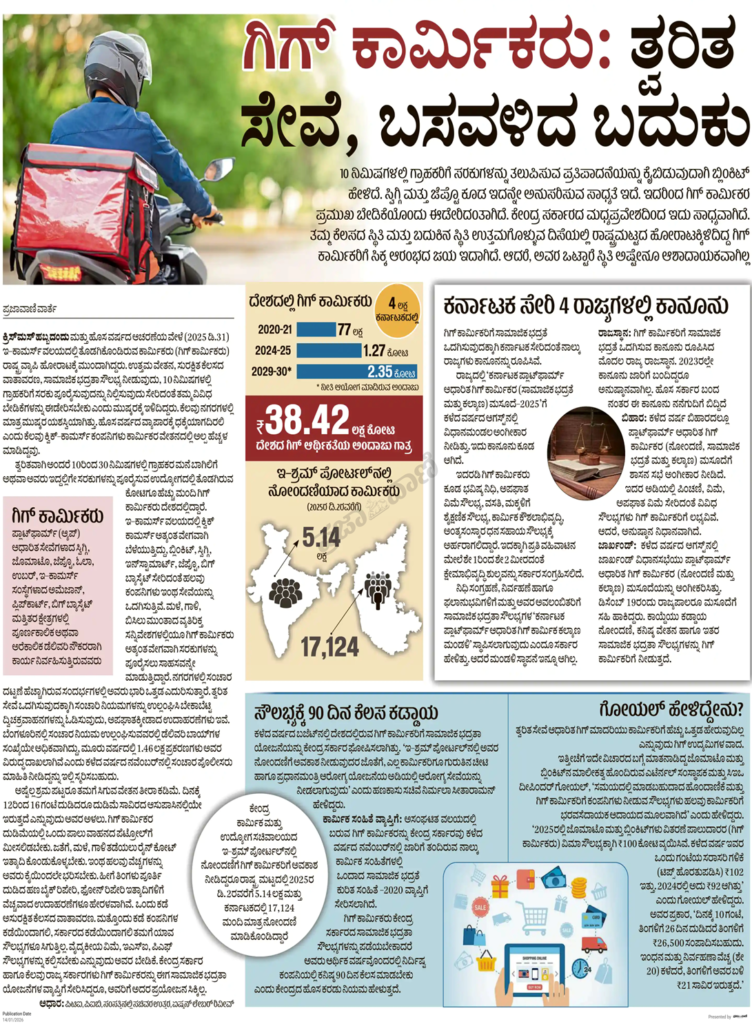
ಆದoಪುರ ವಿಮಾನ ನಿಲ್ದಾಣಕ್ಕೆ ರವಿದಾಸ್ ಹೆಸರಿಡಲಾಗಿದೆ
Context: Kuki-Zo tribal groups said that they had resolved to join the popular government in Manipur, provided the Union and the State governments give a written commitment to support the negotiated political settlement for a Union Territory with legislature under the Constitution.
Source: The Hindu
Context: The Indian Space Research Organisation (ISRO)’s PSLV-C62 mission carrying the EOS-N1 earth observation satellite and 15 co-passenger satellites failed to finish its intended trajectory after an anomaly was detected during the end of the third stage of the launch vehicle, resulting in the loss of the satellites and prompting a detailed analysis.
The PSLV-C62 lifted off from the Satish Dhawan Space Centre in Sriharikota. The launch of the vehicle, which has four stages, went as expected till the third stage, but showed “disturbance in the vehicle roll rates” close to the end of the third stage, ISRO chairman.
“The performance of the vehicle up to the end of the third stage was as expected. Close to the end of the third stage, we saw some disturbance in the vehicle roll rates, and subsequently, there is a deviation observed in the flight path. We are analysing the data, and we shall come back at the earliest,” Mr. Narayanan said.
Recent outcome is seen as a big setback for the space agency as the PSLV, its workhorse rocket, has suffered back-to-back failures now.
On May 18, 2025, ISRO’s attempted launch of the EOS-09 satellite aboard the PSLV-C61 mission could not be completed, also due to an anomaly in the third stage of the rocket. The EOS-N1 earth observation satellite is said to be built for strategic purposes.
The financial burden for the satellites lost in the failed PSLV-C62 mission falls on different parties, depending on the nature of the satellite. In the space industry, there is no single payer for a failed mission; instead, the loss is absorbed by a mix of state funding and insurance claims. Governments typically do not purchase commercial insurance for their own strategic or military satellites because the premiums are very high. In the present instance, the direct financial loss of the EOS-N1 satellite, developed by DRDO, will be borne by the State, and DRDO may have to seek fresh budgetary approval to build a replacement.
The co-passenger satellites from private enterprises, including Indian startups and international entities, would have purchased policies that pay out a lump sum in the event of a ‘total loss’ during the launch phase. If a specific entity didn’t purchase insurance, that company must absorb the total loss itself.
NewSpace India Limited (NSIL), ISRO’s commercial arm, is likely to have had contracts with the private customers. While NSIL generally doesn’t pay for the satellite itself, the contract might include a re-flight guarantee or a refund of the launch fee if the mission fails.
What do two PSLV mission failures in a row mean for ISRO?
On May 18, 2025, the Indian Space Research Organisation (ISRO) suffered a rare failure with its PSLV-C61 mission. The PSLV rocket has long been considered the agency’s “workhorse” due to its history of reliable launches. However, on January 12, the PSLV-C62 mission also failed. Indian Space Research Organisation Chairman V. Narayanan confirmed that the rocket’s third stage (PS3) experienced an anomaly, marking two consecutive failures for the vehicle.
To understand the recent failure, it’s necessary to examine the C61 mission, whose primary payload was the EOS-09 satellite.
While the first two stages performed correctly, telemetry data showed a sudden, unexpected drop in chamber pressure within the third stage motor around 203 seconds into the flight. Because the PS3 is a solid-fuel motor, a pressure drop of this nature may indicate a serious structural failure, such as a casing breach or a nozzle blowout. Without the necessary pressure, the engine would not have been able to generate enough thrust.
Data withheld
Following the C61 incident, a Failure Analysis Committee (FAC) investigated the root cause. However, the FAC’s report submitted to the Prime Minister’s Office has not been released to the public.
The reasons are not clear. One possibility is to protect sensitive information about the payload; this said, it is also possible to release a technical failure report regarding the rocket while redacting sensitive information about any satellites.
Commercial protection is another possibility: ISRO is aggressively pushing the PSLV as a commercial product through NewSpace India, Ltd (NSIL). The PS3 motor is a technologically mature component that should not fail. If the failure was caused by simple negligence or a manufacturing defect, admitting this publicly could damage the rocket’s reputation and increase the cost of insuring its launches. Keeping the report classified may be a way to avoid admitting whether the issue was one bad batch of materials or a deeper lapse in quality assurance.
Reason for failure
Either way, the overall lack of transparency sets the context for the outcome of the PSLV-C62 mission. Once the third stage anomaly became clear, Mr. Narayanan stated that the mission failed due to a “roll rate disturbance”, meaning the rocket began spinning uncontrollably. The PS3 stage lacks its own roll control thrusters and instead banks on the stage above it, the fourth stage, to remain stable.
If the PS3 motor suffered a leak and vented gas from the side of the nozzle, it could create a twisting force strong enough to overpower the fourth stage stabilisers.
That the third stage motor was affected in both missions suggests the two modes of failure could be related. By keeping the PSLV-C61 investigation internal, the ISRO and the Department of Space avoided external scrutiny of the organisation’s “return to flight” criterion.
If independent experts had been able to review the initial findings, they may have been able to verify the quality of the fixes ISRO implemented before the second launch.
But the agency launched again eight months later and faced the same result.
Troubling repeat
ISRO must begin rebuilding quality assurance protocols
On January 12, as the PSLV-C62 mission rose from Sriharikota into the morning sky and its third stage kicked on, the live telecast abruptly stopped showing the rocket’s performance and trajectory. As it became evident that its third stage had suffered an anomaly, putting paid to the C62 mission in a manner similar to the PSLV-C61 mission in May 2025, the change in the telecast became more familiar. For decades, the PSLV has been the ‘workhorse’ of India’s space ambitions. Together with the rocket’s technology being mature, the implication is that the mistakes that sank two PSLV launches could be on the quality assurance side. At least, these are not likely to be isolated anomalies. The C61 mission failed after its third stage lost chamber pressure, but rather than publicly reveal the diagnosed root cause, the decision was to leave the Failure Analysis Committee (FAC) report with the Prime Minister’s Office. ISRO provided assurances of “structural reinforcements” and cleared the PSLV for its next flight. The symptom of the C62 failure, a “roll rate disturbance”, parallels the events preceding the C61 failure. The financial consequences are poor: under the aegis of NewSpace India Limited, ISRO has been positioning the PSLV as a commercial product in a competitive global launch market. Now, international insurers operating in this market will reassess the PSLV’s risk profile and the insurance premiums could skyrocket, rendering the vehicle less affordable — a strategic embarrassment for a country aspiring to be a net provider in space.
The tenure of ISRO Chairman V. Narayanan has been characterised by a continued shift away from ISRO’s traditional culture of scientific openness toward a more guarded, bureaucratic posture. While the pressure to maintain a high launch cadence is understandable, his decision to move the C62 mission to the pad while the autopsy of its predecessor remains classified should raise tough questions about the organisation’s priorities. That the C62 mission also carried the EOS-N1 satellite, built by the DRDO and with unspecified strategic applications, could help explain a ‘rush’ if there was one. Fortunately for Mr. Narayanan, ISRO has also demonstrated the increasing reliability of its LVM-3 rocket in his time, most recently with the M6 mission in December 2025. But right now, ISRO’s and his best path to restoring confidence, and begin the painful work of rebuilding quality assurance protocols, is for the Department of Space to release the FAC report for the C61 mission. The tax-paying public and commercial stakeholders deserve to know what went wrong in 2025, whether it recurred in 2026, and why the third stage was affected again.
ಸುಡಾನ್ನ 5,000ಕ್ಕೂ ಹೆಚ್ಚು ಮಹಿಳೆಯರಿಗೆ ಸುರಕ್ಷಿತ ವಾತಾವರಣ ನಿರ್ಮಿಸಿದ ಹೆಗ್ಗಳಿಕೆ ಬೆಂಗಳೂರಿನ ಸ್ವಾತಿಗೆ ವಿಶ್ವಸಂಸ್ಥೆ ಪ್ರಶಸ್ತಿಯ ಗರಿ
ಸಂದರ್ಭ:ಬೆಂಗಳೂರಿನವರಾದ ಭಾರತೀಯ ಸೇನಾಧಿಕಾರಿ ಮೇಜರ್ ಸ್ವಾತಿ ಶಾಂತಕುಮಾರ್ ಅವರು ವಿಶ್ವಸಂಸ್ಥೆಯ ಪ್ರಧಾನ ಕಾರ್ಯದರ್ಶಿ ನೀಡುವ ‘ಲಿಂಗ ಸಮಾನತೆ ಪ್ರತಿಪಾದಕ ಪ್ರಶಸ್ತಿ-2025’ಕ್ಕೆ ಭಾಜನರಾಗಿದ್ದಾರೆ.
• ವಿವಿಧ ಕಾರ್ಯಾಚರಣೆಗಳ ಲ್ಲಿನ ಶ್ರೇಷ್ಠ ಸೇವೆಯನ್ನು ಗುರುತಿಸಿ ನೀಡುವ ಪ್ರಶಸ್ತಿಗಳನ್ನು ವಿಶ್ವಸಂಸ್ಥೆಯ ಪ್ರಧಾನ ಕಾರ್ಯದರ್ಶಿ ಆಂಟೊನಿಯೊ ಗುಟೆರೆಸ್ ಘೋಷಿಸಿದ್ದಾರೆ. ಸಂಘರ್ಷ ಪೀಡಿತ ದಕ್ಷಿಣ ಸುಡಾನ್ನಲ್ಲಿ ಮಹಿಳೆಯರ ರಕ್ಷಣೆ, ಸಮುದಾಯದ ನೆಮ್ಮದಿಗೆ ಕೈಗೊಂಡ ಸಂವೇದನಾಶೀಲ ಕ್ರಮಗಳಿಗಾಗಿ ಸ್ವಾತಿ ಅವರಿಗೆ ಪ್ರಶಸ್ತಿ ಒಲಿದಿದೆ. ‘ಸಮಾನ ಪಾಲುದಾರಿಕೆ ಶಾಶ್ವತ ಶಾಂತಿ’ ಎನ್ನುವುದು ಅವರ ‘ಧೈಯವಾಗಿದ್ದು, ಶಾಂತಿ ರಕ್ಷಣಾ ಕಾರ್ಯಾಚರಣೆಗಳ ಮುಂದಾಳತ್ವದಲ್ಲಿ ಲಿಂಗ ಸಮಾನತೆಗೆ ಒತ್ತು ನೀಡಿದ್ದಾರೆ.
• ವಿಶ್ವದಾದ್ಯಂತ ಇರುವ ಎಲ್ಲ ಶಾಂತಿ ರಕ್ಷಣಾ ಕಾರ್ಯಚರಣೆ ಹಾಗೂ ವಿಶ್ವ ಸಂಸ್ಥೆಗಳಿಂದ ಬಂದ ನಾಮನಿರ್ದೇಶನ-ಗಳಲ್ಲಿ ಸ್ವಾತಿ ಆಯ್ಕೆಯಾಗಿದ್ದಾರೆ. ನಾಲ್ಕು ಅಂತಿಮ ಸ್ಪರ್ಧಿಗಳ ನಡುವೆ ನಡೆದ ಮತದಾನದಲ್ಲಿ ಅತ್ಯಧಿಕ ಮತಗಳನ್ನು ಪಡೆದು ಈ ಗೌರವಕ್ಕೆ ಪಾತ್ರವಾಗಿದ್ದಾರೆ.
• ‘ವಿಶ್ವಸಂಸ್ಥೆಯ ಶಾಂತಿಪಾಲನಾ ಪಡೆಯಲ್ಲಿ ತು ಇವನ್ನು ಪರಿಣಾಮಕಾ ರಿಯಾಗಿ ಬಳಸಿಕೊಂಡು ಸೇನೆಯಲ್ಲೂ ಲಿಂಗಸಮಾನತೆಯನ್ನು ಬಲಗೊ ಳಿಸಿದ್ದಾರೆ. ಕಾರ್ಯಾಚರಣೆ ವೇಳೆ ತಳಮಟ್ಟದ ಸಂವಹನ ಮತ್ತು ಸೇನೆಯ ನಂಟನ್ನು ಮತ್ತಷ್ಟು ಗಟ್ಟಿ ಮಾಡಿದ್ದಾರೆ. ಚುರುಕಾದ ವಾಯುಗಸ್ತುಗಳ ಮೂಲಕ ತಮ್ಮ ಸಾಮರ್ಥ್ಯವನ್ನು ಸಾಬೀತು ಪಡಿಸಿದ್ದಾರೆ. ಇದರಿಂದ ಸುಡಾ ನ್ನ 5,000ಕ್ಕೂ ಹೆಚ್ಚು ಮಹಿಳೆಯ ರಿಗೆ ಸುರಕ್ಷಿತ ವಾತಾವರಣ ನಿರ್ಮಾಣ ವಾಗಿದೆ. ಅವರು ಗಳಿಸಿದ ಸಮುದಾಯದ ವಿಶ್ವಾಸ ವಿಶ್ವಸಂಸ್ಥೆಯ ಮುಂದಿನ ಕೆಲಸಗಳಿಗೂ ಪ್ರೇರಣೆಯಾ ಗಿದೆ’ ಎಂದು ಗುಟೆರೆಸ್ ಶ್ಲಾಪಿಸಿದ್ದಾರೆ.
• ಎಂಜಿನಿಯರಿಂಗ್ ಪದವೀಧರ ಸ್ವಾತಿ ಅವರು ಬೆಂಗಳೂರಿನ ಲಿಂಗರಾಜಪುರದ ನಿವಾಸಿ ಖಾಸಗಿ ಕಂಪನಿ ಉದ್ಯೋಗಿ ಆರ್. ಶಾಂತಕುಮಾರ್, ಸರ್ಕಾರಿ ಶಾಲೆ ಶಿಕ್ಷಕಿ ರಾಜಮಣಿ ದಂಪತಿ ಪುತ್ರಿ, ಎಂಟು ವರ್ಷಗಳಿಂದ ಭಾರತೀಯ ಸೇನೆಯಲ್ಲಿದ್ದು, ಒಂದೂವರೆ ವರ್ಷದಿಂದ ದಕ್ಷಿಣ ಸುಡಾನ್ನಲ್ಲಿ ವಿಶ್ವಸಂಸ್ಥೆಯ ಶಾಂತಿಪಾಲನಾ ಪಡೆಯಲ್ಲಿ ಸೇವಾನಿರತರಾಗಿದ್ದಾರೆ.
ಬೆಂಗಳೂರು ಓಪನ್ ಟೆನಿಸ್ ಟೂರ್ನಿ: ಸ್ಕೆಟೊವ್ ರನ್ನರ್ಸ್ ಅಪ್
ಅಗ್ರ ಶ್ರೇಯಾಂಕದ ಆಟಗಾರ ಪೆಟ್ರೊಮಾರ್ಟನೆಝ್ ಅವರು ಫೈನಲ್ನಲ್ಲಿ ನೇರ ಸೆಟ್ಗಳಿಂದ ಆರನೇ ಶ್ರೇಯಾಂಕದ ಆಟಗಾರ ಟಿಮೋಫಿ ಸೈಟೋವ್ ಅವರನ್ನು ಪ್ರಶಸ್ತಿ ಗೆದ್ದುಕೊಂಡರು.
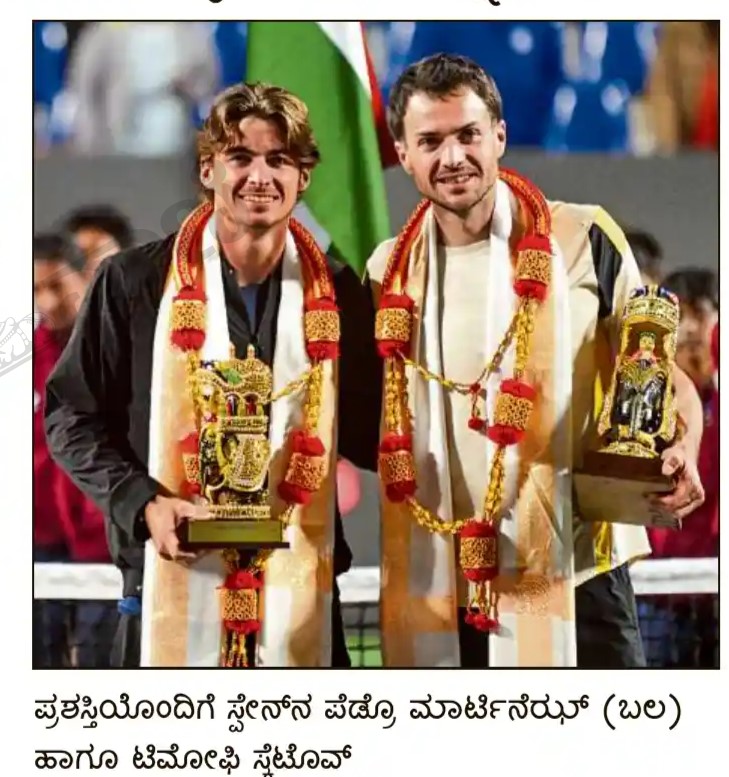
28 ವರ್ಷ ವಯಸ್ತಿನ, ಆರು ಅಡಿ ಎತ್ತರದ ಪೆಡೋ ಎಂದಿನಂತೆಯೇ ಎದುರಾಳಿಯ ಆಟದ ತಂತ್ರ ಗ್ರಹಿಸಿ ನಂತರ ತಮ್ಮ ಆಟಕ್ಕೆ ಕುದುರಿಕೊಂಡು ಮೇಲುಗೈ ಸಾಧಿಸಿದರು. ಇದು ಅವರಿಗೆ ಎಂಟನೇ ಎಟಿಪಿ ಚಾಲೆಂಜರ್ ಪ್ರಶಸ್ತಿ.
ನಿಕೋಲಸ್ ಕಿಟ್ಟಿಗೆ ಪ್ರಶಸ್ತಿ: ಕೊಲಂಬಿಯಾ ನಿಕೋಲಸ್ ಬೆರಿಂಟೋಸ್ ಅಮೆರಿಕದ ಬೆಂಜಮಿನ್ ಕಿಟ್ಟೆ ಜೋಡಿ 76 (11-9), 75 ರಿಂದ ಫ್ರಾನ್ಸ್ನ ಲುಕಾ ಸ್ಕಾಂಚೆಝ್ ಅರ್ಥರ್ ರೇಮಂಡ್ ಜೋಡಿಯನ್ನು ಸೋಲಿಸಿ ಪುರುಷರ ಡಬಲ್ಸ್ ಪ್ರಶಸ್ತಿ ಗೆದ್ದುಕೊಂಡಿತು.
CA ias kas
ರಾಜ್ಯ ಸರ್ಕಾರಗಳ ಖಾತೆಗಳನ್ನು ಲೆಕ್ಕಪರಿಶೋಧಿಸುವಲ್ಲಿ ಸಿಎಜಿಯ ಅಧಿಕಾರಗಳ ಬಗ್ಗೆ ಚರ್ಚಿಸಿ?