The Regional Comprehensive Economic Partnership (RCEP) is the world’s largest trade bloc, covering nearly 30% of global GDP and population. India’s decision in November 2019 to stay out of RCEP was widely debated, with critics arguing that India was missing a major opportunity for Asia-Pacific integration.
However, more than six years later, India appears to have crafted a strategic alternative — securing most benefits of RCEP without incurring its biggest risk: a full-fledged Free Trade Agreement (FTA) with China. The conclusion of the India–New Zealand Free Trade Agreement (FTA) on December 22, 2025, marks a key milestone in this strategy.
What is RCEP?
RCEP includes:
10 ASEAN countries: Brunei, Cambodia, Indonesia, Laos, Malaysia, Myanmar, Philippines, Singapore, Thailand, Vietnam
Plus Australia, China, Japan, South Korea, and New Zealand
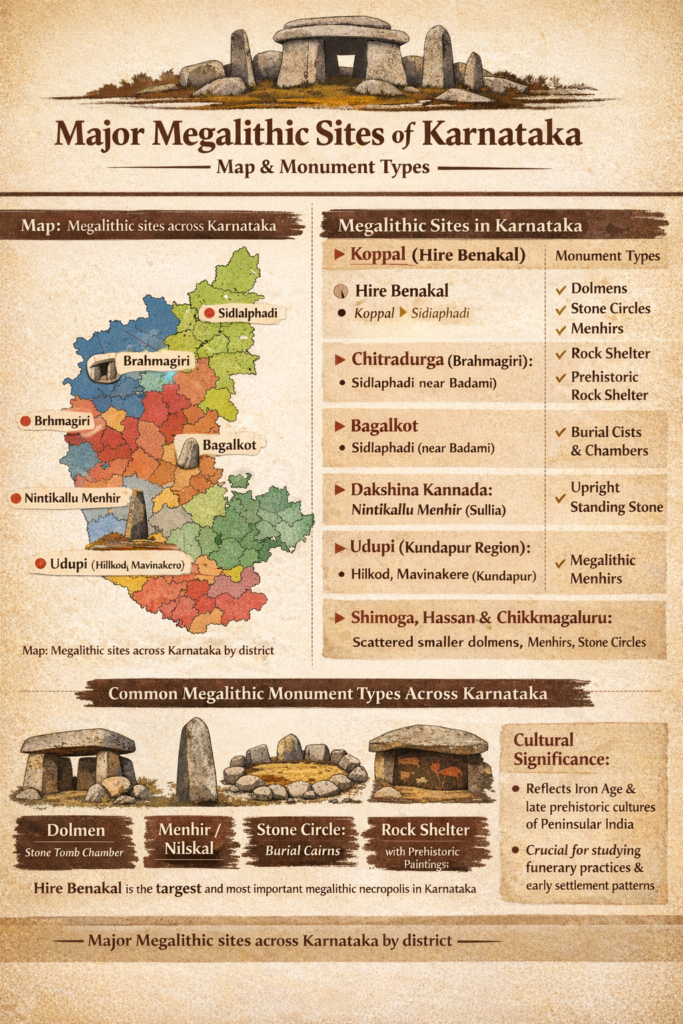
ಮೆಗಾಲಿಥಿಕ್ ಸಂಸ್ಕೃತಿ ಎಂದರೆ ದೊಡ್ಡ ಕಲ್ಲುಗಳನ್ನು ಬಳಸಿ ನಿರ್ಮಿಸಲಾದ ಸಮಾಧಿ ಅಥವಾ ಸ್ಮಾರಕ ರಚನೆಗಳು. ಭಾರತದಲ್ಲಿ ಈ ಸಂಸ್ಕೃತಿ ಮುಖ್ಯವಾಗಿ ಕ್ರಿ.ಪೂ. 1000 ರಿಂದ ಕ್ರಿ.ಶ. 300ರವರೆಗೆ ವ್ಯಾಪಿಸಿದೆ.ಕರ್ನಾಟಕವು ದಕ್ಷಿಣ ಭಾರತದ ಪ್ರಮುಖ ಮೆಗಾಲಿಥಿಕ್ ಕೇಂದ್ರವಾಗಿದ್ದು, ಇಲ್ಲಿ ಡೋಲ್ಮೆನ್, ಮೆನ್ಹಿರ್, ಕಲ್ಲು ವೃತ್ತಗಳು, ಸಿಸ್ಟ್ ಸಮಾಧಿಗಳು ವ್ಯಾಪಕವಾಗಿ ಕಂಡುಬರುತ್ತವೆ.
1️⃣ ಹಿರೇಬೆಣಕಲ್ (Hire Benakal) – ಕೊಪ್ಪಳ ಜಿಲ್ಲೆಕರ್ನಾಟಕದಷ್ಟೇ ಅಲ್ಲ, ಭಾರತದ ಅತಿದೊಡ್ಡ ಮೆಗಾಲಿಥಿಕ್ ನೆಕ್ರೋಪೊಲಿಸ್ (ಸಮಾಧಿ ಪ್ರದೇಶ).ಸುಮಾರು 400–1000ಕ್ಕೂ ಹೆಚ್ಚು ಮೆಗಾಲಿಥಿಕ್ ರಚನೆಗಳು ಇಲ್ಲಿ ಕಂಡುಬರುತ್ತವೆ.ಡೋಲ್ಮೆನ್ಗಳು, ಕಲ್ಲು ವೃತ್ತಗಳು, ಮೆನ್ಹಿರ್ಗಳು, ಪೋರ್ಟಲ್ ಹೊಲ್ಡ್ ಸಿಸ್ಟ್ಗಳು ಪ್ರಮುಖವಾಗಿವೆ.ಶಿಲಾಶ್ರಯ ಚಿತ್ರಕಲೆ (Rock Shelter Paintings) ಸಹ ಲಭ್ಯ.ಯುನೆಸ್ಕೋ ವಿಶ್ವ ಪರಂಪರೆ ತಾತ್ಕಾಲಿಕ ಪಟ್ಟಿಯಲ್ಲಿ ಸೇರಿಸಲಾಗಿದೆ.
2️⃣ ಬ್ರಹ್ಮಗಿರಿ – ಚಿತ್ರದುರ್ಗ ಜಿಲ್ಲೆಕರ್ನಾಟಕದ ಪ್ರಮುಖ ಪುರಾತತ್ವ ತಾಣ.ನಿಯೋಲಿಥಿಕ್ → ಮೆಗಾಲಿಥಿಕ್ → ಐತಿಹಾಸಿಕ ಹಂತಗಳ ನಿರಂತರ ಸಾಕ್ಷ್ಯ.ಸಿಸ್ಟ್ ಸಮಾಧಿಗಳು, ಡೋಲ್ಮೆನ್ಗಳು ಇಲ್ಲಿ ಕಂಡುಬರುತ್ತವೆ.ಕಬ್ಬಿಣದ ಉಪಕರಣಗಳು, ಮಣ್ಣಿನ ಪಾತ್ರೆಗಳು ಪತ್ತೆಯಾಗಿವೆ.
3️⃣ ಸಿದ್ಲಫಡಿ ಶಿಲಾಶ್ರಯ – ಬಾಗಲಕೋಟೆ ಜಿಲ್ಲೆ (ಬಾದಾಮಿ ಸಮೀಪ)ಪ್ರಕೃತಿಯಿಂದ ನಿರ್ಮಿತ ಶಿಲಾ ಸೇತು (Rock Arch).ನೇರವಾಗಿ ಸಮಾಧಿ ತಾಣವಲ್ಲದಿದ್ದರೂ,ಪೂರ್ವೈತಿಹಾಸಿಕ ಮಾನವ ವಾಸದ ಸಾಕ್ಷ್ಯಮೆಗಾಲಿಥಿಕ್ ಸಂಸ್ಕೃತಿಯ ಹಿನ್ನೆಲೆಯನ್ನು ತಿಳಿಯಲು ಪ್ರಮುಖ.ಉತ್ತರ ಕರ್ನಾಟಕದ ಪುರಾತನ ಜೀವನಶೈಲಿಗೆ ಮಹತ್ವದ ಮೂಲ.
4️⃣ ನಿಂಟಿಕಲ್ಲು ಮೆನ್ಹಿರ್ – ದಕ್ಷಿಣ ಕನ್ನಡ ಜಿಲ್ಲೆ (ಸುಳ್ಯ ತಾಲ್ಲೂಕು)ಏಕಶಿಲೆಯಿಂದ ನಿರ್ಮಿತ ನಿಂತ ಕಲ್ಲು (Menhir).ಕರಾವಳಿ ಕರ್ನಾಟಕದಲ್ಲಿ ಪತ್ತೆಯಾದ ಅಪರೂಪದ ಮೆಗಾಲಿಥಿಕ್ ಸ್ಮಾರಕ.ಸಾಮಾನ್ಯವಾಗಿ ಸ್ಮಾರಕ ಅಥವಾ ಸಮಾಧಿ ಗುರುತು ಎಂದು ಪರಿಗಣನೆ.
5️⃣ ಉಡುಪಿ – ಕುಂದಾಪುರ ಪ್ರದೇಶಹಿಲ್ಕೋಡ್, ಮಾವಿನಕೆರೆಯಂತಹ ಗ್ರಾಮಗಳಲ್ಲಿ ಮೆಗಾಲಿಥಿಕ್ ಮೆನ್ಹಿರ್ಗಳು (Nilskals) ಪತ್ತೆ.ಇವುಗಳು ಸಮಾಧಿ ಅಥವಾ ಸ್ಮರಣಾರ್ಥ ಕಲ್ಲುಗಳು ಎಂದು ನಂಬಲಾಗುತ್ತದೆ.ಕರಾವಳಿ ಪ್ರದೇಶದಲ್ಲಿನ ಮೆಗಾಲಿಥಿಕ್ ವಿಸ್ತಾರವನ್ನು ಸೂಚಿಸುತ್ತವೆ.
6️⃣ ಶಿವಮೊಗ್ಗ, ಹಾಸನ ಮತ್ತು ಚಿಕ್ಕಮಗಳೂರು ಜಿಲ್ಲೆಗಳು ವಿವಿಧ ಸಣ್ಣ ತಾಣಗಳಲ್ಲಿ:ಡೋಲ್ಮೆನ್ಗಳು ಮೆನ್ಹಿರ್ಗಳು ಕಲ್ಲು ವೃತ್ತಗಳು ಪಶ್ಚಿಮ ಘಟ್ಟ ಪ್ರದೇಶದಲ್ಲಿಯೂ ಮೆಗಾಲಿಥಿಕ್ ಸಂಸ್ಕೃತಿ ವ್ಯಾಪಕವಾಗಿದ್ದುದಕ್ಕೆ ಸಾಕ್ಷ್ಯ.
ಕರ್ನಾಟಕದಲ್ಲಿ ಕಂಡುಬರುವ ಮೆಗಾಲಿಥಿಕ್ ರಚನೆಗಳ ವಿಧಗಳು
ಡೋಲ್ಮೆನ್ (Dolmen):ಸಮಾಧಿಗಾಗಿ ನಿರ್ಮಿಸಿದ ಕಲ್ಲಿನ ಕೋಣೆ.
ಮೆನ್ಹಿರ್ / ನಿಂತ ಕಲ್ಲು (Menhir / Nilskal):ಒಂಟಿ ನಿಂತ ಕಲ್ಲು – ಸ್ಮಾರಕ ಅಥವಾ ಸಮಾಧಿ ಗುರುತು.
ಕಲ್ಲು ವೃತ್ತಗಳು (Stone Circles):ಸಮಾಧಿಯನ್ನು ಸುತ್ತುವರಿದ ಕಲ್ಲುಗಳ ವೃತ್ತ.
ಸಿಸ್ಟ್ ಸಮಾಧಿಗಳು (Cist Burials):ಕಲ್ಲಿನ ಪೆಟ್ಟಿಗೆ ಮಾದರಿಯ ಸಮಾಧಿ.ಶಿಲಾಶ್ರಯ ಚಿತ್ರಕಲೆ:ಪುರಾತನ ಮಾನವನ ಕಲಾ ಅಭಿವ್ಯಕ್ತಿ.
ಮಹತ್ವ
ಕರ್ನಾಟಕದ ಮೆಗಾಲಿಥಿಕ್ ತಾಣಗಳು ಕಬ್ಬಿಣ ಯುಗದ (Iron Age) ಸಮಾಜವನ್ನು ಅರ್ಥಮಾಡಿಕೊಳ್ಳಲು ಪ್ರಮುಖ.
ಪುರಾತನರ ಸಮಾಧಿ ಪದ್ಧತಿ, ಸಾಮಾಜಿಕ ರಚನೆ, ಧಾರ್ಮಿಕ ನಂಬಿಕೆಗಳು ಕುರಿತು ಮಾಹಿತಿಯನ್ನು ಒದಗಿಸುತ್ತವೆ.
One of the largest megalithic necropolises in India, dated ca. 800 BCE–200 BCE.
Contains hundreds to ~1000 megalithic structures including dolmens, stone circles, cairns, menhirs, and burial chambers.
Features unique port-holed dolmenoid cists and rock shelters with paintings.
On the UNESCO tentative list for World Heritage status due to its archaeological and cultural significance.
2. Brahmagiri Archaeological Site – Chitradurga DistrictImportant prehistoric site with evidence of megalithic burials, stone cists, and circles.
Excavations revealed rectangular and circular burials with artefacts like pottery, beads, and iron tools.
The site shows a long sequence from Neolithic to Iron Age settlements
3. Sidlaphadi Rock Shelter – Near Badami, Bagalkot DistrictPrehistoric rock bridge and shelter, used by early humans; contains petroglyphs and evidence of prehistoric habitation.
Important for studying pre-megalithic and early cultural contexts in northern Karnataka.
4. Dolmen & Menhir Sites Across KarnatakaThere are numerous scattered dolmens and menhirs (standing stones), especially in the southern and western parts of the state:
🌍 Dolmen ClustersKallur Naganahalli (Mysuru District) – ancient stone dolmens used as tombs.
Arasinaguppe (Chikkamagaluru), Chikkajala (Bangalore Urban), Hejjala (Ramanagara), Hunkunda (Kolar), and Palli (Udupi) are known dolmen locations.
Savandurga (Ramanagara) and other rock-strewn areas also show prehistoric dolmen remains.
Menhirs / Standing Stone SitesKundapur region (Udupi District) has recently reported several megalithic menhirs (Nilskals) believed to be memorial stones near burial sites.
Nintikallu Menhir discovered in Sullia (Dakshina Kannada) is another recorded find.
5. Other Prehistoric / Megalith-Associated SitesWhile not always classic burial megaliths, several prehistoric sites in Karnataka have long burial or stone traditions:Hagaratgi, Rajan Kollur, Byse, Anegundi, Khyad – Various stone alignments, circles, and burial remains across the state (reported in regional surveys).
Prehistoric artefacts (pots, tools) found at places such as Haveri District (Balambeed) tie in with ancient human activity.
Megalithic Features (Common across Karnataka sites)
✅ Dolmens – Stone tombs typically with a capstone supported by upright stones.
✅ Menhirs / Nilskals – Single upright stones marking burial or ritual spots. The Times of India
✅ Stone Circles & Cairns – Circular arrangements of stones and burial mounds.
✅ Rock Shelters & Petroglyphs – Early evidence of human habitation and culture at sites like Sidlaphadi.
✅ Artifacts – Iron Age tools, pottery, beads, and ash remnants associated with burials.
Importance
These sites reflect Iron Age and late prehistoric cultures in peninsular India.
Karnataka’s megaliths are crucial for understanding funerary practices, social structures, and early human settlement patterns in the Deccan region.