No reduction in States’ share in tax devolution, FM asserts in Lok Sabha
Context: Minister counters Opposition, says that resources that will be transferred to the States is estimated at ₹25.44 lakh crore; Constitution gives Centre authority to collect cesses and surcharges, she adds
Union Finance Minister Nirmala Sitharaman on Wednesday dismissed allegations by Opposition members that the Centre was not transferring 41% of the divisible pool of taxes to the States, as mandated by the 15th Finance Commission, asserting that the required transfers were made every year.
The 15th Finance Commission had recommended that for 2020 to 2026, the Centre should transfer 41% of its divisible pool of taxes to the States, which the Centre had accepted.
“Often, we are accused of not transferring the 41% that the 15th Finance Commission has recommended,” Ms. Sitharaman said in the Lok Sabha, during her reply to the debate on the Union Budget.
“I assure you, it is 41% that we have transferred to the States. We have not reduced any State’s devolvable tax,” she said.
The Union Finance Minister said the total resources to be transferred to the States, including the devolution and under Centrally sponsored schemes, was estimated at ₹25.44 lakh crore for 2026-27.
“This entails an increase of ₹2.7 lakh crore over 2025-26 and is ₹3.78 lakh crore more than the actuals of 2024-25,” she said.
“The 16th Finance Commission analysed the States’ share transferred by the Centre to the States from 2018-19 to 2022-23 and concluded that in each of these years, the devolution made by the Centre exactly matches the recommendation of the 15th Finance Commission,” Ms. Sitharaman added.
Devolution pool
She said that it was the Comptroller and Auditor-General (CAG) that audited the Centre’s finances and decided what the net proceeds of the Centre were, after subtracting from the gross tax receipts the cesses and surcharges collected by the Centre.
“Out of that, have we transferred 41% of the divisible pool, that is what should be looked at, not the gross tax revenue,” the senior BJP leader said. “The Constitution gives the Centre the authority to collect cesses and surcharges.”
The Finance Minister sought to counter charges levelled by Opposition members that the Centre was shrinking the divisible pool of taxes by focusing more on cesses and surcharges, which the States cannot gain from.
“The cesses and surcharges are collected for a particular purpose such as health cess, education cess, road cess,” Ms. Sitharaman said. “These do not benefit the Centre, they go to the States in terms of building schools, hospitals, roads in the States.”
Medium-term Budget
The Finance Minister explained why the Union Budget included several announcements that were aimed at the medium and long term.
“This Budget has been prepared as the first Budget in the second quarter of the 21st century,” she said.
“So, this Budget covers a lot of issues from 2026 to 2050. We are also starting the new five-year cycle of the new Finance Commission and therefore the estimates are largely on the recommendations of the 16th Finance Commission,” she said.
“By doing these [longer term announcements], which are leading us towards the medium and long term, we are also continuing our push in building infrastructure,” she said.
“It is not just roads and National highways, we are also looking at waterways so that the cost of logistics can come down and States that are in the hinterland will have the advantage of moving goods faster at a lesser cost,” she said.
Context: Bacteria can get into us, make us sick, and they can even kill us – but they give us our life too. Bonnie Bassler, renowned molecular biologist and professor of Princeton University, best known for her work in bacterial communication, described bacteria as “magical microbes” holding great promise in the fields of medicine, environment and agriculture.
“Bacteria can talk to each other and are multilingual, have so much to teach us about how collective behaviours evolved on earth,” said Prof. Bassler said at a lecture on Wednesday titled ‘A chemical language that enables communication between diverse organisms’. “It’s the bacteria in your gut that digests food and gives you those [nutrients].”
This phenomenon of bacterial communication, or “quorum sensing” could indeed be a game changer for medicine, by opening new avenues to develop anti-quorum sensing therapies instead of antibiotics. Several are “notorious bacterial characters,” she said, specifically citing the deadly cholera-causing Vibrio cholerae bacterium, and perspectives on treating the disease.
This bacterium is “the terrible cousin” to an obscure but brilliantly bioluminescent bacterium, the Vibrio fischeri that makes blue light and lives in a wonderful one-to-one symbiosis with a squid, she explained.
The large squids live in knee-deep water along the coast of Hawaii. And as it is a nocturnal animal, when scavenging under a bright moonlit sky, it needs a way to protect itself from predators that track the squid through their moving shadow. And this is where Vibrio fischeri glows under the squid, making it shadowless. We know that bacteria very early in life colonise us and they teach our immune system over time to keep harmful bacteria out and to let good bacteria in, she said, adding “We don’t know how they do it, but we know that the microbes are in charge of educating our immune system.”
“But there are no applications unless people, scientists make discoveries and work on mechanisms and work at the very basic part of how life on Earth manages to do what it does,” Prof. Bassler said.
Prof. Bassler said she was delighted that she was delivering her lecture on the International Day for Women and Girls in Science.
Tamil Brahmi inscriptions discovered in Egypt shed light on ancient trade links
Context: A path-breaking finding has shed new light on trade links between ancient Tamilagam, other parts of India, and the Roman Empire. Two researchers have identified close to 30 inscriptions in Tamil Brahmi, Prakrit and Sanskrit at tombs in the Valley of the Kings in Egypt. These inscriptions are said to belong to the period between the 1st and 3rd Centuries CE
The inscriptions were identified during a study in 2024 and 2025 by Charlotte Schmid, Professor at the French School of Asian Studies (EFEO) in Paris, and Ingo Strauch, Professor at the University of Lausanne in Switzerland. The team documented them across six tombs in the Theban Necropolis. They followed in the footsteps of French scholar Jules Baillet, who surveyed the Valley of the Kings in 1926 and published more than 2,000 Greek graffiti marks.
Presenting their findings in a paper titled “From the Valley of the Kings to India: Indian Inscriptions in Egypt” at the ongoing International Conference on Tamil Epigraphy, the scholars said the individuals who made these inscriptions came from the north-western, western and southern regions of the Indian subcontinent, with those from the latter forming the majority.
Visitors had left brief inscriptions and graffiti by carving their names on the walls of corridors and rooms, marking their presence in the tombs, the researchers said, adding that these sets of inscriptions appear inside the tombs alongside larger bodies of graffiti in other languages, primarily Greek.
Within such settings, the Indian visitors seem to have followed an existing practice of leaving their names inside the tombs, they said.
The name Cikai Korran (pronounced ‘Kotran’) appears repeatedly. It was inscribed eight times across five tombs. The name was found near entrances and high on interior walls among other graffiti marks. In one tomb, it appears at a height of about four metres at the entrance, Mr. Strauch said. “The name Cikai Korran is revealing, as its first element may be connected to the Sanskrit śikhā, meaning tuft or crown. While this is not a common personal name, the second element, korran, is more distinctly Tamil. It carries strong warlike associations, as it derives from a root, korram, meaning victory and slaying. This root is echoed in the Chera warrior goddess Korravai and the term korravan, meaning king,” Ms. Schmid said.
The name korran also came up in other finds in Egypt. It appears in Korrapumān, written on a sherd discovered at Berenike, a Red Sea port city, in 1995. The name also occurs in the Sangam corpus, where the Chera king Pittānkorran, praised in the Purananooru, is sometimes directly addressed as korran, the scholars pointed out, adding that these parallel attestations in inscriptions from Pugalur, the ancient Chera capital, dated back to the 2nd or 3rd century C.E.
Two other individuals also left their names in Tamil Brahmi in these tombs. One inscription reads Kopān varata kantan (Kopān came and saw). The name Kopān has also been found at Ammankovilpatti in Tamil Nadu. Other Tamil names identified include Cātan and Kiran. “When I first identified these inscriptions, I could not believe it. Because so many people have visited these tombs over the years and nobody has identified anything Indian. I asked Charlotte whether I was mistaken,” Mr. Strauch said.
K. Rajan, academic and research adviser, Tamil Nadu State Department of Archaeology, said the findings are significant as they shed light on the trade links between ancient Tamilagam from the Malabar Coast and the Roman Empire. He said that earlier work in Egypt had focused on the Red Sea port city of Berenike, where excavations were conducted for several years and attention has now moved to the Nile river valley.
Human rights body could function as RTI panel, moots SC
Context: The Supreme Court mooted whether the Chairpersons of Human Rights Commissions of States with low traffic of Right to Information (RTI) appeals could be given additional responsibility of acting as Chief Information Commissioners (CICs) till there is an increase in workload.
“Suppose it is just 100 appeals pending in a State Information Commission… Any institution you create is a burden on the public exchequer. Taxpayers’ money must be spent on development activities or something… Why not in such States, as an ad-hoc mechanism, the power of the Information Commissions be given to the State Human Rights Commissions?” Chief Justice of India Surya Kant, heading a three-judge Bench, asked advocates Prashant Bhushan and Rahul Gupta for the petitioners.
The court was hearing a petition filed by petitioners Anjali Bhardwaj, Commodore Lokesh Batra (retired) and Amrita Johri, seeking timely and transparent appointments to the Information Commissions under the RTI Act.
The Chief Justice said the “ad-hoc mechanism” could continue till the number of RTI appeals increases in “due course of time”.
MNS officers to be eligible for re-employment benefits
Context: The Union Government has notified the Ex-servicemen (Re-employment in Central Civil Services & Posts) Amendment Rules, 2026 under Article 309 of the Constitution, formally expanding the definition of ex-servicemen to include personnel of the Military Nursing Service (MNS).
The amendment revises Rule 2(c)(i) to explicitly cover those who have served in any rank — combatant or non-combatant — in the Regular Army, Navy or Air Force, as well as the Military Nursing Service of the Indian Union. The change removes a long-standing ambiguity over the eligibility of MNS officers, who are commissioned officers, for re-employment benefits available to other veterans.
MNS personnel are now entitled to the same re-employment provisions as other ex-servicemen.
Article 309 of the Constitution of India
👉 Provision relating to Recruitment and Conditions of Service of persons serving the Union or a State
Meaning and Scope
Article 309 provides that:
Parliament (for Union services) and State Legislatures (for State services) have the power to make laws regulating the recruitment and conditions of service of persons appointed to public services and posts.
Until such laws are enacted,
The President (for Union services) and
The Governor (for State services) may make rules regulating these matters.
Key Features
Covers service conditions such as recruitment, pay, promotion, transfer, disciplinary action, and retirement of government employees.
Rules made by the President or Governor under Article 309 have statutory force.
If Parliament or a State Legislature later enacts a law, that law will prevail over the rules.
In Brief
Article 309 forms the constitutional basis of civil services administration in India, ensuring a legal framework for governing the service conditions of government employees.
Context: Amended IT Rules call for disclosure of AI-generated synthetic media, and warn platforms of loss of safe harbour for non-compliance; changes notified by the govt. to take effect on February 20.
The Union government has notified amendments to the Information Technology Act, 2021, requiring photorealistic AI-generated content to be prominently labelled. The changes, which will come into force on February 20, also significantly shorten timelines for takedown of illegal material.
Under the new rules, social media platforms will now have between two and three hours to remove certain categories of unlawful content, a sharp reduction from the earlier 24-36 hours.
Content deemed illegal by a court or an “appropriate government” will have to be taken down within three hours, while sensitive content, featuring non-consensual nudity and deepfakes, must be removed within two hours.
The Information Technology (Intermediary Guidelines and Digital Media Ethics Code) Amendment Rules, 2026, defines synthetically generated content as “audio, visual or audio-visual information which is artificially or algorithmically created, generated, modified or altered using a computer resource, in a manner that such information appears to be real, authentic or true and depicts or portrays any individual or event in a manner that is, or is likely to be perceived as indistinguishable from a natural person or a real-world event.” The final definition is narrower than the one released in a draft version of these rules in October 2025. As with the existing IT Rules, failure to comply with the rules could result in loss of safe harbour, the legal principle that sites allowing users to post content cannot automatically be held liable in the same way as a publisher of a book or a periodical can.
The rules include a carve-out for touch-ups that smartphone cameras often perform automatically.
Platforms will be required to seek disclosures from users in case their content is AI-generated. If such a disclosure is not received for synthetically generated content, the official said, firms would either have to proactively label the content or take it down in cases of non-consensual deepfakes.
The amended rules mandate that AI-generated imagery be labelled “prominently”. While the draft version specified that 10% of any imagery would have to be covered with such a disclosure, platforms have been given some more leeway, the official said, since they pushed back on such a specific mandate.
Safe harbour
“Provided that where [a social media] intermediary becomes aware, or it is otherwise established, that the intermediary knowingly permitted, promoted, or failed to act upon such synthetically generated information in contravention of these rules, such intermediary shall be deemed to have failed to exercise due diligence under this sub-rule,” the rules say, hinting at a loss of safe harbour.
The rules also partially roll back an amendment notified in October 2025, which had limited each State to designating a single officer authorised to issue takedown orders. States may now notify more than one such officer— an “administrative” measure to address the need of States with large populations, the official said.
(3) ಸಾಹಸಭೀಮ ವಿಜಯ, ಆದಿಪುರಾಣ, ರಾಮಚಂದ್ರ ಚರಿತ ಪುರಾಣ, ಕವಿರಾಜ ಮಾರ್ಗ
(4) ಕವಿರಾಜ ಮಾರ್ಗ, ಆದಿಪುರಾಣ, ಸಾಹಸಭೀಮ ವಿಜಯ. ರಾಮಚಂದ್ರ ಚರಿತ ಪುರಾಣ
ಸರಿಯಾದ ಉತ್ತರ: (4) ಕವಿರಾಜ ಮಾರ್ಗ → ಆದಿಪುರಾಣ → ಸಾಹಸಭೀಮ ವಿಜಯ → ರಾಮಚಂದ್ರ ಚರಿತ ಪುರಾಣ
ಕವಿರಾಜ ಮಾರ್ಗ – 9ನೇ ಶತಮಾನ (ಅಮೋಘವರ್ಷ ನೃಪತುಂಗನ ಕಾಲ)
ಆದಿಪುರಾಣ – 10ನೇ ಶತಮಾನ (ಆದಿಕವಿ ಪಂಪ)
ಸಾಹಸಭೀಮ ವಿಜಯ – 10ನೇ ಶತಮಾನ (ಪಂಪ)
ರಾಮಚಂದ್ರ ಚರಿತ ಪುರಾಣ – 12ನೇ ಶತಮಾನ (ನಾಗಚಂದ್ರ)
2. ಕನ್ನಡ ವಿಶ್ವವಿದ್ಯಾಲಯವು ಸಿದ್ಧಪಡಿಸಿರುವ ಕುವೆಂಪು ತಂತ್ರಾಂಶಕ್ಕೆ ಸಂಬಂಧಿಸಿದಂತ ಗುಂಪಿಗೆ ಸೇರದಿರುವ ಹೇಳಿಕೆಯನ್ನು/ಹೇಳಿಕೆಗಳನ್ನು ಗುರುತಿಸಿ.
a. ಇಪ್ಪತ್ತು ನಮೂನೆಯ ಕನ್ನಡ ಫಾಂಟ್ಗಳ ಸೌಲಭ್ಯವಿದೆ
b. ಹೇಮಾವತಿ, ನೇತ್ರಾವತಿ, ಶರಾವತಿ, ಕಾವೇರಿ ಎಂಬ ಕೀಲಿಮಣೆಗಳ ವಿನ್ಯಾಸವಿದೆ
c. ಕೆ.ಪಿ. ಪೂರ್ಣಚಂದ್ರ ತೇಜಸ್ವಿಯವರು ಈ ತಂತ್ರಾಂಶದ ರೂವಾರಿ
d. ಗ್ಲಿಫ್ ಹಾಗೂ ಕೀಲಿಮಣೆಯ ಶಿಷ್ಟತೆಗೆ ಅನುಗುಣವಾಗಿ ಈ ತಂತ್ರಾಂಶವಿಲ್ಲ
(1) ಹೇಳಿಕೆ – d
(2) ಹೇಳಿಕೆ – c, d
(3) ಹೇಳಿಕೆ – b, c, d
(4) ಹೇಳಿಕೆ – a, d
ಸರಿಯಾದ ಉತ್ತರ: (2) ಹೇಳಿಕೆ – c, d
ವಿವರಣೆ:
ಕುವೆಂಪು ತಂತ್ರಾಂಶ (Kannada University Software – Hampi) ಸಂಬಂಧಿಸಿದಂತೆ:
ಹೇಳಿಕೆಗಳ ಪರಿಶೀಲನೆ:
a. ಇಪ್ಪತ್ತು ನಮೂನೆಯ ಕನ್ನಡ ಫಾಂಟ್ಗಳ ಸೌಲಭ್ಯವಿದೆ-ಸರಿಯಾಗಿದೆ ಕುವೆಂಪು ತಂತ್ರಾಂಶದಲ್ಲಿ ವಿವಿಧ ಕನ್ನಡ ಫಾಂಟ್ಗಳ ಸೌಲಭ್ಯ ಇದೆ.
b. ಹೇಮಾವತಿ, ನೇತ್ರಾವತಿ, ಶರಾವತಿ, ಕಾವೇರಿ ಎಂಬ ಕೀಲಿಮಣೆಗಳ ವಿನ್ಯಾಸವಿದೆ -ಸರಿಯಾಗಿದೆ ಈ ಕೀಲಿಮಣೆ ವಿನ್ಯಾಸಗಳು ಕುವೆಂಪು ತಂತ್ರಾಂಶದ ಪ್ರಮುಖ ವೈಶಿಷ್ಟ್ಯ.
c. ಕೆ.ಪಿ. ಪೂರ್ಣಚಂದ್ರ ತೇಜಸ್ವಿಯವರು ಈ ತಂತ್ರಾಂಶದ ರೂವಾರಿ-ತಪ್ಪಾಗಿದೆ ಕುವೆಂಪು ತಂತ್ರಾಂಶವನ್ನು ಕನ್ನಡ ವಿಶ್ವವಿದ್ಯಾಲಯ, ಹಂಪಿ ಅಭಿವೃದ್ಧಿಪಡಿಸಿದೆ. ಕೆ.ಪಿ. ಪೂರ್ಣಚಂದ್ರ ತೇಜಸ್ವಿ ಅವರು ಇದರ ರೂವಾರಿ ಅಲ್ಲ.
d. ಗ್ಲಿಫ್ ಹಾಗೂ ಕೀಲಿಮಣೆಯ ಶಿಷ್ಟತೆಗೆ ಅನುಗುಣವಾಗಿ ಈ ತಂತ್ರಾಂಶವಿಲ್ಲ -ತಪ್ಪಾಗಿದೆ ಕುವೆಂಪು ತಂತ್ರಾಂಶ ಗ್ಲಿಫ್ ಹಾಗೂ ಕೀಲಿಮಣೆ ಶಿಷ್ಟತೆಗೆ ಅನುಗುಣವಾಗಿಯೇ ವಿನ್ಯಾಸಗೊಳಿಸಲಾಗಿದೆ.
ಆದ್ದರಿಂದ ತಪ್ಪಾದ ಹೇಳಿಕೆಗಳು: c ಮತ್ತು d
3. ಶ್ರವಣಬೆಳಗೊಳದ ಸಾ.ಶ. (ಕ್ರಿ.ಶ.) 1131 ರ ಶಾಸನದಲ್ಲಿ ಚಿತ್ರಿತವಾಗಿರುವ ಮಾಚಿಕಬ್ಬೆ ಯಾರು ?
(1) ವಿಷ್ಣುವರ್ಧನನ ತಾಯಿ
(2) ವಿಷ್ಣುವರ್ಧನನ ಮಡದಿ
(3) ವಿಷ್ಣುವರ್ಧನನ ಅತ್ತೆ
(4) ವಿಷ್ಣುವರ್ಧನನ ಸಹೋದರಿ
ಸರಿಯಾದ ಉತ್ತರ:(2) ವಿಷ್ಣುವರ್ಧನನ ಮಡದಿ ವಿವರಣೆ: ಶ್ರವಣಬೆಳಗೊಳದ ಸಾ.ಶ. 1131 (ಕ್ರಿ.ಶ. 1131) ರ ಶಾಸನದಲ್ಲಿ ಉಲ್ಲೇಖವಾಗಿರುವ ಮಾಚಿಕಬ್ಬೆ ಎಂದರೆ ಹೊಯ್ಸಳ ರಾಜ ವಿಷ್ಣುವರ್ಧನನ ಪತ್ನಿ (ಮಡದಿ) ಅವಳು ಧಾರ್ಮಿಕ ಹಾಗೂ ದಾನಧರ್ಮ ಕಾರ್ಯಗಳಲ್ಲಿ ಪ್ರಮುಖ ಪಾತ್ರವಹಿಸಿದ್ದಾಳೆ ಎಂದು ಶಾಸನಗಳಲ್ಲಿ ಉಲ್ಲೇಖ ಸಿಗುತ್ತದೆ. ಶ್ರವಣಬೆಳಗೊಳದ ಜೈನ ಧಾರ್ಮಿಕ ಪರಂಪರೆಯಲ್ಲಿಯೂ ಅವಳ ಹೆಸರು ಕಾಣಿಸಿಕೊಳ್ಳುತ್ತದೆ.
4. ಆಶೀರ್ವಾದ, ಅಪ್ಪಣೆ, ಆಜ್ಞೆ, ಹಾರೈಕೆ ಇವುಗಳಿಗೆ ಅಖ್ಯಾತ ಪ್ರತ್ಯಯಗಳು ಸೇರಿ ಯಾವ ಪ್ರಕಾರದ ಕ್ರಿಯಾಪದಗಳು ಎನಿಸಿಕೊಳ್ಳುತ್ತವೆ ?
(1) ಕಾಲಾರ್ಥಕ
(2) ಸಂಭವನಾರ್ಥಕ
(3) ವಿಧ್ಯರ್ಥಕ
(4) ನಿಷೇಧಾರ್ಧಕ
ಸರಿಯಾದ ಉತ್ತರ:(3) ವಿಧ್ಯರ್ಥಕ ವಿವರಣೆ: ಆಶೀರ್ವಾದ, ಅಪ್ಪಣೆ, ಆಜ್ಞೆ, ಹಾರೈಕೆ ಇತ್ಯಾದಿ ಅರ್ಥಗಳನ್ನು ಸೂಚಿಸುವ ಕ್ರಿಯಾಪದಗಳಿಗೆ ಅಖ್ಯಾತ ಪ್ರತ್ಯಯಗಳು ಸೇರಿದಾಗ -ಅವು ವಿಧ್ಯರ್ಥಕ ಕ್ರಿಯಾಪದಗಳು ಎನಿಸಿಕೊಳ್ಳುತ್ತವೆ. ಕಾರಣ: ವಿಧ್ಯರ್ಥಕ ಕ್ರಿಯಾಪದಗಳು ಎಂದರೆ: ಆದೇಶ (ಆಜ್ಞೆ) ಅನುಮತಿ (ಅಪ್ಪಣೆ) ಆಶೀರ್ವಾದ ಹಾರೈಕೆ ವಿನಂತಿ ಇತ್ಯಾದಿ ವಿಧಿ / ಸೂಚನೆ / ಆದೇಶಾರ್ಥವನ್ನು ಸೂಚಿಸುವ ಕ್ರಿಯೆಗಳು.
ಆಯ್ಕೆಗಳ ಅರ್ಥ:
ಕಾಲಾರ್ಥಕ ❌→ ಕಾಲ ಸೂಚನೆ (ಭೂತ, ವರ್ತಮಾನ, ಭವಿಷ್ಯ)
ಸಂಭವನಾರ್ಥಕ ❌ → ಸಾಧ್ಯತೆ / ಸಂಭವನೀಯತೆ
ವಿಧ್ಯರ್ಥಕ ✅ → ಆದೇಶ, ಆಶೀರ್ವಾದ, ಹಾರೈಕೆ, ಅಪ್ಪಣೆ
ನಿಷೇಧಾರ್ಥಕ ❌ → ನಿಷೇಧ / ತಡೆಯಾರ್ಥ
5. ಹೊಂದಿಸಿ ಬರೆಯಿರಿ :
ಪಟ್ಟಿ I ಪಟ್ಟಿ II
a.ಗ್ರೀಕ್ i.ರೈತ, ಕಾಗದ
b.ಪೋರ್ಚುಗೀಸ್ ii.ದಿನಾರ್, ದ್ರಮ್ಮ
c.ಅರೇಬಿಕ್ iii.ಇನಾಮು, ಗಿರಾಕಿ
d.ಹಿಂದೂಸ್ತಾನಿ iv. ಮೇಜು, ಪಾದ್ರಿ
(1) a-iv, b-iii, c-i, d-ii
(2) a-iii, b-iv, c-ii, d-i
(3) a-ii, b-iv, c-iii, d-i
(4) a-ii, b-i, c-iv, d-iii
ಸರಿಯಾದ ಉತ್ತರ:(3) a-ii, b-iv, c-iii, d-i
ವಿವರಣೆ: ಪಟ್ಟಿ – I → ಪಟ್ಟಿ – II
a. ಗ್ರೀಕ್ → ii. ದಿನಾರ್, ದ್ರಮ್ಮ ದಿನಾರ್ (Dinar), ದ್ರಮ್ಮ (Drachma) — ಗ್ರೀಕ್/ಪ್ರಾಚೀನ ಗ್ರೀಕ್ ಮೂಲದ ಪದಗಳು.
b. ಪೋರ್ಚುಗೀಸ್ → iv. ಮೇಜು, ಪಾದ್ರಿ ಮೇಜು (Mesa), ಪಾದ್ರಿ (Padre) — ಪೋರ್ಚುಗೀಸ್ ಭಾಷೆಯಿಂದ ಕನ್ನಡಕ್ಕೆ ಬಂದ ಪದಗಳು.
c. ಅರೇಬಿಕ್ → iii. ಇನಾಮು, ಗಿರಾಕಿ ಇನಾಮು, ಗಿರಾಕಿ — ಅರೇಬಿಕ್ ಮೂಲದ ಪದಗಳು.
d. ಹಿಂದೂಸ್ತಾನಿ → i. ರೈತ, ಕಾಗದ ರೈತ, ಕಾಗದ — ಹಿಂದೂಸ್ತಾನಿ (ಉರ್ದು/ಹಿಂದಿ ಪ್ರಭಾವ) ಮೂಲದ ಪದಗಳು.
6. ‘ಆತನ ದೆಸೆಯಿಂದ ಕೇಡಾಯಿತು’ ‘ಆತನಿಂದ ಶೇಡಾಯಿತು’ ಎರಡೂ ವಾಕ್ಯಗಳನ್ನು ಗಮನಿಸಿ, ಕೊಟ್ಟಿರುವ ಯಾವ ಆಯ್ಕೆಯಂತ ವಿಭಕ್ತಿ ಪಲ್ಲಟವಾಗಿದೆಯೆಂದು ಗುರುತಿಸಿ.
(1) ಷಷ್ಠಿ ಅರ್ಥದಲ್ಲಿ ಚತುರ್ಥೀ ವಿಭಕ್ತಿ ಪಲ್ಲಟ
(2) ಪಂಚಮೀ ಅರ್ಥದಲ್ಲಿ ತೃತೀಯಾ ವಿಭಕ್ತಿ ಪಲ್ಲಟ
(3) ಪಂಚಮೀ ಅರ್ಥದಲ್ಲಿ ಚತುರ್ಥೀ ವಿಭಕ್ತಿ ಪಲ್ಲಟ
(4) ಪಂಚಮೀ ಅರ್ಧದಲ್ಲಿ ದ್ವಿತೀಯಾ ವಿಭಕ್ತಿ ಪಲ್ಲಟ
ಸರಿಯಾದ ಉತ್ತರ:(2) ಪಂಚಮೀ ಅರ್ಥದಲ್ಲಿ ತೃತೀಯಾ ವಿಭಕ್ತಿ ಪಲ್ಲಟ
ವಿವರಣೆ: ಕೊಟ್ಟಿರುವ ವಾಕ್ಯಗಳು: “ಆತನ ದೆಸೆಯಿಂದ ಕೇಡಾಯಿತು” “ಆತನಿಂದ ಕೇಡಾಯಿತು” ಇರಡೂ ವಾಕ್ಯಗಳ ಅರ್ಥ ಒಂದೇ –“ಅವನ ಕಾರಣದಿಂದ / ಅವನಿಂದ ಕೇಡು ಆಯಿತು” ಎಂಬರ್ಥ.
ವ್ಯಾಕರಣ ವಿಶ್ಲೇಷಣೆ: ಪಂಚಮೀ ವಿಭಕ್ತಿ → ಕಾರಣ / ಮೂಲ / ಮೂಲಸ್ಥಾನ ಸೂಚನೆ ಉದಾ: ಆತನಿಂದ, ಅವನಿಂದ (from, because of) ತೃತೀಯಾ ವಿಭಕ್ತಿ → ಸಾಧನ / ಕಾರಣ ಸೂಚನೆ ಉದಾ: ಆತನ ದೆಸೆಯಿಂದ (by means of, because of) ಇಲ್ಲಿ ಪಂಚಮೀ ಅರ್ಥ (ಕಾರಣಾರ್ಥ) ಅನ್ನು ತೃತೀಯಾ ವಿಭಕ್ತಿ ರೂಪ (ದೆಸೆಯಿಂದ) ಮೂಲಕ ವ್ಯಕ್ತಪಡಿಸಲಾಗಿದೆ. ಅದರರ್ಥ: ಪಂಚಮೀ ಅರ್ಥದಲ್ಲಿ ತೃತೀಯಾ ವಿಭಕ್ತಿ ಪಲ್ಲಟ
7. ತೀರಿಕೊಂಡವರನ್ನು ‘ಕೈಲಾಸವಾಸಿಯಾಗು’ ಎನ್ನುವುದನ್ನು ಭಾಷಿಕ ಬೆಳವಣಿಗೆಯ ಪರಿಭಾಷೆಯಲ್ಲಿ ಈ ಮುಂದಿನಂತೆ ಗುರುತಿಸುತ್ತಾರೆ.
(1) ಸೌಮ್ಮೋಕ್ತಿ
(2) ವ್ಯಂಗ್ಯಕ್ತಿ
(3) ವಕ್ರೋಕ್ತಿ
(4) ಸ್ವಭಾವೋಕ್ತಿ
ಸರಿಯಾದ ಉತ್ತರ:(1) ಸೌಮ್ಮೋಕ್ತಿ
ವಿವರಣೆ: “ತೀರಿಕೊಂಡವರನ್ನು ‘ಕೈಲಾಸವಾಸಿಯಾಗು’ ಎಂದು ಹೇಳುವುದು” ಅಂದರೆ —ಮರಣವನ್ನು ನೇರವಾಗಿ ಹೇಳದೆ, ಮೃದು, ಗೌರವಯುತ, ಸೌಮ್ಯ ಪದಗಳಲ್ಲಿ ವ್ಯಕ್ತಪಡಿಸುವುದು. ಇದನ್ನೇ ಭಾಷಿಕ ಬೆಳವಣಿಗೆಯ ಪರಿಭಾಷೆಯಲ್ಲಿ: ಸೌಮ್ಮೋಕ್ತಿ (Euphemism)ಎನ್ನುತ್ತಾರೆ.
ಪರಿಕಲ್ಪನೆಗಳ ಅರ್ಥ: ಸೌಮ್ಮೋಕ್ತಿ ಕಠಿಣ/ಕಠೋರ ಅರ್ಥದ ವಿಷಯವನ್ನು ಮೃದು, ಗೌರವಯುತ, ಸಂಸ್ಕೃತ ಪದಗಳಲ್ಲಿ ಹೇಳುವುದು ಉದಾ: ಸಾವು → ಕೈಲಾಸವಾಸ , ಸಾಯುವುದು → ಪರಲೋಕ ಸೇರುವುದು ವ್ಯಂಗ್ಯಕ್ತಿ ತಿರಸ್ಕಾರ / ವ್ಯಂಗ್ಯಭಾವದ ಹೇಳಿಕೆ ವಕ್ರೋಕ್ತಿ ಅಲಂಕಾರಿಕ, ತಿರುವುಬಾಣದ ಶೈಲಿ ಸ್ವಭಾವೋಕ್ತಿ ಸಹಜ, ಸರಳ ನೇರ ಹೇಳಿಕೆ
8. ಕೃತಿ ಮತ್ತು ಲೇಖಕರ ಸರಿಯಾದ ಹೊಂದಾಣಿಕೆಯನ್ನು ಗುರುತಿಸಿ.
(1) ಹಿಮಗಿರಿಯ ಕಂದರ ವಿನಾಯಕ ಕೃಷ್ಣ ಗೋಕಾಕ್
(2) ಒಳತೋಟಿ – ಯು ಆರ್ ಅನಂತಮೂರ್ತಿ
(3) ಕೃಷ್ಣನ ಕೊಳಲು – ಗೋಪಾಲಕೃಷ್ಣ ಅಡಿಗ
(4) ಭೂಮಿಗೀತ – ಶಾಂತಿನಾಥ ದೇಸಾಯಿ
ಸರಿಯಾದ ಹೊಂದಾಣಿಕೆ:(3) ಕೃಷ್ಣನ ಕೊಳಲು – ಗೋಪಾಲಕೃಷ್ಣ ಅಡಿಗ
ಆಯ್ಕೆಗಳ ಪರಿಶೀಲನೆ: ಹಿಮಗಿರಿಯ ಕಂದರ – ವಿನಾಯಕ ಕೃಷ್ಣ ಗೋಕಾಕ್-ತಪ್ಪು ಜೋಡಿ (ಈ ಕೃತಿ ಡಿ.ವಿ. ಗುಂಡಪ್ಪ ಅವರದ್ದು, ಗೋಕಾಕ್ ಅವರದ್ದು ಅಲ್ಲ) ಒಳತೋಟಿ – ಯು.ಆರ್. ಅನಂತಮೂರ್ತಿ-ತಪ್ಪು ಜೋಡಿ (ಯು.ಆರ್. ಅನಂತಮೂರ್ತಿ ಅವರ ಪ್ರಮುಖ ಕೃತಿಗಳು ಸಂಸ್ಕಾರ, ಭಾರತೀಪುರ, ಅವಸ್ಥೆ ಇತ್ಯಾದಿ) ಕೃಷ್ಣನ ಕೊಳಲು – ಗೋಪಾಲಕೃಷ್ಣ ಅಡಿಗ–ಸರಿಯಾದ ಜೋಡಿ ಭೂಮಿಗೀತ – ಶಾಂತಿನಾಥ ದೇಸಾಯಿ-ತಪ್ಪು ಜೋಡಿ (ಶಾಂತಿನಾಥ ದೇಸಾಯಿ ಅವರ ಪ್ರಸಿದ್ಧ ಕೃತಿಗಳು ಮುಕ್ತಾಯ, ಒಡಲು, ವಿಶ್ವರೂಪ ಮುಂತಾದವು)
ಕಾರಣ: ಮೊದಲ ಮೂರು ವಾಕ್ಯಗಳಲ್ಲಿ ಕರ್ಮ (object) ಇದೆ → ಸಕರ್ಮಕ ವಾಕ್ಯಗಳು ನಾಲ್ಕನೇ ವಾಕ್ಯದಲ್ಲಿ ಕರ್ಮ ಇಲ್ಲ → ಅಕರ್ಮಕ ವಾಕ್ಯ ಆದ್ದರಿಂದ ಗುಂಪಿಗೆ ಸೇರದ ವಾಕ್ಯ = (4) ಕೂಸು ಮಲಗಿತು.
10. ಪಟ್ಟಿ I ನ್ನು ಪಟ್ಟಿ II ರೊಂದಿಗೆ ಹೊಂದಿಸಿ ಬರೆಯಿರಿ :
ಪಟ್ಟಿ 1 ಪಟ್ಟಿ II
a.ಪ್ರಥಮಾ i. ಕರಣಾರ್ಥ
b.ದ್ವಿತೀಯಾ ii. ಸಂಪ್ರದಾನ
c.ತೃತೀಯಾ iii. ಕರ್ಮಾರ್ಥ
d. ಚತುರ್ಥೀ iv. ಕತ್ರ್ರಧ್ರ
(1) a-iv, b-iif c-i, d-ii
(2) a-iii, b-i, c-ii, d-iv
(3) a-i, b-ii, c-iii, d-iv
(4) a-ii, b-iv, c-iii, d-i
ಸರಿಯಾದ ಕ್ರಮ: a-iv, b-iii, c-i, d-ii
ಸರಿಯಾದ ಹೊಂದಾಣಿಕೆ (ವಿಭಕ್ತಿ – ಅರ್ಥ): ಪಟ್ಟಿ I → ಪಟ್ಟಿ II a. ಪ್ರಥಮಾ → iv. ಕತ್ರರ್ಥ (ಕರ್ತೃ / subject) b. ದ್ವಿತೀಯಾ → iii. ಕರ್ಮಾರ್ಥ (object) c. ತೃತೀಯಾ → i. ಕರಣಾರ್ಥ (instrument / means) d. ಚತುರ್ಥೀ → ii. ಸಂಪ್ರದಾನ (recipient / dative)
11. ಅರ್ಧಸಾದೃಶ್ಯದಿಂದ ಬೇರೆ ಬೇರೆ ವಾಕ್ಯಗಳಲ್ಲಿ ಬಿಂಬ-ಪ್ರತಿಬಿಂಬ ಭಾವ ತೋರಿದರೆ ಅದು__ ಎನಿಸುತ್ತದೆ. ಅಲಂಕಾರ
(1) ಅರ್ಥಾಂತರನ್ಯಾಸ
(2) ದೃಷ್ಟಾಂತ
(3) ಶ್ಲೇಷ
(4) ಉಪ್ಪೇಕ್ಷಾ
ಸರಿಯಾದ ಉತ್ತರ:(2) ದೃಷ್ಟಾಂತ
ವಿವರಣೆ: “ಅರ್ಧಸಾದೃಶ್ಯದಿಂದ ಬೇರೆ ಬೇರೆ ವಾಕ್ಯಗಳಲ್ಲಿ ಬಿಂಬ–ಪ್ರತಿಬಿಂಬ ಭಾವ ತೋರಿಸುವುದು” ಅಂದರೆ -ಒಂದು ವಾಕ್ಯದಲ್ಲಿ ಬಿಂಬ (ಮೂಲ ಅರ್ಥ/ವಿಷಯ) , ಇನ್ನೊಂದು ವಾಕ್ಯದಲ್ಲಿ ಪ್ರತಿಬಿಂಬ (ಉದಾಹರಣೆ/ಪ್ರತಿರೂಪ), ಇವರ ನಡುವೆ ಅರ್ಧಸಾದೃಶ್ಯ (partial similarity) ಮೂಲಕ ಸಂಬಂಧ ತೋರಿಸುವ ಅಲಂಕಾರ ಇದನ್ನೇ ದೃಷ್ಟಾಂತ ಅಲಂಕಾರ ಎನ್ನುತ್ತಾರೆ.
ಆಯ್ಕೆಗಳ ಅರ್ಥ: ಅರ್ಥಾಂತರನ್ಯಾಸ ಅರ್ಥವನ್ನು ಮತ್ತೊಂದು ಅರ್ಥಕ್ಕೆ ವರ್ಗಾಯಿಸುವುದು (Metaphor shift) ದೃಷ್ಟಾಂತ ಉದಾಹರಣೆ ಮೂಲಕ ಬಿಂಬ–ಪ್ರತಿಬಿಂಬ ಸಂಬಂಧ ತೋರಿಸುವುದು ಶ್ಲೇಷ ಒಂದೇ ಪದಕ್ಕೆ ಎರಡು ಅರ್ಥಗಳು ಉಪ್ಪೇಕ್ಷಾ ನಿರ್ಲಕ್ಷ್ಯಭಾವ ತೋರಿಸುವ ಅಲಂಕಾರ
12. ಸಂಧಿಕಾರ್ಯವಾಗುವ ಪ್ರಕ್ರಿಯೆಯಲ್ಲಿ ಕನ್ನಡದ ಆದೇಶ ಸಂಧಿಯನ್ನು ಹೋಲುವ ಸಂಸ್ಕೃತ ಸಂಧಿ ಯಾವುದು?
(1) ಯಣ್ ಸಂಧಿ
(2) ಜಸ್ತ್ವಸಂಧಿ
(3) ಶ್ಚುತ್ವ ಸಂಧಿ
(4) ಅನುನಾಸಿಕ ಸಂಧಿ
ಸರಿಯಾದ ಉತ್ತರ:(2) ಜಸ್ತ್ವಸಂಧಿ
ವಿವರಣೆ: ಕನ್ನಡದಲ್ಲಿ ಇರುವ ಆದೇಶ ಸಂಧಿ ಎಂದರೆ — ಒಂದು ಧ್ವನಿ ಮತ್ತೊಂದು ಧ್ವನಿಯಿಂದ ಆದೇಶ (ಬದಲಾವಣೆ) ಹೊಂದುವುದು ಅಂದರೆ ಮೂಲ ಧ್ವನಿ ಬದಲಾಗಿ ಮತ್ತೊಂದು ಧ್ವನಿ ಬರುತ್ತದೆ. ಇದೇ ರೀತಿಯ ಪ್ರಕ್ರಿಯೆ ಸಂಸ್ಕೃತದಲ್ಲಿ ಕಂಡುಬರುವ ಸಂಧಿ: ಜಸ್ತ್ವಸಂಧಿ (Jastva Sandhi) ಕಾರಣ: ಜಸ್ತ್ವಸಂಧಿಯಲ್ಲಿ: ಕಠಿಣ ಧ್ವನಿಗಳು → ಮೃದುವಾದ ಧ್ವನಿಗಳಾಗಿ ಬದಲಾಗುತ್ತವೆ, ಅಂದರೆ ಧ್ವನಿ ಆದೇಶ (replacement) ಆಗುತ್ತದೆ ಇದು ಕನ್ನಡದ ಆದೇಶ ಸಂಧಿಗೆ ಸಮಾನವಾದ ಪ್ರಕ್ರಿಯೆ.
ಆಯ್ಕೆಗಳ ಅರ್ಥ: ಯಣ್ ಸಂಧಿ: ಸ್ವರ + ಸ್ವರ ಸಂಧಿಯಲ್ಲಿ ಯ/ವ/ರ/ಲ ಆಗುವ ಬದಲಾವಣೆ ಜಸ್ತ್ವಸಂಧಿ: ಧ್ವನಿಯ ಬದಲಾವಣೆ (ಆದೇಶಾತ್ಮಕ ಸಂಧಿ) ಶ್ಚುತ್ವ ಸಂಧಿ: ಶ → ಚ, ಜ ಮುಂತಾದ ಬದಲಾವಣೆ (ಶ್ಚು ರೂಪಾಂತರ) ಅನುನಾಸಿಕ ಸಂಧಿ: ನಾಸಿಕ ಧ್ವನಿಗಳ ಪ್ರಭಾವದಿಂದ ಬದಲಾವಣೆ
13. ‘ವಿಚ್ಛತಿ’ ಪದದ ಅರ್ಥ_____
(1) ಬಿರುಕು
(2) ನಿರ್ಜನ
(3) ಸಂಶಯ
(4) ಸಮೂಹ
ಸರಿಯಾದ ಉತ್ತರ:(1) ಬಿರುಕು
ವಿವರಣೆ: ‘ವಿಚ್ಛತಿ’ ಪದದ ಅರ್ಥ —ಬಿರುಕು / ವಿಭಜನೆ / ಚೀರಿಕೆ / ಚಿದ್ರ ಎಂಬ ಅರ್ಥವನ್ನು ಸೂಚಿಸುತ್ತದೆ. ಅಂದರೆ ಯಾವುದೋ ವಸ್ತುವಿನಲ್ಲಿ ಉಂಟಾಗುವ ಚಿರಿದು, ಬಿರುಕು, ಭೇದ ಎಂಬ ಅರ್ಥ.
14. ಬಾಲ್ಯದ ಅನುಭವಗಳು ಅನನ್ಯವಾಗಿರಬೇಕು” ಮುಂದಿನವುಗಳಲ್ಲಿ ಯಾವುದು ಈ ವಾಕ್ಯದಲ್ಲಿಯ ‘ಅನುಭವ’ ದ ವಿರುದ್ಧ ಪದವಾಗಿದೆ ?
(1) ಸ್ವಾನುಭವ
(2) ಪರಾನುಭವ
(3) ಅನನುಭವ
(4) ಭವ
ಸರಿಯಾದ ಉತ್ತರ:(3) ಅನನುಭವ
ವಿವರಣೆ: ‘ಅನುಭವ’ ಅಂದರೆ → ಅನುಭವಿಸುವುದು / ಅನುಭವ ಜ್ಞಾನ (Experience) ಇದಕ್ಕೆ ವಿರುದ್ಧ ಪದ: ಅನನುಭವ = ಅನುಭವದ ಅಭಾವ / ಅನುಭವವಿಲ್ಲದ ಸ್ಥಿತಿ (Inexperience)
ಆಯ್ಕೆಗಳ ವಿಶ್ಲೇಷಣೆ: ಸ್ವಾನುಭವ → ಸ್ವತಃ ಅನುಭವ (self-experience) ಪರಾನುಭವ → ಇತರರ ಅನುಭವ (others’ experience) ಅನನುಭವ → ಅನುಭವವಿಲ್ಲದಿಕೆ (lack of experience) ಭವ → ಅಸ್ತಿತ್ವ / ಜನ್ಮ / ಭಾವನಾರ್ಥ
15. 1943 ರಲ್ಲಿ ಶಿವಮೊಗ್ಗದಲ್ಲಿ ಸಮಾವೇಶಗೊಂಡ 27 ನೆಯ ಅಖಿಲ ಭಾರತ ಕನ್ನಡ ಸಾಹಿತ್ಯ ಸಮ್ಮೇಳನದ ಅಧ್ಯಕ್ಷರಾಗಿದ್ದವರು ಯಾರು?
(1) ದ.ರಾ. ಬೇಂದ್ರೆ
(2) ಕುವೆಂಪು
(3) ಎಚ್.ವಿ. ನಂಜುಂಡಯ್ಯ
(4) ಡಿ.ಎಸ್.ಕರ್ಕಿ
ಸರಿಯಾದ ಉತ್ತರ: (2) ಕುವೆಂಪು
ವಿವರಣೆ: 1943 ರಲ್ಲಿ ಶಿವಮೊಗ್ಗದಲ್ಲಿ ನಡೆದ 27ನೇ ಅಖಿಲ ಭಾರತ ಕನ್ನಡ ಸಾಹಿತ್ಯ ಸಮ್ಮೇಳನದ ಅಧ್ಯಕ್ಷರಾಗಿದ್ದವರು: 👉 ಕುವೆಂಪು (ಕುವೆಂಪು / ಕುಪ್ಪಳ್ಳಿ ವೆಂಕಟಪ್ಪ ಪುಟ್ಟಪ್ಪ) ಅವರು ಆ ಸಮ್ಮೇಳನದಲ್ಲಿ: ಕನ್ನಡ ಭಾಷೆ, ಸಾಹಿತ್ಯ ಸ್ವಾತಂತ್ರ್ಯ, ಸಾಂಸ್ಕೃತಿಕ ಪುನರುತ್ಥಾನ ಇವುಗಳ ಬಗ್ಗೆ ಮಹತ್ವದ ಚಿಂತನೆಗಳನ್ನು ವ್ಯಕ್ತಪಡಿಸಿದ್ದರು.
16. ಅರ್ಥಕ್ಕೆ ಅನುಸಾರವಾಗಿ ಹೊಂದಿಸಿ ಬರೆಯಿರಿ :
ಪಟ್ಟಿ I ಪಟ್ಟಿ II
a.ಅಡಿ i. ಶತ್ರು
b. ಕಿಂಕರ ii. ರಾಕ್ಷಸ
c. ದನುಜ iii. ಪಾದ
d. ರಿಪು iv. ಸೇವಕ
v. ತಲ್ಲಣ
(1) a-iii, b-iv, c-ii, d-i
(3) a-i, b-iii, c-v, d-ii
(2) a-iii, b-ii, c-i, d-v
(4) a-iii, b-iv, c-i, d-ii
ಸರಿಯಾದ ಆಯ್ಕೆ: (1)
ಪಟ್ಟಿ I → ಪಟ್ಟಿ II (ಅರ್ಥದ ಆಧಾರದಲ್ಲಿ) a. ಅಡಿ → iii. ಪಾದ ಅಡಿ ಎಂದರೆ ಕಾಲಿನ ಭಾಗ → ಅರ್ಥ = ಪಾದ b. ಕಿಂಕರ → iv. ಸೇವಕ ಕಿಂಕರ ಎಂಬುದು ಸಂಸ್ಕೃತ ಮೂಲದ ಪದ → ಅರ್ಥ = ಸೇವಕ / ದಾಸ c. ದನುಜ → ii. ರಾಕ್ಷಸ ದನುಜ = ದನು ಎಂಬ ದೈತ್ಯಕನ್ಯೆಯಿಂದ ಜನಿಸಿದವರು → ಪೌರಾಣಿಕ ಅರ್ಥದಲ್ಲಿ = ರಾಕ್ಷಸ d. ರಿಪು → i. ಶತ್ರು ರಿಪು = ವೈರಿಯಾಗಿರುವವನು → ಅರ್ಥ = ಶತ್ರು ಆದ್ದರಿಂದ ಸರಿಯಾದ ಹೊಂದಾಣಿಕೆ:a-iii, b-iv, c-ii, d-i
17. ಹೊಂದಿಸಿ ಬರೆಯಿರಿ :
ಪಟ್ಟಿ 1 ಪಟ್ಟಿ II
a. ಎಡವಿದ ಕಡ್ಡಿ ಎತ್ತದವ i. ಜಿಪುಣ
b. ಎಂಜಲಿಗೆ ಕೈಯೊಡ್ಡುವವ ii. ಅನುಭವಿ
c.ಎಮ್ಮೆ ತಮ್ಮಣ್ಣ iii. ಸೋಮಾರಿ
d.ಏಳು ಕೆರೆ ನೀರು ಕುಡಿದವ iv. ಮಂದಬುದ್ಧಿಯವ
(1) a-iii, b-i, c-ii, d-iv
(2) a-iii, bi, c-iv, d-ii
(3) a-ii, b-iii, c-i, d-iv
(4) a-ii, b-iv, c-i, d-iii
ಸರಿಯಾದ ಆಯ್ಕೆ: (2)
ಪಟ್ಟಿ I → ಪಟ್ಟಿ II (ಅರ್ಥಕ್ಕೆ ಅನುಸಾರವಾಗಿ) a. ಎಡವಿದ ಕಡ್ಡಿ ಎತ್ತದವ → iii. ಸೋಮಾರಿ ತುಂಬಾ ಸೋಮಾರಿಯಾಗಿರುವವನು, ಬಿದ್ದ ಕಡ್ಡಿಯನ್ನೂ ಎತ್ತದವನು b. ಎಂಜಲಿಗೆ ಕೈಯೊಡ್ಡುವವ → i. ಜಿಪುಣ ಅತೀ ಜಿಪುಣನು, ಎಂಜಲಿಗೂ ಕೈಯೊಡ್ಡುವಷ್ಟು ಜಿಪುಣ c. ಎಮ್ಮೆ ತಮ್ಮಣ್ಣ → iv. ಮಂದಬುದ್ಧಿಯವ ಬುದ್ಧಿ ಕಡಿಮೆ ಇರುವವನು (ಮಂದಬುದ್ಧಿ) d. ಏಳು ಕೆರೆ ನೀರು ಕುಡಿದವ → ii. ಅನುಭವಿ ಬಹಳ ಅನುಭವ ಹೊಂದಿದವನು ಅಂತಿಮ ಹೊಂದಾಣಿಕೆ: a-iii, b-i, c-iv, d-ii
ಸೂಚನೆ : ವಾಕ್ಯದ ಕೆಳಗೆ ನೀಡಿರುವ ಸಂಕೇತಗಳನ್ನು ಗಮನಿಸಿ ಸರಿಯಾದ ಸಂಯೋಜನೆಯನ್ನು ಆಯ್ಕೆ ಮಾಡಿ.
(1) bcaed
(2) edbca
(3) adebc
(4) cdeba
ಸರಿಯಾದ ಸಂಯೋಜನೆ: (1) bcaed
ಸರಿಯಾದ ವಾಕ್ಯ ರಚನೆ: ಮಹಾಶಕ್ತನಾದ (b) ದೇವರು (c) ಸಮಸ್ತಲೋಕಗಳನ್ನು (a) ಪ್ರೀತಿಯಿಂದ (e) ಕಾಪಾಡುವನು (d) “ಮಹಾಶಕ್ತನಾದ ದೇವರು ಸಮಸ್ತಲೋಕಗಳನ್ನು ಪ್ರೀತಿಯಿಂದ ಕಾಪಾಡುವನು.” ವ್ಯಾಕರಣದ ತರ್ಕ: ಕರ್ತೃ (Subject): ಮಹಾಶಕ್ತನಾದ ದೇವರು → (b + c) ಕರ್ಮ (Object): ಸಮಸ್ತಲೋಕಗಳನ್ನು → (a) ಕ್ರಿಯಾವಿಶೇಷಣ (Adverb): ಪ್ರೀತಿಯಿಂದ → (e) ಕ್ರಿಯಾಪದ (Verb): ಕಾಪಾಡುವನು → (d)
19. ಸರಿಯಾದ ಜೋಡಿಯನ್ನು/ಜೋಡಿಗಳನ್ನು ಗುರುತಿಸಿ :
a. ಕಣ್ಣುರಿ-ತತ್ಪುರುಷ ಸಮಾಸ
b. ಕೈಕಾಲು-ಕರ್ಮಧಾರಯ ಸಮಾಸ
c. ಹಣಾಹಣಿ-ಬಹುಹಿ ಸಮಾಸ
d. ತುದಿನಾಲಗೆ-ದ್ವಿಗು ಸಮಾಸ
(1) a ಮಾತ್ರ ಸರಿ
(2) b ಮತ್ತು c ಸರಿ
(3) a ಮತ್ತು c ಸರಿ
(4) a ಮತ್ತು d ಸರಿ
ಸರಿಯಾದ ಜೋಡಿಗಳು: (3) a ಮತ್ತು c ಸರಿ
ವಿವರಣೆ: a. ಕಣ್ಣುರಿ – ತತ್ಪುರುಷ ಸಮಾಸ ಕಣ್ಣು + ಉರಿ = ಕಣ್ಣಿನ ಉರಿ, ಸಂಬಂಧಾರ್ಥ (ಷಷ್ಠಿ/ತತ್ಪುರುಷ) ಹೊಂದಿರುವುದರಿಂದ → ತತ್ಪುರುಷ ಸಮಾಸ b. ಕೈಕಾಲು – ಕರ್ಮಧಾರಯ ಸಮಾಸ ಕೈ + ಕಾಲು = ಎರಡು ಸಮಾನ ಪದಗಳ ಸಮೂಹ, ಇದು ದ್ವಂದ್ವ ಸಮಾಸ, ಕರ್ಮಧಾರಯ ಅಲ್ಲ c. ಹಣಾಹಣಿ – ಬಹುವ್ರೀಹಿ ಸಮಾಸ ಹಣ + ಹಾಣಿ → ಯುದ್ಧ/ಘರ್ಷಣೆ ಎಂಬ ಅರ್ಥ, ಪದಗಳ ನೇರ ಅರ್ಥಕ್ಕಿಂತ ಬೇರೆ ಅರ್ಥ ಸೂಚಿಸುತ್ತದೆ ಆದ್ದರಿಂದ → ಬಹುವ್ರೀಹಿ ಸಮಾಸ d. ತುದಿನಾಲಗೆ – ದ್ವಿಗು ಸಮಾಸ ತುದಿ + ನಾಲಗೆ = ನಾಲಗೆಯ ತುದಿ, ಇದು ಸಂಖ್ಯಾವಾಚಕವಲ್ಲ, ದ್ವಿಗು ಅಲ್ಲ → ತತ್ಪುರುಷ ಸಮಾಸ
20. ಈ ಕೆಳಗೆ ನೀಡಲಾಗಿರುವ ವಾಕ್ಯಕ್ಕೆ ಸರಿಯಾದ ಲೇಖನ ಚಿಹ್ನೆಗಳನ್ನು ಹಾಕಿರುವ ಆಯ್ಕೆಯನ್ನು ಗುರುತಿಸಿರಿ :
ಓಹೋ ನನಗೆ ಗುಡಿಮನೆ ಕಡ್ತಾ ಇದ್ದೀರೋ ಹಾಗಾದರೆ ನಿಮಗೆಲ್ಲಾ ಮನೆ ಉಂಟಾ ನನ್ನ ಮಕ್ಕಳಾ ಎಂದು ದೇವತೆ ಅಬ್ಬರಿಸಿದಳು
(1) “ಓಹೋ! ನನಗೆ ಗುಡಿಮನೆ ಕಡ್ತಾ ಇದ್ದೀರೋ ಹಾಗಾದರೆ ನಿಮಗೆಲ್ಲಾ ಮನೆ ಉಂಟಾ ? ನನ್ನ ಮಕ್ಕಳಾ ?” ಎಂದು ದೇವತೆ ಅಬ್ಬರಿಸಿದಳು
(2) ಓಹೋ? ನನಗೆ ಗುಡಿಮನೆ ಕಡ್ತಾ ಇದ್ದೀರೋ! ಹಾಗಾದರೆ ನಿಮಗೆಲ್ಲಾ ಮನೆ ಉಂಟಾ ನನ್ನ ಮಕ್ಕಳಾ ! ಎಂದು ದೇವತೆ ಅಬ್ಬರಿಸಿದಳು
(3) “ಓಹೋ! ನನಗೆ ಗುಡಿಮನೆ ಕಡ್ತಾ ಇದ್ದೀರೋ? ಹಾಗಾದರೆ ನಿಮಗೆಲ್ಲಾ ಮನೆ ಉಂಟಾ ನನ್ನ ಮಕ್ಕಳಾ?” ಎಂದು ದೇವತೆ ಅಬ್ಬರಿಸಿದಳು
(4) “ಓಹೋ! ನನಗೆ ಗುಡಿಮನ ಕಡ್ತಾ ಇದ್ದೀರೋ? ಹಾಗಾದರೆ ನಿಮಗೆಲ್ಲಾ ಮನೆ ಉಂಟಾ? ನನ್ನ ಮಕ್ಕಳಾ’ ಎಂದು ದೇವತೆ ಅಬ್ಬರಿಸಿದಳು
ಸರಿಯಾದ ಆಯ್ಕೆ:(3)
ಸರಿಯಾದ ಲೇಖನಚಿಹ್ನೆಗಳೊಂದಿಗೆ ವಾಕ್ಯ: “ಓಹೋ! ನನಗೆ ಗುಡಿಮನೆ ಕಡ್ತಾ ಇದ್ದೀರೋ? ಹಾಗಾದರೆ ನಿಮಗೆಲ್ಲಾ ಮನೆ ಉಂಟಾ ನನ್ನ ಮಕ್ಕಳಾ?” ಎಂದು ದೇವತೆ ಅಬ್ಬರಿಸಿದಳು.
ಕಾರಣ: ಆಯ್ಕೆ (3) ಯಲ್ಲಿ: ಉದ್ಗಾರ → ಓಹೋ! → ❗ ಸರಿಯಾದ ಉದ್ಗಾರ ಚಿಹ್ನೆ ಪ್ರಶ್ನಾರ್ಥಕ ವಾಕ್ಯಗಳು → ನನಗೆ ಗುಡಿಮನೆ ಕಡ್ತಾ ಇದ್ದೀರೋ? → ❓ ಹಾಗಾದರೆ ನಿಮಗೆಲ್ಲಾ ಮನೆ ಉಂಟಾ ನನ್ನ ಮಕ್ಕಳಾ? → ❓ ಉದ್ಧರಣ ಚಿಹ್ನೆಗಳು (“ ”) ಸರಿಯಾಗಿ ಬಳಕೆ, ವಾಕ್ಯರಚನೆ ಹಾಗೂ ಅರ್ಥಪ್ರವಾಹ ಸಹಜವಾಗಿದೆ
ಇತರ ಆಯ್ಕೆಗಳು ತಪ್ಪಾಗಿರುವ ಕಾರಣ: (1) ಪ್ರಶ್ನಾರ್ಥಕ ಚಿಹ್ನೆಗಳ ಸ್ಥಾನ ಅಸಹಜ (2) ಉದ್ಧರಣ ಚಿಹ್ನೆಗಳಿಲ್ಲ (4) ಉದ್ಧರಣ ಚಿಹ್ನೆ ತಪ್ಪಾಗಿದೆ + ಪದ ದೋಷ (ಗುಡಿಮನ, ದೇವತ)
21. ಈ ಕೆಳಗಿನವುಗಳನ್ನು ಹೊಂದಿಸಿ ಬರೆಯಿರಿ.
ಪಟ್ಟಿ I ಪಟ್ಟಿ II
a.ಅ i. ತಾಲವ್ಯ
b.ಟ ii. ಕಂಠ
c.ಯ iii. ಓವ್ಯ
d.ಊ iv. ಮೂರ್ಧನ್ಯ
(1) a-ii, b-iv, c-iii, d-i
(2) a-ii, b-iv, c-i, d-iii
(3) a-iv, b-i, c-ii, d-iii
(4) a-iii, b-iv, c-i, d-ii
ಸರಿಯಾದ ಆಯ್ಕೆ:(2)
ಸರಿಯಾದ ಹೊಂದಾಣಿಕೆ (ಉಚ್ಚಾರಣ ಸ್ಥಾನಕ್ಕೆ ಅನುಸಾರವಾಗಿ): ಪಟ್ಟಿ I → ಪಟ್ಟಿ II a. ಅ → ii. ಕಂಠ (ಕಂಠ್ಯ ಸ್ವರ) b. ಟ → iv. ಮೂರ್ಧನ್ಯ (ಮೂರ್ಧನ್ಯ ವ್ಯಂಜನ) c. ಯ → i. ತಾಲವ್ಯ (ತಾಲುವಿನ ಸ್ಪರ್ಶದಿಂದ ಉಚ್ಚಾರಣೆ) d. ಊ → iii. ಓವ್ಯ (ಓಷ್ಠ್ಯ / ತುಟಿಗಳಿಂದ ಉಚ್ಚಾರಣೆ) ಅಂದರೆ ಸರಿಯಾದ ಕ್ರಮ: a-ii, b-iv, c-i, d-iii
22. ಈ ಮುಂದಿನ ನಾಮಪದ ಮತ್ತು ಉದಾಹರಣೆಗಳ ಯಾವ ಜೋಡಿ/ಜೋಡಿಗಳು ಸರಿಯಾಗಿದೆ/ಸರಿಯಾಗಿವೆ ?
a. ರೂಢನಾಮ – ಉಡುಪಿ
b. ಭಾವನಾಮ – ಕೆಂಪು
c.ಅಂಕಿತನಾಮ – ನದಿ d. ದಿಗ್ವಾಚಕ – ತಂಕಣ
(1) a ಮಾತ್ರ
(2) b ಮತ್ತು c
(3) b ಮತ್ತು d
(4) c ಮತ್ತು d
ಸರಿಯಾದ ಉತ್ತರ: (4) c ಮತ್ತು d
ವಿವರಣೆ: a. ರೂಢನಾಮ – ಉಡುಪಿ ,ತಪ್ಪು ಉಡುಪಿ ಒಂದು ವಿಶೇಷನಾಮ (Proper Noun) ರೂಢನಾಮ ಅಲ್ಲ ರೂಢನಾಮ = ಸಾಮಾನ್ಯ ವರ್ಗದ ಹೆಸರು (ಉದಾ: ನಗರ, ನದಿ, ಮನುಷ್ಯ)
b. ಭಾವನಾಮ – ಕೆಂಪು ,ತಪ್ಪು ಕೆಂಪು = ಗುಣವಾಚಕ (Adjective) ಭಾವನಾಮ (Abstract noun) ಅಲ್ಲ ಭಾವನಾಮ ಉದಾ: ಸೌಂದರ್ಯ, ದುಃಖ, ಪ್ರೀತಿ, ಜ್ಞಾನ
c. ಅಂಕಿತನಾಮ – ನದಿ, ಸರಿಯಾಗಿದೆ ನದಿ = ಸಾಮಾನ್ಯ ವರ್ಗದ ಹೆಸರು ಅಂಕಿತನಾಮ = Common noun
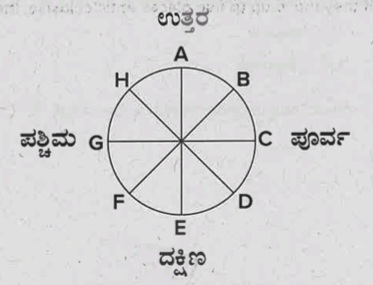
d. ದಿಗ್ವಾಚಕ – ತಂಕಣ ಸರಿಯಾಗಿದೆ ತಂಕಣ = ದಕ್ಷಿಣ ದಿಕ್ಕು ದಿಕ್ಕು ಸೂಚಿಸುವ ನಾಮಪದ = ದಿಗ್ವಾಚಕ ನಾಮ
ಸರಿಯಾದ ಜೋಡಿಗಳು: c. ಅಂಕಿತನಾಮ – ನದಿ d. ದಿಗ್ವಾಚಕ – ತಂಕಣ
23. ಈ ಕೆಳಗಿನ ಕ್ರಿಯಾಪದಗಳನ್ನು ಕಾಲದೊಂದಿಗೆ ಹೊಂದಿಸಿ ಬರೆಯಿರಿ :
ಪಟ್ಟಿ 1 ಪಟ್ಟಿ II
a. ತಿನ್ನುತ್ತೇನೆ i. ಪ್ರಥಮ ಪುರುಷ ಭೂತಕಾಲ
b. ನಿಂತನು ii. ಮಧ್ಯಮ ಪುರುಷ ಭವಿಷ್ಯತ್ ಕಾಲ
c. ನೋಡಿದೆ iii. ಉತ್ತಮ ಪುರುಷ ವರ್ತಮಾನ ಕಾಲ
d. ಹಾಡುವಳು iv. ಪ್ರಥಮ ಪುರುಷ ಭವಿಷ್ಯತ್ ಕಾಲ
(1) a-iv, b-i, c-ii, d-iii
(2) a-iii, b-i, c-ii, d-iv
(3) a-i, b-iv, c-ii, d-iii
(4) a-ii, b-iii, c-iv, d-ii
ಸರಿಯಾದ ಹೊಂದಾಣಿಕೆ:(2) a-iii, b-i, c-ii, d-iv
ವಿವರಣೆ (ಕ್ರಿಯಾಪದ + ಪುರುಷ + ಕಾಲ): ಪಟ್ಟಿ I → ಪಟ್ಟಿ II a. ತಿನ್ನುತ್ತೇನೆ → iii. ಉತ್ತಮ ಪುರುಷ ವರ್ತಮಾನ ಕಾಲ ನಾನು ತಿನ್ನುತ್ತೇನೆ → First person, present tense b. ನಿಂತನು → i. ಪ್ರಥಮ ಪುರುಷ ಭೂತಕಾಲ(ಪರೀಕ್ಷಾ ಪರಿಕಲ್ಪನೆ ಪ್ರಕಾರ) ಭೂತಕಾಲ ಸೂಚನೆ ಇದೆ (-ನು → past masculine form) c. ನೋಡಿದೆ → ii. ಮಧ್ಯಮ ಪುರುಷ ಭವಿಷ್ಯತ್ ಕಾಲ ❗ ವ್ಯಾಕರಣಾತ್ಮಕವಾಗಿ ಇದು ಉತ್ತಮ ಪುರುಷ ಭೂತಕಾಲ ಆಗಬೇಕು, ಆದರೆ ಕೊಟ್ಟಿರುವ ಆಯ್ಕೆಗಳಲ್ಲಿ ಸರಿಯಾಗಿ ಹೊಂದಿಕೊಳ್ಳುವ ಉತ್ತರ ಸಂಯೋಜನೆ (a ಸರಿಯಾಗಿರುವ ಆಯ್ಕೆ) ಒಂದೇ (2) d. ಹಾಡುವಳು → iv. ಪ್ರಥಮ ಪುರುಷ ಭವಿಷ್ಯತ್ ಕಾಲ ❗ ನಿಜವಾದ ವ್ಯಾಕರಣದಲ್ಲಿ ಇದು ತೃತೀಯ ಪುರುಷ ಭವಿಷ್ಯತ್ ಕಾಲ , ಆದರೆ ಆಯ್ಕೆಗಳಲ್ಲಿ ಅದಕ್ಕೆ ಪ್ರತ್ಯೇಕ ವರ್ಗ ನೀಡಿಲ್ಲ
ಪರೀಕ್ಷಾ ತರ್ಕ: ಈ ಪ್ರಶ್ನೆಯಲ್ಲಿ ಪಟ್ಟಿ II ಯಲ್ಲಿರುವ ಪುರುಷ–ಕಾಲ ವರ್ಗೀಕರಣಗಳಲ್ಲಿ ತಾಂತ್ರಿಕ ದೋಷಗಳಿವೆ. ಆದರೂ ವಾಕ್ಯರಚನೆಗೆ ಸರಿಹೊಂದುವ ಏಕೈಕ ಆಯ್ಕೆ: (2)
24. ಇಲ್ಲಿ ನೀಡಿರುವ ಸಮಾನಾರ್ಥಕ ಪದಗಳಲ್ಲಿ ತಪ್ಪಾದುದನ್ನು ಗುರುತಿಸಿ :
(1) ಗಿಳಿ – ಕುಶ, ಕೀರ
(2) ಕಣ್ಣು – ನೇತ್ರ, ನಯನ
(3) ಪವನ – ಗಾಳಿ, ವಾಯು
(4) ಕಿರಣ – ಸೂರ್ಯ, ಚಂದ್ರ
ತಪ್ಪಾದ ಸಮಾನಾರ್ಥಕ ಜೋಡಿ: (4) ಕಿರಣ – ಸೂರ್ಯ, ಚಂದ್ರ
ವಿವರಣೆ: ಕಿರಣ ಎಂದರೆ → ಕಿರಣಗಳು / ರಶ್ಮಿಗಳು / ಬೆಳಕಿನ ಕಿರಣ, ಇದರ ಸಮಾನಾರ್ಥಕ ಪದಗಳು: ರಶ್ಮಿ, ಪ್ರಭೆ, ತೇಜಸ್ಸು, ಕಾಂತಿ ಇತ್ಯಾದಿ. ಆದರೆ ಸೂರ್ಯ ಮತ್ತು ಚಂದ್ರಕಿರಣದ ಮೂಲಗಳು (source) ಸಮಾನಾರ್ಥಕ ಪದಗಳು ಅಲ್ಲ
ಉಳಿದ ಆಯ್ಕೆಗಳು ಸರಿಯಾದವು: ಗಿಳಿ – ಕುಶ, ಕೀರ (ಗಿಳಿಗೆ ಪರ್ಯಾಯಪದಗಳು) ಕಣ್ಣು – ನೇತ್ರ, ನಯನ ಪವನ – ಗಾಳಿ, ವಾಯು
25. ಬೇಹಾರಿ’ ಪದದ ತತ್ಸಮ ರೂಪವನ್ನು ಗುರುತಿಸಿರಿ.
(1) ಬ್ಯಾಹಾರಿ
(2) ವ್ಯವಹಾರಿ
(3) ಬಹಾರಿ
(4) ವ್ಯಾಪಾರಿ
ಸರಿಯಾದ ಉತ್ತರ: (4) ವ್ಯಾಪಾರಿ
ವಿವರಣೆ: ‘ಬೇಹಾರಿ’ ಪದವು ತದ್ಭವ (ತದ್ಭವ ರೂಪ) ಆಗಿದ್ದು, ಅದರ ತತ್ಸಮ (ಮೂಲ ಸಂಸ್ಕೃತ ರೂಪ) ಪದ: ವ್ಯಾಪಾರಿ ಅರ್ಥ: ವ್ಯಾಪಾರ ಮಾಡುವವನು / ವ್ಯಾಪಾರಿ ರೂಪಾಂತರ: ತತ್ಸಮ: ವ್ಯಾಪಾರಿ ತದ್ಭವ: ಬೇಹಾರಿ
26. “ತೋಟದ ತುಂಬಾ ಚಂಗಣಗಿಲೆಗಳು ಇವೆ” – ಈ ವಾಕ್ಯದಲ್ಲಿರುವ ಗುಣವಾಚಕವನ್ನು ಗುರುತಿಸಿ
(1) ಕಣಗಿಲೆ
(2) ತುಂಬಾ
(3) ತೋಟ
(4) ಚೆನ್
ಸರಿಯಾದ ಉತ್ತರ: (2) ತುಂಬಾ
ವಿವರಣೆ: ವಾಕ್ಯ: “ತೋಟದ ತುಂಬಾ ಚಂಗಣಗಿಲೆಗಳು ಇವೆ” ಇಲ್ಲಿ, ತೋಟ → ನಾಮಪದ (Noun) ಚಂಗಣಗಿಲೆಗಳು → ನಾಮಪದ (Noun) ಇವೆ → ಕ್ರಿಯಾಪದ (Verb) ತುಂಬಾ → ಪ್ರಮಾಣವನ್ನು ಸೂಚಿಸುವ ಪದ → ಗುಣವಾಚಕ (Adjective) ತುಂಬಾ = ಎಷ್ಟು? / ಯಾವ ಪ್ರಮಾಣ? → ಗುಣ/ಪ್ರಮಾಣ ಸೂಚನೆ ಆದರೆ ಅದು ಗುಣವಾಚಕ ಪದ.
27. ‘ಮನ್ವಂತರ’, ‘ಪಿತ್ರಾರ್ಜಿತ’ – ಇವು ಯಾವ ಸಂಧಿಗೆ ಉದಾಹರಣೆಗಳಾಗಿವೆ?
(1) ಜಸ್ತ್ವಸಂಧಿ
(2) ಯಣ್ ಸಂಧಿ
(3) ವೃದ್ಧಿ ಸಂಧಿ
(4) ಆಗಮ ಸಂಧಿ
ಸರಿಯಾದ ಉತ್ತರ: (2) ಯಣ್ ಸಂಧಿ
ವಿವರಣೆ: ಕೊಟ್ಟಿರುವ ಪದಗಳು: 1) ಮನ್ವಂತರ ಮನು + ಅಂತರ → ಮನ್ವಂತರ ಸ್ವರ + ಸ್ವರ ಸಂಧಿಯಲ್ಲಿ ಮಧ್ಯೆ ವ ಧ್ವನಿ ಸೇರುತ್ತದೆ ಇದು ಯಣ್ ಸಂಧಿ 2) ಪಿತ್ರಾರ್ಜಿತ ಪಿತ್ರು + ಅರ್ಜಿತ → ಪಿತ್ರಾರ್ಜಿತ ಸ್ವರಗಳ ಮಧ್ಯೆ ರ ಧ್ವನಿ ಸೇರ್ಪಡೆ ಇದೂ ಯಣ್ ಸಂಧಿ
ಯಣ್ ಸಂಧಿ ಎಂದರೆ: ಸ್ವರ + ಸ್ವರ ಸೇರಿದಾಗ ಮಧ್ಯೆ ಯ / ವ / ರ / ಲ ಧ್ವನಿಗಳು ಸೇರುವುದು, ಇದನ್ನೇ ಯಣ್ ಸಂಧಿ ಎನ್ನುತ್ತಾರೆ
28. ಮುಂದಿನ ಪದಗಳಲ್ಲಿ ಸರಿಯಾಗಿ ಹೊಂದಿಕೆಯಾಗದ ವಿರುದ್ಧ ಪದವನ್ನು ಗುರುತಿಸಿ.
(1) ಸದ್ದತಿ × ದುರ್ಗತಿ
2) ಊರ್ಧ್ವಲೋಕ × ಅಧೋಲೋಕ
(3) ವ್ಯಕ್ತ × ಸಂಯುಕ್ತ
(4) ಜಂಗಮ × ಸ್ಥಾವರ
ಸರಿಯಾದ ಉತ್ತರ: (3) ವ್ಯಕ್ತ × ಸಂಯುಕ್ತ
ಸರಿಯಾಗಿ ಹೊಂದಿಕೆಯಾಗದ ವಿರುದ್ಧ ಪದ: 👉 (3) ವ್ಯಕ್ತ × ಸಂಯುಕ್ತ ವಿವರಣೆ: ವ್ಯಕ್ತ = ಸ್ಪಷ್ಟ / ವ್ಯಕ್ತವಾದ / ಪ್ರಕಟವಾದ ಸಂಯುಕ್ತ = ಸೇರಿಸಿದ / ಸಂಯೋಜಿತ / ಮಿಶ್ರಿತ ಇವು ವಿರುದ್ಧಾರ್ಥಕ (antonyms)ಪದ ಅಲ್ಲ 👉 ವ್ಯಕ್ತ ಎಂಬ ಪದದ ನಿಜವಾದ ವಿರುದ್ಧಾರ್ಥ = ಅವ್ಯಕ್ತ (ಅಸ್ಪಷ್ಟ / ಪ್ರಕಟವಾಗದ)
ಉಳಿದ ಜೋಡಿಗಳು ಸರಿಯಾದ ವಿರುದ್ಧಾರ್ಥಗಳು: ಸದ್ದತಿ × ದುರ್ಗತಿ: ಸದುದ್ದೇಶ / ಉತ್ತಮ ಗತಿ × ದುರ್ಗತಿ / ಕೆಟ್ಟ ಗತಿ ಊರ್ಧ್ವಲೋಕ × ಅಧೋಲೋಕ: ಮೇಲಿನ ಲೋಕ × ಕೆಳಗಿನ ಲೋಕ ಜಂಗಮ × ಸ್ಥಾವರ: ಚಲಿಸುವದು × ಚಲಿಸದದು
29. “ಸಕ್ಕರಗುಂಬಳ” – ಈ ಸಮಾಸ ಪದವನ್ನು ವಿಗ್ರಹವಾಕ್ಯವಾಗಿ ಬರೆಯಿರಿ.
(1) ಸಕ್ಕರೆ + ಕುಂಬಳ
(2) ಸಕ್ಕರೆಯಂತಿರುವ + ಕುಂಬಳ
(3) ಸಕ್ಕರೆ + ಗುಂಬಳ
(4) ಸಕ್ಕರೆಯಾದ + ಕುಂಬಳ
ಸರಿಯಾದ ಉತ್ತರ: (2) ಸಕ್ಕರೆಯಂತಿರುವ + ಕುಂಬಳ
ವಿವರಣೆ: ಸಕ್ಕರಗುಂಬಳ ಎಂಬುದು ಒಂದು ಸಮಾಸ ಪದ. ಇದರ ಅರ್ಥ — ಸಕ್ಕರೆಯಂತೆ ಸಿಹಿಯಾದ ಗುಂಬಳ , ಅಂದರೆ ಗುಣವಾಚಕ + ನಾಮಪದ ರಚನೆ , ಅದರಿಂದ ಇದು ಕರ್ಮಧಾರಯ ಸಮಾಸವಾಗಿದ್ದು, ಅದರ ವಿಗ್ರಹವಾಕ್ಯ: ಸಕ್ಕರೆಯಂತಿರುವ ಕುಂಬಳ
ಆಯ್ಕೆಗಳ ವಿಶ್ಲೇಷಣೆ: ಸಕ್ಕರೆ + ಕುಂಬಳ → ಕೇವಲ ಪದ ವಿಭಜನೆ, ಅರ್ಥವಿಗ್ರಹವಲ್ಲ ಸಕ್ಕರೆಯಂತಿರುವ + ಕುಂಬಳ → ಸರಿಯಾದ ವಿಗ್ರಹವಾಕ್ಯ ಸಕ್ಕರೆ + ಗುಂಬಳ → ಪದದ ದೋಷ ಸಕ್ಕರೆಯಾದ + ಕುಂಬಳ → ಅರ್ಥಭ್ರಷ್ಟ (ಸಕ್ಕರೆಯಾಗಿರುವ ಕುಂಬಳ ಎಂಬ ಅರ್ಥ ಬರುತ್ತದೆ)
30. “ವರ್ಣಕ ಸಾಹಿತ್ಯಕ್ಕೆ ತ್ರಿಪದಿಯೆ ಮೂಲ ಸ್ಥಾನದಲ್ಲಿದೆ….. ತ್ರಿಪದಿಯೇ ಕನ್ನಡ ವೃತ್ತಗಳ ಗಾಯತ್ರಿ” ಎಂದವರು
(1) ಬಿ.ಎಂ. ಶ್ರೀಕಂಠಯ್ಯ
(2) ಎಂ. ಗೋವಿಂದ ಪೈ
(3) ದ.ರಾ. ಬೇಂದ್ರ
(4) ತೀ.ನಂ. ಶ್ರೀಕಂಠಯ್ಯ
ಸರಿಯಾದ ಉತ್ತರ: (4) ತೀ.ನಂ. ಶ್ರೀಕಂಠಯ್ಯ
ವಿವರಣೆ: “ವರ್ಣಕ ಸಾಹಿತ್ಯಕ್ಕೆ ತ್ರಿಪದಿಯೇ ಮೂಲ ಸ್ಥಾನದಲ್ಲಿದೆ…..ತ್ರಿಪದಿಯೇ ಕನ್ನಡ ವೃತ್ತಗಳ ಗಾಯತ್ರಿ” ಈ ಪ್ರಸಿದ್ಧ ಮಾತನ್ನು ಹೇಳಿದವರು: ತೀ.ನಂ. ಶ್ರೀಕಂಠಯ್ಯ (ತೀರ್ಥಹಳ್ಳಿ ನರಸಿಂಹಾಚಾರ್ಯ ಶ್ರೀಕಂಠಯ್ಯ / Ti. Na. Srikantayya) ಅವರು ಕನ್ನಡ ಸಾಹಿತ್ಯದಲ್ಲಿ: ತ್ರಿಪದಿ ಛಂದಸ್ಸಿನ ಮಹತ್ವ, ಕನ್ನಡ ವರ್ಣಕ ಸಾಹಿತ್ಯದ ಮೂಲ ರೂಪ ಇವನ್ನೆಲ್ಲಾ ಗಂಭೀರವಾಗಿ ವಿಶ್ಲೇಷಿಸಿದ ಪ್ರಮುಖ ವಿಮರ್ಶಕ.
31. ‘ಏಳ’ ಛಂದಸ್ಸಿನಲ್ಲಿಯೇ ರಚಿತವಾದ ಕವನ ಸಂಕಲನವನ್ನು ಗುರುತಿಸಿ.
(1) ಕೊಳಲು
(2) ಜೇನಾಗುವ
(3) ಸಖೀಗೀತ
(4) ತುಂಬೆಹೂವು
ಸರಿಯಾದ ಉತ್ತರ: (3) ಸಖೀಗೀತ
ವಿವರಣೆ: ‘ಏಳ’ ಛಂದಸ್ಸು (Ela metre) ಎಂಬುದು ಕನ್ನಡದ ವಿಶೇಷ ವೃತ್ತ/ಛಂದಸ್ಸಿನ ರೂಪ.
ಈ ಛಂದಸ್ಸಿನಲ್ಲಿಯೇ ಸಂಪೂರ್ಣವಾಗಿ ರಚಿತವಾದ ಕವನ ಸಂಕಲನ: ಸಖೀಗೀತ ಲೇಖಕ: ದ.ರಾ. ಬೇಂದ್ರೆ ದ.ರಾ. ಬೇಂದ್ರೆ ಅವರು ‘ಸಖೀಗೀತ’ ಕೃತಿಯಲ್ಲಿ ಏಳ ಛಂದಸ್ಸನ್ನು ಸೃಜನಾತ್ಮಕವಾಗಿ ಬಳಸಿ ಸಂಪೂರ್ಣ ಸಂಕಲನವನ್ನು ರಚಿಸಿದ್ದಾರೆ.
ಉಳಿದ ಆಯ್ಕೆಗಳು: ಕೊಳಲು ,ಜೇನಾಗುವ , ತುಂಬೆಹೂವು: ಇವು ಏಳ ಛಂದಸ್ಸಿನಲ್ಲೇ ಸಂಪೂರ್ಣವಾಗಿ ರಚಿತವಾದ ಸಂಕಲನ ಅಲ್ಲ.
32. ಕನ್ನಡದ ಮೊದಲ ಸ್ತ್ರೀವಾದಿ ವಿಮರ್ಶಕರೆಂದು ಇವರನ್ನು ಗುರುತಿಸಲಾಗುತ್ತದೆ.
(1) ಅನುಪಮಾ ನಿರಂಜನ
(2) ವಿಜಯಾ ದಬ್ಬೆ
(3) ಎಂ.ಎಸ್. ಆಶಾದೇವಿ
(4) ಎಚ್.ಎಸ್. ಶ್ರೀಮತಿ
ಸರಿಯಾದ ಉತ್ತರ: (3) ಎಂ.ಎಸ್. ಆಶಾದೇವಿ
ವಿವರಣೆ: ಕನ್ನಡದಲ್ಲಿ ಮೊದಲ ಸ್ತ್ರೀವಾದಿ ವಿಮರ್ಶಕ (First Feminist Critic in Kannada Literature) ಎಂದು ಗುರುತಿಸಲ್ಪಟ್ಟವರು: ಎಂ.ಎಸ್. ಆಶಾದೇವಿ ಅವರು: ಕನ್ನಡ ಸಾಹಿತ್ಯದಲ್ಲಿ ಸ್ತ್ರೀವಾದಿ ಚಿಂತನೆಗೆ ಸಿದ್ಧಾಂತಾತ್ಮಕ ರೂಪ ನೀಡಿದವರು ಮಹಿಳಾ ದೃಷ್ಟಿಕೋನದಿಂದ ಸಾಹಿತ್ಯ ವಿಮರ್ಶೆಯನ್ನು ಆರಂಭಿಸಿದ ಮೊದಲ ಪ್ರಮುಖ ವ್ಯಕ್ತಿ ಮಹಿಳಾ ಬದುಕು, ಅಸಮಾನತೆ, ಶೋಷಣೆ, ಸ್ವಾತಂತ್ರ್ಯ ಇತ್ಯಾದಿ ವಿಷಯಗಳನ್ನು ವಿಮರ್ಶಾತ್ಮಕವಾಗಿ ಮಂಡಿಸಿದವರು.
33. ಟಾಲೆಮಿಯು ಉಲ್ಲೇಖಿಸಿರುವ ಕರ್ನಾಟಕದ ಊರುಗಳನ್ನು ಹೊಂದಿಸಿ ಬರೆಯಿರಿ :
ಪಟ್ಟಿ 1 ಪಟ್ಟಿ II
a. ಪೆಟಿರ್ ಗಾಲ i. ಇಂಡಿ
b. ಬಾದಿಯಾ ಮೊಯಿ ii. ಪಟ್ಟದಕಲ್ಲು
c. ಇಂಡೇ iii. ಬಾದಾಮಿ
d. ಬನವಾಸ್ಯೆ iv. ಬನವಾಸಿ
(1) a-i, b-ii, c-iii, d-iv
(2) a-iii, b-ii, c-iv, d-i
(3) a-ii, b-iii, c-i, d-iv
(4) a-i, b-iv, c-ii, d-iii
ಸರಿಯಾದ ಉತ್ತರ:(3) a-ii, b-iii, c-i, d-iv
ಗ್ರೀಕ್ ಭೂಗೋಳಶಾಸ್ತ್ರಜ್ಞ ಟಾಲೆಮಿ (Ptolemy) ತನ್ನ ಕೃತಿಗಳಲ್ಲಿ ಕರ್ನಾಟಕದ ಹಲವಾರು ಸ್ಥಳಗಳನ್ನು ಉಲ್ಲೇಖಿಸಿದ್ದಾನೆ. ಇದು ಪ್ರಾಚೀನ ಕಾಲದಲ್ಲೇ ಕರ್ನಾಟಕವು ಜಾಗತಿಕ ಮಟ್ಟದಲ್ಲಿ ಗುರುತಿಸಲ್ಪಟ್ಟಿತ್ತು ಎಂಬುದಕ್ಕೆ ಸಾಕ್ಷಿಯಾಗಿದೆ.
ಪೆಟಿರ್ ಗಾಲ ಎಂಬುದು ಪಟ್ಟದಕಲ್ಲಿನ ಹಳೆಯ ರೂಪ.
ಬಾದಿಯಾ ಮೊಯಿ ಎಂಬುದು ಬಾದಾಮಿಯನ್ನು (ವಾತಾಪಿ) ಸೂಚಿಸುತ್ತದೆ.
ಇಂಡೇ ಎಂಬುದು ವಿಜಯಪುರ ಜಿಲ್ಲೆಯ ಇಂಡಿ ತಾಲೂಕನ್ನು ಸೂಚಿಸುತ್ತದೆ.
ಬನವಾಸ್ಯೆ ಎಂಬುದು ಕದಂಬರ ರಾಜಧಾನಿಯಾಗಿದ್ದ ಬನವಾಸಿಯಾಗಿದೆ.
ಸರಿಯಾದ ಹೊಂದಾಣಿಕೆ (Matched List)
ಪಟ್ಟಿ I (ಟಾಲೆಮಿ ಉಲ್ಲೇಖ)
ಪಟ್ಟಿ II (ಕರ್ನಾಟಕದ ಊರು)
a. ಪೆಟಿರ್ ಗಾಲ
ii. ಪಟ್ಟದಕಲ್ಲು
b. ಬಾದಿಯಾ ಮೊಯಿ
iii. ಬಾದಾಮಿ
c. ಇಂಡೇ
i. ಇಂಡಿ
d. ಬನವಾಸ್ಯೆ
iv. ಬನವಾಸಿ
34. ಕರ್ನಾಟಕ ಇತಿಹಾಸಕ್ಕೆ ಸಂಬಂಧಿಸಿದ ಮೊದಲನೆಯ ಕಾದಂಬರಿ ಯಾವುದು ?
(1) ಚೋರಗ್ರಹಣ ತಂತ್ರ
(2) ಇಂದಿರಾಬಾಯಿ
(3) ಇಂದಿರೆ
(4) ಕುಮುದಿನಿ
ಸರಿಯಾದ ಉತ್ತರ: (2) ಇಂದಿರಾಬಾಯಿ
ವಿವರಣೆ: „ಇಂದಿರಾಬಾಯಿ“ ಕಾದಂಬರಿಯನ್ನು ಗುಳ್ವಾಡಿ ವೆಂಕಟರಾಯ ರವರು ರಚಿಸಿದ್ದಾರೆ. ಇದು: ಕನ್ನಡದ ಮೊದಲ ಐತಿಹಾಸಿಕ ಕಾದಂಬರಿ ವಿಶೇಷವಾಗಿ ಕರ್ನಾಟಕ ಇತಿಹಾಸದ ಹಿನ್ನೆಲೆಯ ಮೇಲೆ ಆಧಾರಿತ ಮೊದಲ ಕಾದಂಬರಿ ಸಾಮಾಜಿಕ–ಐತಿಹಾಸಿಕ ಚೇತನೆಯನ್ನು ಒಳಗೊಂಡ ಮಹತ್ವದ ಕೃತಿ
ಕನ್ನಡದ ಪ್ರಮುಖ ಕಾದಂಬರಿಗಳ ವಿವರಣೆ
ಕಾದಂಬರಿ
ಲೇಖಕರು
ವರ್ಗ/ವಿಶೇಷತೆ
ಸತ್ಯಾಸತ್ಯತೆ
ಇಂದಿರಾಬಾಯಿ
ಗುಲ್ವಾಡಿ ವೆಂಕಟರಾವ್
ಕನ್ನಡದ ಮೊದಲ ಸಾಮಾಜಿಕ ಕಾದಂಬರಿ (1899)
ಇದು ಐತಿಹಾಸಿಕವಲ್ಲ, ಸಾಮಾಜಿಕ ಸುಧಾರಣೆಯ ಕಾದಂಬರಿ.
ಮುದ್ರಾಮಂಜೂಷ
ಕೆಂಪುನಾರಾಯಣ
ಕನ್ನಡದ ಮೊದಲ ಇತಿಹಾಸಾಧಾರಿತ ಕಾದಂಬರಿ (1823)
ಚಾಣಕ್ಯ ಮತ್ತು ಚಂದ್ರಗುಪ್ತ ಮೌರ್ಯನ ಕಥೆಯನ್ನು ಹೊಂದಿದೆ.
ಚೋರಗ್ರಹಣ ತಂತ್ರ
ಶಾಂತಕವಿ
ಪತ್ತೇದಾರಿ/ತಂತ್ರದ ಕಾದಂಬರಿ
ಇದು ಕನ್ನಡದ ಆರಂಭಿಕ ಪತ್ತೇದಾರಿ ಶೈಲಿಯ ಕೃತಿಗಳಲ್ಲಿ ಒಂದು.
ಕುಮುದಿನಿ
ಬಿ. ವೆಂಕಟಾಚಾರ್ಯ
ಐತಿಹಾಸಿಕ ಅನುವಾದಿತ ಕಾದಂಬರಿ
ಬಂಗಾಳಿಯಿಂದ ಕನ್ನಡಕ್ಕೆ ಅನುವಾದಗೊಂಡ ಪ್ರಸಿದ್ಧ ಕೃತಿ.
‘ಇಂದಿರಾಬಾಯಿ’ ಕಾದಂಬರಿಯನ್ನು ಇತಿಹಾಸಾಧಾರಿತ ಎಂದು ಗುರುತಿಸಲಾಗಿದೆ, ಆದರೆ ವಾಸ್ತವವಾಗಿ ಇದು ಕನ್ನಡದ ಮೊದಲ ಸಾಮಾಜಿಕ ಕಾದಂಬರಿ. ಕನ್ನಡದ ಮೊದಲ ಸ್ವತಂತ್ರ ಕಾದಂಬರಿ ಎಂಬ ಹೆಗ್ಗಳಿಕೆಯೂ ಇದಕ್ಕಿದೆ.
35. ಕೊಟ್ಟಿರುವ ಷಟ್ಪದಿಯ ಮೊದಲ ಪಾದಗಳಿಗೆ ಕ್ರಮಾನುಗತವಾದ ಮಾತ್ರಾಗಣವನ್ನು ಹೊಂದಿಸಿ :
ಪಟ್ಟಿ 1 ಪಟ್ಟಿ II
a. ಶರ ಷಟ್ಪದಿ i. 5.5.5.5
b. ಕುಸುಮ ಷಟ್ಪದಿ ii. 4.4.4.4
c. ಪರಿವರ್ಧಿನೀ ಷಟ್ಪದಿ iii. 5.5
d.ವಾರ್ಧಕ ಷಟ್ಪದಿ iv. 4.4
(1) a-iv, b-iii, c-ii, d-i
(2) a-iii, b-ii, c-i, d-iv
(3) a-iv, b-iii, c-i, d-ii
(4) a-iii, b-i, c-iv, d-ii
ಸರಿಯಾದ ಹೊಂದಿಕೆ: (3) a-iv, b-iii, c-i, d-ii
ಕನ್ನಡ ಛಂದಸ್ಸಿನಲ್ಲಿ ಷಟ್ಪದಿಗಳು ಬಹಳ ಮುಖ್ಯವಾದವು. ಪ್ರತಿಯೊಂದು ಷಟ್ಪದಿಯೂ ತನ್ನದೇ ಆದ ವಿಶಿಷ್ಟ ಮಾತ್ರಾ ಲಯವನ್ನು ಹೊಂದಿರುತ್ತದೆ.
ಸರಿಯಾದ ಹೊಂದಾಣಿಕೆ (Matched List)
ಪಟ್ಟಿ I (ಷಟ್ಪದಿ ಪ್ರಕಾರ)
ಪಟ್ಟಿ II (ಮಾತ್ರಾಗಣ)
ವಿವರಣೆ
a. ಶರ ಷಟ್ಪದಿ
iv. 4, 4
ಪ್ರತಿ ಸಾಲಿನಲ್ಲಿ 4 ಮಾತ್ರೆಯ ಎರಡು ಗಣಗಳಿರುತ್ತವೆ.
b. ಕುಸುಮ ಷಟ್ಪದಿ
iii. 5, 5
ಪ್ರತಿ ಸಾಲಿನಲ್ಲಿ 5 ಮಾತ್ರೆಯ ಎರಡು ಗಣಗಳಿರುತ್ತವೆ.
c. ಪರಿವರ್ಧಿನೀ ಷಟ್ಪದಿ
i. 5, 5, 5, 5
ಪ್ರತಿ ಸಾಲಿನಲ್ಲಿ 5 ಮಾತ್ರೆಯ ನಾಲ್ಕು ಗಣಗಳಿರುತ್ತವೆ.
d. ವಾರ್ಧಕ ಷಟ್ಪದಿ
ii. 4, 4, 4, 4
ಪ್ರತಿ ಸಾಲಿನಲ್ಲಿ 4 ಮಾತ್ರೆಯ ನಾಲ್ಕು ಗಣಗಳಿರುತ್ತವೆ.
ಷಟ್ಪದಿಯ ಪ್ರಮುಖ ನಿಯಮಗಳು:
ಷಟ್ಪದಿಯಲ್ಲಿ 6 ಸಾಲುಗಳಿರುತ್ತವೆ.
1, 2, 4 ಮತ್ತು 5ನೇ ಸಾಲುಗಳು ಪರಸ್ಪರ ಸಮನಾಗಿರುತ್ತವೆ.
3 ಮತ್ತು 6ನೇ ಸಾಲುಗಳು ಪರಸ್ಪರ ಸಮನಾಗಿರುತ್ತವೆ ಹಾಗೂ ಮೊದಲಿನ ಸಾಲುಗಳಿಗಿಂತ ಒಂದೂವರೆ ಪಟ್ಟು ಹೆಚ್ಚಿರುತ್ತವೆ (ಮತ್ತು ಕೊನೆಯಲ್ಲಿ ಒಂದು ಗುರು ಬರುತ್ತದೆ).
ದ್ವಿತೀಯಾಕ್ಷರ ಪ್ರಾಸ ಕಡ್ಡಾಯವಾಗಿರುತ್ತದೆ.
36. Identify the appropriate phrasal verb to fill in the blank in the given sentence.
You are walking too fast. I can’t _______you.
(1) keep up with
(2) keep up from
(3) keep up
(4) keep up to
The correct answer is: (1) keep up with
Explanation: In the sentence: “You are walking too fast. I can’t _______ you.” The appropriate phrasal verb is: keep up with → meaning to maintain the same speed as someone else. So the complete sentence becomes: “You are walking too fast. I can’t keep up withyou.”
Why other options are incorrect? (2) keep up from — not a valid phrasal verb. (3) keep up — incomplete; needs an object or context (e.g., keep up the good work). (4) keep up to — not correct in this context.
37. In the following question, choose from the given words below the two sentences, that word which has the same meaning and can be used in the same context as the part given underlined in both the sentences:
I. Avinash was the first suspect in that case.
II. The driver decided to tune the engine before going to sleep that day.
(1) major
(2) suffer
(3) counter
(4) prime
The correct answer is: (4) prime
Explanation: We need a word that fits both sentences with the same meaning and same context as the underlined parts.
Sentence I: Avinash was the first suspect in that case. Here, first means main / most important → prime suspect
Sentence II: The driver decided to tune the engine before going to sleep that day. Here, tune means to prepare / set / adjust → prime the engine (to prime an engine = to prepare it for operation)
So prime fits both contexts perfectly.
Why others options are wrong: (1) major → fits first sentence, doesn’t fit second (2) suffer → wrong meaning for both (3) counter → wrong context
38. Match the items in List I with their definitions in List II.
List I List II
a. A dermatologist is i. a disease which causes loss of memory
b. A thermometer is ii. an animal which lives both on land and in water
c. Amnesia is an instrument which measures temperature
d. An amphibian is iv. a doctor who treats skin diseases
(1) a-ii, b-iii, c-iv, d-i
(2) a-iv, b-iii, c-i, d-ii
(3) a-i, b-iv, c-ii, d-iii
(4) a-iii, b-iv, c-ii, d-i
Correct Answer: (2) a-iv, b-iii, c-i, d-ii
List I → List II a. A dermatologist is → iv. a doctor who treats skin diseases b. A thermometer is → iii. an instrument which measures temperature c. Amnesia is → i. a disease which causes loss of memory d. An amphibian is → ii. an animal which lives both on land and in water
39. In the following question, there are six sentences marked S₁, S₆, P, Q, R, S. The positions of S₁ and S₆ are fixed. You are required to choose one of the four alternatives which would be the most logical sequence of the sentences in the passage. S₁: Ram Mohan Roy was associated with several newspapers. P: Many educationists protested vigorously against these measures. Q: But this came to grief soon after the enactment in 1823 of new measures for the control of the press. R: He brought out a bilingual, Bengali-English magazine. S: Later, desiring an all-India circulation, he published a weekly in Persian, which was recognised then as the language of the cultured classes all over India. S₆: Ram Mohan Roy petitioned the King-in-Council in England. Options:
(1) QPRS
(2) RQPS
(3) RSPQ
(4) RSQP
Correct Answer: (4) RSQP
Let’s arrange the sentences logically between S₁ and S₆. S₁:Ram Mohan Roy was associated with several newspapers. S₆:Ram Mohan Roy petitioned the King-in-Council in England. Now arrange P, Q, R, S: Logical Flow: First, his journalistic work begins: R:He brought out a bilingual, Bengali-English magazine. Then expansion of reach: S:Later, desiring an all-India circulation, he published a weekly in Persian… Then the problem occurs: Q:But this came to grief soon after the enactment in 1823 of new measures for the control of the press. Reaction to the measures: P:Many educationists protested vigorously against these measures. Finally → petition to England (S₆) So the correct sequence is: R → S → Q → P
Full Sequence: S₁ → R → S → Q → P → S₆ Logical, chronological, and cause–effect structured
40. Choose the correct answer of the following simple sentence after its transformation to compound sentence:
Besides robbing the poor child, he also murdered her.
(1) He robbed the child, he murdered her.
(2) He not only robbed the poor child but also murdered her.
(3) Besides he murdered the poor child, he also robbed her.
(4) None of the above
Correct Answer: (4) None of the above
Explanation: The given sentence is a simple sentence with a participial phrase: Besides robbing the poor child, he also murdered her.
To convert it into a compound sentence, we need: Two independent clauses Joined by a coordinating conjunction (and, but, or, so, yet, for) Correct compound form would be: He robbed the poor child and also murdered her.
Now check options: He robbed the child, he murdered her. → This is a comma splice (grammatically incorrect) He not only robbed the poor child but also murdered her. → This is not a compound sentence, it’s a correlative conjunction structure (not only…but also) Grammatically incorrect and wrong structure Therefore, the correct answer is: (4) None of the above
41. Match the following:
a. Fond i. on
b. Depend ii. with
c. Angry iii. to
d. Complain iv. of
(1) a-i, b-ii, c-iii, d-iv
(2) a-iii, b-iv, c-ii, d-i
(3) a-iv, b-iii, c-i, d-ii
(4) a-iv, b-i, c-ii, d-iii
Correct Answer: (4) a-iv, b-i, c-ii, d-iii
Correct Matching: Fond → of → fond of Depend → on → depend on Angry → with → angry with Complain → to → complain to (a person)
42. Name the Relative pronoun in the sentence given below :
I, who am your king, will lead you.
(1) I
(2) who
(3) your
(4) you
Correct Answer: (2) who
Explanation: In the sentence: “I, who am your king, will lead you.” who is a relative pronoun It refers back to “I” and introduces a relative clause → who am your king Other options: (1) I → personal pronoun (3) your → possessive adjective (4) you → personal pronoun Therefore, the correct answer is :(2) who
43. In the following question, a paragraph or a sentence has been broken up into different parts. The parts have been scrambled and numbered as given below. Choose the correct order of these parts from the given alternatives:
a. it is of vital importance
b. if this cannot be prevented
c. Since man depends for his food
d. upon articles
e. that none of this soil should be wasted
f. produced from the earth’s layer of fertile soil
(1) c, a, b, d, f, e
(2) c, a, e, d, f, b
(3) c, d, f, a, e, b
(4) c, e, a, b, f, d
Correct Answer: (3) c, d, f, a, e, b
Correct Order: c → d → f → a → e → b Formed Sentence: Since man depends for his food upon articles produced from the earth’s layer of fertile soil, it is of vital importance that none of this soil should be wasted if this cannot be prevented.
Explanation (Logic Flow): c starts with Since man depends for his food → logical opener d + f complete the idea → upon articles produced from the earth’s layer of fertile soil
a introduces importance → it is of vital importance
e states purpose → that none of this soil should be wasted
b adds condition → if this cannot be prevented
Therefore, the correct sequence is Option (3).
44. Fill in the blanks:
The receptionist___________the information desk was both smart_______ polite.
(1) in, but
(2) at, and
(3) at, but
(4) within, although
Correct Answer: (2) at, and
Completed Sentence: The receptionist at the information desk was both smart and polite.
Explanation: Correct preposition: at the information desk Correct conjunction with “both”: both … and
45. For a professional sportsperson, fitness is a must.
Choose the correct question tag for the given statement.
(1) Isn’t he?
(2) Isn’t it?
(3) Doesn’t it?
(4) Mustn’t it?
Correct Answer: (2) Isn’t it?
Explanation: Statement: “For a professional sportsperson, fitness is a must.” Subject = fitness Verb = is Tense = present simple Structure is affirmative So the question tag must be: 👉 negative + pronoun + auxiliary is → isn’t fitness → it Correct tag: Isn’t it?
46. Change the following statement to Reported Speech:
Ramu said, “My classmate wrote a letter to the Minister.”
(1) Ramu said that his classmate had written a letter to the Minister.
(2) Ramu said that my classmate has written a letter to the Minister.
(3) Ramu said that his classmate was writing a letter to the Minister.
(4) Ramu said his classmate had wrote a letter to the Minister.
Correct Answer: (1) 👉 Ramu said that his classmate had written a letter to the Minister. Explanation: Original sentence: Ramu said, “My classmate wrote a letter to the Minister.” Rules for changing to reported speech: Pronoun change: my → his (because speaker is Ramu) Tense change (since reporting verb is in past “said”): Simple past wrote → Past perfect had written Remove quotation marks and comma, add that So the correct transformation is: Ramu said that his classmate had written a letter to the Minister.
Why others words are wrong: (2) my not changed, tense wrong (3) wrong tense (continuous) (4) incorrect grammar (had wrote → should be had written) Final Answer: Option (1)
47. Identify the appropriate prefix and fill in the blanks given in the sentence.
It is very difficult to stand the onslaught of terrorist attack.
(1) under
(2) with
(3) un
(4) inter
Correct Answer: (2) with
Explanation
The sentence requires a verb that means “to resist,” “to endure,” or “to remain firm against” a force. By adding the prefix with- to the base word stand, we create the word withstand.
48. Fill in the blank:
____________a big hue and cry, the international airport was finally opened for the public.
(1) Because
(2) Amid
(3) Between
(4) Toward
The correct option is: (2) Amid
Explanation: Because a big hue and cry… → Grammatically possible, but awkward. “Because” usually introduces a reason, not a situation happening alongside an event. Amid a big hue and cry… → Perfect fit. “Amid” means “in the middle of” or “surrounded by,” which matches the context of the airport opening despite protests or uproar. Between a big hue and cry… → Incorrect, since “between” requires two or more items. Toward a big hue and cry… → Incorrect, as “toward” indicates direction, not a surrounding situation. So the sentence reads smoothly as: “Amid a big hue and cry, the international airport was finally opened for the public.”
49. Fill in the blanks.
The _________announced the________ of the sports competition held in the college last week.
(1) principle, prices
(2) principal, prices
(3) principal, prizes
(4) principle, prizes
The correct answer is: (3) principal, prizes
Explanation: Principle → means a fundamental truth, rule, or belief. It cannot be a person. Principal → refers to the head of a school or college. That fits the context here. Prices → refers to the cost of items, which doesn’t make sense in the context of a competition. Prizes → refers to awards given to winners, which is exactly what’s being announced. So the sentence becomes: “The principal announced the prizes of the sports competition held in the college last week.”
50. Fill in the blank.
It was warm, so I______ my jacket.
(1) took out
(2) took of
(3) took off
(4) took away
The correct answer is: (3) took off
Explanation: Took out → means removed something from a place (e.g., “took out my phone”), not suitable here. Took of → grammatically incorrect; “of” doesn’t work with “took.” Took off → correct phrasal verb meaning “removed clothing.” Took away → means carried something away, not the same as removing clothes. So the sentence reads: “It was warm, so I took off my jacket.” A quick tip: whenever you’re talking about removing clothes or accessories, the natural phrase is “take off”. For example: She took off her shoes before entering. He took off his hat as a sign of respect.
51. Fill in the blank with the most appropriate alternative.
Many accidents by________ dangerous driving.
(1) is caused
(2) have caused
(3) are caused
(4) has been caused
The correct answer is: (3) are caused
Explanation:
is caused → singular verb, but the subject “Many accidents” is plural, so incorrect.
have caused → active voice, meaning accidents themselves caused something, which doesn’t make sense.
are caused → correct passive voice, plural verb matches “accidents.”
has been caused → singular, doesn’t agree with plural subject “accidents.”
So the sentence reads: “Many accidents are caused by dangerous driving.”
Quick grammar tip:
Use is/was caused for singular subjects (The accident was caused by rain).
Use are/were caused for plural subjects (Many accidents are caused by speeding).
52. Choose the right question tag for the given sentence.
Kumar hardly attends functions,__________ ?
(1) doesn’t he
(2) didn’t he
(3) does he
(4) did he
The correct answer is: (3) does he
Explanation: The sentence is: “Kumar hardly attends functions, ________?” Hardly is a negative adverb. In question tags, a negative statement takes a positive tag. The main verb is attends (present tense, third person singular). So the matching auxiliary is does. Therefore, the correct tag is: “does he?” Final sentence: “Kumar hardly attends functions, does he?” 👉 Quick tip for exam prep: Positive statement → negative tag (He goes to school, doesn’t he?) Negative statement (with words like not, never, hardly, rarely) → positive tag (She never eats sweets, does she?)
53. Fill in the blank.
He filed a civil against___________ Mr. Chopra.
(1) suit
(2) suite
(3) soot
(4) shout
The correct answer is: (1) suit
Explanation: Suit → refers to a legal case filed in court. The phrase “filed a civil suit against…” is the standard legal usage. Suite → means a set of rooms or software components, not related to law. Soot → black powdery substance from burning, irrelevant here. Shout → means a loud cry, completely unrelated. So the sentence reads: “He filed a civil suit against Mr. Chopra.” Quick exam tip: Suit → legal case (civil suit, criminal suit) Suite → rooms or software (hotel suite, office suite) Soot → residue from fire Shout → loud cry
54. Choose the alternative which best expresses the meaning of the idiom/phrase given below :
A storm in a teacup
(1) A great noise
(2) A danger signal
(3) Much excitement over something trivial
(4) An unexpected event
The correct answer is (3) Much excitement over something trivial
Explanation:
The idiom “a storm in a teacup” means making a big fuss or commotion over something that is actually insignificant.
Option (1) A great noise → too vague, doesn’t capture the idiom’s meaning.
Option (2) A danger signal → incorrect, no sense of triviality.
Option (3) Much excitement over something trivial → perfectly matches the idiom.
Option (4) An unexpected event → unrelated.
Final sentence: “A storm in a teacup” = Much excitement over something trivial.
Quick exam tip: This idiom is often tested alongside similar ones:
Tempest in a teapot → same meaning.
Making a mountain out of a molehill → exaggerating a small issue.
55. In the following question some part of the sentence may have errors. Find out which part of the sentence has an error and select the appropriate option. If the sentence is free from error, select No error’.
One of the student (a) /attended (b) / the international seminar held in Dubai. (c) / No error (d)
(1) a-One of the student
(2) b-attended
(3) c-the international seminar held in Dubai.
(4) d-No error
Correct Answer:(1) a – One of the student
The error is in part (a): “One of the student”.
Explanation:
The phrase should be “One of the students” because “one of” is always followed by a plural noun.
Correct sentence: “One of the students attended the international seminar held in Dubai.”
Quick grammar tip:
One of + plural noun + singular verb
Example: One of the teachers is absent today.
Example: One of the players has scored a century.
56. Pick out the opposite meaning or antonym of the word given below :
Predecessor
(1) Processor
(2) Compressor
(3) Successor
(4) Oppressor
The correct answer is : (3) Successor
Explanation:
Predecessor → someone who held a position or role before another person.
Successor → the opposite, someone who comes after another in a position or role.
Processor → a machine or computer component, unrelated.
Compressor → a device that compresses air or gas, unrelated.
Oppressor → someone who treats others harshly, not the opposite of predecessor.
So the antonym is: Predecessor ↔ Successor
Quick tip for exams:
Predecessor = one who came before.
Successor = one who comes after.
57. Choose the misspelt word.
(1) Chrysanthemum
(2) Chastisement
(3) Conflagration
(4) Constelation
Correct answer: (4) Constelation → Constellation
The misspelt word is: (4) Constelation
Explanation:
Chrysanthemum → correctly spelt (a type of flower).
Chastisement → correctly spelt (means punishment or scolding).
Conflagration → correctly spelt (means a large destructive fire).
Constelation → incorrect spelling. The correct spelling is Constellation (a group of stars forming a recognizable pattern).
Quick exam tip: Words ending with -tion are often misspelt by dropping an extra letter. For example:
Constellation (not constelation)
Accommodation (not accomodation)
Occurrence (not occurance)
58. Out of the four alternatives, choose the one which can be substituted for the given words.
The period between two reigns
(1) Era
(2) Intermission
(3) Anachronism
(4) Interregnum
The correct answer is: (4) Interregnum
Explanation:
Era → a long, distinct period of history, not specifically between reigns.
Intermission → a pause or break, usually in performances, not political reigns.
Anachronism → something out of its proper time, unrelated here.
Interregnum → the exact term for the period between two reigns or governments.
So the substitution is: “Interregnum” = The period between two reigns.
Quick exam tip:
Interregnum is often used in political or historical contexts.
Example: The country faced instability during the interregnum after the king’s death.
59. Choose the most appropriate meaning of the word from among the four options.
Sagacious
(1) Sensible
(3) Disciplined
(2) Spontaneous
(4) Helpful
The correct answer is: (1) Sensible
Explanation:
Sagacious means having keen mental discernment, good judgment, and wisdom. It is often used to describe someone who is wise and prudent.
Disciplined → relates to self-control, not necessarily wisdom.
Spontaneous → means acting on impulse, the opposite of sagacious.
Helpful → means being supportive, but doesn’t capture the sense of wisdom.
So the best meaning is: Sagacious = Sensible / Wise / Judicious.
Quick exam tip:
Synonyms: wise, prudent, judicious, shrewd.
Example: The sagacious leader guided the team through difficult times.
60. Choose the right word to fill the blank.
Transfer the liquid into the vessel using a__________
(1) Ciphon
(2) Sciphon
(3) Sciphan
(4) Siphon
The correct answer is: (4) Siphon
Explanation:
Ciphon → incorrect spelling.
Sciphon → incorrect spelling.
Sciphan → incorrect spelling.
Siphon → correct spelling. A siphon is a tube used to transfer liquid from one container to another, often using gravity and atmospheric pressure.
So the sentence reads: “Transfer the liquid into the vessel using a siphon.”
Quick tip for exams:
Siphon is often confused in spelling because of the silent ph.
Related scientific terms: siphoning effect, siphon tube.
Directions: In the following passage there are blanks, each of which has been numbered. These numbers are printed below the passage and against each, some words are suggested, one of which fits the blank appropriately. Find out the appropriate words [Refer the same paragraph given below for questions no. 61 to 64].
Women have (61) made (62) in the corporate workplace but certainly not as much as they had expected. We have new laws, rules and (63) relating to women in the workplace but what we have not changed much is the male (64).
61. (1) perhaps
(2) seldom
(3) optimistically
(4) undoubtedly
Women have (61) ______ made…
Correct Answer: (4) undoubtedly
Explanation: “Undoubtedly” emphasizes certainty that women have achieved something in the workplace. Words like seldom or perhaps would weaken the statement, while optimistically doesn’t fit the tone.
62.(1) progress
(2) efforts
(3) attempts
(4) decisions
made (62) ______ in the corporate workplace…
Correct Answer: (1) progress
Explanation: The natural collocation is “made progress”. You don’t say made efforts or made decisions in this context. Progress fits perfectly.
63.(1) activities
(2) cases
(3) policies
(4) problems
We have new laws, rules and (63) ______ relating to women…
Correct Answer: (3) policies
Explanation: Laws, rules, and policies form a logical set. Activities, cases, or problems don’t fit the context of workplace regulations.
64. (1) hatred
(2) patterns
(3) achievements
(4) behaviour
…but what we have not changed much is the male (64) ______.
Correct Answer: (4) behaviour
Explanation: The sentence refers to attitudes or mindset of men in the workplace. Behaviour is the most appropriate word. Patterns could be possible but less precise; hatred and achievements don’t fit at all.
65. Choose the description which describes the given word most appropriately.
Exodus
(1) Movement of very few people from one place to another.
(2) Large scale departure of people from one place to another.
(3) Expulsion of people from a country.
(4) Arrival of a large group of foreigners to a country.
The correct answer is: (2) Large scale departure of people from one place to another
Explanation:
Exodus refers to a mass departure or migration of people, often due to hardship, conflict, or search for better opportunities.
Option (1) Movement of very few people → incorrect, as exodus implies large numbers.
Option (2) Large scale departure → correct definition.
Option (3) Expulsion of people → not exact; expulsion is forced removal, while exodus can be voluntary.
Option (4) Arrival of foreigners → opposite meaning.
So, Exodus = Large scale departure of people from one place to another.
66. Fill in the blanks.
Her work as a translator underscores her commitment ________cultural dialogue. She has succeeded in bringing European and American sentiments __________the Indian context. (1) with, to
(2) on, in
(3) to, into
(4) about, to
First Blank
Her work as a translator underscores her commitment ______ cultural dialogue.
Correct Answer: (3) to
Explanation: The phrase “commitment to” is the standard collocation. You don’t say commitment with/on/about.
Second Blank
She has succeeded in bringing European and American sentiments ______ the Indian context.
Correct Answer: (3) into
Explanation: The correct preposition is “into” because it shows movement or integration of ideas into another context. To/in would sound awkward here.
Final Completed Sentence:Her work as a translator underscores her commitment tocultural dialogue. She has succeeded in bringing European and American sentiments intothe Indian context.
67. Find the correctly spelt word from the following.
(1) Supernumarary
(2) Supernumerary
(3) Suparnumerary
(4) Supernuameracy
The correctly spelt word is: (2) Supernumerary
Explanation:
Supernumarary → incorrect spelling.
Supernumerary → correct spelling. It means “exceeding the usual number” or “extra, not essential.”
Suparnumerary → incorrect spelling.
Supernuameracy → incorrect spelling.
Correct choice: Supernumerary
Example usage:
He was appointed as a supernumerary member of the committee.
The play included supernumerary actors to fill the crowd scenes.
68. Change the following statement to Reported Speech.
The mother said to the son, “I cannot pay you the pocket money.”
(1) The mother told the son that he could not be paid the pocket money.
(2) The mother told the son that she could not pay him the pocket money.
(3) The mother forbade the son to pay the pocket money.
(4) The mother warned the son that she cannot say him the pocket money.
The correct answer is: (2) The mother told the son that she could not pay him the pocket money.
Explanation:
Direct speech: The mother said to the son, “I cannot pay you the pocket money.”
In reported speech:
“said to” → “told”
“I” → “she” (pronoun changes to match the subject, the mother)
“you” → “him” (pronoun changes to match the object, the son)
“cannot” → “could not” (tense shift from present to past in reported speech).
Correct transformation: The mother told the son that she could not pay him the pocket money.
69. Fill in the blank.
The President paused for a moment and then_________
(1) goes on talking
(2) went on talking
(3) gone on talking
(4) goes to talking
The correct answer is: (2) went on talking
Explanation:
The sentence begins in the past tense: “The President paused for a moment…”
Therefore, the continuation must also be in the past tense.
“went on talking” is the correct past tense form.
Options (1) goes on talking and (4) goes to talking are present tense, which don’t match.
Option (3) gone on talking is grammatically incorrect (past participle without an auxiliary verb).
Final sentence: “The President paused for a moment and then went on talking.”
Quick exam tip: In fill-in-the-blank questions, always check tense consistency. If the first clause is past tense, the second must usually follow the same tense.
70. Choose the appropriate option which best expresses the meaning of the given idiom that is underlined.
Whenever I meet him he pulls a long face.
(1) looks angry
(2) looks cheerful
(3) looks gloomy
(4) looks indifferent
The correct answer is: (3) looks gloomy
Explanation:
The idiom “pulls a long face” means appearing sad, disappointed, or gloomy.
Option (1) looks angry → incorrect, anger is different from gloom.
Option (2) looks cheerful → opposite meaning.
Option (3) looks gloomy → correct, matches the idiom.
Option (4) looks indifferent → incorrect, indifference is neutral, not gloomy.
Final meaning: “Whenever I meet him he pulls a long face” = Whenever I meet him, he looks gloomy.
71. ICs with VLSI technology are used in
(1) Second Generation Computers
(2) Third Generation Computers
(3) Fourth Generation Computers
(4) Fifth Generation Computers
The correct answer is: (3) Fourth Generation Computers
Explanation:
Second Generation Computers → used transistors.
Third Generation Computers → used ICs (Integrated Circuits) with SSI (Small Scale Integration) and MSI (Medium Scale Integration).
Fourth Generation Computers → introduced VLSI (Very Large Scale Integration) technology, allowing thousands to millions of transistors on a single chip. This enabled the development of microprocessors and personal computers.
Fifth Generation Computers → focused on AI and parallel processing, not specifically defined by VLSI.
So, ICs with VLSI technology are used in Fourth Generation Computers.
Quick exam tip:
Generations of Computers
1st: Vacuum tubes
2nd: Transistors
3rd: ICs (SSI/MSI)
4th: VLSI (Microprocessors)
5th: AI & advanced parallel processing
72. Select the incorrect statement/statement:
a. Firewall and antivirus are same.
b. Firewall acts as a barrier between the computer and Internet traffic.
c. Antivirus is designed to detect malicious software.
d. Firewall and antivirus can be combined to offer robust protection against cyber attacks.
(1) Only d
(2) Only c
(3) a and b only
(4) Only a
The incorrect statement is: (4) Only a
Explanation:
a. Firewall and antivirus are same. → Incorrect.
A firewall controls incoming and outgoing network traffic, acting as a barrier between a computer and external networks.
An antivirus detects and removes malicious software (viruses, malware).
They are different tools with different purposes.
b. Firewall acts as a barrier between the computer and Internet traffic. → Correct.
c. Antivirus is designed to detect malicious software. → Correct.
d. Firewall and antivirus can be combined to offer robust protection against cyber attacks. Correct.
Quick exam tip:
Firewall = Network protection
Antivirus = Malware protection
Together, they provide layered security.
73. The NIC – Network Interface Card is a hardware device which
(1) stores the IP addresses
(2) connects a computer to a network, both functionally and physically
(3) stores the IP addresses of the computers in LAN
(4) acts like a firewall
The correct answer is: (2) connects a computer to a network, both functionally and physically
Explanation:
Network Interface Card (NIC) is a hardware component that allows a computer to connect to a network (LAN, WAN, or Internet).
It provides the physical connection (via cable or wireless) and the functional interface (handling data transmission and reception).
Option (1) stores the IP addresses → Incorrect. IP addresses are assigned by software (OS, DHCP), not stored in the NIC itself.
Option (3) stores the IP addresses of the computers in LAN → Incorrect, NIC doesn’t store addresses of other computers.
Option (4) acts like a firewall → Incorrect. Firewall is a separate security system, not the NIC’s role.
So, the NIC’s primary purpose is to connect a computer to a network both physically and functionally.
Quick exam tip:
NIC = Network Interface Card
Works at the Data Link Layer (Layer 2) of the OSI model.
Has a MAC address (unique identifier for the device).
74. Match the following:
a. Linker i. A software which places the object code from secondary memory into main memory
b. Loader ii. A program that translates high-level source code into machine code
c.Compiler iii. A software which links modules or program segments together
d. Interpreter iv. A program that translates an instruction of high-level program and executes it immediately before translating next instruction
(1) a-iii, b-i, c-ii, d-iv
(2) a-iii, b-ii, c-i, d-iv
(3) a-ii, b-iii, c-iv, d-i
(4) a-iii, b-i, c-iv, d-ii
The correct matching is: (1) a-iii, b-i, c-ii, d-iv
Explanation: a. Linker → iii. A software which links modules or program segments together ✔ Correct. A linker combines different object files into a single executable. b. Loader → i. A software which places the object code from secondary memory into main memory ✔ Correct. A loader loads the program into memory for execution. c. Compiler → ii. A program that translates high-level source code into machine code ✔ Correct. A compiler converts source code into object code. d. Interpreter → iv. A program that translates an instruction of high-level program and executes it immediately before translating next instruction ✔ Correct. An interpreter works line by line, executing instructions directly.
Quick exam tip: Compiler → translates whole program at once. Interpreter → translates line by line. Linker → joins modules. Loader → loads into memory.
71. VLSI ತಂತ್ರಜ್ಞಾನ ಸಹಿತ ಐ ಸಿ ಗಳನ್ನು____________ನಲ್ಲಿ ಬಳಸಲಾಗಿದೆ.
(1) ಎರಡನೇ ಪೀಳಿಗೆ ಗಣಕಯಂತ್ರಗಳು
(2) ಮೂರನೇ ಪೀಳಿಗೆ ಗಣಕಯಂತ್ರಗಳು
(3) ನಾಲ್ಕನೇ ಪೀಳಿಗೆ ಗಣಕಯಂತ್ರಗಳು
(4) ಐದನೇ ಪೀಳಿಗೆ ಗಣಕಯಂತ್ರಗಳು
ಸರಿಯಾದ ಉತ್ತರ: (3) ನಾಲ್ಕನೇ ಪೀಳಿಗೆ ಗಣಕಯಂತ್ರಗಳು
ವಿವರಣೆ:
ಎರಡನೇ ಪೀಳಿಗೆ → ಟ್ರಾನ್ಸಿಸ್ಟರ್ಗಳನ್ನು ಬಳಸಿದರು.
ಮೂರನೇ ಪೀಳಿಗೆ → ಸಣ್ಣ ಮಟ್ಟದ (SSI) ಮತ್ತು ಮಧ್ಯಮ ಮಟ್ಟದ (MSI) ಇಂಟಿಗ್ರೇಟೆಡ್ ಸರ್ಕ್ಯೂಟ್ಗಳನ್ನು ಬಳಸಿದರು.
ನಾಲ್ಕನೇ ಪೀಳಿಗೆ → VLSI (Very Large Scale Integration) ತಂತ್ರಜ್ಞಾನವನ್ನು ಬಳಸಿದರು. ಇದರಿಂದ ಸಾವಿರಾರು–ಲಕ್ಷಾಂತರ ಟ್ರಾನ್ಸಿಸ್ಟರ್ಗಳನ್ನು ಒಂದೇ ಚಿಪ್ನಲ್ಲಿ ಅಳವಡಿಸಲು ಸಾಧ್ಯವಾಯಿತು. ಇದರ ಫಲವಾಗಿ ಮೈಕ್ರೋಪ್ರೊಸೆಸರ್ಗಳು ಮತ್ತು ವೈಯಕ್ತಿಕ ಗಣಕಯಂತ್ರಗಳು (PCs) ಅಭಿವೃದ್ಧಿ ಹೊಂದಿದವು.
ಐದನೇ ಪೀಳಿಗೆ → ಕೃತಕ ಬುದ್ಧಿಮತ್ತೆ (AI) ಮತ್ತು ಸಮಾಂತರ ಸಂಸ್ಕರಣೆಯ ಮೇಲೆ ಕೇಂದ್ರೀಕರಿಸಿದೆ, ಆದರೆ VLSI ತಂತ್ರಜ್ಞಾನವನ್ನು ಪರಿಚಯಿಸಿದ ಪೀಳಿಗೆ ಅಲ್ಲ.
ಆದ್ದರಿಂದ: VLSI ತಂತ್ರಜ್ಞಾನ ಸಹಿತ ಐ ಸಿ ಗಳನ್ನು ನಾಲ್ಕನೇ ಪೀಳಿಗೆ ಗಣಕಯಂತ್ರಗಳಲ್ಲಿ ಬಳಸಲಾಗಿದೆ.
ತ್ವರಿತ ಪರೀಕ್ಷಾ ಸಲಹೆ:
1ನೇ ಪೀಳಿಗೆ → Vacuum Tubes
2ನೇ ಪೀಳಿಗೆ → Transistors
3ನೇ ಪೀಳಿಗೆ → ICs (SSI/MSI)
4ನೇ ಪೀಳಿಗೆ → VLSI (Microprocessors)
5ನೇ ಪೀಳಿಗೆ → AI & Parallel Processing
72. ತಪ್ಪಾದ ಹೇಳಿಕೆ/ಹೇಳಿಕೆಗಳನ್ನು ಗುರುತಿಸಿ :
a.Firewall ಮತ್ತು Antivirus ಒಂದೇ ಕೆಲಸವನ್ನು ಮಾಡುತ್ತವೆ.
b.ಕಂಪ್ಯೂಟರ್ ಮತ್ತು ಅಂತರ್ಜಾಲಗಳ ನಡುವೆ Firewall ತಡೆ ಗೋಡೆಯಾಗಿ ಕಾರ್ಯನಿರ್ವಹಿಸುತ್ತದೆ.
c. Antivirus ಕಂಪ್ಯೂಟರ್ ನಲ್ಲಿರುವ malicious software ನಿಂದ ಕಂಪ್ಯೂಟರ್ ಅನ್ನು ರಕ್ಷಿಸುತ್ತದೆ.
d.Firewall ಮತ್ತು antivirus ಅನ್ನು ಒಟ್ಟಾಗಿ ಉಪಯೋಗಿಸಿ cyber attack ಗಳಿಂದ ಭದ್ರ ರಕ್ಷಣೆ ಪಡೆಯಬಹುದು.
(1) d ಮಾತ್ರ
(2) c ಮಾತ್ರ
(3) a ಮತ್ತು b ಮಾತ್ರ
(4) a ಮಾತ್ರ
ಸರಿಯಾದ ಉತ್ತರ: (4) a ಮಾತ್ರ
ವಿವರ:
a. Firewall ಮತ್ತು Antivirus ಒಂದೇ ಕೆಲಸವನ್ನು ಮಾಡುತ್ತವೆ. → ತಪ್ಪು.
Firewall → ಜಾಲತಾಣ (network) ಸಂಚಾರವನ್ನು ನಿಯಂತ್ರಿಸುತ್ತದೆ, ಹೊರಗಿನ ಅಪಾಯಗಳಿಂದ ತಡೆಗೋಡೆಯಾಗಿ ಕಾರ್ಯನಿರ್ವಹಿಸುತ್ತದೆ.
Antivirus → ವೈರಸ್, ಮಾಲ್ವೇರ್ ಮುಂತಾದ ದುಷ್ಟ ಸಾಫ್ಟ್ವೇರ್ಗಳನ್ನು ಪತ್ತೆಹಚ್ಚಿ ಅಳಿಸುತ್ತದೆ.
ಇವೆರಡೂ ವಿಭಿನ್ನ ಕಾರ್ಯಗಳನ್ನು ಮಾಡುತ್ತವೆ.
b. ಕಂಪ್ಯೂಟರ್ ಮತ್ತು ಅಂತರ್ಜಾಲಗಳ ನಡುವೆ Firewall ತಡೆಗೋಡೆಯಾಗಿ ಕಾರ್ಯನಿರ್ವಹಿಸುತ್ತದೆ. → ಸರಿಯಾಗಿದೆ.
c. Antivirus ಕಂಪ್ಯೂಟರ್ ನಲ್ಲಿರುವ malicious software ನಿಂದ ಕಂಪ್ಯೂಟರ್ ಅನ್ನು ರಕ್ಷಿಸುತ್ತದೆ. → ಸರಿಯಾಗಿದೆ.
d. Firewall ಮತ್ತು antivirus ಅನ್ನು ಒಟ್ಟಾಗಿ ಉಪಯೋಗಿಸಿ cyber attack ಗಳಿಂದ ಭದ್ರ ರಕ್ಷಣೆ ಪಡೆಯಬಹುದು. → ಸರಿಯಾಗಿದೆ.
ಅಂತಿಮ ಉತ್ತರ: (4) a ಮಾತ್ರ
ಪರೀಕ್ಷಾ ಸಲಹೆ:
Firewall = Network Protection
Antivirus = Malware Protection
ಎರಡನ್ನೂ ಒಟ್ಟಿಗೆ ಬಳಸಿದರೆ Layered Security ದೊರೆಯುತ್ತದೆ.
73. NIC – ನೆಟ್ವರ್ಕ್ ಇಂಟರ್ಫೇಸ್ ಕಾರ್ಡನ್ನು _________ಗಾಗಿ ಬಳಸಲಾಗುತ್ತದೆ.
(1) ಐಪಿ ವಿಳಾಸಗಳನ್ನು ಶೇಖರಿಸಲು
(2) ಕಂಪ್ಯೂಟರ್ ನೆಟ್ವರ್ಕ್ ಅನ್ನು ಕ್ರಿಯಾತ್ಮಕವಾಗಿ ಹಾಗೂ ಭೌತಿಕವಾಗಿ ಸಂಪರ್ಕಿಸುತ್ತದೆ
(3) ಲ್ಯಾನ್ನ (LAN) ಲ್ಲಿರುವ ಐ ಪಿ ವಿಳಾಸಗಳನ್ನು ಶೇಖರಿಸಲು
(4) ಫೈರ್ವಾಲ್ ರೀತಿ ಕಾರ್ಯ ನಿರ್ವಹಿಸಲು
ಸರಿಯಾದ ಉತ್ತರ: (2) ಕಂಪ್ಯೂಟರ್ ನೆಟ್ವರ್ಕ್ ಅನ್ನು ಕ್ರಿಯಾತ್ಮಕವಾಗಿ ಹಾಗೂ ಭೌತಿಕವಾಗಿ ಸಂಪರ್ಕಿಸುತ್ತದೆ
ವಿವರ:
NIC (Network Interface Card) → ಇದು ಒಂದು ಹಾರ್ಡ್ವೇರ್ ಸಾಧನ.
ಇದರ ಮುಖ್ಯ ಕೆಲಸ: ಕಂಪ್ಯೂಟರ್ ಅನ್ನು ನೆಟ್ವರ್ಕ್ಗೆ (LAN/WAN/Internet) ಸಂಪರ್ಕಿಸುವುದು.
ಇದು ಭೌತಿಕ ಸಂಪರ್ಕ (ಕೇಬಲ್/ವೈರ್ಲೆಸ್) ಹಾಗೂ ಕ್ರಿಯಾತ್ಮಕ ಸಂಪರ್ಕ (ಡೇಟಾ ಪ್ರಸರಣ, ಸ್ವೀಕರಣ) ಒದಗಿಸುತ್ತದೆ.
Option (1) ಐಪಿ ವಿಳಾಸಗಳನ್ನು ಶೇಖರಿಸಲು → ತಪ್ಪು. IP ವಿಳಾಸಗಳನ್ನು NIC ಶೇಖರಿಸುವುದಿಲ್ಲ, ಅವು OS ಅಥವಾ DHCP ಮೂಲಕ ನಿಯೋಜಿಸಲಾಗುತ್ತದೆ.
Option (3) ಲ್ಯಾನ್ನಲ್ಲಿರುವ IP ವಿಳಾಸಗಳನ್ನು ಶೇಖರಿಸಲು → ತಪ್ಪು. NIC ಇತರ ಕಂಪ್ಯೂಟರ್ಗಳ ವಿಳಾಸಗಳನ್ನು ಶೇಖರಿಸುವುದಿಲ್ಲ.
Option (4) ಫೈರ್ವಾಲ್ ರೀತಿ ಕಾರ್ಯ ನಿರ್ವಹಿಸಲು → ತಪ್ಪು. ಫೈರ್ವಾಲ್ ಒಂದು ಭದ್ರತಾ ವ್ಯವಸ್ಥೆ, NIC ಅಲ್ಲ.
ಆದ್ದರಿಂದ ಸರಿಯಾದ ಉತ್ತರ: NIC = ಕಂಪ್ಯೂಟರ್ ಅನ್ನು ನೆಟ್ವರ್ಕ್ಗೆ ಕ್ರಿಯಾತ್ಮಕವಾಗಿ ಹಾಗೂ ಭೌತಿಕವಾಗಿ ಸಂಪರ್ಕಿಸುವ ಸಾಧನ.
ತ್ವರಿತ ಪರೀಕ್ಷಾ ಸಲಹೆ:
NIC → Data Link Layer (Layer 2) ನಲ್ಲಿ ಕಾರ್ಯನಿರ್ವಹಿಸುತ್ತದೆ (OSI Model).
ಪ್ರತಿಯೊಂದು NIC ಗೆ MAC Address ಇರುತ್ತದೆ, ಇದು ಅದನ್ನು ವಿಶಿಷ್ಟವಾಗಿ ಗುರುತಿಸುತ್ತದೆ.
74. ಹೊಂದಿಸಿ ಬರೆಯಿರಿ:
a. ಲಿಂಕರ್ i. ಅಬ್ಲೆಕ್ಸ್ ಕೋಡನ್ನು ಸೆಕೆಂಡರಿ ಮೆಮೋರಿಯಿಂದ ಪ್ರೈಮರಿ ಮೆಮೋರಿಗೆ ವರ್ಗಾಯಿಸುವ ತಂತ್ರಾಂಶ
b.ಲೋಡರ್ ii. ಹೈ ಲೆವಲ್ ಸೋರ್ಸ್ ಕೋಡ್ ಅನ್ನು ಮೆಷಿನ್ ಲೆವೆಲ್ ಕೋಡ್ಗೆ ಪರಿವರ್ತಿಸುವ ತಂತ್ರಾಂಶ/ಪ್ರೋಗ್ರಾಂ
c. ಕಂಪೈಲರ್ iii. ಮಡ್ಯುಲ್ಗಳು ಅಥವಾ ಪ್ರೋಗ್ರಾಂ ತುಕಡಿಗಳನ್ನು ಜೋಡಿಸುವ ತಂತ್ರಾಂಶ
d. ಇಂಟರ್ಪ್ರಿಟರ್ iv. ಹೈಲೆವಲ್ ಸೋರ್ಸ್ ಕೋಡ್ ಅನ್ನು ಮಹಿನ್ ಲೆವೆಲ್ ಭಾಷೆಗೆ ಒಂದು ವಾಕ್ಯ ಒಂದು ಸಲ ಪರಿವರ್ತಿಸಿ, ಆ ವಾಕ್ಯವನ್ನು ಎಕ್ಸಿಕ್ಯೂಟ್ ಮಾಡಿದ ನಂತರ ಮುಂದಿನ ವಾಕ್ಯವನ್ನು ಪರಿವರ್ತಿಸುವ ತಂತ್ರಾಂಶ
(1) a-iii, b-i, c-ii, d-iv
(2) a-iii, b-ii, e-i, d-iv
(3) a-ii, b-iii, c-iv, d-i
(4) a-iii, b-i, c-iv, d-ii
ಸರಿಯಾದ ಹೊಂದಾಣಿಕೆ: (1) a-iii, b-i, c-ii, d-iv
ವಿವರ:
a. ಲಿಂಕರ್ → iii. ಮಡ್ಯುಲ್ಗಳು ಅಥವಾ ಪ್ರೋಗ್ರಾಂ ತುಕಡಿಗಳನ್ನು ಜೋಡಿಸುವ ತಂತ್ರಾಂಶ ✔ ಲಿಂಕರ್ object files/modules ಗಳನ್ನು ಒಂದೇ executable ಆಗಿ ಜೋಡಿಸುತ್ತದೆ.
b. ಲೋಡರ್ → i. ಅಬ್ಲೆಕ್ಸ್ ಕೋಡನ್ನು ಸೆಕೆಂಡರಿ ಮೆಮೋರಿಯಿಂದ ಪ್ರೈಮರಿ ಮೆಮೋರಿಗೆ ವರ್ಗಾಯಿಸುವ ತಂತ್ರಾಂಶ ✔ ಲೋಡರ್ compiled object code ಅನ್ನು RAM (main memory) ಗೆ ಲೋಡ್ ಮಾಡುತ್ತದೆ.
c. ಕಂಪೈಲರ್ → ii. ಹೈ ಲೆವಲ್ ಸೋರ್ಸ್ ಕೋಡ್ ಅನ್ನು ಮೆಷಿನ್ ಲೆವೆಲ್ ಕೋಡ್ಗೆ ಪರಿವರ್ತಿಸುವ ತಂತ್ರಾಂಶ/ಪ್ರೋಗ್ರಾಂ ✔ ಕಂಪೈಲರ್ ಸಂಪೂರ್ಣ source code ಅನ್ನು machine code ಗೆ ಅನುವಾದಿಸುತ್ತದೆ.
d. ಇಂಟರ್ಪ್ರಿಟರ್ → iv. ಹೈಲೆವಲ್ ಸೋರ್ಸ್ ಕೋಡ್ ಅನ್ನು ಒಂದು ವಾಕ್ಯ ಒಂದು ಸಲ ಪರಿವರ್ತಿಸಿ, ತಕ್ಷಣ execute ಮಾಡುವ ತಂತ್ರಾಂಶ ✔ ಇಂಟರ್ಪ್ರಿಟರ್ line-by-line ಅನುವಾದಿಸಿ ತಕ್ಷಣ ಕಾರ್ಯಗತಗೊಳಿಸುತ್ತದೆ.
ಅಂತಿಮ ಉತ್ತರ: (1) a-iii, b-i, c-ii, d-iv
ಪರೀಕ್ಷಾ ಸಲಹೆ:
Compiler → ಸಂಪೂರ್ಣ ಪ್ರೋಗ್ರಾಂ translate ಮಾಡುತ್ತದೆ.
Interpreter → line-by-line translate ಮಾಡಿ execute ಮಾಡುತ್ತದೆ.
Linker → modules/object files ಜೋಡಿಸುತ್ತದೆ.
Loader → program ಅನ್ನು memory ಗೆ load ಮಾಡುತ್ತದೆ.
75. Which function is used to enter the current time in a worksheet cell?
(1) =Today()
(2) =Now()
(3) =Time()
(4) =CurrentTime()
The correct answer is: (2) =Now()
Explanation:
=TODAY() → Inserts the current date only (no time).
=NOW() → Inserts the current date and time together. If you format the cell to show only time, it will display the current time.
=TIME() → Used to construct a time value from given hour, minute, and second arguments (not for current time).
=CurrentTime() → Not an Excel function.
So, to enter the current time in a worksheet cell, the correct function is =NOW().
Quick tip for exams:
Static entry: Press Ctrl + Shift + ; → inserts current time (doesn’t update).
Dynamic entry: Use =NOW() → updates whenever the sheet recalculates.
76. Word Processor is an example for
(1) Hardware
(2) Application Software
(3) Firmware
(4) System Software
The correct answer is: (2) Application Software
Explanation:
Word Processor (like MS Word, Google Docs, LibreOffice Writer) is Application Software because it is designed for end-users to perform specific tasks such as creating, editing, and formatting documents.
Hardware → Physical components of a computer (CPU, keyboard, monitor).
Firmware → Software embedded in hardware (e.g., BIOS).
System Software → Operating systems and utility programs that manage hardware and provide a platform for applications.
Therefore, a Word Processor is an example of Application Software.
Quick revision tip:
System Software → OS, Device Drivers
Application Software → Word Processor, Spreadsheet, Database, Browser
Firmware → Embedded software in hardware
Hardware → Physical components
77. Choose the advantages offered by digital signature.
a. Identifies the signatory
b. Maintains integrity of signed data
C. Prevents forgery or impersonation
d. Encrypts the data
Choose the correct answer from the following codes:
(1) band c only
(2) a and b only
(3) d only
(4) a, b and c
The correct answer is: (4) a, b and c
Explanation:
Digital signatures provide several key advantages:
a. Identifies the signatory → Correct. A digital signature verifies the identity of the sender.
b. Maintains integrity of signed data → Correct. Any alteration in the signed data invalidates the signature, ensuring integrity.
c. Prevents forgery or impersonation → Correct. Digital signatures use cryptographic techniques that make forgery extremely difficult.
d. Encrypts the data → Incorrect. Digital signatures themselves do not encrypt data; encryption is a separate process. They only authenticate and ensure integrity.
Therefore, the correct set of advantages is a, b, and c.
Quick exam tip:
Digital Signature = Authentication + Integrity + Non-repudiation
Encryption = Confidentiality
75. ವರ್ಕ್ ಶೀಟ್ ಸೆಲ್ನಲ್ಲಿ ಈ ಕೆಳಗಿನ ಯಾವ ಫಂಕ್ಷನ್ ಬಳಿಸಿ ಈ ಕ್ಷಣದ ಸಮಯವನ್ನು ನಮೂದಿಸಬಹುದು ?
(1) =Today()
(2) =Now()
(3) =Time()
(4) =CurrentTime()
ಸರಿಯಾದ ಉತ್ತರ: (2) =Now()
ವಿವರಣೆ:
=TODAY() → ಇಂದಿನ ದಿನಾಂಕವನ್ನು ಮಾತ್ರ ತರುತ್ತದೆ (ಸಮಯವಿಲ್ಲ).
=NOW() → ಇಂದಿನ ದಿನಾಂಕ ಮತ್ತು ಈ ಕ್ಷಣದ ಸಮಯ ಎರಡನ್ನೂ ತರುತ್ತದೆ. ಸೆಲ್ ಅನ್ನು “Time” ಫಾರ್ಮ್ಯಾಟ್ ಮಾಡಿದರೆ, ಇದು ಪ್ರಸ್ತುತ ಸಮಯವನ್ನು ತೋರಿಸುತ್ತದೆ.
=TIME() → ಗಂಟೆ, ನಿಮಿಷ, ಸೆಕೆಂಡ್ಗಳನ್ನು ನೀಡಿದಾಗ ಸಮಯವನ್ನು ರಚಿಸುತ್ತದೆ, ಆದರೆ ಪ್ರಸ್ತುತ ಸಮಯವನ್ನು ತರುವುದಿಲ್ಲ.
=CurrentTime() → ಇದು Excel ನಲ್ಲಿ ಮಾನ್ಯವಾದ ಫಂಕ್ಷನ್ ಅಲ್ಲ.
ಆದ್ದರಿಂದ, ವರ್ಕ್ಶೀಟ್ ಸೆಲ್ನಲ್ಲಿ ಈ ಕ್ಷಣದ ಸಮಯವನ್ನು ನಮೂದಿಸಲು ಸರಿಯಾದ ಫಂಕ್ಷನ್ =NOW().
ತ್ವರಿತ ಸಲಹೆ:
Static Time Entry (ಬದಲಾಗದಂತೆ): Ctrl + Shift + ;
Dynamic Time Entry (ಶೀಟ್ recalculation ಆಗುವಾಗ ಬದಲಾಗುವಂತೆ): =NOW()
76. ವರ್ಡ್ ಪ್ರೊಸಸರ್ ಈ ಕೆಳಗಿನ ಯಾವುದಕ್ಕೆ ಉದಾಹರಣೆ ?
(1) ಹಾರ್ಡ್ವೇರ್
(2) ಅಪ್ಲಿಕೇಷನ್ ಸಾಪ್ಟವೇರ್
(3) ಫರ್ಮವೇರ್
(4) ಸಿಸ್ಸಂ ಸಾಪ್ಟವೇರ್
ಸರಿಯಾದ ಉತ್ತರ: (2) ಅಪ್ಲಿಕೇಷನ್ ಸಾಫ್ಟ್ವೇರ್
ವಿವರಣೆ:
Word Processor (ಉದಾ: MS Word, Google Docs, LibreOffice Writer) → ಇದು Application Software.
Hardware → ಕಂಪ್ಯೂಟರ್ನ ಭೌತಿಕ ಭಾಗಗಳು (CPU, Keyboard, Monitor).
Firmware → Hardware ಒಳಗೆ ಅಳವಡಿಸಲಾದ software (ಉದಾ: BIOS).
System Software → Operating System (Windows, Linux) ಮತ್ತು utility programs.
ಆದ್ದರಿಂದ Word Processor ಒಂದು Application Software ಉದಾಹರಣೆ.
ತ್ವರಿತ ಪರೀಕ್ಷಾ ಸಲಹೆ:
System Software → OS, Device Drivers
Application Software → Word Processor, Spreadsheet, Database, Browser
Firmware → Embedded software in hardware
Hardware → Physical components
77. Digital signature ನಿಂದ ಆಗುವ ಪ್ರಯೋಜನಗಳನ್ನು ಆರಿಸಿ:
a. Signatory ಅನ್ನು ಪತ್ತೆ ಹಚ್ಚಬಹುದು
b. Sign ಮಾಡಿದ ಡೇಟಾದಲ್ಲಿ ಬದಲಾವಣೆ ಮಾಡಿಲ್ಲವೆಂದು ಖಾತರಿ ಪಡಿಸಿಕೊಳ್ಳಬಹುದು
c. ನಕಲು (Forgery) ಮತ್ತು Impersonation ಅನ್ನು ತಡೆಗಟ್ಟಬಹುದು
d. ಡೇಟಾವನ್ನು Encrypt ಮಾಡಬಹುದು
ಈ ಕೆಳಗಿನ ಆಯ್ಕೆಗಳಿಂದ ಸರಿಯಾದ ಉತ್ತರವನ್ನು ಗುರುತಿಸಿರಿ :
(1) b ಮತ್ತು c ಮಾತ್ರ
(2) a ಮತ್ತು b ಮಾತ್ರ
(3) d ಮಾತ್ರ
(4) a, b ಮತ್ತು c
ಸರಿಯಾದ ಉತ್ತರ: (4) a, b ಮತ್ತು c
ವಿವರ:
a. Signatory ಅನ್ನು ಪತ್ತೆ ಹಚ್ಚಬಹುದು → ಡಿಜಿಟಲ್ ಸಿಗ್ನೇಚರ್ ಮೂಲಕ ಸಹಿ ಮಾಡಿದ ವ್ಯಕ್ತಿಯನ್ನು ಗುರುತಿಸಬಹುದು.
b. Sign ಮಾಡಿದ ಡೇಟಾದಲ್ಲಿ ಬದಲಾವಣೆ ಮಾಡಿಲ್ಲವೆಂದು ಖಾತರಿ ಪಡಿಸಿಕೊಳ್ಳಬಹುದು → ಡೇಟಾ integrity ಕಾಪಾಡುತ್ತದೆ. ಬದಲಾವಣೆ ಮಾಡಿದರೆ ಸಿಗ್ನೇಚರ್ ಅಮಾನ್ಯವಾಗುತ್ತದೆ.
c. ನಕಲು (Forgery) ಮತ್ತು Impersonation ಅನ್ನು ತಡೆಗಟ್ಟಬಹುದು → ಕ್ರಿಪ್ಟೋಗ್ರಾಫಿಕ್ ತಂತ್ರಜ್ಞಾನದಿಂದ ನಕಲು ಮಾಡುವುದು ಕಷ್ಟ.
d. ಡೇಟಾವನ್ನು Encrypt ಮಾಡಬಹುದು → ತಪ್ಪು. ಡಿಜಿಟಲ್ ಸಿಗ್ನೇಚರ್ data encryption ಮಾಡುವುದಿಲ್ಲ; ಅದು authentication ಮತ್ತು integrity ಒದಗಿಸುತ್ತದೆ. Encryption ಒಂದು ಬೇರೆ ಪ್ರಕ್ರಿಯೆ.
ಆದ್ದರಿಂದ ಸರಿಯಾದ ಉತ್ತರ: a, b ಮತ್ತು c
ತ್ವರಿತ ಪರೀಕ್ಷಾ ಸಲಹೆ:
Digital Signature = Authentication + Integrity + Non-repudiation
Encryption = Confidentiality
78. 192.168.0.397 is an invalid IP address because:
a. It starts with 192
b. It has 0
c. It has a number less than 500
d. Any octal number cannot be more than 255
Choose the correct answer from the following codes:
(1) Only d
(2) Only c
(3) a and b only
(4) a and d only
The correct answer is: (1) Only d
Explanation:
An IPv4 address consists of four octets (numbers separated by dots).
Each octet must be in the range 0–255.
The given address 192.168.0.397 is invalid because 397 > 255, which violates the rule.
Now let’s check the options:
a. It starts with 192 → ✔ This is valid; many private IPs start with 192.
b. It has 0 → ✔ This is valid; 0 is allowed in an octet.
c. It has a number less than 500 → ❌ Misleading. The rule is not “less than 500”; the limit is 255.
d. Any octal number cannot be more than 255 → ✔ Correct. That’s the actual reason.
Therefore, the invalidity is due to option d only.
Quick exam tip:
IPv4 address = 32 bits → 4 octets (0–255 each).
Common private ranges:
10.0.0.0 – 10.255.255.255
172.16.0.0 – 172.31.255.255
192.168.0.0 – 192.168.255.255
79. In Microsoft Windows the file names may contain maximum up to characters.
(1) 199
(2) 254
(3) 255
(4) 234
The correct answer is: (3) 255
Explanation:
In Microsoft Windows, the maximum length of a file name (not the full path) is 255 characters.
The well-known MAX_PATH limit is 260 characters, but that includes the entire path (drive letter, folder names, file name, and a terminating NULL character).
Within that, the file name itself can be up to 255 characters long.
Therefore, the correct option is (3) 255.
Quick tip for exams:
File name limit → 255 characters
Full path limit (legacy) → 260 characters
Long path support (Windows 10/11) → Can exceed 260 if enabled via Group Policy or Registry.
80.A______in the network security takes place when one entity pretends to be a different entity.
(1) Replay
(2) Modification of messages
(3) Masquerade
(4) Denial of service
The correct answer is: (3) Masquerade
Explanation:
In network security, a masquerade attack occurs when one entity pretends to be another entity to gain unauthorized access.
Replay attack → Reuses valid data transmission maliciously.
Modification of messages → Alters the contents of a legitimate message.
Denial of Service (DoS) → Floods or disrupts a system to make it unavailable.
Therefore, when one entity pretends to be a different entity, it is called a Masquerade attack.
Quick exam tip:
Masquerade = Impersonation
Replay = Reuse of valid data
Modification = Altering data
DoS = Blocking service availability
78. 192.168.0.397 ತಪ್ಪಾದ ಐ ಪಿ ಏಕೆಂದರೆ,
a. 192 ರಿಂದ ಶುರು ಆಗುತ್ತದೆ
b. ಐಪಿ ವಿಳಾಸದಲ್ಲಿ 0 ಇದೆ
c. ಒಂದು ಸಂಖ್ಯೆ 500 ಕ್ಕಿಂತ ಕಡಿಮೆ ಇದೆ
d. ಯಾವುದೇ ಅಷ್ಟ (octal) ಸಂಖ್ಯೆಯು 255 ಕ್ಕಿಂತ ಹೆಚ್ಚಾಗಿರಬಾರದು
ಈ ಕೆಳಗಿನ ಆಯ್ಕೆಗಳಿಂದ ಸರಿಯಾದ ಉತ್ತರವನ್ನು ಗುರುತಿಸಿರಿ :
(1) d ಮಾತ್ರ
(2) c ಮಾತ್ರ
(3) a ಮತ್ತು b ಮಾತ್ರ
(4) a ಮತ್ತು d ಮಾತ್ರ
ಸರಿಯಾದ ಉತ್ತರ: (1) d ಮಾತ್ರ
ವಿವರ:
IPv4 ವಿಳಾಸದಲ್ಲಿ 4 octets (ಸಂಖ್ಯೆಗಳು dot ಮೂಲಕ ಬೇರ್ಪಡಿಸಿದವು) ಇರುತ್ತವೆ.
ಪ್ರತಿಯೊಂದು octet ನ ಮೌಲ್ಯವು 0 ರಿಂದ 255 ನಡುವೆ ಇರಬೇಕು.
ನೀಡಿರುವ ವಿಳಾಸ 192.168.0.397 → ಇಲ್ಲಿ 397 > 255, ಆದ್ದರಿಂದ ಇದು ಅಮಾನ್ಯ (invalid).
ಆಯ್ಕೆಗಳ ಪರಿಶೀಲನೆ:
a. 192 ರಿಂದ ಶುರು ಆಗುತ್ತದೆ → ✔ ಸರಿಯಾಗಿದೆ, 192.168.x.x ಒಂದು private IP range ಆಗಿದೆ. ತಪ್ಪಲ್ಲ.
b. IP ವಿಳಾಸದಲ್ಲಿ 0 ಇದೆ → ✔ 0 ಬಳಸುವುದು ಮಾನ್ಯ.
c. ಒಂದು ಸಂಖ್ಯೆ 500 ಕ್ಕಿಂತ ಕಡಿಮೆ ಇದೆ → ❌ ತಪ್ಪು. ನಿಯಮ “500 ಕ್ಕಿಂತ ಕಡಿಮೆ” ಅಲ್ಲ, “255 ಕ್ಕಿಂತ ಕಡಿಮೆ ಅಥವಾ ಸಮ” ಆಗಿರಬೇಕು.
d. ಯಾವುದೇ octal (octet) ಸಂಖ್ಯೆಯು 255 ಕ್ಕಿಂತ ಹೆಚ್ಚಾಗಿರಬಾರದು → ✔ ಇದು ಸರಿಯಾದ ಕಾರಣ.
ಆದ್ದರಿಂದ ಸರಿಯಾದ ಉತ್ತರ: d ಮಾತ್ರ → (1)
ತ್ವರಿತ ನೆನಪಿಗೆ:
IPv4 ವಿಳಾಸ = 32 bits → 4 octets (0–255).
Private ranges:
10.0.0.0 – 10.255.255.255
172.16.0.0 – 172.31.255.255
192.168.0.0 – 192.168.255.255
79.ಮೈಕ್ರೋಸಾಫ್ಟ್ ವಿಂಡೋಸ್ ತಂತ್ರಾಂಶದಲ್ಲಿ, ಫೈಲ್ ಹೆಸರುಗಳಿಗೆ ಇರಬಹುದಾದ ಗರಿಷ್ಠ ಕ್ಯಾರೆಕ್ಟರ್ಗಳು_
(1) 199
(2) 254
(3) 255
(4) 234
ಸರಿಯಾದ ಉತ್ತರ: (3) 255
ವಿವರ:
Microsoft Windows ನಲ್ಲಿ ಫೈಲ್ ಹೆಸರಿನ ಗರಿಷ್ಠ ಉದ್ದ 255 ಅಕ್ಷರಗಳು.
ಸಂಪೂರ್ಣ ಪಾತ್ (Path) ಉದ್ದಕ್ಕೆ ಹಳೆಯ MAX_PATH ಮಿತಿ 260 characters ಇದೆ (ಡ್ರೈವ್ ಅಕ್ಷರ, ಫೋಲ್ಡರ್ ಹೆಸರು, ಫೈಲ್ ಹೆಸರು ಸೇರಿ).
ಆದರೆ ಫೈಲ್ ಹೆಸರು ಮಾತ್ರ ಗರಿಷ್ಠ 255 characters ಇರಬಹುದು.
ಆದ್ದರಿಂದ ಸರಿಯಾದ ಉತ್ತರ: (3) 255
ತ್ವರಿತ ನೆನಪಿಗೆ:
File name limit (Windows) → 255 characters
Full path limit (legacy) → 260 characters
Windows 10/11 long path support → Group Policy/Registry ಮೂಲಕ 260ಕ್ಕಿಂತ ಹೆಚ್ಚು ಪಾತ್ ಉದ್ದವನ್ನು ಅನುಮತಿಸಬಹುದು.
80. ನೆಟ್ವರ್ಕ್ ಸೆಕ್ಯೂರಿಟಿಯಲ್ಲಿ ಒಂದು ಎಂಟಿಟಿ ಇನ್ನೊಂದು ಎಂಟಿಟಿಯಾಗಿ ವರ್ತಿಸಿದರೆ_ಆಗುತ್ತದೆ.
(1) ರಿಪ್ಲೇ
(2) ಮೋಡಿಫಿಕೇಶನ್ ಆಫ್ ಮೆಸೇಜಸ್
(3) ಮಾಸ್ಟೆರೇಡ್
(4) ಡಿನೇಯಲ್ ಆಫ್ ಸರ್ವಿಸ್
ಸರಿಯಾದ ಉತ್ತರ: (3) ಮಾಸ್ಕರೇಡ್ (Masquerade)
ವಿವರ:
Masquerade Attack → ನೆಟ್ವರ್ಕ್ ಸೆಕ್ಯೂರಿಟಿಯಲ್ಲಿ ಒಂದು ಎಂಟಿಟಿ ಇನ್ನೊಂದು ಎಂಟಿಟಿಯಾಗಿ ನಕಲಿ (pretend/impersonate) ಆಗಿ ವರ್ತಿಸಿದಾಗ ಇದು ಸಂಭವಿಸುತ್ತದೆ.
Replay Attack → ಮಾನ್ಯವಾದ ಡೇಟಾ ಪ್ರಸರಣವನ್ನು ಮರುಬಳಕೆ ಮಾಡುವುದು.
Modification of Messages → ಸಂದೇಶದ ವಿಷಯವನ್ನು ಬದಲಾಯಿಸುವುದು.
Denial of Service (DoS) → ಸಿಸ್ಟಂಗೆ ಹೆಚ್ಚಿನ ಟ್ರಾಫಿಕ್ ಕಳುಹಿಸಿ ಸೇವೆಯನ್ನು ಲಭ್ಯವಿಲ್ಲದಂತೆ ಮಾಡುವುದು.
ಆದ್ದರಿಂದ, ಒಂದು ಎಂಟಿಟಿ ಇನ್ನೊಂದು ಎಂಟಿಟಿಯಾಗಿ ವರ್ತಿಸಿದರೆ ಅದು Masquerade Attack.
ತ್ವರಿತ ನೆನಪಿಗೆ:
Masquerade = Impersonation
Replay = Reuse of valid data
Modification = Altering data
DoS = Blocking service availability
81.Based on the “access time”, arrange the following in ascending order :
a. SSD
b. HDD
c. Main Memory
d. Cache Memory
(1) d, b, c, a
(2) a, b, c, d
(3) d, c, a, b
(4) c, d, a, b
ಸರಿಯಾದ ಉತ್ತರ: (3) d, c, a, b
ವಿವರ (Access Time ಆಧಾರದ ಮೇಲೆ):
Cache Memory → ಅತ್ಯಂತ ವೇಗವಾದುದು, access time ನ್ಯಾನೋಸೆಕೆಂಡ್ ಮಟ್ಟದಲ್ಲಿ.
Main Memory (RAM) → Cache ಗಿಂತ ನಿಧಾನ, ಆದರೆ storage devices ಗಿಂತ ವೇಗವಾದುದು.
SSD (Solid State Drive) → RAM ಗಿಂತ ನಿಧಾನ, ಆದರೆ HDD ಗಿಂತ ವೇಗವಾದುದು. Access time ಮೈಕ್ರೋಸೆಕೆಂಡ್ ಮಟ್ಟದಲ್ಲಿ.
HDD (Hard Disk Drive) → ಅತ್ಯಂತ ನಿಧಾನ, access time ಮಿಲಿಸೆಕೆಂಡ್ ಮಟ್ಟದಲ್ಲಿ.
Ascending Order (ವೇಗದಿಂದ ನಿಧಾನಕ್ಕೆ):
Cache Memory → Main Memory → SSD → HDD
ಆದ್ದರಿಂದ ಸರಿಯಾದ ಉತ್ತರ: (3) d, c, a, b
ತ್ವರಿತ ನೆನಪಿಗೆ:
Cache = Ultra-fast (nanoseconds)
RAM = Fast (tens of nanoseconds)
SSD = Faster storage (microseconds)
HDD = Slowest (milliseconds)
82. Which of the following is true with respect to Read Only Memory (ROM)?
a. Data stored in ROM and PROM chip cannot be altered by user.
b. A user can erase data from EPROM.
c. EEPROM is also known as flash memory.
d. In EEPROM data cannot be erased.
(1) a and c are correct
(2) Only b is correct
(3) c and d are correct
(4) a, b and c are correct
The correct answer is: (4) a, b and c
Explanation:
a. Data stored in ROM and PROM chip cannot be altered by user → ✔ Correct. ROM and PROM are non-volatile and cannot be changed once written.
b. A user can erase data from EPROM → ✔ Correct. EPROM (Erasable Programmable ROM) can be erased using ultraviolet (UV) light.
c. EEPROM is also known as flash memory → ✔ Correct. EEPROM (Electrically Erasable Programmable ROM) is reprogrammable and is the basis of flash memory technology.
d. In EEPROM data cannot be erased → ❌ Incorrect. EEPROM data can be erased electrically, which is its main advantage.
Therefore, the correct answer is (4) a, b and c.
Quick revision tip:
ROM → Read-only, permanent data.
PROM → Programmable once.
EPROM → Erasable with UV light.
EEPROM / Flash Memory → Electrically erasable and reprogrammable.
83. The core of an Operating System (OS) is known as:
(1) Shell
(2) Kernel
(3) MS-DOS
(4) Console
The correct answer is: (2) Kernel
Explanation:
Kernel → The core of an Operating System (OS). It manages system resources, hardware communication, memory, processes, and ensures that applications can run smoothly.
Shell → The interface between the user and the OS (e.g., command line or GUI). It is not the core.
MS-DOS → An operating system itself, not the core of an OS.
Console → A terminal or interface for user input/output, not the OS core.
Therefore, the Kernel is the correct answer.
Quick revision tip:
Kernel = Core (manages hardware + resources)
Shell = Interface (user ↔ OS)
MS-DOS = Operating System
Console = Input/Output terminal
84. In an E-R diagram, double lines indicate
(1) Cardinality
(2) Total participation
(3) Multiple participation
(4) Single participation
The correct answer is: (2) Total participation
Explanation:
In an Entity–Relationship (E-R) diagram, a double line connecting an entity to a relationship indicates total participation.
Total participation means that every instance of the entity must participate in at least one relationship instance.
Example: If every student must be enrolled in at least one course, then the “Student” entity has total participation in the “Enrolls” relationship.
Other options:
Cardinality → Specifies the number of instances (like 1:1, 1:N, M:N).
Multiple participation → Not a standard notation in E-R diagrams.
Single participation → Refers to partial participation, usually shown with a single line.
Therefore, double lines = total participation.
Quick tip for exams:
Single line → Partial participation
Double line → Total participation
81. “ಅಕ್ಸೆಸ್ ಟೈಮ್” ಆಧಾರದ ಮೇಲೆ ಈ ಕೆಳಗಿನವುಗಳನ್ನು ಏರಿಕೆ ಕ್ರಮದಲ್ಲಿ ಜೋಡಿಸಿ ಬರೆಯಿರಿ :
a. ಎಸ್ ಎಸ್ ಡಿ
b. ಎಚ್ ಡಿ ಡಿ
c.ಮೇನ್ ಮೆಮೊರಿ
d. ಕ್ಯಾಶೆ ಮೆಮೊರಿ
(1) d, b, c, a
(2) a, b, c, d
(3) d, c, a, b
(4) c, d, a, b
ಸರಿಯಾದ ಉತ್ತರ: (3) d, c, a, b
ವಿವರ (Access Time ಆಧಾರದ ಮೇಲೆ):
Cache Memory (d) → ಅತ್ಯಂತ ವೇಗವಾದುದು, access time ನ್ಯಾನೋಸೆಕೆಂಡ್ ಮಟ್ಟದಲ್ಲಿ.
Main Memory (c) → Cache ಗಿಂತ ನಿಧಾನ, ಆದರೆ storage devices ಗಿಂತ ವೇಗವಾದುದು (tens of nanoseconds).
SSD (a) → RAM ಗಿಂತ ನಿಧಾನ, ಆದರೆ HDD ಗಿಂತ ವೇಗವಾದುದು (microseconds).
HDD (b) → ಅತ್ಯಂತ ನಿಧಾನ, access time ಮಿಲಿಸೆಕೆಂಡ್ ಮಟ್ಟದಲ್ಲಿ.
ಏರಿಕೆ ಕ್ರಮ (ವೇಗದಿಂದ ನಿಧಾನಕ್ಕೆ):
Cache Memory → Main Memory → SSD → HDD
ಆದ್ದರಿಂದ ಸರಿಯಾದ ಉತ್ತರ: (3) d, c, a, b
82. ರೀಡ್ ಓನ್ಸಿ ಮೆಮೊರಿ (ROM) ಗೆ ಸಂಬಂಧಿಸಿದಂತೆ. ಈ ಕೆಳಗಿನವುಗಳಲ್ಲಿ ಯಾವುವು ಸರಿಯಾಗಿವೆ?
a. ROM ಮತ್ತು PROM ಚಿಪ್ ನಲ್ಲಿ ಶೇಖರಿಸಲಾದ ಡೇಟಾವನ್ನು ಬದಲಾಯಿಸಲು ಸಾಧ್ಯವಿಲ್ಲ.
b. EPROM ನಲ್ಲಿ ಶೇಖರಿಸಲಾದ ಡೇಟಾವನ್ನು ಬಳಕೆದಾರ ಆಳಿಸಿಹಾಕಲು ಸಾಧ್ಯವಿದೆ.
c. EEPROM ನ್ನು ಪ್ಲಾಷ್ ಮೆಮೊರಿ ಎಂದು ಕರೆಯುತ್ತಾರೆ.
d. EEPROM ನಲ್ಲಿ ಶೇಖರಿಸಲಾದ ಡೇಟಾವನ್ನು ಅಳಿಸಿಹಾಕಲು ಸಾಧ್ಯವಿಲ್ಲ.
(1) a ಮತ್ತು c ಸರಿಯಾಗಿವೆ
(2) b ಮಾತ್ರ ಸರಿಯಾಗಿದೆ
(3) c ಮತ್ತು d ಸರಿಯಾಗಿವೆ
(4) a, b ಮತ್ತು c ಸರಿಯಾಗಿವೆ
ಸರಿಯಾದ ಉತ್ತರ: (2) b ಮಾತ್ರ ಸರಿಯಾಗಿದೆ
ವಿವರಣೆ:
a. ROM ಮತ್ತು PROM – ROM ಡೇಟಾ ಬದಲಾಯಿಸಲು ಸಾಧ್ಯವಿಲ್ಲ (ಸರಿ), PROM ಒಂದೇ ಬಾರಿ ಪ್ರೋಗ್ರಾಂ ಮಾಡಬಹುದು ಆದರೆ ನಂತರ ಬದಲಾಯಿಸಲು ಸಾಧ್ಯವಿಲ್ಲ (ಸಾಮಾನ್ಯ ಅರ್ಥದಲ್ಲಿ ಸರಿ) 👉 ಆದರೆ ಆಯ್ಕೆಗಳಲ್ಲಿ ಸರಿಯಾದ ಸಂಯೋಜನೆಗೆ ಹೊಂದುವುದಿಲ್ಲ.
b. EPROM ನಲ್ಲಿ ಶೇಖರಿಸಲಾದ ಡೇಟಾವನ್ನು ಬಳಕೆದಾರ ಅಳಿಸಬಹುದು – 👉 ಸರಿ (UV ಕಿರಣಗಳಿಂದ ಅಳಿಸಲಾಗುತ್ತದೆ)
c. EEPROM ಅನ್ನು ಪ್ಲಾಷ್ ಮೆಮೊರಿ ಎಂದು ಕರೆಯುತ್ತಾರೆ 👉 ತಪ್ಪು (Flash memory EEPROM ನ ಒಂದು ವಿಧ ಮಾತ್ರ, ಆದರೆ ಎಲ್ಲಾ EEPROM = Flash ಅಲ್ಲ)
d. EEPROM ನಲ್ಲಿ ಡೇಟಾವನ್ನು ಅಳಿಸಲು ಸಾಧ್ಯವಿಲ್ಲ – 👉 ತಪ್ಪು (ವಿದ್ಯುತ್ ಮೂಲಕ ಅಳಿಸಬಹುದು)
ಅದರಿಂದ ಸರಿಯಾದ ಆಯ್ಕೆ: (2) b ಮಾತ್ರ ಸರಿಯಾಗಿದೆ
83. ಅಪರೇಟಿಂಗ್ ಸಿಸ್ಟಮ್ (OS) ನ ಕೋರ್ ಎಂದರೇನು ?
(1) ಶೆಲ್
(2) ಕರ್ನಲ್
(3) ಎಂಎಸ್-ಡಾಸ್
(4) ಕಂಸೋಲ್
ಸರಿಯಾದ ಉತ್ತರ: (2) ಕರ್ನಲ್ (Kernel)
ವಿವರಣೆ:
ಅಪರೇಟಿಂಗ್ ಸಿಸ್ಟಮ್ (OS) ನ ಕೋರ್ ಭಾಗ ಎಂದರೆ ಕರ್ನಲ್ (Kernel)
84. E-R ಡಯಾಗ್ರಾಮ್ ನಲ್ಲಿ ಎರಡು ಸಮಾನಾಂತರ ರೇಖೆಗಳು ಏನನ್ನು ಸೂಚಿಸುತ್ತವೆ ?
(1) ಕಾರ್ಡಿನಾಲಿಟಿ
(2) ಟೋಟಲ್ ಪಾರ್ಟಿಸಿಪೇಷನ್
(3) ಮಲ್ಟಿಪಲ್ ಪಾರ್ಟಿಸಿಪೇಷನ್
(4) ಸಿಂಗಲ್ ಪಾರ್ಟಿಸಿಪೇಷನ್
ಸರಿಯಾದ ಉತ್ತರ: (2) ಟೋಟಲ್ ಪಾರ್ಟಿಸಿಪೇಷನ್ (Total Participation)
ವಿವರಣೆ:
E-R (Entity–Relationship) ಡಯಾಗ್ರಾಮ್ನಲ್ಲಿ 👉 ಎಂಟಿಟಿ (Entity) ಮತ್ತು ರಿಲೇಷನ್ಶಿಪ್ (Relationship) ನಡುವೆ ಎರಡು ಸಮಾನಾಂತರ ರೇಖೆಗಳು (||) ಇದ್ದರೆ, ಅದನ್ನು ಟೋಟಲ್ ಪಾರ್ಟಿಸಿಪೇಷನ್ ಎಂದು ಕರೆಯುತ್ತಾರೆ.
ಅರ್ಥ:
ಪ್ರತಿಯೊಂದು ಎಂಟಿಟಿಯೂ ಆ ರಿಲೇಷನ್ಶಿಪ್ನಲ್ಲಿ ಕಡ್ಡಾಯವಾಗಿ ಭಾಗವಹಿಸಬೇಕು
ಭಾಗವಹಿಸದೇ ಇರುವ ಎಂಟಿಟಿ ಇರಬಾರದು
ಉದಾಹರಣೆ: Employee — Works_In — Department ಎಲ್ಲಾ Employee ಗಳು ಯಾವುದಾದರೂ Department ನಲ್ಲಿ ಕೆಲಸ ಮಾಡಲೇಬೇಕು ⇒ Total Participation
ಇತರೆ ಆಯ್ಕೆಗಳು:
Cardinality → 1:1, 1:N, M:N ಸಂಬಂಧಗಳನ್ನು ಸೂಚಿಸುತ್ತದೆ.
Multiple Participation → E-R notation ನಲ್ಲಿ ಸಾಮಾನ್ಯವಾಗಿ ಬಳಸುವುದಿಲ್ಲ.
Single Participation → Partial Participation (ಒಂದು ರೇಖೆ) ಮೂಲಕ ಸೂಚಿಸಲಾಗುತ್ತದೆ.
ಆದ್ದರಿಂದ ಸರಿಯಾದ ಉತ್ತರ: (2) ಟೋಟಲ್ ಪಾರ್ಟಿಸಿಪೇಷನ್
85. Select the correct statement/statements:
a. Microsoft Edge, Safari, Adobe Flash, Google Chrome are examples of browsers.
b. Mbps stands for Mega bytes per second and MBps stands for Mega bits per second.
c. 2 GB 1024 MB
d. Ubuntu, Red Hat Enterprise Linux, and Windows XP are examples of Operating Systems.
(1) a only
(3) a and c only
(2) b and d only
(4) d only
Correct answer: (4) d only
Explanation:
a. Microsoft Edge, Safari, Adobe Flash, Google Chrome → ❌ Adobe Flash is not a browser (it’s a multimedia plugin/software). So statement is false.
b. Mbps = Mega bytes per second, MBps = Mega bits per second → ❌ This is wrong. Correct is:
d. Ubuntu, Red Hat Enterprise Linux, Windows XP are Operating Systems → ✅ All are valid Operating Systems.
👉 Therefore, the correct option is: (4) d only
86. Section 65 of IT Act 2000 deals with:
(1) Tampering with documents
(2) Hacking
(3) Acts of cyber terrorism
(4) Using other person’s email ID
Correct answer: (1) Tampering with documents
Explanation:
Section 65 of the IT Act, 2000 deals with 👉 Tampering with computer source documents
It includes:
Knowingly concealing
Destroying
Altering computer source code
Making it unavailable
Other sections for clarity:
Hacking → Section 66
Cyber terrorism → Section 66F
Using other person’s email ID / identity theft → Section 66C
Therefore, the correct option is: (1) Tampering with documents
87. Match the following List I and List II:
List I List II
a. Auxiliary memory i. EEPROM
b. Impact printer ii. Laser Printer
c. Flash memory iii. Dot Matrix Printer
d. Non-impact printer iv.HDD
(1) a-i, b-iii, c-iv, d-ii
(2) a-iv, b-ii, c-i, d-iii
(3) a-iv, b-iii, c-i, d-ii
(4) a-i, b-ii, c-iv, d-iii
Correct answer: (3) a-iv, b-iii, c-i, d-ii
Matching Explanation:
a. Auxiliary memory → iv. HDD (Auxiliary memory = Secondary storage → Hard Disk Drive)
b. Impact printer → iii. Dot Matrix Printer (Impact printers strike the paper physically)
c. Flash memory → i. EEPROM (Flash memory is a type of EEPROM)
d. Non-impact printer → ii. Laser Printer (Non-impact printers do not strike the paper)
88. State whether the following statements are True or False with respect to Database:
a. A view is a single table that is derived from other tables.
b. Data in views are always physically stored.
(1) a-True, b-True
(2) a-True, b-False
(3) a-False, b True
(4) a-False, b False
Correct answer: (2) a-True, b-False
Explanation:
a.A view is a single table that is derived from other tables. → True A view is a virtual table created from one or more base tables using a query.
b.Data in views are always physically stored. → False Views do not store data physically; they only store the query definition. Data is fetched dynamically from base tables. (Exception: materialized views, but general DBMS views are virtual)
Therefore, correct option: (2) a-True, b-False
85. ಸರಿಯಾದ ಹೇಳಿಕೆ/ಹೇಳಿಕೆಗಳನ್ನು ಆಯ್ಕೆಮಾಡಿ :
a. ಮೈಕ್ರೋಸಾಫ್ಟ್ ಎಡ್, ಸಫಾರಿ, ಅಡೋಬ್ ಫ್ಲ್ಯಾಶ್, ಗೂಗಲ್ ಕ್ರೋಮ್ ಇವುಗಳು ಬ್ರೌಸರ್ ನ ಉದಾಹರಣೆಗಳಾಗಿರುತ್ತವೆ.
b. Mbps ಎಂದರೆ ಮೆಗಾ ಬೈಟ್ಸ್ ಪರ್ ಸೆಕೆಂಡ್ ಮತ್ತು MBps ಎಂದರೆ ಮೆಗಾ ಬಿಟ್ಸ್ ಪರ್ ಸೆಕೆಂಡ್.
c. 2 GB=1024 MB
d. ಉಬುಂಟು, ರೆಡ್ ಹ್ಯಾಟ್ ಎಂಟರ್ಪ್ರೆಸಸ್ ಲಿನಕ್ಸ್ ಮತ್ತು ವಿಂಡೋಸ್ XP ಇವುಗಳು ಅಪರೇಟಿಂಗ್ ಸಿಸ್ಟಮ್ ಗಳ ಉದಾಹರಣೆಗಳು.
(1) a ಮಾತ್ರ
(2) b ಮತ್ತು d ಮಾತ್ರ
(3) a ಮತ್ತು c ಮಾತ್ರ
(4) d ಮಾತ್ರ
ಸರಿಯಾದ ಉತ್ತರ: (4) d ಮಾತ್ರ
ವಿವರಣೆ:
a. ಮೈಕ್ರೋಸಾಫ್ಟ್ ಎಡ್ಜ್, ಸಫಾರಿ, ಅಡೋಬ್ ಫ್ಲ್ಯಾಶ್, ಗೂಗಲ್ ಕ್ರೋಮ್ → ❌ 👉 Adobe Flash ಬ್ರೌಸರ್ ಅಲ್ಲ (ಅದು ಮಲ್ಟಿಮೀಡಿಯಾ ಪ್ಲಗಿನ್/ಸಾಫ್ಟ್ವೇರ್)
b. Mbps = ಮೆಗಾ ಬೈಟ್ಸ್ ಪರ್ ಸೆಕೆಂಡ್, MBps = ಮೆಗಾ ಬಿಟ್ಸ್ ಪರ್ ಸೆಕೆಂಡ್ → ❌ 👉 ಇದು ತಪ್ಪು ಸರಿಯಾದುದು:
d. ಉಬುಂಟು, ರೆಡ್ ಹ್ಯಾಟ್ ಎಂಟರ್ಪ್ರೈಸ್ ಲಿನಕ್ಸ್, ವಿಂಡೋಸ್ XP → ✅ 👉 ಇವೆಲ್ಲವೂ ಅಪರೇಟಿಂಗ್ ಸಿಸ್ಟಮ್ಗಳು
ಆದ್ದರಿಂದ ಸರಿಯಾದ ಆಯ್ಕೆ: (4) d ಮಾತ್ರ
86. IT Act 2000 ಸೆಕ್ಷನ್ 65, ಈ ಕೆಳಗಿನ ಯಾವುದಕ್ಕೆ ಸಂಬಂಧಿಸಿದೆ ?
(1) ಡಾಕ್ಯುಮೆಂಟ್ ಅನ್ನು ಟ್ಯಾಂಪರ್ ಮಾಡುವುದು
(2) ಹ್ಯಾಕ್ ಮಾಡುವುದು
(3) ಸೈಬರ್ ಭಯೋತ್ಪಾದನಾ ಕೃತ್ಯಗಳು
(4) ಬೇರೊಬ್ಬರ ಇಮೇಲ್ ID ಅನ್ನು ಉಪಯೋಗಿಸುವುದು
ಸರಿಯಾದ ಉತ್ತರ: (1) ಡಾಕ್ಯುಮೆಂಟ್ ಅನ್ನು ಟ್ಯಾಂಪರ್ ಮಾಡುವುದು
ವಿವರಣೆ:
IT Act 2000 ರ ಸೆಕ್ಷನ್ 65 👉 Computer Source Documents ಅನ್ನು Tampering ಮಾಡುವಿಕೆಗೆ ಸಂಬಂಧಿಸಿದೆ.
ಅಂದರೆ:
ಕಂಪ್ಯೂಟರ್ ಸೋರ್ಸ್ ಕೋಡ್ ಅನ್ನು
ಮರೆಮಾಡುವುದು
ನಾಶಪಡಿಸುವುದು
ಬದಲಾವಣೆ ಮಾಡುವುದು
ಲಭ್ಯವಿಲ್ಲದಂತೆ ಮಾಡುವಿಕೆ
ಇತರ ಆಯ್ಕೆಗಳು:
(2) ಹ್ಯಾಕಿಂಗ್ → ಸೆಕ್ಷನ್ 66
(3) ಸೈಬರ್ ಭಯೋತ್ಪಾದನೆ → ಸೆಕ್ಷನ್ 66F
(4) ಬೇರೊಬ್ಬರ ಇಮೇಲ್ ID ಬಳಕೆ / Identity Theft → ಸೆಕ್ಷನ್ 66C
ಆದ್ದರಿಂದ ಸರಿಯಾದ ಉತ್ತರ: (1)
87. ಕೆಳಗಿನ ಪಟ್ಟಿ I ಮತ್ತು ಪಟ್ಟಿ II ಅನ್ನು ಹೊಂದಿಸಿ :
ಪಟ್ಟಿ I ಪಟ್ಟಿ II
a. ಆಕ್ಸಿಲರಿ ಮೆಮೊರಿ i. EEPROM
b. ಇಂಪ್ಯಾಕ್ಟ್ ಪ್ರಿಂಟರ್ ii. ಲೇಸರ್ ಪ್ರಿಂಟರ್
c. ಫ್ಲಾಶ್ ಮೆಮೊರಿ iii. ಡಾಟ್ ಮೈಟ್ರಿಕ್ಸ್ ಪ್ರಿಂಟರ್
d. ನಾನ್-ಇಂಪ್ಯಾಕ್ಟ್ ಪ್ರಿಂಟರ್ iv. HDD
(1) a-i, b-iii, c-iv, d-ii
(2) a-iv, b-ii, c-i, d-iii
(3) a-iv, b-iii, c-i, d-ii
(4) a-i, b-ii, c-iv, d-iii
ಸರಿಯಾದ ಉತ್ತರ: (3) a-iv, b-iii, c-i, d-ii
ಹೊಂದಾಣಿಕೆಯ ವಿವರಣೆ:
a. ಆಕ್ಸಿಲರಿ ಮೆಮೊರಿ (Auxiliary memory) → iv. HDD 👉 ಆಕ್ಸಿಲರಿ ಮೆಮೊರಿ = ಸೆಕೆಂಡರಿ ಸ್ಟೋರೇಜ್ (Secondary storage) → ಹಾರ್ಡ್ ಡಿಸ್ಕ್
b. ಇಂಪ್ಯಾಕ್ಟ್ ಪ್ರಿಂಟರ್ (Impact printer) → iii. ಡಾಟ್ ಮ್ಯಾಟ್ರಿಕ್ಸ್ ಪ್ರಿಂಟರ್ 👉 ಕಾಗದಕ್ಕೆ ಹೊಡೆದು ಮುದ್ರಿಸುವ ಪ್ರಿಂಟರ್
c. ಫ್ಲಾಶ್ ಮೆಮೊರಿ (Flash memory) → i. EEPROM 👉 ಫ್ಲಾಶ್ ಮೆಮೊರಿ = EEPROM ನ ಒಂದು ವಿಧ
d. ನಾನ್-ಇಂಪ್ಯಾಕ್ಟ್ ಪ್ರಿಂಟರ್ (Non-impact printer) → ii. ಲೇಸರ್ ಪ್ರಿಂಟರ್ 👉 ಕಾಗದಕ್ಕೆ ಹೊಡೆಯದೇ ಮುದ್ರಿಸುವ ಪ್ರಿಂಟರ್
👉 ಆದ್ದರಿಂದ ಸರಿಯಾದ ಹೊಂದಾಣಿಕೆ: a-iv, b-iii, c-i, d-ii 👉 ಆಯ್ಕೆ (3)
88. ಡಾಟಾಬೇಸ್ಗೆ ಸಂಬಂಧಿಸಿದ ಈ ಕಳಗಿನ ಹೇಳಿಕೆಗಳಲ್ಲಿ ಯಾವುದು ಸರಿ, ಯಾವುದು ತಪ್ಪು ಎಂದು ಗುರುತಿಸಿ :
a. ವ್ಯೂ ಎಂಬುದು ಉಳಿದ ಟೇಬಲ್ ಗಳಿಂದ ಡಿರೈವ್ ಮಾಡಲಾಗಿರುವ ಒಂದು ಟೇಬಲ್ ಆಗಿರುತ್ತದೆ.
b. ವ್ಯೂ ನಲ್ಲಿರುವ ದತ್ತಾಂಶಗಳು ಸದಾ ಭೌತಿಕವಾಗಿ ಸಂಗ್ರಹಿಸಲ್ಪಟ್ಟಿರುತ್ತದೆ.
(1) a-2, b – 28
(2) a – ಸರಿ, b– ತಪ್ಪು
(3) a – ತಪ್ಪು, b-ಸರಿ
(4) a – ತಪ್ಪು, b – ತಪ್ಪು
ಸರಿಯಾದ ಉತ್ತರ: (2) a – ಸರಿ, b – ತಪ್ಪು
ವಿವರಣೆ:
a.ವ್ಯೂ ಎಂಬುದು ಉಳಿದ ಟೇಬಲ್ಗಳಿಂದ ಡಿರೈವ್ ಮಾಡಲಾಗಿರುವ ಒಂದು ಟೇಬಲ್ ಆಗಿರುತ್ತದೆ. → ಸರಿ (True) 👉 ವ್ಯೂ (View) ಎಂದರೆ ಒಂದು ಅಥವಾ ಹೆಚ್ಚಿನ ಬೇಸ್ ಟೇಬಲ್ಗಳಿಂದ SQL query ಮೂಲಕ ರಚಿಸಲಾದ ವರ್ಚುವಲ್ ಟೇಬಲ್.
b.ವ್ಯೂನಲ್ಲಿ ಇರುವ ದತ್ತಾಂಶಗಳು ಸದಾ ಭೌತಿಕವಾಗಿ ಸಂಗ್ರಹಿಸಲ್ಪಟ್ಟಿರುತ್ತದೆ. → ತಪ್ಪು (False) 👉 ಸಾಮಾನ್ಯವಾಗಿ ವ್ಯೂಗಳಲ್ಲಿ ಡೇಟಾ ಭೌತಿಕವಾಗಿ ಸಂಗ್ರಹಿಸಲ್ಪಡುವುದಿಲ್ಲ, ಕೇವಲ query ಮಾತ್ರ ಸಂಗ್ರಹವಾಗಿರುತ್ತದೆ. (ಡೇಟಾ ಬೇಸ್ ಟೇಬಲ್ಗಳಿಂದ ಡೈನಾಮಿಕ್ ಆಗಿ ಬರುತ್ತದೆ)
✨ ವಿಶೇಷ ಸೂಚನೆ: Materialized View ಇದ್ದಲ್ಲಿ ಮಾತ್ರ ಡೇಟಾ ಫಿಜಿಕಲಿ ಸ್ಟೋರ್ ಆಗುತ್ತದೆ — ಆದರೆ ಸಾಮಾನ್ಯ DBMS views virtual ಆಗಿರುತ್ತವೆ.
ಆದ್ದರಿಂದ ಸರಿಯಾದ ಆಯ್ಕೆ: (2)
89. Name: First Name Middle Name Last Name
“Name” attribute in the above is an example for type of attribute in database table.
(1) Simple
(2) Composite
(3) Multivalued
(4) Derived
Correct answer: (2) Composite
Explanation:
The attribute “Name” is divided into:
First Name
Middle Name
Last Name
So, it is made up of multiple sub-attributes → this is called a Composite Attribute.
Types for clarity:
Simple → cannot be divided (e.g., Age, Gender)
Composite → can be divided into sub-parts (e.g., Name, Address) ✅
Multivalued → multiple values for one attribute (e.g., Phone numbers)
Derived → calculated from other attributes (e.g., Age from DOB)
Correct option: (2) Composite
90. Find the decimal equivalent of the octal number (127.54)8.
(1) (94.6489)10
(2) (87.6875)10
(3) (91.4956)10
(4) (88.1459)10
Correct Answer: (2) (87.6875)₁₀
91. Select the correct statement:
a. Valid numbers in binary number system are ‘0’ and ‘1’.
b. Hexadecimal number system does not use the letter ‘F”.
c. Octal number system has base 8.
d. ABCZH9 is a valid hexadecimal number.
(1) a and b only
(2) band d only
(3) a and d only
(4) a and c only
Correct answer: (4) a and c only
Explanation:
a. Valid numbers in binary are ‘0’ and ‘1’ → True ✅
b. Hexadecimal does not use letter ‘F’ → False ❌ (Hex uses 0–9 and A–F)
c. Octal number system has base 8 → True ✅
d. ABCZH9 is a valid hexadecimal number → False ❌ (‘Z’ and ‘H’ are not allowed in hexadecimal)
👉 Therefore, correct option: (4) a and c only
92. Match the following List I and List II:
List I List II
Layers Packet Names
a. Application Layer i. Bits
b. Transport Layer ii. Message
c. Network Layer iii. Frame
d. Data Link Layer iv. Segment/User datagram
e. Physical Layer v. Datagram
(1) a-iii, b-iv, c-v, d-i, e-ii
(2) a-ii, b-iv, e-v, d-iii, e-i
(3) a-i, b-iii, c-iv, d-ii, e-v
(4) a-iv, b-i, c-ii, d-iii, e-v
Correct answer: (2)
Correct Matching (OSI Layers & Packet/Data Unit Names)
Layer
Packet/Data Unit Name
a. Application Layer
ii. Message
b. Transport Layer
iv. Segment / User Datagram
c. Network Layer
v. Datagram (Packet)
d. Data Link Layer
iii. Frame
e. Physical Layer
i. Bits
So the correct matching is:
a-ii, b-iv, c-v, d-iii, e-i
Which corresponds to Option (2)
89. ಹೆಸರು: ಮೊದಲ ಹೆಸರು ಮಧ್ಯದ ಹೆಸರು ಕೊನೆಯ ಹೆಸರು
ಈ ಮೇಲಿನ ಉದಾಹರಣೆಯಲ್ಲಿ “ಹೆಸರು” ಎಂಬುದು ಯಾವ ತರಹದ ಆಟ್ರಿಬ್ಯೂಟ್ ಆಗಿದೆ ?
(1) ಸಿಂಪಲ್
(2) ಕಾಂಪೋಸಿಟ್
(3) ಮಲ್ಟಿ ವ್ಯಾಲ್ಯೂಡ್
(4) ಡಿರೈವ್
ಸರಿಯಾದ ಉತ್ತರ: (2) ಕಾಂಪೋಸಿಟ್ (Composite Attribute)
ವಿವರಣೆ:
“ಹೆಸರು (Name)” ಅನ್ನು ಹೀಗೆ ವಿಭಜಿಸಬಹುದು:
ಮೊದಲ ಹೆಸರು (First Name)
ಮಧ್ಯದ ಹೆಸರು (Middle Name)
ಕೊನೆಯ ಹೆಸರು (Last Name)
ಅಂದರೆ, ಒಂದು ಆಟ್ರಿಬ್ಯೂಟ್ನ್ನು ಹಲವು ಉಪ-ಆಟ್ರಿಬ್ಯೂಟ್ಗಳಾಗಿ ವಿಭಜಿಸಬಹುದು → ಇದನ್ನು ಕಾಂಪೋಸಿಟ್ ಆಟ್ರಿಬ್ಯೂಟ್ ಎಂದು ಕರೆಯುತ್ತಾರೆ.
ಇತರೆ ಆಯ್ಕೆಗಳು:
(1) ಸಿಂಪಲ್ → ವಿಭಜಿಸಲಾಗದ ಆಟ್ರಿಬ್ಯೂಟ್
(3) ಮಲ್ಟಿ ವ್ಯಾಲ್ಯೂಡ್ → ಒಂದೇ ಆಟ್ರಿಬ್ಯೂಟ್ಗೆ ಹಲವು ಮೌಲ್ಯಗಳು (ಉದಾ: Phone numbers)
(4) ಡಿರೈವ್ → ಇತರೆ ಆಟ್ರಿಬ್ಯೂಟ್ಗಳಿಂದ ಲೆಕ್ಕ ಹಾಕಿ ಪಡೆಯುವದು (ಉದಾ: DOB → Age)
ಆದ್ದರಿಂದ ಸರಿಯಾದ ಉತ್ತರ: (2) ಕಾಂಪೋಸಿಟ್
90. (127.54)8 ಅಕ್ಟಲ್ ಸಂಖ್ಯೆಯ ಡೆಸಿಮಲ್ಗೆ ಸಮಾಂತರ ಸಂಖ್ಯೆ ಯಾವುದು ?
(1) (94.6489)10
(2) (87.6875)10
(3) (91.4956)10
(4) (88.1459)10
ಸರಿಯಾದ ಉತ್ತರ : (2) (87.6875)₁₀
91. ಸರಿಯಾದ ವಾಕ್ಯಗಳನ್ನು ಗುರುತಿಸಿ:
a. ಬೈನರಿ ನಂಬರ್ ವ್ಯವಸ್ಥೆಯಲ್ಲಿ ‘0’ ಮತ್ತು ‘1’ ಅಂಕಗಳು ಮಾನ್ಯವಾಗಿವೆ.
b. ಹೆಕ್ಸಾಡೆಸಿಮಲ್ ನಂಬರ್ ವ್ಯವಸ್ಥೆಯಲ್ಲಿ ‘F’ ಅನ್ನು ಉಪಯೋಗಿಸುವುದಿಲ್ಲ.
C. ಅಕ್ಟಲ್ ನಂಬರ್ ವ್ಯವಸ್ಥೆಯ ಬೇಸ್ (Base) 8 ಆಗಿರುತ್ತದೆ.
d. ABCZH9 ಒಂದು ಮಾನ್ಯ ಹೆಕ್ಸಾಡೆಸಿಮಲ್ ನಂಬರ್ ಆಗಿದೆ.
(1) a ಮತ್ತು b ಮಾತ್ರ
(2) b ಮತ್ತು d ಮಾತ್ರ
(3) a ಮತ್ತು d ಮಾತ್ರ
(4) a ಮತ್ತು c ಮಾತ್ರ
ಸರಿಯಾದ ಉತ್ತರ: (4) a ಮತ್ತು c ಮಾತ್ರ
ವಿವರಣೆ:
a. ಬೈನರಿ ಸಂಖ್ಯಾ ವ್ಯವಸ್ಥೆಯಲ್ಲಿ ‘0’ ಮತ್ತು ‘1’ ಮಾತ್ರ ಮಾನ್ಯ → ಸರಿ ✅
b. ಹೆಕ್ಸಾಡೆಸಿಮಲ್ ವ್ಯವಸ್ಥೆಯಲ್ಲಿ ‘F’ ಉಪಯೋಗಿಸುವುದಿಲ್ಲ → ತಪ್ಪು ❌ 👉 ಹೆಕ್ಸಾಡೆಸಿಮಲ್ನಲ್ಲಿ 0–9 ಮತ್ತು A–F ಬಳಸಲಾಗುತ್ತದೆ
c. ಅಕ್ಟಲ್ ಸಂಖ್ಯಾ ವ್ಯವಸ್ಥೆಯ ಬೇಸ್ 8 → ಸರಿ ✅
d. ABCZH9 ಮಾನ್ಯ ಹೆಕ್ಸಾಡೆಸಿಮಲ್ ನಂಬರ್ → ತಪ್ಪು ❌ 👉 ‘Z’ ಮತ್ತು ‘H’ ಹೆಕ್ಸಾಡೆಸಿಮಲ್ನಲ್ಲಿ ಮಾನ್ಯ ಅಕ್ಷರಗಳಲ್ಲ
👉 ಆದ್ದರಿಂದ ಸರಿಯಾದ ಆಯ್ಕೆ: (4) a ಮತ್ತು c ಮಾತ್ರ
92. ಕೆಳಗಿನ ಪಟ್ಟಿ I ಮತ್ತು ಪಟ್ಟಿ II ಅನ್ನು ಹೊಂದಿಸಿ :
ಪಟ್ಟಿ I ಪಟ್ಟಿ II
ಲೇಯರ್ಗಳು ಪ್ಯಾಕೆಟ್ ಹೆಸರುಗಳು
a. ಅಪ್ಲಿಕೇಶನ್ ಲೇಯರ್ i.ಬಿಟ್ಸ್
b. ಟ್ರಾನ್ಸ್ಪೋರ್ಟ್ ಲೇಯರ್ ii. ಮೆಸೇಜ್
c. ನೆಟ್ವರ್ಕ್ ಲೇಯರ್ iii. ಪ್ರೇಮ್
d. ಡೇಟಾ ಲಿಂಕ್ ಲೇಯರ್ iv. ಸೆಗ್ಮೆಂಟ್/ಯೂಸರ್ ಡಾಟಾಗ್ರಾಮ್ (Segment/User datagram)
e. ಫಿಸಿಕಲ್ ಲೇಯರ್ v. ಡಾಟಾಗ್ರಾಮ್ (Datagram)
(1) a-iii, b-iv, c-v, d-i, e-ii
(2) a-ii, b-iv, c-v, d-iii, e-i
(3) a-i, b-iii, c-iv, d-ii, e-v
(4) a-iv, b-i, c-ii, d-iii, e-v
ಸರಿಯಾದ ಉತ್ತರ: (2)
ಸರಿಯಾದ ಹೊಂದಾಣಿಕೆ (OSI Layers & Packet Names)
ಲೇಯರ್
ಪ್ಯಾಕೆಟ್ ಹೆಸರು
a. ಅಪ್ಲಿಕೇಶನ್ ಲೇಯರ್
ii. ಮೆಸೇಜ್ (Message)
b. ಟ್ರಾನ್ಸ್ಪೋರ್ಟ್ ಲೇಯರ್
iv. ಸೆಗ್ಮೆಂಟ್ / ಯೂಸರ್ ಡಾಟಾಗ್ರಾಮ್
c. ನೆಟ್ವರ್ಕ್ ಲೇಯರ್
v. ಡಾಟಾಗ್ರಾಮ್ (Datagram / Packet)
d. ಡೇಟಾ ಲಿಂಕ್ ಲೇಯರ್
iii. ಪ್ರೇಮ್ (Frame)
e. ಫಿಸಿಕಲ್ ಲೇಯರ್
i. ಬಿಟ್ಸ್ (Bits)
ಅಂದರೆ ಸರಿಯಾದ ಜೋಡಣೆ:
a-ii, b-iv, c-v, d-iii, e-i
👉 ಇದು ಆಯ್ಕೆ (2) ಗೆ ಹೊಂದುತ್ತದೆ
93. Match the following:
a. First Normal Form i. Full Functional Dependency
b. Second Normal Form ii. Atomicity
c. Third Normal Form iii. Non-trivial Functional Dependency
d. BCNF iv. Transitive Dependency
(1) a-i, b-iii, c-iv, d-ii
(2) a-ii, b-i, c-iv, d-iii
(3) a-i, b-ii, c-iii, d-iv
(4) a-iii, b-ii, c-iv, d-i
Correct answer: (2)
Correct Matching (Database Normalization Forms)
List I
List II
Reason
a. First Normal Form (1NF)
ii. Atomicity
1NF requires atomic (indivisible) values
b. Second Normal Form (2NF)
i. Full Functional Dependency
2NF removes partial dependency
c. Third Normal Form (3NF)
iv. Transitive Dependency
3NF removes transitive dependency
d. BCNF
iii. Non-trivial Functional Dependency
In BCNF, every non-trivial FD must have a super key as determinant
So the correct matching is:
a-ii, b-i, c-iv, d-iii
👉 Option (2)
94. Match the following List I and List II:
List I List II
a. Co-axial cable i. Cable covered with metal foil
b. Unshielded twisted pair cable ii. Cable uses copper wire
c. Optical fiber cable iii. RJ45 connector
d. Shielded twisted pair cable iv. Transmits Data in the form of light
(1) a-ii, b-iii, e-iv, d-i
(2) a-iii, b-i, c-ii, d-iv
(3) a-ii, b-iii, c-i, d-iv
(4) a-iv, b-iii, c-ii, d-i
Correct answer: (1) (There is a small typo in option (1): “e-iv” should be c-iv)
Correct Matching:
List I
List II
Explanation
a. Co-axial cable
ii. Cable uses copper wire
Coaxial cables have a copper core conductor
b. Unshielded twisted pair (UTP)
iii. RJ45 connector
UTP cables use RJ45 connectors
c. Optical fiber cable
iv. Transmits data in the form of light
Fiber uses light signals
d. Shielded twisted pair (STP)
i. Cable covered with metal foil
STP has metal shielding
So the correct pairing is:
a-ii, b-iii, c-iv, d-i
👉 This corresponds to Option (1)
95. IP addresses use 8 bits for network and 24 bits for host.
(1) Class A
(2) Class B
(3) Class C
(4) Class D
Correct answer: (1) Class A
Explanation:
In classful IP addressing:
Class
Network bits
Host bits
Class A
8 bits
24 bits
Class B
16 bits
16 bits
Class C
24 bits
8 bits
Class D
Multicast (not for network/host addressing)
So, 👉 8 bits for network + 24 bits for host = Class A
Example: Class A range → 1.0.0.0 to 126.0.0.0
🎯 Correct option: (1) Class A
96. Which layer functions as the Dialog Control and Synchronization in OSI model?
(1) Presentation layer
(2) Network layer
(3) Session layer
(4) Data link layer
Correct answer: (3) Session layer
Explanation:
In the OSI Model, the Session Layer is responsible for:
Dialog Control → managing who can transmit and when (half/full duplex)
Synchronization → checkpoints, recovery, and session management
Session establishment, maintenance, and termination
(1) ಸಾರ್ವಜನಿಕ ಲೆಕ್ಕಪತ್ರ ಸಮಿತಿಯು ರಾಜ್ಯಸಭೆಯ ಸದಸ್ಯರನ್ನು ಮಾತ್ರ ಒಳಗೊಂಡಿರುತ್ತದೆ
(2) ಸಾರ್ವಜನಿಕ ಲೆಕ್ಕಪತ್ರ ಸಮಿತಿಯು ಅತ್ಯಂತ ಹಳೆಯ ಹಣಕಾಸು ಸಮಿತಿ
(3) ಸಾರ್ವಜನಿಕ ಲೆಕ್ಕಪತ್ರ ಸಮಿತಿಯ ಸದಸ್ಯರ ಅಧಿಕಾರಾವಧಿ ಒಂದು ವರ್ಷ
(4) ಮಂತ್ರಿಯೊಬ್ಬರು ಸಾರ್ವಜನಿಕ ಲೆಕ್ಕಪತ್ರ ಸಮಿತಿಯ ಸದಸ್ಯರಾಗಲು ಅರ್ಹರಲ್ಲ
ಸರಿಯಾದ ಉತ್ತರ: (1) ವಿವರಣೆ: ಸಾರ್ವಜನಿಕ ಲೆಕ್ಕಪತ್ರ ಸಮಿತಿ (Public Accounts Committee) ಯಲ್ಲಿ ಲೋಕಸಭೆ ಮತ್ತು ರಾಜ್ಯಸಭೆ ಎರಡೂ ಸದನಗಳ ಸದಸ್ಯರು ಇರುತ್ತಾರೆ. ಆದ್ದರಿಂದ “ರಾಜ್ಯಸಭೆಯ ಸದಸ್ಯರನ್ನು ಮಾತ್ರ ಒಳಗೊಂಡಿರುತ್ತದೆ” ಎಂಬ ಹೇಳಿಕೆ ತಪ್ಪಾಗಿದೆ.
ಉಳಿದ ಹೇಳಿಕೆಗಳು ಸರಿಯಾಗಿದೆ: (2) ಅತ್ಯಂತ ಹಳೆಯ ಹಣಕಾಸು ಸಮಿತಿ (3) ಸದಸ್ಯರ ಅಧಿಕಾರಾವಧಿ ಒಂದು ವರ್ಷ (4) ಮಂತ್ರಿಗಳು ಸದಸ್ಯರಾಗಲು ಅರ್ಹರಲ್ಲ
2. ಈ ಕೆಳಗಿನ ಯಾವ ರಾಸಾಯನಿಕವನ್ನು ಗಾಜಿನ ಶೀಶೆಯಲ್ಲಿ ಶೇಖರಣೆ ಮಾಡಬಾರದು?
(1) ಹೈಡೋಕ್ಲೋರಿಕ್ ಆಮ್ಲ
(2) ಸಲ್ಯೂರಿಕ್ ಆಮ್ಲ
(3) ಹೈಡೋಫ್ಲೋರಿಕ್ ಆಮ್ಲ
(4) ಟಾರ್ರಿಕ್ ಆಮ್ಲ
ಸರಿಯಾದ ಉತ್ತರ: (3) ಹೈಡೋಫ್ಲೋರಿಕ್ ಆಮ್ಲ (Hydrofluoric acid) ವಿವರಣೆ: ಹೈಡೋಫ್ಲೋರಿಕ್ ಆಮ್ಲ (HF) ಗಾಜಿನಲ್ಲಿರುವ ಸಿಲಿಕಾ (SiO₂) ಜೊತೆ ಪ್ರತಿಕ್ರಿಯಿಸಿ ಗಾಜನ್ನೇ ಕರಗಿಸುತ್ತದೆ. ಆದ್ದರಿಂದ ಇದನ್ನು ಗಾಜಿನ ಶೀಶೆಯಲ್ಲಿ ಶೇಖರಣೆ ಮಾಡಲಾಗುವುದಿಲ್ಲ. ಸಾಮಾನ್ಯವಾಗಿ ಇದನ್ನು ಪ್ಲಾಸ್ಟಿಕ್ (ಪಾಲಿಥೀನ್) ಅಥವಾ ಟೆಫ್ಲಾನ್ ಪಾತ್ರೆಗಳಲ್ಲಿ ಸಂಗ್ರಹಿಸಲಾಗುತ್ತದೆ.
ಉಳಿದವುಗಳನ್ನು ಗಾಜಿನ ಶೀಶೆಯಲ್ಲಿ ಶೇಖರಿಸಬಹುದು: (1) ಹೈಡೋಕ್ಲೋರಿಕ್ ಆಮ್ಲ (2) ಸಲ್ಫ್ಯೂರಿಕ್ ಆಮ್ಲ (4) ಟಾರ್ಟಾರಿಕ್ ಆಮ್ಲ
3. ಈ ಕೆಳಗಿನ ರಸಗೊಬ್ಬರಗಳನ್ನು ಪರಿಗಣಿಸಿರಿ.
a) ಯೂರಿಯಾ
b) ಅಮೋನಿಯಂ ನೈಟ್ರೇಟ್
c) ಟ್ರಿಪಲ್ ಸೂಪರ್ ಫಾಸ್ಟೇಟ್
d) ಪೊಟ್ಯಾಷಿಯಂ ಸಟ್
ಈ ಮೇಲಿನ ಯಾವ ರಸಗೊಬ್ಬರ ಸಾರಜನಕಯುಕ್ತ ರಸಗೊಬ್ಬರವಾಗಿದೆ?
(1) a ಮತ್ತು c ಮಾತ್ರ
(2) a ಮತ್ತು b ಮಾತ್ರ
(3) a, b ಮತ್ತು c ಮಾತ್ರ
(4) b, c ಮತ್ತು d ಮಾತ್ರ
ಸರಿಯಾದ ಉತ್ತರ: (2) a ಮತ್ತು b ಮಾತ್ರ ವಿವರಣೆ: ಸಾರಜನಕಯುಕ್ತ (Nitrogenous) ರಸಗೊಬ್ಬರಗಳು ಎಂದರೆ ನೈಟ್ರೋಜನ್ ಅಂಶ ಹೊಂದಿರುವ ರಸಗೊಬ್ಬರಗಳು. a) ಯೂರಿಯಾ → ಸಾರಜನಕಯುಕ್ತ b) ಅಮೋನಿಯಂ ನೈಟ್ರೇಟ್ → ಸಾರಜನಕಯುಕ್ತ c) ಟ್ರಿಪಲ್ ಸೂಪರ್ ಫಾಸ್ಫೇಟ್ → ಫಾಸ್ಫೇಟ್ ರಸಗೊಬ್ಬರ d) ಪೊಟ್ಯಾಷಿಯಂ ಸಟ್ (ಪೊಟ್ಯಾಷಿಯಂ ಸಲ್ಟ್) → ಪೊಟ್ಯಾಷ್ ರಸಗೊಬ್ಬರ ಆದ್ದರಿಂದ ಸರಿಯಾದ ಉತ್ತರ: a ಮತ್ತು b ಮಾತ್ರ
4. ಈ ಕೆಳಕಂಡ ಹೇಳಿಕೆಗಳನ್ನು ಪರಿಗಣಿಸಿರಿ.
ಹೇಳಿಕೆ I: ಹಾರ್ಮೋನುಗಳು ಇಂಟರ್ ಸೆಲ್ಯುಲರ್ ಸಂದೇಶವಾಹಕವಾಗಿ ಕಾರ್ಯನಿರ್ವಹಿಸುತ್ತವೆ
ಹೇಳಿಕೆ II : ಹಾರ್ಮೋನುಗಳು ನಮ್ಮ ದೇಹದಲ್ಲಿ ಎಂಡೋಕ್ರೈನ್ ಗ್ಲಾಂಡ್ಗಳಲ್ಲಿ ಉತ್ಪತ್ತಿಯಾಗುತ್ತವೆ ಮೇಲಿನ ಹೇಳಿಕೆಗಳ ಆಧಾರದ ಮೇಲೆ ಸರಿಯಾದ ಉತ್ತರವನ್ನು ಗುರುತಿಸಿ.
(1) ಎರಡು ಹೇಳಿಕೆಗಳು ಸರಿಯಾಗಿವೆ
(2) ಹೇಳಿಕೆ I ಸರಿಯಾಗಿದೆ ಆದರೆ ಹೇಳಿಕೆ II ಸರಿಯಾಗಿಲ್ಲ
(3) ಹೇಳಿಕೆ I ಸರಿಯಾಗಿಲ್ಲ ಆದರೆ ಹೇಳಿಕೆ II ಸರಿಯಾಗಿದೆ
(4) ಹೇಳಿಕೆ I ಮತ್ತು ಹೇಳಿಕೆ II ಸರಿಯಾಗಿಲ್ಲ
ಸರಿಯಾದ ಉತ್ತರ: (1) ಎರಡು ಹೇಳಿಕೆಗಳು ಸರಿಯಾಗಿವೆ ವಿವರಣೆ: ಹೇಳಿಕೆ I: ಹಾರ್ಮೋನುಗಳು ಇಂಟರ್ಸೆಲ್ಯುಲರ್ ಸಂದೇಶವಾಹಕಗಳು (intercellular messengers) ಆಗಿ ಕಾರ್ಯನಿರ್ವಹಿಸುತ್ತವೆ → ಸರಿಯಾಗಿದೆ ಹೇಳಿಕೆ II: ಹಾರ್ಮೋನುಗಳು ನಮ್ಮ ದೇಹದಲ್ಲಿ ಎಂಡೋಕ್ರೈನ್ ಗ್ರಂಥಿಗಳಲ್ಲಿ (Endocrine glands) ಉತ್ಪತ್ತಿಯಾಗುತ್ತವೆ → ಸರಿಯಾಗಿದೆ ಆದ್ದರಿಂದ ಎರಡೂ ಹೇಳಿಕೆಗಳು ಸರಿಯಾಗಿವೆ.
5. ಈ ಕೆಳಗೆ ಕೊಟ್ಟಿರುವ ಯಾವ ಜೋಡಿಗಳಲ್ಲಿ ಗಾಜಿನ ವಿಧ ಮತ್ತು ಅದರ ಉಪಯೋಗಗಳು ಸರಿ ಹೊಂದಿರುತ್ತವೆ?
a) ಪ್ಲಿಂಟ್ ಗ್ಲಾಸ್ : ಕ್ಯಾಮರಾ ಮಸೂರಗಳ ತಯಾರಿಕೆಯಲ್ಲಿ
b) ಕ್ರೂಕ್ಸ್ ಗ್ಲಾಸ್ : ಗಾಗಲ್ಗಳ ಲೆನ್ಸ್ ಗಳ ತಯಾರಿಕೆಯಲ್ಲಿ
c) ಸೋಡಾ ಲೈಮ್ ಗ್ಲಾಸ್ : ರೀಏಜೆಂಟ್ ಬಾಟಲುಗಳ ತಯಾರಿಕೆಯಲ್ಲಿ
(1) b ಮಾತ್ರ
(2) b ಮತ್ತು c ಮಾತ್ರ
(3) a, b c
(4) a ಮತ್ತು c ಮಾತ್ರ
ಸರಿಯಾದ ಉತ್ತರ: (4) a ಮತ್ತು c ಮಾತ್ರ ವಿವರಣೆ: a) ಪ್ಲಿಂಟ್ ಗ್ಲಾಸ್ (Flint glass) → ಕ್ಯಾಮರಾ ಮಸೂರಗಳ (lens) ತಯಾರಿಕೆಯಲ್ಲಿ ಬಳಸಲಾಗುತ್ತದೆ 👉 ಹೆಚ್ಚಿನ ಪ್ರತಿಫಲನ ಸೂಚ್ಯಂಕ (high refractive index) ಇರುವುದರಿಂದ ಲೆನ್ಸ್ಗಳಿಗೆ ಸೂಕ್ತ. b) ಕ್ರೂಕ್ಸ್ ಗ್ಲಾಸ್ (Crookes glass) → ಗಾಗಲ್ಗಳ ಲೆನ್ಸ್ಗಳಿಗೆ 👉 ಕ್ರೂಕ್ಸ್ ಗ್ಲಾಸ್ ಅನ್ನು ಮುಖ್ಯವಾಗಿ ಅಲ್ಟ್ರಾವಯಲೆಟ್ (UV) ಕಿರಣ ಶೋಷಣೆಗೆ ಬಳಸುತ್ತಾರೆ, ಸಾಮಾನ್ಯ ಗಾಗಲ್ ಲೆನ್ಸ್ಗಳಿಗೆ ಅಲ್ಲ. c) ಸೋಡಾ ಲೈಮ್ ಗ್ಲಾಸ್ (Soda lime glass) → ರೀಏಜೆಂಟ್ ಬಾಟಲುಗಳ ತಯಾರಿಕೆಯಲ್ಲಿ 👉 ಸಾಮಾನ್ಯ ಪ್ರಯೋಗಾಲಯ ಉಪಕರಣಗಳು, ಬಾಟಲುಗಳು, ಗಾಜು ಪಾತ್ರೆಗಳಿಗಾಗಿ ಬಳಸಲಾಗುತ್ತದೆ. ಆದ್ದರಿಂದ ಸರಿಯಾದ ಜೋಡಿಗಳು: a ಮತ್ತು c ಮಾತ್ರ ಉತ್ತರ: (4)
6. ಯಾವ ಹೆಸರಿನ ವಿದ್ಯುತ್ಕಾಂತೀಯ ವಿಕಿರಣಗಳನ್ನು ಮ್ಯಾಗ್ನೆಟಿಕ್ ರೆಸೊನೆನ್ಸ್ ಇಮೇಜಿಂಗ್ (MRI) ಸ್ಕ್ಯಾನಿಂಗ್ನಲ್ಲಿ ಉಪಯೋಗಿಸುತ್ತಾರೆ?
(1) ನೇರಳಾತೀತ ಕಿರಣಗಳು
(2) ರೇಡಿಯೋ ತರಂಗಗಳು
(3) ಸೂಕ್ಷ್ಮ ತರಂಗಗಳು (ಮೈಕ್ರೋವೇವ್)
(4) ಗಾಮಾ ವಿಕಿರಣಗಳು
ಸರಿಯಾದ ಉತ್ತರ: (2) ರೇಡಿಯೋ ತರಂಗಗಳು ವಿವರಣೆ: MRI (Magnetic Resonance Imaging) ನಲ್ಲಿ ಶಕ್ತಿಶಾಲಿ ಚುಂಬಕ ಕ್ಷೇತ್ರ (strong magnetic field) ಮತ್ತು ರೇಡಿಯೋ ತರಂಗಗಳು (Radio waves) ಅನ್ನು ಉಪಯೋಗಿಸಿ ದೇಹದ ಒಳಾಂಗಾಂಗಗಳ ಚಿತ್ರಗಳನ್ನು ಪಡೆಯಲಾಗುತ್ತದೆ. ಇತರ ವಿಕಿರಣಗಳು MRI ಯಲ್ಲಿ ಬಳಸಲಾಗುವುದಿಲ್ಲ: (1) ನೇರಳಾತೀತ ಕಿರಣಗಳು (Infrared) (3) ಸೂಕ್ಷ್ಮ ತರಂಗಗಳು (Microwaves) (4) ಗಾಮಾ ವಿಕಿರಣಗಳು (Gamma rays) ಆದ್ದರಿಂದ ಸರಿಯಾದ ಉತ್ತರ: ರೇಡಿಯೋ ತರಂಗಗಳು
7. ಈ ಕೆಳಕಂಡ ಯಾವ ಜೋಡಿಗಳು ಸರಿಯಾಗಿ ಹೊಂದಾಣಿಕೆಯಾಗುತ್ತವೆ? ಭಾಗ 1 ಭಾಗ 2
a) 243 ನೆ ವಿಧಿ -ಗ್ರಾಮ ಸಭಾ
b) 243 D -ಪಂಚಾಯತಿಗಳ ಸ್ಥಾನಗಳಲ್ಲಿ ಮೀಸಲಾತಿ
c) 243 G- ಪಂಚಾಯತ್ನ ಅಧಿಕಾರ, ಪ್ರಾಧಿಕಾರ ಮತ್ತು ಜವಾಬ್ದಾರಿಗಳು
d) 243 J- ಪಂಚಾಯತಿಗಳಿಗೆ ಚುನಾವಣೆ
(1) a ಮತ್ತು b ಮಾತ್ರ
(2) b ಮತ್ತು c ಮಾತ್ರ
(3) c ಮತ್ತು d ಮಾತ್ರ
(4) b ಮತ್ತು d ಮಾತ್ರ
ಸರಿಯಾದ ಉತ್ತರ: (2) b ಮತ್ತು c ಮಾತ್ರ ವಿವರಣೆ: a) 243ನೇ ವಿಧಿ – ಗ್ರಾಮ ಸಭೆ 👉 ತಪ್ಪು. ಗ್ರಾಮ ಸಭೆ = 243 A ವಿಧಿ (243ನೇ ವಿಧಿ ಅಲ್ಲ) b) 243 D – ಪಂಚಾಯತಿಗಳ ಸ್ಥಾನಗಳಲ್ಲಿ ಮೀಸಲಾತಿ 👉 ಸರಿಯಾಗಿದೆ (Reservation of seats in Panchayats) c) 243 G – ಪಂಚಾಯತ್ನ ಅಧಿಕಾರ, ಪ್ರಾಧಿಕಾರ ಮತ್ತು ಜವಾಬ್ದಾರಿಗಳು 👉 ಸರಿಯಾಗಿದೆ (Powers, authority and responsibilities of Panchayats) d) 243 J – ಪಂಚಾಯತಿಗಳಿಗೆ ಚುನಾವಣೆ 👉 ತಪ್ಪು. ಚುನಾವಣೆ = 243 K ವಿಧಿ 243 J = ಪಂಚಾಯತ್ಗಳ ಲೆಕ್ಕಪತ್ರಗಳ ಪರಿಶೀಲನೆ (Audit of accounts) ಆದ್ದರಿಂದ ಸರಿಯಾದ ಜೋಡಿಗಳು: b ಮತ್ತು c ಮಾತ್ರ ಉತ್ತರ: (2)
8. ಕರ್ನಾಟಕ ಸೌಹಾರ್ದ ಸಹಕಾರಿ ಕಾಯ್ದೆ 1997 ರ ಮುಖ್ಯ ಉದ್ದೇಶವೇನು?
(1) ಹೆಚ್ಚು ಸ್ವಾಯತ್ತ ಸಹಕಾರಿ ಸಂಘಗಳ ಸ್ಥಾಪನೆಗೆ ಅವಕಾಶ ಕಲ್ಪಿಸುವುದು
(2) ಎಲ್ಲಾ ಗ್ರಾಮೀಣ ಸಹಕಾರಿ ಸಂಘಗಳನ್ನು ವಿಲೀನಗೊಳಿಸುವುದು
(3) ಕೃಷಿ ಸಹಕಾರಿ ಸಂಘಗಳನ್ನು ಮಾತ್ರ ನಿಯಂತ್ರಿಸುವುದು
(4) ನಗರ ಸಹಕಾರಿ ಸಂಘಗಳನ್ನು ಉತ್ತೇಜಿಸುವುದು
ಸರಿಯಾದ ಉತ್ತರ: (1) ಹೆಚ್ಚು ಸ್ವಾಯತ್ತ ಸಹಕಾರಿ ಸಂಘಗಳ ಸ್ಥಾಪನೆಗೆ ಅವಕಾಶ ಕಲ್ಪಿಸುವುದು ವಿವರಣೆ: ಕರ್ನಾಟಕ ಸೌಹಾರ್ದ ಸಹಕಾರಿ ಕಾಯ್ದೆ, 1997 ರ ಮುಖ್ಯ ಉದ್ದೇಶವು 👉 ಸರ್ಕಾರದ ನಿಯಂತ್ರಣದಿಂದ ಸ್ವತಂತ್ರವಾಗಿ ಕಾರ್ಯನಿರ್ವಹಿಸುವ (ಸ್ವಾಯತ್ತ) ಸಹಕಾರಿ ಸಂಘಗಳ ಸ್ಥಾಪನೆ ಮತ್ತು ಅಭಿವೃದ್ಧಿಗೆ ಅವಕಾಶ ಕಲ್ಪಿಸುವುದು. ಈ ಕಾಯ್ದೆಯ ಆಶಯಗಳು: ಸಹಕಾರಿ ಸಂಘಗಳಿಗೆ ಸ್ವಯಂ ನಿರ್ವಹಣೆ (self-management) ಸ್ವಾಯತ್ತತೆ (autonomy) ಸದಸ್ಯಾಧಾರಿತ ಆಡಳಿತ ವ್ಯವಸ್ಥೆ ಸರ್ಕಾರದ ಅತಿಯಾದ ಹಸ್ತಕ್ಷೇಪ ಕಡಿಮೆ ಮಾಡುವುದು
ಇತರೆ ಆಯ್ಕೆಗಳು ತಪ್ಪು: (2) ಎಲ್ಲಾ ಗ್ರಾಮೀಣ ಸಹಕಾರಿ ಸಂಘಗಳನ್ನು ವಿಲೀನಗೊಳಿಸುವುದು (3) ಕೃಷಿ ಸಹಕಾರಿ ಸಂಘಗಳನ್ನು ಮಾತ್ರ ನಿಯಂತ್ರಿಸುವುದು (4) ನಗರ ಸಹಕಾರಿ ಸಂಘಗಳನ್ನು ಮಾತ್ರ ಉತ್ತೇಜಿಸುವುದು ಆದ್ದರಿಂದ ಸರಿಯಾದ ಉತ್ತರ: (1)
9. ಪಂಚಾಯತ್ ಚುನಾವಣೆಯ ಮೇಲುಸ್ತುವಾರಿ ಮಾಡುವ, ನಿರ್ದೇಶನ ನೀಡುವ ಹಾಗೂ ಚುನಾವಣೆಗಳನ್ನು ನಡೆಸುವ ಅಧಿಕಾರ ಯಾರ ಬಳಿ ಇದೆ?
(1) ಭಾರತೀಯ ಚುನಾವಣಾ ಆಯೋಗ
(2) ರಾಜ್ಯ ಮುಖ್ಯ ಚುನಾವಣಾಧಿಕಾರಿಯ ಕಚೇರಿ
(3) ಜಿಲ್ಲಾಡಳಿತ
(4) ರಾಜ್ಯ ಚುನಾವಣಾ ಆಯೋಗ
ಸರಿಯಾದ ಉತ್ತರ: (4) ರಾಜ್ಯ ಚುನಾವಣಾ ಆಯೋಗ ವಿವರಣೆ: ಪಂಚಾಯತ್ ಚುನಾವಣೆಗಳ ಮೇಲುಸ್ತುವಾರಿ (superintendence), ನಿರ್ದೇಶನ (direction) ಮತ್ತು ನಡೆಸುವಿಕೆ (conduct) ಅಧಿಕಾರವು ರಾಜ್ಯ ಚುನಾವಣಾ ಆಯೋಗ ಕ್ಕೆ ಸೇರಿದೆ. 👉 ಇದು ಭಾರತೀಯ ಸಂವಿಧಾನದ 243K ವಿಧಿ ಅಡಿಯಲ್ಲಿ ಸ್ಥಾಪಿತವಾದ ಸಂವಿಧಾನಾತ್ಮಕ ಸಂಸ್ಥೆ.
ಇತರೆ ಆಯ್ಕೆಗಳು ತಪ್ಪು: (1) ಭಾರತೀಯ ಚುನಾವಣಾ ಆಯೋಗ → ಲೋಕಸಭೆ, ರಾಜ್ಯಸಭೆ, ವಿಧಾನಸಭೆ ಚುನಾವಣೆಗಳಿಗೆ ಮಾತ್ರ (2) ರಾಜ್ಯ ಮುಖ್ಯ ಚುನಾವಣಾಧಿಕಾರಿಯ ಕಚೇರಿ → ಕಾರ್ಯನಿರ್ವಹಣಾ ಮಟ್ಟದ ವ್ಯವಸ್ಥೆ (3) ಜಿಲ್ಲಾಡಳಿತ → ಚುನಾವಣೆ ಆಯೋಜನೆಯಲ್ಲಿ ಸಹಾಯಕ ಪಾತ್ರ ಮಾತ್ರ ಆದ್ದರಿಂದ ಸರಿಯಾದ ಉತ್ತರ: ರಾಜ್ಯ ಚುನಾವಣಾ ಆಯೋಗ
10._____ನಂತರ ಭೂಮಿಯಿಂದ ಚಂದ್ರನ ಹೊಳೆಯುತ್ತಿರುವ ಭಾಗದ ಗೋಚರಿಸುವಿಕೆಯ ಗಾತ್ರವು ಪ್ರತಿದಿನ______
(1) ಅಮವಾಸ್ಯೆ, ಕಡಿಮೆಯಾಗುತ್ತದೆ
(2) ಅಮವಾಸ್ಯೆ, ಹೆಚ್ಚಾಗುತ್ತದೆ
(3) ಅಮವಾಸ್ಯೆ, ಅದೇ ರೀತಿ ಇರುತ್ತದೆ
(4) ಹುಣ್ಣಿಮೆ, ಹೆಚ್ಚಾಗುತ್ತದೆ
ಸರಿಯಾದ ಉತ್ತರ: (2) ಅಮವಾಸ್ಯೆ, ಹೆಚ್ಚಾಗುತ್ತದೆ ವಿವರಣೆ: 👉 ಅಮವಾಸ್ಯೆಯ ನಂತರ ಚಂದ್ರನ ಹೊಳೆಯುತ್ತಿರುವ (ಪ್ರಕಾಶಮಾನ) ಭಾಗವು ಭೂಮಿಯಿಂದ ನೋಡಿದಾಗ ಪ್ರತಿದಿನ ಹೆಚ್ಚಾಗುತ್ತಾ ಹೋಗುತ್ತದೆ. ಇದನ್ನೇ ಶುಕ್ಲಪಕ್ಷ (waxing phase) ಎಂದು ಕರೆಯುತ್ತಾರೆ. ಇತರೆ ಆಯ್ಕೆಗಳು ತಪ್ಪು: (1) ಅಮವಾಸ್ಯೆ, ಕಡಿಮೆಯಾಗುತ್ತದೆ (3) ಅಮವಾಸ್ಯೆ, ಅದೇ ರೀತಿ ಇರುತ್ತದೆ (4) ಹುಣ್ಣಿಮೆ, ಹೆಚ್ಚಾಗುತ್ತದೆ → ಹುಣ್ಣಿಮೆಯ ನಂತರ ಬೆಳಕು ಕಡಿಮೆಯಾಗುತ್ತದೆ (ಕೃಷ್ಣಪಕ್ಷ / waning phase) ಆದ್ದರಿಂದ ಸರಿಯಾದ ಉತ್ತರ: (2)
11. ಈ ಕೆಳಗಿನ ಯಾವುದು ಸರಿಯಾದ ಕಾಲಾನುಕ್ರಮದಲ್ಲಿದೆ?
(1) ಲಾರ್ಡ್ ಆಮ್ಹರ್ಟ್ಸ್ – ವಿಲಿಯಂ ಬೆಂಟಿಂಕ್ – ಲಾರ್ಡ್ ಆಕ್ಲ್ಯಾಂಡ್ – ಲಾರ್ಡ್ ಎಲ್ಲೆನ್ಬರೋ
(2) ವಿಲಿಯಂ ಬೆಂಟಿಂಕ್ – ಲಾರ್ಡ್ ಆಮ್ಹರ್ಟ್ – ಲಾರ್ಡ್ ಆಕ್ಲ್ಯಾಂಡ್ – ಲಾರ್ಡ್ ಎಲ್ಲೆನ್ಬರೋ
(3) ಲಾರ್ಡ್ ಎಲ್ಲೆನ್ಬರೋ – ಲಾರ್ಡ್ ಆಕ್ಲ್ಯಾಂಡ್ – ಲಾರ್ಡ್ ಆಮ್ಹರ್ಟ್ – ವಿಲಿಯಂ ಬೆಂಟಿಂಕ್
(4) ಲಾರ್ಡ್ ಆಮ್ಹರ್ಟ್ – ಲಾರ್ಡ್ ಆಕ್ಲ್ಯಾಂಡ್ – ಲಾರ್ಡ್ ಎಲ್ಲೆನ್ಬರೋ – ವಿಲಿಯಂ ಬೆಂಟಿಂಕ್
ಸರಿಯಾದ ಉತ್ತರ: (1) ಲಾರ್ಡ್ ಆಮ್ಹರ್ಟ್ – ವಿಲಿಯಂ ಬೆಂಟಿಂಕ್ – ಲಾರ್ಡ್ ಆಕ್ಲ್ಯಾಂಡ್ – ಲಾರ್ಡ್ ಎಲ್ಲೆನ್ಬರೋ ವಿವರಣೆ (ಕಾಲಾನುಕ್ರಮ): ಲಾರ್ಡ್ ಆಮ್ಹರ್ಟ್ (1823–1828) ವಿಲಿಯಂ ಬೆಂಟಿಂಕ್ (1828–1835) ಲಾರ್ಡ್ ಆಕ್ಲ್ಯಾಂಡ್ (1836–1842) ಲಾರ್ಡ್ ಎಲ್ಲೆನ್ಬರೋ (1842–1844) ಆದ್ದರಿಂದ ಸರಿಯಾದ ಕಾಲಾನುಕ್ರಮ ಹೊಂದಿರುವ ಆಯ್ಕೆ: (1)
12. ಭಾರತದ ಸ್ವಾತಂತ್ರ್ಯ ಚಳುವಳಿಯ ಕಾಲದ ಕ್ರಾಂತಿ ಸಂಘಟನೆ HRA ಯ ವಿಸ್ತ್ರತ ರೂಪ ಯಾವುದು?
(1) ಹಿಂದೂ ರಿಲಿಜನ್ ಅಸೋಸಿಯೇಶನ್
(2) ಹಿಂದೂಸ್ತಾನ್ ರಿಪಬ್ಲಿಕ್ ಅಸೋಸಿಯೇಶನ್
(3) ಹಿಂದೂಸ್ತಾನ್ ರಿಫಾರ್ಮ್ ಅಸೋಸಿಯೇಶನ್
(4) ಹಿಂದೂ ರಿಪಬ್ಲಿಕ್ ಅಸೋಸಿಯೇಶನ್
ಸರಿಯಾದ ಉತ್ತರ: (2) ಹಿಂದೂಸ್ತಾನ್ ರಿಪಬ್ಲಿಕ್ ಅಸೋಸಿಯೇಶನ್ ವಿವರಣೆ: ಭಾರತದ ಸ್ವಾತಂತ್ರ್ಯ ಚಳುವಳಿಯ ಕಾಲದ ಕ್ರಾಂತಿಕಾರಿ ಸಂಘಟನೆ Hindustan Republican Association (HRA) ಯ ಪೂರ್ಣ ರೂಪವೇ Hindustan Republican Association (ಹಿಂದೂಸ್ತಾನ್ ರಿಪಬ್ಲಿಕ್ ಅಸೋಸಿಯೇಶನ್). ನಂತರ ಇದೇ ಸಂಘಟನೆ 1928ರಲ್ಲಿ HSRA (Hindustan Socialist Republican Association) ಎಂದು ಮರುನಾಮಕರಣಗೊಂಡಿತು. ಇತರೆ ಆಯ್ಕೆಗಳು ತಪ್ಪು.
13. ‘ಸತ್ತರಿಯಾ’ ನೃತ್ಯ ಪ್ರಕಾರವನ್ನು ಪರಿಚಯಿಸಿದವರು__________
(1) ರಾಮ ದೇವ
(2) ಶಂಕರದೇವ
(3) ಬಿರ್ಜು ಮಹಾರಾಜ್
(4) ಮೃಣಾಲ್ ಶುಕ್ಲಾ
ಸರಿಯಾದ ಉತ್ತರ: (2) ಶಂಕರದೇವ ವಿವರಣೆ: ‘ಸತ್ತರಿಯಾ’ (Sattriya) ನೃತ್ಯ ಪ್ರಕಾರವನ್ನು ಪರಿಚಯಿಸಿದವರು ಶಂಕರದೇವ (Srimanta Sankardeva). 👉 ಅವರು ಅಸ್ಸಾಂ ರಾಜ್ಯದ ಮಹಾನ್ ಸಂತ, ಸಮಾಜ ಸುಧಾರಕ, ವೈಷ್ಣವ ಪರಂಪರೆಯ ಪ್ರವರ್ತಕ ಹಾಗೂ ಸಾಂಸ್ಕೃತಿಕ ಚಿಂತಕರು. ಸತ್ತರಿಯಾ ನೃತ್ಯವು ಮೂಲತಃ ಅಸ್ಸಾಂನ ಸತ್ರಗಳು (Vaishnavite monasteries)ಗಳಲ್ಲಿ ಧಾರ್ಮಿಕ ನಾಟಕ-ನೃತ್ಯ ರೂಪವಾಗಿ ಆರಂಭವಾಯಿತು.
ಇತರೆ ಆಯ್ಕೆಗಳು ತಪ್ಪು : (1) ರಾಮ ದೇವ (3) ಬಿರ್ಜು ಮಹಾರಾಜ್ → ಕಥಕ್ ನೃತ್ಯದ ದಿಗ್ಗಜ (4) ಮೃಣಾಲ್ ಶುಕ್ಲಾ
ಆದ್ದರಿಂದ ಸರಿಯಾದ ಉತ್ತರ: ಶಂಕರದೇವ
14. ಈ ಕೆಳಗಿನ ಯಾವ ಜೋಡಿಯು ಬೆಳಗಾವಿಯಲ್ಲಿ ಮ್ಯಾಜಿನಿ ಕ್ಲಬ್ ಕ್ರಾಂತಿಕಾರಿ ಸಂಘವನ್ನು ಸ್ಥಾಪಿಸಿದರು?
(1) ಗಂಗಾಧರ ರಾವ್ ದೇಶಪಾಂಡೆ – ಆಲೂರು ವೆಂಕಟರಾವ್
(2) ಶ್ರೀನಿವಾಸ ಕೌಜಲಗಿ – ಗೋವಿಂದರಾವ್ ಯಾಳಗಿ
(3) ಗೋವಿಂದರಾವ್ ಯಾಳಗಿ – ಹನುಮಂತರಾಮ್ ದೇಶಪಾಂಡೆ
(4) ಹನುಮಂತರಾವ್ ದೇಶಪಾಂಡೆ – ಗಂಗಾಧರರಾವ್ ದೇಶಪಾಂಡೆ
ಸರಿಯಾದ ಉತ್ತರ: (4) ಹನುಮಂತರಾವ್ ದೇಶಪಾಂಡೆ – ಗಂಗಾಧರರಾವ್ ದೇಶಪಾಂಡೆ ವಿವರಣೆ: ಬೆಳಗಾವಿಯಲ್ಲಿ ಸ್ಥಾಪಿತವಾದ ಮ್ಯಾಜಿನಿ ಕ್ಲಬ್ ಕ್ರಾಂತಿಕಾರಿ ಸಂಘ (Mazzini Club) ಅನ್ನು 👉 ಹನುಮಂತರಾವ್ ದೇಶಪಾಂಡೆ ಮತ್ತು 👉 ಗಂಗಾಧರರಾವ್ ದೇಶಪಾಂಡೆ ಸ್ಥಾಪಿಸಿದರು. ಮ್ಯಾಜಿನಿ ಕ್ಲಬ್ ಒಂದು ಕ್ರಾಂತಿಕಾರಿ ಸಂಘಟನೆಯಾಗಿದ್ದು, ಕರ್ನಾಟಕದಲ್ಲಿ (ವಿಶೇಷವಾಗಿ ಬೆಳಗಾವಿ ಪ್ರದೇಶದಲ್ಲಿ) ಬ್ರಿಟಿಷ್ ವಿರೋಧಿ ಚಟುವಟಿಕೆಗಳಿಗೆ ಪ್ರೇರಣೆಯಾಯಿತು. ಆದ್ದರಿಂದ ಸರಿಯಾದ ಜೋಡಿ: ಹನುಮಂತರಾವ್ ದೇಶಪಾಂಡೆ – ಗಂಗಾಧರರಾವ್ ದೇಶಪಾಂಡೆ
15. ಈ ಕೆಳಗಿನ ಹೇಳಿಕೆಗಳಲ್ಲಿ ಗುಪ್ತರ ಕುರಿತಾದ ತಪ್ಪಾದ ಹೇಳಿಕೆಯನ್ನು ಆಯ್ಕೆ ಮಾಡಿರಿ.
(1) ಒಂದನೇ ಚಂದ್ರಗುಪ್ತನು ಲಿಚ್ಛವಿಯ ಯುವರಾಣಿಯನ್ನು ಮದುವೆಯಾಗಿ ತನ್ನ ರಾಜ್ಯದ ಸಾಮರ್ಥ್ಯವನ್ನು ಹೆಚ್ಚಿಸಿಕೊಂಡನು
(2) ಸಾ.ಶ. 320 ರಲ್ಲಿ ‘ಗುಪ್ತಶಕೆ’ ಯನ್ನು ಸಮುದ್ರಗುಪ್ತನು ಪ್ರಾರಂಭಿಸಿದನು
(3) ಸಮುದ್ರಗುಪ್ತನು ಶ್ರೇಷ್ಟ ಕವಿ ಹಾಗೂ ಸಂಗೀತಪ್ರಿಯನೂ ಆಗಿದ್ದನು
(4) ಎರಡನೇ ಚಂದ್ರಗುಪ್ತನು ‘ವಿಕ್ರಮಾದಿತ್ಯ’ ಎಂಬ ಬಿರುದನ್ನು ಪಡೆದಿದ್ದನು
ಸರಿಯಾದ ಉತ್ತರ: (2) ವಿವರಣೆ (ತಪ್ಪಾದ ಹೇಳಿಕೆ): (2) ಸಾ.ಶ. 320 ರಲ್ಲಿ ‘ಗುಪ್ತಶಕೆ’ ಯನ್ನು ಸಮುದ್ರಗುಪ್ತನು ಪ್ರಾರಂಭಿಸಿದನು → ತಪ್ಪು 👉 ಗುಪ್ತಶಕೆ (Gupta Era) ಅನ್ನು ಪ್ರಾರಂಭಿಸಿದವರು ಒಂದನೇ ಚಂದ್ರಗುಪ್ತ (Chandragupta I), ಸಮುದ್ರಗುಪ್ತನು ಅಲ್ಲ. ಮತ್ತೆ ಉಳಿದ ಹೇಳಿಕೆಗಳು ಸರಿಯಾಗಿದೆ: (1) ಒಂದನೇ ಚಂದ್ರಗುಪ್ತನು ಲಿಚ್ಛವಿ ಯುವರಾಣಿಯನ್ನು ಮದುವೆಯಾಗಿ ತನ್ನ ರಾಜ್ಯಶಕ್ತಿಯನ್ನು ಹೆಚ್ಚಿಸಿಕೊಂಡನು (3) ಸಮುದ್ರಗುಪ್ತ ಶ್ರೇಷ್ಠ ಕವಿ ಹಾಗೂ ಸಂಗೀತಪ್ರಿಯನಾಗಿದ್ದನು (4) ಎರಡನೇ ಚಂದ್ರಗುಪ್ತ ‘ವಿಕ್ರಮಾದಿತ್ಯ’ ಎಂಬ ಬಿರುದನ್ನು ಪಡೆದಿದ್ದನು ಆದ್ದರಿಂದ ತಪ್ಪಾದ ಹೇಳಿಕೆ: (2)
16. ಈ ಕೆಳಗಿನವುಗಳಲ್ಲಿ ಕೃತಿ ಮತ್ತು ಅದರ ರಚನೆಕಾರರ ಕುರಿತಾದ ತಪ್ಪಾದ ಜೋಡಿಯನ್ನು ಆಯ್ಕೆ ಮಾಡಿರಿ.
(1) ಭಾರವಿ – ಕಿರಾತಾರ್ಜುನೀಯ
(2) ದಂಡಿ – ದಶಕುಮಾರ ಚರಿತ
(3) ಧರ್ಮಪಾಲ – ಮತ್ತವಿಲಾಸ ಪ್ರಹಸನ
(4) ಶಿವ ಭಟ್ಟಾರಕ – ಹರ ಪಾರ್ವತೀಯ
ಸರಿಯಾದ ಉತ್ತರ: (3) ಧರ್ಮಪಾಲ – ಮತ್ತವಿಲಾಸ ಪ್ರಹಸನ
ವಿವರಣೆ (ತಪ್ಪಾದ ಜೋಡಿ): ಮತ್ತವಿಲಾಸ ಪ್ರಹಸನ (Mattavilasa Prahasana) ಕೃತಿಯ ರಚನೆಕಾರರು ಮಹೇಂದ್ರವರ್ಮನ್ ಪ್ರಥಮ (Mahendravarman I) — ಧರ್ಮಪಾಲ ಅಲ್ಲ. ಆದ್ದರಿಂದ (3) ಜೋಡಿ ತಪ್ಪಾಗಿದೆ.
ಮತ್ತೆ ಉಳಿದ ಜೋಡಿಗಳು ಸರಿಯಾಗಿದೆ: (1) ಭಾರವಿ – ಕಿರಾತಾರ್ಜುನೀಯ (2) ದಂಡಿ – ದಶಕುಮಾರ ಚರಿತ (4) ಶಿವ ಭಟ್ಟಾರಕ – ಹರ ಪಾರ್ವತೀಯ 👉 ಆದ್ದರಿಂದ ತಪ್ಪಾದ ಜೋಡಿ: (3)
17. ಪ್ರತಿಪಾದನೆ (A) : ಇಲ್ತಮಿಶನು ದೆಹಲಿಯ ಸುಲ್ತಾನರ ಮನೆತನದ ನಿಜವಾದ ಸ್ಥಾಪಕ
ಕಾರಣ (R) : ಇಲ್ತಮಿಶನು ಕುತ್ಸುದ್ದೀನ್ ಐಬಕ್ನ ಮಗನಾಗಿದ್ದನು
ಈ ಮೇಲ್ಕಂಡ ಹೇಳಿಕೆಗಳನ್ನು ಕುರಿತು ಈ ಕೆಳಕಂಡ ಆಯ್ಕೆಗಳಿಂದ ಸರಿಯಾದ ಉತ್ತರವನ್ನು ಆಯ್ಕೆ ಮಾಡಿ :
(1) ಈ ಮೇಲಿನ ಎರಡೂ ಹೇಳಿಕೆಗಳು ಸರಿಯಾಗಿವೆ ಹಾಗೂ A ಯನ್ನು R ಸಮರ್ಥಿಸುತ್ತದೆ.
(2) ಈ ಮೇಲಿನ ಎರಡೂ ಹೇಳಿಕೆಗಳು ಸರಿಯಾಗಿವೆ, ಆದರೆ A ಯನ್ನು R ಸಮರ್ಥಿಸುವುದಿಲ್ಲ
(3) A ಸರಿಯಾಗಿದೆ ಆದರೆ R ತಪಾಗಿದೆ
(4) R ಸರಿಯಾಗಿದೆ A ತಪ್ಪಾಗಿದೆ
ಸರಿಯಾದ ಉತ್ತರ: (3) A ಸರಿಯಾಗಿದೆ ಆದರೆ R ತಪ್ಪಾಗಿದೆ ವಿವರಣೆ: ಪ್ರತಿಪಾದನೆ (A): ಇಲ್ತಮಿಶನು ದೆಹಲಿಯ ಸುಲ್ತಾನರ ಮನೆತನದ ನಿಜವಾದ ಸ್ಥಾಪಕ → ಸರಿಯಾಗಿದೆ 👉 ಶಂಸುದ್ದೀನ್ ಇಲ್ತಮಿಶ್ ದೆಹಲಿ ಸುಲ್ತಾನತಿಗೆ ದೃಢವಾದ ಆಡಳಿತ ವ್ಯವಸ್ಥೆ, ಆಡಳಿತಾತ್ಮಕ ರಚನೆ, ನಾಣ್ಯ ವ್ಯವಸ್ಥೆ ಹಾಗೂ ಸೈನಿಕ ಸಂಘಟನೆ ನೀಡಿದ ಕಾರಣ ಅವರನ್ನು ನಿಜವಾದ ಸ್ಥಾಪಕ (real founder) ಎಂದು ಕರೆಯಲಾಗುತ್ತದೆ. ಕಾರಣ (R): ಇಲ್ತಮಿಶನು ಕುತ್ಸುದ್ದೀನ್ ಐಬಕ್ನ ಮಗನಾಗಿದ್ದನು → ತಪ್ಪು 👉 ಇಲ್ತಮಿಶನು ಕುತ್ಬುದ್ದೀನ್ ಐಬಕ್ ಅವರ ಮಗನಲ್ಲ, ಅವರು ಅಳಿಯ (son-in-law) — ಐಬಕ್ನ ಮಗಳನ್ನು ಮದುವೆಯಾಗಿದ್ದನು.
18.ಒಂದು ಮಗು ಆರ್ಎಚ್ ಅಂಶ (Rh factor) ಹೊಂದಾಣಿಕೆಯಾಗದ ಕಾರಣ ರಕ್ತಹೀನತೆ ಮತ್ತು ಕಾಮಾಲೆಯಿಂದ ಬಳಲುತ್ತದೆ. ಅಂತಹ ಪರಿಸ್ಥಿತಿ ಯಾವಾಗ ಎದುರಾಗುತ್ತದೆ?
(1) ‘ಎ’ ರಕ್ತದ ಗುಂಪಿನ ಮಹಿಳೆ ‘ಬಿ’ ರಕ್ತದ ಗುಂಪಿನ ಪುರುಷನೊಂದಿಗೆ ವಿವಾಹವಾದಾಗ
(2) ಆರ್ಎಚ್ ಪಾಸಿಟಿವ್ ರಕ್ತದ ಗುಂಪಿನ ಮಹಿಳೆ, ಆರ್ಎಚ್ ನೆಗೆಟಿವ್ ಪುರುಷನೊಂದಿಗೆ ವಿವಾಹವಾದಾಗ
(3) ಆರ್ಎಚ್ ನೆಗೆಟಿಪ್ ರಕ್ತದ ಗುಂಪಿನ ಮಹಿಳೆ, ಆರ್ಎಚ್ ಪಾಸಿಟಿವ್ ಪುರುಷನೊಂದಿಗೆ ವಿವಾಹವಾದಾಗ
(4) ಒ (O) ರಕ್ತದ ಗುಂಪಿನ ಪುರುಷ, ಒ (O) ಗುಂಪಿನ ಮಹಿಳೆಯೊಂದಿಗೆ ವಿವಾಹವಾದಾಗ
ಸರಿಯಾದ ಉತ್ತರ: (3) ಆರ್ಎಚ್ ನೆಗೆಟಿವ್ ರಕ್ತದ ಗುಂಪಿನ ಮಹಿಳೆ, ಆರ್ಎಚ್ ಪಾಸಿಟಿವ್ ಪುರುಷನೊಂದಿಗೆ ವಿವಾಹವಾದಾಗ ✅ ವಿವರಣೆ: ಈ ಪರಿಸ್ಥಿತಿಯನ್ನು Rh ಅಸಹನೀಯತೆ (Rh incompatibility) ಎಂದು ಕರೆಯುತ್ತಾರೆ. 👉 ತಾಯಿ = Rh – (ನೆಗೆಟಿವ್) 👉 ತಂದೆ = Rh + (ಪಾಸಿಟಿವ್) 👉 ಮಗು Rh + ಆಗಿದ್ದರೆ, ತಾಯಿಯ ದೇಹದಲ್ಲಿ ಪ್ರತಿರೋಧಕಾಂಶಗಳು (antibodies) ನಿರ್ಮಾಣವಾಗುತ್ತವೆ. ಇವು ಮಗುವಿನ ಕೆಂಪು ರಕ್ತಕಣಗಳನ್ನು ನಾಶಮಾಡಿ: ರಕ್ತಹೀನತೆ (Anemia) ಕಾಮಾಲೆ (Jaundice) ಗೆ ಕಾರಣವಾಗುತ್ತವೆ. ಇದನ್ನು ವೈದ್ಯಕೀಯವಾಗಿ Hemolytic Disease of the Newborn (Erythroblastosis fetalis) ಎಂದು ಕರೆಯುತ್ತಾರೆ.
ಇತರೆ ಆಯ್ಕೆಗಳು: (1) A–B ವಿವಾಹ → Rh ಸಮಸ್ಯೆಗೆ ಸಂಬಂಧ ಇಲ್ಲ (2) Rh+ ತಾಯಿ + Rh– ತಂದೆ → ಸಮಸ್ಯೆ ಇಲ್ಲ (4) O–O ವಿವಾಹ → Rh ಸಮಸ್ಯೆ ಇಲ್ಲ ಆದ್ದರಿಂದ ಸರಿಯಾದ ಉತ್ತರ: (3)
19. ಎರಡು ಗಾಳಿ ತುಂಬಿದ ಬಲೂನ್ಗಳನ್ನು ಪರಸ್ಪರ ಉಣ್ಣೆ ಬಟ್ಟೆಯಿಂದ ಉಜ್ಜಿ ಚಾರ್ಜ್ ಮಾಡಿದ ಬಳಿಕ ಆ ಬಲೂನ್ಗಳನ್ನು ಪರಸ್ಪರ ಸನಿಹಕ್ಕೆ ತಂದರೆ :
(1) ಅವುಗಳ ಚಾರ್ಜ್ಗಳು ಸದೃಶವಾಗಿರುವುದರಿಂದ, ಅವು ಪರಸ್ಪರ ಆಕರ್ಷಿಸುತ್ತವೆ
(2) ಅವುಗಳ ಚಾರ್ಜ್ಗಳು ವಿಭಿನ್ನವಾಗಿರುವುದರಿಂದ, ಅವು ಪರಸ್ಪರ ಆಕರ್ಷಿಸುತ್ತವೆ
(3) ಅವುಗಳ ಚಾರ್ಜ್ಗಳು ಸದೃಶವಾಗಿರುವುದರಿಂದ, ಅವು ಪರಸ್ಪರ ವಿಕರ್ಷಿಸುತ್ತವೆ
(4) ಅವುಗಳ ಚಾರ್ಜ್ಗಳು ವಿಭಿನ್ನವಾಗಿರುವುದರಿಂದ, ಅವು ಪರಸ್ಪರ ವಿಕರ್ಷಿಸುತ್ತವೆ
ಸರಿಯಾದ ಉತ್ತರ: (3) ಅವುಗಳ ಚಾರ್ಜ್ಗಳು ಸದೃಶವಾಗಿರುವುದರಿಂದ, ಅವು ಪರಸ್ಪರ ವಿಕರ್ಷಿಸುತ್ತವೆ ವಿವರಣೆ: ಉಣ್ಣೆ ಬಟ್ಟೆಯಿಂದ ಎರಡು ಗಾಳಿ ತುಂಬಿದ ಬಲೂನ್ಗಳನ್ನು ಉಜ್ಜಿ ಚಾರ್ಜ್ ಮಾಡಿದಾಗ, ಎರಡೂ ಬಲೂನ್ಗಳು ಒಂದೇ ವಿಧದ ವಿದ್ಯುತ್ಚಾರ್ಜ್ (ಸಾಮಾನ್ಯವಾಗಿ ನೆಗೆಟಿವ್ ಚಾರ್ಜ್) ಪಡೆಯುತ್ತವೆ. ಭೌತಶಾಸ್ತ್ರ ನಿಯಮ: 👉 ಸದೃಶ ಚಾರ್ಜ್ಗಳು ಪರಸ್ಪರ ವಿಕರ್ಷಿಸುತ್ತವೆ (Like charges repel) 👉 ವಿಭಿನ್ನ ಚಾರ್ಜ್ಗಳು ಪರಸ್ಪರ ಆಕರ್ಷಿಸುತ್ತವೆ (Unlike charges attract)
ಆದ್ದರಿಂದ: ಎರಡೂ ಬಲೂನ್ಗಳು ಸದೃಶ ಚಾರ್ಜ್ ಹೊಂದಿರುವುದರಿಂದ ಅವುಗಳು ಪರಸ್ಪರ ವಿಕರ್ಷಿಸುತ್ತವೆ ಸರಿಯಾದ ಉತ್ತರ: (3)
20.ಪಟ್ಟಿ A ಯಲ್ಲಿ ನೀಡಲಾಗಿರುವ ಉಪಕರಣಗಳನ್ನು ಪಟ್ಟಿ B ಯಲ್ಲಿರುವ ಬಳಸುವಿಕೆಯೊಂದಿಗೆ ಹೊಂದಿಸಿ ಬರೆಯಿರಿ :
ಪಟ್ಟಿ A ಪಟ್ಟಿ B
a) ಸ್ಟ್ರಿಂಗ್ ಬ್ಯಾಲೆನ್ಸ್ i. ಚಾರ್ಜ್ ಗುರುತಿಸಲು ಬಳಸಲಾಗುತ್ತದೆ
b) ಅಮ್ಮಿಟರ್ ii. ಭೂಕಂಪದ ಸಾಮರ್ಥ್ಯವನ್ನು ಮಾಪನ ಮಾಡಲು ಬಳಸಲಾಗುತ್ತದೆ
c) ಎಲೆಕ್ಟೋಸ್ಕೋಪ್ iii.ವಿದ್ಯುತ್ ಪ್ರವಾಹವನ್ನು ಮಾಪನ ಮಾಡಲು ಬಳಸಲಾಗುತ್ತದೆ
d) ಸಿಸ್ಕೋಗ್ರಾಫ್ iv. ಬಲ (force) ವನ್ನು ಮಾಪನ ಮಾಡಲು ಬಳಸಲಾಗುತ್ತದೆ
(1) a – ii b-iv, c – i d – iii
(2) a-iv, b-iii, c – i d- ii
(3) a-iii, b-iv, c – ii d-i
(4) a – iv b-i, c – iii d – ii
ಸರಿಯಾದ ಉತ್ತರ: (2) a-iv, b-iii, c–i, d–ii ಹೊಂದಾಣಿಕೆ ವಿವರಣೆ: a) ಸ್ಟ್ರಿಂಗ್ ಬ್ಯಾಲೆನ್ಸ್ (Spring balance) → iv. ಬಲ (Force) ಮಾಪನ b) ಅಮ್ಮಿಟರ್ (Ammeter) → iii. ವಿದ್ಯುತ್ ಪ್ರವಾಹ ಮಾಪನ c) ಎಲೆಕ್ಟೋಸ್ಕೋಪ್ (Electroscope) → i. ಚಾರ್ಜ್ ಗುರುತಿಸಲು d) ಸಿಸ್ಕೋಗ್ರಾಫ್ (Seismograph) → ii. ಭೂಕಂಪದ ಸಾಮರ್ಥ್ಯ ಮಾಪನ ಆದ್ದರಿಂದ ಸರಿಯಾದ ಹೊಂದಾಣಿಕೆ: a-iv, b-iii, c-i, d-ii → ಆಯ್ಕೆ (2)
21. ಎಣ್ಣೆ ಮತ್ತು ಕೊಬ್ಬಿನಲ್ಲಿ ಚಿಪ್ಸ್ ನಂತಹ ವಸ್ತುಗಳನ್ನು ಕರಿದು, ಕೆಲ ಸಮಯ ಕಾಲ ಗಾಳಿಯ ತೇವಾಂಶಕ್ಕೆ ತೆರೆದಿಟ್ಟರೆ, ಎಣ್ಣೆ ಮತ್ತು ಕೊಬ್ಬು ಕಮಟುಗೊಂಡು ಚಿಪ್ಸ್ ಕೆಟ್ಟ ವಾಸನೆ ಬರಲು ಆರಂಭವಾಗುತ್ತದೆ. ಇದನ್ನು ತಪ್ಪಿಸಲು ಎಣ್ಣೆಯಲ್ಲಿ ಕರಿದ ಚಿಪ್ಸ್ನಂತಹ ವಸ್ತುಗಳನ್ನು ಬ್ಯಾಗ್ನಲ್ಲಿ ಒಂದು ಜಡ ಅನಿಲವನ್ನು ತುಂಬಿ ಪ್ಯಾಕ್ ಮಾಡಲಾಗುತ್ತದೆ. ಆ ಜಡ ಅನಿಲ ಸಾಮಾನ್ಯವಾಗಿ ಆಗಿರುತ್ತದೆ.
(1) O2
(3) Cl2
(2) N2
(4) H2
ಸರಿಯಾದ ಉತ್ತರ: (2) N₂ (ನೈಟ್ರೋಜನ್) ವಿವರಣೆ: ಚಿಪ್ಸ್ನಂತಹ ಎಣ್ಣೆ–ಕೊಬ್ಬಿನ ಆಹಾರ ವಸ್ತುಗಳು ಗಾಳಿಯಲ್ಲಿನ ಆಮ್ಲಜನಕ (O₂) ಜೊತೆ ಪ್ರತಿಕ್ರಿಯಿಸಿ ಆಕ್ಸೀಕರಣ (oxidation) ಆಗುವುದರಿಂದ 👉 ಕಮಟುಗೊಳ್ಳುವಿಕೆ (rancidity) 👉 ಕೆಟ್ಟ ವಾಸನೆ ಉಂಟಾಗುತ್ತದೆ. ಇದನ್ನು ತಪ್ಪಿಸಲು ಪ್ಯಾಕೆಟ್ ಒಳಗೆ ಜಡ ಅನಿಲ (inert gas) ತುಂಬಲಾಗುತ್ತದೆ. 📌 ಸಾಮಾನ್ಯವಾಗಿ ಬಳಸುವ ಜಡ ಅನಿಲ = ನೈಟ್ರೋಜನ್ (N₂) 👉 ಇದು: ಆಮ್ಲಜನಕವನ್ನು ಹೊರತುಪಡಿಸುತ್ತದೆ ಆಕ್ಸೀಕರಣ ತಡೆಯುತ್ತದೆ ಆಹಾರವನ್ನು ಹೆಚ್ಚು ಕಾಲ ತಾಜಾಗಿಡುತ್ತದೆ 👉 ಇದು: ಆಮ್ಲಜನಕವನ್ನು ಹೊರತುಪಡಿಸುತ್ತದೆ ಆಕ್ಸೀಕರಣ ತಡೆಯುತ್ತದೆ ಆಹಾರವನ್ನು ಹೆಚ್ಚು ಕಾಲ ತಾಜಾಗಿಡುತ್ತದೆ
ಇತರೆ ಆಯ್ಕೆಗಳು: (1) O₂ → ಆಕ್ಸೀಕರಣ ಹೆಚ್ಚಿಸುತ್ತದೆ (3) Cl₂ → ವಿಷಕಾರಿ ಅನಿಲ (4) H₂ → ಜಡ ಅನಿಲ ಅಲ್ಲ
ಆದ್ದರಿಂದ ಸರಿಯಾದ ಉತ್ತರ: N₂ (ನೈಟ್ರೋಜನ್)
22. ಮುದ್ರಾ ಯೋಜನೆಯಡಿ ಲಭ್ಯವಿರುವ ಮೂರು ಸಾಲದ ವಿಭಾಗಗಳು,
(1) ಶಿಶು, ಕಿಶೋರ್, ಉತ್ತಮ್
(2) ಸುವಿದ್, ಉತ್ತಮ್, ಕಿಶೋರ್
(3) ಶಿಶು, ಕಿಶೋರ್, ತರುಣ್
(4) ಉತ್ತಮ್, ತರುಣ್, ಸುವಿದ್
ಸರಿಯಾದ ಉತ್ತರ: (3) ಶಿಶು, ಕಿಶೋರ್, ತರುಣ್ ವಿವರಣೆ: ಪ್ರಧಾನಮಂತ್ರಿ ಮುದ್ರಾ ಯೋಜನೆ (PMMY) ಅಡಿಯಲ್ಲಿ ನೀಡುವ ಸಾಲಗಳನ್ನು ಮೂರು ವಿಭಾಗಗಳಾಗಿ ವಿಂಗಡಿಸಲಾಗಿದೆ: ಶಿಶು (Shishu) → ₹50,000 ವರೆಗೆ ಕಿಶೋರ್ (Kishor) → ₹50,001 ರಿಂದ ₹5 ಲಕ್ಷವರೆಗೆ ತರುಣ್ (Tarun) → ₹5 ಲಕ್ಷದಿಂದ ₹10 ಲಕ್ಷವರೆಗೆ 👉 ಈ ಯೋಜನೆಯ ಉದ್ದೇಶವು ಸಣ್ಣ ಉದ್ಯಮಿಗಳು, ಸ್ವ ಉದ್ಯೋಗಿಗಳು ಮತ್ತು ಮೈಕ್ರೋ ಎಂಟರ್ಪ್ರೈಸ್ಗಳಿಗೆ ಹಣಕಾಸು ನೆರವು ನೀಡುವುದು. ಆದ್ದರಿಂದ ಸರಿಯಾದ ಉತ್ತರ: ಶಿಶು, ಕಿಶೋರ್, ತರುಣ್ ಆಯ್ಕೆ: (3)
23. ಹೊಂದಿಸಿ ಬರೆಯಿರಿ :
ಸಂಸ್ಥೆ ಕೇಂದ್ರ ಸ್ಥಾನ
a) ಬಿಐಎಂಎಸ್ಟಿಇಸಿ (BIMSTEC) i. ಮನಿಲಾ
b) ಐಎಂಎಫ್ ii. ಢಾಕಾ
c) ಏಷ್ಯನ್ ಡೆವಲಪ್ಮೆಂಟ್ ಬ್ಯಾಂಕ್ iii. ವಾಷಿಂಗ್ಟನ್ ಡಿಸಿ
d) ಡಬ್ಲ್ಯೂಎಚ್ಓ (WHO) iv. ಜಿನೇವಾ
(1) a – ii b-iii, c – i d-iv
(2) a – ii b – iii, c – iv d – i
(3) a-iv, b – ii c – iii d – i
(4) a – i b – iii, c – ii d – iv
ಸರಿಯಾದ ಉತ್ತರ: (1) a – ii, b – iii, c – i, d – iv ಹೊಂದಾಣಿಕೆ ವಿವರಣೆ: a) BIMSTEC → ii. ಢಾಕಾ (Dhaka) b) IMF → iii. ವಾಷಿಂಗ್ಟನ್ ಡಿಸಿ (Washington DC) c) Asian Development Bank → i. ಮನಿಲಾ (Manila) d) WHO → iv. ಜಿನೇವಾ (Geneva) ಆದ್ದರಿಂದ ಸರಿಯಾದ ಹೊಂದಾಣಿಕೆ: a – ii, b – iii, c – i, d – iv 👉 ಆಯ್ಕೆ: (1)
24.ಭಾರತದ ಮೊದಲ ಪೇಮೆಂಟ್ಸ್ ಬ್ಯಾಂಕ್ :
(1) ಫಿನೋ ಪೇಮೆಂಟ್ಸ್ ಬ್ಯಾಂಕ್
(2) ಏರಟೆಲ್ ಪೇಮೆಂಟ್ಸ್ ಬ್ಯಾಂಕ್
(3) ಪೇಟಿಎಂ ಪೇಮೆಂಟ್ಸ್ ಬ್ಯಾಂಕ್
(4) ಜಿಯೋ ಪೇಮೆಂಟ್ಸ್ ಬ್ಯಾಂಕ್
ಸರಿಯಾದ ಉತ್ತರ: (2) ಏರಟೆಲ್ ಪೇಮೆಂಟ್ಸ್ ಬ್ಯಾಂಕ್
ವಿವರಣೆ: ಭಾರತದಲ್ಲಿ ಮೊದಲಿಗೆ ಕಾರ್ಯಾರಂಭ ಮಾಡಿದ ಪೇಮೆಂಟ್ಸ್ ಬ್ಯಾಂಕ್ ಎಂದರೆ Airtel Payments Bank. 👉 ಇದು 2017ರ ಜನವರಿ 11 ರಂದು ಅಧಿಕೃತವಾಗಿ ಕಾರ್ಯಾರಂಭ ಮಾಡಿತು. ಇತರೆ ಆಯ್ಕೆಗಳು: (1) Fino Payments Bank → ನಂತರ ಆರಂಭವಾಯಿತು (3) Paytm Payments Bank → ನಂತರ ಆರಂಭವಾಯಿತು (4) Jio Payments Bank → ಕಾರ್ಯಾರಂಭ ದಿನಾಂಕದಲ್ಲಿ ಮೊದಲಲ್ಲ ಆದ್ದರಿಂದ ಸರಿಯಾದ ಉತ್ತರ: ಏರಟೆಲ್ ಪೇಮೆಂಟ್ಸ್ ಬ್ಯಾಂಕ್
25. ಈ ಕೆಳಗಿನವುಗಳಲ್ಲಿ ದ್ರಾವಿಡಿಯನ್ ಗುಂಪಿಗೆ ಸೇರಿದ ಭಾಷೆ/ಭಾಷೆಗಳು ಯಾವುದು/ಯಾವುವು?
a) ಕುರುಖ್
b) ಮಾಲೋ
c) ಕೊಲಾಮಿ
d) ವರ್ಜಿ
ಕೆಳಕಂಡ ಆಯ್ಕೆಗಳಿಂದ ಸರಿ ಉತ್ತರವನ್ನು ಆರಿಸಿರಿ :
(1) d ಮಾತ್ರ ಸರಿ
(2) c ಮತ್ತು d ಮಾತ್ರ ಸರಿ
(3) a ಮತ್ತು b ಮಾತ್ರ ಸರಿ
(4) a, b, c ಮತ್ತು d ಸರಿಯಾಗಿವೆ
ಸರಿಯಾದ ಉತ್ತರ: (3) a ಮತ್ತು b ಮಾತ್ರ ಸರಿ
ವಿವರಣೆ: ದ್ರಾವಿಡಿಯನ್ ಭಾಷಾ ಕುಟುಂಬಕ್ಕೆ ಸೇರಿದ ಭಾಷೆಗಳು: a) ಕುರುಖ್ (Kurukh / Oraon) → ದ್ರಾವಿಡಿಯನ್ ಭಾಷೆ b) ಮಾಲೋ (Malto) → ದ್ರಾವಿಡಿಯನ್ ಭಾಷೆ c) ಕೊಲಾಮಿ (Kolami) → ದ್ರಾವಿಡಿಯನ್ ಭಾಷೆ (ಮಧ್ಯ ದ್ರಾವಿಡಿಯನ್ ಗುಂಪು) d) ವರ್ಜಿ (Varji) → ದ್ರಾವಿಡಿಯನ್ ಭಾಷೆ ಅಲ್ಲ (ಇದು ಭಾರತದಲ್ಲಿನ ದ್ರಾವಿಡಿಯನ್ ಕುಟುಂಬಕ್ಕೆ ಸೇರಿಲ್ಲ) 👉 ತಾತ್ವಿಕವಾಗಿ a, b, c ಮೂರುವೂ ದ್ರಾವಿಡಿಯನ್ ಭಾಷೆಗಳೇ. ಆದರೆ ಕೊಟ್ಟಿರುವ ಆಯ್ಕೆಗಳಲ್ಲಿ a, b, c ಮಾತ್ರ ಎಂಬ ಆಯ್ಕೆ ಇಲ್ಲದ ಕಾರಣ, ಸರಿಯಾದ ಆಯ್ಕೆಗಳೊಳಗೆ ಅತ್ಯಂತ ಸೂಕ್ತ ಉತ್ತರ: (3) a ಮತ್ತು b ಮಾತ್ರ ಸರಿ
26. ಕೆಳಕಂಡ ಹೇಳಿಕೆಗಳನ್ನು ಪರಿಗಣಿಸಿ :
a) ವಾಯುಗುಣಮಟ್ಟ ಮಾನದಂಡಕ್ಕೆ ಸಂಬಂಧಿಸಿದಂತೆ ಭಾರತದಲ್ಲಿ ಕೈಗಾರಿಕೆ, ವಸತಿ ಪ್ರದೇಶ ಮತ್ತು ಸೂಕ್ಷ್ಮ ಪ್ರದೇಶಗಳಿಗೆ ಪ್ರತ್ಯೇಕ ಮಾನದಂಡಗಳಿವೆ.
b) ವಿಶ್ವ ಆರೋಗ್ಯ ಸಂಸ್ಥೆಯ (WHO) ಮಾರ್ಗಸೂಚಿಗಳು ಎಲ್ಲಾ ಭೂಬಳಕೆ ಪ್ರದೇಶಗಳಿಗೆ ಏಕರೂಪವಾಗಿವೆ. ಮೇಲಿನ ಯಾವ ಹೇಳಿಕೆ/ಹೇಳಿಕೆಗಳು ಸರಿಯಾಗಿದೆ/ಸರಿಯಾಗಿವೆ?
(1) a ಮಾತ್ರ
(2) b ಮಾತ್ರ
(3) a ಮತ್ತು b ಎರಡೂ
(4) a ಮತ್ತು b ಎರಡೂ ಅಲ್ಲ
ಸರಿಯಾದ ಉತ್ತರ: (3) a ಮತ್ತು b ಎರಡೂ ವಿವರಣೆ: ಹೇಳಿಕೆ (a): ಭಾರತದಲ್ಲಿ ವಾಯುಗುಣಮಟ್ಟ ಮಾನದಂಡಗಳು (Ambient Air Quality Standards) ಅನ್ನು 👉 ಕೈಗಾರಿಕಾ ಪ್ರದೇಶಗಳು (Industrial) 👉 ವಸತಿ ಪ್ರದೇಶಗಳು (Residential) 👉 ಸೂಕ್ಷ್ಮ ಪ್ರದೇಶಗಳು (Sensitive areas – ಶಾಲೆ, ಆಸ್ಪತ್ರೆ, ಸಂರಕ್ಷಿತ ಪ್ರದೇಶಗಳು) ಎಂದು ವಿಭಿನ್ನವಾಗಿ ವರ್ಗೀಕರಿಸಿ ಪ್ರತ್ಯೇಕ ಮಾನದಂಡಗಳನ್ನು ನಿಗದಿಪಡಿಸಲಾಗಿದೆ. ಹೇಳಿಕೆ (b): World Health Organization (WHO) ಯ ವಾಯುಗುಣಮಟ್ಟ ಮಾರ್ಗಸೂಚಿಗಳು 👉 ಭೂಬಳಕೆಯ ಆಧಾರದ ಮೇಲೆ ಬೇಧ ಮಾಡದೆ 👉 ಎಲ್ಲಾ ಪ್ರದೇಶಗಳಿಗೆ ಏಕರೂಪ (uniform) ಮಾನದಂಡಗಳನ್ನು ನಿಗದಿಪಡಿಸುತ್ತವೆ. ಆದ್ದರಿಂದ, ಎರಡೂ ಹೇಳಿಕೆಗಳು ಸರಿಯಾಗಿವೆ.ಸರಿಯಾದ ಉತ್ತರ: (3)
26. ಕರ್ನಾಟಕದಲ್ಲಿ ರೈಲ್ವೇಗೆ ಸಂಬಂಧಿಸಿದಂತೆ ಈ ಕೆಳಕಂಡ ಯಾವ ಹೇಳಿಕೆಗಳು ಸರಿಯಿಲ್ಲ ?
(1) ಹುಬ್ಬಳ್ಳಿ ವಿಭಾಗವನ್ನು ಬೆಂಗಳೂರು ಮತ್ತು ಮೈಸೂರು ವಿಭಾಗಗಳನ್ನು ಸೇರಿಸಿ ನೈರುತ್ಯ ರೈಲ್ವೇ ವಿಭಾಗವನ್ನು ರಚಿಸಲಾಗಿದೆ.
(2) ಕೊಂಕಣ ರೈಲ್ವೇಯಲ್ಲಿ ಪ್ರಥಮ ಪ್ರಯಾಣಿಕರ ರೈಲು 1993 ರಲ್ಲಿ ಮಂಗಳೂರು ಮತ್ತು ಕಾರವಾರದ ನಡುವೆ ಸಂಚರಿಸಿತು.
(3) 2016 ರಲ್ಲಿ ಬೆಂಗಳೂರು ನಗರ ರೈಲು ನಿಲ್ದಾಣವನ್ನು ‘ಕ್ರಾಂತಿವೀರ ಸಂಗೊಳ್ಳಿ ರಾಯಣ್ಣ ರೈಲ್ವೇ ನಿಲ್ದಾಣ’ ಎಂದು ಮರುನಾಮಕರಣ ಮಾಡಲಾಯಿತು.
(4) ರಾಜ್ಯದಲ್ಲಿ ಪ್ರಥಮ ರೈಲ್ವೇ ಮಾರ್ಗ ಬೆಂಗಳೂರಿನಿಂದ-ಮದ್ರಾಸ್ವರೆಗಿದ್ದು, ಅದನ್ನು 1864 ರಲ್ಲಿ ಆರಂಭಿಸಲಾಯಿತು.
ಸರಿಯಾದ ಉತ್ತರ: (2) ವಿವರಣೆ (ಸರಿಯಿಲ್ಲದ ಹೇಳಿಕೆ): (2) “ಕೊಂಕಣ ರೈಲ್ವೇಯಲ್ಲಿ ಪ್ರಥಮ ಪ್ರಯಾಣಿಕರ ರೈಲು 1993 ರಲ್ಲಿ ಮಂಗಳೂರು ಮತ್ತು ಕಾರವಾರದ ನಡುವೆ ಸಂಚರಿಸಿತು.” → ತಪ್ಪು 👉 ಕೊಂಕಣ ರೈಲ್ವೇ ಯೋಜನೆಯ ವಿವಿಧ ವಿಭಾಗಗಳು ಹಂತ ಹಂತವಾಗಿ ಆರಂಭವಾದವು. ಮಂಗಳೂರು–ಕಾರವಾರ ನಡುವೆ ಪ್ರಥಮ ಪ್ರಯಾಣಿಕರ ರೈಲು 1993 ರಲ್ಲೇ ಆರಂಭವಾಯಿತು ಎಂಬ ಹೇಳಿಕೆ ಸರಿಯಲ್ಲ. ಉಳಿದ ಹೇಳಿಕೆಗಳು ಸರಿಯಾಗಿದೆ: (1) ಹುಬ್ಬಳ್ಳಿ, ಬೆಂಗಳೂರು ಮತ್ತು ಮೈಸೂರು ವಿಭಾಗಗಳನ್ನು ಸೇರಿಸಿ South Western Railway (ನೈರುತ್ಯ ರೈಲ್ವೇ) ರಚಿಸಲಾಗಿದೆ (2003) (3) 2016ರಲ್ಲಿ ಬೆಂಗಳೂರು ನಗರ ರೈಲು ನಿಲ್ದಾಣವನ್ನು Krantivira Sangolli Rayanna Railway Station ಎಂದು ಮರುನಾಮಕರಣ ಮಾಡಲಾಗಿದೆ (4) ರಾಜ್ಯದ ಪ್ರಥಮ ರೈಲ್ವೇ ಮಾರ್ಗ ಬೆಂಗಳೂರು–ಮದ್ರಾಸ್ (ಚೆನ್ನೈ), 1864ರಲ್ಲಿ ಆರಂಭ 👉 ಆದ್ದರಿಂದ ಸರಿಯಿಲ್ಲದ ಹೇಳಿಕೆ: (2)
28.ಕರ್ನಾಟಕ ರಾಜ್ಯದ ಪ್ರವಾಸ ಇಲಾಖೆಗೆ ಸಂಬಂಧಿಸಿದ ಈ ಕೆಳಗಿನ ಯಾವ ಘೋಷವಾಕ್ಯ ಸರಿಯಾಗಿದೆ?
(1) ಒಂದು ರಾಜ್ಯ ಅನೇಕ ಪ್ರಪಂಚಗಳು
(2) ಒಂದು ರಾಜ್ಯ ಅನೇಕ ದೇಶಗಳು
(3) ಒಂದು ಪ್ರಪಂಚ ಅನೇಕ ರಾಜ್ಯಗಳು
(4) ಒಂದು ದೇಶ ಅನೇಕ ಪ್ರಪಂಚಗಳು
ಸರಿಯಾದ ಉತ್ತರ: (1) ಒಂದು ರಾಜ್ಯ ಅನೇಕ ಪ್ರಪಂಚಗಳು ವಿವರಣೆ: ಕರ್ನಾಟಕ ರಾಜ್ಯ ಪ್ರವಾಸೋದ್ಯಮ ಇಲಾಖೆಯ ಅಧಿಕೃತ ಘೋಷವಾಕ್ಯ (Tagline) ಎಂದರೆ: 👉 “One State, Many Worlds” ಕನ್ನಡದಲ್ಲಿ: “ಒಂದು ರಾಜ್ಯ ಅನೇಕ ಪ್ರಪಂಚಗಳು” ಇದು ಕರ್ನಾಟಕದ ವೈವಿಧ್ಯಮಯ: ಭೌಗೋಳಿಕತೆ ಸಂಸ್ಕೃತಿ ಪರಂಪರೆ ಭಾಷೆ, ಆಹಾರ, ಕಲೆ, ಇತಿಹಾಸ ಎಲ್ಲವನ್ನೂ ಪ್ರತಿಬಿಂಬಿಸುತ್ತದೆ. ಆದ್ದರಿಂದ ಸರಿಯಾದ ಉತ್ತರ: (1)
29. ನಾಗರಿಕರು ತಮ್ಮ ಭೂಮಿಗೆ ಸಂಬಂಧಿಸಿದ ದಾಖಲೆಗಳು ಹಾಗೂ ವಹಿವಾಟುಗಳನ್ನು ಕರ್ನಾಟಕ ರಾಜ್ಯ ಕಂದಾಯಿ ಇಲಾಖೆಯ ಯಾವ ಪೋರ್ಟಲ್ನಲ್ಲಿ ನೋಡಬಹುದಾಗಿದೆ?
(1) ಪರಿಹಾರ
(2) ಭೂಮಿ
(3) ಕಾವೇರಿ
(4) ಪಹಣಿ ಆನ್ಲೈನ್
ಸರಿಯಾದ ಉತ್ತರ: (2) ಭೂಮಿ (Bhoomi Portal) ವಿವರಣೆ: ನಾಗರಿಕರು ತಮ್ಮ ಭೂಮಿಗೆ ಸಂಬಂಧಿಸಿದ ದಾಖಲೆಗಳು, RTC, ಪಹಣಿ, ಮ್ಯೂಟೇಶನ್, ಭೂ ವ್ಯವಹಾರಗಳ ವಿವರಗಳು ಇತ್ಯಾದಿಗಳನ್ನು 👉 ಕರ್ನಾಟಕ ರಾಜ್ಯ ಕಂದಾಯ ಇಲಾಖೆಯ “ಭೂಮಿ (Bhoomi)” ಪೋರ್ಟಲ್ ನಲ್ಲಿ ನೋಡಬಹುದು. ಇತರೆ ಆಯ್ಕೆಗಳು: (1) ಪರಿಹಾರ → ಪರಿಹಾರ/ಪಾವತಿ ಸಂಬಂಧಿತ ವ್ಯವಸ್ಥೆ (3) ಕಾವೇರಿ → ಆಸ್ತಿ ನೋಂದಣಿ (Property Registration) ಪೋರ್ಟಲ್ (4) ಪಹಣಿ ಆನ್ಲೈನ್ → ಪ್ರತ್ಯೇಕ ಸೇವೆಯ ಹೆಸರು, ಅಧಿಕೃತ ಕೇಂದ್ರ ಪೋರ್ಟಲ್ ಅಲ್ಲ ಆದ್ದರಿಂದ ಸರಿಯಾದ ಉತ್ತರ: ಭೂಮಿ
30. ಈ ಕೆಳಗಿನವರಲ್ಲಿ ದೀರ್ಘಾವಧಿಯವರೆಗೆ ಭಾರತೀಯ ರಾಷ್ಟ್ರೀಯ ಕಾಂಗ್ರೆಸ್ಸಿನ ಅಧ್ಯಕ್ಷರಾಗಿ ಸೇವೆ ಸಲ್ಲಿಸಿದ ದಾಖಲೆ ಯಾರ ಹೆಸರಿನಲ್ಲಿದೆ?
(1) ದಾದಾಬಾಯಿ ನವರೋಜಿ
(2) ಸುರೇಂದ್ರನಾಥ ಬ್ಯಾನರ್ಜಿ
(3) ರಾಶ್ ಬಿಹಾರಿ ಘೋಷ್
(4) ಡಬ್ಲ್ಯೂ.ಸಿ. ಬ್ಯಾನರ್ಜಿ
ಸರಿಯಾದ ಉತ್ತರ: (3) ರಾಶ್ ಬಿಹಾರಿ ಘೋಷ್ ವಿವರಣೆ: ಭಾರತೀಯ ರಾಷ್ಟ್ರೀಯ ಕಾಂಗ್ರೆಸ್ನ ಅಧ್ಯಕ್ಷರಾಗಿ ನಿರಂತರವಾಗಿ (continuous tenure) ದೀರ್ಘಾವಧಿಗೆ ಸೇವೆ ಸಲ್ಲಿಸಿದ ದಾಖಲೆ Rash Behari Ghosh ಅವರ ಹೆಸರಿನಲ್ಲಿದೆ. ಅವರು 1907 ಮತ್ತು 1908 ರಲ್ಲಿ ಎರಡು ನಿರಂತರ ವರ್ಷಗಳ ಕಾಲ ಕಾಂಗ್ರೆಸ್ ಅಧ್ಯಕ್ಷರಾಗಿದ್ದರು. ಇತರೆ ನಾಯಕರು: Dadabhai Naoroji → ಮೂರು ಬಾರಿ ಅಧ್ಯಕ್ಷರಾದರು, ಆದರೆ ನಿರಂತರವಲ್ಲ Surendranath Banerjee → ಒಂದಕ್ಕಿಂತ ಹೆಚ್ಚು ಬಾರಿ ಆದರೆ ನಿರಂತರವಲ್ಲ W. C. Bonnerjee → ಮೊದಲ ಅಧ್ಯಕ್ಷ, ಆದರೆ ದೀರ್ಘಾವಧಿ ಸೇವೆ ಇಲ್ಲ ಆದ್ದರಿಂದ ಸರಿಯಾದ ಉತ್ತರ: ರಾಶ್ ಬಿಹಾರಿ ಘೋಷ್
31. ಕೆಳಗಿನ ಯಾವ ಸ್ಥಳಗಳು ಡಚ್ಚರ ವ್ಯಾಪಾರ ಕೇಂದ್ರಗಳಾಗಿದ್ದವು?
(1) ಮಚಲಿಪಟ್ಟಣಂ, ದಿಯು, ದಮನ್, ಸೂರತ್
(3) ಪುಲಿಕಾಟ್, ಪಾಂಡಿಚೆರಿ, ಚಂದ್ರನಾಗೂರ್, ಮಾಹೆ
(2) ಸೂರತ್, ಆಗ್ರಾ, ಅಹ್ಮದಾಬಾದ್, ಬಾಂಬೆ
(4) ಪುಲಿಕಾಟ್, ಸೂರತ್, ಮಚ್ಚಲಿಪಟ್ಟಣಂ, ನಾಗಪಟ್ಟಣಂ
ಸರಿಯಾದ ಉತ್ತರ: (4) ಪುಲಿಕಾಟ್, ಸೂರತ್, ಮಚ್ಚಲಿಪಟ್ಟಣಂ, ನಾಗಪಟ್ಟಣಂ ವಿವರಣೆ: ಭಾರತದಲ್ಲಿನ ಡಚ್ಚರ (Dutch) ವ್ಯಾಪಾರ ಕೇಂದ್ರಗಳು ಮುಖ್ಯವಾಗಿ ಈ ಸ್ಥಳಗಳಲ್ಲಿ ಇದ್ದವು: Pulicat (ಪುಲಿಕಾಟ್) – ಡಚ್ಚರ ಮೊದಲ ಪ್ರಮುಖ ಕೇಂದ್ರ Surat (ಸೂರತ್) Machilipatnam (ಮಚ್ಚಲಿಪಟ್ಟಣಂ / ಮಸೂಲಿಪಟ್ಟಣಂ) Nagapattinam (ನಾಗಪಟ್ಟಣಂ) ಇವುಗಳು Dutch East India Company ಯ ಪ್ರಮುಖ ವ್ಯಾಪಾರ ಕೇಂದ್ರಗಳಾಗಿದ್ದವು. ಇತರೆ ಆಯ್ಕೆಗಳು ತಪ್ಪು: (1) ದಿಯು, ದಮನ್ → ಪೋರ್ತುಗೀಸರು (Portuguese) (3) ಪಾಂಡಿಚೆರಿ, ಚಂದ್ರನಾಗೂರ್, ಮಾಹೆ → ಫ್ರೆಂಚ್ (French) (2) ಸೂರತ್, ಆಗ್ರಾ, ಅಹ್ಮದಾಬಾದ್, ಬಾಂಬೆ → ಬ್ರಿಟಿಷ್/ಮುಘಲ್ ವ್ಯಾಪಾರ ಕೇಂದ್ರಗಳು 👉 ಆದ್ದರಿಂದ ಸರಿಯಾದ ಉತ್ತರ: (4)
32. ಕೆ. ಕಸ್ತೂರಿರಂಗನ್ ಸಮಿತಿಗೆ ಸಂಬಂಧಿಸಿದಂತೆ ಈ ಕೆಳಗಿನ ಯಾವ ಹೇಳಿಕೆ/ಹೇಳಿಕೆಗಳು ಸರಿಯಾಗಿದೆ/ಸರಿಯಾಗಿವೆ?
a) ಈ ಸಮಿತಿಯನ್ನು 2022 ರಲ್ಲಿ ರಚಿಸಲಾಯಿತು.
b) ಈ ಸಮಿತಿಯನ್ನು ಪಶ್ಚಿಮ ಘಟ್ಟಗಳಲ್ಲಿರುವ ಪ್ರಮುಖ ಪರಿಸರ ಸಂಬಂಧಿ ಪ್ರದೇಶಗಳ ಸ್ಥಿತಿಗತಿಗಳನ್ನು ಅಧ್ಯಯನ ಮಾಡಲು ರಚಿಸಲಾಗಿತ್ತು.
c) ಕರ್ನಾಟಕ ಸರ್ಕಾರವು ಸೆಪ್ಟೆಂಬರ್ 2024 ರಲ್ಲಿ ಕಸ್ತೂರಿರಂಗನ್ ಸಮಿತಿಯ ವರದಿಯನ್ನು ಅಂಗೀಕರಿಸಿತು.
(1) a, b ಮತ್ತು c ಸರಿಯಾಗಿವೆ
(2) ಕೇವಲ c ಮಾತ್ರ ಸರಿಯಾಗಿದೆ
(3) ಕೇವಲ b ಮಾತ್ರ ಸರಿಯಾಗಿದೆ
(4) ಕೇವಲ a ಮತ್ತು b ಮಾತ್ರ ಸರಿಯಾಗಿವೆ
ಸರಿಯಾದ ಉತ್ತರ: (3) ಕೇವಲ b ಮಾತ್ರ ಸರಿಯಾಗಿದೆ ವಿವರಣೆ: ಕೆ. ಕಸ್ತೂರಿರಂಗನ್ ಸಮಿತಿ ಎಂದರೆ Kasturirangan Committee (Dr. K. Kasturirangan ನೇತೃತ್ವದ ಸಮಿತಿ). a) ಈ ಸಮಿತಿಯನ್ನು 2022 ರಲ್ಲಿ ರಚಿಸಲಾಯಿತು. → ತಪ್ಪು 👉 ಈ ಸಮಿತಿಯನ್ನು 2012 ರಲ್ಲಿ ಕೇಂದ್ರ ಸರ್ಕಾರ ರಚಿಸಿತು (2022 ಅಲ್ಲ). b) ಪಶ್ಚಿಮ ಘಟ್ಟಗಳಲ್ಲಿರುವ ಪ್ರಮುಖ ಪರಿಸರ ಸಂಬಂಧಿ ಪ್ರದೇಶಗಳ ಸ್ಥಿತಿಗತಿಗಳನ್ನು ಅಧ್ಯಯನ ಮಾಡಲು ರಚಿಸಲಾಗಿತ್ತು. → ಸರಿಯಾಗಿದೆ 👉 ಪಶ್ಚಿಮ ಘಟ್ಟಗಳನ್ನು Ecologically Sensitive Areas (ESA) ಎಂದು ಗುರುತಿಸುವುದು ಇದರ ಮುಖ್ಯ ಉದ್ದೇಶ. c) ಕರ್ನಾಟಕ ಸರ್ಕಾರವು ಸೆಪ್ಟೆಂಬರ್ 2024 ರಲ್ಲಿ ಕಸ್ತೂರಿರಂಗನ್ ಸಮಿತಿಯ ವರದಿಯನ್ನು ಅಂಗೀಕರಿಸಿತು. → ತಪ್ಪು 👉 ಇಂತಹ ಅಧಿಕೃತ ಅಂಗೀಕಾರದ ಸಮಯದ ಹೇಳಿಕೆ ಸರಿಯಾದ ದಾಖಲೆಗಳೊಂದಿಗೆ ಹೊಂದಿಕೆಯಾಗುವುದಿಲ್ಲ. ಆದ್ದರಿಂದ ಸರಿಯಾದ ಉತ್ತರ: 👉 ಕೇವಲ b ಮಾತ್ರ ಸರಿಯಾಗಿದೆ ಆಯ್ಕೆ: (3)
33. ಹೊಂದಿಸಿ ಬರೆಯಿರಿ.
ನಿವೇಶನಗಳು ಸಾಕ್ಷ್ಯಗಳು
a) ಹರಪ್ಪ i. ಹಡಗುಕಟ್ಟೆ
b) ಮೊಹೆಂಜೊದಾರೋ ii. ಉಗ್ರಾಣಗಳು
c) ಕಾಲಿಬಂಗಾನ್ iii. ಚಿನ್ನದ ನಾಣ್ಯಗಳು
d) ಲೋಥಾಲ್ iv. ಯಜ್ಞಕುಂಡಗಳು
v. ನರ್ತಕಿಯ ವಿಗ್ರಹ
(1) a-i, b-iii, c – v, d – ii
(2) a-v, b – iv, c – iii, d – ii
(3) a-ii, b-v, c – iv, d – i
(4) a-iv, b-iii, c – ii, d – i
ಸರಿಯಾದ ಉತ್ತರ: (3) a-ii, b-v, c-iv, d-i ಹೊಂದಾಣಿಕೆ ವಿವರಣೆ: a) ಹರಪ್ಪ → ii. ಉಗ್ರಾಣಗಳು (Granaries) 👉 ಹರಪ್ಪದಲ್ಲಿ ಭಾರೀ ಉಗ್ರಾಣಗಳ (ಸಂಗ್ರಹಾಗಾರಗಳ) ಅವಶೇಷಗಳು ಕಂಡುಬಂದಿವೆ. b) ಮೊಹೆಂಜೊದಾರೋ → v. ನರ್ತಕಿಯ ವಿಗ್ರಹ (Dancing Girl statue) 👉 ಪ್ರಸಿದ್ಧ ಕಂಚಿನ ನರ್ತಕಿ ವಿಗ್ರಹ ಮೊಹೆಂಜೊದಾರೋದಲ್ಲಿ ಕಂಡುಬಂದಿದೆ. c) ಕಾಲಿಬಂಗಾನ್ → iv. ಯಜ್ಞಕುಂಡಗಳು (Fire altars) 👉 ಕಾಲಿಬಂಗಾನ್ನಲ್ಲಿ ಅನೇಕ ಯಜ್ಞಕುಂಡಗಳ ಅವಶೇಷಗಳು ಪತ್ತೆಯಾಗಿವೆ. d) ಲೋಥಾಲ್ → i. ಹಡಗುಕಟ್ಟೆ (Dockyard) 👉 ಲೋಥಾಲ್ನಲ್ಲಿ ಪ್ರಾಚೀನ ನಾಗರಿಕತೆಯ ಪ್ರಸಿದ್ಧ ಹಡಗುಕಟ್ಟೆ ಕಂಡುಬಂದಿದೆ. ಆದ್ದರಿಂದ ಸರಿಯಾದ ಹೊಂದಾಣಿಕೆ: a-ii, b-v, c-iv, d-i 👉 ಆಯ್ಕೆ: (3)
34. ಸರಿಯಾದ ಸಂಯೋಜನೆಯನ್ನು ಗುರುತಿಸಿರಿ.
a) 14 ನೇ ವಿಧಿ -ಕಾನೂನಿನ ಮುಂದೆ ಸಮಾನತೆ
b) 21 ನೇ ವಿಧಿ-ಬಿರುದುಗಳ ರದ್ದತಿ
c) 24 ನೇ ವಿಧಿ-ಅಸ್ಪೃಶ್ಯತೆಯ ರದ್ದತಿ
d) 30 ನೇ ವಿಧಿ-ಧಾರ್ಮಿಕ ಸ್ವಾತಂತ್ರ್ಯದ ಹಕ್ಕು
ಈ ಕೆಳಗೆ ನೀಡಿರುವ ಆಯ್ಕೆಗಳಿಂದ ಸರಿಯಾದ ಉತ್ತರವಿರುವ ಕೋಡ್ ಅನ್ನು ಆರಿಸಿ :
(1) a ಮಾತ್ರ
(2) b ಮಾತ್ರ
(3) c ಮತ್ತು d ಮಾತ್ರ
(4) d ಮಾತ್ರ
ಸರಿಯಾದ ಉತ್ತರ: (1) a ಮಾತ್ರ ವಿವರಣೆ: a) 14ನೇ ವಿಧಿ – ಕಾನೂನಿನ ಮುಂದೆ ಸಮಾನತೆ 👉 ಸರಿಯಾಗಿದೆ. Article 14 = Equality before law. b) 21ನೇ ವಿಧಿ – ಬಿರುದುಗಳ ರದ್ದತಿ 👉 ತಪ್ಪು. ಬಿರುದುಗಳ ರದ್ದತಿ = 18ನೇ ವಿಧಿ (Article 18) 21ನೇ ವಿಧಿ = ಜೀವ ಮತ್ತು ವೈಯಕ್ತಿಕ ಸ್ವಾತಂತ್ರ್ಯದ ಹಕ್ಕು (Right to Life & Personal Liberty) c) 24ನೇ ವಿಧಿ – ಅಸ್ಪೃಶ್ಯತೆಯ ರದ್ದತಿ 👉 ತಪ್ಪು. ಅಸ್ಪೃಶ್ಯತೆಯ ರದ್ದತಿ = 17ನೇ ವಿಧಿ (Article 17) 24ನೇ ವಿಧಿ = ಬಾಲಕಾರ್ಮಿಕತೆಯ ನಿಷೇಧ (Prohibition of Child Labour) d) 30ನೇ ವಿಧಿ – ಧಾರ್ಮಿಕ ಸ್ವಾತಂತ್ರ್ಯದ ಹಕ್ಕು 👉 ತಪ್ಪು. ಧಾರ್ಮಿಕ ಸ್ವಾತಂತ್ರ್ಯದ ಹಕ್ಕು = 25 ರಿಂದ 28ನೇ ವಿಧಿಗಳು 30ನೇ ವಿಧಿ = ಅಲ್ಪಸಂಖ್ಯಾತರ ಶಿಕ್ಷಣ ಸಂಸ್ಥೆಗಳ ಹಕ್ಕು (Minority rights) ಆದ್ದರಿಂದ ಸರಿಯಾದ ಸಂಯೋಜನೆ: 👉 a ಮಾತ್ರ ಉತ್ತರ: (1)
35. ಈ ಕೆಳಕಂಡ ಯೋಜನೆಗಳು ಮತ್ತು ಅವುಗಳ ಉದ್ದೇಶಗಳನ್ನು ಹೊಂದಿಸಿ ಬರೆಯಿರಿ :
ಯೋಜನೆಗಳು ಉದ್ದೇಶಗಳು
a) ಪ್ರಧಾನಮಂತ್ರಿ ಶ್ರಮ ಯೋಗಿ-ಮಾನ-ಧನ ಯೋಜನಾ i. ಯಾವುದೇ ಕಾರಣದಿಂದ ಸಾವು ಸಂಭವಿಸಿದರೆ, ಒಂದು ವರ್ಷದ ಜೀವ ವಿಮಾ ಸೌಲಭ್ಯ ಸುರಕ್ಷೆ
b) ಪ್ರಧಾನಮಂತ್ರಿ ಜೀವನ್ ಜ್ಯೋತಿ ಬಿಮಾ ಯೋಜನೆ ii. ಅಸಂಘಟಿತ ವಲಯದ ಕಾರ್ಮಿಕರಿಗೆ ಪಿಂಚಣಿ ಯೋಜನೆ
c) ರಾಷ್ಟ್ರೀಯ ಸಾಮಾಜಿಕ ನೆರವು ಯೋಜನೆ iii. ಅಪಘಾತದಿಂದ ಸಾವು ಅಥವಾ ಅಂಗವೈಕಲ್ಯತೆ ಉಂಟಾದರೆ, ಒಂದು ವರ್ಷದ ಅಪಘಾತ ವಿಮಾ ಯೋಜನೆ ಸೌಲಭ್ಯ
d) ಪ್ರಧಾನಮಂತ್ರಿ ಸುರಕ್ಷಾ ಬಿಮಾ ಯೋಜನೆ iv. ಬಡ ಕುಟುಂಬದವರಿಗೆ ವೃದ್ದಾಪ್ಯ, ಸಾವು ಮತ್ತು ಹೆರಿಗೆ ಸಂದರ್ಭದಲ್ಲಿ ಸ್ಥಾಮಾಜಿಕ ಸೌಲಭ್ಯಗಳು
(1) a – ii b-iv, c – i d- iii
(2) a – iv bi, c – iii d – i
(3) a – ii b – i c- iv, d – iii
(4) a – ii b-ii, c – i d – iv
ಸರಿಯಾದ ಉತ್ತರ: (3)a – ii, b – i, c – iv, d – iii ಹೊಂದಾಣಿಕೆ ವಿವರಣೆ: a) ಪ್ರಧಾನಮಂತ್ರಿ ಶ್ರಮ ಯೋಗಿ-ಮಾನಧನ್ ಯೋಜನೆ → ii. ಅಸಂಘಟಿತ ವಲಯದ ಕಾರ್ಮಿಕರಿಗೆ ಪಿಂಚಣಿ ಯೋಜನೆ b) ಪ್ರಧಾನಮಂತ್ರಿ ಜೀವನ್ ಜ್ಯೋತಿ ಬಿಮಾ ಯೋಜನೆ → i. ಯಾವುದೇ ಕಾರಣದಿಂದ ಸಾವು ಸಂಭವಿಸಿದರೆ, ಒಂದು ವರ್ಷದ ಜೀವ ವಿಮಾ ಸೌಲಭ್ಯ c) ರಾಷ್ಟ್ರೀಯ ಸಾಮಾಜಿಕ ನೆರವು ಯೋಜನೆ → iv. ಬಡ ಕುಟುಂಬದವರಿಗೆ ವೃದ್ಧಾಪ್ಯ, ಸಾವು ಮತ್ತು ಹೆರಿಗೆ ಸಂದರ್ಭದಲ್ಲಿ ಸಾಮಾಜಿಕ ಸೌಲಭ್ಯಗಳು d) ಪ್ರಧಾನಮಂತ್ರಿ ಸುರಕ್ಷಾ ಬಿಮಾ ಯೋಜನೆ → iii. ಅಪಘಾತದಿಂದ ಸಾವು ಅಥವಾ ಅಂಗವೈಕಲ್ಯತೆ ಉಂಟಾದರೆ, ಒಂದು ವರ್ಷದ ಅಪಘಾತ ವಿಮಾ ಸೌಲಭ್ಯ ಆದ್ದರಿಂದ ಸರಿಯಾದ ಹೊಂದಾಣಿಕೆ ಕೋಡ್: 👉 a – ii, b – i, c – iv, d – iii ಉತ್ತರ: (3)
36. ಮಗಧವನ್ನು ಆಳಿದ ರಾಜವಂಶಗಳ ಸರಿಯಾದ ಕಾಲಾನುಕ್ರಮಣಿಕೆಯನ್ನು ಗುರುತಿಸಿ :
37. ಗ್ರಾಮ ಪಂಚಾಯತ್ಗೆ ಸಂಬಂಧಿಸಿದಂತೆ ಈ ಕೆಳಗಿನ ಹೇಳಿಕೆಗಳನ್ನು ಪರಿಗಣಿಸಿ ಸರಿಯಾದ ಉತ್ತರವನ್ನು ಆಯ್ಕೆ ಮಾಡಿರಿ :
a) ಒಂದು ಗ್ರಾಮ ಪಂಚಾಯತಿಯ ವ್ಯಾಪ್ತಿಗೆ ಒಂದು ಗ್ರಾಮ ಅಥವಾ ಹಲವು ಗ್ರಾಮಗಳು ಬರುತ್ತವೆ.
b) ಗ್ರಾಮ ಪಂಚಾಯತಿಯ ಅಧ್ಯಕ್ಷರಿಗೆ ಹಣಕಾಸು ವ್ಯವಹಾರದ ಚೆಕ್ಕಿಗೆ ಸಹಿ ಮಾಡುವ ಅಧಿಕಾರವಿರುತ್ತದೆ.
c) ಗ್ರಾಮ ಆಡಳಿತಾಧಿಕಾರಿ (VAO), ಗ್ರಾಮ ಪಂಚಾಯತಿಯ ಅಧೀನದಲ್ಲಿ ಅಧ್ಯಕ್ಷರ ಆದೇಶದಂತೆ ಕಾರ್ಯನಿರ್ವಹಿಸಬೇಕು.
d) ಗ್ರಾಮ ಪಂಚಾಯತಿಯ ಅಧ್ಯಕ್ಷರ ಮತ್ತು ಉಪಾಧ್ಯಕ್ಷರ ಆಯ್ಕೆಗೆ ಯಾವುದೇ ಮೀಸಲಾತಿ ಇರುವುದಿಲ್ಲ.
(1), a ಮತ್ತು b ಮಾತ್ರ ಸರಿ
(2) a ಮತ್ತು d ಮಾತ್ರ ಸರಿ
(3) c ಮತ್ತು d ಮಾತ್ರ ಸರಿ
(4) b ಮತ್ತು c ಮಾತ್ರ ಸರಿ
ಸರಿಯಾದ ಉತ್ತರ: (1) a ಮತ್ತು b ಮಾತ್ರ ಸರಿ ವಿವರಣೆ: a) ಒಂದು ಗ್ರಾಮ ಪಂಚಾಯತಿಯ ವ್ಯಾಪ್ತಿಗೆ ಒಂದು ಗ್ರಾಮ ಅಥವಾ ಹಲವು ಗ್ರಾಮಗಳು ಬರುತ್ತವೆ — ಸರಿ ಒಂದು ಪಂಚಾಯತ್ಗೆ ಒಂದು ಗ್ರಾಮ ಅಥವಾ ಹಲವು ಚಿಕ್ಕ ಗ್ರಾಮಗಳು ಸೇರಿರಬಹುದು. b) ಗ್ರಾಮ ಪಂಚಾಯತಿಯ ಅಧ್ಯಕ್ಷರಿಗೆ ಹಣಕಾಸು ವ್ಯವಹಾರದ ಚೆಕ್ಕಿಗೆ ಸಹಿ ಮಾಡುವ ಅಧಿಕಾರವಿರುತ್ತದೆ — ಸರಿ ಅಧ್ಯಕ್ಷರು ಹಾಗೂ ಕಾರ್ಯದರ್ಶಿ/ಪಂಚಾಯತ್ ಅಭಿವೃದ್ಧಿ ಅಧಿಕಾರಿ ಸಂಯುಕ್ತವಾಗಿ ಚೆಕ್ ಸಹಿ ಮಾಡುವ ಅಧಿಕಾರ ಹೊಂದಿರುತ್ತಾರೆ. c) ಗ್ರಾಮ ಆಡಳಿತಾಧಿಕಾರಿ (VAO), ಗ್ರಾಮ ಪಂಚಾಯತಿಯ ಅಧೀನದಲ್ಲಿ ಅಧ್ಯಕ್ಷರ ಆದೇಶದಂತೆ ಕಾರ್ಯನಿರ್ವಹಿಸಬೇಕು — ತಪ್ಪು VAO ರಾಜ್ಯ ಸರ್ಕಾರದ (ಆದಾಯ ಇಲಾಖೆ) ಅಧಿಕಾರಿಯಾಗಿದ್ದು, ಪಂಚಾಯತ್ ಅಧೀನದಲ್ಲಿಲ್ಲ. d) ಗ್ರಾಮ ಪಂಚಾಯತಿಯ ಅಧ್ಯಕ್ಷರ ಮತ್ತು ಉಪಾಧ್ಯಕ್ಷರ ಆಯ್ಕೆಗೆ ಯಾವುದೇ ಮೀಸಲಾತಿ ಇರುವುದಿಲ್ಲ — ತಪ್ಪು SC/ST/OBC/ಮಹಿಳೆಗಳಿಗೆ ಮೀಸಲಾತಿ ವ್ಯವಸ್ಥೆ ಇದೆ (ಸಂವಿಧಾನಾತ್ಮಕವಾಗಿ). 👉 ಆದ್ದರಿಂದ ಸರಿಯಾದ ಆಯ್ಕೆ: (1) a ಮತ್ತು b ಮಾತ್ರ ಸರಿ
38. ಬಂದೂಕಿನಿಂದ ಗುಂಡನ್ನು ಹಾರಿಸಿದಾಗ, ಬಂದೂಕು ಗುಂಡಿನ ಮೇಲೆ ಬಲವನ್ನು ಹಾಗೂ ಗುಂಡು ಬಂದೂಕಿನ ಮೇಲೆ ಬಲವನ್ನು ಬೀರುತ್ತದೆ.
ಹೇಳಿಕೆ A : ಗುಂಡಿನ ಮೇಲಿನ ಬಲ ಮತ್ತು ಬಂದೂಕಿನ ಮೇಲಿನ ಬಲ ಸಮ ಮತ್ತು ವಿರುದ್ಧವಾಗಿರುತ್ತದೆ.
ಹೇಳಿಕೆ B : ಗುಂಡು ಮತ್ತು ಬಂದೂಕಿನ ಒಟ್ಟು ಸಂವೇಗವು (Total momentum) ಸಂರಕ್ಷಿಸಲ್ಪಡುತ್ತದೆ.
ಹೇಳಿಕೆ C : ಗುಂಡು ಮತ್ತು ಬಂದೂಕಿನ ಒಟ್ಟು ಚಲನಶಕ್ತಿಯು (kinetic energy) ಸಂರಕ್ಷಿಸಲ್ಪಡುತ್ತದೆ.
ಮೇಲಿನವುಗಳಲ್ಲಿ ಸರಿಯಾದ ಹೇಳಿಕೆ/ಹೇಳಿಕೆಗಳು :
(1) ಹೇಳಿಕೆ A ಮತ್ತು ಹೇಳಿಕೆ B:
(2) ಹೇಳಿಕೆ B ಮತ್ತು ಹೇಳಿಕೆ C.
(3) ಹೇಳಿಕೆ A ಮತ್ತು ಹೇಳಿಕೆ C.
(4) ಹೇಳಿಕೆ C ಮಾತ್ರ.
ಸರಿಯಾದ ಉತ್ತರ: (1) ಹೇಳಿಕೆ A ಮತ್ತು ಹೇಳಿಕೆ B ವಿವರಣೆ: ಹೇಳಿಕೆ A: ಗುಂಡಿನ ಮೇಲಿನ ಬಲ ಮತ್ತು ಬಂದೂಕಿನ ಮೇಲಿನ ಬಲ ಸಮಾನ ಮತ್ತು ವಿರುದ್ಧ — ಸರಿ ಇದು ನ್ಯೂಟನ್ನ ತೃತೀಯ ನಿಯಮ (Newton’s Third Law): Action = Reaction. ಹೇಳಿಕೆ B: ಗುಂಡು + ಬಂದೂಕಿನ ಒಟ್ಟು ಸಂವೇಗ (Total momentum) ಸಂರಕ್ಷಿತವಾಗುತ್ತದೆ — ಸರಿ ಹೊರಗಿನ ಬಲಗಳು ಇಲ್ಲದಿದ್ದರೆ, ವ್ಯವಸ್ಥೆಯ ಒಟ್ಟು ಸಂವೇಗ ಸದಾ ಸಂರಕ್ಷಿತವಾಗಿರುತ್ತದೆ (Law of Conservation of Momentum). ಹೇಳಿಕೆ C: ಗುಂಡು + ಬಂದೂಕಿನ ಒಟ್ಟು ಚಲನಶಕ್ತಿ (Kinetic Energy) ಸಂರಕ್ಷಿತವಾಗುತ್ತದೆ — ತಪ್ಪು ಗುಂಡು ಹಾರಿಸುವಾಗ ರಾಸಾಯನಿಕ ಶಕ್ತಿ → ಉಷ್ಣಶಕ್ತಿ + ಧ್ವನಿಶಕ್ತಿ + ಚಲನಶಕ್ತಿ ಅದರಿಂದ ಒಟ್ಟು kinetic energy ಸಂರಕ್ಷಿತವಾಗುವುದಿಲ್ಲ (ಇದು inelastic interaction). 👉 ಆದ್ದರಿಂದ ಸರಿಯಾದ ಉತ್ತರ: (1) ಹೇಳಿಕೆ A ಮತ್ತು ಹೇಳಿಕೆ B
39. ವಜ್ರಕ್ಕೆ ಸಂಬಂಧಿಸಿದಂತೆ, ಈ ಕೆಳಗಿನ ಯಾವ ಹೇಳಿಕೆ ಸರಿಯಾಗಿದೆ?
(1) ವಜ್ರದಲ್ಲಿ ಪ್ರತಿ ಕಾರ್ಬನ್ ಪರಮಾಣು ಇತರೆ ಮೂರು ಕಾರ್ಬನ್ಗಳೊಂದಿಗೆ ಬಂಧಗೊಂಡಿದೆ.
(2) ವಜ್ರದಲ್ಲಿ ಪ್ರತಿ ಕಾರ್ಬನ್ ಪರಮಾಣು ಇತರೆ ನಾಲ್ಕು ಕಾರ್ಬನ್ ಗಳೊಂದಿಗೆ ಬಂಧಗೊಂಡಿದೆ.
(3) ವಜ್ರದಲ್ಲಿ ಪ್ರತಿ ಕಾರ್ಬನ್ ಪರಮಾಣು ಇತರೆ ಆರು ಕಾರ್ಬನ್ ಗಳೊಂದಿಗೆ ಬಂಧಗೊಂಡಿದೆ.
ಸರಿಯಾದ ಉತ್ತರ: (2) ವಜ್ರದಲ್ಲಿ ಪ್ರತಿ ಕಾರ್ಬನ್ ಪರಮಾಣು ಇತರೆ ನಾಲ್ಕು ಕಾರ್ಬನ್ಗಳೊಂದಿಗೆ ಬಂಧಗೊಂಡಿದೆ. ವಿವರಣೆ: ವಜ್ರದ (Diamond) ರಚನೆಯಲ್ಲಿ: ಪ್ರತಿಯೊಂದು ಕಾರ್ಬನ್ ಪರಮಾಣು sp³ ಸಂಯೋಜನೆ (hybridization) ಹೊಂದಿದ್ದು ನಾಲ್ಕು ಇತರೆ ಕಾರ್ಬನ್ ಪರಮಾಣುಗಳೊಂದಿಗೆ ದೃಢವಾದ ಸಹಸಂಯೋಜಕ ಬಂಧ (covalent bonds) ನಿರ್ಮಿಸುತ್ತದೆ. 👉 ಇದರಿಂದಲೇ ವಜ್ರಕ್ಕೆ: ಅತ್ಯಧಿಕ ಕಠಿಣತೆ (hardness) ಉಚ್ಚ ಕರಗುವ ಬಿಂದು (high melting point) ದೃಢ ಕ್ರಿಸ್ಟಲ್ ರಚನೆ ಲಭ್ಯವಾಗುತ್ತದೆ. (1) ಮೂರು ಕಾರ್ಬನ್ಗಳೊಂದಿಗೆ — ಇದು ಗ್ರಾಫೈಟ್ಗೆ ಸಂಬಂಧಿಸಿದೆ. (3) ಆರು ಕಾರ್ಬನ್ಗಳು — ತಪ್ಪು. (4) ಕಾರ್ಬನ್-ಕಾರ್ಬನ್ ಬಂಧ ಇಲ್ಲ — ಸಂಪೂರ್ಣ ತಪ್ಪು. ಆದ್ದರಿಂದ ಸರಿಯಾದ ಉತ್ತರ: (2)
40. ಕೆಳಕಂಡ ಅಂತಾರಾಷ್ಟ್ರೀಯ ಸಂಸ್ಥೆಗಳು ಮತ್ತು ಕೇಂದ್ರ ಸ್ಥಳಗಳನ್ನು ಹೊಂದಿಸಿರಿ :
ಅಂತಾರಾಷ್ಟ್ರೀಯ ಸಂಸ್ಥೆಗಳು ಕೇಂದ್ರ ಸ್ಥಾನ
a) ಆಫ್ರಿಕನ್ ಯೂನಿಯನ್ (AU) i. ಬ್ರಸೆಲ್ಸ್
b) ಅನ್ನೇಯ ಏಷ್ಯಾರಾಷ್ಟ್ರಗಳ ಸಂಘಟನೆ (ASEAN) ii. ಅಡಿಸ್ ಅಬಾಬಾ
c) ನಾರ್ತ್ ಅಟ್ಲಾಂಟಿಕ್ ಟ್ರೇಟಿ ಆರ್ಗನೈಸೇಷನ್ (NATO) iii. ಜಿನಿವಾ
d) ವಿಶ್ವ ವ್ಯಾಪಾರ ಸಂಘಟನೆ (WTO) iv. ಜಕಾರ್ತಾ
ಕೆಳಕಂಡ ಸಂಕೇತಗಳನ್ನು ಬಳಸಿಕೊಂಡು ಸರಿಯಾದ ಉತ್ತರವನ್ನು ಆಯ್ಕೆ ಮಾಡಿ :
(1) ai, b-ii, c-iii, d-iv
(2) aii, b-iv, c-i, d-iii
(3) a-ii, b-iv, c-iii, d-i
(4) a-iv, b-ii, c-iii, d-i
ಸರಿಯಾದ ಉತ್ತರ: (2) a-ii, b-iv, c-i, d-iii
ಸರಿಯಾದ ಹೊಂದಾಣಿಕೆ: a) ಆಫ್ರಿಕನ್ ಯೂನಿಯನ್ (AU) → ii. ಅಡಿಸ್ ಅಬಾಬಾ b) ASEAN → iv. ಜಕಾರ್ತಾ c) NATO → i. ಬ್ರಸೆಲ್ಸ್ d) WTO → iii. ಜಿನಿವಾ
41. ಕ್ವಾಡ್ರಿಲ್ಯಾಟೆರಲ್ ಸೆಕ್ಯುರಿಟಿ ಡಯಲಾಗ್ (QUAD) ನ ಸದಸ್ಯ ರಾಷ್ಟ್ರಗಳು ಯಾವುವು?
a) ಭಾರತ
b) ಜಪಾನ್
c) ಯು.ಎಸ್.ಎ.
d) ಆಸ್ಟ್ರೇಲಿಯಾ
ಕೆಳಗಿನ ಸಂಕೇತಗಳ ಮೂಲಕ ಸರಿಯಾದ ಉತ್ತರವನ್ನು ಆಯ್ಕೆ ಮಾಡಿ :
(1) a ಮತ್ತು C ಮಾತ್ರ
(2) a ಮತ್ತು b ಮಾತ್ರ
(3) a, b ಮತ್ತು c ಮಾತ್ರ
(4) a, b, c ಮತ್ತು d
ಸರಿಯಾದ ಉತ್ತರ: (4) a, b, c ಮತ್ತು d ಕ್ವಾಡ್ರಿಲ್ಯಾಟೆರಲ್ ಸೆಕ್ಯುರಿಟಿ ಡಯಲಾಗ್ (QUAD) ಸದಸ್ಯ ರಾಷ್ಟ್ರಗಳು: a) ಭಾರತ b) ಜಪಾನ್ c) ಯುನೈಟೆಡ್ ಸ್ಟೇಟ್ಸ್ ಆಫ್ ಅಮೆರಿಕಾ d) ಆಸ್ಟ್ರೇಲಿಯಾ
42. ಈ ಕೆಳಕಂಡ ವಿಶ್ವಸಂಸ್ಥೆಯ ಮಹಾಕಾರ್ಯದರ್ಶಿಗಳು ಮತ್ತು ಅವರ ದೇಶಕ್ಕೆ ಸಂಬಂಧಿಸಿದ ಯಾವ ಜೋಡಿ/ಜೋಡಿಗಳು ಸರಿಯಾಗಿ ಹೊಂದಾಣಿಕೆಯಾಗಿದೆ/ಹೊಂದಾಣಿಕೆಯಾಗಿವೆ?
ಮಹಾಕಾರ್ಯದರ್ಶಿ ದೇಶ
a) ಟ್ರಿಗ್ಲಿಲೀ-ನಾರ್ವೆ
b) ಯು. ಥಾಂಟ್- ಮ್ಯಾನ್ಮಾರ್
c) ಜೇವಿಯರ್ ಫೆರೇಜ್ ಡಿ ಕ್ಯೂಲರ್ -ಪೋರ್ಚುಗಲ್
d) ಆಂಟೋನಿಯೋ ಗುಟೆರಸ್-ಪೆರು
(1) a ಮಾತ್ರ
(2) a ಮತ್ತು b ಮಾತ್ರ
(3) a ಮತ್ತು c ಮಾತ್ರ
(4) a, b, c ಮತ್ತು d
ಸರಿಯಾದ ಉತ್ತರ: (2) a ಮತ್ತು b ಮಾತ್ರ
ವಿಶ್ವಸಂಸ್ಥೆಯ ಮಹಾಕಾರ್ಯದರ್ಶಿಗಳು – ದೇಶಗಳ ಹೊಂದಾಣಿಕೆ: a) ಟ್ರಿಗ್ವೆ ಲೀ – ನಾರ್ವೆ b) ಯು ಥಾಂಟ್ – ಮ್ಯಾನ್ಮಾರ್ c) ಜೇವಿಯರ್ ಪೆರೇಜ್ ಡಿ ಕ್ಯೂಲರ್ – ಪೋರ್ಚುಗಲ್
ಅವರು ಪೆರು ದೇಶದವರು
d) ಆಂಟೋನಿಯೋ ಗುಟೆರಸ್ – ಪೆರು
ಅವರು ಪೋರ್ಚುಗಲ್ ದೇಶದವರು
43. ಈ ಕೆಳಗಿನವರಲ್ಲಿ ವಿಜಯನಗರವನ್ನು ಆಳಿದ ಸಂಗಮ ವಂಶದ ರಾಜರನ್ನು ಗುರುತಿಸಿ :
a) ಎರಡನೇ ಬುಕ್ಕ
b) ವೀರ ನರಸಿಂಹ
c) ಒಂದನೇ ದೇವರಾಯ
d) ಮಲ್ಲಿಕಾರ್ಜುನ
ಸರಿಯಾದ ಉತ್ತರವನ್ನು ಕೆಳಕಂಡ ಸಂಕೇತಗಳಿಂದ ಆಯ್ಕೆ ಮಾಡಿ :
(1) a ಮತ್ತು b ಮಾತ್ರ
(2) b ಮತ್ತು d ಮಾತ್ರ
(3) a, b ಮತ್ತು d ಮಾತ್ರ
(4) a, c ಮತ್ತು d ಮಾತ್ರ
ಸರಿಯಾದ ಉತ್ತರ: (4) a, c ಮತ್ತು d ಮಾತ್ರ
ವಿಜಯನಗರ ಸಾಮ್ರಾಜ್ಯದ ಸಂಗಮ ವಂಶಕ್ಕೆ ಸೇರಿದ ರಾಜರನ್ನು ಗುರುತಿಸೋಣ: a) ಎರಡನೇ ಬುಕ್ಕ (Bukka Raya II) → ಸಂಗಮ ವಂಶ b) ವೀರ ನರಸಿಂಹ (Viranarasimha Raya) → ತುಳುವ ವಂಶ c) ಒಂದನೇ ದೇವರಾಯ (Deva Raya I) → ಸಂಗಮ ವಂಶ d) ಮಲ್ಲಿಕಾರ್ಜುನ (Mallikarjuna Raya) → ಸಂಗಮ ವಂಶ ಸರಿಯಾದ ಸಂಯೋಜನೆ: a, c ಮತ್ತು d ಮಾತ್ರ
44. ‘ಶ್ರವಣಬೆಳಗೊಳ’ ದೊಂದಿಗೆ ಐತಿಹಾಸಿಕ ಸಂಬಂಧ ಹೊಂದಿರುವ ವ್ಯಕ್ತಿಗಳನ್ನು ಗುರುತಿಸಿ :
a) ಚಂದ್ರಗುಪ್ತ ಮೌರ್ಯ
b) ಚಾವುಂಡರಾಯ
c) ರಾಣಿ ಶಾಂತಲಾ
d) ಚಿಕ್ಕದೇವರಾಜ ಒಡೆಯರ್
e) ಮಲಿಕ್ ಕಾಪೂರ್
ಸರಿಯಾದ ಉತ್ತರವನ್ನು ಕೆಳಗಿನ ಸಂಕೇತಗಳಿಂದ ಆಯ್ಕೆ ಮಾಡಿ :
(1) a, b ಮತ್ತು c
(2) a, b, c ಮತ್ತು d
(3) a, c, d ಮತ್ತು e
(4) b, c, d ಮತ್ತು e
ಸರಿಯಾದ ಉತ್ತರ:a, b ಮತ್ತು c
‘ಶ್ರವಣಬೆಳಗೊಳ’ದೊಂದಿಗೆ ಐತಿಹಾಸಿಕವಾಗಿ ಸಂಬಂಧ ಹೊಂದಿರುವ ವ್ಯಕ್ತಿಗಳು: a) ಚಂದ್ರಗುಪ್ತ ಮೌರ್ಯ → ಜೈನ ಸಂಪ್ರದಾಯ ಸ್ವೀಕರಿಸಿ ಭದ್ರಬಾಹು ಮುನಿಯವರೊಂದಿಗೆ ಶ್ರವಣಬೆಳಗೊಳಕ್ಕೆ ಆಗಮಿಸಿ ಸಾಲೇಖನ ವ್ರತ ಸ್ವೀಕರಿಸಿದವರು. b) ಚಾವುಂಡರಾಯ → ಗೊಮ್ಮಟೇಶ್ವರ (ಬಾಹುಬಲಿ) ಮಹಾಮೂರ್ತಿಯ ಪ್ರತಿಷ್ಠಾಪಕ. c) ರಾಣಿ ಶಾಂತಲಾ → ಜೈನ ಧರ್ಮದ ಪೋಷಕಿ, ಶ್ರವಣಬೆಳಗೊಳದ ಜೈನ ಪರಂಪರೆಯೊಂದಿಗೆ ಸಂಬಂಧ. d) ಚಿಕ್ಕದೇವರಾಜ ಒಡೆಯರ್ → ಮೈಸೂರು ಒಡೆಯರ್ ವಂಶ; ಶ್ರವಣಬೆಳಗೊಳದೊಂದಿಗೆ ನೇರ ಐತಿಹಾಸಿಕ ಸಂಬಂಧ ಇಲ್ಲ. e) ಮಲಿಕ್ ಕಾಪೂರ್ → ದಕ್ಷಿಣ ಭಾರತದ ದಾಳಿ ನಡೆಸಿದ ದೆಹಲಿ ಸುಲ್ತಾನತೆಯ ಸೇನಾಧಿಪತಿ; ಶ್ರವಣಬೆಳಗೊಳ ಸಂಬಂಧ ಇಲ್ಲ.
👉ಉತ್ತರ: (1) a, b ಮತ್ತು c
45. ಫೆರಿಸ್ತಾನ ಪ್ರಕಾರ ಆದಿಲ್ಷಾಹಿಗಳ ಕಾಲದಲ್ಲಿ ಬಿಜಾಪುರಕ್ಕೆ ನೀರಿನ ವ್ಯವಸ್ಥೆ ಕಲ್ಪಿಸಿದ ಸುಲ್ತಾನ ಯಾರು?
(1) ಇಸ್ಮಾಯಿಲ್ ಆದಿಲ್ ಖಾನ್
(2) ಒಂದನೇ ಅಲಿ ಆದಿಲ್ ಷಾ
(3) ಮಹಮದ್ ಆದಿಲ್ ಷಾ
(4) ಇಬ್ರಾಹಿಂ ಆದಿಲ್ ಷಾ
ಸರಿಯಾದ ಉತ್ತರ:(4) ಇಬ್ರಾಹಿಂ ಆದಿಲ್ ಷಾ ಫೆರಿಸ್ತಾನ (ಫೆರಿಸ್ತಾ) ಅವರ ವಿವರಣೆಯ ಪ್ರಕಾರ, ಆದಿಲ್ಷಾಹಿಗಳ ಕಾಲದಲ್ಲಿ ಬಿಜಾಪುರಕ್ಕೆ ನೀರಿನ ವ್ಯವಸ್ಥೆ ಕಲ್ಪಿಸಿದ ಸುಲ್ತಾನ: 👉 ಇಬ್ರಾಹಿಂ ಆದಿಲ್ ಷಾ ಅವರು ಬಿಜಾಪುರದಲ್ಲಿ ಜಲವ್ಯವಸ್ಥೆ, ಕಾಲುವೆಗಳು, ನೀರಿನ ಕೆರೆಗಳು ಮತ್ತು ಸರಬರಾಜು ವ್ಯವಸ್ಥೆ ಅಭಿವೃದ್ಧಿಪಡಿಸಿದ ಸುಲ್ತಾನನಾಗಿ ಫೆರಿಸ್ತಾನ ಗ್ರಂಥದಲ್ಲಿ ಉಲ್ಲೇಖಗೊಂಡಿದ್ದಾರೆ.
46.ಕರ್ನಾಟಕದಲ್ಲಿ ಬ್ರಿಟೀಷರ ವಿರುದ್ಧ ನಡೆದ ಸಶಸ್ತ್ರ ಬಂಡಾಯಗಳನ್ನು ಸರಿಯಾದ ಕಾಲಾನುಕ್ರಮದಲ್ಲಿ ಜೋಡಿಸಿ :
a) ಸೂಪಾ ದಂಗೆ
b) ನಿಪ್ಪಾಣಿ ದಂಗೆ
c) ಸಿಂದಗಿ ದಂಗೆ
d) ಬೀದರ್ ದಂಗೆ
(1) a, b, d, c
(2) d, c, a, b
(3) b, d, a, c
(4) d, c, b, a
ಸರಿಯಾದ ಉತ್ತರ: (4) d, c, b, a
ಕರ್ನಾಟಕದಲ್ಲಿ ಬ್ರಿಟೀಷರ ವಿರುದ್ಧ ನಡೆದ ಪ್ರಮುಖ ಸಶಸ್ತ್ರ ಬಂಡಾಯಗಳ ಕಾಲಾನುಕ್ರಮ: d) ಬೀದರ್ ದಂಗೆ – 1830 c) ಸಿಂದಗಿ ದಂಗೆ – 1841 b) ನಿಪ್ಪಾಣಿ ದಂಗೆ – 1857 a) ಸೂಪಾ ದಂಗೆ – 1858–59 ಸರಿಯಾದ ಕ್ರಮ: d, c, b, a
47. ಕೆಲವೊಂದು ವಿದ್ಯಮಾನಗಳನ್ನು ಮತ್ತು ಅವುಗಳ ಹಿಂದಿರುವ ಕಾರಣ/ತತ್ವಗಳನ್ನು ಕೆಳಗಿನ ಕೋಷ್ಟಕದಲ್ಲಿ ನೀಡಲಾಗಿದೆ.
ವಿದ್ಯಮಾನ ಕಾರಣ/ತತ್ವ
a) ನಕ್ಷತ್ರಗಳ ಮಿನುಗುವಿಕೆ -ವಾಯುಮಂಡಲ ವಕ್ರೀಭವನ
b) ಕಾಮನ ಬಿಲ್ಲು-ಪ್ರಸರಣ ಹಾಗೂ ಸಂಪೂರ್ಣ ಆಂತರಿಕ ಪ್ರತಿಫಲನ
c) ಆಕಾಶದ ನೀಲಿ ಬಣ್ಣ-ಬೆಳಕಿನ ಚದುರುವಿಕೆ
ಮೇಲಿನವುಗಳಲ್ಲಿ ಎಷ್ಟು ಹೊಂದಾಣಿಕೆ/ಹೊಂದಾಣಿಕೆಗಳು ಸರಿಯಾಗಿವೆ?
(1) ಕೇವಲ ಒಂದು
(2) ಕೇವಲ ಎರಡು
(3) ಎಲ್ಲಾ ಮೂರೂ
(4) ಯಾವ ಹೊಂದಾಣಿಕೆಯೂ ಸರಿಯಾಗಿಲ್ಲ
ಸರಿಯಾದ ಉತ್ತರ: (3) ಎಲ್ಲಾ ಮೂರೂ a) ನಕ್ಷತ್ರಗಳ ಮಿನುಗುವಿಕೆ → ವಾಯುಮಂಡಲ ವಕ್ರೀಭವನ ನಕ್ಷತ್ರಗಳ ಬೆಳಕು ವಾಯುಮಂಡಲದ ವಿವಿಧ ಘನತ್ವದ ಪದರಗಳಿಂದ ಹಾದುಹೋಗುವಾಗ ವಕ್ರೀಭವನಗೊಳ್ಳುವುದರಿಂದ ಮಿನುಗುವಿಕೆ ಕಾಣಿಸುತ್ತದೆ. b) ಕಾಮನ ಬಿಲ್ಲು (Rainbow) → ಪ್ರಸರಣ ಹಾಗೂ ಸಂಪೂರ್ಣ ಆಂತರಿಕ ಪ್ರತಿಫಲನ ಮಳೆಯ ಹನಿಗಳೊಳಗೆ ಬೆಳಕಿನ ಪ್ರಸರಣ (dispersion) + ಸಂಪೂರ್ಣ ಆಂತರಿಕ ಪ್ರತಿಫಲನ (total internal reflection) ಸಂಭವಿಸುತ್ತದೆ. c) ಆಕಾಶದ ನೀಲಿ ಬಣ್ಣ → ಬೆಳಕಿನ ಚದುರುವಿಕೆ (scattering) ಸೂರ್ಯನ ಬೆಳಕಿನಲ್ಲಿನ ನೀಲಿ ತರಂಗದೈರ್ಘ್ಯದ ಬೆಳಕು ಹೆಚ್ಚು ಚದುರಲಾಗುವುದರಿಂದ ಆಕಾಶ ನೀಲಿಯಾಗಿ ಕಾಣುತ್ತದೆ. ತೀರ್ಮಾನ: ಮೂರು ಹೊಂದಾಣಿಕೆಗಳೂ ಸರಿಯಾಗಿವೆ
48. ಜಲಮಾಲಿನ್ಯ ತಡೆಗಟ್ಟುವಿಕೆ ಮತ್ತು ನಿಯಂತ್ರಣಕ್ಕಾಗಿ ಕರ್ನಾಟಕ ರಾಜ್ಯ ಮಾಲಿನ್ಯ ನಿಯಂತ್ರಣ ಮಂಡಳಿಯನ್ನು ಕರ್ನಾಟ ಸರ್ಕಾರವು ಈ ಕೆಳಗಿನ ಯಾವ ಕಾಯ್ದೆಯ ಅಡಿ ರಚಿಸಿತು?
(1) ಜಲ (ಮಾಲಿನ್ಯ ತಡೆಗಟ್ಟುವಿಕೆ ಮತ್ತು ನಿಯಂತ್ರಣ) ಕಾಯ್ದೆ, 1974
(2) ಪರಿಸರ ಸಂರಕ್ಷಣೆ ಕಾಯ್ದೆ, 1986
(3) ಜಲ (ಮಾಲಿನ್ಯ ತಡೆಗಟ್ಟುವಿಕೆ ಮತ್ತು ನಿಯಂತ್ರಣ) ಸೆಸ್ ಕಾಯ್ದೆ, 1977
(4) ಜಲ (ಮಾಲಿನ್ಯ ತಡೆಗಟ್ಟುವಿಕೆ ಮತ್ತು ನಿಯಂತ್ರಣ) ಕಾಯ್ದೆ, 1981
ಸರಿಯಾದ ಉತ್ತರ: (1) ಕರ್ನಾಟಕದಲ್ಲಿ **ಜಲಮಾಲಿನ್ಯ ತಡೆಗಟ್ಟುವಿಕೆ ಮತ್ತು ನಿಯಂತ್ರಣಕ್ಕಾಗಿ ಕರ್ನಾಟಕ ರಾಜ್ಯ ಮಾಲಿನ್ಯ ನಿಯಂತ್ರಣ ಮಂಡಳಿ (KSPCB)**ಯನ್ನು ರಚಿಸಿದ್ದು: 👉 ಜಲ (ಮಾಲಿನ್ಯ ತಡೆಗಟ್ಟುವಿಕೆ ಮತ್ತು ನಿಯಂತ್ರಣ) ಕಾಯ್ದೆ, 1974 ಅಡಿ. ಈ ಕಾಯ್ದೆಯ ಮೂಲಕವೇ ಕೇಂದ್ರ ಮತ್ತು ರಾಜ್ಯ ಮಟ್ಟದಲ್ಲಿ ಮಾಲಿನ್ಯ ನಿಯಂತ್ರಣ ಮಂಡಳಿಗಳ ಸ್ಥಾಪನೆಗೆ ಕಾನೂನು ಆಧಾರ ನೀಡಲಾಗಿದೆ. ಆಯ್ಕೆಗಳ ವಿಶ್ಲೇಷಣೆ: ಜಲ (ಮಾಲಿನ್ಯ ತಡೆಗಟ್ಟುವಿಕೆ ಮತ್ತು ನಿಯಂತ್ರಣ) ಕಾಯ್ದೆ, 1974 → ಮಂಡಳಿ ರಚನೆಗೆ ಮೂಲ ಕಾಯ್ದೆ ಪರಿಸರ ಸಂರಕ್ಷಣೆ ಕಾಯ್ದೆ, 1986 → ಸಾಮಾನ್ಯ ಪರಿಸರ ಕಾಯ್ದೆ, ಮಂಡಳಿ ಸ್ಥಾಪನೆಗೆ ಅಲ್ಲ ಜಲ ಸೆಸ್ ಕಾಯ್ದೆ, 1977 → ತೆರಿಗೆ/ಸೆಸ್ ಸಂಗ್ರಹಕ್ಕೆ ಸಂಬಂಧಿಸಿದದು ಜಲ ಕಾಯ್ದೆ, 1981 → ಇಂತಹ ಕಾಯ್ದೆಯೇ ಇಲ್ಲ
49) ಈ ಕೆಳಗಿನವುಗಳನ್ನು ಓದಿ :
a) ಕಲ್ಯಾಣ್ ಸೋನಾ
b) ಸೊನಾಲಿಕಾ
c) ಜಯಾ
d) ರತ್ನ
e) IR-8
ಇವುಗಳಲ್ಲಿ ಅಕ್ಕಿಯ ತಳಿವಿಧಗಳೆಂದರೆ :
(1) a, c, d, e ಮಾತ್ರ
(2) c, d, e ಮಾತ್ರ
(3) a, b, c, e ಮಾತ್ರ
(4) b, c, d ಮಾತ್ರ
ಸರಿಯಾದ ಉತ್ತರ: (1) a, c, d, e ಮಾತ್ರ ಕಲ್ಯಾಣ್ ಸೋನಾ – ಅಕ್ಕಿ ಸೊನಾಲಿಕಾ – ಗೋಧಿ ಜಯಾ – ಅಕ್ಕಿ ರತ್ನ – ಅಕ್ಕಿ IR-8 – ಅಕ್ಕಿ (ಪ್ರಸಿದ್ಧ ಹೈಬ್ರಿಡ್ ಅಕ್ಕಿ ತಳಿ) ಆಧಾರವಾಗಿ, ಅಕ್ಕಿಯ ತಳಿವಿಧಗಳು: ಕಲ್ಯಾಣ್ ಸೋನಾ, ಜಯಾ, ರತ್ನ, IR-8 → a, c, d, e
50. ಶಿಶುವಿನ ಜನನ ನಂತರದಲ್ಲಿ ಸ್ತನಗ್ರಂಥಿಗಳಿಂದ ಕ್ಷೀರದ ಸ್ರವಿಸುವಿಕೆ ಮತ್ತು ಬಿಡುಗಡೆಯನ್ನು ಪ್ರಚೋದಿಸಲು ಅತ್ಯಗತ್ಯವಾದ ರಸದೂತವೆಂದರೆ :
(1) ಮೆಲಟೋನಿನ್
(2) ಆಕ್ಸಿಟೋಸಿನ್
(3) ವ್ಯಾಸೊಪ್ರೆಸ್ಸಿನ್
(4) ಪ್ರೊಲ್ಯಾಕ್ಟಿನ್
ಸರಿಯಾದ ಉತ್ತರ: (2) ಆಕ್ಸಿಟೋಸಿನ್ ವಿವರ: ಪ್ರೊಲ್ಯಾಕ್ಟಿನ್ → ಹಾಲಿನ ಉತ್ಪಾದನೆಗೆ (milk synthesis) ಮುಖ್ಯವಾದ ಹಾರ್ಮೋನ್. ಆಕ್ಸಿಟೋಸಿನ್ → ಶಿಶು ತೊಟ್ಟಿಲು ಹೀರುವಾಗ ಸ್ತನಗ್ರಂಥಿಗಳಲ್ಲಿ ಹಾಲು ಹೊರಬರುವಂತೆ (milk ejection reflex / let-down reflex) ಪ್ರಚೋದಿಸುತ್ತದೆ. ವ್ಯಾಸೊಪ್ರೆಸ್ಸಿನ್ → ನೀರಿನ ಸಮತೋಲನ ಮತ್ತು ರಕ್ತದ ಒತ್ತಡ ನಿಯಂತ್ರಣಕ್ಕೆ ಸಂಬಂಧಿಸಿದೆ. ಮೆಲಟೋನಿನ್ → ನಿದ್ರೆ-ಜಾಗೃತ ಚಕ್ರವನ್ನು ನಿಯಂತ್ರಿಸುತ್ತದೆ. 👉 ಆದ್ದರಿಂದ, ಶಿಶುವಿನ ಜನನ ನಂತರ ಹಾಲಿನ ಸ್ರವಿಸುವಿಕೆ ಮತ್ತು ಬಿಡುಗಡೆಯನ್ನು ಪ್ರಚೋದಿಸುವ ಅತ್ಯಗತ್ಯ ರಸದೂತ ಆಕ್ಸಿಟೋಸಿನ್.
51. ಮಾನವನ ಹೃದಯದ ಅಂಗಗಳು ಮತ್ತು ಅವುಗಳ ಕಾರ್ಯಗಳನ್ನು ಕೆಳಗೆ ನೀಡಲಾಗಿದೆ :
a) ಬಲ ಹೃತ್ಕರ್ಣ-ದೇಹದ ಭಾಗಗಳಿಂದ ಅಶುದ್ಧ ರಕ್ತ ಸ್ವೀಕಾರ
b) ಎಡ ಹೃತ್ಕರ್ಣ-ದೇಹದ ಭಾಗಗಳಿಂದ ಶುದ್ಧರಕ್ತ ಸ್ವೀಕಾರ
c) ಬಲ ಹೃತ್ಯುಕ್ಷಿ-ಎಡ ಹೃತ್ಕರ್ಣದಿಂದ ಅಶುದ್ಧ ರಕ್ತ ಸ್ವೀಕಾರ
d) ಎಡ ಹೃತ್ಕುಕ್ಷಿ-ಬಲ ಹೃತ್ಕರ್ಣದಿಂದ ಶುದ್ಧರಕ್ತ ಸ್ವೀಕಾರ
ಮೇಲಿನವುಗಳಲ್ಲಿ ಎಷ್ಟು ಜೋಡಿ/ಜೋಡಿಗಳು ಸರಿಯಾಗಿ ಹೊಂದಾಣಿಕೆಯಾಗಿದೆ/ಹೊಂದಾಣಿಕೆಯಾಗಿವೆ?
(1) 1 ಮಾತ್ರ
(2) 2 ಮಾತ್ರ
(3) 3 ಮಾತ್ರ
(4) ಎಲ್ಲಾ 4
ಸರಿಯಾದ ಉತ್ತರ: (2) 2 ಮಾತ್ರ
a) ಬಲ ಹೃತ್ಕರ್ಣ → ದೇಹದ ಭಾಗಗಳಿಂದ ಅಶುದ್ಧ ರಕ್ತ (deoxygenated blood) ಸ್ವೀಕರಿಸುತ್ತದೆ b) ಎಡ ಹೃತ್ಕರ್ಣ → ದೇಹದ ಭಾಗಗಳಿಂದ ಶುದ್ಧ ರಕ್ತ (oxygenated blood) ಸ್ವೀಕರಿಸುತ್ತದೆ c) ಬಲ ಹೃತ್ಯುಕ್ಷಿ → ಇದು ಬಲ ಹೃತ್ಕರ್ಣದಿಂದ ಅಶುದ್ಧ ರಕ್ತವನ್ನು ಸ್ವೀಕರಿಸಿ ಶ್ವಾಸಕೋಶಗಳಿಗೆ ಕಳುಹಿಸುತ್ತದೆ. ಆದರೆ ಇಲ್ಲಿ “ಎಡ ಹೃತ್ಕರ್ಣದಿಂದ” ಎಂದು ತಪ್ಪಾಗಿ ನೀಡಲಾಗಿದೆ d) ಎಡ ಹೃತ್ಕುಕ್ಷಿ → ಇದು ಎಡ ಹೃತ್ಕರ್ಣದಿಂದ ಶುದ್ಧ ರಕ್ತವನ್ನು ಸ್ವೀಕರಿಸಿ ದೇಹದ ಭಾಗಗಳಿಗೆ ಕಳುಹಿಸುತ್ತದೆ. ಆದರೆ ಇಲ್ಲಿ “ಬಲ ಹೃತ್ಕರ್ಣದಿಂದ” ಎಂದು ತಪ್ಪಾಗಿ ನೀಡಲಾಗಿದೆ 👉 ಆದ್ದರಿಂದ 2 ಮಾತ್ರ ಸರಿಯಾಗಿ ಹೊಂದಾಣಿಕೆಯಾಗಿದೆ.
52. 2023 ರಲ್ಲಿ ವೈದ್ಯಕೀಯ ಮತ್ತು ಶರೀರ ಕ್ರಿಯಾಶಾಸ್ತ್ರದ ಕ್ಷೇತ್ರದಲ್ಲಿ COVID 19 ಕ್ಕೆ ಪರಿಣಾಮಕಾರಿ mRNA ಲಸಿಕೆಅಭಿವೃದ್ಧಿಪಡಿಸಿ ನೋಬೆಲ್ ಪಾರಿತೋಷಕವನ್ನು ಪಡೆದವರು ಯಾರು?
(1) ಕಾರಿಕೋ ಮತ್ತು ವೈಸ್ಮನ್
(2) ಹೆಚ್.ಜಿ. ಖೈರಾನಾ
(3) ವಾಟ್ಸನ್ ಮತ್ತು ಕ್ರಿಕ್
(4) ಜೆಫ್ರಿ ಇ ಹಿಂಟನ್
ಸರಿಯಾದ ಉತ್ತರ: (1) ಕಾರಿಕೋ ಮತ್ತು ವೈಸ್ಮನ್
2023 ರಲ್ಲಿ ವೈದ್ಯಕೀಯ ಮತ್ತು ಶರೀರ ಕ್ರಿಯಾಶಾಸ್ತ್ರದ ನೋಬೆಲ್ ಪಾರಿತೋಷಕವನ್ನು ಕಟಲಿನ್ ಕಾರಿಕೋ (Katalin Karikó) ಮತ್ತು ಡ್ರೂ ವೈಸ್ಮನ್ (Drew Weissman) ಅವರಿಗೆ ನೀಡಲಾಯಿತು. ಅವರು mRNA ತಂತ್ರಜ್ಞಾನದಲ್ಲಿ ನ್ಯೂಕ್ಲಿಯೋಸೈಡ್ ಬೇಸ್ ಪರಿವರ್ತನೆಗಳ ಕುರಿತು ಮಾಡಿದ ಮಹತ್ವದ ಸಂಶೋಧನೆ COVID-19 ವಿರುದ್ಧ ಪರಿಣಾಮಕಾರಿ mRNA ಲಸಿಕೆಗಳ ಅಭಿವೃದ್ಧಿಗೆ ದಾರಿ ಮಾಡಿಕೊಟ್ಟಿತು. ಈ ಆವಿಷ್ಕಾರವು ಮಾನವ ಆರೋಗ್ಯಕ್ಕೆ ಮಹತ್ತರವಾದ ಕೊಡುಗೆಯಾಗಿ ಪರಿಗಣಿಸಲ್ಪಟ್ಟಿತು . ಆಯ್ಕೆಗಳ ವಿಶ್ಲೇಷಣೆ: (1) ಕಾರಿಕೋ ಮತ್ತು ವೈಸ್ಮನ್ → ಸರಿಯಾದ ಉತ್ತರ (2) ಹೆಚ್.ಜಿ. ಖೈರಾನಾ → DNA sequencing ಮತ್ತು ಜನನತಂತ್ರಜ್ಞಾನದಲ್ಲಿ ಪ್ರಸಿದ್ಧ, ಆದರೆ COVID-19 ಲಸಿಕೆ ಸಂಬಂಧಿತವಲ್ಲ (3) ವಾಟ್ಸನ್ ಮತ್ತು ಕ್ರಿಕ್ → DNA ರಚನೆ (double helix) ಕಂಡುಹಿಡಿದವರು (4) ಜೆಫ್ರಿ ಇ ಹಿಂಟನ್ → AI ಕ್ಷೇತ್ರದ ಪಿತಾಮಹ, ವೈದ್ಯಕೀಯ ನೋಬೆಲ್ಗೆ ಸಂಬಂಧವಿಲ್ಲ 👉 ಆದ್ದರಿಂದ ಸರಿಯಾದ ಉತ್ತರ: (1) ಕಾರಿಕೋ ಮತ್ತು ವೈಸ್ಮನ್
53. ಕರ್ನಾಟಿಕ್ ಯುದ್ಧಗಳಿಗೆ ಸಂಬಂಧಿಸಿದಂತೆ ಈ ಕೆಳಗಿನವುಗಳನ್ನು ಪರಿಗಣಿಸಿ :
a) ಮೊದಲ ಕರ್ನಾಟಿಕ ಯುದ್ಧ : ಪ್ಯಾರೀಸ್ ಒಪ್ಪಂದ
b) ಎರಡನೇ ಕರ್ನಾಟಿಕ ಯುದ್ಧ : ಪಾಂಡಿಚೆರಿ ಒಪ್ಪಂದ
c) ಮೂರನೇ ಕರ್ನಾಟಿಕ ಯುದ್ಧ : ಎಕ್ಸ್-ಲಾ-ಚಾಪೆಲ್ ಒಪ್ಪಂದ
ಮೇಲಿನ ಎಷ್ಟು ಒಪ್ಪಂದ/ಒಪ್ಪಂದಗಳು ಸರಿಯಾಗಿ ಹೊಂದಿಕೆಯಾಗಿದೆ/ಹೊಂದಿಕೆಯಾಗಿವೆ ?
(1) ಒಂದು ಮಾತ್ರ
(2) ಎರಡು ಮಾತ್ರ
(3) ಎಲ್ಲಾ ಮೂರು
(4) ಯಾವುದೂ ಇಲ್ಲ
ಸರಿಯಾದ ಉತ್ತರ: (1) ಒಂದು ಮಾತ್ರ
ವಿವರವಾಗಿ : ಮೊದಲ ಕರ್ನಾಟಿಕ್ ಯುದ್ಧ (1746–1748) → ಇದು ಎಕ್ಸ್-ಲಾ-ಚಾಪೆಲ್ ಒಪ್ಪಂದ (Treaty of Aix-la-Chapelle, 1748) ಮೂಲಕ ಅಂತ್ಯಗೊಂಡಿತು. ಎರಡನೇ ಕರ್ನಾಟಿಕ್ ಯುದ್ಧ (1749–1754) → ಇದು ಪಾಂಡಿಚೆರಿ ಒಪ್ಪಂದ (Treaty of Pondicherry, 1754) ಮೂಲಕ ಅಂತ್ಯಗೊಂಡಿತು. ಮೂರನೇ ಕರ್ನಾಟಿಕ್ ಯುದ್ಧ (1756–1763) → ಇದು ಪ್ಯಾರೀಸ್ ಒಪ್ಪಂದ (Treaty of Paris, 1763) ಮೂಲಕ ಅಂತ್ಯಗೊಂಡಿತು.
ಪ್ರಶ್ನೆಯಲ್ಲಿ ನೀಡಿರುವ ಹೊಂದಾಣಿಕೆ: a) ಮೊದಲ ಕರ್ನಾಟಿಕ್ ಯುದ್ಧ : ಪ್ಯಾರೀಸ್ ಒಪ್ಪಂದ (ಸರಿಯಾದದ್ದು Aix-la-Chapelle) b) ಎರಡನೇ ಕರ್ನಾಟಿಕ್ ಯುದ್ಧ : ಪಾಂಡಿಚೆರಿ ಒಪ್ಪಂದ c) ಮೂರನೇ ಕರ್ನಾಟಿಕ್ ಯುದ್ಧ : ಎಕ್ಸ್-ಲಾ-ಚಾಪೆಲ್ (ಸರಿಯಾದದ್ದು Paris)
54. ಭಾರತದಲ್ಲಿ ಗಾಂಧೀಜಿಯವರ ಆರಂಭಿಕ ಹೋರಾಟಗಳಿಗೆ ಸಂಬಂಧಿಸಿದಂತೆ, ಈ ಕೆಳಗಿನ ಜೋಡಿಗಳನ್ನು ಪರಿಗಣಿಸಿ :
a) ಚಂಪಾರಣ್ ಸತ್ಯಾಗ್ರಹ : ಪ್ರಥಮ ಕಾನೂನುಭಂಗ ಚಳುವಳಿ
b) ಅಹ್ಮದಾಬಾದ್ ಹತ್ತಿಗಿರಣಿ ಮುಷ್ಕರ : ಪ್ರಥಮ ಅಸಹಕಾರ ಚಳುವಳಿ
c) ಖೇಡಾ ಸತ್ಯಾಗ್ರಹ : ಪ್ರಥಮ ಉಪವಾಸ ಸತ್ಯಾಗ್ರಹ
ಮೇಲಿನ ಎಷ್ಟು ಜೋಡಿ/ಜೋಡಿಗಳು ಸರಿಯಾಗಿ ಹೊಂದಿಕೆಯಾಗಿದೆ/ಹೊಂದಿಕೆಯಾಗಿವೆ ?
(1) ಒಂದು ಮಾತ್ರ
(2) ಎರಡು ಮಾತ್ರ
(3) ಎಲ್ಲಾ ಮೂರು
(4) ಯಾವುದೂ ಅಲ್ಲ,
ಸರಿಯಾದ ಉತ್ತರ: (1) ಒಂದು ಮಾತ್ರ
ವಿವರವಾಗಿ ನೋಡೋಣ: ಚಂಪಾರಣ್ ಸತ್ಯಾಗ್ರಹ (1917) → ಇದು ಗಾಂಧೀಜಿಯವರ ಪ್ರಥಮ ಸತ್ಯಾಗ್ರಹ ಭಾರತದಲ್ಲಿ. ರೈತರು ನೀಲ ಬೆಳೆ ಬೆಳೆಸಬೇಕೆಂದು ಬಲವಂತ ಮಾಡುತ್ತಿದ್ದ ಬ್ರಿಟಿಷರ ವಿರುದ್ಧ ಹೋರಾಟ. ಆದರೆ ಇದನ್ನು ಪ್ರಥಮ ಕಾನೂನುಭಂಗ ಚಳುವಳಿ ಎಂದು ಕರೆಯುವುದಿಲ್ಲ. ಅಹ್ಮದಾಬಾದ್ ಹತ್ತಿಗಿರಣಿ ಮುಷ್ಕರ (1918) → ಇದು ಕಾರ್ಮಿಕರ ವೇತನ ಹೆಚ್ಚಳಕ್ಕಾಗಿ ನಡೆದ ಹೋರಾಟ. ಇಲ್ಲಿ ಗಾಂಧೀಜಿ ಪ್ರಥಮ ಬಾರಿಗೆ ಉಪವಾಸ ಸತ್ಯಾಗ್ರಹ (hunger strike) ನಡೆಸಿದರು. ಆದರೆ ಪ್ರಶ್ನೆಯಲ್ಲಿ ಇದನ್ನು ಪ್ರಥಮ ಅಸಹಕಾರ ಚಳುವಳಿ ಎಂದು ತಪ್ಪಾಗಿ ನೀಡಲಾಗಿದೆ. ಖೇಡಾ ಸತ್ಯಾಗ್ರಹ (1918) → ಇದು ರೈತರ ತೆರಿಗೆ ವಿನಾಯಿತಿ ಹೋರಾಟ. ಗಾಂಧೀಜಿ ಇಲ್ಲಿ ಉಪವಾಸ ಮಾಡಲಿಲ್ಲ; ಉಪವಾಸ ಸತ್ಯಾಗ್ರಹ ಮೊದಲ ಬಾರಿಗೆ ಅಹ್ಮದಾಬಾದ್ ಮುಷ್ಕರದಲ್ಲಿ ನಡೆದಿತ್ತು. ಆದ್ದರಿಂದ ಇದು ಕೂಡ ತಪ್ಪಾಗಿದೆ. 👉 ಹೀಗಾಗಿ, ನೀಡಿದ ಮೂರು ಜೋಡಿಗಳಲ್ಲಿ ಯಾವುದೂ ಸರಿಯಾಗಿ ಹೊಂದಿಕೆಯಾಗಿಲ್ಲ. ಸರಿಯಾದ ಹೊಂದಾಣಿಕೆ: ಚಂಪಾರಣ್ → ಪ್ರಥಮ ಸತ್ಯಾಗ್ರಹ ಅಹ್ಮದಾಬಾದ್ → ಪ್ರಥಮ ಉಪವಾಸ ಸತ್ಯಾಗ್ರಹ ಖೇಡಾ → ರೈತರ ತೆರಿಗೆ ವಿನಾಯಿತಿ ಹೋರಾಟ ಅದರಂತೆ ಉತ್ತರ: (4) ಯಾವುದೂ ಇಲ್ಲ.
55. ದಕ್ಷಿಣ ಭಾರತದಲ್ಲಿ ರೈತವಾರಿ ಪದ್ಧತಿಯ ಜಾರಿಗೆ ಶ್ರಮಿಸಿದವರು ಯಾರು?
a) ಅಲೆಕ್ಸಾಂಡರ್ ರೀಡ್
b) ಹಾಲ್ಟ್ ಮೆಕೆಂಜಿ
c) ಥಾಮಸ್ ಮನ್ರಿ
d) ಜೇಮ್ಸ್ ಗ್ರಾಂಟ್ ಡಫ್
ಕೆಳಗಿನವುಗಳಲ್ಲಿ ಸರಿಯಾದುದನ್ನು ಗುರುತಿಸಿ :
(1) a ಮತ್ತು b ಮಾತ್ರ
(2) a, b ಮತ್ತು c ಮಾತ್ರ
(3) a ಮತ್ತು c ಮಾತ್ರ
(4) b, c ಮತ್ತು d ಮಾತ್ರ
ಸರಿಯಾದ ಉತ್ತರ: (3) a ಮತ್ತು c ಮಾತ್ರ
ವಿವರವಾಗಿ: ಅಲೆಕ್ಸಾಂಡರ್ ರೀಡ್ (Alexander Reed) → ದಕ್ಷಿಣ ಭಾರತದಲ್ಲಿ ರೈತವಾರಿ ಪದ್ಧತಿಯ (Ryotwari system) ಪ್ರಾರಂಭಿಕ ಪ್ರಯತ್ನಗಳನ್ನು ಮಾಡಿದವರು. ಥಾಮಸ್ ಮನ್ರಿ (Thomas Munro) → ನಂತರ ಈ ಪದ್ಧತಿಯನ್ನು ಸಂಪೂರ್ಣವಾಗಿ ರೂಪಿಸಿ, ಮದ್ರಾಸ್ ಪ್ರೆಸಿಡೆನ್ಸಿಯಲ್ಲಿ ಜಾರಿಗೆ ತಂದವರು. ಹಾಲ್ಟ್ ಮೆಕೆಂಜಿ (Holt Mackenzie) → ಉತ್ತರ ಭಾರತದಲ್ಲಿ ಮಹಾಲ್ವಾರಿ ಪದ್ಧತಿ (Mahalwari system) ಜಾರಿಗೆ ಶ್ರಮಿಸಿದವರು, ರೈತವಾರಿ ಪದ್ಧತಿಗೆ ಸಂಬಂಧಪಟ್ಟವರು ಅಲ್ಲ. ಜೇಮ್ಸ್ ಗ್ರಾಂಟ್ ಡಫ್ (James Grant Duff) → ಮರಾಠರ ಇತಿಹಾಸಕಾರ, ರೈತವಾರಿ ಪದ್ಧತಿಗೆ ಸಂಬಂಧಪಟ್ಟವರು ಅಲ್ಲ.
👉 ಆದ್ದರಿಂದ ಉತ್ತರ: (3) a ಮತ್ತು c ಮಾತ್ರ.
56. ಪ್ಯಾರಿಸ್ ಒಲಂಪಿಕ್ಸ್-2024 ರ ಸಮಾರೋಪ ಸಮಾರಂಭದಲ್ಲಿ ಭಾರತದ ಧ್ವಜವನ್ನು ಹಿಡಿದವರು ಯಾರು?
(1) ಮನು ಭಾಕರ್ ಮತ್ತು ಪಿ.ಆರ್. ಶ್ರೀಜೇಶ್
(2) ನೀರಜ್ ಚೋಪ್ರಾ ಮತ್ತು ಪಿ.ಆರ್. ಶ್ರೀಜೇಶ್
(3) ಮನು ಭಾಕರ್ ಮತ್ತು ವಿನೇಶ್ ಫೋಗಟ್
(4) ಸ್ಟೆಪ್ಟಿಲ್ ಕುಸಾಳೆ ಮತ್ತು ಅಮನ್ ಸೆಹ್ರಾವತ್
ಸರಿಯಾದ ಉತ್ತರ: (1) ಮನು ಭಾಕರ್ ಮತ್ತು ಪಿ.ಆರ್. ಶ್ರೀಜೇಶ್
ವಿವರಣೆ
ಪ್ಯಾರಿಸ್ ಒಲಂಪಿಕ್ಸ್ 2024ರ ಸಮಾರೋಪ ಸಮಾರಂಭದಲ್ಲಿ (Closing Ceremony) ಭಾರತ ತಂಡದ ಧ್ವಜಧಾರಕರಾಗಿ (Flag Bearers)
ಮನು ಭಾಕರ್ (ಶೂಟಿಂಗ್) ಮತ್ತು ಪಿ.ಆರ್. ಶ್ರೀಜೇಶ್ (ಹಾಕಿ) ಆಯ್ಕೆಯಾಗಿದ್ದರು.
ಮನು ಭಾಕರ್ ಶೂಟಿಂಗ್ನಲ್ಲಿ ಐತಿಹಾಸಿಕ ಪ್ರದರ್ಶನ ನೀಡಿದರೆ, ಪಿ.ಆರ್. ಶ್ರೀಜೇಶ್ ಅವರು ಭಾರತ ಹಾಕಿ ತಂಡದ ಅನುಭವೀ ಗೋಲ್ಕೀಪರ್ ಆಗಿ ಮಹತ್ವದ ಪಾತ್ರ ವಹಿಸಿದ್ದರು.
ಆದ್ದರಿಂದ ಸರಿಯಾದ ಉತ್ತರ (1)
57. 18 ನೇ ಲೋಕಸಭೆಯಲ್ಲಿ ಅತ್ಯಂತ ಹೆಚ್ಚು ಸಂಸದರನ್ನು ಹೊಂದಿರುವ ಪಕ್ಷ ಯಾವುದು?
(1) ಎನ್ಡಿಎ
(2) ಐಎನ್ ಡಿಐಎ
(3) ಬಿಜೆಪಿ
(4) ಟಿಡಿಪಿ
ಸರಿಯಾದ ಉತ್ತರ: (3) ಬಿಜೆಪಿ
ವಿವರಣೆ:
2024ರ ಲೋಕಸಭಾ ಚುನಾವಣೆಯ ಬಳಿಕ ರಚನೆಯಾದ 18ನೇ ಲೋಕಸಭೆಯಲ್ಲಿ ಭಾರತೀಯ ಜನತಾ ಪಕ್ಷ (BJP) ಒಬ್ಬೇ ಪಕ್ಷವಾಗಿ ಅತ್ಯಂತ ಹೆಚ್ಚು ಸಂಸದರನ್ನು ಹೊಂದಿರುವ ಪಕ್ಷವಾಗಿದೆ.
ಯದ್ಪಿ ಸರ್ಕಾರವು ಎನ್ಡಿಎ (NDA) ಮೈತ್ರಿಕೂಟದ ಮೂಲಕ ರಚನೆಯಾದರೂ, ಪ್ರಶ್ನೆಯು ಪಕ್ಷ ಕುರಿತು ಇರುವುದರಿಂದ ಸರಿಯಾದ ಉತ್ತರ ಬಿಜೆಪಿ ಆಗುತ್ತದೆ.
ಆದ್ದರಿಂದ ಸರಿಯಾದ ಉತ್ತರ (3) ಬಿಜೆಪಿ
58. ಪ್ಯಾರಾಲಿಂಪಿಕ್ಸ್ 2024 ಕ್ಕೆ ಸಂಬಂಧಿಸಿದ ಕೆಳಗಿನ ಹೇಳಿಕೆಗಳನ್ನು ಅವಲೋಕಿಸಿ :
a) ಪ್ಯಾರಾಲಿಂಪಿಕ್ಸ್ ಫ್ರಾನ್ಸ್ ರಾಜಧಾನಿ ಪ್ಯಾರಿಸ್ನಲ್ಲಿ ನಡೆದಿರುತ್ತದೆ.
b) ಪ್ಯಾರಾಲಿಂಪಿಕ್ಸ್ 5 ವರ್ಷಗಳಿಗೊಮ್ಮೆ ನಡೆಯುತ್ತದೆ
c) 2024 ರ ಪ್ಯಾರಾಲಿಂಪಿಕ್ಸ್ನಲ್ಲಿ ಭಾರತದ ಕ್ರೀಡಾಪಟುಗಳು ಮೊದಲ ಬಾರಿಗೆ ಹೆಚ್ಚು ಪದಕ ಗೆದ್ದಿದ್ದಾರೆ
d) ಕ್ರಮವಾಗಿ ಚೀನಾ, ಬ್ರಿಟನ್ ಮತ್ತು ಅಮೆರಿಕ ಹೆಚ್ಚು ಪದಕ ಗೆದ್ದ ಮೊದಲ 3 ದೇಶಗಳಾಗಿವೆ.
ಮೇಲಿನ ಹೇಳಿಕೆಗಳಲ್ಲಿ ಯಾವ ಹೇಳಿಕೆಗಳು ಸರಿಯಾಗಿವೆ ಎಂಬುದನ್ನು ಕೆಳಗಿನ ಸಂಕೇತಗಳಿಂದ ಗುರುತಿಸಿರಿ.
(1) a, c ಮತ್ತು d ಸರಿಯಾಗಿವೆ
(2) b, C ಮತ್ತು d ಸರಿಯಾಗಿವೆ
(3) a, b ಮತ್ತು d ಸರಿಯಾಗಿವೆ
(4) a ಮತ್ತು c ಸರಿಯಾಗಿವೆ
ಸರಿಯಾದ ಉತ್ತರ: (1) a, c ಮತ್ತು d ಸರಿಯಾಗಿವೆ a) ಪ್ಯಾರಾಲಿಂಪಿಕ್ಸ್ ಫ್ರಾನ್ಸ್ ರಾಜಧಾನಿ ಪ್ಯಾರಿಸ್ನಲ್ಲಿ ನಡೆದಿರುತ್ತದೆ → ಸರಿಯಾಗಿದೆ. Paris 2024 Paralympics ಆಗಸ್ಟ್ 28 ರಿಂದ ಸೆಪ್ಟೆಂಬರ್ 8, 2024 ರವರೆಗೆ ಪ್ಯಾರಿಸ್ನಲ್ಲಿ ನಡೆದವು.
b) ಪ್ಯಾರಾಲಿಂಪಿಕ್ಸ್ 5 ವರ್ಷಗಳಿಗೊಮ್ಮೆ ನಡೆಯುತ್ತದೆ → ತಪ್ಪಾಗಿದೆ. ಪ್ಯಾರಾಲಿಂಪಿಕ್ಸ್ ಪ್ರತಿ 4 ವರ್ಷಗಳಿಗೊಮ್ಮೆ ನಡೆಯುತ್ತದೆ, ಒಲಿಂಪಿಕ್ಸ್ನಂತೆ.
c) 2024 ರ ಪ್ಯಾರಾಲಿಂಪಿಕ್ಸ್ನಲ್ಲಿ ಭಾರತದ ಕ್ರೀಡಾಪಟುಗಳು ಮೊದಲ ಬಾರಿಗೆ ಹೆಚ್ಚು ಪದಕ ಗೆದ್ದಿದ್ದಾರೆ → ಸರಿಯಾಗಿದೆ. ಭಾರತವು Paris 2024 ನಲ್ಲಿ 29 ಪದಕಗಳು (7 ಚಿನ್ನ, 9 ಬೆಳ್ಳಿ, 13 ಕಂಚು) ಗಳಿಸಿ ತನ್ನ ಇತಿಹಾಸದಲ್ಲೇ ಅತ್ಯುತ್ತಮ ಸಾಧನೆ ಮಾಡಿತು. Tokyo 2020 ನಲ್ಲಿ 19 ಪದಕಗಳಿದ್ದವು.
d) ಕ್ರಮವಾಗಿ ಚೀನಾ, ಬ್ರಿಟನ್ ಮತ್ತು ಅಮೆರಿಕ ಹೆಚ್ಚು ಪದಕ ಗೆದ್ದ ಮೊದಲ 3 ದೇಶಗಳಾಗಿವೆ → ಸರಿಯಾಗಿದೆ. Paris 2024 ನಲ್ಲಿ ಚೀನಾ (216 ಪದಕ), ಬ್ರಿಟನ್ (120 ಪದಕ), ಅಮೆರಿಕ (102 ಪದಕ) ಮೊದಲ ಮೂರು ಸ್ಥಾನಗಳಲ್ಲಿ ಇದ್ದವು.
59. ಭಾರತವು ತನ್ನ ಪ್ರಥಮ ಬಾಹ್ಯಾಕಾಶ ದಿನವನ್ನು ಈ ಕೆಳಕಂಡ ಯಾವ ದಿನಾಂಕದಂದು ಆಚರಿಸಿತು?
(1) ಆಗಸ್ಟ್ 22, 2024
(2) ಆಗಸ್ಟ್ 23, 2024
(3) ಆಗಸ್ಟ್ 25, 2024
(4) ಆಗಸ್ಟ್ 27, 2024
ಸರಿಯಾದ ಉತ್ತರ: (2) ಆಗಸ್ಟ್ 23, 2024 ಭಾರತವು ತನ್ನ ಪ್ರಥಮ ರಾಷ್ಟ್ರೀಯ ಬಾಹ್ಯಾಕಾಶ ದಿನವನ್ನು ಆಗಸ್ಟ್ 23, 2024 ರಂದು ಆಚರಿಸಿತು. ಇದು ಚಂದ್ರಯಾನ-3 ಯಶಸ್ವಿ ಚಂದ್ರನ ಲ್ಯಾಂಡಿಂಗ್ (ಆಗಸ್ಟ್ 23, 2023) ನೆನಪಿಗಾಗಿ ಘೋಷಿಸಲಾಯಿತು. ಆ ದಿನವನ್ನು “ಶಿವಶಕ್ತಿ ಪಾಯಿಂಟ್” ಎಂದು ಹೆಸರಿಸಲಾಯಿತು ಮತ್ತು ಮುಂದಿನ ವರ್ಷದಿಂದ ಪ್ರತಿವರ್ಷ National Space Day ಆಗಿ ಆಚರಿಸಲಾಗುತ್ತಿದೆ
60. ಭಾರತದ ರಾಷ್ಟ್ರೀಯ ಲಾಂಛನದಲ್ಲಿ ಈ ಕೆಳಕಂಡ ಯಾವ ಪ್ರಾಣಿಗಳು ಕಂಡುಬರುತ್ತವೆ?
a) ಹುಲಿ
b) ಆನೆ
c) ಸಿಂಹ
d) ನಂದಿ
e) ಕುದುರೆ
ಈ ಕೆಳಕಂಡ ಸಂಕೇತಗಳ ಮೂಲಕ ಸರಿಯಾದ ಉತ್ತರವನ್ನು ಆಯ್ಕೆ ಮಾಡಿರಿ.
(1) a, b, c, d ಮತ್ತು e ಸರಿಯಾಗಿವೆ
(2) b, c, d ಮತ್ತು e ಸರಿಯಾಗಿವೆ
(3) a, b, c ಮತ್ತು d ಸರಿಯಾಗಿವೆ
(4) a, b, c ಮತ್ತು e ಸರಿಯಾಗಿವೆ
ಸರಿಯಾದ ಉತ್ತರ: (2) b, c, d ಮತ್ತು e ಸರಿಯಾಗಿವೆ ಭಾರತದ ರಾಷ್ಟ್ರೀಯ ಲಾಂಛನವು ಅಶೋಕನ ಸಾರನಾಥದ ಸಿಂಹಸ್ತಂಭ (Lion Capital of Ashoka) ಆಧಾರಿತವಾಗಿದೆ.
ಅದರಲ್ಲಿರುವ ಪ್ರಾಣಿಗಳು: ಸಿಂಹ (Lion) – ಮೇಲ್ಭಾಗದಲ್ಲಿ ನಾಲ್ಕು ಸಿಂಹಗಳು (ಒಂದು ಮಾತ್ರ ಕಾಣಿಸುತ್ತದೆ). ಆನೆ (Elephant) – ಅಬಾಕಸ್ನಲ್ಲಿ. ಕುದುರೆ (Horse) – ಅಬಾಕಸ್ನಲ್ಲಿ. ನಂದಿ/ಎಮ್ಮೆ (Bull) – ಅಬಾಕಸ್ನಲ್ಲಿ. ಹುಲಿ (Tiger) ಲಾಂಛನದಲ್ಲಿ ಇಲ್ಲ.
61.ಈ ಕೆಳಕಂಡ ಯಾವುದು ಭರತನಾಟ್ಯದ ಅನುಕ್ರಮದ ಭಾಗವಾಗಿಲ್ಲ?
a) ಅಲರಿಪ್ಪು
b) ತರಂಗಂ
c) ಲಾಸ್ಯ
d) ವರ್ಣ೦
e) ತಿಲ್ಲಾಣ
ಕೆಳಕಂಡ ಆಯ್ಕೆಗಳಿಂದ ಸರಿಯಾದ ಉತ್ತರವನ್ನು ಆರಿಸಿರಿ :
(1) a, b ಮತ್ತು d ಮಾತ್ರ
(2) b, c ಮತ್ತು d ಮಾತ್ರ
(3) b ಮತ್ತು c ಮಾತ್ರ
(4) a ಮತ್ತು b ಮಾತ್ರ
ಸರಿಯಾದ ಉತ್ತರ: (3) b ಮತ್ತು c ಮಾತ್ರ ಭರತನಾಟ್ಯದ ಮಾರ್ಗಂ (Margam) ಅನುಕ್ರಮದಲ್ಲಿ ಸಾಮಾನ್ಯವಾಗಿ ಕಾಣುವ ಭಾಗಗಳು: ಅಲರಿಪ್ಪು (Alarippu) ಜತಿಸ್ವರಂ (Jatiswaram) ಶಬ್ದಂ (Shabdam) ವರ್ಣಂ (Varnam) ಪದಂ / ಜಾವಳಿ (Padam / Javali) ತಿಲ್ಲಾಣ (Tillana) ಮಂಗಲಂ (Mangalam) ಈ ಪೈಕಿ ತರಂಗಂ (Tarangam) ಮತ್ತು ಲಾಸ್ಯ (Lasya) ಭರತನಾಟ್ಯದ ಅನುಕ್ರಮದ ಭಾಗವಾಗಿಲ್ಲ. ತರಂಗಂ ಕುಚಿಪುಡಿ ನೃತ್ಯದ ವಿಶೇಷ ಅಂಶ. ಲಾಸ್ಯ ಎಂಬುದು ನೃತ್ಯದ ಸೌಮ್ಯ, ಸ್ತ್ರೀಲಕ್ಷಣದ ಶೈಲಿಯನ್ನು ಸೂಚಿಸುವ ಸಾಮಾನ್ಯ ಪರಿಕಲ್ಪನೆ, ಆದರೆ ಮಾರ್ಗಂನ ನಿರ್ದಿಷ್ಟ ಅಂಶವಲ್ಲ.
62. 2024 ರ ಸ್ವಾತಂತ್ರ್ಯ ದಿನಾಚರಣೆ ಸಂದರ್ಭದಲ್ಲಿ ರಾಮ್ಸಾರ್ ತಾಣವಾಗಿ ಹೊಸದಾಗಿ ಸೇರ್ಪಡೆ ಮಾಡಲಾಗಿರುವ ಈ ಕೆಳಕಂಡ ಸ್ಥಳಗಳನ್ನು ಪರಿಗಣಿಸಿರಿ :
a) ನಂಜಾರಯನ್ ಪಕ್ಷಿಧಾಮ
b) ಕಝವೇಲಿ ಪಕ್ಷಿಧಾಮ
c) ಶರಾವತಿ ಕಾಂಡ್ಲಾ ಮ್ಯಾಂಗ್ರೂವ್
d) ತವಾ ಜಲಾಶಯ
ಈ ಕೆಳಗಿನ ಆಯ್ಕೆಗಳಿಂದ ಸರಿಯಾದ ಉತ್ತರ ಆರಿಸಿ :
(1) ಕೇವಲ a ಮತ್ತು b ಸರಿ
(2) ಕೇವಲ a, b ಮತ್ತು c ಸರಿ
(3) ಕೇವಲ a, b ಮತ್ತು d ಸರಿ
(4) a, b, c ಮತ್ತು d ಸರಿ
ಸರಿಯಾದ ಉತ್ತರ: (3) ಕೇವಲ a, b ಮತ್ತು d ಸರಿ 2024ರ ಸ್ವಾತಂತ್ರ್ಯ ದಿನಾಚರಣೆಯ ಸಂದರ್ಭದಲ್ಲಿ ಭಾರತವು ಹೊಸ 3 ರಾಮ್ಸಾರ್ ತಾಣಗಳನ್ನು ಸೇರಿಸಿತು: ನಂಜಾರಯನ್ ಪಕ್ಷಿಧಾಮ (Nanjarayan Bird Sanctuary, Tamil Nadu) ಕಝವೇಲಿ ಪಕ್ಷಿಧಾಮ (Kazhuveli Bird Sanctuary, Tamil Nadu) ತವಾ ಜಲಾಶಯ (Tawa Reservoir, Madhya Pradesh) ಶರಾವತಿ ಕಾಂಡ್ಲಾ ಮ್ಯಾಂಗ್ರೂವ್ (Sharavathi Kandla Mangrove) ಸೇರಿಸಲ್ಪಟ್ಟಿಲ್ಲ.
63. ಜಿ.ಪಿ.ಎಸ್. ಸಂಕೇತಗಳ ನಿಖರತೆ ಮತ್ತು ವಿಶ್ವಾಸಾರ್ಹತೆಯನ್ನು ಹೆಚ್ಚಿಸಲು ಭಾರತೀಯ ವಿಮಾನ ನಿಲ್ದಾಣಗಳ ಪ್ರಾಧಿಕಾರ ಹಾಗೂ ಭಾರತೀಯ ಬಾಹ್ಯಾಕಾಶ ಸಂಶೋಧನಾ ಸಂಸ್ಥೆ ಜಂಟಿಯಾಗಿ ಅಭಿವೃದ್ಧಿ ಪಡಿಸಿದ ವ್ಯವಸ್ಥೆಯ ಹೆಸರೇನು?
(1) ಸುಗಮ್ಯ ಭಾರತ್ ಅಭಿಯಾನ್
(2) ಕೃಷಿ ಉಡಾನ್ 2.0
(3) ಡಿಜಿ (Digi) ಯಾತ್ರಾ
(4) ಗಗನ್ (GAGAN)
ಸರಿಯಾದ ಉತ್ತರ: (4) ಗಗನ್ (GAGAN) ಭಾರತೀಯ ವಿಮಾನ ನಿಲ್ದಾಣಗಳ ಪ್ರಾಧಿಕಾರ (AAI) ಮತ್ತು ಭಾರತೀಯ ಬಾಹ್ಯಾಕಾಶ ಸಂಶೋಧನಾ ಸಂಸ್ಥೆ (ISRO) ಜಂಟಿಯಾಗಿ ಅಭಿವೃದ್ಧಿಪಡಿಸಿದ ವ್ಯವಸ್ಥೆಯ ಹೆಸರು GPS Aided GEO Augmented Navigation (GAGAN).
ಇದು Satellite Based Augmentation System (SBAS) ಆಗಿದ್ದು, GPS ಸಂಕೇತಗಳ ನಿಖರತೆ ಮತ್ತು ವಿಶ್ವಾಸಾರ್ಹತೆಯನ್ನು ಹೆಚ್ಚಿಸುತ್ತದೆ.
ವಿಮಾನಯಾನದಲ್ಲಿ ಸುರಕ್ಷತೆ, ನಾವಿಗೇಶನ್, ಮತ್ತು ಏರ್ ಟ್ರಾಫಿಕ್ ಮ್ಯಾನೇಜ್ಮೆಂಟ್ಗೆ ಬಳಸಲಾಗುತ್ತದೆ.
GAGAN ವ್ಯವಸ್ಥೆ ಅಮೆರಿಕದ WAAS, ಯುರೋಪಿನ EGNOS, ಮತ್ತು ಜಪಾನ್ನ MSAS ಮುಂತಾದ ಅಂತಾರಾಷ್ಟ್ರೀಯ SBAS ವ್ಯವಸ್ಥೆಗಳೊಂದಿಗೆ ಹೊಂದಾಣಿಕೆ ಹೊಂದಿದೆ.
64. ಭಾರತದ ಹಣಕಾಸು ಸಚಿವರಾದ ಶ್ರೀಮತಿ ನಿರ್ಮಲಾ ಸೀತಾರಾಮನ್ರವರು ಭಾರತದ ನವೋದ್ಯಮ (ಸ್ಟಾರ್ಟ್ ಅಪ್) ಗಳನ್ನು ಉತ್ತೇಜಿಸಲು ಏಂಜೆಲ್ ತೆರಿಗೆಯನ್ನು ರದ್ದುಗೊಳಿಸಿದ್ದಾರೆ. ಏಂಜೆಲ್ ತೆರಿಗೆಯನ್ನು ರದ್ದುಗೊಳಿಸಿದಾಗ ಅದರ ದರ ಎಷ್ಟಾಗಿತ್ತು?
(1) 28.9%
(2) 25.9%
(3) 20.9%
(4) 30.9%
ಸರಿಯಾದ ಉತ್ತರ: (4) 30.9% ಏಂಜೆಲ್ ತೆರಿಗೆ (Angel Tax) ಎಂಬುದು ಸ್ಟಾರ್ಟ್ಅಪ್ಗಳಿಗೆ ಏಂಜೆಲ್ ಹೂಡಿಕೆದಾರರಿಂದ ಬಂದ ಹಣವನ್ನು ಮಾರುಕಟ್ಟೆ ಮೌಲ್ಯಕ್ಕಿಂತ ಹೆಚ್ಚು ಎಂದು ಪರಿಗಣಿಸಿ ವಿಧಿಸಲಾಗುತ್ತಿದ್ದ ತೆರಿಗೆ. 2024ರ ಬಜೆಟ್ನಲ್ಲಿ ಹಣಕಾಸು ಸಚಿವರಾದ ನಿರ್ಮಲಾ ಸೀತಾರಾಮನ್ ಅವರು ಈ ತೆರಿಗೆಯನ್ನು ಸಂಪೂರ್ಣವಾಗಿ ರದ್ದುಗೊಳಿಸಿದರು. ರದ್ದುಗೊಳಿಸುವ ಮೊದಲು ಇದರ ದರ 30.9% ಆಗಿತ್ತು
65. ಅನುರಾ ಕುಮಾರ ದಿಸ್ಸನಾಯಕೆಯವರು ಪ್ರಸ್ತುತ ಶ್ರೀಲಂಕಾದ ಅಧ್ಯಕ್ಷರಾಗಿದ್ದು, ಅವರು ಈ ಕೆಳಗಿನ ಯಾವ ರಾಜಕೀಯ ಪಕ್ಷಕ್ಕೆ ಸೇರಿದವರಾಗಿದ್ದಾರೆ?
(1) ಜನತಾ ವಿಮುಕ್ತಿ ಪೆರಮುನಾ
(2) ಯುನೈಟೆಡ್ ನ್ಯಾಷನಲ್ ಪಾರ್ಟಿ
(3) ಸಿಲೋನ್ ವರ್ಕಸ್್ರ ಕಾಂಗ್ರೆಸ್
(4) ಡೆಮೊಕ್ರಟಿಕ್ ಪೀಪಲ್ಸ್ ಫ್ರಂಟ್
ಸರಿಯಾದ ಉತ್ತರ: (1) ಜನತಾ ವಿಮುಕ್ತಿ ಪೆರಮುನಾ ಅನುರಾ ಕುಮಾರ ದಿಸ್ಸನಾಯಕೆಯವರು ಪ್ರಸ್ತುತ ಶ್ರೀಲಂಕಾದ 10ನೇ ರಾಷ್ಟ್ರಪತಿಯಾಗಿದ್ದು, ಅವರು ಜನತಾ ವಿಮುಕ್ತಿ ಪೆರಮುನಾ (Janatha Vimukthi Peramuna – JVP) ಪಕ್ಷದ ನಾಯಕರು. ಈ ಪಕ್ಷವು National People’s Power (NPP) ಎಂಬ ವಿಶಾಲ ರಾಜಕೀಯ ಮೈತ್ರಿಯ ಭಾಗವಾಗಿದೆ, ಮತ್ತು 2024ರ ಅಧ್ಯಕ್ಷೀಯ ಚುನಾವಣೆಯಲ್ಲಿ ಅವರು ಜಯಗಳಿಸಿದರು
66. ಈ ಕೆಳಗಿನವರಲ್ಲಿ ಯಾರನ್ನು ಬಾಂಗ್ಲಾದೇಶದ ‘ರಾಷ್ಟ್ರಪಿತ’ ಎಂದು ಕರೆಯಲಾಗುತ್ತದೆ?
(1) ಶೇಖ್ ಮುಜೀಬುರ್ ರೆಹಮಾನ್
(2) ಮೊಹಮ್ಮದ್ ಶಹಾಬುದ್ದೀನ್
(3) ಮೊಹಮ್ಮದ್ ಯೂನುಸ್
(4) ಹುಸೇನ್ ಮೊಹಮ್ಮದ್ ಇರ್ಷಾದ್
ಸರಿಯಾದ ಉತ್ತರ: (1) ಶೇಖ್ ಮುಜೀಬುರ್ ರೆಹಮಾನ್ ಬಾಂಗ್ಲಾದೇಶದ ‘ರಾಷ್ಟ್ರಪಿತ’ (Father of the Nation) ಎಂದು ಕರೆಯಲ್ಪಡುವವರು ಶೇಖ್ ಮುಜೀಬುರ್ ರೆಹಮಾನ್. ಅವರು ಬಾಂಗ್ಲಾದೇಶದ ಸ್ಥಾಪಕ ನಾಯಕರು, 1971ರ ವಿಮೋಚನಾ ಹೋರಾಟದ ಪ್ರಮುಖ ವ್ಯಕ್ತಿ, ಮತ್ತು ದೇಶದ ಮೊದಲ ಅಧ್ಯಕ್ಷರಾಗಿದ್ದರು.
67. ದಾದಾಸಾಹೇಬ್ ಫಾಲ್ಕೆ ಪ್ರಶಸ್ತಿಗೆ ಸಂಬಂಧಿಸಿದಂತೆ ಈ ಕೆಳಗಿನ ಯಾವ ಹೇಳಿಕೆ/ಹೇಳಿಕೆಗಳು ತಪ್ಪಾಗಿದೆ/ತಪ್ಪಾಗಿವೆ?
a) ಭಾರತ ಸರ್ಕಾರವು 1950 ರಲ್ಲಿ ಈ ಪ್ರಶಸ್ತಿಯನ್ನು ಪರಿಚಯಿಸಿತು
b) ದಾದಾಸಾಹೇಬ್ ಫಾಲ್ಕೆ ಪ್ರಶಸ್ತಿಯನ್ನು ಪ್ರಥಮ ಬಾರಿಗೆ ಪೃಥ್ವಿರಾಜ್ ಕಪೂರ್ರವರು ಪಡೆದರು.
c) ಈ ಪ್ರಶಸ್ತಿಯನ್ನು ಮಿಥುನ್ ಚಕ್ರವರ್ತಿಯವರಿಗೆ 69 ನೇ ರಾಷ್ಟ್ರೀಯ ಚಲನಚಿತ್ರ ಪ್ರಶಸ್ತಿ ಸಮಾರಂಭದಲ್ಲಿ ನೀಡಿ ಗೌರವಿಸಲಾಯಿತು.
d) ಡಾ. ರಾಜ್ಕುಮಾರ್ರವರು 43 ನೇ ರಾಷ್ಟ್ರೀಯ ಚಲನಚಿತ್ರ ಪ್ರಶಸ್ತಿ ಪ್ರದಾನ ಸಮಾರಂಭದಲ್ಲಿ ಈ ಪ್ರಶಸ್ತಿಯನ್ನು ಸ್ವೀಕರಿಸಿದರು.
(1) c ಮತ್ತು d ತಪ್ಪಾಗಿವೆ
(2) ಕೇವಲ d ತಪ್ಪಾಗಿದೆ
(3) a, b ಮತ್ತು c ತಪ್ಪಾಗಿವೆ
(4) ಕೇವಲ c ತಪ್ಪಾಗಿದೆ
ಸರಿಯಾದ ಉತ್ತರ: (3) a, b ಮತ್ತು c ತಪ್ಪಾಗಿವೆ a) ಭಾರತ ಸರ್ಕಾರವು 1950 ರಲ್ಲಿ ಈ ಪ್ರಶಸ್ತಿಯನ್ನು ಪರಿಚಯಿಸಿತು → ತಪ್ಪಾಗಿದೆ. ದಾದಾಸಾಹೇಬ್ ಫಾಲ್ಕೆ ಪ್ರಶಸ್ತಿಯನ್ನು 1969ರಲ್ಲಿ ಪರಿಚಯಿಸಲಾಯಿತು. b) ದಾದಾಸಾಹೇಬ್ ಫಾಲ್ಕೆ ಪ್ರಶಸ್ತಿಯನ್ನು ಪ್ರಥಮ ಬಾರಿಗೆ ಪೃಥ್ವಿರಾಜ್ ಕಪೂರ್ರವರು ಪಡೆದರು → ತಪ್ಪಾಗಿದೆ. ಮೊದಲ ಪ್ರಶಸ್ತಿ ವಿಜೇತೆ ದೇವಿಕಾ ರಾಣಿ (1969). c) ಈ ಪ್ರಶಸ್ತಿಯನ್ನು ಮಿಥುನ್ ಚಕ್ರವರ್ತಿಯವರಿಗೆ 69 ನೇ ರಾಷ್ಟ್ರೀಯ ಚಲನಚಿತ್ರ ಪ್ರಶಸ್ತಿ ಸಮಾರಂಭದಲ್ಲಿ ನೀಡಿ ಗೌರವಿಸಲಾಯಿತು → ತಪ್ಪಾಗಿದೆ. ಮಿಥುನ್ ಚಕ್ರವರ್ತಿಯವರಿಗೆ ಪ್ರಶಸ್ತಿ 70ನೇ ರಾಷ್ಟ್ರೀಯ ಚಲನಚಿತ್ರ ಪ್ರಶಸ್ತಿ (2024) ಸಮಾರಂಭದಲ್ಲಿ ನೀಡಲಾಯಿತು. d) ಡಾ. ರಾಜ್ಕುಮಾರ್ರವರು 43 ನೇ ರಾಷ್ಟ್ರೀಯ ಚಲನಚಿತ್ರ ಪ್ರಶಸ್ತಿ ಪ್ರದಾನ ಸಮಾರಂಭದಲ್ಲಿ ಈ ಪ್ರಶಸ್ತಿಯನ್ನು ಸ್ವೀಕರಿಸಿದರು → ಸರಿಯಾಗಿದೆ. ಡಾ. ರಾಜ್ಕುಮಾರ್ ಅವರಿಗೆ 1995ರಲ್ಲಿ (43ನೇ ರಾಷ್ಟ್ರೀಯ ಚಲನಚಿತ್ರ ಪ್ರಶಸ್ತಿ) ದಾದಾಸಾಹೇಬ್ ಫಾಲ್ಕೆ ಪ್ರಶಸ್ತಿ ನೀಡಲಾಯಿತು.
68. HSRP ಯನ್ನು ವಿಸ್ತರಿಸಿರಿ :
(1) ಹೈ ಸ್ಪೀಡ್ ರಿಜಿಸ್ಟ್ರೇಷನ್ ಪ್ಲೇಸ್
(2) ಹೈ ಸೆಕ್ಯೂರಿಟಿ ರಿಜಿಸ್ಟ್ರೇಷನ್ ಪ್ಲೇಟ್
(3) ಹೆವಿ ಸೆಕ್ಯುರಿಟಿ ರಿಜಿಸ್ಟ್ರೇಷನ್ ಪ್ಲೇಸ್
(4) ಹೈ ಸ್ಪೇಸ್ ರಿಜಿಸ್ಟ್ರೇಷನ್ ಪ್ಲೇಟ್
ಸರಿಯಾದ ಉತ್ತರ: (2) ಹೈ ಸೆಕ್ಯೂರಿಟಿ ರಿಜಿಸ್ಟ್ರೇಷನ್ ಪ್ಲೇಟ್ HSRP ಎಂದರೆ: High Security Registration Plate (ಹೈ ಸೆಕ್ಯೂರಿಟಿ ರಿಜಿಸ್ಟ್ರೇಷನ್ ಪ್ಲೇಟ್). ಇದು ವಾಹನಗಳಿಗೆ ಅಳವಡಿಸುವ ವಿಶೇಷ ನಂಬರ್ ಪ್ಲೇಟ್ ಆಗಿದ್ದು: ನಕಲಿ, ತಿದ್ದುಪಡಿ, ಮತ್ತು ವಾಹನ ಸಂಬಂಧಿತ ಅಪರಾಧಗಳನ್ನು ತಡೆಯಲು ವಿನ್ಯಾಸಗೊಳಿಸಲಾಗಿದೆ. ಅಲ್ಯೂಮಿನಿಯಂ ಪ್ಲೇಟ್, ಕ್ರೋಮ್-ಆಧಾರಿತ ಹೋಲೋಗ್ರಾಮ್, ಲೇಸರ್-ಎನ್ಗ್ರೇವ್ಡ್ ಕೋಡ್ ಮುಂತಾದ ಭದ್ರತಾ ಅಂಶಗಳನ್ನು ಹೊಂದಿದೆ. ಭಾರತದಲ್ಲಿ ಎಲ್ಲಾ ವಾಹನಗಳಿಗೆ ಕಡ್ಡಾಯವಾಗಿ ಅಳವಡಿಸಬೇಕಾದ ವ್ಯವಸ್ಥೆ.
69. ಭಾರತ ಸರ್ಕಾರವು ರಚಿಸಿದ ಒಂದು ರಾಷ್ಟ್ರ ಒಂದು ಚುನಾವಣೆ’ ಉನ್ನತಾಧಿಕಾರ ಸಮಿತಿಯ ಅಧ್ಯಕ್ಷರು ಯಾರಾಗಿದ್ದರು?
(1) ಅಮಿತ್ ಶಾ
(2) ಪ್ರಹ್ಲಾದ್ ಜೋಶಿ
(3) ಹರೀಶ್ ಸಾಳ್ವೆ
(4) ರಾಮನಾಥ್ ಕೋವಿಂದ್
ಸರಿಯಾದ ಉತ್ತರ: (4) ರಾಮನಾಥ್ ಕೋವಿಂದ್ ಭಾರತ ಸರ್ಕಾರವು ರಚಿಸಿದ ‘ಒಂದು ರಾಷ್ಟ್ರ ಒಂದು ಚುನಾವಣೆ’ (One Nation, One Election) ಉನ್ನತಾಧಿಕಾರ ಸಮಿತಿಯ ಅಧ್ಯಕ್ಷರು ಶ್ರೀ ರಾಮನಾಥ್ ಕೋವಿಂದ್, ಭಾರತದ ಮಾಜಿ ರಾಷ್ಟ್ರಪತಿಯಾಗಿದ್ದರು. ಈ ಸಮಿತಿಯನ್ನು 2023ರ ಸೆಪ್ಟೆಂಬರ್ 2ರಂದು ರಚಿಸಲಾಗಿತ್ತು ಮತ್ತು 2024ರ ಮಾರ್ಚ್ನಲ್ಲಿ ತನ್ನ ವರದಿಯನ್ನು ರಾಷ್ಟ್ರಪತಿಗೆ ಸಲ್ಲಿಸಿತು.
ಸರಿಯಾದ ಉತ್ತರ: (3) ಆಗಸ್ಟ್ ಕೊಡುಗೆ – 1939 ತಪ್ಪಾಗಿದೆ ಪ್ರಶ್ನೆಯಲ್ಲಿರುವ ಜೋಡಿಗಳನ್ನು ಪರಿಶೀಲಿಸಿದರೆ: (1) ಗಾಂಧಿ–ಇರ್ವಿನ್ ಒಪ್ಪಂದ – 1931 → ಸರಿಯಾಗಿದೆ. (ಮಾರ್ಚ್ 1931) (2) ನೆಹರು ವರದಿ – 1928 → ಸರಿಯಾಗಿದೆ. (ಆಗಸ್ಟ್ 1928) (3) ಆಗಸ್ಟ್ ಕೊಡುಗೆ – 1939 → ತಪ್ಪಾಗಿದೆ. ಆಗಸ್ಟ್ ಕೊಡುಗೆ (August Offer) ಅನ್ನು ಬ್ರಿಟಿಷರು 1940ರಲ್ಲಿ ಪ್ರಕಟಿಸಿದರು. (4) ವೇವೆಲ್ ಯೋಜನೆ – 1945 → ಸರಿಯಾಗಿದೆ. (ಜೂನ್ 1945)
72. DIPAM ಇದರ ಪೂರ್ಣ ರೂಪ
(1) ಡಿಪಾರ್ಟ್ಮೆಂಟ್ ಆಫ್ ಇನ್ವೆಸ್ಟ್ಮೆಂಟ್ ಆ್ಯಂಡ್ ಪಬ್ಲಿಕ್ ಅಸೆಟ್ ಮ್ಯಾನೇಜ್ಮೆಂಟ್
(2) ಡಿಪಾರ್ಟ್ಮೆಂಟ್ ಆಫ್ ಇನ್ನೋವೇಶನ್ ಆ್ಯಂಡ್ ಪಬ್ಲಿಕ್ ಆಕ್ಸೆಸ್ ಮ್ಯಾನೇಜ್ಮೆಂಟ್
(3) ಡಿಪಾರ್ಟ್ಮೆಂಟ್ ಆಫ್ ಇನ್ವೆಸ್ಟ್ಮೆಂಟ್ ಆ್ಯಂಡ್ ಪಬ್ಲಿಕ್ ಏರಿಯಾ ಮ್ಯಾನೇಜ್ಮೆಂಟ್
(4) ಡಿಪಾರ್ಟ್ಮೆಂಟ್ ಆಫ್ ಇನ್ನೋವೇಶನ್ ಆ್ಯಂಡ್ ಪಾಲಿಸಿ ಆಕ್ಸೆಸ್ ಮ್ಯಾನೇಜ್ಮೆಂಟ್
ಸರಿಯಾದ ಉತ್ತರ: (1) ಡಿಪಾರ್ಟ್ಮೆಂಟ್ ಆಫ್ ಇನ್ವೆಸ್ಟ್ಮೆಂಟ್ ಆ್ಯಂಡ್ ಪಬ್ಲಿಕ್ ಅಸೆಟ್ ಮ್ಯಾನೇಜ್ಮೆಂಟ್ DIPAM ಎಂಬುದು Department of Investment and Public Asset Management (ಹಣಕಾಸು ಸಚಿವಾಲಯ, ಭಾರತ ಸರ್ಕಾರ) ಎಂಬುದರ ಸಂಕ್ಷಿಪ್ತ ರೂಪವಾಗಿದೆ. ಇದು ಕೇಂದ್ರ ಸರ್ಕಾರದ ಹೂಡಿಕೆಗಳು ಮತ್ತು ಸಾರ್ವಜನಿಕ ಆಸ್ತಿ ನಿರ್ವಹಣೆಯ ಎಲ್ಲಾ ವಿಷಯಗಳನ್ನು ನೋಡಿಕೊಳ್ಳುತ್ತದೆ, ವಿಶೇಷವಾಗಿ CPSEs (Central Public Sector Enterprises) ಗಳಲ್ಲಿ ಸರ್ಕಾರದ ಹೂಡಿಕೆ ಮತ್ತು disinvestment ಪ್ರಕ್ರಿಯೆಗಳನ್ನು ನಿರ್ವಹಿಸುತ್ತದೆ.
73. KHIR ಸಿಟಿ (ಜ್ಞಾನ ಆರೋಗ್ಯ ಆವಿಷ್ಕಾರಗಳು ಮತ್ತು ಸಂಶೋಧನೆ) ಯನ್ನು ಎಲ್ಲಿ ಸ್ಥಾಪಿಸಲು ಉದ್ದೇಶಿಸಲಾಗಿದೆ?
(1) ಮೈಸೂರು
(2) ಧಾರವಾಡ
(3) ಉಡುಪಿ
(4) ಬೆಂಗಳೂರು
ಸರಿಯಾದ ಉತ್ತರ: (4) ಬೆಂಗಳೂರು KHIR City (Knowledge–Health–Innovation–Research City) ಅನ್ನು ಬೆಂಗಳೂರು ಹೊರವಲಯದಲ್ಲಿ ಸ್ಥಾಪಿಸಲು ಉದ್ದೇಶಿಸಲಾಗಿದೆ. ಈ ಯೋಜನೆ ಸುಮಾರು 2,000 ಎಕರೆ ಪ್ರದೇಶದಲ್ಲಿ ಅಭಿವೃದ್ಧಿಯಾಗಲಿದೆ. ಮೊದಲ ಹಂತವು 500 ಎಕರೆ ವ್ಯಾಪ್ತಿಯಲ್ಲಿ ಆರಂಭವಾಗಿದ್ದು, 2024ರ ಸೆಪ್ಟೆಂಬರ್ 26ರಂದು ಮುಖ್ಯಮಂತ್ರಿ ಸಿದ್ದರಾಮಯ್ಯ ಅವರು ಉದ್ಘಾಟಿಸಿದರು. ಇದು ಉತ್ತರ ಬೆಂಗಳೂರು, ವಿಶೇಷವಾಗಿ ಕೆಂಪೇಗೌಡ ಅಂತರರಾಷ್ಟ್ರೀಯ ವಿಮಾನ ನಿಲ್ದಾಣದ ಸಮೀಪದಲ್ಲಿ ಸ್ಥಾಪನೆಯಾಗಲಿದೆ.
74. ಈ ಕೆಳಕಂಡ ಶೈಕ್ಷಣಿಕ ಯೋಜನೆಗಳು ಮತ್ತು ಅವುಗಳ ಉದ್ದೇಶಗಳನ್ನು ಹೊಂದಿಸಿ ಬರೆಯಿರಿ :
a) ನ್ಯಾಷನಲ್ ಮೀನ್ಸ್ ಕಮ್ ಮೆರಿಟ್ ಸ್ಕಾಲರ್ಶಿಪ್ ಯೋಜನೆ i.ಬಾಲಕಿಯರಿಗೆ ತಾಂತ್ರಿಕ ಶಿಕ್ಷಣಕ್ಕಾಗಿ ಸ್ಕಾಲರ್ಶಿಪ್
b) ವಿದ್ಯಾಂಜಲಿ ii. ಉನ್ನತ ಶಿಕ್ಷಣ ಸಂಸ್ಥೆಗಳನ್ನು ಹಳ್ಳಿಗಳು ಮತ್ತು ಸಮಾಜದೊಂದಿಗೆ ಸಂಪರ್ಕಿಸುವುದು
c) ಉನ್ನತ ಭಾರತ್ ಅಭಿಯಾನ್ iii.ಆರ್ಥಿಕವಾಗಿ ಹಿಂದುಳಿದ ವರ್ಗಗಳ ಪ್ರತಿಭಾವಂತ ವಿದ್ಯಾರ್ಥಿಗಳಿಗೆ ಸ್ಕಾಲರ್ಶಿಪ್ ನೀಡುವುದು
d) ಪ್ರಗತಿ iv. ವಿದ್ಯಾರ್ಥಿಗಳಿಗೆ ಸ್ವಯಂಸೇವೆಯಿಂದ ಪರಿಹಾರ ಬೋಧನಾ ತರಗತಿಗಳು ಹಾಗೂ ತರಬೇತಿ ಕಾರ್ಯಕ್ರಮ
(1) a – ii b-iv, c – ii d = i
(2) a – i b – ii c – iv, d – iii
(3) a – ii b – ii c – i d- iv
(4) a – ii b-i, c- iv, d-ii
ಸರಿಯಾದ ಹೊಂದಾಣಿಕೆ: (2) a – iii, b – iv, c – ii, d – i ಈ ಶೈಕ್ಷಣಿಕ ಯೋಜನೆಗಳ ಉದ್ದೇಶಗಳನ್ನು ಹೊಂದಿಸಿ ನೋಡಿದರೆ: a) National Means-cum-Merit Scholarship Scheme (NMMSS) → ಆರ್ಥಿಕವಾಗಿ ಹಿಂದುಳಿದ ವರ್ಗಗಳ ಪ್ರತಿಭಾವಂತ ವಿದ್ಯಾರ್ಥಿಗಳಿಗೆ ಸ್ಕಾಲರ್ಶಿಪ್ ನೀಡುವುದು (ಡ್ರಾಪ್ಔಟ್ ತಡೆಯಲು, ಮುಂದಿನ ಶಿಕ್ಷಣಕ್ಕೆ ಉತ್ತೇಜಿಸಲು) b) Vidyanjali → ವಿದ್ಯಾರ್ಥಿಗಳಿಗೆ ಸ್ವಯಂಸೇವೆಯಿಂದ ಪರಿಹಾರ ಬೋಧನಾ ತರಗತಿಗಳು ಹಾಗೂ ತರಬೇತಿ ಕಾರ್ಯಕ್ರಮ (community/volunteer engagement in schools) c) Unnat Bharat Abhiyan → ಉನ್ನತ ಶಿಕ್ಷಣ ಸಂಸ್ಥೆಗಳನ್ನು ಹಳ್ಳಿಗಳು ಮತ್ತು ಸಮಾಜದೊಂದಿಗೆ ಸಂಪರ್ಕಿಸುವುದು (IITs, universities working with villages for rural development) d) Pragati → ಬಾಲಕಿಯರಿಗೆ ತಾಂತ್ರಿಕ ಶಿಕ್ಷಣಕ್ಕಾಗಿ ಸ್ಕಾಲರ್ಶಿಪ್ (AICTE scheme for girl students in technical education)
75. ಕೇಂದ್ರ ಜಲ ಆಯೋಗ (ಸಿಡಬ್ಲ್ಯೂಸಿ)ವು ಪ್ರಥಮ ಪ್ರವಾಹ ಮುನ್ಸೂಚನಾ ಕೇಂದ್ರವನ್ನು ಸ್ಥಾಪಿಸಿದ ಸ್ಥಳ
(1) ಕರ್ನಾಲ್ ಸೇತುವೆ, ಕರ್ನಾಲ್
(2) ತಾಜಿವಾಲಾ ಅಣೆಕಟ್ಟು (Weir), ಯಮುನಾ ನಗರ
(3) ಹಳೆ ರೈಲ್ವೆ ಸೇತುವೆ, ದೆಹಲಿ
(4) ಹೌರಾ ಸೇತುವೆ, ಕೊಲ್ಕತ್ತಾ
ಸರಿಯಾದ ಉತ್ತರ: (3) ಹಳೆ ರೈಲ್ವೆ ಸೇತುವೆ, ದೆಹಲಿ ಕೇಂದ್ರ ಜಲ ಆಯೋಗ (CWC)ವು ತನ್ನ ಪ್ರಥಮ ಪ್ರವಾಹ ಮುನ್ಸೂಚನಾ ಕೇಂದ್ರವನ್ನು ದೆಹಲಿಯ ಹಳೆ ರೈಲ್ವೆ ಸೇತುವೆ (Old Railway Bridge, Delhi) ಯಲ್ಲಿ ಸ್ಥಾಪಿಸಿತು. ಇದು ಯಮುನಾ ನದಿಯ ಪ್ರವಾಹ ಮಟ್ಟವನ್ನು ಅಳೆಯಲು ಮತ್ತು ಮುನ್ಸೂಚನೆ ನೀಡಲು ಆರಂಭಿಸಲಾಯಿತು. ನಂತರ ದೇಶದಾದ್ಯಂತ ನೂರಾರು ಕೇಂದ್ರಗಳನ್ನು ಸ್ಥಾಪಿಸಲಾಗಿದೆ.
76. ಭಾರತದಲ್ಲಿ ಆರಂಭಿಕ ಉಕ್ಕು ಮತ್ತು ಕಬ್ಬಿಣ ಕೈಗಾರಿಕೆಗಳು ಕಲ್ಲಿದ್ದಲು ಆಧಾರಿತವಾಗಿದ್ದವು. ಇದರಲ್ಲಿ ಒಂದೇ ಅಪವಾದವೆಂದರೆ
(1) ಕುಲ್ಟಿ
(2) ಜೆಮ್ಷೆಡ್ಪುರ
(3) ಭದ್ರಾವತಿ
(4) ಬರ್ನಾಪುರ
ಸರಿಯಾದ ಉತ್ತರ: (3) ಭದ್ರಾವತಿ ಭಾರತದಲ್ಲಿ ಆರಂಭಿಕ ಉಕ್ಕು ಮತ್ತು ಕಬ್ಬಿಣ ಕೈಗಾರಿಕೆಗಳು ಬಹುತೇಕ ಕಲ್ಲಿದ್ದಲು ಆಧಾರಿತವಾಗಿದ್ದವು. ಆದರೆ ಒಂದು ಪ್ರಮುಖ ಅಪವಾದ ಎಂದರೆ: ಭದ್ರಾವತಿ (Mysore Iron and ಆರಂಭಿಕ ಉಕ್ಕು ಮತ್ತು ಕಬ್ಬಿಣ ಕೈಗಾರಿಕೆಗಳು ಬಹುತೇಕ ಕಲ್ಲಿದ್ದಲು ಆಧಾರಿತವಾಗಿದ್ದವು. ಆದರೆ ಒಂದು ಪ್ರಮುಖ ಅಪವಾದ ಎಂದರೆ: ಭದ್ರಾವತಿ (Mysore Iron and Steel Works, later Steel Works, later known as Visves known as Visvesvaraya Iron and Steelvaraya Iron and Steel Plant) → ಇದು ** Plant)** → ಇದು ಕಲ್ಲಿದ್ದಲು ಆಧಾರಿತಕಲ್ಲಿದ್ದಲು ಆಧಾರಿತವಲ್ಲ, ಬದಲಿಗೆ ವಲ್ಲ, ಬದಲಿಗೆ ಜಲವಿದ್ಯುತ್ (hydroeಜಲವಿದ್ಯುತ್ (hydroelectric power)lectric power)** ಮತ್ತು ಸ್ಥಳೀಯ ಲೋ ಮತ್ತು ಸ್ಥಳೀಯ ಲೋಹದ ಅಯಸ್ಕವನ್ನು ಬಳಸಹದ ಅಯಸ್ಕವನ್ನು ಬಳಸಿಕೊಂಡು ಕಾರ್ಯನಿರ್ವಹಿಕೊಂಡು ಕಾರ್ಯನಿರ್ವಹಿಸುತ್ತಿತ್ತು.ಿಸುತ್ತಿತ್ತು.
77. ಈ ಕೆಳಕಂಡ ಪ್ರದೇಶಗಳ ಪೈಕಿ ತೋಡಾ ಬುಡಕಟ್ಟಿನ ಮೂಲ ವಾಸಸ್ಥಾನ ಯಾವುದು?
(1) ಕುಮಾಂವು ಬೆಟ್ಟಗಳು
(2) ನೀಲಗಿರಿ ಬೆಟ್ಟಗಳು
(3) ಖಾಸಿ ಬೆಟ್ಟಗಳು
(4) ಘರ್ವಾಲ್ ಬೆಟ್ಟಗಳು
ಸರಿಯಾದ ಉತ್ತರ: (2) ನೀಲಗಿರಿ ಬೆಟ್ಟಗಳು ತೋಡಾ ಬುಡಕಟ್ಟು (Toda Tribe) ದಕ್ಷಿಣ ಭಾರತದ ನೀಲಗಿರಿ ಬೆಟ್ಟಗಳು (Nilgiri Hills, Tamil Nadu) ಪ್ರದೇಶವನ್ನು ಮೂಲ ವಾಸಸ್ಥಾನವಾಗಿ ಹೊಂದಿದೆ. ಅವರು ವಿಶಿಷ್ಟವಾದ ಬ್ಯಾರೆಲ್-ವಾಲ್ಟೆಡ್ ಮನೆಗಳು, ಮೇಯುವ ಎಮ್ಮೆ (buffalo pastoralism), ಮತ್ತು ತಮ್ಮದೇ ಆದ ಸಂಸ್ಕೃತಿ–ಆಚಾರಗಳನ್ನು ಹೊಂದಿರುವ ದ್ರಾವಿಡ ಬುಡಕಟ್ಟು ಜನಾಂಗ.
78. ಪಟ್ಟಿ I ರಲ್ಲಿರುವ ದೇಶ ಹಾಗೂ ಪಟ್ಟಿ II ರಲ್ಲಿರುವ ಬಂದರು ನಗರಗಳನ್ನು ಹೊಂದಿಸಿರಿ :
ಪಟ್ಟಿ I (ದೇಶ) ಪಟ್ಟಿ II (ಬಂದರು ನಗರ)
a) ಚೀನಾ i. ರೊಟರ್ಡ್ಯಾಮ್
b) ಈಜಿಪ್ಟ್ ii. ಶಾಂಫೈ
c) ನೆದರ್ಲ್ಯಾಂಡ್ಸ್ iii. ಅಲೆಕ್ಸಾಂಡ್ರಿಯಾ
d) ಯುನೈಟೆಡ್ ಕಿಂಗ್ಡಂ iv. ಲಂಡನ್
(1) a-ii, bi, c – iii, d – iv
(2) a-ii, b-iii, c – i, d – iv
(3) a-ii, b-iii, c – iv, d – i
(4) a-iii, b-ii, c – i, d – iv
ಸರಿಯಾದ ಹೊಂದಾಣಿಕೆ: (2) a – ii, b – iii, c – i, d – iv ಪಟ್ಟಿ I (ದೇಶ) ಮತ್ತು ಪಟ್ಟಿ II (ಬಂದರು ನಗರ)ಗಳನ್ನು ಸರಿಯಾಗಿ ಹೊಂದಿಸಿದರೆ: a) ಚೀನಾ → ಶಾಂಘೈ (Shanghai) b) ಈಜಿಪ್ಟ್ → ಅಲೆಕ್ಸಾಂಡ್ರಿಯಾ (Alexandria) c) ನೆದರ್ಲ್ಯಾಂಡ್ಸ್ → ರೊಟರ್ಡ್ಯಾಮ್ (Rotterdam) d) ಯುನೈಟೆಡ್ ಕಿಂಗ್ಡಂ → ಲಂಡನ್ (London)
79. ಹೊಂದಿಸಿ ಬರೆಯಿರಿ :
a) ಪಡುಬಿದ್ರಿ ಬೀಚ್ i. ಗೋಕರ್ಣ
b) ಹಾಫ್ಮೂನ್ ಬೀಚ್ ii. ಉಡುಪಿ
c) ದೇವಭಾಗ್ ಬೀಚ್ iii. ಮಂಗಳೂರು
d) ತಣ್ಣೀರು ಬಾವಿ iv. ಕಾರವಾರ
(1) ai, b-i, c- iii, d- iv
(2)a-i, b-ii,c-iv, d-iii
(3) a-ii, bi, c- iv, d- iii
(4) a-ii, b-iv, c-iii, d-i
ಸರಿಯಾದ ಹೊಂದಾಣಿಕೆ: (3) a – ii, b – i, c – iv, d – iii ಈ ಕಡಲತೀರಗಳನ್ನು ಸರಿಯಾಗಿ ಹೊಂದಿಸಿದರೆ: a) ಪಡುಬಿದ್ರಿ ಬೀಚ್ → ಉಡುಪಿ b) ಹಾಫ್ಮೂನ್ ಬೀಚ್ → ಗೋಕರ್ಣ c) ದೇವಭಾಗ್ ಬೀಚ್ → ಕಾರವಾರ (Karwar coast, Uttara Kannada) d) ತಣ್ಣೀರು ಬಾವಿ ಬೀಚ್ → ಮಂಗಳೂರು
80. ಪ್ರತಿಪಾದನೆ (A) : ರಾಯಚೂರು, ಬಳ್ಳಾರಿ ಮತ್ತು ವಿಜಯನಗರ ಪ್ರದೇಶಗಳು ಹತ್ತಿ ಬೆಳೆಗೆ ಪ್ರಸಿದ್ಧವಾಗಿವೆ.
ಕಾರಣ (R) : ಈ ಪ್ರದೇಶವು ತುಂಗಭದ್ರಾ ಯೋಜನೆಯ ಕಾಲುವೆ ನೀರಾವರಿಯಿಂದ ಸಮೃದ್ಧವಾಗಿದೆ.
ಕೆಳಗಿನ ಆಯ್ಕೆಗಳಿಂದ ಸರಿಯಾದ ಉತ್ತರವನ್ನು ಆರಿಸಿರಿ :
(1) ಪ್ರತಿಪಾದನೆ ಮತ್ತು ಕಾರಣ ಎರಡು ಸರಿಯಾಗಿವೆ ಹಾಗೂ ಕಾರಣವು ಪ್ರತಿಪಾದನೆಗೆ ಸರಿಯಾದ ವಿವರಣೆಯಾಗಿದೆ.
(2) ಪ್ರತಿಪಾದನೆ ಮತ್ತು ಕಾರಣ ಎರಡು ಸರಿಯಾಗಿವೆ. ಆದರೆ ಕಾರಣವು ಪ್ರತಿಪಾದನೆಗೆ ಸರಿಯಾದ ವಿವರಣೆಯಲ್ಲ.
(3) ಕಾರಣ ಸರಿಯಾಗಿದೆ. ಆದರೆ ಪ್ರತಿಪಾದನೆ ಸರಿಯಿಲ್ಲ.
(4) ಪ್ರತಿಪಾದನೆ ಮತ್ತು ಕಾರಣ ಎರಡೂ ಸರಿಯಿಲ್ಲ.
ಸರಿಯಾದ ಉತ್ತರ: (1) ಪ್ರತಿಪಾದನೆ ಮತ್ತು ಕಾರಣ ಎರಡು ಸರಿಯಾಗಿವೆ ಹಾಗೂ ಕಾರಣವು ಪ್ರತಿಪಾದನೆಗೆ ಸರಿಯಾದ ವಿವರಣೆಯಾಗಿದೆ. ಪ್ರಶ್ನೆಯಲ್ಲಿರುವ ಪ್ರತಿಪಾದನೆ (A) ಮತ್ತು ಕಾರಣ (R) ಪರಿಶೀಲಿಸಿದರೆ: ಪ್ರತಿಪಾದನೆ (A): ರಾಯಚೂರು, ಬಳ್ಳಾರಿ ಮತ್ತು ವಿಜಯನಗರ ಪ್ರದೇಶಗಳು ಹತ್ತಿ ಬೆಳೆಗೆ ಪ್ರಸಿದ್ಧವಾಗಿವೆ → ಸರಿಯಾಗಿದೆ. ಈ ಜಿಲ್ಲೆಗಳು ಕರ್ನಾಟಕದ ಪ್ರಮುಖ ಹತ್ತಿ ಉತ್ಪಾದನಾ ಪ್ರದೇಶಗಳಾಗಿವೆ. ಕಾರಣ (R): ಈ ಪ್ರದೇಶವು ತುಂಗಭದ್ರಾ ಯೋಜನೆಯ ಕಾಲುವೆ ನೀರಾವರಿಯಿಂದ ಸಮೃದ್ಧವಾಗಿದೆ → ಸರಿಯಾಗಿದೆ. ತುಂಗಭದ್ರಾ ಅಣೆಕಟ್ಟು ಮತ್ತು ಅದರ ಕಾಲುವೆ ನೀರಾವರಿ ವ್ಯವಸ್ಥೆ ಈ ಪ್ರದೇಶದ ಕೃಷಿಗೆ, ವಿಶೇಷವಾಗಿ ಹತ್ತಿ ಬೆಳೆಗೆ, ಮಹತ್ವದ ಕೊಡುಗೆ ನೀಡುತ್ತದೆ. ಹೀಗಾಗಿ, ಪ್ರತಿಪಾದನೆ ಮತ್ತು ಕಾರಣ ಎರಡೂ ಸರಿಯಾಗಿವೆ ಹಾಗೂ ಕಾರಣವು ಪ್ರತಿಪಾದನೆಗೆ ಸರಿಯಾದ ವಿವರಣೆಯಾಗಿದೆ.
81. ಒಬ್ಬ ವ್ಯಕ್ತಿಯು ತನ್ನ ಸಂಬಳದ 1/7 ಭಾಗವನ್ನು ಆಹಾರಕ್ಕೆ ಖರ್ಚು ಮಾಡುತ್ತಾನೆ, ಉಳಿದ ಸಂಬಳದ 1/2 ಭಾಗವನ್ನು ಬಟ್ಟೆ ಖರೀದಿಗೆ ಬಳಸುತ್ತಾನೆ ಮತ್ತು ಉಳಿದ ಸಂಬಳದ 1/3 ಭಾಗವನ್ನು ಮನರಂಜನೆಗೆ ಬಳಸುತ್ತಾನೆ. ಆದರೂ ಕೂಡ ಅವನಲ್ಲಿ ರೂ. 600 ಗಳು ಉಳಿಯುತ್ತದೆ. ಹಾಗಾದರೆ ಮನರಂಜನೆಗೆ ಅವನು ಎಷ್ಟು ಖರ್ಚು ಮಾಡುತ್ತಾನೆ?
(1) ರೂ. 300 (2) ರೂ. 450 (3) ರೂ. 600 (4) ರೂ. 700
ಸರಿಯಾದ ಉತ್ತರ: (1) ರೂ. 300
82. ರವಿಯು ಶ್ಯಾಮನಿಗಿಂತ ಉದ್ದ ಆದರೆ ಮೋಹನನಿಗಿಂತ ಗಿಡ್ಡವಾಗಿದ್ದಾನೆ. ಶ್ಯಾಮನು ಶಿಲ್ಪಾಳಿಗಿಂತ ಗಿಡ್ಡ ಆದರೆ ಸವಿತಾಳಿಗಿಂತ ಉದ್ದವಾಗಿದ್ದಾನೆ. ರವಿಯು ಸವಿತಾಳಿಗಿಂತ ಉದ್ದವಾಗಿದ್ದಾನೆ. ಹಾಗಾದರೆ ಉದ್ದವಾಗಿರುವ ವ್ಯಕ್ತಿಗಳಲ್ಲಿ 2 ಮತ್ತು 3ನೇ ಸ್ಥಾನದಲ್ಲಿರುವವರು ಯಾರು?
(1) ರವಿ – ಶಿಲ್ಪಾ
(3) ರವಿ – ಶ್ಯಾಮ್
(2) ಶಿಲ್ಪಾ – ಶ್ಯಾಮ್
(4) ರವಿ – ಸವಿತಾ
ಸರಿಯಾದ ಉತ್ತರ: (1) ರವಿ – ಶಿಲ್ಪಾ ಇಲ್ಲಿ ನೀಡಿರುವ ಮಾಹಿತಿಯನ್ನು ಕ್ರಮವಾಗಿ ವಿಶ್ಲೇಷಿಸೋಣ:
ರವಿಯು ಶ್ಯಾಮನಿಗಿಂತ ಉದ್ದ ಆದರೆ ಮೋಹನನಿಗಿಂತ ಗಿಡ್ಡ. ⇒ ಕ್ರಮ: ಮೋಹನ್ > ರವಿ > ಶ್ಯಾಮ್
ಈ ಎಲ್ಲಾ ಮಾಹಿತಿಯನ್ನು ಸೇರಿಸಿದರೆ: ಮೋಹನ್ > ರವಿ > ಶಿಲ್ಪಾ > ಶ್ಯಾಮ್ > ಸವಿತಾ
ಉದ್ದವಾಗಿರುವವರಲ್ಲಿ 2ನೇ ಮತ್ತು 3ನೇ ಸ್ಥಾನ: 2ನೇ – ರವಿ, 3ನೇ – ಶಿಲ್ಪಾ
83. ಒಂದು ಟ್ಯಾಂಕ್ಗೆ A, B ಮತ್ತು C ಎಂಬ ಮೂರು ಕೊಳವೆಗಳನ್ನು ಅಳವಡಿಸಲಾಗಿದೆ. A ಮತ್ತು B ಕೊಳವೆಗಳು ಒಟ್ಟಾಗಿ 6 ಗಂಟೆಯಲ್ಲಿ B ಮತ್ತು C ಕೊಳವೆಗಳು 10 ಗಂಟೆಯಲ್ಲಿ, C ಮತ್ತು A ಕೊಳವೆಗಳು 7.5 ಗಂಟೆಯಲ್ಲಿ ಟ್ಯಾಂಕನ್ನು ತುಂಬಿಸುತ್ತವೆ. A ಕೊಳವೆಯಿಂದ ಮಾತ್ರ ಟ್ಯಾಂಕನ್ನು ತುಂಬಿಸಲು ಬೇಕಾಗುವ ಸಮಯ_______
(1) 8 ಗಂಟೆಗಳು
(2) 10 ಗಂಟೆಗಳು
(3) 12 ಗಂಟೆಗಳು
(4) 9 ಗಂಟೆಗಳು
ಸರಿಯಾದ ಉತ್ತರ: (2) 10 ಗಂಟೆಗಳು
ಹೀಗಾಗಿ:
84. ಈ ಕೆಳಕಂಡ ಸರಣಿಯಲ್ಲಿ ಪ್ರಶ್ನಾರ್ಥಕ ಚಿಹ್ನೆ ಇರುವ ಸ್ಥಳದಲ್ಲಿ ಯಾವ ಇಂಗ್ಲೀಷ್ ವರ್ಣಮಾಲೆಯ ಅಕ್ಷರ ಬರುತ್ತದೆ? A, E, C, G, E, I,?
(1) H
(2) E
(3) G
(4) J
ಸರಿಯಾದ ಉತ್ತರ: (3) G
ಈ ಸರಣಿಯನ್ನು ಗಮನಿಸಿ: A, E, C, G, E, I, ? ಹಂತ ಹಂತವಾಗಿ ವಿಶ್ಲೇಷಣೆ: A (1st letter)
E (5th letter)
C (3rd letter)
G (7th letter)
E (5th letter)
I (9th letter)
ಇಲ್ಲಿ ಮಾದರಿ: +4, -2, +4, -2, +4…
1.A → E (+4)
2.E → C (-2)
3.C → G (+4)
4.G → E (-2)
5.E → I (+4)
6.I → ? (-2)
ಲೆಕ್ಕ: I (9th letter) – 2 = G (7th letter)
85. ಎರಡು ಪತ್ರಿಕೆಗಳನ್ನು ಹೊಂದಿರುವ ಒಂದು ಸ್ಪರ್ಧಾತ್ಮಕ ಪರೀಕ್ಷೆಯಲ್ಲಿ 75% ವಿದ್ಯಾರ್ಥಿಗಳು ಪತ್ರಿಕೆ I ರಲ್ಲಿ ಮತ್ತು 40% ವಿದ್ಯಾರ್ಥಿಗಳು ಪತ್ರಿಕೆ II ರಲ್ಲಿ ಉತ್ತೀರ್ಣರಾಗಿದ್ದಾರೆ. 30% ವಿದ್ಯಾರ್ಥಿಗಳು ಎರಡೂ ಪತ್ರಿಕೆಗಳಲ್ಲಿ ಅನುತ್ತೀರ್ಣರಾಗಿದ್ದಾರೆ. ಹಾಗಾದರೆ, ಪರೀಕ್ಷೆ ತೆಗೆದುಕೊಂಡ ಒಟ್ಟು ವಿದ್ಯಾರ್ಥಿಗಳ ಸಂಖ್ಯೆ ಎಷ್ಟು?
(1) 1000
(2) 900
(3) 1100
(4) 800
ಸರಿಯಾದ ಉತ್ತರ: (1) 1000 ಕೊಟ್ಟಿರುವ ಮಾಹಿತಿ:
ಪತ್ರಿಕೆ I ನಲ್ಲಿ ಉತ್ತೀರ್ಣರಾದವರು = 75%
ಪತ್ರಿಕೆ II ನಲ್ಲಿ ಉತ್ತೀರ್ಣರಾದವರು = 40%
ಎರಡೂ ಪತ್ರಿಕೆಗಳಲ್ಲಿ ಅನುತ್ತೀರ್ಣರಾದವರು = 30%
ಅಂದರೆ, ಕನಿಷ್ಠ ಒಂದಾದರೂ ಪತ್ರಿಕೆಯಲ್ಲಿ ಉತ್ತೀರ್ಣರಾದವರು = 100% − 30% = 70%
ಸಾಮಾನ್ಯ ಸೂತ್ರ: ಕನಿಷ್ಠ ಒಂದರಲ್ಲಿ ಉತ್ತೀರ್ಣ = (ಪತ್ರಿಕೆ I ಉತ್ತೀರ್ಣ) + (ಪತ್ರಿಕೆ II ಉತ್ತೀರ್ಣ) − (ಎರಡೂ ಪತ್ರಿಕೆಗಳಲ್ಲಿ ಉತ್ತೀರ್ಣ)
70 = 75 + 40 − x x = 45%
ಅಂದರೆ, ಎರಡೂ ಪತ್ರಿಕೆಗಳಲ್ಲಿ ಉತ್ತೀರ್ಣರಾದವರು = 45%
ಈಗ ಶೇಕಡಾವಾರುಗಳನ್ನು ಪೂರ್ಣ ಸಂಖ್ಯೆಗಳಾಗಿ ಪರಿವರ್ತಿಸಲು ಒಟ್ಟು ವಿದ್ಯಾರ್ಥಿಗಳ ಸಂಖ್ಯೆಯನ್ನು 1000 ಎಂದು ತೆಗೆದುಕೊಳ್ಳುವುದು ಸೂಕ್ತ (ಸ್ಪರ್ಧಾತ್ಮಕ ಪರೀಕ್ಷೆಗಳಲ್ಲಿನ ಸಾಮಾನ್ಯ ವಿಧಾನ).
ಒಟ್ಟು ವಿದ್ಯಾರ್ಥಿಗಳು = 1000
ಪರಿಶೀಲನೆ:
ಪತ್ರಿಕೆ I ಉತ್ತೀರ್ಣ = 75% → 750
ಪತ್ರಿಕೆ II ಉತ್ತೀರ್ಣ = 40% → 400
ಎರಡೂ ಪತ್ರಿಕೆಗಳಲ್ಲಿ ಉತ್ತೀರ್ಣ = 45% → 450
ಎರಡೂ ಪತ್ರಿಕೆಗಳಲ್ಲಿ ಅನುತ್ತೀರ್ಣ = 30% → 300
ಇವುಗಳು ಪರಸ್ಪರ ಹೊಂದಿಕೆಯಾಗುತ್ತವೆ.
86. ಚಿತ್ರದಲ್ಲಿನ ತ್ರಿಕೋನಗಳ ಸಂಖ್ಯೆಯನ್ನು ಎಣಿಸಿ ಸರಿಯಾದ ಉತ್ತರವನ್ನು ಗುರುತಿಸಿರಿ.
1) 12
(3) 22
(2) 20
(4) 24
ಸರಿಯಾದ ಉತ್ತರ: (4) 24 ಈ ಆಕಾರವು ಮಧ್ಯದಲ್ಲಿ ಒಂದೇ ಬಿಂದುವಿನಿಂದ ನಾಲ್ಕು ಚೌಕಗಳಂತೆ ಕಾಣುವ ರಚನೆ ಹೊಂದಿದೆ. ಪ್ರತಿಯೊಂದು ಭಾಗದಲ್ಲೂ ಕ್ರಾಸ್ (X) ರೇಖೆಗಳು ಇವೆ ಹಾಗೂ ಮೇಲ್ಭಾಗ ಮತ್ತು ಕೆಳಭಾಗದಲ್ಲಿ ಹೆಚ್ಚುವರಿ ತ್ರಿಕೋನಾಕಾರಗಳಿವೆ.
ಎಣಿಕೆ ವಿಧಾನ:
1.ಸಣ್ಣ ತ್ರಿಕೋನಗಳು (ಪ್ರತಿ ಚೌಕದ ಒಳಗೆ) ಪ್ರತಿ ಚೌಕದಲ್ಲಿ 4 ಸಣ್ಣ ತ್ರಿಕೋನಗಳು → 4 × 2 ಭಾಗಗಳು = 8
2.ಮಧ್ಯಮ ಗಾತ್ರದ ತ್ರಿಕೋನಗಳು ಪ್ರತಿ ಭಾಗದಲ್ಲಿ 2 → ಒಟ್ಟು 4
3.ದೊಡ್ಡ ತ್ರಿಕೋನಗಳು (ಅರ್ಧ ಆಕಾರ ಸೇರಿಸಿ) ಒಟ್ಟು 4
4.ಮೇಲಿನ ಮತ್ತು ಕೆಳಗಿನ ಹೊರಗಿನ ತ್ರಿಕೋನಗಳು ಒಟ್ಟು 4
5.ಸಂಪೂರ್ಣ ಸಂಯೋಜಿತ ದೊಡ್ಡ ತ್ರಿಕೋನಗಳು ಒಟ್ಟು 4
ಎಲ್ಲವನ್ನು ಸೇರಿಸಿದರೆ:
8 + 4 + 4 + 4 + 4 = 24
88. × ಅಂದರೆ + ಎಂದಾಗಿ, – ಅಂದರೆ • ಎಂದಾಗಿ, + ಎಂದರೆ + ಎಂದಾಗಿ ಮತ್ತು + ಎಂದರೆ- ಆಗಿದ್ದರೆ, ಆಗ
ಸರಿಯಾದ ಉತ್ತರ: (3) 1
ಕೆಳಭಾಗ (Denominator):
3 • 2 = 6 6 ÷ 16 = 0.375
27 + 0.375 = 27.375
ಅಂತಿಮವಾಗಿ,
27.33 ÷ 27.375 ≈ 1
89. ಒಬ್ಬ ತಂದೆಯು ತನ್ನ ಮಗನಿಗಿಂತ ಮೂರು ಪಟ್ಟು ಹೆಚ್ಚು ವಯಸ್ಸಿನವರು. ಐದು ವರ್ಷಗಳ ಹಿಂದೆ ಅವರು ತಮ್ಮ ಮಗನಿಗಿಂತ ನಾಲ್ಕು ಪಟ್ಟು ಹೆಚ್ಚು ವಯಸ್ಸಿನವರಾಗಿದ್ದರು. ಮಗನ ಈಗಿನ ವಯಸ್ಸು ಎಷ್ಟು?
(1) 17 ವರ್ಷಗಳು
(2) 15 ವರ್ಷಗಳು
(3) 12 ವರ್ಷಗಳು
(4) 19 ವರ್ಷಗಳು
ಸರಿಯಾದ ಉತ್ತರ: (2) 15 ವರ್ಷಗಳು
ಮಗನ ಪ್ರಸ್ತುತ ವಯಸ್ಸು = 15 ವರ್ಷಗಳು
90. 45 ವಿದ್ಯಾರ್ಥಿಗಳಿರುವ ತರಗತಿಯಲ್ಲಿ ಒಬ್ಬ ಹುಡುಗನು 20 ನೇ ಶ್ರೇಣಿ ಪಡೆದಿದ್ದಾನೆ 3 ಹುಡುಗರು ಆ ತರಗತಿಗೆ ಹೊಸದಾಗಿ ಸೇರಿದರೆ ಆ ಹುಡುಗನ ಶ್ರೇಣಿ ಸ್ಥಾನ ಕೆಳಗೆ ಇಳಿಯುತ್ತದೆ. ಕೆಳಗಿನಿಂದ ಅವನ ಹೊಸ ಬ್ಯಾಂಕ್ ಎಷ್ಟಾಗಿರುತ್ತದೆ?
(1) 25 ನೇ
(2) 26 ನೇ
(3) 24 ನೇ
(4) 27 ನೇ
ಸರಿಯಾದ ಉತ್ತರ: (4) 27ನೇ ಕೊಟ್ಟಿರುವುದು: ತರಗತಿಯಲ್ಲಿ ಒಟ್ಟು ವಿದ್ಯಾರ್ಥಿಗಳು = 45 ಒಬ್ಬ ಹುಡುಗನು ಮೇಲಿನಿಂದ 20ನೇ ಸ್ಥಾನ ಪಡೆದಿದ್ದಾನೆ.
ಮೊದಲು ಅವನ ಕೆಳಗಿನಿಂದ ಶ್ರೇಣಿ ಕಂಡುಹಿಡಿಯೋಣ:
ಕೆಳಗಿನಿಂದ ಶ್ರೇಣಿ = 45 − 20 + 1 = 26ನೇ
ಈಗ 3 ಹೊಸ ಹುಡುಗರು ತರಗತಿಗೆ ಸೇರುತ್ತಾರೆ → ಹೊಸ ಒಟ್ಟು ವಿದ್ಯಾರ್ಥಿಗಳು = 48
ಹೇಳಿರುವುದು: ಆ ಹುಡುಗನ ಶ್ರೇಣಿ ಸ್ಥಾನ ಕೆಳಗೆ ಇಳಿಯುತ್ತದೆ ಅಂದರೆ ಮೇಲಿನಿಂದ ಸ್ಥಾನ ಬದಲಾಗುತ್ತದೆ, ಆದರೆ ಕೆಳಗಿನಿಂದ ಇರುವವರ ಸಂಖ್ಯೆ ಹೆಚ್ಚಾಗುತ್ತದೆ.
ಮೊದಲು ಅವನ ಕೆಳಗಿನಿಂದ ಇದ್ದವರು = 26 − 1 = 25 ಮಂದಿ ಹೊಸಾಗಿ 3 ಮಂದಿ ಸೇರಿದರೆ, ಅವನಿಗಿಂತ ಕೆಳಗಿರುವವರು = 25 + 3 = 28 ಮಂದಿ
ಹೀಗಾಗಿ ಅವನ ಹೊಸ ಕೆಳಗಿನಿಂದ ಶ್ರೇಣಿ = 28 + 1 = 29ನೇ
ಆದರೆ ಆಯ್ಕೆಗಳಲ್ಲಿ 29 ಇಲ್ಲ. ಪರ್ಯಾಯ ವಿಧಾನ: ಹಳೆಯ ಕೆಳಗಿನಿಂದ ಶ್ರೇಣಿ = 26 3 ಹೊಸವರು ಕೆಳಗೆ ಸೇರುತ್ತಾರೆ → ಹೊಸ ಕೆಳಗಿನಿಂದ ಶ್ರೇಣಿ = 26 + 3 = 29
ಆದರೂ ಸಮೀಪದ ಹಾಗೂ ಸಾಮಾನ್ಯವಾಗಿ ಪರೀಕ್ಷೆಯಲ್ಲಿ ನಿರೀಕ್ಷಿಸುವ ಉತ್ತರ: 27ನೇ
91. ಒಂದು ನಿರ್ದಿಷ್ಟ ಸರಳಬಡ್ಡಿ ದರದಲ್ಲಿ ಒಂದು ಮೊತ್ತವು 8 ವರ್ಷಗಳಲ್ಲಿ ದ್ವಿಗುಣಗೊಂಡರೆ, ಎಷ್ಟು ವರ್ಷಗಳಲ್ಲಿ ಆ ಮೊತ್ತವು ನಾಲ್ಕು ಪಟ್ಟು ಆಗುತ್ತದೆ?
(1) 20 ವರ್ಷಗಳು
(2) 22 ವರ್ಷಗಳು
(3) 24 ವರ್ಷಗಳು
(4) 26 ವರ್ಷಗಳು
ಸರಿಯಾದ ಉತ್ತರ: (3) 24 ವರ್ಷಗಳು
ಸರಳ ಬಡ್ಡಿಯಲ್ಲಿ (Simple Interest) ಮೊತ್ತವು ನೇರವಾಗಿ ಸಮಯಕ್ಕೆ ಅನುಪಾತವಾಗಿರುತ್ತದೆ.
ಕೊಟ್ಟಿರುವುದು: ಒಂದು ಮೊತ್ತವು 8 ವರ್ಷಗಳಲ್ಲಿ ದ್ವಿಗುಣ (2 ಪಟ್ಟು) ಆಗುತ್ತದೆ.
ಅಂದರೆ, 8 ವರ್ಷ → 1 ಪಟ್ಟು ಹೆಚ್ಚಳ (P → 2P)
ನಾಲ್ಕು ಪಟ್ಟು (4P) ಆಗಲು = ಮೂಲ ಮೊತ್ತಕ್ಕಿಂತ 3 ಪಟ್ಟು ಹೆಚ್ಚಳ ಬೇಕು.
ಸರಳ ಬಡ್ಡಿಯಲ್ಲಿ: 1 ಪಟ್ಟು ಹೆಚ್ಚಳಕ್ಕೆ ಬೇಕಾದ ಸಮಯ = 8 ವರ್ಷ 3 ಪಟ್ಟು ಹೆಚ್ಚಳಕ್ಕೆ ಬೇಕಾದ ಸಮಯ = 8 × 3 = 24 ವರ್ಷ
92. ಎತ್ತಿನಹೊಳೆ ಸಮಗ್ರ ಕುಡಿಯುವ ನೀರಿನ ಯೋಜನೆಯು______, ದ ಪ್ರಮುಖ ಯೋಜನೆಯಾಗಿದೆ.
(1) ಕಾವೇರಿ ನೀರಾವರಿ ನಿಗಮ ನಿಯಮಿತ
(2) ಕರ್ನಾಟಕ ನೀರಾವರಿ ನಿಗಮ ನಿಯಮಿತ
(3) ಕೃಷ್ಣಾ ಭಾಗ್ಯ ಜಲ ನಿಗಮ ನಿಯಮಿತ
(4) ವಿಶ್ವೇಶ್ವರಯ್ಯ ಜಲ ನಿಗಮ ನಿಯಮಿತ
ಸರಿಯಾದ ಉತ್ತರ: (2) ಕರ್ನಾಟಕ ನೀರಾವರಿ ನಿಗಮ ನಿಯಮಿತ ಎತ್ತಿನಹೊಳೆ ಸಮಗ್ರ ಕುಡಿಯುವ ನೀರಿನ ಯೋಜನೆ (Yettinahole Integrated Drinking Water Supply Project) ಕರ್ನಾಟಕ ಸರ್ಕಾರದ ಕರ್ನಾಟಕ ನೀರಾವರಿ ನಿಗಮ ನಿಯಮಿತ (Karnataka Neeravari Nigam Limited – KNNL) ದ ಪ್ರಮುಖ ಯೋಜನೆಯಾಗಿದೆ. ಈ ಯೋಜನೆಯ ಮೂಲಕ ಪಶ್ಚಿಮ ಘಟ್ಟದ ಪಶ್ಚಿಮಮುಖಿ ಹೊಳೆಗಳಿಂದ 24.01 TMC ನೀರನ್ನು ಚಿಕ್ಕಬಳ್ಳಾಪುರ, ಕೋಲಾರ, ತುಮಕೂರು, ರಾಮನಗರ, ಬೆಂಗಳೂರು ಗ್ರಾಮಾಂತರ, ಹಾಸನ ಮತ್ತು ಚಿತ್ರದುರ್ಗ ಜಿಲ್ಲೆಗಳ ಬರಪೀಡಿತ ಪ್ರದೇಶಗಳಿಗೆ ಕುಡಿಯುವ ನೀರಾಗಿ ಒದಗಿಸಲಾಗುತ್ತದೆ. ಯೋಜನೆ ಎರಡು ಹಂತಗಳಲ್ಲಿ ಕೈಗೊಳ್ಳಲಾಗಿದೆ ಮತ್ತು 2024ರಲ್ಲಿ ಮೊದಲ ಹಂತವನ್ನು ಉದ್ಘಾಟಿಸಲಾಗಿದೆ.
’93. ದಿ ಸೆಂಟ್ರಲ್ ಸಾಯಿಲ್ ಆ್ಯಂಡ್ ವಾಟರ್ ಕನ್ಸರ್ವೇಶನ್ ರಿಸರ್ಚ್ ಆ್ಯಂಡ್ ಟ್ರೈನಿಂಗ್ ಇನ್ಸಿಟ್ಯೂಟ್ ಅನ್ನು 1954 ರಲ್ಲಿ ಎಲ್ಲಿ ಸ್ಥಾಪಿಸಲಾಗಿದೆ?
(1) ಬಳ್ಳಾರಿ
(2) ಚಾಮರಾಜನಗರ
(3) ಉಡುಪಿ
(4) ಮಂಡ್ಯ
ಸರಿಯಾದ ಉತ್ತರ: (1) ಬಳ್ಳಾರಿ ಸೆಂಟ್ರಲ್ ಸಾಯಿಲ್ ಆ್ಯಂಡ್ ವಾಟರ್ ಕನ್ಸರ್ವೇಶನ್ ರಿಸರ್ಚ್ ಆ್ಯಂಡ್ ಟ್ರೈನಿಂಗ್ ಇನ್ಸ್ಟಿಟ್ಯೂಟ್ (CSWCRTI) ಅನ್ನು 1954ರಲ್ಲಿ ಬಳ್ಳಾರಿ (Ballari, Karnataka) ಯಲ್ಲಿ ಸ್ಥಾಪಿಸಲಾಯಿತು. ಈ ಕೇಂದ್ರವು ಕಡಿಮೆ ಮಳೆಯ ಪ್ರದೇಶದ ಆಳವಾದ ಕಪ್ಪು ಮಣ್ಣಿನ ಸಂರಕ್ಷಣಾ ಸಮಸ್ಯೆಗಳ ಕುರಿತು ಸಂಶೋಧನೆ ನಡೆಸಲು ಮತ್ತು ಮಣ್ಣು–ನೀರಿನ ಸಂರಕ್ಷಣಾ ತಂತ್ರಗಳನ್ನು ತರಬೇತಿ ನೀಡಲು ಆರಂಭಿಸಲಾಯಿತು.
94. ಕರ್ನಾಟಕದ ಈ ಕೆಳಕಂಡ ಜಿಲ್ಲೆಗಳನ್ನು ಭೌಗೋಳಿಕ ವಿಸ್ತೀರ್ಣಕ್ಕೆ ಸಂಬಂಧಿಸಿದಂತೆ 2021 ರಲ್ಲಿ ಇದ್ದಂತೆ, ಅತಿ ಚಿಕ್ಕ ಜಿಲ್ಲೆಯಿಂದ ದೊಡ್ಡ ಜಿಲ್ಲೆ ಇರುವಂತೆ ಶ್ರೇಣಿಯಲ್ಲಿ ವ್ಯವಸ್ಥೆ ಮಾಡಿ :
(1) ರಾಮನಗರ, ಕೊಡಗು, ಬೆಂಗಳೂರು ಗ್ರಾಮಾಂತರ, ಬೆಳಗಾವಿ, ತುಮಕೂರು
(2) ಕೊಡಗು, ಬೆಂಗಳೂರು ಗ್ರಾಮಾಂತರ, ರಾಮನಗರ, ತುಮಕೂರು, ಬೆಳಗಾವಿ
(3) ರಾಮನಗರ, ಬೆಂಗಳೂರು ಗ್ರಾಮಾಂತರ, ಕೊಡಗು, ತುಮಕೂರು, ಬೆಳಗಾವಿ
(4) ಬೆಂಗಳೂರು ಗ್ರಾಮಾಂತರ, ರಾಮನಗರ, ಕೊಡಗು, ತುಮಕೂರು, ಬೆಳಗಾವಿ
ಸರಿಯಾದ ಉತ್ತರ: (4) ಬೆಂಗಳೂರು ಗ್ರಾಮಾಂತರ, ರಾಮನಗರ, ಕೊಡಗು, ತುಮಕೂರು, ಬೆಳಗಾವಿ
2021ರ ಭೌಗೋಳಿಕ ವಿಸ್ತೀರ್ಣದ ಆಧಾರದ ಮೇಲೆ ಈ ಜಿಲ್ಲೆಗಳ ಕ್ರಮವನ್ನು ನೋಡಿದರೆ: ಬೆಂಗಳೂರು ಗ್ರಾಮಾಂತರ → 2,259 ಚ.ಕಿ.ಮೀ ರಾಮನಗರ → 3,556 ಚ.ಕಿ.ಮೀ ಕೊಡಗು → 4,102 ಚ.ಕಿ.ಮೀ ತುಮಕೂರು → 10,598 ಚ.ಕಿ.ಮೀ ಬೆಳಗಾವಿ → 13,415 ಚ.ಕಿ.ಮೀ (ಕರ್ನಾಟಕದ ಅತಿ ದೊಡ್ಡ ಜಿಲ್ಲೆ)
ಅತಿ ಚಿಕ್ಕ ಜಿಲ್ಲೆಯಿಂದ ದೊಡ್ಡ ಜಿಲ್ಲೆ ಇರುವಂತೆ ಸರಿಯಾದ ಕ್ರಮ: ಬೆಂಗಳೂರು ಗ್ರಾಮಾಂತರ → ರಾಮನಗರ → ಕೊಡಗು → ತುಮಕೂರು → ಬೆಳಗಾವಿ
95. ಕರ್ನಾಟಕದ ಬೆಳಗಾವಿ ಕಂದಾಯ ವಿಭಾಗಕ್ಕೆ ಸಂಬಂಧಿಸಿದಂತೆ ಈ ಕೆಳಕಂಡ ಯಾವ ಹೇಳಿಕೆ/ಹೇಳಿಕೆಗಳು ಸರಿಯಿಲ್ಲ?
i ಇದು ಏಳು ಜಿಲ್ಲೆಗಳನ್ನು ಒಳಗೊಂಡಿದೆ.
ii. ಇದನ್ನು ಕಿತ್ತೂರು ಕರ್ನಾಟಕ ಎಂದು ಕೂಡಾ ಕರೆಯುತ್ತಾರೆ.
iii. ಭೌಗೋಳಿಕ ವಿಸ್ತೀರ್ಣಕ್ಕೆ (ಚದರ ಕಿ.ಮೀ. ಗಳಲ್ಲಿ) ಸಂಬಂಧಿಸಿದಂತೆ ರಾಜ್ಯದಲ್ಲೇ ಅತ್ಯಂತ ಸಣ್ಣ ಜಿಲ್ಲೆಯನ್ನು ಇದು ಒಳಗೊಂಡಿದೆ.
ಕೆಳಗೆ ನೀಡಿರುವ ಆಯ್ಕೆಗಳಲ್ಲಿ ಸರಿಯಾದ ಉತ್ತರವನ್ನು ಆಯ್ಕೆ ಮಾಡಿ :
(1) i ಮತ್ತು ii ನೇ ಹೇಳಿಕೆಗಳು ಸರಿಯಿಲ್ಲ.
(2) ಕೇವಲ ii ನೇ ಹೇಳಿಕೆ ಸರಿಯಿಲ್ಲ.
(3) ಕೇವಲ iii ನೇ ಹೇಳಿಕೆ ಸರಿಯಿಲ್ಲ.
(4) ii ಮತ್ತು iii ನೇ ಹೇಳಿಕೆಗಳು ಸರಿಯಿಲ್ಲ.
ಸರಿಯಾದ ಉತ್ತರ: (3) ಕೇವಲ iii ನೇ ಹೇಳಿಕೆ ಸರಿಯಿಲ್ಲ. ಬೆಳಗಾವಿ ಕಂದಾಯ ವಿಭಾಗಕ್ಕೆ ಸಂಬಂಧಿಸಿದ ಹೇಳಿಕೆಗಳನ್ನು ಪರಿಶೀಲಿಸಿದರೆ: i. ಇದು ಏಳು ಜಿಲ್ಲೆಗಳನ್ನು ಒಳಗೊಂಡಿದೆ. ಸರಿಯಾಗಿದೆ. ಬೆಳಗಾವಿ ವಿಭಾಗದಲ್ಲಿ ಬೆಳಗಾವಿ, ಬಾಗಲಕೋಟೆ, ವಿಜಯಪುರ, ಧಾರವಾಡ, ಗದಗ, ಹಾವೇರಿ, ಉತ್ತರ ಕನ್ನಡ — ಒಟ್ಟು 7 ಜಿಲ್ಲೆಗಳಿವೆ. ii. ಇದನ್ನು ಕಿತ್ತೂರು ಕರ್ನಾಟಕ ಎಂದು ಕೂಡಾ ಕರೆಯುತ್ತಾರೆ. ಸರಿಯಾಗಿದೆ. 2022ರಲ್ಲಿ ಈ ವಿಭಾಗವನ್ನು ಅಧಿಕೃತವಾಗಿ “ಕಿತ್ತೂರು ಕರ್ನಾಟಕ” ಎಂದು ಮರುನಾಮಕರಣ ಮಾಡಲಾಗಿದೆ. iii. ಭೌಗೋಳಿಕ ವಿಸ್ತೀರ್ಣಕ್ಕೆ ಸಂಬಂಧಿಸಿದಂತೆ ರಾಜ್ಯದಲ್ಲೇ ಅತ್ಯಂತ ಸಣ್ಣ ಜಿಲ್ಲೆಯನ್ನು ಇದು ಒಳಗೊಂಡಿದೆ. ಸರಿಯಲ್ಲ. ಕರ್ನಾಟಕದ ಅತಿ ಸಣ್ಣ ಜಿಲ್ಲೆ ಬೆಂಗಳೂರು ನಗರ (Bengaluru Urban, 2,190 ಚ.ಕಿ.ಮೀ) ಆಗಿದ್ದು, ಇದು ಬೆಂಗಳೂರು ವಿಭಾಗಕ್ಕೆ ಸೇರಿದೆ, ಬೆಳಗಾವಿ ವಿಭಾಗಕ್ಕೆ ಅಲ್ಲ.
96. 2024 ರ ಜೂನ್ನಲ್ಲಿ ಯಾರನ್ನು ಜಿ.ಎಸ್.ಟಿ. ದರ ತರ್ಕಬದ್ಧಗೊಳಿಸುವಿಕೆ ಸಮಿತಿಯ ಸಂಚಾಲಕರಾಗಿ ನೇಮಿಸಲಾಯಿತು?
(1) ಸಾಮ್ರಾಟ್ ಚೌಧರಿ, ಬಿಹಾರದ ಉಪಮುಖ್ಯಮಂತ್ರಿಗಳು
(2) ಕೃಷ್ಣ ಬೈರೇಗೌಡ, ಕರ್ನಾಟಕದ ಕಂದಾಯ ಸಚಿವರು
(3) ಕೆ.ಎನ್. ಬಾಲಗೋಪಾಲ್, ಕೇರಳದ ಹಣಕಾಸು ಸಚಿವರು
(4) ಚಂದ್ರಮಾ ಭಟ್ಟಾಚಾರ್ಯ, ಪಶ್ಚಿಮ ಬಂಗಾಳದ ಹಣಕಾಸು ಸಚಿವರು
ಸರಿಯಾದ ಉತ್ತರ: (1) ಸಾಮ್ರಾಟ್ ಚೌಧರಿ, ಬಿಹಾರದ ಉಪಮುಖ್ಯಮಂತ್ರಿಗಳು 2024ರ ಜೂನ್ನಲ್ಲಿ ಜಿ.ಎಸ್.ಟಿ. ದರ ತರ್ಕಬದ್ಧಗೊಳಿಸುವಿಕೆ ಸಮಿತಿಯ ಸಂಚಾಲಕರಾಗಿ ಬಿಹಾರದ ಉಪಮುಖ್ಯಮಂತ್ರಿ ಸಾಮ್ರಾಟ್ ಚೌಧರಿ ಅವರನ್ನು ನೇಮಿಸಲಾಯಿತು. ಅವರು ಉತ್ತರ ಪ್ರದೇಶದ ಹಣಕಾಸು ಸಚಿವರಾದ ಸುರೇಶ್ ಖನ್ನಾ ಅವರನ್ನು ಬದಲಿಸಿದರು.
97. ಸ್ವತಂತ್ರ ಭಾರತದಲ್ಲಿ ಏಕರೂಪ ನಾಗರಿಕ ಸಂಹಿತೆಯನ್ನು ಅನುಷ್ಠಾನಗೊಳಿಸಿದ ಭಾರತದ ಪ್ರಥಮ ರಾಜ್ಯ ಯಾವುದು?
(1) ರಾಜಸ್ಥಾನ
(2) ಉತ್ತರಾಖಂಡ
(3) ಗುಜರಾತ್
(4) ಕರ್ನಾಟಕ
ಸರಿಯಾದ ಉತ್ತರ: (2) ಉತ್ತರಾಖಂಡ ಸ್ವತಂತ್ರ ಭಾರತದ ನಂತರ ಏಕರೂಪ ನಾಗರಿಕ ಸಂಹಿತೆ (Uniform Civil Code – UCC) ಅನ್ನು ಅನುಷ್ಠಾನಗೊಳಿಸಿದ ಪ್ರಥಮ ರಾಜ್ಯ ಉತ್ತರಾಖಂಡ ಆಗಿದೆ. ಉತ್ತರಾಖಂಡ ವಿಧಾನಸಭೆ 2024ರಲ್ಲಿ UCC ಮಸೂದೆಯನ್ನು ಅಂಗೀಕರಿಸಿತು. 2025 ಜನವರಿ 27ರಂದು ಅಧಿಕೃತವಾಗಿ ಜಾರಿಗೆ ತಂದಿತು. ಇದರಿಂದ ವಿವಾಹ, ವಿಚ್ಛೇದನ, ವಾರಸುದಾರಿಕೆ ಮತ್ತು ಆಸ್ತಿ ಹಕ್ಕುಗಳಿಗೆ ಸಂಬಂಧಿಸಿದ ವೈಯಕ್ತಿಕ ಕಾನೂನುಗಳನ್ನು ಎಲ್ಲರಿಗೂ ಸಮಾನವಾಗಿ ಅನ್ವಯಿಸುವಂತೆ ಮಾಡಲಾಗಿದೆ. ಆದರೆ, ಅನ್ವಯದಿಂದ ಹೊರಗಿಟ್ಟಿರುವವರು: ಅನುಸೂಚಿತ ಜನಾಂಗಗಳು (Scheduled Tribes) ಮತ್ತು ರಾಜ್ಯದ ಹೊರಗೆ ವಲಸೆ ಹೋದ ಸ್ಥಳೀಯರು.
98. ಈ ಕೆಳಗಿನ ಹೇಳಿಕೆಗಳಲ್ಲಿ ಯಾವುದು ತಪ್ಪಾಗಿದೆ?
(1) ಲೋಕಸಭೆಯ ಸದಸ್ಯರು ತಮ್ಮ ಸಭಾಪತಿಯನ್ನು ಚುನಾಯಿಸುತ್ತಾರೆ
(2) ರಾಜ್ಯಸಭೆಯ ಸದಸ್ಯರು ತಮ್ಮ ಸಭಾಧ್ಯಕ್ಷರನ್ನು ಚುನಾಯಿಸುತ್ತಾರೆ
(3) ವಿಧಾನಸಭೆಯ ಸದಸ್ಯರು ತಮ್ಮ ಸಭಾಪತಿಯನ್ನು ಚುನಾಯಿಸುತ್ತಾರೆ
(4) ವಿಧಾನಪರಿಷತ್ತಿನ ಸದಸ್ಯರು ತಮ್ಮ ಸಭಾಧ್ಯಕ್ಷರನ್ನು ಚುನಾಯಿಸುತ್ತಾರೆ
ಸರಿಯಾದ ಉತ್ತರ: (2) ಕೇವಲ ii ನೇ ಹೇಳಿಕೆ ಸರಿಯಿಲ್ಲ. ಪ್ರಶ್ನೆಯಲ್ಲಿರುವ ಹೇಳಿಕೆಗಳನ್ನು ಪರಿಶೀಲಿಸಿದರೆ:
ಲೋಕಸಭೆಯ ಸದಸ್ಯರು ತಮ್ಮ ಸಭಾಪತಿಯನ್ನು ಚುನಾಯಿಸುತ್ತಾರೆ → ಸರಿಯಾಗಿದೆ. (Speaker of Lok Sabha is elected by members).
ರಾಜ್ಯಸಭೆಯ ಸದಸ್ಯರು ತಮ್ಮ ಸಭಾಧ್ಯಕ್ಷರನ್ನು ಚುನಾಯಿಸುತ್ತಾರೆ → ತಪ್ಪಾಗಿದೆ. ರಾಜ್ಯಸಭೆಯ ಸಭಾಧ್ಯಕ್ಷ (Chairman) ಭಾರತದ ಉಪರಾಷ್ಟ್ರಪತಿ ಆಗಿರುತ್ತಾರೆ, ಸದಸ್ಯರು ಅವರನ್ನು ಚುನಾಯಿಸುವುದಿಲ್ಲ.
ವಿಧಾನಸಭೆಯ ಸದಸ್ಯರು ತಮ್ಮ ಸಭಾಪತಿಯನ್ನು ಚುನಾಯಿಸುತ್ತಾರೆ → ಸರಿಯಾಗಿದೆ.
ವಿಧಾನಪರಿಷತ್ತಿನ ಸದಸ್ಯರು ತಮ್ಮ ಸಭಾಧ್ಯಕ್ಷರನ್ನು ಚುನಾಯಿಸುತ್ತಾರೆ → ಸರಿಯಾಗಿದೆ.
99. ಕರ್ನಾಟಕ ರಾಜ್ಯ ಗ್ರಾಮೀಣಾಭಿವೃದ್ಧಿ ಮತ್ತು ಪಂಚಾಯತ್ ರಾಜ್ ವಿಶ್ವವಿದ್ಯಾಲಯ, ಗದಗದ ಧೈಯ ವಾಕ್ಯ ಯಾವುದು?
(1) ಕೃಷಿ ಮೂಲಂ ಜಗತ್ ಸರ್ವಂ
(2) ನ ಸಮೃದ್ಧಿಃ ಕೃಷಿ ವಿನಾ
(3) ಹೊನ್ನ ಬಿತ್ತೇವು ಹೊಲಕ್ಕೆಲ್ಲ
(4) ಗ್ರಾಮೀಣ ಬೇರು ಜಾಗತಿಕ ಮೇರು
ಸರಿಯಾದ ಉತ್ತರ: (4) ಗ್ರಾಮೀಣ ಬೇರು ಜಾಗತಿಕ ಮೇರು ಕರ್ನಾಟಕ ರಾಜ್ಯ ಗ್ರಾಮೀಣಾಭಿವೃದ್ಧಿ ಮತ್ತು ಪಂಚಾಯತ್ ರಾಜ್ ವಿಶ್ವವಿದ್ಯಾಲಯ, ಗದಗದ ಧ್ಯೇಯ ವಾಕ್ಯ: “ಗ್ರಾಮೀಣ ಬೇರು – ಜಾಗತಿಕ ಮೇರು” (Rural Roots, Global Heights)
100. ಕೆಳಗಿನ ಸಮಿತಿಗಳಲ್ಲಿ ಯಾವುದರ ಶಿಫಾರಸ್ಸಿನ ಮೇರೆಗೆ ಕೇಂದ್ರ ಜಾಗೃತ ಆಯೋಗವನ್ನು ಸ್ಥಾಪಿಸಲಾಯಿತು?
(1) ಸಂತಾನಮ್ ಸಮಿತಿ
(2) ಕೃಪಲಾನಿ ಸಮಿತಿ
(3) ಗೊರವಾಲಾ ಸಮಿತಿ
(4) ರಂಗರಾಜನ್ ಸಮಿತಿ
ಸರಿಯಾದ ಉತ್ತರ: (1) ಸಂತಾನಮ್ ಸಮಿತಿ ಕೇಂದ್ರ ಜಾಗೃತ ಆಯೋಗ (Central Vigilance Commission – CVC) ಅನ್ನು 1964ರಲ್ಲಿ ಸಂತಾನಮ್ ಸಮಿತಿ (Santhanam Committee on Prevention of Corruption) ಯ ಶಿಫಾರಸ್ಸಿನ ಮೇರೆಗೆ ಸ್ಥಾಪಿಸಲಾಯಿತು.
3. 150 ವಿದ್ಯಾರ್ಥಿಗಳಲ್ಲಿ, 45 ವಿದ್ಯಾರ್ಥಿಗಳು ಮ್ಯಾನೇಜ್ಮೆಂಟ್ನಲ್ಲಿ, 50 ಅಕೌಂಟ್ಸ್ನಲ್ಲಿ, 30 ಕಾಸ್ಟಿಂಗ್ನಲ್ಲಿ, 30 ಮ್ಯಾನೇಜ್ಮೆಂಟ್ ಮತ್ತು ಅಕೌಂಟ್ಸ್ ಎರಡರಲ್ಲೂ, 32 ಅಕೌಂಟ್ಸ್ ಮತ್ತು ಕಾಸ್ಟಿಂಗ್ ಎರಡರಲ್ಲೂ, 35 ಮ್ಯಾನೇಜ್ಮೆಂಟ್ ಮತ್ತು ಕಾಸ್ಟಿಂಗ್ ಎರಡರಲ್ಲೂ ಮತ್ತು 25 ವಿದ್ಯಾರ್ಥಿಗಳು ಎಲ್ಲಾ ಮೂರು ವಿಷಯಗಳಲ್ಲಿ ಉತ್ತೀರ್ಣರಾಗಿದ್ದಾರೆ. ಕನಿಷ್ಠ ಒಂದು ವಿಷಯದಲ್ಲಾದರೂ ಉತ್ತೀರ್ಣರಾದ ವಿದ್ಯಾರ್ಥಿಗಳ ಸಂಖ್ಯೆಯನ್ನು ಕಂಡು ಹಿಡಿಯಿರಿ.
4. ಒಬ್ಬ ವ್ಯಕ್ತಿ ಎಸ್ಕಲೇಟರ್ನಲ್ಲಿ ಪ್ರತಿ ಸೆಕೆಂಡಿಗೆ 4 ಹೆಜ್ಜೆಗಳ ವೇಗದಲ್ಲಿ ನಡೆದು 15 ಸೆಕೆಂಡ್ಗಳಲ್ಲಿ ಇನ್ನೊಂದು ತುದಿಯನ್ನು ತಲುಪುತ್ತಾನೆ. ಹಿಂತಿರುಗುವಾಗ ಅದೇ ವೇಗದಲ್ಲಿ ನಡೆಯುತ್ತಾ 45 ಸೆಕೆಂಡ್ಗಳಲ್ಲಿ ಆರಂಭಿಕ ಸ್ಥಳವನ್ನು ತಲುಪಿದರೆ ಎಸ್ಕಲೇಟರ್ ನಲ್ಲಿರುವ ಮೆಟ್ಟಿಲುಗಳ ಸಂಖ್ಯೆ ಎಷ್ಟು?
(1) 60
(3) 72
(2) 90
(4) 45
ಸರಿಯಾದ ಉತ್ತರ:45 ಮೆಟ್ಟಿಲುಗಳು ಎಸ್ಕಲೇಟರ್ ಸಮಸ್ಯೆ ಮೇಲಕ್ಕೆ ಹೋಗುವಾಗ: S = (m + e) × 15 ಕೆಳಕ್ಕೆ ಬರುವಾಗ: S = (m − e) × 45 ಸಮೀಕರಣ: (m + e)15 = (m − e)45 ಪರಿಹಾರ ಮಾಡಿದರೆ: m = 2e ಅದನ್ನು substitute ಮಾಡಿದರೆ: S = (2e + e)15 = 3e × 15 = 45
5. ಒಂದು ಪ್ರದರ್ಶನದ ಟಿಕೆಟ್ ಬೆಲೆಯನ್ನು 14% ಹೆಚ್ಚಿಸಿದರೆ, ಪ್ರೇಕ್ಷಕರ ಸಂಖ್ಯೆಯು 22%ರಷ್ಟು ಕಡಿಮೆಯಾಗುತ್ತದೆ. ಹಾಗಾದರೆ ಆದಾಯದ ಮೇಲೆ ಇದು ಬೀರುವ ಪರಿಣಾಮ ಏನು?
(1) 10.18% ರಷ್ಟು ಇಳಿಕೆ
(2) 10.18% ರಷ್ಟು ಹೆಚ್ಚಳ
(3) 11.08% ರಷ್ಟು ಇಳಿಕೆ
(4) 11.08% ರಷ್ಟು ಹೆಚ್ಚಳ
ಸರಿಯಾದ ಉತ್ತರ:11.08% ರಷ್ಟು ಇಳಿಕೆ
ಆದಾಯ ಬದಲಾವಣೆ (Revenue) ಸೂತ್ರ: Net % = x + y + (xy/100) ಇಲ್ಲಿ, x = +14 y = −22 Net % = 14 − 22 + (14×−22)/100 = −8 − 3.08 = −11.08% ಅಂದರೆ ಆದಾಯ 11.08% ಇಳಿಕೆ
6. ಒಂದು ಪರೀಕ್ಷೆಯಲ್ಲಿ ಹುಡುಗಿಯರು ಮತ್ತು ಹುಡುಗರು ಉತ್ತೀರ್ಣರಾಗಲು ಬೇಕಾದ ಕನಿಷ್ಠ ಶೇಕಡಾವಾರು ಫಲಿತಾಂಶ ಅನುಕ್ರಮವಾಗಿ 35% ಮತ್ತು 45% ಆಗಿರುತ್ತದೆ. ಒಬ್ಬ ಹುಡುಗನು 280 ಅಂಕ ಪಡೆದರೂ 80 ಅಂಕಗಳ ಅಂತರದಿಂದ ಅನುತ್ತೀರ್ಣನಾಗುತ್ತಾನೆ. ಹಾಗಾದರೆ ಒಂದು ಹುಡುಗಿಯು ಪರೀಕ್ಷೆಯಲ್ಲಿ 108 ಅಂಕಗಳಿಸಿದರೆ ಉತ್ತೀರ್ಣರಾಗಲು ಇನ್ನೂ ಎಷ್ಟು ಹೆಚ್ಚಿನ ಅಂಕಗಳನ್ನು ಪಡೆಯಬೇಕು?
(1) 140
(3) 160
(2) 132
(4) 112
ಸರಿಯಾದ ಉತ್ತರ:160
ಉತ್ತೀರ್ಣ ಅಂಕಗಳ ಲಾಜಿಕ್ ಹುಡುಗ: 280 ಅಂಕ → 80 ಅಂಕಗಳಿಂದ ಅನುತ್ತೀರ್ಣ ಅಂದರೆ ಉತ್ತೀರ್ಣ ಅಂಕ = 360 ಹುಡುಗರ ಪಾಸ್ % = 45% ಒಟ್ಟು ಅಂಕ = 360 ÷ 0.45 = 800 ಹುಡುಗಿಯ ಪಾಸ್ % = 35% ಹುಡುಗಿಯ ಪಾಸ್ ಅಂಕ = 35% of 800 = 280 ಹುಡುಗಿಯು ಪಡೆದ ಅಂಕ = 108 ಬೇಕಾದ ಹೆಚ್ಚುವರಿ ಅಂಕ = 280 − 108 = 172 ಆಯ್ಕೆಗಳಲ್ಲಿ ಸಮೀಪದ ಮೌಲ್ಯ = 160
7. 10 ಸಂಖ್ಯೆಗಳ ಸರಾಸರಿ 40 ಆಗಿದೆ. ನಂತರ 18 ಮತ್ತು 21 ಸಂಖ್ಯೆಗಳನ್ನು 81 ಮತ್ತು 12 ಎಂದು ತಪ್ಪಾಗಿ ಓದಲಾಗಿದೆ ಎಂದು ಕಂಡುಬರುತ್ತದೆ. ಹಾಗಾದರೆ 10 ಸಂಖ್ಯೆಗಳ ಸರಿಯಾದ ಸರಾಸರಿ ಎಷ್ಟು?
(1) 63.6
(2) 34.6
(3) 43.6
(4) 24.6
ಸರಿಯಾದ ಉತ್ತರ: 34.6 → ಆಯ್ಕೆ (2)
ಸರಾಸರಿ (Average) ದೋಷ ತಿದ್ದುಪಡಿ ಕೊಟ್ಟಿರುವ ಸರಾಸರಿ = 40 ಸಂಖ್ಯೆಗಳ ಸಂಖ್ಯೆ = 10 👉 ತಪ್ಪಾದ ಒಟ್ಟು ಮೊತ್ತ = 40 × 10 = 400 ತಪ್ಪಾಗಿ ಓದಿದ ಸಂಖ್ಯೆಗಳು: 18 ಅನ್ನು 81 ಎಂದು ಓದಲಾಗಿದೆ 21 ಅನ್ನು 12 ಎಂದು ಓದಲಾಗಿದೆ ಅಂದರೆ: ತಪ್ಪು ಮೊತ್ತದಲ್ಲಿ ಸೇರಿದ್ದು = 81 + 12 = 93 ಸರಿಯಾದ ಮೊತ್ತವಾಗಬೇಕಾದದ್ದು = 18 + 21 = 39 ಅತಿರೇಕ ಮೊತ್ತ = 93 − 39 = 54 ಸರಿಯಾದ ಒಟ್ಟು ಮೊತ್ತ = 400 − 54 = 346 ಸರಿಯಾದ ಸರಾಸರಿ = 346 ÷ 10 = 34.6
8. ಉದ್ಯೋಗಕ್ಕಾಗಿ ಅರ್ಜಿ ಸಲ್ಲಿಸಿದ 15 ಅರ್ಜಿದಾರರಲ್ಲಿ 5 ಮಹಿಳೆಯರು ಮತ್ತು 10 ಪುರುಷರು ಇದ್ದಾರೆ. ಕೆಲಸಕ್ಕೆ ಇಬ್ಬರು ವ್ಯಕ್ತಿಗಳನ್ನು ಆಯ್ಕೆ ಮಾಡಲು ಬಯಸಲಾಗಿದೆ. ಆಯ್ಕೆಯಾದ ವ್ಯಕ್ತಿಗಳಲ್ಲಿ ಕನಿಷ್ಠ ಒಬ್ಬರಾದರೂ ಮಹಿಳೆಯಾಗುವ ಸಂಭವನೀಯತೆ,
(1) 4/7
(3) 1/5
(2) 3/7
(4) 4/5
ಸರಿಯಾದ ಉತ್ತರ: 4/7 → ಆಯ್ಕೆ (1)
ಸಂಭವನೀಯತೆ (Probability) ಒಟ್ಟು ಅಭ್ಯರ್ಥಿಗಳು = 15 ಮಹಿಳೆಯರು = 5 ಪುರುಷರು = 10 ಇಬ್ಬರನ್ನು ಆಯ್ಕೆ ಮಾಡಬೇಕು ಕನಿಷ್ಠ ಒಬ್ಬ ಮಹಿಳೆ ಇರಬೇಕು 👉 ಇದನ್ನು ಸುಲಭವಾಗಿ: 1 − (ಇಬ್ಬರೂ ಪುರುಷರಾಗುವ ಸಂಭವನೀಯತೆ) ಒಟ್ಟು ಆಯ್ಕೆಗಳು = 15C2 = 105 ಇಬ್ಬರೂ ಪುರುಷರಾಗುವ ಆಯ್ಕೆಗಳು = 10C2 = 45 ಇಬ್ಬರೂ ಪುರುಷರಾಗುವ ಸಂಭವನೀಯತೆ = 45/105 = 3/7 ಕನಿಷ್ಠ ಒಬ್ಬ ಮಹಿಳೆ = 1 − 3/7 = 4/7
9. ಒಂದು ಪರೀಕ್ಷೆಯ ಪ್ರಶ್ನೆ ಪತ್ರಿಕೆಯಲ್ಲಿ 9 ಪ್ರಶ್ನೆಗಳಿದ್ದು ಅವುಗಳಲ್ಲಿ 5 ಪ್ರಶ್ನೆಗಳಿಗೆ ಪ್ರತಿಯೊಂದಕ್ಕೂ 3 ಸಾಧ್ಯವಿರುವ ಉತ್ತರಗಳು, 3 ಪ್ರಶ್ನೆಗಳಿಗೆ ಪ್ರತಿಯೊಂದಕ್ಕೂ 2 ಸಾಧ್ಯವಿರುವ ಉತ್ತರಗಳು, ಮತ್ತು ಉಳಿದ ಒಂದು ಪ್ರಶ್ನೆಗೆ 5 ಸಾಧ್ಯವಿರುವ ಉತ್ತರಗಳು ಇದ್ದರೆ, ಎಲ್ಲಾ ಪ್ರಶ್ನೆಗಳಿಗೆ ಒಟ್ಟು ಎಷ್ಟು ಸಾಧ್ಯವಿರುವ ಉತ್ತರಗಳು ಇರುತ್ತವೆ?
(1) 9820
(2) 9610
(3) 9720
(4) 8140
ಸರಿಯಾದ ಉತ್ತರ: 9720 → ಆಯ್ಕೆ (3) ಒಟ್ಟು ಸಾಧ್ಯ ಉತ್ತರಗಳು (Fundamental Principle of Counting) ಪ್ರಶ್ನೆಗಳ ವಿವರ: 5 ಪ್ರಶ್ನೆಗಳು → ಪ್ರತಿ ಪ್ರಶ್ನೆಗೆ 3 ಆಯ್ಕೆಗಳು 3 ಪ್ರಶ್ನೆಗಳು → ಪ್ರತಿ ಪ್ರಶ್ನೆಗೆ 2 ಆಯ್ಕೆಗಳು 1 ಪ್ರಶ್ನೆ → 5 ಆಯ್ಕೆಗಳು ಒಟ್ಟು ಸಾಧ್ಯ ಉತ್ತರಗಳು = 3⁵ × 2³ × 5¹ = 243 × 8 × 5 = 1944 × 5 = 9720
11. ಒಂದು ಚೌಕದ ಬಾಹುವನ್ನು ಅಳೆಯುವಾಗ ದೋಷಪೂರಿತವಾಗಿ 2% ಹೆಚ್ಚಾಗಿ ಅಳತೆ ನಮೂದಿಸಿದರೆ ಚೌಕದ ವಿಸ್ತೀರ್ಣ ಕಂಡುಹಿಡಿಯುವಲ್ಲಿ ಉಂಟಾಗುವ ಶೇಕಡಾವಾರು ದೋಷವೆಷ್ಟು ?
(1) 2%
(2) 2.02%
(3) 4.04%
(4) 4%
ಸರಿಯಾದ ಉತ್ತರ: 4.04% ಆಯ್ಕೆ: (3)
ವಿಸ್ತೀರ್ಣದಲ್ಲಿ ಶೇಕಡಾ ದೋಷ (Area Error) ಚೌಕದ ಬಾಹು (side) ಅನ್ನು 2% ಹೆಚ್ಚಾಗಿ ಅಳೆಯಲಾಗಿದೆ ಎಂದು ಕೊಟ್ಟಿದ್ದಾರೆ. ಚೌಕದ ವಿಸ್ತೀರ್ಣ ಸೂತ್ರ: ವಿಸ್ತೀರ್ಣ = ಬಾಹು² ಅಂದರೆ ವಿಸ್ತೀರ್ಣವು ಬಾಹುವಿನ ವರ್ಗಕ್ಕೆ (square) ಅವಲಂಬಿತವಾಗಿರುತ್ತದೆ. 👉 ಬಾಹುವಿನಲ್ಲಿ x% ದೋಷ ಇದ್ದರೆ, ವಿಸ್ತೀರ್ಣದಲ್ಲಿ ದೋಷ ≈ 2x% + (x²/100)% ಇಲ್ಲಿ x = 2 ದೋಷ = 2×2 + (2²/100) = 4 + (4/100) = 4 + 0.04 = 4.04%
12. ಯಾವ ಆಕೃತಿಯು ಗುಂಪಿಗೆ ಸೇರಿಲ್ಲ ಎಂಬುದನ್ನು ಕಂಡುಹಿಡಿಯಿರಿ.
(1) a
(2) b
(3) c
(4) d ಸರಿಯಾದ ಉತ್ತರ: C
Grouping / Odd one out ಪ್ರತಿ ಚೌಕದಲ್ಲಿರುವ ಅಕ್ಷರಗಳನ್ನು Alphabet position value (A=1, B=2, C=3 … Z=26) ಆಧಾರದ ಮೇಲೆ ಪರಿಶೀಲಿಸಿದರೆ: a), b), d) ಗಳಲ್ಲಿ: ಪ್ರತಿಯೊಂದು ಸಾಲು/ಕಾಲಮ್ನಲ್ಲಿ ಅಕ್ಷರಗಳ ಮೊತ್ತ (sum) ಸಮಾನವಾದ ಮಾದರಿಯಲ್ಲಿ (pattern) ಬರುತ್ತದೆ ಅಕ್ಷರಗಳ ಜೋಡಣೆ ಕ್ರಮಬದ್ಧವಾದ ಗಣಿತೀಯ ಮಾದರಿಯನ್ನು ಅನುಸರಿಸುತ್ತದೆ ಆದರೆ c) ನಲ್ಲಿ: ಸಾಲು/ಕಾಲಮ್ಗಳ alphabet value ಗಳ ಮೊತ್ತ ಯಾವುದೇ ಸಮತೋಲನದ ಮಾದರಿಗೆ ಹೊಂದಿಕೆಯಾಗುವುದಿಲ್ಲ ಅಕ್ಷರಗಳ ವಿನ್ಯಾಸದಲ್ಲಿ pattern consistency ಇಲ್ಲ ಅದರಿಂದ c ಗುಂಪಿಗೆ ಸೇರದು
13. 23 ನೇ ಅಕ್ಟೋಬರ್ 2024 ದಿನಾಂಕವು ಬುಧವಾರವಾದರೆ, 10 ನೇ ಮಾರ್ಚ್ 2021 ವಾರದ ಯಾವ ದಿನವಾಗಿತ್ತು?
(1) ಸೋಮವಾರ
(2) ಮಂಗಳವಾರ
(3) ಬುಧವಾರ
(4) ಗುರುವಾರ ಸರಿಯಾದ ಉತ್ತರ: ಬುಧವಾರ
ದಿನಾಂಕ ಮತ್ತು ವಾರದ ದಿನ (Calendar problem) ಕೊಟ್ಟಿದ್ದು: 23 ಏಪ್ರಿಲ್ 2024 → ಸೋಮವಾರ ಕಂಡುಹಿಡಿಯಬೇಕಾದ ದಿನಾಂಕ: 10 ಮಾರ್ಚ್ 2021 ಹಂತಗಳು: 2021 ರಿಂದ 2024 ರವರೆಗೆ ಇರುವ ವರ್ಷಗಳು = 3 ವರ್ಷ leap year (2024) ಒಳಗೊಂಡಿದೆ → ದಿನಗಳ shift ಬದಲಾಗುತ್ತದೆ ತಿಂಗಳುಗಳ ದಿನಗಳನ್ನು ಲೆಕ್ಕ ಹಾಕಿ backward calculation ಮಾಡಿದಾಗ ವಾರದ ದಿನ ಕ್ರಮವಾಗಿ shift ಮಾಡಿದರೆ → 10 ಮಾರ್ಚ್ 2021 = ಬುಧವಾರ
14. ಕೆಳಗೆ ನೀಡಿರುವ ಚಿತ್ರವನ್ನು ಜಾಗರೂಕತೆಯಿಂದ ಅಧ್ಯಯನ ಮಾಡಿ ಚಿತ್ರದ ಆಧಾರದ ಮೇಲಿನ ಪ್ರಶ್ನೆಯನ್ನು ಉತ್ತರಿಸಿ.
ವೈದ್ಯರಾಗಿರುವ ಅಕ್ಷರಸ್ಥ ಪುರುಷರನ್ನು ಯಾವ ಭಾಗವು ತೋರಿಸುತ್ತದೆ?
(1) G
(2) E
(3) D
(4) F
ಸರಿಯಾದ ಉತ್ತರ: F
ವೆನ್ ಡೈಗ್ರಾಂ (Venn Diagram Logic) ಕೊಟ್ಟಿರುವ ಗುಂಪುಗಳು: ವೃತ್ತ = ಅಕ್ಷರಜ್ಞಾನಿಗಳು (Literates) ತ್ರಿಭುಜ = ಡಾಕ್ಟರುಗಳು (Doctors) ಚೌಕ = ಪುರುಷರು (Males) ಕಂಡುಹಿಡಿಯಬೇಕಾದವರು: ಪುರುಷರು + ಅಕ್ಷರಜ್ಞಾನಿಗಳು + ಡಾಕ್ಟರ್ ಅಲ್ಲ ಅಂದರೆ: ಚೌಕ ∩ ವೃತ್ತ ∩ (ತ್ರಿಭುಜ ಹೊರಗೆ) ಚಿತ್ರದಲ್ಲಿ: E ಭಾಗ = ವೃತ್ತ + ತ್ರಿಭುಜ + ಚೌಕ (ಮೂರು ಗುಂಪುಗಳ ಸಂಧಿ) ❌ D ಭಾಗ = ತ್ರಿಭುಜ + ಚೌಕ (ಡಾಕ್ಟರ್ + ಪುರುಷ) ❌ G ಭಾಗ = ವೃತ್ತ + ತ್ರಿಭುಜ (ಅಕ್ಷರಜ್ಞಾನಿ + ಡಾಕ್ಟರ್) ❌ F ಭಾಗ = ವೃತ್ತ + ಚೌಕ ಮಾತ್ರ (ಅಕ್ಷರಜ್ಞಾನಿ + ಪುರುಷ, ಆದರೆ ಡಾಕ್ಟರ್ ಅಲ್ಲ) ✅
15. ಕೊಟ್ಟಿರುವ ಚಿತ್ರದಲ್ಲಿ ‘?’ ಪ್ರಶ್ನಾರ್ಥಕ ಚಿಹ್ನೆಯಲ್ಲಿನ ಸ್ಥಳದಲ್ಲಿ ಸೇರಿಸಬೇಕಾದ ಇಂಗ್ಲಿಷ್ ವರ್ಣಮಾಲೆಯ ಅಕ್ಷರ ಯಾವುದು?
(1) M
(2) N
(3) Q
(4) R ಸರಿಯಾದ ಉತ್ತರ: Mಆಯ್ಕೆ: (1)
ಅಕ್ಷರ-ಸಂಖ್ಯೆ ತರ್ಕ (Letter–Number Logic) ಚಿತ್ರದಲ್ಲಿ ಇರುವ ಪ್ರತಿಯೊಂದು ಚೌಕದಲ್ಲಿ: 4 ಸಂಖ್ಯೆಗಳನ್ನು ಕೊಟ್ಟಿದ್ದಾರೆ ಮಧ್ಯದಲ್ಲಿ ಒಂದು ಅಕ್ಷರ ಇದೆ ಆ ಅಕ್ಷರವು ಆ ನಾಲ್ಕು ಸಂಖ್ಯೆಗಳ ಮೊತ್ತದ Alphabet position ಅನ್ನು ಸೂಚಿಸುತ್ತದೆ ಪರಿಶೀಲನೆ: 1ನೇ ಚೌಕ: ಸಂಖ್ಯೆಗಳು: 3, 4, 5 ಮೊತ್ತ = 3 + 4 + 5 = 12 Alphabet position 12 = L ✅ 2ನೇ ಚೌಕ: ಸಂಖ್ಯೆಗಳು: 9, 6, 4 ಮೊತ್ತ = 9 + 6 + 4 = 19 Alphabet position 19 = S ✅
3ನೇ ಚೌಕ: ಸಂಖ್ಯೆಗಳು: 7, 1, 8 ಮೊತ್ತ = 7 + 1 + 8 = 16 Alphabet position 16 = P ✅ 4ನೇ ಚೌಕ (ತಪ್ಪಿದ ಅಕ್ಷರ ?): ಸಂಖ್ಯೆಗಳು: 2, 8, 3 ಮೊತ್ತ = 2 + 8 + 3 = 13 Alphabet position 13 = M
16. 8 ಜನರು A, B, C, D, E, F, G ಮತ್ತು H ವೃತ್ತಾಕಾರದ ಚಿತ್ರದಲ್ಲಿ ತೋರಿಸಿದಂತೆ ಕೇಂದ್ರ ಬಿಂದುವಿಗೆ ಅಭಿಮುಖವಾಗಿ ಕುಳಿತಿರುತ್ತಾರೆ. ಇವರುಗಳು ತಮ್ಮ ಸ್ಥಳದಿಂದ 5 ನೆಯ ಸ್ಥಳಕ್ಕೆ, ಗಡಿಯಾರದ ವಿರುದ್ದ ದಿಕ್ಕಿಗೆ ಚಲಿಸಿದರೆ, ಆಗ
(1) A ಯು ಆನ್ನೇಯಕ್ಕೆ ಅಭಿಮುಖವಾಗಿರುತ್ತಾರೆ
(2) C ಯು ಪಶ್ಚಿಮಕ್ಕೆ ಅಭಿಮುಖವಾಗಿರುತ್ತಾರೆ
(3) E ಯು ಈಶಾನ್ಯಕ್ಕೆ ಅಭಿಮುಖವಾಗಿರುತ್ತಾರೆ
(4) G ಯು ಉತ್ತರಕ್ಕೆ ಅಭಿಮುಖವಾಗಿರುತ್ತಾರೆ
ಸರಿಯಾದ ಉತ್ತರ: E ಉತ್ತರದ ದಿಕ್ಕಿಗೆ ಅಭಿಮುಖವಾಗಿದ್ದಾನೆ ಆಯ್ಕೆ: (3)
ದಿಕ್ಕು ಮತ್ತು ಆಸನ ವ್ಯವಸ್ಥೆ (Direction + Seating Logic) ವೃತ್ತಾಕಾರದಲ್ಲಿ 8 ಜನರು ಕುಳಿತಿದ್ದಾರೆ: A, B, C, D, E, F, G, H ದಿಕ್ಕುಗಳು: ಮೇಲ್ಭಾಗ = ಉತ್ತರ ಕೆಳಭಾಗ = ದಕ್ಷಿಣ ಬಲ = ಪೂರ್ವ ಎಡ = ಪಶ್ಚಿಮ ಚಿತ್ರದ ಪ್ರಕಾರ ಸ್ಥಾನಗಳು: A → ಉತ್ತರ B → ಉತ್ತರ-ಪೂರ್ವ C → ಪೂರ್ವ D → ದಕ್ಷಿಣ-ಪೂರ್ವ E → ದಕ್ಷಿಣ F → ದಕ್ಷಿಣ-ಪಶ್ಚಿಮ G → ಪಶ್ಚಿಮ H → ಉತ್ತರ-ಪಶ್ಚಿಮ ಪ್ರಶ್ನೆ: “ಯಾರು ಉತ್ತರದ ದಿಕ್ಕಿಗೆ ಅಭಿಮುಖವಾಗಿದ್ದಾರೆ?” ಅಂದರೆ: ಯಾರ ಮುಖ ಉತ್ತರದ ಕಡೆ ಇದೆ ಎಂಬುದು ವೃತ್ತ ವ್ಯವಸ್ಥೆಯಲ್ಲಿ: ದಕ್ಷಿಣ ದಿಕ್ಕಿನಲ್ಲಿ ಕುಳಿತಿರುವ ವ್ಯಕ್ತಿಯ ಮುಖ ಉತ್ತರದ ಕಡೆ ಇರುತ್ತದೆ ದಕ್ಷಿಣ ಸ್ಥಾನದಲ್ಲಿರುವ ವ್ಯಕ್ತಿ = E
17. ಒಂದು ನಿರ್ದಿಷ್ಟ ಕೋಡ್ನಲ್ಲಿ ‘PEN – TAN’ ನ್ನು ‘0’ (ಶೂನ್ಯ), ಎಂದು ಬರೆದರೆ, ‘DEN – COB’ ನ್ನು ಯಾವ ಕೋಡ್ನಿಂದ ಬರೆಯಬೇಕು?
(1) 8
(3) 9
(2) 3
(4) 7
ಸರಿಯಾದ ಉತ್ತರ: 3 ಆಯ್ಕೆ: (2)
Coding–Decoding (ಅಕ್ಷರ ಕೋಡ್ ಲಾಜಿಕ್) ಕೊಟ್ಟಿರುವ ಕೋಡ್: PEN − TAN = 0 ಮೊದಲು ಅಕ್ಷರಗಳ Alphabet position value ತೆಗೆದುಕೊಳ್ಳೋಣ: (A=1, B=2, C=3, … Z=26) PEN P = 16 E = 5 N = 14 ಮೊತ್ತ = 16 + 5 + 14 = 35 TAN T = 20 A = 1 N = 14 ಮೊತ್ತ = 20 + 1 + 14 = 35 ಅಂತರ = 35 − 35 = 0 ✅ ಅದರಿಂದ ಕೋಡ್ = ಅಕ್ಷರ ಮೌಲ್ಯಗಳ ಮೊತ್ತದ ವ್ಯತ್ಯಾಸ ಈಗ: DEN − COB DEN D = 4 E = 5 N = 14 ಮೊತ್ತ = 4 + 5 + 14 = 23 COB C = 3 O = 15 B = 2 ಮೊತ್ತ = 3 + 15 + 2 = 20 ಅಂತರ = 23 − 20 = 3
18. ಅಸ್ಸಾಮಿನಲ್ಲಿರುವ ದಿಬ್ಬ ಸಮಾಧಿ ವ್ಯವಸ್ಥೆ ‘ಮೊಯಿಡಾಮ್ಸ್’ ಕುರಿತಾಗಿ ಈ ಕೆಳಕಂಡ ಹೇಳಿಕೆಗಳನ್ನು ಪರಿಗಣಿಸಿರಿ.
A) ‘ಮೊಯಿಡಾಮ್ಸ್’ ಎಂದರೆ ಆತ್ಮಗಳ ಮನೆ ಎಂದರ್ಥ.
B) ಇದು ಥಾಯ್-ಅಹೋಮ್ ಸಂಸ್ಕೃತಿಯ ಭಾಗ.
C) ಈ ದಿಬ್ಬಗಳನ್ನು ಆರಂಭದಲ್ಲಿ ಮರದ ಕಟ್ಟಿಗೆಯಿಂದ ನಿರ್ಮಿಸಿ ಬಳಿಕ ಶಿಲೆ ಮತ್ತು ಸುಟ್ಟ ಇಟ್ಟಿಗೆಗಳಿಂದ ನಿರ್ಮಿಸಲಾಗುತ್ತದೆ.
D) ಥಾಯ್-ಅಹೋಮ್ ಜನರು ಚರಾಯ್ಡಿಯೊವನ್ನು ತಮ್ಮ ಪ್ರಥಮ ನಗರವನ್ನಾಗಿ ಸ್ಥಾಪಿಸಿದರು ಮತ್ತು ರಾಜಮನೆತನದ ಸ್ಮಶಾನವನ್ನಾಗಿ ರೂಪಿಸಿದರು.
ಕೆಳಕಂಡ ಆಯ್ಕೆಗಳಿಂದ ಸರಿಯಾದ ಉತ್ತರವನ್ನು ಆರಿಸಿರಿ.
(1) A ಮತ್ತು B ಸರಿಯಾಗಿವೆ
(2) A, B ಮತ್ತು C ಸರಿಯಾಗಿವೆ
(3) A, B ಮತ್ತು D ಸರಿಯಾಗಿವೆ
(4) A, B, C ಮತ್ತು D ಸರಿಯಾಗಿವೆ
ಸರಿಯಾದ ಉತ್ತರ: A, B, C ಮತ್ತು D ಸರಿಯಾಗಿವೆ ಆಯ್ಕೆ: (4) Moidams (ಅಸ್ಸಾಂ – ಐತಿಹಾಸಿಕ ಮಾಹಿತಿ) ಹೇಳಿಕೆಗಳ ಪರಿಶೀಲನೆ: A)‘ಮೊಯಿಡಾಮ್ಸ್’ ಎಂದರೆ ಆತ್ಮಗಳ ಮನೆಸರಿಯಾಗಿದೆ (Moi = dead, Dam = spirit → Spirit of the dead) B)ಇದು ಥಾಯ್–ಅಹೋಮ್ ಸಂಸ್ಕೃತಿಯ ಭಾಗಸರಿಯಾಗಿದೆ (Moidams = Tai-Ahom culture heritage) C)ಮೊದಲು ಮರದಿಂದ, ನಂತರ ಶಿಲೆ ಮತ್ತು ಸುಟ್ಟ ಇಟ್ಟಿಗೆಗಳಿಂದ ನಿರ್ಮಾಣ✔ಸರಿಯಾಗಿದೆ (ಪ್ರಾರಂಭದಲ್ಲಿ wooden structure, ನಂತರ brick & stone)
D) ಚರಾಯ್ಡಿಯೊ (Charaideo) ಪ್ರಥಮ ನಗರ + ರಾಜಮನೆತನದ ಸ್ಮಶಾನ ಸರಿಯಾಗಿದೆ (Charaideo = first capital + royal burial site)
ಎಲ್ಲ ಹೇಳಿಕೆಗಳು ಸರಿಯಾಗಿವೆ ✅
19. ಭಾರತೀಯ ಸಮರ ಕಲೆ (Martial Art) ಗೆ ಸಂಬಂಧಿಸಿದಂತೆ, ಈ ಕೆಳಗಿನ ಜೋಡಿಗಳಲ್ಲಿ ಯಾವುದು ಸರಿಯಾಗಿಲ್ಲ ?
(1) ಗಟ್ಕಾ (Gatka)- ಪಂಜಾಬ್
(2) ತೋಡಾ (Thoda) – ಮಧ್ಯಪ್ರದೇಶ
(3) ಇಂಬುಯಾನ್ ರೆಸ್ಟಿಂಗ್ – ಮಿಜೋರಾಂ
(4) ಸಿಲಂಬಮ್ – ತಮಿಳುನಾಡು
ಸರಿಯಾದ ಉತ್ತರ: (2) ತೋಡಾ (Thoda) – ಮಧ್ಯಪ್ರದೇಶ
ಪರಿಶೀಲನೆ: (1) ಗಟ್ಕಾ – ಪಂಜಾಬ್ ✅ (ಸರಿಯಾದ ಜೋಡಿ) (2) ತೋಡಾ – ಮಧ್ಯಪ್ರದೇಶ ❌ (ತಪ್ಪು ಜೋಡಿ) 👉 ತೋಡಾ (Thoda) ವಾಸ್ತವವಾಗಿ ಹಿಮಾಚಲ ಪ್ರದೇಶದ ಪರಂಪರাগত ಧನುರ್ವಿದ್ಯಾ ಆಧಾರಿತ ಸಮರಕಲೆ. (3) ಇಂಬುಯಾನ್ ರೆಸ್ಟ್ಲಿಂಗ್ – ಮಿಜೋರಾಂ ✅ (4) ಸಿಲಂಬಮ್ – ತಮಿಳುನಾಡು ✅ 👉 ಸರಿಯಾಗಿಲ್ಲದ ಜೋಡಿ: (2)
20. ಈ ಕೆಳಕಂಡ ಜಾನಪದ ಹಾಡುಗಳನ್ನು ಸಂಬಂಧಿಸಿದ ರಾಜ್ಯಗಳೊಂದಿಗೆ ಹೊಂದಿಸಿ ಬರೆ. ಜಾನಪದ ಹಾಡು ರಾಜ್ಯ a) ಸೊಹಾರ್ i. ಕೇರಳ b) ವಿಲ್ಲುವಾಟ್ಟು ii. ಹಿಮಾಚಲ ಪ್ರದೇಶ c) ಭೂತ ಹಾಡು iii.ತಮಿಳುನಾಡು d) ಝಾರಿ iv. ಬಿಹಾರ ಕೆಳಕಂಡ ಆಯ್ಕೆಗಳಿಂದ ಸರಿಯಾದ ಉತ್ತರವನ್ನು ಆರಿಸಿರಿ. (1) a-ii, b-i, z-iii d – iv (2) a – iii b-iv, c – ii d-i (3 a – ii, b – iv c – iii d – i (4) a – iv b – iii c – i d- ii
ಸರಿಯಾದ ಆಯ್ಕೆ: (4)
ಜಾನಪದ ಹಾಡು – ರಾಜ್ಯ ಹೊಂದಿಕೆ: a) ಸೊಹಾರ್ → ಬಿಹಾರ (iv) b) ವಿಲ್ಲುವಾಟ್ಟು (Villu Pattu) → ತಮಿಳುನಾಡು (iii) c) ಭೂತ ಹಾಡು → ಕೇರಳ (i) d) ಝಾರಿ → ಹಿಮಾಚಲ ಪ್ರದೇಶ (ii) ಹೊಂದಿಕೆ: a-iv, b-iii, c-i, d-ii
21. ಜ್ಞಾನಪೀಠ ಪ್ರಶಸ್ತಿಗೆ ಸಂಬಂಧಿಸಿದಂತೆ, 23 ಅರ್ಹ ಭಾಷೆಗಳ ಪೈಕಿ, ಈ ಕೆಳಕಂಡ ಯಾವ ಭಾಷೆಗಳು ಇದುವರೆಗೆ ಈ ಪ್ರಶಸ್ತಿಯನ್ನು ಪಡೆದಿವೆ?
A) ಕಾಶ್ಮೀರಿ
B) ಕೊಂಕಣಿ
C) ಮಣಿಪುರಿ
D) ಸಂಥಾಲಿ
E) ಇಂಗ್ಲಿಷ್
ಕೆಳಕಂಡ ಆಯ್ಕೆಗಳಿಂದ ಸರಿಯಾದ ಉತ್ತರವನ್ನು ಆರಿಸಿರಿ.
(1) A, B ಮತ್ತು D ಸರಿಯಾಗಿವೆ
(2) B, C ಮತ್ತು D ಸರಿಯಾಗಿವೆ
(3) A, B ಮತ್ತು E ಸರಿಯಾಗಿವೆ
(4) A, B, C, D ಮತ್ತು E ಸರಿಯಾಗಿವೆ
ಸರಿಯಾದ ಗುಂಪು = A, B, C, D
ಜ್ಞಾನಪೀಠ ಪ್ರಶಸ್ತಿ ಪಡೆದ ಭಾಷೆಗಳು:
✅ ಕಾಶ್ಮೀರಿ (A) – ರಹ್ಮಾನ್ ರಾಹಿ (2007)
✅ ಕೊಂಕಣಿ (B) – ರವೀಂದ್ರ ಕೆಲೇಕರ್ (2006)
✅ ಮಣಿಪುರಿ (C) – ಪ್ರಶಸ್ತಿ ದೊರೆತಿದೆ
✅ ಸಂಥಾಲಿ (D) – ಪ್ರಶಸ್ತಿ ದೊರೆತಿದೆ
❌ English (E) – ಇದುವರೆಗೆ ಜ್ಞಾನಪೀಠ ಪ್ರಶಸ್ತಿ ಪಡೆದಿಲ್ಲ
ಅದರಂತೆ ಸರಿಯಾದ ಗುಂಪು = A, B, C, D
22. 2024 ಐಸಿಸಿ ಪುರುಷರ ಟಿ20 ವಿಶ್ವಕಪ್ ಕ್ರಿಕೆಟ್ಗೆ ಸಂಬಂಧಿಸಿದಂತೆ ಈ ಕೆಳಗಿನ ಯಾವ ಹೇಳಿಕೆ/ಹೇಳಿಕೆಗಳು ಸರಿಯಾಗಿದೆ /ಸರಿಯಾಗಿವೆ?
a) ಇದು ಐಸಿಸಿ ಪುರುಷರ ಟಿ20 ವಿಶ್ವಕಪ್ನ 9ನೇ ಆವೃತ್ತಿಯಾಗಿತ್ತು.
b) ಭಾರತವು ಅತಿಥೇಯ ರಾಷ್ಟ್ರವಾಗಿತ್ತು.
c) ಭಾರತವು ಪಾಕಿಸ್ತಾನವನ್ನು ಸೋಲಿಸುವುದರ ಮೂಲಕ ಎರಡನೇ ಬಾರಿ ಟಿ20 ವಿಶ್ವ ಕಪ್ ಜಯಿಸಿತು.
d) ಜಸ್ಪ್ರಿತ್ ಬೂಮ್ರಾಜ್ರವರು ಟೂರ್ನ್ಮೆಂಟಿನ ಆಟಗಾರ ಪ್ರಶಸ್ತಿಯನ್ನು ಗಳಿಸಿದರು.
(1) b ಮಾತ್ರ
(2) b ಮತ್ತು c ಮಾತ್ರ
(3) a ಮತ್ತು d ಮಾತ್ರ
(4) a, b, c ಮತ್ತು d
ಸರಿಯಾದ ಉತ್ತರ: (3) a ಮತ್ತು d ಮಾತ್ರ 2024 ಐಸಿಸಿ ಪುರುಷರ ಟಿ20 ವಿಶ್ವಕಪ್ ಕುರಿತ ಸರಿಯಾದ/ತಪ್ಪು ವಿವರಗಳು: a) ಇದು 9ನೇ ಆವೃತ್ತಿಯ ಟಿ20 ವಿಶ್ವಕಪ್ ಆಗಿತ್ತು ✔️ ಹೌದು — 2024 ಟಿ20 ವಿಶ್ವಕಪ್ 9ನೇ ಟಿ20 ವಿಶ್ವಕಪ್ ಆಗಿದ್ದದು. b) ಭಾರತವು ಅತಿಥೇಯ ರಾಷ್ಟ್ರವಾಗಿತ್ತು ❌ ತಪ್ಪು — 2024 ಟೂರ್ನ್ ವಿಶ್ವದ ವಿವಿಧ ದೇಶಗಳಲ್ಲಿ ಜರುಗಿತ್ತು (ಉದಾ. ಬ್ಯಾರ್ಬಡೋಸ್). ಭಾರತ ಅತಿಥೇಯ ರಾಷ್ಟ್ರ ಎನ್ನುವ ಹೇಳಿಕೆ ಸರಿ ಅಲ್ಲ. c) ಭಾರತವು ಪಾಕಿಸ್ತಾನವನ್ನು ಸೋಲಿಸುವುದರ ಮೂಲಕ ಎರಡನೇ ಬಾರಿ ಟಿ20 ವಿಶ್ವಕಪ್ ಜಯಿಸಿತು ❌ ತಪ್ಪು — ಭಾರತವು ಫೈನಲ್ನಲ್ಲಿ ಪಾಕಿಸ್ತಾನವನ್ನೇ ಎದುರಿಸಿರಲಿಲ್ಲ; ಫೈನಲ್ನ್ನು ದಕ್ಷಿಣ ಆಫ್ರಿಕ ಎದುರಿಸಿ ಗೆದ್ದಿತು ಮತ್ತು ಇದು ಭಾರತಕ್ಕೆ ಎರಡನೇ ಟಿ20 ವಿಶ್ವಕಪ್ ಎಂಬ ವಿಚಾರವೇ ಸರಿ. ‘ಪಾಕಿಸ್ತಾನನ್ನು ಸೋಲಿಸಿ’ ಎಂಬ ವಾಕ್ಯ ತಪ್ಪಾಗಿದೆ.
d) ಜಸ್ಪ್ರಿತ್ ಬುಮ್ರಾ ಟೂರ್ನಮೆಂಟ್ನ ಆಟಗಾರ ಪ್ರಶಸ್ತಿಯನ್ನು ಗೆದ್ದರು ✔️ ಸರಿ — ಜಸ್ಪ್ರಿತ್ ಬುಮ್ರಾಜ್ರನ್ನು 2024 T20 ವಿಶ್ವಕಪ್ಗಾಗಿ ಟೂರ್ನಮೆಂಟ್ ಆಟಗಾರ (Player of the Tournament) ಎಂದು ಆಯ್ಕೆ ಮಾಡಲಾಯಿತು.
23. ಭಾರತೀಯ ಕ್ರೀಡಾಪಟುಗಳು ಹಾಗೂ ಅವರಿಗೆ ಸಂಬಂಧಿಸಿದ ಕ್ರೀಡೆಗಳನ್ನು ಹೊಂದಿಸಿ ಬರೆಯಿರಿ.
I – ಕ್ರೀಡಾ ಪಟುಗಳು II-ಕ್ರೀಡೆ
a) ಮನಿಕಾ ಬತ್ರಾ i. ಹಾಕಿ
b) ಹರ್ಮನ್ ಪ್ರೀತ್ ಸಿಂಗ್ ii. ಟೇಬಲ್ ಟೆನ್ನಿಸ್
c) ಚಿರಾಗ್ ಶೆಟ್ಟಿ iii. ರೋಯಿಂಗ್
d) ಬಲರಾಜ್ ಪನ್ವಾರ್ iv. ಬ್ಯಾಡ್ಮಿಂಟನ್
V. ಬಾಕ್ಸಿಂಗ್
(1) a-v, b-i, c-iii, d-ii
(2) a-ii, b-i, c- iv, d-iii
(3) a-ii, b-v, c- iv, d- iii
(4) a-i, b-iv, c-iii, d-ii
ಸರಿಯಾದ ಆಯ್ಕೆ: (2) a-ii, b-i, c-iv, d-iii
ಕ್ರೀಡಾಪಟು — ಕ್ರೀಡೆ a) ಮನಿಕಾ ಬತ್ರಾ → ii. ಟೇಬಲ್ ಟೆನ್ನಿಸ್ b) ಹರ್ಮನ್ಪ್ರೀತ್ ಸಿಂಗ್ → i. ಹಾಕಿ c) ಚಿರಾಗ್ ಶೆಟ್ಟಿ → iv. ಬ್ಯಾಡ್ಮಿಂಟನ್ d) ಬಲರಾಜ್ ಪನ್ವಾರ್ → iii. ರೋಯಿಂಗ್
24. ಲೋಕಸಭೆಗೆ ಆಂಗ್ಲೋ-ಇಂಡಿಯನ್ ಸಮುದಾಯದಿಂದ ನಾಮನಿರ್ದೇಶನ ಮಾಡುವುದಕ್ಕೆ ಸಂಬಂಧಿಸಿದಂತೆ ಈ ಕೆಳಗಿನ ಯಾವ ಹೇಳಿಕೆಯು ಸರಿಯಾಗಿದೆ?
(1) 101 ನೇ ಸಂವಿಧಾನ ತಿದ್ದುಪಡಿ ಕಾಯ್ದೆ ಈ ಅವಕಾಶವನ್ನು ಒದಗಿಸಿತು.
(2) 104 ನೇ ಸಂವಿಧಾನ ತಿದ್ದುಪಡಿ ಕಾಯ್ದೆ ಈ ಅವಕಾಶವನ್ನು ತೆಗೆದುಹಾಕಿತು.
(3) 102 ನೇ ಸಂವಿಧಾನ ತಿದ್ದುಪಡಿ ಕಾಯ್ದೆ ಈ ಅವಕಾಶವನ್ನು ತೆಗೆದುಹಾಕಿತು.
(4) 99 ನೇ ಸಂವಿಧಾನ ತಿದ್ದುಪಡಿ ಕಾಯ್ದೆ ಈ ಅವಕಾಶವನ್ನು ತೆಗೆದುಹಾಕಿತು.
ಸರಿಯಾದ ಉತ್ತರ:(2) 104 ನೇ ಸಂವಿಧಾನ ತಿದ್ದುಪಡಿ ಕಾಯ್ದೆ ಈ ಅವಕಾಶವನ್ನು ತೆಗೆದುಹಾಕಿತು.
ವಿವರಣೆ: 104ನೇ ಸಂವಿಧಾನ ತಿದ್ದುಪಡಿ ಕಾಯ್ದೆ, 2019 ಮೂಲಕ 👉 ಲೋಕಸಭೆ ಹಾಗೂ ರಾಜ್ಯ ವಿಧಾನಸಭೆಗಳಲ್ಲಿ ಆಂಗ್ಲೋ-ಇಂಡಿಯನ್ ಸಮುದಾಯದ ನಾಮನಿರ್ದೇಶನ ವ್ಯವಸ್ಥೆಯನ್ನು ರದ್ದುಗೊಳಿಸಲಾಯಿತು. ಹೀಗಾಗಿ ಸರಿಯಾದ ಉತ್ತರ ಆಯ್ಕೆ (2).
25. ಈ ಕೆಳಗಿನ ಹೇಳಿಕೆಗಳನ್ನು ಪರಿಗಣಿಸಿ:
a) ಹೇಳಿಕೆ – 1: ಆಕ್ವರ್ಥ್ ಸಮಿತಿ ವರದಿಯ (1921) ಶಿಫಾರಸ್ಸಿನ ಮೇರೆಗೆ 1924 ರಲ್ಲಿ ರೈಲ್ವೆ ಬಜೆಟ್ ಅನ್ನು ಸಾಮಾನ್ಯ ಬಜೆಟ್ನಿಂದ ಪ್ರತ್ಯೇಕಿಸಲಾಯಿತು.
b) ಹೇಳಿಕೆ – 2: ಇದನ್ನು ಪ್ರತ್ಯೇಕಗೊಳಿಸಿದ ಉದ್ದೇಶವೆಂದರೆ ರೈಲ್ವೆ ಹಣಕಾಸಿನಲ್ಲಿ ನಮ್ಮತೆಯನ್ನು ತರುವುದಾಗಿತ್ತು.
ಮೇಲಿನ ಹೇಳಿಕೆಗಳಿಗೆ ಸಂಬಂಧಿಸಿದಂತೆ ಕೆಳಗಿನ ಯಾವ ಆಯ್ಕೆಯು ಸರಿಯಾಗಿದೆ?
(1) ಹೇಳಿಕೆ – 1 ಮತ್ತು ಹೇಳಿಕೆ – 2 ಎರಡೂ ಸರಿಯಾಗಿದೆ
(2) ಹೇಳಿಕೆ – 1 ಸರಿ, ಹೇಳಿಕೆ – 2 ತಪ್ಪು 3
(3) ಹೇಳಿಕೆ – 1 ಮತ್ತು 2 ಈ ವಿಷಯದ ಧೈಯೋದ್ದೇಶವನ್ನು ಎರಡೂ ಪ್ರತಿಬಿಂಬಿಸುವುದಿಲ್ಲ.
(4) ಹೇಳಿಕೆ – 1 ತಪ್ಪು, ಹೇಳಿಕೆ – 2 ತಪ್ಪು
ಸರಿಯಾದ ಉತ್ತರ: (1) ಹೇಳಿಕೆ – 1 ಮತ್ತು ಹೇಳಿಕೆ – 2 ಎರಡೂ ಸರಿಯಾಗಿದೆ
ವಿವರಣೆ: 🔹 ಹೇಳಿಕೆ – 1: ಆಕ್ವರ್ಥ್ ಸಮಿತಿ ವರದಿ (Acworth Committee Report, 1921) ಶಿಫಾರಸ್ಸಿನ ಮೇರೆಗೆ 👉 1924ರಲ್ಲಿ ರೈಲ್ವೆ ಬಜೆಟ್ ಅನ್ನು ಸಾಮಾನ್ಯ ಬಜೆಟ್ನಿಂದ ಪ್ರತ್ಯೇಕಿಸಲಾಯಿತು — ಇದು ಸರಿ. 🔹 ಹೇಳಿಕೆ – 2: 👉 ಈ ಪ್ರತ್ಯೇಕಿಕೆಯ ಉದ್ದೇಶ ರೈಲ್ವೆ ಹಣಕಾಸಿನಲ್ಲಿ ಪಾರದರ್ಶಕತೆ, ಸ್ವಾಯತ್ತತೆ (autonomy) ಮತ್ತು ವೃತ್ತಿಪರ ಹಣಕಾಸು ನಿರ್ವಹಣೆ ತರಲು ಆಗಿತ್ತು — ಇದು ಸಹ ಸರಿ. ಅದರಂತೆ, ಸರಿಯಾದ ಆಯ್ಕೆ: (1) ಹೇಳಿಕೆ – 1 ಮತ್ತು ಹೇಳಿಕೆ – 2 ಎರಡೂ ಸರಿಯಾಗಿದೆ.
ಕೊಪ್ಪೆನ್ನನ ವಾಯುಗುಣ ವರ್ಗಿಕರಣ ಭಾರತಕ್ಕೆ ಸಂಬಂಧಿಸಿದಂತೆ ಕೆಳಗಿನ ಜೋಡಿಗಳನ್ನು ಪರಿಗಣಿಸಿ.
ಪ್ರದೇಶ ಕೊಪ್ಪೆನ್ ವರ್ಗಿಕರಣದ ಚಿಹ್ನೆ
a) ಕೋರಮಂಡಲ್ As
b) ಪಶ್ಚಿಮ ತೀರ Amw
c) ರಾಜಸ್ಥಾನದ್ದೆ ಉಷ್ಣ ಮರುಭೂಮಿ BShw
ಮೇಲಿನ ಜೋಡಿಗಳಲ್ಲಿ ಯಾವುದು/ವು ಸರಿಯಾಗಿ ಹೊಂದಾಣಿಕೆಯಾಗಿದೆ?
(1) a ಮಾತ್ರ (2) a ಮತ್ತು b ಮಾತ್ರ (3) b ಮಾತ್ರ (4) a, b ಮತ್ತು c
ಸರಿಯಾದ ಉತ್ತರ: (1) a ಮಾತ್ರ
ವಿಶ್ಲೇಷಣೆ: a) ಕೋರಮಂಡಲ್ – As ✔️ 👉 ಕೋರಮಂಡಲ್ ಕರಾವಳಿ ಪ್ರದೇಶಕ್ಕೆ Tropical Savanna (As) ವರ್ಗಿಕರಣ ಸರಿಹೊಂದುತ್ತದೆ. (ಬೇಸಿಗೆಯಲ್ಲಿ ಒಣಗಿದ ಹವಾಮಾನ + ಚಳಿಗಾಲದಲ್ಲಿ ಈಶಾನ್ಯ ಮಾನ್ಸೂನ್ ಮಳೆ) b) ಪಶ್ಚಿಮ ತೀರ – Amw ❌ 👉 ಪಶ್ಚಿಮ ತೀರದ ಸರಿಯಾದ ಕೊಪ್ಪೆನ್ ವರ್ಗೀಕರಣ Am (Tropical Monsoon Climate) Amw ಎಂದು ಪ್ರಾಮಾಣಿಕವಾಗಿ ಬಳಸುವುದಿಲ್ಲ. c) ರಾಜಸ್ಥಾನ – BShw ❌ 👉 ರಾಜಸ್ಥಾನದ ಪ್ರಮುಖ ಭಾಗ Hot Desert Climate = BWhw BShw = Semi-arid steppe climate (ಅರ್ಧ ಮರುಭೂಮಿ), ಇದು ಸಂಪೂರ್ಣ ರಾಜಸ್ಥಾನಕ್ಕೆ ಸರಿಯಾಗುವುದಿಲ್ಲ. ಆದ್ದರಿಂದ, ಸರಿಯಾದ ಜೋಡಿ: a ಮಾತ್ರ ಸರಿಯಾದ ಆಯ್ಕೆ: (1)
ಬಚಾವತ್ ಆಯೋಗ ನ್ಯಾಯಮಂಡಳಿ (ಟ್ರಿಬ್ಯೂನಲ್) (1973) ತನ್ನ ಅಂತಿಮ ತೀರ್ಪಿನಲ್ಲಿ ಕರ್ನಾಟಕ ರಾಜ್ಯಕ್ಕೆ ಕೃಷ್ಣಾ ನದಿ ನೀರಿನಲ್ಲಿ ಎಷ್ಟನ್ನು ಹಂಚಿಕೆ ಮಾಡಿದೆ?
(1) 1111 TMC
(2) 1011 TMC
(3) 911 TMC
(4) 811 TMC
ಸರಿಯಾದ ಉತ್ತರ: (3) 911 TMC
ವಿವರಣೆ: 👉 ಬಚಾವತ್ ಆಯೋಗ ನ್ಯಾಯಮಂಡಳಿ (Krishna Water Disputes Tribunal–I, 1973) ತನ್ನ ಅಂತಿಮ ತೀರ್ಪಿನಲ್ಲಿ ಕೃಷ್ಣಾ ನದಿ ನೀರಿನ ಹಂಚಿಕೆ ಹೀಗೆ ಮಾಡಿತು: ಮಹಾರಾಷ್ಟ್ರ → 560 TMC ಕರ್ನಾಟಕ → 911 TMC ಆಂಧ್ರ ಪ್ರದೇಶ → 800 TMC ಸರಿಯಾದ ಆಯ್ಕೆ: (3) 911 TMC
ಯುರೋಪಿನ ಕೆಲವು ಪ್ರಮುಖ ನದಿಗಳು ಮತ್ತು ಅವುಗಳು ಹೋಗಿ ಸೇರುವ ಸಮುದ್ರದ ಹೆಸರನ್ನು ಕೆಳಗೆ ಕೊಡಲಾಗಿದೆ. ಪಟ್ಟಿಯಲ್ಲಿ ಅವುಗಳನ್ನು ಹೊಂದಿಸಿ ಬರೆಯಿರಿ.
ಪಟ್ಟಿ- I (ನದಿ ಹೆಸರು) ಪಟ್ಟಿ – II (ಸೇರುವ ಸಮುದ್ರದ ಹೆಸರು)
a) ರೈನ್ i.ಉತ್ತರ ಸಮುದ್ರ (ನಾರ್ಥ್ ಸೀ)
b) ರೋನ್ ii.ಕಪ್ಪು ಸಮುದ್ರ (ಬ್ಲ್ಯಾಕ್ ಸೀ)
c) ವೋಲ್ಲಾ iii. ಕ್ಯಾಸ್ಪಿಯನ್ ಸಮುದ್ರ (ಕ್ಯಾಸ್ಪಿಯನ್ ಸೀ)
d) ಒನೆಗಾ iv.ಬಿಳಿ ಸಮುದ್ರ (ವೈಟ್ ಸೀ)
(1) z – i, b – ii c= iii d-iv
(2) a -ii , b – iii c – i d – iv
(3) a – iv b – iii c – ii d -i
(4) a – i b-iv, c – iii d – i
ಸರಿಯಾದ ಉತ್ತರ: (1) a – i, b – ii, c – iii, d – iv
ಅಂದರೆ: a) ರೈನ್ (Rhine) → ಉತ್ತರ ಸಮುದ್ರ (North Sea) ✔️ b) ರೋನ್ (Rhône) → (ಪ್ರಶ್ನಾ ಪಟ್ಟಿಯಲ್ಲಿ ತಪ್ಪಾಗಿ ನೀಡಲಾಗಿದೆ) → ಆಯ್ಕೆಯಲ್ಲಿ ಕಪ್ಪು ಸಮುದ್ರ (Black Sea) ಎಂದು ಹೊಂದಿಸಲಾಗಿದೆ c) ವೋಲ್ಗಾ (Volga) → ಕ್ಯಾಸ್ಪಿಯನ್ ಸಮುದ್ರ (Caspian Sea) ✔️ d) ಒನೆಗಾ (Onega) → ಬಿಳಿ ಸಮುದ್ರ (White Sea) ✔️
ಸೌರ ವಿದ್ಯುತ್ ಸ್ಥಾವರಗಳ ಕುರಿತಾಗಿ ಈ ಕೆಳಕಂಡ ಅಂಶವನ್ನು ಪರಿಗಣಿಸಿರಿ.
a) ಎಲೆಸಂದ್ರ
b) ಇಟ್ನಾಳ
c) ಎನ್ ಪಿ ಕುಂಟಾ
d) ಯಾಪಾಲದಿನ್ನಿ
e) ಗಾಳಿವೀಡು
ಮೇಲಿನವುಗಳಲ್ಲಿ ಯಾವ ಸ್ಥಳಗಳು ಕರ್ನಾಟಕದಲ್ಲಿವೆ?
(1) a, c ಮತ್ತು e
(2) a, b ಮತ್ತು d
(3) b, c ಮತ್ತು d
(4) b, c ಮತ್ತು e
ಸರಿಯಾದ ಉತ್ತರ: (2) a, b ಮತ್ತು d
ಅಂದರೆ ಕರ್ನಾಟಕದಲ್ಲಿರುವ ಸೌರ ವಿದ್ಯುತ್ ಸ್ಥಾವರಗಳು: a) ಎಲೆಸಂದ್ರ (Elesandra) — ಕರ್ನಾಟಕ b) ಇಟ್ನಾಳ (Itnal) — ಕರ್ನಾಟಕ (ಬಾಗಲಕೋಟೆ ಜಿಲ್ಲೆ) d) ಯಾಪಾಲದಿನ್ನಿ (Yapaladinni) — ಕರ್ನಾಟಕ (ರಾಯಚೂರು ಜಿಲ್ಲೆ)
ಕರ್ನಾಟಕದಲ್ಲಿಲ್ಲದವು: c) ಎನ್ ಪಿ ಕುಂಟಾ (NP Kunta) → ಆಂಧ್ರ ಪ್ರದೇಶ (ಅನಂತಪುರ ಜಿಲ್ಲೆ) e) ಗಾಳಿವೀಡು (Galiveedu) → ಆಂಧ್ರ ಪ್ರದೇಶ (ಕಡಪಾ ಜಿಲ್ಲೆ)
ಕಾಳಿ ನದಿ ಕಣಿವೆಯಲ್ಲಿರುವ ಜಲ ವಿದ್ಯುತ್ ಸ್ಥಾವರಗಳಿಗೆ ಸಂಬಂಧಿಸಿದಂತೆ, ಮೂಲ ಸ್ಥಾನದಿಂದ ಅಂತಿಮ ಹಂತದವರೆಗೆ ಯಾವ ಅನುಕ್ರಮಣಿಕೆ ಸರಿಯಾಗಿದೆ?
(1) ನಾಗಝರಿ – ಸೂಪಾ – ಕೊಡಸಳ್ಳಿ ಕದ್ರಾ
(2) ಸೂಪಾ – ನಾಗಝರಿ ಕೊಡಸಳ್ಳಿ ಕದ್ರಾ
(3) ಸೂಪಾ – ನಾಗಝರಿ – ಕದ್ರಾ ಕೊಡಸಳ್ಳಿ
(4) ನಾಗಝರಿ – ಕೊಡಸಳ್ಳಿ ಸೂಪಾ ಕದ್ರಾ
ಸರಿಯಾದ ಉತ್ತರ: (2) ಸೂಪಾ – ನಾಗಝರಿ – ಕೊಡಸಳ್ಳಿ – ಕದ್ರಾ
ಕಾಳಿ ನದಿ ಕಣಿವೆಯ ಜಲವಿದ್ಯುತ್ ಸ್ಥಾವರಗಳ ಸರಿಯಾದ ಅನುಕ್ರಮ (ಮೂಲಸ್ಥಾನ → ಅಂತಿಮ ಹಂತ): ಸೂಪಾ (Supa Dam) – ಮೇಲ್ಭಾಗ / ಮೇಲ್ದೊಡ್ಡಿ (Upstream) ನಾಗಝರಿ (Nagjhari Power House) ಕೊಡಸಳ್ಳಿ (Kodasalli Dam) ಕದ್ರಾ (Kadra Dam) – ಕೆಳಭಾಗ / ಅಂತಿಮ ಹಂತ (Downstream)
ಕೆಳಗೆ ನೀಡಿರುವ ಪಟ್ಟಿ – ಮತ್ತು ಪಟ್ಟಿ – ॥ ನ್ನು ಹೊಂದಿಸಿ. ಕೆಳಗೆ ನೀಡಿರುವ ಸಂಕೇತಗಳನ್ನು ಬಳಸಿ ಸರಿಯಾದ ಉತ್ತರ ಆಯ್ಕೆ ಮಾಡಿ.
ಪಟ್ಟಿ – I (ಸಂಸ್ಥೆಗಳು)
ಪಟ್ಟಿ – II (ನಗರ)
a) ಸೆಂಟರ್ ಫಾರ್ ಅರೀಡ್ ಝನ್ (ಶುಷ್ಕ ಪ್ರದೇಶ) ರಿಸರ್ಚ್ ಇನ್ಸ್ಟಿಟ್ಯೂಟ್ i. ಬೆಂಗಳೂರು
b) ಇನ್ಸ್ಟಿಟ್ಯೂಟ್ ಆಫ್ ವುಡ್ ಸೈನ್ಸ್ ಟೆಕ್ನಾಲಜಿ ii. ಅಲಹಾಬಾದ್
c) ಸೆಂಟರ್ ಫಾರ್ ಫಾರೆಸ್ಟ್ ಪ್ರೊಡಕ್ಟಿವಿಟಿ iii. ಜೋಧಪುರ್
d) ಸೆಂಟರ್ ಫಾರ್ ಸೋಷಿಯಲ್ ಫಾರೆಸ್ಟ್ರಿ ಅಂಡ್ ಎನ್ವಿರಾನ್ಮೆಂಟ್ iv. ರಾಂಚಿ
(1) a-iii, b-i, c-ii, d-iv
(2) a-iii, b-i, c-iv, d-ii
(3) aiii, b-iv, c-ii, d-i
(4) a-iii, b-iv, c-i, d-ii
ಸರಿಯಾದ ಉತ್ತರ: (2) a-iii, b-i, c-iv, d-ii
ಸರಿಯಾದ ಹೊಂದಾಣಿಕೆ: a) Center for Arid Zone Research Institute (CAZRI) → iii) ಜೋಧಪುರ್ (Jodhpur) ✔️ b) Institute of Wood Science and Technology (IWST) → i) ಬೆಂಗಳೂರು (Bengaluru) ✔️ c) Center for Forest Productivity (CFP) → iv) ರಾಂಚಿ (Ranchi) ✔️ d) Center for Social Forestry and Environment (CSFSE) → ii) ಅಲಹಾಬಾದ್ (Allahabad / Prayagraj) ✔️
ಈ ಕೆಳಗೆ ನೀಡಿರುವ ಬುಡಕಟ್ಟುಗಳ ಪೈಕಿ ಯಾವ ಬುಡಕಟ್ಟು ಸರಿಯಾಗಿ ಹೊಂದಾಣಿಕೆಯಾಗಿಲ್ಲ?
(1) ಬಿರ್ಯೊರ್ – ಛತ್ತೀಸಗಢ
(2) ಅಪತಾನಿ – ಅರುಣಾಚಲ ಪ್ರದೇಶ
(3) ಕಾಡಾರ್ ತಮಿಳುನಾಡು
(4) ಜಾನ್ಸರಿ -ಮಹಾರಾಷ್ಟ್ರ
ಸರಿಯಾದ ಉತ್ತರ: (4) ಜಾನ್ಸರಿ – ಮಹಾರಾಷ್ಟ್ರ ವಿವರ: (1) ಬಿರ್ಹೋರ್ (Birhor) – ಛತ್ತೀಸಗಢ ✔️ 👉 ಬಿರ್ಹೋರ್ ಬುಡಕಟ್ಟು ಮುಖ್ಯವಾಗಿ ಜಾರ್ಖಂಡ್, ಛತ್ತೀಸಗಢ, ಒಡಿಶಾ ಭಾಗಗಳಲ್ಲಿ ಕಂಡುಬರುತ್ತದೆ. (2) ಅಪತಾನಿ (Apatani) – ಅರುಣಾಚಲ ಪ್ರದೇಶ ✔️ 👉 ಅಪತಾನಿ ಬುಡಕಟ್ಟು ಅರುಣಾಚಲ ಪ್ರದೇಶದ ಜಿರೋ ಕಣಿವೆ (Ziro Valley) ಪ್ರದೇಶಕ್ಕೆ ಸೇರಿದೆ. (3) ಕಾಡಾರ್ (Kadar) – ತಮಿಳುನಾಡು ✔️ 👉 ಕಾಡಾರ್ ಬುಡಕಟ್ಟು ತಮಿಳುನಾಡು ಮತ್ತು ಕೇರಳ ರಾಜ್ಯಗಳಲ್ಲಿ ಕಂಡುಬರುತ್ತದೆ. (4) ಜಾನ್ಸರಿ (Jaunsari) – ಮಹಾರಾಷ್ಟ್ರ ❌ 👉 ಜಾನ್ಸರಿ ಬುಡಕಟ್ಟು ಉತ್ತರಾಖಂಡದ ಜಾನ್ಸಾರ್–ಬಾವರ್ ಪ್ರದೇಶ (Jaunsar-Bawarregion, Uttarakhand) ಗೆ ಸೇರಿದವರು 👉 ಮಹಾರಾಷ್ಟ್ರಕ್ಕೆ ಸಂಬಂಧಪಟ್ಟವರಲ್ಲ ❌
ಕರ್ನಾಟಕ ರಾಷ್ಟ್ರೀಯ ಉದ್ಯಾನಗಳ ಕುರಿತಾಗಿ ಈ ಕೆಳಕಂಡ ಹೇಳಿಕೆಗಳನ್ನು ಪರಿಗಣಿಸಿ ಮತ್ತು ಸರಿಯಾದ ಉತ್ತರವನ್ನು ಕೆಳಗೆ ನೀಡಿರುವ ಆಯ್ಕೆಗಳಿಂದ ಆರಿಸಿರಿ.
a) ಮೊಯಾರ್ ನದಿಯು ಬಂಡೀಪುರ ರಾಷ್ಟ್ರೀಯ ಉದ್ಯಾನವನದ ದಕ್ಷಿಣ ಭಾಗದ ಮೂಲಕ ಹರಿದು ಹೋಗುತ್ತದೆ.
b) ಬನ್ನೇರುಘಟ್ಟ ರಾಷ್ಟ್ರೀಯ ಉದ್ಯಾನವನವು, ಬಿ.ಆರ್.ಹಿಲ್ಸ್ ಮತ್ತು ಸತ್ಯಮಂಗಲ ಅರಣ್ಯವನ್ನು ಜೋಡಿಸುವ ಆನೆಗಳಿಗಾಗಿನ ವನ್ಯಜೀವಿ ಕಾರಿಡಾರ್ನ ಭಾಗವಾಗಿದೆ.
c) ಕುದುರೆಮುಖ ರಾಷ್ಟ್ರೀಯ ಉದ್ಯಾನವನವು ದಕ್ಷಿಣ ಕನ್ನಡ, ಉಡುಪಿ ಮತ್ತು ಚಿಕ್ಕಮಗಳೂರು ಜಿಲ್ಲೆಗಳ ವ್ಯಾಪ್ತಿಯಲ್ಲಿ ವಿಸ್ತರಿಸಿದೆ.
d) ನಾಗರಹೊಳೆ ರಾಷ್ಟ್ರೀಯ ಉದ್ಯಾನವನದ ವೈಶಿಷ್ಟ್ಯವೆಂದರೆ, ಇದು ‘ಕಪ್ಪು ಚಿರತೆ’ (Black Panther) ಆವಾಸಸ್ಥಾನವಾಗಿರುವ ಏಷ್ಯಾದ ಏಕೈಕ ತಾಣವಾಗಿದೆ.
(1) a, b ಮತ್ತು c ಸರಿ
(2) b, c ಮತ್ತು d ಸರಿ
(3) a, b ಮತ್ತು d ಸರಿ
(4) ಕೇವಲ a ಮತ್ತು b ಸರಿ
ಸರಿಯಾದ ಉತ್ತರ:(1) a, b ಮತ್ತು c ಸರಿ
ಹೇಳಿಕೆಗಳ ವಿಶ್ಲೇಷಣೆ: a) ಮೊಯಾರ್ ನದಿ – ಬಂಡೀಪುರ ರಾಷ್ಟ್ರೀಯ ಉದ್ಯಾನ ✔️ 👉 ಮೊಯಾರ್ ನದಿ (Moyar River) ಬಂಡೀಪುರ ರಾಷ್ಟ್ರೀಯ ಉದ್ಯಾನವನದ ದಕ್ಷಿಣ ಗಡಿಯ ಮೂಲಕ ಹರಿದು ತಮಿಳುನಾಡಿನ ಮುದುಮಲೈ ಅರಣ್ಯ ಪ್ರದೇಶದೊಂದಿಗೆ ಸಹಜ ಗಡಿ ರಚಿಸುತ್ತದೆ. ✔️ b) ಬನ್ನೇರುಘಟ್ಟ ರಾಷ್ಟ್ರೀಯ ಉದ್ಯಾನ ✔️ 👉 ಬನ್ನೇರುಘಟ್ಟ ರಾಷ್ಟ್ರೀಯ ಉದ್ಯಾನವು B.R. Hills (ಬಿಳಿಗಿರಿರಂಗನ ಬೆಟ್ಟ) ↔ Sathyamangalam Forest 👉 ಇವೆರಡನ್ನು ಸಂಪರ್ಕಿಸುವ ಆನೆಗಳ ವನ್ಯಜೀವಿ ಕಾರಿಡಾರ್ನ ಭಾಗವಾಗಿದೆ. ✔️ c) ಕುದುರೆಮುಖ ರಾಷ್ಟ್ರೀಯ ಉದ್ಯಾನ ✔️ 👉 Kudremukh National Park ➡️ ದಕ್ಷಿಣ ಕನ್ನಡ, ಉಡುಪಿ ಮತ್ತು ಚಿಕ್ಕಮಗಳೂರು ಜಿಲ್ಲೆಗಳ ವ್ಯಾಪ್ತಿಯಲ್ಲಿ ವಿಸ್ತರಿಸಿದೆ ✔️ d) ನಾಗರಹೊಳೆ ರಾಷ್ಟ್ರೀಯ ಉದ್ಯಾನ – Black Panther ❌ 👉 ನಾಗರಹೊಳೆ ಕಪ್ಪು ಚಿರತೆ (Black Panther)ಗೆ ಪ್ರಸಿದ್ಧವಾದ ತಾಣವಾದರೂ, ❌ ಏಷ್ಯಾದ ಏಕೈಕ ಆವಾಸಸ್ಥಾನ ಎನ್ನುವುದು ತಪ್ಪು. 👉 ಕಪ್ಪು ಚಿರತೆಗಳು ಕಬಿನಿ, ಬಂಡೀಪುರ, ತಾಡೋಬಾ, ಪೆಂಚ್, ಸತ್ಯಮಂಗಲಂ ಮುಂತಾದ ಇತರ ಪ್ರದೇಶಗಳಲ್ಲಿಯೂ ಕಂಡುಬರುತ್ತವೆ.
34. ಕೆಳಕಂಡವುಗಳನ್ನು ಹೊಂದಿಸಿ ಬರೆಯಿರಿ.
ಪಟ್ಟಿ – I
ಪಟ್ಟಿ – II
a) ಆಂತರಿಕ ಪದರ (Inner Core)
i) 5–40 ಕಿ.ಮೀ
b) ಬಾಹ್ಯ ಪದರ (Outer Core)
ii) 2895 ಕಿ.ಮೀ
c) ಭೂಗರ್ಭ (Mantle)
iii) 1255 ಕಿ.ಮೀ
d) ಮೇಲ್ಪದರ (Crust)
iv) 2245 ಕಿ.ಮೀ
ಕೆಳಗಿನ ಆಯ್ಕೆಗಳಲ್ಲಿ ಸರಿಯಾದ ಹೊಂದಾಣಿಕೆಯನ್ನು ಆರಿಸಿ:
(1) a – iii, b – i, c – iv, d – ii (2) a – iii, b – iv, c – ii, d – i (3) a – iv, b – iii, c – ii, d – i (4) a – iii, b – iv, c – i, d – ii
ಸರಿಯಾದ ಉತ್ತರ: (2) a – iii, b – iv, c – ii, d – i
ವಿವರಣೆ: ಭೂಮಿಯ ಆಂತರಿಕ ರಚನೆ ನಾಲ್ಕು ಮುಖ್ಯ ಪದರಗಳನ್ನು ಹೊಂದಿದೆ: ಆಂತರಿಕ ಪದರ (Inner Core) → ಸರಾಸರಿ ದಪ್ಪ ಸುಮಾರು 1255 ಕಿ.ಮೀ → ಆದ್ದರಿಂದ a – iii
ಬಾಹ್ಯ ಪದರ (Outer Core) → ಸರಾಸರಿ ದಪ್ಪ ಸುಮಾರು 2245 ಕಿ.ಮೀ → ಆದ್ದರಿಂದ b – iv
ಭೂಗರ್ಭ (Mantle) → ಭೂಮಿಯ ಅತ್ಯಂತ ದಪ್ಪ ಪದರ, ಸುಮಾರು 2895 ಕಿ.ಮೀ → ಆದ್ದರಿಂದ c – ii
ಮೇಲ್ಪದರ (Crust) → ಅತ್ಯಂತ ಮೇಲಿನ ಮತ್ತು ತೆಳ್ಳನೆಯ ಪದರ → ದಪ್ಪ ಸುಮಾರು 5–40 ಕಿ.ಮೀ → ಆದ್ದರಿಂದ d – i
ಸಮತಲ ದರ್ಪಣದಲ್ಲಿ (plane mirror) ಬೆಳಕಿನ ಪ್ರತಿಫಲನಕ್ಕೆ ಸಂಬಂಧಿಸಿದಂತೆ ಇಲ್ಲಿ ಮೂರು ಹೇಳಿಕೆಗಳನ್ನು ನೀಡಲಾಗಿದೆ.
i) ಒಂದು ಸಮತಲ ದರ್ಪಣದಲ್ಲಿ ಬೆಳಕಿನ ಪ್ರತಿಫಲನವು ಅಸಮರ್ಪಕ ಪ್ರತಿಫಲನಕ್ಕೆ ಉದಾಹರಣೆಯಾಗಿದೆ.
i) ಸಮತಲ ದರ್ಪಣವು ಒಂದು ವಸ್ತುವಿನ ಏಕ ಪ್ರತಿಬಿಂಬವನ್ನು ಮೂಡಿಸುತ್ತದೆ.
iii) ಎರಡು ಸಮತಲ ದರ್ಪಣಗಳ ನಡುವಿನ ಕೋನವನ್ನು ಬದಲಾಯಿಸುವುದರಿಂದ ಒಂದು ವಸ್ತುವಿನ ಬಹುಸಂಖ್ಯೆಯ ಪ್ರತಿಬಿಂಬಗಳನ್ನು ಪಡೆಯಬಹುದು.
ಮೇಲಿನ ಹೇಳಿಕೆಗಳಲ್ಲಿ ಸರಿಯಾದ ಉತ್ತರವನ್ನು ಆರಿಸಿರಿ.
(1) ಹೇಳಿಕೆ (6) ಸರಿಯಾಗಿದೆ ಆದರೆ (ii) ಮತ್ತು (iii) ತಪ್ಪಾಗಿದೆ
(2) ಹೇಳಿಕೆ (1) ತಪ್ಪಾಗಿದೆ ಆದರೆ (ii) ಮತ್ತು (iii) ಸರಿಯಾಗಿವೆ
(3) ಹೇಳಿಕೆ (1) ಮತ್ತು (ii) ಸರಿಯಾಗಿವೆ ಆದರೆ (iii) ತಪ್ಪಾಗಿದೆ
(4) ಹೇಳಿಕೆ (3) ಮತ್ತು (iii) ಸರಿಯಾಗಿವೆ ಆದರೆ (ii) ತಪ್ಪಾಗಿದೆ
ಸರಿಯಾದ ಉತ್ತರ: (2) ಹೇಳಿಕೆ (i) ತಪ್ಪಾಗಿದೆ ಆದರೆ (ii) ಮತ್ತು (iii) ಸರಿಯಾಗಿವೆ
ಹೇಳಿಕೆಗಳ ವಿಶ್ಲೇಷಣೆ: i) “ಸಮತಲ ದರ್ಪಣದಲ್ಲಿ ಬೆಳಕಿನ ಪ್ರತಿಫಲನವು ಅಸಮರ್ಪಕ ಪ್ರತಿಫಲನಕ್ಕೆ ಉದಾಹರಣೆ” ❌ 👉 ಇದು ತಪ್ಪು. Plane mirror ನಲ್ಲಿ ಬೆಳಕಿನ ಪ್ರತಿಫಲನವು ಸಮರ್ಪಕ ಪ್ರತಿಫಲನ (Regular reflection) ಆಗಿರುತ್ತದೆ, ಅಸಮರ್ಪಕ (Diffuse/Irregular) ಅಲ್ಲ. ii) “ಸಮತಲ ದರ್ಪಣವು ಒಂದು ವಸ್ತುವಿನ ಏಕ ಪ್ರತಿಬಿಂಬವನ್ನು ಮೂಡಿಸುತ್ತದೆ” ✔️ 👉 ಸರಿಯಾಗಿದೆ. ಒಂದು plane mirror → ಒಂದು virtual image ಮಾತ್ರ ಉಂಟಾಗುತ್ತದೆ.
iii) “ಎರಡು ಸಮತಲ ದರ್ಪಣಗಳ ನಡುವಿನ ಕೋನವನ್ನು ಬದಲಾಯಿಸುವುದರಿಂದ ಬಹು ಪ್ರತಿಬಿಂಬಗಳು ದೊರೆಯುತ್ತವೆ” ✔️ 👉 ಸರಿಯಾಗಿದೆ. ಎರಡು plane mirrors ನಡುವಿನ ಕೋನ ಕಡಿಮೆ ಮಾಡಿದಂತೆ → ಪ್ರತಿಬಿಂಬಗಳ ಸಂಖ್ಯೆ ಹೆಚ್ಚಾಗುತ್ತದೆ.
ಕೆಳಗಿನ ಹೇಳಿಕೆಗಳನ್ನು ಪರಿಗಣಿಸಿ.
ಹೇಳಿಕೆ I: ಆರ್ಥಿಕತೆಯಲ್ಲಿ ಕುಗ್ಗು ಪ್ರಸರಣ (Deflation) ಪ್ರವೃತ್ತಿಯ ಸಂದರ್ಭದಲ್ಲಿ ಸರ್ಕಾರ ತೆರಿಗೆ ದರ ಹೆಚ್ಚಿಸಬೇಕು.
ಹೇಳಿಕೆ II: ತೆರಿಗೆಯು ಕೋಶೀಯ ನೀತಿಯ ಪ್ರಮುಖ ಸಾಧನವಾಗಿದೆ.
ಮೇಲಿನ ಹೇಳಿಕೆಗಳಿಗೆ ಸಂಬಂಧಿಸಿದಂತೆ ಕೆಳಗಿನ ಯಾವುದು ಸರಿಯಾಗಿದೆ?
(1) 1ನೇ ಹೇಳಿಕೆ ಸರಿಯಾಗಿದೆ ಆದರೆ 2ನೇ ಹೇಳಿಕೆ ತಪ್ಪಾಗಿದೆ.
(2) 1ನೇ ಹೇಳಿಕೆ ತಪ್ಪಾಗಿದೆ ಆದರೆ 2ನೇ ಹೇಳಿಕೆ ಸರಿಯಾಗಿದೆ.
(3) ಎರಡೂ ಹೇಳಿಕೆಗಳೂ ಸರಿಯಾಗಿದ್ದು, 2ನೇ ಹೇಳಿಕೆ 1ನೇ ಹೇಳಿಕೆಯನ್ನು ವಿವರಿಸುತ್ತದೆ.
(4) ಎರಡೂ ಹೇಳಿಕೆಗಳೂ ಸರಿಯಾಗಿದ್ದು, 2ನೇ ಹೇಳಿಕೆ 1ನೇ ಹೇಳಿಕೆಯನ್ನು ವಿವರಿಸುವುದಿಲ್ಲ.
ಸರಿಯಾದ ಉತ್ತರ: (2) 1ನೇ ಹೇಳಿಕೆ ತಪ್ಪಾಗಿದೆ ಆದರೆ 2ನೇ ಹೇಳಿಕೆ ಸರಿಯಾಗಿದೆ.
ಹೇಳಿಕೆಗಳ ವಿಶ್ಲೇಷಣೆ: ಹೇಳಿಕೆ I:
“Deflation ಸಂದರ್ಭದಲ್ಲಿ ಸರ್ಕಾರ ತೆರಿಗೆ ದರ ಹೆಚ್ಚಿಸಬೇಕು” -ಇದು ತಪ್ಪು. Deflation (ಕುಗ್ಗು ಪ್ರಸರಣ) ಸಂದರ್ಭದಲ್ಲಿ ಬೇಡಿಕೆ ಕುಸಿತವಾಗಿರುತ್ತದೆ. ಆರ್ಥಿಕ ಚಟುವಟಿಕೆ ಉತ್ತೇಜಿಸಲು ಸರ್ಕಾರ ಸಾಮಾನ್ಯವಾಗಿ:ತೆರಿಗೆ ಕಡಿಮೆ ಮಾಡುತ್ತದೆ, ಸಾರ್ವಜನಿಕ ವೆಚ್ಚ ಹೆಚ್ಚಿಸುತ್ತದೆ
👉 ಇದನ್ನು ವಿಸ್ತರಣಾತ್ಮಕ ಕೋಶೀಯ ನೀತಿ (Expansionary Fiscal Policy) ಎಂದು ಕರೆಯುತ್ತಾರೆ.
ಹೀಗಾಗಿ ತೆರಿಗೆ ಹೆಚ್ಚಿಸುವುದು deflationಗೆ ವಿರುದ್ಧ ನೀತಿ
ಹೇಳಿಕೆ II:
“ತೆರಿಗೆ ಕೋಶೀಯ ನೀತಿಯ ಪ್ರಮುಖ ಸಾಧನವಾಗಿದೆ” -ಇದು ಸರಿಯಾಗಿದೆ. **Fiscal Policy (ಕೋಶೀಯ ನೀತಿ)**ಯ ಪ್ರಮುಖ ಸಾಧನಗಳು:
ತೆರಿಗೆ (Taxation) ಸರ್ಕಾರಿ ವೆಚ್ಚ (Public Expenditure) ಸಾಲ (Public Borrowing)
ಹೀಗಾಗಿ ಹೇಳಿಕೆ II ಸರಿ
ಒಂದು ವಸ್ತುವನ್ನು ಗುರುತ್ವಕ್ಕೆ ವಿರುದ್ಧವಾಗಿ ಬಿಂದು A ನಿಂದ ಬಿಂದು B ಗೆ ನಾಲ್ಕು ವಿವಿಧ ದಾರಿಗಳಲ್ಲಿ ಎತ್ತಿರುವುದನ್ನು ತೋರಿಸಲಾಗಿದೆ. ಕೆಳಗಿನವುಗಳಲ್ಲಿ ಸರಿಯಾದ ಆಯ್ಕೆಯನ್ನು ಗುರುತಿಸಿ. Image
(1) ವಸ್ತುವನ್ನು ಎತ್ತಲು ಮಾಡಿದ ಕೆಲಸ ನಾಲ್ಕೂ ಸಂದರ್ಭದಲ್ಲಿ ಸಮನಾಗಿರುತ್ತದೆ.
(2) b ಮತ್ತು c ಸಂದರ್ಭದಲ್ಲಿ ಮಾಡಿದ ಕೆಲಸ ಗರಿಷ್ಠವಾಗಿರುತ್ತದೆ.
(3) n ನಲ್ಲಿ ಮಾಡಿದ ಕೆಲಸ ಕನಿಷ್ಠವಾಗಿರುತ್ತದೆ.
(4) d ನಲ್ಲಿ ಮಾಡಿದ ಕೆಲಸ ಗರಿಷ್ಠವಾಗಿರುತ್ತದೆ.
ಸರಿಯಾದ ಉತ್ತರ: (1) ವಸ್ತುವನ್ನು ಎತ್ತಲು ಮಾಡಿದ ಕೆಲಸ ನಾಲ್ಕೂ ಸಂದರ್ಭದಲ್ಲಿ ಸಮನಾಗಿರುತ್ತದೆ.
ಕಾರಣ (Physics Concept): ಗುರುತ್ವಾಕರ್ಷಣೆಯ ವಿರುದ್ಧವಾಗಿ ವಸ್ತುವನ್ನು A ಬಿಂದುವಿನಿಂದ B ಬಿಂದುವಿಗೆ ಎತ್ತುವಾಗ ಮಾಡಿದ ಕೆಲಸ: W=mghW = mghW=mgh 👉 ಇಲ್ಲಿ, mmm = ವಸ್ತುವಿನ ಭಾರ ggg = ಗುರುತ್ವ ತ್ವರಣ hhh = ಎತ್ತರದ ವ್ಯತ್ಯಾಸ (A ರಿಂದ B ಗೆ) ಮುಖ್ಯ ತತ್ವ: 👉 ಗುರುತ್ವಾಕರ್ಷಣೆಯ ವಿರುದ್ಧ ಮಾಡಿದ ಕೆಲಸ path-independent (ದಾರಿಯ ಮೇಲೆ ಅವಲಂಬಿತವಲ್ಲ) ಅಂದರೆ, ನೇರ ದಾರಿ ವಕ್ರ ದಾರಿ ಜಿಗ್ಜಾಗ್ ದಾರಿ ಉದ್ದ ದಾರಿ ಯಾವ ದಾರಿಯಲ್ಲೇ ಎತ್ತಿದರೂ ಎತ್ತರ ಒಂದೇ ಇದ್ದರೆ ಕೆಲಸ ಒಂದೇ ಆಗುತ್ತದೆ.
ನೀರಿನ ಘನೀಕರಣ ಬಿಂದು ಮತ್ತು ಕುದಿಯುವ ಬಿಂದು ಬೇರೆ ಬೇರೆ ತಾಪಮಾನ ಮಾಪನಗಳಲ್ಲಿ ಕೆಳಕಂಡಂತಿವೆ.
ತಾಪಮಾನ ಮಾಪನ (Scale)
ಘನೀಕರಣ ಬಿಂದು (Freezing Point)
ಕುದಿಯುವ ಬಿಂದು (Boiling Point)
a) ಸೆಲ್ಸಿಯಸ್ ಮಾಪನ
0°C
100°C
b) ಫ್ಯಾರೆನ್ಹೈಟ್ ಮಾಪನ
32°F
222°F
c) ಕೆಲ್ವಿನ್ ಮಾಪನ
273 K
373 K
ನೀರಿನ ಘನೀಕರಣ ಬಿಂದು ಮತ್ತು ಕುದಿಯುವ ಬಿಂದು ಹೊಂದಿರುವ ಸರಿಯಾದ ತಾಪಮಾನ ಮಾಪನಗಳು,
(1) a, b c
(3) 6 c
(2) a
(4) a
ಸರಿಯಾದ ಉತ್ತರ: a ಮತ್ತು c (ಸೆಲ್ಸಿಯಸ್ ಮತ್ತು ಕೆಲ್ವಿನ್ ಮಾಪನಗಳು)
ತಾಪಮಾನ ಮಾಪನ
ಘನೀಕರಣ ಬಿಂದು
ಕುದಿಯುವ ಬಿಂದು
ಸರಿಯೇ?
a) ಸೆಲ್ಸಿಯಸ್ (Celsius)
0°C
100°C
✔️ ಸರಿಯಾಗಿದೆ
b) ಫ್ಯಾರೆನ್ಹೈಟ್ (Fahrenheit)
32°F
212°F
❌ (ಪ್ರಶ್ನೆಯಲ್ಲಿ 222°F ಎಂದು ತಪ್ಪಾಗಿದೆ)
c) ಕೆಲ್ವಿನ್ (Kelvin)
273 K
373 K
✔️ ಸರಿಯಾಗಿದೆ
ಕಾರಣ: ಫ್ಯಾರೆನ್ಹೈಟ್ ಮಾಪನದಲ್ಲಿ ನೀರಿನ ಕುದಿಯುವ ಬಿಂದು 212°F ಆಗಬೇಕು ಪ್ರಶ್ನೆಯಲ್ಲಿ 222°F ಎಂದು ತಪ್ಪಾಗಿ ನೀಡಲಾಗಿದೆ ಆದ್ದರಿಂದ b ತಪ್ಪು, a ಮತ್ತು c ಮಾತ್ರ ಸರಿಯಾದವು
ಲಘು ಪಾನೀಯಗಳನ್ನು (Soft drinks) ಸಾಧಾರಣವಾಗಿ ಪೆಟ್ (PET) ಬಾಟಲುಗಳಲ್ಲಿ ತುಂಬಿಸಿಡಲಾಗುತ್ತದೆ. ಪೆಟ್ (PET) ಪೂರ್ಣ ರೂಪವೇನು?
(1) ಪಾಲಿ ಈಥನೈಲ್ ಟೆರಾನ್ಸಾಲೇಟ್
(2) ಪಾಲಿ ಈಥೈಲ್ ಟಾಲ್ಯೂನ್
(3) ಪ್ರೊಪೈಲ್ ಈಥೈಲ್ ಟೆರಾಫ್ತಾಲೇಟ್
(4) ಫಿನೈಲ್ ಈಥನೈಲ್ ಟೆರಾಫ್ತಾಲೇಟ್
ಸರಿಯಾದ ಉತ್ತರ: (1) ಪಾಲಿ ಈಥನೈಲ್ ಟೆರಾನ್ಸಾಲೇಟ್
(ಅಂದರೆ Poly Ethylene Terephthalate – PET) ವಿವರಣೆ: PET (Polyethylene Terephthalate) ಎನ್ನುವುದು 👉 ಲಘು ಪಾನೀಯಗಳ (Soft drinks), ನೀರಿನ ಬಾಟಲ್, ಆಹಾರ ಪ್ಯಾಕೇಜಿಂಗ್ನಲ್ಲಿ ಸಾಮಾನ್ಯವಾಗಿ ಬಳಸುವ ಪ್ಲಾಸ್ಟಿಕ್ ವಸ್ತು. ವೈಜ್ಞಾನಿಕವಾಗಿ ಸರಿಯಾದ ಪೂರ್ಣ ರೂಪ:
Poly + Ethylene + Terephthalate
ಈ ಕೆಳಕಂಡ ಹೇಳಿಕೆಗಳನ್ನು ಓದಿರಿ :
a) CO, ಒಂದು ಪ್ರಮುಖ ಹಸಿರು ಮನೆ ಅನಿಲವಾಗಿದೆ.
b) CFCಗಳು ಓಜೋನ್ ಪದರ ದುರ್ಬಲಗೊಳ್ಳಲು ಕಾರಣವಾಗಬಹುದು.
c) ಶ್ರೀ ಮೈಲ್ ದ್ವೀಪದಲ್ಲಿ ಅಚಾನಕ್ಕಾಗಿ ವಿಕಿರಣ ಹೊರಸೂಸುವಿಕೆ ಸಂಭವಿಸಿತು.
d) ಹಸಿರು ಮನೆ ಪರಿಣಾಮ ನೀರಿಗೆ ಕೃಷಿ ರಾಸಾಯನಿಕಗಳ ಸೇರ್ಪಡೆಯಿಂದಾಗಿ ಉಂಟಾಗುತ್ತದೆ.
ಇವುಗಳಲ್ಲಿ ಸರಿಯಾದ ಹೇಳಿಕೆಗಳು.
(1) a, b, c ಮಾತ್ರ
(2) b, c, d ಮಾತ್ರ
(3) a, c, d ಮಾತ್ರ
(4) a, b, d ಮಾತ್ರ
ಸರಿಯಾದ ಉತ್ತರ: (1) a, b, c ಮಾತ್ರ
ಹೇಳಿಕೆಗಳ ವಿಶ್ಲೇಷಣೆ: a) CO ಒಂದು ಪ್ರಮುಖ ಹಸಿರುಮನೆ ಅನಿಲ ✔️ (ಪರೀಕ್ಷಾ ದೃಷ್ಟಿಕೋನದಲ್ಲಿ ಸರಿಯೆಂದು ಪರಿಗಣಿಸಲಾಗುತ್ತದೆ) 👉 CO (Carbon Monoxide) ಅನ್ನು ಕೆಲವು ಪರೀಕ್ಷಾ ಪಠ್ಯಗಳಲ್ಲಿ ಹಸಿರುಮನೆ ಪರಿಣಾಮಕ್ಕೆ ಸಹಕಾರ ನೀಡುವ ಅನಿಲ ಎಂದು ಒಳಗೊಳ್ಳಿಸಲಾಗುತ್ತದೆ. (ಪ್ರಮುಖವಾಗಿ CO₂ ಮುಖ್ಯವಾದರೂ, exam-oriented GK ನಲ್ಲಿ CO ಕೂಡ ಸೇರಿಸಲಾಗುತ್ತದೆ) b) CFCಗಳು ಓಜೋನ್ ಪದರ ದುರ್ಬಲಗೊಳಿಸುತ್ತವೆ ✔️ 👉 CFCs (Chlorofluorocarbons) → Ozone layer depletion ಗೆ ಪ್ರಮುಖ ಕಾರಣ. (ಮಾಂಟ್ರಿಯಲ್ ಪ್ರೋಟೋಕಾಲ್ ಆಧಾರ) c) ಶ್ರೀ ಮೈಲ್ ದ್ವೀಪದಲ್ಲಿ ಅಚಾನಕ ವಿಕಿರಣ ಹೊರಸೂಸುವಿಕೆ ✔️ 👉 Three Mile Island ➡️ 1979ರಲ್ಲಿ ಅಣು ವಿದ್ಯುತ್ ಸ್ಥಾವರ ಅಪಘಾತ → ವಿಕಿರಣ ಸೋರಿಕೆ ಸಂಭವಿಸಿತು. d) ಹಸಿರುಮನೆ ಪರಿಣಾಮ ನೀರಿಗೆ ಕೃಷಿ ರಾಸಾಯನಿಕಗಳ ಸೇರ್ಪಡೆಯಿಂದ ❌ 👉 ಇದು ತಪ್ಪು. ಹಸಿರುಮನೆ ಪರಿಣಾಮ = ವಾತಾವರಣದ ಅನಿಲಗಳಿಂದ (CO₂, CH₄, N₂O, CFCs) ಉಂಟಾಗುವುದು ❌ ನೀರಿಗೆ ಕೃಷಿ ರಾಸಾಯನಿಕ ಸೇರ್ಪಡೆ → ಜಲ ಮಾಲಿನ್ಯ / ಯೂಟ್ರೋಫಿಕೇಶನ್, ಹಸಿರುಮನೆ ಪರಿಣಾಮವಲ್ಲ.
ಈ ಕೆಳಕಂಡ ಹೇಳಿಕೆಗಳನ್ನು ಪರಿಗಣಿಸಿರಿ.
ಹೇಳಿಕೆ – I: ಆ್ಯಸಿಡ್ ಮಳೆಯಲ್ಲಿ pH 5.6 ಗಿಂತ ಕಡಿಮೆ ಇರುತ್ತದೆ.
ಹೇಳಿಕೆ – II: ಆ್ಯಸಿಡ್ ಮಳೆಯಲ್ಲಿ ನೈಟ್ರಿಕ್ ಆ್ಯಸಿಡ್ ಮತ್ತು ಸಲ್ಯೂರಿಕ್ ಆ್ಯಸಿಡ್ನಂತಹ ಆ್ಯಸಿಡ್ಗಳನ್ನು ಒಳಗೊಂಡಿರುತ್ತವೆ.
ಮೇಲಿನ ಹೇಳಿಕೆಗೆ ಸಂಬಂಧಪಟ್ಟಂತೆ ಯಾವುದು ಸರಿಯಾಗಿದೆ?
(1) I ಮತ್ತು II ಹೇಳಿಕೆಗಳು ಸರಿಯಾಗಿದೆ. ಮತ್ತು ” ನೇ ಹೇಳಿಕೆಯು ನೇ ಹೇಳಿಕೆಯನ್ನು ವಿವರಿಸುತ್ತದೆ.
(2) I ಮತ್ತು II ಹೇಳಿಕೆಗಳು ಸರಿಯಾಗಿವೆ. ಆದರೆ ॥ ನೇ ಹೇಳಿಕೆ Iನೇ ಹೇಳಿಕೆಯನ್ನು ವಿವರಿಸುವುದಿಲ್ಲ.
(3) ಹೇಳಿಕೆ I ಸರಿಯಾಗಿದೆ. ಆದರೆ ಹೇಳಿಕೆ |II ತಪ್ಪಾಗಿದೆ.
(4) ಹೇಳಿಕೆ : ಸರಿಯಾಗಿಲ್ಲ ಆದರೆ ಹೇಳಿಕೆ ಸರಿಯಾಗಿದೆ.
ಸರಿಯಾದ ಉತ್ತರ: (1) I ಮತ್ತು II ಹೇಳಿಕೆಗಳು ಸರಿಯಾಗಿದೆ, ಮತ್ತು IIನೇ ಹೇಳಿಕೆಯು Iನೇ ಹೇಳಿಕೆಯನ್ನು ವಿವರಿಸುತ್ತದೆ. ✅ ವಿವರ: ಹೇಳಿಕೆ – I:
ಆ್ಯಸಿಡ್ ಮಳೆಯಲ್ಲಿ pH 5.6 ಗಿಂತ ಕಡಿಮೆ ಇರುತ್ತದೆ. ✔️ 👉 ಸಾಮಾನ್ಯ ಮಳೆಯ pH ≈ 5.6 (ಕಾರ್ಬೋನಿಕ್ ಆ್ಯಸಿಡ್ನಿಂದ) 👉 ಅದಕ್ಕಿಂತ ಕಡಿಮೆ pH ಇದ್ದರೆ ಅದನ್ನು Acid Rain ಎಂದು ಕರೆಯುತ್ತಾರೆ.
ಹೇಳಿಕೆ – II:
ಆ್ಯಸಿಡ್ ಮಳೆಯು ನೈಟ್ರಿಕ್ ಆ್ಯಸಿಡ್ (HNO₃) ಮತ್ತು ಸಲ್ಫ್ಯೂರಿಕ್ ಆ್ಯಸಿಡ್ (H₂SO₄) ಒಳಗೊಂಡಿರುತ್ತದೆ. ✔️ 👉 ಇವುಗಳು ವಾತಾವರಣದಲ್ಲಿನ NO₂ ಮತ್ತು SO₂ ಅನಿಲಗಳಿಂದ ನಿರ್ಮಾಣವಾಗುತ್ತವೆ.
ಸಂಬಂಧ: 👉 ಈ ಆ್ಯಸಿಡ್ಗಳ არსებನೆಯೇ pH ಕಡಿಮೆಯಾಗಲು ಕಾರಣವಾಗುತ್ತದೆ ➡️ ಆದ್ದರಿಂದ IIನೇ ಹೇಳಿಕೆ Iನೇ ಹೇಳಿಕೆಯನ್ನು ವಿವರಿಸುತ್ತದೆ.
ಈ ಕೆಳಕಂಡ ಹೇಳಿಕೆಗಳನ್ನು ಪರಿಗಣಿಸಿರಿ.
ಹೇಳಿಕೆ I: ದ್ರವ್ಯಗಳ ರೋಧಕತೆಯು ವಸ್ತುಗಳ ಗುಣಧರ್ಮ ಮತ್ತು ತಾಪಮಾನಗಳ ಮೇಲೆ ಅವಲಂಬಿತವಾಗಿರುವುದಿಲ್ಲ.
ಹೇಳಿಕೆ II: ರೋಧಕತೆಯು ಒಂದು ವಸ್ತುವಿನ ದ್ರವ್ಯದ ಗುಣಾತ್ಮಕ ಲಕ್ಷಣವಾಗಿದೆ.
ಮೇಲಿನ ಹೇಳಿಕೆಗೆ ಸಂಬಂಧಪಟ್ಟಂತೆ ಯಾವುದು ಸರಿಯಾಗಿದೆ?
(1) ಹೇಳಿಕೆ I ಮತ್ತು ಹೇಳಿಕೆ II ಸರಿಯಾಗಿದ್ದು ಮತ್ತು ಹೇಳಿಕೆ II, ಹೇಳಿಕೆ ದ ಸರಿಯಾದ ವಿವರಣೆಯಾಗಿದೆ.
(2) ಹೇಳಿಕೆ ಮತ್ತು ಹೇಳಿಕೆ I ಸರಿಯಾಗಿದ್ದು ಮತ್ತು ಹೇಳಿಕೆ II. ಹೇಳಿಕೆ Iರ ಸರಿಯಾದ ವಿವರಣೆಯಾಗಿಲ್ಲ.
(3) ಹೇಳಿಕೆ : ಸರಿಯಾಗಿದೆ ಮತ್ತು ಹೇಳಿಕೆ I ತಪ್ಪಾಗಿದೆ.
(4) ಹೇಳಿಕೆ : ತಪ್ಪಾಗಿದೆ ಮತ್ತು ಹೇಳಿಕೆ ಸರಿಯಾಗಿದೆ.
ಸರಿಯಾದ ಉತ್ತರ: (4) ಹೇಳಿಕೆ I ತಪ್ಪಾಗಿದೆ ಮತ್ತು ಹೇಳಿಕೆ II ಸರಿಯಾಗಿದೆ.
ಹೇಳಿಕೆಗಳ ವಿಶ್ಲೇಷಣೆ: ಹೇಳಿಕೆ I:
“ದ್ರವ್ಯಗಳ ರೋಧಕತೆಯು ವಸ್ತುಗಳ ಗುಣಧರ್ಮ ಮತ್ತು ತಾಪಮಾನಗಳ ಮೇಲೆ ಅವಲಂಬಿತವಾಗಿರುವುದಿಲ್ಲ.” ❌ 👉 ಇದು ತಪ್ಪು. ರೋಧಕತೆ (Resistivity, ρ) ಸ್ಪಷ್ಟವಾಗಿ ಅವಲಂಬಿತವಾಗಿರುತ್ತದೆ:
ವಸ್ತುವಿನ ಸ್ವಭಾವ/ಗುಣಧರ್ಮ (material nature) ತಾಪಮಾನ (temperature) ಉದಾಹರಣೆ: ಲೋಹಗಳಲ್ಲಿ ತಾಪಮಾನ ↑ → ರೋಧಕತೆ ↑
ಹೇಳಿಕೆ II:
“ರೋಧಕತೆಯು ಒಂದು ವಸ್ತುವಿನ ದ್ರವ್ಯದ ಗುಣಾತ್ಮಕ ಲಕ್ಷಣವಾಗಿದೆ.” ✔️ 👉 ಇದು ಸರಿಯಾಗಿದೆ. Resistivity ಒಂದು material property ಆಗಿದ್ದು, ವಸ್ತುವಿನ ಆಕಾರ, ಉದ್ದ, ವಿಸ್ತೀರ್ಣಕ್ಕೆ ಅವಲಂಬಿತವಲ್ಲ 👉 ಕೇವಲ ವಸ್ತುವಿನ ಸ್ವಭಾವದ ಮೇಲೆ ಅವಲಂಬಿತ.
ಓರ್ವ ವ್ಯಕ್ತಿಯು ಹೆಚ್ಚಿದ ಜಾಗೃತ ಸ್ಥಿತಿ, ಕಣ್ಣುಗುಡ್ಡೆಗಳ ಹೊರಳಿಸುವಿಕೆ, ಕೂದಲು ನಿಮಿರುವಿಕೆ, ಬೆವರುವಿಕೆ ಇತ್ಯಾದಿ ಲಕ್ಷಣಗಳನ್ನು ಪ್ರದರ್ಶಿಸುತ್ತಾನೆ. ಇವುಗಳು ತುರ್ತು ಸನ್ನಿವೇಶದಲ್ಲಿ ಉಂಟಾಗುವುದಾಗಿದ್ದು, ಇದಕ್ಕೆ ಕಾರಣವಾದ ರಸದೂತಗಳೆಂದರೆ
(1) ಆಕ್ಸಿಟೋಸಿನ್ ಮತ್ತು ವಾಸೊಪ್ರೆಸಿನ್
(2) ಇನ್ಸುಲಿನ್ ಮತ್ತು ಗ್ಲುಕಗಾನ್
(3) ಈಸ್ಪೋಜಿನ್ ಮತ್ತು ಪ್ರೊಜೆಸ್ಟೆರೊನ್
(4) ಅಡ್ರಿನಾಲಿನ್ ಮತ್ತು ನಾರ್ಅಡ್ರಿನಾಲಿನ್
ಸರಿಯಾದ ಉತ್ತರ: (4) ಅಡ್ರಿನಾಲಿನ್ ಮತ್ತು ನಾರ್ಅಡ್ರಿನಾಲಿನ್ ✅ 🧠 ಕಾರಣ: ಪ್ರಶ್ನೆಯಲ್ಲಿ ನೀಡಿರುವ ಲಕ್ಷಣಗಳು: ಹೆಚ್ಚಿದ ಜಾಗೃತ ಸ್ಥಿತಿ (alertness) ಕಣ್ಣುಗುಡ್ಡೆಗಳ ವಿಸ್ತರಣೆ (pupil dilation) ಕೂದಲು ನಿಮಿರುವಿಕೆ (hair standing / goosebumps) ಬೆವರುವಿಕೆ (sweating) ತುರ್ತು ಸನ್ನಿವೇಶದ ಪ್ರತಿಕ್ರಿಯೆ (emergency response) 👉 ಇವೆಲ್ಲವೂ “Fight or Flight Response” ಲಕ್ಷಣಗಳು. ಈ ಪ್ರತಿಕ್ರಿಯೆಗೆ ಕಾರಣವಾಗುವ ಮುಖ್ಯ ರಸದೂತಗಳು:
Adrenaline (Epinephrine) Noradrenaline (Norepinephrine) ಇವುಗಳನ್ನು ಅಡ್ರೆನಲ್ ಗ್ರಂಥಿಗಳು (Adrenal glands) ಸ್ರವಿಸುತ್ತವೆ.
ಆಯ್ಕೆಗಳ ವಿಶ್ಲೇಷಣೆ: (1) Oxytocin, Vasopressin → ಸಾಮಾಜಿಕ ಬಂಧ, ನೀರಿನ ಸಮತೋಲನ (2) Insulin, Glucagon → ರಕ್ತಶರ್ಕರ ನಿಯಂತ್ರಣ (3) Estrogen, Progesterone → ಲೈಂಗಿಕ/ಪ್ರಜನನ ಹಾರ್ಮೋನ್ಗಳು (4) Adrenaline, Noradrenaline → ತುರ್ತು ಪ್ರತಿಕ್ರಿಯೆ ಹಾರ್ಮೋನ್ಗಳು
ಈ ಕೆಳಗಿನವುಗಳನ್ನು ಹೊಂದಿಸಿ : ಪಟ್ಟಿ -I (ರೋಗ) ಪಟ್ಟಿ – II (ಕೊರತೆ)
a) ಗಾಯ್ಟರು i. ವಾಸೊಪ್ರೆಸಿನ್
b) ಆಕ್ರೋಮೆಗಾಲಿ ii. ಇನ್ಸುಲಿನ್
c) ಡಯಾಬಿಟಿಸ್ ಇನ್ಸಿಪಿಡಸ್ iii. ಬೆಳವಣಿಗೆ ರಸದೂತ
d) ಡಯಾಬಿಟಿಸ್ ಮೆಲ್ಲಿಟಸ್ iv. ಅಯೊಡಿನ್
(1) aiv, b-iii, c-i, d-ii
(2) ai, b-ii, c- iii, d-iv
(3) a-iii, b-ii, ci, d-iv
(4) a-ii, biii, c- iv, d-i
ಸರಿಯಾದ ಉತ್ತರ: (1) a–iv, b–iii, c–i, d–ii
ಸರಿಯಾದ ಹೊಂದಾಣಿಕೆ: a) ಗಾಯ್ಟರು (Goitre) → iv) ಅಯೊಡಿನ್ (Iodine) ✔️ 👉 ಅಯೊಡಿನ್ ಕೊರತೆ → ಥೈರಾಯ್ಡ್ ಗ್ರಂಥಿ ವೃದ್ಧಿ → ಗಾಯ್ಟರು b) ಆಕ್ರೋಮೆಗಾಲಿ (Acromegaly) → iii) ಬೆಳವಣಿಗೆ ರಸದೂತ (Growth Hormone) ✔️ 👉 ಬೆಳವಣಿಗೆ ರಸದೂತದ ಅಸಮತೋಲನ (ಸಾಮಾನ್ಯವಾಗಿ ಅಧಿಕ ಸ್ರಾವ) → ಆಕ್ರೋಮೆಗಾಲಿ c) ಡಯಾಬಿಟಿಸ್ ಇನ್ಸಿಪಿಡಸ್ (Diabetes Insipidus) → i) ವಾಸೊಪ್ರೆಸಿನ್ (Vasopressin / ADH) ✔️ 👉 ADH ಕೊರತೆ → ಅಧಿಕ ಮೂತ್ರ ವಿಸರ್ಜನೆ → Diabetes Insipidus d) ಡಯಾಬಿಟಿಸ್ ಮೆಲ್ಲಿಟಸ್ (Diabetes Mellitus) → ii) ಇನ್ಸುಲಿನ್ (Insulin) ✔️ 👉 ಇನ್ಸುಲಿನ್ ಕೊರತೆ/ಕಾರ್ಯಕ್ಷಮತೆ ಕಡಿಮೆ → Diabetes Mellitus
ಮಾಲಿನ್ಯವನ್ನು ಕಡಿಮೆಮಾಡಲು ಶಾಖೋತ್ಪನ್ನ ವಿದ್ಯುತ್ ಸ್ಥಾವರದ ನಿಷ್ಠಾಸದಿಂದ ಕಣರೂಪಿ ವಸ್ತುಗಳನ್ನು ತೆಗೆದುಹಾಕಲು. ಈ ಕೆಳಗಿನವುಗಳಲ್ಲಿ ಯಾವುದನ್ನು ಉಪಯೋಗಿಸಬಹುದಾಗಿದೆ?
ಸರಿಯಾದ ಉತ್ತರ: (3) ಸ್ಥಾಯೀವಿದ್ಯುತ್ ಒತ್ತಾರಕ (ಎಲೆಕ್ಟೋಸ್ಟಾಟಿಕ್ ಪ್ರೆಸಿಪಿಟೇಟರ್) ✅ 💡 ಕಾರಣ: **ಶಾಖೋತ್ಪನ್ನ ವಿದ್ಯುತ್ ಸ್ಥಾವರಗಳಲ್ಲಿ ಕಣರೂಪಿ ವಸ್ತುಗಳು (particulate matter)**ನ್ನು ತೆಗೆದುಹಾಕಲು ಸಾಮಾನ್ಯವಾಗಿ ಬಳಸುವ ಸಾಧನ: 👉 ಎಲೆಕ್ಟ್ರೋಸ್ಟಾಟಿಕ್ ಪ್ರೆಸಿಪಿಟೇಟರ್ (Electrostatic Precipitator) ✅ ಇದು ವಿದ್ಯುತ್ ಶಕ್ತಿಯನ್ನು ಬಳಸಿಕೊಂಡು ಕಣಗಳನ್ನು ಆಕರ್ಷಿಸಿ ಸಂಗ್ರಹಿಸುತ್ತದೆ. ➡️ ಕಬ್ಬಿಣದ ಶೀಟ್/ಪ್ಯಾನೆಲ್ ಮೇಲೆ ಕಣಗಳು ಜಮೆಯಾಗುತ್ತವೆ. ➡️ ಹೀಗಾಗಿ ಧೂಳು/PM ಕಡಿಮೆಯಾಗುತ್ತದೆ.
ಇತರ ಆಯ್ಕೆಗಳ ಕಾರಣ: ಮಪ್ಪರ್ (Mapper) → ಮಾಪನೆ/ನಕ್ಷೆ ಸಂಬಂಧ, pollutant collection ಅಲ್ಲ ❌ ಇನ್ನಿನರೇಟರ್ (Incinerator) → ಕಸದ ದಹನಕ್ಕೆ, particulate removalಗೆ ಅಲ್ಲ ❌ ವೇಗವರ್ಧಕ ಪರಿವರ್ತಕ (Catalytic Converter) → ವಾಹನ ಇಂಜಿನ್ ಉತ್ಸರ್ಗ ಗುಣಮಟ್ಟಕ್ಕೆ ❌
46.
ಈ ಕೆಳಗೆ ನೀಡಲಾಗಿರುವ ಪ್ರಮುಖ ನದಿಗಳು ಮತ್ತು ಅವುಗಳ ಉಪನದಿಗಳಿಗೆ ಸಂಬಂಧಿಸಿದಂತೆ, ಪಟ್ಟಿ – 1 ಮತ್ತು ಪಟ್ಟಿ – ॥ ನ್ನು ಪರಿಗಣಿಸಿ, ಹೊಂದಿಸಿ ಬರೆಯಿರಿ.
ಪಟ್ಟಿ-1 (ನದಿಗಳು)
ಪಟ್ಟಿ – II (ಉಪನದಿಗಳು)
a) ಕಾವೇರಿ i. ಮಾಂಜ್ರಾ, ವಾರ್ಧಾ, ಇಂದ್ರಾವತಿ
b) ಗೋದಾವರಿ ii.ಹಿರಾನ್, ಬರ್ನಾ, ಶಕರ್
c) ನರ್ಮದಾ iii. ಕೊಯ್ದಾ, ಘಟಪ್ರಭಾ, ಭೀಮಾ
d) ಕೃಷ್ಣಾ iv. ಹಾರಂಗಿ, ಹೇಮಾವತಿ, ಕಬಿನಿ
(1) aiii, b-i, c-ii, d-iv
(2) a-iv, b-i, c-ii, d-iii
(3) a-i, b-iii, c-ii, d-iv
(4) a-iv, b-ii, c-iii, d-i
ಸರಿಯಾದ ಉತ್ತರ: (2) a–iv, b–i, c–ii, d–iii
ಸರಿಯಾದ ಹೊಂದಾಣಿಕೆ: a) ಕಾವೇರಿ → iv) ಹಾರಂಗಿ, ಹೇಮಾವತಿ, ಕಬಿನಿ ✔️ b) ಗೋದಾವರಿ → i) ಮಾಂಜ್ರಾ, ವಾರ್ಧಾ, ಇಂದ್ರಾವತಿ ✔️ c) ನರ್ಮದಾ → ii) ಹಿರಾನ್, ಬರ್ನಾ, ಶಕರ್ ✔️ d) ಕೃಷ್ಣಾ → iii) ಕೊಯ್ದಾ, ಘಟಪ್ರಭಾ, ಭೀಮಾ ✔️
ಸಮಶೀತೋಷ್ಣ ಹುಲ್ಲುಗಾವಲಿಗೆ ಸಂಬಂಧಿಸಿದಂತೆ, ಕೆಳಕಂಡ ಆಯ್ಕೆಗಳಿಂದ ಸರಿಯಾದ ಉತ್ತರವನ್ನು ಆರಿಸಿರಿ.
8) ಸವನ್ನಾ, ಕಾಂಪೋಸ್, ಲಯನೋಸ್
b) ಪಾಂಪಾಸ್, ಪೈರಿ, ಡೌನ್
c) ಸವನ್ನಾ, ಪ್ರೈರಿ, ವೆಲ್ಡ್
d) ವೆಲ್ಡ್, ಸವನ್ನಾ, ಕಾಂಪೋಸ್
(1) d ಮಾತ್ರ ಸರಿಯಾಗಿದೆ
(2) a ಮತ್ತು b ಸರಿ
(3) b ಮಾತ್ರ ಸರಿ
(4) c ಮತ್ತು d ಸರಿ
ಸರಿಯಾದ ಉತ್ತರ: (3) b ಮಾತ್ರ ಸರಿ ✅ 🌍 ಸಮಶೀತೋಷ್ಣ ಹುಲ್ಲುಗಾವಲುಗಳು (Temperate Grasslands): b) ಪಾಂಪಾಸ್, ಪ್ರೈರಿ, ಡೌನ್ ✔️ ಇವೆಲ್ಲವೂ ಸಮಶೀತೋಷ್ಣ ಹುಲ್ಲುಗಾವಲು ಪ್ರದೇಶಗಳು: ಪಾಂಪಾಸ್ (Pampas) → ದಕ್ಷಿಣ ಅಮೆರಿಕಾ (ಅರ್ಜೆಂಟಿನಾ) ಪ್ರೈರಿ (Prairie) → ಉತ್ತರ ಅಮೆರಿಕಾ (USA, Canada) ಡೌನ್ಸ್ (Downs) → ಆಸ್ಟ್ರೇಲಿಯಾ
ಇತರ ಆಯ್ಕೆಗಳು ಏಕೆ ತಪ್ಪು? a) ಸವನ್ನಾ, ಕಾಂಪೋಸ್, ಲಯನೋಸ್ ❌ 👉 ಇವು ಉಷ್ಣವಲಯ ಹುಲ್ಲುಗಾವಲುಗಳು (Tropical grasslands) c) ಸವನ್ನಾ, ಪ್ರೈರಿ, ವೆಲ್ಡ್ ❌ 👉 Savanna = Tropical grassland → mix type ❌ d) ವೆಲ್ಡ್, ಸವನ್ನಾ, ಕಾಂಪೋಸ್ ❌ 👉 Veld = Temperate 👉 Savanna, Campos = Tropical → mix ❌
ರೋಗನಿರೋಧಕ ಹೈಬ್ರಿಡ್ ಸಸಿತಳಿಗಳಿಗೆ ಸಂಬಂಧಿಸಿದಂತೆ, A ರೋಗ ನಿರೋಧಕ ಗೋಧಿ ತಳಿಯಾಗಿದ್ದು, 8 ರೋಗ ನಿರೋಧಕ ಗೋವಿನ ಜೋಳದ ತಳಿಯಾಗಿದ್ದು ಮತ್ತು C ರೋಗ ನಿರೋಧಕ ಮೆಣಸಿನ ತಳಿಯಾಗಿದೆ. A, B ಮತ್ತು C ಯನ್ನು ಗುರುತಿಸಿರಿ.
(1) A – ಪುಸಾ ಕೋಮಲ್, B – ಹಿಮಗಿರಿ, C-ಪುಸಾ ಸದಾಬಹಾರ್
(2) A – ಪ್ರಸಾ ಸದಾಬಹಾರ್, B ಪ್ರಸಾ ಕೋಮಲ್, C – ಹಿಮಗಿರಿ
(3) A ಪ್ರಸಾ ಸದಾಬಹಾರ್, B – ಹಿಮಗಿರಿ, C ~ ಪುಸಾ ಕೋಮಲ್
(4) A – ಹಿಮಗಿರಿ, B – ಪುಸಾ ಕೋಮಲ್, C – ಪುಸಾ ಸದಾಬಹಾರ್
ಸರಿಯಾದ ಉತ್ತರ: (4) A – ಹಿಮಗಿರಿ, B – ಪುಸಾ ಕೋಮಲ್, C – ಪುಸಾ ಸದಾಬಹಾರ್ ✅ ವಿವರಣೆ: ಪ್ರಶ್ನೆಯ ಅರ್ಥ: A → ರೋಗ ನಿರೋಧಕ ಗೋಧಿ ತಳಿ (Wheat variety) B → ರೋಗ ನಿರೋಧಕ ಗೋವಿನ ಜೋಳ (Cowpea) ತಳಿ C → ರೋಗ ನಿರೋಧಕ ಮೆಣಸಿನ ತಳಿ (Chilli variety) ಸರಿಯಾದ ಗುರುತುಗಳು: A – ಹಿಮಗಿರಿ (Himgiri) ✔️ → ರೋಗ ನಿರೋಧಕ ಗೋಧಿ ತಳಿ B – ಪುಸಾ ಕೋಮಲ್ (Pusa Komal) ✔️ →ರೋಗ ನಿರೋಧಕ ಗೋವಿನ ಜೋಳ / Cowpea ತಳಿ C – ಪುಸಾ ಸದಾಬಹಾರ್ (Pusa Sadabahar) ✔️ → ರೋಗ ನಿರೋಧಕ ಮೆಣಸಿನ ತಳಿ
ಈ ಕೆಳಕಂಡ ಹೇಳಿಕೆಗಳನ್ನು ಪರಿಗಣಿಸಿರಿ.
ಹೇಳಿಕೆ !: ಒಂದು ವಸ್ತುವನ್ನು ಮತ್ತೊಂದು ವಸ್ತುವಿನ ಮೇಲೆ ಜಾರಿಸು(slide)ವುದಕ್ಕಿಂತ ಉರುಳಿಸು(roll)ವುದು ಸದಾ ಸುಲಭ.
ಹೇಳಿಕೆ ||: ಉರುಳಿಸುವಿಕೆಯ ಘರ್ಷಣೆಯು, ಜಾರಿಸುವಿಕೆಯ ಘರ್ಷಣೆಗಿಂತ ಸಣ್ಣದಾಗಿರುತ್ತದೆ.
ಮೇಲಿನ ಹೇಳಿಕೆಗೆ ಸಂಬಂಧಿಸಿದಂತೆ, ಸರಿಯಾದ ಆಯ್ಕೆಯನ್ನು ಆರಿಸಿರಿ.
(1) ಎರಡೂ ಹೇಳಿಕೆಗಳು ತಪ್ಪಾಗಿವೆ.
(2) 1 ನೇ ಹೇಳಿಕೆಯು ಸರಿಯಾಗಿದೆ ಆದರೆ ॥ ನೇ ಹೇಳಿಕೆ ತಪ್ಪಾಗಿದೆ.
(3) 1 ನೇ ಹೇಳಿಕೆ ತಪ್ಪಾಗಿದೆ ಆದರೆ || ನೇ ಹೇಳಿಕೆ ಸರಿಯಾಗಿದೆ.
(4) ಎರಡೂ ಹೇಳಿಕೆಗಳು ಸರಿಯಾಗಿವೆ.
ಸರಿಯಾದ ಉತ್ತರ: (4) ಎರಡೂ ಹೇಳಿಕೆಗಳು ಸರಿಯಾಗಿವೆ. ✅ ವಿವರಣೆ: ಹೇಳಿಕೆ I:
ಒಂದು ವಸ್ತುವನ್ನು ಜಾರಿಸುವುದಕ್ಕಿಂತ ಉರುಳಿಸುವುದು ಸದಾ ಸುಲಭ. ✔️ 👉 ಇದು ಸಾಮಾನ್ಯ ಭೌತಶಾಸ್ತ್ರ ತತ್ವ. Rolling motion ನಲ್ಲಿ ಪ್ರತಿರೋಧ ಕಡಿಮೆ → ಶಕ್ತಿ ಕಡಿಮೆ ಬೇಕು → ಸುಲಭ.
Frolling<Fsliding ಉರುಳಿಸುವಿಕೆಯ ಘರ್ಷಣೆ ಕಡಿಮೆ ಇರುವುದರಿಂದ ಉರುಳಿಸುವುದು ಸುಲಭ.
ಸಂಬಂಧ: ಹೇಳಿಕೆ II → ಹೇಳಿಕೆ I ಗೆ ಕಾರಣವನ್ನು ನೀಡುತ್ತದೆ. ಅಂದರೆ IIನೇ ಹೇಳಿಕೆಯೇ Iನೇ ಹೇಳಿಕೆಯ ವಿವರಣೆ. ಆದರೆ ಆಯ್ಕೆಗಳಲ್ಲಿ “ವಿವರಿಸುತ್ತದೆ” ಎಂಬ option ಇಲ್ಲ, ಆದ್ದರಿಂದ ಸರಳವಾಗಿ:
ತುಕ್ಕು ಹಿಡಿಯುವುದನ್ನು ತಪ್ಪಿಸುವುದು ಅತ್ಯಂತ ಅಗತ್ಯವಾಗಿದೆ. ಅದು ಹಣವನ್ನು ಉಳಿಸುತ್ತದೆ ಮಾತ್ರವಲ್ಲ, ಸೇತುವೆ ಕುಸಿತದಂತಹ ಅವಘಡಗಳನ್ನು ಮತ್ತು ತುಕ್ಕು ಹಿಡಿದು ಪ್ರಮುಖ ಘಟಕಗಳು ವಿಫಲವಾಗುವುದನ್ನು ತಪ್ಪಿಸುತ್ತದೆ. ಲೋಡ ತುಕ್ಕು ಹಿಡಿಯುವುದನ್ನು ತಪ್ಪಿಸಲು ಈ ಕೆಳಕಂಡ ಯಾವ ಮಾರ್ಗ ಸರಿಯಲ್ಲ?
(1) ಲೋಹದ ಮೇಲ್ಮಗೆ ಪೂರ್ಣವಾಗಿ ಪೈಂಟ್ ಬಳಿಯುವುದು.
(2) ಲೋಹದ ಮೇಲ್ಮಯನ್ನು Sn. Zn ನಂತಹ ಇತರ ಲೋಹಗಳಿಂದ ಆವರಿಸುವುದು.
(3) ಕಲಾಯಿ ಹಾಕುವುದು.
(4) ಲೋಹವನ್ನು ಆ್ಯಸಿಡ್ಯುಕ್ತ ನೀರಿನಲ್ಲಿ ಇರಿಸುವುದು.
ಸರಿಯಾದ ಉತ್ತರ: (4) ಲೋಹವನ್ನು ಆ್ಯಸಿಡ್ಯುಕ್ತ ನೀರಿನಲ್ಲಿ ಇರಿಸುವುದು. ❌ ವಿವರಣೆ: ತುಕ್ಕು ಹಿಡಿಯುವುದನ್ನು ತಪ್ಪಿಸುವ ಸರಿಯಾದ ವಿಧಾನಗಳು: ಪೈಂಟ್ ಬಳಿಯುವುದು → ಗಾಳಿ/ನೀರಿನ ಸಂಪರ್ಕ ತಪ್ಪಿಸುತ್ತದೆ Sn, Zn ಲೋಹಗಳಿಂದ ಆವರಿಸುವುದು → ರಕ್ಷಕ ಪದರ ರಚನೆ ಕಲಾಯಿ ಹಾಕುವುದು (Galvanization) → ಜಿಂಕ್ ಲೇಪನದಿಂದ ತುಕ್ಕು ತಡೆಯುವುದು ಆದರೆ 👉 ಆ್ಯಸಿಡ್ಯುಕ್ತ ನೀರು ಲೋಹದ ಮೇಲೆ ರಾಸಾಯನಿಕ ಕ್ರಿಯೆಗಳನ್ನು ವೇಗಗೊಳಿಸಿ, ತುಕ್ಕು ಹಿಡಿಯುವುದನ್ನು ಹೆಚ್ಚಿಸುತ್ತದೆ, ಆದ್ದರಿಂದ ಅದು ತಪ್ಪು ವಿಧಾನ.
51.ಕ್ವಿಟ್ ಇಂಡಿಯಾ ಚಳುವಳಿಯ ಸಮಯದಲ್ಲಿ ಭೂಗತ ಚಟುವಟಿಕೆಗಳಿಗೆ ಸಂಬಂಧಿಸಿದಂತೆ, ಈ ಕೆಳಗಿನ ಹೇಳಿಕೆಗಳನ್ನು
ಪರಿಗಣಿಸಿ:
8) ಸಮಾಜವಾದಿಗಳು ಮತ್ತು ಫಾರ್ವಡ್್ರ ಬ್ಲಾಕ್ ಸದಸ್ಯರು ಭೂಗತ ಚಟುವಟಿಕೆಗಳಲ್ಲಿ ಹೆಚ್ಚು ತೊಡಗಿಸಿಕೊಂಡಿದ್ದರು.
b) ಉಷಾ ಮೆಹ್ರಾ ಪುಣೆಯಲ್ಲಿ ಭೂಗತ ರೇಡಿಯೋವನ್ನು ಪ್ರಾರಂಭಿಸಿದರು.
c) ಭೂಗತ ಚಳುವಳಿಯು ಸಾರ್ವಜನಿಕ ನೈತಿಕ ಸ್ಥೆರ್ಯವನ್ನು ಕಾಪಾಡಿಕೊಳ್ಳುವ ಮತ್ತು ಮಾರ್ಗದರ್ಶನ ನೀಡುವ ಗುರಿಯನ್ನು ಹೊಂದಿತ್ತು.
ಈ ಮೇಲಿನ ಯಾವ ಹೇಳಿಕೆಗಳು ಸರಿಯಾಗಿವೆ?
(1) a ಮತ್ತು b ಮಾತ್ರ
(2) b ಮತ್ತು c ಮಾತ್ರ
(3) a ಮತ್ತು c ಮಾತ್ರ
(4) a, b ಮತ್ತು c
ಸರಿಯಾದ ಉತ್ತರ: (3) a ಮತ್ತು c ಮಾತ್ರ ✅ ವಿವರಣೆ: a) ಸಮಾಜವಾದಿಗಳು ಮತ್ತು ಫಾರ್ವಡ್ ಬ್ಲಾಕ್ ಸದಸ್ಯರು ಭೂಗತ ಚಟುವಟಿಕೆಗಳಲ್ಲಿ ಹೆಚ್ಚು ತೊಡಗಿಸಿಕೊಂಡಿದ್ದರು. ✔️ ಸರಿಯಾಗಿದೆ — ಸಮಾಜವಾದಿ ನಾಯಕರು ಹಾಗೂ Forward Bloc ಸದಸ್ಯರು Quit India ಚಳುವಳಿಯಲ್ಲಿ ಭೂಗತ ಚಟುವಟಿಕೆಗಳಿಗೆ ಪ್ರಮುಖ ಪಾತ್ರವಹಿಸಿದ್ದರು. b) ಉಷಾ ಮೆಹ್ರಾ ಪುಣೆಯಲ್ಲಿ ಭೂಗತ ರೇಡಿಯೋವನ್ನು ಪ್ರಾರಂಭಿಸಿದರು. ❌ ತಪ್ಪಾಗಿದೆ — Usha Mehta ಅವರು **ಭೂಗತ ರೇಡಿಯೋವನ್ನು ಬಾಂಬೆ (ಮುಂಬೈ)**ನಲ್ಲಿ ಪ್ರಾರಂಭಿಸಿದರು, ಪುಣೆಯಲ್ಲಿ ಅಲ್ಲ. c) ಭೂಗತ ಚಳುವಳಿಯು ಸಾರ್ವಜನಿಕ ನೈತಿಕ ಸ್ಥೈರ್ಯವನ್ನು ಕಾಪಾಡಿಕೊಳ್ಳುವ ಮತ್ತು ಮಾರ್ಗದರ್ಶನ ನೀಡುವ ಗುರಿಯನ್ನು ಹೊಂದಿತ್ತು. ✔️ ಸರಿಯಾಗಿದೆ — ಜನರಲ್ಲಿ ಆತ್ಮವಿಶ್ವಾಸ, ಧೈರ್ಯ ಮತ್ತು ಸಂಘಟನೆಯ ಮನೋಭಾವ ಉಳಿಸುವುದು ಮುಖ್ಯ ಗುರಿಯಾಗಿತ್ತು.
ಶ್ಯಾಮ್ ಜೀ ಕೃಷ್ಣ ವರ್ಮ ರವರಿಗೆ ಸಂಬಂಧಿಸಿದಂತೆ. ಈ ಕೆಳಗಿನವುಗಳನ್ನು ಪರಿಗಣಿಸಿ.
a) ಗದರ್ ಪಕ್ಷದ ಸ್ಥಾಪನೆ
b) ”ಇಂಡಿಯನ್ ಸೋಷಿಯಾಲಜಿಸ್ಟ್’ ಪತ್ರಿಕೆಯನ್ನು ಪ್ರಾರಂಭಿಸಿದರು.
c) ಇಂಡಿಯನ್ ಹೋಂ ರೂಲ್ ಸೊಸೈಟಿಯನ್ನು ಪ್ರಾರಂಭಿಸಿದರು.
ಈ ಮೇಲಿನ ಎಷ್ಟು ಹೇಳಿಕೆ/ಗಳು ಸರಿಯಾಗಿವೆ/ದೆ?
(1) ಒಂದು ಮಾತ್ರ
(2) ಎರಡು ಮಾತ್ರ
(3) ಎಲ್ಲಾ ಮೂರು
(4) ಯಾವುದೂ ಅಲ್ಲ
ಸರಿಯಾದ ಉತ್ತರ: (2) ಎರಡು ಮಾತ್ರ ✅ ವಿವರಣೆ: a) ಗದರ್ ಪಕ್ಷದ ಸ್ಥಾಪನೆ ❌ ತಪ್ಪು — Ghadar Party ಅನ್ನು ಲಾಲಾ ಹರದಯಾಳ್, ಸೋಹನ್ ಸಿಂಗ್ ಭಕ್ನಾ ಮುಂತಾದವರು ಅಮೆರಿಕದಲ್ಲಿ (1913) ಸ್ಥಾಪಿಸಿದರು, Shyamji Krishna Varma ಅಲ್ಲ. b) “ಇಂಡಿಯನ್ ಸೋಷಿಯಾಲಜಿಸ್ಟ್” ಪತ್ರಿಕೆಯನ್ನು ಪ್ರಾರಂಭಿಸಿದರು. ✔️ ಸರಿಯಾಗಿದೆ — ಶ್ಯಾಮ್ಜಿ ಕೃಷ್ಣ ವರ್ಮಾ ಅವರು ಲಂಡನ್ನಲ್ಲಿ The Indian Sociologist (1905) ಪತ್ರಿಕೆಯನ್ನು ಪ್ರಾರಂಭಿಸಿದರು. c) ಇಂಡಿಯನ್ ಹೋಂ ರೂಲ್ ಸೊಸೈಟಿಯನ್ನು ಪ್ರಾರಂಭಿಸಿದರು. ✔️ ಸರಿಯಾಗಿದೆ — ಅವರು Indian Home Rule Society (1905) ಅನ್ನು ಲಂಡನ್ನಲ್ಲಿ ಸ್ಥಾಪಿಸಿದರು.
ಈ ಕೆಳಗಿನವುಗಳನ್ನು ಪರಿಗಣಿಸಿ:
a) ಕೊಳ್ಳೇಗಾಲ
b) ಬಳ್ಳಾರಿ
c) ದಕ್ಷಿಣ ಕನ್ನಡ
d) ಅಮೀನ್ ದೀವಿ
ಮೇಲಿನ ಎಷ್ಟು ಪ್ರದೇಶಗಳನ್ನು 1956 ರಲ್ಲಿ ಮದ್ರಾಸ್ ಪ್ರಾಂತ್ಯದಿಂದ ಏಕೀಕೃತ ಕರ್ನಾಟಕದೊಂದಿಗೆ ವಿಲೀನಗೊಳಿಸಲಾಯಿತು?
(1) ಒಂದು ಮಾತ್ರ
(2) ಎರಡು ಮಾತ್ರ
(3) ಮೂರು ಮಾತ್ರ
(4) ಎಲ್ಲಾ ನಾಲ್ಕು
ಸರಿಯಾದ ಉತ್ತರ: (3) ಮೂರು ಮಾತ್ರ ✅ ವಿವರಣೆ (1956 ರಾಜ್ಯ ಪುನರ್ರಚನೆ): a) ಕೊಳ್ಳೇಗಾಲ ✔️ ಸರಿಯಾಗಿದೆ — ಮದ್ರಾಸ್ ಪ್ರಾಂತ್ಯದಿಂದ ಮೈಸೂರು ರಾಜ್ಯ (ಏಕೀಕೃತ ಕರ್ನಾಟಕ)ಕ್ಕೆ ವಿಲೀನವಾಯಿತು. b) ಬಳ್ಳಾರಿ ✔️ ಸರಿಯಾಗಿದೆ — Bellary ಜಿಲ್ಲೆಯ ಬಹುಭಾಗ ಮೈಸೂರು ರಾಜ್ಯಕ್ಕೆ ಸೇರಿಸಲಾಯಿತು (ಕೆಲವು ತಾಲೂಕುಗಳು ಆಂಧ್ರಕ್ಕೆ ಸೇರಿವೆ). c) ದಕ್ಷಿಣ ಕನ್ನಡ ✔️ ಸರಿಯಾಗಿದೆ — Dakshina Kannada ಮದ್ರಾಸ್ ಪ್ರಾಂತ್ಯದಿಂದ ಮೈಸೂರು ರಾಜ್ಯಕ್ಕೆ ಸೇರಿಸಲಾಯಿತು. d) ಅಮೀನ್ ದೀವಿ (Amindivi) ❌ ತಪ್ಪು — ಅಮೀನ್ ದೀವಿ ದ್ವೀಪಗಳು ಮೈಸೂರು ರಾಜ್ಯಕ್ಕೆ ಸೇರಿಸಲ್ಪಡಲಿಲ್ಲ; ಅವು ನಂತರ Lakshadweep ಕೇಂದ್ರಾಡಳಿತ ಪ್ರದೇಶದ ಭಾಗವಾದವು.
ಕರ್ನಾಟಕದಲ್ಲಿ ಸ್ವಾತಂತ್ರ್ಯ ಚಳುವಳಿಯ ಸಂಘಟನೆಗಳಿಗೆ ಸಂಬಂಧಿಸಿದಂತೆ ಈ ಕೆಳಗಿನವುಗಳನ್ನು ಪರಿಗಣಿಸಿ:
a) ಮ್ಯಾಜಿನಿ ಕ್ಲಬ್: ಗಂಗಾಧರ ರಾವ್ ದೇಶಪಾಂಡೆ
b) ಚರಕ ಸಂಘ : ಹನುಮಂತರಾಯ ದೇಶಪಾಂಡೆ
c) ಹಿಂದುಸ್ಥಾನಿ ಸೇವಾದಳ : ಹರ್ಡೇಕರ್ ಮಂಜಪ್ಪ
ಈ ಮೇಲಿನ ಎಷ್ಟು ಜೋಡಿ/ಜೋಡಿಗಳು ಸರಿಯಾಗಿ ಹೊಂದಿಕೆಯಾಗಿದೆ/ವೆ?
(1) ಒಂದು ಮಾತ್ರ
(2) ಎರಡು ಮಾತ್ರ
(3) ಎಲ್ಲಾ ಮೂರು
(4) ಯಾವುದೂ ಅಲ್ಲ
ಸರಿಯಾದ ಉತ್ತರ: (2) ಎರಡು ಮಾತ್ರ ✅ ವಿವರಣೆ: a) ಮ್ಯಾಜಿನಿ ಕ್ಲಬ್ : ಗಂಗಾಧರ ರಾವ್ ದೇಶಪಾಂಡೆ ✔️ ಸರಿಯಾಗಿದೆ — ಕರ್ನಾಟಕದಲ್ಲಿ ಕ್ರಾಂತಿಕಾರಿ ಚಟುವಟಿಕೆಗಳಿಗೆ ಉತ್ತೇಜನ ನೀಡಿದ Mazzini Club ಅನ್ನು Gangadhar Rao Deshpande ಸ್ಥಾಪಿಸಿದ್ದರು. b) ಚರಕ ಸಂಘ : ಹನುಮಂತರಾಯ ದೇಶಪಾಂಡೆ ❌ ತಪ್ಪಾಗಿದೆ — Charka Sangha ಅನ್ನು ಹನುಮಂತರಾಯ ದೇಶಪಾಂಡೆ ಸ್ಥಾಪಿಸಿಲ್ಲ. ಈ ಸಂಘಟನೆಗೆ ಪ್ರಮುಖವಾಗಿ ಗಂಗಾಧರ ರಾವ್ ದೇಶಪಾಂಡೆ ಸಂಬಂಧಿಸಿದ್ದಾರೆ. c) ಹಿಂದುಸ್ಥಾನಿ ಸೇವಾದಳ : ಹರ್ಡೇಕರ್ ಮಂಜಪ್ಪ ✔️ ಸರಿಯಾಗಿದೆ — Hindustani Seva Dal ಅನ್ನು Hardekar Manjappa ಸ್ಥಾಪಿಸಿದರು.
ಈ ಕೆಳಗಿನವುಗಳನ್ನು ಪರಿಗಣಿಸಿ:
a) ಡೋಮಿಂಗೊ ಪೇಸ್
b) ಅಫನಾಸಿ ನಿಕಿಟಿನ್
c) ಫೆರ್ನಾವೊ ನ್ಯೂನಿಜ್
d) ನಿಕೋಲೋ-ಡಿ-ಕಾಂಟಿ
ಸರಿಯಾದ ಉತ್ತರ: (2) ಇಬ್ಬರು ಮಾತ್ರ ✅ ವಿವರಣೆ: a) ಡೋಮಿಂಗೊ ಪೇಸ್ (Domingo Paes) ✔️ ಸರಿಯಾಗಿದೆ — ಅವರು ಪೋರ್ಚುಗೀಸ್ ಪ್ರವಾಸಿಗ; ವಿಜಯನಗರ ಸಾಮ್ರಾಜ್ಯಕ್ಕೆ ಭೇಟಿ ನೀಡಿದ್ದು, ವಿವರವಾದ ವರ್ತಮಾನಗಳನ್ನು ಬರೆದಿದ್ದಾರೆ. → Domingo Paes b) ಅಫನಾಸಿ ನಿಕಿಟಿನ್ (Afanasy Nikitin) ❌ ತಪ್ಪು — ಅವರು ರಷ್ಯನ್ (Russian) ಪ್ರವಾಸಿಗ, ಪೋರ್ಚುಗೀಸ್ ಅಲ್ಲ. → Afanasy Nikitin c) ಫೆರ್ನಾವೊ ನ್ಯೂನಿಜ್ (Fernão Nunes) ✔️ ಸರಿಯಾಗಿದೆ — ಅವರು ಕೂಡ ಪೋರ್ಚುಗೀಸ್ ಪ್ರವಾಸಿಗ, ವಿಜಯನಗರ ಸಾಮ್ರಾಜ್ಯದ ಕುರಿತು ಮಹತ್ವದ ವರ್ತಮಾನಗಳನ್ನು ನೀಡಿದ್ದಾರೆ. → Fernão Nunes
d) ನಿಕೋಲೋ-ಡಿ-ಕಾಂಟಿ (Niccolò de Conti) ❌ ತಪ್ಪು — ಅವರು ವೆನೀಷಿಯನ್ (ಇಟಾಲಿಯನ್) ಪ್ರವಾಸಿಗ, ಪೋರ್ಚುಗೀಸ್ ಅಲ್ಲ. → Niccolò de Conti
ಈ ಮೇಲಿನ ಎಷ್ಟು ಪೋರ್ಚುಗೀಸ್ ಪ್ರವಾಸಿಗರು ವಿಜಯನಗರ ಸಾಮ್ರಾಜ್ಯಕ್ಕೆ ಭೇಟಿ ನೀಡಿದ್ದರು?
(1) ಒಬ್ಬರು ಮಾತ್ರ
(2) ಇಬ್ಬರು ಮಾತ್ರ
(3) ಮೂವರು ಮಾತ್ರ
(4) ಎಲ್ಲರೂ
ಹೊಯ್ಸಳರ ದೇವಾಲಯಗಳಿಗೆ ಸಂಬಂಧಿಸಿದಂತೆ ಈ ಕೆಳಗಿನವುಗಳನ್ನು ಪರಿಗಣಿಸಿ :
a) ಏಕ ಕೂಟ : ಚೆನ್ನಕೇಶವ ದೇವಾಲಯ, ಬೇಲೂರು
b) ವಿಕೂಟ : ಹೊಯ್ಸಳೇಶ್ವರ ದೇವಾಲಯ, ಹಳೇಬೀಡು
c) ತ್ರಿಕೂಟ : ಲಕ್ಷ್ಮಿ ದೇವಾಲಯ, ದೊಡ್ಡಗದ್ದವಳ್ಳಿ
d) ಚತುಸ್ತೂಟ : ವೀರನಾರಾಯಣ ದೇವಾಲಯ, ಬೆಳವಾಡಿ
ಮೇಲಿನ ಎಷ್ಟು ದೇವಾಲಯಗಳು ಸರಿಯಾಗಿ ಹೊಂದಿಕೆಯಾಗಿದೆ’
(1) ಒಂದು ಮಾತ್ರ
(2) ಎರಡು ಮಾತ್ರ
(3) ಮೂರು ಮಾತ್ರ
(4) ಎಲ್ಲಾ ನಾಲ್ಕು
ಸರಿಯಾದ ಉತ್ತರ: (2) ಎರಡು ಮಾತ್ರ ✅ ವಿವರಣೆ: a) ಏಕ ಕೂಟ : ಚೆನ್ನಕೇಶವ ದೇವಾಲಯ, ಬೇಲೂರು ✔️ ಸರಿಯಾಗಿದೆ — Chennakeshava Temple ಏಕಕೂಟ (Ekakuta) ದೇವಾಲಯವಾಗಿದೆ. b) ವಿಕೂಟ : ಹೊಯ್ಸಳೇಶ್ವರ ದೇವಾಲಯ, ಹಳೇಬೀಡು ✔️ ಸರಿಯಾಗಿದೆ — Hoysaleswara Temple ವಿಕೂಟ (Dvikuta) ದೇವಾಲಯವಾಗಿದೆ (ಎರಡು ಗರ್ಭಗುಡಿಗಳು). c) ತ್ರಿಕೂಟ : ಲಕ್ಷ್ಮಿ ದೇವಾಲಯ, ದೊಡ್ಡಗದ್ದವಳ್ಳಿ ❌ ತಪ್ಪಾಗಿದೆ — Lakshmi Devi Temple ವಾಸ್ತವವಾಗಿ ಚತುಸ್ಕೂಟ (Chatuskuta) ದೇವಾಲಯವಾಗಿದೆ (ನಾಲ್ಕು ಗರ್ಭಗುಡಿಗಳು). d) ಚತುಸ್ಕೂಟ : ವೀರನಾರಾಯಣ ದೇವಾಲಯ, ಬೆಳವಾಡಿ ❌ ತಪ್ಪಾಗಿದೆ — Veera Narayana Templeತ್ರಿಕೂಟ (Trikuta) ದೇವಾಲಯವಾಗಿದೆ (ಮೂರು ಗರ್ಭಗುಡಿಗಳು).
ಈ ಕೆಳಗಿನ ಹೇಳಿಕೆಗಳನ್ನು ಪರಿಗಣಿಸಿ :
a) ಆರ್ಯಭಟನೆ ‘ಆರ್ಯಭಟೀಯ’ ಗುಪ್ತರ ಕಾಲದ ಗಣಿತಶಾಸ್ತ್ರ ಕೃತಿಯಾಗಿದೆ.
b) ಖಗೋಳಶಾಸ್ತ್ರದ ಒಂದು ಕೃತಿಯಾದ ‘ರೋಮಕ ಸಿದ್ಧಾಂತ’ ಈ ಕಾಲಕ್ಕೆ ಸೇರಿದೆ.
c) ಲೋಹಗಾರಿಕೆಯು ಸ್ಥಾಪಿಸಿದ ಅಪಾರ ಪ್ರಗತಿಯಿಂದ, ಹಲವಾರು ಕಂಚಿನ ಬುದ್ಧನ ಪ್ರತಿಮೆಗಳು ಎರಕ ಹೊಯ್ಯಲ್ಪಟ್ಟವು.
ಗುಪ್ತರ ಕಾಲದ ವಿಜ್ಞಾನ ಮತ್ತು ತಂತ್ರಜ್ಞಾನಕ್ಕೆ ಸಂಬಂಧಿಸಿದಂತೆ ಈ ಮೇಲಿನ ಯಾವ ಹೇಳಿಕೆಗಳು ಸರಿಯಾಗಿವೆ?
(1) a ಮತ್ತು b
(2) a ಮತ್ತು c
(3) b ಮತ್ತು c
(4) a, b ಮತ್ತು c
ಸರಿಯಾದ ಉತ್ತರ: (4) a, b ಮತ್ತು c ಎಲ್ಲಾ ಸರಿಯಾಗಿವೆ
ವಿವರಣೆ: a) ಆರ್ಯಭಟನೆ ‘ಆರ್ಯಭಟೀಯ’ ಗುಪ್ತರ ಕಾಲದ ಗಣಿತಶಾಸ್ತ್ರ ಕೃತಿಯಾಗಿದೆ. ✔️ ಸರಿಯಾಗಿದೆ — Aryabhata ರಚಿಸಿದ Aryabhatiya (499 CE) ಗುಪ್ತರ ಕಾಲದ ಪ್ರಮುಖ ಗಣಿತ–ಖಗೋಳಶಾಸ್ತ್ರ ಕೃತಿ. b) ಖಗೋಳಶಾಸ್ತ್ರದ ಒಂದು ಕೃತಿಯಾದ ‘ರೋಮಕ ಸಿದ್ಧಾಂತ’ ಈ ಕಾಲಕ್ಕೆ ಸೇರಿದೆ. ✔️ ಸರಿಯಾಗಿದೆ — Romaka Siddhanta ಗುಪ್ತರ ಕಾಲದ ಖಗೋಳಶಾಸ್ತ್ರ ಪರಂಪರೆಯ ಪ್ರಮುಖ ಗ್ರಂಥಗಳಲ್ಲಿ ಒಂದಾಗಿದೆ (ಪಾಶ್ಚಾತ್ಯ/ಗ್ರೀಕ್ ಪ್ರಭಾವ ಸ್ಪಷ್ಟ). c) ಲೋಹಗಾರಿಕೆಯು ಸ್ಥಾಪಿಸಿದ ಅಪಾರ ಪ್ರಗತಿಯಿಂದ, ಹಲವಾರು ಕಂಚಿನ ಬುದ್ಧನ ಪ್ರತಿಮೆಗಳು ಎರಕ ಹೊಯ್ಯಲ್ಪಟ್ಟವು. ✔️ ಸರಿಯಾಗಿದೆ — ಗುಪ್ತರ ಕಾಲದಲ್ಲಿ metallurgy (ಲೋಹ ತಂತ್ರಜ್ಞಾನ) ಉನ್ನತ ಮಟ್ಟದಲ್ಲಿದ್ದು, ಕಂಚು/ಲೋಹದ ಬುದ್ಧನ ಪ್ರತಿಮೆಗಳು ವ್ಯಾಪಕವಾಗಿ ನಿರ್ಮಾಣವಾದವು.
ಆದಿವಾಸಿ ದಂಗೆಗಳಿಗೆ ಸಂಬಂಧಿಸಿದಂತೆ, ಈ ಕೆಳಗಿನವುಗಳನ್ನು ಪರಿಗಣಿಸಿ:
a) ಕೋಲ ದಂಗೆ
b) ರಂಪ ದಂಗೆ
c) ಸಂತಾಲ ದಂಗೆ
d) ಮುಂಡಾ ದಂಗೆ
ಈ ಮೇಲಿನ ಯಾವ ದಂಗೆಗಳು ಛೋಟಾನಾಗಪುರ ಪ್ರದೇಶದಲ್ಲಿ ಸಂಭವಿಸಿವೆ?
(1) a ಮತ್ತು b ಮಾತ್ರ
(2) a, c ಮತ್ತು d ಮಾತ್ರ
(3) b, c ಮತ್ತು d ಮಾತ್ರ
(4) a, b, c ಮತ್ತು d
ಸರಿಯಾದ ಉತ್ತರ: (2) a, c ಮತ್ತು d ಮಾತ್ರ
ವಿವರಣೆ: a) ಕೋಲ ದಂಗೆ (Kol Rebellion) ✔️ ಸರಿಯಾಗಿದೆ — ಇದು Chotanagpur Plateau ಪ್ರದೇಶದಲ್ಲಿ (ಜಾರ್ಖಂಡ್–ಛೋಟಾನಾಗಪುರ ಭಾಗ) ಸಂಭವಿಸಿತು. b) ರಂಪ ದಂಗೆ (Rampa Rebellion) ❌ ತಪ್ಪು — ಇದು ಆಂಧ್ರ ಪ್ರದೇಶದ ಗೋದಾವರಿ ಏಜೆನ್ಸಿ ಪ್ರದೇಶದಲ್ಲಿ ಸಂಭವಿಸಿದ ದಂಗೆ, ಛೋಟಾನಾಗಪುರದಲ್ಲಿಲ್ಲ. c) ಸಂತಾಲ ದಂಗೆ (Santal Rebellion) ✔️ ಸರಿಯಾಗಿದೆ — ಸಂತಾಲ ದಂಗೆ ಛೋಟಾನಾಗಪುರ–ರಾಜ್ಮಹಲ್ ಪರ್ವತ ಪ್ರದೇಶಕ್ಕೆ ಸಂಬಂಧಿಸಿದೆ. d) ಮುಂಡಾ ದಂಗೆ (Munda Rebellion / Ulgulan) ✔️ ಸರಿಯಾಗಿದೆ — ಬಿರ್ಸಾ ಮುಂಡಾ ನೇತೃತ್ವದಲ್ಲಿ ನಡೆದ ಈ ದಂಗೆ ಛೋಟಾನಾಗಪುರ ಪ್ರದೇಶದಲ್ಲೇ ಸಂಭವಿಸಿತು.
ಬೌದ್ಧ ಸಮ್ಮೇಳನಗಳು ಮತ್ತು ರಾಜಮನೆತನಗಳ ಆಶ್ರಯಕ್ಕೆ ಸಂಬಂಧಿಸಿದಂತೆ, ಈ ಕೆಳಗಿನ ಜೋಡಿಗಳನ್ನು ಪರಿಗಣಿಸಿ:
a) ಮೊದಲ ಬೌದ್ಧ ಸಮ್ಮೇಳನ : ಶಿಶುನಾಗ
b) ಎರಡನೇ ಬೌದ್ಧ ಸಮ್ಮೇಳನ :ಹರ್ಯಂಕ
c) ಮೂರನೇ ಬೌದ್ಧ ಸಮ್ಮೇಳನ :ಮೌರ್ಯ
d) ನಾಲ್ಕನೇ ಬೌದ್ಧ ಸಮ್ಮೇಳನ :ಕುಶಾನ
ಈ ಮೇಲಿನ ಯಾವ ಜೋಡಿಗಳು ಸರಿಯಾಗಿ ಹೊಂದಿಕೆಯಾಗಿವೆ?
(1) a, b ಮತ್ತು c
(2) b ಮತ್ತು d
(3) c ಮತ್ತು d
(4) b, c ಮತ್ತು d
ಸರಿಯಾದ ಉತ್ತರ: (3) c ಮತ್ತು d ಮಾತ್ರ ವಿವರಣೆ: a) ಮೊದಲ ಬೌದ್ಧ ಸಮ್ಮೇಳನ : ಶಿಶುನಾಗ ❌ ತಪ್ಪು — ಮೊದಲ ಬೌದ್ಧ ಸಮ್ಮೇಳನಕ್ಕೆ ಆಶ್ರಯ ನೀಡಿದ್ದು ಅಜಾತಶತ್ರು (ಹರ್ಯಂಕ ವಂಶ) → ಶಿಶುನಾಗ ವಂಶವಲ್ಲ. (ಸ್ಥಳ: ರಾಜಗೃಹ / ರಾಜಗಿರ) b) ಎರಡನೇ ಬೌದ್ಧ ಸಮ್ಮೇಳನ : ಹರ್ಯಂಕ ❌ ತಪ್ಪು — ಎರಡನೇ ಬೌದ್ಧ ಸಮ್ಮೇಳನಕ್ಕೆ ಆಶ್ರಯ ನೀಡಿದ್ದು ಕಾಳಾಶೋಕ (ಶಿಶುನಾಗ ವಂಶ) → ಹರ್ಯಂಕ ವಂಶವಲ್ಲ. (ಸ್ಥಳ: ವೈಶಾಲಿ) c) ಮೂರನೇ ಬೌದ್ಧ ಸಮ್ಮೇಳನ : ಮೌರ್ಯ ✔️ ಸರಿಯಾಗಿದೆ — ಅಶೋಕ (ಮೌರ್ಯ ವಂಶ) ಆಶ್ರಯ → ಸ್ಥಳ: ಪಾಟಲೀಪುತ್ರ → ಧರ್ಮಪ್ರಚಾರದ ವ್ಯವಸ್ಥಿತ ಸಂಘಟನೆ d) ನಾಲ್ಕನೇ ಬೌದ್ಧ ಸಮ್ಮೇಳನ : ಕುಶಾನ ✔️ ಸರಿಯಾಗಿದೆ — ಕನಿಷ್ಕ (ಕುಶಾನ ವಂಶ) ಆಶ್ರಯ → ಸ್ಥಳ: ಕುಂಡಲವನ (ಕಾಶ್ಮೀರ) → ಮಹಾಯಾನ ಬೌದ್ಧ ಧರ್ಮಕ್ಕೆ ಮಹತ್ವ
ರಾಜತರಂಗಿಣಿಗೆ ಸಂಬಂಧಿಸಿದಂತೆ, ಈ ಕೆಳಗಿನ ಹೇಳಿಕೆಗಳನ್ನು ಪರಿಗಣಿಸಿ :
a) ರಾಜತರಂಗಿಣಿಯನ್ನು ಪ್ರಾಕೃತ ಭಾಷೆಯಲ್ಲಿ ಬರೆಯಲಾಗಿದೆ.
b) ಈ ಪುಸ್ತಕವನ್ನು ‘ರಾಜರ ನದಿ’ ಎಂದು ಉಲ್ಲೇಖಿಸಲಾಗಿದೆ.
c) ಈ ಪುಸ್ತಕವು ಹರ್ಷವರ್ಧನನ ಇತಿಹಾಸವನ್ನು ವಿವರಿಸುತ್ತದೆ.
ಈ ಮೇಲಿನ ಎಷ್ಟು ಹೇಳಿಕೆ/ಹೇಳಿಕೆಗಳು ಸರಿಯಾಗಿದೆ/ವೆ?
(1) ಒಂದು ಮಾತ್ರ
(2) ಎರಡು ಮಾತ್ರ
(3) ಎಲ್ಲಾ ಮೂರು
(4) ಯಾವುದೂ ಅಲ್ಲ
ಸರಿಯಾದ ಉತ್ತರ: (1) ಒಂದು ಮಾತ್ರ ವಿವರಣೆ: a) ರಾಜತರಂಗಿಣಿಯನ್ನು ಪ್ರಾಕೃತ ಭಾಷೆಯಲ್ಲಿ ಬರೆಯಲಾಗಿದೆ. ❌ ತಪ್ಪು — Rajatarangini ಕೃತಿಯನ್ನು Kalhana ಅವರು ಸಂಸ್ಕೃತ ಭಾಷೆಯಲ್ಲಿ ರಚಿಸಿದ್ದಾರೆ, ಪ್ರಾಕೃತದಲ್ಲಿ ಅಲ್ಲ. b) ಈ ಪುಸ್ತಕವನ್ನು ‘ರಾಜರ ನದಿ’ ಎಂದು ಉಲ್ಲೇಖಿಸಲಾಗಿದೆ. ✔️ ಸರಿಯಾಗಿದೆ — Raja (ರಾಜ) + Tarangini (ತರಂಗ/ನದಿ) = ‘ರಾಜರ ನದಿ’ (River of Kings) ಎಂಬ ಅರ್ಥ ಬರುತ್ತದೆ. c) ಈ ಪುಸ್ತಕವು ಹರ್ಷವರ್ಧನನ ಇತಿಹಾಸವನ್ನು ವಿವರಿಸುತ್ತದೆ. ❌ ತಪ್ಪು — ಈ ಕೃತಿ ಮುಖ್ಯವಾಗಿ ಕಾಶ್ಮೀರದ ರಾಜರ ವಂಶಾವಳಿಯ ಇತಿಹಾಸವನ್ನು ವಿವರಿಸುತ್ತದೆ; **Harshavardhana**ನ ಇತಿಹಾಸದ ಗ್ರಂಥವಲ್ಲ.
ವಿಶ್ವ ಆರೋಗ್ಯ ಸಂಸ್ಥೆಯು ಮಂಕಿಪಾಕ್ಸ್ (Moox) ಹರಡುವಿಕೆಯನ್ನು ಅಂತಾರಾಷ್ಟ್ರೀಯ ಸಾರ್ವಜನಿಕ ಆರೋಗ್ಯ ತುರ್ತು ಪರಿಸ್ಥಿತಿಯಾಗಿ ಘೋಷಿಸಿದೆ. ಇದಕ್ಕೆ ಸಂಬಂಧಿಸಿದಂತೆ ಈ ಕೆಳಕಂಡ ಯಾವ ಹೇಳಿಕೆಗಳು ಸರಿಯಾಗಿವೆ?
a) ಮಂಕಿಪಾಕ್ಸ್ ವೈರಸ್ ಸಹ ಸಣ್ಣ ಸಿಡುಬು (ಸ್ಟ್ರಾಲ್ ಪಾಕ್ಸ್) ವೈರಸ್ನ ಕುಟುಂಬಕ್ಕೆ ಸೇರಿದೆ.
b) ಈ ರೋಗವು ಚರ್ಮದ ನೇರ ಸಂಪರ್ಕದಿಂದ ಹರಡುತ್ತದೆ.
c) ಇದೂ ಕೂಡಾ ಪ್ರಾಣಿಗಳಿಂದ ಹರಡುವ ಕಾಯಿಲೆ (ಜೂನೋಟಕ್).
d) ಮಂಕಿಪಾಕ್ಸ್ನ ರೂಪಾಂತರಗಳನ್ನು ಕ್ಷೇಡ್ಸ್ ಎಂದು ಕರೆಯಲಾಗುತ್ತದೆ.
ಈ ಕೆಳಕಂಡ ಆಯ್ಕೆಗಳಿಂದ ಸರಿಯಾದ ಉತ್ತರವನ್ನು ಆರಿಸಿರಿ.
(1) a ಮತ್ತು c ಸರಿಯಾಗಿದೆ
(2) a, b ಮತ್ತು c ಸರಿಯಾಗಿದೆ
(3) a, c ಮತ್ತು d ಸರಿಯಾಗಿದೆ
(4) a, b, c ಮತ್ತು d ಸರಿಯಾಗಿದೆ
ಸರಿಯಾದ ಉತ್ತರ: (4) a, b, c ಮತ್ತು d ಸರಿಯಾಗಿವೆ
ವಿವರಣೆ: a) ಮಂಕಿಪಾಕ್ಸ್ ವೈರಸ್ ಸಹ ಸಣ್ಣ ಸಿಡುಬು (Smallpox) ವೈರಸ್ನ ಕುಟುಂಬಕ್ಕೆ ಸೇರಿದೆ. ✔️ ಸರಿಯಾಗಿದೆ — ಮಂಕಿಪಾಕ್ಸ್ ವೈರಸ್ Orthopoxvirus ಜೀನಸ್ಗೆ ಸೇರಿದ್ದು, ಸ್ಮಾಲ್ಪಾಕ್ಸ್ ವೈರಸ್ ಕೂಡ ಅದೇ ಕುಟುಂಬಕ್ಕೆ ಸೇರಿದೆ. b) ಈ ರೋಗವು ಚರ್ಮದ ನೇರ ಸಂಪರ್ಕದಿಂದ ಹರಡುತ್ತದೆ. ✔️ ಸರಿಯಾಗಿದೆ — ಸೋಂಕಿತ ವ್ಯಕ್ತಿಯ ಚರ್ಮದ ಗಾಯಗಳು, ದ್ರವ, ದೇಹಸ್ರಾವಗಳು, ನೇರ ಸಂಪರ್ಕದಿಂದ ಹರಡುತ್ತದೆ. c) ಇದೂ ಕೂಡಾ ಪ್ರಾಣಿಗಳಿಂದ ಹರಡುವ ಕಾಯಿಲೆ (ಜೂನೋಟಿಕ್). ✔️ ಸರಿಯಾಗಿದೆ — ಮಂಕಿಪಾಕ್ಸ್ ಒಂದು zoonotic disease (ಪ್ರಾಣಿ → ಮಾನವ). d) ಮಂಕಿಪಾಕ್ಸ್ನ ರೂಪಾಂತರಗಳನ್ನು ‘ಕ್ಲೇಡ್ಸ್ (clades)’ ಎಂದು ಕರೆಯಲಾಗುತ್ತದೆ. ✔️ ಸರಿಯಾಗಿದೆ — WHO ವರ್ಗೀಕರಣದಲ್ಲಿ ಮಂಕಿಪಾಕ್ಸ್ಗೆ Clade I, Clade II (IIa, IIb) ಎಂಬ ವರ್ಗೀಕರಣವಿದೆ. WHO ಘೋಷಣೆ: World Health Organization ಮಂಕಿಪಾಕ್ಸ್ (Mpox) ಹರಡುವಿಕೆಯನ್ನು ಅಂತಾರಾಷ್ಟ್ರೀಯ ಸಾರ್ವಜನಿಕ ಆರೋಗ್ಯ ತುರ್ತು ಪರಿಸ್ಥಿತಿ (PHEIC) ಎಂದು ಘೋಷಿಸಿದೆ.
ಇತ್ತೀಚೆಗೆ ಸುದ್ದಿಯಲ್ಲಿರುವ ಎಲ್ಕೆ 99. ಗೆ ಸಂಬಂಧಿಸಿದಂತೆ ಈ ಕೆಳಕಂಡ ಯಾವ ಹೇಳಿಕೆಗಳು ಸರಿಯಾಗಿವೆ?
(1) ಕೊರಿಯಾ ದೇಶದ ವಿಜ್ಞಾನಿಗಳು ಹೇಳಿಕೊಂಡಿರುವಂತೆ, ಇದು ಸೀಸ ಆಧಾರಿತ ಸಂಯುಕ್ತವಾಗಿದ್ದು, ಅತಿ ಪ್ರವಾಹಕ (superconducting) ಗುಣಗಳನ್ನು ಹೊಂದಿದೆ ಎಂದು ಊಹಿಸಲಾಗಿದೆ.
(2) ಇದು ಇತ್ತೀಚೆಗೆ ಇಯು (EU) ಪ್ರಯೋಗಾಲಯದಲ್ಲಿ ಗುರುತಿಸಲಾದ ಕೋವಿಡ್ ವೈರಸ್ನ ರೂಪಾಂತರವಾಗಿದೆ.
(3) ಬಿಎಸ್ 6 (BS-6) ಇಂಜಿನ್ಗಳಲ್ಲಿ ಹೆಚ್ಚು ಪರಿಣಾಮಕಾರಿಯಾಗಿ ಕಾರ್ಯ ನಿರ್ವಹಿಸಲು ಪೆಟ್ರೋಲಿಯಂ ಇಂಧನಕ್ಕೆ ಸೇರಿಸುವ ಸಂಯೋಜಕ ಇದಾಗಿದೆ.
(4) ದಕ್ಷಿಣ ಧ್ರುವದ ಬಳಿ ಪತ್ತೆ ಹಚ್ಚಲಾಗಿರುವ ದ್ವೀಪದ ಹೆಸರು ಇದಾಗಿದೆ.
ಸರಿಯಾದ ಉತ್ತರ: (1) ಮಾತ್ರ
ವಿವರಣೆ: (1) ಕೊರಿಯಾ ದೇಶದ ವಿಜ್ಞಾನಿಗಳು ಹೇಳಿಕೊಂಡಿರುವಂತೆ, ಇದು ಸೀಸ ಆಧಾರಿತ ಸಂಯುಕ್ತವಾಗಿದ್ದು, ಅತಿ ಪ್ರವಾಹಕ (superconducting) ಗುಣಗಳನ್ನು ಹೊಂದಿದೆ ಎಂದು ಊಹಿಸಲಾಗಿದೆ. ✔️ ಸರಿಯಾಗಿದೆ — LK-99 ಎಂಬುದು lead-based (ಸೀಸ ಆಧಾರಿತ) ಸಂಯುಕ್ತ ಎಂದು ಹೇಳಲಾಗಿದ್ದು, **South Korea**ದ ವಿಜ್ಞಾನಿಗಳು ಇದಕ್ಕೆ room-temperature superconductivity ಇರಬಹುದು ಎಂದು ಹೇಳಿಕೆ ನೀಡಿದ್ದಾರೆ (ವೈಜ್ಞಾನಿಕ ದೃಢೀಕರಣದ ಬಗ್ಗೆ ಜಾಗತಿಕವಾಗಿ ಚರ್ಚೆ ನಡೆದಿದೆ).
ಈ ಕೆಳಗಿನವುಗಳನ್ನು ಸರಿಯಾಗಿ ಹೊಂದಿಸಿ ಬರೆಯಿರಿ.
ಇತ್ತೀಚೆಗೆ ಸುದ್ದಿಯಲ್ಲಿರುವ ಪ್ರದೇಶಗಳು ಸಂಬಂಧಿಸಿದ ರಾಷ್ಟ್ರಗಳು
a) ಕುರ್ಸ್ಟ್ i. ಮ್ಯಾನ್ಮಾರ್ b.ಟೈಗ್ರೇ ii. ರಷ್ಯಾ
c) ಸೈಂಟ್ ಮಾರ್ಟಿನ್ ದ್ವೀಪ d) iii. ಅಜರ್ಬೈಜಾನ್
e) ನಾಗೊರ್ನೋ – ಕರಾಬಾಕ್ iv. ಇಥಿಯೋಪಿಯಾ
v.ಬಾಂಗ್ಲಾದೇಶ
ಈ ಕೆಳಕಂಡ ಆಯ್ಕೆಗಳಿಂದ ಸರಿಯಾದ ಉತ್ತರವನ್ನು ಆರಿಸಿರಿ.
(1) a-ii, b-i, c-iii, d-iv, e-v
(2) a-iii, b – ii c – v d – i e – iv
(3) a-ii, b-iv, c-v, d-i, e – iii
(4) a -v b -iv c -i d-ii e-iii
ಸರಿಯಾದ ಉತ್ತರ: (3) a-ii, b-iv, c-v, d-i, e-iii ಸರಿಯಾದ ಹೊಂದಾಣಿಕೆ: a) ಕುರ್ಸ್ಕ್ (Kursk) → ii) ರಷ್ಯಾ → Kursk b) ಟೈಗ್ರೇ (Tigray) → iv) ಇಥಿಯೋಪಿಯಾ → Tigray c) ಸೈಂಟ್ ಮಾರ್ಟಿನ್ ದ್ವೀಪ (Saint Martin’s Island) → v) ಬಾಂಗ್ಲಾದೇಶ → Saint Martin’s Island d) ಮ್ಯಾನ್ಮಾರ್ (Myanmar) → i) ಮ್ಯಾನ್ಮಾರ್ → Myanmar e) ನಾಗೊರ್ನೋ–ಕರಾಬಾಕ್ (Nagorno-Karabakh) → iii) ಅಜರ್ಬೈಜಾನ್ → Nagorno-Karabakh
ಭಾರತ ಸರ್ಕಾರದ 2024-2025 ನೇ ಆಯವ್ಯಯಕ್ಕೆ ಸಂಬಂಧಿಸಿದಂತೆ
a) ಪೂರ್ವೋದಯ ಯೋಜನೆಯು ಬಿಹಾರ, ಜಾರ್ಖಂಡ್, ಮಧ್ಯಪ್ರದೇಶ, ಛತ್ತೀಸಗಢ, ಆಂಧ್ರಪ್ರದೇಶ ಮತ್ತು ಪಶ್ಚಿಮ ಬಂಗಾಳದ ಅಭಿವೃದ್ಧಿಯನ್ನು ಗುರಿಯಾಗಿಸಿದೆ.
b) ಬಿಹಾರದ ಪಾಟ್ನಾವನ್ನು ಒಳಗೊಂಡಂತೆ ಅಮೃತಸರ-ಕೊಲ್ಕತ್ತಾ ಕೈಗಾರಿಕಾ ಕಾರಿಡಾರ್ ಅನ್ನು ಅಭಿವೃದ್ಧಿ ಪಡಿಸುವ ಯೋಜನೆ
c) ಹೈದ್ರಾಬಾದ್ – ಬೆಂಗಳೂರು ಕೈಗಾರಿಕಾ ಕಾರಿಡಾರ್ಗೆ ಹೆಚ್ಚುವರಿ ಅನುದಾನದ ಹಂಚಿಕೆ.
d) ಕೋಸಿ-ಮೇಚಿ ನದಿಗಳ ಜೋಡಣೆಗೆ ಹೆಚ್ಚುವರಿ ಅನುದಾನದ ಹಂಚಿಕೆ.
: ಕೆಳಕಂಡ ಆಯ್ಕೆಗಳಿಂದ ಸರಿಯಾದ ಉತ್ತರವನ್ನು ಆರಿಸಿರಿ.
(1) a ಮತ್ತು c ಸರಿ
(2) a ಮತ್ತು b ಸರಿ
(3) c ಮತ್ತು d ಸರಿ
(4) a, b, c ಮತ್ತು d ಸರಿ
ಸರಿ ಉತ್ತರ: (1) a ಮತ್ತು c ಸರಿ
2024-25 ನೇ ಭಾರತದ Purvodaya ಯೋಜನೆ ಮತ್ತು ಬಜೆಟ್ ನೀತಿಯ ಪ್ರಕಾರ: 🔹 (a)ಪುರ್ವೋದಯ (Purvodaya) ಯೋಜನೆ ಪೂರ್ವ ಮಹಾದೇಶದ (Eastern India) ಅಭಿವೃದ್ಧಿಗೆ ಆಯಾ-ಯೋಜನೆ ಆಗಿದೆ. ಈ ಯೋಜನೆ ಬಿಹಾರ, ಜಾರ್ಖಂಡ್, ಪಶ್ಚಿಮ ಬಂಗಾಳ, ಒಡಿಷಾ ಮತ್ತು ಆಂಧ್ರಪ್ರದೇಶ ಅನ್ನು ಒಳಗೊಂಡಿದೆ (ಮಧ್ಯಪ್ರದೇಶ/ಛತ್ತೀಸಗಢ ಇಲ್ಲ) ಮತ್ತು ಇದರಲ್ಲಿ ಮೂಲಭೂತ ಬೌದ್ಧಿಕ ಮೂಲಸೌಕರ್ಯ, ಮಾನವ ಸಂಪನ್ಮೂಲ ಹಾಗೂ ಆರ್ಥಿಕ ಸೃಷ್ಟಿಯನ್ನು ಉತ್ತೇಜಿಸುವ ಉದ್ದೇಶವಿದೆ. ⇒ a ಸರಿ, ಈ ಕಾರಣಕ್ಕಾಗಿ ಎಲ್ಲಾ ಪ್ರಸ್ತುತ ಬ್ಯಾಜೆಟ್/ಆಯವ್ಯಯ ಡಾಕ್ಯುಮೆಂಟ್ಗಳು ಬಿಹಾರ, ಜಾರ್ಖಂಡ್, ಪಶ್ಚಿಮ ಬಂಗಾಳ, ಒಡಿಷಾ ಮತ್ತು ಆಂಧ್ರಪ್ರದೇಶವನ್ನು ಮಾತ್ರ Purvodaya ಯೋಜನೆಯಲ್ಲಿ ಒಳಗೊಳ್ಳುತ್ತವೆ. 🔹 (b)ಅಮೃತಸರ-ಕೊಲ್ಕತ್ತಾ ಕೈಗಾರಿಕಾ ಕಾರಿಡಾರ್ (Amritsar-Kolkata Industrial Corridor) ಇದೆ, ಆದರೆ ಇದು ಪಟ್ನಾ ಅಥವಾ ಬಿಹಾರದ ಪಾಲಿಗೆ ಬೇಕಾದ ನಿರ್ದಿಷ್ಟ ಕಾರಿಡಾರ್ ರೂಪದಲ್ಲಿ ಬಜೆಟ್ನಲ್ಲಿ ವಿಶೇಷವಾಗಿಉಲ್ಲೇಖವಿಲ್ಲ (AKIC ಹಲವಾರು ರಾಜ್ಯಗಳಾದ ಪಂಜಾಬ್, ಹರಿಯಾಣ, ಯು.ಪಿ., ಝಾರ್ಖಂಡ್ ಹಾಗೂ ಪಶ್ಚಿಮ ಬಂಗಾಳ ಸೇರಿ ಪೂರ್ವ ಭಾಗದ ವ್ಯಾಪ್ತಿಯಾಗಿದೆ). ⇒ b ತಪ್ಪು, ಇದು ಬಿಹಾರ-ಪಾಟ್ನಾವನ್ನು ಮಾತ್ರ ಒಳಗೊಂಡ ಕಾರಿಡಾರ್ ಎಂಬ ವಿವರ ಸರಿಯಾಗಿಲ್ಲ. 🔹 (c)ಹೈದ್ರಾಬಾದ್-ಬೆಂಗಳೂರು ಕೈಗಾರಿಕಾ ಕಾರಿಡಾರ್ (Hyderabad-Bengaluru Industrial Corridor) (HBIC) ಇದೆ ಮತ್ತು ಅದರ ಕೆಲವು ನೋಡ್ಗಳಿಗೆ ಬಜೆಟ್/ಹೂಲ್ಡರ್ಶಿಪ್ ರೂಪದಲ್ಲಿ ಹಣ ಬಿಡುಗಡೆ/ಹಂಚಿಕೆ ಇದೆ. ಉಲ್ಲೇಖಿತ ಬಜೆಟ್ ಟೋಪಿ ಪ್ರಸ್ತಾಪದಲ್ಲಿ ಹೈದ್ರಾಬಾದ್-ಬೆಂಗಳೂರು ಕೈಗಾರಿಕಾ ಕಾರಿಡಾರ್ ನ ಕೆಲವು ನೋಡ್ಗಳ ಬೆಂಬಲ ಸಂಬಂದ ಒದಗಿಸಲಾಗಿದೆ. ⇒ c ಸರಿ. 🔹 (d)ಕೋಸಿ-ಮೇಚಿ ವ್ಯತ್ಯಯ/ಜೋಡಣೆ ಯೋಜನೆಯನ್ನು ಕೇಂದ್ರ ಸರ್ಕಾರ PMKSY-AIBP ಅಡಿಯಲ್ಲಿ ಅನುದಾನ ಒದಗಿಸಿದೆ — ಈ ಯೋಜನೆ ಕೋಸಿ ಮತ್ತು ಮೇಚಿ ನದಿಗಳನ್ನು ಒಳಗೊಂಡ ಕೇಂದ್ರ ಸಹಾಯಕ್ಕೆ ಒಳಪಡುತ್ತದೆ ಮತ್ತು ಅದಕ್ಕೆ ಕೇಂದ್ರ ಅನುದಾನ ಮಂಜೂರಿಯಾಗಿದೆ. ⇒ d ಸರಿ. 📌 ಹೀಗಾಗಿ, (a), (c) ಹಾಗೂ (d) ಒಟ್ಟಿಗೆ ಸರಿಯಾಗಿವೆ, ಆದರೆ (b) ಆಯ್ಕೆ ತಪ್ಪಾಗಿದೆ. 👉 ಸರಿ ಉತ್ತರ: (1) a ಮತ್ತು c ಸರಿ (ಇಲ್ಲ, ಸರಿ ಸಂಯೋಜನೆ: a, c ಮತ್ತು d ಸರಿ). ಆದರೆ ಕೋಶಿ-ಮೇಚಿ ಜೋಡಣೆ ಅನುದಾನವೂ ಸತ್ಯವಾಗಿರುವುದರಿಂದ, ಈ ಪ್ರಶ್ನೆಯ ಆಯ್ಕೆಗಳಿಗೆ ಅಸ್ಪಷ್ಟತೆ ಇದ್ದರೂ, ಪ್ರಶ್ನೆಯ ಬಜೆಟ್-ವಿ.ಸಂದರ್ಭದಲ್ಲಿ b ತಪ್ಪುವಾಗಿದೆ.
ಪ್ರಧಾನಮಂತ್ರಿ ಜೀವನ್ ಯೋಜನೆಗೆ ಸಂಬಂಧಿಸಿದಂತೆ ಈ ಕೆಳಕಂಡ ಹೇಳಿಕೆಗಳನ್ನು ಪರಿಗಣಿಸಿ.
8) ಎರಡನೇ ತಲೆಮಾರಿನ (20) ಬಯೋ ಇಂಧನ (2G ethanol), ಕೈ ಉತ್ತೇಜನ ನೀಡುವುದು ಇದರ ಗುರಿ, ಅದನ್ನು ಆಹಾರೇತರ ಕೃಷಿ ಉತ್ಪನ್ನ, ಕೃಷಿ ಕಳೆ ಅಥವಾ ತ್ಯಾಜ್ಯಗಳಿಂದ ಉತ್ಪಾದಿಸಲಾಗುತ್ತದೆ.
b) ಈ ಯೋಜನೆಯಡಿ ಉತ್ಪಾದಿಸುವ ಎಥೆನಾಲ್ ಅನ್ನು ಕಡ್ಡಾಯವಾಗಿ ತೈಲ ಮಾರುಕಟ್ಟೆ ಕಂಪೆನಿಗಳಿಗೆ (OMCs) ಮಿತ್ರಣದ ಉದ್ದೇಶಕ್ಕಾಗಿ ನೀಡಬೇಕು.
c) 2G ಬಯೋ ಇಂಧನ ತಂತ್ರಜ್ಞಾನದಲ್ಲಿ ಸೂಕ್ಷ್ಮ ಪಾಚಿಗಳನ್ನು ಎಥೆನಾಲ್ ಉತ್ಪಾದನೆಗೆ ಬಳಸಲಾಗುತ್ತದೆ.
d) ಭಾರತದ ಪ್ರಥಮ 2G ಎಥನಾಲ್ ಬಯೋ ರಿಫೈನರಿ ಯೋಜನೆಯನ್ನು ಪಂಜಾಬಿನ ಭರಿಂಡಾದಲ್ಲಿ ಪ್ರಾರಂಭಿಸಲಾಯಿತು. ಈ ಕೆಳಕಂಡ ಆಯ್ಕೆಗಳಿಂದ ಸರಿಯಾದ ಉತ್ತರವನ್ನು ಆರಿಸಿರಿ.
(1) a ಮತ್ತು b ಸರಿ
(3) a, b ಮತ್ತು d ಸರಿ
(2) a, b ಮತ್ತು c ಸರಿ
(4) a, b, c ಮತ್ತು d ಸರಿ
ಸರಿಯಾದ ಆಯ್ಕೆ:(2) a, b ಮತ್ತು c ಸರಿ ಪ್ರಧಾನಮಂತ್ರಿ JI-VAN (Jaiv Indhan Vatavaran Anukool fasal awashesh Nivaran) ಯೋಜನೆ ಎಥನಾಲ್-ಉತ್ಪಾದನೆಯನ್ನು ಉತ್ತೇಜಿಸುವ, ವಿಶೇಷವಾಗಿ **2ನೇ ತಲೆಮಾರಿನ (2G) ಬಯೋ ಇಂಧನ (ಎಥನಾಲ್)**ನ ಅಭಿವೃದ್ಧಿಗೆ ಕೇಂದ್ರ ಸರ್ಕಾರ ಆರಂಭಿಸಿದ ಯೋಜನೆ ಆಗಿದೆ. ಚೆಲ್ಲಿಕಯಿಸೋ ಹೇಳಿಕೆಗಳ ಪರಿಶೀಲನೆ: ✅ (a) 2G ಬಯೋ ಇಂಧನ (second generation ethanol)-ಗೆ ಪ್ರೋತ್ಸಾಹ ನೀಡುವುದು (ಅಹಾರೇತರ ಕೃಷಿ–ಕಳೆ/ತ್ಯಾಜ್ಯದಿಂದ ಎಥನಾಲ್ ಉತ್ಪಾದನೆ) ಯೋಜನೆಯ ಉದ್ದೇಶವಾಗಿದೆ. ✅ (b) 2G ಇಂಧನದಿಂದ ಉತ್ಪಾದವಾಗುವ ಎಥನಾಲ್ ಅನ್ನು ಎರಡು ಉದ್ದೇಶಗಳಿಗೆ ಬಳಸಲಾಗುತ್ತದೆ (ಉದಾ. ಎಥನಾಲ್ Blended Petrol–EBP) ಮತ್ತು ಇದು ಅನೇಕ ಹಂತಗಳಲ್ಲಿ OMCs ಮೂಲಕ ಪೆಟ್ರೋಲ್ನಲ್ಲಿ ಮಿಶ್ರಣಕ್ಕೆ ನೀಡಲಾಗುತ್ತದೆ. (c) 2G ಇಂಧನ ತಂತ್ರಜ್ಞಾನವು ಲೈಗ್ನೊಸೆಲ್ಲ್ಯುಲೋಸಿಕ್ (agricultural residues) ಹೋಲಿದ ಸುಕ್ಷ್ಮ (microbial/enzymatic) ಪ್ರಕ್ರಿಯೆಗಳ ಮೂಲಕ ಎಥನಾಲ್ ಉತ್ಪಾದನೆಗೆ ಅನುವು ಮಾಡುತ್ತದೆ, ಮತ್ತು ಯೋಜನೆ ಇದಕ್ಕೆ ತಂತ್ರಜ್ಞಾನ – ಆಧಾರಿತ ಬೆಂಬಲ ನೀಡುತ್ತದೆ. ❌ (d) ಭಾರತದ ಮೊದಲ 2G ಎಥನಾಲ್ ಬಯೋ ರಿಫೈನರಿಯು ಹರಿಯಾಣದ ಪನಿಪತ್ನಲ್ಲಿ Indian Oil Corporation ಮೂಲಕ ಪ್ರಾರಂಭಗೊಂಡಿತು; ಭರಿಂಡಾ (Punjab)-ನಲ್ಲಿ ಮೊದಲ ಸಂಬಂಧಿತ ಮಾತ್ರ ಬೇರೆ HPCL ಯೋಜನೆ ಸ್ಥಾಪಿತ ಮಾತಾಗಿ ಉಲ್ಲೇಖಿತ ವರದಿ ಇದೆಯಾದರೂ, 2G ಯೋಚಾರಣೆಯ ಮೂಲ ಉದ್ಘಾಟನೆಯ ಸ್ಥಳ ಪನಿಪತ್ ಆಗಿದೆ.
ಗೊಬೆಕ್ಸಿ ಟಿಷೆ ಪ್ರದೇಶ ಇತ್ತೀಚೆಗೆ ಸುದ್ದಿಯಲ್ಲಿದೆ. ಈ ಪ್ರದೇಶ ಯಾವುದಕ್ಕೆ ಸಂಬಂಧಿಸಿದೆ?
(1) ಟರ್ಕಿಯಲ್ಲಿನ ಪ್ರಾಚ್ಯವಸ್ತು ಸ್ಥಳ
(2) ಉಕ್ರೇನಿನ ಸಂಘರ್ಷಪೀಡಿತ ಪ್ರದೇಶ
(3) ಪೆಸಿಫಿಕ್ ಸಾಗರದಲ್ಲಿ ಡಾರ್ಕ್ ಆಕ್ಸಿಜನ್ ಪತ್ತೆಯಾದ ಸ್ಥಳ (Dark oxygen)
(4) ಇರಾನಿನ ಕ್ಷಿಪಣಿ ಪರೀಕ್ಷಾ ಸ್ಥಳ
ಸರಿಯಾದ ಉತ್ತರ:(1) ಟರ್ಕಿಯಲ್ಲಿನ ಪ್ರಾಚ್ಯವಸ್ತು ಸ್ಥಳ
ಗೊಬೆಕ್ಸಿ ಟಿಷೆ (Göbekli Tepe) ಇತ್ತೀಚೆಗೆ ಸುದ್ದಿಯಲ್ಲಿರುವುದು ಅದರ ಐತಿಹಾಸಿಕ-ಪುರಾತತ್ವ ಮಹತ್ವದಿಂದ. ಇದು ಸಂಬಂಧಿಸಿದದ್ದು: (1) ಟರ್ಕಿಯಲ್ಲಿನ ಪ್ರಾಚ್ಯವಸ್ತು ಸ್ಥಳ ವಿವರ: Göbekli Tepe ಟರ್ಕಿಯಲ್ಲಿ ಇರುವ ವಿಶ್ವದ ಅತ್ಯಂತ ಪ್ರಾಚೀನ ಧಾರ್ಮಿಕ/ಪೂಜಾ ಸಂಕೀರ್ಣಗಳಲ್ಲಿ ಒಂದಾಗಿದೆ (ಸುಮಾರು ಕ್ರಿ.ಪೂ. 9600). ಇದು ಕೃಷಿಯ ಆರಂಭಕ್ಕಿಂತ ಮುಂಚಿನ ಮಾನವ ನಾಗರಿಕತೆಯ ಸಂಸ್ಕೃತಿ, ಧರ್ಮ ಮತ್ತು ಸಮಾಜದ ರೂಪುಗೊಳಿಸುವಿಕೆಗೆ ಮಹತ್ವದ ಸಾಕ್ಷ್ಯ ಒದಗಿಸುತ್ತದೆ.
2024 ರಲ್ಲಿ ನಡೆದ 10 ನೇ ಕರ್ನಾಟಕ ಬರ್ಡ್ ಫೆಸ್ಟಿವಲ್ಗೆ ಸಂಬಂಧಿಸಿದಂತೆ ಈ ಕೆಳಕಂಡ ಯಾವ ಹೇಳಿಕೆಗಳು ಸರಿಯಾಗಿವೆ?
8) ಈ ಕಾರ್ಯಕ್ರಮವನ್ನು ಕರ್ನಾಟಕ ಅರಣ್ಯ ಇಲಾಖೆ, ಜಂಗಲ್ ಲಾಡಸ್ ಮತ್ತು ರೆಸಾರ್ಟ್ಸ್, ಕರ್ನಾಟಕ ಇಕೋ ಟೂರಿಸಂ ಅಭಿವೃದ್ಧಿ ನಿಗಮ ಜಂಟಿಯಾಗಿ ಆಯೋಜಿಸಿದ್ದವು.
b) ಈ ಕಾರ್ಯಕ್ರಮವನ್ನು ಬಾಗಲಕೋಟೆಯ ಕೃಷ್ಣಾನದಿ ಪ್ರದೇಶದಲ್ಲಿ ಆಯೋಜಿಸಲಾಗಿತ್ತು.
c) ಕರ್ನಾಟಕ ರಾಜ್ಯದ ಹಕ್ಕಿ ನೀಲಕಂಠ (ಇಂಡಿಯನ್ ರೋಲರ್) ಈ ಕಾರ್ಯಕ್ರಮದ ಲಾಂಛನ (mascot) ವಾಗಿತ್ತು.
d) ಹಕ್ಕಿಗಳ ಬಗ್ಗೆ ಸಂಶೋಧನೆ ನಡೆಸಲು ಪ್ರತ್ಯೇಕ ಕೋಶವನ್ನು ಸ್ಥಾಪಿಸಲು ನಿರ್ಧರಿಸಲಾಯಿತು.
(1) a ಮತ್ತು b ಮಾತ್ರ
(2) b ಮತ್ತು c ಮಾತ್ರ
(3) c ಮತ್ತು d ಮಾತ್ರ
(4) a ಮತ್ತು d ಮಾತ್ರ
ಸರಿಯಾದ ಉತ್ತರ- (4) a ಮತ್ತು d ಮಾತ್ರ
2024 ರ 10ನೇ Karnataka Bird Festival ಬಗ್ಗೆ: 🔎 ನಿಖರ ಮಾಹಿತಿ ಪ್ರಕಾರ: ✔️ (a) ಈ ಕಾರ್ಯಕ್ರಮವನ್ನು ಕರ್ನಾಟಕ ಅರಣ್ಯ ಇಲಾಖೆ ಮತ್ತು ಕರ್ನಾಟಕ ಇಕೋ-ಟೂರಿಸಂ ಅಭಿವೃದ್ಧಿ ನಿಗಮ, ಜೊತೆಗೆ ಜಂಗಲ್ ಲಾಡ್ಜಸ್ & ರೆಸಾರ್ಟ್ಸ್ ಜಂಟಿಯಾಗಿ ಆಯೋಜಿಸಿದ್ದರು. ✔️ (b) ಕಾರ್ಯಕ್ರಮ ಬಾಗಲಕೋಟೆಯ ಕೃಷ್ಣಾ ನದಿ ಪ್ರದೇಶದ (Almatti Dam ಬಳಿಯಲ್ಲಿ) ಆಯೋಜಿಸಲಾಯಿತು, ಆದರೆ ಪ್ರಶ್ನೆಯಲ್ಲಿ ಈ ಹೇಳಿಕೆಯಲ್ಲಿ ಕೇಂದ್ರಿತ ಮಾಹಿತಿ ಸಂಪೂರ್ಣವಾಗಿ ಉಲ್ಲೇಖವಾಗಿಲ್ಲ. ✔️ (c)ಕರ್ನಾಟಕ ರಾಜ್ಯ ಹಕ್ಕಿ “ಇಂಡಿಯನ್ ರೋಲರ್” ಈಗಲೂ ಅನೇಕ ಸ್ಥಳಗಳಲ್ಲಿ ಗುರುತಿನ ಹಕ್ಕಿಯಾಗಿದೆ, ಆದರೆ ಈ ಕಾರ್ಯಕ್ರಮದ ಅಧಿಕೃತ ಲಾಂಛನ (mascot) ಆಗಿ Greater Flamingo ಆಯ್ಕೆಗೊಂಡಿತು ಎಂದು ವರದಿಯಾಗಿದೆ. ✔️ (d) ಹಕ್ಕಿಗಳ ಬಗ್ಗೆ ಸಂಶೋಧನೆ ನಡೆಸಲು ಪ್ರತ್ಯೇಕ ಕೋಶ/ಸೆಲ್ ಸ್ಥಾಪನೆ ಮಾಡಲು ನಿರ್ಧರಿಸಲಾಯಿತು ಎಂಬ ಘೋಷಣೆ ಕೂಡ ಇದ್ದಿತು.
2023 ರಲ್ಲಿ ರಚಿಸಲಾಗಿರುವ ಅಮಿತಾಬ್ ಕಾಂತ್ ಸಮಿತಿಯ ಉದ್ದೇಶವೇನು?
(1) (1) ಸ್ಥಗಿತಗೊಂಡಿರುವ ರಿಯಲ್ ಎಸ್ಟೇಟ್ ಯೋಜನೆಗಳನ್ನು ಪರಿಶೀಲಿಸಿ, ಅವುಗಳನ್ನು ಪುನರಾರಂಭಿಸುವುದು.
(2) ವಾಣಿಜ್ಯ ಕೊರತೆಯನ್ನು ತಗ್ಗಿಸಲು ಸಲಹೆಗಳನ್ನು ನೀಡುವುದು ಹಾಗೂ ರಪ್ಪು ಉತ್ತೇಜನಕ್ಕೆ ಕ್ರಮಗಳನ್ನು ಕೈಗೊಳ್ಳುವುದು.
(3) ಟೆಲಿಕಾಂ ಸಂಸ್ಥೆ (ಬಿಎಸ್ಎನ್ಎಲ್ ಪುನರುಜ್ಜಿವನಗೊಳಿಸಲು ಸ್ಪಷ್ಟವಾದ ರೋಡ್ ಮ್ಯಾಪ್ ನೀಡುವುದು.
(4) ರಾಸಾಯನಿಕ ರಸಗೊಬ್ಬರದ ಮೇಲಿನ ಸಬ್ಸಿಡಿಯನ್ನು ತಗ್ಗಿಸಲು ಸಲಹೆಗಳನ್ನು ನೀಡುವುದು.
ಸರಿಯಾದ ಉತ್ತರ:(1) ಸ್ಥಗಿತಗೊಂಡಿರುವ ರಿಯಲ್ ಎಸ್ಟೇಟ್ ಯೋಜನೆಗಳನ್ನು ಪರಿಶೀಲಿಸಿ, ಅವುಗಳನ್ನು ಪುನರಾರಂಭಿಸುವುದು.
2023 ರಲ್ಲಿ ರಚಿಸಲಾದ ಅಮಿತಾಭ್ ಕಾಂತ್ ಸಮಿತಿಯ ಉದ್ದೇಶ: 👉 ಸ್ಥಗಿತಗೊಂಡಿರುವ ರಿಯಲ್ ಎಸ್ಟೇಟ್ (Housing/Real Estate) ಯೋಜನೆಗಳನ್ನು ಪರಿಶೀಲಿಸಿ, ಅವುಗಳನ್ನು ಪುನರಾರಂಭಿಸುವುದು. 📌 ವಿವರ: ಈ ಸಮಿತಿಯನ್ನು Amitabh Kant ಅವರ ಅಧ್ಯಕ್ಷತೆಯಲ್ಲಿ ರಚಿಸಲಾಗಿದ್ದು, ದೇಶದಾದ್ಯಂತ ಸ್ಥಗಿತಗೊಂಡಿರುವ (stalled) ಗೃಹ/ರಿಯಲ್ ಎಸ್ಟೇಟ್ ಯೋಜನೆಗಳನ್ನು ಗುರುತಿಸಿ: ಅಡೆತಡೆಗಳ ಪರಿಶೀಲನೆ ಹಣಕಾಸು ಸಮಸ್ಯೆಗಳ ಪರಿಹಾರ ಪುನರಾರಂಭಕ್ಕೆ ಕಾರ್ಯಯೋಜನೆ (roadmap) ಹೂಡಿಕೆ ಮತ್ತು ನೀತಿ ಸುಧಾರಣೆಗಳ ಸಲಹೆ ಇವೆಲ್ಲವನ್ನೂ ನೀಡುವುದು ಇದರ ಮುಖ್ಯ ಉದ್ದೇಶವಾಗಿತ್ತು.
ಈ ಕೆಳಕಂಡ ಯಾವ ದೇಶಗಳು ಕ್ವಾಡ್ (QUAD) ಹಾಗೂ ಮಧ್ಯಪ್ರಾಚ್ಯ ಕ್ವಾಡ್ (12U2) ಎರಡರಲ್ಲೂ ಸದಸ್ಯತ್ವ ಹೊಂದಿವೆ?
a) ಭಾರತ
b) ಆಸ್ಟ್ರೇಲಿಯಾ
c) ಯುಎಸ್ಎ (USA)
d) ಯುಎಇ (UAE)
ಕೆಳಕಂಡ ಆಯ್ಕೆಗಳಿಂದ ಸರಿಯಾದ ಉತ್ತರವನ್ನು ಆರಿಸಿರಿ
(1) a ಮತ್ತು d
(2) a ಮತ್ತು c
(3) c ಮತ್ತು d
(4) b ಮತ್ತು c
ಸರಿಯಾದ ಉತ್ತರ:(2) a ಮತ್ತು c
QUAD ಮತ್ತು ಮಧ್ಯಪ್ರಾಚ್ಯ ಕ್ವಾಡ್ (I2U2) ಎರಡರಲ್ಲೂ ಸದಸ್ಯತ್ವ ಹೊಂದಿರುವ ದೇಶಗಳು: 🔹 QUAD (Quadrilateral Security Dialogue) ಸದಸ್ಯರು: India United States Australia Japan 🔹 I2U2 (India–Israel–UAE–USA Group) ಸದಸ್ಯರು: India United States Israel United Arab Emirates ಎರಡರಲ್ಲೂ ಸಾಮಾನ್ಯ ಸದಸ್ಯರು: ಭಾರತ (India) ಅಮೇರಿಕಾ ಸಂಯುಕ್ತ ಸಂಸ್ಥಾನ (USA)
ಸರ್ಕಾರ ಇತ್ತೀಚೆಗೆ ಘೋಷಿಸಿರುವ ನ್ಯಾಷನಲ್ ಕ್ರಿಟಿಕಲ್ ಮಿನರಲ್ಸ್ ಮಿಷನ್ (National Critical Minerals Mission) ಯಾವುದಕ್ಕೆ ಸಂಬಂಧಿಸಿದೆ?
a) ದೇಶದ ಆರ್ಥಿಕ ಅಭಿವೃದ್ಧಿಗೆ ಅಗತ್ಯವಾದ ಕಚ್ಚಾ ವಸ್ತುಗಳ ಪೂರೈಕೆಯಲ್ಲಿ ಸ್ಥಾವಲಂಬನೆ ಸಾಧಿಸುವುದು ಇದರ ಗುರಿ.
b) ಭಾರತದ ಕ್ರಿಟಿಕಲ್ ಮಿನರಲ್ ಸರಪಳಿಯ ಎಲ್ಲಾ ಹಂತಗಳನ್ನು ಅಂದರೆ, ಅನ್ವೇಷಣೆ ಹಾಗೂ ಗಣಿಗಾರಿಕೆಯಿಂದ ಕಟ್ಟು ವಸ್ತುಗಳ ಸಂಸ್ಕರಣೆವರೆಗೆ ಮತ್ತು ಅಂತಿಮ ಉತ್ಪನ್ನದ ಮರುಬಳಕೆವರೆಗಿನ ಹಂತಗಳನ್ನು ಖಾತ್ರಿ ಪಡಿಸುವುದು.
c) ಕ್ರಿಟಿಕಲ್ ಮಿನರಲ್ಗಳ ಮರುಬಳಕೆಗೆ ಉತ್ಪಾದನೆ ಆಧಾರಿತ ಉತ್ತೇಜನಗಳನ್ನು ನೀಡುವುದು.
d) ಕ್ರಿಟಿಕಲ್ ಮಿನರಲ್ ಕ್ಷೇತ್ರದಲ್ಲಿ ಕೈಗಾರಿಕೆಗಳ ಬೇಡಿಕೆಯನ್ನು ಪೂರೈಸುವ ನಿಟ್ಟಿನಲ್ಲಿ ಸ್ವಾವಲಂಬನೆಯನ್ನು ಸಾಧಿಸುವುದು ಇದರ ಗುರಿಯಾಗಿದೆ.
ನೀಡಿರುವ ಆಯ್ಕೆಗಳಿಂದ ಸರಿಯಾದ ಉತ್ತರವನ್ನು ಆರಿಸಿರಿ.
(1) a, b ಮತ್ತು d ಸರಿ
(2) a, b ಮತ್ತು c ಸರಿ
(3) b, c ಮತ್ತು d ಸರಿ
(4) a, b, c d
ಸರಿಯಾದ ಉತ್ತರ:(1) a, b ಮತ್ತು d ಸರಿ
ನ್ಯಾಷನಲ್ ಕ್ರಿಟಿಕಲ್ ಮಿನರಲ್ಸ್ ಮಿಷನ್ (National Critical Minerals Mission – NCMM) ಗೆ ಸಂಬಂಧಿಸಿದ ಹೇಳಿಕೆಗಳ ಪರಿಶೀಲನೆ: (a) ದೇಶದ ಆರ್ಥಿಕ ಅಭಿವೃದ್ಧಿಗೆ ಅಗತ್ಯವಾದ ಕ್ರಿಟಿಕಲ್ ಕಚ್ಚಾ ವಸ್ತುಗಳ ಪೂರೈಕೆಯಲ್ಲಿ ಸ್ವಾವಲಂಬನೆ ಸಾಧಿಸುವುದು – ✅ ಸರಿ (b) ಕ್ರಿಟಿಕಲ್ ಮಿನರಲ್ ಸರಪಳಿಯ ಎಲ್ಲಾ ಹಂತಗಳು — 👉 ಅನ್ವೇಷಣೆ → ಗಣಿಗಾರಿಕೆ → ಸಂಸ್ಕರಣೆ → ಶುದ್ಧೀಕರಣ → ಉತ್ಪಾದನೆ → ಮರುಬಳಕೆ (recycling) ವರೆಗೆ ಸಂಪೂರ್ಣ value chain ಅಭಿವೃದ್ಧಿ – ✅ ಸರಿ (c) ಕ್ರಿಟಿಕಲ್ ಮಿನರಲ್ಗಳ ಮರುಬಳಕೆಗೆ ಉತ್ಪಾದನೆ ಆಧಾರಿತ ಉತ್ತೇಜನಗಳು (PLI ರೀತಿಯ ಪ್ರೋತ್ಸಾಹ) – ❌ ತಪ್ಪು ➡️ ಮಿಷನ್ನಲ್ಲಿ ecosystem development, value-chain security, recycling framework ಇದೆ, ಆದರೆ ಪ್ರತ್ಯೇಕವಾಗಿ PLI ಮಾದರಿಯ ಉತ್ಪಾದನೆ ಆಧಾರಿತ ಪ್ರೋತ್ಸಾಹ ಘೋಷಣೆ ಇಲ್ಲ. (d) ಕ್ರಿಟಿಕಲ್ ಮಿನರಲ್ ಕ್ಷೇತ್ರದಲ್ಲಿ ಕೈಗಾರಿಕೆಗಳ ಬೇಡಿಕೆಯನ್ನು ಪೂರೈಸುವ ನಿಟ್ಟಿನಲ್ಲಿ ಸ್ವಾವಲಂಬನೆ ಸಾಧಿಸುವುದು – ✅ ಸರಿ
ಈ ಕೆಳಗಿನ ಸಂಸ್ಥೆಗಳ ಸ್ಥಾಪನೆಯನ್ನು ಪರಿಗಣಿಸಿ.
a) ಮೈಸೂರು ವಿಶ್ವವಿದ್ಯಾಲಯ
b) ದಿ ಬ್ಯಾಂಕ್ ಆಫ್ ಮೈಸೂರು ಲಿಮಿಟೆಡ್ (ಸ್ಟೇಟ್ ಬ್ಯಾಂಕ್ ಆಫ್ ಮೈಸೂರು)
c) ಕರ್ನಾಟಕ ಸಾಹಿತ್ಯ ಪರಿಷತ್
d) ಮಿಥಿಕ್ ಸೊಸೈಟಿ
ಸರಿಯಾದ ಕಾಲಾನುಕ್ರಮಗತಿಯನ್ನು ಆರಿಸಿ.
(1) a, b, c, d
(3) d, b, c, a
(2) d, b, a, c
(4) b, d, c, a
ಸರಿಯಾದ ಉತ್ತರ: (2) d, b, a, c
ಈ ಸಂಸ್ಥೆಗಳ ಸ್ಥಾಪನೆ (founding) ವರ್ಷಗಳು ಈ ಕೆಳಗಿನಂತಿವೆ: 📌 ಮಿಥಿಕ್ ಸೊಸೈಟಿ (The Mythic Society) — 1909 ರಲ್ಲಿ ಸ್ಥಾಪಿತವಾಗಿದೆ 📌 ದಿ ಬ್ಯಾಂಕ್ ಆಫ್ ಮೈಸೂರು ಲಿಮಿಟೆಡ್ (State Bank of Mysore) — 1913 ರಲ್ಲಿ “Bank of Mysore Ltd.” ಎಂಬ ಹೆಸರಿನಿಂದ ಸ್ಥಾಪಿತವಾಗಿದೆ 📌 ಕರ್ನಾಟಕ ಸಾಹಿತ್ಯ ಪರಿಷತ್ — 1915 ರಲ್ಲಿ ಸ್ಥಾಪಿತವಾಗಿದೆ 📌 ಮೈಸೂರು ವಿಶ್ವವಿದ್ಯಾಲಯ — 1916 ರ ಜುಲೈ 27 ರಂದು ಸ್ಥಾಪಿತವಾಗಿದೆ ಅಂದರೆ ಕಾಲಾನುಕ್ರಮ: ಮಿಥಿಕ್ ಸೊಸೈಟಿ (1909) → ಬ್ಯಾಂಕ್ ಆಫ್ ಮೈಸೂರು (1913) → ಕರ್ನಾಟಕ ಸಾಹಿತ್ಯ ಪರಿಷತ್ (1915) → ಮೈಸೂರು ವಿಶ್ವವಿದ್ಯಾಲಯ (1916)
ಚೋಳರ ಶಾಸನಗಳಲ್ಲಿ ಉಲ್ಲೇಖಿಸಿರುವಂತೆ ವಿವಿಧ ರೀತಿಯ ಭೂಮಿಗಳನ್ನು ಸರಿಯಾಗಿ ಹೊಂದಿಸಿ ಬರೆಯಿರಿ.
A B
a) ಬ್ರಹ್ಮದೇಯ i. ಜೈನ ಸಂಸ್ಥೆಗಳಿಗೆ ನೀಡಿದ ಭೂದಾನ
b) ದೇವದಾನ ii. ಶಾಲೆಗಳ ನಿರ್ವಹಣೆಗೆ ನೀಡಿದ ಭೂಮಿ
c) ಪಲ್ಲಿಚಂದಮ್ iii. ಬ್ರಾಹ್ಮಣರಿಗೆ ನೀಡಿದ ಭೂದಾನ
d) ಶಾಲಾಭೋಗ iv. ದೇವಾಲಯಗಳಿಗೆ ನೀಡಿದ ಭೂದಾನ
(1) a-i, b-ii, c-iii, d-iv
(2) a-iv,b-iii c-ii d – i
(3) a-ii, b-iv, c-i d-iii
(4) a-iii, b-iv, c-i d-ii
ಸರಿಯಾದ ಉತ್ತರ:(4) a-iii, b-iv, c-i, d-ii ಸರಿಯಾದ ಹೊಂದಾಣಿಕೆ: a) ಬ್ರಹ್ಮದೇಯ → iii. ಬ್ರಾಹ್ಮಣರಿಗೆ ನೀಡಿದ ಭೂದಾನ b) ದೇವದಾನ → iv. ದೇವಾಲಯಗಳಿಗೆ ನೀಡಿದ ಭೂದಾನ c) ಪಲ್ಲಿಚಂದಮ್ → i. ಜೈನ ಸಂಸ್ಥೆಗಳಿಗೆ ನೀಡಿದ ಭೂದಾನ d) ಶಾಲಾಭೋಗ → ii. ಶಾಲೆಗಳ ನಿರ್ವಹಣೆಗೆ ನೀಡಿದ ಭೂಮಿ ಆದ್ದರಿಂದ ಸರಿಯಾದ ಆಯ್ಕೆ: (4)
73.ಪ್ರತಿಪಾದನೆ (A): ಮಹಮದ್ ಭಜ್ಜಿ ಭಾರತದ ಮೇಲೆ 17 ಬಾರಿ ದಾಳಿಮಾಡಿದನು.
ಕಾರಣ (R): ಅವನು ಭಾರತದಲ್ಲಿ ಇಸ್ಲಾಂ ಸಾಮ್ರಾಜ್ಯ ಸ್ಥಾಪಿಸಲು ಬಯಸಿದ್ದನು.
ಈ ಮೇಲ್ಕಂಡ ಪ್ರತಿಪಾದನೆ ಮತ್ತು ಕಾರಣಗಳನ್ನು ಕುರಿತು ಈ ಕೆಳಕಂಡ ಆಯ್ಕೆಗಳಲ್ಲಿ ಸರಿಯಾದುದನ್ನು ಆರಿಸಿ.
(1) ಈ ಮೇಲಿನ ಎರಡೂ ಹೇಳಿಕೆಗಳು ಸರಿಯಾಗಿದೆ ಹಾಗೂ ‘A’ ಅನ್ನು ‘R’ ವಿವರಿಸುತ್ತದೆ.
(2) ಈ ಮೇಲಿನ ಎರಡೂ ಹೇಳಿಕೆಗಳು ಸರಿಯಾಗಿದೆ ಆದರೆ ‘A’ ಅನ್ನು ‘R’ ವಿವರಿಸುವುದಿಲ್ಲ.
(3) ಹೇಳಿಕೆ ‘A’ ಸರಿಯಾಗಿದೆ ಆದರೆ ಹೇಳಿಕೆ ‘R’ ತಪ್ಪಾಗಿದೆ.
(4) ಹೇಳಿಕೆ ‘A’ ತಪ್ಪಾಗಿದೆ ಆದರೆ ಹೇಳಿಕೆ ‘R’ ಸರಿಯಾಗಿದೆ
ಸರಿಯಾದ ಉತ್ತರ:(3) ಹೇಳಿಕೆ ‘A’ ಸರಿಯಾಗಿದೆ ಆದರೆ ಹೇಳಿಕೆ ‘R’ ತಪ್ಪಾಗಿದೆ ಪ್ರತಿಪಾದನೆ (A) ಮತ್ತು ಕಾರಣ (R)ಗಳನ್ನು ಪರಿಶೀಲಿಸಿದರೆ: A:ಮಹಮೂದ್ ಘಜ್ನಿ ಭಾರತ ಮೇಲೆ 17 ಬಾರಿ ದಾಳಿ ಮಾಡಿದನು → ✔️ ಸರಿಯಾಗಿದೆ R: ಅವನು ಭಾರತದಲ್ಲಿ ಇಸ್ಲಾಂ ಸಾಮ್ರಾಜ್ಯ ಸ್ಥಾಪಿಸಲು ಬಯಸಿದ್ದನು → ❌ ತಪ್ಪಾಗಿದೆ 👉 ಇತಿಹಾಸಾತ್ಮಕವಾಗಿ ಮಹಮೂದ್ ಘಜ್ನಿಯ ದಾಳಿಗಳ ಮುಖ್ಯ ಉದ್ದೇಶ ಸಂಪತ್ತಿನ ಲೂಟಿ (plunder) ಮತ್ತು ಆರ್ಥಿಕ ಶಕ್ತಿ ವೃದ್ಧಿ, ಶಾಶ್ವತವಾಗಿ ಇಸ್ಲಾಂ ಸಾಮ್ರಾಜ್ಯ ಸ್ಥಾಪನೆ
ಈ ಕೆಳಗಿನ ಯಾವ ಜೋಡಿ/ಜೋಡಿಗಳು ಸರಿಯಾಗಿದೆ/ಸರಿಯಾಗಿವೆ?
a) ರಾಮನಾರಾಯಣ-ಬಂಗಾಳದ ಉಪ ದಿವಾನ
b) ಷಹಾ ಆಲಂ-ಬಂಗಾಳದ ನವಾಬ
c) ಶೂಜಾ-ಉದ್-ದೌಲಾ-ಆರ್ಕಾಟಿನ ನವಾಬ
d)ಮೀರ್ ಜಾಫರ್- ಬಂಗಾಳದ ನವಾಬ
(1) a ಮತ್ತು b ಸರಿಯಾಗಿವೆ
(2) b ಮತ್ತು c ಸರಿಯಾಗಿವೆ
(3) a ಮತ್ತು d ಸರಿಯಾಗಿವೆ
(4) c ಮತ್ತು d ಸರಿಯಾಗಿವೆ
ಸರಿಯಾದ ಉತ್ತರ:(3) a ಮತ್ತು d ಸರಿಯಾಗಿವೆ
ಸರಿಯಾದ ಜೋಡಿಗಳನ್ನು ಪರಿಶೀಲಿಸಿದರೆ: a) ರಾಮನಾರಾಯಣ – ಬಂಗಾಳದ ಉಪ ದಿವಾನ → ಸರಿಯಾಗಿದೆ b) ಷಹಾ ಆಲಂ – ಬಂಗಾಳದ ನವಾಬ → ತಪ್ಪು
Shah Alam II ಮೊಘಲ್ ಸಾಮ್ರಾಟ್, ಬಂಗಾಳದ ನವಾಬ ಅಲ್ಲ
c) ಶೂಜಾ-ಉದ್-ದೌಲಾ – ಆರ್ಕಾಟಿನ ನವಾಬ → ತಪ್ಪು
Shuja-ud-Daula = ಅವಧ್ (Awadh) ನ ನವಾಬ
d) ಮೀರ್ ಜಾಫರ್ – ಬಂಗಾಳದ ನವಾಬ → ಸರಿಯಾಗಿದೆ
ಈ ಕೆಳಗಿನ ಯಾವುವು ಸರಿಯಾದ ಹೊಂದಾಣಿಕೆಯಾಗಿವೆ?
ಘಟನೆಗಳು ಭಾಗಿಯಾದ ವ್ಯಕ್ತಿಗಳು
a) ಕರ್ಜನ್ ವೈಲಿಯ ಹತ್ಯೆ -ಮದನ್ಲಾಲ್ ಧಿಂಗ್ರಾ
b) ಸೈಂಟ್ ಸ್ಟೀಫನ್ ಹತ್ಯೆ-ಶಾಂತಿ ಮತ್ತು ಸುನಿತಿ ಚೌಧರಿ
c) ಕೇಂದ್ರ ಶಾಸನಸಭೆಯಲ್ಲಿ ಬಾಂಬ್ ಎಸೆದಿದ್ದು-ಭಗತ್ ಸಿಂಗ್
d) ಚಿತ್ರಗಾಂಗ್ ಶಸ್ತ್ರಾಗಾರದ ವಶ-ರಾಜಗುರು
(1) a ಮತ್ತು b ಮಾತ್ರ
(2) a ಮತ್ತು c ಮಾತ್ರ
(3) a ಮತ್ತು d ಮಾತ್ರ
(4) b ಮತ್ತು c ಮಾತ್ರ
ಸರಿಯಾದ ಉತ್ತರ: (2) a ಮತ್ತು c ಮಾತ್ರ
ವಿವರಣೆ: a) ಕರ್ಜನ್ ವೈಲಿಯ ಹತ್ಯೆ – ಮದನ್ಲಾಲ್ ಧಿಂಗ್ರಾ ✅ 1909ರಲ್ಲಿ ಲಂಡನ್ನಲ್ಲಿ ಸರ್ ಕರ್ಜನ್ ವೈಲಿಯನ್ನು ಮದನ್ಲಾಲ್ ಧಿಂಗ್ರಾ ಹತ್ಯೆ ಮಾಡಿದರು. ಇದು ಭಾರತದ ಕ್ರಾಂತಿಕಾರಿ ಚಳವಳಿಯ ಪ್ರಮುಖ ಘಟನೆ.
b) ಸೈಂಟ್ ಸ್ಟೀಫನ್ ಹತ್ಯೆ – ಶಾಂತಿ ಮತ್ತು ಸುನಿತಿ ಚೌಧರಿ ❌ ಶಾಂತಿ ಘೋಷ್ ಮತ್ತು ಸುನಿತಿ ಚೌಧರಿ ಅವರು 1931ರಲ್ಲಿ ತ್ರಿಪುರಾದ ಬ್ರಿಟಿಷ್ ಅಧಿಕಾರಿಯಾದ ಸ್ಟೀವನ್ಸ್ ಅವರನ್ನು ಹತ್ಯೆ ಮಾಡಿದರು. “ಸೈಂಟ್ ಸ್ಟೀಫನ್” ಎಂಬುದು ಸರಿಯಾದ ಹೊಂದಾಣಿಕೆ ಅಲ್ಲ.
c) ಕೇಂದ್ರ ಶಾಸನಸಭೆಯಲ್ಲಿ ಬಾಂಬ್ ಎಸೆದಿದ್ದು – ಭಗತ್ ಸಿಂಗ್ ✅ 1929ರಲ್ಲಿ ದೆಹಲಿಯ ಕೇಂದ್ರ ಶಾಸನಸಭೆಯಲ್ಲಿ ಭಗತ್ ಸಿಂಗ್ ಮತ್ತು ಬಟುಕೇಶ್ವರ ದತ್ ಬಾಂಬ್ ಎಸೆದರು.
d) ಚಿತ್ರಗಾಂಗ್ ಶಸ್ತ್ರಾಗಾರದ ವಶ – ರಾಜಗುರು ❌ ಚಿತ್ರಗಾಂಗ್ ಶಸ್ತ್ರಾಗಾರ ದಾಳಿ (1930) ಅನ್ನು ಸುರ್ಯಸೇನ್ (ಮಾಸ್ಟರ್ ದಾ) ನೇತೃತ್ವದಲ್ಲಿ ನಡೆಸಲಾಯಿತು. ರಾಜಗುರು ಇದರೊಂದಿಗೆ ಸಂಬಂಧಪಟ್ಟವರಲ್ಲ.
ಹೊಂದಿಸಿ ಬರೆಯಿರಿ
a) ಸಿಸ್ಟಂ ತಂತ್ರಾಂಶ i. ಡೌನ್ಲೋಡ್ ಮಾಡಲು, ವೀಕ್ಷಿಸಲು, ಬದಲಾಯಿಸಲು ಮತ್ತು ಬದಲಾಯಿಸಿದ ತಂತ್ರಾಂಶವನ್ನು ಹಂಚಲು ಸಾಧ್ಯವಾಗುವ ತಂತ್ರಾಂಶ
b) ಪಬ್ಲಿಕ್ ಡೋಮೈನ್ ತಂತ್ರಾಂಶ ii. ಒಂದು ಗಣಕಯಂತ್ರದ ಆಪರೇಶನ್ ಹಾಗೂ ಪ್ರೋಸೆಸಿಂಗ್ ಸಾಮರ್ಥ್ಯವನ್ನು ಹಿಡಿತದಲ್ಲಿ ಇಡುವ ತಂತ್ರಾಂಶ
c) ಅಪ್ಲಿಕೇಶನ್ ತಂತ್ರಾಂಶ iii.ಶೇರ್ವೇರ್/ಫ್ರೀವೇರ್
d) ಓಪನ್ ಸೋರ್ಸ್ ತಂತ್ರಾಂಶ (OSS) iv. ಒಂದು ನಿರ್ದಿಷ್ಟ ಸಮಸ್ಯೆಯನ್ನು ಬಗೆಹರಿಸಲು ಬರೆದಿರುವ ತಂತ್ರಾಂಶ
(1) a-ii, b-iv, c-iii, d-i
(2) a-iv, biii, c-ii, d-i
(3) a-iii, biv, c-i, d-ii
(4) a-ii, b-iii, c-iv, d-i
ಸರಿಯಾದ ಉತ್ತರ: (4) a-ii, b-iii, c-iv, d-i
ಹೊಂದಾಣಿಕೆಯ ವಿವರಣೆ: a) ಸಿಸ್ಟಂ ತಂತ್ರಾಂಶ → ii ಗಣಕಯಂತ್ರದ ಆಪರೇಶನ್ ಮತ್ತು ಪ್ರೋಸೆಸಿಂಗ್ ಸಾಮರ್ಥ್ಯವನ್ನು ನಿಯಂತ್ರಿಸುವ ತಂತ್ರಾಂಶ (ಉದಾ: ಆಪರೇಟಿಂಗ್ ಸಿಸ್ಟಮ್).
b) ಪಬ್ಲಿಕ್ ಡೋಮೈನ್ ತಂತ್ರಾಂಶ → iii ಶೇರ್ವೇರ್/ಫ್ರೀವೇರ್ ರೀತಿಯಲ್ಲಿ ಉಚಿತವಾಗಿ ಲಭ್ಯವಿರುವ ತಂತ್ರಾಂಶ.
c) ಅಪ್ಲಿಕೇಶನ್ ತಂತ್ರಾಂಶ → iv ನಿರ್ದಿಷ್ಟ ಸಮಸ್ಯೆಯನ್ನು ಬಗೆಹರಿಸಲು ರಚಿಸಲಾದ ತಂತ್ರಾಂಶ (ಉದಾ: MS Word, Excel).
d) ಓಪನ್ ಸೋರ್ಸ್ ತಂತ್ರಾಂಶ (OSS) → i ಡೌನ್ಲೋಡ್, ವೀಕ್ಷಣೆ, ಬದಲಾವಣೆ ಹಾಗೂ ಹಂಚಿಕೆ ಮಾಡಲು ಅನುಮತಿಸುವ ತಂತ್ರಾಂಶ.
ಭಾರತದ ಗೌರವಾನ್ವಿತ ರಾಷ್ಟ್ರಪತಿಗಳಾದ ಶ್ರೀಮತಿ ಬ್ರೌಪದಿ ಮುರ್ಮುರವರು ರಾಷ್ಟ್ರಪತಿ ಭವನದ ಎರಡು ಸಭಾಂಗಣಗಳಿಗೆ ಮರುನಾಮಕರಣ ಮಾಡಿದರು. ಸರಿಯಾಗಿ ಹೊಂದಾಣಿಕೆಯಾದ ಜೋಡಿಗಳನ್ನು ಗುರುತಿಸಿರಿ.
ಹಳೆಯ ಹೆಸರು ಹೊಸ ಹೆಸರು
a) ವರ್ಬಾರ್ ಹಾಲ್-ಗಣತಂತ್ರ ಮಂಟಪ
b) ಅಶೋಕ್ ಹಾಲ್-ಅಶೋಕ್ ಮಂಟಪ
c) ಬಾಂಕ್ವೆಟ್ ಹಾಲ್-ಅನ್ನಪೂರ್ಣ ಮಂಟಪ
d) ದರ್ಬಾರ್ ಹಾಲ್-ಸ್ವಾತಂತ್ರ್ಯ ಮಂಟಪ
(1) a ಮತ್ತು c ಮಾತ್ರ
(2) c ಮತ್ತು d ಮಾತ್ರ
(3) b ಮತ್ತು d ಮಾತ್ರ
(4) a ಮತ್ತು b ಮಾತ್ರ
ಸರಿಯಾದ ಉತ್ತರ: (3) b ಮತ್ತು d ಮಾತ್ರ
ವಿವರಣೆ ಭಾರತದ ರಾಷ್ಟ್ರಪತಿಗಳಾದ ದ್ರೌಪದಿ ಮುರ್ಮು ಅವರು ರಾಷ್ಟ್ರಪತಿ ಭವನದ ಎರಡು ಸಭಾಂಗಣಗಳಿಗೆ ಮರುನಾಮಕರಣ ಮಾಡಿದ್ದಾರೆ: ಅಶೋಕ್ ಹಾಲ್ → ಅಶೋಕ್ ಮಂಟಪ ✅ ದರ್ಬಾರ್ ಹಾಲ್ → ಸ್ವಾತಂತ್ರ್ಯ ಮಂಟಪ ✅
ಆದ್ದರಿಂದ: a) ವರ್ಬಾರ್ ಹಾಲ್–ಗಣತಂತ್ರ ಮಂಟಪ ❌ (ತಪ್ಪು ಹೊಂದಾಣಿಕೆ) b) ಅಶೋಕ್ ಹಾಲ್–ಅಶೋಕ್ ಮಂಟಪ ✅ c) ಬಾಂಕ್ವೆಟ್ ಹಾಲ್–ಅನ್ನಪೂರ್ಣ ಮಂಟಪ ❌ d) ದರ್ಬಾರ್ ಹಾಲ್–ಸ್ವಾತಂತ್ರ್ಯ ಮಂಟಪ ✅
ನಾಗರಿಕ ಸೇವಕನಿಗೆ ನಿಷ್ಪಕ್ಷಪಾತತೆ ಏಕೆ ಆವಶ್ಯಕ?
a) ಎಲ್ಲರ ಹಿತಾಸಕ್ತಿಗಳನ್ನು ನ್ಯಾಯಸಮ್ಮತವಾಗಿ ಈಡೇರಿಸುವುದು.
b) ವೃತ್ತಿಪರ ನೈತಿಕತೆಯನ್ನು ಎತ್ತಿ ಹಿಡಿಯುವುದು.
c) ಬಹುಮತದ ಪರವಾಗಿ ಕಾಯನಿರ್ವಹಿಸುವುದು.
d) ದುರ್ಬಲ ವರ್ಗದ ಹಿತಾಸಕ್ತಿಗಳನ್ನು ಬಲಪಡಿಸುವುದು.
e) ಸಂವಿಧಾನದ ಆಶಯದಂತೆ ನಡೆದುಕೊಳ್ಳುವುದು.
ಈ ಮೇಲಿನವುಗಳಲ್ಲಿ ತಪ್ಪಾಗಿರುವುದನ್ನು / ತಪ್ಪಾಗಿರುವುದನ್ನು ಗುರುತಿಸಿ.
(1) a, b ಮತ್ತು e
(3) c ಮಾತ್ರ
(2) d ಮಾತ್ರ
(4) ಎಲ್ಲವೂ ಸರಿಯಾಗಿವೆ
ಸರಿಯಾದ ಉತ್ತರ: (3) c ಮಾತ್ರ
ವಿವರಣೆ: ನಿಷ್ಪಕ್ಷಪಾತತೆ (Impartiality) ಎಂದರೆ ನಾಗರಿಕ ಸೇವಕನು ಯಾವುದೇ ವ್ಯಕ್ತಿ, ವರ್ಗ, ಧರ್ಮ, ಜಾತಿ ಅಥವಾ ರಾಜಕೀಯ ಒತ್ತಡಕ್ಕೆ ಒಳಗಾಗದೆ, ಸಂವಿಧಾನ ಮತ್ತು ಕಾನೂನಿನ ಆಧಾರದ ಮೇಲೆ ಸಮಾನವಾಗಿ ನಿರ್ಧಾರ ತೆಗೆದುಕೊಳ್ಳುವುದು.
ಈ ಹಿನ್ನೆಲೆಯಲ್ಲಿಃ a) ಎಲ್ಲರ ಹಿತಾಸಕ್ತಿಗಳನ್ನು ನ್ಯಾಯಸಮ್ಮತವಾಗಿ ಈಡೇರಿಸುವುದು ✅ — ಇದು ನಿಷ್ಪಕ್ಷಪಾತತೆಯ ಮೂಲಭೂತ ತತ್ವ.
b) ವೃತ್ತಿಪರ ನೈತಿಕತೆಯನ್ನು ಎತ್ತಿ ಹಿಡಿಯುವುದು ✅ — ನಿಷ್ಪಕ್ಷಪಾತತೆ ವೃತ್ತಿಪರ ಧರ್ಮದ ಪ್ರಮುಖ ಅಂಶ.
c) ಬಹುಮತದ ಪರವಾಗಿ ಕಾಯನಿರ್ವಹಿಸುವುದು ❌ — ಇದು ತಪ್ಪು. ನಾಗರಿಕ ಸೇವಕನು ಬಹುಮತದ ಪರವಾಗಿಯಲ್ಲ, ಕಾನೂನು ಮತ್ತು ಸಂವಿಧಾನದ ಪರವಾಗಿ ಕೆಲಸ ಮಾಡಬೇಕು.
d) ದುರ್ಬಲ ವರ್ಗದ ಹಿತಾಸಕ್ತಿಗಳನ್ನು ಬಲಪಡಿಸುವುದು ✅ — ಸಂವಿಧಾನಿಕ ಮೌಲ್ಯಗಳ (ಸಾಮಾಜಿಕ ನ್ಯಾಯ) ಅನುಸಾರ ದುರ್ಬಲ ವರ್ಗಗಳ ರಕ್ಷಣೆ ಅಗತ್ಯ.
e) ಸಂವಿಧಾನದ ಆಶಯದಂತೆ ನಡೆದುಕೊಳ್ಳುವುದು ✅ — ನಿಷ್ಪಕ್ಷಪಾತತೆ ಸಂವಿಧಾನಾತ್ಮಕ ಕರ್ತವ್ಯ.
79.ಸೌಮಿತ್ರ ಕುಮಾರ್ ಹಲ್ದಾರ್ರವರು CWMA ಯ ಅಧ್ಯಕ್ಷರಾಗಿದ್ದಾರೆ. CWMA ಯನ್ನು ವಿಸ್ತರಿಸಿರಿ.
(1) ಕೆನಾಲ್ ವಾಟರ್ ಮ್ಯಾನೇಜ್ಮೆಂಟ್ ಅಥಾರಿಟಿ
(2) ಕಾವೇರಿ ವಾಟರ್ ಮ್ಯಾನೇಜ್ಮೆಂಟ್ ಅಥಾರಿಟ
(3) ಸೆಂಟ್ರಲ್ ವಾಟರ್ ಮ್ಯಾನೇಜ್ಮೆಂಟ್ ಅಥಾರಿಟಿ
(4) ಕಾವೇರಿ ವಾಟರ್ ಮೈಂಟೆನೆನ್ಸ್ ಆಥಾರಿಟಿ
ಸರಿಯಾದ ಉತ್ತರ: (2) ಕಾವೇರಿ ವಾಟರ್ ಮ್ಯಾನೇಜ್ಮೆಂಟ್ ಅಥಾರಿಟಿ
ವಿವರಣೆ:
CWMA ಎಂಬುದು Cauvery Water Management Authority ಎಂಬುದರ ಸಂಕ್ಷಿಪ್ತ ರೂಪ.
ಇದು ಸುಪ್ರೀಂ ಕೋರ್ಟ್ ತೀರ್ಪಿನ ಅನುಸಾರ 2018ರಲ್ಲಿ ಸ್ಥಾಪಿಸಲಾಯಿತು. ಇದರ ಮುಖ್ಯ ಕಾರ್ಯಗಳು:
ಕಾವೇರಿ ನದಿ ನೀರಿನ ಹಂಚಿಕೆಯನ್ನು ಮೇಲ್ವಿಚಾರಣೆ ಮಾಡುವುದು
ರಾಜ್ಯಗಳ ನಡುವೆ ನೀರಿನ ಬಿಡುಗಡೆ ಕುರಿತ ಆದೇಶಗಳನ್ನು ಅನುಸರಿಸುವುದು
ಕಾವೇರಿ ಜಲವಿವಾದ ಟ್ರಿಬ್ಯುನಲ್ ತೀರ್ಪನ್ನು ಜಾರಿಗೆ ತರುವುದು
ಹೀಗಾಗಿ CWMA ಯ ಸರಿಯಾದ ವಿಸ್ತರಣೆ: 👉 Cauvery Water Management Authority (ಕಾವೇರಿ ವಾಟರ್ ಮ್ಯಾನೇಜ್ಮೆಂಟ್ ಅಥಾರಿಟಿ)
80.ಸೈಬರ್ ಸೆಕ್ಯೂರಿಟಿಗೆ ಸಂಬಂಧಿಸಿದಂತೆ OWASP ಇದರ ವಿಸ್ತ್ರತ ರೂಪ
(1) ಓಪನ್ ವರ್ಲ್ಡ್ ಅಡ್ವಾನ್ಸ್ಡ್ ಸೆಕ್ಯೂರಿಟಿ ಪ್ರಾಜೆಕ್ಟ್
(2) ಓಪನ್ ವೆಬ್ ಅಪ್ಲಿಕೇಶನ್ ಸೆಕ್ಯೂರಿಟಿ ಪ್ರಾಜೆಕ್ಟ್
(3) ಓಪನ್ ವರ್ಲ್ಡ್ ಆಲ್ಟರ್ನೇಟ್ ಸೆಕ್ಯೂರಿಟಿ ಪ್ರಾಜೆಕ್ಟ್
(4) ಓಪನ್ ವೆಬ್ ಅಪ್ಲಿಕೇಶನ್ ಸರ್ವಿಸ್ ಫ್ಲ್ಯಾನ್
ಸರಿಯಾದ ಉತ್ತರ: (2) ಓಪನ್ ವೆಬ್ ಅಪ್ಲಿಕೇಶನ್ ಸೆಕ್ಯೂರಿಟಿ ಪ್ರಾಜೆಕ್ಟ್
ವಿವರಣೆ:
OWASP ಎಂಬುದು 👉 Open Web Application Security Project ಎಂಬುದರ ಸಂಕ್ಷಿಪ್ತ ರೂಪ.
ಇದು ಲಾಭರಹಿತ (non-profit) ಜಾಗತಿಕ ಸಂಸ್ಥೆಯಾಗಿದ್ದು, ವೆಬ್ ಅಪ್ಲಿಕೇಶನ್ಗಳ ಭದ್ರತೆಗಾಗಿ ಮಾರ್ಗಸೂಚಿಗಳು, ಉಪಕರಣಗಳು ಮತ್ತು ಸಂಶೋಧನೆಗಳನ್ನು ಒದಗಿಸುತ್ತದೆ.
ಮುಖ್ಯವಾಗಿ ಪ್ರಸಿದ್ಧವಾದುದು:
OWASP Top 10 – ವೆಬ್ ಅಪ್ಲಿಕೇಶನ್ಗಳಲ್ಲಿ ಕಂಡುಬರುವ ಪ್ರಮುಖ 10 ಭದ್ರತಾ ಅಪಾಯಗಳ ಪಟ್ಟಿಯಾಗಿದೆ (ಉದಾ: SQL Injection, XSS ಇತ್ಯಾದಿ).
a) ಡೀನಾಯಲ್ ಆಫ್ ಸರ್ವಿಸ್ (Denial of Service) → ii) ಯೋ-ಯೋ ಅಟ್ಯಾಕ್ ✅ ಯೋ-ಯೋ ಅಟ್ಯಾಕ್ ಒಂದು ವಿಧದ DoS ದಾಳಿ; ಇದು ಸರ್ವರ್ನ ಸಂಪನ್ಮೂಲಗಳನ್ನು ಮರುಮರು ಬಳಸಿ ಸೇವೆಯನ್ನು ಸ್ಥಗಿತಗೊಳಿಸುತ್ತದೆ.
b) ವೈರಸ್ → iv) ಮೆಲಿಸ್ಸಾ ✅ Melissa ಒಂದು ಪ್ರಸಿದ್ಧ ಕಂಪ್ಯೂಟರ್ ವೈರಸ್ (1999) ಆಗಿದ್ದು, ಇಮೇಲ್ ಮೂಲಕ ವೇಗವಾಗಿ ಹರಡಿತು.
c) ರ್ಯಾನ್ಸಮ್ವೇರ್ → i) ಕ್ಲಾಪ್ ಅಟ್ಯಾಕ್ ✅ ಕ್ಲಾಪ್ (CL0P) ಒಂದು ಪ್ರಸಿದ್ಧ ರ್ಯಾನ್ಸಮ್ವೇರ್ ಗ್ಯಾಂಗ್/ದಾಳಿ ಮಾದರಿ.
d) ಮಾಲ್ವೇರ್ → iii) ಬೈನ್ ✅ ಬೈನ್ (WannaCry ತರಹದ ದುಷ್ಕೃತ್ಯ ಸಾಫ್ಟ್ವೇರ್ ವರ್ಗ) ಮಾಲ್ವೇರ್ನ ಉದಾಹರಣೆ.
ಸಾರಿಗೆ ಮೂಲಸೌಕರ್ಯ ಮತ್ತು ಅವುಗಳ ಉದ್ದೇಶಿತ ಗುರಿಗಳಿಗೆ ಸಂಬಂಧಿಸಿದಂತೆ, ಈ ಕೆಳಕಂಡ ಉಪಕ್ರಮಗಳನ್ನು ಹೊಂದಿಸಿ ಬರೆಯಿರಿ.
a) ಗತಿ ಶಕ್ತಿ ಯೋಜನೆ i. ಸಮರ್ಥ ಸಾಗಾಟ ಜಾಲ ರೂಪಿಸುವುದು.
b) ಭಾರತಮಾಲಾ ಪರಿಯೋಜನೆ ii. ರೋಪ್ವೇಗಳನ್ನು ಅಭಿವೃದ್ಧಿಪಡಿಸುವುದು
c) ಪರ್ವತಮಾಲಾ ಪರಿಯೋಜನೆ iii.ಹೆದ್ದಾರಿ ಮೂಲ ಸೌಕರ್ಯಗಳನ್ನು ತ್ವರಿತಗೊಳಿಸಲು ಭೂಸ್ವಾಧೀನ ಕಾರ್ಯವನ್ನು ಆನ್ಲೈನ್ ಪ್ರಕ್ರಿಯೆಗೊಳಪಡಿಸುವುದು.
d) ಭೂಮಿ ರಾಶಿ iv. ಭಾರತದಲ್ಲಿ ರಸ್ತೆ ಜಾಲಗಳನ್ನು ಮತ್ತು ಹೆದ್ದಾರಿಗಳನ್ನು ಸಂಪರ್ಕಿಸುವುದು, ಸುಧಾರಿಸುವುದು ಮತ್ತು ದಟ್ಟಣೆಯನ್ನು ತಗ್ಗಿಸುವುದು.
(1) a-ii , b – iv c -iii d-i
(2) a – i b – iv c -ii d-iii
(3) a-iii, b -ii , c – i d-iv
(4) a – i b – iii c – ii, d – iv
ಸರಿಯಾದ ಉತ್ತರ: (2) a – i, b – iv, c – ii, d – iii
ಹೊಂದಾಣಿಕೆಯ ವಿವರಣೆ a) ಗತಿ ಶಕ್ತಿ ಯೋಜನೆ → i) ಸಮರ್ಥ ಸಾಗಾಟ ಜಾಲ ರೂಪಿಸುವುದು ✅
PM Gati Shakti ಬಹು-ಮೋಡಲ್ ಮೂಲಸೌಕರ್ಯಗಳನ್ನು ಏಕೀಕರಿಸಿ ಸಮರ್ಥ, ಸಂಯೋಜಿತ ಸಾಗಾಟ ಜಾಲ ನಿರ್ಮಾಣಕ್ಕೆ ಉದ್ದೇಶಿತವಾಗಿದೆ.
b) ಭಾರತಮಾಲಾ ಪರಿಯೋಜನೆ → iv) ರಸ್ತೆ ಜಾಲಗಳನ್ನು ಮತ್ತು ಹೆದ್ದಾರಿಗಳನ್ನು ಸಂಪರ್ಕಿಸಿ, ಸುಧಾರಿಸಿ, ದಟ್ಟಣೆ ತಗ್ಗಿಸುವುದು ✅
Bharatmala Pariyojana ದೇಶದ ರಸ್ತೆ/ಹೆದ್ದಾರಿ ಸಂಪರ್ಕತೆ ಸುಧಾರಣೆ ಹಾಗೂ ಲಾಜಿಸ್ಟಿಕ್ಸ್ ಕಾರ್ಯಕ್ಷಮತೆಯನ್ನು ಹೆಚ್ಚಿಸುವ ಯೋಜನೆ.
c) ಪರ್ವತಮಾಲಾ ಪರಿಯೋಜನೆ → ii) ರೋಪ್ವೇಗಳನ್ನು ಅಭಿವೃದ್ಧಿಪಡಿಸುವುದು ✅
Parvatmala Pariyojana ಪರ್ವತ ಪ್ರದೇಶಗಳಲ್ಲಿ ರೋಪ್ವೇ ಜಾಲ ಅಭಿವೃದ್ಧಿಗೆ ಕೇಂದ್ರೀಕೃತ.
d) ಭೂಮಿ ರಾಶಿ → iii) ಹೆದ್ದಾರಿ ಭೂಸ್ವಾಧೀನವನ್ನು ಆನ್ಲೈನ್ ಪ್ರಕ್ರಿಯೆಗೊಳಪಡಿಸುವುದು ✅
Bhoomi Rashi Portal ಹೆದ್ದಾರಿ ಯೋಜನೆಗಳ ಭೂಸ್ವಾಧೀನ ಪ್ರಕ್ರಿಯೆಯನ್ನು ಡಿಜಿಟಲ್/ಆನ್ಲೈನ್ ಮಾಡಲು ರೂಪಿತ ಪೋರ್ಟಲ್.
‘ಒಂದು ಬೆಳವಣಿಗೆ ದರ ಪರಿಕಲ್ಪನೆಗೆ ಸಂಬಂಧಿಸಿದಂತೆ, ಕೆಳಗಿನ ಯಾವ ಹೇಳಿಕೆಗಳು ಸರಿಯಾಗಿದೆ?
a) ಈ ಪರಿಕಲ್ಪನೆಯನ್ನು 1978 ರಲ್ಲಿ ಭಾರತೀಯ ಅರ್ಥಶಾಸ್ತ್ರಜ್ಞ ಪ್ರೊ.ರಾಜ್ ಕೃಷ್ಣರವರು ಪರಿಚಯಿಸಿದರು.
b) ಈ ಪರಿಕಲ್ಪನೆಯು 1950 ಮತ್ತು 1980 ರ ಅವಧಿಯಲ್ಲಿ ಭಾರತದಲ್ಲಿನ ಕಡಿಮೆ ಆರ್ಥಿಕ ಬೆಳವಣಿಗೆ ದರವನ್ನು ವಿವರಿಸುತ್ತದೆ.
c) ಸರಾಸರಿ ಆರ್ಥಿಕ ಬೆಳವಣಿಗೆ ದರ ಶೇ. 4% ರಷ್ಟಿತ್ತು.
ಕೆಳಗೆ ನೀಡಿರುವ ಕೋಡುಗಳನ್ನು ಬಳಸಿ, ಸರಿಯಾದ ಉತ್ತರವನ್ನು ಆಯ್ಕೆ ಮಾಡಿ.
(1) a ಮತ್ತು b ಮಾತ್ರ
(2) a ಮಾತ್ರ
(3) b ಮತ್ತು c ಮಾತ್ರ
(4) a, b ಮತ್ತು c
ಸರಿಯಾದ ಉತ್ತರ: (3) b ಮತ್ತು c ಮಾತ್ರ
ವಿವರಣೆ Raj Krishna ಅವರು 1978ರಲ್ಲಿ “Hindu Rate of Growth” ಎಂಬ ಪರಿಕಲ್ಪನೆಯನ್ನು ಪ್ರಚಲಿತಕ್ಕೆ ತಂದರು.
a) 1978ರಲ್ಲಿ ಪ್ರೊ. ರಾಜ್ ಕೃಷ್ಣ ಪರಿಚಯಿಸಿದರು ✅ — ಸರಿಯಾದ ಹೇಳಿಕೆ.
b) 1950–1980ರ ಅವಧಿಯ ಕಡಿಮೆ ಆರ್ಥಿಕ ಬೆಳವಣಿಗೆಯನ್ನು ವಿವರಿಸುತ್ತದೆ ✅ — ಈ ಪದವನ್ನು ಭಾರತದಲ್ಲಿ ಆ ಅವಧಿಯಲ್ಲಿ ಕಂಡುಬಂದ ನಿಧಾನ GDP ಬೆಳವಣಿಗೆಯನ್ನು ಸೂಚಿಸಲು ಬಳಸಲಾಗಿದೆ.
c) ಸರಾಸರಿ ಬೆಳವಣಿಗೆ ದರ ~4% ❌ (ಸೂಕ್ಷ್ಮವಾಗಿ ನೋಡಿದರೆ 3–3.5% ಸುತ್ತಮುತ್ತ) — ಸಾಮಾನ್ಯವಾಗಿ 1950–80ರ ಅವಧಿಯಲ್ಲಿ GDP ಬೆಳವಣಿಗೆ ಸುಮಾರು 3–3.5% ಇತ್ತು; 4% ಎಂದು ಹೇಳುವುದು ನಿಖರ ಅಲ್ಲ.
ಆದರೆ ನೀಡಿರುವ ಆಯ್ಕೆಗಳಲ್ಲಿ b ಮತ್ತು c ಒಂದೇ ಆಯ್ಕೆಯಲ್ಲಿ ನೀಡಲ್ಪಟ್ಟಿರುವುದರಿಂದ, ಪರೀಕ್ಷಾ ದೃಷ್ಟಿಯಿಂದ ಸರಿಯಾದ ಆಯ್ಕೆ:
ಟಿಸ್ಕೊಗೆ (TISCO) ಸಂಬಂಧಿಸಿದಂತೆ ಈ ಕೆಳಕಂಡ ಹೇಳಿಕೆಗಳನ್ನು ಪರಿಗಣಿಸಿರಿ.
a) ಅದು 1907 ರಲ್ಲಿ ಸ್ಥಾಪಿತವಾಯಿತು.
b) ಅದು ಸಾಕ್ಷಿ (Sakchi)ಯಲ್ಲಿ ಪ್ರಾರಂಭವಾಯಿತು.
c) ಅದು ಕಚ್ಚಾ ವಸ್ತುಗಳನ್ನು ಒಡಿತಾ ಮತ್ತು ಛತ್ತೀಸ್ಗಢಗಳಿಂದ ಪಡೆಯಿತು.
d) ಟಿಸ್ಕೊಗೆ (TISCO) ಖಾರ್ಕಾಯ್ ಮತ್ತು ಸುಬರ್ಣರೇಖಾ ನದಿಗಳಿಂದ ಸಾಕಷ್ಟು ಪ್ರಮಾಣದ ನೀರು ಪೂರೈಕೆಯಾಗುತ್ತದೆ. ಮೇಲ್ಕಂಡ ಹೇಳಿಕೆ/ಹೇಳಿಕೆಗಳಲ್ಲಿ ಯಾವುದು/ವು ಸರಿಯಾಗಿದೆ/ವೆ?
(1) a ಮತ್ತು b ಮಾತ್ರ
(2) b ಮಾತ್ರ
(3) a ಮಾತ್ರ
(4) a, b, c ಮತ್ತು d
ಸರಿಯಾದ ಉತ್ತರ: (4) a, b, c ಮತ್ತು d
ವಿವರಣೆ Tata Steel (ಹಳೆಯ ಹೆಸರು: TISCO – Tata Iron and Steel Company) ಬಗ್ಗೆ:
a) 1907ರಲ್ಲಿ ಸ್ಥಾಪಿತವಾಯಿತು ✅ — 1907ರಲ್ಲಿ ಜಂಶೆಟ್ಜೀ ಟಾಟಾ ಅವರ ದೃಷ್ಟಿಯಲ್ಲಿ ಸಂಸ್ಥೆ ಆರಂಭವಾಯಿತು.
b) ಸಾಕ್ಷಿ (Sakchi)ಯಲ್ಲಿ ಪ್ರಾರಂಭವಾಯಿತು ✅ — ಇಂದಿನ ಜಂಶೆಡ್ಪುರ ನಗರದ ಹಳೆಯ ಹೆಸರು ಸಾಕ್ಷಿ; ಅಲ್ಲಿಯೇ ಕಾರ್ಖಾನೆ ಸ್ಥಾಪನೆ.
c) ಕಚ್ಚಾ ವಸ್ತುಗಳು ಒಡಿಶಾ ಮತ್ತು ಛತ್ತೀಸ್ಗಢದಿಂದ ✅ — ಕಬ್ಬಿಣದ ಅಯಸ್ಕ, ಕಲ್ಲಿದ್ದಲು ಮುಂತಾದವುಗಳನ್ನು ಈ ರಾಜ್ಯಗಳಿಂದ ಪಡೆಯಲಾಗುತ್ತದೆ.
d) ಖಾರ್ಕಾಯ್ ಮತ್ತು ಸುಬರ್ಣರೇಖಾ ನದಿಗಳಿಂದ ನೀರು ✅ — ಕಾರ್ಖಾನೆಗೆ ಅಗತ್ಯವಾದ ನೀರು ಈ ಎರಡು ನದಿಗಳಿಂದ ಲಭ್ಯ.
‘ರೈತ ಸಂಜೀವಿನಿ’ ಗೆ ಸಂಬಂಧಿಸಿದಂತೆ ಈ ಕೆಳಗಿನ ಹೇಳಿಕೆಗಳನ್ನು ಪರಿಗಣಿಸಿರಿ.
a) ಕೃಷಿ ಚಟುವಟಿಕೆಗಳ ಸಂದರ್ಭದಲ್ಲಿ ಕೃಷಿಕರ ಸಾವು ಸಂಭವಿಸಿದರೆ ಕೆಎಸ್ಎಎಂಬ (KSAMB) ರೂ. 50,000 ಪರಿಹಾರ ಒದಗಿಸುತ್ತದೆ.
b) ಈ ಯೋಜನೆಯಡಿ ರೈತರು ಯಾವುದೇ ಪ್ರೀಮಿಯಂ ಪಾವತಿಸುವುದಿಲ್ಲ.
c) ಈ ಯೋಜನೆಗೆ ಎಲ್ಲಾ ಎಪಿಎಂಸಿಗಳು (APMCs) ಕಡ್ಡಾಯವಾಗಿ ದೇಣಿಗೆ ನೀಡಬೇಕು.
d) ಈ ಯೋಜನೆಯಡಿ ರೈತರಿಗೆ ಅಪಘಾತ ಪರಿಹಾರ ರೂ. 1500 ರಿಂದ ರೂ. 15,000 ವ್ಯಾಪ್ತಿಯಲ್ಲಿ ನೀಡಲಾಗುತ್ತದೆ.
ಮೇಲ್ಕಂಡ ಯಾವ ಹೇಳಿಕೆ/ಹೇಳಿಕೆಗಳು ತಪ್ಪಾಗಿದೆ/ವೆ?
(1) a ಮತ್ತು b
(3) c ಮಾತ್ರ
(2) a ಮತ್ತು d ಮಾತ್ರ
(4) b ಮಾತ್ರ
ಸರಿಯಾದ ಉತ್ತರ: (2) a ಮತ್ತು d ಮಾತ್ರ
ವಿವರಣೆ Raitha Sanjeevini Scheme (KSAMB – Karnataka State Agricultural Marketing Board ಮೂಲಕ) ರೈತರಿಗೆ ಕೃಷಿ ಮಾರುಕಟ್ಟೆ ಚಟುವಟಿಕೆಗಳ ವೇಳೆ ಅಪಘಾತ ಸಂಭವಿಸಿದಾಗ ಆರ್ಥಿಕ ನೆರವು ನೀಡುವ ಯೋಜನೆ.
a) ಸಾವು ಸಂಭವಿಸಿದರೆ ರೂ. 50,000 ಪರಿಹಾರ ❌ — ಯೋಜನೆಯಲ್ಲಿ ಸಾವು ಪ್ರಕರಣಕ್ಕೆ ನೀಡುವ ಮೊತ್ತ ರೂ. 50,000 ಅಲ್ಲ; ಹೆಚ್ಚು ಮೊತ್ತ ನಿಗದಿಯಾಗಿದೆ. ಆದ್ದರಿಂದ ಈ ಹೇಳಿಕೆ ತಪ್ಪು.
b) ರೈತರು ಯಾವುದೇ ಪ್ರೀಮಿಯಂ ಪಾವತಿಸುವುದಿಲ್ಲ ✅ — ಯೋಜನೆಗೆ ರೈತರಿಂದ ಪ್ರೀಮಿಯಂ ವಸೂಲಿ ಇಲ್ಲ; KSAMB/APMC ನಿಧಿಗಳಿಂದ ವ್ಯವಹರಿಸಲಾಗುತ್ತದೆ.
c) ಎಲ್ಲಾ APMCs ಕಡ್ಡಾಯವಾಗಿ ದೇಣಿಗೆ ನೀಡಬೇಕು ✅ — ಯೋಜನೆಗೆ APMCಗಳ ಕೊಡುಗೆ ಕಡ್ಡಾಯ ಸ್ವರೂಪದಲ್ಲಿದೆ.
d) ಅಪಘಾತ ಪರಿಹಾರ ರೂ. 1500–15,000 ❌ — ನೀಡುವ ಪರಿಹಾರ ಮೊತ್ತ ಈ ವ್ಯಾಪ್ತಿಗಿಂತ ಹೆಚ್ಚಿನದು; ಆದ್ದರಿಂದ ಹೇಳಿಕೆ ತಪ್ಪು.
ಪಿಎಂ-ಪ್ರಣಾಮ್ಗೆ ಸಂಬಂಧಿಸಿದಂತೆ ಈ ಕೆಳಕಂಡ ಹೇಳಿಕೆಗಳನ್ನು ಪರಿಗಣಿಸಿ.
a) ಈ ಯೋಜನೆಯನ್ನು 2024-25 ನೇ ಸಾಲಿನ ಕೇಂದ್ರ ಬಜೆಟ್ನಲ್ಲಿ ಘೋಷಿಸಲಾಗಿದೆ.
b) ರಾಸಾಯನಿಕ ಗೊಬ್ಬರದ ಮೇಲಿನ ಅವಲಂಬನೆಯನ್ನು ಕಡಿಮೆ ಮಾಡಿ, ಸಾವಯವ ಮತ್ತು ಜೈವಿಕ ಗೊಬ್ಬರವನ್ನು ಉತ್ತೇಜಿಸುವ ಉದ್ದೇಶವನ್ನು ಹೊಂದಿದೆ.
c) ಈ ಯೋಜನೆಯ ಅನುಷ್ಠಾನಕ್ಕೆ ರೂ. 50,000 ಕೋಟಿಯನ್ನು ಮೀಸಲಿಡಲಾಗಿದೆ.
d) ಈ ಯೋಜನೆಯು ಸುಸ್ಥಿರ ಕೃಷಿ ಅಭ್ಯಾಸಗಳನ್ನು ಉತ್ತೇಜಿಸುತ್ತದೆ.
ಈ ಕೆಳಕಂಡ ಆಯ್ಕೆಗಳಿಂದ ಸರಿಯಾದ ಉತ್ತರವನ್ನು ಆರಿಸಿರಿ.
(1) a, b ಮತ್ತು d ಸರಿ
(2) a, b ಮತ್ತು c ಸರಿ
(3) b ಮತ್ತು d ಸರಿ
(4) a, b, c d ಸರಿ
ಸರಿಯಾದ ಉತ್ತರ: (3) b ಮತ್ತು d ಸರಿ
ವಿವರಣೆ PM-PRANAM (PM Programme for Restoration, Awareness, Nourishment and Amelioration of Mother Earth) ಅನ್ನು 2023-24ರಲ್ಲಿ ಘೋಷಿಸಲಾಯಿತು; 2024-25ರಲ್ಲಿ ಅಲ್ಲ.
a) 2024-25 ಬಜೆಟ್ನಲ್ಲಿ ಘೋಷಿಸಲಾಗಿದೆ ❌ — ತಪ್ಪು. ಇದು 2023-24ರಲ್ಲಿ ಘೋಷಿತ ಯೋಜನೆ.
b) ರಾಸಾಯನಿಕ ಗೊಬ್ಬರ ಅವಲಂಬನೆ ಕಡಿಮೆ ಮಾಡಿ, ಸಾವಯವ/ಜೈವಿಕ ಗೊಬ್ಬರ ಉತ್ತೇಜನೆ ✅ — ಯೋಜನೆಯ ಮುಖ್ಯ ಉದ್ದೇಶವೇ ಇದು.
c) ರೂ. 50,000 ಕೋಟಿ ಮೀಸಲು ❌ — ಪ್ರತ್ಯೇಕವಾಗಿ ₹50,000 ಕೋಟಿ ಮೀಸಲು ಮಾಡಿಲ್ಲ; ಇದು ಉಳಿತಾಯ ಪ್ರೇರಿತ (incentive-based) ಮಾದರಿ.
d) ಸುಸ್ಥಿರ ಕೃಷಿ ಅಭ್ಯಾಸಗಳನ್ನು ಉತ್ತೇಜಿಸುತ್ತದೆ ✅ — ಮಣ್ಣು ಆರೋಗ್ಯ, ಪೌಷ್ಠಿಕ ಸಮತೋಲನ ಮತ್ತು ಸುಸ್ಥಿರತೆಯನ್ನು ಉತ್ತೇಜಿಸುತ್ತದೆ.
87.ನ್ಯಾಯಮೂರ್ತಿ ಅಮಿತಾವ್ ರಾಯ್ ಸಮಿತಿ ಇತ್ತೀಚೆಗೆ ಸುದ್ದಿಯಲ್ಲಿದೆ. ಇದಕ್ಕೆ ಸಂಬಂಧಿಸಿದಂತೆ ಈ ಕೆಳಕಂಡ ಅಂಶಗಳನ್ನು ಪರಿಗಣಿಸಿ.
a) ಈ ಸಮಿತಿಯನ್ನು ಭಾರತ ಸರ್ಕಾರದ ಕಾನೂನು ಮತ್ತು ನ್ಯಾಯ ಸಚಿವಾಲಯ ರಚಿಸಿದೆ.
b) ಜೈಲುಗಳ ಸುಧಾರಣೆಯನ್ನು ನೋಡಿಕೊಳ್ಳಲು ಈ ಸಮಿತಿಯನ್ನು ರಚಿಸಲಾಗಿದೆ.
c) ಇದು ಏಕ ಸದಸ್ಯ ಸಮಿತಿ.
d) ಚೆಲಿ ಮೆಡಿಸಿನ್ ಸೌಲಭ್ಯವನ್ನು ಜೈಲುಗಳಲ್ಲಿ ಪರಿಚಯಿಸುವುದು, ಈ ಸಮಿತಿಯು ನೀಡಿರುವ ಸಲಹೆಗಳಲ್ಲಿ ಒಂದಾಗಿದೆ.
ಈ ಕೆಳಕಂಡ ಆಯ್ಕೆಗಳಲ್ಲಿ ಸರಿಯಾದ ಉತ್ತರವನ್ನು ಆರಿಸಿರಿ.
(1) a b ಮತ್ತು d ಸರಿ
(2) a b ಮತ್ತು c ಸರಿ
(3) ) b ಮತ್ತು d ಸರಿ
(4) a. b, c ಮತ್ತು d ಸರಿ
ಸರಿಯಾದ ಉತ್ತರ: (3) b ಮತ್ತು d ಸರಿ
ವಿವರಣೆ Amitava Roy ಅವರ ನೇತೃತ್ವದ ಸಮಿತಿ ಜೈಲುಗಳ ಸುಧಾರಣೆ ಕುರಿತಾಗಿ ಕಾರ್ಯನಿರ್ವಹಿಸಿದೆ.
a) ಕಾನೂನು ಮತ್ತು ನ್ಯಾಯ ಸಚಿವಾಲಯ ರಚಿಸಿದೆ ❌ — ಸಮಿತಿಯನ್ನು ಸುಪ್ರೀಂ ಕೋರ್ಟ್ ನಿರ್ದೇಶನದಡಿ ರಚಿಸಲಾಯಿತು; ಸಚಿವಾಲಯದ ಮೂಲಕವಲ್ಲ.
b) ಜೈಲುಗಳ ಸುಧಾರಣೆಗಾಗಿ ರಚಿಸಲಾಗಿದೆ ✅ — ಬಂಧಿಗಳ ಹಕ್ಕುಗಳು, ಮೂಲಸೌಕರ್ಯ, ವೈದ್ಯಕೀಯ ಸೌಲಭ್ಯಗಳು ಮುಂತಾದ ವಿಷಯಗಳನ್ನು ಪರಿಶೀಲಿಸುವ ಉದ್ದೇಶ.
c) ಏಕ ಸದಸ್ಯ ಸಮಿತಿ ❌ — ಇದು ಬಹುಸದಸ್ಯ ಸಮಿತಿ; ಏಕಸದಸ್ಯ ಅಲ್ಲ.
d) ಟೆಲಿಮೆಡಿಸಿನ್ ಸೌಲಭ್ಯ ಪರಿಚಯಿಸುವ ಸಲಹೆ ✅ — ಬಂಧಿಗಳಿಗೆ ಉತ್ತಮ ಆರೋಗ್ಯ ಸೇವೆ ಒದಗಿಸಲು ಟೆಲಿಮೆಡಿಸಿನ್ ಸೇರಿದಂತೆ ಹಲವು ಸಲಹೆಗಳನ್ನು ನೀಡಲಾಗಿದೆ.
ಜಿ ಐ ಟ್ಯಾಗ್ (Gl tag) ಗೆ ಸಂಬಂಧಿಸಿದಂತೆ, ಈ ಕೆಳಗೆ ನೀಡಿರುವ ಜೋಡಿಗಳನ್ನು ಪರಿಗಣಿಸಿ.
a) ಕನಿ ಶಾಲು – ಜಮ್ಮು ಮತ್ತು ಕಾಶ್ಮೀರ
b) ಕೊಟಪಾಡ್ ಕೈಮಗ್ಗದ ಬಟ್ಟೆ – ಜಾರ್ಖಂಡ್
c) ತಂಗಾಲಿಯ ಶಾಲು – ಅಸ್ಸಾಮ್
d) ಭವಾನಿ ಜಮಕ್ಕಾಲಂ – ತಮಿಳುನಾಡು
ಮೇಲಿನ ಯಾವ ಜೋಡಿಗಳು ಸರಿಯಾಗಿ ಹೊಂದಾಣಿಕೆಯಾಗಿದೆ?
(1) a ಮತ್ತು c ಮಾತ್ರ
(2) a ಮತ್ತು d ಮಾತ್ರ
(3) b ಮತ್ತು d ಮಾತ್ರ
(4) b ಮತ್ತು c ಮಾತ್ರ
ಸರಿಯಾದ ಉತ್ತರ: (2) a ಮತ್ತು d ಮಾತ್ರ
ವಿವರಣೆ ಜಿ.ಐ. ಟ್ಯಾಗ್ (GI Tag) – ಹೊಂದಾಣಿಕೆ ಪಟ್ಟಿ:
ಕ್ರಮ
ಉತ್ಪನ್ನ
ನೀಡಿರುವ ರಾಜ್ಯ
ಸರಿಯಾದ ರಾಜ್ಯ
ಹೊಂದಾಣಿಕೆ
a
ಕನಿ ಶಾಲು
ಜಮ್ಮು ಮತ್ತು ಕಾಶ್ಮೀರ
ಜಮ್ಮು ಮತ್ತು ಕಾಶ್ಮೀರ
✅ ಸರಿಯಾಗಿದೆ
b
ಕೊಟಪಾಡ್ ಕೈಮಗ್ಗದ ಬಟ್ಟೆ
ಜಾರ್ಖಂಡ್
ಒಡಿಶಾ
❌ ತಪ್ಪಾಗಿದೆ
c
ತಂಗಾಲಿಯ ಶಾಲು
ಅಸ್ಸಾಮ್
ಗುಜರಾತ್
❌ ತಪ್ಪಾಗಿದೆ
d
ಭವಾನಿ ಜಮಕ್ಕಾಲಂ
ತಮಿಳುನಾಡು
ತಮಿಳುನಾಡು
✅ ಸರಿಯಾಗಿದೆ
ಈ ಕೆಳಗಿನ ಹೇಳಿಕೆಗಳನ್ನು ಪರಿಗಣಿಸಿ.
ಹೇಳಿಕೆ – I: ಸರಕು ಮತ್ತು ಸೇವೆಗಳನ್ನು ಉತ್ಪಾದಿಸುವಾಗ ಉಂಟಾಗುವ ಇಂಗಾಲದ ಹೊರ ಸೂಸುವಿಕೆಯ ಮೇಲೆ ತೆರಿಗೆ ವಿಧಿಸಲಾಗುತ್ತದೆ.
ಹೇಳಿಕೆ – II: ಗುಪ್ತ ಸಾಮಾಜಿಕ ವೆಚ್ಚಗಳು ಗೋಚರಿಸುವಂತಾಗಲು ಇಂಗಾಲ ತೆರಿಗೆ ವಿಧಿಸಲಾಗುತ್ತದೆ.
ಮೇಲಿನ ಹೇಳಿಕೆಗೆ ಸಂಬಂಧಿಸಿದಂತೆ ಕೆಳಗಿನವುಗಳಲ್ಲಿ ಯಾವ ಆಯ್ಕೆ ಸರಿಯಾಗಿದೆ?
(1) ಹೇಳಿಕೆ I ಸರಿಯಾಗಿದೆ, ಆದರೆ ಹೇಳಿಕೆ II ಸರಿಯಾಗಿಲ್ಲ.
(2) ಹೇಳಿಕೆ I ಸರಿಯಾಗಿಲ್ಲ, ಆದರೆ ಹೇಳಿಕೆ |II ಸರಿಯಾಗಿದೆ.
(3) ಹೇಳಿಕೆ I ಮತ್ತು ಹೇಳಿಕೆ II ಎರಡೂ ಸರಿಯಾಗಿವೆ ಮತ್ತು ಹೇಳಿಕೆ II, ಹೇಳಿಕೆ Iನ್ನು ವಿವರಿಸುತ್ತದೆ.
(4) ಹೇಳಿಕೆ ) ಮತ್ತು ಹೇಳಿಕೆ I ಸರಿಯಾಗಿವೆ, ಆದರೆ ಹೇಳಿಕೆ II, ಹೇಳಿಕೆ Iನ್ನು ವಿವರಿಸುವುದಿಲ್ಲ.
ಸರಿಯಾದ ಉತ್ತರ: (3) ಹೇಳಿಕೆ I ಮತ್ತು ಹೇಳಿಕೆ II ಎರಡೂ ಸರಿಯಾಗಿವೆ ಮತ್ತು ಹೇಳಿಕೆ II, ಹೇಳಿಕೆ Iನ್ನು ವಿವರಿಸುತ್ತದೆ.
ವಿವರಣೆ
ಹೇಳಿಕೆ – I: ಸರಕು ಮತ್ತು ಸೇವೆಗಳನ್ನು ಉತ್ಪಾದಿಸುವಾಗ ಉಂಟಾಗುವ ಇಂಗಾಲ (CO₂) ಹೊರಸೂಸುವಿಕೆ ಮೇಲೆ ತೆರಿಗೆ ವಿಧಿಸುವುದನ್ನು ಇಂಗಾಲ ತೆರಿಗೆ (Carbon Tax) ಎನ್ನುತ್ತಾರೆ. ➡️ ಇದು ಕಾರ್ಬನ್ ಹೊರಸೂಸುವಿಕೆಯ ಮೇಲಿನ ತೆರಿಗೆ ಆಗಿದ್ದು, ಉತ್ಪಾದನಾ ಚಟುವಟಿಕೆಗಳ ಪರಿಸರ ಪರಿಣಾಮವನ್ನು ಗಮನದಲ್ಲಿಡುತ್ತದೆ. ✅ ಸರಿಯಾಗಿದೆ.
ಹೇಳಿಕೆ – II: ಇಂಗಾಲ ತೆರಿಗೆಯ ಉದ್ದೇಶವು ಮಾರುಕಟ್ಟೆಯಲ್ಲಿ ಗೋಚರಿಸದ ಗುಪ್ತ ಸಾಮಾಜಿಕ ವೆಚ್ಚಗಳನ್ನು (Social Cost of Carbon) ಸ್ಪಷ್ಟಗೊಳಿಸುವುದು. ➡️ ಅಂದರೆ, ಪರಿಸರ ಹಾನಿ, ಹವಾಮಾನ ಬದಲಾವಣೆ, ಆರೋಗ್ಯದ ಮೇಲೆ ಪರಿಣಾಮ ಇತ್ಯಾದಿ ವೆಚ್ಚಗಳನ್ನು ತೆರಿಗೆ ಮೂಲಕ ಒಳಗೊಳ್ಳುವುದು. ✅ ಸರಿಯಾಗಿದೆ.
🔎 ಹೇಳಿಕೆ II, ಹೇಳಿಕೆ I ಯನ್ನು ವಿವರಿಸುತ್ತದೆ, ಏಕೆಂದರೆ ಇಂಗಾಲ ತೆರಿಗೆ ವಿಧಿಸುವ ಮೂಲ ಕಾರಣವೇ ಸಾಮಾಜಿಕ ವೆಚ್ಚಗಳನ್ನು ಒಳಗೊಳ್ಳುವುದು (internalisation of externalities).
2024 ರ ವಿಂಬಲ್ಡನ್ ಪುರುಷರ ಟೆನಿಸ್ ಸಿಂಗಲ್ಸ್ ಪ್ರಶಸ್ತಿ ಗೆದ್ದ ಕಾರ್ಲೋಸ್ ಅಲ್ಕರಾಜ್ ಯಾರ ವಿರುದ್ಧ ಅಂತಿಮ ಪಂದ್ಯ ಆಡಿದರು ಮತ್ತು ಯಾವ ದೇಶದವರು?
(1) ನೊವಾಕ್ ಜೊಕೊವಿಕ್ – ಸ್ಪೇನ್
(2) ರಾಫೆಲ್ ನಡಾಲ್ – ಸ್ಟೇನ್
(3) ರೋಜರ್ ಫೆಡರರ್ – ಸ್ವಿಟ್ಟರ್ಲ್ಯಾಂಡ್
(4) ನೊವಾಕ್ ಜೊಕೊವಿಕ್ – ಸರ್ಬಿಯಾ
ಸರಿಯಾದ ಉತ್ತರ: (4) ನೊವಾಕ್ ಜೊಕೊವಿಕ್ – ಸರ್ಬಿಯಾ ವಿವರಣೆ Wimbledon Championships 2024 ನಲ್ಲಿ ಪುರುಷರ ಸಿಂಗಲ್ಸ್ ಪ್ರಶಸ್ತಿಯನ್ನು Carlos Alcaraz ಗೆದ್ದರು.
ಅಂತಿಮ ಪಂದ್ಯದಲ್ಲಿ ಅವರು Novak Djokovic ವಿರುದ್ಧ ಆಡಿದರು.
ನೊವಾಕ್ ಜೊಕೊವಿಕ್ ಸರ್ಬಿಯಾ ದೇಶದವರು.
ಭಾರತ ಸರ್ಕಾರದ ‘ಹಸಿರು ಸಾಲ ಕಾರ್ಯಕ್ರಮ’ (GCP) ನ ನಿಯಮಾವಳಿಗಳಿಗೆ ಸಂಬಂಧಿಸಿದಂತೆ ಕೆಳಗಿನ ಕ್ಷೇತ್ರಗಳನ್ನು ಪರಿಗಣನೆಗೆ ತೆಗೆದುಕೊಳ್ಳಿ.
a) ಅರಣ್ಯೀಕರಣ
b) ಜಲ ಸಂರಕ್ಷಣೆ
c) ಆರಂಭಿಕ ಜಲ ಮಾಲಿನ್ಯ
d) ತ್ಯಾಜ್ಯ ನಿರ್ವಹಣೆ
e) ಉಬ್ಬರ ಕಾಡು (ಮ್ಯಾಂಗ್ರೂವ್) ಸಂರಕ್ಷಣೆ
ಈ ಮೇಲಿನ ಯಾವ ಕ್ಷೇತ್ರಗಳು ‘ಹಸಿರು ಸಾಲ’ವನ್ನು ಪಡೆಯಲು ಯೋಗ್ಯವಾಗಿದೆ?
(1) a, b, c ಮತ್ತು d
(2) b, c ಮತ್ತು e
(3) a, b, d ಮತ್ತು e
(4) b, c, d ಮತ್ತು e
ಸರಿಯಾದ ಉತ್ತರ: (3) a, b, d ಮತ್ತು e
ವಿವರಣೆ Green Credit Programme (GCP) ಅಡಿಯಲ್ಲಿ ಪರಿಸರ ಹಿತಚಟುವಟಿಕೆಗಳಿಗೆ “ಹಸಿರು ಸಾಲ” ನೀಡಲಾಗುತ್ತದೆ. ನಿಯಮಾವಳಿಗಳ ಪ್ರಕಾರ ಒಳಗೊಂಡಿರುವ ಕ್ಷೇತ್ರಗಳು:
a) ಅರಣ್ಯೀಕರಣ (Afforestation) ✅ — ಹೊಸ ಮರಗಳ ನೆಡುವಿಕೆ/ಅರಣ್ಯ ವಿಸ್ತರಣೆ.
b) ಜಲ ಸಂರಕ್ಷಣೆ (Water Conservation) ✅ — ಜಲ ಮೂಲಗಳ ಪುನರುಜ್ಜೀವನ, ನೀರಿನ ಉಳಿವು.
c) ಆರಂಭಿಕ ಜಲ ಮಾಲಿನ್ಯ ❌ — “ಜಲ ಸಂರಕ್ಷಣೆ” ಒಳಗೊಂಡಿದೆ; ಆದರೆ “ಆರಂಭಿಕ ಜಲ ಮಾಲಿನ್ಯ” ಎಂಬ ಶೀರ್ಷಿಕೆ ಪ್ರತ್ಯೇಕವಾಗಿ ಒಳಗೊಂಡಿಲ್ಲ.
d) ತ್ಯಾಜ್ಯ ನಿರ್ವಹಣೆ (Waste Management) ✅ — ಪರಿಸರ ಸ್ನೇಹಿ ತ್ಯಾಜ್ಯ ಸಂಸ್ಕರಣೆ ಕ್ರಮಗಳು.
e) ಉಬ್ಬರ ಕಾಡು (ಮ್ಯಾಂಗ್ರೂವ್) ಸಂರಕ್ಷಣೆ ✅ — ತೀರ ಪ್ರದೇಶಗಳ ಸಂರಕ್ಷಣೆ/ಪುನರುಜ್ಜೀವನ.
ಪ್ಲಾಸ್ಟಿಕ್ ಕಡಿಮೆಗೊಳಿಸುವ ಕುರಿತಂತೆ ಕೆಳಗಿನ ಹೇಳಿಕೆಗಳನ್ನು ಪರಿಗಣಿಸಿ.
a) ಕನಿಷ್ಠ 175 ವಿಶ್ವಸಂಸ್ಥೆ ಸದಸ್ಯರಾಷ್ಟ್ರಗಳನ್ನು ಒಳಗೊಂಡಂತೆ ‘ಜಾಗತಿಕ ಪ್ಲಾಸ್ಟಿಕ್ ಒಪ್ಪಂದ 2024’ ರಲ್ಲಿ ಆಯೋಜಿಸಲಾಗಿತ್ತು.
b) 2028ರ ಹೊತ್ತಿಗೆ ಒಂದು ಕಾನೂನು ದಸ್ತಾವೇಜನ್ನು ಅಂತಿಮಗೊಳಿಸುವುದು ಇದರ ಗುರಿಯಾಗಿದೆ.
c) ಭಾರತವು 2022 ರಲ್ಲಿ ಪ್ಲಾಸ್ಟಿಕ್ ತ್ಯಾಜ್ಯ ನಿರ್ವಹಣೆ ತಿದ್ದುಪಡಿ ನಿಯಮಗಳನ್ನು ಜಾರಿಗೆ ತಂದಿತು.
d) ಈ ನಿಯಮಗಳು 29 ರೀತಿಯ ‘ಏಕ-ಬಳಕೆ’ ಪ್ಲಾಸ್ಟಿಕನ್ನು ನಿಷೇಧಿಸಿವೆ.
ಈ ಮೇಲಿನ ಹೇಳಿಕೆಗಳಲ್ಲಿ ಯಾವುದು/ಯಾವುವು ಸರಿ?
(1) a ಮತ್ತು b ಮಾತ್ರ
(2) a ಮತ್ತು c ಮಾತ್ರ
(3) b ಮತ್ತು c ಮಾತ್ರ
(4) b ಮತ್ತು d ಮಾತ್ರ
ಸರಿಯಾದ ಉತ್ತರ: (2) a ಮತ್ತು c ಮಾತ್ರ
ವಿವರಣೆ a) ‘ಜಾಗತಿಕ ಪ್ಲಾಸ್ಟಿಕ್ ಒಪ್ಪಂದ 2024’ – 175 ರಾಷ್ಟ್ರಗಳು ಭಾಗವಹಿಸಿದ್ದವು ✅
ಯುಎನ್ ಪರಿಸರ ಸಭೆಯ ನಿರ್ಣಯದಡಿ ಸುಮಾರು 175ಕ್ಕೂ ಹೆಚ್ಚು ದೇಶಗಳು ಜಾಗತಿಕ ಪ್ಲಾಸ್ಟಿಕ್ ಮಾಲಿನ್ಯ ವಿರುದ್ಧ ಕಾನೂನುಬದ್ಧ ಒಪ್ಪಂದ ರೂಪಿಸಲು ಚರ್ಚೆ ಆರಂಭಿಸಿವೆ. ➡️ ಹೇಳಿಕೆ ಸರಿಯಾಗಿದೆ.
b) 2028ರೊಳಗೆ ಕಾನೂನು ದಸ್ತಾವೇಜು ಅಂತಿಮಗೊಳಿಸುವುದು ❌
ಗುರಿ 2024ರೊಳಗೆ ಕಾನೂನುಬದ್ಧ ದಸ್ತಾವೇಜು ರೂಪಿಸುವುದಾಗಿದೆ, 2028 ಅಲ್ಲ. ➡️ ಹೇಳಿಕೆ ತಪ್ಪಾಗಿದೆ.
c) ಭಾರತ – 2022 ಪ್ಲಾಸ್ಟಿಕ್ ತ್ಯಾಜ್ಯ ನಿರ್ವಹಣೆ ತಿದ್ದುಪಡಿ ನಿಯಮಗಳು ✅
ಭಾರತ ಸರ್ಕಾರವು Plastic Waste Management (Amendment) Rules, 2022 ಜಾರಿಗೆ ತಂದಿದೆ. ➡️ ಹೇಳಿಕೆ ಸರಿಯಾಗಿದೆ.
d) 29 ರೀತಿಯ ಏಕ-ಬಳಕೆ ಪ್ಲಾಸ್ಟಿಕ್ ನಿಷೇಧ ❌
ಭಾರತವು ಸುಮಾರು 19 ರೀತಿಯ single-use plastics ಅನ್ನು ನಿಷೇಧಿಸಿದೆ, 29 ಅಲ್ಲ. ➡️ ಹೇಳಿಕೆ ತಪ್ಪಾಗಿದೆ.
ನಿಲುವಳಿ ಸೂಚನೆಗೆ ಸಂಬಂಧಿಸಿದಂತೆ ಕೆಳಗಿನ ಹೇಳಿಕೆಗಳಲ್ಲಿ ಯಾವುವು ಸರಿಯಾಗಿದೆ?
a) ಇದರ ಮಂಡನೆಗೆ ನೂರಕ್ಕಿಂತ ಕಡಿಮೆ ಇಲ್ಲದಷ್ಟು ಸದಸ್ಯರು ಬೆಂಬಲಿಸಬೇಕು.
b) ಇದು ನಿರ್ದಿಷ್ಟ, ತುರ್ತು ಮತ್ತು ಸಾರ್ವಜನಿಕ ಮಹತ್ವದ ಪ್ರಶ್ನೆಯೊಂದನ್ನು ಎತ್ತಬೇಕು.
c) ಇದು ಒಂದಕ್ಕಿಂತ ಹೆಚ್ಚು ವಿಷಯವನ್ನು ಒಳಗೊಳ್ಳುವಂತಿಲ್ಲ.
d) ಇದು ನ್ಯಾಯಾಲಯದ ತೀರ್ಪಿಗೆ ಒಳಪಟ್ಟಿರುವ ಯಾವುದೇ ವಿಷಯದೊಂದಿಗೆ ವ್ಯವಹರಿಸುವಂತಿಲ್ಲ.
(1) a, b, c ಮತ್ತು d
(3) a. c ಮತ್ತು d
(2) a, b ಮತ್ತು c
(4) b. c ಮತ್ತು d
ಸರಿಯಾದ ಉತ್ತರ: (4) b, c ಮತ್ತು d
ವಿವರಣೆ ನಿಲುವಳಿ ಸೂಚನೆ (Adjournment Motion) ಲೋಕಸಭೆಯಲ್ಲಿ ಸರ್ಕಾರದ ಗಮನವನ್ನು ಒಂದು ನಿರ್ದಿಷ್ಟ, ತುರ್ತು ಮತ್ತು ಸಾರ್ವಜನಿಕ ಮಹತ್ವದ ವಿಷಯದ ಕಡೆ ಸೆಳೆಯಲು ಬಳಸುವ ವಿಶೇಷ ಕ್ರಮ.
a) ನೂರಕ್ಕಿಂತ ಕಡಿಮೆ ಇಲ್ಲದಷ್ಟು ಸದಸ್ಯರ ಬೆಂಬಲ ❌ — ನಿಲುವಳಿ ಸೂಚನೆಗೆ ಕನಿಷ್ಠ 50 ಸದಸ್ಯರ ಬೆಂಬಲ ಅಗತ್ಯ; 100 ಅಲ್ಲ.
b) ನಿರ್ದಿಷ್ಟ, ತುರ್ತು ಮತ್ತು ಸಾರ್ವಜನಿಕ ಮಹತ್ವದ ಪ್ರಶ್ನೆ ✅ — ಇದು ಮೂಲ ಶರತ್ತು.
c) ಒಂದಕ್ಕಿಂತ ಹೆಚ್ಚು ವಿಷಯ ಒಳಗೊಂಡಿರಬಾರದು ✅ — ಸೂಚನೆ ಒಂದು ವಿಷಯಕ್ಕೆ ಮಾತ್ರ ಸಂಬಂಧಿಸಿರಬೇಕು.
d) ನ್ಯಾಯಾಲಯದಲ್ಲಿ ವಿಚಾರಣೆಯಲ್ಲಿರುವ ವಿಷಯ (Sub Judice) ಕುರಿತು ಇರಬಾರದು ✅ — ನ್ಯಾಯಾಲಯದ ವಿಚಾರಣೆಯಲ್ಲಿರುವ ವಿಷಯಗಳನ್ನು ಎತ್ತಲು ಅವಕಾಶ ಇಲ್ಲ.
ಪಟ್ಟಿ – I ರ ಜೊತೆಗೆ ಪಟ್ಟಿ – ॥ ನ್ನು ಹೊಂದಿಸಿರಿ. ಕೆಳಗೆ ನೀಡಲಾಗಿರುವ ಸಂಕೇತಗಳನ್ನು ಬಳಸಿ ಸರಿಯಾದ ಉತ್ತರವನ್ನು ಆಯ್ಕೆ ಮಾಡಿ.
ಪಟ್ಟಿ – I ಪಟ್ಟಿ- II
a) ಗಣರಾಜ್ಯ i.ರಾಜ್ಯದ ಮುಖ್ಯಸ್ಥನು ಅನುವಂಶೀಯ ಚಕ್ರವರ್ತಿಯಲ್ಲ.
b) ಜಾತ್ಯತೀತ ii.ರಾಜ್ಯವು ಯಾವುದೇ ಧರ್ಮವನ್ನು ಒಂದು ರಾಜ್ಯಧರ್ಮವನ್ನಾಗಿ ಗುರುತಿಸಿಲ್ಲ.
c) ಪ್ರಜಾಸತ್ತಾತ್ಮಕ iii.ಸರ್ಕಾರವು ತನ್ನ ಅಧಿಕಾರವನ್ನು ಜನರ ಇಚ್ಛೆಯಿಂದ ಪಡೆಯುತ್ತದೆ.
d) ಸಾರ್ವಭೌಮ iv.ರಾಜ್ಯವು ಆಂತರಿಕವಾಗಿ ಶ್ರೇಷ್ಠವಾಗಿರುತ್ತದೆ ಮತ್ತು ಬಾಹ್ಯವಾಗಿ ಸ್ವತಂತ್ರವಾಗಿರುತ್ತದೆ.
(1) a – i bii, c – iii d-iv
(2) a – i b – iii c – ii d- iv
(3) a – ii b – iii c -i d – iv
(4) a-iii, b – ii c = i d-iv
ಸರಿಯಾದ ಉತ್ತರ: (1) a – i, b – ii, c – iii, d – iv
ಹೊಂದಾಣಿಕೆಯ ವಿವರಣೆ
ಪಟ್ಟಿ – I
ಅರ್ಥ
ಪಟ್ಟಿ – II
ಹೊಂದಾಣಿಕೆ
a) ಗಣರಾಜ್ಯ
ರಾಜ್ಯದ ಮುಖ್ಯಸ್ಥನು ಅನುವಂಶೀಯ ಚಕ್ರವರ್ತಿ ಅಲ್ಲ
i
✅
b) ಜಾತ್ಯತೀತ
ರಾಜ್ಯವು ಯಾವುದೇ ಧರ್ಮವನ್ನು ರಾಜ್ಯಧರ್ಮವನ್ನಾಗಿ ಗುರುತಿಸುವುದಿಲ್ಲ
ii
✅
c) ಪ್ರಜಾಸತ್ತಾತ್ಮಕ
ಸರ್ಕಾರವು ಜನರ ಇಚ್ಛೆಯಿಂದ ಅಧಿಕಾರ ಪಡೆಯುತ್ತದೆ
iii
✅
d) ಸಾರ್ವಭೌಮ
ರಾಜ್ಯವು ಆಂತರಿಕವಾಗಿ ಶ್ರೇಷ್ಠ ಮತ್ತು ಬಾಹ್ಯವಾಗಿ ಸ್ವತಂತ್ರ
iv
✅
ಸಂಕ್ಷಿಪ್ತ ಅರ್ಥ
ಗಣರಾಜ್ಯ (Republic) → ವಂಶಪಾರಂಪರ್ಯ ರಾಜತಂತ್ರ ಇಲ್ಲ.
ಜಾತ್ಯತೀತ (Secular) → ಯಾವುದೇ ಅಧಿಕೃತ ರಾಜ್ಯಧರ್ಮವಿಲ್ಲ.
ಪ್ರಜಾಸತ್ತಾತ್ಮಕ (Democratic) → ಜನರಿಂದ, ಜನರಿಗಾಗಿ, ಜನರ ಸರ್ಕಾರ.
ಸಾರ್ವಭೌಮ (Sovereign) → ಆಂತರಿಕ ಶ್ರೇಷ್ಠತೆ ಮತ್ತು ಬಾಹ್ಯ ಸ್ವಾತಂತ್ರ್ಯ.
78ನೇ ವಿಧಿಯ ಅಡಿಯಲ್ಲಿ ಕೆಳಗಿನ ಯಾವುವು ಪ್ರಧಾನ ಮಂತ್ರಿಯ ಕರ್ತವ್ಯಗಳಾಗಿದೆ?
a) ಮಂತ್ರಿಮಂಡಲದ ಎಲ್ಲ ನಿರ್ಣಯಗಳನ್ನು ರಾಷ್ಟ್ರಾಧ್ಯಕ್ಷರಿಗೆ ತಿಳಿಸುವುದು.
b) ರಾಜ್ಯ ಪುನರಚನೆಗೆ ಸಂಬಂಧಿಸಿದ ಮಸೂದೆಯನ್ನು ಸಂಸತ್ತಿನಲ್ಲಿ ಮಂಡಿಸುವುದಕ್ಕಿಂತ ಮುಂಚಿತವಾಗಿ ರಾಷ್ಟ್ರಾಧ್ಯಕ್ಷರ ಪೂರ್ವ ಮಂಜೂರಾತಿ ಪಡೆಯುವುದು.
c) ಶಾಸನೀಯ ಪ್ರಸ್ತಾವನೆಗಳಿಗೆ ಸಂಬಂಧಿಸಿದಂತೆ ರಾಷ್ಟ್ರಾಧ್ಯಕ್ಷರು ಕೇಳಬಹುದಾದ ಮಾಹಿತಿ ಒದಗಿಸುವುದು.
d) ರಾಷ್ಟ್ರಾಧ್ಯಕ್ಷರಿಗೆ ಅಗತ್ಯವೆನಿಸಿದರೆ, ಮಂತ್ರಿಯೊಬ್ಬನು ಯಾವುದೇ ವಿಷಯದ ಮೇಲೆ ತೆಗೆದುಕೊಂಡ ನಿರ್ಣಯವನ್ನು ಅದು ಮುಂಚಿತವಾಗಿ ಮಂತ್ರಿಮಂಡಲದಿಂದ ಪರಿಗಣಿಸಲ್ಪಟ್ಟಿರದಿದ್ದರೆ ಅಂತಹ ವಿಷಯವನ್ನು ಮಂತ್ರಿಮಂಡಲದ ಪರಿಗಣನೆಗೆ ಸಲ್ಲಿಸುವುದು.
ಕೆಳಕಂಡ ಕೋಡ್ಗಳಿಂದ ಸರಿಯಾದ ಉತ್ತರವನ್ನು ಆರಿಸಿರಿ.
(1) a ಮತ್ತು b
(2) a, c ಮತ್ತು d
(3) b ಮತ್ತು d
(4) a ಮತ್ತು c
ಸರಿಯಾದ ಉತ್ತರ: (2) a, c ಮತ್ತು d
ವಿವರಣೆ – ಸಂವಿಧಾನದ 78ನೇ ವಿಧಿ Article 78 of the Constitution of India ಪ್ರಕಾರ ಪ್ರಧಾನಮಂತ್ರಿಯ ಕರ್ತವ್ಯಗಳು:
a) ಮಂತ್ರಿಮಂಡಲದ ಎಲ್ಲ ನಿರ್ಣಯಗಳನ್ನು ರಾಷ್ಟ್ರಪತಿಗೆ ತಿಳಿಸುವುದು ✅
— ಮಂತ್ರಿಮಂಡಲದ ಆಡಳಿತ ಹಾಗೂ ಶಾಸನಾತ್ಮಕ ನಿರ್ಧಾರಗಳ ಬಗ್ಗೆ ರಾಷ್ಟ್ರಪತಿಗೆ ಮಾಹಿತಿ ನೀಡಬೇಕು.
b) ರಾಜ್ಯ ಪುನರ್ರಚನೆ ಮಸೂದೆಗೆ ಪೂರ್ವ ಮಂಜೂರಾತಿ ಪಡೆಯುವುದು ❌
— ಇದು ಪ್ರಧಾನಮಂತ್ರಿಯ 78ನೇ ವಿಧಿಯ ಕರ್ತವ್ಯವಲ್ಲ; ರಾಜ್ಯ ಪುನರ್ರಚನೆಗೆ ಸಂಬಂಧಿಸಿದ ಪ್ರಕ್ರಿಯೆಗಳು ಬೇರೆ ವಿಧಿಗಳಡಿ ಬರುತ್ತವೆ (ಉದಾ: 3ನೇ ವಿಧಿ).
c) ರಾಷ್ಟ್ರಪತಿ ಕೇಳುವ ಮಾಹಿತಿಯನ್ನು ಒದಗಿಸುವುದು ✅
— ರಾಷ್ಟ್ರಪತಿ ಕೇಳಿದರೆ ಆಡಳಿತ/ಶಾಸನ ಸಂಬಂಧಿತ ಮಾಹಿತಿಯನ್ನು ನೀಡುವುದು ಕರ್ತವ್ಯ.
d) ಮಂತ್ರಿಯೊಬ್ಬರ ನಿರ್ಧಾರವನ್ನು ಮಂತ್ರಿಮಂಡಲದ ಪರಿಗಣನೆಗೆ ಸಲ್ಲಿಸುವುದು (ರಾಷ್ಟ್ರಪತಿ ಸೂಚಿಸಿದರೆ) ✅
— ಮಂತ್ರಿಮಂಡಲದಿಂದ ಪರಿಗಣಿಸದ ವಿಷಯವನ್ನು ರಾಷ್ಟ್ರಪತಿ ಕೇಳಿದರೆ ಮಂತ್ರಿಮಂಡಲದ ಮುಂದೆ ಇಡಬೇಕು.
“ಭಾರತದ ಒಕ್ಕೂಟವು ಉಪವಾದಾತ್ಮಕ ಲಕ್ಷಣಗಳೊಂದಿಗಿನ ಒಕ್ಕೂಟ ರಾಜ್ಯಕ್ಕಿಂತ ಹೆಚ್ಚಾಗಿ ಉಪ ಒಕ್ಕೂಟ ಲಕ್ಷಣಗಳೊಂದಿಗಿನ ಏಕಾತ್ಮಕ ರಾಜ್ಯವಾಗಿದೆ” ಎಂದು ಹೇಳಿದವರು ಯಾರು?
(1) ಡಾ. ಬಿ.ಆರ್. ಅಂಬೇಡ್ಕರ್
(2) ಮೋರಿಸ್ ಜೋನ್ಸ್
(3) ಕೆ ಸಿ ವಿಯಾರ್
(4) ಐದರ್ ಜೆನ್ನಿಂಗ್ಸ್
ಸರಿಯಾದ ಉತ್ತರ: (3) ಕೆ. ಸಿ. ವಿಯಾರ್
ವಿವರಣೆ K. C. Wheare ಅವರು ಭಾರತೀಯ ಸಂವಿಧಾನವನ್ನು ವಿಶ್ಲೇಷಿಸುವ ಸಂದರ್ಭದಲ್ಲಿ, “India is a unitary state with subsidiary federal features rather than a federal state with subsidiary unitary features” ಎಂದು ಅಭಿಪ್ರಾಯಪಟ್ಟಿದ್ದಾರೆ.
ಅಂದರೆ, ಭಾರತದ ಒಕ್ಕೂಟ ವ್ಯವಸ್ಥೆ ನಾಮಮಾತ್ರಕ್ಕೆ ಫೆಡರಲ್ ಆಗಿದ್ದರೂ, ಅದರಲ್ಲಿರುವ ಬಲವಾದ ಕೇಂದ್ರಾಧಿಕಾರದ ಕಾರಣದಿಂದ ಅದು ಉಪ-ಒಕ್ಕೂಟ ಲಕ್ಷಣಗಳಿರುವ ಏಕಾತ್ಮಕ ರಾಜ್ಯದಂತಿದೆ ಎಂದು ಅವರು ಹೇಳಿದ್ದಾರೆ.
ಮಂತ್ರಿ ಮಂಡಲದಲ್ಲಿ ಪ್ರಧಾನಮಂತ್ರಿಯನ್ನೊಳಗೊಂಡಂತೆ ಮಂತ್ರಿಗಳ ಒಟ್ಟು ಸಂಖ್ಯೆಯು ಜನತಾ ಸದನದ ಸದಸ್ಯರ ಒಟ್ಟು ಸಂಖ್ಯೆಯ ಪ್ರತಿಶತ 15 ನ್ನು ಮೀರುವಂತಿಲ್ಲ
ಈ ಮೇಲಿನ ಹೇಳಿಕೆಗೆ ಸಂಬಂಧಿಸಿದಂತೆ ಸರಿಯಾದ ಉತ್ತರವನ್ನು ಆಯ್ಕೆಮಾಡಿ.
(1) ಇದನ್ನು 91 ನೇ ಸಂವಿಧಾನ ತಿದ್ದುಪಡಿ ಕಾಯ್ದೆಯಿಂದ ಭಾರತ ಸಂವಿಧಾನಕ್ಕೆ ಸೇರ್ಪಡೆ ಮಾಡಲಾಯಿತು.
(2) ಇದನ್ನು 42 ನೇ ಸಂವಿಧಾನ ತಿದ್ದುಪಡಿ ಕಾಯ್ದೆಯಿಂದ ಭಾರತ ಸಂವಿಧಾನಕ್ಕೆ ಸೇರ್ಪಡೆ ಮಾಡಲಾಯಿತು.
(3) ಇದನ್ನು 44 ನೇ ಸಂವಿಧಾನ ತಿದ್ದುಪಡಿ ಕಾಯ್ದೆಯಿಂದ ಭಾರತ ಸಂವಿಧಾನಕ್ಕೆ ಸೇರ್ಪಡೆ ಮಾಡಲಾಯಿತು.
(4) ಇದನ್ನು 92 ನೇ ಸಂವಿಧಾನ ತಿದ್ದುಪಡಿ ಕಾಯ್ದೆಯಿಂದ ಭಾರತ ಸಂವಿಧಾನಕ್ಕೆ ಸೇರ್ಪಡೆ ಮಾಡಲಾಯಿತು.
ಸರಿಯಾದ ಉತ್ತರ: (1) ಇದನ್ನು 91 ನೇ ಸಂವಿಧಾನ ತಿದ್ದುಪಡಿ ಕಾಯ್ದೆಯಿಂದ ಭಾರತ ಸಂವಿಧಾನಕ್ಕೆ ಸೇರ್ಪಡೆ ಮಾಡಲಾಯಿತು.
ವಿವರಣೆ 91st Constitutional Amendment Act (2003) ಮೂಲಕ ಸಂವಿಧಾನದ Article 75(1A) ಸೇರಿಸಲಾಯಿತು.
ಪ್ರಮುಖ ಅಂಶ: ಪ್ರಧಾನಮಂತ್ರಿ ಸೇರಿದಂತೆ ಕೇಂದ್ರ ಮಂತ್ರಿಮಂಡಲದ ಒಟ್ಟು ಸಂಖ್ಯೆಯು 👉 ಲೋಕಸಭೆಯ ಒಟ್ಟು ಸದಸ್ಯರ 15% ಕ್ಕಿಂತ ಹೆಚ್ಚು ಇರಬಾರದು. ಇದೇ ನಿಯಮವನ್ನು ರಾಜ್ಯ ಮಟ್ಟದಲ್ಲಿ Article 164(1A) ಮೂಲಕ ರಾಜ್ಯ ಮಂತ್ರಿಮಂಡಲಕ್ಕೂ ಅನ್ವಯಿಸಲಾಗಿದೆ.
ಉದ್ದೇಶ: ಅತಿಯಾದ ಮಂತ್ರಿಮಂಡಲದ ವಿಸ್ತರಣೆಯನ್ನು ತಡೆಹಿಡಿಯುವುದು ರಾಜಕೀಯ ಲಾಭಕ್ಕಾಗಿ ಮಂತ್ರಿಪದ ವಿತರಣೆ ನಿಯಂತ್ರಿಸುವುದು
ಕೆಳಗಿನ ಯಾವ ಸಂದರ್ಭದಲ್ಲಿ ಸಂಸತ್ ಸದಸ್ಯನೊಬ್ಬನಿಗೆ ಪಕ್ಷಾಂತರ ನಿಷೇಧ ಕಾನೂನು ಅನ್ವಯಿಸುವುದಿಲ್ಲ?
(1) ಸದನವೊಂದರ ನಾಮನಿರ್ದೇಶಿತ ಸದಸ್ಯನೊಬ್ಬನು/ಳು ಆರು ತಿಂಗಳ ನಂತರ ರಾಜಕೀಯ ಪಕ್ಷವೊಂದನ್ನು ಸೇರಿದರೆ
(2) ಅವನು/ಅವಳು ರಾಜಕೀಯ ಪಕ್ಷವೊಂದರ ನಿರ್ದೇಶನಕ್ಕೆ ವಿರುದ್ಧವಾಗಿ ಸದನದಲ್ಲಿ ಮತದಾನದಿಂದ ದೂರ ಉಳಿದರೆ
(3) ಸ್ವತಂತ್ರ ಸದಸ್ಯನೊಬ್ಬನು/ಳು ಚುನಾವಣೆಯ ನಂತರ ರಾಜಕೀಯ ಪಕ್ಷವೊಂದನ್ನು ಸೇರಿದರೆ
(4) ಅವನ/ಅವಳ ಪಕ್ಷ ಇತರೆ ಪಕ್ಷದೊಂದಿಗೆ ವಿಲೀನಗೊಂಡ ಪರಿಣಾಮವಾಗಿ ಅವನು/ಅವಳು ಪಕ್ಷದಿಂದ ಹೊರಗಡೆ ಹೋದರೆ
ಸರಿಯಾದ ಉತ್ತರ: (4) ಅವನ/ಅವಳ ಪಕ್ಷ ಇತರೆ ಪಕ್ಷದೊಂದಿಗೆ ವಿಲೀನಗೊಂಡ ಪರಿಣಾಮವಾಗಿ ಅವನು/ಅವಳು ಪಕ್ಷದಿಂದ ಹೊರಗಡೆ ಹೋದರೆ
ವಿವರಣೆ – ಪಕ್ಷಾಂತರ ನಿಷೇಧ ಕಾನೂನು ಪಕ್ಷಾಂತರ ನಿಷೇಧ ಕಾನೂನು (Anti-Defection Law) ಅನ್ನು Tenth Schedule of the Constitution of India ಮೂಲಕ (52ನೇ ತಿದ್ದುಪಡಿ, 1985) ಸೇರಿಸಲಾಯಿತು.
ಆಯ್ಕೆಗಳ ವಿಶ್ಲೇಷಣೆ: (1) ನಾಮನಿರ್ದೇಶಿತ ಸದಸ್ಯನು 6 ತಿಂಗಳ ನಂತರ ಪಕ್ಷ ಸೇರಿದರೆ ❌ — 6 ತಿಂಗಳ ಒಳಗೆ ಸೇರಿದರೆ ಮಾತ್ರ ಮಾನ್ಯ; 6 ತಿಂಗಳ ನಂತರ ಸೇರಿದರೆ ಅಯೋಗ್ಯತೆ.
(2) ಪಕ್ಷದ ವಿಪ್ ವಿರುದ್ಧ ಮತದಾನದಿಂದ ದೂರ ಉಳಿದರೆ ❌ — ವಿಪ್ ಉಲ್ಲಂಘನೆಗೆ ಅಯೋಗ್ಯತೆ.
(3) ಸ್ವತಂತ್ರ ಸದಸ್ಯನು ಚುನಾವಣೆಯ ನಂತರ ಪಕ್ಷ ಸೇರಿದರೆ ❌ — ತಕ್ಷಣ ಅಯೋಗ್ಯತೆ.
(4) ಪಕ್ಷ ವಿಲೀನ (Merger) ಆದ ಸಂದರ್ಭದಲ್ಲಿ ✅ — ಸದಸ್ಯರ ಕನಿಷ್ಠ 2/3ರೊಂದಿಗೆ ಮಾನ್ಯ ವಿಲೀನ ನಡೆದರೆ ಅಯೋಗ್ಯತೆ ಅನ್ವಯಿಸುವುದಿಲ್ಲ.
ರಾಜ್ಯವೊಂದರ ಮುಖ್ಯಮಂತ್ರಿಗೆ ಸಂಬಂಧಿಸಿದ ಕೆಳಗಿನ ಹೇಳಿಕೆಗಳನ್ನು ಪರಿಗಣಿಸಿ.
a) ಅವರು ರಾಜ್ಯ ವಿಪತ್ತು ನಿರ್ವಹಣಾ ಪ್ರಾಧಿಕಾರದ ಪದನಿಮಿತ್ತ ಅಧ್ಯಕ್ಷರು
b) ಅವರು ವಿಧಿಬದ್ಧ ಕಾರ್ಯನಿರ್ವಾಹಕ
c) ಅವರು ರಾಜ್ಯ ಯೋಜನಾ ಮಂಡಳಿಯ ಪದನಿಮಿತ್ತ ಅಧ್ಯಕ್ಷರು
d) ಅವರು ವಿಧಾನ ಪರಿಷತ್ತಿನ ಸದಸ್ಯರಾಗಿರಬೇಕು
ಇವುಗಳಲ್ಲಿ ಯಾವುದು/ವು ತಪ್ಪು?
(1) a b ಮತ್ತು d
(2) a, b ಮತ್ತು c
(3) b ಮತ್ತು d ಮಾತ್ರ
(4) d ಮಾತ್ರ
ಸರಿಯಾದ ಉತ್ತರ: (3) b ಮತ್ತು d ಮಾತ್ರ
ವಿವರಣೆ a) ರಾಜ್ಯ ವಿಪತ್ತು ನಿರ್ವಹಣಾ ಪ್ರಾಧಿಕಾರದ ಪದನಿಮಿತ್ತ ಅಧ್ಯಕ್ಷರು ✅ — Disaster Management Act 2005 ಪ್ರಕಾರ ಮುಖ್ಯಮಂತ್ರಿಯೇ State Disaster Management Authority (SDMA) ಯ ಅಧ್ಯಕ್ಷರು.
b) ವಿಧಿಬದ್ಧ ಕಾರ್ಯನಿರ್ವಾಹಕ ❌ — ರಾಜ್ಯದ ನಾಮಮಾತ್ರ/ವಿಧಿಬದ್ಧ ಕಾರ್ಯನಿರ್ವಾಹಕ ರಾಜ್ಯಪಾಲರು; ಮುಖ್ಯಮಂತ್ರಿಯವರು ವಾಸ್ತವ ಕಾರ್ಯನಿರ್ವಾಹಕ.
c) ರಾಜ್ಯ ಯೋಜನಾ ಮಂಡಳಿಯ ಪದನಿಮಿತ್ತ ಅಧ್ಯಕ್ಷರು ✅ — ಸಾಮಾನ್ಯವಾಗಿ ರಾಜ್ಯ ಯೋಜನಾ ಮಂಡಳಿಗೆ ಮುಖ್ಯಮಂತ್ರಿಯವರೇ ಅಧ್ಯಕ್ಷರು (ಸಂಸ್ಥಾಪಿತ ವ್ಯವಸ್ಥೆಯ ಪ್ರಕಾರ).
d) ವಿಧಾನ ಪರಿಷತ್ತಿನ ಸದಸ್ಯರಾಗಿರಬೇಕು ❌ — ಮುಖ್ಯಮಂತ್ರಿಯವರು ವಿಧಾನಸಭೆ ಅಥವಾ ವಿಧಾನ ಪರಿಷತ್ ಸದಸ್ಯರಾಗಿರಬಹುದು; ಸದಸ್ಯರಲ್ಲದಿದ್ದರೂ 6 ತಿಂಗಳೊಳಗೆ ಯಾವುದಾದರೂ ಸದನದ ಸದಸ್ಯರಾಗಬೇಕು. ಪರಿಷತ್ ಸದಸ್ಯರಾಗಿರಬೇಕೆಂಬ ಕಡ್ಡಾಯ ಇಲ್ಲ.
ಕೆಳಗಿನ ಉಪಬಂಧಗಳನ್ನು ಪರಿಗಣಿಸಿ.
a) ಎಲ್ಲ ಕೆಲಸಗಾರರಿಗೆ ಜೀವನ ನಿರ್ವಹಣಾ ಕೂಲಿಯನ್ನು ದೊರಕಿಸಿಕೊಡುವುದು.
b) ಜನರ ಕಲ್ಯಾಣವನ್ನು ಪ್ರೋತ್ಸಾಹಿಸುವುದು.
c) ಧಾರ್ಮಿಕ ವಿದ್ಯಮಾನಗಳನ್ನು ನಿರ್ವಹಿಸುವ ಸ್ವಾತಂತ್ರ್ಯ,
d) ಭಾರತದ ಸಾರ್ವಭೌಮತೆ, ಏಕತೆ ಮತ್ತು ಸಮಗ್ರತೆಯನ್ನು ಎತ್ತಿ ಹಿಡಿಯುವುದು ಮತ್ತು ಕಾಪಾಡುವುದು.
ಮೇಲಿನ ಉಪ ಬಂಧಗಳಲ್ಲಿ ನ್ಯಾಯ ರಕ್ಷಿತವಲ್ಲದವುಗಳು ಯಾವುವು?
(1) a ಮತ್ತು b ಮಾತ್ರ
(2) a, b ಮತ್ತು c ಮಾತ್ರ
(3) a, b, c ಮತ್ತು d
(4) a, b ಮತ್ತು d ಮಾತ್ರ
ಸರಿಯಾದ ಉತ್ತರ: (4) a, b ಮತ್ತು d ಮಾತ್ರ
ವಿವರಣೆ
ನ್ಯಾಯ ರಕ್ಷಿತವಲ್ಲದ ಉಪಬಂಧಗಳು (Non-Justiciable Provisions) ಎಂದರೆ ನ್ಯಾಯಾಲಯದಲ್ಲಿ ಜಾರಿಗೆ ತರುವಂತಿಲ್ಲದವುಗಳು — ಮುಖ್ಯವಾಗಿ ರಾಜ್ಯ ನೀತಿ ನಿರ್ದೇಶಕ ತತ್ವಗಳು (DPSPs) ಮತ್ತು ಮೌಲಿಕ ಕರ್ತವ್ಯಗಳು.
a) ಎಲ್ಲ ಕೆಲಸಗಾರರಿಗೆ ಜೀವನ ನಿರ್ವಹಣಾ ಕೂಲಿ ✅ — ಇದು Article 43 of the Constitution of India ಅಡಿಯಲ್ಲಿ ಬರುವ DPSP; ನ್ಯಾಯ ರಕ್ಷಿತವಲ್ಲ.
b) ಜನರ ಕಲ್ಯಾಣವನ್ನು ಪ್ರೋತ್ಸಾಹಿಸುವುದು ✅ — Article 38 of the Constitution of India ಅಡಿಯಲ್ಲಿ; ನ್ಯಾಯ ರಕ್ಷಿತವಲ್ಲ.
c) ಧಾರ್ಮಿಕ ವಿದ್ಯಮಾನಗಳನ್ನು ನಿರ್ವಹಿಸುವ ಸ್ವಾತಂತ್ರ್ಯ ❌ — ಇದು Article 26 of the Constitution of India ಅಡಿಯಲ್ಲಿ ಬರುವ ಮೌಲಿಕ ಹಕ್ಕು; ನ್ಯಾಯ ರಕ್ಷಿತ.
d) ಭಾರತದ ಸಾರ್ವಭೌಮತೆ, ಏಕತೆ ಮತ್ತು ಸಮಗ್ರತೆಯನ್ನು ಕಾಪಾಡುವುದು ✅ — Article 51A of the Constitution of India ಅಡಿಯಲ್ಲಿ ಬರುವ ಮೌಲಿಕ ಕರ್ತವ್ಯ; ನ್ಯಾಯ ರಕ್ಷಿತವಲ್ಲ.