Current Events of National and International Importance
U.S. slaps 126% levy on Indian solar imports Context: Tariffs were slapped on India, Indonesia and Laos following an ongoing probe; In FY23, India exported $1 billion worth photovoltaics to the U.S.
The Trump administration slapped 126% levy on solar cell imports from India following a ‘preliminary’ determination that subsidised exports from Indian firms were hurting the competitiveness of U.S. solar firms and contravened World Trade Organization agreements on subsidies.
The tariffs were collectively imposed on February 24 on India, Indonesia and Laos following a probe by the U.S. Department of Commerce on a complaint by the Alliance for American Solar Manufacturing and Trade, a coalition of leading U.S. solar firms.
Indian firms under the U.S. Commerce Ministry’s radar included Mundra Solar Energy Pvt. Ltd. and Mundra Solar PV Ltd. — both part of Adani Group — Premier Energies Photovoltaic Private Ltd., Waaree Energies Ltd. and Waaree Solar Americas. The department set initial rates of 86%-143% for Indonesia and 81% for Laos.
Framework deal
This levy comes after New Delhi and Washington agreed on a framework for the India-U.S. trade deal to cut tariffs on India’s exports to 18% from 50% earlier. After this, the U.S. Supreme Court quashed Trump tariffs, calling them unconstitutional. President Trump then came up with a new 15% baseline duty on several imports.
On February 24, per a notice on the U.S. Commerce Ministry site, it was Adani firms that were specifically named with a duty rates of 125.87% though these rates, as of now, apply to all Indian exporters.
Facts:
Currently duties of up to 40% are imposed on such export of solar cells.
According to data cited by U.S. authorities, Indian firms in 2022 exported 232 mega watts (MW) worth of solar cells which rose to 2049 MW in 2023 and 2297 MW in 2024.
In 2022-23 $1,000 million worth photovoltaics were exported and that rose to $1,939.92 million in 2023-24. Exports stood at $954 million in April-December 2025.
Current Events of State Importance and Important Government Schemes and Programs
Gruha Arogya scheme to be expanded to GBA areas soon
Context: With the proposed rollout, the Health Department aims to replicate the rural model in urban areas, The State government will soon expand Gruha Arogya to Greater Bengaluru Authority (GBA) areas, marking a major step towards strengthening urban public health delivery.
Gruha Arogya has recorded significant success in rural Karnataka, with dedicated health workers reaching over 35 lakh families and screening more than 1 crore people for 14 major non-communicable diseases.
The programme has emerged as a model for doorstep preventive healthcare, with officials citing encouraging public response and measurable improvements in early detection.
With the proposed rollout of Gruha Arogya 2.0 in GBA regions, the Health Department aims to replicate the rural model in urban areas, ensuring systematic household outreach, timely screening, and continuity of care.
It seeks to shift the focus of public health from reactive treatment to proactive prevention.
State launches free prophylaxis treatment for haemophilia patients
Context: In a significant step toward improving the quality of life for those with rare genetic blood disorders, the Karnataka government launched the ‘Kusuma Sanjeevini’ programme.
The initiative is aimed at providing high-end prophylactic treatment and emergency transport services free of cost to haemophilia patients across the State.
Treatment protocol
Haemophilia, a rare inherited disorder where blood fails to clot normally due to a deficiency in coagulation factors VIII or IX, has long forced patients into a gruelling treatment cycle. Traditionally, patients required intravenous factor replacement therapy two-three times a week for life – a process that is particularly painful for children with difficult venous access.
Under the new scheme, the State is introducing Emicizumab, a non-factor monoclonal antibody. Unlike traditional infusions, this drug is administered subcutaneously (under the skin) just once a month. Results from a pilot group of 200 patients showed “zero bleeds” over a year, suggesting the drug could effectively prevent the joint deformities and physical disabilities common in chronic cases.
With this rollout, Karnataka becomes the first large State in South India, after Kerala, to implement a prophylactic programme of this scale. “By moving to a monthly subcutaneous dose, we are helping these patients, especially children, return to the mainstream of society, allowing them to attend school and play like their peers,” the Health Minister said during the launch.
The State has sanctioned ₹42.55 crore for the programme, with ₹17 crore specifically dedicated to the procurement of the new drug. While the annual cost of treatment for a single patient can reach ₹5 lakh, the government will provide it entirely free of charge.
Currently, 2,621 haemophilia cases are registered in Karnataka, including 2,089 with Haemophilia-A. The State has identified 1,000 high-risk patients to be transitioned to this new prophylactic regimen immediately.
Free transport
To further ease the burden on families, the government launched a dedicated 108 ambulance “pick-up and drop” service. Given that bleeding episodes can quickly become life-threatening, these ambulances will ensure rapid transport to any of the 36 Integrated Treatment Centres for Hemoglobinopathies and Haemophilia (ICHH) located across the State.
Paper-I: Essays
Essay – 1:
From Meritocracy to Performance Governance: The Case for Public Service Reforms.
Essay – 2:
Socioeconomic Survey of Gender Minorities and Devadasis in Karnataka: A Step Towards Inclusive Policy-Making? Discuss.
Paper-II: General Studies 1
Paper-III: General Studies 2
Paper-IV: General Studies 3
What are carbon capture and utilisation technologies?
Carbon Capture and Utilisation (CCU) refers to a set of technologies that capture carbon dioxide emissions from industrial sources or directly from the air and convert them into useful products.
This process removes carbon from the atmosphere and puts it into the economy as inputs for fuels, chemicals, building materials, or polymers. Unlike carbon capture and storage, where captured CO₂ is permanently stored underground rather than reused, CCU uses up the captured carbon.
Where does India stand today?
India has begun supporting CCU through research funding from the Department of Science and Technology which has created a specific research and development roadmap for these technologies.
The draft 2030 roadmap for Carbon Utilisation and Storage (CCUS) presented by the Ministry of Petroleum and Natural gas has identified projects that can be used for CCUS purposes. In the private sector, Ambuja Cements (Adani Group) is working on an Indo-Swedish CCU pilot with IIT Bombay to convert captured CO₂ into fuels and materials.
JK Cement is collaborating on a CCU testbed to capture CO₂ for applications such as lightweight concrete blocks and olefins. Beyond cement, Organic Recycling Systems Limited (ORSL) is leading India’s first pilot-scale Bio-CCU platform, valorising CO₂ from biogas streams into bio-alcohols and specialty chemicals.
What are other countries doing?
The EU Bioeconomy Strategy and Circular Economy Action Plan explicitly supports CCU as a way to turn CO₂ into feedstocks for chemicals, fuels, and materials, linking it to circularity and sustainability targets.
ArcelorMittal and Mitsubishi Heavy Industries, Ltd. are working with a climate tech company, D-CRBN, to trial a new technology to convert CO2 captured at ArcelorMittal’s plant in Gent, Belgium into carbon monoxide which can be used in steel and chemical production.
The U.S. uses a combination of tax credits and funding to scale CCUs, particularly for CO₂-derived fuels and chemicals. The UAE’s Al Reyadah project and planned CO₂-to-chemicals hubs leverage CCU with green hydrogen.
What are the risks ahead?
The foremost risk in scaling CCU in India is cost competitiveness. Capturing, purifying, and converting CO₂ is energy-intensive and expensive. Without policy incentives, CCU-derived products will struggle to compete with cheaper, fossil-based alternatives.
A second risk lies in infrastructure readiness. CCU requires co-located industrial clusters, reliable transport of CO₂, and integration with downstream manufacturing, all of which are unevenly developed across Indian industrial regions.
Finally, the absence of clear standards, certification, and market signals creates uncertainty for investors and limits demand for CO₂-derived products.
India has taken positive steps through the development of roadmaps to achieving CCU, and their appropriate implementation will be necessary for achieving India’s goals.
Paper-V: General Studies 4
Ethics Case Study – Fire Safety Violations in Commercial Buildings Background: A recent fire incident in a densely populated commercial area in Bengaluru exposed serious lapses in fire safety compliance. The building, housing multiple small shops and businesses, reportedly did not have adequate fire safety measures such as emergency exits, functional fire extinguishers, and proper electrical wiring. Fortunately, no major casualties were reported, but the incident raised concerns about negligence, regulatory oversight, and public safety. Preliminary reports indicate that the building had previously received notices from the fire department regarding non-compliance. However, corrective measures were either delayed or partially implemented. Allegations have also surfaced that inspections were conducted superficially, and enforcement action was weak.
You are a senior district administrative officer responsible for ensuring public safety and enforcing municipal regulations.
Ethical Issues Involved
1.Public Safety vs Commercial Interests – Ensuring safety standards while businesses argue that strict enforcement increases costs. 2.Regulatory Accountability vs Bureaucratic Negligence – Whether officials failed in their duty by not enforcing compliance. 3.Corruption vs Integrity – Possibility of collusion or bribery leading to overlooking violations. 4.Development vs Safety Standards – Balancing rapid urban growth with adherence to safety norms. 5.Justice for Victims vs Administrative Reputation – Protecting institutional credibility while ensuring accountability.
Stakeholders
Shop owners and business operators
Employees and customers
Local residents
Fire Department officials
Municipal authorities
District administration
Insurance companies
General public
Options Available Option 1: Seal the building immediately and initiate strict legal action against owners and responsible officials.
Option 2: Issue fresh notices, provide time for compliance, and impose monetary penalties without sealing operations.
Option 3: Order an independent inquiry into the incident, enforce immediate safety upgrades, fix accountability, and launch a city-wide safety audit.
ರಾಷ್ಟ್ರೀಯ ಮತ್ತು ಅಂತರರಾಷ್ಟ್ರೀಯ ಮಹತ್ವದ ಪ್ರಚಲಿತ ವಿದ್ಯಮಾನಗಳು
ಸೌರ ಉತ್ಪನ್ನಗಳಿಗೆ ಭಾರಿ ಸುಂಕ ಸಂದರ್ಭ: ಭಾರತದಿಂದ ಅಮೆರಿಕ ಪ್ರವೇಶಿಸುವ ಕೆಲವು ಬಗೆಯ ಸೌರ ಉತ್ಪನ್ನಗಳ ಮೇಲೆ ಅಲ್ಲಿನ ಆಡಳಿತವು ಶೇಕಡ 125.87ರಷ್ಟು ಸುಂಕ ವಿಧಿಸಿದೆ.
ಈ ಸೌರ ಉತ್ಪನ್ನಗಳಿಗೆ ಭಾರತದ ಸರ್ಕಾರವು ‘ನ್ಯಾಯಸಮ್ಮತವಲ್ಲದ ಬಗೆಯಲ್ಲಿ ಸಬ್ಸಿಡಿಗಳನ್ನು ನೀಡುತ್ತಿರುವ ಕಾರಣಕ್ಕಾಗಿ ಹೆಚ್ಚುವರಿ ಸುಂಕ ವಿಧಿಸಲಾಗಿದೆ’ ಎಂದು ಅಮೆರಿಕ ಹೇಳಿದೆ. ಇಂಡೊನೇಷ್ಯಾ ಮತ್ತು ಲಾವೋಸ್ನಿಂದ ಅಮೆರಿಕ ಪ್ರವೇಶಿಸುವ ನಿರ್ದಿಷ್ಟ ಸೌರ ಉತ್ಪನ್ನಗಳ ಮೇಲೆಯೂ ಅಮೆರಿಕ ಸರ್ಕಾರ ಬೇರೆ ಬೇರೆ ಪ್ರಮಾಣದಲ್ಲಿ ಸುಂಕ ವಿಧಿಸಿದೆ.
ಭಾರತದ ಸೌರ ಉತ್ಪನ್ನಗಳ ಮೇಲೆ ವಿಧಿಸಿರುವ ಸುಂಕವು ಈಗಾಗಲೇ ಜಾರಿಗೆ ಬಂದಿರುವ ಶೇ 10ರಷ್ಟು ಸುಂಕದ ಮೇಲೆ ಹೆಚ್ಚುವರಿಯಾಗಿ ಅನ್ವಯ ಆಗಲಿದೆ. ಅಮೆರಿಕ ಸರ್ಕಾರ ಹೊರಡಿಸಿರುವ ಆದೇಶದಲ್ಲಿ ನೀಡಿರುವ ವಿವರದ ಪ್ರಕಾರ, 2022ರಲ್ಲಿ ಅಮೆರಿಕವು ಭಾರತದಿಂದ ಆಮದು ಮಾಡಿಕೊಂಡ ಸೌರ ಉತ್ಪನ್ನಗಳ ಮೊತ್ತವು 83.86 ಮಿಲಿಯನ್ ಡಾಲರ್ (ಇಂದಿನ ಅಂದಾಜು ₹762 ಕೋಟಿ) ಆಗಿತ್ತು. ಇದು, 2024ರಲ್ಲಿ 792 ಮಿಲಿಯನ್ ಡಾಲರ್ಗೆ (ಇಂದಿನ ಅಂದಾಜು ₹7.204 ಕೋಟಿ) ತಲುಪಿದೆ.
ಭಾರತದಲ್ಲಿ ಉತ್ತೇಜನ: ಭಾರತದಲ್ಲಿ ನವೀಕರಿಸಬಹುದಾದ ಮೂಲಗಳಿಂದ ಇಂಧನ ಉತ್ಪಾದನೆ ಹೆಚ್ಚಿಸಲು, ಈ ಕ್ಷೇತ್ರದಲ್ಲಿ ಅಮದು ಅವಲಂಬನೆ ಕಡಿಮೆ ಮಾಡಲು ಕೇಂದ್ರ ಸರ್ಕಾರವು ಹಲವು ಕ್ರಮಗಳನ್ನು ಕೈಗೊಳ್ಳುತ್ತಿದೆ. ಸೌರವಿದ್ಯುತ್ ಉತ್ಪಾದನಾ ಕ್ಷೇತ್ರಕ್ಕೆ ಕೂಡ ಈ ಕ್ರಮಗಳ ಅಡಿಯಲ್ಲಿ ಆದ್ಯತೆ ನೀಡಲಾಗಿದೆ.
ಜಗತ್ತಿನಲ್ಲಿ ಸೌರವಿದ್ಯುತ್ ಉತ್ಪಾದನೆಯಲ್ಲಿ ಭಾರತವು ಈಗ ಮೂರನೆಯ ಸ್ಥಾನದಲ್ಲಿದೆ.
ದೇಶದಲ್ಲಿ ಸೌರಫಲಕಗಳ, ಸೌರವಿದ್ಯುತ್ ಉತ್ಪಾದನೆಯಲ್ಲಿ ಬಳಕೆಯಾಗುವ ಇತರ ವಸ್ತುಗಳ ತಯಾರಿಕೆಗೆ ಉತ್ತೇಜನ ನೀಡಲು ಕೇಂದ್ರ ಸರ್ಕಾರವು, ಮೇಲಾವಣೆ ಸೌರವಿದ್ಯುತ್ ಯೋಜನೆ, ಪಿಎಂ-ಕುಸುಮ್ ಯೋಜನೆಯಲ್ಲಿ ಭಾರತದಲ್ಲಿಯೇ ತಯಾರಾದ ಉತ್ಪನ್ನಗಳ ಬಳಕೆಯನ್ನು ಕಡ್ಡಾಯ ಮಾಡಿದೆ.
ಕೇಂದ್ರ ಸರ್ಕಾರವು 2022ರಲ್ಲಿ ಸೌರ ಕೋಶಗಳು, ಸೌರ ಮಾಡ್ಯೂಲ್ಗಳ ಮೇಲೆ ಮೂಲ ಸೀಮಾ ಸುಂಕವನ್ನು ವಿಧಿಸಿದೆ. ಆಮದು ತಗ್ಗಿಸುವ ಉದ್ದೇಶದಿಂದ ಹೀಗೆ ಮಾಡಲಾಗಿದೆ.
ರಾಜ್ಯದ ಪ್ರಾಮುಖ್ಯತೆಯ ಪ್ರಸ್ತುತ ಘಟನೆಗಳು ಮತ್ತು ರಾಜ್ಯ ಸರ್ಕಾರದ ಪ್ರಮುಖ ಯೋಜನೆಗಳು
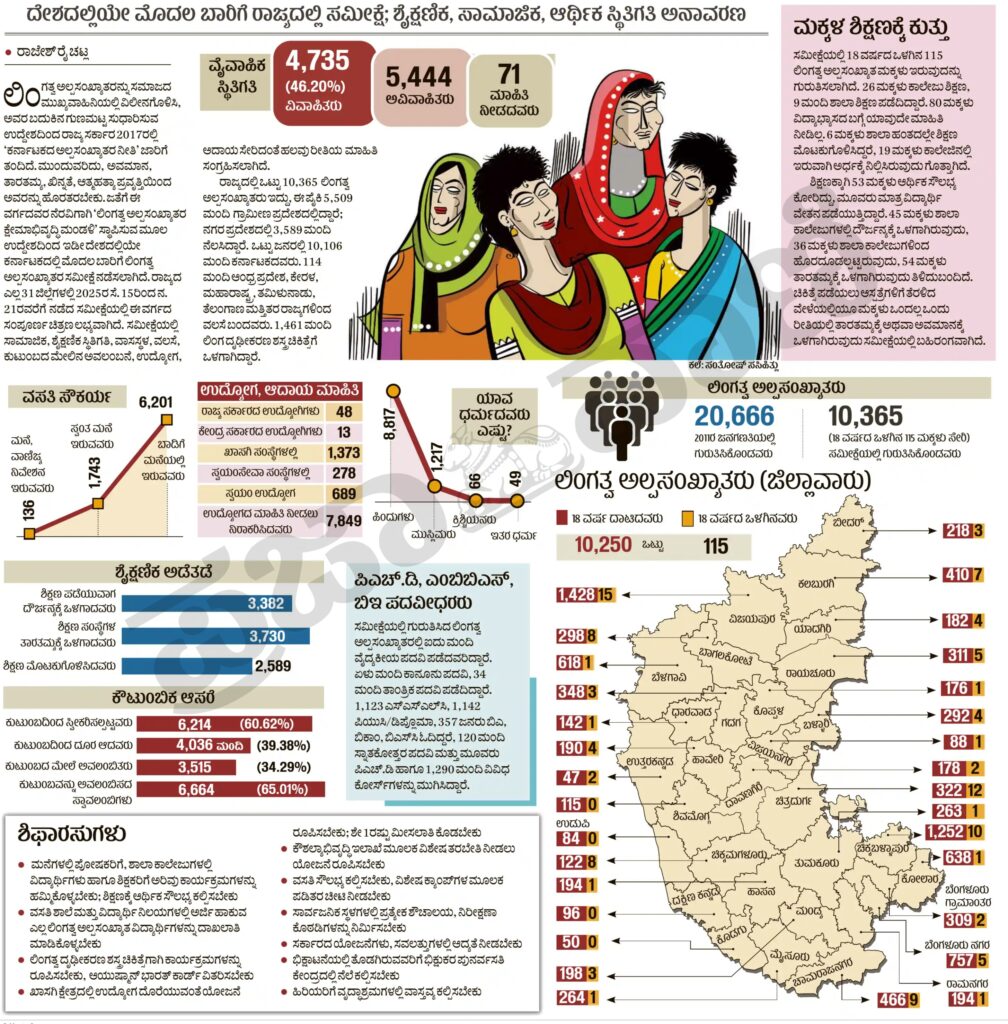
ಲಿಂಗತ್ವ ಅಲ್ಪಸಂಖ್ಯಾತರ ಲೋಕದಲ್ಲಿ…
ಪತ್ರಿಕೆ-I: ಪ್ರಬಂಧಗಳು
ಪ್ರಬಂಧ-1:
ಮೆರಿಟೋಕ್ರಸಿಯಿಂದ ಕಾರ್ಯಕ್ಷಮತೆ ಆಧಾರಿತ ಆಡಳಿತದತ್ತ: ನಾಗರಿಕ ಸೇವಾ ಸುಧಾರಣೆಗಳ ಅಗತ್ಯತೆ ಮತ್ತು ಸವಾಲುಗಳ ಕುರಿತು ಚರ್ಚಿಸಿ.
ಕರ್ನಾಟಕದಲ್ಲಿ ಲಿಂಗ ಅಲ್ಪಸಂಖ್ಯಾತರು ಮತ್ತು ದೇವದಾಸಿಯರ ಸಾಮಾಜಿಕ ಆರ್ಥಿಕ ಸಮೀಕ್ಷೆ: ಒಳಗೊಳ್ಳುವ ನೀತಿ ನಿರೂಪಣೆಯತ್ತ ಒಂದು ಹೆಜ್ಜೆ? ಚರ್ಚಿಸಿ.
ಪತ್ರಿಕೆ-II: ಸಾಮಾನ್ಯ ಅಧ್ಯಯನ-1
ರಫ್ತು: ಫೋನ್ಗೆ ಅಗ್ರ ಸ್ಥಾನ
ಸಂದರ್ಭ:ಭಾರತದಿಂದ ರಫ್ತಾಗುವ ಸರಕುಗಳ ವರ್ಗದಲ್ಲಿ ಈಗ ಸ್ಮಾರ್ಟ್ಫೋನ್ಗಳು ಮೊದಲ ಸ್ಥಾನಕ್ಕೆ ಬಂದಿವೆ.
2024-25 ಭಾರತದಲ್ಲಿ ಅಂದಾಜು ಸಾಲಿನಲ್ಲಿ 25.5 ಲಕ್ಷ ಕೋಟಿ ಮೌಲ್ಯದ ಮೊಬೈಲ್ ಫೋನ್ಗಳನ್ನು ತಯಾರು ಮಾಡಲಾಗಿದೆ.
2025ರಲ್ಲಿ ದೇಶದಿ೦ದ ರಫ್ತಾಗಿರುವ ಎಲೆಕ್ಟ್ರಾನಿಕ್ಸ್ ಸರಕುಗಳ ಮೌಲ್ಯವು ₹4 ಲಕ್ಷ ಕೋಟಿಯನ್ನು ದಾಟಿದೆ. ದೇಶದಲ್ಲಿ ನಾಲ್ಕು ಸೆಮಿಕಂಡಕ್ಟರ್ ತಯಾರಿಕಾ ಘಟಕಗಳು ಈ ವರ್ಷ ಉತ್ಪಾದನೆ ಆರಂಭಿಸಿದ ನಂತರದಲ್ಲಿ ಈ ಮೌಲ್ಯವು ಇನ್ನಷ್ಟು ಹೆಚ್ಚಾಗಲಿದೆ ಎಂಬ ಅಂದಾಜು ಮಾಡಲಾಗಿದೆ.
ಪತ್ರಿಕೆ-III: ಸಾಮಾನ್ಯ ಅಧ್ಯಯನ-2
ವಿಶ್ವಸಂಸ್ಥೆ ನಿರ್ಣಯದ ಮೇಲಿನ ಮತದಾನದಿಂದ ದೂರವುಳಿದ ಭಾರತ
ಭಾರತ ಸೇರಿದಂತೆ 51 ದೇಶಗಳು ವಿಶ್ವಸಂಸ್ಥೆಯ ಸಾಮಾನ್ಯ ಅಧಿವೇಶನದಲ್ಲಿ ರಷ್ಯ ಮತ್ತು ಉಕ್ರೇನ್ ನಡುವೆ ‘ತಕ್ಷಣದ, ಸಂಪೂರ್ಣ ಮತ್ತು ಬೇಷರತ್ ಕದನ ವಿರಾಮ’ಕ್ಕೆ ಕರೆ ನೀಡಿರುವ ನಿರ್ಣಯದ ಮೇಲಿನ ಮತದಾನದಿಂದ ದೂರವುಳಿದಿವೆ.
ಉಕ್ರೇನ್ ಮಂಡಿಸಿದ ನಿರ್ಣಯವನ್ನು 193 ಸದಸ್ಯರ ಅಧಿವೇಶನವು ಅಂಗೀಕರಿಸಿತು. ನಿರ್ಣಯದ ಪರವಾಗಿ 107 ಮತ್ತು ನಿರ್ಣಯದ ವಿರುದ್ಧವಾಗಿ 12 ದೇಶಗಳು ಮತ ಚಲಾಯಿಸಿದ್ದವು.
ಭಾರತವಲ್ಲದೆ ನಿರ್ಣಯದಿಂದ ದೂರವುಳಿದ ಇತರ 50 ಸದಸ್ಯ ರಾಷ್ಟ್ರಗಳಲ್ಲಿ ಬಹರೈನ್,ಬಾಂಗ್ಲಾದೇಶ, ಬ್ರೆಝಿಲ್, ಚೀನಾ, ದಕ್ಷಿಣ ಆಫ್ರಿಕಾ, ಶ್ರೀಲಂಕಾ, ಯುಎಇ ಮತ್ತು ಅಮೆರಿಕ ಸೇರಿವೆ.
ನಿರ್ಣಯವು ಉಕ್ರೇನ್ನ ಸಾರ್ವಭೌಮತೆ, ಸ್ವಾತಂತ್ರ್ಯ ಮತ್ತು ಪ್ರಾದೇಶಿಕ ಅಖಂಡತೆಗೆ ಬೆಂಬಲವನ್ನು ಪುನರುಚ್ಚರಿಸಿದೆ. ಜೊತೆಗೆ ಯುದ್ಧಕೈದಿಗಳ ವಿನಿಮಯ ಹಾಗೂ ಬಲವಂತದಿಂದ ಸ್ಥಳಾಂತರಿಸಲ್ಪಟ್ಟ ಅಥವಾ ಗಡಿಪಾರುಗೊಂಡ ನಾಗರಿಕರು ಮತ್ತು ಮಕ್ಕಳನ್ನು ಮರಳಿಸುವಂತೆ ಒತ್ತಾಯಿಸಿದೆ.
ನಾಗರಿಕರು, ನಾಗರಿಕ ಆಸ್ತಿಗಳು ಮತ್ತು ಪ್ರಮುಖ ಇಂಧನ ಮೂಲಸೌಕರ್ಯಗಳ ಮೇಲೆ ರಶ್ಯದಿಂದ ನಿರಂತರ ಮತ್ತು ತೀವ್ರ ದಾಳಿಗಳು ಹಾಗೂ ಹದಗೆಡುತ್ತಿರುವ ಮಾನವೀಯ ಪರಿಸ್ಥಿತಿಯ ಕುರಿತು ಕಳವಳವನ್ನೂ ನಿರ್ಣಯವು ವ್ಯಕ್ತಪಡಿಸಿದೆ.
ಪತ್ರಿಕೆ-IV: ಸಾಮಾನ್ಯ ಅಧ್ಯಯನ-3
ಪತ್ರಿಕೆ-V: ಸಾಮಾನ್ಯ ಅಧ್ಯಯನ-4
ನೈತಿಕ ಪ್ರಕರಣ ಅಧ್ಯಯನ – ವಾಣಿಜ್ಯ ಕಟ್ಟಡಗಳಲ್ಲಿ ಅಗ್ನಿ ಸುರಕ್ಷತಾ ಉಲ್ಲಂಘನೆ
ಹಿನ್ನಲೆ: ಬೆಂಗಳೂರಿನ ಗಿಜಿಗುಡಿದ ವಾಣಿಜ್ಯ ಪ್ರದೇಶದಲ್ಲಿ ಸಂಭವಿಸಿದ ಅಗ್ನಿ ಅವಘಡವು ಅಗ್ನಿ ಸುರಕ್ಷತಾ ನಿಯಮಗಳ ಗಂಭೀರ ಉಲ್ಲಂಘನೆಗಳನ್ನು ಬಹಿರಂಗಪಡಿಸಿದೆ. ಅನೇಕ ಅಂಗಡಿಗಳು ಮತ್ತು ಸಣ್ಣ ವ್ಯಾಪಾರಗಳನ್ನು ಹೊಂದಿರುವ ಕಟ್ಟಡದಲ್ಲಿ ತುರ್ತು ನಿರ್ಗಮನ ದ್ವಾರಗಳು, ಕಾರ್ಯನಿರ್ವಹಣೆಯಲ್ಲಿರುವ ಅಗ್ನಿ ನಂದಕಗಳು, ಸರಿಯಾದ ವಿದ್ಯುತ್ ಸಂಪರ್ಕ ವ್ಯವಸ್ಥೆ ಇತ್ಯಾದಿ ಮೂಲಭೂತ ಸುರಕ್ಷತಾ ಸೌಲಭ್ಯಗಳು ಅಪೂರ್ಣವಾಗಿದ್ದವು ಎಂದು ತಿಳಿದುಬಂದಿದೆ. ಅದೃಷ್ಟವಶಾತ್ ಪ್ರಾಣಹಾನಿ ಸಂಭವಿಸದಿದ್ದರೂ, ಸಾರ್ವಜನಿಕ ಸುರಕ್ಷತೆ, ಆಡಳಿತಾತ್ಮಕ ಜವಾಬ್ದಾರಿ ಮತ್ತು ನಿಯಂತ್ರಣದ ಪರಿಣಾಮಕಾರಿತ್ವದ ಕುರಿತು ಪ್ರಶ್ನೆಗಳು ಉದ್ಭವಿಸಿವೆ. ಪ್ರಾಥಮಿಕ ಮಾಹಿತಿಯ ಪ್ರಕಾರ, ಕಟ್ಟಡಕ್ಕೆ ಹಿಂದೆ ಅಗ್ನಿಶಾಮಕ ಇಲಾಖೆಯಿಂದ ನೋಟಿಸ್ಗಳು ನೀಡಲಾಗಿದ್ದರೂ, ತಿದ್ದುಪಡಿ ಕ್ರಮಗಳು ಪೂರ್ಣವಾಗಿ ಜಾರಿಯಾಗಿರಲಿಲ್ಲ. ಮೇಲ್ವಿಚಾರಣೆ ಮತ್ತು ಅನುಷ್ಠಾನದಲ್ಲಿ ನಿರ್ಲಕ್ಷ್ಯವೋ, ಅಥವಾ ಅಕ್ರಮಗಳೇ ನಡೆದಿವೆಯೋ ಎಂಬ ಅನುಮಾನವೂ ವ್ಯಕ್ತವಾಗಿದೆ.
ನೀವು ಜಿಲ್ಲೆಯ ಹಿರಿಯ ಆಡಳಿತಾಧಿಕಾರಿಯಾಗಿ ಸಾರ್ವಜನಿಕ ಸುರಕ್ಷತೆಯನ್ನು ಖಚಿತಪಡಿಸುವ ಜವಾಬ್ದಾರಿಯನ್ನು ಹೊಂದಿದ್ದೀರಿ. ಪ್ರಮುಖ ನೈತಿಕ ಪ್ರಶ್ನೆಗಳು:
ಸಾರ್ವಜನಿಕ ಸುರಕ್ಷತೆ vs ವ್ಯಾಪಾರ ಹಿತಾಸಕ್ತಿ
ನಿಯಂತ್ರಣ ಜವಾಬ್ದಾರಿ vs ಆಡಳಿತಾತ್ಮಕ ನಿರ್ಲಕ್ಷ್ಯ
ಅಕ್ರಮ/ಭ್ರಷ್ಟಾಚಾರ vs ಸತ್ಯನಿಷ್ಠೆ
ನಗರ ಅಭಿವೃದ್ಧಿ vs ಸುರಕ್ಷತಾ ಮಾನದಂಡಗಳು
ಸಂಸ್ಥೆಯ ಪ್ರತಿಷ್ಠೆ vs ಪೀಡಿತರ ನ್ಯಾಯ
ಪಾಲುದಾರರು ಅಂಗಡಿ ಮಾಲೀಕರು ಮತ್ತು ವ್ಯಾಪಾರಿಗಳು ಉದ್ಯೋಗಿಗಳು ಮತ್ತು ಗ್ರಾಹಕರು ಸ್ಥಳೀಯ ನಿವಾಸಿಗಳು ಅಗ್ನಿಶಾಮಕ ಇಲಾಖೆ ಮಹಾನಗರ ಪಾಲಿಕೆ ಜಿಲ್ಲಾಡಳಿತ ಸಾಮಾನ್ಯ ಸಾರ್ವಜನಿಕರು
ನಿಮ್ಮ ಮುಂದಿರುವ ಆಯ್ಕೆಗಳು ಆಯ್ಕೆ 1: ಕಟ್ಟಡವನ್ನು ತಕ್ಷಣ ಸೀಲ್ ಮಾಡಿ, ಕಟ್ಟುನಿಟ್ಟಿನ ಕಾನೂನು ಕ್ರಮ ಕೈಗೊಳ್ಳುವುದು.
ಆಯ್ಕೆ 2: ಹೊಸ ನೋಟಿಸ್ ನೀಡಿ, ದಂಡ ವಿಧಿಸಿ, ನಿಗದಿತ ಅವಧಿಯಲ್ಲಿ ತಿದ್ದುಪಡಿ ಮಾಡಲು ಅವಕಾಶ ನೀಡುವುದು.
ಆಯ್ಕೆ 3: ಸ್ವತಂತ್ರ ತನಿಖೆ ಆದೇಶಿಸಿ, ಜವಾಬ್ದಾರಿಯನ್ನು ನಿಗದಿಪಡಿಸಿ, ನಗರಮಟ್ಟದಲ್ಲಿ ಸಮಗ್ರ ಸುರಕ್ಷತಾ ಪರಿಶೀಲನೆ ಆರಂಭಿಸುವುದು.
Current Events of National and International Importance
₹9,072 cr. for three railway projects for various States
Context: The Cabinet Committee on Economic Affairs, chaired by Prime Minister Narendra Modi, approved three multi-tracking railway projects at a cost of ₹9,072 crore.
The projects include the construction of a second line on the Gondia (Maharashtra)-Jabalpur (Madhya Pradesh) section and the addition of third and fourth lines between Punarakh and Kiul in Bihar, and between Gamharia and Chandil in Jharkhand.
Spanning a total length of 307 km, the three projects are aimed at decongesting these busy sections. The proposed works are expected to enhance connectivity to nearly 5,407 villages, and improve rail connectivity to several prominent tourist destinations, including Kachnar Shiv Temple, Kanha National Park (Balaghat), and Pench National Park, among others.
According to the Ministry of Road Transport and Highways, the projects are being undertaken under the PM-Gati Shakti National Master Plan and aims to enhance multi-modal connectivity and logistics efficiency through integrated planning.
Current Events of State Importance and Important Government Schemes and Programs
Asha Kirana initiative reaches 1.4 cr. people across Karnataka
Context: 393 permanent vision centres have been established across district hospitals, taluk hospitals, and community health centres as part of the initiative to strengthen institutional services.
The State Health Department’s flagship eye-care initiative, Asha Kirana, redesigned with the objective of eliminating preventable visual impairment, has facilitated free eye screenings for 1.4 crore people through ASHA workers since its launch in July 2025.
393 vision centres
To tackle preventable blindness, the Health Department expanded and restructured the Asha Kirana programme under the National Programme for Control of Blindness and Visual Impairment (NPCBVI).
As part of this initiative to strengthen institutional services, 393 permanent Asha Kirana vision centres have been established across district hospitals, taluk hospitals, and community health centres.
Cataract surgeries
Launched simultaneously on July 3, 2025, the centres provide comprehensive eye-care services, including vision screening, free distribution of spectacles, free cataract surgeries, and eye donation and collection services.
While 1.4 crore people have been screened in these centres so far, over 2.91 lakh people have been provided free spectacles. A total of 4,19,972 cataract surgeries have been performed till January 2026, of which 58,582 were conducted in government hospitals and 3,61,390 in private hospitals, according to data.
Aimed at increasing awareness and access to eye health services, particularly targeting cataracts and uncorrected refractive errors — the two major causes of vision impairment in the country — the programme was earlier carried out through doorstep screenings by ASHA workers and field staff from the department on a campaign mode. However, under the redesigned programme, people can visit the vision centres in public health facilities at their convenience and get screened for eye problems. This ensures continuous and accessible services.
WHO recognition
Health Minister: The initiative has emerged as a source of hope for economically disadvantaged individuals who have lost vision due to various health conditions.
“The World Health Organisation (WHO) has commended the programme, granting it global recognition. The WHO has also expressed interest in documenting the Asha Kirana model to examine the possibility of replicating the comprehensive eye-care framework in other States and countries,”.
Paper-I: Essays
Essay – 1: Mobile Usage Regulation: Is It an Individual Responsibility or Does It Require Government Intervention? Discuss.
Essay – 2: Guarantee Schemes: Instruments of Social Justice or Sources of Fiscal Stress?
Paper-II: General Studies 1
Paper-III: General Studies 2
Now, khata changes for farmlands can be done through mobile phones
Context: The Karnataka government launched an auto-mutation system that facilitates farmland owners to effect changes in khatas from their mobiles without visiting Revenue offices.
Though this method was in force since 2024, it was confined to only instances where there was no need to issue notices. The new initiative would now allow changes in all instances to be made to khatas online.
Aapplications under this facility could be made through the Bhoomi portal. There will be a notice period of seven days for general cases, during which objections could be filed by anyone through this portal. The khata would be changed automatically on the eight day if no objections were filed.
However, the notice period would stretch for 15 days for cases that seek changes in khata owing to reasons other than registration. Even in these cases, the change would be automatically effected on the 16th day if there are no objections.
Union Cabinet nod for ‘Kerala’ to become ‘Keralam’
Context: The Kerala Assembly passed a resolution seeking name change on June 2024. The Union Cabinet approved the Kerala government’s proposal to change the State’s name from ‘Kerala’ to ‘Keralam’, the name used in the Malayalam language.
The President will now refer the Kerala (Alteration of Name) Bill, 2026, to the Kerala Legislative Assembly to express its views, under the proviso to Article 3 of the Constitution of India.
Once these views are received, the Union government will take further action to obtain the President’s recommendation to introduce the name change legislation in Parliament.
The decision was taken at a Cabinet meeting chaired by Prime Minister Narendra Modi at its first gathering at Seva Teerth, the new complex housing the Prime Minister’s Office.
The move comes almost two years after the Kerala Assembly passed a resolution seeking the name change.
The resolution, dated June 24, 2024, said: “The name of our State is ‘Keralam’ in Malayalam Language. States were formed on the basis of language on the 1st day of November, 1956. The Kerala Piravi Day is also on the 1st day of November. Since the time of national independence struggle, there has been a strong demand for the formation of United Kerala for the people speaking Malayalam language.
But in the First Schedule to the Constitution the name of our State is recorded as ‘Kerala’. This Assembly unanimously appeal to the Central Government to take urgent steps as per Article 3 of the Constitution for modifying the name as ‘Keralam’.”
The matter was considered in the Ministry of Home Affairs and, with the approval of Minister Amit Shah, the draft note was circulated to the Department of Legal Affairs and the Legislative Department of the Ministry of Law and Justice, for their comments. These departments concurred with the proposal to change the name.
Paper-IV: General Studies 3
Govt. to roll out free HPV vaccination programme
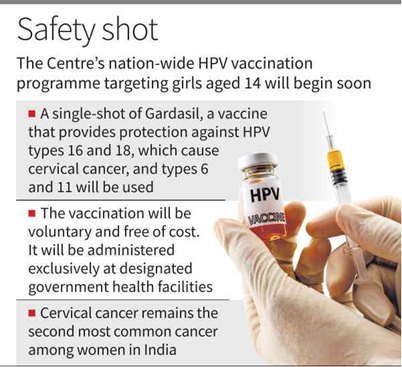
Context: The Union Health Ministry is set to launch a nation-wide Human Papillomavirus (HPV) vaccination programme targeting girls aged 14.
The vaccination will be voluntary and free of cost, ensuring equitable access across socio-economic groups.
India will useGardasil, a quadrivalent HPV vaccine, for protection from HPV types 16 and 18, which cause cervical cancer, and types 6 and 11.
“Global and Indian scientific evidence confirms that a single dose provides robust and durable protection when administered to girls in the recommended age group,” a senior Health Ministry official said.
“The nation-wide programme will target girls aged 14 years, an age at which the HPV vaccine offers maximum preventive benefit, well before potential exposure to the virus,” the official said.
To ensure uninterrupted availability and quality, India has secured HPV vaccine supplies through a transparent, globally supported procurement mechanism.
“Under India’s partnership with Gavi, the Vaccine Alliance, Gardasil vaccines, which are approved by India’s drug regulator and widely used internationally, have been made available for the national programme. The procurement follows stringent quality and cold chain standards, enabling the government to provide the vaccine free of cost to eligible girls across all States and Union Territories,’’ the official said.
HPV vaccination under the national programme will be conducted exclusively at designated government health facilities, including the Ayushman Arogya Mandirs (Primary Health Centres), Community Health Centres, Sub-District and District Hospitals, and Government Medical Colleges.
Each vaccination session will be carried out in the presence of trained medical officers, supported by skilled healthcare teams, and equipped for post-vaccination observation and management of any rare adverse events.
Cervical cancer remains the second most common cancer among women in India, with nearly 80,000 new cases reported annually.
Paper-V: General Studies 4
Ethics Case Study – Factory Issue in Koppal District Background: In a village of Koppal district, the establishment of a new industrial factory has triggered significant public opposition. The government argues that the project will generate employment opportunities and promote regional economic development. However, local farmers and residents fear that the factory may cause environmental pollution, damage agricultural land, deplete water resources, and lead to health problems. While the protests initially began peacefully, there are signs of rising tension and potential law-and-order concerns. As a district-level administrative officer, you are responsible for handling the situation. You must balance the need for industrial development with environmental protection, livelihood security, and public peace.
Ethical Issues Involved 1.Economic development vs Environmental protection 2.Job creation vs Protection of health and agriculture 3.Public interest vs Private corporate profit 4.Legal compliance vs Political and economic pressure 5.Transparency vs Administrative expediency
Stakeholders Local farmers and villagers The company establishing the factory State government District administration and police Pollution Control Board Environmental activists and civil society groups Future job seekers
Options Available Option 1: Grant immediate approval for the factory to begin operations.
Option 2: Temporarily halt the project and order a re-evaluation of the Environmental Impact Assessment (EIA).
Option 3: Initiate dialogue with all stakeholders and attempt a negotiated solution with safeguards and compensatory measures.
ರಾಷ್ಟ್ರೀಯ ಮತ್ತು ಅಂತರರಾಷ್ಟ್ರೀಯ ಮಹತ್ವದ ಪ್ರಚಲಿತ ವಿದ್ಯಮಾನಗಳು
ರಾಜ್ಯದ ಪ್ರಾಮುಖ್ಯತೆಯ ಪ್ರಸ್ತುತ ಘಟನೆಗಳು ಮತ್ತು ರಾಜ್ಯ ಸರ್ಕಾರದ ಪ್ರಮುಖ ಯೋಜನೆಗಳು
ಪತ್ರಿಕೆ-I: ಪ್ರಬಂಧಗಳು
ಪ್ರಬಂಧ-1:
ಮೊಬೈಲ್ ಬಳಕೆ ನಿಯಂತ್ರಣ: ಇದು ವೈಯಕ್ತಿಕ ಹೊಣೆಗಾರಿಕೆಯೇ ಅಥವಾ ಸರ್ಕಾರದ ಹಸ್ತಕ್ಷೇಪ ಅಗತ್ಯವೇ? ಚರ್ಚಿಸಿ.
ಪ್ರಬಂಧ–2:
ಗರಿಷ್ಠ ಗ್ಯಾರಂಟಿ ಯೋಜನೆಗಳು: ಸಾಮಾಜಿಕ ನ್ಯಾಯವೇ ಅಥವಾ ಹಣಕಾಸು ಒತ್ತಡವೇ?
ಪತ್ರಿಕೆ-II: ಸಾಮಾನ್ಯ ಅಧ್ಯಯನ-1
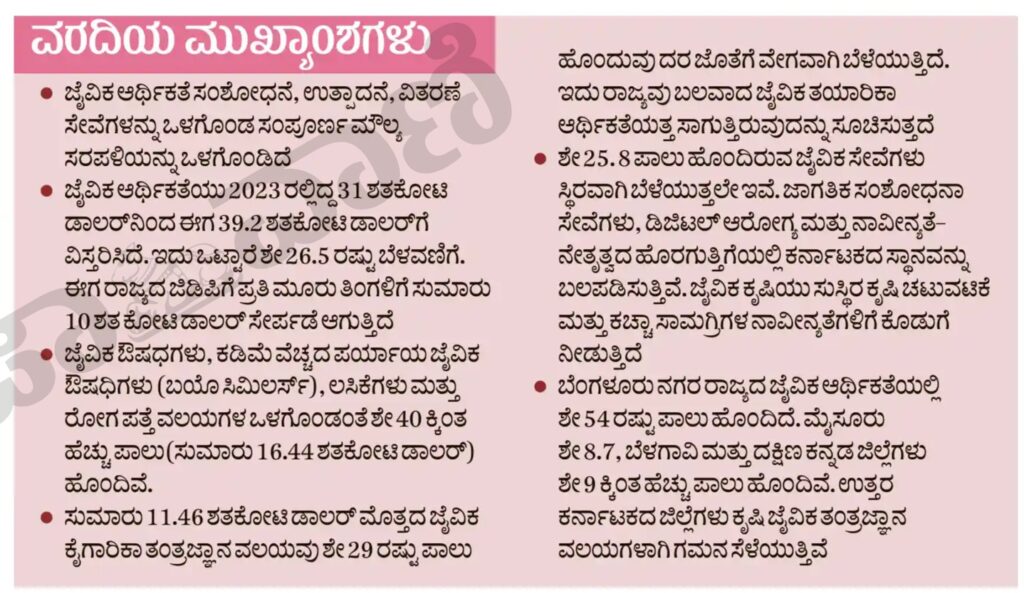
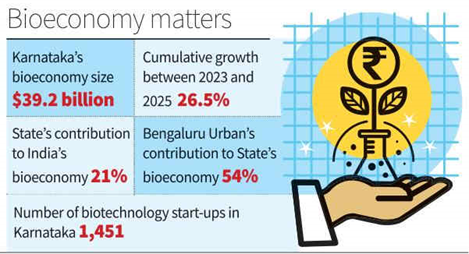
₹3.25 ಲಕ್ಷ ಕೋಟಿ ಜೈವಿಕ ಆರ್ಥಿಕತೆ ಸಂದರ್ಭ: ರಾಜ್ಯದಲ್ಲಿ ಜೈವಿಕ ಆರ್ಥಿಕತೆಯು (ಬಯೋ ಎಕಾನಮಿ) 2025 ರಲ್ಲಿ ₹3.25,360 ಕೋಟಿಗಳಿಗೆ (39.2 ಶತಕೋಟಿ ಡಾಲರ್) ಏರಿಕೆಯಾಗಿದೆ. ಹಿಂದಿನ ವರ್ಷಕ್ಕಿಂತ ಗರಿಷ್ಠ ಬೆಳವಣಿಗೆ ದಾಖಲಿಸಿದೆ.
ಕರ್ನಾಟಕ ನಾವೀನ್ಯತೆ ಮತ್ತು ತಂತ್ರಜ್ಞಾನ ಸೊಸೈಟಿಯು (ಕೆಐಟಿಎಸ್), ಜೈವಿಕ ತಂತ್ರಜ್ಞಾನ ಉದ್ಯಮಗಳ ಸಂಘದ (ಎಬಿಎಲ್ಇ) ಸಹಯೋಗದಲ್ಲಿ ಸಿದ್ಧಪಡಿಸಿರುವ ರಾಜ್ಯದ ಜೈವಿಕ ಆರ್ಥಿಕ ವರದಿ 2025 ರಲ್ಲಿ ಈ ಮಾಹಿತಿ ಇದೆ. ಈ ವರದಿಯನ್ನು ಐಟಿ ಬಿಟಿ ಸಚಿವ ಬಿಡುಗಡೆ ಮಾಡಿದರು.
‘ಕರ್ನಾಟಕವು ದೇಶದ ಜೈವಿಕ ಆರ್ಥಿಕತೆಗೆ ಶೇ 21ರಷ್ಟು ಕೊಡುಗೆ ನೀಡುತ್ತಿದೆ. ರಾಜ್ಯದ ಒಟ್ಟು ಅಂತರಿಕ ಉತ್ಪನ್ನದಲ್ಲಿ (ಜಿಎಸ್ಡಿಪಿ) ಶೇ 10 ಕ್ಕಿಂತ ಹೆಚ್ಚು ಪಾಲು ಹೊಂದಿದೆ. ಜೈವಿಕ ತಂತ್ರಜ್ಞಾನವು ಅರ್ಥಿಕ ಬೆಳವಣಿಗೆಯ ಪ್ರಮುಖ ಎಂಜಿನ್ ಆಗಿರುವುದಕ್ಕೆ ನಿದರ್ಶನವಾಗಿದೆ. ದೇಶದ ಅತ್ಯಂತ ಪ್ರಬುದ್ಧ ಮತ್ತು ನಾವೀನ್ಯ ಆಧಾರಿತ ಜೈವಿಕ ತಂತ್ರಜ್ಞಾನ ವ್ಯವಸ್ಥೆಯಾಗಿ ಸುಸ್ಥಿರ ರೀತಿಯಲ್ಲಿ ಮುಂಚೂಣಿ ಸ್ಥಾನ ಕಾಯ್ದುಕೊಂಡಿರುವುದನ್ನು ಈ ವರದಿ ಬೆಳಕು ಚೆಲ್ಲಿದೆ’.
ಜೈವಿಕ ತಂತ್ರಜ್ಞಾನವು ಇನ್ನು ಮುಂದೆ ಪ್ರಯೋಗಾಲಯಗಳಿಗೆ ಮಾತ್ರ ಸೀಮಿತವಾಗಿರದೇ ಆರ್ಥಿಕ ಬೆಳವಣಿಗೆ, ಕೈಗಾರಿಕಾ ನಾವೀನ್ಯತೆ ಮತ್ತು ಸಾಮಾಜಿಕ ಪ್ರಭಾವದ ಕೇಂದ್ರ ಚಾಲಕ ಶಕ್ತಿಯಾಗಲಿದೆ. ಡೀಪ್ ಟೆಕ್ ನವೋದ್ಯಮಗಳಿಗೆ ಬೆಂಬಲ, ನಾವೀನ್ಯತೆ, ಮೂಲ ಸೌಕರ್ಯಗಳ
ಬಲಪಡಿಸುವಿಕೆ ಮತ್ತು ಬೆಳವಣಿಗೆಯು ಬೆಂಗಳೂರು ಅಚೆಗಿನ ಪ್ರತಿಯೊಂದು ಪ್ರದೇಶಕ್ಕೂ ತಲುಪುವಂತೆ ನೋಡಿಕೊಳ್ಳಬೇಕಾಗಿದೆ.
ಪತ್ರಿಕೆ-III: ಸಾಮಾನ್ಯ ಅಧ್ಯಯನ-2
ತಕ್ಷಣವೇ ಸಿಗಲಿದೆ ಮ್ಯುಟೇಷನ್ ಪ್ರತಿ
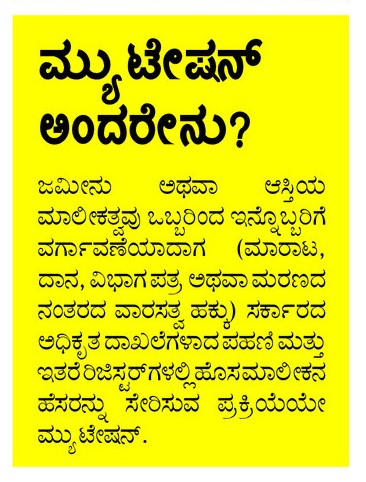
ಸಂದರ್ಭ: ಕೃಷಿ ಭೂಮಿ ಸೇರಿದಂತೆ ಯಾವುದೇ ಸ್ವತ್ತಿಗೆ ಸ್ವಯಂ ಚಾಲಿತವಾಗಿ ಮ್ಯುಟೇಷನ್ ಪಡೆಯಬಹುದಾದ ಹೊಸ ವ್ಯವಸ್ಥೆಗೆ ಕಂದಾಯ ಸಚಿವ ಚಾಲನೆ ನೀಡಿದರು.
ಚಾಲಿತ ಎಲ್ಲ 7 ದಿನಗಳ ಮತ್ತು 15 ದಿನಗಳ ನೋಟಿಸ್ ಅವಧಿ ಹೊಂದಿರುವ ಮ್ಯುಟೇಷನ್ಗಳನ್ನು ನೋಟಿಸ್ ಅವಧಿ ಮುಕ್ತಾಯವಾದ ನಂತರ ಮಾನವ ಹಸ್ತಕ್ಷೇಪವಿಲ್ಲದೆ ಸ್ವಯಂ ತಂತ್ರಾಂಶದ ಮೂಲಕ ಸರ್ವರ್ ಸಹಿ ಇರುವ ಮ್ಯುಟೇಷನ್ ಪಡೆಯ ಬಹುದಾಗಿದೆ. ಇದರಿಂದಾಗಿ ಕ್ರಯ, ವಿಭಾಗ, ದಾನ, ಪೌತಿ, ಉಯಿಲುಗಳ ಮ್ಯುಟೇಷನ್ ಸ್ವಯಂಚಾಲಿತವಾಗಿ ಪಡೆಯಬಹುದು.
ಒಂದು ವೇಳೆ 7 ಕೆಲಸದ ದಿನಗಳು ಅದವಾ 15 ಕೆಲಸದ ದಿನಗಳ ನೋಟಿಸ್ ಅವಧಿಯೊಳಗೆ ಕಂದಾಯ ನಿರೀಕ್ಷಕರು (ಸರ್ಕಾರಿ ಆಕ್ಷೇಪ) ಅಥವಾ ಸಾರ್ವಜನಿಕರು ತಕರಾರು ಸಲ್ಲಿಸಿದರೆ, ಅಂತಹ ಮ್ಯುಟೇಷನ್ಗಳನ್ನು ಪೂರ್ಣಗೊಳಿಸದೆ, ಅರ್ಸಿಸಿಎಂಎಸ್ ತಂತ್ರಾಂಶದ ಮೂಲಕ ತಹಶೀಲ್ದಾರ್ ನ್ಯಾಯಾಲಯಕ್ಕೆ ಪ್ರಕರಣವನ್ನು ವರ್ಗಾಯಿಸಲಾಗುತ್ತದೆ. ತಹಶೀಲ್ದಾರರ ನಿರ್ಧಾರದಂತೆ ಮುಂದಿನ ಕ್ರಮ ಕೈಗೊಳ್ಳಲಾಗುತ್ತದೆ.
ಈ ಹಿಂದೆ ಮ್ಯುಟೇಷನ್ ಗಳಿಗೆ ಆಕ್ಷೇಪಣೆ ಇದ್ದಲ್ಲಿ ಅಥವಾ ಅನುಮೋದನೆ ನೀಡಬೇಕಾದಲ್ಲಿ, ರಾಜಸ್ವ ನಿರೀಕ್ಷಕರು ಖುದ್ದಾಗಿ ತಾಲ್ಲೂಕು ಕಚೇರಿಗಳಿಗೆ ಬಂದು ಸಲ್ಲಿಸಬೇಕಾ ಗಿತ್ತು. ಈಗ ರಾಜಸ್ವ ನಿರೀಕ್ಷಕರಿಗೆ ಲಾಗಿನ್ ನೀಡಿದ್ದು, ಯಾವುದೇ ಸ್ಥಳದಿಂದ ಆಕ್ಷೇಪಣೆ ಸಲ್ಲಿಸಲು ತಂತ್ರಾಂಶದಲ್ಲಿ ಅವಕಾಶ ನೀಡಲಾಗಿದೆ.
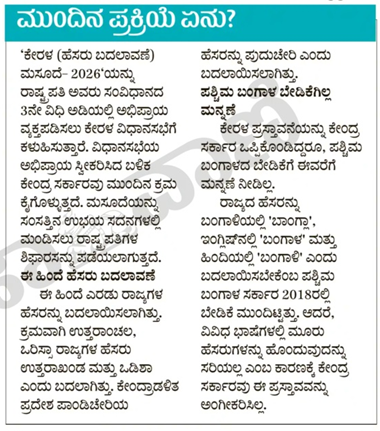
ಕೇರಳ ಶೀಘ್ರದಲ್ಲೇ ಆಗಲಿದೆ ‘ಕೇರಳಂ’: ‘ಕೇರಳಂ’ ಹೆಸರಿಗೆ ಸಂಪುಟ ಒಪ್ಪಿಗೆ
ಸಂದರ್ಭ: ಕೇರಳ ಶೀಘ್ರದಲ್ಲೇ ‘ಕೇರಳಂ’ ಆಗಲಿದೆ. ರಾಜ್ಯದ ಮರು ನಾಮಕರಣ ಪ್ರಕ್ರಿಯೆಗೆ ಕೇಂದ್ರ ಸರ್ಕಾರ ಚಾಲನೆ ನೀಡಿದೆ.
ಕೇರಳ ರಾಜ್ಯದ ಹೆಸರನ್ನು ‘ಕೇರಳಂ’ ಎಂದು ಬದಲಾಯಿಸಲು ಕೇಂದ್ರ ಸಂಪುಟ ಒಪ್ಪಿಗೆ ನೀಡಿದೆ.
ಕೇರಳದ ಹೆಸರನ್ನು ಅಧಿಕೃತ ವಾಗಿ ‘ಕೇರಳಂ’ ಎಂದು ಬದಲಾಯಿಸುವಂತೆ ಕೇಂದ್ರವನ್ನು ಒತ್ತಾಯಿಸುವ ನಿರ್ಣಯ ‘ವನ್ನು ಕೇರಳ ವಿಧಾನಸಭೆಯು 2023ರ * ಅಗಸ್ಟ್ 9ರಂದು ಅಂಗೀಕರಿಸಿತ್ತು.
‘ಭಾಷೆಗಳ ಆಧಾರದಲ್ಲಿ 1956ರ ನ.1ರಂದು ರಾಜ್ಯಗಳನ್ನು ರಚಿಸಲಾಗಿತ್ತು. ಕೇರಳ ಪಿರವಿ ದಿನವನ್ನೂ ನ.1 ರಂದು ಆಚರಿಸಲಾಗುತ್ತದೆ. ರಾಜ್ಯವನ್ನು ಮಲಯಾಳ ಭಾಷೆಯಲ್ಲಿ ‘ಕೇರಳಂ* ಎಂದೇ ಕರೆಯಲಾಗುತ್ತಿದೆ. ಆದರೆ, ಇತರ ಭಾಷೆಗಳಲ್ಲಿ ರಾಜ್ಯದ ಹೆಸರು ಇನ್ನೂ ಕೇರಳವಾಗಿದೆ. ಸಂವಿಧಾನದ 3ನೇ ವಿಧಿದಡಿ ‘ಕೇರಳಂ’ ಎಂದು ತಿದ್ದುಪಡಿ ಮಾಡಲು ಮತ್ತು ಸಂವಿಧಾನದ 8ನೇ ವಿಧಿಯಡಿದಲ್ಲಿ ಉಲ್ಲೇಖಿಸಿರುವ ಎಲ್ಲ ಭಾಷೆಗಳಲ್ಲಿ ‘ಕೇರಳಂ’ ಎಂದು ಮರು ನಾಮಕರಣ ತಕ್ಷಣ ಮಾಡಲು ಕ್ರಮ ಕೈಗೊಳ್ಳುವಂತೆ ವಿಧಾನಸಭೆ ಸರ್ವಾನುಮತದಿಂದ ಕೇಂದ್ರ ಸರ್ಕಾರ ವನ್ನು ಕೋರುತ್ತದೆ’ ಎಂದು ನಿರ್ಣಯ ತೆಗೆದುಕೊಂಡಿತ್ತು.
ಮೊದಲ ಬಾರಿ ಕಳುಹಿಸಿದ್ದನಿರ್ಣಯವನ್ನು ಪರಿಶೀಲಿಸಿದ್ದ ಕೇಂದ್ರ ಗೃಹ ಸಚಿವಾಲಯವು ಕೆಲ ತಾಂತ್ರಿಕ ಬದಲಾವಣೆ ಮಾಡುವಂತೆ ಹೇಳಿತ್ತು. ಹೀಗಾಗಿ, ಕೇರಳ
ಪತ್ರಿಕೆ-IV: ಸಾಮಾನ್ಯ ಅಧ್ಯಯನ-3
ಎಚ್ಪಿವಿ ಲಸಿಕೆ ಅಭಿಯಾನ ಶೀಘ್ರ
ಸಂದರ್ಭ: ಗರ್ಭಕಂಠದ ಕ್ಯಾನ್ಸರ್ ತಡೆಗೆ ಕೇಂದ್ರ ಸರ್ಕಾರದಿಂದ ಕ್ರಮ 14 ವರ್ಷದ ಹೆಣ್ಣುಮಕ್ಕಳಿಗೆ ಎಚ್ಪಿವಿ ಲಸಿಕೆ (ಗರ್ಭಕಂಠದ ಕ್ಯಾನ್ಸರ್ ತಡೆಯಲು) ನೀಡುವ ವಿಶೇಷ ಅಭಿಯಾನವನ್ನು ಕೇಂದ್ರ ಸರ್ಕಾರವು ಶೀಘ್ರದಲ್ಲಿಯೇ ಆರಂಭಿಸಲಿದೆ.
ಪ್ರತಿವರ್ಷ ಎಲ್ಲ ಸಾಮಾಜಿಕ ಆರ್ಥಿಕ ವರ್ಗದ 1.15 ಕೋಟಿ ಹೆಣ್ಣುಮಕ್ಕಳಿಗೆ ಲಸಿಕೆಯನ್ನು ಉಚಿತವಾಗಿ ನೀಡ ಲಾಗುವುದು ಎಂದು ಮಾಹಿತಿ ನೀಡಿವೆ.
ಭಾರತೀಯ ಮಹಿಳೆಯರಲ್ಲಿ ಅತಿ ಹೆಚ್ಚಾಗಿ ಕಂಡುಬರುವ ಕ್ಯಾನ್ಸರ್ಗಳಲ್ಲಿ ಗರ್ಭಕಂಠದ ಕ್ಯಾನ್ಸರ್ ಪ್ರಮಾಣ ಎರಡನೆಯದಾಗಿದೆ. ಹೆಣ್ಣುಮಕ್ಕಳನ್ನು ಇದರ ಕಬಂಧಬಾಹುವಿನಿಂದ ರಕ್ಷಿಸುವ ಉದ್ದೇಶದಿಂದ ವರ್ಷಗಟ್ಟಲೆ ಲಸಿಕೆಯ ಪರೀಕ್ಷೆ ನಡೆಸಿದ್ದ ಕೇಂದ್ರ ಸರ್ಕಾರ, ಈ ವಾರದಿಂದಲೇ ರಾಷ್ಟ್ರದಾದ್ಯಂತ ಲಸಿಕೆ ಅಭಿಯಾನ ಆರಂಭಿಸಲು ಮುಂದಾಗಿದೆ.
ಇದು ವಿಶೇಷ ಅಭಿಯಾನವಾಗಿದ್ದು, ಸಾರ್ವತ್ರಿಕ ಲಸಿಕೆ ಕಾರ್ಯಕ್ರಮದ ಭಾಗ ಅಲ್ಲ. ಮೆರ್ಕ್ ಕಂಪನಿಯ ಗಾರ್ಡಸಿಲ್ ಲಸಿಕೆಯನ್ನು ಪೂರೈಸಲಾಗುತ್ತದೆ.
ಜನನ ಪ್ರಮಾಣಪತ್ರ, ಆಧಾರ್ ಅಥವಾ ಪಡಿತರ ಚೀಟಿಯಂತಹ ಸರ್ಕಾರಿ ಗುರುತಿನ ಚೀಟಿಯ ಮೇಲೆ ನಮೂದಾಗಿರುವ ಜನ್ಮ ದಿನಾಂಕದ ಆಧಾರದಲ್ಲಿ ವಯಸ್ಸನ್ನು ನಿರ್ಧರಿಸಿ ಲಸಿಕೆಯನ್ನು ವಿತರಿಸಲಾಗುತ್ತದೆ.
ಈ ಲಸಿಕೆಯು ಜಗತ್ತಿನಾದ್ಯಂತ ವ್ಯಾಪಕವಾಗಿ ಸಂಶೋಧನೆಗೆ ಒಳಪಟ್ಟಿದ್ದು, ಶೇ 93 100ರಷ್ಟು ಪರಿಣಾಮಕಾರಿಯಾಗಿ ಕ್ಯಾನ್ಸರ್ ತಡೆಗಟ್ಟುತ್ತದೆ ಎಂದು ದೃಢಪಟ್ಟಿದೆ.
‘ಶಿಫಾರಸು ಮಾಡಲಾದ ನಿರ್ದಿಷ್ಟ ವಯೋಮಾನದ ಹೆಣ್ಣುಮಕ್ಕಳಿಗೆ ಈ ಲಸಿಕೆ ನೀಡಿದಲ್ಲಿ ಗರ್ಭಕಂಠ ಕ್ಯಾನ್ಸರ್ನಿಂದ ದೀರ್ಘಕಾಲದವರೆಗೆ ರಕ್ಷಣೆ ಪಡೆಯಬಹುದು ಎಂದು ಜಾಗತಿಕ ಮತ್ತು ಭಾರತೀಯ ವೈಜ್ಞಾನಿಕ ಸಾಕ್ಷ್ಯಗಳು ದೃಢಪಡಿಸಿವೆ’ ಎಂದು ಮೂಲಗಳು ತಿಳಿಸಿವೆ.
ಈ ಲಸಿಕೆ ವಿತರಣೆಗೆ 2006ರಲ್ಲಿ ಪರವಾನಗಿ ಲಭಿಸಿದ್ದು, ಈವರೆಗೆ ಜಗತ್ತಿನಾದ್ಯಂತ 50 ಕೋಟಿ ಡೋಸ್ ಪೂರೈಕೆ ಮಾಡಲಾಗಿದೆ.
ಹಣಕಾಸು ಸಚಿವೆ ನಿರ್ಮಲಾ ಸೀತಾರಾಮನ್ ಅವರು 2024ರ ಬಜೆಟ್ ಭಾಷಣದಲ್ಲಿ ಎಚ್.ಪಿವಿ ಲಸಿಕೆ ಅಭಿಯಾನದ ಬಗ್ಗೆ ಘೋಷಣೆ ಮಾಡಿದ್ದರು.
ಪತ್ರಿಕೆ-V: ಸಾಮಾನ್ಯ ಅಧ್ಯಯನ-4
ನೈತಿಕ ಪ್ರಕರಣ ಅಧ್ಯಯನ (Ethics Case Study) – ಕೊಪ್ಪಳ ಜಿಲ್ಲೆಯ ಕಾರ್ಖಾನೆ ವಿವಾದ ಹಿನ್ನಲೆ (Background): ಕೊಪ್ಪಳ ಜಿಲ್ಲೆಯ ಒಂದು ಗ್ರಾಮದಲ್ಲಿ ಸ್ಥಾಪನೆಯಾಗುತ್ತಿರುವ ಕೈಗಾರಿಕಾ ಘಟಕ (ಕಾರ್ಖಾನೆ) ಕುರಿತಾಗಿ ಸ್ಥಳೀಯ ಜನರಲ್ಲಿ ತೀವ್ರ ವಿರೋಧ ವ್ಯಕ್ತವಾಗಿದೆ. ಕಾರ್ಖಾನೆ ಸ್ಥಾಪನೆಯಿಂದ ಉದ್ಯೋಗಾವಕಾಶಗಳು ಸೃಷ್ಟಿಯಾಗುತ್ತವೆ ಎಂಬುದು ಸರ್ಕಾರದ ವಾದ. ಆದರೆ ಸ್ಥಳೀಯ ರೈತರು ಹಾಗೂ ಗ್ರಾಮಸ್ಥರು, ಕಾರ್ಖಾನೆಯಿಂದ ಪರಿಸರ ಮಾಲಿನ್ಯ, ಕೃಷಿ ಭೂಮಿಗೆ ಹಾನಿ, ನೀರಿನ ಮೂಲಗಳ ಮೇಲೆ ಒತ್ತಡ ಮತ್ತು ಆರೋಗ್ಯ ಸಮಸ್ಯೆಗಳು ಉಂಟಾಗುವ ಸಾಧ್ಯತೆ ಇದೆ ಎಂದು ಆತಂಕ ವ್ಯಕ್ತಪಡಿಸುತ್ತಿದ್ದಾರೆ. ಪ್ರತಿಭಟನೆಗಳು ಶಾಂತಿಯುತವಾಗಿ ಆರಂಭವಾದರೂ, ಕ್ರಮೇಣ ಉದ್ವಿಗ್ನತೆಗೆ ತಿರುಗುವ ಲಕ್ಷಣಗಳು ಕಾಣಿಸುತ್ತಿವೆ. ಸ್ಥಳೀಯ ಆಡಳಿತಾಧಿಕಾರಿಯಾಗಿ ನೀವು ಈ ವಿಷಯವನ್ನು ನಿರ್ವಹಿಸಬೇಕಾದ ಜವಾಬ್ದಾರಿಯನ್ನು ಹೊಂದಿದ್ದೀರಿ. ಒಂದು ಕಡೆ ಅಭಿವೃದ್ಧಿ ಮತ್ತು ಕೈಗಾರಿಕೀಕರಣದ ಅಗತ್ಯ, ಮತ್ತೊಂದು ಕಡೆ ಪರಿಸರ ಸಂರಕ್ಷಣೆ, ಜನರ ಜೀವನೋಪಾಯ ಮತ್ತು ಸಾರ್ವಜನಿಕ ಶಾಂತಿ – ಇವುಗಳ ನಡುವೆ ಸಮತೋಲನ ಸಾಧಿಸುವುದು ನಿಮ್ಮ ಮುಂದೆ ಇರುವ ಸವಾಲಾಗಿದೆ.
ಪ್ರಮುಖ ನೈತಿಕ ಪ್ರಶ್ನೆಗಳು (Ethical Issues) 1.ಆರ್ಥಿಕ ಅಭಿವೃದ್ಧಿ vs ಪರಿಸರ ಸಂರಕ್ಷಣೆ 2.ಉದ್ಯೋಗ ಸೃಷ್ಟಿ vs ಆರೋಗ್ಯ ಮತ್ತು ಜೀವನೋಪಾಯ ರಕ್ಷಣೆ 3.ಸಾರ್ವಜನಿಕ ಹಿತಾಸಕ್ತಿ vs ಖಾಸಗಿ ಹೂಡಿಕೆದಾರರ ಲಾಭ 4.ಕಾನೂನು ಪಾಲನೆ vs ರಾಜಕೀಯ/ಆರ್ಥಿಕ ಒತ್ತಡ
ಪಾಲುದಾರರು (Stakeholders) ಸ್ಥಳೀಯ ರೈತರು ಮತ್ತು ಗ್ರಾಮಸ್ಥರು ಕಾರ್ಖಾನೆ ಸ್ಥಾಪಿಸುವ ಕಂಪನಿ ರಾಜ್ಯ ಸರ್ಕಾರ ಸ್ಥಳೀಯ ಆಡಳಿತ ಮತ್ತು ಪೊಲೀಸ್ ಇಲಾಖೆ ಪರಿಸರ ನಿಯಂತ್ರಣ ಮಂಡಳಿ ನಾಗರಿಕ ಸಮಾಜ ಸಂಘಟನೆಗಳು
ನಿಮ್ಮ ಮುಂದಿರುವ ಆಯ್ಕೆಗಳು (Options) ಆಯ್ಕೆ 1: ಕಾರ್ಖಾನೆ ಸ್ಥಾಪನೆಗೆ ತಕ್ಷಣ ಅನುಮತಿ ನೀಡುವುದು.
ಆಯ್ಕೆ 2: ಎಲ್ಲಾ ಅನುಮತಿಗಳನ್ನು ತಾತ್ಕಾಲಿಕವಾಗಿ ಸ್ಥಗಿತಗೊಳಿಸಿ, ಪರಿಸರ ಪರಿಣಾಮ ಅಧ್ಯಯನ (EIA) ಮರುಪರಿಶೀಲನೆ ಮಾಡುವುದು.
ಆಯ್ಕೆ 3: ಸ್ಥಳೀಯ ಜನರೊಂದಿಗೆ ಸಂವಾದ ನಡೆಸಿ, ಪರಿಹಾರ ಮತ್ತು ಪರಿಹಾರ ಕ್ರಮಗಳೊಂದಿಗೆ ಸಮ್ಮತ ಪರಿಹಾರ ರೂಪಿಸುವುದು.
1. ಜೂನ್ 2023 ರಲ್ಲಿ ಡಿಆರ್ಡಿಓ ಈ ಕೆಳಗಿನ ಯಾವ ಬ್ಯಾಲಿಸ್ಟಿಕ್ ಕ್ಷಿಪಣಿಯ ಯಶಸ್ವಿ ಉಡಾವಣೆ ಮಾಡಿತು?
(A) ಅಗ್ನಿ-IV
(B) ಅಗ್ನಿ-V
(C) ಅಗ್ನಿ ಪ್ರೈಮ್
(D) ಅಗ್ನಿ- VI
ಸರಿಯಾದ ಉತ್ತರ: (C) ಅಗ್ನಿ ಪ್ರೈಮ್ ವಿವರಣೆ: DRDOವು ಹೊಸ ತಲೆಮಾರಿನ “ಬ್ಯಾಲಿಸ್ಟಿಕ್ ಕ್ಷಿಪಣಿ “ಅಗ್ನಿ ಪ್ರೈಮ್ (Agni Prime)” ಅನ್ನು 07 ಜೂನ್ 2023 ರಂದು ಒಡಿಶಾ ಕರಾವಳಿಯ Dr APJ Abdul Kalam Island ದ್ವೀಪದಿಂದ ಯಶಸ್ವಿಯಾಗಿ flight-test (ಹಾರಾಟ-ಪರೀಕ್ಷೆ) ಮಾಡಿತು. ಇದು ಬಲಿಷ್ಠ, ಕ್ಯಾನಿಸ್ಟರೈಸ್ಡ್ ಹೊಸ ಪೀಳಿಗೆಯ ಬ್ಯಾಲಿಸ್ಟಿಕ್ ಕ್ಷಿಪಣಿ ಆಗಿದ್ದು, DRDO ಯ ಇನ್ನೊಂದು ಪ್ರಮುಖ ಸಾಧನೆ.
2. ಜವಾಹರ್ ಲಾಲ್ ನೆಹರೂ, ಜೋಸೆಫ್ ಟ್ರೋಜ್ ಟಿಟೊ ಮತ್ತು ಪಿತಾಮಹರು. ರವರು ಅಲಿಪ್ತ ಚಳುವಳಿಯ ಸ್ಥಾಪಕ
(A) ಗಮಾಲ್ ಅಬೈಲ್ ನಾಸರ್
(B) ಚೌ ಎನ್ಸಾಯ್
(C) ಸಿರಿಮಾವೋ ಬಂಡಾರನಾಯಿಕೆ
(D) ಸುಹಾರ್ತೊ
ಸರಿಯಾದ ಉತ್ತರ: (A) ಗಮಾಲ್ ಅಬ್ದೆಲ್ ನಾಸರ್ ವಿವರಣೆ: ಅಲಿಪ್ತ ಚಳುವಳಿ (Non-Aligned Movement – NAM) ಯ ಪ್ರಮುಖ ಸ್ಥಾಪಕರಲ್ಲಿ: Jawaharlal Nehru (ಭಾರತ) Josip Broz Tito (ಯುಗೋಸ್ಲಾವಿಯಾ) Gamal Abdel Nasser (ಈಜಿಪ್ಟ್) ಇವರು ಶೀತಯುದ್ಧದ ಕಾಲದಲ್ಲಿ ಅಮೇರಿಕಾ ಮತ್ತು ಸೋವಿಯತ್ ಒಕ್ಕೂಟಗಳ ನಡುವಿನ ಬ್ಲಾಕ್ ರಾಜಕೀಯದಿಂದ ದೂರ ಉಳಿಯುವ ಉದ್ದೇಶದಿಂದ ಅಲಿಪ್ತ ಚಳುವಳಿಯನ್ನು ರೂಪಿಸಿದರು.
3. ಈ ಕೆಳಗೆ ನೀಡಲಾಗಿರುವ ಪಟ್ಟಿ -I ನ್ನು ಪಟ್ಟಿ -II ರೊಂದಿಗೆ ಹೊಂದಿಸಿ ಸರಿಯಾದ ಆಯ್ಕೆಯನ್ನು ಆರಿಸಿ.
ಪಟ್ಟಿ-1 ಪಟ್ಟಿ-II
i. ಸಿಟ್ರಿಕ್ ಆಮ್ಲ a. ಅಗಸೆ ಬೀಜ
ii. ಲ್ಯಾಕ್ಟಿಕ್ ಆಮ್ಲ b. ಪಾಲಕ್ ಸೊಪ್ಪು
iii. ಆಕ್ಸಾಲಿಕ್ ಆಮ್ಲ c. ಕಿತ್ತಳೆ ಹಣ್ಣು
iv. ಒಮೆಗಾ-3 ಫ್ಯಾಟಿ ಆಮ್ಲ d. ಮೊಸರು
ಆಯ್ಕೆಗಳು :
i ii iii iv
(A) d c a b
(B) c d b a
(C) c a b d
(D) a c d b
ಸರಿಯಾದ ಉತ್ತರ: (C) c a b d ಹೊಂದಾಣಿಕೆಯ ವಿವರಣೆ:
ಪಟ್ಟಿ – I
ಆಮ್ಲ
ಪಟ್ಟಿ – II
ಮೂಲ
i
ಸಿಟ್ರಿಕ್ ಆಮ್ಲ
c
ಕಿತ್ತಳೆ ಹಣ್ಣು
ii
ಲ್ಯಾಕ್ಟಿಕ್ ಆಮ್ಲ
a
(ಮೊಸರು – ಸಾಮಾನ್ಯವಾಗಿ)
iii
ಆಕ್ಸಾಲಿಕ್ ಆಮ್ಲ
b
ಪಾಲಕ್ ಸೊಪ್ಪು
iv
ಒಮೆಗಾ-3 ಫ್ಯಾಟಿ ಆಮ್ಲ
d
ಅಗಸೆ ಬೀಜ
4. ಈ ಕೆಳಗಿನ ಯಾವ ಸ್ಥಳದಲ್ಲಿ 2023 ನೇ ಸಾಲಿನ G7 ಶೃಂಗಸಭೆ ಜರುಗಿತು ?
(A) ಒಸಾಕಾ
(B) ನಾಗಾಸಾಕಿ
(C) ಟೊಕಿಯೋ
(D) ಹಿರೋಷಿಮಾ
ಸರಿಯಾದ ಉತ್ತರ: (D) ಹಿರೋಷಿಮಾ 2023 ರ G7 Summit ಶೃಂಗಸಭೆ ಜೂನ್ಗೆ ಮುಂಚೆ, 19–21 ಮೇ 2023 ರಲ್ಲಿ ಜಪಾನ್ನ ಹಿರೋಷಿಮಾ ನಗರದಲ್ಲಿ 49ನೇ G7 ಶೃಂಗಸಭೆ ನಡೆಯಿತು.
5. ಈ ಕೆಳಗಿನ ಯಾವ ಔಷಧಿಯನ್ನು ನಾರ್ಕೋ ಪರೀಕ್ಷೆಗಳಲ್ಲಿ ಬಳಸಲಾಗುತ್ತದೆ ?
(A) ಪೊಟ್ಯಾಷಿಯಂ ಹೈಡ್ರಾಕ್ಸೆಡ್
(B) ಸೋಡಿಯಂ ಪೆಂಟೋಥಾಲ್
(C) ಮೆಥನಾಲ್
(D) ಸೋಡಿಯಂ ಕಾರ್ಬೋನೇಟ್
ಸರಿಯಾದ ಉತ್ತರ: (B) ಸೋಡಿಯಂ ಪೆಂಟೋಥಾಲ್ ವಿವರಣೆ: Sodium thiopental (ಸೋಡಿಯಂ ಪೆಂಟೋಥಾಲ್ / Sodium Thiopental) ಒಂದು ಬಾರ್ಬಿಟ್ಯುರೆಟ್ ಔಷಧಿಯಾಗಿದ್ದು, ನಾರ್ಕೋ ವಿಶ್ಲೇಷಣೆ (Narco Analysis Test) ಯಲ್ಲಿ ಬಳಸಲಾಗುತ್ತದೆ.
ನಾರ್ಕೋ ಪರೀಕ್ಷೆ ಎಂದರೆ? ಆರೋಪಿಯನ್ನು ಅರೆ-ಅಚೇತನ ಸ್ಥಿತಿಗೆ ತಂದು ಪ್ರಶ್ನೆಗಳು ಕೇಳುವ ವಿಧಾನ. ಇದನ್ನು “Truth Serum” ಎಂದು ಕರೆಯಲಾಗುತ್ತದೆ. ಭಾರತದಲ್ಲಿ ಇದು ನ್ಯಾಯಾಲಯದ ಅನುಮತಿ ಮತ್ತು ವ್ಯಕ್ತಿಯ ಸಮ್ಮತಿಯೊಂದಿಗೆ ಮಾತ್ರ ನಡೆಸಬೇಕು (ಸರ್ವೋಚ್ಚ ನ್ಯಾಯಾಲಯದ ತೀರ್ಪು, 2010).
ಇತರ ಆಯ್ಕೆಗಳು ತಪ್ಪು: ಪೊಟ್ಯಾಷಿಯಂ ಹೈಡ್ರಾಕ್ಸೈಡ್- (ರಾಸಾಯನಿಕ ಆಲ್ಕಲಿ) ಮೆಥನಾಲ್ – (ವಿಷಕಾರಿ ಮದ್ಯ) ಸೋಡಿಯಂ ಕಾರ್ಬೋನೇಟ್ – (ವಾಷಿಂಗ್ ಸೋಡಾ)
6. ಇತ್ತೀಚೆಗೆ COP 28 ಶೃಂಗಸಭೆಯು ಎಲ್ಲಿ ಜರುಗಿತು ?
(A) ಸಿಂಗಾಪೂರ್
(B) ದುಬೈ
(C) ನ್ಯೂಯಾರ್ಕ್
(D) ಪ್ಯಾರಿಸ್
ಸರಿಯಾದ ಉತ್ತರ: (B) ದುಬೈ ವಿವರಣೆ: 2023 United Nations Climate Change Conference (COP28) ಅಂದರೆ COP28 ಶೃಂಗಸಭೆ 2023 ರ ನವೆಂಬರ್ 30 ರಿಂದ ಡಿಸೆಂಬರ್ 12 ರವರೆಗೆ ಯುನೈಟೆಡ್ ಅರಬ್ ಎಮಿರೇಟ್ಸ್ನ ದುಬೈ ನಗರದಲ್ಲಿ ನಡೆಯಿತು.
7. “ಗಂಗಾ 101” ಮತ್ತು “ರಂಜಿತ್ ಡೆಕನ್ ಇವು ಯಾವುದರ ವಿಧಗಳಾಗಿವೆ ?
(A) ಗೋಧಿ
(B) ಸಜ್ಜೆ (ಬಾಜ್ರಾ)
(C) ಭತ್ತ
(D) ಮೆಕ್ಕೆಜೋಳ
ಸರಿಯಾದ ಉತ್ತರ: (D) ಮೆಕ್ಕೆಜೋಳ ವಿವರಣೆ: ಗಂಗಾ 101 (Ganga 101) ಮತ್ತು ರಂಜಿತ್ ಡೆಕನ್ (Ranjit Deccan) ಇವು ಮೆಕ್ಕೆಜೋಳ (Maize) ಬೆಳೆಗಳ ಸಂಕರ/ಉನ್ನತ ಉತ್ಪಾದನಾ ಜಾತಿಗಳು. ಇವುಗಳನ್ನು ಹೆಚ್ಚಿನ ಉತ್ಪಾದನೆ, ರೋಗ ನಿರೋಧಕ ಶಕ್ತಿ ಮತ್ತು ವಿಭಿನ್ನ ಹವಾಮಾನ ಪರಿಸ್ಥಿತಿಗಳಿಗೆ ಹೊಂದಿಕೊಳ್ಳುವ ಗುಣಲಕ್ಷಣಗಳಿಗಾಗಿ ಅಭಿವೃದ್ಧಿಪಡಿಸಲಾಗಿದೆ. ಭಾರತದಲ್ಲಿ ಮೆಕ್ಕೆಜೋಳವನ್ನು ಆಹಾರ, ಪಶು ಆಹಾರ ಹಾಗೂ ಕೈಗಾರಿಕಾ ಬಳಕೆಗೆ ವ್ಯಾಪಕವಾಗಿ ಬೆಳೆಸಲಾಗುತ್ತದೆ.
8. ಈ ಕೆಳಗಿನ ಯಾವ ಬೆಟ್ಟ / ಶ್ರೇಣಿಯು ರೇಡಿಯಲ್ ವಿಧದ ಡ್ರೈನೇಜ್ ಪ್ಯಾಟರ್ನ್ ರೂಪಿಸಿದೆ ?
(A) ನೀಲಗಿರಿ ಬೆಟ್ಟಗಳು
(B) ಕುಮಾವು ಬೆಟ್ಟಗಳು
(C) ಸಹ್ಯಾದ್ರಿ ಬೆಟ್ಟಗಳು
(D) ಅಮರಕಂಟಕ ಬೆಟ್ಟಗಳು
ಸರಿಯಾದ ಉತ್ತರ: (D) ಅಮರಕಂಟಕ ಬೆಟ್ಟಗಳು ವಿವರಣೆ: ರೇಡಿಯಲ್ ಡ್ರೈನೇಜ್ ಪ್ಯಾಟರ್ನ್ (Radial Drainage Pattern) ಇದು ಸಾಮಾನ್ಯವಾಗಿ ಗುಂಭಾಕಾರದ (dome-shaped) ಅಥವಾ ಪರ್ವತ ಶಿಖರದ ಪ್ರದೇಶಗಳಿಂದ ನದಿಗಳು ಎಲ್ಲ ದಿಕ್ಕುಗಳಿಗೂ ಹರಿಯುವಾಗ ರೂಪುಗೊಳ್ಳುತ್ತದೆ. ಜ್ವಾಲಾಮುಖಿ ಗುಡ್ಡಗಳು ಅಥವಾ ಉನ್ನತ ಪೀಠಭೂಮಿಗಳಲ್ಲಿ ಕಂಡುಬರುತ್ತದೆ.
ಅಮರಕಂಟಕ ಬೆಟ್ಟಗಳುAmarkantak ಇದು ಮಧ್ಯಪ್ರದೇಶದಲ್ಲಿರುವ ಪೀಠಭೂಮಿ ಪ್ರದೇಶ. ಇಲ್ಲಿಂದ ನರ್ಮದಾ, ಸೋನ್ ಮತ್ತು ಮಹಾನದಿ ನದಿಗಳು ವಿವಿಧ ದಿಕ್ಕುಗಳಿಗೆ ಹರಿಯುತ್ತವೆ. ಆದ್ದರಿಂದ ಇಲ್ಲಿ ರೇಡಿಯಲ್ ಡ್ರೈನೇಜ್ ಪ್ಯಾಟರ್ನ್ ಕಂಡುಬರುತ್ತದೆ.
ಇತರೆ ಆಯ್ಕೆಗಳು: ನೀಲಗಿರಿ → ಸಾಮಾನ್ಯವಾಗಿ trellis/parallel pattern ಕುಮಾವು → ಹಿಮಾಲಯ ಪ್ರದೇಶ, dendritic pattern ಸಹ್ಯಾದ್ರಿ → ಪಶ್ಚಿಮ ಘಟ್ಟ, trellis/parallel pattern
9. ವಿಕ್ರಮ್ ಸಾರಾಭಾಯಿ ಅಂತರಿಕ್ಷ ಕೇಂದ್ರದಿಂದ ಅಭಿವೃದ್ಧಿಪಡಿಸಲಾದ ಕಡಿಮೆ ವೆಚ್ಚದ ಮತ್ತು ಒಂದು ಕಡೆಯಿಂದ ಮತ್ತೊಂದು ಕಡೆಗೆ ಕೊಂಡೊಯ್ಯಬಹುದಾದ ತುರ್ತು ಚಿಕಿತ್ಸೆಯ ವೆಂಟಿಲೇಟರ್ ಯಾವುದು ?
(A) PRANA
(B) BiPaP
(C) FiO2
(D) ResMed
ಸರಿಯಾದ ಉತ್ತರ: (A) PRANA ವಿವರಣೆ: Vikram Sarabhai Space Centre (VSSC), ಇಸ್ರೋ ಸಂಸ್ಥೆಯ ಕೇಂದ್ರವಾಗಿದ್ದು, COVID-19 ಕಾಲದಲ್ಲಿ ಕಡಿಮೆ ವೆಚ್ಚದ ಹಾಗೂ ಸಾಗಿಸಲು ಸುಲಭವಾದ ತುರ್ತು ಚಿಕಿತ್ಸೆಯ ವೆಂಟಿಲೇಟರ್ ಅನ್ನು ಅಭಿವೃದ್ಧಿಪಡಿಸಿತು.
PRANA (Portable Respiratory Assistive Device) ತುರ್ತು ಪರಿಸ್ಥಿತಿಗಳಲ್ಲಿ ಬಳಕೆಗೆ ವಿನ್ಯಾಸಗೊಳಿಸಲಾಗಿದೆ ಕಡಿಮೆ ವೆಚ್ಚದ ಮತ್ತು ಪೋರ್ಟಬಲ್ ಆಸ್ಪತ್ರೆಗಳು ಮತ್ತು ತಾತ್ಕಾಲಿಕ ಆರೋಗ್ಯ ಕೇಂದ್ರಗಳಲ್ಲಿ ಉಪಯುಕ್ತ
ಇತರ ಆಯ್ಕೆಗಳು: BiPaP → ವೆಂಟಿಲೇಶನ್ ತಂತ್ರಜ್ಞಾನ ವಿಧ (device category) FiO2 → ಆಮ್ಲಜನಕ ಸಾಂದ್ರತೆಯ ಪ್ರಮಾಣ ResMed → ವೈದ್ಯಕೀಯ ಸಾಧನ ತಯಾರಿಕಾ ಕಂಪನಿ
10. ಈ ಕೆಳಗಿನ ಯಾವ ಸಂಸ್ಥೆಯು “ವರ್ಲ್ಡ್ ಇಕನಾಮಿಕ್ ಔಟ್ಲುಕ್’ ಹೆಸರಿನ ಪತ್ರಿಕೆಯನ್ನು ಪ್ರಕಟಿಸುತ್ತದೆ ?
(A) ಅಂತಾರಾಷ್ಟ್ರೀಯ ಹಣಕಾಸು ನಿಧಿ
(B) ವಿಶ್ವಸಂಸ್ಥೆಯ ಅಭಿವೃದ್ಧಿ ಕಾರ್ಯಕ್ರಮ
(C) ವಿಶ್ವ ಆರ್ಥಿಕ ವೇದಿಕೆ
(D) ವಿಶ್ವ ಬ್ಯಾಂಕ್
ಸರಿಯಾದ ಉತ್ತರ: (A) ಅಂತಾರಾಷ್ಟ್ರೀಯ ಹಣಕಾಸು ನಿಧಿ ವಿವರಣೆ: International Monetary Fund (IMF) ಸಂಸ್ಥೆಯು ವರ್ಷಕ್ಕೆ ಎರಡು ಬಾರಿ World Economic Outlook (WEO) ವರದಿಯನ್ನು ಪ್ರಕಟಿಸುತ್ತದೆ.
World Economic Outlook (WEO) ಜಾಗತಿಕ ಆರ್ಥಿಕ ಬೆಳವಣಿಗೆ, ದ್ರವ್ಯೋತ್ಪತ್ತಿ (inflation), ನಿರುದ್ಯೋಗ, ವಾಣಿಜ್ಯ ಇತ್ಯಾದಿಗಳ ವಿಶ್ಲೇಷಣೆ ವಿಶ್ವ ಆರ್ಥಿಕ ಸ್ಥಿತಿಗತಿಗಳ ಮುನ್ನೋಟ (forecast) ನೀಡುತ್ತದೆ ಏಪ್ರಿಲ್ ಮತ್ತು ಅಕ್ಟೋಬರ್ ತಿಂಗಳಲ್ಲಿ ಸಾಮಾನ್ಯವಾಗಿ ಪ್ರಕಟಣೆ
ಇತರ ಆಯ್ಕೆಗಳು: UNDP → Human Development Report ಪ್ರಕಟಿಸುತ್ತದೆ World Economic Forum → Global Competitiveness Report ಪ್ರಕಟಿಸುತ್ತದೆ World Bank → World Development Report ಪ್ರಕಟಿಸುತ್ತದೆ
11. ಕರ್ನಾಟಕದ ಅರಣ್ಯ ಇಲಾಖೆಯು ಭಾರತದ ವನ್ಯಜೀವಿ ಟ್ರಸ್ಟ್ನ ಸಹಯೋಗದೊಂದಿಗೆ ಅರಣ್ಯ ಮತ್ತು ವನ್ಯಜೀವಿಗಳಿಗೆ ಸಂಬಂಧಿಸಿದ ಅಪರಾಧವನ್ನು ಗಮನಿಸಲು ಜಾರಿಗೆ ತಂದ ವ್ಯವಸ್ಥೆ ಯಾವುದು ?
(A) KITE
(B) EAGLE
(C) HAWK
(D) OWL
ಸರಿಯಾದ ಉತ್ತರ: (B) EAGLE ವಿವರಣೆ: ಕರ್ನಾಟಕ ಅರಣ್ಯ ಇಲಾಖೆ, Wildlife Trust of India (WTI) ಯ ಸಹಯೋಗದಲ್ಲಿ EAGLE ಎಂಬ ವ್ಯವಸ್ಥೆಯನ್ನು ಜಾರಿಗೆ ತಂದಿದೆ.
EAGLE ಅರಣ್ಯ ಮತ್ತು ವನ್ಯಜೀವಿಗಳಿಗೆ ಸಂಬಂಧಿಸಿದ ಅಪರಾಧಗಳನ್ನು ಗಮನಿಸಲು (monitor) ವಿನ್ಯಾಸಗೊಳಿಸಿದ ವ್ಯವಸ್ಥೆ, ಅಕ್ರಮ ಬೇಟೆ, ಮರಗಳ ಕಟಾವು, ಕಳ್ಳಸಾಗಣೆ ಮುಂತಾದವುಗಳನ್ನು ಪತ್ತೆಹಚ್ಚಲು ಸಹಾಯಕ ಅರಣ್ಯ ಸಂರಕ್ಷಣೆಯಲ್ಲಿ ತಂತ್ರಜ್ಞಾನ ಬಳಕೆ.
12.16 ನೇ ಹಣಕಾಸಿನ ಆಯೋಗವು ಈ ಕೆಳಗಿನ ಯಾವ ಅವಧಿಗೆ ತನ್ನ ವರದಿಯನ್ನು ಸಲ್ಲಿಸಬೇಕು ?
(A) 2027-2032
(B) 2024-2029
(C) 2025-2030
(D) 2026-2031
ಸರಿಯಾದ ಉತ್ತರ: (D) 2026–2031 ವಿವರಣೆ: Finance Commission of India ಸಂವಿಧಾನದ 280ನೇ ವಿಧಿಯಡಿ ರಚಿಸಲ್ಪಡುವ ಹಣಕಾಸು ಆಯೋಗವು ಕೇಂದ್ರ ಮತ್ತು ರಾಜ್ಯಗಳ ನಡುವೆ ಆದಾಯ ಹಂಚಿಕೆ ಕುರಿತು ಶಿಫಾರಸು ಮಾಡುತ್ತದೆ.
16ನೇ ಹಣಕಾಸು ಆಯೋಗ 2023ರಲ್ಲಿ ರಚನೆ ಇದರ ಶಿಫಾರಸುಗಳು 1 ಏಪ್ರಿಲ್ 2026 ರಿಂದ 31 ಮಾರ್ಚ್ 2031ರವರೆಗೆ ಅನ್ವಯವಾಗುತ್ತವೆ. ಆದ್ದರಿಂದ ಆಯೋಗವು 2026–2031 ಅವಧಿಗೆ ತನ್ನ ವರದಿಯನ್ನು ಸಲ್ಲಿಸಬೇಕು.
13. ಥೈಲ್ಯಾಂಡ್ ಆತಿಥೇಯ ರಾಷ್ಟ್ರವಾಗಿದ್ದ ಕಿಂಗ್ಸ್ ಕಪ್, 2023 ಫುಟ್ಬಾಲ್ ಟೂರ್ನ್ಮೆಂಟಿನ ವಿಜೇತರು ಯಾರು ?
(A) ಇರಾಕ್
(B) ಥೈಲ್ಯಾಂಡ್
(C) ಭಾರತ
(D) ಲೆಬನಾನ್
ಸರಿಯಾದ ಉತ್ತರ: (C) ಭಾರತ ವಿವರಣೆ: King’s Cup 2023 ಫುಟ್ಬಾಲ್ ಟೂರ್ನ್ಮೆಂಟ್ 2023ರಲ್ಲಿ ಥೈಲ್ಯಾಂಡ್ನಲ್ಲಿ ನಡೆಯಿತು. ಫೈನಲ್ನಲ್ಲಿ India national football team ತಂಡವು ಲೆಬನಾನ್ ವಿರುದ್ಧ ಆಡಿತು. ಪಂದ್ಯ ಡ್ರಾ ಆದ ನಂತರ ಪೆನಾಲ್ಟಿ ಶೂಟ್ಔಟ್ನಲ್ಲಿ ಭಾರತ ಗೆದ್ದಿತು. ಇದು ಭಾರತದ ಕಿಂಗ್ಸ್ ಕಪ್ನಲ್ಲಿ ಮೊದಲ ಜಯವಾಗಿತ್ತು.
14. ವಿಶ್ವ ಕಪ್ ಹಾಕಿ ಟೂರ್ನ್ಮೆಂಟ್- 2023 ರಲ್ಲಿ ಭಾರತದ ಸ್ಥಾನವೇನು ?
(A) 1
(B) 5
(C) 7
(D) 9
ಸರಿಯಾದ ಉತ್ತರ: (D) 9 ವಿವರಣೆ: 2023 Men’s FIH Hockey World Cup 2023ರಲ್ಲಿ ಒಡಿಶಾದಲ್ಲಿ (ಭುವನೇಶ್ವರ ಮತ್ತು ರೌರ್ಕೆಲಾ) ನಡೆದ ಹಾಕಿ ವಿಶ್ವಕಪ್ನಲ್ಲಿ India men’s national field hockey team ತಂಡವು 9ನೇ ಸ್ಥಾನ ಪಡೆದಿತು. ಕ್ವಾರ್ಟರ್ಫೈನಲ್ಗೆ ಅರ್ಹತೆ ಪಡೆಯಲು ಭಾರತ ನ್ಯೂಜಿಲೆಂಡ್ ವಿರುದ್ಧದ ಕ್ರಾಸ್ಓವರ್ ಪಂದ್ಯದಲ್ಲಿ ಸೋತಿತು. ನಂತರ ವರ್ಗೀಕರಣ ಪಂದ್ಯಗಳಲ್ಲಿ ಗೆದ್ದು ಒಟ್ಟು 9ನೇ ಸ್ಥಾನದಲ್ಲಿ ಟೂರ್ನ್ಮೆಂಟ್ ಮುಗಿಸಿತು.
15. ಈ ಕೆಳಗಿನ ಯಾವ ರಾಜ್ಯವು ತನ್ನ ರಾಜ್ಯದ ಪ್ರತಿಯೊಬ್ಬ ವ್ಯಕ್ತಿಗೂ ಕಡ್ಡಾಯವಾಗಿ ಉಚಿತ ತುರ್ತು ಚಿಕಿತ್ಸೆಯನ್ನು ಸರ್ಕಾರಿ ಮತ್ತು ಖಾಸಗಿ ಆಸ್ಪತ್ರೆಗಳಲ್ಲಿ ಒದಗಿಸಲು ಅವಕಾಶ ಕಲ್ಪಿಸಲು “ಆರೋಗ್ಯದ ಹಕ್ಕು” ವಿಧೇಯಕವನ್ನು ಅಂಗೀಕರಿಸಿದೆ ?
(A) ರಾಜಸ್ಥಾನ
(B) ಪಶ್ಚಿಮ ಬಂಗಾಳ
(C) ಕರ್ನಾಟಕ
(D) ಮಧ್ಯಪ್ರದೇಶ
ಸರಿಯಾದ ಉತ್ತರ: (A) ರಾಜಸ್ಥಾನ ವಿವರಣೆ: Rajasthan Right to Health Act 2023 ಅನ್ನು ರಾಜಸ್ಥಾನ ಸರ್ಕಾರ 2023ರಲ್ಲಿ ಅಂಗೀಕರಿಸಿದೆ.
ಪ್ರಮುಖ ಅಂಶಗಳು: ಪ್ರತಿಯೊಬ್ಬ ನಾಗರಿಕನಿಗೂ ಉಚಿತ ತುರ್ತು ಚಿಕಿತ್ಸೆ ಪಡೆಯುವ ಹಕ್ಕು. ಸರ್ಕಾರಿ ಹಾಗೂ ಖಾಸಗಿ ಆಸ್ಪತ್ರೆಗಳಲ್ಲಿ ತುರ್ತು ಚಿಕಿತ್ಸೆ ನೀಡುವ ಬಾಧ್ಯತೆ. ರಾಜ್ಯವು ಖಾಸಗಿ ಆಸ್ಪತ್ರೆಗಳಿಗೆ ವೆಚ್ಚವನ್ನು ಪರಿಹರಿಸುವ ವ್ಯವಸ್ಥೆ. ಈ ವಿಧೇಯಕವನ್ನು ಅಂಗೀಕರಿಸಿದ ಮೊದಲ ರಾಜ್ಯ ರಾಜಸ್ಥಾನ.
16. ಈ ಕೆಳಗಿನ ಯಾವ ಖನಿಜದ ಆಕ್ಸೈಡ್ ಮಡಕೆಗಳಿಗೆ ನೇರಳೆ ಬಣ್ಣವನ್ನು ನೀಡುತ್ತದೆ?
(A) ಮ್ಯಾಂಗನೀಸ್ ಡೈಆಕ್ಸೈಡ್
(B) ಸೋಡಿಯಂ ಆಕ್ಸೈಡ್
(C) ತಾವುದ ಆಕ್ಸೈಡ್
(D) ಸೀಸದ ಆಕ್ಸೈಡ್
ಸರಿಯಾದ ಉತ್ತರ: (A) ಮ್ಯಾಂಗನೀಸ್ ಡೈಆಕ್ಸೈಡ್ ವಿವರಣೆ: ಮ್ಯಾಂಗನೀಸ್ ಡೈಆಕ್ಸೈಡ್ (MnO₂) ಅನ್ನು ಮಡಕೆ/ಕೆರಾಮಿಕ್ಗಳಿಗೆ (pottery, glass) ನೇರಳೆ ಅಥವಾ ಜಾಂಬೂಳ ಬಣ್ಣ ನೀಡಲು ಬಳಸಲಾಗುತ್ತದೆ. ಇದು ಬಣ್ಣಕಾರಕ (coloring agent) ಆಗಿ ಕಾರ್ಯನಿರ್ವಹಿಸುತ್ತದೆ.
ಇತರೆ ಆಯ್ಕೆಗಳು: ಸೋಡಿಯಂ ಆಕ್ಸೈಡ್ → ಗ್ಲಾಸ್ ತಯಾರಿಕೆಯಲ್ಲಿ ಫ್ಲಕ್ಸ್ ಆಗಿ ಬಳಸುತ್ತಾರೆ; ಬಣ್ಣಕಾರಕವಲ್ಲ. ತಾವುದ (ತಾಮ್ರ) ಆಕ್ಸೈಡ್ → ಸಾಮಾನ್ಯವಾಗಿ ಹಸಿರು/ನೀಲ ಬಣ್ಣ ನೀಡುತ್ತದೆ. ಸೀಸದ ಆಕ್ಸೈಡ್ → ಗ್ಲಾಸ್ನ ಹೊಳಪು ಹೆಚ್ಚಿಸಲು; ನೇರಳೆ ಬಣ್ಣಕ್ಕೆ ಕಾರಣವಲ್ಲ.
17.ರಕ್ತದ ಗುಂಪಿನ ವರ್ಗೀಕರಣವನ್ನು ಯಾರು ನೀಡಿದರು ?
(A) ಡ್ಯಾನಿಯಲ್ ಕುಪ್ಪೆರ್ಸ್
(B) ಲ್ಯಾನ್ಸ್ಟೈನರ್
(C) ವಿಲಿಯಂ ಹಾರ್ವೆ
(D) ಪ್ಯಾಡಿಸನ್
ಸರಿಯಾದ ಉತ್ತರ: (B) ಲ್ಯಾನ್ಸ್ಟೈನರ್ ವಿವರಣೆ: Karl Landsteiner ಅವರು 1901ರಲ್ಲಿ ರಕ್ತದ ABO ರಕ್ತಗುಂಪು ವ್ಯವಸ್ಥೆ ಯನ್ನು ಕಂಡುಹಿಡಿದರು.
ಪ್ರಮುಖ ಅಂಶಗಳು: ರಕ್ತವನ್ನು A, B, AB, O ಎಂಬ ನಾಲ್ಕು ಗುಂಪುಗಳಾಗಿ ವರ್ಗೀಕರಿಸಿದರು. 1930ರಲ್ಲಿ ಈ ಕಂಡುಹಿಡಿಕೆಗೆ ನೋಬೆಲ್ ಪ್ರಶಸ್ತಿ ಪಡೆದರು. ರಕ್ತಸಂಚಾರ (Blood Transfusion) ವಿಧಾನದಲ್ಲಿ ಮಹತ್ವದ ಕ್ರಾಂತಿ ತಂದರು.
ಇತರೆ ಆಯ್ಕೆಗಳು: ವಿಲಿಯಂ ಹಾರ್ವೆ → ರಕ್ತ ಸಂಚಾರದ ಸಿದ್ಧಾಂತವನ್ನು ವಿವರಿಸಿದರು. ಉಳಿದವರು → ರಕ್ತಗುಂಪು ವರ್ಗೀಕರಣಕ್ಕೆ ಸಂಬಂಧಿಸಿಲ್ಲ.
18. ಕಂಪ್ಯೂಟರ್ ಮೌಸ್ ಅನ್ನು ಕಂಡು ಹಿಡಿದವರು
(A) ಡೊನಟ್ ಬಂಕಿ
(B) ಡಗ್ಲಾಸ್ ಕಾರ್ಲ್ ಇಂಗೆಲ್ಬರ್ಟ್
(C) ಡೇವಿಡ್ ಆಲ್ಟರ್
(D) ಡಾ. ಡೆನ್ನಿಸ್ ಗೇಬರ್
ಸರಿಯಾದ ಉತ್ತರ: (B) ಡಗ್ಲಾಸ್ ಕಾರ್ಲ್ ಇಂಗೆಲ್ಬರ್ಟ್ ವಿವರಣೆ: Douglas Engelbart ಅವರು 1960ರ ದಶಕದಲ್ಲಿ ಕಂಪ್ಯೂಟರ್ ಮೌಸ್ ಅನ್ನು ಕಂಡುಹಿಡಿದರು.
ಪ್ರಮುಖ ಅಂಶಗಳು: ಮೊದಲ ಮೌಸ್ ಮರದಿಂದ ಮಾಡಲ್ಪಟ್ಟಿತ್ತು. 1968ರಲ್ಲಿ ಸಾರ್ವಜನಿಕವಾಗಿ ಪ್ರದರ್ಶಿಸಿದರು. ಕಂಪ್ಯೂಟರ್ ಮಾನವ ಸಂವಹನ (Human-Computer Interaction) ಕ್ಷೇತ್ರದಲ್ಲಿ ಮಹತ್ವದ ಕೊಡುಗೆ ನೀಡಿದರು.
ಇತರೆ ಆಯ್ಕೆಗಳು: ಡೇವಿಡ್ ಆಲ್ಟರ್ → ಎಲೆಕ್ಟ್ರಾನಿಕ್ ಹೃದಯ ಪೇಸ್ಮೇಕರ್ಗೆ ಸಂಬಂಧಿತರು. ಡಾ. ಡೆನ್ನಿಸ್ ಗೇಬರ್ → ಹೋಲೋಗ್ರಫಿ ಕಂಡುಹಿಡಿದವರು. ಡೊನಟ್ ಬಂಕಿ → ಸಂಬಂಧಿಸಿಲ್ಲ.
19. ಎಥರ್ ನೆಟ್ (Ethernet) ವ್ಯವಸ್ಥೆಯು ಈ ಕೆಳಗಿನ ಯಾವ ತಂತ್ರಜ್ಞಾನವನ್ನು ಬಳಸಿಕೊಳ್ಳುತ್ತದೆ ?
(A) BUS
(B) RING
(C) STAR
(D) TREE
ಸರಿಯಾದ ಉತ್ತರ: (A) BUS ವಿವರಣೆ: Ethernet ಮೂಲತಃ BUS topology ಆಧಾರಿತ ಜಾಲತಂತ್ರವನ್ನು ಬಳಸುತ್ತದೆ. ಇದರಲ್ಲಿ ಎಲ್ಲಾ ಕಂಪ್ಯೂಟರ್ಗಳು ಒಂದು ಸಾಮಾನ್ಯ ಕೇಬಲ್ಗೆ ಸಂಪರ್ಕಿಸಲ್ಪಟ್ಟಿರುತ್ತವೆ. ಡೇಟಾ ಒಂದು ಸಾಮಾನ್ಯ ಸಂವಹನ ಮಾರ್ಗ (common backbone) ಮೂಲಕ ಪ್ರಸಾರವಾಗುತ್ತದೆ. ಪ್ರಾರಂಭಿಕ Ethernet ವ್ಯವಸ್ಥೆಯಲ್ಲಿ CSMA/CD (Carrier Sense Multiple Access with Collision Detection) ತಂತ್ರಜ್ಞಾನ ಬಳಸಲಾಗುತ್ತಿತ್ತು.
ಇತರೆ ಆಯ್ಕೆಗಳು: RING → Token Ring topology STAR → ಕೇಂದ್ರ ಹಬ್/ಸ್ವಿಚ್ ಆಧಾರಿತ (ಇಂದಿನ Ethernet ಸಾಮಾನ್ಯವಾಗಿ star physical topology ಬಳಸುತ್ತದೆ, ಆದರೆ ಮೂಲತಃ bus concept) TREE → ಹಿರಾರ್ಕಿಕಲ್ ವಿನ್ಯಾಸ
20. ಫೈಬರ್ನ ಮೂಲಕ ಬೆಳಕು ಚಲಿಸಿದಾಗ ಸಿಗ್ನಲ್ ಪವರ್ ಕಳೆದು ಹೋಗುವುದಕ್ಕೆ ಏನೆಂದು ಕರೆಯುತ್ತಾರೆ ?
(A) ಕ್ಷೀಣಿಸುವಿಕೆ
(B) ಪ್ರಸರಣ
(C) ಚದರುವಿಕೆ
(D) ಅಡಚಣೆ
ಸರಿಯಾದ ಉತ್ತರ: (A) ಕ್ಷೀಣಿಸುವಿಕೆ ವಿವರಣೆ: ಫೈಬರ್ ಆಪ್ಟಿಕ್ ಕೇಬಲ್ ಮೂಲಕ ಬೆಳಕು (ಸಿಗ್ನಲ್) ಸಾಗುವಾಗ ಅದರ ಶಕ್ತಿ (power) ಕ್ರಮೇಣ ಕಡಿಮೆಯಾಗುತ್ತದೆ. ಈ ಪ್ರಕ್ರಿಯೆಯನ್ನು Attenuation (ಕ್ಷೀಣಿಸುವಿಕೆ) ಎಂದು ಕರೆಯುತ್ತಾರೆ.
ಕಾರಣಗಳು: ಬೆಳಕಿನ ಚದರಿಕೆ (Scattering) ಆವೇಶಣೆ (Absorption) ಫೈಬರ್ನ ಒಳಗಿನ ಅಶುದ್ಧತೆ
ಇತರೆ ಆಯ್ಕೆಗಳು: ಪ್ರಸರಣ (Transmission) → ಸಿಗ್ನಲ್ ಸಾಗುವ ಪ್ರಕ್ರಿಯೆ ಚದರುವಿಕೆ (Scattering) → attenuation ಗೆ ಒಂದು ಕಾರಣ ಮಾತ್ರ ಅಡಚಣೆ (Interference) → ಎರಡು ತರಂಗಗಳ ಪರಸ್ಪರ ಪರಿಣಾಮ
21. 1967 ರಲ್ಲಿ ಕುವೆಂಪುರವರ ಈ ಕೆಳಗಿನ ಯಾವ ಕೃತಿಗೆ ಜ್ಞಾನಪೀಠ ಪ್ರಶಸ್ತಿ” ದೊರಕಿತು ?
(A) ಮಲೆಗಳಲ್ಲಿ ಮದುಮಗಳು
(B) ಕಾನೂರು ಹೆಗ್ಗಡತಿ
(C) ಶ್ರೀ ರಾಮಾಯಣ ದರ್ಶನಂ
(D) ಅಗ್ನಿಹಂಸ
ಸರಿಯಾದ ಉತ್ತರ: (C) ಶ್ರೀ ರಾಮಾಯಣ ದರ್ಶನಂ ವಿವರಣೆ: Kuvempu (ಕುವೆಂಪು) ಅವರಿಗೆ 1967ರಲ್ಲಿ ಜ್ಞಾನಪೀಠ ಪ್ರಶಸ್ತಿ ಲಭಿಸಿತು. ಪ್ರಶಸ್ತಿ ಪಡೆದ ಕೃತಿ: Sri Ramayana Darshanam ಇದು ಕುವೆಂಪುರವರ ಮಹಾಕಾವ್ಯವಾಗಿದ್ದು, ರಾಮಾಯಣವನ್ನು ಮಾನವೀಯ ಮತ್ತು ವಿಶ್ವಮಾನವ ತತ್ವದ ದೃಷ್ಟಿಯಿಂದ ಚಿತ್ರಿಸುತ್ತದೆ. ಕುವೆಂಪು ಜ್ಞಾನಪೀಠ ಪ್ರಶಸ್ತಿ ಪಡೆದ ಮೊದಲ ಕನ್ನಡ ಸಾಹಿತ್ಯಿಕರಾಗಿದ್ದಾರೆ.
22. ಮಾನವ ಹೃದಯದ ಪೇಸ್ ಮೇಕರ್
(A) ವಿಟ್ರಿಯೋ – ವೆಂಟಿಕ್ಯೂಲರ್ ನೋಡ್
(B) ವೆಂಟ್ರೋ ವಿಟ್ರಿಯಲ್ ನೋಡ್
(C) ಸೈನೋ – ವಿಟ್ರಿಯಲ್ ನೋಡ್
(D) ಪರ್ಕಿಂಜೆ ಫೈಬರ್ಸ್
ಸರಿಯಾದ ಉತ್ತರ: (C) ಸೈನೋ – ವಿಟ್ರಿಯಲ್ ನೋಡ್ ವಿವರಣೆ: Sinoatrial node (SA Node) ಅನ್ನು ಮಾನವ ಹೃದಯದ ಸ್ವಾಭಾವಿಕ ಪೇಸ್ ಮೇಕರ್ ಎಂದು ಕರೆಯುತ್ತಾರೆ.
ಕಾರಣ: ಇದು ಹೃದಯದ ಬಲ ಹೃದ್ಕರ್ಣದಲ್ಲಿ (Right Atrium) ಇದೆ. ವಿದ್ಯುತ್ ಸಂವೇದನೆ (electrical impulses) ಉಂಟುಮಾಡಿ ಹೃದಯದ ಸ್ಪಂದನವನ್ನು ನಿಯಂತ್ರಿಸುತ್ತದೆ. ಪ್ರತಿ ನಿಮಿಷ ಸುಮಾರು 60–100 ಸ್ಪಂದನೆಗಳನ್ನು ನಿಯಂತ್ರಿಸುತ್ತದೆ.
ಇತರೆ ಆಯ್ಕೆಗಳು: AV Node → ವಿದ್ಯುತ್ ಸಂವೇದನೆಯನ್ನು ಮುಂದಕ್ಕೆ ಸಾಗಿಸುವುದು. Purkinje Fibres → ಸಂವೇದನೆಯನ್ನು ವೆಂಟ್ರಿಕಲ್ಗಳಿಗೆ ಹಂಚುವುದು.
23. ಸೂಸೈಡ್ ಬ್ಯಾಗ್ ಎಂದು ಕರೆಯಲ್ಪಡುವ ಪ್ರಾಣಿ ಕೋಶದ ಈ ಭಾಗವು
(A) ಲೈಸೋಸೋಮ್
(B) ರೈಬೋಸೋಮ್
(C) ಮೈಟೊಕಾಂಡ್ರಿಯ
(D) ಸೆಂಟ್ರೋಸೋಮ್
ಸರಿಯಾದ ಉತ್ತರ: (A) ಲೈಸೋಸೋಮ್ ವಿವರಣೆ: Lysosome ಅನ್ನು ಪ್ರಾಣಿ ಕೋಶದ “Suicide Bag” ಎಂದು ಕರೆಯುತ್ತಾರೆ.
ಕಾರಣ: ಲೈಸೋಸೋಮ್ನಲ್ಲಿ ಜೀರ್ಣಕ ಎಂಜೈಮ್ಗಳು (digestive enzymes) ಇರುತ್ತವೆ. ಕೋಶದ ಒಳಗಿನ ಹಾಳಾದ ಅಂಗಾಂಶಗಳನ್ನು ಜೀರ್ಣಿಸುತ್ತದೆ. ಕೋಶ ಹಾನಿಗೊಳಗಾದಾಗ, ಈ ಎಂಜೈಮ್ಗಳು ಹೊರಬಂದು ಕೋಶವನ್ನು ಸ್ವತಃ ನಾಶಗೊಳಿಸಬಹುದು (Autolysis).
ಇತರೆ ಆಯ್ಕೆಗಳು: ರೈಬೋಸೋಮ್ → ಪ್ರೋಟೀನ್ ಸಂಶ್ಲೇಷಣೆ ಮೈಟೊಕಾಂಡ್ರಿಯ → ಶಕ್ತಿಗೃಹ (Powerhouse of the cell) ಸೆಂಟ್ರೋಸೋಮ್ → ಕೋಶ ವಿಭಜನೆಗೆ ಸಂಬಂಧಿತ
24. ಬೋನಾಳ ಪಕ್ಷಿಧಾಮವು ಈ ಕೆಳಗಿನ ಯಾವ ಜಿಲ್ಲೆಯಲ್ಲಿದೆ ?
(A) ಕಲಬುರಗಿ
(B) ಬೀದರ್
(C) ಯಾದಗಿರಿ
(D) ರಾಯಚೂರು
ಸರಿಯಾದ ಉತ್ತರ: (C) ಯಾದಗಿರಿ ವಿವರಣೆ: Bonal Bird Sanctuary ಕರ್ನಾಟಕದ ಯಾದಗಿರಿ ಜಿಲ್ಲೆಯಲ್ಲಿ ಇದೆ. ಇದು ಕರ್ನಾಟಕದ ಅತಿ ಚಿಕ್ಕ ಪಕ್ಷಿಧಾಮವಾಗಿದೆ. ಬೋನಾಳ ಕೆರೆಯ ಸುತ್ತಲೂ ವಿಸ್ತರಿಸಿದೆ. ಪೆಲಿಕನ್, ಕೊಕ್ಕರೆ, ಬಾತು ಮುಂತಾದ ವಲಸೆ ಪಕ್ಷಿಗಳು ಇಲ್ಲಿ ಕಾಣಸಿಗುತ್ತವೆ.
25. ಇಲಾನ್ ಮಸ್ಕ್ ರವರು ಮಂಗಳ ಗ್ರಹಕ್ಕೆ ಕಳಿಸಲು ಸಿದ್ಧಪಡಿಸುತ್ತಿರುವ ಪುನರ್ಬಳಕೆಯ ಗಗನ ಯಾನ ವ್ಯವಸ್ಥೆ ಯಾವುದು ?
(A) ಸ್ಪೇಸ್ ಶಿವ್
(B) ಸ್ಟಾರ್ ಶಿಪ್
(C) ವಿರ್ ಶಿಪ್
(D) ಮಾರ್ಸ್ ಶಿಪ್
ಸರಿಯಾದ ಉತ್ತರ: (B) ಸ್ಟಾರ್ ಶಿಪ್ ವಿವರಣೆ: Elon Musk ಅವರ ಸಂಸ್ಥೆ SpaceX ಅಭಿವೃದ್ಧಿಪಡಿಸುತ್ತಿರುವ ಪುನರ್ಬಳಕೆಯ ಗಗನಯಾನ ವ್ಯವಸ್ಥೆ Starship ಆಗಿದೆ.
Starship ಮಂಗಳ ಗ್ರಹಕ್ಕೆ ಮಾನವರನ್ನು ಕಳುಹಿಸುವ ಉದ್ದೇಶ ಸಂಪೂರ್ಣ ಪುನರ್ಬಳಕೆಯ (fully reusable) ರಾಕೆಟ್ ವ್ಯವಸ್ಥೆ Super Heavy booster ಜೊತೆ ಕಾರ್ಯನಿರ್ವಹಿಸುತ್ತದೆ ಭವಿಷ್ಯದಲ್ಲಿ ಚಂದ್ರ ಮತ್ತು ಮಂಗಳ ಯಾನಗಳಿಗೆ ಬಳಸಲು ಯೋಜನೆ
26. ಮಧ್ಯಯುಗದ ವಿಶ್ವದ ಅತ್ಯಂತ ದೊಡ್ಡ ಫಿರಂಗಿ ಮಲ್ಲಿಕ್-ಇ-ಮೈದಾನ್ ಇಲ್ಲಿದೆ
(A) ದೆಹಲಿ
(B) ಜಯಪುರ್
(C) ವಿಜಯಪುರ
(D) ಬೀದರ್
ಸರಿಯಾದ ಉತ್ತರ: (C) ವಿಜಯಪುರ ವಿವರಣೆ: Malik-e-Maidan ಮಧ್ಯಯುಗದ ವಿಶ್ವದ ಅತಿ ದೊಡ್ಡ ಫಿರಂಗಿಗಳಲ್ಲಿ ಒಂದಾಗಿದೆ. ಇದು ಕರ್ನಾಟಕದ ವಿಜಯಪುರ (ಹಳೆಯ ಬೀಜಾಪುರ) ನಗರದಲ್ಲಿದೆ. 1549ರಲ್ಲಿ ತಯಾರಿಸಲಾಯಿತು. ಆದಿಲ್ ಶಾಹಿ ಕಾಲದಲ್ಲಿ ಬಳಕೆಯಲ್ಲಿತ್ತು. ಸುಮಾರು 55 ಟನ್ ತೂಕ ಹೊಂದಿದೆ. “ಮಲ್ಲಿಕ್-ಇ-ಮೈದಾನ್” ಎಂದರೆ “ಮೈದಾನದ ರಾಜ” ಎಂಬ ಅರ್ಥ.
27. ಭಾರತದ ರಾಷ್ಟ್ರಪತಿಯವರು ಎಷ್ಟು ಜನರನ್ನು ನಾಮನಿರ್ದೇಶನ ಮಾಡಬಹುದು?
(A) ರಾಜ್ಯ ಸಭೆಗೆ 10 ಸದಸ್ಯರನ್ನು
(B) ಲೋಕ ಸಭೆಗೆ 10 ಸದಸ್ಯರನ್ನು
(C) ರಾಜ್ಯ ಸಭೆಗೆ 12 ಸದಸ್ಯರನ್ನು
(D) ರಾಜ್ಯಸಭೆಗೆ ಒಟ್ಟು ಸದಸ್ಯರಲ್ಲಿ 1/4ರಷ್ಟು ಸದಸ್ಯರನ್ನು
ಸರಿಯಾದ ಉತ್ತರ: (C) ರಾಜ್ಯ ಸಭೆಗೆ 12 ಸದಸ್ಯರನ್ನು ವಿವರಣೆ: Article 80 of the Constitution of India ಪ್ರಕಾರ: ರಾಷ್ಟ್ರಪತಿಯವರು ರಾಜ್ಯಸಭೆಗೆ 12 ಸದಸ್ಯರನ್ನು ನಾಮನಿರ್ದೇಶನ ಮಾಡಬಹುದು. ಸಾಹಿತ್ಯ, ವಿಜ್ಞಾನ, ಕಲೆ ಹಾಗೂ ಸಾಮಾಜಿಕ ಸೇವೆ ಕ್ಷೇತ್ರಗಳಲ್ಲಿ ವಿಶೇಷ ಪರಿಣತಿ ಹೊಂದಿದವರನ್ನು ಆಯ್ಕೆ ಮಾಡಲಾಗುತ್ತದೆ.
ಹೆಚ್ಚುವರಿ ಮಾಹಿತಿ: 104ನೇ ಸಂವಿಧಾನ ತಿದ್ದುಪಡಿಯ ನಂತರ ಲೋಕಸಭೆಗೆ ಆಂಗ್ಲ-ಇಂಡಿಯನ್ ಸದಸ್ಯರ ನಾಮನಿರ್ದೇಶನ ವ್ಯವಸ್ಥೆ ರದ್ದುಗೊಂಡಿದೆ. ಆದ್ದರಿಂದ ಈಗ ರಾಷ್ಟ್ರಪತಿಗೆ ರಾಜ್ಯಸಭೆಗೆ ಮಾತ್ರ 12 ಸದಸ್ಯರನ್ನು ನಾಮನಿರ್ದೇಶನ ಮಾಡುವ ಅಧಿಕಾರ ಇದೆ.
28. ಪಟ್ಟಿ -1 ನ್ನು ಪಟ್ಟಿ -11 ರೊಂದಿಗೆ ಹೊಂದಿಸಿ ಮತ್ತು ಸರಿಯಾದ ಉತ್ತರವನ್ನು ಆಯ್ಕೆ ಮಾಡಿರಿ.
ಪಟ್ಟಿ-1 ಪಟ್ಟಿ-II
i. ಅನುಚ್ಛೇದ 233 a. ಜಿಲ್ಲಾ ನ್ಯಾಯಾಧೀಶರ ನೇಮಕಾತಿ
ii. ಅನುಚ್ಛೇದ 235 b. ಅಧೀನ ಕೋರ್ಟುಗಳ ಮೇಲಿನ ನಿಯಂತ್ರಣ
iii. ಅನುಚ್ಛೇದ 227 c. ರಾಜ್ಯದ ಎಲ್ಲಾ ಕೋರ್ಟುಗಳ ಮೇಲ್ವಿಚಾರಣೆಯ ಕುರಿತು ಉಚ್ಚ ನ್ಯಾಯಾಲಯಕ್ಕಿರುವ ಅಧಿಕಾರ
iv. ಅನುಚ್ಛೇದ 226 d.ಕೆಲವು ಪ್ರಕಾರದ ರಿಟ್ ಗಳನ್ನು ಜಾರಿಗೊಳಿಸಲು ಉಚ್ಚನ್ಯಾಯಾಲಯಕ್ಕಿರುವ ಅಧಿಕಾರ
e. ಅಪ್ರೋಪ್ರಿಯೇಷನ್ ವಿಧೇಯಕ
ಕೋಡುಗಳು :
i ii iii iv
(A) a b c d
(B) c e a d
(C) e a c b
(D) d a c e
ಸರಿಯಾದ ಉತ್ತರ: (A) a b c d ಹೊಂದಾಣಿಕೆಯ ವಿವರಣೆ:
ಪಟ್ಟಿ – I
ಅನುಚ್ಛೇದ
ಪಟ್ಟಿ – II
ಅರ್ಥ
i
233
a
ಜಿಲ್ಲಾ ನ್ಯಾಯಾಧೀಶರ ನೇಮಕಾತಿ
ii
235
b
ಅಧೀನ ಕೋರ್ಟುಗಳ ಮೇಲಿನ ನಿಯಂತ್ರಣ
iii
227
c
ರಾಜ್ಯದ ಎಲ್ಲಾ ಕೋರ್ಟುಗಳ ಮೇಲ್ವಿಚಾರಣೆ ಕುರಿತು ಉಚ್ಚ ನ್ಯಾಯಾಲಯದ ಅಧಿಕಾರ
iv
226
d
ರಿಟ್ಗಳನ್ನು ಜಾರಿಗೊಳಿಸಲು ಉಚ್ಚ ನ್ಯಾಯಾಲಯದ ಅಧಿಕಾರ
ವಿವರ: ಅನುಚ್ಛೇದ 233 → ಜಿಲ್ಲಾ ನ್ಯಾಯಾಧೀಶರ ನೇಮಕಾತಿ ಅನುಚ್ಛೇದ 235 → ಅಧೀನ ನ್ಯಾಯಾಲಯಗಳ ಮೇಲಿನ ನಿಯಂತ್ರಣ ಅನುಚ್ಛೇದ 227 → ಹೈಕೋರ್ಟ್ಗೆ ಮೇಲ್ವಿಚಾರಣೆಯ ಅಧಿಕಾರ ಅನುಚ್ಛೇದ 226 → ಹೈಕೋರ್ಟ್ಗೆ ರಿಟ್ಗಳನ್ನು ಹೊರಡಿಸುವ ಅಧಿಕಾರ
29. ಕೆಳಗಿನ ಯಾವ ಸಂಗೀತ ವಾದ್ಯವು ದೊರೈಸ್ವಾಮಿ ಅಯ್ಯಂಗಾರ್ ರವರಿಗೆ ಸಂಬಂಧಿಸಿದೆ ?
(A) ಸಂತೂರ್
(B) ತಬಲ
(C) ವೀಣಾ
(D) ಹಾರ್ಮೋನಿಯಂ
ಸರಿಯಾದ ಉತ್ತರ: (C) ವೀಣಾ ವಿವರಣೆ: Doreswamy Iyengar ಅವರು ಪ್ರಸಿದ್ಧ ವೀಣಾ ವಾದಕರಾಗಿದ್ದರು. ಕರ್ನಾಟಕ ಸಂಗೀತ ಕ್ಷೇತ್ರದಲ್ಲಿ ಮಹತ್ವದ ಕೊಡುಗೆ ನೀಡಿದ್ದಾರೆ. ವೀಣಾ ವಾದನದಲ್ಲಿ ಅವರ ನೈಪುಣ್ಯಕ್ಕಾಗಿ ವಿಶ್ವಪ್ರಸಿದ್ಧರಾಗಿದ್ದರು. ಪದ್ಮಶ್ರೀ, ಪದ್ಮಭೂಷಣ ಸೇರಿದಂತೆ ಅನೇಕ ಪ್ರಶಸ್ತಿಗಳನ್ನು ಪಡೆದಿದ್ದಾರೆ.
30. ಈ ಕೆಳಗಿನ ಯಾವ ಅನುಚ್ಛೇದ ಮತ್ತು ವಿಷಯ ತಪ್ಪಾಗಿ ಹೊಂದಾಣಿಕೆಯಾಗಿದೆ ?
(A) 243 Κ : ರಾಜ್ಯ ಚುನಾವಣಾ ಆಯೋಗ
(B) 243 1 :ರಾಜ್ಯ ಹಣಕಾಸು ಆಯೋಗ
(C) 243 F: ಪಂಚಾಯತಿ ಚುನಾವಣೆಗಳಲ್ಲಿ ಮತದಾನ ಮಾಡಲು ಇರಬೇಕಾದ ಅರ್ಹತೆ
(D) 243 ZD : ಜಿಲ್ಲಾ ಯೋಜನಾ ಸಮಿತಿಯ ಸಂರಚನೆ
ಸರಿಯಾದ ಉತ್ತರ: (C) 243 F: ಪಂಚಾಯತಿ ಚುನಾವಣೆಗಳಲ್ಲಿ ಮತದಾನ ಮಾಡಲು ಇರಬೇಕಾದ ಅರ್ಹತೆ ವಿವರಣೆ:
ಆಯ್ಕೆ
ಅನುಚ್ಛೇದ
ವಿಷಯ
ಸರಿಯೇ?
(A)
243K
ರಾಜ್ಯ ಚುನಾವಣಾ ಆಯೋಗ
ಸರಿಯಾಗಿದೆ
(B)
243I
ರಾಜ್ಯ ಹಣಕಾಸು ಆಯೋಗ
ಸರಿಯಾಗಿದೆ
(C)
243F
ಪಂಚಾಯಿತಿ ಸದಸ್ಯರ ಅನರ್ಹತೆ (Disqualification)
ತಪ್ಪಾಗಿದೆ
(D)
243ZD
ಜಿಲ್ಲಾ ಯೋಜನಾ ಸಮಿತಿಯ ಸಂರಚನೆ
ಸರಿಯಾಗಿದೆ
ಪ್ರಮುಖ ಸ್ಪಷ್ಟೀಕರಣ: ಅನುಚ್ಛೇದ 243F → ಪಂಚಾಯಿತಿ ಸದಸ್ಯರ ಅನರ್ಹತೆ ಕುರಿತು ಇದೆ. ಮತದಾನದ ಅರ್ಹತೆ (Qualification to vote) ಬಗ್ಗೆ ಅಲ್ಲ. ಮತದಾನದ ಅರ್ಹತೆ ಸಾಮಾನ್ಯವಾಗಿ ಚುನಾವಣಾ ಕಾನೂನುಗಳ ಅಡಿಯಲ್ಲಿ ಬರುತ್ತದೆ (Representation of the People Act).
31. ಭಾರತೀಯ ಸಂವಿಧಾನವು ರಾಜ್ಯ ನೀತಿಯ ನಿರ್ದೇಶಕ ತತ್ವಗಳನ್ನು ಈ ಕೆಳಗಿನ ಯಾವ ರಾಷ್ಟ್ರದ ಸಂವಿಧಾನದಿಂದ ಆಯ್ಕೆ ಮಾಡಿಕೊಂಡಿದೆ ?
(A) ಸ್ವಿಟ್ಸರ್ಲ್ಯಾಂಡ್
(B) ರಷ್ಯಾ
(C) ಕೆನಡಾ
(D) ಐರ್ಲ್ಯಾಂಡ್
ಸರಿಯಾದ ಉತ್ತರ: (D) ಐರ್ಲ್ಯಾಂಡ್ ವಿವರಣೆ: ಭಾರತೀಯ ಸಂವಿಧಾನದ ರಾಜ್ಯ ನೀತಿಯ ನಿರ್ದೇಶಕ ತತ್ವಗಳು (Directive Principles of State Policy – DPSP) ಅನ್ನು Constitution of Ireland ಸಂವಿಧಾನದಿಂದ ಪ್ರೇರಣೆ ಪಡೆದಿದೆ.
ಪ್ರಮುಖ ಅಂಶಗಳು: ಐರ್ಲ್ಯಾಂಡ್ ಸಂವಿಧಾನದ Directive Principles of Social Policy ಆಧಾರದ ಮೇಲೆ ಭಾರತೀಯ ಸಂವಿಧಾನದ ಭಾಗ IV (ಅನುಚ್ಛೇದ 36–51) ನಲ್ಲಿ ಸೇರಿಸಲಾಗಿದೆ. ಇವು ನ್ಯಾಯ ರಕ್ಷಿತವಲ್ಲ (Non-Justiciable), ಆದರೆ ರಾಜ್ಯದ ಆಡಳಿತಕ್ಕೆ ಮಾರ್ಗದರ್ಶಕ ತತ್ವಗಳಾಗಿವೆ.
32. “ಪಿಐಎಲ್ ನೊಂದಿಗೆ ಸಂಬಂಧ ಹೊಂದಿದ ವ್ಯಕ್ತಿ
(A) ಜಸ್ಟಿಸ್ ಭಗವತಿ
(B) ಜಸ್ಟಿಸ್ ಆರ್.ಎನ್. ಮಿಶ್ರಾ
(C) ಜಸ್ಟಿಸ್ ವೆಂಕಟಾಚಲಯ್ಯ
(D) ಜಸ್ಟಿಸ್ ಮೀರಾ ಸಾಹಿಬ್ ಫಾತಿಮಾ ಬೀವಿ
ಸರಿಯಾದ ಉತ್ತರ: (A) ಜಸ್ಟಿಸ್ ಭಗವತಿ ವಿವರಣೆ: P. N. Bhagwati ಅವರನ್ನು ಭಾರತದಲ್ಲಿ Public Interest Litigation (PIL) ಪರಿಕಲ್ಪನೆಯನ್ನು ವಿಸ್ತರಿಸಿದ ನ್ಯಾಯಮೂರ್ತಿಗಳಲ್ಲಿ ಪ್ರಮುಖರಾಗಿ ಪರಿಗಣಿಸಲಾಗುತ್ತದೆ.
ಪ್ರಮುಖ ಅಂಶಗಳು: 1980ರ ದಶಕದಲ್ಲಿ PIL ಪರಿಕಲ್ಪನೆಗೆ ಉತ್ತೇಜನ ನೀಡಿದರು. ಬಡ ಮತ್ತು ಹಿಂದುಳಿದ ವರ್ಗಗಳ ಪರವಾಗಿ ನ್ಯಾಯಾಲಯದ ಬಾಗಿಲು ತೆರೆದರು. ನ್ಯಾಯಕ್ಕೆ ಸುಲಭ ಪ್ರವೇಶ (Access to Justice) ಕಲ್ಪಿಸಿದರು.
33. ಪಟ್ಟಿ -1 ನ್ನು ಪಟ್ಟಿ -11 ರೊಂದಿಗೆ ಹೊಂದಿಸಿ ಮತ್ತು ಸರಿಯಾದ ಉತ್ತರವನ್ನು ಆಯ್ಕೆ ಮಾಡಿರಿ.
ii. ಆದಾಯ ತೆರಿಗೆಯ ಮೇಲಿನ ಸರ್ಚಾರ್ಜ್ b. ಕೇಂದ್ರ ಮತ್ತು ರಾಜ್ಯ ಸರ್ಕಾರಗಳಿಂದ ತೆರಿಗೆಯು ವಿಧಿಸಲ್ಪಡುತ್ತದೆ ಮತ್ತು ಸೆಂಗ್ರಹಿಸಲ್ಪಡುತ್ತದೆ
iii. ಕೃಷಿ ಆದಾಯವನ್ನು ಹೊರತು ‘ ಪಡಿಸಿದ ಆದಾಯ ತೆರಿಗೆ c. ಕೇಂದ್ರ ಸರ್ಕಾರಗಳಿಂದ ತೆರಿಗೆಯು ವಿಧಿಸಲ್ಪಡುತ್ತದೆ ಮತ್ತು ಸಂಗ್ರಹಿಸಲ್ಪಡುತ್ತದೆ ಆದರೆ ಯಾವ ರಾಜ್ಯಗಳಲ್ಲಿ ಅದನ್ನು ವಿಧಿಸಲಾಗುತ್ತದೆಯೋ ಆ ರಾಜ್ಯಗಳಿಗೆ ಹಂಚಲ್ಪಡುತ್ತದೆ
iv. ರೈಲ್ವೆ ದರಗಳು ಮತ್ತು ಸರಕು ಸಾಗಾಣಿಕೆಯ ಮೇಲೆ ವಿಧಿಸುವ ತೆರಿಗೆ d. ಕೇಂದ್ರದಿಂದ ವಿಧಿಸಲ್ಪಡುತ್ತದೆ ಆದರೆ ರಾಜ್ಯಗಳಿಂದ ಸಂಗ್ರಹಿಸಲ್ಪಡುತ್ತದೆ ಮತ್ತು ಬಳಸಲ್ಪಡುತ್ತದೆ
e. ಕೇವಲ ರಾಜ್ಯಗಳಿಂದ ಮಾತ್ರ
ಕೋಡುಗಳು:
i ii iii iv
(A) c a b d
(B) e a d b
(C) e a c b
(D) d b a c
ಸರಿಯಾದ ಉತ್ತರ: (C) e a c b ಹೊಂದಾಣಿಕೆಯ ವಿವರಣೆ:
ಪಟ್ಟಿ – I (ತೆರಿಗೆ)
ಪಟ್ಟಿ – II (ಅಧಿಕಾರ)
ಕಾರಣ
i. ಮಾರಾಟ ತೆರಿಗೆ
e (ಕೇವಲ ರಾಜ್ಯಗಳಿಂದ ಮಾತ್ರ)
ಮಾರಾಟ ತೆರಿಗೆ ರಾಜ್ಯಪಟ್ಟಿಯ ವಿಷಯ (Entry 54, State List)
ii. ಆದಾಯ ತೆರಿಗೆಯ ಮೇಲಿನ ಸರ್ಚಾರ್ಜ್
a (ಕೇವಲ ಕೇಂದ್ರ ಮಾತ್ರ)
ಸರ್ಚಾರ್ಜ್ ಸಂಪೂರ್ಣವಾಗಿ ಕೇಂದ್ರ ಸರ್ಕಾರದ ಆದಾಯ (Art. 271)
iii. ಕೃಷಿ ಆದಾಯ ಹೊರತುಪಡಿಸಿದ ಆದಾಯ ತೆರಿಗೆ
c
ಕೇಂದ್ರ ವಿಧಿಸಿ ಸಂಗ್ರಹಿಸಿ ರಾಜ್ಯಗಳಿಗೆ ಹಂಚುತ್ತದೆ (Art. 270)
iv. ರೈಲ್ವೆ ದರಗಳು ಮತ್ತು ಸರಕು ಸಾಗಾಣಿಕೆ ಮೇಲೆ ತೆರಿಗೆ
b
ಕೇಂದ್ರ ಮತ್ತು ರಾಜ್ಯಗಳಿಗೆ ಸಂಬಂಧಿತ ವಹಿವಾಟು ವ್ಯವಸ್ಥೆ
ಸಂವಿಧಾನಾತ್ಮಕ ಆಧಾರ: Article 270 of the Constitution of India Article 271 of the Constitution of India
34. ಪಟ್ಟಿ -1 ನ್ನು ಪಟ್ಟಿ -II ರೊಂದಿಗೆ ಹೊಂದಿಸಿ ಮತ್ತು ಸರಿಯಾದ ಆಯ್ಕೆಯನ್ನು ಗುರುತಿಸಿರಿ.
ಪಟ್ಟಿ -I ಪಟ್ಟಿ -II
i. ಕಾನೂನು ಮತ್ತು ವ್ಯವಸ್ಥೆ a. ಸಮವರ್ತಿ ಪಟ್ಟಿ
ii. ಮದುವೆ ಮತ್ತು ವಿಚ್ಛೇದನ b.ಕೇಂದ್ರ ಪಟ್ಟಿ
c.ರಾಜ್ಯ ಪಟ್ಟಿ iii. ಕಂಟೋನ್ಮೆಂಟ್ ಪ್ರದೇಶಗಳ ಡಿಲಿಮಿಟೇಷನ್
i ii iii iv
ಕೋಡುಗಳು : I ii iii iv
(A) b c a
(B) a b c
(C) c a b
(D) b a c
ಸರಿಯಾದ ಉತ್ತರ: (C) c a b ಹೊಂದಾಣಿಕೆಯ ವಿವರಣೆ:
ಪಟ್ಟಿ – I
ವಿಷಯ
ಪಟ್ಟಿ – II
ಪಟ್ಟಿ
i
ಕಾನೂನು ಮತ್ತು ವ್ಯವಸ್ಥೆ
c
ರಾಜ್ಯ ಪಟ್ಟಿ
ii
ಮದುವೆ ಮತ್ತು ವಿಚ್ಛೇದನ
a
ಸಮವರ್ತಿ ಪಟ್ಟಿ
iii
ಕಂಟೋನ್ಮೆಂಟ್ ಪ್ರದೇಶಗಳ ಡಿಲಿಮಿಟೇಷನ್
b
ಕೇಂದ್ರ ಪಟ್ಟಿ
ವಿವರ: ಕಾನೂನು ಮತ್ತು ವ್ಯವಸ್ಥೆ (Law & Order) → ರಾಜ್ಯ ಪಟ್ಟಿಯ ವಿಷಯ (State List, Entry 1) ಮದುವೆ ಮತ್ತು ವಿಚ್ಛೇದನ → ಸಮವರ್ತಿ ಪಟ್ಟಿಯಲ್ಲಿ (Concurrent List, Entry 5) ಕಂಟೋನ್ಮೆಂಟ್ ಪ್ರದೇಶಗಳ ಡಿಲಿಮಿಟೇಷನ್ → ಕೇಂದ್ರ ಪಟ್ಟಿಯ ವಿಷಯ (Union List, Entry 3)
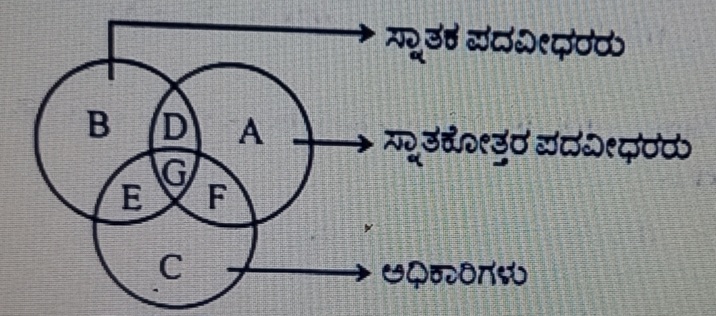
35. ಈ ಕೆಳಗೆ ಮೂರು ಚಿತ್ರಗಳನ್ನು ನೀಡಿದ್ದು, ಅವುಗಳು ಸ್ನಾತಕ ಪದವೀಧರರು, ಸ್ನಾತಕೋತ್ತರ ಪದವೀಧರರು ಮತ್ತು ಅಧಿಕಾರಿಗಳನ್ನು ಪ್ರತಿನಿಧಿಸುತ್ತದೆ. ಇವುಗಳಲ್ಲಿ ಯಾವ ಭಾಗವು ಸ್ನಾತಕ ಮತ್ತು ಸ್ನಾತಕೋತ್ತರ ಪದವೀಧರರಾಗಿರುವ ಅಧಿಕಾರಿಗಳನ್ನು ಪ್ರತಿನಿಧಿಸುತ್ತದೆ ?
(A) G
(B) D
(C) B
(D) C
ಸರಿಯಾದ ಉತ್ತರ: (A) G ಪ್ರಶ್ನೆಯ ವಿವರಣೆ: ಚಿತ್ರದಲ್ಲಿ ಮೂರು ವೃತ್ತಗಳು ಇವೆ: ಮೇಲಿನ ಎಡ ವೃತ್ತ → ಸ್ನಾತಕ ಪದವೀಧರರು (Graduates) ಮೇಲಿನ ಬಲ ವೃತ್ತ → ಸ್ನಾತಕೋತ್ತರ ಪದವೀಧರರು (Postgraduates) ಕೆಳಗಿನ ವೃತ್ತ → ಅಧಿಕಾರಿಗಳು (Officers)
ನಮಗೆ ಬೇಕಾದ ಭಾಗ: ಸ್ನಾತಕ + ಸ್ನಾತಕೋತ್ತರ + ಅಧಿಕಾರಿಗಳು, ಅಂದರೆ ಮೂರು ವೃತ್ತಗಳಲ್ಲಿಯೂ ಸಾಮಾನ್ಯವಾಗಿ ಬರುವ ಭಾಗ. ಚಿತ್ರದಲ್ಲಿ ಮೂರು ವೃತ್ತಗಳ ಸಂಧಿಯ ಮಧ್ಯಭಾಗದಲ್ಲಿ ಇರುವ ಅಕ್ಷರ: G
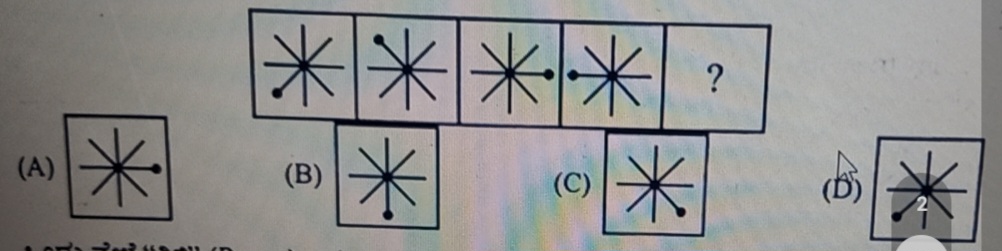
36. ಈ ಕೆಳಗೆ ನೀಡಲಾದ ಪ್ರಶ್ನೆಯಲ್ಲಿ ನೀಡಲಾಗಿರುವ ಚಿತ್ರಗಳ ಸರಣಿಯನ್ನು ತಾರ್ಕಿಕವಾಗಿ ಪೂರ್ಣಗೊಳಿಸಲು ಪ್ರಶ್ನಾರ್ಥಕ ಚಿಹ್ನೆಯಿರುವಲ್ಲಿ ಯಾವ ಚಿತ್ರ ಬರಬೇಕು ?
ಸರಿಯಾದ ಉತ್ತರ: (C)
ಸರಣಿಯಲ್ಲಿ ಚುಕ್ಕೆ (●) ಯ ಸ್ಥಾನವು ಪ್ರತಿ ಚಿತ್ರದಲ್ಲೂ ಘಡಿಯ ದಿಕ್ಕಿನಲ್ಲಿ (clockwise) ಸರಿಯುತ್ತಿದೆ; ಜೊತೆಗೆ ಅದು ಸರಿಯುವ ಕೋನ ಕ್ರಮೇಣ 45° ಹೆಚ್ಚುತ್ತಿದೆ. 1ನೇ ಚಿತ್ರ → ಕೆಳ–ಎಡ (SW) 2ನೇ ಚಿತ್ರ → SW ನಿಂದ 90° clockwise → ಮೇಲ–ಎಡ (NW) 3ನೇ ಚಿತ್ರ → 135° clockwise → ಬಲ (E) 4ನೇ ಚಿತ್ರ → 180° clockwise → ಎಡ (W) ಮುಂದಿನದು → 225° clockwise ⇒ ಕೆಳ–ಬಲ (SE) ಅದಕ್ಕಾಗಿ ಪ್ರಶ್ನಾರ್ಥಕ ಚಿಹ್ನೆಯ ಸ್ಥಾನದಲ್ಲಿ ಬರಬೇಕಾದ ಚಿತ್ರ: ಉತ್ತರ: (C)
37. ಒಂದು ವೇಳೆ “ಗಿಳಿ” (Parrot) ಅನ್ನು “ನವಿಲು” (Peacock) ಎಂದು ಕರೆದರೆ, “ನವಿಲು” (Peacock) ನ್ನು “ಗುಬ್ಬಿ” (Sparrow) ಎಂದು ಕರೆದರೆ, “ಗುಬ್ಬಿ” (Sparrow) ಅನ್ನು “ಪಾರಿವಾಳ” (Pigeon) ಎಂದು ಕರೆದರೆ ಮತ್ತು “ಪಾರಿವಾಳ” (Pigeon) ವನ್ನು “ಗುಬ್ಬಿ” (Sparrow) ಎಂದು ಕರೆದರೆ, ಭಾರತದ ರಾಷ್ಟ್ರೀಯ ಪಕ್ಷಿ ಯಾವುದು ?
(A) “ಗಿಳಿ”(Parrot)
(B) ”ಗುಬ್ಬಿ”(Sparrow)
(C) “ನವಿಲು” (Peacock)
(D) “ಪಾರಿವಾಳ” (Pigeon)
ಸರಿಯಾದ ಉತ್ತರ: (B) “ಗುಬ್ಬಿ” (Sparrow) ವಿವರಣೆ: ಭಾರತದ ರಾಷ್ಟ್ರೀಯ ಪಕ್ಷಿ → ನವಿಲು (Peacock), ಇದು ಮೂಲ ಸತ್ಯ.
ಪ್ರಶ್ನೆಯಲ್ಲಿ ನೀಡಿರುವ ಪರಿವರ್ತನೆ ನಿಯಮಗಳು: “ಗಿಳಿ” (Parrot) ಅನ್ನು “ನವಿಲು” (Peacock) ಎಂದು ಕರೆಯಲಾಗಿದೆ. “ನವಿಲು” (Peacock) ಅನ್ನು “ಗುಬ್ಬಿ” (Sparrow) ಎಂದು ಕರೆಯಲಾಗಿದೆ. “ಗುಬ್ಬಿ” (Sparrow) ಅನ್ನು “ಪಾರಿವಾಳ” (Pigeon) ಎಂದು ಕರೆಯಲಾಗಿದೆ. “ಪಾರಿವಾಳ” (Pigeon) ಅನ್ನು “ಗುಬ್ಬಿ” (Sparrow) ಎಂದು ಕರೆಯಲಾಗಿದೆ. ಹೀಗಾಗಿ, ನವಿಲು (Peacock) ಎಂಬ ನಿಜವಾದ ಪಕ್ಷಿಯನ್ನು ಈ ನಿಯಮದಲ್ಲಿ “ಗುಬ್ಬಿ” (Sparrow) ಎಂದು ಕರೆಯಲಾಗುತ್ತದೆ.
38. ಒಂದು ಅರ್ಥಪೂರ್ಣ ಪದವಾಗುವ ಸಂಖ್ಯೆಗಳ ಗುಂಪನ್ನು ಆಯ್ಕೆ ಮಾಡಿರಿ.
PNOACLMI
12345678
(A) 2, 7, 8, 6, 4, 3, 1, 5
(B) 4, 7, 5, 2, 6, 8, 1, 3
(C) 7, 1, 8, 5, 6, 2, 4, 3
(D) 5, 3, 7, 1, 6, 4, 8, 2
ಸರಿಯಾದ ಉತ್ತರ: (D) 5, 3, 7, 1, 6, 4, 8, 2 ವಿವರಣೆ: ಕೊಟ್ಟಿರುವ ಅಕ್ಷರಗಳು: P N O A C L M I ಅವರ ಸ್ಥಾನಗಳು: 1=P, 2=N, 3=O, 4=A, 5=C, 6=L, 7=M, 8=I
ಆಯ್ಕೆ (D) ಅನುಸಾರ ಕ್ರಮ: 5=C, 3=O, 7=M, 1=P, 6=L, 4=A, 8=I, 2=N → C O M P L A I N → COMPLAIN (ಅರ್ಥಪೂರ್ಣ ಪದ), ಆದ್ದರಿಂದ ಉತ್ತರ (D)
39. ಈ ಕೆಳಗಿನ ಪದಗಳನ್ನು ತಾರ್ಕಿಕವಾಗಿ ವ್ಯವಸ್ಥೆಗೊಳಿಸಿರಿ.
ಇವುಗಳು ಕೀಟಗಳ ಜೀವಚಕ್ರದ ಹಂತಗಳನ್ನು ಸೂಚಿಸುತ್ತವೆ. ಸರಿಯಾದ ಕ್ರಮ: ಮೊಟ್ಟೆ → ಲಾರ್ವಾ → ಪೂಪಾ → ಪತಂಗ
40. ಒಂದು ದಿನದಲ್ಲಿ ಒಂದು ಗಡಿಯಾರದ ಮುಳ್ಳುಗಳು ಎಷ್ಟು ಬಾರಿ ಪರಸ್ಪರ ವಿರುದ್ಧ ದಿಕ್ಕಿನಲ್ಲಿರುತ್ತವೆ ? (A) 20
(B) 04
(C) 24
(D) 22
ಸರಿಯಾದ ಉತ್ತರ: (D) 22 ವಿವರಣೆ: ಗಡಿಯಾರದ ಮುಳ್ಳುಗಳು ವಿರುದ್ಧ ದಿಕ್ಕಿನಲ್ಲಿ (180°) ಇರುವುದಕ್ಕೆ: 12 ಗಂಟೆಗಳಲ್ಲಿ ಅವು 11 ಬಾರಿ ಪರಸ್ಪರ ವಿರುದ್ಧವಾಗಿರುತ್ತವೆ. ಆದ್ದರಿಂದ 24 ಗಂಟೆಗಳಲ್ಲಿ (ಒಂದು ದಿನದಲ್ಲಿ): 11×2 = 22 11×2=22
ಸೂತ್ರ: 12 ಗಂಟೆಗಳಲ್ಲಿ → 11 ಬಾರಿ 24 ಗಂಟೆಗಳಲ್ಲಿ → 22 ಬಾರಿ
41. ಉಮಾ ಸಭೆಯ ಸ್ಥಳಕ್ಕೆ 30 ನಿಮಿಷ ಮುಂಚಿತವಾಗಿ ಬಂದಳು. ಅರವಿಂದ ಸಭೆಗೆ 45 ನಿಮಿಷ ತಡವಾಗಿ ಬಂದನು. ಸಭೆಯು ಅರವಿಂದ ತಲುಪಿದ 30 ನಿಮಿಷಗಳ ನಂತರ, ಅಂದರೆ 11 : 00 A.M. ಗಂಟೆಗೆ ಮುಗಿಯಿತು. ಹಾಗಾದರೆ ಉಮಾ ಸಭೆಗೆ ಎಷ್ಟು ಗಂಟೆಗೆ ಬಂದಳು ?
(A) 9:00 Α.Μ.
(Β) 9: 15 Α.Μ.
(C) 9:30 Α.Μ.
(D) 9:45 Α.Μ.
ಸರಿಯಾದ ಉತ್ತರ: (B) 9:15 A.M. ವಿವರಣೆ: ಸಭೆ 11:00 A.M. ಗೆ ಮುಗಿಯಿತು ಮತ್ತು ಅದು ಅರವಿಂದ ಬಂದ 30 ನಿಮಿಷಗಳ ನಂತರ ಮುಗಿಯಿತು ಅರವಿಂದ ಬಂದ ಸಮಯ = 11:00 − 30 ನಿಮಿಷ = 10:30 A.M.
ಅರವಿಂದ ಸಭೆಗೆ 45 ನಿಮಿಷ ತಡವಾಗಿ ಬಂದನು ಸಭೆ ನಿಗದಿತ ಸಮಯ = 10:30 − 45 ನಿಮಿಷ = 9:45 A.M.
ಉಮಾ ಸಭೆಗೆ 30 ನಿಮಿಷ ಮುಂಚಿತವಾಗಿ ಬಂದಳು ಉಮಾ ಬಂದ ಸಮಯ = 9:45 − 30 ನಿಮಿಷ = 9:15 A.M.
ಆದ್ದರಿಂದ ಉತ್ತರ: (B) 9:15 A.M.
42. ಮೂವರು ಸಹೋದರಿಯರ ಸರಾಸರಿ ವಯಸ್ಸು 20 ಆಗಿದೆ ಮತ್ತು ಅವರ ವಯಸ್ಸು 3 : 5 : 7 ಅನುಪಾತದಲ್ಲಿದೆ. ಹಾಗಾದರೆ ಅತ್ಯಂತ ಕಿರಿಯ ಸಹೋದರಿಯ ವಯಸ್ಸೆಷ್ಟು ?
(A) 20
(B) 28
(C) 25
(D) 12
ಸರಿಯಾದ ಉತ್ತರ: (D) 12 ವಿವರಣೆ: ಮೂವರು ಸಹೋದರಿಯರ ಸರಾಸರಿ ವಯಸ್ಸು = 20 ವರ್ಷ
ಅಂದರೆ ಒಟ್ಟು ವಯಸ್ಸು: 20×3=60
ವಯಸ್ಸಿನ ಅನುಪಾತ = 3 : 5 : 7 ಒಟ್ಟು ಅನುಪಾತ ಮೊತ್ತ: 3+5+7=15
ಒಂದು ಅನುಪಾತದ ಮೌಲ್ಯ: 60÷15=4
ಅತ್ಯಂತ ಕಿರಿಯ ಸಹೋದರಿಯ ವಯಸ್ಸು: 3×4=12
43. 340 ಮೀಟರ್ಗಳಷ್ಟು ಸುತ್ತಳತೆ ಇರುವ ಒಂದು ಆಯತಾಕಾರದ ಪ್ಲಾಟ್ನ ಸುತ್ತು 1 ಮೀಟರ್ ಅಗಲದ ಬೇಲಿಯನ್ನು ಪ್ರತಿ ಚದರ ಮೀಟರ್ಗೆ ರೂ. 10 ರಂತೆ ಹಾಕಲು ತಗಲುವ ವೆಚ್ಚವೆಷ್ಟು ?
(A) ₹3,400
(B) 1,700
(C) ₹3,440
(D) 2,990
ಸರಿಯಾದ ಉತ್ತರ: (A) ₹3,400 ವಿವರಣೆ: ಪ್ಲಾಟ್ನ ಸುತ್ತಳತೆ (Perimeter) = 340 ಮೀಟರ್ ಬೇಲಿಯ ಅಗಲ = 1 ಮೀಟರ್
ಅಂದರೆ ಬೇಲಿಯ ವಿಸ್ತೀರ್ಣ = 340×1=340 ಚದರ ಮೀಟರ್
ಪ್ರತಿ ಚದರ ಮೀಟರ್ಗೆ ವೆಚ್ಚ = ₹10 ಒಟ್ಟು ವೆಚ್ಚ = 340×10=₹3,400
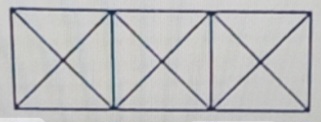
44. ಈ ಕೆಳಗಿನ ಚಿತ್ರದಲ್ಲಿ ಎಷ್ಟು ತ್ರಿಭುಜಗಳಿವೆ ?
(A) 28
(B) 24
(C) 25
(D) 26
ಸರಿಯಾದ ಉತ್ತರ: (D) 26 ಚಿತ್ರವನ್ನು ಗಮನಿಸಿದರೆ ಇದು ಮೂರು ಸಮಾನ ಚೌಕಗಳು ಸರಿಸುಮಾರು ಹೊಂದಿಕೊಂಡಿದ್ದು, ಪ್ರತಿಯೊಂದು ಚೌಕದಲ್ಲೂ ‘X’ (ಎರಡು ಕರ್ಣಗಳು) ರೇಖೆಗಳು ಇವೆ. ಹಂತವಾಗಿ ಎಣಿಸೋಣ: ಒಂದು ಚೌಕದಲ್ಲಿ (X ಜೊತೆಗೆ) ಒಟ್ಟು ತ್ರಿಭುಜಗಳು = 8 ಅಂದರೆ, 3 ಚೌಕಗಳಲ್ಲಿ = 8×3=24
ಆದರೆ ಇಲ್ಲಿ ಗಮನಿಸಬೇಕಾದದ್ದು: ಮಧ್ಯ ಭಾಗಗಳಲ್ಲಿ ಕೆಲವು ದೊಡ್ಡ ತ್ರಿಭುಜಗಳು ಎರಡೂ ಚೌಕಗಳನ್ನು ಸೇರಿಸಿ ರೂಪಗೊಳ್ಳುತ್ತವೆ. ಇವು ಹೆಚ್ಚುವರಿಯಾಗಿ 2 ತ್ರಿಭುಜಗಳನ್ನು ನೀಡುತ್ತವೆ.
ಹೀಗಾಗಿ ಒಟ್ಟು: 24+2=26
45. ಈ ಕೆಳಗಿನ ಪ್ರಶ್ನೆಯಲ್ಲಿ ಪ್ರಶ್ನಾರ್ಥಕ ಚಿಹ್ನೆ ಇರುವ ಕಡೆ ಯಾವ ಅಂದಾಜು ಮೌಲ್ಯ ಬರುತ್ತದೆ ?
18% of 609 +27.5% of 450=?
(A) 220
(B) 233
(C) 267
(D) 248
ಸರಿಯಾದ ಉತ್ತರ: (B) 233
ಪ್ರಶ್ನೆ: 18% of 609 + 27.5% of 450 = ? (ಅಂದಾಜು ಮೌಲ್ಯ)
ಹಂತ 1: ಅಂದಾಜು ಮಾಡೋಣ 18% of 609 609 ≈ 600 ಎಂದು ತೆಗೆದುಕೊಳ್ಳಿ 18% of 600 = 0.18×600=108
27.5% of 450 27.5% = 27.5/100 = 0.275 0.275×450
450 × 0.275 ≈ =123.75≈124
ಹಂತ 2: ಒಟ್ಟು ಸೇರಿಸಿ 108+124=232
ಹತ್ತಿರದ ಆಯ್ಕೆ: 233
46. ಈ ಕೆಳಗಿನ ಪದಗಳನ್ನು ನಿಘಂಟಿನಲ್ಲಿರುವಂತೆ ಹೊಂದಿಸಿ ಬರೆಯಿರಿ.
Fenestration
Feather
Feed Head
Feature
Feminine
(A) 4, 2, 3, 5, 1
(C) 2, 4, 3, 5, 1
(B) 2.4, 1.5.3
(D) 4. 2. 3. 1.5
ಸರಿಯಾದ ಉತ್ತರ: (C) 2, 4, 3, 5, 1 ಪದಗಳನ್ನು ಅಕ್ಷರಕ್ರಮ (Dictionary Order)ದಲ್ಲಿ ಸರಿ ಮಾಡೋಣ:
ಕೊಟ್ಟಿರುವ ಪದಗಳು: 1.Fenestration 2.Feather 3.Feed Head 4.Feature 5.Feminine
ಹಂತವಾಗಿ ಅಕ್ಷರಕ್ರಮ ನೋಡಿ: ಎಲ್ಲವೂ Fe ರಿಂದ ಆರಂಭವಾಗುತ್ತವೆ. ಮುಂದಿನ ಅಕ್ಷರಗಳನ್ನು ಹೋಲಿಸೋಣ:
Fea → Feather (2), Feature (4) Fee → Feed Head (3) Fem → Feminine (5) Fen → Fenestration (1)
ಈಗ ವಿವರವಾಗಿ: Feather (Fea + t…) Feature (Fea + t… ಆದರೆ “Feather” ಮೊದಲು ಬರುತ್ತದೆ, ಏಕೆಂದರೆ “Feath…” ನಲ್ಲಿ h ಬರುತ್ತದೆ ಮತ್ತು “Feature” ನಲ್ಲಿ u ಬರುತ್ತದೆ; h < u) Feed Head (Fee…) Feminine (Fem…) Fenestration (Fen…)
ಸರಿಯಾದ ಕ್ರಮ: 2 → 4 → 3 → 5 → 1
47. ಈ ಕೆಳಗಿನವುಗಳಲ್ಲಿ ಯಾವುದು ತಪ್ಪಾಗಿ ಹೊಂದಿಕೆಯಾಗಿದೆ ?
ಸಂಸ್ಥೆ ಸ್ಥಾಪನಾ ವರ್ಷ
(A) ನ್ಯಾಷನಲ್ ಸ್ಟಾಕ್ ಎಕ್ಸ್ಚೇಂಜ್ 1875
(B) ಔದ್ ಕಮರ್ಷಿಯಲ್ ಬ್ಯಾಂಕ್ 1881
(C) ಪಂಜಾಬ್ ನ್ಯಾಷನಲ್ ಬ್ಯಾಂಕ್ 1894
(D) ರಿಸರ್ವ್ ಬ್ಯಾಂಕ್ ಆಫ್ ಇಂಡಿಯಾ 1935
ಸರಿಯಾದ ಉತ್ತರ: (A) ನ್ಯಾಷನಲ್ ಸ್ಟಾಕ್ ಎಕ್ಸ್ಚೇಂಜ್ – 1875 ವಿವರಣೆ:
ಸಂಸ್ಥೆ
ಸ್ಥಾಪನಾ ವರ್ಷ
ಸರಿಯೇ?
ನ್ಯಾಷನಲ್ ಸ್ಟಾಕ್ ಎಕ್ಸ್ಚೇಂಜ್ (NSE)
1992
(1875 ಅಲ್ಲ)
ಔದ್ ಕಮರ್ಷಿಯಲ್ ಬ್ಯಾಂಕ್
1881
ಸರಿ
ಪಂಜಾಬ್ ನ್ಯಾಷನಲ್ ಬ್ಯಾಂಕ್
1894
ಸರಿ
ರಿಸರ್ವ್ ಬ್ಯಾಂಕ್ ಆಫ್ ಇಂಡಿಯಾ
1935
ಸರಿ
ಪ್ರಮುಖ ಮಾಹಿತಿ National Stock Exchange of India 1992ರಲ್ಲಿ ಸ್ಥಾಪಿತವಾಯಿತು. 1875ರಲ್ಲಿ ಸ್ಥಾಪಿತವಾದದ್ದು ಬಾಂಬೆ ಸ್ಟಾಕ್ ಎಕ್ಸ್ಚೇಂಜ್ (BSE). Reserve Bank of India 1935ರಲ್ಲಿ ಸ್ಥಾಪಿತವಾಯಿತು.
48. ವ್ಯವಸ್ಥೆಯನ್ನು ಕಲ್ಪಿಸುವ ಗುರಿಯನ್ನು ಹೊಂದಿದೆ ? 48. ಈ ಕೆಳಗಿನ ಯಾವ ಸುಸ್ಥಿರ ಅಭಿವೃದ್ಧಿಯ ಗುರಿ (ಎಸ್ಡಿಜಿ)ಯು ಎಲ್ಲರಿಗೂ ಕುಡಿಯುವ ನೀರು ಹಾಗೂ ಶೌಚ
(A) 1
(B) 2
(C) 4
(D) 6
ಸರಿಯಾದ ಉತ್ತರ: (D) 6 ವಿವರಣೆ: United Nations ರೂಪಿಸಿರುವ Sustainable Development Goals (SDGs)ಗಳಲ್ಲಿ:
SDG 6 “Clean Water and Sanitation” ಅಂದರೆ ಎಲ್ಲರಿಗೂ ಸುರಕ್ಷಿತ ಕುಡಿಯುವ ನೀರು ಮತ್ತು ಶೌಚ ವ್ಯವಸ್ಥೆಯನ್ನು ಒದಗಿಸುವುದು.
49. __________________ರವರ ಅವಧಿಯನ್ನು “ಮೈಸೂರಿನ ಸುವರ್ಣಯುಗ” ಎಂದು ಕರೆಯಲಾಗುತ್ತದೆ.
ಇತರೆ ಆಯ್ಕೆಗಳು: SDG 1 → No Poverty SDG 2 → Zero Hunger SDG 4 → Quality Education
(A) ನರಸರಾಜ 11
(B) ಚಾಮರಾಜ VI
(C) ಕೃಷ್ಣರಾಜ ಒಡೆಯರ್ IV
(D) ನಂಜರಾಜ II
ಸರಿಯಾದ ಉತ್ತರ: (C) ಕೃಷ್ಣರಾಜ ಒಡೆಯರ್ IV ಭಾರತದ ಮೈಸೂರಿನ ಸುವರ್ಣಯುಗ ಎಂದು ಕರೆಯಲ್ಪಡುವ ಅವಧಿ ಮಹಾರಾಜ ಕೃಷ್ಣರಾಜ ಒಡೆಯರ್ IV ಅವರ ಕಾಲದಲ್ಲಿ ಸಂಭವಿಸಿತು.
ವಿವರಣೆ: ಕೃಷ್ಣರಾಜ ಒಡೆಯರ್ IV (1894–1940) ಅವರ ಆಡಳಿತವನ್ನು “ಮೈಸೂರಿನ ಸುವರ್ಣಯುಗ” ಎಂದು ಕರೆಯಲಾಗುತ್ತದೆ. ಅವರ ಕಾಲದಲ್ಲಿ ಮೈಸೂರು ರಾಜ್ಯವು ಶಿಕ್ಷಣ, ಕೈಗಾರಿಕೆ, ಕಲೆ, ಸಂಗೀತ, ಸಾಹಿತ್ಯ, ಆಡಳಿತ ಮತ್ತು ಮೂಲಸೌಕರ್ಯಗಳಲ್ಲಿ ಅಪಾರ ಪ್ರಗತಿಯನ್ನು ಕಂಡಿತು. ಮೈಸೂರು ವಿಶ್ವವಿದ್ಯಾಲಯದ ಸ್ಥಾಪನೆ, ವಿದ್ಯುತ್ ಉತ್ಪಾದನೆ, ರೈಲು ಮಾರ್ಗಗಳ ವಿಸ್ತರಣೆ, ಹಾಗೂ ಸಂಗೀತ-ಸಾಹಿತ್ಯದ ಉತ್ತೇಜನ—ಈ ಎಲ್ಲಾ ಬೆಳವಣಿಗೆಗಳು ಮೈಸೂರನ್ನು ಭಾರತದಲ್ಲಿಯೇ ಮಾದರಿ ರಾಜ್ಯವನ್ನಾಗಿ ಮಾಡಿದವು. ಈ ಕಾರಣದಿಂದಲೇ ಅವರ ಆಡಳಿತವನ್ನು “ಸುವರ್ಣಯುಗ” ಎಂದು ಇತಿಹಾಸಕಾರರು ಗುರುತಿಸಿದ್ದಾರೆ.
50. ಮುಳ್ಳಯ್ಯನಗಿರಿ ಬೆಟ್ಟಗಳು ಪಶ್ಚಿಮ ಘಟ್ಟದ ಶ್ರೇಣಿಗಳಲ್ಲಿ ಸ್ಥಿತವಾಗಿದೆ.
(A) ಅರಾವಳಿ
(B) ಚಂದ್ರ ದ್ರೋಣ
(C) ಅನೈಮುಡಿ
(D) ವಿಂಧ್ಯ
ಸರಿಯಾದ ಉತ್ತರ: (B) ಚಂದ್ರ ದ್ರೋಣ ವಿವರಣೆ: Mullayanagiri ಕರ್ನಾಟಕದ ಅತಿ ಎತ್ತರದ ಶಿಖರ (1930 ಮೀ.) ಆಗಿದೆ. ಇದು ಪಶ್ಚಿಮ ಘಟ್ಟದ ಚಂದ್ರ ದ್ರೋಣ ಪರ್ವತ ಶ್ರೇಣಿಯಲ್ಲಿ ಸ್ಥಿತವಾಗಿದೆ. ಚಿಕ್ಕಮಗಳೂರು ಜಿಲ್ಲೆಯಲ್ಲಿ ಇದೆ.
ಇತರೆ ಆಯ್ಕೆಗಳು: ಅರಾವಳಿ → ಉತ್ತರ-ಪಶ್ಚಿಮ ಭಾರತ ಅನೈಮುಡಿ → ಕೇರಳದ ಅತಿ ಎತ್ತರದ ಶಿಖರ ವಿಂಧ್ಯ → ಮಧ್ಯ ಭಾರತ
51. ಶುಭಂ 30 ಕಿ.ಮೀ.ಗಳನ್ನು ಪ್ರತಿ ಗಂಟೆಗೆ 6 ಕಿ.ಮೀ. ವೇಗದಲ್ಲಿ ನಡೆಯುತ್ತಾನೆ ಮತ್ತು ಉಳಿದ 40 ಕಿ.ಮೀ.ಗಳನ್ನು 5 ಗಂಟೆಗಳಲ್ಲಿ ಪೂರೈಸುತ್ತಾನೆ. ಅವನ ಸಂಪೂರ್ಣ ಪ್ರಯಾಣದ ಸರಾಸರಿ ವೇಗವೆಷ್ಟು ?
(A) 7 ಕಿ, ಮೀ, ಪ್ರ ಗಂ
(B) 6 ಕಿ, ಮೀ, ಪ್ರ ಗಂ
(C) 5.5 ಕಿ, ಮೀ, ಪ್ರ ಗಂ
(D) 6.5 ಕಿ, ಮೀ, ಪ್ರ ಗಂ
ಸರಿಯಾದ ಉತ್ತರ: (A) 7 ಕಿ.ಮೀ. ಪ್ರ ಗಂ
ಹಂತ 1: ಮೊದಲ ಭಾಗ 30 ಕಿ.ಮೀ. ಅನ್ನು 6 ಕಿ.ಮೀ./ಗಂ ವೇಗದಲ್ಲಿ ನಡೆದನು. ಸಮಯ = ದೂರ / ವೇಗ 30÷6=5 ಗಂಟೆಗಳು
ಹಂತ 2: ಎರಡನೇ ಭಾಗ ಉಳಿದ 40 ಕಿ.ಮೀ. ಅನ್ನು 5 ಗಂಟೆಗಳಲ್ಲಿ ಪೂರೈಸಿದನು.
ಹಂತ 3: ಒಟ್ಟು ದೂರ ಮತ್ತು ಒಟ್ಟು ಸಮಯ ಒಟ್ಟು ದೂರ =30+40=70 ಕಿ.ಮೀ.
ಒಟ್ಟು ಸಮಯ =5+5=10 ಗಂಟೆಗಳು
ಹಂತ 4: ಸರಾಸರಿ ವೇಗ ಸರಾಸರಿ ವೇಗ= ಒಟ್ಟುದೂರ/ಒಟ್ಟುಸಮಯ =70/10= =7 ಕಿ.ಮೀ./ಗಂ
52. DELHI ಪದದಲ್ಲಿರುವ ಅಕ್ಷರಗಳನ್ನು ಎಷ್ಟು ಪ್ರಕಾರಗಳಲ್ಲಿ ಅರೇಂಜ್ ಮಾಡಬಹುದು?
(A) 119
(B) 60
(C) 120
(D) 24
ಸರಿಯಾದ ಉತ್ತರ: (C) 120
“DELHI” ಪದದಲ್ಲಿರುವ ಅಕ್ಷರಗಳನ್ನು ಎಷ್ಟು ರೀತಿಯಲ್ಲಿ ವ್ಯವಸ್ಥೆ ಮಾಡಬಹುದು ಎಂಬುದನ್ನು ನೋಡೋಣ:
ಹಂತ 1: ಅಕ್ಷರಗಳ ಸಂಖ್ಯೆ DELHI ಪದದಲ್ಲಿ 5 ವಿಭಿನ್ನ ಅಕ್ಷರಗಳಿವೆ (D, E, L, H, I).
ಹಂತ 2: permutation ಸೂತ್ರ 𝑛 ವಿಭಿನ್ನ ಅಕ್ಷರಗಳನ್ನು ವ್ಯವಸ್ಥೆ ಮಾಡುವ ವಿಧಾನಗಳ ಸಂಖ್ಯೆ =𝑛!
ಹಂತ 3: ಲೆಕ್ಕಾಚಾರ 5! =5×4×3×2×1=120
53. ಒಂದು ವೇಳೆ ರೀಟಾಳು ಸೀತಾಳ ಪಶ್ಚಿಮದಲ್ಲಿದ್ದರೆ ಮತ್ತು ಕೀರ್ತಿಯು ಸೀತಾಳ ಉತ್ತರಕ್ಕಿದ್ದರೆ, ಕೀರ್ತಿಯು ರೀಟಾಳಿಗೆ ‘ ಸಂಬಂಧಿಸಿದಂತೆ ಯಾವ ದಿಕ್ಕಿನಲ್ಲಿರುತ್ತಾಳೆ?
(A) ಈಶಾನ್ಯ
(B) ನೈರುತ್ಯ
(C) ವಾಯುವ್ಯ
(D) ಆಗ್ನೆಯ
ಸರಿಯಾದ ಉತ್ತರ: (C) ವಾಯುವ್ಯ
ಹಂತ 1: ಸ್ಥಾನ ನಿರ್ಧಾರ ಸೀತಾಳು ಕೇಂದ್ರದಲ್ಲಿ ಇದ್ದಾಳೆ ಎಂದು ಕಲ್ಪಿಸೋಣ. ರೀಟಾಳು ಸೀತಾಳ ಪಶ್ಚಿಮದಲ್ಲಿ ಇದ್ದಾಳೆ → ಅಂದರೆ, ಸೀತಾಳ ಎಡಭಾಗದಲ್ಲಿ. ಕೀರ್ತಿಯು ಸೀತಾಳ ಉತ್ತರದಲ್ಲಿ ಇದ್ದಾಳೆ → ಅಂದರೆ, ಸೀತಾಳ ಮೇಲ್ಭಾಗದಲ್ಲಿ.
ಹಂತ 2: ಸಂಬಂಧಿತ ದಿಕ್ಕು ರೀಟಾಳು ಸೀತಾಳ ಪಶ್ಚಿಮದಲ್ಲಿ ಇದ್ದಾಳೆ. ಕೀರ್ತಿಯು ಸೀತಾಳ ಉತ್ತರದಲ್ಲಿ ಇದ್ದಾಳೆ. ಹೀಗಾಗಿ, ರೀಟಾಳಿಗೆ ಸಂಬಂಧಿಸಿದಂತೆ ಕೀರ್ತಿಯು ವಾಯುವ್ಯ (North-West) ದಿಕ್ಕಿನಲ್ಲಿ ಇದ್ದಾಳೆ.
54. “HRIDAY’ ಅನ್ನು ವಿಸ್ತರಿಸಿರಿ.
(A) ಹಾರ್ಬರ್ ಸಿಟಿ ಡೆವಲಪ್ಮೆಂಟ್ ಆ್ಯಂಡ್ ಅಪೂವಡ್ ಯೋಜನಾ
(B) ಹೆರಿಟೇಜ್ ಸಿಟಿ ಡೆವಲಪ್ಮೆಂಟ್ ಆ್ಯಂಡ್ ಅಗ್ಮೆಂಟೇಶನ್ ಯೋಜನಾ
(C) ಹೆರಿಟೇಜ್ ಸಿಟಿ ಡೆವಲಪ್ಮೆಂಟ್ ಆ್ಯಂಡ್ ಅಶೂರನ್ಸ್ ಯೋಜನಾ
(D) ಪ್ಯೂಜ್ ಕೆನಾಲ್ ಡೆವಲಪ್ಮೆಂಟ್ ಆ್ಯಂಡ್ ಅಗ್ಮೆಂಟೇಶನ್ ಯೋಜನಾ
ಸರಿಯಾದ ಉತ್ತರ : (B) Heritage City Development and Augmentation Yojana HRIDAY ಎಂಬುದು ಭಾರತದ ಒಂದು ಪ್ರಮುಖ ಯೋಜನೆ. ಇದರ ಪೂರ್ಣ ರೂಪ: Heritage City Development and Augmentation Yojana ಈ ಯೋಜನೆಯನ್ನು 21 ಜನವರಿ 2015 ರಂದು ಪ್ರಾರಂಭಿಸಲಾಯಿತು. ಇದರ ಉದ್ದೇಶವು ಭಾರತದ ಸಾಂಸ್ಕೃತಿಕ ಪರಂಪರೆಯ ನಗರಗಳನ್ನು ಸಂರಕ್ಷಿಸಿ, ಅಭಿವೃದ್ಧಿಪಡಿಸುವುದು — ಅಂದರೆ, ಪುರಾತನ ಸ್ಮಾರಕಗಳು, ಘಾಟ್ಗಳು, ದೇವಾಲಯಗಳು, ಹಾಗೂ ಇತರ ಪರಂಪರೆ ಆಸ್ತಿಗಳನ್ನು ಉಳಿಸಿ, ಅವುಗಳಿಗೆ ಸಂಬಂಧಿಸಿದ ಮೂಲಸೌಕರ್ಯವನ್ನು ಬಲಪಡಿಸುವುದು.
55. ಈ ಕೆಳಗಿನವುಗಳಲ್ಲಿ ಯಾವುದು ನ್ಯಾಷನಲ್ ಆಕ್ಷನ್ ಪ್ಲಾನ್ ಆನ್ ಪ್ರೈಮಟ್ ಚೇಂಜ್ (NAPCC) ಹೆಸರಿನ ರಾಷ್ಟ್ರೀಯ ಮಿಷನ್ ಅಡಿ ಬರುವುದಿಲ್ಲ ?
(A) ರಾಷ್ಟ್ರೀಯ ಸೌರ ಮಿಷನ್
(C) ರಾಷ್ಟ್ರೀಯ ಜಲ ಮಿಷನ್
(B) ರಾಷ್ಟ್ರೀಯ ಪವನ ಶಕ್ತಿ ಮಿಷನ್
(D) ರಾಷ್ಟ್ರೀಯ ಸುಸ್ಥಿರ ಆವಾಸಸ್ಥಾನ ಮಿಷನ್
ಸರಿಯಾದ ಉತ್ತರ: (B) ರಾಷ್ಟ್ರೀಯ ಪವನ ಶಕ್ತಿ ಮಿಷನ್ National Action Plan on Climate Change (NAPCC) ಅನ್ನು ಭಾರತ ಸರ್ಕಾರವು 2008ರಲ್ಲಿ ಪ್ರಾರಂಭಿಸಿತು. ಇದರಡಿ 8 ರಾಷ್ಟ್ರೀಯ ಮಿಷನ್ಗಳು ಇವೆ:
ರಾಷ್ಟ್ರೀಯ ಸೌರ ಮಿಷನ್ (National Solar Mission)
ರಾಷ್ಟ್ರೀಯ ಜಲ ಮಿಷನ್ (National Water Mission)
ರಾಷ್ಟ್ರೀಯ ಸುಸ್ಥಿರ ಆವಾಸಸ್ಥಾನ ಮಿಷನ್ (National Mission on Sustainable Habitat)
ರಾಷ್ಟ್ರೀಯ ಹಿಮಾಲಯ ಪರಿಸರ ವ್ಯವಸ್ಥೆ ಸಂರಕ್ಷಣೆ ಮಿಷನ್ (National Mission for Sustaining the Himalayan Ecosystem)
ರಾಷ್ಟ್ರೀಯ ಹಸಿರು ಭಾರತ ಮಿಷನ್ (National Mission for a Green India)
ರಾಷ್ಟ್ರೀಯ ಸುಸ್ಥಿರ ಕೃಷಿ ಮಿಷನ್ (National Mission on Sustainable Agriculture)
ರಾಷ್ಟ್ರೀಯ ಶಕ್ತಿ ದಕ್ಷತೆ ವೃದ್ಧಿ ಮಿಷನ್ (National Mission for Enhanced Energy Efficiency)
ರಾಷ್ಟ್ರೀಯ ಹವಾಮಾನ ಬದಲಾವಣೆ ತಂತ್ರಜ್ಞಾನ ಜ್ಞಾನ ಮಿಷನ್ (National Mission on Strategic Knowledge for Climate Change)
ಆಯ್ಕೆಗಳ ವಿಶ್ಲೇಷಣೆ (A) ರಾಷ್ಟ್ರೀಯ ಸೌರ ಮಿಷನ್ → NAPCC ಅಡಿ ಬರುತ್ತದೆ (C) ರಾಷ್ಟ್ರೀಯ ಜಲ ಮಿಷನ್ → NAPCC ಅಡಿ ಬರುತ್ತದೆ (D) ರಾಷ್ಟ್ರೀಯ ಸುಸ್ಥಿರ ಆವಾಸಸ್ಥಾನ ಮಿಷನ್ → NAPCC ಅಡಿ ಬರುತ್ತದೆ (B) ರಾಷ್ಟ್ರೀಯ ಪವನ ಶಕ್ತಿ ಮಿಷನ್ → NAPCC ಅಡಿ ಬರುವುದಿಲ್ಲ (ಇದು ಪ್ರತ್ಯೇಕವಾಗಿ Ministry of New and Renewable Energy ಅಡಿ ಅಭಿವೃದ್ಧಿಪಡಿಸಲಾದ ಯೋಜನೆ, ಆದರೆ NAPCC core missions ನಲ್ಲಿ ಇಲ್ಲ).
56. ವಿಶ್ವ ಸಂಸ್ಥೆಯ ಅಭಿವೃದ್ಧಿ ಕಾರ್ಯಕ್ರಮದ ವರದಿ 2021-22 ರಂತೆ ಮಾನವ ಅಭಿವೃದ್ಧಿ ಸೂಚ್ಯಂಕ (HDI) 2021 ರ ಪ್ರಕಾರ ಭಾರತದ ಸ್ಥಾನ ಎಷ್ಟಿತ್ತು ?
(A) 143
(B) 114
(C) 124
(D) 132
ಸರಿಯಾದ ಉತ್ತರ: (D) 132 ಯುನೈಟೆಡ್ ನೇಷನ್ಸ್ ಡೆವಲಪ್ಮೆಂಟ್ ಪ್ರೋಗ್ರಾಂ (UNDP) ಬಿಡುಗಡೆ ಮಾಡಿದ Human Development Report 2021-22 ಪ್ರಕಾರ, ಭಾರತವು 191 ದೇಶಗಳಲ್ಲಿ 132ನೇ ಸ್ಥಾನ ಪಡೆದಿತ್ತು. ಭಾರತದ HDI ಮೌಲ್ಯ 2021ರಲ್ಲಿ 0.633 ಆಗಿದ್ದು, ಇದನ್ನು Medium Human Development ವರ್ಗದಲ್ಲಿ ಸೇರಿಸಲಾಗಿದೆ. 2020ರಲ್ಲಿ ಭಾರತವು 131ನೇ ಸ್ಥಾನದಲ್ಲಿತ್ತು, ಆದರೆ COVID-19, ಜೀವನಾವಧಿ ಕುಸಿತ ಮತ್ತು ಇತರ ಜಾಗತಿಕ ಸಂಕಷ್ಟಗಳಿಂದಾಗಿ 2021ರಲ್ಲಿ ಒಂದು ಸ್ಥಾನ ಹಿಂದುಳಿದಿದೆ.
57. ನ್ಯಾಷನಲ್ ಏಡ್ಸ್ ಕಂಟ್ರೋಲ್ ಆರ್ಗನೈಸೇಶನ್ (NACO)ದ ಇತ್ತೀಚಿನ ಅಂಕಿ – ಅಂಶಗಳ ಪ್ರಕಾರ ರಾಷ್ಟ್ರದಲ್ಲಿ ಅತೀ ಹೆಚ್ಚು ಎಚ್ಐವಿ ಪೀಡಿತರಿರುವ ರಾಜ್ಯಗಳ ಪೈಕಿ ಕರ್ನಾಟಕವು 9ನೇ ಸ್ಥಾನದಲ್ಲಿದೆ. ಹಾಗಾದರೆ ಎಚ್ಐವಿ ಪೀಡಿತರು ಅತೀ ಹೆಚ್ಚು ಸಂಖ್ಯೆಯಲ್ಲಿರುವ ಮೂಲಕ ಮೊದಲ ಸ್ಥಾನದಲ್ಲಿರುವ ರಾಜ್ಯ ಯಾವುದು ?
(A) ಮೇಘಾಲಯ
(B) ಆಂಧ್ರ ಪ್ರದೇಶ
(C) ನಾಗಾಲ್ಯಾಂಡ್
(D) ತ್ರಿಪುರಾ
ಸರಿಯಾದ ಉತ್ತರ: ಮಿಜೋರಾಂ (ಆಯ್ಕೆಗಳಲ್ಲಿ ಇಲ್ಲದಿದ್ದರೂ, ನೀಡಿದ ಆಯ್ಕೆಗಳಲ್ಲಿ ಸರಿಯಾದ ಉತ್ತರಕ್ಕೆ ಹತ್ತಿರವಾದುದು ಆಂಧ್ರ ಪ್ರದೇಶ ಅಲ್ಲ, ಮಿಜೋರಾಂ ಆಗಿದೆ). ನ್ಯಾಷನಲ್ ಏಡ್ಸ್ ಕಂಟ್ರೋಲ್ ಆರ್ಗನೈಸೇಶನ್ (NACO) ಬಿಡುಗಡೆ ಮಾಡಿದ ಇತ್ತೀಚಿನ ಅಂಕಿ–ಅಂಶಗಳ ಪ್ರಕಾರ, ಮಿಜೋರಾಂ ರಾಜ್ಯವು ಭಾರತದೊಳಗೆ ಅತೀ ಹೆಚ್ಚು HIV ಪೀಡಿತರಿರುವ ರಾಜ್ಯವಾಗಿದೆ. ಮಿಜೋರಾಂನಲ್ಲಿ ವಯಸ್ಕರ (15–49 ವರ್ಷ) HIV ಪ್ರಚುರತೆ ದರವು ಸುಮಾರು 2.73% ಇದೆ. ನಾಗಾಲ್ಯಾಂಡ್ ಎರಡನೇ ಸ್ಥಾನದಲ್ಲಿದ್ದು, ಅದರ ಪ್ರಚುರತೆ ದರವು 1.37% ಆಗಿದೆ. ಈ ಅಂಕಿ–ಅಂಶಗಳು ರಾಷ್ಟ್ರೀಯ ಸರಾಸರಿ (0.20%)ಗಿಂತ ಬಹಳ ಹೆಚ್ಚಾಗಿವೆ.
ಕರ್ನಾಟಕ 9ನೇ ಸ್ಥಾನದಲ್ಲಿದೆ ಎಂದು ವರದಿಗಳು ಸೂಚಿಸುತ್ತವೆ.
58. ಕರ್ನಾಟಕ ಸರ್ಕಾರವು ಇತ್ತೀಚೆಗೆ ಅನೀಮಿಯಾ ಮುಕ್ತ ಪೌಷ್ಠಿಕ ಕರ್ನಾಟಕ ಕಾರ್ಯಕ್ರಮಕ್ಕೆ ಚಾಲನೆ ನೀಡುವುದರ ಮೂಲಕ ವರ್ಷದ ವೇಳೆಗೆ ಕರ್ನಾಟಕವನ್ನು ಅನೀಮಿಯಾದಿಂದ ಮುಕ್ತಗೊಳಿಸುವ ಗುರಿಯನ್ನು ಹೊಂದಿದೆ.
(A) 2025
(B) 2030
(C) 2027
(D) 2040
ಸರಿಯಾದ ಉತ್ತರ: (A) 2025 ಕರ್ನಾಟಕ ಸರ್ಕಾರವು ಇತ್ತೀಚೆಗೆ “ಅನೀಮಿಯಾ ಮುಕ್ತ ಪೌಷ್ಠಿಕ ಕರ್ನಾಟಕ” ಕಾರ್ಯಕ್ರಮಕ್ಕೆ ಚಾಲನೆ ನೀಡಿದೆ. ಈ ಯೋಜನೆಯ ಗುರಿ — 2025ರೊಳಗೆ ರಾಜ್ಯವನ್ನು ಅನೀಮಿಯಾದಿಂದ ಮುಕ್ತಗೊಳಿಸುವುದು.
59. ಕಾವೇರಿ ನದಿಯು ಬಂಗಾಳ ಕೊಲ್ಲಿಯನ್ನು ಎಲ್ಲಿ ಸೇರುತ್ತದೆ ?
(A) ಪೂಮ್ಪುಹರ್
(B) ಕನ್ಯಾಕುಮಾರಿ
(C) ಮಧುರೈ
(D) ತಂಜಾವೂರು
ಸರಿಯಾದ ಉತ್ತರ: (A) ಪೂಮ್ಪುಹರ್ ಕಾವೇರಿ ನದಿ ಬಂಗಾಳ ಕೊಲ್ಲಿಯನ್ನು ತಮಿಳುನಾಡಿನ ಮಯಿಲಾಡುತುರೈ ಜಿಲ್ಲೆಯ ಪೂಮ್ಪುಹರ್ (Poompuhar) ಬಳಿ ಸೇರುತ್ತದೆ.
60. ಆಗಸ್ಟ್ 15, 2022 ರಂದು ಭಾರತದ ಅತೀ ಉದ್ದವಾದ ಮತ್ತು ಭಾರವಾದ ಸರಕು ಸಾಗಾಣಿಕೆ ರೈಲ್ವೆ ಸೂಪರ್ ವಾಸುಕಿ”, ಈ ಕೆಳಗಿನ ಯಾವ ಎರಡು ಸ್ಥಳಗಳ ಮಧ್ಯೆ ಸಂಚರಿಸಿತು ?
(A) ಕಾನ್ಸುರದಿಂದ ವಾರಣಾಸಿ
(B) ರಾಂಚಿಯಿಂದ ಪಟ್ಟಾ
(C) ಭೂಪಾಲ್ ನಿಂದ ಇಂದೋರ್
(D) ಭಿಲಾಯ್ ಯಿಂದ ಕೋರ್ಬಾ
ಸರಿಯಾದ ಉತ್ತರ: (D) ಭಿಲಾಯ್ ಯಿಂದ ಕೋರ್ಬಾ ಆಗಸ್ಟ್ 15, 2022ರಂದು ಭಾರತದ ಅತೀ ಉದ್ದವಾದ ಮತ್ತು ಭಾರವಾದ ಸರಕು ಸಾಗಾಣಿಕೆ ರೈಲು “Super Vasuki” ಅನ್ನು South East Central Railway ನಡೆಸಿತು. ಈ ರೈಲು 295 ಬೋಗಿಗಳು ಮತ್ತು 6 ಎಂಜಿನ್ಗಳು ಹೊಂದಿದ್ದು, ಉದ್ದವು ಸುಮಾರು 3.95 ಕಿ.ಮೀ. ಆಗಿತ್ತು. ಒಟ್ಟು ಸರಕು ಭಾರವು 25,962 ಟನ್ಗಳು (ಮುಖ್ಯವಾಗಿ ಕಲ್ಲಿದ್ದಲು). ಈ ರೈಲು ಭಿಲಾಯ್ (Bhilai) ನಿಂದ ಕೋರ್ಬಾ (Korba)ವರೆಗೆ ಸಂಚರಿಸಿತು.
61. 2022-23 ರ ಕರ್ನಾಟಕ ಆರ್ಥಿಕ ಸಮೀಕ್ಷೆಯ ಪ್ರಕಾರ ಕರ್ನಾಟಕ ರಾಜ್ಯದ ತಲಾ ಆದಾಯದ ಮುನ್ನಂದಾಜು ಎಷ್ಟಿತ್ತು ?
(A) 3,01,673
(B) 2,65,623
(C) 2,78,392
(D) 3,14,576
ಸರಿಯಾದ ಉತ್ತರ: (A) 3,01,673 2022-23ರ ಕರ್ನಾಟಕ ಆರ್ಥಿಕ ಸಮೀಕ್ಷೆ ಪ್ರಕಾರ, ರಾಜ್ಯದ ತಲಾ ಆದಾಯ (Per Capita Income) ಮುನ್ನಂದಾಜು ₹3,01,673 ಆಗಿತ್ತು. ಇದು ಹಿಂದಿನ ವರ್ಷಗಳಿಗಿಂತ ಹೆಚ್ಚಳವಾಗಿದ್ದು, ರಾಜ್ಯದ ಆರ್ಥಿಕ ಬೆಳವಣಿಗೆಯ ಸೂಚಕವಾಗಿದೆ.
62. ಕ್ವಿಟ್ ಇಂಡಿಯಾ ಚಳುವಳಿಯ ಸಮಯದಲ್ಲಿ ಈ ಕೆಳಗಿನವರುಗಳಲ್ಲಿ ಒಬ್ಬ ಮಹಿಳಾ ನಾಯಕಿಯು ಭೂಗತ ರೇಡಿಯೋ ಸ್ಟೇಷನ್ ಮೂಲಕ ಸುದ್ದಿ ಪ್ರಸಾರ ಮಾಡುತ್ತಿದ್ದರು
(A) ರಮಾದೇವಿ
(B) ಕನಕಲತಾ ಬರುವಾ
(C) ಮಾತಂಗಿನಿ ಹಜ್ರಾ
(D) ಅರುಣ ಅಸಫ್ ಅಲಿ
ಸರಿಯಾದ ಉತ್ತರ: (D) ಅರುಣ ಅಸಫ್ ಅಲಿ ಕ್ವಿಟ್ ಇಂಡಿಯಾ ಚಳುವಳಿಯ ಸಮಯದಲ್ಲಿ ಭೂಗತ ರೇಡಿಯೋ ಸ್ಟೇಷನ್ ಮೂಲಕ ಸುದ್ದಿ ಪ್ರಸಾರ ಮಾಡಿದ ಮಹಿಳಾ ನಾಯಕಿ ಅರುಣ ಅಸಫ್ ಅಲಿ. ಅವರು “ಕ್ವಿಟ್ ಇಂಡಿಯಾ” ಚಳುವಳಿಯ ಪ್ರಮುಖ ಮುಖವಾಗಿದ್ದರು. 1942ರಲ್ಲಿ ಮುಂಬೈಯಲ್ಲಿ ನಡೆದ ಕಾಂಗ್ರೆಸ್ ಸಭೆಯಲ್ಲಿ ಅವರು ತ್ರಿವರ್ಣ ಧ್ವಜವನ್ನು ಹಾರಿಸಿ ಜನರಲ್ಲಿ ಉತ್ಸಾಹ ತುಂಬಿದರು. ಬ್ರಿಟಿಷರ ಕಣ್ಣಿಗೆ ಸಿಕ್ಕದಂತೆ, ಭೂಗತ ರೇಡಿಯೋ ಮೂಲಕ ಚಳುವಳಿಯ ಸಂದೇಶವನ್ನು ಜನರಿಗೆ ತಲುಪಿಸಿದರು.
63. ಯಾರನ್ನು ಕರ್ನಾಟಕ ರಾಜ್ಯದ ಹಿಂದುಳಿದ ವರ್ಗಗಳ ಆಯೋಗದ ಅಧ್ಯಕ್ಷರಾಗಿ ಮರು ನೇಮಕಾತಿ ಮಾಡಲಾಗಿದೆ ?
(A) ಕೆ.ಟಿ. ಸುವರಣ
(B) ಎನ್.ಸಿ. ಶ್ರೀನಿವಾಸ್
(C) ಕೆ. ಜಯಪ್ರಕಾಶ ಹೆಗಡೆ
(D) ವಿಜಯ್ ಸಂಪ್ಲಾ
ಸರಿಯಾದ ಉತ್ತರ: (C) ಕೆ. ಜಯಪ್ರಕಾಶ ಹೆಗಡೆ ಕರ್ನಾಟಕ ರಾಜ್ಯದ ಹಿಂದುಳಿದ ವರ್ಗಗಳ ಆಯೋಗದ ಅಧ್ಯಕ್ಷರಾಗಿ ಕೆ. ಜಯಪ್ರಕಾಶ್ ಹೆಗಡೆ ಅವರನ್ನು ಮರು ನೇಮಕ ಮಾಡಲಾಗಿದೆ. ರಾಜ್ಯ ಸರ್ಕಾರವು 2023 ನವೆಂಬರ್ನಲ್ಲಿ ಈ ಆದೇಶ ಹೊರಡಿಸಿದ್ದು, ಅವರ ಅವಧಿಯನ್ನು 2024 ಜನವರಿ 31ರವರೆಗೆ (ಅಥವಾ ಜಾತಿ ಗಣತಿ ವರದಿ ಸಲ್ಲಿಸುವವರೆಗೂ) ನಿಗದಿಪಡಿಸಿದೆ.
64. ವಿಶ್ವ ಸಂಸ್ಥೆಯು ಯಾವ ದಿನವನ್ನು (ಜನಸಂಖ್ಯೆಗೆ ಸಂಬಂಧಿಸಿದಂತೆ) “8 ಬಿಲಿಯನ್ ದಿವಸ” ಎಂದು ಘೋಷಿಸಿತ್ತು ?
(A) ಜುಲೈ 11, 2022
(B) ಜುಲೈ 11, 2023
(C) ನವೆಂಬರ್ 15, 2023
(D) ನವೆಂಬರ್ 15, 2022
ಸರಿಯಾದ ಉತ್ತರ: (D) ನವೆಂಬರ್ 15, 2022 ಸಂಯುಕ್ತ ರಾಷ್ಟ್ರ ಸಂಸ್ಥೆಯು “8 Billion Day” ಅನ್ನು 15 ನವೆಂಬರ್ 2022 ರಂದು ಘೋಷಿಸಿತು. ಈ ದಿನವನ್ನು ವಿಶ್ವ ಜನಸಂಖ್ಯೆ 8 ಬಿಲಿಯನ್ ತಲುಪಿದ ದಿನವೆಂದು ಗುರುತಿಸಲಾಯಿತು.
65. ನವೆಂಬರ್ 2023 ರಲ್ಲಿ ಭಾರತೀಯ ಮಹಿಳಾ ಹಾಕಿ ತಂಡವು ಯಾವ ದೇಶದ ತಂಡವನ್ನು ಸೋಲಿಸುವುದರ ಮೂಲಕ ಏಷ್ಯನ್ ಚಾಂಪಿಯನ್ಸ್ ಟ್ರೋಫಿಯನ್ನು ಗಳಿಸಿತು ?
(A) ದಕ್ಷಿಣ ಕೊರಿಯಾ
(B) ಜಪಾನ್
(C) ಚೀನಾ
(D) ಪಾಕಿಸ್ತಾನ
ಸರಿಯಾದ ಉತ್ತರ: (B) ಜಪಾನ್ ಭಾರತೀಯ ಮಹಿಳಾ ಹಾಕಿ ತಂಡವು ಏಷ್ಯನ್ ಚಾಂಪಿಯನ್ಸ್ ಟ್ರೋಫಿ 2023 ಫೈನಲ್ನಲ್ಲಿ ಜಪಾನ್ ತಂಡವನ್ನು ಸೋಲಿಸಿ ಪ್ರಶಸ್ತಿಯನ್ನು ಗೆದ್ದಿತು. ಫೈನಲ್ ಪಂದ್ಯವು 2023 ನವೆಂಬರ್ 5ರಂದು ರಾಂಚಿ, ಜಾರ್ಖಂಡ್ನಲ್ಲಿ ನಡೆಯಿತು. ಭಾರತವು ಜಪಾನ್ ವಿರುದ್ಧ 4–0 ಅಂತರದಲ್ಲಿ ಜಯ ಸಾಧಿಸಿತು. ಸಂಗೀತಾ ಕುಮಾರಿ, ನೆಹಾ, ಲಾಲ್ರೆಮ್ಸಿಯಾಮಿ ಮತ್ತು ವಂದನಾ ಕಟಾರಿಯಾ ಗೋಲುಗಳನ್ನು ದಾಖಲಿಸಿದರು. ಇದು ಭಾರತದ ಮಹಿಳಾ ಹಾಕಿ ತಂಡದ ಎರಡನೇ ಏಷ್ಯನ್ ಚಾಂಪಿಯನ್ಸ್ ಟ್ರೋಫಿ ಪ್ರಶಸ್ತಿ (ಮೊದಲದು 2016ರಲ್ಲಿ).
66. ಐಸಿಸಿ ಹಾಲ್ ಆಫ್ ಫೇಮ್ ಗೆ ಸೇರ್ಪಡೆಯಾದ ಭಾರತದ ಪ್ರಪ್ರಥಮ ಮಹಿಳಾ ಕ್ರಿಕೆಟ್ ಆಟಗಾರ್ತಿ ಯಾರು ?
(A) ಮಿಥಾಲಿ ರಾಜ್
(B) ಡಯಾನಾ ಎಡುಲ್ಜಿ
(C) ಹರ್ಮನ್ ಪ್ರೀತ್ ಕೌರ್
(D) ಶಾಂತಾ ರಂಗಸ್ವಾಮಿ
ಸರಿಯಾದ ಉತ್ತರ: (B) ಡಯಾನಾ ಎಡುಲ್ಜಿ ಐಸಿಸಿ ಹಾಲ್ ಆಫ್ ಫೇಮ್ಗೆ ಸೇರ್ಪಡೆಯಾದ ಭಾರತದ ಪ್ರಥಮ ಮಹಿಳಾ ಕ್ರಿಕೆಟ್ ಆಟಗಾರ್ತಿ ಡಯಾನಾ ಎಡುಲ್ಜಿ. ಅವರು ಭಾರತದ ಮಹಿಳಾ ಕ್ರಿಕೆಟ್ನ ಪಯೋನಿಯರ್ಗಳಲ್ಲಿ ಒಬ್ಬರು. 17 ವರ್ಷಗಳ ಅಂತಾರಾಷ್ಟ್ರೀಯ ವೃತ್ತಿಜೀವನದಲ್ಲಿ, ಟೆಸ್ಟ್ ಮತ್ತು ವಿಶ್ವಕಪ್ ಪಂದ್ಯಗಳಲ್ಲಿ ಮಹತ್ವದ ಪಾತ್ರವಹಿಸಿದರು. 1976ರಲ್ಲಿ ಭಾರತದ ಮೊದಲ ಅಧಿಕೃತ ಮಹಿಳಾ ಟೆಸ್ಟ್ ಪಂದ್ಯದಲ್ಲಿ ಆಡಿದರು ಮತ್ತು ನಂತರ ತಂಡದ ನಾಯಕಿಯಾಗಿಯೂ ಸೇವೆ ಸಲ್ಲಿಸಿದರು. 2023ರಲ್ಲಿ, ವಿರೇಂದ್ರ ಸೆಹ್ವಾಗ್ ಮತ್ತು ಅರವಿಂದ ಡಿ ಸಿಲ್ವಾ ಅವರೊಂದಿಗೆ, ICC Hall of Fameಗೆ ಸೇರಿಸಲ್ಪಟ್ಟರು.
67. ಜಮ್ಮು ಮತ್ತು ಕಾಶ್ಮೀರದ ರಾಜೇರಿ ಎನ್ಕೌಂಟರ್ನಲ್ಲಿ ದೇಶದ ಸಲುವಾಗಿ ಪ್ರಾಣ ತ್ಯಾಗ ಮಾಡಿದ ಕ್ಯಾಪ್ಟನ್ ಎಂ.ವಿ. ಪ್ರಾಂಜಲ್ರವರು ಗೆ ಸೇರಿದವರಾಗಿದ್ದರು.
(A) ಘರ್ ವಾಲ್ ರೈಫಲ್ಸ್
(B) ರಜಪುತಾನಾ ರೈಫಲ್ಸ್
(C) 63 ರಾಷ್ಟ್ರೀಯ ರೈಫಲ್ಸ್
(B) ರಜಪುತಾನಾ ರೈಫಲ್ಸ್
(D) ಜಮ್ಮು ಮತ್ತು ಕಾಶ್ಮೀರ ರೈಫಲ್ಸ್
ಸರಿಯಾದ ಉತ್ತರ: (C) 63 ರಾಷ್ಟ್ರೀಯ ರೈಫಲ್ಸ್ ಜಮ್ಮು ಮತ್ತು ಕಾಶ್ಮೀರದ ರಾಜೇರಿ ಎನ್ಕೌಂಟರ್ ವೇಳೆ ದೇಶಕ್ಕಾಗಿ ಪ್ರಾಣ ತ್ಯಾಗ ಮಾಡಿದ ಕ್ಯಾಪ್ಟನ್ ಎಂ.ವಿ. ಪ್ರಾಂಜಲ್ ಅವರು 63 ರಾಷ್ಟ್ರೀಯ ರೈಫಲ್ಸ್ (Rashtriya Rifles) ಘಟಕಕ್ಕೆ ಸೇರಿದವರು.
68. ಇತ್ತೀಚೆಗೆ ಸಿಲ್ವಾರಾ ಸುರಂಗ ಕುಸಿತದಿಂದ ಅದರಲ್ಲಿ ಸಿಲುಕಿ ಹಾಕಿಕೊಂಡಿದ್ದ 41 ಜನ ಕಾರ್ಮಿಕರನ್ನು 17 ದಿನಗಳ ನಂತರ ರಕ್ಷಿಸಿ ಹೊರತರಲಾಯಿತು. ಈ ಅವಘಡವು ಉತ್ತರಾಖಂಡ ರಾಜ್ಯದ ಯಾವ ಜಿಲ್ಲೆಯಲ್ಲಿ ಘಟಿಸಿತ್ತು ?
(A) ರುದ್ರ ಪ್ರಯಾಗ್
(B) ತೆಹ್ರ-ಘರ್ವಾಲ್
(C) ಚಮೋಲಿ
(D) ಉತ್ತರ ಕಾಶಿ
ಸರಿಯಾದ ಉತ್ತರ: (D) ಉತ್ತರಕಾಶಿ ಸಿಲ್ಕ್ಯಾರಾ ಸುರಂಗ ಅವಘಡವು ಉತ್ತರಾಖಂಡದ ಉತ್ತರಕಾಶಿ ಜಿಲ್ಲೆಯಲ್ಲಿ ಸಂಭವಿಸಿತ್ತು. 2023ರ ನವೆಂಬರ್ 12ರಂದು ಯಮುನೋತ್ರಿ ರಾಷ್ಟ್ರೀಯ ಹೆದ್ದಾರಿಯಲ್ಲಿರುವ ಸಿಲ್ಕ್ಯಾರಾ-ಬಾರ್ಕೋಟ್ ಸುರಂಗದ ಒಂದು ಭಾಗ ಕುಸಿದು, 41 ಕಾರ್ಮಿಕರು ಒಳಗೆ ಸಿಲುಕಿಕೊಂಡಿದ್ದರು. 17 ದಿನಗಳ ನಿರಂತರ ರಕ್ಷಣಾ ಕಾರ್ಯಾಚರಣೆಯ ನಂತರ, ಎಲ್ಲಾ ಕಾರ್ಮಿಕರನ್ನು ಸುರಕ್ಷಿತವಾಗಿ ಹೊರತೆಗೆದರು. ಈ ಕಾರ್ಯಾಚರಣೆಯಲ್ಲಿ NDRF, SDRF, BRO, ITBP, ಸೇನಾ ಇಂಜಿನಿಯರ್ಗಳು, ಹಾಗೂ ಸ್ಥಳೀಯ ಆಡಳಿತ ಸೇರಿ ಅನೇಕ ಸಂಸ್ಥೆಗಳು ಭಾಗವಹಿಸಿದವು.
69. 28 ನವೆಂಬರ್, 2023 ರಂದು ನ್ಯೂಜಿಲ್ಯಾಂಡಿನ ನೂತನ ಪ್ರಧಾನಿಯಾಗಿ ಯಾರು ಅಧಿಕಾರ ವಹಿಸಿಕೊಂಡರು?
(A) ಕ್ರಿಸ್ಟೋಫರ್ ಲಕ್ಸನ್
(B) ಜಸಿಂಡಾ ಆರ್ಡೆಮ್
(C) ಲಿಯೋ ವರಡ್ಕರ್
(D) ಜೇವಿಯರ್ ಮಿಲೈ
ಸರಿಯಾದ ಉತ್ತರ: (A) ಕ್ರಿಸ್ಟೋಫರ್ ಲಕ್ಸನ್ ನವೆಂಬರ್ 28, 2023 ರಂದು ನ್ಯೂಜಿಲ್ಯಾಂಡ್ನ ಹೊಸ ಪ್ರಧಾನಿಯಾಗಿ ಕ್ರಿಸ್ಟೋಫರ್ ಲಕ್ಸನ್ (Christopher Luxon) ಅಧಿಕಾರ ವಹಿಸಿಕೊಂಡರು. ಅವರು ನ್ಯಾಷನಲ್ ಪಾರ್ಟಿ ನಾಯಕರು ಹಾಗೂ ಮಾಜಿ Air New Zealand ಮುಖ್ಯ ಕಾರ್ಯನಿರ್ವಾಹಕರಾಗಿದ್ದರು. ಈ ಮೂಲಕ ಜಸಿಂಡಾ ಆರ್ಡೆನ್ ಮತ್ತು ನಂತರ ಕ್ರಿಸ್ ಹಿಪ್ಕಿನ್ಸ್ ನೇತೃತ್ವದ ಲೇಬರ್ ಸರ್ಕಾರದ ಆರು ವರ್ಷದ ಅವಧಿ ಅಂತ್ಯಗೊಂಡಿತು.
70. ಮಾಧ್ವ ಮುದಗಲ್ ಇವರು ಯಾವ ನೃತ್ಯ ರೂಪದ ಪ್ರಖ್ಯಾತ ಪರಿಣಿತರು ?
(A) ಒಡಿಸ್ಸಿ
(B) ಭರತ ನಾಟ್ಯ
(C) ಕೂಚಿಪುಡಿ
(D) ಕಥಕ್ಕಳಿ
ಸರಿಯಾದ ಉತ್ತರ: (A) ಒಡಿಸ್ಸಿ ಮಾಧ್ವಿ ಮುದಗಲ್ (Madhavi Mudgal) ಅವರು ಭಾರತದ ಪ್ರಸಿದ್ಧ ಒಡಿಸ್ಸಿ (Odissi) ನೃತ್ಯ ರೂಪದ ಪರಿಣಿತರು. ಅವರು ಈ ಶಾಸ್ತ್ರೀಯ ನೃತ್ಯದ ಪ್ರಮುಖ ಪಯೋನಿಯರ್ಗಳಲ್ಲಿ ಒಬ್ಬರು ಮತ್ತು ಅನೇಕ ರಾಷ್ಟ್ರೀಯ ಹಾಗೂ ಅಂತರರಾಷ್ಟ್ರೀಯ ಪ್ರಶಸ್ತಿಗಳನ್ನು ಪಡೆದಿದ್ದಾರೆ, ಉದಾಹರಣೆಗೆ ಪದ್ಮಶ್ರೀ (1990), ಸಂಗೀತ ನಾಟಕ ಅಕಾಡೆಮಿ ಪ್ರಶಸ್ತಿ, ಹಾಗೂ ಫ್ರಾನ್ಸ್ ಸರ್ಕಾರದ Chevalier de l’ordre des arts et des lettres ಗೌರವ.
71. ಸಾಗರದ ಆಳವನ್ನು ಅಳತೆ ಮಾಡುವ ಮಾಪನ
(A) ಪ್ಲಾನಿಮೀಟರ್
(B) ಹೈಗ್ಲೋಮೀಟರ್
(C) ಪ್ಯಾಥೋಮೀಟರ್
(D) ಬ್ಯಾರೋಮೀಟರ್
ಸರಿಯಾದ ಉತ್ತರ: (C) ಪ್ಯಾಥೋಮೀಟರ್ ಸಾಗರದ ಆಳವನ್ನು ಅಳೆಯುವ ಸಾಧನವನ್ನು ಪ್ಯಾಥೋಮೀಟರ್ (Fathometer) ಎಂದು ಕರೆಯಲಾಗುತ್ತದೆ. ಇದು ಸಮುದ್ರದ ತಳದ ಆಳವನ್ನು ಅಳೆಯಲು ಬಳಸುವ ವಿಶೇಷ ಸಾಧನ.
72.ಪ್ರಪ್ರಥಮವಾಗಿ ಮಂಗಳ ಗ್ರಹವನ್ನು ಅಧ್ಯಯನ ಮಾಡಲು ಬಾಹ್ಯಾಕಾಶಕ್ಕೆ ಕಳುಹಿಸಿದ ನೌಕೆ
(A) ವೆನೆರಾ-I
(B) ಮ್ಯಾರಿನರ್ ಪೋಲ್
(C) ಮಾರ್ಸ್ ಆರ್ಬಿಟರ್ ಮಿಷನ್
(D) ವಾಯೇಜರ್ – II
ಸರಿಯಾದ ಉತ್ತರ: (B) ಮ್ಯಾರಿನರ್ ಪೋಲ್ (Mariner 4) ಮಂಗಳ ಗ್ರಹವನ್ನು ಅಧ್ಯಯನ ಮಾಡಲು ಪ್ರಥಮವಾಗಿ ಬಾಹ್ಯಾಕಾಶಕ್ಕೆ ಕಳುಹಿಸಲಾದ ನೌಕೆ ಮ್ಯಾರಿನರ್ 4 (Mariner 4) ಆಗಿತ್ತು. ನಾಸಾ 1964ರಲ್ಲಿ ಮ್ಯಾರಿನರ್ 4 ಅನ್ನು ಉಡಾಯಿಸಿತು. ಇದು 1965ರಲ್ಲಿ ಮಂಗಳ ಗ್ರಹದ ಹತ್ತಿರ ಹಾದುಹೋಗಿ, ಮಂಗಳನ ಮೇಲ್ಮೈಯ ಮೊದಲ ಸಮೀಪದ ಚಿತ್ರಗಳನ್ನು ಭೂಮಿಗೆ ಕಳುಹಿಸಿತು. ಈ ಮೂಲಕ ಮಂಗಳ ಅಧ್ಯಯನಕ್ಕೆ ಬಾಹ್ಯಾಕಾಶ ಯಾತ್ರೆಯ ಹೊಸ ಅಧ್ಯಾಯ ಆರಂಭವಾಯಿತು.
73. ಚಂದ್ರಯಾನ-3 ಉಡಾಯಿಸಿದ ದಿನಾಂಕ
(A) ಆಗಸ್ಟ್ 23, 2023
(B) ಆಗಸ್ಟ್ 14,2023
(C) ಜುಲೈ 14, 2023
(D) ಜುಲೈ 23, 2023
ಸರಿಯಾದ ಉತ್ತರ: (C) ಜುಲೈ 14, 2023 ಚಂದ್ರಯಾನ-3 ಅನ್ನು ಭಾರತೀಯ ಬಾಹ್ಯಾಕಾಶ ಸಂಶೋಧನಾ ಸಂಸ್ಥೆ (ISRO) 2023ರ ಜುಲೈ 14ರಂದು ಮಧ್ಯಾಹ್ನ 2:35ಕ್ಕೆ ಶ್ರೀಹರಿಕೋಟಾದ ಸತೀಶ್ ಧವನ್ ಬಾಹ್ಯಾಕಾಶ ಕೇಂದ್ರದಿಂದ ಉಡಾಯಿಸಿತು.
74. ಸ್ಟೇಟ್ ಬ್ಯಾಂಕ್ ಆಫ್ ಇಂಡಿಯಾದ ಕೇಂದ್ರ ಕಛೇರಿ ಇರುವುದು
(A) ದೆಹಲಿ
(B) ಬೆಂಗಳೂರು
(C) ಮುಂಬೈ
(D) ಕೋಲ್ಕತ್ತಾ
ಸರಿಯಾದ ಉತ್ತರ: (C) ಮುಂಬೈ ಸ್ಟೇಟ್ ಬ್ಯಾಂಕ್ ಆಫ್ ಇಂಡಿಯಾ (SBI)ಯ ಕೇಂದ್ರ ಕಚೇರಿ (Headquarters) ಮುಂಬೈ, ಮಹಾರಾಷ್ಟ್ರದಲ್ಲಿದೆ.
75. ಕೆಳಗಿನವುಗಳಲ್ಲಿ ಭಾರತದ ಅತ್ಯಂತ ದೊಡ್ಡ ಉಪ್ಪಿನಾಂಶಸಹಿತ ಜಾಗುಪ್ರದೇಶ ಯಾವುದು?
(A) ಗುಜರಾತ್
(B) ಹರಿಯಾಣಾ
(C) ಮಧ್ಯಪ್ರದೇಶ
(D) ರಾಜಸ್ಥಾನ
ಸರಿಯಾದ ಉತ್ತರ: (D) ರಾಜಸ್ಥಾನ ಭಾರತದ ಅತ್ಯಂತ ದೊಡ್ಡ ಉಪ್ಪಿನಾಂಶಸಹಿತ ಜಾಗುಪ್ರದೇಶ (saline wetland) ಸಾಂಭರ್ ಸರೋವರ (Sambhar Lake) ಆಗಿದೆ. ಇದು ರಾಜಸ್ಥಾನ ರಾಜ್ಯದಲ್ಲಿ, ಜೈಪುರ, ನಾಗೌರ್ ಮತ್ತು ಅಜ್ಮೇರ್ ಜಿಲ್ಲೆಗಳ ನಡುವೆ ಹರಡಿಕೊಂಡಿದೆ. ಸಾಂಭರ್ ಸರೋವರವು ಭಾರತದ ಅತಿದೊಡ್ಡ ಉಪ್ಪಿನಾಂಶಸಹಿತ ಒಳನಾಡಿನ ಸರೋವರವಾಗಿದ್ದು, ದೇಶದ ಉಪ್ಪಿನ ಉತ್ಪಾದನೆಯ ಸುಮಾರು 10% ಇಲ್ಲಿ ನಡೆಯುತ್ತದೆ. ಇದರ ಉದ್ದ ಸುಮಾರು 35–40 ಕಿಮೀ ವಿಸ್ತಾರ ಹೊಂದಿದೆ.
76. ಮುಂಬೈ ಹೈ ನಲ್ಲಿ ತೈಲವನ್ನು ಹೊರತೆಗೆಯಲು ವಿಶೇಷವಾಗಿ ವಿನ್ಯಾಸಗೊಳಿಸಿರುವ ಜಗಲಿ (platform)?
(A) ಸಮುದ್ರಾದಿತ್ಯ
(B) ಸಿಂಧೂಘೋಷ್
(C) ಸಾಗರ್ ಸಾಮ್ರಾಟ್
(D) ನೆವೆಂಶಿಯ
ಸರಿಯಾದ ಉತ್ತರ: (C) ಸಾಗರ್ ಸಾಮ್ರಾಟ್ ಮುಂಬೈ ಹೈಯಲ್ಲಿ ತೈಲವನ್ನು ಹೊರತೆಗೆಯಲು ವಿಶೇಷವಾಗಿ ವಿನ್ಯಾಸಗೊಳಿಸಿರುವ ಜಗಲಿ (drilling platform) ಸಾಗರ್ ಸಾಮ್ರಾಟ್ (Sagar Samrat) ಆಗಿದೆ. ಇದು 1974ರಲ್ಲಿ ಕಾರ್ಯಾರಂಭ ಮಾಡಿದ ಭಾರತದ ಮೊದಲ ತೈಲ ಉತ್ಪಾದನಾ ಜಗಲಿ. ಮುಂಬೈ ಹೈ ಸಮುದ್ರ ತೈಲ ಕ್ಷೇತ್ರದಲ್ಲಿ ತೈಲ ಮತ್ತು ಅನಿಲವನ್ನು ಹೊರತೆಗೆಯಲು ಬಳಸಲಾಗುತ್ತದೆ. ಇದನ್ನು ONGC (Oil and Natural Gas Corporation) ನಿರ್ವಹಿಸುತ್ತದೆ.
77. ವಿಜಯ್ ತೆಂಡೂಲ್ಕರ್ ರವರ ಜನಪ್ರಿಯ ನಾಟಕಗಳಲ್ಲಿ ಇದು ಒಂದಾಗಿದೆ
(A) ಸೀತಾ ಸ್ವಯಂವರ್
(B) ಷಕ್ಕರಂ ಬಿನ್ದರ್
(C) ನಾವಣ್ಣ
(D) ಬಹುರೂಪಿ
ಸರಿಯಾದ ಉತ್ತರ: (B) ಷಕ್ಕರಂ ಬಿನ್ದರ್ ವಿಜಯ್ ತೆಂಡೂಲ್ಕರ್ ಅವರ ಜನಪ್ರಿಯ ನಾಟಕಗಳಲ್ಲಿ ಒಂದಾಗಿದೆ ಷಕ್ಕರಂ ಬಿನ್ದರ್ (Sakharam Binder). ಅವರು ಸಮಕಾಲೀನ, ಸಾಮಾಜಿಕ–ರಾಜಕೀಯ ವಿಷಯಗಳನ್ನು ಆಧರಿಸಿದ ನಾಟಕಗಳ ಮೂಲಕ ಪ್ರಸಿದ್ಧರಾಗಿದ್ದಾರೆ. ಪ್ರಮುಖ ಕೃತಿಗಳಲ್ಲಿ Shantata! Court Chalu Aahe (1967), Ghashiram Kotwal (1972) ಮತ್ತು Sakharam Binder (1972) ಸೇರಿವೆ.
78. ಈ ಕೆಳಗಿನವುಗಳಲ್ಲಿ ಯಾವುದು ಫೆರಸ್ ಲೋಹವಾಗಿದೆ ?
(A) ಮ್ಯಾಂಗನೀಸ್
(B) ಬಾಕ್ಸೆಟ್
(C) ಮೈಕಾ
(D) ತಾಮ್ರ
ಸರಿಯಾದ ಉತ್ತರ: (A) ಮ್ಯಾಂಗನೀಸ್ ಫೆರಸ್ ಲೋಹ (Ferrous metal) ಎಂದರೆ ಇರನ್ (Iron) ಅಂಶವನ್ನು ಹೊಂದಿರುವ ಲೋಹ.
ಕೊಟ್ಟಿರುವ ಆಯ್ಕೆಗಳಲ್ಲಿ: ಮ್ಯಾಂಗನೀಸ್ (Manganese) → ಇದು ಫೆರಸ್ ಲೋಹ, ಏಕೆಂದರೆ ಇದು ಸಾಮಾನ್ಯವಾಗಿ ಇರನ್ ಅಯಸ್ಕದೊಂದಿಗೆ ಕಂಡುಬರುತ್ತದೆ ಮತ್ತು ಉಕ್ಕಿನ ತಯಾರಿಕೆಯಲ್ಲಿ ಬಳಸಲಾಗುತ್ತದೆ. ಬಾಕ್ಸೆಟ್ → ಅಲ್ಯೂಮಿನಿಯಂ ಅಯಸ್ಕ, ಫೆರಸ್ ಅಲ್ಲ. ಮೈಕಾ → ಖನಿಜ, ಫೆರಸ್ ಅಲ್ಲ. ತಾಮ್ರ → ನಾನ್-ಫೆರಸ್ ಲೋಹ.
79. ಈ ಕೆಳಗಿನ ಯಾವ ಏಜೆನ್ಸಿಯು “ಸುಕನ್ಯಾ ಸಮೃದ್ಧಿ” ಯೋಜನೆಯನ್ನು ನಿರ್ವಹಿಸುತ್ತದೆ ?
(A) ಭಾರತೀಯ ಜೀವ ವಿಮಾ ನಿಗಮ
(B) ರಾಷ್ಟ್ರೀಯ ಉಳಿತಾಯ ಸಂಸ್ಥೆ
(C) ಯುನಿಟ್ ಟ್ರಸ್ಟ್ ಆಫ್ ಇಂಡಿಯಾ
(D) ನಬಾರ್ಡ್
ಸರಿಯಾದ ಉತ್ತರ: (B) ರಾಷ್ಟ್ರೀಯ ಉಳಿತಾಯ ಸಂಸ್ಥೆ “ಸುಕನ್ಯಾ ಸಮೃದ್ಧಿ ಯೋಜನೆ”ಯನ್ನು ನಿರ್ವಹಿಸುವ ಏಜೆನ್ಸಿ ರಾಷ್ಟ್ರೀಯ ಉಳಿತಾಯ ಸಂಸ್ಥೆ (National Savings Institute) ಆಗಿದೆ. ಈ ಯೋಜನೆ 2015ರಲ್ಲಿ ಬೇಟ್ಟಿ ಬಚಾವೋ, ಬೇಟ್ಟಿ ಪದಾವೋ ಅಭಿಯಾನದ ಭಾಗವಾಗಿ ಆರಂಭಿಸಲಾಯಿತು. ಇದು ಪೋಸ್ಟ್ ಆಫೀಸ್ ಮತ್ತು ರಾಷ್ಟ್ರೀಯೀಕೃತ ಬ್ಯಾಂಕ್ಗಳ ಮೂಲಕ ಕಾರ್ಯಗತಗೊಳಿಸಲಾಗುತ್ತದೆ. 10 ವರ್ಷಕ್ಕಿಂತ ಕಡಿಮೆ ವಯಸ್ಸಿನ ಹೆಣ್ಣುಮಕ್ಕಳ ಹೆಸರಿನಲ್ಲಿ ಖಾತೆ ತೆರೆಯಬಹುದು. ಅತ್ಯಂತ ಹೆಚ್ಚಿನ ಬಡ್ಡಿದರ ನೀಡುವ ಸಣ್ಣ ಉಳಿತಾಯ ಯೋಜನೆಗಳಲ್ಲಿ ಇದೊಂದು.
80. ಭಾರತದ ಆಹಾರ ನಿಗಮ ಯಾವ ವರ್ಷ ಸ್ಥಾಪಿತವಾಯಿತು ?
(A) 1965
(B) 1964
(C) 1975
(D) 1974
ಸರಿಯಾದ ಉತ್ತರ: (A) 1965 ಭಾರತದ ಆಹಾರ ನಿಗಮ (Food Corporation of India – FCI) ಅನ್ನು 14 ಜನವರಿ 1965 ರಂದು ಸ್ಥಾಪಿಸಲಾಯಿತು. ಇದು Food Corporation Act, 1964 ಅಡಿಯಲ್ಲಿ ರಚಿಸಲ್ಪಟ್ಟಿದ್ದು, ದೇಶದ ಆಹಾರ ಭದ್ರತೆ, ರೈತರ ಹಿತಾಸಕ್ತಿ ರಕ್ಷಣೆ, ಮತ್ತು ಸಾರ್ವಜನಿಕ ವಿತರಣಾ ವ್ಯವಸ್ಥೆಗೆ ಧಾನ್ಯಗಳನ್ನು ಒದಗಿಸುವ ಪ್ರಮುಖ ಸಂಸ್ಥೆಯಾಗಿದೆ .
81. ಕೆಳಗಿನ ರಾಜಪ್ರತಿನಿಧಿಗಳ (ವೈಸ್ರಾಯ್ಗಳ) ಸರಿಯಾದ ಕಾಲಾನುಕ್ರಮವನ್ನು ನೀಡಿರುವ ಸಂಕೇತಗಳಲ್ಲಿ ಆಯ್ಕೆ ಮಾಡಿ.
(i) ಲಾರ್ಡ್ ನಾರ್ತ್ ಬ್ರೂಕ್
(iii) ಲಾರ್ಡ್ ಲಿನ್ಲಿತ್ಗೋ
(ii) ಲಾರ್ಡ್ ಮಿಂಟೊ
(iv) ಲಾರ್ಡ್ ಮೆಯೊ
ಸಂಕೇತಗಳು :
(A) (iv) (i) (ii) (iii) (B) (ii) (iii) (i)(iv) (C) (i) (ii) (iii) (iv) (D) (iii) (iv) (ii) (i)
ಸರಿಯಾದ ಕ್ರಮ: (iv) (i) (ii) (iii) ಈ ರಾಜಪ್ರತಿನಿಧಿಗಳ (ವೈಸ್ರಾಯ್ಗಳ) ಸರಿಯಾದ ಕಾಲಾನುಕ್ರಮ ಹೀಗಿದೆ: ಲಾರ್ಡ್ ಮೆಯೊ (Lord Mayo) → 1869–1872 ಲಾರ್ಡ್ ನಾರ್ತ್ ಬ್ರೂಕ್ (Lord Northbrook) → 1872–1876 ಲಾರ್ಡ್ ಮಿಂಟೊ (Lord Minto) → 1905–1910 ಲಾರ್ಡ್ ಲಿನ್ಲಿತ್ಗೋ (Lord Linlithgow) → 1936–1943
82. ದಕ್ಷಿಣ ಭಾರತದಲ್ಲಿ ಅತ್ಯಂತ ಹೆಚ್ಚು ಕಬ್ಬು ಬೆಳೆಯುವ ರಾಜ್ಯ
(A) ಕರ್ನಾಟಕ
(B) ತಮಿಳುನಾಡು
(C) ಕೇರಳ
(D) ತೆಲಂಗಾಣ
ಸರಿಯಾದ ಉತ್ತರ: (B) ತಮಿಳುನಾಡು ದಕ್ಷಿಣ ಭಾರತದಲ್ಲಿ ಅತ್ಯಂತ ಹೆಚ್ಚು ಕಬ್ಬು ಬೆಳೆಯುವ ರಾಜ್ಯ ತಮಿಳುನಾಡು. ತಮಿಳುನಾಡಿನಲ್ಲಿ ಕಾವೇರಿ ನದಿ ತಟ ಪ್ರದೇಶಗಳು, ಸಮೃದ್ಧ ನೀರಾವರಿ ವ್ಯವಸ್ಥೆ ಮತ್ತು ಉಷ್ಣವಲಯ ಹವಾಮಾನವು ಕಬ್ಬು ಬೆಳೆಗೆ ಅತ್ಯಂತ ಅನುಕೂಲಕರವಾಗಿದೆ. ಕರ್ನಾಟಕ ಮತ್ತು ಆಂಧ್ರಪ್ರದೇಶದಲ್ಲೂ ಕಬ್ಬು ಬೆಳೆಯಲಾಗುತ್ತದೆ, ಆದರೆ ಉತ್ಪಾದನೆಯ ಪ್ರಮಾಣದಲ್ಲಿ ತಮಿಳುನಾಡು ಮುಂಚೂಣಿಯಲ್ಲಿದೆ. ಭಾರತದ ಒಟ್ಟಾರೆ ಉತ್ಪಾದನೆಯಲ್ಲಿ ಉತ್ತರ ಪ್ರದೇಶ ಮೊದಲ ಸ್ಥಾನದಲ್ಲಿದ್ದು, ದಕ್ಷಿಣ ಭಾರತದಲ್ಲಿ ತಮಿಳುನಾಡು ಪ್ರಮುಖ ಸ್ಥಾನದಲ್ಲಿದೆ.
83. ಈಸ್ಟ್ ಇಂಡಿಯ ಕಂಪನಿಯು ಭಾರತದಲ್ಲಿ ಮೊದಲ ಆಧುನಿಕ ರೇಷ್ಮೆ ಜವಳಿ ಕಾರ್ಖಾನೆಯನ್ನು ಇಲ್ಲಿ ಸ್ಥಾಪಿಸಿತು
(A) ರಾಮನಗರ
(B) ಚೆನ್ನೈ
(C) ಮುಂಬೈ
(D) ಹೌರಾ
ಸರಿಯಾದ ಉತ್ತರ: (D) ಹೌರಾ ಈಸ್ಟ್ ಇಂಡಿಯಾ ಕಂಪನಿಯು ಭಾರತದಲ್ಲಿ ಮೊದಲ ಆಧುನಿಕ ರೇಷ್ಮೆ ಜವಳಿ ಕಾರ್ಖಾನೆಯನ್ನು ಹೌರಾ (Howrah, ಪಶ್ಚಿಮ ಬಂಗಾಳ)ನಲ್ಲಿ ಸ್ಥಾಪಿಸಿತು. 18ನೇ ಶತಮಾನದ ಆರಂಭದಲ್ಲಿ, ಕಂಪನಿಯು ಬಂಗಾಳ ಪ್ರದೇಶದಲ್ಲಿ ರೇಷ್ಮೆ ವ್ಯಾಪಾರವನ್ನು ವಿಸ್ತರಿಸಲು ಕಾರ್ಖಾನೆಗಳನ್ನು ನಿರ್ಮಿಸಿತು. ಹೌರಾ ಮತ್ತು ಕಾಸಿಂಬಜಾರ್ ಪ್ರದೇಶಗಳು ರೇಷ್ಮೆ ಉತ್ಪಾದನೆಗೆ ಪ್ರಸಿದ್ಧವಾಗಿದ್ದವು. ಈ ಮೂಲಕ ಬಂಗಾಳವು ಬ್ರಿಟಿಷರ ರೇಷ್ಮೆ ವ್ಯಾಪಾರದ ಪ್ರಮುಖ ಕೇಂದ್ರವಾಯಿತು.
84. ಭಾರತದ “ಖರೈ ಒಂಟೆ ” ಸಂತತಿಯ ವಿಶೇಷತೆ ಏನು ?
(i) ಇದು ಸಮುದ್ರದಲ್ಲಿ ಮೂರು ಕಿ.ಮೀ. ವರೆಗೆ ಈಜಬಲ್ಲದು.
(ii) ಇದು ಮ್ಯಾಂಗ್ರೂವ್ ನಲ್ಲಿರುವ ಸಸ್ಯ ಪ್ರಬೇಧಗಳನ್ನು ಮೇಯ್ದು ಜೀವಿಸಬಲ್ಲದು.
(iii) ಇದು ಕಾಡಿನಲ್ಲಿ ಜೀವಿಸುತ್ತದೆ ಆದರೆ ಇದು ಸಾಕುಪ್ರಾಣಿಯಲ್ಲ.
ಕೆಳಗಿನ ಸಂಕೇತಗಳಲ್ಲಿ ಸರಿಯಾದುದನ್ನು ಆಯ್ಕೆ ಮಾಡಿ.
(A) (i) ಮತ್ತು (ii)
(B) (iii) ಮಾತ್ರ
(C) (i) ಮತ್ತು (iii)
(D) (i) (ii) ಮತ್ತು (iii)
ಸರಿಯಾದ ಉತ್ತರ: (A) (i) ಮತ್ತು (ii) ಖರೈ ಒಂಟೆ (Kharai Camel) ಸಂತತಿಯ ವಿಶೇಷತೆಗಳು: 1.ಇದು ಸಮುದ್ರದಲ್ಲಿ ಸುಮಾರು 3 ಕಿ.ಮೀ. ವರೆಗೆ ಈಜಬಲ್ಲದು. 2.ಇದು ಮ್ಯಾಂಗ್ರೂವ್ ಕಾಡಿನ ಸಸ್ಯಗಳನ್ನು ಮೇಯ್ದು ಬದುಕಬಲ್ಲದು. 3.ಆದರೆ, ಇದು ಸಾಕುಪ್ರಾಣಿಯೇ ಆಗಿದೆ; ಕಾಡಿನಲ್ಲಿ ಮಾತ್ರ ಬದುಕುವ ಪ್ರಾಣಿ ಅಲ್ಲ. ಅದರಂತೆ, (iii) ತಪ್ಪಾಗಿದೆ.
85. ಇಸ್ರೇಲ್ – ಹಮಾಸ್ ಘರ್ಷಣೆ- 2023 ರ ಸಂದರ್ಭದಲ್ಲಿ ಭಾರತೀಯರನ್ನು ರಕ್ಷಿಸಿ ಕರೆತರಲು ನಡೆಸಿದ ಕಾರ್ಯಾಚರಣೆ
(A) ಆಪರೇಷನ್ ವಿಜಯ್
(B) ಆಪರೇಷನ್ ಅಜಯ್
(C) ಆಪರೇಷನ್ ಗಂಗಾ
(D) ಆಪರೇಷನ್ ಅಭಯ್
ಸರಿಯಾದ ಉತ್ತರ: (B) ಆಪರೇಷನ್ ಅಜಯ್ 2023ರ ಇಸ್ರೇಲ್–ಹಮಾಸ್ ಘರ್ಷಣೆಯ ಸಂದರ್ಭದಲ್ಲಿ ಭಾರತೀಯರನ್ನು ಸುರಕ್ಷಿತವಾಗಿ ಕರೆತರಲು ಭಾರತ ಸರ್ಕಾರ ನಡೆಸಿದ ಕಾರ್ಯಾಚರಣೆ “ಆಪರೇಷನ್ ಅಜಯ್ (Operation Ajay)” ಆಗಿತ್ತು. ಈ ಕಾರ್ಯಾಚರಣೆಯಡಿ Air India ವಿಶೇಷ ವಿಮಾನಗಳನ್ನು ನಡೆಸಿ, ಅಕ್ಟೋಬರ್ 12, 2023ರಿಂದ ಭಾರತೀಯರನ್ನು ತೆಲ್ ಅವೀವ್ನಿಂದ ಭಾರತಕ್ಕೆ ಕರೆತರಲಾಯಿತು. ಮೊದಲ ಬ್ಯಾಚ್ನಲ್ಲಿ ಸುಮಾರು 230 ಭಾರತೀಯರು ಸುರಕ್ಷಿತವಾಗಿ ಭಾರತಕ್ಕೆ ಬಂದರು. ನಂತರದ ಹಂತಗಳಲ್ಲಿ ನೂರಾರು ಭಾರತೀಯರನ್ನು ಹಂತ ಹಂತವಾಗಿ ಕರೆತರಲಾಯಿತು.
86. ಮಹಾರಾಣಿ ರುದ್ರಮಾದೇವಿ ಯಾವ ವಂಶಕ್ಕೆ ಸೇರಿದವರು ?
(A) ಬಾದಾಮಿಯ ಚಾಲುಕ್ಯರು
(B) ಮಧುರೈಯ ಪಾಂಡ್ಯರು
(C) ವಾರಂಗಲ್ ನ ಕಾಕತೀಯರು
(D) ವೆಂಗಿಯ ಪೂರ್ವ ಚಾಲುಕ್ಯರು
ಸರಿಯಾದ ಉತ್ತರ: (C) ವಾರಂಗಲ್ ನ ಕಾಕತೀಯರು ಮಹಾರಾಣಿ ರುದ್ರಮಾದೇವಿ ದಕ್ಷಿಣ ಭಾರತದ ಪ್ರಸಿದ್ಧ ಮಹಿಳಾ ಆಡಳಿತಗಾರ್ತಿ. ಅವರು ವಾರಂಗಲ್ನ ಕಾಕತೀಯ ವಂಶಕ್ಕೆ (Kakatiya Dynasty) ಸೇರಿದವರು. ರುದ್ರಮಾದೇವಿ 1262 ರಿಂದ 1289ರವರೆಗೆ ಆಡಳಿತ ನಡೆಸಿದರು. ಅವರು ಭಾರತದ ಇತಿಹಾಸದಲ್ಲಿನ ಕೆಲವೇ ಮಹಿಳಾ ರಾಜಮಹಾರಾಣಿಗಳಲ್ಲಿ ಒಬ್ಬರು. ಕಾಕತೀಯ ಸಾಮ್ರಾಜ್ಯದ ಶಕ್ತಿಶಾಲಿ ಆಡಳಿತಗಾರರಾಗಿ, ಕೋಟೆ ನಿರ್ಮಾಣ, ನೀರಾವರಿ ವ್ಯವಸ್ಥೆ ಮತ್ತು ಸೈನಿಕ ಶಕ್ತಿಯನ್ನು ಬಲಪಡಿಸಿದರು.
87. ‘ಎಕನಾಮಿಕ್ ಹಿಸ್ಟರಿ ಆಫ್ ಇಂಡಿಯಾ ಅಂಡರ್ ಅರ್ಲಿ ಬ್ರಿಟಿಷ್ ರೂಲ್’ ಪುಸ್ತಕವನ್ನು ಬರೆದವರು ಯಾರು ?
(A) ದಾದಾಬಾಯಿ ನವರೋಜಿ
(B) ಆರ್.ಸಿ. ದತ್
(C) ಚಾರ್ಲ್ಸ್ ವುಡ್
(D) ಎಂ.ಎನ್. ರಾಯ್
ಸರಿಯಾದ ಉತ್ತರ: (B) ಆರ್.ಸಿ. ದತ್ ‘Economic History of India under Early British Rule’ ಪುಸ್ತಕವನ್ನು ಬರೆದವರು ಆರ್.ಸಿ. ದತ್ (Romesh Chunder Dutt). ಈ ಕೃತಿ 1902ರಲ್ಲಿ ಮೊದಲ ಬಾರಿಗೆ ಪ್ರಕಟವಾಯಿತು. ಇದರಲ್ಲಿ 1757ರಲ್ಲಿ ಪ್ಲಾಸಿ ಯುದ್ಧದಿಂದ 1837ರಲ್ಲಿ ರಾಣಿ ವಿಕ್ಟೋರಿಯಾ ಅಧಿಕಾರಕ್ಕೆ ಬಂದವರೆಗಿನ ಭಾರತದ ಆರ್ಥಿಕ ಸ್ಥಿತಿಯನ್ನು ವಿವರಿಸಲಾಗಿದೆ. ಬ್ರಿಟಿಷರ ಆಡಳಿತದಿಂದ ಭಾರತೀಯ ಕೃಷಿ, ಕೈಗಾರಿಕೆ ಮತ್ತು ವ್ಯಾಪಾರದಲ್ಲಿ ಉಂಟಾದ ಬದಲಾವಣೆಗಳನ್ನು ವಿಶ್ಲೇಷಿಸುವ ಪ್ರಮುಖ ಕೃತಿ ಇದು.
88. ವಿಶ್ವ ವಿಶೇಷ ಒಲಿಂಪಿಕ್ಸ್ ಕ್ರೀಡೆಗಳು- 2023 ರಲ್ಲಿ ಭಾರತೀಯರು ಒಟ್ಟು ಎಷ್ಟು ಪದಕಗಳನ್ನು ಗೆದ್ದಿದ್ದಾರೆ ?
(A) 198
(B) 200
(C) 202
(D) 204
ಸರಿಯಾದ ಉತ್ತರ: (C) 202 Special Olympics World Games – Berlin 2023 ನಲ್ಲಿ ಭಾರತವು ಒಟ್ಟು 202 ಪದಕಗಳನ್ನು ಗೆದ್ದಿದೆ. 76 ಚಿನ್ನದ ಪದಕಗಳು 75 ಬೆಳ್ಳಿ ಪದಕಗಳು 51 ಕಂಚಿನ ಪದಕಗಳು ಈ ಕ್ರೀಡಾಕೂಟದಲ್ಲಿ 190 ದೇಶಗಳಿಂದ 7000 ಕ್ರೀಡಾಪಟುಗಳು ಭಾಗವಹಿಸಿದ್ದರು. ಭಾರತವು ತನ್ನ ಅತ್ಯುತ್ತಮ ಪ್ರದರ್ಶನದ ಮೂಲಕ ವಿಶ್ವದ ಗಮನ ಸೆಳೆದಿತು.
89. ಹಾರ್ವರ್ಡ್ಲಾ ಸ್ಕೂಲ್ ನೀಡುವ “2023 ರ ಅವಾರ್ಡ್ ಫಾರ್ ಗ್ಲೋಬಲ್ ಲೀಡಶಿಪ್’ ನ ವಿಜೇತರು ಯಾರು ?
(A) ಡಿ.ವಾಯ್. ಚಂದ್ರಚೂಡ್
(C) ಎನ್.ವಿ. ರಮಣ
(B) ಫಾಲಿ ನಾರಿಮನ್
(D) ಯು.ಯು. ಲಲಿತ್
ಸರಿಯಾದ ಉತ್ತರ: (A) ಡಿ.ವಾಯ್. ಚಂದ್ರಚೂಡ್ 2023ರಲ್ಲಿ Harvard Law School ನೀಡಿದ “Award for Global Leadership” ಪ್ರಶಸ್ತಿಯನ್ನು ಭಾರತದ ಮುಖ್ಯ ನ್ಯಾಯಮೂರ್ತಿ ಡಿ.ವಾಯ್. ಚಂದ್ರಚೂಡ್ (DY Chandrachud) ಪಡೆದಿದ್ದಾರೆ. ಈ ಪ್ರಶಸ್ತಿ Harvard Law School ನ Center on the Legal Profession ವತಿಯಿಂದ ನೀಡಲ್ಪಟ್ಟ ಅತ್ಯುನ್ನತ ಗೌರವವಾಗಿದೆ. ಜನವರಿ 11, 2023 ರಂದು ಆನ್ಲೈನ್ ಮೂಲಕ ಘೋಷಿಸಲ್ಪಟ್ಟಿದ್ದು, ಅಕ್ಟೋಬರ್ 21, 2023 ರಂದು ಹಾರ್ವರ್ಡ್ನಲ್ಲಿ ನೇರವಾಗಿ ಅವರಿಗೆ ಪ್ರದಾನ ಮಾಡಲಾಯಿತು. ಚಂದ್ರಚೂಡ್ ಅವರು 1982–83ರಲ್ಲಿ LLM ಹಾಗೂ 1983–86ರಲ್ಲಿ SJD ಪದವಿ ಹಾರ್ವರ್ಡ್ನಲ್ಲಿ ಪಡೆದಿದ್ದರು.
90. ಇದುವರೆಗೂ “ಹಾನರರಿ ಅಕಾಡೆಮಿ ಪ್ರಶಸ್ತಿ”ಯನ್ನು ಪಡೆದ ಏಕೈಕ ಭಾರತೀಯ ಯಾರು ?
(A) ಎ.ಆರ್. ರೆಹಮಾನ್
(B) ಭಾನು ಅಥಯ್ಯ
(C) ಸತ್ಯಜೀತ್ ರೇ
(D) ರಸೂಲ್ ಪೂಕುಟ್ಟಿ
ಸರಿಯಾದ ಉತ್ತರ: (C) ಸತ್ಯಜೀತ್ ರೇ “Honorary Academy Award” (ಅಕಾಡೆಮಿ ಗೌರವ ಪ್ರಶಸ್ತಿ) ಪಡೆದ ಏಕೈಕ ಭಾರತೀಯರು ಸತ್ಯಜೀತ್ ರೇ (Satyajit Ray). 1992ರಲ್ಲಿ ಅವರಿಗೆ ಈ ಪ್ರಶಸ್ತಿ ನೀಡಲಾಯಿತು. ಭಾರತೀಯ ಚಲನಚಿತ್ರ ಇತಿಹಾಸದಲ್ಲಿ ಅವರು ಅಂತರರಾಷ್ಟ್ರೀಯ ಮಟ್ಟದಲ್ಲಿ ಅತ್ಯಂತ ಗೌರವ ಪಡೆದ ನಿರ್ದೇಶಕರಲ್ಲಿ ಒಬ್ಬರು. “Pather Panchali” ಸೇರಿದಂತೆ ಅವರ Apu Trilogy ವಿಶ್ವದಾದ್ಯಂತ ಪ್ರಶಂಸಿಸಲ್ಪಟ್ಟಿದೆ.
91. ನಾಟೊ (NATO), ಪಾಶ್ಚಿಮಾತ್ಯ ಒಕ್ಕೂಟದ 31 ನೇ ಸದಸ್ಯ ರಾಷ್ಟ್ರಯಾವುದು ?
(A) ಐಸ್ಲ್ಯಾಂಡ್
(B) ಗ್ರೀನ್ಲ್ಯಾಂಡ್
(C) ಫಿನ್ಲ್ಯಾಂಡ್
(D) ಐರ್ಲ್ಯಾಂಡ್
ಸರಿಯಾದ ಉತ್ತರ: (C) ಫಿನ್ಲ್ಯಾಂಡ್ ನಾಟೊ (NATO) ಯ 31ನೇ ಸದಸ್ಯ ರಾಷ್ಟ್ರ ಫಿನ್ಲ್ಯಾಂಡ್ (Finland) ಆಗಿದೆ. ಫಿನ್ಲ್ಯಾಂಡ್ 2023ರ ಏಪ್ರಿಲ್ 4ರಂದು ಅಧಿಕೃತವಾಗಿ NATOಗೆ ಸೇರಿತು. ಇದು ರಷ್ಯಾ–ಉಕ್ರೇನ್ ಯುದ್ಧದ ನಂತರ ತನ್ನ ಭದ್ರತೆಗಾಗಿ NATO ಸದಸ್ಯತ್ವವನ್ನು ಬೇಡಿಕೊಂಡಿತು. ಫಿನ್ಲ್ಯಾಂಡ್ ಸೇರ್ಪಡೆಯಿಂದ NATO ಸದಸ್ಯ ರಾಷ್ಟ್ರಗಳ ಸಂಖ್ಯೆ 31ಕ್ಕೆ ಏರಿತು. ನಂತರ 2024ರಲ್ಲಿ ಸ್ವೀಡನ್ ಸೇರಿ, ಒಟ್ಟು ಸದಸ್ಯ ರಾಷ್ಟ್ರಗಳ ಸಂಖ್ಯೆ 32 ಆಯಿತು.
92. ಈ ಕೆಳಗೆ ನೀಡಲಾಗಿರುವ ನಾಲ್ಕು ರಾಷ್ಟ್ರಗಳ ಗುಂಪಿನಲ್ಲಿ ಯಾವುವು G20 ಗುಂಪಿನ ಸದಸ್ಯ ರಾಷ್ಟ್ರಗಳಾಗಿವೆ ?
(A) ಅರ್ಜೆಂಟಿನಾ, ಮೆಕ್ಸಿಕೊ, ದಕ್ಷಿಣ ಆಫ್ರಿಕಾ, ಟರ್ಕಿ
(B) ಆಸ್ಟ್ರೇಲಿಯಾ, ಕೆನಡಾ, ಮಲೇಷಿಯಾ, ನ್ಯೂಜಿಲ್ಯಾಂಡ್
(C) ಬ್ರೆಜಿಲ್, ಇರಾನ್, ಸೌದಿ ಅರೇಬಿಯಾ, ವಿಯೆಟ್ನಾಂ
(D) ಇಂಡೊನೇಷಿಯಾ, ಜಪಾನ್, ಸಿಂಗಾಪೂರ್, ದಕ್ಷಿಣ ಕೊರಿಯಾ
ಸರಿಯಾದ ಉತ್ತರ: (A) ಅರ್ಜೆಂಟಿನಾ, ಮೆಕ್ಸಿಕೊ, ದಕ್ಷಿಣ ಆಫ್ರಿಕಾ, ಟರ್ಕಿ G20 ಗುಂಪಿನ ಸದಸ್ಯ ರಾಷ್ಟ್ರಗಳನ್ನು ಗಮನಿಸಿದರೆ: ಅರ್ಜೆಂಟಿನಾ (Argentina) → ಸದಸ್ಯ ಮೆಕ್ಸಿಕೊ (Mexico) → ಸದಸ್ಯ ದಕ್ಷಿಣ ಆಫ್ರಿಕಾ (South Africa) → ಸದಸ್ಯ ಟರ್ಕಿ (Turkey) → ಸದಸ್ಯ ಇವುಗಳೆಲ್ಲಾ G20 ಸದಸ್ಯ ರಾಷ್ಟ್ರಗಳಾಗಿವೆ.
ಮತ್ತೆ ಉಳಿದ ಆಯ್ಕೆಗಳಲ್ಲಿ: (B) ಆಸ್ಟ್ರೇಲಿಯಾ, ಕೆನಡಾ ಸದಸ್ಯರು, ಆದರೆ ಮಲೇಷಿಯಾ ಮತ್ತು ನ್ಯೂಜಿಲ್ಯಾಂಡ್ ಸದಸ್ಯರಲ್ಲ. (C) ಬ್ರೆಜಿಲ್, ಸೌದಿ ಅರೇಬಿಯಾ ಸದಸ್ಯರು, ಆದರೆ ಇರಾನ್ ಮತ್ತು ವಿಯೆಟ್ನಾಂ ಸದಸ್ಯರಲ್ಲ. (D) ಇಂಡೊನೇಷಿಯಾ, ಜಪಾನ್, ದಕ್ಷಿಣ ಕೊರಿಯಾ ಸದಸ್ಯರು, ಆದರೆ ಸಿಂಗಾಪೂರ್ ಸದಸ್ಯರಲ್ಲ.
93. ಅಂತಾರಾಷ್ಟ್ರೀಯ ಹುಲಿ ದಿವಸವನ್ನು, ರಂದು ಆಚರಿಸಲಾಗುತ್ತದೆ.
(A) 19 ಜುಲೈ
(B) 29 ಜುಲೈ
(C) 09 ಜುಲೈ
(D) 25 ಜುಲೈ
ಸರಿಯಾದ ಉತ್ತರ: (B) 29 ಜುಲೈ ಅಂತಾರಾಷ್ಟ್ರೀಯ ಹುಲಿ ದಿನ (International Tiger Day) ಅನ್ನು ಪ್ರತಿವರ್ಷ 29 ಜುಲೈ ರಂದು ಆಚರಿಸಲಾಗುತ್ತದೆ. ಈ ದಿನವನ್ನು 2010ರಲ್ಲಿ ರಷ್ಯಾದ St. Petersburg Tiger Summit ನಲ್ಲಿ ಘೋಷಿಸಲಾಯಿತು. ಉದ್ದೇಶ: ಹುಲಿಗಳ ಸಂರಕ್ಷಣೆ, ಅವುಗಳ ನೈಸರ್ಗಿಕ ವಾಸಸ್ಥಳ ರಕ್ಷಣೆ ಮತ್ತು ಸಾರ್ವಜನಿಕ ಜಾಗೃತಿ ಮೂಡಿಸುವುದು. ಭಾರತದಲ್ಲಿ ಹುಲಿಗಳ ಸಂರಕ್ಷಣೆಗಾಗಿ Project Tiger (1973) ಪ್ರಮುಖ ಕಾರ್ಯಕ್ರಮವಾಗಿದೆ.
94. ಪ್ರತಿಹಾರ ರಾಜನಾದ ನಾಗಭಟ್ಟ -II ನನ್ನು ಸೋಲಿಸಿದ ರಾಷ್ಟ್ರಕೂಟ ದೊರೆ
(A) ಧ್ರುವ
(B) ಕೃಷ್ಣ
(C) ಗೋವಿಂದ- III
(D) ಗೋವಿಂದ-I
ಸರಿಯಾದ ಉತ್ತರ: (C) ಗೋವಿಂದ-III ಪ್ರತಿಹಾರ ರಾಜನಾದ ನಾಗಭಟ್ಟ II (Nagabhata II) ಯನ್ನು ಸೋಲಿಸಿದ ರಾಷ್ಟ್ರಕೂಟ ದೊರೆ ಗೋವಿಂದ III (Govinda III). ಗೋವಿಂದ III (793–814 CE) ಧ್ರುವನ ಪುತ್ರನಾಗಿದ್ದು, ರಾಷ್ಟ್ರಕೂಟ ಸಾಮ್ರಾಜ್ಯವನ್ನು ಅತ್ಯುನ್ನತ ಮಟ್ಟಕ್ಕೆ ಕೊಂಡೊಯ್ದ ಶಕ್ತಿಶಾಲಿ ದೊರೆ. ಅವರ ಆಳ್ವಿಕೆಯಲ್ಲಿ ಪ್ರತಿ ಹಾರರು (Pratiharas), ಪಲ್ಲವರು (Pallavas), ಪಾಂಡ್ಯರು (Pandyas) ಸೇರಿದಂತೆ ಅನೇಕ ದಕ್ಷಿಣ ಮತ್ತು ಉತ್ತರ ಭಾರತದ ಸಾಮ್ರಾಜ್ಯಗಳನ್ನು ಸೋಲಿಸಲಾಯಿತು. ನಾಗಭಟ್ಟ II ಸೋಲಿನ ನಂತರ, ಮಾಲ್ವಾ ಮತ್ತು ಗುಜರಾತ್ ಪ್ರದೇಶಗಳು ರಾಷ್ಟ್ರಕೂಟರ ಅಧೀನಕ್ಕೆ ಬಂದವು.
95. ಅಹಮದ್ ನಗರದ ನಿಜಾಮ್ ಶಾಹಿ ವಂಶದ ಸಂಸ್ಥಾಪಕ ಯಾರು ?
(A) ಅಬ್ದುಲ್ ಮುಜಪ್ಟರ್
(B) ಮಲಿಕ್ ಅಹಮದ್
(C) ಮುಹಮದ್ ಶಾ
(D) ಇಬ್ರಾಹಿಂ ಶಾ
ಸರಿಯಾದ ಉತ್ತರ: (B) ಮಲಿಕ್ ಅಹಮದ್ ಅಹಮದ್ ನಗರದ ನಿಜಾಮ್ ಶಾಹಿ ವಂಶದ ಸಂಸ್ಥಾಪಕರು ಮಲಿಕ್ ಅಹಮದ್ ನಿಜಾಮ್ ಶಾಹ್ I (Malik Ahmad Nizam Shah I). ಅವರು 1490ರಲ್ಲಿ ಅಹಮದ್ ನಗರವನ್ನು ತನ್ನ ರಾಜಧಾನಿಯಾಗಿ ಸ್ಥಾಪಿಸಿದರು. ಈ ವಂಶವು 1490 ರಿಂದ 1633ರವರೆಗೆ ದಕ್ಷಿಣ ಭಾರತದ ದಕ್ಕನ್ ಪ್ರದೇಶದಲ್ಲಿ ಆಳಿತು. ದೌಲತಾಬಾದ್ ಕೋಟೆಯನ್ನು 1499ರಲ್ಲಿ ತಮ್ಮ ಅಧೀನಕ್ಕೆ ತಂದರು. ನಿಜಾಮ್ ಶಾಹಿ ವಂಶವು ಮುಘಲ್ ಸಾಮ್ರಾಜ್ಯದೊಂದಿಗೆ ನಿರಂತರ ಯುದ್ಧ ನಡೆಸಿ, ಕೊನೆಗೆ 1636ರಲ್ಲಿ ಮುಘಲ್ರ ಅಧೀನಕ್ಕೆ ಬಂತು.
96. ಮೇ 2023 ರಲ್ಲಿ ಈ ಕೆಳಗಿನ ಯಾವ ಬುಕರ್ ಪ್ರಶಸ್ತಿ ವಿಜೇತ ಲೇಖಕರು “ರಾಯಲ್ ಕಂಪಾನಿಯನ್ ಆಫ್ ಹಾನರ್ ಅವಾರ್ಡ್” ಅನ್ನು ಸ್ವೀಕರಿಸಿದರು ?
(A) ಸಲ್ಮಾನ್ ರಡ್ಡಿ
(B) ಅರುಂಧತಿ ರಾಯ್
(C) ಅರವಿಂದ ಅಡಿಗ
(D) ಯಾನ್ ಮಾರ್ಟೆಲ್
ಸರಿಯಾದ ಉತ್ತರ: (A) ಸಲ್ಮಾನ್ ರಷ್ಡಿ ಮೇ 2023ರಲ್ಲಿ “Royal Companion of Honour Award” ಅನ್ನು ಸ್ವೀಕರಿಸಿದ ಬುಕರ್ ಪ್ರಶಸ್ತಿ ವಿಜೇತ ಲೇಖಕರು ಸಲ್ಮಾನ್ ರಷ್ಡಿ (Salman Rushdie). ಈ ಗೌರವವನ್ನು ಅವರಿಗೆ ಮೂಲತಃ 2022ರಲ್ಲಿ ತಡಕ Queen Elizabeth II ನೀಡಿದ್ದರು, ಆದರೆ ಅಧಿಕೃತವಾಗಿ 2023ರ ಮೇ ತಿಂಗಳಲ್ಲಿ Windsor Castle ನಲ್ಲಿ Princess Anne ಅವರಿಂದ ಪ್ರದಾನ ಮಾಡಲಾಯಿತು. ರಷ್ಡಿ ಅವರು 1981ರಲ್ಲಿ ತಮ್ಮ ಪ್ರಸಿದ್ಧ ಕೃತಿ Midnight’s Children ಮೂಲಕ Booker Prize ಗೆದ್ದಿದ್ದರು.
97. ನವೆಂಬರ್ 2018 ರಲ್ಲಿ ಉದ್ಘಾಟನೆಯಾದ ಗಂಗಾ ನದಿಯ ಮೇಲಿರುವ ಭಾರತದ ಮೊದಲ ಮಲ್ಟಿ ಮಾಡಲ್ ಟರ್ಮಿನಲ್ ಇಲ್ಲಿದೆ
(A) ವಾರಣಾಸಿ
(B) ಅಲಹಾಬಾದ್
(C) ಕೊಲ್ಕತ್ತಾ
(D) ಪಟ್ನಾ
ಸರಿಯಾದ ಉತ್ತರ: (A) ವಾರಣಾಸಿ ಭಾರತದ ಮೊದಲ ಮಲ್ಟಿ–ಮೋಡಲ್ ಟರ್ಮಿನಲ್ ಗಂಗಾ ನದಿಯ ಮೇಲೆ ವಾರಣಾಸಿ (Varanasi, ಉತ್ತರ ಪ್ರದೇಶ)ಯಲ್ಲಿ ನಿರ್ಮಿಸಲಾಯಿತು. ಇದನ್ನು 12 ನವೆಂಬರ್ 2018 ರಂದು ಪ್ರಧಾನಮಂತ್ರಿ ನರೇಂದ್ರ ಮೋದಿ ಉದ್ಘಾಟಿಸಿದರು. ಈ ಟರ್ಮಿನಲ್ Jal Marg Vikas Project ಅಡಿಯಲ್ಲಿ ನಿರ್ಮಿಸಲ್ಪಟ್ಟಿದ್ದು, ವಾರಣಾಸಿ–ಹಾಲ್ದಿಯಾ (1300 ಕಿ.ಮೀ.) ನದೀ ಮಾರ್ಗವನ್ನು ದೊಡ್ಡ ಹಡಗುಗಳಿಗೆ ಅನುಕೂಲವಾಗುವಂತೆ ಅಭಿವೃದ್ಧಿಪಡಿಸುವ ಉದ್ದೇಶ ಹೊಂದಿದೆ. ಇದರ ಮೂಲಕ ವಾರಣಾಸಿ ನೇರವಾಗಿ ಕೊಲ್ಕತ್ತಾ ಮತ್ತು ಹಾಲ್ದಿಯಾ ಬಂದರುಗಳೊಂದಿಗೆ ಸಂಪರ್ಕ ಹೊಂದಿದೆ.
98. ಈ ಕೆಳಗೆ ನೀಡಲಾಗಿರುವ ಪಟ್ಟಿ-1 ನ್ನು ಪಟ್ಟಿ-11 ರೊಂದಿಗೆ ಹೊಂದಿಸಿ ಸರಿಯಾದ ಆಯ್ಕೆಯನ್ನು ಆರಿಸಿ.
ಪಟ್ಟಿ-1 ಪಟ್ಟಿ- II
i. ನ್ಯಾಶನಲ್ ಇನ್ಸ್ಟಿಟ್ಯೂಟ್ ಆಫ್ ಅನಿಮಲ್ ವೆಲ್ಫೇರ್ a. ಕೋಲ್ಕತ್ತಾ
ii. ಜುವಾಲಜಿಕಲ್ ಸರ್ವೇ ಆಫ್ ಇಂಡಿಯಾ b. ನವ ದೆಹಲಿ
iii. ವೈಲ್ಡ್ ಲೈಫ್ ಇನ್ಸ್ಟಿಟ್ಯೂಟ್ ಆಫ್ ಇಂಡಿಯಾ c. ಫರೀದಾಬಾದ್
iv. ವೈಲ್ಡ್ ಲೈಫ್ ಕ್ರೈಮ್ ಕಂಟ್ರೋಲ್ ಬ್ಯೂರೋ d. ಡೆಹ್ರಾಡೂನ್
ಸಂಕೇತಗಳು:
i ii iii iv
(A) d c b a
(B) c a d b
(C) a d c b
(D) b d a c
ಸರಿಯಾದ ಉತ್ತರ: (B) c a d b ಪಟ್ಟಿ–1 ಮತ್ತು ಪಟ್ಟಿ–II ಹೊಂದಾಣಿಕೆ ಹೀಗಿದೆ: i. ರಾಷ್ಟ್ರೀಯ ಪ್ರಾಣಿ ಕಲ್ಯಾಣ ಸಂಸ್ಥೆ → (c) ಫರಿದಾಬಾದ್ ii ಝೂಲಾಜಿಕಲ್ ಸರ್ವೆ ಆಫ್ ಇಂಡಿಯಾ → (a) ಕೋಲ್ಕತ್ತಾ iii ವೈಲ್ಡ್ಲೈಫ್ ಇನ್ಸ್ಟಿಟ್ಯೂಟ್ ಆಫ್ ಇಂಡಿಯಾ → (ಡಿ) ಡೆಹ್ರಾಡೂನ್ iv. ವನ್ಯಜೀವಿ ಅಪರಾಧ ನಿಯಂತ್ರಣ ಬ್ಯೂರೋ → (b) ನವದೆಹಲಿ
99. ಈ ಕೆಳಗೆ ನೀಡಲಾಗಿರುವ ಪಟ್ಟಿ -1 ನ್ನು ಪಟ್ಟಿ -II ರೊಂದಿಗೆ ಹೊಂದಿಸಿ ಸರಿಯಾದ ಆಯ್ಕೆಯನ್ನು ಆರಿಸಿ.
ಪಟ್ಟಿ-I ಪಟ್ಟಿ-II
i. ಓಡೊಂಟೊಲಜಿ a. ಮೂಳೆಗಳ ಅಧ್ಯಯನ
ii. ಆರ್ನಿಥಾಲಜಿ b. ಹಲ್ಲುಗಳ ಅಧ್ಯಯನ
iii. ಓಬ್ಬೊಲೊಜಿ c.ಹಾವುಗಳ ಅಧ್ಯಯನ
iv. ಆಫಿಯೋಲಜಿ d. ಪಕ್ಷಿಗಳ ಅಧ್ಯಯನ
ಆಯ್ಕೆಗಳು :
i ii iii iv
(A) c b d a
(B) b d a c
(C) d a b c
(D) a c b d
ಸರಿಯಾದ ಉತ್ತರ: (B) b d a c ಪಟ್ಟಿ–I ಮತ್ತು ಪಟ್ಟಿ–II ಹೊಂದಾಣಿಕೆ ಹೀಗಿದೆ: i. Odontology → (b) ಹಲ್ಲುಗಳ ಅಧ್ಯಯನ (Study of teeth) ii. Ornithology → (d) ಪಕ್ಷಿಗಳ ಅಧ್ಯಯನ (Study of birds) iii. Osteology → (a) ಮೂಳೆಗಳ ಅಧ್ಯಯನ (Study of bones) iv. Ophiology → (c) ಹಾವುಗಳ ಅಧ್ಯಯನ (Study of snakes)
100. ಕೆಳಗಿನವರುಗಳಲ್ಲಿ ಭಾರತದ ಕೊನೆಯ ಗವರ್ನರ್ ಜನರಲ್
(A) ಲಾರ್ಡ್ ಮೌಂಟ್ಬ್ಯಾಟನ್
(B) ಸಿ. ರಾಜಗೋಪಾಲಾಚಾರಿ
(C) ಡಾ. ರಾಜೇಂದ್ರ ಪ್ರಸಾದ್
(D) ಲಾರ್ಡ್ ವೇವೆಲ್
ಸರಿಯಾದ ಉತ್ತರ: (B) ಸಿ. ರಾಜಗೋಪಾಲಾಚಾರಿ ಭಾರತದ ಕೊನೆಯ ಗವರ್ನರ್ ಜನರಲ್ ಆಗಿದ್ದು ಸಿ. ರಾಜಗೋಪಾಲಾಚಾರಿ (C. Rajagopalachari). ಲಾರ್ಡ್ ಮೌಂಟ್ಬ್ಯಾಟನ್ ಅವರು ಭಾರತದ ಕೊನೆಯ ಬ್ರಿಟಿಷ್ ಗವರ್ನರ್ ಜನರಲ್ (1947–1948). ನಂತರ 1948ರಲ್ಲಿ ಸಿ. ರಾಜಗೋಪಾಲಾಚಾರಿ ಅವರನ್ನು ನೇಮಿಸಲಾಯಿತು. ಅವರು 1948ರಿಂದ 1950ರವರೆಗೆ ಭಾರತದ ಗವರ್ನರ್ ಜನರಲ್ ಆಗಿ ಸೇವೆ ಸಲ್ಲಿಸಿದರು. 1950ರಲ್ಲಿ ಭಾರತ ಗಣರಾಜ್ಯ (Republic) ಆಗಿ ರೂಪಾಂತರಗೊಂಡ ನಂತರ, ಡಾ. ರಾಜೇಂದ್ರ ಪ್ರಸಾದ್ ಮೊದಲ ರಾಷ್ಟ್ರಪತಿಯಾಗಿ ಅಧಿಕಾರ ಸ್ವೀಕರಿಸಿದರು.
Current Events of National and International Importance
India amends tax treaty with France, cuts dividend tax
India has revised its three-decade-old tax treaty with France, which will help major French firms save millions of dollars in dividend levies, while it also broadens New Delhi’s powers to tax certain transactions, the finance ministry said.
French firms holding at least 10% in an Indian entity will now pay a 5% tax on dividends, down from 10% earlier.
For minority French shareholdings of under 10% in Indian companies, however, dividend tax will rise from 10% to 15%.reuters
RODTEP rates cut
The Directorate General of Foreign Trade has amended the Remission of Duties and Taxes on Exported Products Scheme so that the rate applicable for all products shall be limited to 50% of existing rates and, where applicable, 50% of the notified value caps, with immediate effect.
Current Events of State Importance and Important Government Schemes and Programs
Centre allocates ₹2,245.30 croreto Karnataka under SwachhBharat Mission-Urban 2.0
Context: The Union government has allocated ₹2,245.30 crore to Karnataka under the Swachh Bharat Mission-Urban (SBM-U) 2.0, with ₹83.53 crore ready to be released once the State submits a detailed action plan.
The information was given by the Ministry of Housing and Urban Affairs in response to an issue raised in the Lok Sabha by MP for Bengaluru Central P.C. Mohan.
According to the Ministry, out of the total ₹2,245.30 crore allocation, ₹709.30 crore has been earmarked for solid waste management. So far, projects worth ₹625.77 crore have been approved, and the State government has claimed ₹87.82 crore.
An additional ₹83.53 crore will be released after the State prepares and submits a detailed action plan, gets it cleared by the State Level Technical Committee, and sends it to the Ministry for approval. Once approved, the funds must be transferred by the State government to urban local bodies for implementation.
For Bengaluru alone, projects worth ₹512.68 crore have already been cleared, of which the Centre’s share is ₹128.16 crore. These projects include material recovery facilities with a combined capacity of 1,226.11 tonnes per day to sort and process waste, waste-to-energy plants capable of handling 460 tonnes per day, and sanitary landfills with a capacity of 800 tonnes per day.
Plans also include transfer stations that can manage 6,081.74 tonnes per day, remediation of 100.49 lakh tonnes of legacy waste, and the procurement of 24 mechanical road sweepers.
Mr. Mohan said substantial funds have already been allocated and approvals granted by the Centre, and that timely submission of the action plan by the State would ensure release of the remaining funds and speed up the development of modern waste management infrastructure in Bengaluru.
Paper-I: Essays
Essay-1: Topic of International/National Importance
“Technology becomes humane only when access becomes universal.”
Essay-2: Topic of State importance/Local Importance
Paper-II: General Studies 1
President unveils bustof Rajaji, hails move toshed ‘colonial mindset’
Context: President Droupadi Murmu unveiled the bust of C. Rajagopalachari at the Rashtrapati Bhavan, hailing it as a step towards “shedding the vestiges of colonial mindset”.
The bust of Rajaji, the only Indian Governor-General of Independent India, has been installed at the Grand Open Staircase near Ashok Mandap and replaces that of Edwin Lutyens, the British architect who designed New Delhi.
“This initiative is part of a series of steps being taken towards shedding the vestiges of the colonial mindset and embracing, with pride, the richness of India’s culture, heritage, timeless traditions and honouring those who served Bharat Mata with their extraordinary contributions,” said a statement from the Rashtrapati Bhavan.
Ms. Murmu visited the venue of Rajaji Utsav that will be open to the public from February 24 to March 1. Speaking on the occasion, she said that when Rajaji arrived at the Government House (now known as Rashtrapati Bhavan), he placed portraits of Ramakrishna Paramahamsa and Mahatma Gandhi in his room.
“Rajaji sent a clear message that while India was formally still a dominion, Swaraj had been fully established in the hearts of Indians. Thus, Rajaji set an inspiring example of mental decolonisation. His ideals are reflected in the national campaign adopted by the people of India to take pride in India’s heritage… Indian consciousness and connection with all Indians, especially the weaker sections, are reflected in Rajaji’s thoughts and actions,’’ she said.
The President said that while India moved towards “Viksit Bharat”, icons such as Rajaji would inspire people with their ideas and ideals. She called for promoting the spirit of enterprise to fulfil his dreams.
‘State contributes one-fifth to India’s bioeconomy’
Context: Karnataka’s bioeconomy, a $39 billion enterprise, contributes over one-fifth to the national bioeconomy and over 10% to the Gross State Domestic Product as of 2025, said a newly launched report.
Between 2023 and 2025, the State’s bioeconomy expanded from $31 billion to $39.2 billion, representing a cumulative rise of 26.5%; Karnataka also saw 218 new biotech start-ups being added in 2025 alone
Karnataka’s bioeconomy, a $39 billion enterprise, contributes over one-fifth to the national bioeconomy and over 10% to the Gross State Domestic Product (GSDP) as of 2025, observes a newly launched report.
The Karnataka BioEconomy Report 2025, prepared by the Association of Biotechnology-Led Enterprises (ABLE) for the Karnataka government, was released.
Production-oriented
Between 2023 and 2025, the State’s bioeconomy expanded from $31 billion to $39.2 billion, representing a cumulative rise of 26.5%.The growth has been attributed to a robust biopharmaceutical base , rapid bioindustrial diversification, and strong bioservices integration.
“Karnataka’s innovation ecosystem — anchored in research institutions, start-ups, and global R&D centres— has transitioned from being research-heavy to production-oriented and globally competitive,” reads the report, which pins the State’s contribution to India’s bioeconomy at 20.63%.
According to the report, Karnataka’s bioeconomy accounted for 10.51% of the GSDP in 2025. This is more than twice the share of the biotech sector to India’s GDP (4.57%).
“This positions biotechnology not merely a scientific discipline but as an economic pillar central to the State’s development model,” notes the report.
Start-up numbers
Karnataka’s biotech start-up ecosystem continued to grow, with 218 new biotech start-ups being added in 2025 alone, marking the highest annual start-up additions in three years. With this,the cumulative number of biotech start-ups in the State stands at 1,451,up from 1,233 in 2024.
The State currently holds a 12–13% share of the national biotechnology start-up pool and more than75%of them startups are focused on life sciences and health-tech. Bengaluru accounts for about 54% of the biotech start-ups.
Mysuru contributes around 8.7% to the bioeconomy of the State, while Belagavi and Dakshina Kannada together account for over 9%.
On the investment front, between January 2024 and October 2025, Karnataka attracted$1.14 billion across around 40 deals.
Collaboration critical
“The rapid expansion of biomanufacturing shows a sector moving decisively from research to global-scale production. Continued collaboration between government, industry and academia will be critical to sustaining Karnataka’s leadership in India’s next phase of bio-led growth,” said G.S. Krishnan, honorary president, ABLE.
Minister for Information Technology, Biotechnology and Rural Development, noted that biotechnology is no longer confined to laboratories, but is now a central driver of economic growth, industrial innovation and societal impact.
“Our focus is on building a full-spectrum biomanufacturing economy by supporting deep-tech start-ups, strengthening innovation infrastructure, and ensuring that growth reaches beyond Bengaluru,”he said.
Paper-III: General Studies 2
Centre unveils policy to tackle terrorism threats
Context: PRAHAAR states that India faces terrorist threats on all three fronts — water, land and air; the policy adds that capacities have been developed to protect critical sectors of the economy
The Union Home Ministry released the country’s first-ever anti-terror policy, emphasising that other than terror sponsored from across the border, “criminal hackers and nation states continue to target India through cyber-attacks”. The policy — titled PRAHAAR — has been uploaded on the Ministry’s website.
It states that India faces terrorist threats on all three fronts — water, land and air — and that capacities have been developed to protect critical sectors of the economy, including power, railways, aviation, ports, defence, space and atomic energy, from both state and non-state actors.
The Hindu first reported on December 23, 2025, that the National Counter Terrorism Policy and Strategy had been finalised and would be released soon.
The policy underlines that “India does not link terrorism to any specific religion, ethnicity, nationality or civilisation”. However, it notes that India has been affected by “sponsored terrorism” from across the border, with “Jihadi terror outfits as well as their frontal organisations” continuing to plan, coordinate, facilitate and execute terror attacks.
“India has been on the target of global terrorist groups such as al-Qaeda and IS, which have been trying to incite violence in the country through sleeper cells,” it says, adding that extremists operating from foreign countries have hatched conspiracies to promote terrorism.
“Their handlers from across the border frequently use the latest technologies, including the use of drones, for facilitating terror-related activities and attacks in Punjab and J&K. Increasingly, terrorist groups are engaging organised criminal networks for logistics and recruitment to execute and facilitate terror strikes in India,” the policy says.
Union Home Minister Amit Shah had announced on November 7, 2024, that a National Counter Terrorism Policy and Strategy was being drafted to fight terrorism and its ecosystem.
Following the April 22, 2025, Pahalgam terror incident, the National Investigation Agency (NIA) conducted meetings with anti-terror units of all States and apprised them of the measures aimed at preventing and pre-empting such attacks.
The policy further states that for propaganda, communication, funding and guiding terror attacks, these terror groups use social media platforms as well as ‘instant messaging applications’ and technological advancements such as encryption, dark web, crypto wallets etc, enabling them to operate anonymously.
“Disrupting/Intercepting terrorist efforts to access and use CBRNED (Chemical, Biological, Radiological, Nuclear, Explosive, Digital) materials remains a challenge for Counter Terrorism (CT) agencies. The threat of state and non-state actors misusing drones and robotics for lethal purposes remains another area of concern,” it flags.
As a way forward, the policy suggests that to make appropriate cases against the perpetrators of acts of terrorism, there is a need to associate legal experts at every stage of investigation.
“Terrorist groups based outside (from abroad) nowadays use the infrastructure, logistics and terrain knowledge of local outfits for launching attacks. National actions, coupled with international and regional cooperation, are key elements in addressing the transnational terrorism challenge,” it emphasises.
The MHA said Indian intelligence and law enforcement agencies have been continuously working to prevent the recruitment of Indian youth by extremist groups.
Underscoring the role of community and religious leaders, the policy states that moderate preachers and NGOs are engaged to spread awareness about the adverse consequences and impacts of radicalisation and extremist violence.
The Ministry said there is a move to establish a uniform anti-terrorism structure across States, as standardisation of processes and procedures would ensure similar and synergistic responses to terror attack.
It said that the policy aims to criminalise all terrorist acts and deny access to terrorists, their financiers and supporters access to funds, weapons and safe havens.
WhatsApp tells SC it does not share data with Meta
Context: Will fully comply with National Company Law Appellate Tribunal directions on user consent for sharing data with parent company, it says as both challenge imposition of penalty of ₹213.14 crore
The instant messaging platform WhatsApp maintained in the Supreme Court on Monday that it was not “quite right” to say the online entity was sharing data with other Meta platforms.
Appearing before a three-judge Bench headed by Chief Justice of India Surya Kant, senior advocate Kapil Sibal, for WhatsApp and its parent company, Meta, said its technology was very clear and put a premium on privacy. “There is no question of violating the law,” Mr. Sibal submitted.
He said the Digital Personal Data Protection (DPDP) Act, 2023, comprehensively addressed the privacy concerns raised in the Supreme Court.
The court was hearing petitions filed by Meta and WhatsApp against a National Company Law Appellate Tribunal (NCLAT) decision to uphold a ₹213.14-crore penalty imposed by the Competition Commission of India (CCI).
The CCI had found WhatsApp’s “take-it-or-leave-it” approach in its 2021 privacy policy an abuse of its market dominance. It found the prior consent sought from users to share their data with Meta “manufactured”. It had concluded that users were forced to share data for continued access to WhatsApp messaging services.
In an appeal last year, the NCLAT concluded that the “core principle is to remove exploitation by restoring user choice”.
“The users can be given choice if users retain the right to decide what data is collected from them, for which purposes, and for how long. We had also stated in our findings that any non-essential collection or cross-use (like advertising etc.) can occur only with the concerned user’s express and revocable consent,” the NCLAT had observed.
WhatsApp said it would fully comply with the NCLAT directions relating to user consent for sharing data with Meta under its controversial 2021 privacy policy by March 16, 2026. The tribunal had, however, found the CCI’s five-year ban on sharing data for advertisement purposes “redundant”, considering that the user had already been given a choice to opt in or out.
WhatsApp has filed a comprehensive affidavit explaining its technology of end-to-end encryption, following scathing oral remarks from the Bench in the previous hearing on February 3.
The Bench had cautioned that it would not permit the platform and Meta to breach the right to privacy of millions of their “silent consumers” in India through the sharing and commercial exploitation of personal data. It had even compared sharing of private data to a “decent way of committing theft”. Though WhatsApp and Meta had protested that users could “opt out” of the data-sharing provision, the court had persisted in its criticism.
Senior advocate Madhavi Goradia Divan, for CCI, said there was also a competition law concern attached to the case.
“Data-sharing has many facets. One may be privacy and data protection. But there is another aspect, protecting market and consumer, which stands on a totally different footing,” Ms. Divan submitted.
Paper-IV: General Studies 3
Paper-V: General Studies 4
Ethics Case Study Background In Rajamahendravaram city of East Godavari district, Andhra Pradesh, four elderly persons died and eight others fell critically ill after consuming adulterated milk supplied by a local vendor. Medical reports indicate that the victims suffered from acute renal failure and anuria. The same vendor had procured milk from 46 dairy farmers and supplied it to 106 families. The district administration detained the vendor and initiated forensic testing of blood samples, cattle fodder, and milk samples. The State government announced compensation to victims’ families, while allegations of negligence in enforcing food safety norms were raised.
You are the District Collector of East Godavari.
Ethical Issues Involved?
Stakeholders?
Ethical Principles Applied?
Options Available to You? Option 1: Limit action to arresting the vendor and completing investigation Option 2: Combine legal action with immediate health, relief, and surveillance measures Option 3: Implement long-term structural reforms in food safety governance
ರಾಷ್ಟ್ರೀಯ ಮತ್ತು ಅಂತರರಾಷ್ಟ್ರೀಯ ಮಹತ್ವದ ಪ್ರಚಲಿತ ವಿದ್ಯಮಾನಗಳು
ಇಂದಿನಿಂದ ಶೇ 10ರಷ್ಟು ಸುಂಕ ಸಂದರ್ಭ: ಭಾರತದಿಂದ ಅಮೆರಿಕಕ್ಕೆ ರಫ್ತಾಗುವ ಸರಕುಗಳ ಮೇಲೆ ಅಮೆರಿಕ ವಿಧಿಸಿರುವ ಶೇ 10ರಷ್ಟು ಹೆಚ್ಚುವರಿ ಸುಂಕವು ಜಾರಿಗೆ ಬರಲಿದೆ. ಈ ಆದೇಶವು 150 ದಿನಗಳವರೆಗೆ ಜಾರಿಯಲ್ಲಿ ಇರಲಿದೆ.
ಅಮೆರಿಕದ ಅಧ್ಯಕ್ಷ ಡೊನಾಲ್ಡ್ ಟ್ರಂಪ್ ಅವರು ಫೆಬ್ರುವರಿ 24ರಿಂದ ಎಲ್ಲ ದೇಶಗಳಿಂದ ಅಮರಿಕಕ್ಕೆ ಪ್ರವೇಶಿಸುವ ಸರಕುಗಳ ಮೇಲೆ ಶೇ 15ರಷ್ಟು ಸುಂಕ ವಿಧಿಸುವುದಾಗಿ ಹೇಳಿದ್ದಾರೆ. ಆದರೆ, ಇದರ ಅಧಿಕೃತ ಆದೇಶ ಇದುವರೆಗೆ ಜಾರಿ ಆಗಿಲ್ಲ.
ಅಮೆರಿಕದ ಸುಪ್ರೀಂ ಕೋರ್ಟ್, ಡೊನಾಲ್ಡ್ ಟ್ರಂಪ್ ಅವರು ಅಮೆರಿಕಕ್ಕೆ ಪ್ರವೇಶಿಸುವ ಸರಕುಗಳ ಮೇಲೆ ಈ ಹಿಂದೆ ವಿಧಿಸಿದ್ದ ಪ್ರತಿಸುಂಕವನ್ನು ಅನೂರ್ಜಿತಗೊಳಿಸಿದೆ. ತೀರ್ಪಿನ ಬಳಿಕ ಟ್ರಂಪ್ ಅವರು ಎಲ್ಲ ದೇಶಗಳಿಂದ ಆಮದಾಗುವ ಸರಕುಗಳ ಮೇಲೆ ಶೇ 10ರಷ್ಟು ಸುಂಕ ವಿಧಿಸಿದ್ದರು. ಆದರೆ, ಈ ಆದೇಶ ಹೊರಡಿಸಿದ ಕೆಲವೇ ಗಂಟೆಗಳಲ್ಲಿ ಸುಂಕವನ್ನು ಶೇ 15ಕ್ಕೆ ಹೆಚ್ಚಳ ಮಾಡಿದ್ದಾರೆ.
150 ದಿನಗಳ ನಂತರ ಏನಾಗುತ್ತದೆ ಎಂಬುದರ ಬಗ್ಗೆ ಸ್ಪಷ್ಟತೆ ಇಲ್ಲದಿರುವುದರಿಂದ ಈ ಸುಂಕದ ಬಗ್ಗೆಯೂ ಗೊಂದಲವಿದೆ.
ರಾಜ್ಯದ ಪ್ರಾಮುಖ್ಯತೆಯ ಪ್ರಸ್ತುತ ಘಟನೆಗಳು ಮತ್ತು ರಾಜ್ಯ ಸರ್ಕಾರದ ಪ್ರಮುಖ ಯೋಜನೆಗಳು
ನಲಿ-ಕಲಿ ರದ್ದು ಶಾಲೆಗಳಿಗೆ ಮಾರಕ? ಸಂದರ್ಭ: ಪ್ರಾಥಮಿಕ ಶಾಲಾ ಶಿಕ್ಷಕರ ಮನವಿಯಂತೆ ರಾಜ್ಯದಲ್ಲಿ ನಲಿ-ಕಲಿ ಯೋಜನೆಯನ್ನು ರದ್ದುಗೊಳಿಸುವ ಪ್ರಕ್ರಿಯೆ ಸರ್ಕಾರದ ಹಂತದಲ್ಲಿ ನಡೆಯುತ್ತಿದೆ.
ರಾಜ್ಯದಲ್ಲಿ ಅಂದಾಜು 6,500ಕ್ಕೂ ಹೆಚ್ಚಿನ ಏಕಶಿಕ್ಷಕ ಶಾಲೆಗಳು ಕಾರ್ಯನಿರ್ವಹಿಸುತ್ತಿವೆ. ಇವೆಲ್ಲವೂ ಸಾಮಾನ್ಯ ವಾಗಿ ಮೂಲಸೌಕರ್ಯ ಕಲ್ಪಿಸದ ಕುಗ್ರಾಮಗಳಲ್ಲಿಯೇ ಕಾರ್ಯ ನಿರ್ವಹಿಸುತ್ತಿವೆ.
ಪ್ರಸ್ತುತ 1ರಿಂದ 3ನೇ ತರಗತಿವರೆಗೂ ಒಂದೇ ಕೊಠಡಿಯಲ್ಲಿ ಮೂರೂ ತರಗತಿಗಳ ಮಕ್ಕಳಿಗೆ ಪಾಠ ಮಾಡಲಾಗುತ್ತಿದೆ. ಇದೇ ಕಾರಣಕ್ಕೆ ಪಾಲಕರು ಯೋಜನೆಯನ್ನು ವಿರೋಧಿಸುತ್ತಿದ್ದಾರೆ. ಮೂರು ವರ್ಷ ಒಂದೇ ರೀತಿಯ ಪಾಠ-ಪ್ರವಚನ ನಡೆಯಲಿವೆ. ಮಕ್ಕಳ ಕಲಿಕೆ, ಕೌಶಲದಲ್ಲಿ ಬೆಳವಣಿಗೆಯಾಗುವುದಿಲ್ಲವೆಂಬ ಕಾರಣಕ್ಕಾಗಿ ಮಕ್ಕಳನ್ನು ಖಾಸಗಿ ಶಾಲೆಗಳಿಗೆ ಸೇರಿಸುತ್ತಿದ್ದಾರೆ.
ಪತ್ರಿಕೆ-I: ಪ್ರಬಂಧಗಳು
ಪ್ರಬಂಧ-1: ರಾಷ್ಟ್ರೀಯ ಮತ್ತು ಅಂತರರಾಷ್ಟ್ರೀಯ ಮಹತ್ವದ ವಿಷಯ
“ಎಐ ಇಂಪ್ಯಾಕ್ಟ್ ಶೃಂಗಸಭೆ’ ಕೃತಕ ಬುದ್ಧಿಮತ್ತೆ ಕ್ಷೇತ್ರದ ಚಟುವಟಿಕೆಗಳಿಗೆ ಉತ್ತೇಜನ ನೀಡುವಂತಿದೆ ಹಾಗೂ ಆ ಕ್ಷೇತ್ರದಲ್ಲಿನ ಚರ್ಚೆಗಳಲ್ಲಿ ಭಾರತೀಯರಿಗೆ ವೇದಿಕೆ ದೊರಕಿಸುವ ಪ್ರಯತ್ನವಾಗಿದೆ, ವಿವರಿಸಿ.
ಪ್ರಬಂಧ-2: ರಾಜ್ಯ ಮಹತ್ವ/ ಸ್ಥಳೀಯ ಮಹತ್ವ ವಿಷಯ
ಮಿಷನರಿ ಮುದ್ರಣಾಲಯಗಳಿಂದ ಆಧುನಿಕ ಡಿಜಿಟಲ್ ಮುದ್ರಣವರೆಗೆ ಕನ್ನಡ ಮುದ್ರಣೋದ್ಯಮದ ಇತಿಹಾಸ ಅಭಿವೃದ್ಧಿ ಮತ್ತು ಪಯಣ ಕುರಿತು ಮುದ್ರಣ ತಂತ್ರಜ್ಞಾನದ ಮಹತ್ವ ಚರ್ಚಿಸಿ.
ಪತ್ರಿಕೆ-II: ಸಾಮಾನ್ಯ ಅಧ್ಯಯನ-1
ರಾಜಾಜಿ ಪ್ರತಿಮೆ ಅನಾವರಣ ಸಂದರ್ಭ: ಸ್ವತಂತ್ರ ಭಾರತದ ಮೊದಲ ಮತ್ತು ಏಕೈಕ ಭಾರತೀಯ ಗವರ್ನರ್ ಜನರಲ್, ಚಕ್ರವರ್ತಿ ರಾಜಗೋಪಾಲಾಚಾರಿ (ರಾಜಾಜಿ) ಅವರ ಪ್ರತಿಮೆಯನ್ನು ರಾಷ್ಟ್ರಪತಿ ದೌಪದಿ ಮುರ್ಮುಅವರು ರಾಷ್ಟ್ರಪತಿ ಭವನದಲ್ಲಿ ಅನಾವರಣಗೊಳಿಸಿದರು.
ವಸಾಹತುಶಾಹಿ ಕುರುಹುಗಳನ್ನು ತೊಡೆದುಹಾಕಲು ತೆಗೆದುಕೊಳ್ಳಲಾಗುತ್ತಿರುವ ಸರಣಿ ಕ್ರಮಗಳ ಭಾಗವಾಗಿ ಈ ಉಪಕ್ರಮಗಳನ್ನು ಕೈಗೊಳ್ಳಲಾಗಿದೆ ಎಂದು ರಾಷ್ಟ್ರಪತಿ ಕಚೇರಿ ಹೇಳಿದೆ.
ರಾಷ್ಟ್ರ ಪತಿ ಭವನದ ಅಶೋಕ ಮಂಟಪದ ಬಳಿಯಿರುವ ಭವ್ಯವಾದ ತೆರೆದ ಮೆಟ್ಟಿಲುಗಳಲ್ಲಿ ಇದ್ದ. ನವ ದೆಹಲಿಯ ಹಲವಾರು ಕಟ್ಟಡಗಳ ಪ್ರಮುಖ ವಾಸ್ತುಶಿಲ್ಪಿ ಎಡ್ರಿನ್ ಲಟೈನ್ಸ್ ಅವರ ಪ್ರತಿಮೆಯನ್ನು ತೆರವುಗೊಳಿಸಿ. ರಾಜಗೋಪಾಲಾಚಾರಿ ಅವರ ಪ್ರತಿಮೆಯನ್ನು ಇಡಲಾಗಿದೆ.
ವಸಾಹತುಶಾಹಿ ಮನಃಸ್ಥಿತಿಯ ಕುರುಹುಗಳನ್ನು ತೊಡೆದುಹಾಕಲು ಮತ್ತು ಭಾರತೀಯ ಸಂಸ್ಕೃತಿ, ಪರಂಪರೆ ಮತ್ತು ಸಂಪ್ರದಾಯಗಳ ಶ್ರೀಮಂತಿಕೆಯನ್ನು ಹೆಮ್ಮೆಯಿಂದ ಅಳವಡಿಸಿಕೊಳ್ಳಲು ಹಾಗೂ ಭಾರತಮಾತೆಗೆ ಅಸಾಧಾರಣ ಸೇವೆ ಸಲ್ಲಿಸಿದವರನ್ನು ಗೌರವಿಸಲು ತೆಗೆದುಕೊಳ್ಳುತ್ತಿ-ರುವ ಸರಣಿ ಕ್ರಮಗಳ ಭಾಗವಾಗಿ ಪ್ರತಿಮೆ ಅನಾವರಣ ಮಾಡಲಾಗಿದೆ’ಎಂದು ರಾಷ್ಟ್ರಪತಿ ಕಚೇರಿ ‘ಎಕ್ಸ್’ ಮಾಡಿದೆ.
3.25 ಲಕ್ಷ ಕೋಟಿ ದಾಟಿದ ಜೈವಿಕ ಆರ್ಥಿಕತೆ ಸಂದರ್ಭ: ರಾಜ್ಯ ಜೈವಿಕ ಆರ್ಥಿಕತೆಯು 2025ರಲ್ಲಿ 3,25,360 ಕೋಟಿ ರೂ.ಗಳಿಗೆ ತಲುಪಿದೆ. ಸಂಶೋಧನೆ ನೇತೃತ್ವದ ಜತೆಗೆ ತಯಾರಿಕೆ, ವಿತರಣೆ, ಸೇವೆಗಳವರೆಗೆ ಸರಪಳಿ ಒಳಗೊಂಡಿರುವುದು ಗಮನಾರ್ಹ ಬೆಳವಣಿಗೆಯಾಗಿದೆ.
ಎಲೆಕ್ಟ್ರಾನಿಕ್ಸ್, ಐಟಿ, ಜೈವಿಕ ತಂತ್ರಜ್ಞಾನ, ವಿಜ್ಞಾನ ಮತ್ತು ತಂತ್ರಜ್ಞಾನ ಇಲಾಖೆಯಡಿ ಕಾರ್ಯನಿರ್ವಹಿಸುತ್ತಿರುವ ರಾಜ್ಯ ನಾವೀನ್ಯತೆ ಮತ್ತು ತಂತ್ರಜ್ಞಾನ ಸೊಸೈಟಿ (ಕೆಐಟಿಎಸ್), ಜೈವಿಕ ತಂತ್ರಜ್ಞಾನ ಉದ್ಯಮಗಳ ಸಂಘದ (ಎಬಿಎಲ್ಇ) ಸಹಯೋಗದಲ್ಲಿ ಸಿದ್ಧಪಡಿಸಿರುವ ವರದಿಯಲ್ಲಿ ಈ ಸಂಗತಿ ಉಲ್ಲೇಖವಾಗಿದೆ.
ದೇಶದ ಅತ್ಯಂತ ಪ್ರಬುದ್ಧ ಮತ್ತು ನಾವೀನ್ಯತೆ ಆಧಾರಿತ ಜೈವಿಕ ತಂತ್ರಜ್ಞಾನ ವ್ಯವಸ್ಥೆಯಾಗಿ ರಾಜ್ಯ ಸುಸ್ಥಿರ ರೀತಿಯಲ್ಲಿ ಮುಂಚೂಣಿ ಸ್ಥಾನ ಕಾಯ್ದುಕೊಂಡಿದೆ.
ಜೈವಿಕ ತಂತ್ರಜ್ಞಾನವು ಪ್ರಯೋಗಾಲಯಗಳಿಗೆ ಸೀಮಿತವಾಗಿಲ್ಲ. ಆರ್ಥಿಕ ಬೆಳವಣಿಗೆ, ಕೈಗಾರಿಕಾ ನಾವೀನ್ಯತೆ ಮತ್ತು ಸಾಮಾಜಿಕ ಪ್ರಭಾವದ ಕೇಂದ್ರ ಚಾಲಕ ಶಕ್ತಿಯಾಗಿ ಅಭಿವೃದ್ಧಿಗೊಳ್ಳುತ್ತಾ ಮುನ್ನಡೆಯುತ್ತಿದೆ.
ಡೀಪ್-ಟೆಕ್ ಸ್ಟಾರ್ಟ್ ಅಪ್ಗಳಿಗೆ ಬೆಂಬಲ, ನಾವೀನ್ಯತೆ ಮೂಲಸೌಕರ್ಯಗಳ ಬಲಪಡಿಸುವಿಕೆ ಮತ್ತು ಬೆಳವಣಿಗೆಯು ಬೆಂಗಳೂರು ಆಚೆಗಿನ ಪ್ರತಿಯೊಂದು ಪ್ರದೇಶಕ್ಕೂ ತಲುಪುವಂತೆ ನೋಡಿಕೊಳ್ಳುವ ಮೂಲಕ ಸಮಗ್ರ ಜೈವಿಕ ಉತ್ಪಾದನಾ ಆರ್ಥಿಕತೆ ನಿರ್ಮಿಸುವುದರತ್ತ ಸರ್ಕಾರವು ಹೆಚ್ಚು ಗಮನನೀಡಬೇಕಿದೆ.
ಸಂದರ್ಭ: ಭಯೋತ್ಪಾದಕಚಟುವಟಿಕೆಗಳನ್ನುಹತ್ತಿಕ್ಕಲು ಮತ್ತುಉಗ್ರರದಾಳಿಗೆ ತಕ್ಕ ಪ್ರತಿಕ್ರಿಯೆ ನೀಡುವ ಕಾರ್ಯತಂತ್ರ ಒಳಗೊಂಡ ದೇಶದ ಮೊತ್ತ ಮೊದಲ ಭಯೋತ್ಪಾದಕ ನಿಗ್ರಹನೀತಿ ‘ಪ್ರಹಾರ್’ ಅನ್ನುಕೇಂದ್ರಗೃಹಸಚಿವಾಲಯಅನಾವರಣಗೊಳಿಸಿದೆ.
ಪಹಲ್ಲಾಮ್ ಉಗ್ರ ದಾಳಿ ಬಳಿಕ ಭಯೋತ್ಪಾದನೆ ವಿಚಾರದಲ್ಲಿ ಶೂನ್ಯ ಸಹಿಷ್ಣುತೆ ನೀತಿ ಕಠಿಣಗೊಳಿಸಿರುವ ಕೇಂದ್ರ ಸರ್ಕಾರ, ದೇಶದ ಭದ್ರತೆಯನ್ನು ಸಮಗ್ರ ದಿಕ್ಕುಗಳಲ್ಲೂ ಬಲಪಡಿಸುವ ಉದ್ದೇಶದಿಂದ ‘ಪ್ರಹಾರ್’ ಹೆಸರಿನ ರಾಷ್ಟ್ರೀಯ ಭಯೋತ್ಪಾದನಾ ನಿಗ್ರಹ ನೀತಿಯನ್ನು ಬಿಡುಗಡೆ ಮಾಡಿದೆ. ಗಡಿಯಾಚೆಯ ಭಯೋತ್ಪಾದನೆ, ಸೈಬರ್ ದಾಳಿ, ಡೋಣ್ಗಳ ದುರ್ಬಳಕೆ ಹಾಗೂ ತಂತ್ರಜ್ಞಾನ ಬಳಸಿಕೊಂಡು ಅಪತ್ತು ಸೃಷ್ಟಿಸುವ ಪ್ರಯತ್ನಗಳನ್ನು ಮಟ್ಟಹಾಕುವ ನಿಟ್ಟಿನಲ್ಲಿ ನೂತನ ನೀತಿ ರೂಪಿಸಲಾಗಿದೆ.
ಕೇಂದ್ರ ಸರ್ಕಾರದ ಈ ಕಾರ್ಯತಂತ್ರವು ಬದಲಾಗು ತ್ತಿರುವ ಭಯೋತ್ಪಾದನೆಯ ಸ್ವರೂಪವನ್ನು ಎದುರಿಸಲು ಸಮಗ್ರ ಚೌಕಟ್ಟನ್ನು ರೂಪಿಸಿದೆ. ಕೇಂದ್ರ ಗೃಹ ಸಚಿವಾಲಯವು ಬಿಡುಗಡೆ ಮಾಡಿರುವ ಈ ಹೊಸ ನೀತಿಯು ಭಯೋ ತ್ಪಾದನೆಯನ್ನು ಯಾವುದೇ ಧರ್ಮ, ಜನಾಂಗ ಅಥವಾ ರಾಷ್ಟ್ರೀಯತೆಗೆ ಜೋಡಿಸದೆ, ಹಿಂಸಾಚಾರಕ್ಕೆ ಯಾವುದೇ ಸಮರ್ಥನೆ ಇಲ್ಲ ಎಂಬ ದೃಢ ನಿಲುವನ್ನು ಪ್ರತಿಪಾದಿಸಿದೆ. ಗೃಹ ಸಚಿವಾಲಯದ ವರದಿ ಪ್ರಕಾರ, ಗಡಿಯಾಚೆಗಿನ ಪ್ರಾಯೋಜಿತ ಭಯೋತ್ಪಾದನೆ ಭಾರತಕ್ಕೆ ದೊಡ್ಡ ಸವಾಲಾಗಿದೆ. ಅಲ್ಖೈದಾ ಮತ್ತು ಐಸಿಸ್ನಂಥ ಜಾಗತಿಕ ಸಂಘಟನೆಗಳು ‘ಸ್ವೀಪರ್ ಸೆಲ್’ಗಳ ಮೂಲಕ ಹಿಂಸಾಚಾರಕ್ಕೆ ಪ್ರಚೋದನೆ ನೀಡಲು ಯತ್ನಿಸುತ್ತಿವೆ.
ಭಯೋತ್ಪಾದನೆ ನಿಗ್ರಹ ಕಾರ್ಯದಲ್ಲಿ ತೊಡಗಿರುವ ಏಜೆನ್ಸಿಗಳ ನಡುವೆ ಸಮನ್ವಯತೆ ಸಾಧಿಸುವುದು, ತನಿಖೆಯ ಪ್ರತಿಯೊಂದು ಹಂತದಲ್ಲೂ ಕಾನೂನು ತಜ್ಞರ ಸೇವೆ ಲಭ್ಯವಾಗುವಂತೆ ಮಾಡುವುದು ಹಾಗೂ ಭಯೋತ್ಪಾದಕ ರಿಗೆ ಹಣಕಾಸಿನ ನೆರವು, ಶಸ್ತ್ರಾಸ್ತ್ರ ಗಳು ಲಭ್ಯವಾಗುವುದನ್ನು ತಡೆಯುವ ಗುರಿಯನ್ನು ಈನೀತಿ ಹೊಂದಿದೆ.
ಗೃಹ ಸಚಿವಾಲಯ ಸಿದ್ಧಪಡಿಸಿರುವ ರಾಷ್ಟ್ರೀಯ ಭಯೋತ್ಪಾದನಾ ನಿಗ್ರಹ ನೀತಿ ಮತ್ತು ಕಾರ್ಯತಂತ್ರ ನೀತಿಯು, ‘ದೇಶದ ಒಳಗಿನ ಮತ್ತು ಹೊರಗಿನ ಕೆಲವು ಶಕ್ತಿಗಳು ಡೋನ್ಗಳು ಹಾಗೂ ರೊಬಾಟಿಕ್ ಅನ್ನು ಭಯೋತ್ಪಾದನೆಗಾಗಿ ದುರುಪಯೋಗಪಡಿಸಿಕೊಳ್ಳುವುದು’ ಕಳವಳಕ್ಕೆ ಕಾರಣವಾಗಿದೆ ಎಂದು ಹೇಳಿದೆ.
ಪಹಲ್ಲಾಮ್ ಉಗ್ರ ದಾಳಿ ಬಳಿಕ ಭಯೋತ್ಪಾದನೆ ವಿಚಾರದಲ್ಲಿ ಶೂನ್ಯ ಸಹಿಷ್ಣುತೆ ನೀತಿ ಕಠಿಣಗೊಳಿಸಿರುವ ಕೇಂದ್ರ ಸರ್ಕಾರ, ದೇಶದ ಭದ್ರತೆಯನ್ನು ಸಮಗ್ರ ದಿಕ್ಕುಗಳಲ್ಲೂ ಬಲಪಡಿಸುವ ಉದ್ದೇಶದಿಂದ ‘ಪ್ರಹಾರ್’ ಹೆಸರಿನ ರಾಷ್ಟ್ರೀಯ ಭಯೋತ್ಪಾದನಾ ನಿಗ್ರಹ ನೀತಿಯನ್ನು ಬಿಡುಗಡೆ ಮಾಡಿದೆ. ಗಡಿಯಾಚೆಯ ಭಯೋತ್ಪಾದನೆ, ಸೈಬರ್ ದಾಳಿ, ಡೋಣ್ಗಳ ದುರ್ಬಳಕೆ ಹಾಗೂ ತಂತ್ರಜ್ಞಾನ ಬಳಸಿಕೊಂಡು ಅಪತ್ತು ಸೃಷ್ಟಿಸುವ ಪ್ರಯತ್ನಗಳನ್ನು ಮಟ್ಟಹಾಕುವ ನಿಟ್ಟಿನಲ್ಲಿ ನೂತನ ನೀತಿ ರೂಪಿಸಲಾಗಿದೆ.
ಕೇಂದ್ರ ಸರ್ಕಾರದ ಈ ಕಾರ್ಯತಂತ್ರವು ಬದಲಾಗು ತ್ತಿರುವ ಭಯೋತ್ಪಾದನೆಯ ಸ್ವರೂಪವನ್ನು ಎದುರಿಸಲು ಸಮಗ್ರ ಚೌಕಟ್ಟನ್ನು ರೂಪಿಸಿದೆ. ಕೇಂದ್ರ ಗೃಹ ಸಚಿವಾಲಯವು ಬಿಡುಗಡೆ ಮಾಡಿರುವ ಈ ಹೊಸ ನೀತಿಯು ಭಯೋ ತ್ಪಾದನೆಯನ್ನು ಯಾವುದೇ ಧರ್ಮ, ಜನಾಂಗ ಅಥವಾ ರಾಷ್ಟ್ರೀಯತೆಗೆ ಜೋಡಿಸದೆ, ಹಿಂಸಾಚಾರಕ್ಕೆ ಯಾವುದೇ ಸಮರ್ಥನೆ ಇಲ್ಲ ಎಂಬ ದೃಢ ನಿಲುವನ್ನು ಪ್ರತಿಪಾದಿಸಿದೆ. ಗೃಹ ಸಚಿವಾಲಯದ ವರದಿ ಪ್ರಕಾರ, ಗಡಿಯಾಚೆಗಿನ ಪ್ರಾಯೋಜಿತ ಭಯೋತ್ಪಾದನೆ ಭಾರತಕ್ಕೆ ದೊಡ್ಡ ಸವಾಲಾಗಿದೆ. ಅಲ್ಖೈದಾ ಮತ್ತು ಐಸಿಸ್ನಂಥ ಜಾಗತಿಕ ಸಂಘಟನೆಗಳು ‘ಸ್ವೀಪರ್ ಸೆಲ್’ಗಳ ಮೂಲಕ ಹಿಂಸಾಚಾರಕ್ಕೆ ಪ್ರಚೋದನೆ ನೀಡಲು ಯತ್ನಿಸುತ್ತಿವೆ.
ಸವಾಲುಗಳ ಎಚ್ಚರಿಕೆ: ವಿಶೇಷವಾಗಿ ಪಂಜಾಬ್ ಮತ್ತು ಜಮ್ಮು-ಕಾಶ್ಮೀರದಲ್ಲಿ ಡೋನ್ ತಂತ್ರಜ್ಞಾನದ ಮೂಲಕ ಶಸ್ತ್ರಾಸ್ತ್ರ ಮತ್ತು ಮಾದಕ ವಸ್ತುಗಳ ಸಾಗಾಟ ನಡೆಯುತ್ತಿದೆ. ಭಯೋತ್ಪಾದಕರು ಸಂವಹನಕ್ಕಾಗಿ ಎನ್ಕ್ರಿಪ್ಪೆಡ್ ಆ್ಯಪ್ಗಳು, ಡಾರ್ಕ್ ವೆಬ್ ಮತ್ತು ಕ್ರಿಪ್ಲೋ ವ್ಯಾಲೆಟ್ಗಳನ್ನು ಬಳಸುತ್ತಿರುವುದು ಭದ್ರತಾ ಸಂಸ್ಥೆಗಳಿಗೆ ಹೊಸ ಸವಾಲಾಗಿದೆ. ಅಲ್ಲದೆ, ಸೈಬರ್ ದಾಳಿಗಳು ಮತ್ತು ರಾಹಾಯವಿಕ ವಾಡ ಡಿಜಿಟಲ್ ಶಸ್ತ್ರಾಸ್ತ್ರಗಳ
ಅಂತಾರಾಷ್ಟ್ರೀಯ ಸಹಕಾರ: ಭಯೋತ್ಪಾದನೆ ಜಾಗತಿಕ ಸಮಸ್ಯೆ ಆಗಿರುವುದರಿಂದ, ಇತರ ರಾಷ್ಟ್ರಗಳೊಂದಿಗೆ ಗುಪ್ತಚರ ಮಾಹಿತಿ ಹಂಚಿಕೆ ಮತ್ತು ಅಪರಾಧಿಗಳ ಹಸ್ತಾಂತರ ಪ್ರಕ್ರಿಯೆ ವೇಗಗೊಳಿಸಲು ಭಾರತ ನಿರ್ಧರಿಸಿದೆ.
ದತ್ತಾಂಶ ಹಂಚಿಕೆ: ಬಳಕೆದಾರರ ಆಯ್ಕೆಗೆ ಸಂದರ್ಭ: ಮೆಟಾ ಪ್ಲಾಟ್ಫಾರ್ಮ್ಸ್ ಅಥವಾ ಮೆಟಾ ಸಮೂಹದ ಇತರ ಕಂಪನಿಗಳೊಂದಿಗೆ ದತ್ತಾಂಶ ಹಂಚಿಕೊಳ್ಳುವ ಆಯ್ಕೆಯನ್ನು ಬಳಕೆದಾರರಿಗೇ ಬಿಡಬೇಕು ಎಂದು ಭಾರತೀಯ ಸ್ಪರ್ಧಾ ಆಯೋಗ (ಸಿಸಿಐ) ನೀಡಿರುವ ಆದೇಶವನ್ನು ಜಾರಿಗೆ ತರುವುದಾಗಿ ವಾಟ್ಸ್ಆ್ಯಪ್, ಸುಪ್ರೀಂ ಕೋರ್ಟ್ ತಿಳಿಸಿದೆ.
ಸಿಸಿಐ ಶಿಫಾರಸು ಗಮನದಲ್ಲಿ ಇಟ್ಟುಕೊಂಡು, ವಾಟ್ಸ್ಆ್ಯಪ್ ಮತ್ತು ಅದರ ಮಾತೃಸಂಸ್ಥೆ ಮೆಟಾ ಪ್ಲಾಟ್ಫಾರ್ಮ್ನಲ್ಲಿ ಜಾಹೀರಾತುಗಳ ಮೇಲೆ ಐದು ವರ್ಷ ನಿಷೇಧ ಹೇರಬೇಕು ಎಂಬ ಅರ್ಜಿಯ ಬಗ್ಗೆ ಪ್ರತಿಕ್ರಿಯೆ ನೀಡುವಂತೆ ಈ ಎರಡೂ ಕಂಪನಿಗಳಿಗೆ ಸಿಜೆಐ ನೇತೃತ್ವದ ಪೀಠವು ಸೂಚಿಸಿತು.
ಒಂದು ದೇಶ ಒಂದು ಮತಪಟ್ಟಿ: ಚುನಾವಣಾ ಆಯೋಗದಿಂದ ಮಹತ್ವದ ಹೆಜ್ಜೆ ಸಂದರ್ಭ: ದೇಶಾದ್ಯಂತ ಚುನಾವಣೆಗಳಲ್ಲಿ ಪಾರದರ್ಶಕತೆ ಮತ್ತು ಏಕರೂಪತೆ ತರುವ ನಿಟ್ಟಿನಲ್ಲಿ ಕೇಂದ್ರ ಚುನಾವಣಾ ಆಯೋಗವು ದೆಹಲಿಯ ಭಾರತ ಮಂಟಪದಲ್ಲಿ ರಾಜ್ಯ ಚುನಾವಣಾ ಆಯುಕ್ತರ ರಾಷ್ಟ್ರೀಯ ದುಂಡುಮೇಜಿನ ಸಮ್ಮೇಳನವನ್ನು ಆಯೋಜಿಸಿದ್ದು, ಬರೋಬ್ಬರಿ 27 ವರ್ಷಗಳ ನಂತರ ಇಂಥದ್ದೊಂದು ಬೃಹತ್ ಸಭೆ ನಡೆಯುತ್ತಿರುವುದು ವಿಶೇಷ.
ಮುಖ್ಯ ಚುನಾವಣಾ ಆಯುಕ್ತ ಜ್ಞಾನೇಶ್ ಕುಮಾರ್ ಅವರ ಅಧ್ಯಕ್ಷತೆಯಲ್ಲಿ ನಡೆಯಲಿರುವ ಈ ಸಭೆಯ ಪ್ರಮುಖ ಉದ್ದೇಶ ‘ಒಂದೇ ಮತದಾರರ ಪಟ್ಟಿ’ ಪರಿಕಲ್ಪನೆಯನ್ನು ಜಾರಿಗೆ ತರುವುದಾಗಿದೆ ಎನ್ನಲಾಗಿದೆ.
ಪ್ರಸ್ತುತ, ಲೋಕಸಭೆ ಮತ್ತು ವಿಧಾನಸಭೆ ಚುನಾವಣೆಗಳಿಗೆ ಕೇಂದ್ರ ಆಯೋಗವು ಪಟ್ಟಿ ಸಿದ್ಧಪಡಿಸಿದರೆ, ಪಂಚಾಯತ್ ಮತ್ತು ಸ್ಥಳೀಯ ಸಂಸ್ಥೆಗಳ ಚುನಾವಣೆಗಳಿಗೆ ರಾಜ್ಯ ಚುನಾವಣಾ ಆಯೋಗಗಳು ಪ್ರತ್ಯೇಕ ಪಟ್ಟಿ ತಯಾರಿಸುತ್ತವೆ. ಇದರಿಂದ ಮತದಾರರ ಸಂಖ್ಯೆಯಲ್ಲಿ ವ್ಯತ್ಯಾಸಗಳು ಕಂಡುಬರುತ್ತಿದ್ದು, ಗೊಂದಲ ಸೃಷ್ಟಿಯಾಗುತ್ತಿದೆ. ಉದಾಹರಣೆಗೆ, ಉತ್ತರಪ್ರದೇಶದಲ್ಲಿ ಇತ್ತೀಚೆಗೆ ಇಂತಹ ವ್ಯತ್ಯಾಸಗಳು ಕಂಡುಬಂದಿದ್ದು, ರಾಜಕೀಯ ವಲಯದಲ್ಲಿ ಚರ್ಚೆಗೆ ಕಾರಣವಾಗಿದೆ.
ನಿರ್ಣಾಯಕ ಸಮಾವೇಶ:
ಈ ಸಭೆಯಲ್ಲಿ ‘ಇಸಿಐನೆಟ್’ ಎಂಬ ಡಿಜಿಟಲ್ ಫ್ಲ್ಯಾಟ್ಫಾರ್ಮ್ ಸೇರಿದಂತೆ ಹಲವು ತಾಂತ್ರಿಕ ಸುಧಾರಣೆಗಳನ್ನು ಪರಿಚಯಿಸಲಾಗುವುದು. ಅಲ್ಲದೆ, ಇವಿಎಂ ಯಂತ್ರಗಳ ಭದ್ರತೆ, ಪಾರದರ್ಶಕತೆ ಮತ್ತು ಮತದಾರರ ಅರ್ಹತೆ ಬಗ್ಗೆಯೂಸುದೀರ್ಘಟರ್ಟೆ ನಡೆಯಲಿದೆ.
1950ರ ಜನತಾ ಪ್ರಾತಿನಿಧ್ಯ ಕಾಯ್ದೆಯಡಿ ಮತದಾರರ ಅರ್ಹತೆಯ ಮೇಲಿನ ತುಲನಾತ್ಮಕ ಅಭ್ಯಾಸಗಳ ಜತೆಗೆ ಎಲೆಕ್ಟ್ರಾನಿಕ್ ಮತಯಂತ್ರಗಳ ದೃಢತೆ, ಪಾರದರ್ಶಕತೆ ಮತ್ತು ಸುರಕ್ಷತೆಯ ಚರ್ಚೆಗಳು ಇದರಲ್ಲಿರಲಿವೆ.
ಒಟ್ಟು 36 ರಾಜ್ಯಗಳು ಮತ್ತು ಕೇಂದ್ರಾಡಳಿತ ಪ್ರದೇಶಗಳ ಚುನಾವಣಾ ಆಯುಕ್ತರು ಇದರಲ್ಲಿ ಭಾಗವಹಿಸಲಿದ್ದು, ಒಕ್ಕೂಟ ವ್ಯವಸ್ಥೆಯನ್ನು ಬಲಪಡಿಸುವ ಮತ್ತು ಚುನಾವಣಾ ಪ್ರಕ್ರಿಯೆಯನ್ನು ಸುಗಮಗೊಳಿಸುವ ನಿಟ್ಟಿನಲ್ಲಿ ಈ ಸಮಾವೇಶ ನಿರ್ಣಾಯಕ ಎನ್ನಲಾಗಿದೆ.
ಭಾರತೀಯ ಚುನಾವಣಾ ಆಯೋಗವು ಲೋಕಸಭೆ, ವಿಧಾನಸಭೆ, ರಾಷ್ಟ್ರಪತಿ ಮತ್ತು ಉಪ ರಾಷ್ಟ್ರಪತಿ ಚುನಾವಣಿಗಳಿಗೆ ಜವಾಬ್ದಾರರಾಗಿದ್ದರೆ, ಸಾಂವಿಧಾನಿಕ ನಿಬಂಧನೆಗಳಡಿ ರಚಿಸಲಾದ ರಾಜ್ಯ ಚುನಾವಣಾ ಆಯೋಗಗಳು ಪಂಚಾಯತ್ಗಳು ಮತ್ತು ನಗರ ಸ್ಥಳೀಯ ಸಂಸ್ಥೆಗಳಿಗೆ ಮತದಾರರ ಪಟ್ಟಿ ಸಿದ್ಧಪಡಿಸುವ ಮತ್ತು ಅವುಗಳ ಚುನಾವಣೆಗಳನ್ನು ಮೇಲ್ವಿಚಾರಣೆ ಮಾಡುವ ಜವಾಬ್ದಾರಿ ಹೊಂದಿವೆ.
ಪತ್ರಿಕೆ-IV: ಸಾಮಾನ್ಯ ಅಧ್ಯಯನ-3
ಅಪ್ಪೆಮಿಡಿ: ವಿಶಿಷ್ಟ ತಳಿಗಳ ಭಂಡಾರ ರಕ್ಷಣೆಗೆ ಕೂಗು ಸಂದರ್ಭ: ಉತ್ತರ ಕನ್ನಡದ ಅಘನಾಶಿನಿ ನದಿ ಪಾತ್ರದಲ್ಲಿ ಕಂಡುಬರುವ ಅಪರೂಪದ ಅಪ್ಪೆಮಿಡಿ ಮಾವಿನ ವೈವಿಧ್ಯ ಸಂರಕ್ಷಣೆಗಾಗಿ ಈ ಪ್ರದೇಶವನ್ನು ಜೀವವೈವಿಧ್ಯ ಪರಂಪರೆ ತಾಣ’ ಎಂದು ಘೋಷಿಸಬೇಕು ಎಂದು ಪರಿಸರ ತಜ್ಞರು ಮತ್ತು ಪರಿಸರ ಪ್ರೇಮಿಗಳು ಕರ್ನಾಟಕ ಜೀವವೈವಿಧ್ಯ ಮಂಡಳಿಗೆ ಮನವಿ ಸಲ್ಲಿಸಿದ್ದಾರೆ.
30 ಕಿ.ಮೀ ಉದ್ದದ ನದಿದಂದೆಯಲ್ಲಿನ ಅಪ್ಪೆಮಿಡಿ ವೈವಿಧ್ಯದ ರಕ್ಷಣೆ ಇದರ ಉದ್ದೇಶ.
‘ಜೈವಿಕ ವೈವಿಧ್ಯ ಕಾಯ್ದೆ 2002ರ ಅನುಬಂಧ 37ರಡಿ ಈ ವಿಶಿಷ್ಟ ಅನುವಂಶಿಕ ಭಂಡಾರವನ್ನು ರಕ್ಷಿಸಬೇಕು’ ಹಕ್ಕೊತ್ತಾಯ ಮಂಡಿಸಿದ್ದಾರೆ. ‘ಶಿರಸಿ ಮತ್ತು ಸಿದ್ದಾಪುರ ತಾಲ್ಲೂಕು ವ್ಯಾಪ್ತಿಯ ಸರಕುಳಿಯಿಂದ ಉಂಚಳ್ಳಿ ಜಲಪಾತದವರೆಗಿನ ನದಿ ದಂಡೆಯ ಎರಡೂ ಬದಿಯ 100 ಮೀಟರ್ ವ್ಯಾಪ್ತಿಯನ್ನು ಈ ಸಂರಕ್ಷಿತ ವಲಯದಲ್ಲಿ ಸೇರಿಸಬೇಕು’ ಎಂದು ಕೋರಿದ್ದಾರೆ.
‘ಅಘನಾಶಿನಿ ಯಾವ ಅಣೆಕಟ್ಟುಗಳಿಲ್ಲದ ಮುಕ್ತ ಹರಿವಿನ ನದಿ. ಇಲ್ಲಿನ ವಿಶಿಷ್ಟ ಪರಿಸರ ವ್ಯವಸ್ಥೆಯಲ್ಲಿ ಅನಂತ ಭಟ್ಟನ ಅಪ್ಪೆ, ಜೀರಿಗೆ ಮಿಡಿ, ಕಂಚಿಪ್ಪ ಮತ್ತು ಗಿಳಿಸುಂಡಿಯಂಥ ನೂರಾರು ಅಪರೂಪದ ಅಪ್ಪೆಮಿಡಿ ತಳಿಗಳಿವೆ. ಇತ್ತೀಚಿನ ಅಧ್ಯಯನವೊಂದರ ಪ್ರಕಾರ, 10 ಕಿ.ಮೀ. ವ್ಯಾಪ್ತಿಯಲ್ಲಿ ವಿಶಿಷ್ಟ ಪರಿಮಳ ಹಾಗೂ ರುಚಿಯ ಸಾವಿರಕ್ಕೂ ಹೆಚ್ಚು ಮರಗಳಿವೆ’ ಎಂದು ಉಲ್ಲೇಖಿಸಿದ್ದಾರೆ.
‘2023ರಲ್ಲಿ ಅಘನಾಶಿನಿ ಮುಖಜ ಭೂಮಿಗೆ’ ರಾಮ್ಸರ್ ತಾಣ’ದ ಮಾನ್ಯತೆ ಸಿಕ್ಕ ಬೆನ್ನಲ್ಲೇ, ನದಿ ಮೇಲ್ಬಾಗದ ಜೈವಿಕ ಸಂಪತ್ತು ಉಳಿಸುವ ತುರ್ತು ಅಗತ್ಯ ಕುರಿತು ತಜ್ಞರು ಅಭಿಪ್ರಾಯಪಟ್ಟಿದ್ದಾರೆ. ಪ್ರಸ್ತುತ ಇಲ್ಲಿ ಅತಿಕ್ರಮಣ, ವಾಣಿಜ್ಯ ಏಕದಳ ಕೃಷಿ, ಹವಾಮಾನ ಬದಲಾವಣೆಯಂಥ ಬೆದರಿಕೆ ಇದೆ’
ಈ ವ್ಯಾಪ್ತಿಯ ಅಣಲೆಬೈಲ್, ನೆಗ್ಗು, ಕಾನಸೂರು, ಹಸರಗೋಡು, ಹಾರ್ಸಿಕಟ್ಟಾ, ಸೋವಿನಕೊಪ್ಪ ಮತ್ತು ಹೆಗ್ಗರಣಿ ಗ್ರಾಮ ಪಂಚಾಯಿತಿಗಳ ವ್ಯಾಪ್ತಿಯಲ್ಲಿ ಸಮುದಾಯದ ಸಹಭಾಗಿತ್ತದೊಂದಿಗೆ ಜೀನ್ ಮ್ಯಾಪಿಂಗ್, ಪಾರಂಪರಿಕ ಹಬ್ಬಗಳು ಮತ್ತು ಸಂಶೋಧನಾ ಕಾರ್ಯಕ್ರಮ ಹಮ್ಮಿಕೊಳ್ಳುವ ಉದ್ದೇಶವಿದೆ.
‘ಜೀವವೈವಿಧ್ಯ ಪರಂಪರೆ ತಾಣ’ ಘೋಷಣೆ ಬೇಡಿಕೆಗೆ ಮಾನ್ಯತೆ ಸಿಕ್ಕರೆ, ಸ್ಥಳೀಯ ಕೃಷಿಕರ ಹಕ್ಕುಗಳಿಗೆ ಆದ್ಯತೆ ಸಿಗುತ್ತದೆ. ಅಲ್ಲದೇ, ಪಶ್ಚಿಮ ಘಟ್ಟಗಳ ಈ ಅಪರೂಪದ ಜೈವಿಕ ಹಾಗೂ ಸಾಂಸ್ಕೃತಿಕ ಪರಂಪರೆಯು ಮುಂದಿನ ಪೀಳಿಗೆಗೆ ಸುರಕ್ಷಿತವಾಗಿ ಹಸ್ತಾಂತರ ವಾಗಲಿದೆ’.
ಸೂರ್ಯಘರ್ ಅಡಿ 30 ಲಕ್ಷ ಮನೆಗೆ ಸೌರಶಕ್ತಿ: ಮೈಲಿಗಲ್ಲು
ಪ್ರಧಾನ ಮಂತ್ರಿ ಸೂರ್ಯಘರ್ಯೋಜನೆ ಅಡಿ 30 ಲಕ್ಷ ಮನೆಗಳಿಗೆ ಸೌರಫಲಕ ಆಳವಡಿಸುವ ಮೂಲಕ ಕೇಂದ್ರ ಸರ್ಕಾರ ಮತ್ತೊಂದು ಮೈಲಿಗಲ್ಲು ದಾಟಿದೆ.
‘ಸೂರ್ಯಘರ್ ಮೂಲಕ ಸೌರಶಕ್ತಿ ಫಲಕ ಅಳವಡಿಕೆಯಿಂದ ಇಂಧನ ಸ್ವಾವಲಂಬನೆ ಆಗಲಿದೆ ಹಾಗೂ ವಿದ್ಯುತ್ ಬಿಲ್ ಕಡಿಮೆ ಆಗಲಿದೆ.
ಪತ್ರಿಕೆ-V: ಸಾಮಾನ್ಯ ಅಧ್ಯಯನ-4
ನೈತಿಕ ಪ್ರಕರಣ ಅಧ್ಯಯನ (Ethics Case Study) ಹಿನ್ನಲೆ (Background): ಆಂಧ್ರಪ್ರದೇಶದ ಪೂರ್ವ ಗೋದಾವರಿ ಜಿಲ್ಲೆಯ ರಾಜಮಹೇಂದ್ರವರಂನಲ್ಲಿ ಅನಧಿಕೃತ ಮಾರಾಟಗಾರನಿಂದ ಪೂರೈಸಲಾದ ಕಲಬೆರಕೆ ಹಾಲನ್ನು ಸೇವಿಸಿದ ಪರಿಣಾಮ ಎರಡು ದಿನಗಳಲ್ಲಿ ನಾಲ್ವರು ನಾಗರಿಕರು ಮೃತಪಟ್ಟಿದ್ದು, 12 ಮಂದಿ ಆಸ್ಪತ್ರೆಯಲ್ಲಿ ಚಿಕಿತ್ಸೆ ಪಡೆಯುತ್ತಿದ್ದಾರೆ. ಪ್ರಾಥಮಿಕ ತನಿಖೆಯ ಪ್ರಕಾರ ಕಲಬೆರಕೆ ಹಾಲು ಸೇವನೆಯಿಂದ ಮೂತ್ರಪಿಂಡ ವೈಫಲ್ಯ ಉಂಟಾಗಿ ಸಾವು ಸಂಭವಿಸಿದೆ. ಹಾಲು ಪೂರೈಸಿದ ಮಾರಾಟಗಾರನು 46 ಹಸುಗಳು ಹಾಗೂ ಸ್ಥಳೀಯ ರೈತರಿಂದ ಹಾಲು ಸಂಗ್ರಹಿಸಿ ಮನೆಗಳಿಗೆ ವಿತರಿಸುತ್ತಿದ್ದನು. ಸರ್ಕಾರ ತನಿಖೆ ಆರಂಭಿಸಿ, ಪರಿಹಾರ ಘೋಷಿಸಿದೆ ಹಾಗೂ ಆರೋಪಿಯನ್ನು ವಶಕ್ಕೆ ಪಡೆದುಕೊಂಡಿದೆ.
ನೀವು ಆ ಜಿಲ್ಲೆಯ ಜಿಲ್ಲಾಧಿಕಾರಿ (District Collector) ಆಗಿದ್ದೀರಿ: 1.ಪ್ರಕರಣದಲ್ಲಿರುವ ನೈತಿಕ ಸಮಸ್ಯೆಗಳು (Ethical Issues)?
2.ಪಾಲುದಾರರು (Stakeholders)? 3.ಒಳಗೊಂಡಿರುವ ಮೌಲ್ಯಗಳು (Values Involved)
4.ಜಿಲ್ಲಾಧಿಕಾರಿಯಾಗಿ ನಿಮ್ಮ ಆಯ್ಕೆಗಳು (Options)? ಆಯ್ಕೆ 1: ಕೇವಲ ತನಿಖೆ ನಡೆಸಿ ಕಾನೂನು ಕ್ರಮಕ್ಕೆ ಸೀಮಿತವಾಗುವುದು ಆಯ್ಕೆ 2: ತುರ್ತು ಸಾರ್ವಜನಿಕ ಆರೋಗ್ಯ ಕ್ರಮಗಳ ಜೊತೆಗೆ ಕಠಿಣ ಆಡಳಿತಾತ್ಮಕ ಕ್ರಮಗಳು ಆಯ್ಕೆ 3: ದೀರ್ಘಕಾಲಿಕ ಆಹಾರ ಸುರಕ್ಷತಾ ಸುಧಾರಣೆಗಳನ್ನು ಜಾರಿಗೆ ತರುವುದು
Context: The tribunal disposes of a batch of applications over environmental clearance for the project;says ‘adequate safeguards’ are provided in EC conditions and finds no good ground to interfere
A Bench of the National Green Tribunal (NGT) cleared the way for the ₹92,000-crore Great Nicobar Island mega-infrastructure project, noting that “considering the strategic importance” of it and “other relevant considerations”, “we do not find any good ground to interfere”.
It disposed of applications related to the environment clearance (EC) for the project, with a direction to authorities “to ensure full and strict compliance of EC conditions”.
The project includes a transshipment port, an airport, a power plant, and a township.
The Bench was hearing a batch of applications related to the EC, which was granted in 2022. An earlier NGT Bench had in 2023 called for the formation of a high-powered committee (HPC) to address certain issues concerning the protection of coral reef colonies, nesting sites of leatherback turtles, and the allegation that parts of the project are located in ecologically protected zones.
The applicants argued that the government had erred in limiting the terms of reference for the HPC to three issues and that the terms were “factually incorrect”. They said the issues had not been properly examined. The NGT said “adequate safeguards” had been provided in the conditions specified in the EC, which the tribunal had already refused to interfere with in its 2023 order. It said the remaining issues had “been dealt with” by the HPC.
“A balanced approach is required to be adopted while considering the issue of allowing development of the port on a strategic location and taking adequate steps to carry out the activity strictly in terms of the ICRZ Notification, 2019 instead of prohibiting the activity if the objection is based on apprehension,” the NGT said in its order.
The NGT Bench, headed by its Chairperson Justice Prakash Shrivastava, noted that it found no error in the drafting of the terms of reference for the HPC, adding that the applicants did not point out “any other substantial issue” that should have been examined by the HPC.
Further, noting the Union government’s stance against public disclosure of the HPC report, given that it is “of strategic, defence and national importance and has confidential and privileged information”, the NGT said, “The above disclosures reveal that the project is very important for India.”
The NGT order said that to ensure “full and effective” compliance with the EC conditions, the Environment Ministry “will undertake all measures to protect the coral reefs along the coastal stretch and will also ensure coral regeneration through proved scientific method for regeneration”. The NGT asked the Environment Ministry to prepare and approve an “implementation plan” in this regard
‘Responsibility of Environment Ministry’
On erosion of shorelines of the Great Nicobar Island, the NGT said it “will be the responsibility” of the Environment Ministry to “ensure that on account of proposed constructions which includes foreshore development, there is no erosion/shoreline change”. On protecting coral reefs, the Bench relied on the government’s submissions that “no coral reef exists within the work area of the project.”
The applicants had also submitted that the Environmental Impact Assessment for the project was conducted for just one season, as opposed to three seasons as mandated by regulations. On this, the NGT noted the government’s submissions that “since there is no high erosion site in Andaman & Nicobar, therefore, three-season data is not required”.
While the project’s environmental clearance was under challenge before the NGT, aspects of the project’s forest clearance are currently under challenge before the Calcutta High Court. Apart from the alarm raised by conservationists and activists about the project’s potential damage to the ecology , locals on the island have objected to the project’s approval, alleging that their consent for it had not been taken lawfully.
The locals — the Nicobarese and the Shompen — have alleged that their rights on forest lands which are supposed to be used for the project had not been settled.