2026
KAS Mains Essay 2025
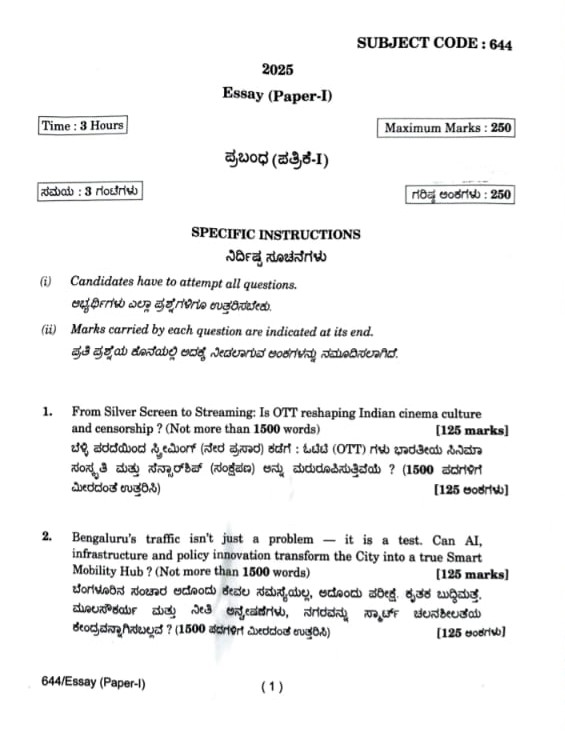
1. From Silver Screen to Streaming: Is OTT reshaping Indian cinema culture and censorship? (Not more than 1500 words) [125 marks]
ಬೆಳ್ಳಿ ಪರದೆಯಿಂದ ಸ್ತ್ರೀಮಿಂಗ್ (ನೇರ ಪ್ರಸಾರ) ಕಡೆಗೆ : ಓಟಿಟಿ (OTT) ಗಳು ಭಾರತೀಯ ಸಿನಿಮಾ ಸಂಸ್ಕೃತಿ ಮತ್ತು ಸೆನ್ಸಾರ್ಶಿಪ್ (ಸಂಕ್ಷೇಪಣ) ಅನ್ನು ಮರುರೂಪಿಸುತ್ತಿವೆಯೆ ? (1500 ಪದಗಳಿಗೆ ಮೀರದಂತೆ ಉತ್ತರಿಸಿ) [125 ಅಂಕಗಳು]
2. Bengaluru’s traffic isn’t just a problem it is a test. Can AI, infrastructure and policy innovation transform the City into a true Smart Mobility Hub? (Not more than 1500 words) [125 marks]
ಬೆಂಗಳೂರಿನ ಸಂಚಾರ ಅದೊಂದು ಕೇವಲ ಸಮಸ್ಯೆಯಲ್ಲ, ಅದೊಂದು ಪರೀಕ್ಷೆ. ಕೃತಕ ಬುದ್ಧಿಮತ್ತೆ, ಮೂಲಸೌಕರ್ಯ ಮತ್ತು ನೀತಿ ಅನ್ವೇಷಣೆಗಳು, ನಗರವನ್ನು ಸ್ಮಾರ್ಟ್ ಚಲನಶೀಲತೆಯ ಕೇಂದ್ರವನ್ನಾಗಿಸಬಲ್ಲವೆ ? (1500 ಪದಗಳಿಗೆ ಮೀರದಂತೆ ಉತ್ತರಿಸಿ) [125 ಅಂಕಗಳು]
ಮೇಜರ್ ಸ್ವಾತಿ ಶಾಂತಕುಮಾರ್ ಅವರು ವಿಶ್ವಸಂಸ್ಥೆಯ ಪ್ರಧಾನ ಕಾರ್ಯದರ್ಶಿ ನೀಡುವ ‘ಲಿಂಗ ಸಮಾನತೆ ಪ್ರತಿಪಾದಕ ಪ್ರಶಸ್ತಿ-2025’ಕ್ಕೆ ಭಾಜನರಾಗಿದ್ದಾರೆ
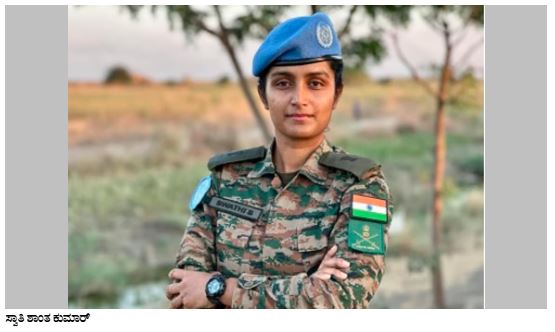
ಬೆಂಗಳೂರಿನ ಸ್ವಾತಿಗೆ ವಿಶ್ವಸಂಸ್ಥೆ ಪ್ರಶಸ್ತಿಯ ಗರಿ: ಸುಡಾನ್ನ 5,000ಕ್ಕೂ ಹೆಚ್ಚು ಮಹಿಳೆಯರಿಗೆ ಸುರಕ್ಷಿತ ವಾತಾವರಣ ನಿರ್ಮಿಸಿದ ಹೆಗ್ಗಳಿಕೆ
ಬೆಂಗಳೂರಿನವರಾದ ಭಾರತೀಯ ಸೇನಾಧಿಕಾರಿ ಮೇಜರ್ ಸ್ವಾತಿ ಶಾಂತಕುಮಾರ್ ಅವರು ವಿಶ್ವಸಂಸ್ಥೆಯ ಪ್ರಧಾನ ಕಾರ್ಯದರ್ಶಿ ನೀಡುವ ‘ಲಿಂಗ ಸಮಾನತೆ ಪ್ರತಿಪಾದಕ ಪ್ರಶಸ್ತಿ-2025’ಕ್ಕೆ ಭಾಜನರಾಗಿದ್ದಾರೆ.
ವಿವಿಧ ಕಾರ್ಯಾಚರಣೆಗಳಲ್ಲಿನ ಶ್ರೇಷ್ಠ ಸೇವೆಯನ್ನು ಗುರುತಿಸಿ ನೀಡುವ ಪ್ರಶಸ್ತಿಗಳನ್ನು ವಿಶ್ವಸಂಸ್ಥೆಯ ಪ್ರಧಾನ ಕಾರ್ಯದರ್ಶಿ ಆಂಟೊನಿಯೊ ಗುಟೆರೆಸ್ ಘೋಷಿಸಿದ್ದಾರೆ. ಸಂಘರ್ಷ ಪೀಡಿತ ದಕ್ಷಿಣ ಸುಡಾನ್ನಲ್ಲಿ ಮಹಿಳೆಯರ ರಕ್ಷಣೆ, ಸಮುದಾಯದ ನೆಮ್ಮದಿಗೆ ಕೈಗೊಂಡ ಸಂವೇದನಾಶೀಲ ಕ್ರಮಗಳಿಗಾಗಿ ಸ್ವಾತಿ ಅವರಿಗೆ ಪ್ರಶಸ್ತಿ ಒಲಿದಿದೆ. ‘ಸಮಾನ ಪಾಲುದಾರಿಕೆ ಶಾಶ್ವತ ಶಾಂತಿ’ ಎನ್ನುವುದು ಅವರ ‘ಧೈಯವಾಗಿದ್ದು, ಶಾಂತಿ ರಕ್ಷಣಾ ಕಾರ್ಯಾಚರಣೆಗಳ ಮುಂದಾಳತ್ವದಲ್ಲಿ ಲಿಂಗ ಸಮಾನತೆಗೆ ಒತ್ತು ನೀಡಿದ್ದಾರೆ.
ವಿಶ್ವದಾದ್ಯಂತ ಇರುವ ಎಲ್ಲ ಶಾಂತಿ ರಕ್ಷಣಾ ಕಾರ್ಯಚರಣೆ ಹಾಗೂ ವಿಶ್ವ ಸಂಸ್ಥೆಗಳಿಂದ ಬಂದ ನಾಮನಿರ್ದೇಶನ-ಗಳಲ್ಲಿ ಸ್ವಾತಿ ಆಯ್ಕೆಯಾಗಿದ್ದಾರೆ. ನಾಲ್ಕು ಅಂತಿಮ ಸ್ಪರ್ಧಿಗಳ ನಡುವೆ ನಡೆದ ಮತದಾನದಲ್ಲಿ ಅತ್ಯಧಿಕ ಮತಗಳನ್ನು ಪಡೆದು ಈ ಗೌರವಕ್ಕೆ ಪಾತ್ರವಾಗಿದ್ದಾರೆ.
‘ವಿಶ್ವಸಂಸ್ಥೆಯ ಶಾಂತಿಪಾಲನಾ ಪಡೆಯಲ್ಲಿ ಪರಿಣಾಮಕಾರಿಯಾಗಿ ಬಳಸಿಕೊಂಡು ಸೇನೆಯಲ್ಲೂ ಲಿಂಗಸಮಾನತೆಯನ್ನು ಬಲಗೊ ಳಿಸಿದ್ದಾರೆ. ಕಾರ್ಯಾಚರಣೆ ವೇಳೆ ತಳಮಟ್ಟದ ಸಂವಹನ ಮತ್ತು ಸೇನೆಯ ನಂಟನ್ನು ಮತ್ತಷ್ಟು ಗಟ್ಟಿ ಮಾಡಿದ್ದಾರೆ. ಚುರುಕಾದ ವಾಯುಗಸ್ತುಗಳ ಮೂಲಕ ತಮ್ಮ ಸಾಮರ್ಥ್ಯವನ್ನು ಸಾಬೀತು ಪಡಿಸಿದ್ದಾರೆ. ಇದರಿಂದ ಸುಡಾ ನ್ನ 5,000ಕ್ಕೂ ಹೆಚ್ಚು ಮಹಿಳೆಯ ರಿಗೆ ಸುರಕ್ಷಿತ ವಾತಾವರಣ ನಿರ್ಮಾಣವಾಗಿದೆ. ಅವರು ಗಳಿಸಿದ ಸಮುದಾಯದ ವಿಶ್ವಾಸ ವಿಶ್ವಸಂಸ್ಥೆಯ ಮುಂದಿನ ಕೆಲಸಗಳಿಗೂ ಪ್ರೇರಣೆಯಾಗಿದೆ’ ಎಂದು ಗುಟೆರೆಸ್ ಶ್ಲಾಪಿಸಿದ್ದಾರೆ.
ಎಂಜಿನಿಯರಿಂಗ್ ಪದವೀಧರ ಸ್ವಾತಿ ಅವರು ಬೆಂಗಳೂರಿನ ಲಿಂಗರಾಜಪುರದ ನಿವಾಸಿ ಖಾಸಗಿ ಕಂಪನಿ ಉದ್ಯೋಗಿ ಆರ್. ಶಾಂತಕುಮಾರ್, ಸರ್ಕಾರಿ ಶಾಲೆ ಶಿಕ್ಷಕಿ ರಾಜಮಣಿ ದಂಪತಿ ಪುತ್ರಿ, ಎಂಟು ವರ್ಷಗಳಿಂದ ಭಾರತೀಯ ಸೇನೆಯಲ್ಲಿದ್ದು, ಒಂದೂವರೆ ವರ್ಷದಿಂದ ದಕ್ಷಿಣ ಸುಡಾನ್ನಲ್ಲಿ ವಿಶ್ವಸಂಸ್ಥೆಯ ಶಾಂತಿಪಾಲನಾ ಪಡೆಯಲ್ಲಿ ಸೇವಾನಿರತರಾಗಿದ್ದಾರೆ.
ಟೆನಿಸ್: ಸಬಲೆಂಕಾ, ಮೆಡ್ಡೆಡೇವ್ಗೆ ಪ್ರಶಸ್ತಿ
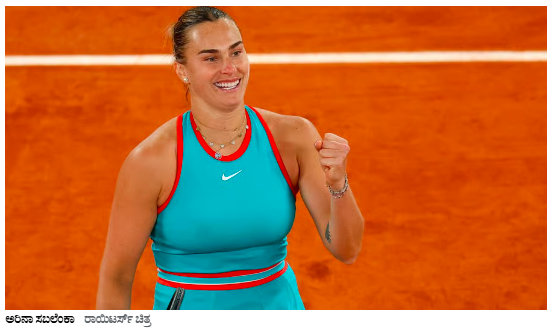
ಸಂದರ್ಭ: ವಿಶ್ವದ ಆಗ್ರ ಶ್ರೇಯಾಂಕದ ಟೆನಿಸ್ ಆಟಗಾರ್ತಿ ಆರಿನಾ ಸಬಲೆಂಕಾ ಅವರು ನೇರ ಸೆಟ್ಗಳಲ್ಲಿ ಉಕ್ರೇನ್ನ ಮಾರ್ತಾ ಕೊಪ್ಪಿಯುಕ್ ಅವರನ್ನು ಮಣಿಸಿ ಸತತ ಎರಡನೇ ಬಾರಿಗೆ ಬ್ರಿಸ್ಟೇನ್ ಇಂಟರ್ನ್ಯಾಷನಲ್ ಪ್ರಶಸ್ತಿ ಗೆದ್ದುಕೊಂಡರು.
• ಕ್ಲೀನ್ಸ್ಲ್ಯಾಂಡ್ ಟೆನಿಸ್ ಸೆಂಟರ್ ಹಂಪಾನುವಾರ ನಡೆದ ಫೈನಲ್ನಲ್ಲಿ аая 6-4, 6-3 ರಿಂದ ಗೆದ್ದರು. ಅದರೊಂದಿಗೆ, ಇದೇ 18ರಂದು ಆರಂಭವಾಗಲಿರುವ ವರ್ಷದ ಮೊದಲ ಗ್ರಾನ್ಸ್ಲಾಮ್ ಟೂರ್ನಿ ‘ಆಸ್ಟ್ರೇಲಿಯಾ ಓಪನ್’ಗೆ ಭರ್ಜರಿ ಯಾಗಿಯೇ ಸಿದ್ಧತೆ ಆರಂಭಿಸಿದರು.
• ವಿಶ್ವ ಕ್ರಮಾಂಕದಲ್ಲಿ 13ನೇ ಸ್ಥಾನದ ಲ್ಲಿರುವ ರಷ್ಯಾದ ಆಟಗಾರ ಡೇನಿಯಲ್ ಮೆಡ್ಡೆಡೇವ್ ಅವರು ಪುರುಷರ ಸಿಂಗಲ್ಸ್ ಪ್ರಶಸ್ತಿ ಗೆದ್ದುಕೊಂಡರು. 96 ನಿಮಿಷ ನಡೆದ ಪ್ರಶಸ್ತಿ ಸುತ್ತಿನ ಹಣಾಹಣಿಯಲ್ಲಿ 6-2, 7-6 (7-1) 505 ಅಮೆರಿಕದ ಬ್ರಾಂಡನ್ ನಕಾಶಿಮಾ ಅವರನ್ನು ಮಣಿಸಿದರು.
• ಅಗ್ರ 10ರಲ್ಲಿ ಬುಬ್ಲಿಕ್: ಕಜಕಸ್ತಾನದ ಅಲೆಕ್ಸಾಂಡರ್ ಬುಬ್ಲಿಕ್ ಅವರು ಭಾನುವಾರ ನಡೆದ ಹಾಂಗ್ಕಾಂಗ್ ಓಪನ್ ಟೆನಿಸ್ ಟೂರ್ನಿಯ ಫೈನಲ್ನಲ್ಲಿ 7-6 (7-2),6-3505 ಸೆಟ್ಗಳಲ್ಲಿ ಇಟಲಿಯ ಲೊರೆಂಜೊ ಮುಸೆಟ್ಟಿ ವಿರುದ್ಧ ಗೆದ್ದರು. ಈ ಟ್ರೋಫಿಯೊಂದಿಗೆ ಅವರು ಮೊದಲ ಬಾರಿಗೆ ವಿಶ್ವ ಯಾಂಕಿಂಗ್ನ ಆಗ್ರ 10ರಲ್ಲಿ ಸ್ಥಾನ ಪಡೆದರು.
ಕ್ರಿಪ್ರೊ ಕೇಂದ್ರಗಳ ನಿಯಮ ಬಿಗಿ
ಸಂದರ್ಭ: ಡಿಜಿಟಲ್ ಆಸ್ತಿಗಳ ಮಾರುಕಟ್ಟೆಯಲ್ಲಿ ಅಕ್ರಮ ಚಟುವಟಿಕೆ ಗಳನ್ನು ತಡೆಯುವ ಉದ್ದೇಶದಿಂದ ಕೇಂದ್ರದ ವಿತ್ತೀಯ ಗುಪ್ತದಳವು (ಎಫ್ಐಯು) ಕಠಿಣ ನಿಯಮಗಳನ್ನು ಅನಾವರಣ ಮಾಡಿದೆ.
• ಹಣದ ಅಕ್ರಮ ವರ್ಗಾವಣೆ ತಡೆಯುವ ಉದ್ದೇಶದ ಹಾಗೂ ಕೆವೈಸಿ (ಗ್ರಾಹಕರಿಗೆ ಸಂಬಂಧಿಸಿದ ಆಗತ್ಯ ಮಾಹಿತಿ ಕಲೆಹಾಕುವುದು) ಪ್ರಕ್ರಿಯೆಗಳ ಕುರಿತಾದ ನಿಯಮಗಳು ಇವು. ಕ್ರಿಪ್ರೊಕರೆನ್ಸಿ ವಿನಿಮಯ ಸೇವೆಗಳನ್ನು ಒದಗಿಸುವವರು ಪಾಲಿಸಬೇಕಿದೆ. ಇವುಗಳನ್ನು ಪರಿಷ್ಕೃತ ನಿಯಮಗಳನ್ನು ಜನವರಿ 8ರಂದು ಹೊರಡಿಸಲಾಗಿದೆ. ಇವು ಕ್ರಿಪ್ರೊ ವಿನಿಮಯ ಕೇಂದ್ರಗಳನ್ನು ‘ವಾಸ್ತವೋಪಮ ಡಿಜಿಟಲ್ ಅಸ್ತಿ (ಪಿಡಿಎ) ಸೇವಾದಾತರು’ ಎಂದು ಗುರುತಿಸಿದೆ. ನಿಯಮಗಳ ಪ್ರಕಾರ ಇವರು ಸರಳವಾದ ಕೆಲವು ದಾಖಲೆಪತ್ರಗಳನ್ನು ಗ್ರಾಹಕರಿಂದ ಪಡೆಯುವುದಷ್ಟೇ ಅಲ್ಲದೆ, ಇನ್ನೂ ಹಲವು ಪ್ರಕ್ರಿಯೆಗಳನ್ನು ಪೂರ್ಣಗೊಳಿಸಬೇಕಾಗುತ್ತದೆ.
• ವಿನಿಮಯ ಕೇಂದ್ರಗಳ ಸೇವೆಯನ್ನು ಪಡೆಯಲು ಮುಂದಾಗುವ ಗ್ರಾಹಕರು ತಮ್ಮ ಸೆಲ್ಲಿಯನ್ನು ಕ್ಲಿಕ್ಕಿಸಬೇಕು ಎಂದು ನಿಯಮಗಳಲ್ಲಿ ಹೇಳಲಾಗಿದೆ. ಕ್ಯಾಮೆರಾ ಕಣ್ಣಿನ ಅಚೆಯಲ್ಲಿ ಗ್ರಾಹಕ ನಿಜಕ್ಕೂ ನಿಂತಿದ್ದಾನೆ ಎಂಬುದನ್ನು ತಂತ್ರಾಂಶವು ಆತನ ಕಣ್ಣುರೆಪ್ಪೆಗಳ ಚಲನೆ ಅಥವಾ ತಲೆಯ ಚಲನೆಯ ಮೂಲಕ ಗುರುತಿಸುತ್ತದೆ. ಈ ಪ್ರಕ್ರಿಯೆಯನ್ನು ಅನುಸರಿಸುವುದರಿಂದಾಗಿ ಭಾವಚಿತ್ರ ಅಥವಾ ಡೀಪ್ಫೇಕ್ ಚಿತ್ರ ಬಳಸಿ ವಂಚನೆ ಎಸಗುವುದನ್ನು ತಡೆಯಲು ಸಾಧ್ಯವಾಗುತ್ತದೆ.
• ಬಿಗಿ ನಿಲುವು: ಕೇಂದ್ರ ಹಣಕಾಸು ಸಚಿವಾಲಯದ ಕೆಲಸ ಅಧೀನದಲ್ಲಿ ಮಾಡುವ ಎಫ್ಐಯು, ಕ್ರಿಪ್ರೊ ಆಸ್ತಿಗಳನ್ನು ಬಳಸಿ ನಡೆಯುವ ವಹಿವಾಟುಗಳು ಇನ್ನೊಬ್ಬರಿಗೆ ಗೊತ್ತಾಗದಂತೆ ಮಾಡುವುದರ ವಿರುದ್ಧ ಕಠಿಣ ನಿಲುವು ತಾಳಿದೆ. ಕೆಲವು ಕಂಪನಿಗಳು ಷೇರುಗಳ ಮಾದರಿಯಲ್ಲಿ ಡಿಜಿಟಲ್ ಟೋಕನ್ಗಳನ್ನು ನೀಡು ವುದನ್ನು ನಿರುತ್ತೇಜಿಸುವ ಉದ್ದೇಶವನ್ನು ನಿಯಮಗಳು ಹೊಂದಿವೆ.
• ಭಾರತದಲ್ಲಿ ಕೆಲಸ ನಿರ್ವಹಿಸುತ್ತಿ-ರುವ ಕ್ರಿಪ್ರೊ ವಿನಿಮಯ ಕೇಂದ್ರಗಳಿಗೆ ಎಫ್ಐಯು ಏಕಗವಾಕ್ಷಿ ನಿಯಂತ್ರಣ ನಿಯಂತ್ರಣ ವ್ಯವಸ್ಥೆಯಂತಿದೆ. ಎಲ್ಲ ಕ್ರಿಪ್ರೊ ವಿನಿಮಯ ಕೇಂದ್ರಗಳು ಎಫ್ಐಯು කව ನೋಂದಣಿ ಮಾಡಿಕೊಳ್ಳಬೇಕು, ಅನುಮಾನಕ್ಕೆ ಆಸ್ಪದ ನೀಡುವಂತಹ ವಹಿವಾಟುಗಳ ಬಗ್ಗೆ ಕಾಲಕಾಲಕ್ಕೆ ವರದಿ ಮಾಡಬೇಕು, ಹಣದ ಅಕ್ರಮ ವರ್ಗಾವಣೆ ತಡೆಯಲು, ಭಯೋತ್ಪಾದನಾ ಚಟುವಟಿಕೆಗಳಿಗೆ ಹಣಕಾಸಿನ ನೆರವು ನೀಡುವುದನ್ನು ತಡೆಯಲು ತಮ್ಮ ಗ್ರಾಹಕರ ದಾಖಲೆ ನಿರ್ವಹಿಸಬೇಕು ಎಂದು ನಿಯಮಗಳಲ್ಲಿ ಹೇಳಲಾಗಿದೆ.
• ‘ಹೆಚ್ಚಿನ ರಿಸ್ಕ್’ ಇರುವ ವ್ಯಕ್ತಿಗಳ ಕೆವೈಸಿ ಪರಿಷ್ಕರಣೆ ಪ್ರಕ್ರಿಯೆಯನ್ನು ಆರು ತಿಂಗಳಿಗೆ ಒಮ್ಮೆ ನಡೆಸಬೇಕು. ಇತರ ಎಲ್ಲರ ಕೆವೈಸಿ ಪರಿಷ್ಕರಣೆ-ಯನ್ನು ವರ್ಷಕ್ಕೊಮ್ಮೆ ನಡೆಸಬೇಕು ಎಂದು ವಿನಿಮಯ ಕೇಂದ್ರಗಳಿಗೆ ಹೇಳಲಾಗಿದೆ.
• ತೆರಿಗೆಗಳ್ಳರ ಸ್ವರ್ಗ ಎಂದು ಹೆಸರಾಗಿರುವ ದೇಶಗಳ ಜೊತೆ ನಂಟು ಕಲೆಹಾಕಬೇಕು. ಹೊಂದಿರುವವರ, ಹೆಚ್ಚಿನ ರಿಸ್ಕ್ ಇರುವ ವ್ಯಕ್ತಿಗಳು ಮತ್ತು ಸಂಸ್ಥೆಗಳ ವಿಚಾರವಾಗಿ ಮುಕ್ತ ಮೂಲಗಳಿಂದ ಮಾಹಿತಿ ಎಫ್ಎಟಿಎಫ್ನ (ಫೈನಾನ್ಶಿಯಲ್ ಆ್ಯಕ್ಷನ್ ಟಾಸ್ಕ್ ಫೋರ್ಸ್) ಬೂದು ಅಥವಾ ಕಪ್ಪುಪಟ್ಟಿ ಯಲ್ಲಿ ಇರುವ ಪ್ರದೇಶಗಳಿಗೆ ಸೇರಿದವರ, ಲಾಭದ ಉದ್ದೇಶವಿಲ್ಲದ ಸಂಘಟನೆಗಳ (ಎನ್ಪಿಒ), ಸರ್ಕಾರಗಳಲ್ಲಿ ಮಹತ್ವದ ಹುದ್ದೆ ಹೊಂದಿರುವ ವ್ಯಕ್ತಿಗಳ ಬಗ್ಗೆಯೂ ಹೆಚ್ಚಿನ ಮಾಹಿತಿಯನ್ನು ಒಗ್ಗೂಡಿಸಬೇಕು ಎಂದು ನಿಯಮಗಳು ಹೇಳಿವೆ.
• ಷೇರುಗಳ ಬದಲು ಡಿಜಿಟಲ್ ಟೋಕನ್ಗಳನ್ನು ನೀಡುವ ಪ್ರಕ್ರಿಯೆ-ಯಲ್ಲಿ ಹೆಚ್ಚಿನ ಮಟ್ಟದ ಹಣದ ಅಕ್ರಮ ವರ್ಗಾವಣೆ ಹಾಗೂ ಭಯೋತ್ಪಾದಕ ಚಟುವಟಿಕೆಗಳಿಗೆ ಹಣದ ನೆರವು ಒದಗಿಸುವ ಅಯಾಮಗಳೂ ಇರುತ್ತವೆ. ಹೀಗೆ ಡಿಜಿಟಲ್ ಟೋಕನ್ ನೀಡುವುದನ್ನು ಸಮರ್ಥಿಸಿಕೊಳ್ಳಲು ಆರ್ಥಿಕ ತರ್ಕ ಇರುವುದಿಲ್ಲ ಎಂದು ನಿಯಮಗಳಲ್ಲಿ ಹೇಳಲಾಗಿದೆ.
• ವಿನಿಮಯ ಕೇಂದ್ರಗಳು ಗ್ರಾಹಕರ ಗುರುತು. ವಿಳಾಸ ಮತ್ತು ವಹಿವಾಟಿನ ವಿವರವನ್ನು ಕನಿಷ್ಠ ಐದು ವರ್ಷಗಳವರೆಗೆ ಹಾಗೇ ಇರಿಸಬೇಕು, ತನಿಖೆ ನಡೆಯುತ್ತಿದ್ದರೆ ಅದು ಪೂರ್ಣ-ಗೊಳ್ಳುವವರೆಗೆ ಉಳಿಸಿಕೊಳ್ಳಬೇಕು ಎಂದು ನಿಯಮಗಳಲ್ಲಿ ತಾಕೀತು ಮಾಡಲಾಗಿದೆ.
‘ವಿತ್ತೀಯ ಕೊರತೆ ಮಿತಿ’ (Fiscal Deficit Limit)
ಸಂದರ್ಭ: ‘ಪ್ರಸಕ್ತ ಆರ್ಥಿಕ ವರ್ಷದ ಬಜೆಟ್ನಲ್ಲಿ ಅಂದಾಜು ಮಾಡಲಾಗಿರುವ ವಿತ್ತೀಯ ಕೊರತೆಯ ಮಿತಿಯನ್ನು ಕೇಂದ್ರ ಸರ್ಕಾರವು ಮೀರುವುದಿಲ್ಲ ಎಂಬ ನಿರೀಕ್ಷೆ ಇದೆ’ ಎಂದು ಪಿಡಬ್ಲ್ಯುಸಿ ಪಾಲುದಾರ ರಾನೆನ್ ಬ್ಯಾನರ್ಜಿ ಹೇಳಿದ್ದಾರೆ. ಜಿಡಿಪಿಯ ಶೇ 4.4ರಷ್ಟಕ್ಕೆ ವಿತ್ತೀಯ ಕೊರತೆಯನ್ನು ಮಿತಿಗೊಳಿಸುವ ಉದ್ದೇಶವನ್ನು ಕೇಂದ್ರವು ಬಜೆಟ್ನಲ್ಲಿ ಹೇಳಿದೆ.
• ಇದು ಹಣಕಾಸು ನಿರ್ವಹಣೆಯ ವಿಚಾರವಾಗಿ ದೇಶವು ಹೊಂದಿರುವ ಬದ್ಧತೆಯ ಬಗ್ಗೆ ಜಾಗತಿಕ ಮಟ್ಟದ ಹೂಡಿಕೆದಾರರಿಗೆ ನೀಡಿರುವ ಸಕಾರಾತ್ಮಕ ಸಂದೇಶ ಎಂದು ಅವರು ಹೇಳಿದ್ದಾರೆ.
• ರಾಷ್ಟ್ರೀಯ ಸಾಂಖ್ಯಿಕ ಕಚೇರಿಯು (ಎನ್ಎಸ್ಒ) ಜಿಡಿಪಿ ಬೆಳವಣಿಗೆಯ ಗುರಿಯನ್ನು (ಹಣದುಬ್ಬರದ ಪರಿಣಾಮವನ್ನು ಪರಿಗಣನೆಗೆ ತೆಗೆದುಕೊಳ್ಳದೆ) ಶೇ 10.1ರಿಂದ ಶೇ 8ಕ್ಕೆ ಪರಿಷ್ಕರಿಸಿತ್ತು. ಇದು ವಿತ್ತೀಯ ಕೊರತೆಯ ಗುರಿಯನ್ನು ಸಾಧಿಸುವ ಸರ್ಕಾರದ ಸಾಮರ್ಥ್ಯದ ಬಗ್ಗೆ ಕಳವಳ ಹುಟ್ಟುಹಾಕಿತ್ತು.
• 2024-25ರ ಆರ್ಥಿಕ ವರ್ಷದಲ್ಲಿ ಕೇಂದ್ರವು ಶೇ 4.8ರಷ್ಟು ವಿತ್ತೀಯ ಕೊರತೆಯ ಗುರಿಯನ್ನು ಸಾಧಿಸಿತ್ತು.
• ಕೇಂದ್ರ ಹಣಕಾಸು ಸಚಿವೆ ನಿರ್ಮಲಾ ಸೀತಾರಾಮನ್ ಅವರು బజీటో ಮಂಡನೆ ವೇಳೆ, 2025-26ರ ಆರ್ಥಿಕ ವರ್ಷದಲ್ಲಿ ವಿತ್ತೀಯ ಕೊರತೆಯನ್ನು ಜಿಡಿಪಿಯ ಶೇ 4.4ಕ್ಕೆ (ಹಣಕಾಸಿನ ಮೌಲ್ಯದ ಲೆಕ್ಕದಲ್ಲಿ ₹15.69 ಲಕ್ಷ ಕೋಟಿ) ತಗ್ಗಿಸಲು ಸರ್ಕಾರ ಬಜೆಟ್ನಲ್ಲಿ ಗುರಿನಿಗದಿಮಾಡಲಾಗಿದೆ ಎಂದಿದ್ದರು.
📊 ವಿತ್ತೀಯ ಕೊರತೆ ಮಿತಿ (Fiscal Deficit Limit)
🏛️ ಅರ್ಥ
ವಿತ್ತೀಯ ಕೊರತೆ (Fiscal Deficit): ಸರ್ಕಾರದ ಒಟ್ಟು ವೆಚ್ಚವು (Revenue + Capital Expenditure) ಅದರ ಒಟ್ಟು ಆದಾಯವನ್ನು (Revenue Receipts + Non‑Debt Capital Receipts) ಮೀರಿದಾಗ ಉಂಟಾಗುವ ಕೊರತೆ.
ಸರಳವಾಗಿ ಹೇಳುವುದಾದರೆ, ಸರ್ಕಾರದ ಖರ್ಚು – ಸರ್ಕಾರದ ಆದಾಯ (ಕಡೇ ಹೊರತುಪಡಿಸಿ) = ವಿತ್ತೀಯ ಕೊರತೆ.
ಈ ಕೊರತೆಯನ್ನು ಸರ್ಕಾರ ಸಾಲ ತೆಗೆದುಕೊಳ್ಳುವ ಮೂಲಕ ಪೂರೈಸುತ್ತದೆ.
📜 ಭಾರತದಲ್ಲಿ ಮಿತಿ
FRBM Act (Fiscal Responsibility and Budget Management Act, 2003):
ಕೇಂದ್ರ ಸರ್ಕಾರದ ವಿತ್ತೀಯ ಕೊರತೆಯನ್ನು GDPಯ 3% ಮಿತಿಯೊಳಗೆ ಇಡಬೇಕು ಎಂದು ನಿಗದಿಪಡಿಸಿದೆ.
ಆದರೆ ಆರ್ಥಿಕ ಸಂಕಷ್ಟ, COVID‑19, ಜಾಗತಿಕ ಅಸ್ಥಿರತೆ ಮುಂತಾದ ಸಂದರ್ಭಗಳಲ್ಲಿ ಈ ಮಿತಿಯನ್ನು ಮೀರಿ ಹೋಗಲು ಅವಕಾಶ ನೀಡಲಾಗಿದೆ.
ರಾಜ್ಯ ಸರ್ಕಾರಗಳು:
ಸಾಮಾನ್ಯವಾಗಿ 3% GDP ವರೆಗೆ ವಿತ್ತೀಯ ಕೊರತೆ ಅನುಮತಿಸಲಾಗಿದೆ.
ವಿಶೇಷ ಸಂದರ್ಭಗಳಲ್ಲಿ (ಉದಾ: ಸುಧಾರಣೆಗಳನ್ನು ಜಾರಿಗೊಳಿಸಿದರೆ) 3.5%–4% GDP ವರೆಗೆ ಅನುಮತಿ ನೀಡಲಾಗುತ್ತದೆ.
🎯 ಮಹತ್ವ
ಆರ್ಥಿಕ ಶಿಸ್ತಿನ ಸೂಚಕ: ಸರ್ಕಾರದ ಹಣಕಾಸು ನಿರ್ವಹಣೆಯ ಸ್ಥಿರತೆ.
ಹಣದುಬ್ಬರ ನಿಯಂತ್ರಣ: ಹೆಚ್ಚು ಸಾಲ ತೆಗೆದುಕೊಂಡರೆ ಹಣದುಬ್ಬರ ಹೆಚ್ಚಾಗಬಹುದು.
ಹೂಡಿಕೆದಾರರ ವಿಶ್ವಾಸ: ವಿತ್ತೀಯ ಕೊರತೆ ನಿಯಂತ್ರಣದಲ್ಲಿದ್ದರೆ ಹೂಡಿಕೆದಾರರಿಗೆ ವಿಶ್ವಾಸ.
ಅಂತರರಾಷ್ಟ್ರೀಯ ಕ್ರೆಡಿಟ್ ರೇಟಿಂಗ್: ಕಡಿಮೆ ಕೊರತೆ = ಉತ್ತಮ ರೇಟಿಂಗ್ = ಹೆಚ್ಚು ವಿದೇಶಿ ಹೂಡಿಕೆ.
⚖️ ಪ್ರಸ್ತುತ ಸ್ಥಿತಿ (2025–26)
ಕೇಂದ್ರ ಸರ್ಕಾರದ ವಿತ್ತೀಯ ಕೊರತೆ GDPಯ 5.9% (2023–24) ಆಗಿತ್ತು.
2025–26ರಲ್ಲಿ ಇದನ್ನು 4.5% GDP ಒಳಗೆ ತರುವ ಗುರಿ ಇಡಲಾಗಿದೆ.
ರಾಜ್ಯಗಳಿಗೂ 3%–3.5% GDP ಮಿತಿಯನ್ನು ಪಾಲಿಸಲು ಸೂಚನೆ.
✨ ಸಾರಾಂಶ
ವಿತ್ತೀಯ ಕೊರತೆ ಮಿತಿ ಎಂದರೆ ಸರ್ಕಾರದ ಸಾಲದ ಅವಲಂಬನೆಯನ್ನು ನಿಯಂತ್ರಿಸಲು ನಿಗದಿಪಡಿಸಿದ GDP ಶೇಕಡಾವಾರು ಮಿತಿ. ಭಾರತದಲ್ಲಿ FRBM ಕಾಯ್ದೆಯ ಪ್ರಕಾರ 3% GDP ಮಿತಿಯಿದೆ. ಆದರೆ ಆರ್ಥಿಕ ಪರಿಸ್ಥಿತಿಗಳ ಪ್ರಕಾರ ಈ ಮಿತಿಯನ್ನು ತಾತ್ಕಾಲಿಕವಾಗಿ ಹೆಚ್ಚಿಸಲಾಗುತ್ತದೆ.
Godna Thermal Power Project (ಗೋದ್ನಾ ಶಾಖೋತ್ಪನ್ನ ವಿದ್ಯುತ್ ಯೋಜನೆ)
ಗೋದ್ನಾ ಯೋಜನೆ ಜಿಂದಾಲ್ ತೆಕ್ಕೆಗೆ: 1,600 ಮೆ.ವಾ ಉತ್ಪಾದನೆ: ಪಿಪಿಪಿ ಮಾದರಿಯಲ್ಲಿ ಮೊದಲ ಪ್ರಯೋಗ
ಸಂದರ್ಭ: ಸುಮಾರು 18 ವರ್ಷಗಳಿಂದ ನನೆಗುದಿಯಲ್ಲಿದ್ದ 1,600 ಮೆಗಾವಾಟ್ ಸಾಮರ್ಥ್ಯದ ಗೋದ್ನಾ ಶಾಖೋತ್ಪನ್ನ ವಿದ್ಯುತ್ ಯೋಜನೆಯನ್ನು ಜಿಂದಾಲ್ South ವೆಸ್ಟ್ (ಜೆಎಸ್ಡಬ್ಲ್ಯು) ಎನರ್ಜಿ ಕಂಪನಿ ಕೈಗೆತ್ತಿಕೊಳ್ಳಲಿದೆ. ಇದಕ್ಕೆ ಸಂಬಂಧಿಸಿದಂತೆ ಕರ್ನಾಟಕ ವಿದ್ಯುತ್ ನಿಗಮ ನಿಯಮಿತ (ಕೆಪಿಸಿಎಲ್) ಸದ್ಯದಲ್ಲೇ ಒಪ್ಪಂದ ಮಾಡಿಕೊಳ್ಳಲಿದೆ.
• ಸಾರ್ವಜನಿಕ ಖಾಸಗಿ ಸಹ ಭಾಗಿತ್ವದ(ಪಿಪಿಪಿ) ಈ ಯೋಜನೆಯನ್ನು ಛತ್ತೀಸಗಢದ ಗೋದ್ಘಾದಲ್ಲಿ ಕರ್ನಾಟಕ ಸರ್ಕಾರ ಆರಂಭಿಸುತ್ತಿದೆ. ಇದರ ಅನುಷ್ಠಾನದ ಹೊಣೆಯನ್ನು ಜೆಎಸ್ಡಬ್ಬುಗೆ ನೀಡುವುದಕ್ಕೆ ಈ ತಿಂಗಳ 8ರಂದು ನಡೆದ ಕೆಪಿಸಿಎಲ್ ನಿರ್ದೇಶಕರ ಮಂಡಳಿಯ ಸಭೆಯಲ್ಲಿ ಒಪ್ಪಿಗೆ ನೀಡಲಾಗಿದೆ.
• ಈ ಯೋಜನೆಯನ್ನು ಪಿಪಿಪಿ ಮಾದರಿಯಲ್ಲಿ ಕೈಗೆತ್ತಿಕೊಳ್ಳಲು ಕೆಪಿಸಿಎಲ್ ಟೆಂಡರ್ ಕರೆದಿತ್ತು. ಇದರಲ್ಲಿ ಎರಡು ಕಂಪನಿಗಳು ಭಾಗವಹಿಸಿದ್ದವು. ಜೆಎಸ್ಡಬ್ಲ್ಯು, ಕಡಿಮೆ ಬಿಡ್ ಮಾಡಿದ್ದ ಕಾರಣ, ಆ ಕಂಪನಿಗೆ ನೀಡಲು ಸಭೆಯ ಅಧ್ಯಕ್ಷತೆ ವಹಿಸಿದ್ದ ಮುಖ್ಯಮಂತ್ರಿ ಸಿದ್ದರಾಮಯ್ಯ ಸಮ್ಮತಿ ಸೂಚಿಸಿದರು ಎಂದು ಇಂಧನ ಇಲಾಖೆಯ ಅಧಿಕಾರಿಯೊಬ್ಬರು ತಿಳಿಸಿದರು.
• ಜೆಎಸ್ಡಬ್ಲ್ಯು ಎನರ್ಜಿ ಕಂಪನಿಯು 1 ಯೂನಿಟ್ಗೆ ₹4.05 ಹಾಗೂ ಡಿಬಿ ಪವರ್ ಲಿಮಿಟೆಡ್ ₹4.20 ದರ ನಿಗದಿ ಮಾಡುವಂತೆ ಕೋರಿದ್ದವು. ಕಡಿಮೆ ದರ, ತಾಂತ್ರಿಕ ಸಾಮರ್ಥ್ಯ ಇತ್ಯಾದಿಗಳನ್ನು ಗಮನದಲ್ಲಿಟ್ಟುಕೊಂಡು ಜೆಎಸ್ಡಬ್ಲ್ಯು, ಅಯ್ಕೆ ಮಾಡಲಾಗಿದೆ.
• ‘ಯೋಜನೆ ಪೂರ್ಣಗೊಂಡ ಬಳಿಕ ಅದಕ್ಕೆ ಎಷ್ಟು ಹಣ ವೆಚ್ಚವಾಗಿದೆ. ಮಾರುಕಟ್ಟೆಯಲ್ಲಿ ಕಲ್ಲಿದ್ದಲು ದರ ಎಷ್ಟಿದೆ ಎಂಬುದನ್ನು ಆಧರಿಸಿ, ಕರ್ನಾಟಕ ವಿದ್ಯುತ್ ನಿಯಂತ್ರಣ ಆಯೋಗವು (ಕೆಇಆರ್ಸಿ) ಯೂನಿಟ್ಗೆ ಎಷ್ಟು ದರ ಎಂಬುದನ್ನು ನಿಗದಿ ಮಾಡಲಿದೆ. ಟೆಂಡರ್ನಲ್ಲಿ ಈಗ ನಿಗದಿ ಮಾಡಿರುವ ದರದಲ್ಲಿ ಸ್ವಲ್ಪಮಟ್ಟಿಗೆ ವ್ಯತ್ಯಾಸ ಆದರೂ ಆಗಬಹುದು’ ಎಂದು ಅಧಿಕಾರಿಯೊಬ್ಬರು ವಿವರಿಸಿದರು.
• ಈ ಯೋಜನೆಗೆ ಸುಮಾರು ₹18 ಸಾವಿರ ಕೋಟಿ ವೆಚ್ಚವಾಗಲಿದೆ ಎಂದು ಅಂದಾಜಿಸಲಾಗಿದೆ. ಜೆಎಸ್ಡಬ್ಲ್ಯು ಶೇ 74ರಷ್ಟು ಹಾಗೂ ಕೆಪಿಸಿಎಲ್ ಶೇ 26ರಷ್ಟು ಮೊತ್ತವನ್ನು ಭರಿಸಲಿದೆ. ಯೋಜನೆ 45 ತಿಂಗಳಲ್ಲಿ ಪೂರ್ಣಗೊಳ್ಳಬಹುದು ಎಂದು ಅಂದಾಜಿಸಲಾಗಿದೆ.
ಬಿ.ಎಸ್. ಯಡಿಯೂರಪ್ಪ ಅವರು ಮುಖ್ಯಮಂತ್ರಿ ಆಗಿದ್ದಾಗ 2008ರಲ್ಲಿ ಸರ್ಕಾರದೊಂದಿಗೆ ಯೋಜನೆ’ ಒಪ್ಪಂದ ಈ ಛತ್ತೀಸಗಢ ‘ಗೋದ್ನಾ ಮಾಡಿಕೊಳ್ಳಲಾಗಿತ್ತು.
ಯೋಜನೆಗಾಗಿ 1,016 ಎಕರೆ ಖಾಸಗಿ ಜಮೀನು ಹಾಗೂ 160 ಎಕರೆ ಸರ್ಕಾಲ ಜಮೀನನ್ನು ಈಗಾಗಲೇ ಸ್ವಾಧೀನಪಡಿಸಿ ಕೊಳ್ಳಲಾಗಿದೆ. ಇದಕ್ಕಾಗಿ ಸುಮಾರು ₹220 ಕೋಟಿ ವೆಚ್ಚವಾಗಿದೆ.
• ಕಲ್ಲಿದ್ದಲು ಹಂಚಿಕೆ: ಗೋದ್ನಾದ ಸಮೀಪದಲ್ಲೇ ಎರಡು ಕಲ್ಲಿದ್ದಲು ಗಣಿಗಳನ್ನು ಕೇಂದ್ರ ಸರ್ಕಾರವು 2019ರಲ್ಲಿ ಕೆಪಿಸಿಎಲ್ಗೆ ಹಂಚಿಕೆ ಮಾಡಿದೆ. 1,600 ಮೆಗಾವಾಟ್ ವಿದ್ಯುತ್ ಉತ್ಪಾದನೆಗಾಗಿ ವರ್ಷಕ್ಕೆ 70 ಲಕ್ಷ ಟನ್ ಕಲ್ಲಿದ್ದಲು ಬೇಕಾಗುತ್ತದೆ. 21 ಕೋಟಿ ಟನ್ ಕಲ್ಲಿದ್ದಲು ಅಲ್ಲಿ ಲಭ್ಯವಿದ್ದು, 30 ವರ್ಷಗಳವರೆಗೆ ಬಳಸಬಹುದು ಎಂದು ಅಂದಾಜಿಸಲಾಗಿದೆ.
• ಈ ಯೋಜನೆಗೆ ಆಗತ್ಯವಿರುವ ನೀರನ್ನು ಬಳಸಿಕೊಳ್ಳಲಾಗುತ್ತದೆ. ನದಿಯಿಂದ ಮಹಾನದಿಯಿಂದ ಗೋಡಾಗೆ ನೀರು ತರಲು ಬ್ಯಾರೇಜ್ ನಿರ್ಮಾಣಕ್ಕಾಗಿ 264 ಕೋಟಿ ವೆಚ್ಚ ಮಾಡಲಾಗಿದೆ.
| ವಿಭಾಗ | ವಿವರಗಳು |
| ಯೋಜನೆಯ ಹೆಸರು | ಗೋದ್ನಾ ಸೂಪರ್ ಕ್ರಿಟಿಕಲ್ ಶಾಖೋತ್ಪನ್ನ ವಿದ್ಯುತ್ ಯೋಜನೆ (Godna Thermal Power Project) |
| ಸ್ಥಳ | ಗೋದ್ಘಾ ಗ್ರಾಮ, ಜಾಂಜ್ಗೀರ್-ಚಂಪಾ ಜಿಲ್ಲೆ, ಛತ್ತೀಸಗಢ |
| ಒಟ್ಟು ಸಾಮರ್ಥ್ಯ | 1,600 ಮೆಗಾವಾಟ್ (800 MW ನ 2 ಘಟಕಗಳು) |
| ತಂತ್ರಜ್ಞಾನ | ಸೂಪರ್ ಕ್ರಿಟಿಕಲ್ ತಂತ್ರಜ್ಞಾನ (ಇದು ಕಡಿಮೆ ಕಲ್ಲಿದ್ದಲು ಬಳಸಿ ಹೆಚ್ಚು ವಿದ್ಯುತ್ ಉತ್ಪಾದಿಸುತ್ತದೆ ಮತ್ತು ಪರಿಸರ ಮಾಲಿನ್ಯ ಕಡಿಮೆ ಮಾಡುತ್ತದೆ) |
| ಅನುಷ್ಠಾನದ ಮಾದರಿ | ಸಾರ್ವಜನಿಕ-ಖಾಸಗಿ ಸಹಭಾಗಿತ್ವ (Public-Private Partnership – PPP) |
| ಜಂಟಿ ಉದ್ಯಮ (JV) | JSW Energy (74%) ಮತ್ತು ಕರ್ನಾಟಕ ಪವರ್ ಕಾರ್ಪೊರೇಷನ್ ಲಿಮಿಟೆಡ್ – KPCL (26%) |
| ಒಟ್ಟು ಅಂದಾಜು ವೆಚ್ಚ | ಸುಮಾರು ₹18,000 ಕೋಟಿ |
| ನಿರ್ಮಾಣ ಅವಧಿ | ಕಾಮಗಾರಿ ಆರಂಭವಾದ 45 ತಿಂಗಳುಗಳಲ್ಲಿ (ಸುಮಾರು 4 ವರ್ಷ) |
| ಒಪ್ಪಂದದ ಅವಧಿ | 25 ರಿಂದ 30 ವರ್ಷಗಳವರೆಗೆ ಕಾರ್ಯಾಚರಣೆ ಮತ್ತು ನಿರ್ವಹಣೆ |
| ಕಲ್ಲಿದ್ದಲು ಪೂರೈಕೆ | ಕೇಂದ್ರ ಸರ್ಕಾರದಿಂದ ಮಂಜೂರಾದ 21 ಕೋಟಿ ಟನ್ ಕಲ್ಲಿದ್ದಲು ಬ್ಲಾಕ್ (30 ವರ್ಷಗಳ ಬಳಕೆಗೆ ಲಭ್ಯ) |
| ವಾರ್ಷಿಕ ಕಲ್ಲಿದ್ದಲು ಅಗತ್ಯ | ಸುಮಾರು 70 ಲಕ್ಷ ಟನ್ |
| ನೀರಿನ ಮೂಲ | ಸಮೀಪದ ಮಹಾನದಿ. ನದಿಗೆ ಬ್ಯಾರೇಜ್ ನಿರ್ಮಿಸಲು ₹264 ಕೋಟಿ ವೆಚ್ಚದ ಯೋಜನೆ |
| ಭೂಮಿ ಲಭ್ಯತೆ | ಒಟ್ಟು 1,176 ಎಕರೆ (ಈಗಾಗಲೇ ಸ್ವಾಧೀನಪಡಿಸಿಕೊಳ್ಳಲಾಗಿದೆ) |
| ವಿದ್ಯುತ್ ಖರೀದಿ ದರ | ಪ್ರತಿ ಯೂನಿಟ್ಗೆ ₹4.05 (JSW ಬಿಡ್ ಮಾಡಿದ ದರ) |
| ದರ ನಿಯಂತ್ರಣ | ಕರ್ನಾಟಕ ವಿದ್ಯುತ್ ನಿಯಂತ್ರಣ ಆಯೋಗ (KERC) ಅಂತಿಮ ದರವನ್ನು ಮರುಪರಿಶೀಲಿಸಿ ಅನುಮೋದಿಸುತ್ತದೆ |
| ವಿದ್ಯುತ್ ಹಂಚಿಕೆ | ಉತ್ಪಾದನೆಯಾದ ಒಟ್ಟು ವಿದ್ಯುತ್ನಲ್ಲಿ ಕರ್ನಾಟಕಕ್ಕೆ ಸಿಂಹಪಾಲು (ರಾಜ್ಯದ ಗ್ರಿಡ್ಗೆ ಪೂರೈಕೆ) |
ಪಿಎಸ್ಎಲ್ವಿ-ಸಿ62 ರಾಕೆಟ್
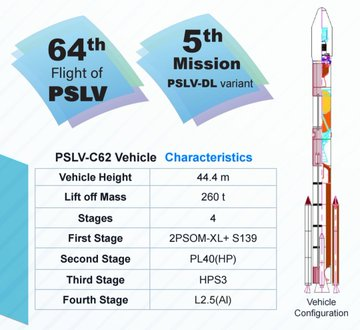
ಸಂದರ್ಭ: ಭೂಸರ್ವೇಕ್ಷಣಾ ಉಪಗ್ರಹ ಮತ್ತು ಇತರ 14 ಉಪಗ್ರಹಗಳನ್ನು ಹೊತ್ತ ಪಿಎಸ್ಎಲ್ವಿ-ಸಿ62 ರಾಕೆಟ್ ಉಡಾವಣೆಗೆ ಕ್ಷಣಗಣನೆ ಆರಂಭವಾಗಿದೆ.
• ಶ್ರೀಹರಿಕೋಟಾದ ಸತೀಶ್ ಧವನ್ ಬಾಹ್ಯಾಕಾಶ ಕೇಂದ್ರದಿಂದ ಸೋಮವಾರ ಬೆಳಿಗ್ಗೆ 10.18ಕ್ಕೆ 250 ಟನ್ ತೂಕದ ಸಾಧನಗಳನ್ನು ಹೊತ್ತು ಎಲ್ಎಸ್ಎಲ್ವಿ-ಸಿ62 ರಾಕೆಟ್ ನಭಕ್ಕೆ ಚಿಮ್ಮಲಿದೆ ಎಂದು ಇಸ್ರೋ ಭಾನುವಾರ ತಿಳಿಸಿದೆ. ಇಸ್ರೋ ಅಂಗಸಂಸ್ಥೆಯಾದನ್ಯೂಸ್ಪೇಸ್ ಇಂಡಿಯಾ ಲಿಮಿಟೆಡ್ ನೇತೃತ್ವದಲ್ಲಿ ದೇಶೀಯ ಹಾಗೂ ವಿದೇಶದ 14 ಉಪಗ್ರಹ ಗಳನ್ನು ಕಕ್ಷೆಗೆ ಕಳುಹಿಸಲು ಸಿದ್ಧತೆ ನಡೆದಿದೆ. ಥಾಯ್ಲೆಂಡ್ ಮತ್ತು ಬ್ರಿಟನ್ ಅಭಿವೃದ್ಧಿಪಡಿಸಿದ ಭೂ ಸರ್ವೇಕ್ಷಣಾ ಉಪಗ್ರಹವನ್ನು ಪಿಎಸ್ಎಲ್ವಿ ರಾಕೆಟ್ ಮೊದಲಿಗೆ ಕಕ್ಷೆಗೆ ತಲುಪಿಸಲಿದೆ.ನಂತರ ನಭಕ್ಕೆ ಹಾರಿದ 17 ನಿಮಿಷಗಳ ಒಳಗಾಗಿ ಉಳಿದ 13 ಉಪಗ್ರಹಗಳನ್ನು ಸೂರ್ಯಸಮನ್ವಯ ಕಕ್ಷೆಗೆ ಸೇರಿಸಲಿದೆ.