The State government has amended the Karnataka Educational Institutions (Prohibition of Capitation Fee) Act, 1984 (Karnataka act 37 of 1984), for admission to government seats in professional educational institutions rules, 2006, and announced the gazette notification draft rules specifying the quotas for Overseas Citizen of India (OCI) in medical education.
As per the draft, Overseas Citizen of India born on or before March 4, 2021 or being an OCI card holder before the said date will not be entitled for any reservation applicable to a citizen of India.
Meanwhile, the OCI candidates born on or after March 5, 2021 or being an OCI card holder after the date are eligible for admission only against any Non-Resident Indian (NRI) seat or any supernumerary seat.
Context: India’s space economy, currently estimated at $13 billion, is set to touch $40 billion by 2030, according to the recent India Spacetech-2026 report by early-stage venture capital (VC) firm, Arkam Ventures.
Titled ‘India’s Space Odyssey’, the report forecasts the sector to grow at twice the pace of the global market and that structural shifts in India’s spacetech ecosystem will propel it to the world’s third-largest space-tech economy by 2030. The growth will be fuelled by cost-efficient engineering, deep manufacturing capabilities and a new generation of start-ups building advanced space technologies for customers worldwide, it noted.
Over the past five years, more than 300 space-tech start-ups have emerged in India, in areas such as satellite manufacturing, earth observation, launch vehicles, and in-space solutions. “More than two-thirds of the historical capital flows in the Indian spacetech sector have come in the last five years, post the space policy being formulated. We expect $3 billion to $5 billion of private capital flows in the sector over the next couple of years to fund cutting edge space innovations.” the report read. According to the VC, this momentum is built on ISRO’s legacy of low-cost, high-impact missions and its active support for private innovation.
“India is uniquely positioned to lead the global spacetech sector fuelled by the unique ecosystem development role played by the ISRO and the support from the government. Over the next five years, we expect $3billion to $3.5 billion of the VC and Private Equity investments in the sector,” said Rahul Chandra, managing director, Arkam Ventures.
Context: Vampire period horror film Sinners, directed by Ryan Coogler, smashed the all-time Oscars record with 16 nominations, the Academy announced. The tally included a best actor nomination for Michael B. Jordan.
One Battle After Another came in second with 13 nods including best picture, best actor for Leonardo DiCaprio and best director for Paul Thomas Anderson.
Guillermo del Toro’s monster epic Frankenstein, Timothee Chalamet-led ping-pong drama Marty Supreme and Norwegian arthouse favourite Sentimental Value each bagged nine nominations. Period drama Hamnet secured eight nods including best actress for Jessie Buckley.
Mr. DiCaprio, Mr. Chalamet and Mr. Jordan will battle for the best actor Oscar, along with Ethan Hawke for Broadway period drama Blue Moon and Wagner Moura from Brazilian political thriller The Secret Agent. For best actress, Ms. Buckley will compete with Emma Stone in conspiracy theorist drama Bugonia, Renate Reinsve in Sentimental Value, Kate Hudson in music biopic Song Sung Blue, and Rose Byrne in indie hit If I Had Legs I’d Kick You.
Persian-language Palme d’Or winner It Was Just An Accident, Spain’s hippie odyssey Sirat and heart-wrenching Palestinian docudrama The Voice of Hind Rajab will compete for best international film.
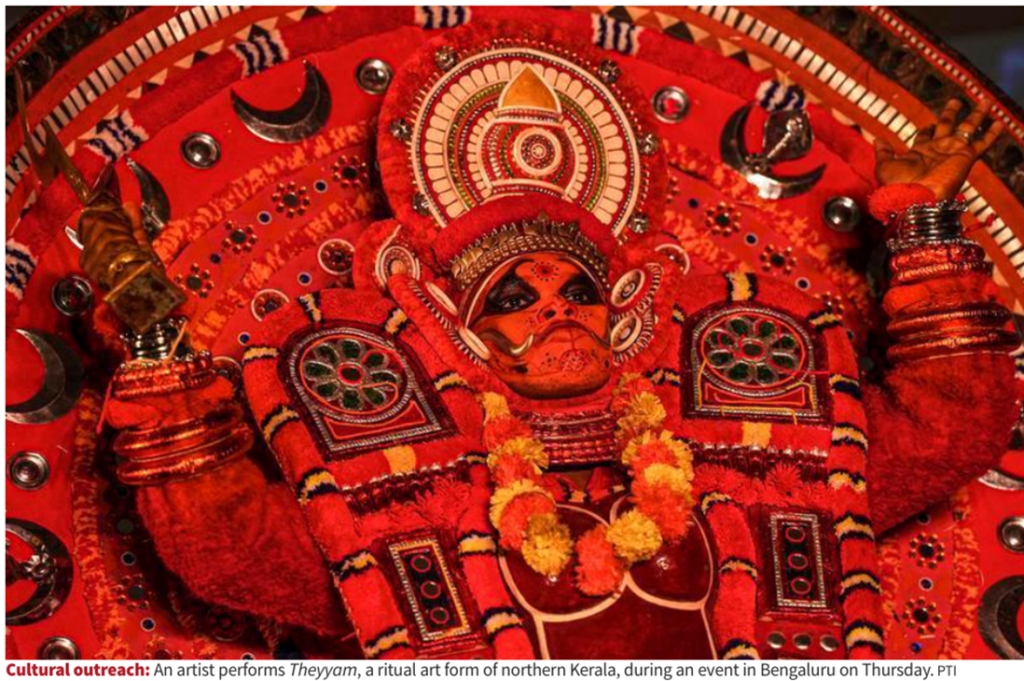
Context: Theyyam is a ritualistic art form practiced in the northern districts of Kerala, especially Kannur and Kasaragod. It is a sacred performance tradition in which the performer is believed to embody a deity or ancestral spirit during the ritual.
Key Features
Religious–ritual nature: Performed in kavus (sacred groves) and temples.
Transformation of the performer: Elaborate make-up, face painting, towering headgear, and costumes symbolize the deity.
Trance and possession: The performer enters a trance state, during which devotees seek blessings and oracles.
Social dimension: Many Theyyam deities represent folk heroes, ancestors, and oppressed communities, reflecting social justice themes.
Music and Performance
Accompanied by traditional percussion like chenda and elathalam.
Includes ritual dances, songs, and fire rituals.
Cultural Significance
Preserves folk beliefs, oral traditions, and local history.
Represents the syncretic culture of Kerala, blending religion, art, and social memory.
Cabinet okays ₹5,000 crore equity infusion into SIDBI
Context: The Union Cabinet approved an equity infusion of ₹5,000 crore into the Small Industries Development Bank of India (SIDBI) to expand the credit available to micro, small and medium enterprises (MSMEs).
The infusion will be made by the Department of Financial Services (DFS) in three tranches. Of the total amount, ₹3,000 crore will be infused in 2025-26 at a book value of ₹568.65 as on March 31, 2025, and ₹1,000 crore each in 2026-27 and 2027-28 at the book value prevailing at the end of the respective previous financial year.
“After the capital infusion, the number of MSMEs to be provided financial assistance is expected to increase from 76.26 lakh at the end of financial year 2025 to 102 lakh (approximately 25.74 lakh new MSME beneficiaries will be added) by the end of financial year 2027-28,” the government said.
According to official data, as of September 30, 2025, about 6.9 crore MSMEs registered with the government employed 30.16 crore people. This worked out to an average employment generation of 4.37 persons per enterprise, it said. Based on this average, the addition of new MSME beneficiaries is estimated to generate employment for about 1.12 crore people by 2027-28.
The additional capital infusion would be necessary to help SIDBI maintain a strong capital to risk-weighted assets ratio (CRAR), as its risk-weighted assets are expected to grow with increased lending to MSMEs. “A healthy CRAR, well above the mandated level, is a key to protecting credit ratings,” the release said. “SIDBI will benefit from an infusion of additional share capital by maintaining a healthy CRAR. This infusion of additional capital would enable SIDBI to generate resources at fair interest rates, thereby increasing the flow of credit to MSMEs at competitive costs.”
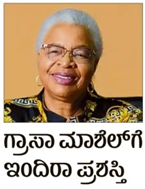
Context: Mozambican rights activist and humanitarian Graca Machel has been selected for the Indira Gandhi Prize for Peace, Disarmament and Development for 2025, the Indira Gandhi Memorial Trust announced.
The decision was taken by an international jury chaired by former National Security Adviser Shivshankar Menon.
Ms. Machel was chosen for her “path-breaking work” in the fields of education, health and nutrition, economic empowerment and humanitarian action, carried out under difficult circumstances, the Trust said in a statement.
The award carries a cash prize of ₹1 crore along with a citation and a trophy.
Describing her as a distinguished African stateswoman and human rights advocate, the trust said Ms. Machel’s life’s work has been rooted in the struggle for self-determination and the protection of vulnerable communities.
Context: The Supreme Court drew a clear line between state functionaries splurging public money on irrational freebies and “investing” in welfare schemes for the marginalised sections.
“Distribution of state largesse to individuals at a large scale is different from investing state largesse in public welfare schemes. That distinction should be kept in mind,” Chief Justice Surya Kant observed orally.
The Supreme Court asked why there was no “dedicated diversion of revenue surplus for developmental purposes which would further the constitutional ideal of inclusivity through free medical care and education for the poor and those not in the creamy layer of the society. The state has a commitment towards this end”.
State’s obligation
The Chief Justice said launching welfare schemes was an obligation the state had to achieve under the Directive Principles of State Policy in the Constitution.
The oral observations from the Bench, including Justice Joymalya Bagchi, was in response to an oral mentioning made by advocate Ashwini Kumar Upadhyay for early listing of a batch of petitions seeking a judicial declaration that irrational freebies offered by political parties to lure voters during poll time should be considered a “corrupt practice”.
Mr. Upadhyay said when the petition was filed, the nation was in debt of ₹1.5 lakh crore, which had since increased to ₹2.5 lakh crore. Every Indian was in debt, and yet the state continued to rain freebies before elections, he submitted.
“This is a very, very important matter,” Chief Justice Kant reacted, agreeing to list it early for hearing.
‘Parasitic existence’
In January last year, a top court Bench headed by Justice (now retired) B.R. Gavai had asked whether untrammelled freebies lull the poor into a parasitic existence, depriving them of any initiative to find work, join the mainstream and contribute to national development.
ಸಂದರ್ಭ: ಕೇಂದ್ರ ಸರ್ಕಾರದ ಮಹತ್ವಾಕಾಂಕ್ಷೆಯ ಅಟಲ್ ಪಿಂಚಣಿ ಯೋಜನೆಯನ್ನು 2030-31ನೇ ಹಣಕಾಸು ವರ್ಷದ ವರೆಗೆ ವಿಸ್ತರಿಸಲು ಕೇಂದ್ರ ಸಚಿವ ಸಂಪುಟ ಅನುಮೋದಿಸಿದೆ. • ಪ್ರಧಾನಿ ಅಧ್ಯಕ್ಷತೆಯಲ್ಲಿ ನಡೆದ ಸಂಪುಟ ಸಭೆಯು, ಅಸಂಘಟಿತ ವಲಯದ ಕಾರ್ಮಿಕರ ಕಲ್ಯಾಣಕ್ಕೆ ರೂಪಿಸಿರುವ ಯೋಜನೆಗಳಿಗೆ ಆರ್ಥಿಕ ನೆರವು ಮುಂದುವರಿಸುವುದಕ್ಕೂ ಅನುಮೋದನೆ ನೀಡಿದೆ ಎಂದು `ಪ್ರಕಟಣೆ ತಿಳಿಸಿದೆ. • ಅಸಂಘಟಿತ ವಲಯದ ಕಾರ್ಮಿಕರಿಗೆ ವೃದ್ಧಾಪ್ಯ ದಲ್ಲಿ ಆದಾಯ ಭದ್ರತೆ ಒದಗಿಸುವ ದೃಷ್ಟಿಯಿಂದ ಅಟಲ್ ಪಿಂಚಣಿ ಯೋಜನೆಯನ್ನು 2015ರ ಮೇ 9ರಂದು ಆರಂಭಿಸಲಾಯಿತು. ಪ್ರಸ್ತುತ, 8.66 ಕೋಟಿ ಜನರು ಈ ಯೋಜನೆಯಡಿ ನೋಂದಾಯಿಸಿ ಕೊಂಡಿದ್ದಾರೆ. • ನೋಂದಾಯಿತ ಸದಸ್ಯರು ಪಾವತಿಸಿದ ವಂತಿಗೆ ಆಧಾರದಲ್ಲಿ, ಫಲಾನುಭವಿಗೆ 60 ವರ್ಷ ತುಂಬಿದ ನಂತರ ಮಾಸಿಕ ಕನಿಷ್ಠ ಒಂದು ಸಾವಿರ ರೂಪಾಯಿಯಿಂದ ₹5 ಸಾವಿರ ವರೆಗೆ ಪಿಂಚಣಿ ನೀಡಲಾಗುತ್ತದೆ.
ಅಂಶ
ವಿವರಗಳು
ಯೋಜನೆಯ ಹೆಸರು
ಅಟಲ್ ಪಿಂಚಣಿ ಯೋಜನೆ (Atal Pension Yojana)
ಪ್ರಾರಂಭ
9 ಮೇ 2015 (ಕೋಲ್ಕತ್ತಾದಲ್ಲಿ ಪ್ರಧಾನಿ ಮೋದಿಯವರಿಂದ ಚಾಲನೆ)
ಉಸ್ತುವಾರಿ ಸಂಸ್ಥೆ
PFRDA (Pension Fund Regulatory and Development Authority)
ಅರ್ಹತೆ
ಭಾರತೀಯ ನಾಗರಿಕನಾಗಿರಬೇಕು.
ವಯೋಮಿತಿ
18 ರಿಂದ 40 ವರ್ಷಗಳು.
ಪಿಂಚಣಿ ಲಭ್ಯತೆ
60 ವರ್ಷ ತುಂಬಿದ ನಂತರ.
ಪಿಂಚಣಿ ಸ್ಲ್ಯಾಬ್ಗಳು
₹1,000, ₹2,000, ₹3,000, ₹4,000 ಮತ್ತು ₹5,000 (ತಿಂಗಳಿಗೆ).
ವಂತಿಗೆ ಅವಧಿ
ಕನಿಷ್ಠ 20 ವರ್ಷಗಳ ಕಾಲ ವಂತಿಗೆ (Contribution) ಪಾವತಿಸಬೇಕು.
ತೆರಿಗೆದಾರರಿಗೆ ನಿಯಮ
1 ಅಕ್ಟೋಬರ್ 2022 ರಿಂದ, ಆದಾಯ ತೆರಿಗೆ ಪಾವತಿಸುವವರು ಈ ಯೋಜನೆಗೆ ಸೇರಲು ಅರ್ಹರಲ್ಲ.
ನಾಮಿನಿ ಸೌಲಭ್ಯ
ಚಂದಾದಾರರ ಮರಣದ ನಂತರ ಸಂಗಾತಿಗೆ (Spouse) ಪಿಂಚಣಿ ಸಿಗುತ್ತದೆ. ಇಬ್ಬರ ಮರಣದ ನಂತರ ಕಾರ್ಪಸ್ ಮೊತ್ತವನ್ನು ನಾಮಿನಿಗೆ ನೀಡಲಾಗುತ್ತದೆ.
ಹೂಡಿಕೆ ವಿಧಾನ
ಮಾಸಿಕ, ತ್ರೈಮಾಸಿಕ ಅಥವಾ ಅರ್ಧವಾರ್ಷಿಕವಾಗಿ ಬ್ಯಾಂಕ್ ಖಾತೆಯಿಂದ ‘ಆಟೋ ಡೆಬಿಟ್’ ಮೂಲಕ ಹಣ ಕಡಿತವಾಗುತ್ತದೆ.
ಸಂದರ್ಭ: 2025ನೇ ಸಾಲಿನ ‘ಇಂದಿರಾ ಗಾಂಧಿ ಶಾಂತಿ’ ಪ್ರಶಸ್ತಿಯು ಮೊಜಾಂಬಿಕದ ಹೋರಾಟಗಾರ್ತಿ ಗ್ರಾಸಾಮಾ ಶೆಲ್ಅವರಿಗೆ ಸಂದಿದೆ.
ಶಿಕ್ಷಣ, ಆರೋಗ್ಯ ಮತ್ತು ಪೌಷ್ಟಿಕಾಂಶ ವಲಯ ಹಾಗೂ ಕಷ್ಟಕರ ಸಂದರ್ಭಗಳಲ್ಲಿ ಮಾನವೀಯ ನೆರವು ಮತ್ತು ಆರ್ಥಿಕ ಸಬಲೀಕರಣ ಕ್ಷೇತ್ರಗಳಲ್ಲಿ ಮಾಡಿದ ಕಾರ್ಯಗಳನ್ನು ಪರಿಗಣಿಸಿ ರಾಷ್ಟ್ರೀಯ ಭದ್ರತೆಯ ಮಾಜಿ ಸಲಹೆಗಾರ ಶಿವಶಂಕರ್ ಮೆನನ್ ಅವರ ಅಧ್ಯಕ್ಷತೆಯ ಸಮಿತಿಯು ಗ್ರಾಸಾ ಅವರನ್ನು ಪ್ರಶಸ್ತಿಗೆ ಆಯ್ಕೆ ಮಾಡಿದ ಎಂದು ಇಂದಿರಾ ಗಾಂಧಿ ಸ್ಮಾರಕ ಟ್ರಸ್ಟ್ ಬುಧವಾರ ತಿಳಿಸಿದೆ.
ಪ್ರಶಸ್ತಿಯು ₹1 ಕೋಟಿ ಮೊತ್ತ. ಫಲಕ ಹಾಗೂ ಪ್ರಶಂಸನಾ ಪತ್ರ ಒಳಗೊಂಡಿದೆ. ಮೊಜಾಂಬಿಕದ ಮೊದಲ ಅಧ್ಯಕ್ಷ ಸಮೋರಾ ಮೊಯಿಸೆಸ್ ಮಾಶೆಲ್ ಅವರನ್ನು ಗ್ರಾಸಾ ಮದುವೆ ಯಾಗಿದ್ದರು. ಸಮೋರಾ 1986ರಲ್ಲಿ ನಿಧನರಾದ ಬಳಿಕ ದಕ್ಷಿಣ ಆಫ್ರಿಕಾದ ಅಧ್ಯಕ್ಷ ನೆಲ್ಸನ್ ಮಂಡೇಲಾ ಅವರನ್ನು ವಿವಾಹವಾದರು. ಮೊಜಾಂಬಿಕ ಶಿಕ್ಷಣ ಮತ್ತು ಸಂಸ್ಕೃತಿ ಖಾತೆಯ ಮೊದಲ ಸಚಿವರಾಗಿಯೂ ಅವರು ಕಾರ್ಯನಿರ್ವಹಿಸಿದರು.
Context: The Congress said that any regulator for higher education must be mandated to oversee the implementation of Article 15(5) of the Constitution, which empowers the state to provide reservation for the Scheduled Castes (SCs), Scheduled Tribes (STs), and Other Backward Classes (OBCs) in private educational institutions.
Referring to the Viksit Bharat Shiksha Adhishthan Bill, 2025, which seeks to establish a single regulator for higher education and was introduced in the Lok Sabha on December 15, 2025, before being referred to a Joint Parliamentary Committee, Congress general secretary (communications) said such a body must have a clear mandate to ensure the implementation of Article 15(5).
“Any such regulator should be mandated to oversee the implementation of Article 15(5) of the Constitution, which came into effect exactly 20 years ago today,”.
Full implementation
He urged the Centre to fully implement Article 15(5) on the 20th anniversary of its enactment through the 93rd Constitutional Amendment by the Manmohan Singh-led UPA government.
Calling it a historic moment, He said the amendment enabled the introduction of a 27% reservation for OBC students in Centrally funded higher education institutions (HEIs), including the IITs, IIMs, Central Universities, and NITs. “Since then, lakhs of students from the OBC communities have availed of this reservation, bringing economic and social mobility to millions,” he said.
Article 15(5) also permits the government to mandate reservation for SC, ST and OBC students in private higher education institutions, he said, noting that its validity was upheld by the Supreme Court in the Pramati Educational and Cultural Trust vs Union of India judgment on May 6, 2014.