December 2025
Govinda Rao Committee and Regional Imbalances in Karnataka
Background: Historical Regional Imbalances
Karnataka has long faced inter-regional developmental disparities, especially between North / Kalyana Karnataka and South & Coastal Karnataka.
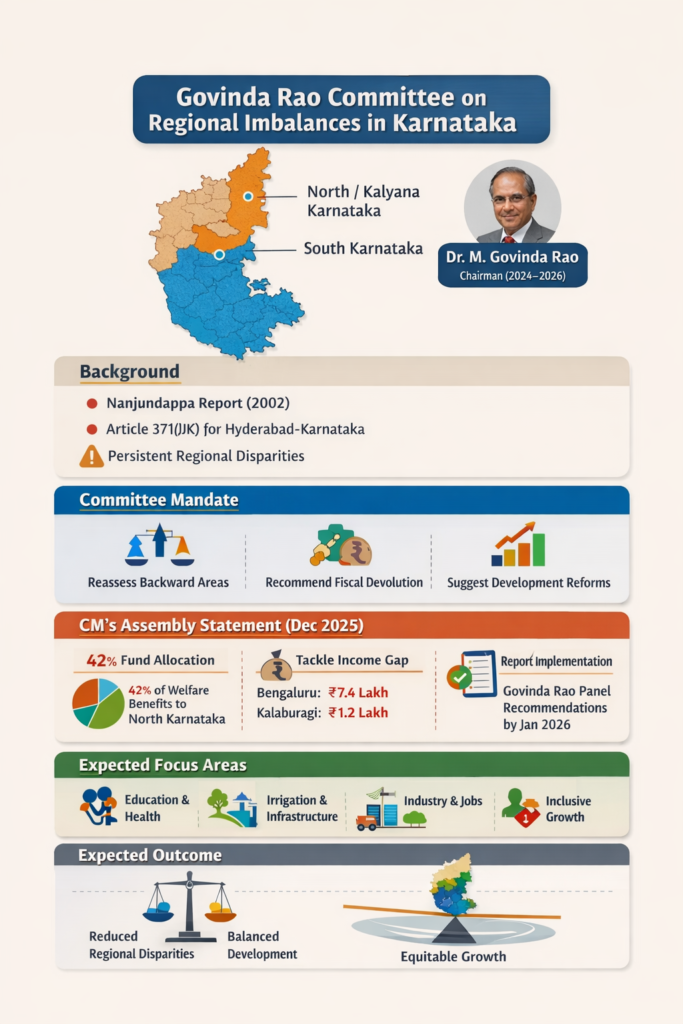
In 2002, the Dr. D.M. Nanjundappa Committee (High Power Committee for Redressal of Regional Imbalances) identified 114 backward taluks, categorised as most backward, very backward, and backward, mostly concentrated in North and Kalyana Karnataka. The committee recommended targeted interventions and large fiscal allocations (about ₹31,000 crore) over eight years to bridge the gap.
Article 371J/K was inserted into the Constitution (Ninety-eighth Amendment Act, 2012) providing special development measures, reservations and a dedicated Regional Development Board to uplift the Hyderabad-Karnataka region.
Despite these efforts, significant disparities in education, healthcare, infrastructure, income and human development indicators persist across regions.
Govinda Rao Committee — Formation & Mandate
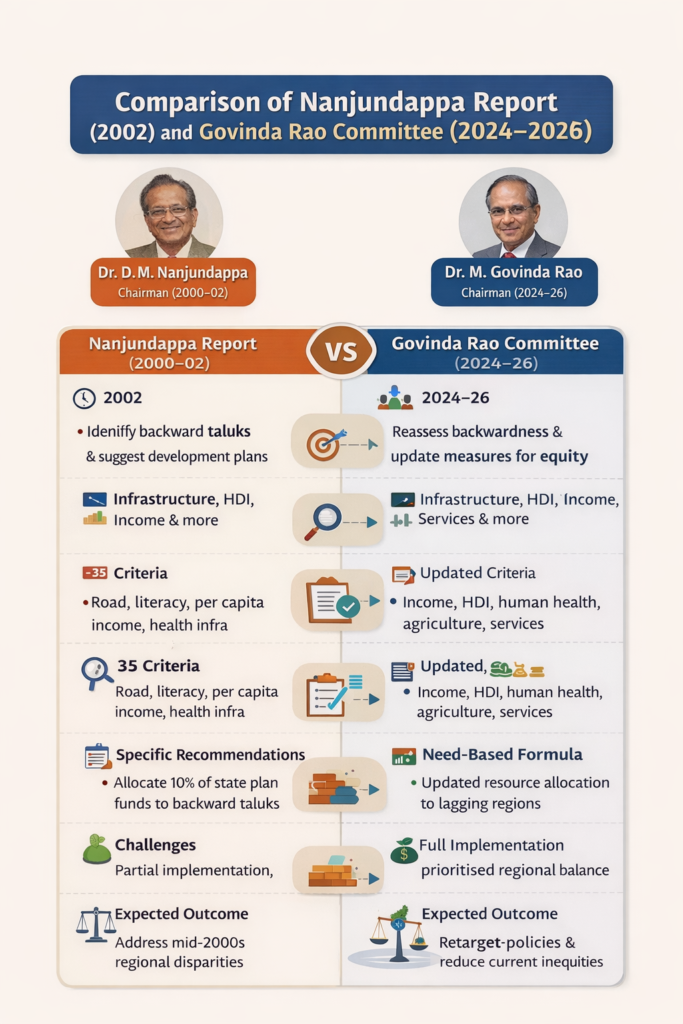
To reassess and update Karnataka’s regional imbalance strategy, the Government constituted the Karnataka Regional Imbalance Remediation Committee in March 2024, chaired by Prof. M. Govinda Rao, a noted economist and former Member of the 14th Finance Commission.
Key Mandate
Review the implementation of the Nanjundappa report and existing development indicators.
Revisit and update criteria for identifying backward areas, considering current socio-economic realities (per capita income, education, health, infrastructure, agriculture, industry etc.).
Formulate policy and fiscal recommendations for equitable development across all regions.
Engage stakeholders and government departments for comprehensive assessment.
The committee’s methodology is more comprehensive than earlier efforts, with increased indicators and field consultations in all districts.
Timeline
Originally expected by September 2025, the Govinda Rao committee sought additional time, and the report is now expected by January 2026.
Government’s Recent Statements & Policy Direction
Winter Session 2025: Assembly Response
On 19–20 December 2025, Chief Minister Siddaramaiah, replying to a special debate in the Karnataka Assembly at Belagavi, outlined the government’s approach to regional imbalance, based on findings and anticipated recommendations of the Govinda Rao panel:
Equitable Allocation of Welfare Benefits
The state has about 6.95 crore residents, of whom ≈2.96 crore (42%) are in North Karnataka.
North Karnataka accounts for ≈53% of the state’s geographical area and ≈43% of assembly seats.
CM emphasized that at least 42–43% of government welfare benefits should be allocated to North Karnataka on the basis of its population and area share.
Guarantee Schemes & Funds Spent
Out of Rs 1,06,066 crore spent on state guarantee schemes, Rs 46,277 crore (43.63%) has gone to North Karnataka beneficiaries, aligning with the population share.
Sectors include Gruha Lakshmi, Gruha Jyothi, Anna Bhagya, Shakti, Yuva Nidhi and others.
(Gruha Jyoti is a subsidy scheme providing free electricity up to 200 units, illustrating the nature of flagship welfare programmes.
Income & Development Gap
The Chief Minister noted stark disparities: Bengaluru Urban’s per capita income (~₹7.4 lakh) versus Kalaburagi (~₹1.2 lakh), underlining ongoing inequality within the state.
The government aims to narrow this gap significantly over coming years.
Report Implementation & Additional Measures
CM confirmed that once the Govinda Rao committee report is received, its recommendations will be implemented fully.
Proposals like ₹500 crore for Kittur Karnataka development, establishment of 300 Karnataka Public Schools, and implementation of education sector reforms based on a separate committee led by Prof. Chhaya Devadgaonkar were highlighted.
Political Debate
Opposition parties, notably the BJP, challenged the government’s assertions and demanded further clarity and special package announcements, leading to political contention in the Assembly.
What the Govinda Rao Committee Report Is Expected to Focus On
Based on media previews and statements by the committee:
1. Updated Development Indicators
Revising deprecated indicators from the Nanjundappa framework (e.g., telephone access, post offices) to current metrics covering human development, services, infrastructure and income.
2. Taluk-Level Assessment
Comprehensive evaluation of all 236 taluks to identify those lagging behind.
3. Sectoral Recommendations
Strategies to enhance:
Education and health infrastructure
Agriculture and allied sectors
Industrial and service sector development
Irrigation, connectivity and transportation
Strengthening institutions such as the Kalyana Karnataka Regional Development Board with long-term planning frameworks.
4. Fiscal Formula
Suggesting need-based resource allocation formulas, possibly moving beyond population-only criteria to include development gaps, density, and economic potential.
Significance & Implications
Policy
The Govinda Rao panel’s report is expected to reshape Karnataka’s regional development policy by updating the basis of backwardness and recommending actionable plans to address structural disparities.
Political & Social
Debate around regional imbalance is not merely administrative but politically charged, reflecting demands for equitable development and scrutiny of welfare spending.
Future Direction
Implementation of committee recommendations may influence:
Budgetary priorities
Targeted welfare schemes
Institutional reforms for regional governance
Conclusion
The Govinda Rao Committee represents Karnataka’s latest, evidence-based effort to objectively assess and address long-standing regional imbalances. Its pending report (expected January 2026) will guide policy decisions, resource allocation, and welfare strategies, aiming for a more balanced, inclusive development trajectory across the state.
ದಕ್ಷಿಣ ಪಿನಾಕಿನಿ ನ್ಯಾಯಮಂಡಳಿ: ‘ಸುಪ್ರೀಂ’ ಇಂಗಿತ (South Pennar (Dakshina Pinakini River)
ಕರ್ನಾಟಕ ಹಾಗೂ ತಮಿಳುನಾಡು ನಡುವಿನ ಪೆನ್ನಾರ್ (ದಕ್ಷಿಣ ಪಿನಾಕಿನಿ) ನದಿ ನೀರು ಹಂಚಿಕೆ ವಿವಾದಗಳನ್ನು ಬಗೆಹರಿಸಲು ನ್ಯಾಯ ಮಂಡಳಿ ರಚಿಸಲು ಸುಪ್ರೀಂ ಕೋರ್ಟ್ ಇಂಗಿತ ವ್ಯಕ್ತಪಡಿಸಿದೆ.
•ಜಲವಿವಾದವೇನು?: ದಕ್ಷಿಣ ಪಿನಾಕಿನಿ ನದಿಯ ಕಣಿವೆಯಲ್ಲಿ ಕರ್ನಾಟಕ ಸರ್ಕಾರವು ಮಾರ್ಕಂಡೇಯ ನದಿಗೆ ಅಡ್ಡಲಾಗಿ ಅಣೆಕಟ್ಟೆ ನಿರ್ಮಿಸಿದೆ. ಬೆಂಗಳೂರಿನ ಎಲೆ ಮಲ್ಲಪ್ಪ ಚೆಟ್ಟಿ ಕೆರೆ ಯಿಂದ ಹೊಸಕೋಟೆಯವರೆಗೆ ನೀರು ಹರಿಸುವ ಕಾಮಗಾರಿ, ಬ್ಯಾಲಹಳ್ಳಿ ಹತ್ತಿರ ಪೆನ್ನಾರ್ ನದಿಯಿಂದ ನೀರು ಹರಿಸುವ ಕಾಮಗಾರಿಗಳನ್ನು ಕೈಗೆತ್ತಿಕೊಂಡಿದೆ. ಈ ಯೋಜನೆಗೆ ತಮಿಳುನಾಡು ಸರ್ಕಾರ ವಿರೋಧ ವ್ಯಕ್ತಪಡಿಸಿ ಸುಪ್ರೀಂ ಕೋರ್ಟ್ಗೆ 2018ರ ಮೇ 18ರಂದು ಅರ್ಜಿ ಸಲ್ಲಿಸಿತ್ತು. ಜಲವಿವಾದ ನ್ಯಾಯ ಮಂಡಳಿ ಸ್ಥಾಪಿಸುವಂತೆ ಒತ್ತಾಯಿಸಿ ತಮಿಳುನಾಡು ಸರ್ಕಾರವು ಕೇಂದ್ರ ಸರ್ಕಾರಕ್ಕೆ 2019ರ ನವೆಂಬರ್ನಲ್ಲಿ ಮನವಿ ಮಾಡಿತ್ತು.
•ಜಲಶಕ್ತಿ ಸಚಿವಾಲಯವು 2020ರಲ್ಲಿ ಸಂಧಾನ ಸಭೆ ನಡೆಸಿತ್ತು. ಆದರೆ, ರಾಜ್ಯ ಸರ್ಕಾರಗಳು ಒಮ್ಮತಕ್ಕೆ ಬಂದಿರಲಿಲ್ಲ. ಹೊಸದಾಗಿ ಸಂಧಾನ ನಡೆಸುವಂತೆ ಕರ್ನಾಟಕ ಸರ್ಕಾರವು ಕೇಂದ್ರವನ್ನು 2024ರ ಜೂನ್ನಲ್ಲಿ ಒತ್ತಾಯಿಸಿತ್ತು.
•ಈ ನಡುವೆ, ಸುಪ್ರೀಂ ಕೋರ್ಟ್ ನಿರ್ದೇಶನದ ಪ್ರಕಾರ, ಕೇಂದ್ರ ಜಲ ಆಯೋಗದ ಅಧ್ಯಕ್ಷರ ನೇತೃತ್ವದಲ್ಲಿ ಜಲಶಕ್ತಿ ಸಚಿವಾಲಯವು ಹೊಸ ಸಂಧಾನ ಸಮಿತಿ ರಚಿಸಿತ್ತು. ಈ ಸಮಿತಿಯು ಉಭಯ ರಾಜ್ಯಗಳ ನಡುವೆ 9 ಸಭೆಗಳನ್ನು ನಡೆಸಿತ್ತು. ಯೋಜನಾ ಪ್ರದೇಶಕ್ಕೆ ಭೇಟಿ ನೀಡಿ ಪರಿಶೀಲಿಸಿತ್ತು.
•ಜಲ ವಿವಾದ ಬಗೆಹರಿಸಲು ನ್ಯಾಯಮಂಡಳಿ ರಚಿಸುವ ಕೇಂದ್ರ ಸರ್ಕಾರದ ಪ್ರಸ್ತಾವಕ್ಕೆ ಕರ್ನಾಟಕ ಸರ್ಕಾರ ವಿರೋಧ ವ್ಯಕ್ತಪಡಿಸಿತ್ತು. ಮಾತುಕತೆಯ ಮೂಲಕ ಈ ವಿವಾದವನ್ನು ಸೌಹಾರ್ದ ಯುತವಾಗಿ ಬಗೆಹರಿಸಬೇಕು ಎಂದು ಒತ್ತಾಯಿಸಿ ಕರ್ನಾಟಕ ಸರ್ಕಾರವು ಜಲಶಕ್ತಿ ಸಚಿವಾಲಯಕ್ಕೆ ಪತ್ರ ಬರೆದಿತ್ತು.
•ಕರ್ನಾಟಕದ ಜಲಾನಯನ ಪ್ರದೇಶದಲ್ಲಿ ಒಟ್ಟು 11.77 ಟಿಎಂಸಿ ನೀರಿನಲ್ಲಿ 9.77 ಟಿಎಂಸಿ ನೀರನ್ನು ಬಳಸಲು ಯೋಜಿಸಲಾಗಿದೆ. ಇದರಲ್ಲಿ 2 ಟಿಎಂಸಿ ಮತ್ತು ಹೆಚ್ಚುವರಿ ನೀರು ತಮಿಳುನಾಡಿಗೆ ಉಳಿದಿದೆ. ಇದು ತಮಿಳುನಾಡಿನ ಅವಶ್ಯಕತೆಗಳನ್ನು ಪೂರೈಸಲು ಸಾಕಾಗುತ್ತದೆ ಎಂದು ರಾಜ್ಯ ಸರ್ಕಾರ ಸ್ಪಷ್ಟಪಡಿಸಿತ್ತು.
ದಕ್ಷಿಣ ಪಿನಾಕಿನಿ (ಪೆನ್ನಾರ್) ನದಿ: ಸಮಗ್ರ ಮಾಹಿತಿ
- ಭೌಗೋಳಿಕ ಹಿನ್ನೆಲೆ (Geographical Background)
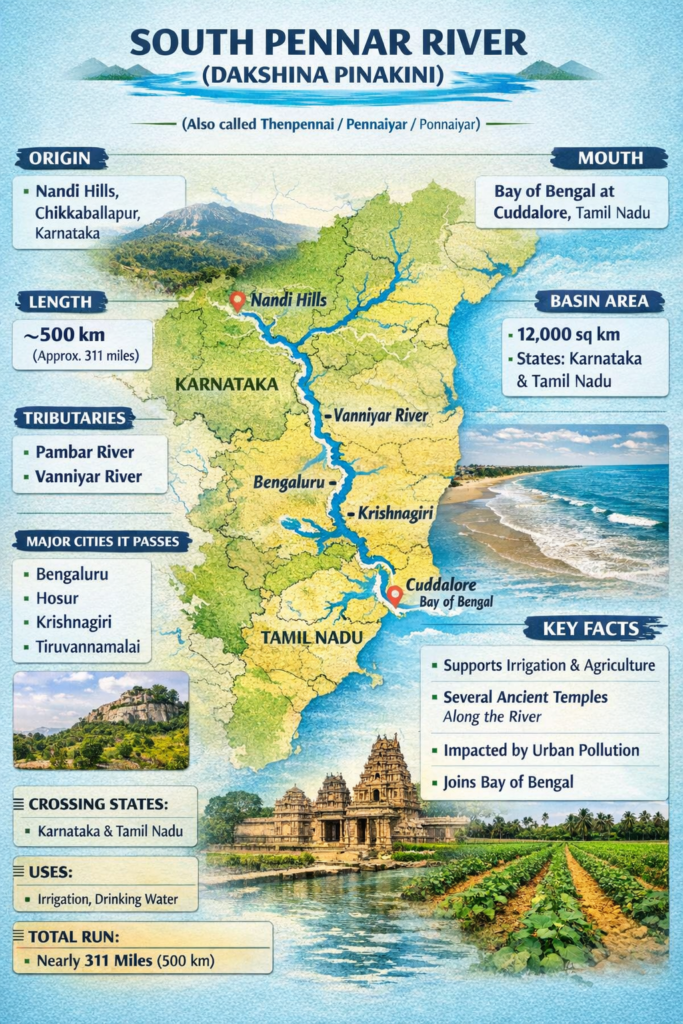
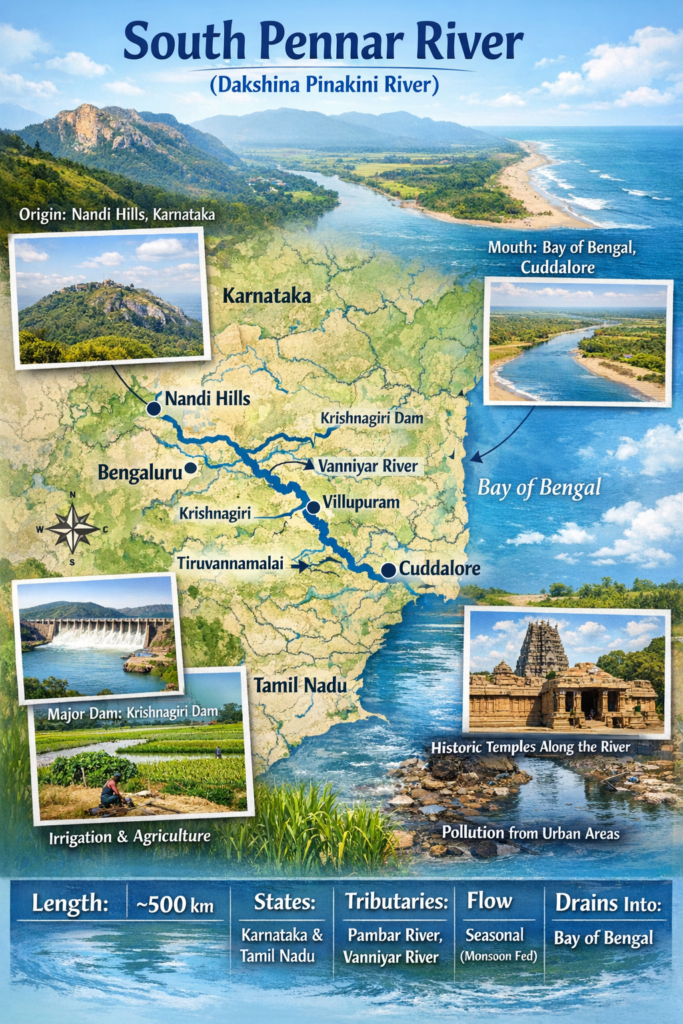
ಉಗಮ: ಕರ್ನಾಟಕದ ಚಿಕ್ಕಬಳ್ಳಾಪುರ ಜಿಲ್ಲೆಯ ನಂದಿ ಬೆಟ್ಟದ ಸಾಲಿನಲ್ಲಿರುವ ಚೆನ್ನಕೇಶವ ಬೆಟ್ಟದಲ್ಲಿ ಈ ನದಿ ಹುಟ್ಟುತ್ತದೆ.
ಹರಿವು: ಇದು ಕರ್ನಾಟಕದಲ್ಲಿ ಸುಮಾರು 79 ಕಿ.ಮೀ ಹರಿದು (ಚಿಕ್ಕಬಳ್ಳಾಪುರ, ಬೆಂಗಳೂರು ಗ್ರಾಮಾಂತರ ಮತ್ತು ಕೋಲಾರ ಜಿಲ್ಲೆಗಳ ಮೂಲಕ), ನಂತರ ತಮಿಳುನಾಡಿನ ಕೃಷ್ಣಗಿರಿ, ಧರ್ಮಪುರಿ, ವಿಲ್ಲುಪುರಂ ಮತ್ತು ಕಡಲೂರು ಜಿಲ್ಲೆಗಳ ಮೂಲಕ ಹರಿಯುತ್ತದೆ.
ಅಂತ್ಯ: ಅಂತಿಮವಾಗಿ ತಮಿಳುನಾಡಿನ ಕಡಲೂರು ಬಳಿ ಬಂಗಾಳ ಕೊಲ್ಲಿಯನ್ನು ಸೇರುತ್ತದೆ.
ಉದ್ದ: ಒಟ್ಟು ಉದ್ದ ಸುಮಾರು 497 ಕಿ.ಮೀ.
- ಜಲಾನಯನ ಪ್ರದೇಶದ ಹಂಚಿಕೆ (Basin Distribution)
ಈ ನದಿಯ ಒಟ್ಟು ಜಲಾನಯನ ಪ್ರದೇಶವು ಸುಮಾರು 16,019 ಚದರ ಕಿ.ಮೀ ವಿಸ್ತಾರವಾಗಿದೆ:
ತಮಿಳುನಾಡು: 77% (ಅತಿ ಹೆಚ್ಚು ಭಾಗ ತಮಿಳುನಾಡಿನಲ್ಲಿದೆ).
ಕರ್ನಾಟಕ: 23% (ನದಿಯ ಉಗಮ ಮತ್ತು ಮೇಲ್ಭಾಗದ ಪ್ರದೇಶ).
- ಜಲ ವಿವಾದದ ಮೂಲ ಕಾರಣ (Origin of the Dispute)
ವಿವಾದದ ಪ್ರಮುಖ ಕೇಂದ್ರಬಿಂದು ಮಾರ್ಕಂಡೇಯ ನದಿ. ಇದು ದಕ್ಷಿಣ ಪಿನಾಕಿನಿಯ ಪ್ರಮುಖ ಉಪನದಿಯಾಗಿದೆ.
ಕರ್ನಾಟಕದ ಯೋಜನೆ: ಕೋಲಾರ ಜಿಲ್ಲೆಯ ಮಾಲೂರು ತಾಲ್ಲೂಕಿನ ಯರಗೋಳ್ ಎಂಬಲ್ಲಿ ಕರ್ನಾಟಕ ಸರ್ಕಾರವು ಮಾರ್ಕಂಡೇಯ ನದಿಗೆ ಅಡ್ಡಲಾಗಿ ಅಣೆಕಟ್ಟು ನಿರ್ಮಿಸಿದೆ. ಇದು ಕೋಲಾರ, ಮಾಲೂರು ಮತ್ತು ಬಂಗಾರಪೇಟೆ ತಾಲ್ಲೂಕುಗಳಿಗೆ ಕುಡಿಯುವ ನೀರು ಪೂರೈಸುವ ಯೋಜನೆಯಾಗಿದೆ.
ತಮಿಳುನಾಡಿನ ಆಕ್ಷೇಪ: ಅಣೆಕಟ್ಟು ನಿರ್ಮಾಣದಿಂದ ಕೃಷ್ಣಗಿರಿ ಜಿಲ್ಲೆಯ ರೈತರಿಗೆ ಸಿಗುವ ನೀರಿನ ಪ್ರಮಾಣ ಕಡಿಮೆಯಾಗುತ್ತದೆ ಮತ್ತು ಇದು 1892 ರ ಅಂತರರಾಜ್ಯ ಒಪ್ಪಂದದ ಉಲ್ಲಂಘನೆಯಾಗಿದೆ ಎಂಬುದು ತಮಿಳುನಾಡಿನ ವಾದ.
- ಇತ್ತೀಚಿನ ಕಾನೂನು ಬೆಳವಣಿಗೆಗಳು (Legal Status – 2024-25)
ಸುಪ್ರೀಂ ಕೋರ್ಟ್ ಹಸ್ತಕ್ಷೇಪ: ತಮಿಳುನಾಡು ಸಲ್ಲಿಸಿದ ಅರ್ಜಿಯ ವಿಚಾರಣೆ ನಡೆಸುತ್ತಿರುವ ಸುಪ್ರೀಂ ಕೋರ್ಟ್, ವಿವಾದ ಬಗೆಹರಿಸಲು ‘ದಕ್ಷಿಣ ಪಿನಾಕಿನಿ ಜಲವಿವಾದ ನ್ಯಾಯಮಂಡಳಿ’ (Tribunal) ರಚಿಸುವಂತೆ ಕೇಂದ್ರ ಸರ್ಕಾರಕ್ಕೆ ಸೂಚನೆ ನೀಡುವ ಇಂಗಿತ ವ್ಯಕ್ತಪಡಿಸಿದೆ.
ಕರ್ನಾಟಕದ ನಿಲುವು: ನ್ಯಾಯಮಂಡಳಿ ರಚನೆಗೆ ಕರ್ನಾಟಕ ವಿರೋಧ ವ್ಯಕ್ತಪಡಿಸಿದೆ. ಸಚಿವರ ಮಟ್ಟದ ಮಾತುಕತೆಯ ಮೂಲಕ ಅಥವಾ ಕೇಂದ್ರ ಜಲ ಆಯೋಗದ ಸಂಧಾನದ ಮೂಲಕ ಸಮಸ್ಯೆ ಬಗೆಹರಿಸಿಕೊಳ್ಳಲು ರಾಜ್ಯ ಬಯಸಿದೆ.
ನೀರಿನ ಅಂಕಿಅಂಶ: ಕರ್ನಾಟಕವು ತನ್ನ ಜಲಾನಯನ ಪ್ರದೇಶದಲ್ಲಿ ಲಭ್ಯವಿರುವ 11.77 ಟಿಎಂಸಿ ನೀರಿನಲ್ಲಿ ಕೇವಲ 9.77 ಟಿಎಂಸಿ ಬಳಸಲು ಉದ್ದೇಶಿಸಿದೆ, ಉಳಿದ ನೀರು ತಮಿಳುನಾಡಿಗೆ ಸಹಜವಾಗಿಯೇ ಹರಿಯುತ್ತದೆ ಎಂದು ವಾದಿಸಿದೆ.
- ಪ್ರಮುಖ ತಾಂತ್ರಿಕಾಂಶಗಳು (Technical Table)
| ವೈಶಿಷ್ಟ್ಯ | ವಿವರ |
| ಇತರ ಹೆಸರುಗಳು | ದಕ್ಷಿಣ ಪೆನ್ನಾರ್, ಪನ್ನೈಯಾರ್ (Ponnaiyar) |
| ಪ್ರಮುಖ ಉಪನದಿ | ಮಾರ್ಕಂಡೇಯ ನದಿ |
| ಕರ್ನಾಟಕದ ಅಣೆಕಟ್ಟು | ಯರಗೋಳ್ ಅಣೆಕಟ್ಟು (ಮಾರ್ಕಂಡೇಯ ನದಿಗೆ) |
| ತಮಿಳುನಾಡಿನ ಅಣೆಕಟ್ಟು | ಕೆ.ಆರ್.ಪಿ (Krishnagiri Reservoir) ಮತ್ತು ಸಾತನೂರು ಅಣೆಕಟ್ಟು |
| ವಿವಾದಿತ ಕಾಯ್ದೆ | ಅಂತರರಾಜ್ಯ ನದಿ ನೀರು ವಿವಾದ ಕಾಯ್ದೆ, 1956 |
ಪ್ರಚಲಿತ ವಿದ್ಯಮಾನಗಳು: 20ನೇ ಡಿಸೆಂಬರ್ 2025
- ಒಳಮೀಸಲಾತಿ ಮಸೂದೆಗೆ ಪರಿಷತ್ ಒಪ್ಪಿಗೆ
ಸಂದರ್ಭ: ಪರಿಶಿಷ್ಟಜಾತಿ ಯವರಿಗೆ ಒಳಮೀಸಲಾತಿ ಕಲ್ಪಿಸುವ ಸರ್ಕಾರಿ ಆದೇಶಗಳು ಮತ್ತು ಸುತ್ತೋಲೆಗಳಿಗೆ ಕಾನೂನಾತ್ಮಕ ರಕ್ಷಣೆ ನೀಡುವ ಉದ್ದೇಶದ ಮಸೂದೆಗೆ ವಿಧಾನ ಪರಿಷತ್ತು ಅಂಗೀಕಾರ ನೀಡಿದೆ.
- ಸಮಾಜ ಕಲ್ಯಾಣ ಸಚಿವ ವಿಧಾನ ಪರಿಷತ್ತಿನಲ್ಲಿ ‘ಕರ್ನಾಟಕ ಅನುಸೂಚಿತ ಜಾತಿಗಳ (ಉಪವರ್ಗೀ ಕರಣ) ಮಸೂದೆಯನ್ನು ಪರ್ಯಾಲೋಚನೆಗೆ ಮಂಡಿಸಿದರು.
ಇತರ ಮಸೂದೆಗಳು: lಕರ್ನಾಟಕ ಖಾಸಗಿ ವೈದ್ಯಕೀಯ ಸಂಸ್ಥೆಗಳ (ತಿದ್ದುಪಡಿ) ಮಸೂದೆ–2025
- ಕರ್ನಾಟಕ ರಾಜ್ಯ ಅನುಸೂಚಿತ ಜಾತಿಗಳು ಮತ್ತು ಅನುಸೂಚಿತ ಬುಡಕಟ್ಟುಗಳ ಆಯೋಗ (ತಿದ್ದುಪಡಿ) ಮಸೂದೆ–2025
- ಕರ್ನಾಟಕ ಸಾಮಾಜಿಕ ಬಹಿಷ್ಕಾರ (ಪ್ರತಿಬಂಧ, ನಿಷೇಧ ಮತ್ತು ಪರಿಹಾರ) ಮಸೂದೆ–2025
- ಕಾರಾಗೃಹಗಳಲ್ಲಿ ಎಐ ಆಧಾರಿತ ಭದ್ರತೆ
ಸಂದರ್ಭ: ರಾಜ್ಯದ ಎಲ್ಲ ಕಾರಾಗೃಹಗಳಲ್ಲಿ ನಿಷೇಧಿತ ವಸ್ತುಗಳನ್ನು ಪತ್ತೆಹಚ್ಚಲು ಕೃತಕ ಬುದ್ಧಿಮತ್ತೆ (ಎಐ) ಆಧಾರಿತ ಭದ್ರತಾ ತಂತ್ರಾಂಶವನ್ನು ಅಳವಡಿಸಲಾಗುತ್ತದೆ ಎಂದು ಗೃಹ ಸಚಿವ ಜಿ. ಪರಮೇಶ್ವರ ಅವರು ವಿಧಾನ ಸಭೆಯಲ್ಲಿ ಹೇಳಿದರು.
- ‘ಕಾರಾಗೃಹಗಳ ಭದ್ರತೆ ಹಾಗೂ ಆಡಳಿತ ವ್ಯವಸ್ಥೆ ಯನ್ನು ಬಲಪಡಿಸಿ, ಬಂದಿಗಳ ಚಲನವಲನಗಳ ಮೇಲೆ ಇನ್ನೂ ಹೆಚ್ಚಿನ ನಿಗಾವಹಿಸಲು ಬೆಂಗಳೂರು ಕೇಂದ್ರ ಕಾರಾಗೃಹದಲ್ಲಿ ‘ಎಐ– ಆಡಿಯೊ–ವಿಡಿಯೊ ಅನಾಲಿಟಿಕ್ಸ್ ಸಿಸ್ಟಮ್’ ಸಿಸಿಟಿವಿ ಕಣ್ಗಾವಲು ವ್ಯವಸ್ಥೆಯನ್ನು ಅಳವಡಿಸಲಾಗಿದೆ. ಇದನ್ನು ಎಲ್ಲ ಕಾರಾಗೃಹಗಳಿಗೂ ವಿಸ್ತರಿಸಲಾಗುವುದು’ ಎಂದರು.
- ವಿರೋಧ ಪಕ್ಷದ ನಾಯಕ ಆರ್. ಅಶೋಕ ಅವರು ನಿಯಮ 69ರ ಅಡಿ ಮಾಡಿದ ಪ್ರಸ್ತಾವಕ್ಕೆ ಉತ್ತರಿಸಿದ ಪರಮೇಶ್ವರ, ‘ರಾಜ್ಯದ ಯಾವುದೇ ಕಾರಾಗೃಹಗಳಲ್ಲಿ ನಿಷೇಧಿತ ವಸ್ತುಗಳು ಇರದಂತೆ ತಪಾಸಣೆ ಮಾಡಿ, ಡಿ.31ರೊಳಗೆ ಎಲ್ಲ ನಿಷೇಧಿತ ವಸ್ತುಗಳನ್ನು ವಶಪಡಿಸಿಕೊಳ್ಳಲು ಕಾರಾಗೃಹ ಸಿಬ್ಬಂದಿಗೆ ಸೂಚಿಸಲಾಗಿದೆ’ ಎಂದರು.
- ಬಂದಿಗಳನ್ನು ಎ, ಬಿ, ಸಿ ಮಾದರಿಯಲ್ಲಿ ವರ್ಗೀಕರಿಸಿ, ಸೂಕ್ಷ್ಮವಾಗಿ ಮೇಲ್ವಿಚಾರಣೆ ನಡೆಸ ಲಾಗುತ್ತದೆ. ನಿಷೇಧಿತ ವಸ್ತುಗಳನ್ನು ಸರಬರಾಜು ಮಾಡುವ ಸಿಬ್ಬಂದಿ ಮೇಲೆ ಕಠಿಣ ಕ್ರಮ ಕೈಗೊಳ್ಳಲಾಗುತ್ತದೆ. ಸಿಬ್ಬಂದಿಯ ಕರ್ತವ್ಯದ ಆಡಿಟ್ ಮಾಡಿ, ಸೂಕ್ತ ಭದ್ರತಾ ವ್ಯವಸ್ಥೆ ಕಲ್ಪಿಸಲು ಸೂಚಿಸಲಾಗಿದೆ ಎಂದು ಮಾಹಿತಿ ನೀಡಿದರು.
- ಅರಣ್ಯ ಗುತ್ತಿಗೆ ಕಾನೂನುಬಾಹಿರ: ಕೇಂದ್ರದ ಪೂರ್ವಾನುಮತಿ ಇಲ್ಲದೆ ಭೂಬಳಕೆ ಸಲ್ಲ: ಸುಪ್ರೀಂ
ಸಂದರ್ಭ: 1980ರ ಅರಣ್ಯ (ಸಂರಕ್ಷಣಾ) ಕಾಯ್ದೆಯ ಸೆಕ್ಷನ್ 2ರ ಅಡಿ ಯಲ್ಲಿ ಕೇಂದ್ರ ಸರ್ಕಾರದ ಪೂರ್ವಾ ನುಮತಿ ಇಲ್ಲದೆ ಅರಣ್ಯ ಭೂಮಿಯನ್ನು ಗುತ್ತಿಗೆ ನೀಡಲು ಅಥವಾ ಕೃಷಿ ಉದ್ದೇಶಗಳಿಗಾಗಿ ಬಳಸಲು ಸಾಧ್ಯವಿಲ್ಲ. ಕಾನೂನು ಉಲ್ಲಂಘಿಸಿ ನೀಡಿದ ಅಂತಹ ಯಾವುದೇ ಗುತ್ತಿಗೆ ಕಾನೂನುಬಾಹಿರ ಎಂದು ಸುಪ್ರೀಂ ಕೋರ್ಟ್ ತೀರ್ಪು ನೀಡಿದೆ.
- ಕಲಘಟಗಿ ತಾಲ್ಲೂಕಿನ ಗಾಂಧಿ ಜೀವನ್ ಸಾಮೂಹಿಕ ಕೃಷಿ ಸಹಕಾರ ಸಂಘಕ್ಕೆ 134 ಎಕರೆ ಅರಣ್ಯ ಭೂಮಿಯ ಗುತ್ತಿಗೆ ಮುಂದುವರಿಸಲು ಅವಕಾಶ ನೀಡಿದ್ದ ಕರ್ನಾಟಕ ಹೈಕೋರ್ಟ್ನ ಆದೇಶವನ್ನು ನ್ಯಾಯಮೂರ್ತಿಗಳಾದ ವಿಕ್ರಮ್ನಾಥ್ ಮತ್ತು ಸಂದೀಪ್ ಮೆಹ್ತಾ ಅವರ ಪೀಠವು ರದ್ದುಪಡಿಸಿದೆ.
- ಅರಣ್ಯ ಭೂಮಿಯನ್ನು ಕೃಷಿ ಉದ್ದೇಶ ಗಳಿಗಾಗಿ ಗುತ್ತಿಗೆ ನೀಡುವುದೇ ಕಾನೂನು ಬಾಹಿರ ಮತ್ತು 1980ರ ಕಾಯ್ದೆಗೆ ವಿರುದ್ಧವಾಗಿದೆ ಎಂದು ಅಭಿಪ್ರಾಯಪಟ್ಟಿ ರುವ ನ್ಯಾಯಪೀಠವು, ‘ತಜ್ಞರೊಂದಿಗೆ ಸಮಾಲೋಚಿಸಿ ಸ್ಥಳೀಯ ಸಸ್ಯಗಳು ಮತ್ತು ಮರಗಳನ್ನು ನೆಡುವ ಮೂಲಕ 134 ಎಕರೆ ಪ್ರದೇಶದಲ್ಲಿ ಅರಣ್ಯವನ್ನು ಪುನರ್ಸ್ಥಾಪಿಸಲು ಅರಣ್ಯ ಇಲಾಖೆ ಕ್ರಮ ಕೈಗೊಳ್ಳಬೇಕು. ಈ ಸಂಬಂಧ 12 ತಿಂಗಳಲ್ಲಿ ಅನುಸರಣಾ ವರದಿ ಸಲ್ಲಿಸಬೇಕು‘ ಎಂದು ನಿರ್ದೇಶನ ನೀಡಿದೆ.
- ‘ಪ್ರತಿವಾದಿ ಸಹಕಾರ ಸಂಘಕ್ಕೆ ಕೃಷಿ ಉದ್ದೇಶಗಳಿಗಾಗಿ ಅರಣ್ಯಭೂಮಿ ಗುತ್ತಿಗೆ ನೀಡಿದ್ದು ಸರಿಯಲ್ಲ. ಇದರಿಂದಾಗಿ, ಸುಮಾರು 134 ಎಕರೆಗಳಷ್ಟು ವಿಸ್ತಾರ ವಾದ ಅರಣ್ಯ ಪ್ರದೇಶ ನಾಶವಾಯಿತು. ಅಲ್ಲದೇ, ಸಹಕಾರ ಸಂಘವು 10 ವರ್ಷಗಳಿಗೂ ಹೆಚ್ಚು ಕಾಲ ಅರಣ್ಯ ಪ್ರದೇಶದ ಗುತ್ತಿಗೆ ಪಡೆದಿತ್ತು. ಗುತ್ತಿಗೆಯ ವಿಸ್ತರಣೆಗೆ ಸಂಘ ಅರ್ಹತೆಯನ್ನೇ ಹೊಂದಿರಲಿಲ್ಲ’ ಎಂದು ಪೀಠ ಹೇಳಿದೆ.
ಪ್ರಕರಣವೇನು?
- ಕಲಘಟಗಿ ತಾಲ್ಲೂಕಿನ ಬೆಣಚಿ ಮತ್ತು ತುಮರಿಕೊಪ್ಪ ಗ್ರಾಮಗಳಲ್ಲಿರುವ 134 ಎಕರೆ ಮತ್ತು 6 ಗುಂಟೆಯನ್ನು ಸಹಕಾರ ಸಂಘಕ್ಕೆ ಹತ್ತು ವರ್ಷಗಳ ಅವಧಿಗೆ ಅರಣ್ಯ ಇಲಾಖೆ 1976ರಲ್ಲಿ ಗುತ್ತಿಗೆ ನೀಡಲಾಗಿತ್ತು. ಗುತ್ತಿಗೆ ಅವಧಿಯಲ್ಲಿ, ಸಂಘದ ಸದಸ್ಯರು ಮರಗಳನ್ನು ಕಡಿದು ಭೂಮಿಯಲ್ಲಿ ಸಾಗುವಳಿ ಮಾಡಿದ್ದರು. ಗುತ್ತಿಗೆ ಅವಧಿಯನ್ನು ವಿಸ್ತರಿಸಲು ಅರಣ್ಯ ಇಲಾಖೆ 1985ರಲ್ಲಿ ನಿರಾಕರಿಸಿತ್ತು.
- ಈ ಆದೇಶ ಪ್ರಶ್ನಿಸಿ ಸಂಘವು 1987ರಲ್ಲಿ ಹೈಕೋರ್ಟ್ ಮೊರೆ ಹೋಗಿತ್ತು. ಈ ಅರ್ಜಿಯನ್ನು ಹೈಕೋರ್ಟ್ ವಜಾಗೊಳಿಸಿತ್ತು. ಆ ಬಳಿಕ, ಈ ಜಾಗವನ್ನು ಸ್ವಾಧೀನಕ್ಕೆ ಪಡೆಯಲು ಅರಣ್ಯ ಇಲಾಖೆ ಪ್ರಕ್ರಿಯೆ ಆರಂಭಿಸಿತ್ತು. ಜಾಗ ಸ್ವಾಧೀನಕ್ಕೆ ಅರಣ್ಯ ಸಂರಕ್ಷಣಾಧಿಕಾರಿ 2004ರಲ್ಲಿ ಆದೇಶ ಹೊರಡಿಸಿದ್ದರು. ಸಂಘ ಸಲ್ಲಿಸಿದ್ದ ಮೇಲ್ಮನವಿಯನ್ನು ಅರಣ್ಯ ಸಂರಕ್ಷಣಾಧಿಕಾರಿ 2006ರಲ್ಲಿ ತಿರಸ್ಕರಿಸಿದ್ದರು. ಅರಣ್ಯ ಇಲಾಖೆಯು ಜಾಗವನ್ನು 2007ರಲ್ಲಿ ಸ್ವಾಧೀನಪಡಿಸಿಕೊಂಡಿತ್ತು.
- ಹೈಕೋರ್ಟ್ನ 2009ರ ತೀರ್ಪನ್ನು ಪ್ರಶ್ನಿಸಿ ಕರ್ನಾಟಕ ಅರಣ್ಯ ಇಲಾಖೆ ಸಲ್ಲಿಸಿದ ಸಿವಿಲ್ ಮೇಲ್ಮನವಿ ಅರ್ಜಿಯನ್ನು ನ್ಯಾಯಪೀಠ ಪುರಸ್ಕರಿಸಿದೆ.
- ಈ ಜಾಗವು ಅರಣ್ಯ ಇಲಾಖೆಯ ಸ್ವಾಧೀನದಲ್ಲಿದ್ದು, ಯಾವುದೇ ಸಾಗುವಳಿ ಇಲ್ಲ ಎಂದು ಅರಣ್ಯ ಇಲಾಖೆಯು ಸುಪ್ರೀಂ ಕೋರ್ಟ್ನಲ್ಲಿ ವಾದ ಮಂಡಿಸಿತು. ಕೇಂದ್ರ ಸರ್ಕಾರದ ಪೂರ್ವಾನುಮತಿ ಇಲ್ಲದೆಯೇ ಅರಣ್ಯ ಭೂಮಿಯನ್ನು ಅರಣ್ಯೇತರ ಉದ್ದೇಶಕ್ಕೆ ಬಳಸುವಂತಿಲ್ಲ ಎಂದು ಸುಪ್ರೀಂ ಕೋರ್ಟ್ 1996 ಹಾಗೂ 2000ರಲ್ಲಿ ತೀರ್ಪು ನೀಡಿದೆ ಎಂದೂ ವಾದಿಸಿತು.
- ಈ ವಾದಗಳನ್ನು ಅಂಗೀಕರಿಸಿದ ನ್ಯಾಯಪೀಠವು, ‘ದೊಡ್ಡ ಪ್ರಮಾಣದಲ್ಲಿ ಅರಣ್ಯನಾಶಕ್ಕೆ ಕಾರಣ ಆಗಿರುವುದರಿಂದ ಅರಣ್ಯ ಭೂಮಿಯನ್ನು ಗುತ್ತಿಗೆ ನೀಡು ವುದೇ ಅನಪೇಕ್ಷಿತ. ಗುತ್ತಿಗೆ ನೀಡುವ ಹಂತದಲ್ಲಿ ನಡೆದ ಅಕ್ರಮವನ್ನು ಶಾಶ್ವತ ಗೊಳಿಸಲು ಅನುಮತಿಯನ್ನು ಮುಂದು ವರಿಸುವುದು ಸರಿಯಲ್ಲ ಎಂದಿದೆ.
- ಅರಣ್ಯ ಇಲಾಖೆಯು 2007ರಲ್ಲೇ ಭೂಮಿಯನ್ನು ಸ್ವಾಧೀನಕ್ಕೆ ಪಡೆದಿರು ವುದರಿಂದ, ಸಂಘಕ್ಕೆ ಗುತ್ತಿಗೆ ಮುಂದು ವರಿಸಲು ಅವಕಾಶ ನೀಡುವ ಹೈಕೋರ್ಟ್ ನಿರ್ದೇಶನವು ಕಾನೂನಿ ನಲ್ಲಿ ಸಮರ್ಥನೀಯವಲ್ಲ ಎಂದು ನ್ಯಾಯಪೀಠ ಸ್ಪಷ್ಟಪಡಿಸಿದೆ.
- ‘ಉತ್ತರ’ದ ಅಭಿವೃದ್ಧಿಗೆ ಬದ್ಧ’: ಎಷ್ಟೇ ವೆಚ್ಚವಾದರೂ ಶಿಫಾರಸುಗಳ ಅನುಷ್ಠಾನ: ಸಿ.ಎಂ
ಸಂದರ್ಭ: ‘ಪ್ರಾದೇಶಿಕ ಅಸಮತೋಲನ ನಿವಾರಣೆಗೆ ಸಂಬಂಧಿಸಿದಂತೆ ಆರ್ಥಿಕ ತಜ್ಞ ಪ್ರೊ.ಎಂ. ಗೋವಿಂದ ರಾವ್ ಸಮಿತಿ ನೀಡಲಿರುವ ವರದಿಯಲ್ಲಿನ ಶಿಫಾರಸುಗಳನ್ನು ಜಾರಿಗೆ ತರುವ ಮೂಲಕ ಉತ್ತರ ಕರ್ನಾಟಕದ ಸಮಗ್ರ ಅಭಿವೃದ್ಧಿಗೆ ನಮ್ಮ ಸರ್ಕಾರ ಶ್ರಮಿಸಲು ಬದ್ಧ’ ಎಂದು ಮುಖ್ಯಮಂತ್ರಿ ಸಿದ್ದರಾಮಯ್ಯ ಘೋಷಿಸಿದರು.
- ಮುಖ್ಯಮಂತ್ರಿ ಹೇಳಿದ್ದೇನು?: ‘ಎಸ್.ಎಂ. ಕೃಷ್ಣ ಅವರ ಕಾಲದಲ್ಲಿ ನಂಜುಂಡಪ್ಪ ಸಮಿತಿ ರಚನೆಯಾಗಿತ್ತು. ನಂಜುಂಡಪ್ಪ ವರದಿಯ ಬಳಿಕ ನೀಡಿದ ಅನುದಾನಗಳ ಬಳಕೆ, ಅನುಷ್ಠಾನ ಮತ್ತು ಫಲಿತಾಂಶದ ಬಗ್ಗೆ ಅಧ್ಯಯನ ಮಾಡಲು ಗೋವಿಂದ್ ರಾವ್ ಸಮಿತಿ ರಚನೆ ಮಾಡಿದ್ದೇವೆ. ಸಮಿತಿಯ ವರದಿಯ ಪ್ರಕಾರ, ಯಾವ ಜಿಲ್ಲೆ ಹಿಂದುಳಿದಿದೆಯೊ ಆ ಜಿಲ್ಲೆಗಳಿಗೆ ಹೆಚ್ಚು ಒತ್ತು ಕೊಟ್ಟು ಶಕ್ತಿ ತುಂಬುವ ಕೆಲಸ ಮಾಡಲಾಗುವುದು’ ಎಂದು ಸಿದ್ದರಾಮಯ್ಯ ಭರವಸೆ ನೀಡಿದರು.
- ‘ಕರ್ನಾಟಕದ ಎಲ್ಲ ಜನರ ತಲಾ ಆದಾಯ ಹೆಚ್ಚಬೇಕೆನ್ನುವುದು ನಮ್ಮ ಉದ್ದೇಶ. ಉತ್ತರ ಕರ್ನಾಟಕದ ಅಭಿವೃದ್ಧಿಗೆ ಇಲ್ಲಿಯವರೆಗೆ ಸರ್ಕಾರ ಕೆಲಸ ಮಾಡಿದೆ. ಮುಂದೆಯೂ ಹೆಚ್ಚು ಒತ್ತು ನೀಡಿ, ಸಾಧ್ಯವಾದ ಮಟ್ಟಿಗೆ ತಲಾದಾಯದ ಅಂತರ ಕಡಿಮೆ ಮಾಡಲಾಗುವುದು’ ಎಂದು ಹೇಳಿದರು.
- ಜಿಬಿಎ: 12 ಮಾರ್ಗಸೂಚಿ
ಸಂದರ್ಭ: ಐದುನಗರಪಾಲಿಕೆಗಳವಾರ್ಡ್ಗಳಿಗೆಮೀಸಲಾತಿನಿಗದಿಪಡಿಸಲು12 ಮಾರ್ಗಸೂಚಿಗಳನ್ನುನಿಗದಿಪಡಿಸಿನಗರಾಭಿವೃದ್ಧಿಇಲಾಖೆಆದೇಶಹೊರಡಿಸಿದೆ.
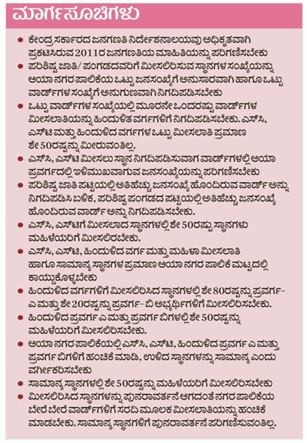
- ಗ್ರೇಟರ್ ಬೆಂಗಳೂರು ಆಡಳಿತ ಕಾಯ್ದೆ– 2024ರಂತೆ ರಚನೆಯಾಗಿರುವ ಐದು ನಗರ ಪಾಲಿಕೆಗಳ ವಾರ್ಡ್ ಮೀಸಲಾತಿ ನಿಗದಿಪಡಿಸಲು ನಗರಾಭಿವೃದ್ಧಿ ಇಲಾಖೆಯ ಹೆಚ್ಚುವರಿ ಮುಖ್ಯ ಕಾರ್ಯದರ್ಶಿ ಅಧ್ಯಕ್ಷತೆಯಲ್ಲಿ 2025ರ ಸೆಪ್ಟೆಂಬರ್ 29ರಂದು ಸಮಿತಿ ರಚಿಸಲಾಗಿತ್ತು.
- ಜಿಬಿಎ ಮುಖ್ಯ ಆಯುಕ್ತ, ಸಮಾಜ ಕಲ್ಯಾಣ ಇಲಾಖೆ ಪ್ರಧಾನ ಕಾರ್ಯದರ್ಶಿ, ಕಾನೂನು ಇಲಾಖೆ ಪ್ರಧಾನ ಕಾರ್ಯದರ್ಶಿ, ಹಿಂದುಳಿದ ವರ್ಗಗಳ ಕಲ್ಯಾಣ ಇಲಾಖೆ ಕಾರ್ಯದರ್ಶಿ, ಅಲ್ಪಸಂಖ್ಯಾತರ ಕಲ್ಯಾಣ ಇಲಾಖೆ ಕಾರ್ಯದರ್ಶಿ ಅವರು ಸಮಿತಿಯ ಸದಸ್ಯರಾಗಿದ್ದರು.
- ಈ ಸಮಿತಿ ಡಿ.12ರಂದು ಸಭೆ ನಡೆಸಿದ್ದು, ವಾರ್ಡ್ ಮೀಸಲಾತಿ ನಿಗದಿಗೆ ಮಾರ್ಗಸೂಚಿಗಳನ್ನು ಹೊರಡಿಸಬೇಕು ಎಂದು ಅಭಿಪ್ರಾಯಪಟ್ಟಿತು. ಅದರಂತೆ, ಡಿ.19ರಂದು ಮಾರ್ಗಸೂಚಿಗಳನ್ನು ಹೊರಡಿಸಲಾಗಿದೆ.
- ದಕ್ಷಿಣ ಪಿನಾಕಿನಿ ನ್ಯಾಯಮಂಡಳಿ: ‘ಸುಪ್ರೀಂ’ ಇಂಗಿತ
ಸಂದರ್ಭ: ತೀರ್ಪು ಕಾಯ್ದಿರಿಸಿದ ದ್ವಿಸದಸ್ಯ ನ್ಯಾಯಪೀಠ l ತಮಿಳುನಾಡು ಸರ್ಕಾರ ಸಲ್ಲಿಸಿದ ಅರ್ಜಿ ವಿಚಾರಣೆ: ನದಿ ತೀರದ ರಾಜ್ಯಗಳು ಮಾತುಕತೆ ನಡೆಸಲು ನಿರಾಕರಿಸಿದರೆ, ಕೇಂದ್ರ ಸರ್ಕಾರವು ಸಭೆ ಕರೆಯಲು ಸಾಧ್ಯವಿಲ್ಲಐಶ್ವರ್ಯ ಭಾಟಿ,ಹೆಚ್ಚುವರಿ ಸಾಲಿಸಿಟರ್ ಜನರಲ್.
- ಕರ್ನಾಟಕ ಹಾಗೂ ತಮಿಳುನಾಡು ನಡುವಿನ ಪೆನ್ನಾರ್ (ದಕ್ಷಿಣ ಪಿನಾಕಿನಿ) ನದಿ ನೀರು ಹಂಚಿಕೆ ವಿವಾದಗಳನ್ನು ಬಗೆಹರಿಸಲು ನ್ಯಾಯ ಮಂಡಳಿ ರಚಿಸಲು ಸುಪ್ರೀಂ ಕೋರ್ಟ್ ಶುಕ್ರವಾರ ಇಂಗಿತ ವ್ಯಕ್ತಪಡಿಸಿದೆ.
- ತಮಿಳುನಾಡು ಸರ್ಕಾರ ಸಲ್ಲಿಸಿದ ಅರ್ಜಿಯ ವಿಚಾರಣೆ ನಡೆಸಿದ ನ್ಯಾಯಮೂರ್ತಿಗಳಾದ ವಿಕ್ರಮ್ನಾಥ್ ಹಾಗೂ ಎನ್.ವಿ.ಅಂಜಾರಿಯಾ ಪೀಠವು, ‘ವಿವಾದ ಇತ್ಯರ್ಥಪಡಿಸಲು ನ್ಯಾಯ ಮಂಡಳಿ ರಚಿಸುವುದು ಸೂಕ್ತ. ಆಗ ಉಭಯ ರಾಜ್ಯಗಳು ತಮ್ಮ ವಾದ ಗಳನ್ನು ಅಲ್ಲಿ ಮಂಡಿಸುತ್ತವೆ’ ಎಂದು ಅಭಿಪ್ರಾಯಪಟ್ಟಿತು. ಎರಡೂ ರಾಜ್ಯಗಳ ವಾದಗಳನ್ನು ಆಲಿಸಿದ ನ್ಯಾಯಪೀಠವು ತೀರ್ಪನ್ನು ಕಾಯ್ದಿರಿಸಿತು.
- ಜಲವಿವಾದವೇನು?: ದಕ್ಷಿಣ ಪಿನಾಕಿನಿ ನದಿಯ ಕಣಿವೆಯಲ್ಲಿ ಕರ್ನಾಟಕ ಸರ್ಕಾರವು ಮಾರ್ಕಂಡೇಯ ನದಿಗೆ ಅಡ್ಡಲಾಗಿ ಅಣೆಕಟ್ಟೆ ನಿರ್ಮಿಸಿದೆ. ಬೆಂಗಳೂರಿನ ಎಲೆ ಮಲ್ಲಪ್ಪ ಚೆಟ್ಟಿ ಕೆರೆ ಯಿಂದ ಹೊಸಕೋಟೆಯವರೆಗೆ ನೀರು ಹರಿಸುವ ಕಾಮಗಾರಿ, ಬ್ಯಾಲಹಳ್ಳಿ ಹತ್ತಿರ ಪೆನ್ನಾರ್ ನದಿಯಿಂದ ನೀರು ಹರಿಸುವ ಕಾಮಗಾರಿಗಳನ್ನು ಕೈಗೆತ್ತಿಕೊಂಡಿದೆ. ಈ ಯೋಜನೆಗೆ ತಮಿಳುನಾಡು ಸರ್ಕಾರ ವಿರೋಧ ವ್ಯಕ್ತಪಡಿಸಿ ಸುಪ್ರೀಂ ಕೋರ್ಟ್ಗೆ 2018ರ ಮೇ 18ರಂದು ಅರ್ಜಿ ಸಲ್ಲಿಸಿತ್ತು. ಜಲವಿವಾದ ನ್ಯಾಯ ಮಂಡಳಿ ಸ್ಥಾಪಿಸುವಂತೆ ಒತ್ತಾಯಿಸಿ ತಮಿಳುನಾಡು ಸರ್ಕಾರವು ಕೇಂದ್ರ ಸರ್ಕಾರಕ್ಕೆ 2019ರ ನವೆಂಬರ್ನಲ್ಲಿ ಮನವಿ ಮಾಡಿತ್ತು.
- ಜಲಶಕ್ತಿ ಸಚಿವಾಲಯವು 2020ರಲ್ಲಿ ಸಂಧಾನ ಸಭೆ ನಡೆಸಿತ್ತು. ಆದರೆ, ರಾಜ್ಯ ಸರ್ಕಾರಗಳು ಒಮ್ಮತಕ್ಕೆ ಬಂದಿರಲಿಲ್ಲ. ಹೊಸದಾಗಿ ಸಂಧಾನ ನಡೆಸುವಂತೆ ಕರ್ನಾಟಕ ಸರ್ಕಾರವು ಕೇಂದ್ರವನ್ನು 2024ರ ಜೂನ್ನಲ್ಲಿ ಒತ್ತಾಯಿಸಿತ್ತು.
- ಈ ನಡುವೆ, ಸುಪ್ರೀಂ ಕೋರ್ಟ್ ನಿರ್ದೇಶನದ ಪ್ರಕಾರ, ಕೇಂದ್ರ ಜಲ ಆಯೋಗದ ಅಧ್ಯಕ್ಷರ ನೇತೃತ್ವದಲ್ಲಿ ಜಲಶಕ್ತಿ ಸಚಿವಾಲಯವು ಹೊಸ ಸಂಧಾನ ಸಮಿತಿ ರಚಿಸಿತ್ತು. ಈ ಸಮಿತಿಯು ಉಭಯ ರಾಜ್ಯಗಳ ನಡುವೆ 9 ಸಭೆಗಳನ್ನು ನಡೆಸಿತ್ತು. ಯೋಜನಾ ಪ್ರದೇಶಕ್ಕೆ ಭೇಟಿ ನೀಡಿ ಪರಿಶೀಲಿಸಿತ್ತು.
- ಜಲ ವಿವಾದ ಬಗೆಹರಿಸಲು ನ್ಯಾಯಮಂಡಳಿ ರಚಿಸುವ ಕೇಂದ್ರ ಸರ್ಕಾರದ ಪ್ರಸ್ತಾವಕ್ಕೆ ಕರ್ನಾಟಕ ಸರ್ಕಾರ ವಿರೋಧ ವ್ಯಕ್ತಪಡಿಸಿತ್ತು. ಮಾತುಕತೆಯ ಮೂಲಕ ಈ ವಿವಾದವನ್ನು ಸೌಹಾರ್ದ ಯುತವಾಗಿ ಬಗೆಹರಿಸಬೇಕು ಎಂದು ಒತ್ತಾಯಿಸಿ ಕರ್ನಾಟಕ ಸರ್ಕಾರವು ಜಲಶಕ್ತಿ ಸಚಿವಾಲಯಕ್ಕೆ ಪತ್ರ ಬರೆದಿತ್ತು.
- ಕರ್ನಾಟಕದ ಜಲಾನಯನ ಪ್ರದೇಶದಲ್ಲಿ ಒಟ್ಟು 11.77 ಟಿಎಂಸಿ ನೀರಿನಲ್ಲಿ 9.77 ಟಿಎಂಸಿ ನೀರನ್ನು ಬಳಸಲು ಯೋಜಿಸಲಾಗಿದೆ. ಇದರಲ್ಲಿ 2 ಟಿಎಂಸಿ ಮತ್ತು ಹೆಚ್ಚುವರಿ ನೀರು ತಮಿಳುನಾಡಿಗೆ ಉಳಿದಿದೆ. ಇದು ತಮಿಳುನಾಡಿನ ಅವಶ್ಯಕತೆಗಳನ್ನು ಪೂರೈಸಲು ಸಾಕಾಗುತ್ತದೆ ಎಂದು ರಾಜ್ಯ ಸರ್ಕಾರ ಸ್ಪಷ್ಟಪಡಿಸಿತ್ತು.
‘ನ್ಯಾಯಮಂಡಳಿ ರಚಿಸುವ ಅಗತ್ಯವಿಲ್ಲ’
- ಕೇಂದ್ರ ಸರ್ಕಾರವು 2025ರ ಜನವರಿ 2ರಂದು ಸಲ್ಲಿಸಿದ ಪ್ರಮಾಣಪತ್ರದ ಪ್ರಕಾರ, ಸಚಿವರ ಸಭೆ ನಡೆಸುವ ಮೂಲಕ ಮಾತುಕತೆಯಿಂದಲೇ ಜಲ ವಿವಾದ ಪರಿಹರಿಸಲು ರಾಜ್ಯಗಳಿಗೆ ಇನ್ನೊಂದು ಅವಕಾಶ ನೀಡಬೇಕು. ಇದೊಂದು ಸಣ್ಣ ವಿವಾದ. ನ್ಯಾಯಮಂಡಳಿ ರಚಿಸುವ ಅಗತ್ಯವೇ ಇಲ್ಲ.
- ಅಣುಶಕ್ತಿ: ಖಾಸಗಿ ಸಹಭಾಗಿತ್ವ ಕೇಂದ್ರ ಸರ್ಕಾರದ ಹುಲಿಸವಾರಿ
ಸಂದರ್ಭ: ಅಣುಶಕ್ತಿ ಕ್ಷೇತ್ರದಲ್ಲಿ ಖಾಸಗಿ ಬಂಡವಾಳ ಹೂಡಿಕೆಗೆ ಅವಕಾಶ ಕಲ್ಪಿಸುವ ಮಸೂದೆಗೆ ಸಂಸತ್ತು ಅಂಗೀಕಾರ ನೀಡಿದ್ದು, ಈ ಮಸೂದೆ ದೇಶದ ಒಟ್ಟಾರೆ ಅಣುಶಕ್ತಿ ನೀತಿಗೆ ಸಂಬಂಧಿಸಿದಂತೆ ಹೊಸ ಸಾಧ್ಯತೆ ಮತ್ತು ಸವಾಲುಗಳಿಗೆ ಅವಕಾಶ ಕಲ್ಪಿಸಲಿದೆ.
- ‘ಭಾರತದ ಪ್ರಗತಿಗಾಗಿ ಅಣುಶಕ್ತಿ ಸುಸ್ಥಿರ ಉತ್ಪಾದನೆ’ (ಎಸ್ಎಚ್ಎಎನ್ಟಿಐ– ಶಾಂತಿ ಮಸೂದೆ)ಹೆಸರಿನ ಮಸೂದೆಯು, ಅಣುಶಕ್ತಿ ಕ್ಷೇತ್ರದಲ್ಲಿ ಖಾಸಗಿ ಸಹಭಾಗಿತ್ವದ ಜೊತೆಗೆ ವಿದೇಶಿ ಹೂಡಿಕೆಗೂ ಅವಕಾಶ ಕಲ್ಪಿಸಲಿದೆ.
- 1962ರ ‘ಅಣುಶಕ್ತಿ ಕಾಯ್ದೆ’ ಹಾಗೂ ಪರಮಾಣು ಹಾನಿಗೆ ಸಂಬಂಧಿಸಿದ 2010ರ ನಾಗರಿಕ ಹೊಣೆಗಾರಿಕೆ ಕಾಯ್ದೆಯನ್ನು ಬದಲಾವಣೆ ಮಾಡಿ ಈ ಮಸೂದೆ ಮಂಡಿಸಲಾಗಿದೆ. ಈ ಎರಡೂ ಕಾಯ್ದೆಗಳು ಪರಮಾಣು ನೀತಿಗೆ ಸಂಬಂಧಿಸಿದಂತೆ ಕಠಿಣ ನಿಬಂಧನೆಗಳನ್ನು ಹೊಂದಿದ್ದವು. ದೇಶದ ಒಟ್ಟು ವಿದ್ಯುತ್ ಉತ್ಪಾದನೆಯಲ್ಲಿ ಅಣು ವಿದ್ಯುತ್ ಉತ್ಪಾದನೆಯ ಪಾಲು ಶೇ 3ರಷ್ಟಿದೆ.
- 2047ರ ವೇಳೆಗೆ 100 ಗಿಗಾವಾಟ್ನಷ್ಟು ಅಣು ವಿದ್ಯುತ್ ಉತ್ಪಾದಿಸುವ ಗುರಿ ಹೊಂದಲಾಗಿದೆ. ಈ ಗುರಿ ಸಾಧನೆಗೆ ಅಗತ್ಯವಾಗಿರುವ ಉದಾರ ಆಡಳಿತ ನೀತಿಗೆ ಹೊಸ ಮಸೂದೆಯು ಅವಕಾಶ ಕಲ್ಪಿಸಲಿದೆ ಎಂದು ಹೇಳಲಾಗಿದೆ.
- ತೀವ್ರಗೊಳ್ಳುತ್ತಿರುವ ಹವಾಮಾನ ಬದಲಾವಣೆಯ ಹಿನ್ನೆಲೆಯಲ್ಲಿ, ಕಲ್ಲಿದ್ದಲು ಆಧರಿತ ವಿದ್ಯುತ್ ಉತ್ಪಾದನೆಯನ್ನು ನಿಯಂತ್ರಣದಲ್ಲಿ ಇರಿಸುವುದು ಹಾಗೂ ನವೀಕರಿಸಬಹುದಾದ ಇಂಧನ ಉತ್ಪಾದನೆಯ ಮಾರ್ಗಗಳನ್ನು ಬಲಪಡಿಸುವುದು ಅನಿವಾರ್ಯ.
- ಆದರೆ ಜಲಶಕ್ತಿ, ಸೌರಶಕ್ತಿ ಹಾಗೂ ಪವನಶಕ್ತಿ ಬಳಸಿಕೊಂಡು ವಿದ್ಯುತ್ ಉತ್ಪಾದಿಸುವುದಕ್ಕೆ ಸಾಕಷ್ಟು ಮಿತಿಗಳಿವೆ. ಹಾಗಾಗಿಯೇ, ಅಣು ವಿದ್ಯುತ್ ಉತ್ಪಾದನೆ ಹೆಚ್ಚಿಸಬೇಕಾದ ಅನಿವಾರ್ಯತೆ ಉಂಟಾಗಿದೆ.
- ಅಣು ವಿದ್ಯುತ್ ಉತ್ಪಾದನೆಯಲ್ಲಿ ಸರ್ಕಾರಿ ಸಂಸ್ಥೆಗಳು ಮಾತ್ರವಲ್ಲದೆ, ದೇಶೀಯ ಹಾಗೂ ವಿದೇಶಿ ಖಾಸಗಿ ಸಂಸ್ಥೆ ಗಳ ಭಾಗವಹಿಸುವಿಕೆಯನ್ನು ಉತ್ತೇಜಿ ಸುವುದು ಈ ಮಸೂದೆಯ ಉದ್ದೇಶ ವಾಗಿದೆ ಎಂದು ಕೇಂದ್ರ ಸರ್ಕಾರ ಹೇಳಿದೆ.
- ಈ ಸಂಸ್ಥೆಗಳಿಗೆ ಪರವಾನಗಿ ನೀಡುವ ಅವಕಾಶವನ್ನು ಹೊಸ ಮಸೂದೆ ಕೇಂದ್ರಕ್ಕೆ ಒದಗಿಸಲಿದೆ. ಇಲ್ಲಿಯವರೆಗೆ, ಅಣು ವಿದ್ಯುತ್ ಕ್ಷೇತ್ರದಲ್ಲಿ ಕಾರ್ಯ ನಿರ್ವಹಿಸಲು ಭಾರತೀಯ ಅಣು ವಿದ್ಯುತ್ ನಿಗಮ (ಎನ್ಪಿಸಿಐಎಲ್) ಮಾತ್ರ ಅಧಿಕಾರ ಹೊಂದಿತ್ತು.
- ಪರಮಾಣು ಸ್ಥಾವರದ ನಿರ್ವಹಣೆ ಮತ್ತು ಪೂರೈಕೆ ನಿರ್ವಹಣೆಗೆ ಸಂಬಂಧಿಸಿದ ಕೆಲವು ಕ್ಷೇತ್ರಗಳಲ್ಲಿ ಖಾಸಗಿ ಭಾಗವಹಿಸು ವಿಕೆ ಇದ್ದರೂ, ಮುಖ್ಯ ಹಾಗೂ ಬಹುಸೂಕ್ಷ್ಮ ಕ್ಷೇತ್ರಗಳ ನಿರ್ವಹಣೆ ಸರ್ಕಾರದ ಅಧೀನದಲ್ಲೇ ಇತ್ತು.
- ಈ ನಿರ್ಬಂಧಗಳನ್ನು ಮಸೂದೆಯು ತೆರವುಗೊಳಿಸಲಿದ್ದು, ಉತ್ಪಾದನಾ ಸಾಮರ್ಥ್ಯಕ್ಕೆ ಅನುಗುಣವಾಗಿ ಶ್ರೇಣೀಕೃತ ಹೊಣೆಗಾರಿಕೆ ವ್ಯವಸ್ಥೆಗೆ ಅವಕಾಶ ಕಲ್ಪಿಸಲಿದೆ.
- ಕಾನೂನು ಚೌಕಟ್ಟಿನ ಸರಳೀಕರಣ ಹಾಗೂ ವಹಿವಾಟು ವೆಚ್ಚಗಳ ಕಡಿತ ಸಾಧ್ಯವಾಗಲಿದ್ದು, ಆಡಳಿತಾತ್ಮಕ ಅನುಮೋದನೆಗಳಿಗೆ ಸಂಬಂಧಿಸಿದ ವಿಳಂಬವನ್ನೂ ಕಡಿಮೆ ಮಾಡುವ ಗುರಿಯನ್ನು ಮಸೂದೆ ಹೊಂದಿದೆ.
- ಪೇಟೆಂಟ್ ನಿಯಮಗಳಿಗೆ ತಿದ್ದುಪಡಿ ತರುವ ಮೂಲಕ ಸಂಶೋಧನೆಗಳನ್ನು ಉತ್ತೇಜಿಸುವ ಗುರಿಯನ್ನೂ ಹೊಂದಿದೆ.
- ಅಣುಶಕ್ತಿ ಕ್ಷೇತ್ರದಲ್ಲಿ ಖಾಸಗಿಯವರಿಗೆ ಅವಕಾಶ ಕಲ್ಪಿಸುವ ಚಿಂತನೆ ವಿದ್ಯುತ್ ಉತ್ಪಾದನೆ ಹೆಚ್ಚಳಕ್ಕೆ ಪೂರಕವಾಗಿದ್ದರೂ, ಮಸೂದೆಯಲ್ಲಿನ ಕೆಲವು ಅಂಶಗಳು ಆತಂಕಕ್ಕೆ ಕಾರಣ ಆಗುವಂತಿವೆ.
- ಯುಪಿಎ ಸರ್ಕಾರದ ಮೈಲಿಗಲ್ಲುಗಳಲ್ಲಿ ಒಂದಾದ ಭಾರತ–ಅಮೆರಿಕ ಪರಮಾಣು ಒಪ್ಪಂದ ಮತ್ತು 2010ರ ಕಾಯ್ದೆಯೂ ಖಾಸಗಿ ಸಹಭಾಗಿತ್ವಕ್ಕೆ ಅವಕಾಶ ಕಲ್ಪಿಸಿತ್ತು. ಆದರೆ, ಅಮೆರಿಕದ ಪೂರೈಕೆದಾರರು ಭಾರತೀಯ ಕಾನೂನು ನಿರ್ಬಂಧಗಳ ಬಗ್ಗೆ, ವಿಶೇಷವಾಗಿ ಉತ್ತರದಾಯಿತ್ವದ ಕಾನೂನುಗಳ ಬಗ್ಗೆ ಎಚ್ಚರದಿಂದಿದ್ದರು.
- ಈ ಹೊಣೆಗಾರಿಕೆಗೆ ವಿಧಿಸಿದ್ದ ನಿಬಂಧನೆಗಳನ್ನು ಪ್ರಸ್ತಾವಿತ ಮಸೂದೆಯು ತೆಗೆದುಹಾಕಿದೆ. ಪರಮಾಣು ಸ್ಥಾವರಗಳಲ್ಲಿ ದುರಂತ ಸಂಭವಿಸಿದರೆ ಸ್ಥಾವರದ ನಿರ್ವಹಣೆ ಹೊತ್ತ ಸಂಸ್ಥೆಯು ಪಾವತಿಸಬೇಕಾದ ಗರಿಷ್ಠ ಹೊಣೆಗಾರಿಕೆಯ ಮೊತ್ತವು, ಆ ಸಂಸ್ಥೆ ಬಳಕೆ ಮಾಡುವ ಪರಮಾಣು ಸ್ಥಾವರದ ಸಾಮರ್ಥ್ಯದ ಮೇಲೆ ಅವಲಂಬಿತವಾಗಿರುತ್ತದೆ.
- ಈ ಹೊಣೆಗಾರಿಕೆ ಮೊತ್ತವನ್ನು ₹3 ಸಾವಿರ ಕೋಟಿಗೆ ಮಿತಿಗೊಳಿಸಿದೆ. ಜೊತೆಗೆ ಪರಿಹಾರ ನೀಡಬೇಕಾದ ಜವಾಬ್ದಾರಿಯನ್ನೂ ಮಿತಗೊಳಿಸಲಿದೆ. ಬಹು ಸಂಕೀರ್ಣವಾದ ಅಣುಶಕ್ತಿ ಕ್ಷೇತ್ರದಲ್ಲಿ ಬಂಡವಾಳ ಹೂಡಲು ಖಾಸಗಿಯವರಿಗೆ ಅವಕಾಶ ಕಲ್ಪಿಸುವ ಹಾಗೂ ಅವರಿಗೆ ಶಾಸನಬದ್ಧ ಸುರಕ್ಷತೆ ಒದಗಿಸುವ ನಿರ್ಧಾರ ಪ್ರತಿ ಪಕ್ಷಗಳ ಟೀಕೆಗೆ ಸಹಜವಾಗಿಯೇ ಒಳಗಾಗಿದೆ.
- ಪರಿಹಾರಕ್ಕೆ ಸಂಬಂಧಿಸಿದಂತೆ ನ್ಯಾಯಾಂಗದ ವ್ಯಾಪ್ತಿಯನ್ನು ಕಿರಿದುಗೊಳಿಸುವುದರ ಜೊತೆಗೆ, ಅಣುಶಕ್ತಿ ಕ್ಷೇತ್ರಕ್ಕೆ ಸಂಬಂಧಿಸಿದ ಸ್ವತಂತ್ರ ನಿಯಂತ್ರಕಗಳನ್ನು ಇಲ್ಲವಾಗಿಸಿರುವುದರ ಬಗ್ಗೆಯೂ ಟೀಕೆಗಳಿವೆ. ಅಣು ವಿದ್ಯುತ್ ಸ್ವಾವಲಂಬನೆ ಹೆಸರಿನಲ್ಲಿ ಅಸುರಕ್ಷತೆ, ಅಪಾಯ ಕಲ್ಪಿಸುವ ಸಾಧ್ಯತೆ ಇರುವುದರಿಂದಲೇ, ‘ಎಸ್ಎಚ್ಎಎನ್ಟಿಐ–ಶಾಂತಿ ಮಸೂದೆ’ ಸರ್ಕಾರದ ಪಾಲಿಗೆ ಮುಂದಿನ ದಿನಗಳಲ್ಲಿ ಹುಲಿಸವಾರಿಯಾಗಿ ಪರಿಣಮಿಸಿದರೆ ಅಚ್ಚರಿಯೇನಿಲ್ಲ.
- ನೇರ ತೆರಿಗೆ ಸಂಗ್ರಹ ಹೆಚ್ಚಳ: ₹17.04 ಲಕ್ಷ ಕೋಟಿ ವರಮಾನ ಸಂಗ್ರಹ: ಮರುಪಾವತಿಯು ಶೇ 14ರಷ್ಟು ಇಳಿಕೆ
ಸಂದರ್ಭ: ಪ್ರಸಕ್ತ ಆರ್ಥಿಕ ವರ್ಷದ ಏಪ್ರಿಲ್ 1ರಿಂದ ಡಿಸೆಂಬರ್ 17ರವರೆಗೆ ನಿವ್ವಳ ನೇರ ತೆರಿಗೆ ಸಂಗ್ರಹವು ₹17.04 ಲಕ್ಷ ಕೋಟಿ ಯಷ್ಟಾಗಿದೆ ಎಂದು ಕೇಂದ್ರ ನೇರ ತೆರಿಗೆಗಳ ಮಂಡಳಿಯ (ಸಿಬಿಡಿಟಿ) ಅಂಕಿ–ಅಂಶಗಳು ತಿಳಿಸಿವೆ.
- ಕಳೆದ ಆರ್ಥಿಕ ವರ್ಷದ ಇದೇ ಅವಧಿಗೆ ಹೋಲಿಸಿದರೆ ನೇರ ತೆರಿಗೆ ಸಂಗ್ರಹ ಪ್ರಮಾಣದಲ್ಲಿ ಶೇ 8ರಷ್ಟು ಏರಿಕೆಯಾಗಿದೆ ಎಂದು ತಿಳಿಸಿದೆ.
- ಮರುಪಾವತಿಯು ಮಂದಗೊಂಡಿ ರುವುದು ಮತ್ತು ಕಾರ್ಪೊರೇಟ್ಗಳಿಂದ ಮುಂಗಡ ತೆರಿಗೆ ಸಂಗ್ರಹದ ಪ್ರಮಾಣದಲ್ಲಿ ಏರಿಕೆಯಾಗಿರುವುದು ತೆರಿಗೆ ಸಂಗ್ರಹ ಹೆಚ್ಚಳಕ್ಕೆ ಕಾರಣ ಎಂದು ತಿಳಿಸಿದೆ.
- ನಿವ್ವಳ ಕಾರ್ಪೊರೇಟ್ ತೆರಿಗೆ ಸಂಗ್ರಹದಲ್ಲಿ ಶೇ 10.54ರಷ್ಟು ಹೆಚ್ಚಳವಾಗಿ,₹8.17 ಲಕ್ಷ ಕೋಟಿಯಾಗಿದೆ. ವೈಯಕ್ತಿಕ ಆದಾಯ ತೆರಿಗೆಯನ್ನು ಒಳಗೊಂಡಿರುವ ಕಾರ್ಪೊರೇಟ್ಯೇತರ ತೆರಿಗೆ ಸಂಗ್ರಹವು ₹8.47 ಲಕ್ಷ ಕೋಟಿಯಾಗಿದ್ದು, ಶೇ 6.37ರಷ್ಟು ಏರಿಕೆ ಕಂಡಿದೆ. ಷೇರು ವಹಿವಾಟು ತೆರಿಗೆ (ಎಸ್ಟಿಟಿ) ಸಂಗ್ರಹವು ₹40,195 ಕೋಟಿಯಾಗಿದೆ.
- ಕಳೆದ ವರ್ಷಕ್ಕೆ ಹೋಲಿಸಿದರೆ ಈ ಬಾರಿ ಮರುಪಾವತಿಯು (ರೀಫಂಡ್) ಶೇ 14ರಷ್ಟು ಇಳಿದಿದ್ದು, ₹2.97 ಲಕ್ಷ ಕೋಟಿಯಾಗಿದೆ. ಮರುಪಾವತಿಯನ್ನು ಸರಿಹೊಂದಿಸುವ ಮೊದಲು ಒಟ್ಟು ನೇರ ತೆರಿಗೆ ಸಂಗ್ರಹವು ಶೇ 4.16ರಷ್ಟು ಏರಿಕೆಯಾಗಿ, ₹20.01 ಲಕ್ಷ ಕೋಟಿ ದಾಟಿದೆ.
- ಪ್ರಸಕ್ತ ಆರ್ಥಿಕ ವರ್ಷದಲ್ಲಿ ಕೇಂದ್ರ ಸರ್ಕಾರವು, ನೇರ ತೆರಿಗೆ ಮೂಲಕ ₹25.20 ಲಕ್ಷ ಕೋಟಿ ಸಂಗ್ರಹಿಸಲು ಗುರಿ ಹೊಂದಿದೆ. ಇದು ಕಳೆದ ಆರ್ಥಿಕ ವರ್ಷಕ್ಕೆ ಹೋಲಿಸಿದರೆ ಶೇ 12.7ರಷ್ಟು ಹೆಚ್ಚಳ. ಷೇರು ವಹಿವಾಟು ತೆರಿಗೆ ಮೂಲಕ ₹78 ಸಾವಿರ ಕೋಟಿ ಸಂಗ್ರಹಿಸುವ ಗುರಿಯನ್ನು ಸರ್ಕಾರ ಹೊಂದಿದೆ.
- ‘ಕಾರ್ಪೊರೇಟ್ ತೆರಿಗೆ ಸಂಗ್ರಹದಲ್ಲಿ ಹೆಚ್ಚಳವಾಗಿರುವುದು ಕಾರ್ಪೊರೇಟ್ ಕಂಪನಿಗಳ ಸದೃಢ ಗಳಿಕೆಯನ್ನು ಸೂಚಿಸುತ್ತಿದೆ’ ಎಂದು ಡೆಲಾಯ್ಟ್ ಇಂಡಿಯಾ ಪಾಲುದಾರ ರೋಹಿಂಟನ್ ಸಿಧ್ವಾ ಹೇಳಿದ್ದಾರೆ. ಮರುಪಾವತಿ ಸಂಬಂಧಿಸಿದ ಪ್ರಕರಣಗಳ ಹೆಚ್ಚಿನ ಪರಿಶೀಲನೆಯಿಂದಾಗಿ ಮರುಪಾವತಿ ವಿತರಣೆಯಲ್ಲಿ ಇಳಿಕೆ ಕಂಡು ಬಂದಿದೆ ಎಂದು ಹೇಳಿದ್ದಾರೆ.
- ವಿದೇಶಿ ವಿನಿಮಯ ಸಂಗ್ರಹ ಏರಿಕೆ
ಸಂದರ್ಭ:ಡಿಸೆಂಬರ್12ಕ್ಕೆಕೊನೆಗೊಂಡವಾರದಲ್ಲಿದೇಶದವಿದೇಶಿವಿನಿಮಯಮೀಸಲುಸಂಗ್ರಹದಪ್ರಮಾಣ₹15,144 ಕೋಟಿಯಷ್ಟುಹೆಚ್ಚಳವಾಗಿದೆಎಂದುಆರ್ಬಿಐತಿಳಿಸಿದೆ.
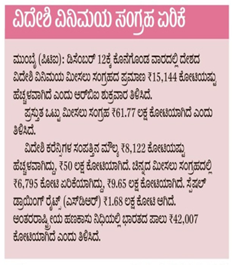
- ಪ್ರಸ್ತುತ ಒಟ್ಟು ಮೀಸಲು ಸಂಗ್ರಹ ₹61.77 ಲಕ್ಷ ಕೋಟಿಯಾಗಿದೆ ಎಂದು ತಿಳಿಸಿದೆ.
- ವಿದೇಶಿ ಕರೆನ್ಸಿಗಳ ಸಂಪತ್ತಿನ ಮೌಲ್ಯ ₹8,122 ಕೋಟಿಯಷ್ಟು ಹೆಚ್ಚಳವಾಗಿದ್ದು, ₹50 ಲಕ್ಷ ಕೋಟಿಯಾಗಿದೆ. ಚಿನ್ನದ ಮೀಸಲು ಸಂಗ್ರಹದಲ್ಲಿ ₹6,795 ಕೋಟಿ ಏರಿಕೆಯಾಗಿದ್ದು, ₹9.65 ಲಕ್ಷ ಕೋಟಿಯಾಗಿದೆ.
- ಸ್ಪೆಷಲ್ ಡ್ರಾಯಿಂಗ್ ರೈಟ್ಸ್ (ಎಸ್ಡಿಆರ್) ₹1.68 ಲಕ್ಷ ಕೋಟಿ ಆಗಿದೆ. ಅಂತರರಾಷ್ಟ್ರೀಯ ಹಣಕಾಸು ನಿಧಿಯಲ್ಲಿ ಭಾರತದ ಪಾಲು ₹42,007 ಕೋಟಿಯಾಗಿದೆ ಎಂದು ತಿಳಿಸಿದೆ.
UPSC/KPSC Current Affairs: 20th December 2025
- CM flags off 81 ‘Arogya Sethu’ mobile health units
Context: Chief Minister Siddaramaiah flagged off 81 ‘Arogya Sethu’ Mobile Health Units (MHUs) aimed at delivering primary healthcare services to people living in remote, inaccessible, forest and hilly regions of Karnataka.
- Launching the units in front of the grand steps of the Suvarna Vidhana Soudha in Belagavi, the Chief Minister said the initiative was intended to ensure that quality healthcare reaches citizens who have so far remained outside the formal health system.
- The mobile units, rolled out under the theme “Healthcare at the remotest village”, will provide doorstep healthcare services in hard-to-reach areas, including 32 Scheduled Caste and Scheduled Tribe (SC/ST)-reserved constituencies. Of the total 81 units, 49 are being implemented under the National Health Mission (NHM), while 32 are funded through the State government’s Scheduled Caste Sub-Plan and Tribal Sub-Plan (SCSP/TSP) allocations.
- Health Minister Dinesh Gundu Rao said each mobile health unit will be staffed with an MBBS doctor, a nurse and a laboratory technician. The services offered will include outpatient consultations, basic diagnostic tests using rapid diagnostic kits, free medicines, referral services and community health monitoring. The units will also support the implementation of national and State health programmes in remote regions, the Minister said.
- The MHUs will be implemented at the district level with decentralised monitoring and supervision, enabling flexibility based on local needs and geographical conditions.
- Officials said the units would also be deployed during medical emergencies and disasters.
- As per the operational plan, each unit will conduct medical camps in two to three villages a day on fixed schedules, with prior intimation to residents. The vehicles have been procured on an outsourcing basis, while human resources will be engaged on a contractual basis.
- Officials said the operational cost has been pegged at ₹1.92 lakh per unit per month, with an annual expenditure of ₹1,686.24 lakh for all 81 units. Of the total, 41 vehicles have been allotted to the North Karnataka region.
- Raichur has been allotted the highest number of mobile health units (eight), followed by Uttara Kannada (six), Kalaburagi and Dakshina Kannada (five each). Belagavi, Chamarajanagar, Kodagu, Mysuru, Udupi and Vijayanagara districts have been allotted four units each.
- Hate speech Bill passed in Council after oversix hours of debate
Context: After over six hours of debate, an adjournment and protest by the BJP in the Well of the House, The Karnataka Hate Speech and Hate Crimes (Prevention) Bill, 2025, was passed by the Karnataka Legislative Council.
- Dr. Parameshwara quoted the Supreme Court observation in Vishal Tiwari vs Union of India and others, which said, “Hate speech cannot be tolerated as it leads to loss of dignity and self-worth of the targeted group members, contributes to disharmony amongst groups, and erodes tolerance and open-mindedness.” The Minister also placed some data on increasing cases of hate speech before the House emphasising the need for a new law.
- Govinda Rao panel report on regional imbalances will be implemented: CM
Context: Stating that the government was committed to removing regional imbalances through development, Chief Minister Siddaramaiah declared that it would implement the report of M. Govinda Rao High Power Committee for Reddressal of Regional Imbalances which is expected to be submitted in January, 2026.
Debate on issues
- “Whatever may be the requirement of funds, we will implement the committee’s recommendations fully,” the Chief Minister told the Legislative Assembly while replying to a debate on issues related to development of North Karnataka.
- The government would take measures to focus on taluks that would be identified by the Govinda Rao committee as backward, the Chief Minister said.
Backward taluks
- He pointed out that earlier measures had been taken to provide funds to the tune of ₹31,000 crore over the period of eight years to 114 taluks that had been identified as most backward, more backward and backward taluks in the State.
- However, the Govinda Rao committee had been formed later to know if regional imbalances still prevailed and the measures to be taken to tackle them, he noted.
- The disparities in terms of development were clearly visible with about 10 districts of the total 31 in Karnataka, particularly those from the northern region, having a per capita income of less than ₹2 lakh as against the State’s average per capita income of ₹3,39,813, Mr. Siddaramaiah noted.
Guarantee schemes
- He termed the guarantee schemes too as tools for removing regional imbalances. As much as 43.63% per cent of the funds meant for guarantee schemes had been spent in North Karnataka region, he pointed out.
- Of the total population of 6.95 crore in the State, North Karnataka accounted for 2.96 crore (42%). Geographically, the northern region accounted for 14 districts of the total 31 districts in the State and 97 Assembly constituencies of the total 224 in the State, he explained.
- Citing lack of dairy development in North Karnataka as one of the reasons for its backwardness, particularly in rural areas, he pointed out that as against the State’s milk production of over one crore litres a day, the northern milk unions accounted for just 10 lakh litres a day.
- Accusing the Centre of indulging in non-cooperation with the State, he alleged that the Centre had failed to keep its promise of providing assistance of ₹5,300 crore to Upper Bhadra Project as listed in its Budget a few years ago.
- Similarly, it had put a stumbling block in the path of development of North Karnataka by not notifying the award of Krishna Water Disputes Tribunal-2 and by not providing clearances to the Mahadayi drinking water project, he alleged.
- The Centre was yet to provide the State’s share of ₹13,000 crore towards Jal Jeevan Mission and ₹3,000 crore towards peripheral ring road in Bengaluru, he said, and reiterated that Karnataka had suffered a loss of ₹ 1.5 lakh crore in the last five years in terms of devolution of funds, grants and its share of Central taxes though it contributed a tax amount of ₹4.5 lakh crore a year.
- He agreed to bring out a White Paper on the status of promises made for the development of North Karnataka.
- ISRO’s launch of U.S. satellite scheduled on December 24
Context: The Indian Space Research Organisation (ISRO) will launch the 6,500 kg BlueBird communications satellite on December 24 from Sriharikota.
- The national space agency announced that the communication satellite developed by the U.S.-based AST SpaceMobile will be launched as part of the LVM3-M6 mission.
- “The launch of LVM3-M6 is scheduled on 24 December 2025 at 8.54 am IST from the Second Launch Pad of the Satish Dhawan Space Centre,” it said. The satellite was initially scheduled to be launched on December 15, but was postponed.
- Centre plans portal to provide all forest rights services online
Context: The Union government is developing a national web portal to try and take the entire process of forest rights recognition and management online, senior officials told.
- According to a presentation prepared by the Tribal Affairs Ministry, this new portal is proposed to act as a single window for all Forest Rights Act (FRA) processes, which include filing and processing of claims (from the Gram Sabhas’ Forest Rights Committee to State-Level Monitoring Committees), issuing digital title deeds, storing legacy data on titles granted, and mapping potential forest areas over which FRA rights could be claimed in the future in the form of an FRA Atlas.
- The Ministry’s pitch came at a national consultative workshop organised by the National Tribal Research Institute in New Delhi on Friday on the challenges in implementing the 2006 Scheduled Tribes and Other Traditional Forest Dwellers (Recognition of Forest Rights) Act, popularly known as the Forest Rights Act or FRA, meant to recognise generationally held and exercised rights of STs and other forest dwellers on forest land across the country.
- The law recognises various rights of forest dwellers on these lands, such as individual, community, the right to use resources, habitation, etc.
- On the sidelines of the workshop, senior officials said this portal would be part of the overarching FRA road map, which the Ministry was working to finalise by the first half of 2026. One of them said this was part of the government’s larger plans to use FRA records to identify beneficiaries for the saturation of existing government welfare schemes.
Beta version
- A beta version of the portal has been developed, and it is being called TARANG for the time being, an official said.
- At the workshop, while Tribal Affairs Minister Jual Oram stressed how FRA rights were “fundamental” to ensuring sustainable livelihoods, Tribal Affairs Secretary Ranjana Chopra spoke of the need to geotag all recognised types of forest rights and called for solutions on livelihood promotion and digitising records.
- Officials from various States where recognition of forest rights has been high are likely to be invited for a demonstration of the portal in January, according to government officials.
- Child trafficking a deeply disturbing reality, says SC
Context: SC judgment emphasises that courts must not disbelieve the testimony of a trafficked child just because of minor inconsistencies in her evidence; says she must be treated as an injured witness.
- The Supreme Court, in a judgment, observed that child trafficking and commercial sexual exploitation of children by organised cartels is a “deeply disturbing reality” in India which continues to flourish despite protective laws.
- The court said child trafficking networks have a complex and layered structure which operate at various levels of recruiting, transporting, harbouring, and exploiting minor victims.
- The judgment, which laid down guidelines for appreciating evidence in child trafficking cases, said courts must not disbelieve the testimony of a trafficked child just because of minor inconsistencies in her evidence.
- “Such organised crime activities operate as apparently independent verticals whose insidious intersections are conveniently veiled through subterfuge and deception to hoodwink innocent victims,” a Bench of Justices Manoj Misra and Joymalya Bagchi said.
- A victim’s sole testimony must suffice if her version appeared to be credible and convincing. A trafficked child must not be treated as an accomplice by the courts. “Her deposition is to be given due regard and credence as that of an injured witness,” the court directed.
- Justice Bagchi, who authored the judgment, termed child trafficking and sexual exploitation as an offence that struck at the very foundations of dignity and bodily integrity.
- The judgment concerned a minor who was forcibly pushed into illicit sexual intercourse by a gang of traffickers in Bengaluru. Her persistent refusal to consent had led her to be confined in a rental apartment, until she was rescued by the police in November 2010.
- The top court, while upholding the conviction of the gang members under the Immoral Traffic (Prevention) Act, said the case laid bare the “moral and material abandonment” of a child whom the state was constitutionally obliged to protect from harm’s way.
- Justice Bagchi said courts must not discard a trafficked victim’s version as improbable or “against ordinary human conduct” solely on the ground of her failure to promptly protest against the “ostensibly innocuous yet ominous agenda of the trafficker”.
- “Diffused and apparently disjoint manner in which the crime verticals operate in areas of recruitment, transportation, harbouring and exploitation make it difficult, if not impossible, for the victim to narrate with precision and clarity the interplay of these processes…,” Justice Bagchi observed.
Recognise vulnerability
- In the present case, the victim’s testimony about the topography of the rented apartment was rebutted by two prosecution witnesses, prompting the defence to attempt to discredit her evidence.
- The Bench underscored that courts must bear in mind, while examining a victim, her “inherent socio-economic and, at times, cultural vulnerability when the minor belongs to a marginalised or socially and culturally backward community”.
- Judicial appreciation of the victim’s evidence must be marked by sensitivity and realism, it said.
- WHO meet boosts collaboration on global health: PM
Context: The second WHO Global Summit on Traditional Medicine facilitated dialogues among Health Ministers and representatives of various countries, opening up new avenues for promoting joint research, simplifying regulations, and advancing training and knowledge sharing, Prime Minister Narendra Modi said at the closing ceremony of the summit at Bharat Mandapam.
- He said that over the past three days, experts in the field of traditional medicine from across the world engaged in serious and meaningful discussions. “It is India’s privilege and a matter of pride that the WHO Global Centre for Traditional Medicine has been established in Jamnagar,” said the Prime Minister.
Digital technology
- He said the summit gave an opportunity to showcase digital health technology, AI-based tools, research innovations, and modern wellness infrastructure, which together showed a new collaboration between tradition and technology.
- “When tradition and technology come together, the capacity to make global health more effective increases significantly, and therefore the success of this summit holds great importance from a global perspective,” he said.
- He highlighted the launch of the Traditional Medicine Global Library as an international platform aimed at preserving scientific data and policy documents related to traditional medicine in one place.
- Emphasising India’s focus on “partnerships of healing” globally, Mr. Modi shared two key collaborations: the establishment of a Centre of Excellence for BIMSTEC countries, covering South and South-East Asia, and a collaboration with Japan aimed at integrating science, traditional practices, and health.
- Corporates have fundamental duty to protect the ecosystem, asserts SC
Context: The Supreme Court interpreted ‘corporate social responsibility’ or CSR to inherently include environmental responsibility, holding that the legal person of a corporation has a fundamental duty to protect the environment as a key organ of society.
- “The corporate duty must evolve from merely protecting the shareholders to protecting the ecosystem that we all inhabit. Therefore, the corporate definition of ‘social responsibility’ must inherently include ‘environmental responsibility’,” a Bench of Justices P.S. Narasimha and Atul S. Chandurkar held in a judgment.
- The judgment was based on petitions highlighting the cause of a near-extinct bird species — the Great Indian Bustard, “one of the heaviest flying birds in the world and a flagship species of the arid and semi-arid grasslands of the Indian subcontinent”, primarily located in and around the Great Thar desert.
- The court brought companies under the ambit of Article 51A(g) of the Constitution, which imposes a fundamental duty on every citizen “to protect and improve the natural environment including forests, lakes, rivers and wildlife, and to have compassion for living creatures”.
- “Companies cannot assert to be socially responsible while ignoring equal claims of the environment and other beings of the ecosystem…,” Justice Narasimha, who authored the judgment, reasoned.
- The court explained that allocation of CSR funds by companies for the protection of the environment cannot be seen as “a voluntary act of charity”, but a fulfilment of a Constitutional obligation.
Shared environment
- “The obligation to protect endangered species is paramount… Where corporate activities such as mining, power generation, or infrastructure threaten the habitat of endangered species, the ‘polluter pays’ principle mandates that the company bears the cost of species recovery. CSR funds must, therefore, be directed towards ex-situ and in-situ conservation efforts to prevent extinction,” the court said.
- Non-renewable power generators operating near the habitats of the Great Indian Bustard in Rajasthan and Gujarat must always remember that they share the environment with the bird and must undertake their activities as if they were “guests in its abode”, Justice Narasimha said.
- The court also upheld an expert committee’s recommendations to revise the priority areas to 14,013 sq. km and 740 sq km for Rajasthan and Gujarat, respectively.
- ‘Too low an inflationa cause for concern’
Context: Prevailing low inflation will squeeze profit margins, increase real valueof debt and interest rates for private sector, says MPC’s external member.
- Although low inflation rate and high growth led the Monetary Policy Committee (MPC) to reduce repo rate by 25 basis points (bps) earlier this month to support growth, the drastic fall in inflation numbers remained a cause for concern, the minutes of the MPC released by the Reserve Bank of India (RBI) indicate.
- “The current inflation rate is actually too low, breaching the lower bound in the flexible inflation targeting regime, especially if precious metals like gold are excluded. Besides, too low an inflation rate is not healthy for a developing country like India, suggesting a demand deficit,” external MPC member Nagesh Kumar wrote.
- He said inflation not only continued to remain benign, the headline CPI too declined further to 0.3% in October 2025, largely driven by decreasing food prices. “It is in contrast to FY25: Q2, when the growth was slowing, but inflation was at relatively high levels,” he pointed out.
- Stating that inflation had continued to undershoot forecasts, external MPC member Saugata Bhattacharya said while the low prints had largely emanated from a small set of components, the broader basket of “underlying” inflation too was likely to undershoot the inflation target for many months.
- “In addition, there is little to signal a risk of potential overheating of capacity even if growth momentum were to sustain. Household inflation expectations remain well anchored and have responded to the recent sharp drop in inflation,” he stated.
- External member Prof. Ram Singh said in his statement that the prevailing low inflation would squeeze profit margins and increase the real value of debt and interest rates for the private sector.
- “Disinflationary expectations running across several quarters can dampen and defer private-sector investment even in the short run. As MSMEs’ businesses operate in highly competitive markets and have limited ability to raise prices through the market power channel but the wages tend to be downward sticky, low inflation is detrimental to their interests as well,” he emphasised.
- Deputy Governor Poonam Gupta stated that inflation had been below the 4% target for the last nine months averaging 2.3% and was likely to remain well contained for at least nine more months. “The average inflation for 2025-26 is projected to be 2.0%, down by 60 bps from the October policy.
- The most crucial recent development from the perspective of monetary policy has been the faster than anticipated moderation in CPI headline inflation,” she wrote.
- “Going ahead, good agricultural production, low food prices and exceptionally benign international commodity price outlook suggest that headline inflation for the full year (2025-26) is likely to be around 2%, half of what was projected at the beginning of the year, RBI Governor Sanjay Malhotra wrote in his statement.
- RBI Board approves risk-based deposit insurance for banks
Context: The Central Board of Directors of Reserve Bank of India (RBI) has approved a risk-based deposit insurance framework for banks at its meeting in Hyderabad.
- The approval follows the Central Bank’s statement in October, in which it had proposed a risk-based premium model.
- Mooted as an alternative to the existing flat rate premium-based deposit insurance scheme, the framework is expected to help banks that are more sound financially to save significantly on the premium paid.
- Detailed notification will be issued shortly and the framework will be effective from next financial year, RBI had then said.
- China requests WTO consultations with India over ICT tariffs
Context: China filed a petition with the World Trade Organisation (WTO), requesting consultations with India over New Delhi’s tariffs on information and communication technology (ICT) products and solar sector subsidies.
- A statement issued by the spokesman of the Ministry of Commerce here said India’s measures allegedly violate multiple WTO obligations, including the principle of national treatment, and constitute import substitution subsidies explicitly prohibited under WTO rules.
‘Unfair advantages’
- “They grant unfair competitive advantages to India’s domestic industries while undermining China’s interests,” the statement said. It urged India to honour its WTO commitments and promptly adjust these measures.
- This is the second petition filed by China at the WTO against India this year.
- UN rights chief calls for an end to revenge attacks in Bangladesh
Context: Soon after the return of the mortal remains of Sharif Osman Hadi, the upcoming leader of Inquilab Mancha, UN Human Rights chief Volker Turk has called for a “transparent investigation” into the killing and urged “everyone to refrain from violence”.
- “Retaliation and revenge will only deepen divisions and undermine the rights of all. I urge the authorities to conduct a prompt, impartial, thorough and transparent investigation into the attack that led to Hadi’s death, and to ensure due process and accountability for those responsible,” Mr. Turk said.
- Chief Adviser to the interim government Mohammad Yunus announced that funeral prayers for Hadi would be held at 2 p.m. at the South Plaza of the National Parliament of Bangladesh in Dhaka.
ಪ್ರಚಲಿತ ವಿದ್ಯಮಾನಗಳು: 19ನೇ ಡಿಸೆಂಬರ್ 2025
- ‘ಜಿ ರಾಮ್ ಜಿ’ಗೆ ಅಂಗೀಕಾರ: ಕೆಲಸದ ದಿನಗಳನ್ನು 100ರಿಂದ 125ಕ್ಕೆ ಹೆಚ್ಚಳ.
- ‘ನರೇಗಾ’ ಯೋಜನೆಗೆ ಪರ್ಯಾಯವಾಗಿ ರೂಪಿಸಿರುವ ‘ವಿಕಸಿತ ಭಾರತ– ಉದ್ಯೋಗ ಖಾತರಿ ಮತ್ತು ಜೀವನೋಪಾಯ ಮಿಷನ್ (ಗ್ರಾಮೀಣ) (ವಿಬಿ–ಜಿ ರಾಮ್ ಜಿ) ಮಸೂದೆಯನ್ನು ಲೋಕಸಭೆ ಮತ್ತು ರಾಜ್ಯಸಭೆ ಯಲ್ಲಿ ಅಂಗೀಕರಿಸಲಾಯಿತು.
- ₹10–11 ಲಕ್ಷ ಕೋಟಿಯನ್ನು ಕೇವಲ ವೇತನ ಪಾವತಿಸಲು ಖರ್ಚು ಮಾಡಬಾರದು. ಬದಲಾಗಿ, ಶಾಶ್ವತ ಆಸ್ತಿಗಳನ್ನು ಸೃಷ್ಟಿಸಲು ಬಳಸಬೇಕು ಎಂದು ಭಾವಿಸಿ ಆಳವಾದ ಚರ್ಚೆಯ ಬಳಿಕ ‘ಜಿ ರಾಮ್ ಜಿ’ ಮಸೂದೆಯನ್ನು ತರಲಾಗಿದೆ.
- ಒಳಮೀಸಲು ರಕ್ಷಣೆ ಮಸೂದೆಗೆ ಒಪ್ಪಿಗೆ: ‘ಕರ್ನಾಟಕ ಅನುಸೂಚಿತ ಜಾತಿಗಳ (ಉಪ–ವರ್ಗೀಕರಣ) ಮಸೂದೆ–2025’
ಸಂದರ್ಭ: ಪರಿಶಿಷ್ಟ ಜಾತಿ ಪಟ್ಟಿಯಲ್ಲಿರುವ 101 ಜಾತಿಗಳಿಗೆ ಮೂರು ಪ್ರವರ್ಗಗಳಾಗಿ ವರ್ಗೀಕರಿಸಿ ಒಳ ಮೀಸಲಾತಿ ನೀಡುವ ಸರ್ಕಾರದ ಆದೇಶಕ್ಕೆ ಕಾನೂನು ಬಲ ನೀಡಲು ರೂಪಿಸಿದ ಮಸೂದೆಗೆ ವಿಧಾನಸಭೆ ಅಂಗೀಕಾರ ನೀಡಿತು.
- ಸುಪ್ರೀಂ ಕೋರ್ಟ್ ಆದೇಶದ ಮೇರೆಗೆ ಒಳಮೀಸಲಾತಿ ನೀಡುವ ಸಂಬಂಧ 2024ರ ಆ. 1ರಂದು ಸಚಿವ ಸಂಪುಟ ಸಭೆಯಲ್ಲಿ ತಾತ್ವಿಕ ಒಪ್ಪಿಗೆ ನೀಡಲಾಯಿತು.
- ಒಳಮೀಸಲಾತಿಗೆ ಪರಿಶಿಷ್ಟ ಜಾತಿಗಳ ಸಮೀಕ್ಷೆ ನಡೆಸಲು ನ್ಯಾ. ನಾಗಮೋಹನ್ ದಾಸ್ ನೇತೃತ್ವದಲ್ಲಿ ಆಯೋಗ ರಚಿಸಲಾಯಿತು. ಆಯೋಗವು ಐದು ಪ್ರವರ್ಗಗಳ ನಡುವೆ ಮೀಸಲಾತಿ ಹಂಚಿಕೆ ಮಾಡಿ ವರದಿ ನೀಡಿತ್ತು.
- ‘ವರದಿ ಆಧರಿಸಿ 101 ಉಪಜಾತಿಗಳನ್ನು ಮೂರು ಪ್ರವರ್ಗಗಳನ್ನಾಗಿ ವಿಂಗಡಿಸಿ ‘ಪ್ರವರ್ಗ ಎ’ನಲ್ಲಿ 16 ಜಾತಿಗಳನ್ನು ಸೇರಿಸಿ ಶೇ 6, ‘ಪ್ರವರ್ಗ ಬಿ’ನಲ್ಲಿ 19 ಜಾತಿಗಳನ್ನು ಸೇರಿಸಿ ಶೇ 6 ಹಾಗೂ ‘ಪ್ರವರ್ಗ ಸಿ’ನಲ್ಲಿ 63 ಜಾತಿಗಳನ್ನು ಸೇರಿಸಿ ಶೇ 5 ಮೀಸಲಾತಿ ಹಂಚಿಕೆ ಮಾಡಲಾಗಿದೆ.
- ದ್ವೇಷ ಭಾಷಣ ತಡೆ ಮಸೂದೆಗೆ ಅಸ್ತು
ಸಂದರ್ಭ: ‘ಕರ್ನಾಟಕ ದ್ವೇಷ ಭಾಷಣ ಮತ್ತು ದ್ವೇಷ ಅಪರಾಧಗಳ (ಪ್ರತಿಬಂಧಕ) ಮಸೂದೆ–2025’ಗೆ ಅನುಮೋದನೆ ನೀಡುವಂತೆ ಗೃಹ ಸಚಿವ ಪ್ರಸ್ತಾಪಿಸಿದರು.
- ಮಸೂದೆಗೆ ತೀವ್ರ ಆಕ್ಷೇಪ ವ್ಯಕ್ತಪಡಿಸಿದ ವಿರೋಧ ಪಕ್ಷದ ನಾಯಕ: ‘ಕೇಂದ್ರ ಸರ್ಕಾರ ಜಾರಿಗೆ ತಂದ ಬಿಎನ್ಎಸ್ ಕಾಯ್ದೆಯು ದ್ವೇಷ ಭಾಷಣ ತಡೆಗೆ ಅವಕಾಶ ಕಲ್ಪಿಸಿದೆ. ಹಾಗಿದ್ದರೂ ಎದುರಾಳಿಗಳನ್ನು ಹತ್ತಿಕ್ಕಲು ಮಸೂದೆ ತರಲಾಗುತ್ತಿದೆ’ ಎಂದರು.
- ರಾಜ್ಯಕ್ಕಿಲ್ಲ ₹16,863 ಕೋಟಿ
ಸಂದರ್ಭ: ಜಲ ಜೀವನ್ ಮಿಷನ್ನ (ಜೆಜೆಎಂ) ಮಾರ್ಗಸೂಚಿ ಪ್ರಕಾರ ಅಗತ್ಯ ದಾಖಲೆಗಳೊಂದಿಗೆ ಪ್ರಸ್ತಾವ ಸಲ್ಲಿಸಲು ವಿಳಂಬ ಮಾಡಿರುವ ಕಾರಣ ನೀಡಿ ಕರ್ನಾಟಕಕ್ಕೆ ₹16,863 ಕೋಟಿ ಅನುದಾನ ನೀಡಲು ಕೇಂದ್ರ ಜಲಶಕ್ತಿ ಸಚಿವಾಲಯ ನಿರಾಕರಿಸಿದೆ.
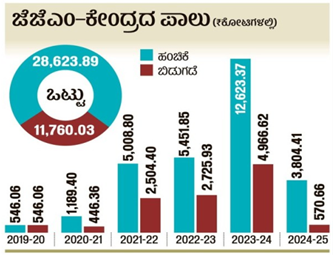
- ಗ್ರಾಮೀಣ ಪ್ರದೇಶದ ಜನರಿಗೆ ಶುದ್ಧ ಕುಡಿಯುವ ನೀರು ಒದಗಿಸುವ ಉದ್ದೇಶ ಹೊಂದಿರುವ ಈ ಯೋಜನೆಗೆ ಜಲಶಕ್ತಿ ಸಚಿವಾಲಯವು ರಾಜ್ಯಕ್ಕೆ 2019ರಿಂದ 2025ರ ಅವಧಿಗೆ ₹28,623 ಕೋಟಿ (ಕೇಂದ್ರದ ಪಾಲು) ಹಂಚಿಕೆ ಮಾಡಿತ್ತು. ಆದರೆ, ಈವರೆಗೆ ₹11,760 ಕೋಟಿ ಬಿಡುಗಡೆ ಮಾಡಿದೆ.
- ‘ಕೇಂದ್ರದ ನಿಧಿಯನ್ನು ಅನುಮೋದಿತ ಮಿಷನ್ ಅವಧಿಗೆ ಮಾತ್ರ ಸೀಮಿತಗೊಳಿಸಲಾಗಿದೆ ಎಂದು ಕರ್ನಾಟಕ ಸರ್ಕಾರಕ್ಕೆ ಸ್ಪಷ್ಟಪಡಿಸಲಾಗಿದೆ. ರಾಜ್ಯ ಸರ್ಕಾರವು ಸ್ವಂತ ಸಂಪನ್ಮೂಲಗಳಿಂದ ಯೋಜನೆಯ ಕಾಮಗಾರಿಗಳನ್ನು ಪೂರ್ಣಗೊಳಿಸಲು ಸಲಹೆ ನೀಡಲಾಗಿದೆ.
- ಕೇಂದ್ರ ಸಚಿವ ಸಂಪುಟವು 2019-20ರಿಂದ 2023-24 ರವರೆಗೆ ಜಲ ಜೀವನ್ ಮಿಷನ್ ಅನುಷ್ಠಾನಕ್ಕೆ ಅನುಮೋದನೆ ನೀಡಿತ್ತು. ಈ ಅವಧಿಯಲ್ಲಿ, ರಾಜ್ಯ ಸರ್ಕಾರಗಳು ಯೋಜನೆ ರೂಪಿಸಿ ಅನುಮೋದನೆ ಪಡೆದು, ಅನುಷ್ಠಾನ ಮಾಡಬೇಕಿತ್ತು. ರಾಜ್ಯಗಳಲ್ಲಿ ಅನಗತ್ಯವಾಗಿ ಹಣ ಪೋಲಾಗುವುದನ್ನು ತಪ್ಪಿಸಲು ಕರ್ನಾಟಕ ಸೇರಿದಂತೆ ಎಲ್ಲ ರಾಜ್ಯಗಳಿಗೆ ‘ಸಮಯಕ್ಕೆ ಸರಿಯಾಗಿ ಹಣ ಪಾವತಿ’ ತತ್ವದ ಅಡಿಯಲ್ಲಿ ಹಣಕಾಸು ಸಚಿವಾಲಯದ ಸುತ್ತೋಲೆಗಳ ಪ್ರಕಾರ ಹಣ ಬಿಡುಗಡೆ ಮಾಡಲಾಗಿತ್ತು.
- ರಾಜ್ಯಕ್ಕೆ ₹28,623.89 ಕೋಟಿ ಹಂಚಿಕೆ ಮಾಡಲಾಗಿತ್ತು. ಆದರೆ, ಎಂಒಎಫ್ ಮತ್ತು ಜೆಜೆಎಂ ಮಾರ್ಗಸೂಚಿ ಪ್ರಕಾರ ಅಗತ್ಯ ದಾಖಲೆಗಳೊಂದಿಗೆ ಪ್ರಸ್ತಾವಗಳನ್ನು ಸಲ್ಲಿಸಲು ವಿಳಂಬ ಮಾಡಿದ ಕಾರಣಕ್ಕೆ ರಾಜ್ಯವು ಮಿಷನ್ ಅವಧಿಯಲ್ಲಿ ₹11,760 ಕೋಟಿ ಮಾತ್ರ ಪಡೆದಿದೆ. ಕೇಂದ್ರ ಸಚಿವ ಸಂಪುಟವು ಅನುಮೋದಿಸಿದ ಕೇಂದ್ರದ ಪಾಲನ್ನು ಈವರೆಗೆ ನೀಡಲಾಗಿದೆ.
- ದೇಶದಲ್ಲಿ ಯೋಜನೆಯ ಪ್ರಗತಿ ಪರಿಗಣಿಸಿ 2028ರವರೆಗೆ ಮಿಷನ್ ವಿಸ್ತರಿಸುವುದಾಗಿ ಕೇಂದ್ರ ಹಣಕಾಸು ಸಚಿವರು ಬಜೆಟ್ನಲ್ಲಿ ಘೋಷಿಸಿದ್ದಾರೆ. ಯೋಜನೆಯ ವಿಸ್ತರಣೆಗೆ ಸಕ್ಷಮ ಪ್ರಾಧಿಕಾರದಿಂದ ಅನುಮೋದನೆ ಪಡೆದ ನಂತರ ಮತ್ತು ಮಾರ್ಗಸೂಚಿ ಪರಕಾರ ಕೇಂದ್ರದ ಅನುದಾನವನ್ನು ಅರ್ಹ ರಾಜ್ಯಗಳಿಗೆ ಬಿಡುಗಡೆ ಮಾಡಲು ಅವಕಾಶ ಇದೆ.
- ಬಹಿಷ್ಕಾರಕ್ಕೆ ಜೈಲು: ಮಸೂದೆಗೆ ಒಪ್ಪಿಗೆ
ಸಂದರ್ಭ: ಯಾವುದೇ ವ್ಯಕ್ತಿ, ಕುಟುಂಬ, ಕುಟುಂಬದ ಸದಸ್ಯರನ್ನು ಸಾಮಾಜಿಕ ವಾಗಿ ಬಹಿಷ್ಕರಿಸಿದರೆ ₹1 ಲಕ್ಷದವರೆಗೆ ದಂಡ, ಮೂರು ವರ್ಷದವರೆಗೆ ಜೈಲು ಶಿಕ್ಷೆ ಅಥವಾ ಎರಡನ್ನೂ ವಿಧಿಸಲು ಹಾಗೂ ಸ್ವಯಂಪ್ರೇರಿತವಾಗಿ ದೂರು ದಾಖಲಿಸಿಕೊಳ್ಳಲು ಅವಕಾಶವಿರುವ ಮಸೂದೆಗೆ ವಿಧಾನಸಭೆ ಗುರುವಾರ ಪಕ್ಷಾತೀತವಾಗಿ ಅನುಮೋದನೆ ನೀಡಿತು.
- ‘ಕರ್ನಾಟಕ ಸಾಮಾಜಿಕ ಬಹಿಷ್ಕಾರ (ಪ್ರತಿಬಂಧ, ನಿಷೇಧ ಮತ್ತು ಪರಿಹಾರ) ಮಸೂದೆಯನ್ನು ಮಂಡಿಸಿ ಮಾತನಾಡಿದ ಸಮಾಜ ಕಲ್ಯಾಣ ಸಚಿವ ಡಾ.ಎಚ್.ಸಿ. ಮಹದೇವಪ್ಪ, ‘ಸ್ವಾತಂತ್ರ್ಯ ಬಂದು 75 ವರ್ಷವಾದರೂ ಸಾಮಾಜಿಕವಾಗಿ ಬಹಿಷ್ಕಾರ ಹಾಕುವುದು ನಡೆದಿದೆ. ಇದು ಮಾನವ ಹಕ್ಕುಗಳ, ನಾಗರಿಕ ಹಕ್ಕುಗಳು ಉಲ್ಲಂಘನೆ. ಇದನ್ನು ನಿಷೇಧಿಸುವ ಐತಿಹಾಸಿಕ ಮಸೂದೆಯನ್ನು ರೂಪಿಸಲಾಗಿದೆ.
- ಪರಿಷತ್ತು: 7 ಮಸೂದೆಗಳಿಗೆ ಅನುಮೋದನೆ
- ಗ್ರೇಟರ್ ಬೆಂಗಳೂರು ಆಡಳಿತ (ಎರಡನೇ ತಿದ್ದುಪಡಿ) ಮಸೂದೆ–2025
- ನಾಡಪ್ರಭು ಕೆಂಪೇಗೌಡ ಪಾರಂಪರಿಕ ತಾಣದ ಅಭಿವೃದ್ಧಿ ಪ್ರಾಧಿಕಾರ (ಎರಡನೇ ತಿದ್ದುಪಡಿ) ಮಸೂದೆ–2025
- ಕರ್ನಾಟಕ ಧನವಿನಿಯೋಗ (ಸಂಖ್ಯೆ:04) ಮಸೂದೆ–2025
- ಬಾಂಬೆ ಸಾರ್ವಜನಿಕ ನ್ಯಾಸ (ಕರ್ನಾಟಕ ತಿದ್ದುಪಡಿ) ಮಸೂದೆ–2025
- ಬೆಂಗಳೂರು ಮಹಾನಗರ ಭೂಸಾರಿಗೆ ಪ್ರಾಧಿಕಾರ (ತಿದ್ದುಪಡಿ) ಮಸೂದೆ–2025
- ಔಷಧ ಮತ್ತು ಪ್ರಸಾಧನ ಸಾಮಗ್ರಿ (ಕರ್ನಾಟಕ ತಿದ್ದುಪಡಿ) ಮಸೂದೆ–2025
- ಕರ್ನಾಟಕ ರಾಜ್ಯ ರಸ್ತೆ ಸುರಕ್ಷತಾ ಪ್ರಾಧಿಕಾರ (ತಿದ್ದುಪಡಿ) ಮಸೂದೆ–2025
ಕಾರುಗಳ ಮೇಲೆ ಸೆಸ್
- ಬೈಕುಗಳು ಮತ್ತು ಕಾರುಗಳ ಮೇಲೆ ವಿಧಿಸಲಾಗುವ ರಸ್ತೆ ಸುರಕ್ಷತಾ ಸೆಸ್ ವಾಪಸ್ ಪಡೆಯುವ ಸಂಬಂಧ ಸಾರಿಗೆ ಸಚಿವ ರಾಮಲಿಂಗಾರೆಡ್ಡಿ ಅವರು ಮಂಡಿಸಿದ ‘ಕರ್ನಾಟಕ ರಾಜ್ಯ ರಸ್ತೆ ಸುರಕ್ಷತಾ ಪ್ರಾಧಿಕಾರ (ತಿದ್ದುಪಡಿ) ಮಸೂದೆ–2025.
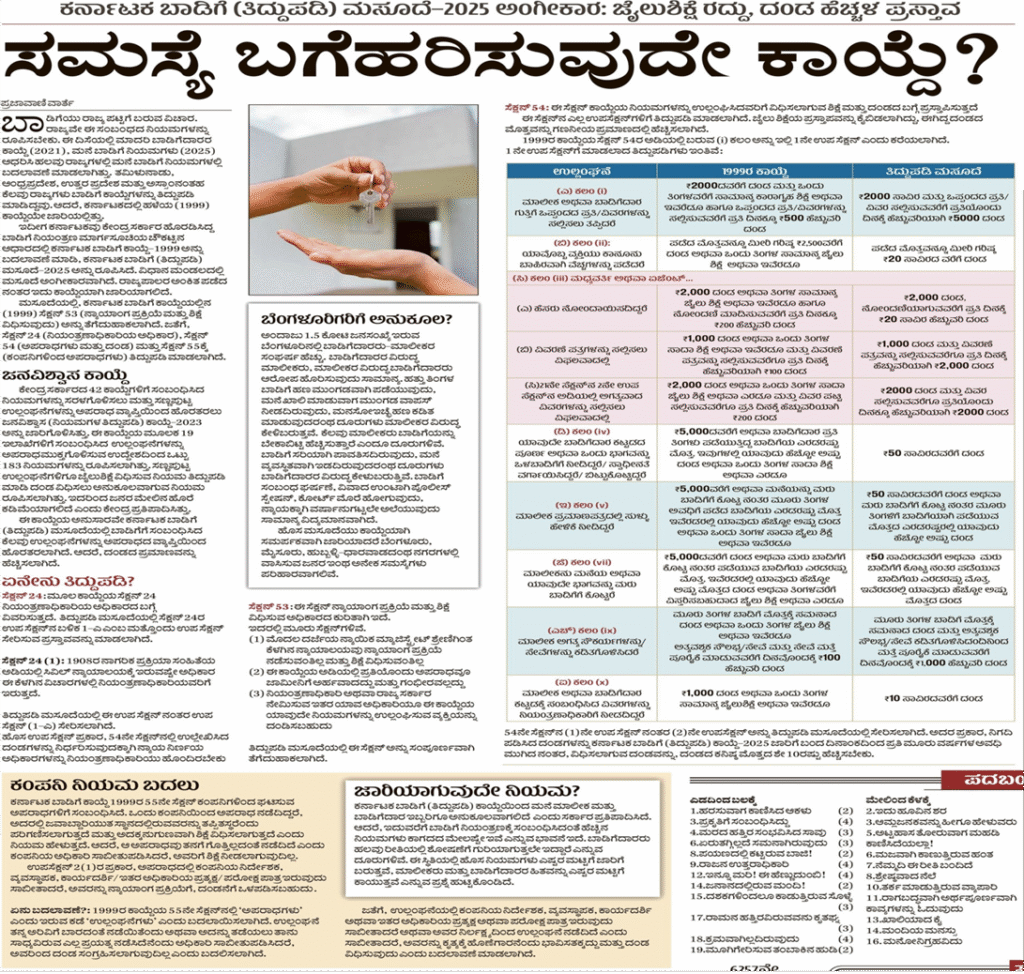
- ಸಮಸ್ಯೆ ಬಗೆಹರಿಸುವುದೇ ಕಾಯ್ದೆ?
- ಭಾರತ–ಒಮಾನ್ ವ್ಯಾಪಾರ ಒಪ್ಪಂದಕ್ಕೆ ಸಹಿ: ಪ್ರಧಾನಿ ನರೇಂದ್ರ ಮೋದಿಗೆ ‘ಆರ್ಡರ್ ಆಫ್ ಒಮಾನ್’ ಪ್ರಶಸ್ತಿ
ಸಂದರ್ಭ: ಸಮಗ್ರ ಆರ್ಥಿಕ ಪಾಲುದಾರಿಕೆ ಒಪ್ಪಂದಕ್ಕೆ (ಸಿಇಟಿಎ) ಭಾರತ ಮತ್ತು ಒಮಾನ್ ಸಹಿ ಹಾಕಿವೆ. ಈ ಒಪ್ಪಂದವು ಉಭಯ ರಾಷ್ಟ್ರಗಳ ನಡುವಿನ ದ್ವಿಪಕ್ಷೀಯ ಸಂಬಂಧ ವೃದ್ಧಿಗೆ ಹೊಸ ಭರವಸೆ ಮತ್ತು ಬಲವನ್ನು ನೀಡುತ್ತದೆ ಎಂದು ಪ್ರಧಾನಿ ನರೇಂದ್ರ ಮೋದಿ ಅವರು ಹೇಳಿದ್ದಾರೆ.
- ಭಾರತ–ಒಮಾನ್ ವ್ಯಾಪಾರ ವೇದಿಕೆಯನ್ನು ಉದ್ದೇಶಿಸಿ ಮಾತನಾಡಿದ ಅವರು, ‘ಈ ಒಪ್ಪಂದವು ಉಭಯ ದೇಶಗಳ ನಡುವಿನ ದ್ವಿಪಕ್ಷೀಯ ಸಂಬಂಧಕ್ಕೆ ಹೊಸ ದಿಕ್ಕನ್ನು ನೀಡುತ್ತದೆ ಮತ್ತು ಪರಸ್ಪರ ಬೆಳವಣಿಗೆಗೆ ಅವಕಾಶ ಕಲ್ಪಿಸುತ್ತದೆ. ಪ್ರತಿಯೊಂದು ವಲಯದಲ್ಲಿಯೂ ಅವಕಾಶದ ಹೊಸ ಬಾಗಿಲನ್ನು ತೆರೆಯುತ್ತದೆ’ ಎಂದಿದ್ದಾರೆ.
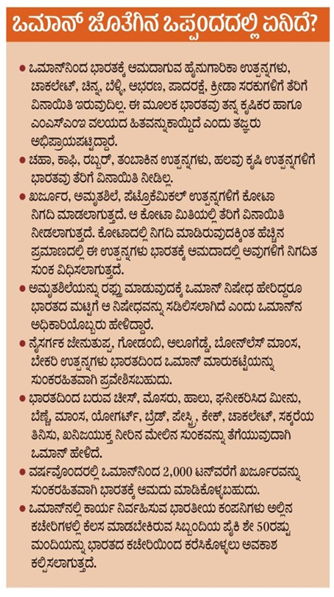
- ಈ ಒಪ್ಪಂದವು ಗಲ್ಫ್ ದೇಶದ ಜವಳಿ, ಕೃಷಿ ಮತ್ತು ಚರ್ಮದ ಉತ್ಪನ್ನಗಳು ಸೇರಿದಂತೆ ಭಾರತದಿಂದ ರಫ್ತಾಗುವ ಶೇ 98ರಷ್ಟು ವಸ್ತುಗಳಿಗೆ ತೆರಿಗೆ ಮುಕ್ತ ಪ್ರವೇಶ ಒದಗಿಸುತ್ತದೆ.
- ‘ಭಾರತವು ಯಾವಾಗಲೂ ಪ್ರಗತಿಪರ ಮತ್ತು ಸ್ವಾವಲಂಬಿ ದೇಶವಾಗಿದೆ. ಭಾರತ ಬೆಳೆದಂತೆಲ್ಲ, ಅದು ತನ್ನ ಸ್ನೇಹಿತರಿಗೂ ಬೆಳೆಯಲು ಸಹಾಯ ಮಾಡುತ್ತದೆ. ಭಾರತವು ಜಗತ್ತಿನ ಮೂರನೇ ಅತಿದೊಡ್ಡ ಆರ್ಥಿಕತೆ ರಾಷ್ಟ್ರವಾಗುವತ್ತ ಸಾಗಿದೆ. ಇದು ಇಡೀ ಜಗತ್ತಿಗೆ ಪ್ರಯೋಜನಕಾರಿ. ಅದರಲ್ಲೂ ಒಮಾನ್ ಭಾರತದ ಆತ್ಮೀಯ ದೇಶ ವಾಗಿ ರುವುದರಿಂದ ಅದಕ್ಕೆ ಹೆಚ್ಚು ಪ್ರಯೋ ಜನವಾಗಲಿದೆ’ ಎಂದು ಹೇಳಿದ್ದಾರೆ.
- ‘ಭಾರತ ಮತ್ತು ಒಮಾನ್ನ ವ್ಯಾವಹಾರಿಕ ಸಂಬಂಧವು ತಲೆಮಾರು ಗಳಿಂದ ನಂಬಿಕೆಯ ಬುನಾದಿಯ ಮೇಲೆ ನಿಂತಿದೆ. ಉಭಯ ದೇಶಗಳ ನಾವು ಪರಸ್ಪರ ಮಾರುಕಟ್ಟೆಗಳನ್ನು ಅರ್ಥಮಾಡಿಕೊಂಡಿದ್ದೇವೆ’ ಎಂದಿದ್ದಾರೆ.
- ಅಭಿವೃದ್ಧಿಯಲ್ಲಿ ಪಾಲುದಾರರಾ ಗುವಂತೆ ಒಮಾನ್ ಕಂಪನಿಗಳಿಗೆ ಪ್ರಧಾನಿ ಕರೆ ನೀಡಿದ್ದಾರೆ.
‘ಮೈತ್ರಿ ಪರ್ವ’ದಲ್ಲಿ ಪ್ರಧಾನಿ ಮಾತು
- 21ನೇ ಶತಮಾನದಲ್ಲಿ ಭಾರತವು ತ್ವರಿತವಾಗಿ ಪ್ರಮುಖ ನಿರ್ಧಾರಗಳನ್ನು ಕೈಗೊಳ್ಳುತ್ತಿದೆ. ದೊಡ್ಡ ಗುರಿಗಳನ್ನು ಇಟ್ಟುಕೊಂಡು, ನಿರ್ದಿಷ್ಟ ಸಮಯದಲ್ಲಿ ಫಲಿತಾಂಶ ಪಡೆಯುವುದು ಇದರ ಉದ್ದೇಶ ಎಂದು ಪ್ರಧಾನಿ ನರೇಂದ್ರ ಮೋದಿ ಅವರು ಹೇಳಿದ್ದಾರೆ.
- ಮಸ್ಕತ್ನಲ್ಲಿ ನಡೆದ ‘ಮೈತ್ರಿ ಪರ್ವ’ ಕಾರ್ಯಕ್ರಮದಲ್ಲಿ ಭಾರತೀಯರನ್ನು ಉದ್ದೇಶಿಸಿ ಮಾತನಾಡಿದ ಅವರು, ‘ನಮ್ಮ ದೀಪ ಈಗ ನಮ್ಮ ಮನೆಗಳಲ್ಲಿ ಮಾತ್ರವಲ್ಲದೆ ಇಡೀ ಜಗತ್ತನ್ನೇ ಬೆಳಗುತ್ತಿದೆ’ ಎಂದಿದ್ದಾರೆ.
- ‘ದೀಪಾವಳಿ ಹಬ್ಬಕ್ಕೆ ದೊರೆತಿರುವ ಜಾಗತಿಕ ಮನ್ನಣೆಯು ಭರವಸೆ, ಸೌಹಾರ್ದ ಮತ್ತು ಮಾನವೀಯತೆಯ ಸಂದೇಶ ಹರಡುವ ನಮ್ಮ ಗುರಿಗೆ ಸಿಕ್ಕ ಗೌರವವಾಗಿದೆ. ಇದು ಎಲ್ಲ ಭಾರತೀಯರು ಹೆಮ್ಮೆಪಡುವ ವಿಷಯವಾಗಿದೆ’ ಎಂದು ಹೇಳಿದ್ದಾರೆ.
- ಕಾಫಿ ಸಂಶೋಧನಾ ಸಂಸ್ಥೆಗೆ ನೂರರ ಸಂಭ್ರಮ
ಸಂದರ್ಭ: ‘ಬಾಳೆಹೊನ್ನೂರಿನ ಕೇಂದ್ರ ಕಾಫಿ ಸಂಶೋಧನಾ ಕೇಂದ್ರದ (ಸಿಸಿಆರ್ಐ) ಶತಮಾನೋತ್ಸವದ ಅಂಗವಾಗಿ ಕಾಫಿ ಮಂಡಳಿ ವತಿಯಿಂದ ಡಿ. 20ರಿಂದ 22ರವರೆಗೆ ಮೂರು ದಿನಗಳ ಸಮಾವೇಶ ಹಮ್ಮಿಕೊಳ್ಳ ಲಾಗಿದೆ’ ಎಂದು ಕಾಫಿ ಮಂಡಳಿ ಸದಸ್ಯ.
- ‘ಕಾಫಿ ಉದ್ಯಮದ ಸವಾಲು ಮತ್ತು ಪರಿಹಾರ, ತಾಂತ್ರಿಕ ಮತ್ತು ವೈಜ್ಞಾನಿಕ ಅಂಶಗಳನ್ನು ಒಳಗೊಳ್ಳುವ ಬಗ್ಗೆ, ಮಾನವ ಪ್ರಾಣಿ ಸಂಘರ್ಷ, ವಿಶೇಷ ಕಾಫಿ ಮತ್ತು ಜಾಗತಿಕ ಮಾರುಕಟ್ಟೆ ವಿಷಯ ಸೇರಿ ಹತ್ತು ಚರ್ಚಾಗೋಷ್ಠಿ ಗಳು ನಡೆಯಲಿವೆ.
- ಸಮಗ್ರ ಕೃಷಿ ಆರ್ಥಿಕ ನಿರ್ವಹಣೆ, ಮಣ್ಣು ಮತ್ತು ಪರಿಸರಕ್ಕೆ ಧಕ್ಕೆಯಾಗದಂತೆ ಕಾಫಿ ಬೆಳೆಯುವ ವಿಧಾನ, ಕಾಫಿ ತೋಟಗಳ ನಿರ್ವಹಣೆ ಬಗ್ಗೆ ಕಾರ್ಯಾಗಾರಗಳು ನಡೆಯಲಿವೆ. ಇದೇ ವೇಳೆ, ಕಾಫಿಯ 2 ಹೊಸ ತಳಿ ಬಿಡುಗಡೆ ಮಾಡಲಾಗುತ್ತಿದೆ’ ಎಂದರು.
- ‘1925ರಲ್ಲಿ ಮೈಸೂರು ಮಹಾರಾಜರ ಆಡಳಿತ ಸಂದರ್ಭದಲ್ಲಿ ಕೇಂದ್ರವನ್ನು ಸ್ಥಾಪಿಸಲಾಗಿದ್ದು, ಚಿಕ್ಕಮಗಳೂರು ಜಿಲ್ಲೆಯು ಕಾಫಿ ಬೆಳೆಯಲ್ಲಿ ಎರಡು ಜಿ.ಐ. ಟ್ಯಾಗ್ಗಳನ್ನು ಹೊಂದಿರುವುದು ಹೆಮ್ಮೆಯ ಸಂಗತಿ. ಭಾರತೀಯ ಕಾಫಿಗೆ ಅಂತರ ರಾಷ್ಟ್ರೀಯ ಮಟ್ಟದಲ್ಲಿ ಬೇಡಿಕೆ ಹೆಚ್ಚಿದ್ದರೂ ಬ್ರ್ಯಾಂಡಿಂಗ್ ಸಮಸ್ಯೆ ಇದೆ. ಭಾರತೀಯ ಕಾಫಿ ಬ್ರ್ಯಾಂಡಿಂಗ್ ಹೆಚ್ಚಿಸುವ ಬಗ್ಗೆಯೂ ಚರ್ಚಿಸಲಾ ಗುವುದು. ರಾಜ್ಯ, ಹೊರ ರಾಜ್ಯಗಳಿಂದ ಸಾವಿರಕ್ಕೂ ಹೆಚ್ಚು ಜನ ಭಾಗವಹಿಸ ಲಿದ್ದಾರೆ’ ಎಂದರು.
7 ಲಕ್ಷ ಟನ್ಗೆ ಹೆಚ್ಚಿಸಲು ನೀಲನಕ್ಷೆ
- ‘ರಾಜ್ಯದಲ್ಲಿ ಸದ್ಯ 3.5 ಲಕ್ಷ ಟನ್ ಕಾಫಿ ಉತ್ಪಾದಿಸಲಾಗುತ್ತಿದ್ದು, 7 ಲಕ್ಷ ಟನ್ ಉತ್ಪಾದಿಸಲು ನೀಲನಕ್ಷೆ ಸಿದ್ಧಪಡಿಸಲಾಗುತ್ತಿದೆ. ಉದ್ಯಮಕ್ಕೆ ಬರುತ್ತಿರುವ ಯುವಜನರನ್ನು ಪ್ರೋತ್ಸಾಹಿಸಲು ಕಾರ್ಯಾಗಾರ ಆಯೋಜಿಸಲಾಗಿದೆ’ ಎಂದು ಹೇಳಿದರು.
- ‘ಆಧುನಿಕ ತಂತ್ರಜ್ಞಾನ ಬಳಕೆಯ ಬಗ್ಗೆ ಸಂಸ್ಥೆಯಲ್ಲಿ ಅಧ್ಯಯನ ನಡೆದಿದ್ದು, ಕಾಫಿಯನ್ನು ಉತ್ಕೃಷ್ಟ ಗುಣಮಟ್ಟಕ್ಕೆ ಕೊಂಡೊಯ್ಯಲು ಮಾರ್ಗಸೂಚಿ ಮತ್ತು ಸಿದ್ಧತೆಗಳನ್ನು ನಡೆಸಲಾಗಿದೆ’ ಎಂದರು.
- ‘ಉತ್ಪಾದನೆ ಹೆಚ್ಚಿಸಲು ಕಾಫಿ ಬೆಳೆಯುವ ಜಾಗ ವಿಸ್ತರಿಸಬೇಕೆಂದೇನಿಲ್ಲ. ತಂತ್ರಜ್ಞಾನ ಸಹಿತ ತೋಟಗಳ ನಿರ್ವಹಣೆಯಲ್ಲಿ ಬದಲಾವಣೆ ಮಾಡಿಕೊಂಡರೆ ಇಳುವರಿಯನ್ನು ದುಪ್ಪಟ್ಟು ಮಾಡಿಕೊಳ್ಳಬಹುದು. ಈ ಬಗ್ಗೆಯೂ ಸಮಾವೇಶದಲ್ಲಿ ಚರ್ಚೆಯಾಗಲಿದೆ’ ಎಂದರು.
- ಸಕ್ಕರೆ ಎಂಎಸ್ಪಿ ಪರಿಷ್ಕರಣೆ: ಸರ್ಕಾರದಿಂದ ಪರಿಗಣನೆ
ಸಂದರ್ಭ: ಸಕ್ಕರೆಗೆ ನೀಡುವ ಕನಿಷ್ಠ ಬೆಂಬಲ ಬೆಲೆಯನ್ನು (ಎಂಎಸ್ಪಿ) ಪರಿಷ್ಕರಿಸುವ ಬಗ್ಗೆ ಕೇಂದ್ರ ಸರ್ಕಾರ ಪರಿಶೀಲನೆ ನಡೆಸುತ್ತಿದೆ ಎಂದು ಕೇಂದ್ರ ಆಹಾರ ಕಾರ್ಯದರ್ಶಿ ಸಂಜೀವ್ ಚೋಪ್ರಾ ಹೇಳಿದ್ದಾರೆ.
- ಸಕ್ಕರೆ ಕಾರ್ಖಾನೆಗಳ ಬಾಕಿ ಪಾವತಿಗಳ ಮೊತ್ತವು ಹೆಚ್ಚಾಗುತ್ತಿದೆ, ಅದು ನವೆಂಬರ್ ಅಂತ್ಯಕ್ಕೆ ಮಹಾರಾಷ್ಟ್ರದಲ್ಲೇ ₹2,000 ಕೋಟಿಯಷ್ಟಾಗಿದೆ. ದಾಸ್ತಾನು ಹೆಚ್ಚಿರುವುದು, ಉತ್ಪಾದನಾ ವೆಚ್ಚ ಹೆಚ್ಚಳ, ಎಥೆನಾಲ್ ಉತ್ಪಾದನೆಗೆ ಸಕ್ಕರೆ ಬಳಕೆಗೆ ಮಿತಿ, ದೇಶಿ ಮಾರುಕಟ್ಟೆಯಲ್ಲಿ ಸಕ್ಕರೆ ಬೆಲೆ ಇಳಿಕೆಯ ಕಾರಣಗಳಿಂದಾಗಿ ಸಕ್ಕರೆ ಕಾರ್ಖಾನೆಗಳು ನಗದು ಕೊರತೆಯನ್ನು ಎದುರಿಸುತ್ತಿವೆ ಎಂದು ಭಾರತೀಯ ಸಕ್ಕರೆ ಮತ್ತು ಜೈವಿಕ ಇಂಧನ ತಯಾರಕರ ಸಂಘವು (ಐಎಸ್ಎಂಎ) ಹೇಳಿದೆ.
- ಐಎಸ್ಎಂಎ ವಾರ್ಷಿಕ ಮಹಾಸಭೆಯ ಸಂದರ್ಭದಲ್ಲಿ ಮಾತನಾಡಿದ ಚೋಪ್ರಾ, ‘ಅವರು (ಐಎಸ್ಎಂಎ) ನಮಗೆ ಸಮಸ್ಯೆಗಳನ್ನು ಹೇಳಿದ್ದಾರೆ… ಮುಂದಿನ ಒಂದೆರಡು ತಿಂಗಳಲ್ಲಿ ನಾವು ಕಾರ್ಖಾನೆಗಳಿಗೆ ನೆರವಾಗುವ ರೀತಿಯಲ್ಲಿ ಹಾಗೂ ರೈತರಿಗೆ ಸಕಾಲದಲ್ಲಿ ಪಾವತಿಗಳು ಆಗುವ ರೀತಿಯಲ್ಲಿ ಕೆಲವು ತೀರ್ಮಾನಗಳನ್ನು ತೆಗೆದುಕೊಳ್ಳುತ್ತೇವೆ’ ಎಂದು ತಿಳಿಸಿದ್ದಾರೆ.
- ಎಂಎಸ್ಪಿ ಪರಿಷ್ಕರಣೆ, ಸಕ್ಕರೆಯನ್ನು ಹೆಚ್ಚಿನ ಪ್ರಮಾಣದಲ್ಲಿ ರಫ್ತು ಮಾಡಲು ಅವಕಾಶ ನೀಡುವುದು, ಎಥೆನಾಲ್ ಉತ್ಪಾದನೆಗೆ ಹೆಚ್ಚಿನ ಸಕ್ಕರೆ ಬಳಸಲು ಅವಕಾಶ ಕಲ್ಪಿಸುವುದು ಸೇರಿ ಎಲ್ಲ ಆಯ್ಕೆಗಳನ್ನು ಸರ್ಕಾರ ಪರಿಶೀಲಿಸುತ್ತಿದೆ.
- ಸಕ್ಕರೆ ಎಂಎಸ್ಪಿ ದರ ಕೆ.ಜಿ.ಗೆ ₹31ರ ಮಟ್ಟದಲ್ಲಿ 2019ರ ಫೆಬ್ರುವರಿಯಿಂದ ಇದೆ. ಇದನ್ನು ಕೆ.ಜಿ.ಗೆ ₹41.66ಕ್ಕೆ ಹೆಚ್ಚಿಸಬೇಕು ಎಂಬುದು ಐಎಸ್ಎಂಎ ಬೇಡಿಕೆ.
- ‘ಎನ್ಪಿಎಸ್: 25 ಕೋಟಿ ಚಂದಾದಾರರ ಸೇರ್ಪಡೆ ಗುರಿ’
ಸಂದರ್ಭ: ಜೊಮಾಟೊ ಕಂಪನಿಯು ತನ್ನ ನೌಕರರಿಗೆ ಎನ್ಪಿಎಸ್ ಆರಂಭಿಸಿದೆ. ಸ್ವಿಗ್ಗಿ, ಓಲಾ ಮತ್ತು ಉಬರ್ ಕಂಪನಿಗಳು ಎನ್ಪಿಎಸ್ ಕುರಿತು ಮಾತುಕತೆ ನಡೆಸುತ್ತಿದ್ದು, ಸ್ವಿಗ್ಗಿ ಮಾತುಕತೆ ಅಂತಿಮ ಹಂತದಲ್ಲಿದೆ, ಅಧ್ಯಕ್ಷ, ಪಿಎಫ್ಆರ್ಡಿಎ.
- ಮುಂದಿನ ಐದು ವರ್ಷಗಳಲ್ಲಿ ರಾಷ್ಟ್ರೀಯ ಪಿಂಚಣಿ ವ್ಯವಸ್ಥೆಯ (ಎನ್ಪಿಎಸ್) ವ್ಯಾಪ್ತಿಗೆ ಖಾಸಗಿ ವಲಯದ 25 ಕೋಟಿ ಹೊಸ ಚಂದಾದಾರರನ್ನು ಸೇರಿಸುವ ಗುರಿ ಹೊಂದಲಾಗಿದೆ ಎಂದು ಪಿಂಚಣಿ ನಿಧಿ ನಿಯಂತ್ರಣ ಮತ್ತು ಅಭಿವೃದ್ಧಿ ಪ್ರಾಧಿಕಾರದ (ಪಿಎಫ್ಆರ್ಡಿಎ) ಅಧ್ಯಕ್ಷ ಶಿವಸುಬ್ರಮಣಿಯನ್ ರಾಮನ್ ಹೇಳಿದರು.
- ಸುದ್ದಿಗೋಷ್ಠಿಯಲ್ಲಿ ಮಾತನಾಡಿದ ಅವರು, ‘ವಿಕಸಿತ ಭಾರತ ದೃಷ್ಟಿಕೋನಕ್ಕೆ ಅನುಗುಣವಾಗಿ ಎನ್ಪಿಎಸ್ ವಿಸ್ತರಿಸಲು ಉದ್ದೇಶಿಸ ಲಾಗಿದೆ. ಎನ್ಪಿಎಸ್ ಅಡಿಯಲ್ಲಿ ಸಂಗ್ರಹವಾಗುವ ಹಣವನ್ನು ಪ್ರಮುಖ ಮೂಲಸೌಕರ್ಯ ಮತ್ತು ಕಾರ್ಪೊರೇಟ್ ಯೋಜನೆಗಳಿಗೆ ಬಳಸಲಾಗುವುದು. ಚಂದಾದಾರರ ಉಳಿತಾಯವನ್ನು ಹೂಡಿಕೆಗಳನ್ನಾಗಿ ಪರಿವರ್ತಿಸಲಾಗು ತ್ತಿದ್ದು, ಇದಕ್ಕಾಗಿ ಹೂಡಿಕೆ ಮಾರ್ಗಸೂಚಿ ಗಳನ್ನು ಬದಲಾಯಿಸುವ ಕೆಲಸ ಮಾಡುತ್ತಿದ್ದೇವೆ’ ಎಂದರು.
- ಪ್ರಸ್ತುತ, ಎನ್ಪಿಎಸ್ ಮತ್ತು ಅಟಲ್ ಪಿಂಚಣಿ ಯೋಜನೆಯ (ಎಪಿವೈ) ಸಂಪತ್ತಿನ ಮೌಲ್ಯವು (ಎಯುಎಂ) ₹16 ಲಕ್ಷ ಕೋಟಿ ದಾಟಿದೆ. ಈ ಪೈಕಿ ಶೇ 50ರಷ್ಟು ಮೊತ್ತ ಸರ್ಕಾರಿ ಸಾಲಪತ್ರ ಗಳಲ್ಲಿ, ಶೇ 23ರಷ್ಟನ್ನು ಕಾರ್ಪೊರೇಟ್ ಸಾಲಪತ್ರಗಳಲ್ಲಿ, ಶೇ 18ರಷ್ಟನ್ನು ಷೇರುಗಳಲ್ಲಿ ಹೂಡಿಕೆ ಮಾಡಲಾಗಿದೆ ಎಂದರು.
- ಎನ್ಪಿಎಸ್ ಸುಧಾರಣೆಗಳ ಮೂಲಕ ವ್ಯವಸ್ಥೆಯನ್ನು ಹೆಚ್ಚು ಗ್ರಾಹಕಸ್ನೇಹಿ ಆಗಿಸಲಾಗಿದ್ದು, ಎಲ್ಲ ವರ್ಗದವರು ಎನ್ಪಿಎಸ್ ಪಡೆಯುವಂತೆ ಮಾಡಲಾಗಿದೆ. ಚಂದಾದಾರರು 15 ವರ್ಷಗಳ ನಂತರ ತಮ್ಮ ಹೂಡಿಕೆಯ ಶೇ 80ರವರೆಗಿನ ಮೊತ್ತವನ್ನು ಹಿಂಪಡೆಯಲು ಅವಕಾಶವಿದೆ ಎಂದು ತಿಳಿಸಿದರು.
- ರೈತ ಉತ್ಪಾದಕ ಸಂಸ್ಥೆಗಳು, ಎಂಎಸ್ಎಂಇ ವಲಯದಲ್ಲಿನ ಕಾರ್ಮಿಕರನ್ನು ಸಹ ಎನ್ಪಿಎಸ್ ವ್ಯಾಪ್ತಿಗೆ ತರಲು ಉದ್ದೇಶಿಸಲಾಗಿದೆ. ಅಲ್ಲದೆ, ವಿವಿಧ ಫಿನ್ಟೆಕ್ ವೇದಿಕೆಗಳಲ್ಲಿ ಸಹ ಎನ್ಪಿಎಸ್ ಲಭ್ಯವಾಗುವಂತೆ ಮಾಡಲು ಫಿನ್ಟೆಕ್ ಸಂಸ್ಥೆಗಳೊಂದಿಗೆ ಮಾತುಕತೆ ನಡೆಸಲಾಗುತ್ತಿದೆ ಎಂದರು.
UPSC/KPSC Current Affairs: 19th December 2025
- Assembly nod for hate speech Bill
Context: The Legislative Assembly, on December 18, passed the Bill on preventing hate speech and hate crimes, while members of the Opposition were on a protest over a Minister’s remark on members from coastal Karnataka.
- The Assembly took up the Karnataka Hate Speech and Hate Crimes (Prevention) Bill for discussion after Home Minister introduced it and briefed the members about its features.
- Dr. Parameshwara sought the support of the House for the Bill, while the Opposition was staging a protest. Members of the BJP were in for a surprise as the Bill was passed, without they being able to join the discussion. The Speaker adjourned the House for lunch, declaring that the Bill had been passed.
- India signs trade pact with Oman for duty-free exports
Context: India and Oman signed a Comprehensive Economic Partnership Agreement (CEPA) on Thursday, under which Oman will provide India duty-free access to 98.08% of its tariff lines, covering 99.38% of India’s exports to Oman.
- India, on the other hand, has offered liberalised tariffs on 77.79% of its total tariff lines, covering 94.81% of what India imports from Oman. Apart from tariff removal on merchandise exports, the deal also includes several concessions that are expected to benefit India’s service sector, including in terms of mobility of workers.
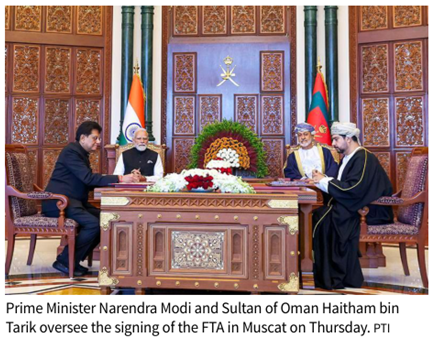
- The deal was signed in Muscat by Commerce and Industry Minister Piyush Goyal and Oman’s Minister of Commerce, Industry and Investment Promotion, Qais bin Mohammed Al Yousef, in the presence of Prime Minister Narendra Modi and Sultan Haitham bin Tarik.
- India exported $4.06 billion worth of merchandise to Oman in 2024-25, which made up 0.93% of India’s total exports that financial year. It imported $6.5 billion worth of goods from Oman, comprising 0.91% of India’s total imports.
- “The CEPA will infuse the India-Oman partnership in the 21st Century with renewed faith and energy,” Mr. Modi said earlier in the day while speaking at the India-Oman Business Forum. “This is a blueprint for our future. It will give our trade new vigour and new trust for investments and will open the doors of new opportunities in every sector.”
- This is the first bilateral agreement that Oman has signed with any country since it signed a deal with the U.S. in 2006. It is also the second deal India has signed with a country in the Gulf Cooperation Council (GCC), the first being with the United Arab Emirates in February 2022.
- Mr. Goyal had also pointed out that a trade deal with Oman also serves as a gateway for India to the GCC region, eastern Europe, central Asia, and to Africa.
Benefit to labour-intensive sectors
- The Prime Minister added that the CEPA will create new opportunities for growth, employment and innovation for the youth of both countries.
- Taking to X soon after the signing of the deal, Mr. Goyal said that the deal would “significantly benefit” labour-intensive sectors, generating employment and strengthening Micro, Small & Medium Enterprises (MSMEs), artisans, and women-led enterprises.
- CAG recommends to State govt. to ensure Escoms reduce AT&C losses
Context: The Comptroller and Auditor-General of India which audited the Integrated Power Development Scheme (IPDS) in Karnataka has recommended that the State government ensure that the Electricity Supply Companies (Escoms) reduce the Aggregate Technical and Commercial (AT&C) losses as per the trajectory fixed by the Union Ministry of Power (MoP).
Subsidy
- The CAG has also recommended ensuring timely release of subsidy for irrigation pumpsets as per metered consumption.
- The CAG found that while the approved cost (including PMA charges of ₹6.87 crore) of the IPDS was ₹1,378.44 crore and the awarded cost was ₹1,721.19 crore., the Escoms incurred the actual expenditure of ₹ 1,489.33 crore (as of March 2023), i.e., Escoms incurred excess expenditure of ₹ 110.89 crore than the sanctioned cost in implementing the scheme, which included additional expenditure to the extent of ₹ 38.52 crore due to non-procurement of materials at Central Procurement Prices discovered by MoP.
- It also pointed out that non-compliance of various requirements for securing additional grants resulted in loss of opportunity to receive additional grant of 15% of the project.
Better billing
- At the same time, CAG acknowledged that the billing efficiency of Hescoms had generally improved during the scheme period contribution to reduction in billing losses.
- The CAG found that while in August 2015, in-principle approval to DPRs of all five Escoms valued at ₹1,138.75 crore was granted and works were to be awarded within six months and completed within 24 months, Escoms took took 11 to 27 months to award works, leading to significant delays.
- In the report it is mentioned that the Escoms awarded contracts in violation of KTPP Act and Rules by providing less time for submission of tenders, ranging from 15 days to 54 days against the stipulated minimum time of 60 days and by awarding works at high tender premiums exceeding the estimated cost by 5% to 34%.
- CAG audit also recommended that the State government may ensure that Escoms may devise a suitable mechanism to issue tenders in time, to take up works without delay and to ensure completion of works in time to achieve the envisaged objectives.
- Further Escoms may follow time frames as per KTPP Act and Rules to ensure adequate competition and to allow market discovery for most economical rates.
- The Escoms may ensure that comprehensive feasibility surveys were conducted before project execution and may include conditions of standard bid documents in invitation to bids and ensure adherence to the same while executing works, the report said.
- Bill adopted in Assembly to impose punishment for social boycott
Context: The Legislative Assembly adopted the Karnataka Social Boycott (Prevention, Prohibition and Redressal) Bill 2025 that seeks to prevent the evil practices of imposing social boycott, social discrimination and social disabilities at various levels by caste or community panchayats or by its members.
- Any person who imposes or causes to impose or practises any social boycott on any member of his community, will on conviction, be punished with imprisonment, which may extend to three years, or with fine which may extend to ₹1 lakh, or with both, according to the provisions of the Bill.
- The Bill, which was piloted by Social Welfare Minister H.C. Mahadevappa, also seeks to appoint a social boycott prohibition officer.
- The House also adopted the Karnataka Private Medical Establishments (Amendment) Bill, 2025, which seeks to replace an Ordinance.
- The Bill seeks to include the term “mental health establishment” within the definition of “private medical establishment” and nominate one member from the Indian Medical Association and one member representing the Association of Registered Medical Establishments or Ayush Medical Practitioners as member of Registration and Grievances Redressal Authority.
- Assembly passes internal reservation Bill amid debate on Alemari and EWS quota
Context: Amid demand to increase the reservation for Scheduled Castes (SCs) to accommodate the interests of 59 Alemari (nomadic) communities, the Karnataka Legislative Assembly unanimously passed.
- The Karnataka Scheduled Castes (Sub-Classification) Bill, 2025, that provides legislation cover to internal reservation in 17 % reservation for 101 Scheduled Castes.
- The government was under pressure from the Dalit Left groups to legislate the internal reservation matrix.
- Social Welfare Minister H.C. Mahadevappa, who moved the Bill, said, “Internal reservation was a promise made during the 2023 Assembly elections and we have kept it.”
Legislative cover
- The Bill seeks to provide legislative cover to the GO that apportioned 17% reservation. Of this, 6% reservation has been provided to 16 castes in Category A (Dalit Left), 6% to 19 castes in Category B (Dalit Right) and 5% to 63 castes, including 59 Alemari castes in Category C (Lambani, Korama, Koracha and Bhovi).
- During the discussion on the Bill, Deputy Leader of Opposition Arvind Bellad said that Alemari communities could not compete with other castes and inequality would continue. The Chief Minister’s Economic Adviser Basavaraj Rayaraddi suggested that the State could explore possibility of increasing the total reservation for SCs to 18% to include 1% reservation to Alemari communities.
- India and the Netherlands reaffirm defence ties
Context: Defence Minister Rajnath Singh met the Foreign Minister of the Netherlands, David van Weel, in New Delhi, reaffirming the steadily expanding defence partnership between the two nations.
- During the meeting, they held wide-ranging discussions on bilateral security and defence cooperation, including priority areas for the co-development and co-production of defence equipment, the Ministry of Defence stated.
- The two countries reiterated their commitment to strengthening military-to-military engagement, and developing defence cooperation as a key pillar of the India-Netherlands Strategic Partnership.
- The talks also underscored the shared commitment of India and the Netherlands to a free and rules-based Indo-Pacific region. Emphasising the need for closer defence ties, the Ministers highlighted the importance of connecting the defence industries of both countries, particularly in niche and emerging technologies.
- Retired judges don’t want to sit as junior ad hoc judges: CJI
Context: Chief Justice of India Surya Kant revealed that retired High Court judges are reluctant to return to the Bench as ad hoc judges to clear the massive pendency of criminal cases for a simple reason: they are “embarrassed” to sit as junior judges alongside younger colleagues.
- The High Courts across the country are burdened by mounting arrears, particularly in criminal cases.
- Data from the National Judicial Data Grid shows that 18,98,833 criminal cases are pending in the 25 High Courts.
- Of these, 68.27% or 12,96,374 cases have been pending for over a year. Against a sanctioned strength of 1,122 judges, there are 298 vacancies in the High Courts as of December 15.
Based on SC verdict
- Alarmed by the backlog, the Supreme Court in a judgment in January activated Article 224A of the Constitution, allowing the Chief Justices of the High Courts to appoint retired former judges as ad hoc judges to clear criminal appeals.
- However, the response from the High Courts has been lukewarm, with several courts not sending names to the Supreme Court for appointment as ad hoc judges.
- “In my travels to the various High Courts, I spoke to the Chief Justices. They said there were many former judges who were keen and willing to return to the Bench and work… But they feel very embarrassed to sit as a junior judge with a serving judge on Division Benches,” Chief Justice Kant told Attorney-General R. Venkataramani during a special hearing. He pointed out that most criminal appeals were pending before Division Benches or two-judge Benches in the High Courts.
- The Chief Justice, accompanied by Justices Joymalya Bagchi and Vipul M. Pancholi, noted that a large number of cases were pending in the Allahabad, Punjab and Haryana, and Patna High Courts.
- The Chief Justice said the problem existed from the other end as well. “The serving judges would ask why they should sit with a retired person heading the Bench… Can we persuade a sitting judge to be a Bench partner with a retired judge heading the Bench?” he said.
- Amicus curiae and senior advocate K. Parameshwar referred to an April 2021 judgment on the appointment of ad hoc judges.
- LS passes rural jobs Bill amid protests
Context: The Lok Sabha passed the Viksit Bharat Guarantee for Rozgar and Ajeevika Mission (Gramin) (VB-G RAM G) Bill, replacing the 20-year-old Mahatma Gandhi National Rural Employment Guarantee Act (MGNREGA), amid loud protests from Opposition MPs who stormed the well of the House, tore copies of the Bill, and raised slogans.
- Responding to the debate in the Lower House, Rural Development Minister Shivraj Singh Chouhan said the MGNREGA was riddled with “problems” and “corruption was rampant”. He also accused State governments of “misusing” funds.
- “Funds were not allotted as expected. As per the Act, 60% of the funds were to be spent on labour and 40% on material. But only 26% was spent on material and funds were siphoned off,” he said.
- Sculptor Ram Sutar passes away at 100
- Ram V. Sutar, the legendary sculptor whose creations, including the Statue of Unity, defined the country’s public art landscape, was instrumental in giving Indian memorial sculpture global recognition.
- Among his vast body of work are statues of Mahatma Gandhi at the Parliament complex, and Dr B.R. Ambedkar.
- Rajya Sabha passes Bill to allow private firms in nuclear sector
Context: Amendments to SHANTI Bill and proposal to send it to a panel, moved by Opposition MPs, defeated in a voice vote; Jairam Ramesh warns against relaxation of any liability norms while Jitendra Singh says there will be no compromise with safety.
- With the Rajya Sabha also clearing the Sustainable Harnessing and Advancement of Nuclear Energy for Transforming India (SHANTI) Bill on Thursday, the Union government said the Bill seeks to reduce the dependence on fossil fuels and increase the capacity of India’s atomic energy sector.
- Senior Congress MP Jairam Ramesh, who initiated a debate, claimed that the Bill was brought with the intention of increasing the contribution of private companies in the nuclear sector. Mr. Ramesh warned the Centre against any relaxation in liability norms and cited the example of France, where all nuclear reactors are under government control.
- The amendments to the Bill and the proposal to send the Bill to a Select Committee, moved by Opposition MPs, were defeated in a voice vote.
- Countering the Opposition charges, Minister of State for Department of Atomic Energy Jitendra Singh said that nuclear power is a reliable source of energy, unlike other renewable energy options. He said there will be no compromise with safety. Mr. Singh said there has been no report of any radiation-related hazards to the public from any Indian reactors.
- Mr. Ramesh said, “The Narendra Modi government has the habit of ignoring the milestones achieved by past governments.” He said the BJP opposed the nuclear deal between India and America in 2008. “The BJP had then said that there is not much future in nuclear energy. It is because of the nuclear deal that happened in 2008 that now the BJP can think of such a Bill,” he said.
- “Our country has the capacity — we have installed plants of 220 megawatts and 540 megawatts. Utilise that capacity. Similarly, the government had brought farm laws to benefit the private sector, which had to be withdrawn. This Bill should not be vendor-driven. We are self-reliant in the matter of nuclear power. So, promote indigenous technology,” Mr. Ramesh said. He said the private sector will bring capital, not technology.
‘Will shape sector’
- Harsh Vardhan Shringla, MP, said the country stands at a decisive juncture in its energy journey and the SHANTI Bill will shape the civil nuclear sector for generations, ending fragmented governance and creating an investment-ready framework. “This is not privatisation; this is partnership with accountability,” he said.
- Trinamool Congress MP Sagarika Ghose said the Bill is fundamentally dangerous. “This Bill brings neither Shanti nor security… we are not debating whether India should pursue nuclear energy, India has always pursued nuclear energy responsibly for decades…” she said.
- DMK MP P. Wilson said the Bill was a “nuclear bomb which threatens the country’s peace and security”. “There is nothing peaceful, nothing sustainable, nothing transformative about this legislation. On the contrary, it is a reckless, dangerous and deeply flawed attempt to privatise one of the most sensitive and high-risk sectors of a nation — the nuclear energy sector,” he said.
- SC considers passive euthanasia for 31-year-old
Context: The Supreme Court asked to meet the parents of a 31-year-old man lying in a comatose condition for 13 years while contemplating their plea for passive euthanasia by withdrawing artificial life support for him.
- “It is a very sad report. We cannot keep this boy in this stage,” Justice J.B. Pardiwala, accompanied by Justice K.V. Viswanathan, addressed the family’s counsel, advocate Rashmi Nandakumar, and Additional Solicitor-General Aishwarya Bhati.
- The court’s comment came after perusing the report of a secondary medical board, headed by an AIIMS team of doctors, containing 31-year-old Harish Rana’s medical history.
- ‘900 million people will have diabetes by 2050, strong steps needed to slow progression’
Context: In its projections for 2050, the 11th edition of the International Diabetes Federation’s Diabetes Atlas has calculated that from around 500 million people living with diabetes in 2024, the number will grow to nearly 900 million people between the ages of 20 and 79.
- Publishing the key results as an article in the peer-reviewed journal Lancet Diabetes Endocrinal 2025, the authors, who are scientists collaborating accross the world, pointed out that in 2024, that figure was 11.11% of the population and just over 580 million adults.
- As per their projections, diabetes will affect 12.96% of the population — over 850 million people — in 2050.
- In the paper, Irini Genitsaridi and other researchers say, “As the diabetes epidemic has continued unchecked since the turn of the millenium, stronger efforts are needed to slow down progression.” A total of 210 countries and five territories were included in the study.
- In 2024, more people with diabetes were living in urban areas (400 million) than in rural areas (189 million). The authors state that this trend would continue with the projection for 2050 for urban centres (655 million), but in rural areas, it is likely to remain almost the same (198 million) in 2050.
- Ramachandran, one of the authors of the paper, from the India Diabetes Research Foundation, says “one of the unique features of this year’s Atlas, is the table listing the top 10 countries of the world with diabetes load. China is right at the top of the table with about 148 million people with diabetes, and India comes up second on the table, with nearly 90 million. The United States comes third, and Pakistan, fourth.
- In 2050, while China and India will maintain their top positions on the table, it is projected that Pakistan will climb to the third slot.
- FinMin unveils new logofor Regional Rural Banks
- The Finance Ministry unveiled a new logo for Regional Rural Banks (RRBs) to signify a single and unified brand identity.

- On the principle of ‘One State One RRB’, the Department of Financial Services, Ministry of Finance, has consolidated 26 Regional Rural Banks (RRBs) across 11 States/Union Territories, effective from May 1, 2025.
- The reform marks a crucial step toward building stronger and more efficient RRBs.
- FM tables Securities Market Code Bill 2025 in Lok Sabha
Context: The Bill, which seeks to unify three laws governing the securities market, has been referred to the Standing Committee on Finance for review.
- Finance Minister Nirmala Sitharaman tabled the Securities Market Code Bill 2025 in the Lok Sabha.
- The Bill, which seeks to unify three laws governing securities market, was referred to the Standing Committee on Finance for review.
- The Bill proposes to consolidate the Securities Contracts (Regulation) Act, 1956, Securities and Exchange Board of India (SEBI) Act, 1992, and the Depositories Act, 1996.
- The move was announced in the Union Budget in 2021-22 and the Bill has now been tabled to rationalise and consolidate the existing provisions, and provides a modern regulatory framework for investor protection and capital mobilisation at scale, according to the statement of objectives in the Bill.
- As per the Bill, the government proposes to increase the number of members in SEBI to 15 from the current nine, including the Chairperson.
- This will include the Chairperson, two officers appointed by the Central Government and one from the RBI as ex-officio members, and 11 others, of whom at least five will be whole-time members. Currently there are three whole-time members.
- In another significant change, Union Government also proposed to decriminalise violations of “minor, procedural and technical nature” into civil penalties to “facilitate the ease of doing business and to reduce the compliance burden.”
Civil penalties
- The Bill, if enacted in its current form, would bring “unlawful gains or losses” under civil penalties and limit punishments only to cases of market abuse such as insider trading or trading while in possession of material or non-public information.
- Further, in the case of contravention of any rules or provisions of the code, no inspection can be done if eight years had passed from the date of contravention. The Bill also mandates that the members of the board disclose any direct or indirect interests before making a decision to eliminate conflict of interest.
- “These changes appear to be made in keeping with extant requirements balancing faster adjudication processes with the need for better deterrence,” said Paras Parekh, Partner at CMS INDUSLAW.
- Even as the Bill was being introduced, DMK MP Arun Nehru and Congress’ Manish Tewari opposed it saying it gave excessive powers to a single body, which was against the principle of the separation of powers.
- Responding to this, Ms. Sitharaman said that since the government was referring it to the standing committee, such details could be discussed by the panel.
- Exporters to gain on near duty-free access to Oman, says FIEO
Context: The India–Oman Comprehensive Economic Partnership Agreement (CEPA) would strengthen India’s export competitiveness across goods and services, enhance professional mobility, and support inclusive and employment-led growth, The Federation of Indian Export Organisations (FIEO) said in its initial comment after signing of the deal.
- “The CEPA secures unprecedented market access for Indian exports, with zero-duty access on 98.08% of Oman’s tariff lines, covering 99.38% of India’s exports by value,” said S. C. Ralhan, President, FIEO.
- “This will significantly enhance the competitiveness of Indian goods and benefit key labour-intensive sectors such as textiles and apparel, leather and footwear, gems and jewellery and sports goods.”
“Critically analyse India’s current strategy of rolling out multiple innovation and research missions such as the RDI Scheme, National Quantum Mission and NM-ICPS. How do these initiatives contribute to India’s vision of Viksit Bharat@2047?”
Reference: https://ddnews.gov.in/en/govt-rolls-out-multiple-missions-to-boost-innovation-research-and-technology-development/
“Analyse the key objectives and structural reforms proposed under the Securities Markets Code Bill, 2025. In your answer, discuss how consolidation of securities laws can improve regulatory clarity and investor confidence in India’s capital markets.”
Reference: https://ddnews.gov.in/en/government-introduces-securities-markets-code-bill-in-lok-sabha/