Tue. Mar 24th, 2026

KAS Current Affairs

Preliminary Examination

Paper-I: Current Events of National and International Importance

Paper-II: Current Events of State Importance and Important Government Schemes and Programs

Main Examination

Paper-I: Essays

Essay – 1: Topic of International/National Importance

Essay-2: Topic of State importance/Local Importance

Paper-II: General Studies 1

Centre to amend the Foreign Contribution (Regulation) Act

Context: The Union government is likely to amend the Foreign Contribution (Regulation) Act in the ongoing session of Parliament session. One of the key changes proposed is the appointment of a “designated authority” to take over, manage or dispose of assets created out of foreign funds by an NGO or association, which has had its FCRA registration suspended, cancelled, or not renewed.

  • Another proposed amendment is expanding the definition of “key functionary” of an NGO beyond an “office bearer/director” to include directors; partners; trustees; the karta (head) of a Hindu Undivided Family; office-bearers or members of the governing body or managing committee of a society, trust, trade union or association; and any other person who has control over or responsibility for the management or affairs of such an organisation.
  • The amendment also proposes to make key functionaries liable for offences under the FCRA.
  • Registration under the FCRA is mandatory for an NGO to receive foreign funds. Till now, the 2010 parent Act only had the provision to regulate the flow of foreign funds, and not the statutory framework to manage the assets created out of such funds.
  • The Foreign Contribution (Regulation) Amendment Bill, 2026 also proposes to amend Section 43 of the parent Act, which will require any law enforcement agency or State government to seek prior approval of the Central government for initiation of investigation into FCRA-related complaints.
  • The Statement of Objects and Reasons of the Bill circulated by Home Minister Amit Shah said that, at present, around 16,000 associations are registered under the FCRA and they receive around ₹22,000 crore annually.
  • The Bill proposes to reduce the maximum imprisonment for FCRA offences from five years to one year. It also proposes fixed timelines for the utilisation of foreign funds received under the “prior permission” category, unlike the open-ended provision under the 2010 Act.

Net FDI negative for fifth straight month
Context: Net FDI into India contracted for the fifth consecutive month in January 2026, with outflows exceeding inflows by nearly $1.4 billion, a three-month high. The data shows this was because inflows into India fell nearly 7% while the amount repatriated out of the country nearly doubled.
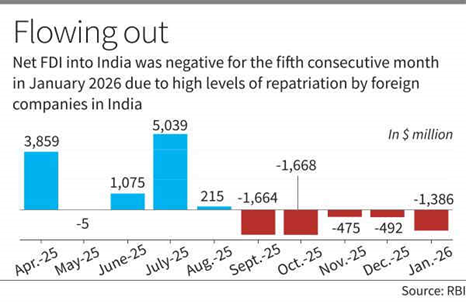
  • According to data released by the Reserve Bank of India on Monday as part of its monthly bulletin, the total amount of money entering India as direct investment, or gross FDI, stood at about $5.7 billion in January 2026.
  • This was 7% lower than in January last year, and only two-thirds of the amount that came in December 2025. The RBI, however, looked at a longer time period to draw some positive conclusions.
  • “During April 2025 – January 2026, gross FDI inflows remained strong, higher than the corresponding period a year ago,” the central bank noted in its report. “Sector-wise, manufacturing received the highest share of equity inflows, followed by computer services, electricity and other energy, and financial services — these sectors together accounted for over 60% of total inflows.”
  • With regard to outflows, the outward FDI by Indian companies increased by 5.4% in January 2026 to $2.1 billion. This was, however, nearly 30% lower than the outward FDI in December 2025.
  • “Around 75% of the outward FDI flows were directed to the U.S., Singapore, the UK, and the UAE during the [April 2025 – January 2026] period,” the RBI said. Repatriation and disinvestment by foreign companies doing business in India, on the other hand, increased by 97.3% to $4.9 billion in January 2026. But this was nearly 18% lower than the amount in December 2025.
  • As a result, net FDI stood at about -$1.4 billion, the lowest since October 2025.
  • The central bank noted that portfolio investments again flowed out more than they flowed in in March this year.

Centre restores RoDTEP benefits for exporters
Context: The government has restored the complete benefits provided to exporters under the Remission of Duties and Taxes on Exported Products (RoDTEP) scheme. In a notification it said the rates and values applicable 22 this year and were reduced by 50% are now being restored to earlier levels from February 23 to March 31.

  • According to GTRI, while the DGFT decision is welcome, the initial reduction is hard to justify as RoDTEP is not a subsidy.

Paper-III: General Studies 2

Centre signals early delimitation, women’s quota for 2029 polls
Context: The Union government has indicated that it will bring an amendment Bill proposing a delimitation exercise based on the 2011 Census to ensure the implementation of the Women’s Reservation Act, 2023, ahead of the 2029 Lok Sabha election.

  • Under the proposed amendments, the number of Lok Sabha seats will increase from 543 to 816, with 273 seats, 33%, reserved for women. The amendments could be brought in the ongoing Budget Session or in a Special Session called for the purpose.

States’ concern

  • Though the draft of the amendments are yet to be circulated, that care would be taken so that the existing proportion of seats will be maintained for all States, amid concerns that States that had showed success in population control programmes would lose out on representation vis a vis more populous States. Southern States had in particular expressed this concern. Overall, each State is likely to see a 50% rise in seats, but the pro rata basis would be maintained.
  • As per Article 82 of the Constitution, the next delimitation exercise was to be done based on the first Census after 2026, but these amendments could mean that the 2011 Census data will be applied and the remaking of constituencies can proceed without the current Census exercise being concluded. The proposals may include the expansion of State Assemblies as well.
  • The Act originally passed in September 2023 envisaged the conduct of the Decadal Census, followed by delimitation of seats. The 2021 Decadal Census, which got delayed because of COVID, beginning next month. As per the current timelines, implementation of the Act could be pushed beyond 2030. However, by bringing in fresh amendments, the government is now seeking to bring forward the implementation of the Act.
  • “The amendments will require a two-thirds majority of both Houses.
  • The Women’s Reservation Act, 2023, known as the Constitution (106th Amendment) Act, 2023, mandates a 33% reservation for women in the Lok Sabha and State Assemblies.

Kolar water table has risen to 50-100 ft. under K.C. Valley project, says IISc
Context: The groundwater level in parts of Kolar has risen significantly under the K.C. Valley project, with water now available at depths of just 50 to 100 ft. compared to nearly 1,800 ft. earlier, said the Indian Institute of Science (IISc), adding that sustained monitoring since 2019 has found no adverse impact on water quality, public health, soil, crops, or livestock.

The K.C. Valley Project (Koramangala–Challaghatta Valley Project) is Karnataka’s flagship initiative to recharge groundwater in the parched districts of Kolar and Chikkaballapur by pumping treated wastewater from Bengaluru’s sewage treatment plants into local lakes. It has raised water tables significantly, but concerns remain about untreated sewage inflows and water quality.

  • IISc officials said the project has significantly improved groundwater availability across Kolar and surrounding districts, with 144 lakes being replenished and wells in the region also showing increased water level.
  • They said groundwater is being treated through a five-stage purification process, resulting in clean water that is free from odour and colour. Multiple rounds of research conducted by the IISc have found no traces of harmful metal elements in the water.
  • The officials also noted that there had been no impact on human or animal health.
  • “Crops such as fenugreek, cucumber, beetroot, tomato, and other flowering plants are being cultivated successfully, while soil quality has improved across the region,” the institute said, dismissing allegations of excessive nitrogen content in the soil, stating that there is no difference in soil quality between irrigated and non-irrigated ones.
  • The institute said there is also an increase in bird populations and healthy aquatic life in lakes. IISc said surveys conducted three times among residents revealed no complaints, with many reporting improved access to water and better living conditions. Farmers’ livelihood had improved, and officials pointed out to increase in milk production. They also pointed out that instances of kidney stones among residents have reduced attributing it to acess to cleaner water.
  • While presenting the findings, IISc officials said several organisations have recommended that the K.C. Valley model be replicated across the country. However, concerns were raised during the meeting over the discharge of untreated sewage into lakes, particularly in parts of Chickballapur, where city sewage is reportedly being let directly into waterbodies.
AspectDetails
WhatA lift irrigation and lake rejuvenation project that pumps secondary treated wastewater from Bengaluru’s sewage treatment plants (STPs) into ~122 rain-fed tanks in Kolar and Chikkaballapur districts.
Why• To address acute groundwater depletion in Kolar & Chikkaballapur.
• To provide sustainable irrigation support.
• To recharge aquifers and revive lakes in drought-prone regions.
How• Wastewater from 5 Bengaluru STPs is treated and pumped ~60 km.
• Water is released into lakes, where it percolates into the groundwater table.
• Implemented at a cost of ₹1,342 crore.
• Managed by the Karnataka Minor Irrigation Department with IISc monitoring.
WhereOrigin: Koramangala–Challaghatta Valley, Bengaluru.
Destination: 122 lakes in Kolar (Dakshina Pinakini & Palar river sub-catchments) and extended to Chikkaballapur.
Impact (Positive)Water table rise: IISc reports groundwater rose by 50–100 ft in many wells.
Lake revival: 144 lakes replenished.
Agriculture: Farmers report significantly improved irrigation availability.
Health & crops: IISc studies clarified no adverse impact on crops or livestock.
Challenges (Negative)Untreated sewage inflow: Reports of municipal sewage mixing into lakes, reducing project credibility.
Water quality concerns: Farmers demand tertiary treatment for safer long-term use.
Frothing incidents: Lakshmisagara lake showed froth, raising environmental alarms.
Status (2026)• Project is fully operational but remains under heavy public and scientific scrutiny.
• Farmers in Chikkaballapur have staged protests demanding higher-quality treated water.
• Ministers (Krishna Byre Gowda, NS Boseraju) have issued warnings to municipal bodies against operational lapses.
Planned Outcomes• Long-term groundwater recharge.
• Sustainable irrigation for drought-prone districts.
• Reduction in dependence on deep borewells.
• Potential global model for other water-scarce urban-rural corridors.

Significance of the Project
Environmental: Effectively reuses urban wastewater, significantly reducing the pressure on finite freshwater sources.
Agricultural: Acts as a lifeline for farmers in semi-arid districts, supporting dairy and crop production.
Social: Revives traditional lake ecosystems and strengthens rural water security, preventing migration.
Policy: Demonstrates Karnataka’s innovative and aggressive approach to integrated water management.

‘U.S.-led Pax Silica

  • The U.S.-led initiative is aimed at building resilient supply chains for critical minerals and Artificial Intelligence (AI) technologies. India joined the coalition in February 2026, during the AI Impact summit held in New Delhi.

Lok Sabha sends Corporate Law Amendment Bill 2026 to JPC

Context: The government introduced the Corporate Laws (Amendment) Bill, 2026 in the Lok Sabha following which the House adopted a motion to send the proposed legislation to a Joint Parliamentary Committee (JPC) for detailed examination.

  • The JPC will comprise members from both Houses of Parliament for detailed analysis and recommendations, Union Finance Minister Nirmala Sitharaman said while proposing the motion for JPC reference. The motion was adopted by a voice vote.
  • The Bill seeks further amendments to the Limited Liability Partnership Act, 2008 and the Companies Act, 2013 to facilitate ease of doing business and address the gaps identified by the Company Law Committee in its 2022 report.
  • The proposed amendments are expected to rationalise penalties, shift several minor procedural lapses from criminal liability to monetary penalties, and streamline regulatory processes to promote ease of doing business.
  • The FM said the Bill was aimed at promoting ease of doing business and ease of living for corporates by decriminalising more provisions.

‘Diluting provisions’

  • When the Bill was introduced in Lok Sabha, Opposition members Manish Tewari (Congress), Saugata Roy (Trinamool Congress) and T. Sumathy (DMK) opposed the same claiming the legislation sought to dilute the provisions of law under which companies mandatorily had to pay 2% of profit towards corporate social responsibility (CSR).
  • The FM refuted the claim and said that the Bill had been introduced after two years of deliberations and the apprehensions of the members were unfounded as the proposed legislation sought to amend only the criteria for net profit, not the entire clause related to CSR.
  • Mr. Tewari also said since a Parliamentary Standing Committee on Corporate Affairs was already in place, the Bill must be sent there rather than setting up new JPC.
  • Home Minister Amit Shah, intervening, said none of the Opposition members talked about referring the Bill to a panel and now, when the FM has herself sought it, they were arguing as to which panel the Bill should be sent.
  • Greater cooperation needed between India and Russia, says Jaishankar

Context: Against the backdrop of the war in West Asia, External Affairs Minister S. Jaishankar, said the “evolving multipolar order” calls for “greater cooperation” between India and Russia both bilaterally as well as multilaterally through groupings such as BRICS, SCO, G-20, and the United Nations.

In the context of the 2026 geopolitical landscape, this dialogue underscores India’s mastery of Strategic Autonomy—maintaining a deep, functional bond with Moscow while navigating a world fractured by conflicts in West Asia and Eurasia.

India-Russia Bilateral Agenda (2026)

DimensionAnalytical Insight
Geopolitical ContextThe relationship is being recalibrated against the “acute crisis in the Persian Gulf” (US-Israel-Iran tensions). India is positioning itself as a stabilizing force that uses its BRICS Chairmanship to promote a “Humanity First” approach.
Economic SovereigntyA breakthrough in De-dollarization: 96% of bilateral trade is now conducted in national currencies (Rupee-Ruble). This insulates the partnership from Western-led financial sanctions and streamlines commerce.
Multipolarity & GroupsIndia and Russia are leveraging BRICS, SCO, and G-20 to challenge unipolarity. Russia’s explicit support for India’s 2026 BRICS Chairmanship signals a unified front in the “Global South” discourse.
Strategic PillarsCivil Nuclear Energy remains the bedrock, with the Kudankulam project serving as a “stellar example.” Additionally, the push for the Eurasian Economic Union (EAEU) FTA suggests a shift toward deeper regional economic integration.
New FrontiersPost-Putin’s Dec 2025 visit, the focus has expanded beyond defense to skilled professional mobility, food safety, and maritime cooperation, diversifying the relationship to be more resilient.

Key Strategic Takeaways:

  1. The “Strategic Autonomy” Litmus Test
    By engaging deeply with Russia amidst the West Asian war, India is signaling to the global community that its foreign policy is dictated by its own national interests. Lavrov’s praise for India’s “strategic autonomy” suggests that Russia views India not just as a buyer, but as an independent pole in the Evolving Multipolar Order.
  2. Economic Decoupling from the West
    The transition of nearly all trade (96%) to national currencies is a massive shift. It reduces transaction costs and creates a closed-loop economic system that is “sanction-proof,” ensuring that essential supplies like fertilizers, oil, and nuclear tech remain uninterrupted regardless of global political pressure.
  3. BRICS 2026: “Humanity First”
    Under India’s leadership, BRICS is moving toward a people-centric agenda. This softens the “anti-West” image often associated with the bloc, instead focusing on shared global challenges like food security and health, where Russian resources and Indian manufacturing/human capital create a perfect synergy.
  4. Connectivity & Energy Security
    The mention of Maritime Cooperation and the EAEU FTA points toward the operationalization of the International North-South Transport Corridor (INSTC) and the Chennai-Vladivostok Maritime Route. This ensures India has a stable, alternate supply chain for energy and minerals from the Russian Far East.

Summary
The India-Russia Annual Summit 2026 is set to be a milestone. While the West focuses on containment strategies, India is focusing on “Inclusive Multipolarity.” By bridging the gap between its ties with the West and its “special” bond with Russia, India is effectively acting as the diplomatic “hinge” of the 21st century.

This dialogue is a classic example of Realpolitik. India is balancing its “Global Strategic Partnership” with the US against its “Privileged” partnership with Russia to maximize its influence in the Persian Gulf and Eurasia.

Paper-IV: General Studies 3

Karnataka accounted for 9% of India’s ransomware cases in 2025-26: Report
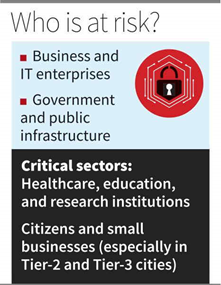
Context: Nearly 9% of the total ransomware cases in India in 2025–26 were from Karnataka, according to the Centre of Excellence for Cybersecurity – Karnataka (CySecK) annual compendium report released.
  • The report also stated that 4.3% of the total malware detections were from Karnataka.
  • Bengaluru, too, witnessed cyberattacks that were four times higher than the previous year, according to the report.

Vulnerable sectors

  • Among the most vulnerable sectors for cyberattacks are government departments, education, and healthcare, which, according to the report, collectively witnessed more than 6.8 million malware detections in Karnataka.
  • CySecK is a flagship initiative by the State government through the Department of Electronics, IT, and BT, established in 2019 to drive cybersecurity innovation, research, and ecosystem development across Karnataka.
  • CySecK held its annual cybersecurity conference on March 17.
  • The report, published as part of the conference, outlines the State’s cybersecurity landscape, key risks, and strategic priorities to strengthen digital resilience.

Major attacks

  • The report also details major cybersecurity incidents in the State.
  • The most significant was the Kaveri 2.0 Distributed Denial-of-Service (DDoS) attack in February 2025, which led to service disruption and an estimated ₹47.75 crore in daily revenue loss.
  • DDoS attacks are launched to slow down or crash websites, servers, or networks, making them unavailable to genuine users.
  • The second major incident was a ransomware attack on a private hospital that led to encrypted medical records and disruption in patient care. There were also telecom API data breaches, highlighting third-party security risks.
  • “As digital adoption accelerates across governance, education, healthcare, finance, and industry, the state’s exposure to cyber risks has increased significantly,” the report noted.
  • It also underscored that the growing reliance on digital infrastructure has widened the cyberattack surface across sectors and regions, including cloud platforms, digital payments, connected systems, and data-driven services.

Ignored area

  • A senior police officer explained that in the backdrop of technological advancement, cybercrimes are widely discussed and reported, but cybersecurity is less talked about.
  • However, Karnataka notified its cybersecurity policy as early as 2024, adopting a dual approach: strengthening government cybersecurity while fostering a robust public cybersecurity ecosystem.
  • Aligning with the objectives of the policy, the Karnataka government has launched several initiatives, including CySecK. A major stride has been made by bringing cybersecurity under the Cyber Command Unit.
  • CySecK plays this role by working across academia, government, industry, and startups to strengthen Karnataka’s overall cybersecurity readiness.

Draft policy on ‘Responsible Digital Use Among Students’ sets goals for parents, schools
Context: It recommends that schools include digital well-being and social media literacy in the curriculum.
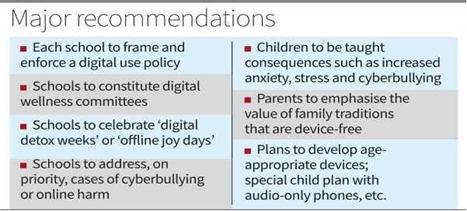
  • The draft policy for “Responsible Digital Use Among Students”, released by the Department of Health and Family Welfare, has recommended that parents set structured routines with clear screen-time rules and prioritise privacy, safety, and open conversation with children on digital well-being.
  • It recommended that schools incorporate digital well-being and social media literacy in their curriculum, besides implementing special programmes for digital detox and identifying early mental health red flags.
  • The policy has been drafted in collaboration with the Karnataka State Mental Health Authority, NIMHANS, and the School Education Department, based on deliberations with stakeholders. It further recommended a set of “preventive, promotive, and responsive strategies for all schools to implement”. “Parents should facilitate more peer interactions and conversations without screens, invite friends over for offline play, promote role play, group reading, or drama at home, and model face-to-face communication,” the draft said.
  • The government announced it would bring in a policy to restrict social media use among children below 16. The draft policy aims “to create a safe, balanced, and psychologically healthy digital environment for students”.
  • “Parents should define screen time limits (as per age), mandatory screen-free time during meals, sleep hours, and study periods, tech curfew all screens off 1 hour before bedtime,” it recommended for parents, advocating marking digital free zones like bedroom, dining table, kitchen, bathroom, and motorised vehicle where no family members use technology. “Decide upon digital fasting time where no family members use any device,” said the draft.
  • On the responsibility of schools, the draft policy states, “Schools must incorporate digital well-being and social media literacy within the life skills, value education, and ICT (Information and Communication Technology) curriculum. Age-appropriate lessons on responsible digital behaviour, privacy, online safety, and screen-time balance should be taught regularly.”

Centre launches AI skilling drive with Google, YouTube
Context: Part of initiatives unveiled by Ashwini Vaishnaw to boost creative economy; a citizen creator platform, and in-built satellite tuners in television sets for access to DD Free Dish launched.

  • Union Minister Ashwini Vaishnaw on Monday unveiled three new initiatives aimed at strengthening India’s media, broadcasting, and digital sector and promoting the “orange economy”, or the creative economy.
  • The creative economy includes industries where economic value is generated primarily from creativity, culture, technology, and intellectual property.
  • The three initiatives are named the National AI Skilling Initiative in partnership with Google and YouTube through the Indian Institute of Creative Technologies (IICT); MyWAVES, a citizen creator platform on WAVES OTT; and the rollout of advanced Electronic Programme Guide and in-built satellite tuners in television sets for enhancing access to DD Free Dish services.
  • Key media and entertainment industry representatives, the head of YouTube India along with senior Ministry officials took part in the event.
  • Underscoring Prime Minister Narendra Modi’s vision of democratising technology, Mr. Vaishnaw said the initiatives will make technology more affordable and accessible. He said that with in-built satellite tuners and an advanced programme guide, citizens can now access content easily without additional equipment.
  • He described MyWAVES as a powerful platform for content creators, enabling them to create, upload, and share content.
  • Referring to the Union Budget announcements, he underlined the government’s commitment to promoting the “orange economy” and supporting the creative sector.
  • The Union Minister said under the National AI Skilling Initiative, being implemented with the support of YouTube, about 15,000 youth will be trained without levying any fee.
  • He spoke about the “Creators’ Corner” scheme and urged content creators to actively use Doordarshan and platforms such as MyWAVES to showcase India’s rich culture and regional diversity.
  • Speaking about the partnership’s impact, YouTube India managing director Gunjan Soni said: “We believe that AI has the potential to open up remarkable opportunities for India’s dynamic creative economy. Through our collaboration with the Ministry of Information & Broadcasting and IICT, we aim to equip creators and professionals with the skills required to master the tools of the future, leverage AI to tell more compelling stories… expand their reach to new audiences, and play a role in shaping the future of media.”
  • The AI skilling programme will be conducted in two phases — Phase I from March 23 to June 30 2026, and Phase II from July to December 2026.
  • The first phase will focus on foundational AI learning at scale through Google Career Certificates and Google Cloud Generative AI learning paths. Participants will undergo courses such as AI Essentials, Prompting Essentials, Introduction to Generative AI, and Generative AI Leader Path.
  • The second phase will involve advanced, project-based specialisation for the creative industry. The curriculum will include modules on the art of storytelling, YouTube best practices, and advanced training using AI tools such as Gemini 3 and Vertex AI.

Paper-V: General Studies 4

Sources: The Hindu
ಕೆಎಎಸ್ ಪ್ರಚಲಿತ ವಿದ್ಯಮಾನಗಳು

ಪೂರ್ವಭಾವಿ ಪರೀಕ್ಷೆ

ಪತ್ರಿಕೆ-I: ರಾಷ್ಟ್ರೀಯ ಮತ್ತು ಅಂತರರಾಷ್ಟ್ರೀಯ ಮಹತ್ವದ ಪ್ರಚಲಿತ ವಿದ್ಯಮಾನಗಳು


ಪತ್ರಿಕೆ-II: ರಾಜ್ಯದ ಪ್ರಾಮುಖ್ಯತೆಯ ಪ್ರಸ್ತುತ ಘಟನೆಗಳು ಮತ್ತು ರಾಜ್ಯ ಸರ್ಕಾರದ ಪ್ರಮುಖ ಯೋಜನೆಗಳು

ಮುಖ್ಯ ಪರೀಕ್ಷೆ

ಪತ್ರಿಕೆ-I: ಪ್ರಬಂಧಗಳು

ಪ್ರಬಂಧ-1: ರಾಷ್ಟ್ರೀಯ ಮತ್ತು ಅಂತರರಾಷ್ಟ್ರೀಯ ಮಹತ್ವದ ವಿಷಯ

ಪ್ರಬಂಧ-2: ರಾಜ್ಯ ಮಹತ್ವ/ ಸ್ಥಳೀಯ ಮಹತ್ವ ವಿಷಯ

ಪತ್ರಿಕೆ-II: ಸಾಮಾನ್ಯ ಅಧ್ಯಯನ-1

ವೃತ್ತಿ ತೆರಿಗೆ ವಿವರ ಪ್ರತ್ಯೇಕ ಸಲ್ಲಿಕೆ ಅನಗತ್ಯ: ಮಸೂದೆ
ಸಂದರ್ಭ: ಆದಾಯ ತೆರಿಗೆಯ ವಿವರಗಳನ್ನು (ಐ.ಟಿ ರಿಟರ್ನ್ಸ್) ಸಲ್ಲಿಸಿದ ಬಳಿಕವೂ ವೃತ್ತಿ ತೆರಿಗೆಯ ವಿವರಗಳನ್ನು ಸಲ್ಲಿಸಬೇಕೆಂಬ ಷರತ್ತನ್ನು ತೆಗೆದುಹಾಕುವ ಉದ್ದೇಶದಿಂದ ಸರ್ಕಾರ ಮಂಡಿಸಿದ ‘ಕರ್ನಾಟಕ ವೃತ್ತಿಗಳ ಕಸುಬುಗಳ ಅಜೀವಿಕೆಗಳ ಮತ್ತು ಉದ್ಯೋಗಗಳ ಮೇಲಣ ತೆರಿಗೆಗಳ ತಿದ್ದುಪಡಿ ಮಸೂದೆ’ಗೆ ವಿಧಾನಸಭೆ ಅಂಗೀಕಾರ ನೀಡಿತು.

  • ಮಸೂದೆ ಮಂಡಿಸಿದ ಕಂದಾಯ ಸಚಿವ ಕೃಷ್ಣ ಬೈರೇಗೌಡ, ‘ಒಮ್ಮೆ ತೆರಿಗೆ ಹಣ ಪಾವತಿಸಿದ ನಂತರ ಮತ್ತೆ ರಿಟರ್ನ್ಸ್ ಸಲ್ಲಿಸುವ ಅಗತ್ಯ ಇಲ್ಲ ಎಂಬ ಸರಳ ತಿದ್ದುಪಡಿ ತರಲಾಗಿದೆ.
  • ಹಿರಿಯ ನಾಗರಿಕರು, ಸೈನಿಕರು, ದೈಹಿಕ-ಮಾನಸಿಕ ಅಂಗಡಿಕಲರು ವೃತ್ತಿ ತೆರಿಗೆ ಸಲ್ಲಿಸುವ ಅಗತ್ಯ ಇಲ್ಲದಿದ್ದರೂ ‘ನಿಲ್ ರಿಟರ್ನ್ಸ್ ಸಲ್ಲಿಸಬೇಕಿತ್ತು. ಆದರೆ, ‘ನಿಲ್ ರಿಟರ್ನ್ಸ್ ಸಲ್ಲಿಸಲೂ ಕೂಡಾ ಈ ಮಸೂದೆಯಲ್ಲಿ ವಿನಾಯಿತಿ ನೀಡಲಾಗಿದೆ’.

ಪತ್ರಿಕೆ-III: ಸಾಮಾನ್ಯ ಅಧ್ಯಯನ-2

ಪತ್ರಿಕೆ-IV: ಸಾಮಾನ್ಯ ಅಧ್ಯಯನ-3

ದೇಶೀಯ ಪಥದರ್ಶಕ ವ್ಯವಸ್ಥೆಯ ಮತ್ತೊಂದು ಉಪಗ್ರಹ ಕಾರ್ಯಾಚರಣೆ ಸ್ಥಗಿತ

ನಾವಿಕ್‌ಗೆ ಹಿನ್ನಡೆ
ಅದು ಕಾರ್ಗಿಲ್ ಯುದ್ಧದ ಸಂದರ್ಭ. ಪಾಕಿಸ್ತಾನದ ಸೇನಾ ನೆಲೆಗಳ ಬಗ್ಗೆ ಜಿಪಿಎಸ್ (ಜಾಗತಿಕ ಪಥದರ್ಶಕ ಉಪಗ್ರಹ ವ್ಯವಸ್ಥೆಯ) ಮಾಹಿತಿ ನೀಡುವಂತೆ ಭಾರತವು ಅಮೆರಿಕವನ್ನು ಕೋರಿತ್ತು. ಆದರೆ, ಅಮೆರಿಕ ನಿರಾಕರಿಸಿತ್ತು. ದೇಶೀಯ ಪಥದರ್ಶಕ ವ್ಯವಸ್ಥೆಯೊಂದರ ಅಗತ್ಯವಿದೆ ಎಂದು ಭಾರತ ಮನಗಂಡಿದ್ದು ಆಗಲೇ. ಸ್ವದೇಶಿ ಪಥದರ್ಶಕ ಉಪಗ್ರಹ ವ್ಯವಸ್ಥೆ ರೂಪಿಸಲು ಅದೇ ನಾಂದಿಯಾಯಿತು. ಅದರ ಅಭಿವೃದ್ಧಿಯ ಜವಾಬ್ದಾರಿ ಹೊತ್ತುಕೊಂಡಿದ್ದು ಇಸ್ರೋ. 2013ರ ನಂತರ ತನ್ನದೇ ಆದ ಪಥದರ್ಶಕ ವ್ಯವಸ್ಥೆ ರೂಪಿಸಲು ಭಾರತಕ್ಕೆ ಸಾಧ್ಯವಾಗಿದ್ದರೂ ಅದು ಪೂರ್ಣವಾಗಿ ಕಾರ್ಯಾರಂಭ ಮಾಡಿಲ್ಲ.

ಆರಂಭದಿಂದಲೂ ಒಂದಲ್ಲ ಒಂದು ರೀತಿಯ ಸಮಸ್ಯೆ ಎದುರಿಸುತ್ತಲೇ ಬಂದ ಈ ಯೋಜನೆಗೆ, ಈಗ ಗಂಭೀರ ಸ್ವರೂಪದ ಹಿನ್ನಡೆಯೇ ಆಗಿದೆ. ದೀರ್ಘಕಾಲದ ನಿರ್ಲಕ್ಷ್ಯ,, ತಾಂತ್ರಿಕ ವೈಫಲ್ಯಗಳು, ಅವಧಿ ಮೀರಿದ ಉಪಗ್ರಹಗಳು ಮತ್ತು ಬದಲಿ ಉಪಗ್ರಹಗಳ ಉಡಾವಣೆ ವಿಳಂಬದಿಂದಾಗಿ ‘ನಾವಿಕ್’ ಕಾರ್ಯಾರಂಭ ಸ್ಥಗಿತಗೊಳಿಸುವ ಹಂತ ತಲುಪಿದೆ.

‘ನಾವಿಕ್’ ಅನ್ನು ವಿಮಾನಯಾನ, ನೌಕಾಯಾನ, ಸಾರಿಗೆ ವ್ಯವಸ್ಥೆ, ಸೇನೆ, ಪ್ರಕೃತಿ ವಿಕೋಪ ಇನ್ನಿತರ ತುರ್ತು ಪರಿಸ್ಥಿತಿಗಳಲ್ಲಿ ಬಳಸಲಾಗುತ್ತಿದೆ. ಉಪಗ್ರಹಗಳು ನಿಷ್ಕ್ರಿಯವಾಗುತ್ತಿರುವುದರಿಂದ, ಇದು ದೇಶದ ಸ್ಪರ್ಧಾತ್ಮಕತೆ, ಆರ್ಥಿಕತೆ ಮತ್ತು ರಕ್ಷಣಾ ವಲಯದ ಮೇಲೆ ವ್ಯತಿರಿಕ್ತ ಪರಿಣಾಮ ಬೀರುವ ಸಂಭವ ಇದೆ. ಗಗನಯಾನ, ಬಾಹ್ಯಾಕಾಶದಲ್ಲಿ ತನ್ನದೇ ಆದ ನಿಲ್ದಾಣವನ್ನು ಹೊಂದುವ ಬೃಹತ್ ಯೋಜನೆಗಳೆಡೆಗೆ ಇಸ್ರೋ ಅತಿಯಾದ ಒತ್ತು ನೀಡಿದ್ದರಿಂದ ನಾವಿಕ್‌ನಂಥ ಪ್ರಮುಖ ಹಾಗೂ ಯುದ್ಧದಂಥ ಬಿಕ್ಕಟ್ಟಿನ ಸಂದರ್ಭಗಳಲ್ಲಿ ಅತ್ಯಗತ್ಯವಾದ ಯೋಜನೆಗೆ ಹಿನ್ನಡೆ ಉಂಟಾಗಿದೆ ಎನ್ನುವ ವಿಶ್ಲೇಷಣೆಗಳು ಕೇಳಿಬರುತ್ತಿವೆ.

ಉಡಾವಣೆ ಮಾಡಿದ ಉಪಗ್ರಹಗಳೆಷ್ಟು?

ಸ್ವಂತದ ಪಥದರ್ಶಕ ವ್ಯವಸ್ಥೆಯನ್ನು ಹೊಂದುವ ಪ್ರಯತ್ನವನ್ನು 2000ದಿಂದಲೇ ಭಾರತ ಆರಂಭಿಸಿತ್ತು. ಇದಕ್ಕಾಗಿ ಎಳು ಉಪಗ್ರಹಗಳ ಗುಚ್ಛವನ್ನು ಆಗಸದಲ್ಲಿ ಸ್ಥಾಪಿಸುವ ಯೋಜನೆ ರೂಪಿಸಿದ ಇಸ್ರೋ, 2013ರ ಜುಲೈ 1ರಂದು ಐಆರ್‌ಎನ್‌ಎಸ್-1ಎ ಉಪಗ್ರಹವನ್ನು ಉಡಾವಣೆ ಮಾಡಿತ್ತು. ಆ ಬಳಿಕ 2016ರವರೆಗೆ ಮತ್ತೆ ಆರು ಉಪಗ್ರಹಗಳನ್ನು (ಐಆರ್‌ಎನ್‌ಎಸ್‌ಎಸ್-1ಬಿ, 1ಸಿ, 1ಡಿ, 1ಇ, 1ಎಫ್, 1ಜಿ) ಕಕ್ಷೆಗೆ ಬಿಟ್ಟಿತ್ತು 2016ರ ಏಪ್ರಿಲ್‌ನಲ್ಲಿ ಐರ್‌ಎನ್‌ಎಸ್‌ಎಸ್-1ಜಿ ಉಪಗ್ರಹವನ್ನು ಉಡಾವಣೆ ಮಾಡುವ ಮೂಲಕ ದೇಶೀಯ ಪಥದರ್ಶಕ ವ್ಯವಸ್ಥೆಯ ಮೊದಲ ಹಂತದ ಯೋಜನೆಯನ್ನು ಇಸ್ರೋ ಪೂರ್ಣಗೊಳಿಸಿತ್ತು. ಆ ಬಳಿಕ ಈ ವ್ಯವಸ್ಥೆಗೆ ‘ನಾವಿಕ್’ ಎಂಬ ಹೆಸರು ಬಂದಿದ್ದು.

ಈ ಉಪಗ್ರಹಗಳ ಕಾರ್ಯಾಚರಣೆ ಅವಧಿ 10 ವರ್ಷಗಳು, 1ಎ ಉಪಗ್ರಹ ಸ್ವಲ್ಪ ಬೇಗವೇ ಕಾರ್ಯಾಚರಣೆ ಸ್ಥಗಿತಗೊಳಿಸಿತ್ತು. ಹೀಗಾಗಿ, ಅದರ ಬದಲಿಗೆ 2017ರಲ್ಲಿ ಆಗಸ್ಟ್-31ರಂದು ಐಆರ್‌ಎನ್‌ಎಸ್‌ಎಸ್-1ಎಚ್ ಉಪಗ್ರಹವನ್ನು ಇಸ್ರೋ ಉಡಾವಣೆ ಮಾಡಿತ್ತು. ಆದರೆ, ಅದನ್ನು ಕಕ್ಷೆಗೆ ಸೇರಿಸುವಲ್ಲಿ ವಿಫಲವಾಗಿತ್ತು. 2018ರ ಏಪ್ರಿಲ್ 12ರಂದು ಐಆರ್‌ಎನ್‌ಎಸ್‌ಎಸ್ 1ಐ ಉಪಗ್ರಹವನ್ನು ಇಸ್ರೋ ಉಡಾವಣೆ ಮಾಡಿ ಕಕ್ಷೆಯಲ್ಲಿ ಕೂರಿಸಿದೆ. ಈ ‘ನಾವಿಕ್‌ಗೆ ಇನ್ನಷ್ಟು ಬಲ ತುಂಬುವ ಉದ್ದೇಶದಿಂದ ಇಸ್ರೋ 2023ರಲ್ಲಿ ‘ಎನ್‌ವಿಎಸ್-01 ಹೆಸರಿನ ಹೊಸ ಪೀಳಿಗೆಯ ಉಪಗ್ರಹವನ್ನು ಯಶಸ್ವಿಯಾಗಿ ಕಕ್ಷೆಗೆ ಸೇರಿಸಿದೆ. 2025ರ ಜನವರಿಯಲ್ಲಿ ‘ಎನ್‌ವಿಎಸ್-02’ ಉಪಗ್ರಹದ ಉಡಾವಣೆ ಯಶಸ್ವಿಯಾಗಿದ್ದರೂ ತಾಂತ್ರಿಕ ಕಾರಣದಿಂದ ಅದು ಕಕ್ಷೆಗೆ ಸೇರಲು ವಿಫಲಗೊಂಡಿತ್ತು.

2013ರಿಂದ ಇಲ್ಲಿಯವರೆಗೆ ‘ನಾವಿಕ್’ಗಾಗಿ ಇಸ್ರೋ ಒಟ್ಟು 11 ಉಪಗ್ರಹಗಳನ್ನು ಉಡಾವಣೆ ಮಾಡಿದೆ. ಇವುಗಳಲ್ಲಿ ಒಂಬತ್ತು ಮೊದಲ ಪೀಳಿಗೆಯ ಉಪಗ್ರಹಗಳಾಗಿದ್ದರೆ, ಎರಡು ಉಪಗ್ರಹಗಳು ಎರಡನೇ ಪೀಳಿಗೆಯವು.

ಜಿಪಿಎಸ್ ಒಂದೇ ಅಲ್ಲ

ಜಗತ್ತಿನಲ್ಲಿ ನಾಲ್ಕು ಜಾಗತಿಕ ಪಥದರ್ಶಕ ಉಪಗ್ರಹ ವ್ಯವಸ್ಥೆಗಳಿವೆ. ಅವುಗಳೆಂದರೆ, ಅಮೆರಿಕದ ‘ಜಿಪಿಎಸ್’ (31 ಉಪಗ್ರಹಗಳು), ರಷ್ಯಾದ ‘ಜಿಎಲ್‌ಎನ್‌ಎಎನ್ಎಸ್ಎಸ್’ (24 ಉಪಗ್ರಹಗಳು), ಚೀನಾದ ‘ಬೈದೊ’ (40ಕ್ಕೂ ಹೆಚ್ಚು ಉಪಗ್ರಹಗಳು) ಮತ್ತು ಐರೋಪ್ಯ ಒಕ್ಕೂಟದ ಗೆಲಿಲಿಯೊ (30 ಉಪಗ್ರಹಗಳು).

ಜಪಾನ್ ನಾಲ್ಕು ಉಪಗ್ರಹಗಳನ್ನು ಒಳಗೊಂಡ ಕ್ಯುಜಡ್‌ಎಸ್‌ಎಸ್ ಪ್ರಾದೇಶಿಕ ಪಥದರ್ಶಕ ಉಪಗ್ರಹ ವ್ಯವಸ್ಥೆಯನ್ನು ಒಳಗೊಂಡಿದೆ. ಪ್ರಾದೇಶಿಕ ಪಥದರ್ಶಕ ವ್ಯವಸ್ಥೆ ವ್ಯವಸ್ಥಿತವಾಗಿ ಕಾರ್ಯಾಚರಿಸಲು ಕನಿಷ್ಠ ಮೂರರಿಂದ ನಾಲ್ಕು ಉಪಗ್ರಹಗಳು ಅಗತ್ಯ.

ಭಾರತವು ಮೊದಲು ಪ್ರಾದೇಶಿಕ ಪಥದರ್ಶಕ ಉಪಗ್ರಹ ವ್ಯವಸ್ಥೆ ರೂಪಿಸಿ ನಂತರ ಅದನ್ನು ಜಾಗತಿಕ ಪಥದರ್ಶಕ ಉಪಗ್ರಹ ವ್ಯವಸ್ಥೆಯಾಗಿ ಪರಿವರ್ತಿಸುವ ಯೋಜನೆ ಹೊಂದಿತ್ತು. ಆದರೆ, ಈಗ ಪ್ರಾದೇಶಿಕ ವ್ಯವಸ್ಥೆಯೇ ಸ್ಥಗಿತಗೊಳ್ಳುವ ಆತಂಕ ಎದುರಾಗಿದೆ.

ಪರಮಾಣು ಗಡಿಯಾರ ಎಂದರೇನು?

ಇದು ಪಥದರ್ಶಕ ಉಪಗ್ರಹದ ಬಹುಮುಖ್ಯ ಭಾಗ. ಅಣುಗಳ ಕಂಪನವನ್ನು ಆಧರಿಸಿ ಸಮಯವನ್ನು ಅತ್ಯಂತ ಖಚಿತವಾಗಿ ಅಳೆಯುವ ತಂತ್ರಜ್ಞಾನವೇ ಪರಮಾಣು ಗಡಿಯಾರ. ಪರಮಾಣುಗಳಲ್ಲಿ ಇರುವ ಎಲೆಕ್ಟ್ರಾನ್‌ಗಳ ಚಲನೆಯನ್ನು ಆಧರಿಸಿ ಸಮಯವನ್ನು ಅಳೆಯಲಾಗುತ್ತದೆ.ಈ ಗಡಿಯಾರಗಳಲ್ಲಿ ಪರಮಾಣುಗಳಲ್ಲಿರುವ ಎಲೆಕ್ಟ್ರಾನ್‌ಗಳನ್ನು ಪ್ರಚೋದಿಸಲಾಗುತ್ತದೆ. ಎಲೆಕ್ಟ್ರಾನ್ ಗಳಲ್ಲಿ ಬೇರೆ, ಬೇರೆ ಶಕ್ತಿಗಳು ಇರುವುದರಿಂದ ಇವನ್ನು ಒಂದೇ ನೆಲೆಗೆ ತಂದು ಅನಂತರ ಕಾಲವನ್ನು ಅಳೆಯಬೇಕು. ಇದಕ್ಕಾಗಿ ಲೇಸರ್ ಇಲ್ಲವೇ ಮೈಕ್ರೋವೇವ್‌ಗಳನ್ನು ಬಳಸುತ್ತಾರೆ. ಪರಮಾಣು ಗಡಿಯಾರಗಳಲ್ಲಿ ಸಾಮಾನ್ಯವಾಗಿ ಸೀಸಿಯಂ ಮತ್ತು ರುಬಿಡಿಯಂ ಪರಮಾಣುಗಳನ್ನು ಬಳಸುತ್ತಾರೆ.

ಪರಮಾಣು ಗಡಿಯಾರಗಳು ಯಾವುದೇ ಒಂದು ಪಥದರ್ಶಕ ಉಪಗ್ರಹ ವ್ಯವಸ್ಥೆಯ ಹೃದಯವಿದ್ದಂತೆ. ಇದು ವಿಫಲಗೊಂಡರೆ, ಆ ಉಪಗ್ರಹಗಳು ನಿಖರ ಸಮಯವನ್ನು ಅಳೆಯುವುದು ಸಾಧ್ಯವಿಲ್ಲ. ಆರಂಭದಲ್ಲಿ ಭಾರತವು ಪರಮಾಣು ಗಡಿಯಾರಗಳನ್ನು ವಿದೇಶಗಳಿಂದ ತರಿಸಿಕೊಳ್ಳುತ್ತಿತ್ತು. ನಂತರ ಅದರ ಮಹತ್ವ ಅರಿತ ಇಸ್ಕೊ, ಸ್ವದೇಶಿ ಪರಮಾಣು ಗಡಿಯಾರಗಳ ತಯಾರಿಕೆಯಲ್ಲಿ ತೊಡಗಿತ್ತು ಎನ್‌ವಿಎಸ್-01 ನಲ್ಲಿ ದೇಶಿಯಾವಾಗಿ ಅಭಿವೃದ್ಧಿ ಪಡಿಸಿದ ಗಡಿಯಾರಗಳನ್ನು ಬಳಸಲಾಗಿದೆ.

ಅತ್ಯಂತ ನಿಖರವಾದ ಸಮಯದ ಅಳತೆ ಬೇಡುವ ಪಥದರ್ಶಕ ಉಪಗ್ರಹ ವ್ಯವಸ್ಥೆ, ಸಂಶೋಧನೆ, ದೂರಸಂಪರ್ಕ, ಉದ್ಯಮಗಳು ಮುಂತಾದ ವಲಯಗಳಲ್ಲಿ ಪರಮಾಣು ಗಡಿಯಾರಗಳನ್ನು ಬಳಸುತ್ತಾರೆ.

ಮುಂದೇನು?

ಪಥದರ್ಶಕ ವ್ಯವಸ್ಥೆಯನ್ನು ಬಲಪಡಿಸುವ ಇರಾದೆ ಇಸ್ರೋಗೆ ಇದ್ದರೂ, ಹಳೆಯ ಉಪಗ್ರಹಗಳಿಗೆ ಬದಲಿ ಹೊಸ ಉಪಗ್ರಹಗಳನ್ನು ಕಳುಹಿಸುವ ಪ್ರಕ್ರಿಯೆ ನಿಧಾನವಾಗಿರುವುದು, 2025ರಲ್ಲಿ ಎನ್‌ವಿಎಸ್-02 ಉಪಗ್ರಹ ಉಡಾವಣಾ ವೈಫಲ್ಯ ಈ ಮಹತ್ವಾಕಾಂಕ್ಷಿ ಯೋಜನೆಗೆ ತೀವ್ರ ಹಿನ್ನಡೆ ಉಂಟುಮಾಡಿದೆ.

ಕಾರ್ಯಾಚರಣೆ ಸ್ಥಗಿತಗೊಳಿಸಿರುವ ಮತ್ತು ಹಳೆಯ ಉಪಗ್ರಹಗಳ ಬದಲಿಗೆ 2026ರ ವರ್ಷಾಂತ್ಯದ ವೇಳೆಗೆ ಮೂರು ಉಪಗ್ರಹಗಳನ್ನು ಉಡಾವಣೆ ಮಾಡುವುದಾಗಿ ಇಸ್ರೋ ಈ ಹಿಂದೆ ಹೇಳಿತ್ತು ಆದರೆ ಈ ಬಗ್ಗೆ ಅಧಿಕೃತ ಮಾಹಿತಿ ಇನ್ನಷ್ಟೇ ಹೊರಬೀಳಬೇಕಿದೆ.

ಏನಿದು ‘ನಾವಿಕ್ ?

ನಾವಿಕ್‌ (NaviC) ವಿಸ್ತ್ರತ ರೂಪ ನ್ಯಾವಿಗೇಷನ್ ವಿತ್ ಇಂಡಿಯನ್ ಕಾನ್‌ಸ್ಟಲೇಷನ್ ಕನ್ನಡದಲ್ಲಿ ಹೇಳುವುದಾದರೆ, ಭಾರತದ ಉಪಗ್ರಹಗಳ ಗುಚ್ಛದ ಮೂಲಕ ಪಥದರ್ಶನ. ಇದರ ಮೂಲ ಹೆಸರು ಭಾರತೀಯ ಪ್ರಾದೇಶಿಕ ಪಥದರ್ಶಕ ಉಪಗ್ರಹ ವ್ಯವಸ್ಥೆ (ಐಆರ್‌ಎನ್‌ಎಸ್‌ಎಸ್–ಇಂಡಿಯನ್ ರೀಜನಲ್ ನ್ಯಾವಿಗೇಷನ್ ಸ್ಯಾಟಿಲೈಟ್ ಸಿಸ್ಟಮ್). ಇದು, ಅಮೆರಿಕದ ಜಿಪಿಎಸ್ (ಗ್ಲೋಬಲ್ ಪೊಸಿಷನಿಂಗ್ ಸಿಸ್ಟಮ್) ಮಾದರಿಯಲ್ಲೇ ಭಾರತೀಯ ಬಾಹ್ಯಾಕಾಶ ಸಂಶೋಧನಾ ಸಂಸ್ಥೆ (ಇಸ್ರೋ). ಸ್ವತಂತ್ರವಾಗಿ ಮತ್ತು ದೇಶೀಯವಾಗಿ ಅಭಿವೃದ್ಧಿ ಪಡಿಸಿರುವ ಪಥದರ್ಶಕ ವ್ಯವಸ್ಥೆ, 2016ರಲ್ಲಿ ಇದಕ್ಕೆ ‘ನಾವಿಕ್’ ಎಂದು ಮರುನಾಮಕರಣ ಮಾಡಲಾಯಿತು.

ಭೂಸ್ಥಿರ ಮತ್ತು ಭೂಸಮನ್ವಯ ಕಕ್ಷೆಗಳಲ್ಲಿ ಸುತ್ತುತ್ತಿರುವ ಏಳು ಉಪಗ್ರಹಗಳ ಗುಚ್ಛವು ಜಿಪಿಎಸ್ ಮಾದರಿಯಲ್ಲಿ ಪಥದರ್ಶನ (ದಿಕ್ಕು), ನಿಖರ ಸ್ಥಳದ ಮಾಹಿತಿ (ಪೊಸಿಷನಿಂಗ್) ಮತ್ತು ಸಮಯದ (ಟೈಮಿಂಗ್) ಮಾಹಿತಿ ನೀಡುತ್ತದೆ. ಭಾರತದ ಸಂಪೂರ್ಣ ಭೂಭಾಗ ಮತ್ತು ಸುತ್ತಲಿನ 1,500 ಕಿ.ಮೀ. ವ್ಯಾಪ್ತಿಯಲ್ಲಿ ನಿಖರ ಪಥದರ್ಶನ, ಸ್ಥಳದ ಮಾಹಿತಿ ನೀಡುವ ಸಾಮರ್ಥ್ಯ ಇದು ಹೊಂದಿದೆ (ಅಮೆರಿಕ, ರಷ್ಯಾ, ಚೀನಾ, ಯುರೋಪಿನ ಪಥದರ್ಶಕ ವ್ಯವಸ್ಥೆಯು ಇಡೀ ಜಗತ್ತನ್ನೇ ವ್ಯಾಪಿಸಿವೆ).

ಏನೆಲ್ಲಾ ಸೇವೆ?

ಪ್ರಮುಖವಾಗಿ ಎರಡು ಸೇವೆಗಳನ್ನು ಇದು ನೀಡುತ್ತದೆ. ಒಂದು ನಿಗದಿತ ಸ್ಥಳದ ಮಾಹಿತಿ ಸೇವೆ (ಸ್ಯಾಂಡರ್ಡ್ ಪೊಸಿಷನಿಂಗ್ ಸರ್ವಿಸ್ -ಎಸ್‌ಪಿಎಸ್). ಎಲ್ಲ ಬಳಕೆದಾರರಿಗೆ ಅಂದರೆ, ಸಾರ್ವಜನಿಕರಿಗೆ ಈ ಸೇವೆ ಲಭ್ಯ ಇನ್ನೊಂದು ನಿರ್ಬಂಧಿತ ಸೇವೆ (ರಿಟೈಡ್ ಸರ್ವಿಸ್-ಆರ್‌ಎಸ್) ಸೇನೆ ಮುಂತಾದ ಅಧಿಕೃತ ಬಳಕೆದಾರರಿಗೆ ಮಾತ್ರ ಈ ಸೇವೆಯನ್ನು ಇಸ್ಕೊ ನೀಡುತ್ತದೆ. ಇಸ್ಕೊ ಪ್ರಕಾರ, ಈ ವ್ಯವಸ್ಥೆಯು ಬಳಕೆದಾರ ಇರುವ ಸ್ಥಳದ ಮಾಹಿತಿಯನ್ನು ನಿಖರವಾಗಿ ಹೇಳುವ (ಗುರುತಿಸಿದ ಸ್ಥಳದ 20 ಮೀಟರ್ ವ್ಯಾಪ್ತಿಯ ಒಳಗೆ) ಸಾಮರ್ಥ್ಯವನ್ನು ಹೊಂದಿದೆ.

ಯಾವುದಕ್ಕೆ ಬಳಕೆ?

ದೇಶದಲ್ಲಿ ವಿಮಾನಯಾನ, ನೌಕಾಯಾನ, ರೈಲ್ವೆ, ಸೇನೆ ಉದ್ದೇಶಗಳು, ಪ್ರವಾಹ, ಭೂಕುಸಿತ, ಚಂಡಮಾರುತದಂತಹ ಪ್ರಾಕೃತಿಕ ವಿಕೋಪದ ತುರ್ತು ಪರಿಸ್ಥಿತಿಗಳಲ್ಲಿ ‘ನಾವಿಕ್ ಅನ್ನು ಬಳಸಲಾಗುತ್ತಿದೆ. ಜನಸಮಾನ್ಯರಿಗೆ ಇದು ಲಭ್ಯವಿದ್ದರೂ, ಇದನ್ನು ಬಳಸುವವರ ಸಂಖ್ಯೆ ಕಡಿಮೆ ಜಿಪಿಎಸ್‌ನಷ್ಟು ಜನಪ್ರಿಯತೆ ಪಡೆದಿಲ್ಲ.

ಈಗ ಏನಾಗಿದೆ?

ಪಥದರ್ಶಕ ವ್ಯವಸ್ಥೆಗಾಗಿ ಇಸ್ರೋ, 2013ರಿಂದ 2018ರವರೆಗೆ ಒಂಬತ್ತು ಉಪಗ್ರಹಗಳನ್ನು ಉಡಾವಣೆ ಮಾಡಿತ್ತು ಅದರಲ್ಲಿ ಎಂಟು ಉಪಗ್ರಹಗಳನ್ನು ಕಕ್ಷೆಗೆ ಸೇರಿಸುವಲ್ಲಿ ಯಶಸ್ವಿಯಾಗಿತ್ತು. ಪಥದರ್ಶಕ ಉಪಗ್ರಹಗಳಲ್ಲಿ ಪರಮಾಣು ಗಡಿಯಾರ ಅತ್ಯಂತ ಪ್ರಮುಖ ಸಾಧನವಾಗಿದ್ದು, ಅದು ಕಾರ್ಯಸ್ಥಗಿತಗೊಳಿಸಿದರೆ ಉಪಗ್ರಹದ ಕಾರ್ಯಾಚರಣೆ ಬಹುತೇಕ ಸ್ಥಗಿತಗೊಳ್ಳುತ್ತದೆ. 2025ರಲ್ಲಿ ಆರ್‌ಟಿಐ ಅರ್ಜಿಯೊಂದಕ್ಕೆ ಪ್ರತಿಕ್ರಿಯಿಸಿದ್ದ ಇಸ್ಕೊ, ಎಂಟರ ಪೈಕಿ ಐದು ಉಪಗ್ರಹಗಳಲ್ಲಿನ (1ಎ, 1ಸಿ, 1ಡಿ, 1ಇ, 1ಜಿ) ಪರಮಾಣು ಗಡಿಯಾರಗಳು ಸ್ಥಗಿತಗೊಂಡಿದ್ದು. (ಒಂದು ಉಪಗ್ರಹದಲ್ಲಿ ಮೂರು ಗಡಿಯಾರಗಳಿರುತ್ತವೆ) ನಾವಿಕ್‌ಗೆ ಅವುಗಳ ಸೇವೆ ಸಿಗುತ್ತಿಲ್ಲ ಎಂದು ಹೇಳಿತ್ತು.

ಇದೇ 13ರಂದು ಇಸ್ರೋ ಹೇಳಿಕೆಯನ್ನು ಬಿಡುಗಡೆ ಮಾಡಿದ್ದು, ಈ ಯೋಜನೆಯ ಅಡಿ ಉಡಾವಣೆ ಮಾಡಿದ್ದ 1ಎಫ್ ಉಪಗ್ರಹವು ತನ್ನ 10 ವರ್ಷಗಳ ಕಾರ್ಯಾಚರಣೆ ಅವಧಿಯನ್ನು ಮಾರ್ಚ್ 10ಕ್ಕೆ ಪೂರೈಸಿದೆ. ಅದರಲ್ಲಿರುವ ಪರಮಾಣು ಗಡಿಯಾರವು ಮಾರ್ಚ್ 13ರಂದು ಸ್ಥಗಿತಗೊಂಡಿದೆ. ಆದರೂ, ಉಪಗ್ರಹವು ಕಕ್ಷೆಯಲ್ಲಿ ಕಾರ್ಯಾಚರಣೆ ಮುಂದುವರಿಸಲಿದೆ. ಏಕಮುಖ ಸಂದೇಶ ಕಳುಹಿಸುವ ಉದ್ದೇಶಕ್ಕೆ ಇದು ಬಳಕೆಯಾಗಲಿದೆ’ ಎಂದು ಹೇಳಿದೆ.

ಇದರೊಂದಿಗೆ, ಬಾಕಿ ಉಳಿದಿದ್ದ ಮೂರು ಉಪಗ್ರಹಗಳ (1ಬಿ, 1ಎಫ್ ಮತ್ತು 1ಐ) ಪೈಕಿ ಮತ್ತೊಂದು ನಿಷ್ಕ್ರಿಯವಾದಂತಾಗಿದೆ. ಹೀಗಾಗಿ, ಮೊದಲು ಕಳುಹಿಸಿದ್ದ ಎರಡು ಉಪಗ್ರಹಗಳೊಂದಿಗೆ, 2023ರಲ್ಲಿ ಕಕ್ಷೆ ಸೇರಿಸಿರುವ ಎನ್‌ವಿಎಸ್-01 ಸೇರಿದಂತೆ ಒಟ್ಟು ಮೂರು ಉಪಗ್ರಹಗಳು ಮಾತ್ರ ‘ನಾವಿಕ್’ ವ್ಯವಸ್ಥೆಯಲ್ಲಿ ಕಾರ್ಯನಿರ್ವಹಿಸುತ್ತಿವೆ.

ಪತ್ರಿಕೆ-V: ಸಾಮಾನ್ಯ ಅಧ್ಯಯನ-4

Sources: Prajavani

KAS Current Affairs

Preliminary Examination

Paper-I: Current Events of National and International Importance

KIA ranked 11th most punctual large airport in Feb.
Context: The Kempegowda International Airport (KIA) was ranked the 11th most punctual airport among large airports in February 2026, according to aviation analytics firm Cirium’s On-time Performance (OTP) monthly report for airlines and airports.

  • The KIA, which has led the large airports category as the most punctual airport several times in the past, did not make it to the top 20 most on-time large airports list in January this year.
  • According to the report, in February, KIA served 109 routes and recorded an on-time departure of 84.86%.
  • The only other large Indian airport to feature in the February list was the Chennai International Airport, which secured the 10th position among the most punctual airports with an on-time departure of 85.23%.
  • The Chennai airport served 67 routes. Harbin Taiping International ​Airport in China was the most punctual large airport, ​followed by Mexico City ​Benito Juárez International Airport, and Houston ​George Bush Intercontinental Airport in February.
  • In the Cirium OTP Review 2025, KIA featured among the top 20 in the large airport category. The airport was ranked 11th with an on-time departure of 82.83%.
  • The only other Indian airport to feature among the top 20 was the Chennai International Airport which bagged the 12th spot.

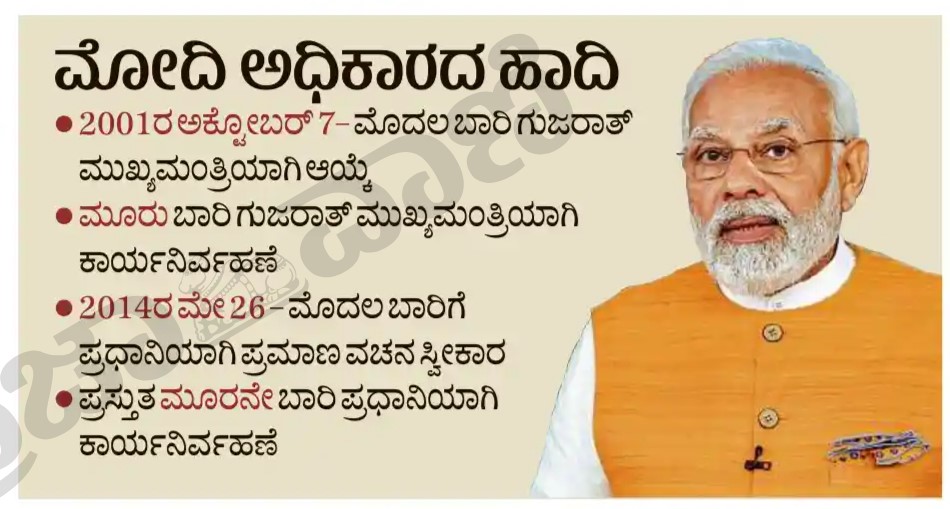
Modi sets new record with 8,931 days in public office

Context: Prime Minister Narendra Modi became the longest-serving head of a government in India, serving 8,931 days in office, first as the Chief Minister of Gujarat and now as the Prime Minister. He has surpassed former Sikkim Chief Minister Pawan Chamling’s record of 8,930 days in office.

Longest-Serving Heads of Government (CM and/or PM)

RankNameTotal Days in OfficeState / UT Represented
1Narendra Modi8,931+Gujarat (as CM) & India (as PM)
2Pawan Kumar Chamling8,930Sikkim
3Naveen Patnaik8,800+Odisha
4Jyoti Basu8,539West Bengal
5Gegong Apang8,156Arunachal Pradesh
6Lal Thanhawla7,746Mizoram
7Virbhadra Singh7,642Himachal Pradesh
8Manik Sarkar7,300Tripura
9M. Karunanidhi6,863Tamil Nadu
10Parkash Singh Badal6,835Punjab

Longest-Serving Chief Ministers of Karnataka

RankNameTotal Days in OfficeTenure Highlights
1D. Devaraj Urs2,907Known for land reforms and social justice; served two terms (1972-77 and 1978-80).
2S. Nijalingappa2,739The first CM of Unified Karnataka; served three separate terms (1956-58, 1962-67, 1967-68).
3Ramakrishna Hegde2,036The first non-Congress CM; served three terms between 1983 and 1988.
4Siddaramaiah2,000+Served a full 5-year term (2013-18) and is currently serving his second term (2023–Present).
5B. S. Yediyurappa1,911Served four separate terms; holds the record for most swearings-in as CM in Karnataka.
6S. M. Krishna1,659Credited with the “IT/BT Boom” in Bengaluru (1999-2004).

Paper-II: Current Events of State Importance and Important Government Schemes and Programs

Main Examination

Paper-I: Essays

Essay – 1: Topic of International/National Importance

“India’s relationship with West Asia is one of its most strategically vital foreign policy priorities, shaped by energy dependence, diaspora ties, trade, and evolving geopolitical challenges. Discuss how India balances economic cooperation with Gulf states, cultural and historical links with Iran and Iraq, and sensitive diplomacy with Israel and Palestine.”

Essay-2: Topic of State importance/Local Importance

“Mahadayi Water Dispute: Balancing Karnataka’s Development Needs with Ecological and Inter-State Concerns”

Paper-II: General Studies 1

Paper-III: General Studies 2

Details sought on inquiry, prosecution wings of the Lokpal

  • A parliamentary committee has sought details of what is being done to fully operationalise the inquiry and prosecution wings of the Lokpal, over a decade after a law governing it was enacted.
  • The law governing the anti-corruption ombudsman — The Lokpal and Lokayuktas Act 2013 — came into force on January 1, 2014. However, it began functioning only on March 27, 2019, following the appointment of its chairperson and members.
  • To discharge its statutory functions, Section 11 of the Act obligates the Lokpal to constitute an inquiry wing to be led by a director of inquiry for conducting a preliminary inquiry into corruption-related offences.
  • The Lokpal Act also has a provision for the constitution of a prosecution wing headed by the ‘director of prosecution’ for the prosecution of public servants.

Process ongoing

  • In its latest report, the Department-related Parliamentary Standing Committee on Personnel, Public Grievances, Law and Justice noted that the appointment of the director of inquiry and staffing of the inquiry wing in accordance with the approved organogram is still in process.
  • The committee, therefore, desires to be apprised of the present status of appointment of the director and the steps taken to operationalise the inquiry wing in its full statutory form, while ensuring coordination with existing investigative agencies, it said.
  • The panel, in its 160th report, said the prosecution wing of the Lokpal had been formally constituted through an order dated June 6, 2025.
  • The committee noted that, at present, matters relating to prosecution are being handled through the Central Bureau of Investigation (CBI), which has its own prosecution mechanism.

Paper-IV: General Studies 3

India’s dual dependence on West Asia for urea production
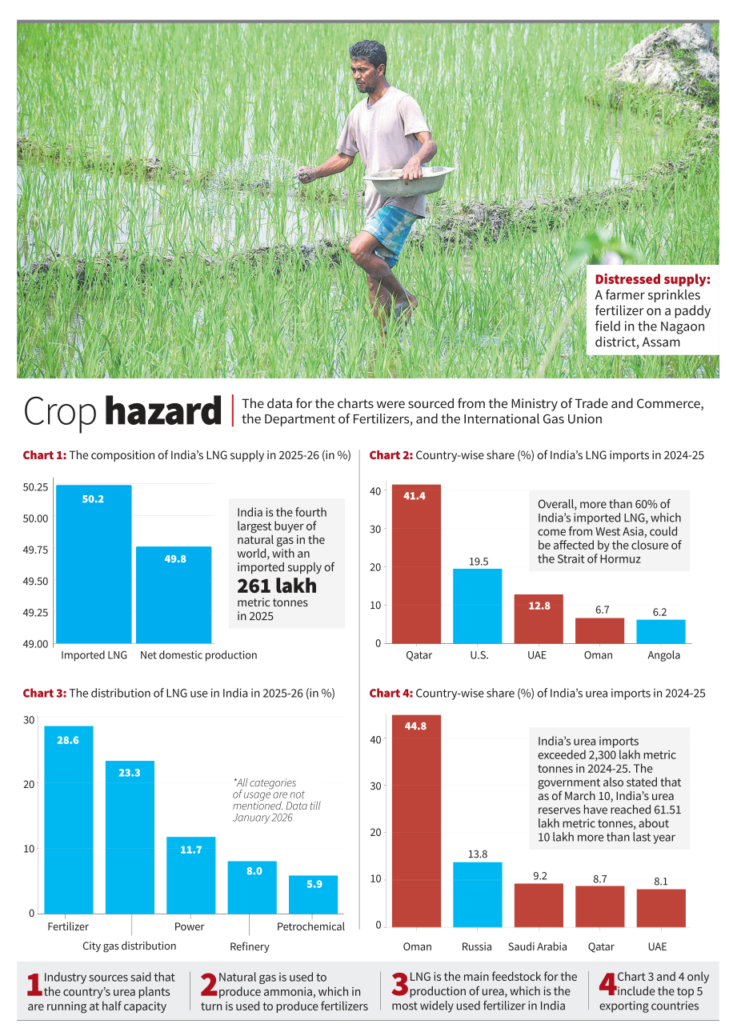
Context: Data indicate that the West Asian conflict threatens both domestic urea production and the stability of its global supply chain

  • The ongoing conflict in West Asia has disrupted global trade, leading to LPG shortages and a surge in crude oil prices. Data show that the crisis could also affect India’s supply of Liquefied Natural Gas (LNG), putting at risk the production of urea, a key fertilizer in the country’s majorly agrarian economy.
  • The conflict has already started to impact India’s urea supply. As of Sunday, industry sources told PTI that the country’s urea plants are running at half capacity, with Petronet LNG Ltd, which operates India’s largest liquefied natural gas receiving terminal, declaring force majeure amid disruptions to cargoes. The move triggered supply curtailments by state-owned gas distributors GAIL (India) Ltd, Indian Oil Corporation Ltd and Bharat Petroleum Corporation Ltd.
  • India is heavily dependent on imports for its LNG supply, exposing many of its sectors to global shocks such as the U.S.-Israel attacks on Iran. Data show that in 2025, India bought more than 50% of its natural gas from the international market (Chart 1). In fact, India is the fourth largest buyer of natural gas in the world, with an imported supply of 261 lakh metric tonnes in 2025.
  • A majority of these imports — more than 40% of it — are tied to long-term contracts with suppliers in Qatar (Chart 2). This supply may be in jeopardy as Qatar’s LNG cargoes pass through the Strait of Hormuz, which has now become a central chokepoint in the Iran-Israel conflict. The UAE and Oman also ship LNG along this route, and both countries contribute to India’s imported LNG supply. Overall, more than 60% of India’s imported LNG could be affected by the closure of the Strait.
  • In India, natural gas is primarily used to produce ammonia, which in turn is used to produce fertilizers. In FY26, about 30% of India’s LNG supply was used for the production of fertilizers (Chart 3). Demand also comes from industry and gas-fired power and city gas networks which supply to households and vehicles.
  • LNG is the main feedstock for the production of urea, which is the most widely used fertilizer in India. Many urea plants use naphtha or fuel oil — both derived from crude oil – as their main input. However, as urea production is a highly energy-intensive process, these plants have switched to natural gas, which produces fewer emissions.
  • National urea consumption hit 387 lakh metric tonnes in 2025, following a decade of steady growth. While domestic production has also been increasing (India produced about 306 lakh metric tonnes of urea in 2025), it does not cover the country’s demand. Due to this, India also relies on imports of urea.
  • Data indicate that the West Asian conflict threatens both domestic urea production and the stability of its supply chain. In 2025, India’s urea imports exceeded 2,300 lakh metric tonnes, with a staggering 71% of these imports coming from West Asia (Chart 4). This total comprises 45% from Oman and a combined 26% from Saudi Arabia, Qatar, and the UAE, all of which rely on the Strait of Hormuz for transit.
  • Amidst this scenario, the Government of India issued the Natural Gas (Supply Regulation) Order, 2026, officially including the fertilizer sector in its priority list.
  • The government also stated that as of March 10, India’s urea reserves have reached 61.51 lakh metric tonnes, about 10 lakh more than last year, ahead of the Kharif sowing season. However, only time can tell if India’s import dependence for both domestic production and global supply trade will weather the ongoing geopolitical instability.

Rice, wheat procurement is ‘consistently’ low: panel

Context: Standing Committee led by DMK MP asks Food Ministry to strengthen its procurement planning and coordination with States to minimise the gap between estimated and actual procurement

  • Expressing concern that actual procurement of rice and wheat has consistently remained below estimates in recent years and below targets in States such as Bihar, Gujarat, Punjab, and Uttar Pradesh, the Parliamentary Standing Committee on Consumer Affairs, Food, and Public Distribution, headed by DMK MP Kanimozhi, has asked the Union Food Ministry to strengthen its procurement planning and coordination with States to minimise the gap between estimated and actual procurement of both the food grains.
  • In a report on the Demands for Grants of the Department of Food and Public Distribution, the panel noted that since 2022-23, the procurement of wheat and rice had been less than 30% of the total production.
  • “Moreover, actual procurement of wheat has been 76.71%, 71.35% and 87.29% of the estimate for the years 2023-24, 2024-25 and 2025-26 respectively. Similarly, the actual procurement of rice has been less than target since 2022-23,” the report revealed.
  • During the kharif marketing season of 2024-25, the procurement of rice from Andhra Pradesh, Karnataka, and Punjab was 25.60 lakh tonnes, 0.003 lakh tonnes, and 116.13 lakh tonnes against the target of 35 lakh tonnes, 5.29 lakh tonnes, and 124 lakh tonnes, respectively, the panel said.
  • Similarly, during the rabi marketing season of 2025-26, the procurement of wheat was less than the target in the States of Bihar, Gujarat, Punjab, and Uttar Pradesh, it added.

Multiple factors at play

  • The government told the panel that any fluctuation in estimated production and actual production resulted in variation in procurement. “Procurement depends on multiple factors like production, market surplus, minimum support price (MSP), prevailing market rates, demand-supply situation, and participation of private traders, etc., the government informed.
  • Noting these factors, the panel asked the government to strengthen its procurement planning and coordination with the States to minimise the gap between estimated and actual procurement of wheat and rice.
  • “While noting the Department’s submission that procurement levels are influenced by multiple factors, the Committee is concerned that actual procurement has consistently remained below estimates in recent years and below targets in several States,” the report said.
  • The panel asked the Union government to review the methodology used for estimating procurement requirements, enhance real-time monitoring of production and market arrivals, and work closely with State governments — particularly in States where procurement has significantly fallen short of targets — to ensure that procurement operations are more realistic, responsive and effective. It asked the government to apprise it of the corrective measures taken on the suggestions.

Paper-V: General Studies 4

Source: The Hindu

ಕೆಎಎಸ್ ಪ್ರಚಲಿತ ವಿದ್ಯಮಾನಗಳು

ಪೂರ್ವಭಾವಿ ಪರೀಕ್ಷೆ

ಪತ್ರಿಕೆ-I: ರಾಷ್ಟ್ರೀಯ ಮತ್ತು ಅಂತರರಾಷ್ಟ್ರೀಯ ಮಹತ್ವದ ಪ್ರಚಲಿತ ವಿದ್ಯಮಾನಗಳು

ದಾಖಲೆ ಬರೆದ ಪ್ರಧಾನಿ ಮೋದಿ
ಸಂದರ್ಭ:
ಮುಖ್ಯಮಂತ್ರಿ ಮತ್ತು ಪ್ರಧಾನಿಯಾಗಿ 8931 ದಿನಗಳನ್ನು ಪೂರೈಸುವ ಮೂಲಕ ಪ್ರಧಾನಿ ನರೇಂದ್ರ ಮೋದಿ ಅವರು ಸಾರ್ವಜನಿಕ ಜೀವನದಲ್ಲಿ ದಾಖಲೆ ಬರೆದಿದ್ದಾರೆ.

  • ಪವನ್ ಕುಮಾರ್ ಚಾಮ್ಮಿಂಗ್ ಅವರು ಸಿಕ್ಕಿಂ ಮುಖ್ಯಮಂತ್ರಿಯಾಗಿ 8930 ದಿನ ಪೂರೈಸುವ ಮೂಲಕ ದೇಶದಲ್ಲಿಯೇ ದೀರ್ಘಾವಧಿಗೆ ಸರ್ಕಾರದ ಮುಖ್ಯಸ್ಥರಾಗಿದ್ದ ಖ್ಯಾತಿ ಹೊಂದಿದ್ದರು. ಇದೀಗ ಮೋದಿ ಅವರು ಚಾಮಿಂಗ್ ದಾಖಲೆಯನ್ನು ಮುರಿದಿದ್ದಾರೆ.

ಭಾರತದ ಸುದೀರ್ಘ ಅವಧಿಯ ಸರ್ಕಾರದ ಮುಖ್ಯಸ್ಥರು (CM ಮತ್ತು PM)

ಶ್ರೇಣಿನಾಯಕರ ಹೆಸರುಒಟ್ಟು ದಿನಗಳುರಾಜ್ಯ / ಕೇಂದ್ರಾಡಳಿತ ಪ್ರದೇಶ
1ನರೇಂದ್ರ ಮೋದಿ8,931+ಗುಜರಾತ್ (ಸಿಎಂ ಆಗಿ) ಮತ್ತು ಭಾರತ (ಪಿಎಂ ಆಗಿ)
2ಪವನ್ ಕುಮಾರ್ ಚಾಮ್ಲಿಂಗ್8,930ಸಿಕ್ಕಿಂ
3ನವೀನ್ ಪಟ್ನಾಯಕ್8,800+ಒಡಿಶಾ
4ಜ್ಯೋತಿ ಬಸು8,539ಪಶ್ಚಿಮ ಬಂಗಾಳ
5ಗೆಗಾಂಗ್ ಅಪಾಂಗ್8,156ಅರುಣಾಚಲ ಪ್ರದೇಶ
6ಲಾಲ್ ತನ್ಹಾವ್ಲಾ7,746ಮಿಜೋರಾಂ
7ವೀರಭದ್ರ ಸಿಂಗ್7,642ಹಿಮಾಚಲ ಪ್ರದೇಶ
8ಮಾಣಿಕ್ ಸರ್ಕಾರ್7,300ತ್ರಿಪುರಾ
9ಎಂ. ಕರುಣಾನಿಧಿ6,863ತಮಿಳುನಾಡು
10ಪ್ರಕಾಶ್ ಸಿಂಗ್ ಬಾದಲ್6,835ಪಂಜಾಬ್

ಕರ್ನಾಟಕದ ಸುದೀರ್ಘ ಅವಧಿಯ ಮುಖ್ಯಮಂತ್ರಿಗಳು

ಶ್ರೇಣಿಹೆಸರುಅಧಿಕಾರದಲ್ಲಿದ್ದ ಒಟ್ಟು ದಿನಗಳುಆಡಳಿತದ ಮುಖ್ಯಾಂಶಗಳು
1ಡಿ. ದೇವರಾಜ್ ಅರಸು2,907ಭೂ ಸುಧಾರಣೆ ಮತ್ತು ಸಾಮಾಜಿಕ ನ್ಯಾಯದ ಹರಿಕಾರ; ಎರಡು ಅವಧಿಗೆ ಸೇವೆ (1972-77 ಮತ್ತು 1978-80).
2ಎಸ್. ನಿಜಲಿಂಗಪ್ಪ2,739ಏಕೀಕೃತ ಕರ್ನಾಟಕದ ಮೊದಲ ಮುಖ್ಯಮಂತ್ರಿ; ಮೂರು ಪ್ರತ್ಯೇಕ ಅವಧಿಗಳಲ್ಲಿ ಸೇವೆ (1956-58, 1962-67, 1967-68).
3ಸಿದ್ದರಾಮಯ್ಯ2,870+ (ಮುಂದುವರಿಯುತ್ತಿದೆ)ಪೂರ್ಣ 5 ವರ್ಷಗಳ ಅವಧಿ (2013-18) ಪೂರೈಸಿದವರು ಮತ್ತು ಪ್ರಸ್ತುತ ಎರಡನೇ ಅವಧಿಗೆ (2023–ಪ್ರಸ್ತುತ) ಸೇವೆ ಸಲ್ಲಿಸುತ್ತಿದ್ದಾರೆ.
4ರಾಮಕೃಷ್ಣ ಹೆಗಡೆ2,036ಕರ್ನಾಟಕದ ಮೊದಲ ಕಾಂಗ್ರೆಸ್ಸೇತರ ಮುಖ್ಯಮಂತ್ರಿ; 1983 ಮತ್ತು 1988 ರ ನಡುವೆ ಮೂರು ಅವಧಿಗಳಲ್ಲಿ ಸೇವೆ.
5ಬಿ. ಎಸ್. ಯಡಿಯೂರಪ್ಪ1,911ನಾಲ್ಕು ಪ್ರತ್ಯೇಕ ಅವಧಿಗಳಲ್ಲಿ ಸೇವೆ; ಕರ್ನಾಟಕದಲ್ಲಿ ಅತಿ ಹೆಚ್ಚು ಬಾರಿ (4 ಬಾರಿ) ಸಿಎಂ ಆಗಿ ಪ್ರಮಾಣ ವಚನ ಸ್ವೀಕರಿಸಿದ ದಾಖಲೆ.
6ಎಸ್. ಎಂ. ಕೃಷ್ಣ1,659ಬೆಂಗಳೂರಿನ “ಐಟಿ/ಬಿಟಿ (IT/BT) ಕ್ರಾಂತಿ”ಯ ರೂವಾರಿ ಎಂದು ಪರಿಗಣಿಸಲಾಗುತ್ತದೆ (1999-2004).

ವಿಶ್ವ ಒಳಾಂಗಣ ಅಥ್ಲೆಟಿಕ್ಸ್‌ನಲ್ಲಿ ಸತತ ನಾಲ್ಕನೇ ಚಿನ್ನ: ಪೋಲ್‌ವಾಲ್ಟ್: ಡುಪ್ಲಾಂಟಿಸ್ ದಾಖಲೆ
ಸಂದರ್ಭ:
ಟೊರುನ್ (ಪೋಲೆಂಡ್) ಪೋಲ್ ವಾಲ್ಸ್ ತಾರೆ ಅರ್ಮಾಂಡ್ ಡುಪ್ಯಾಂಟಿಸ್ ಅವರು ವಿಶ್ವ ಒಳಾಂಗಣ ಅಥ್ಲೆಟಿಕ್ಸ್‌ನಲ್ಲಿ ಕೂಟ ದಾಖಲೆಯೊಂದಿಗೆ ಚಿನ್ನದ ಪದಕ ಗೆದ್ದರು.

  • ಸ್ವೀಡನ್‌ ಡುಪ್ಲಾಂಟಿಸ್ 6.25 ಮೀಟರ್ ಎತ್ತರ ಜಿಗಿದರು ವರ್ಷದ ಹಿಂದೆ ನಾನ್‌ಜಿಂಗ್‌ನಲ್ಲಿ ತೋರಿದ ಸಾಧನೆಗಿಂತ 10 ಸೆಂಟಿಮೀಟರ್ ಎತ್ತರ ಜಿಗಿದು, ತನ್ನದೇ ದಾಖಲೆಯನ್ನು ಉತ್ತಮ ಪಡಿಸಿಕೊಂಡರು. ಈ ಮೂಲಕ ವಿಶ್ವ ಒಳಾಂಗಣ ಕೂಟದಲ್ಲಿ ಸತತ ನಾಲ್ಕನೇ ಬಾರಿ ಪ್ರಶಸ್ತಿ ಮುಡಿಗೇರಿಸಿಕೊಂಡರು.
  • 26 ವರ್ಷದ ಡುಪ್ಲಾಂಟಿಸ್ ಕ್ರಮವಾಗಿ 6.10, 6.15 ಮತ್ತು 6.25 ಮೀಟರ್ ಎತ್ತರವನ್ನು ಯಶಸ್ವಿಯಾಗಿ ದಾಟಿದರು. ಗ್ರೀಸ್‌ನ ಇಮ್ಯಾನುವಲ್ ಕರಾಲಿಸ್ ಅವರು 6.15 ಮೀಟರ್ ಜಿಗಿದು ಸತತ ಎರಡನೇ ಬಾರಿ ಬೆಳ್ಳಿ ತಮ್ಮದಾಗಿಸಿಕೊಂಡರು.
  • ಡುಪ್ಪಾಂಟಿನ್ ಮಾರ್ಚ್ 12ರಂದುಮೊಂಡೊ ಕ್ಲಾಸಿಕ್ ಕೂಟದಲ್ಲಿ 6.31 ಮೀ. ಸಾಧನೆಯೊಂದಿಗೆ ವಿಶ್ವದಾಖಲೆ ನಿರ್ಮಿಸಿದ್ದರು ಅದನ್ನು ಮುರಿಯುವ ಪ್ರಯತ್ನ (6.32 ಮೀ.) ಇಲ್ಲಿ ನಡೆಸಿದರು. ಆದರೆ, ಅದು ಸಾಧ್ಯವಾಲಿಲ್ಲ.
  • ಆಸ್ಟ್ರೇಲಿಯಾದ ಕುರ್ಟಿಸ್ ಮಾರ್ಷಲ್ ವೈಯಕ್ತಿಕ ಅತ್ಯುತ್ತಮ 6 ಮೀಟರ್ ಸಾಧನೆಯೊಂದಿಗೆ ಮೂರನೇ ಸ್ನಾನ ಪಡೆದರು. ಕೂಟದ ಇತಿಹಾಸದಲ್ಲಿ ಮೊದಲ ಬಾರಿಗೆ ಮೂರು ಸ್ಪರ್ಧಿಗಳು ಆರು ಮೀಟರ್ ಗಡಿ ದಾಟಿದರು.
  • ಸ್ವಿಟ್ಸರ್ಲೆಂಡ್‌ನ ಸೈಮನ್ ಹ್ಯಾಮರ್ ವಿಶ್ವದಾಖಲೆಯ ಅಂಕ (6,670) ಗಳಿಸಿ ಹೆಪ್ಪಾಥಾನ್ ಪ್ರಶಸ್ತಿ ಗೆದ್ದರು. 2012ರಲ್ಲಿ ಅಮೆರಿಕದ ಆತ್ಮನ್ ಈಟನ್ (6645) ನಿರ್ಮಿಸಿದ ದಾಖಲೆಯನ್ನು ಸೈಮನ್ ಮುರಿದರು.


ಪತ್ರಿಕೆ-II: ರಾಜ್ಯದ ಪ್ರಾಮುಖ್ಯತೆಯ ಪ್ರಸ್ತುತ ಘಟನೆಗಳು ಮತ್ತು ರಾಜ್ಯ ಸರ್ಕಾರದ ಪ್ರಮುಖ ಯೋಜನೆಗಳು
‘ತೇಜಸ್ವಿನಿಗೆ ‘ಅಕ್ಕ ಪ್ರಶಸ್ತಿ’

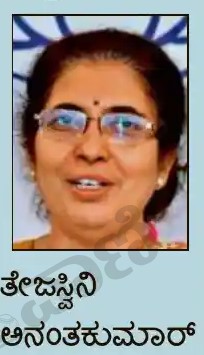
ಸಂದರ್ಭ: ಮಹಾಲಿಂಗಪುರ (ಬಾಗಲಕೋಟಿ ಜಿಲ್ಲೆ) ಸಮೀಪದ ಚಿಮ್ಮಡ ಗ್ರಾಮದ ವಿರಕ್ತಮಠದಿಂದ ಅಕ್ಕ ಮಹಾದೇವಿ ಜಯಂತಿ ಅಂಗವಾಗಿ ಪ್ರತಿ ವರ್ಷ ನೀಡುವ ರಾಜ್ಯಮಟ್ಟದ ‘ಅಕ್ಕ ಪ್ರಶಸ್ತಿ’ಗೆ ಕೇಂದ್ರದ ಮಾಜಿ ಸಚಿವ ದಿ.ಅನಂತಕುಮಾರ್ ಅವರ ಪತ್ನಿ ತೇಜಸ್ವಿನಿ ಅನಂತಕುಮಾರ್ ಭಾಜನರಾಗಿದ್ದಾರೆ.

  • ತೇಜಸ್ವಿನಿ ಅನಂತಕುಮಾರ್ ಅವರ ಸಾಮಾಜಿಕ ಸೇವೆ ಪರಿಗಣಿಸಿ ಈ ಪ್ರಶಸ್ತಿಗೆ ಆಯ್ಕೆ ಮಾಡಲಾಗಿದೆ. ಏ.2ರಂದು ಶ್ರೀಮಠದಲ್ಲಿ ನಡೆಯುವ ಕಾರ್ಯಕ್ರಮದಲ್ಲಿ ಪ್ರಶಸ್ತಿ ಪ್ರದಾನ ಮಾಡಲಾಗುವುದು ಎಂದು ವಿರಕ್ತಮಠದ ಪ್ರಭು ಸ್ವಾಮೀಜಿ ತಿಳಿಸಿದ್ದಾರೆ.

ಮುಖ್ಯ ಪರೀಕ್ಷೆ

ಪತ್ರಿಕೆ-I: ಪ್ರಬಂಧಗಳು

ಪ್ರಬಂಧ-1: ರಾಷ್ಟ್ರೀಯ ಮತ್ತು ಅಂತರರಾಷ್ಟ್ರೀಯ ಮಹತ್ವದ ವಿಷಯ

“ಭಾರತದ ವಿದೇಶಾಂಗ ನೀತಿಯಲ್ಲಿ ಪಶ್ಚಿಮ ಏಷ್ಯಾದೊಂದಿಗಿನ ಸಂಬಂಧವು ಅತ್ಯಂತ ಕಾರ್ಯತಂತ್ರದ ಆದ್ಯತೆಗಳಲ್ಲಿ ಒಂದಾಗಿದೆ. ಇದು ಇಂಧನ ಅವಲಂಬನೆ, ಅನಿವಾಸಿ ಭಾರತೀಯರ ಸಂಬಂಧಗಳು, ವ್ಯಾಪಾರ ಮತ್ತು ಬದಲಾಗುತ್ತಿರುವ ಭೌಗೋಳಿಕ ರಾಜಕೀಯ ಸವಾಲುಗಳಿಂದ ರೂಪಿತವಾಗಿದೆ. ಗಲ್ಫ್ ರಾಷ್ಟ್ರಗಳೊಂದಿಗಿನ ಆರ್ಥಿಕ ಸಹಕಾರ, ಇರಾನ್ ಮತ್ತು ಇರಾಕ್‌ನೊಂದಿಗಿನ ಸಾಂಸ್ಕೃತಿಕ ಹಾಗೂ ಐತಿಹಾಸಿಕ ಸಂಬಂಧಗಳು ಮತ್ತು ಇಸ್ರೇಲ್ ಹಾಗೂ ಪ್ಯಾಲೆಸ್ಟೈನ್ ನಡುವಿನ ಸೂಕ್ಷ್ಮ ರಾಜತಾಂತ್ರಿಕತೆಯನ್ನು ಭಾರತವು ಹೇಗೆ ಸಮತೋಲನಗೊಳಿಸುತ್ತದೆ ಎಂಬುದನ್ನು ಚರ್ಚಿಸಿ.”

ಪ್ರಬಂಧ-2: ರಾಜ್ಯ ಮಹತ್ವ/ ಸ್ಥಳೀಯ ಮಹತ್ವ ವಿಷಯ

“ಮಹದಾಯಿ ಜಲ ವಿವಾದ: ಕರ್ನಾಟಕದ ಅಭಿವೃದ್ಧಿ ಅಗತ್ಯಗಳನ್ನು ಪರಿಸರ ಮತ್ತು ಅಂತರರಾಜ್ಯ ಕಾಳಜಿಗಳೊಂದಿಗೆ ಸಮತೋಲನಗೊಳಿಸುವುದು”

ಪತ್ರಿಕೆ-II: ಸಾಮಾನ್ಯ ಅಧ್ಯಯನ-1

ಪತ್ರಿಕೆ-III: ಸಾಮಾನ್ಯ ಅಧ್ಯಯನ-2

ನಿಷೇಧ: ಆರು ವರ್ಷ ಹಲವು ಕಾಯ್ದೆ
ಮೌಡ್ಯ

  • ರಾಜ್ಯದಲ್ಲಿರುವ ಅಮಾನವೀಯ ಆಚರಣೆಗಳು, ಮಾಟ-ಮಂತ್ರ ಮತ್ತು ವಾಮಾಚಾರ ಇನ್ನಿತರ ಮೌಡ್ಯದ ಆಚರಣೆಗಳನ್ನು ತಡೆಗಟ್ಟುವ ಉದ್ದೇಶದಿಂದ ‘ಮೌಡ್ಯ ನಿಷೇಧ ಕಾಯ್ದೆ-2020 (ಮೌಡ್ಯ ನಿರ್ಬಂಧ ಮತ್ತು ನಿರ್ಮೂಲನಾ ಕಾಯ್ದೆ) ಅನ್ನು ರಾಜ್ಯ ಸರ್ಕಾರ ಜಾರಿಗೆ ತಂದಿದೆ. ಇದರ ಪ್ರಕಾರ, ಮಡೆಸ್ನಾನ, ಬೆತ್ತಲೆ ಮೆರವಣಿಗೆ ಮತ್ತು ದೈಹಿಕ ಹಿಂಸೆ ನೀಡುವ ಮೂಢನಂಬಿಕೆಗಳನ್ನು ಪಾಲಿಸುವುದು ಶಿಕ್ಷಾರ್ಹ ಅಪರಾಧ. ಸಮಾಜದಲ್ಲಿ ಶೋಷಣೆಗೆ ಕಾರಣವಾಗುವ ಅನಿಷ್ಟ ಆಚರಣೆಗಳನ್ನು ಮಾತ್ರ ಕಾಯ್ದೆ ನಿಷೇಧಿಸುತ್ತದೆ.
  • ದೇವಸ್ಥಾನ, ಮಸೀದಿ, ಚರ್ಚ್ ಇತ್ಯಾದಿಗಳಲ್ಲಿ ನಡೆಯುವ ಸಾಂಪ್ರದಾಯಿಕ ಪೂಜೆಗಳು ಮತ್ತು ಧಾರ್ಮಿಕ ಆಚರಣೆಗಳಿಗೆ ಯಾವುದೇ ಅಡ್ಡಿ ಇಲ್ಲ. ಆದರೆ ದೈಹಿಕ ಹಿಂಸೆ ಇರಬಾರದು. ಸಮಾಜದಲ್ಲಿ ಆಜ್ಞಾನದಿಂದ ನಡೆಯುವ ಶೋಷಣೆಯನ್ನು ತಡೆಯುವುದು ಮತ್ತು ವೈಜ್ಞಾನಿಕ ಮನೋಭಾವವನ್ನು ಮೂಡಿಸುವುದು; ದುರ್ಬಲ ವರ್ಗದವರನ್ನು ಮಹಿಳೆಯರನ್ನು ಮತ್ತು ಹಿಂದುಳಿದವರನ್ನು ಮೌಢಾಚರಣೆಗಳ ಹೆಸರಿನಲ್ಲಿ ನಡೆಯುವ ಶೋಷಣೆಯಿಂದ ರಕ್ಷಿಸುವ ಗುರಿಯನ್ನು ಹೊಂದಿದೆ.
  • 2017ರಲ್ಲಿ ಕಾಂಗ್ರೆಸ್ ಸರ್ಕಾರ ಈ ಮಸೂದೆಯನ್ನು ರೂಪಿಸಿತ್ತು. ಕಾಯ್ದೆ ಜಾರಿಗೆ ಅಧಿಸೂಚನೆಯನ್ನೂ ಹೊರಡಿಸಿತ್ತು ನಂತರ ತಾಂತ್ರಿಕ ಕಾರಣಕ್ಕಾಗಿ ವಾಪಸ್ ಪಡೆಯಲಾಗಿತ್ತು ನಂತರ ಅಧಿಕಾರಕ್ಕೆ ಬಂದ ಬಿಜೆಪಿ ನೇತೃತ್ವದ ಸರ್ಕಾರ 2020ರ ಜನವರಿಯಲ್ಲಿ ಈ ಕಾಯ್ದೆ ಜಾರಿಗೊಳಿಸಿ ಅಧಿಸೂಚನೆ ಹೊರಡಿಸಿತು.

ಮತಾಂತರ

  • ಹಿಂದಿನ ಬಿಜೆಪಿ ನೇತೃತ್ವದ ಸರ್ಕಾರದಲ್ಲಿ ಜಾರಿಗೆ ತಂದಿರುವ ಪ್ರಮುಖ ಕಾನೂನುಗಳ ಪೈಕಿ ಪ್ರಮುಖವಾದುದು ಕರ್ನಾಟಕ ಧಾರ್ಮಿಕ ಸ್ವಾತಂತ್ರ್ಯ ಹಕ್ಕು ಸಂರಕ್ಷಣಾ (ಮತಾಂತರ ನಿಷೇಧ) ಕಾಯ್ದೆ.
  • 2021ರ ಡಿಸೆಂಬರ್‌ನಲ್ಲಿ ಬೆಳಗಾವಿಯ ಸುವರ್ಣ ವಿಧಾನಸೌಧದಲ್ಲಿ ನಡೆದ ವಿಧಾನಮಂಡಲ ಅಧಿವೇಶನದಲ್ಲಿ ಕರ್ನಾಟಕ ಧಾರ್ಮಿಕ ಸ್ವಾತಂತ್ರ್ಯ ಹಕ್ಕು ಸಂರಕ್ಷಣಾ (ಮತಾಂತರ ನಿಷೇಧ) ಮಸೂದೆಯನ್ನು ಮಂಡಿಸಲಾಗಿತ್ತು. ವಿಧಾನಸಭೆಯ ಅಂಗೀಕಾರವೂ ದೊರಕಿತ್ತು. ಆದರೆ, ವಿಧಾನ ಪರಿಷತ್‌ನಲ್ಲಿ ಸದಸ್ಯಬಲದ ಕೊರತೆಯಿಂದ ಮಸೂದೆ ಮಂಡಿಸಿರಲಿಲ್ಲ. ಸುಗ್ರೀವಾಜ್ಞೆ ಮೂಲಕ ಮಸೂದೆಯನ್ನು ಜಾರಿಗೊಳಿಸಲಾಗಿತ್ತು.
  • ತಿಂಗಳುಗಳ ಬಳಿಕ ಮೇಲ್ಮನೆಯಲ್ಲಿ ಮತ್ತೆ ಅಂಗೀಕಾರ ಪಡೆಯಲಾಗಿತ್ತು. ರಾಜ್ಯಪಾಲ ಥಾವರಚಂದ್ ಗೆಹಲೋತ್ ಅವರು 2022ರ ಸೆಪ್ಟೆಂಬರ್‌ನಲ್ಲಿ ಅಂಕಿತ ಹಾಕಿದ್ದರು.
  • ಈ ಕಾಯ್ದೆಗೆ ಕ್ರೈಸ್ತರು ಸೇರಿದಂತೆ ಹಲವು ಸಮುದಾಯಗಳಿಂದ ವಿರೋಧ ವ್ಯಕ್ತವಾಗಿತ್ತು. ಇದು ಸಂವಿಧಾನ ನೀಡುವ ಧಾರ್ಮಿಕ ಸ್ವಾತಂತ್ರ್ಯದ ಹಕ್ಕನ್ನು ಕಸಿದುಕೊಳ್ಳುತ್ತದೆ ಎಂಬ ಆರೋಪವೂ ಕೇಳಿಬಂದಿತ್ತು.
  • ‘ಕರ್ನಾಟಕವೂ ಸೇರಿದಂತೆ ಕೆಲವು ರಾಜ್ಯಗಳಲ್ಲಿ ಜಾರಿಗೆ ತಂದಿದ್ದ ಈ ಕಾಯ್ದೆಯು ದೇಶದ ವಿವಿಧ ಭಾಗಗಳಲ್ಲಿ ಕ್ರೈಸ್ತರ ಮೇಲೆ ದಾಳಿ ಮಾಡುವಂತೆ ಪ್ರೇರೇಪಿಸಿತ್ತು’ ಎಂದು ಕರ್ನಾಟಕ ಪ್ರಾಂತ್ಯ ಕ್ಯಾಥೋಲಿಕ್ ಧರ್ಮಾಧ್ಯಕ್ಷರ ಮಂಡಳಿ, ಅಖಿಲ ಕರ್ನಾಟಕ ಕ್ರೈಸ್ತ ಮಾನವ ಹಕ್ಕುಗಳ ಒಕ್ಕೂಟ ವೇದಿಕೆ ಆರೋಪಿಸಿದವು.
  • 2023ರ ಚುನಾವಣೆಗೂ ಮುನ್ನ, ತಾನು ಅಧಿಕಾರಕ್ಕೆ ಬಂದರೆ ಈ ಕಾಯ್ದೆಯನ್ನು ರದ್ದುಪಡಿಸುವುದಾಗಿ ಕಾಂಗ್ರೆಸ್ ಹೇಳಿತ್ತು. ಆದರೆ, ಈವರೆಗೂ ಸರ್ಕಾರ ಕಾಯ್ದೆ ರದ್ದುಗೊಳಿಸಿಲ್ಲ. ಕಾಯ್ದೆ ದುರುಪಯೋಗಪಡಿಸಿಕೊಂಡು ಕ್ರೈಸ್ತರ ಮೇಲೆ ಎಫ್‌ಐಆರ್ ದಾಖಲಿಸಲಾಗುತ್ತಿದೆ ಎಂದು ಕ್ರೈಸ್ತ ಸಂಘಟನೆಗಳು ಆರೋಪಿಸುತ್ತಿವೆ.

ಜಾನುವಾರು ಹತ್ಯೆ

  • ರಾಜ್ಯದಲ್ಲಿ ಜಾನುವಾರುಗಳ ಹತ್ಯೆಯನ್ನು ತಡೆಯುವ ಉದ್ದೇಶದಿಂದ 2020ರಲ್ಲಿ ಹಿಂದಿನ ಬಿಜೆಪಿ ಸರ್ಕಾರ, ಕರ್ನಾಟಕ ಜಾನುವಾರು ಹತ್ಯೆ ಪ್ರತಿಬಂಧಕ ಹಾಗೂ ಸಂರಕ್ಷಣಾ ಕಾಯ್ದೆಯನ್ನು ಜಾರಿಗೆ ತಂದಿತು ಗೋಹತ್ಯೆ ನಿಷೇಧ ಕಾಯ್ದೆ ಎಂದೂ ಇದು ಪ್ರಚಲಿತದಲ್ಲಿದೆ ಜಾನುವಾರಗಳ ಕಳ್ಳಸಾಗಣೆ, ಅವುಗಳ ಹತ್ಯೆಯನ್ನು ತಪ್ಪಿಸುವುದರ ಜೊತೆಗೆ ಅವುಗಳ ಸಂರಕ್ಷಣೆಗೂ ಒತ್ತು ಕೊಡುವ ಅಂಶಗಳು ಕಾಯ್ದೆಯಲ್ಲಿವೆ ಜಾನುವಾರುಗಳ ಸಾಗಣೆಗೆ ಕಠಿಣ ನಿಯಮಗಳನ್ನೂ ಈ ಕಾಯ್ದೆಯಡಿ ರೂಪಿಸಲಾಗಿದೆ ರೈತರು ಅವರ ಜಾನುವಾರುಗಳನ್ನು ಸಾಗಿಸುವುದಕ್ಕೂ ಇದರ ನಿಯಮಗಳು ಅನ್ವಯವಾಗುತ್ತವೆ ರೈತರ ಹಿತದೃಷ್ಟಿಯಿಂದ ಹಾಗೂ ಗೋವುಗಳ ಆರೋಗ್ಯ ಮತ್ತು ಮಾಂಸಕ್ಕಾಗಿ ಅವುಗಳ ಹತ್ಯೆಯನ್ನು ತಡೆಯುವ ಉದ್ದೇಶದಿಂದ ಕಾಯ್ದೆ ರೂಪಿಸಲಾಗಿದೆ ಎಂದು ಹಿಂದಿನ ಸರ್ಕಾರ ಹೇಳಿಕೊಂಡಿತ್ತು.
  • ರಾಜ್ಯದಲ್ಲಿ ಪರ ವಿರೋಧ ಚರ್ಚೆಯನ್ನು ಹುಟ್ಟುಹಾಕಿದ್ದ ಈ ಕಾನೂನನ್ನು ಪರಿಣಾ ಮಕಾರಿಯಾಗಿ ಜಾರಿಗೊಳಿಸಲು ಮತ್ತು ಜಾನುವಾರುಗಳ ಮೇಲೆ ನಡೆಯುವ ಕ್ರೌರ್ಯ ಮತ್ತು ಹಿಂಸೆ ತಡೆಗಟ್ಟಲು ಕರ್ನಾಟಕ ಪ್ರಾಣಿ ಕಲ್ಯಾಣ ಮಂಡಳಿ ಸ್ಥಾಪಿಸಲಾಗಿತ್ತು.
  • ವಿರೋಧ ಪಕ್ಷದಲ್ಲಿದ್ದಾಗ ಕಾಯ್ದೆಯನ್ನು ತೀವ್ರವಾಗಿ ವಿರೋಧಿಸಿದ್ದ ಕಾಂಗ್ರೆಸ್, ಅಧಿಕಾರಕ್ಕೆ ಬಂದ ನಂತರ ಈ ಕಾಯ್ದೆಗೆ ತಿದ್ದುಪಡಿ ತರಲು ತೀರ್ಮಾನಿಸಿತ್ತು 2025ರ ಡಿಸೆಂಬ‌ರ್ನಲ್ಲಿ ಸಚಿವ ಸಂಪುಟ ಸಭೆ ಕೂಡ ತಿದ್ದುಪಡಿ ಮಸೂದೆ ಮಂಡನೆಗೆ ಒಪ್ಪಿಗೆ ಸೂಚಿಸಿತ್ತು ಬಿಜೆಪಿ, ವಿಎಚ್‌ಪಿ, ಬಜರಂಗದಳ ಸೇರಿದಂತೆ ಹಿಂದೂಪರ ಸಂಘಟನೆಗಳು ತಿದ್ದುಪಡಿ ಮಾಡುವುದಕ್ಕೆ ವಿರೋಧ ವ್ಯಕ್ತಪಡಿಸಿದ್ದವು ಚಳಿಗಾಲದ ಅಧಿವೇಶನದಲ್ಲಿ ತಿದ್ದುಪಡಿ ಮಸೂದೆಯನ್ನು ಮಂಡಿಸುವ ಬಗ್ಗೆಯೂ ಚರ್ಚೆಯಾಗಿತ್ತು ಆದರೆ, ಸರ್ಕಾರ ಮಸೂದೆ ಮಂಡಿಸಿಲ್ಲ. ಕಾಯ್ದೆಯನ್ನು ರದ್ದುಪಡಿಸುವ ಪ್ರಸ್ತಾವ ಸರ್ಕಾರದ ಮುಂದೆ ಇಲ್ಲ ಎಂದು ಪಶುಸಂಗೋಪನಾ ಸಚಿವ ಕೆ.ವೆಂಕಟೇಶ್ ಇತ್ತೀಚೆಗೆ ಹೇಳಿದ್ದಾರೆ.

ಸಾಮಾಜಿಕ ಬಹಿಷ್ಕಾರ

  • ರಾಜ್ಯದ ವಿವಿಧ ಕಡೆಗಳಲ್ಲಿ ಚಾಲ್ತಿಯಲ್ಲಿರುವ ಸಾಮಾಜಿಕ ಬಹಿಷ್ಕಾರ ಎಂಬ ಅನಿಷ್ಟ ಪದ್ಧತಿಯನ್ನು ಸಂಪೂರ್ಣ ನಿಷೇಧಿಸುವುದಕ್ಕಾಗಿ ‘ಕರ್ನಾಟಕ ಸಾಮಾಜಿಕ ಬಹಿಷ್ಕಾರ (ಪ್ರತಿಬಂಧಕ, ನಿಷೇಧ ಮತ್ತು ಪರಿಹಾರ) ಕಾಯ್ದೆ-2025 ಅನ್ನು ರಾಜ್ಯ ಸರ್ಕಾರ ಈ ವರ್ಷದ ಜನವರಿಯಲ್ಲಿ ಜಾರಿಗೆ ತಂದಿದೆ. ಈ ಕಾಯ್ದೆಯು ಸಾಮಾಜಿಕ ಬಹಿಷ್ಕಾರವನ್ನು ಅಪರಾಧ ಎಂದು ಪರಿಗಣಿಸುತ್ತದೆ. ಯಾವುದೇ ವ್ಯಕ್ತಿ, ಕುಟುಂಬ ಅಥವಾ ಕುಟುಂಬದ ಸದಸ್ಯರನ್ನು ಸಾಮಾಜಿಕವಾಗಿ ಬಹಿಷ್ಕರಿಸಿದರೆ ಮೂರು ವರ್ಷದವರೆಗೆ ಜೈಲು ಶಿಕ್ಷೆ ಮತ್ತು ₹1 ಲಕ್ಷ ದಂಡ ವಿಧಿಸುವುದಕ್ಕೆ ಈ ಕಾನೂನು ಅವಕಾಶ ನೀಡುತ್ತದೆ.
  • ಬಹಿಷ್ಕರಿಸುವ ತೀರ್ಮಾನ ತೆಗೆದುಕೊಳ್ಳುವುದು, ಈ ಉದ್ದೇಶದಿಂದ ಸಭೆ, ವಂಚಾಯಿತಿ ಜಮಾವಣೆ, ಅಭಿಪ್ರಾಯ ಸಂಗ್ರಹಿಸುವುದು, ಬಹಿಷ್ಕಾರಕ್ಕೆ ಪ್ರತ್ಯಕ್ಷ ಪರೋಕ್ಷ ಸಹಾಯ, ಒತ್ತಡ, ಪ್ರಚೋದನೆ ನೀಡುವವರನ್ನೂ ಅಪರಾಧಿಗಳೆಂದು ಪರಿಗಣಿಸಿ ಜೈಲು ಅಥವಾ ದಂಡ ಅಥವಾ ಎರಡನ್ನೂ ವಿಧಿಸಲೂ ಈ ಕಾಯ್ಕೆಯಲ್ಲಿ ಅವಕಾಶ ಕಲ್ಪಿಸಲಾಗಿದೆ.
  • ಈ ಕಾಯ್ಕೆಯ ಅನ್ಯಾಯ ಬಹಿಷ್ಕಾರಕ್ಕೆ ಒಳಗಾದವರು ಪೊಲೀಸರಿಗೆ ಅಥವಾ ನ್ಯಾಯಾಧೀಶರಿಗೆ ದೂರು ನೀಡಬಹುದು ಪ್ರಥಮ ದರ್ಜೆ ನ್ಯಾಯಾಧೀಶರಿಗೆ ವಿಚಾರಣೆಯ ಅಧಿಕಾರ ನೀಡಲಾಗಿದೆ. ನೇರವಾಗಿ ಸಲ್ಲಿಕೆಯಾದ ದೂರಿನ ತನಿಖೆ ನಡೆಸುವಂತೆ ನ್ಯಾಯಾಧೀಶರು ಆದೇಶ ನೀಡಬಹುದು ಸಂತ್ರಸ್ತರಿಗೆ ಸಹಾಯ ಒದಗಿಸಲು ಮತ್ತು ದಂಡದ ಮೊತ್ತವನ್ನು ಪರಿಹಾರವಾಗಿ ನೀಡಲು ನಿರ್ದೇಶನ ನೀಡಬಹುದು. ಸಾಮಾಜಿಕ ಬಹಿಷ್ಕಾರದಂತಹ ನಿರ್ಧಾರ ತೆಗೆದುಕೊಳ್ಳಲು ನಡೆಸುವ ಸಭೆಗಳ ಕುರಿತು ಮಾಹಿತಿ ಬಂದರೆ ಆಯಾ ಜಿಲ್ಲೆಗಳ ಜಿಲ್ಲಾಧಿಕಾರಿಗಳು ನಿಷೇಧಿಸಿ ಆದೇಶಿಸಬಹುದು ಮರ್ಯಾದೆಗೇಡು ಹತ್ಯೆ
  • ಬೇರೆ ಜಾತಿಯವರನ್ನು ಪ್ರೀತಿಸಿ ಮದುವೆಯಾದವರನ್ನು ಮರ್ಯಾದೆ ಹೆಸರಿನಲ್ಲಿ ಹಲ್ಲೆ ಹತ್ಯೆ ಮಾಡುವ ಹಾಗೂ ಬಹಿಷ್ಕರಿಸುವವರನ್ನು ಕಠಿಣ ಶಿಕ್ಷೆಗೆ ಗುರಿಪಡಿಸುವ ಉದ್ದೇಶದ ಇವ ನಮ್ಮವ ಇವ ನಮ್ಮವ ಮಸೂದೆಯನ್ನು ರಾಜ್ಯ ಸರ್ಕಾರ ವಿಧಾನಸಭೆಯಲ್ಲಿ ಮಂಡಿಸಿದೆ.
  • ರಾಜ್ಯದ ವಿವಿಧ ಜಿಲ್ಲೆಗಳಲ್ಲಿ ಮರ್ಯಾದೆಗೇಡು ಹತ್ಯೆ ಹೆಸರಿನಲ್ಲಿ ನಡೆದ ಕೊಲೆ, ದೌರ್ಜನ್ಯಗಳ ತಡೆಗೆ ಕಠಿಣ ಕಾನೂನು ತರಬೇಕೆಂದು ನಾಗರಿಕರು, ವಿವಿಧ ಸಂಸ್ಥೆಗಳು ಸರ್ಕಾರದ ಮೇಲೆ ಒತ್ತಡ ಹೇರಿದ್ದವು.
  • ಕಾಯ್ದೆ ರೂಪಿಸುವುದಾಗಿ ಮುಖ್ಯಮಂತ್ರಿ ಸಿದ್ದರಾಮಯ್ಯ ನೀಡಿದ್ದ ಭರವಸೆಯಂತೆ ‘ಕರ್ನಾಟಕ ವಿವಾಹದಲ್ಲಿ ಆಯ್ಕೆಯ ಸ್ವಾತಂತ್ರ್ಯ ಹಾಗೂ ಮರ್ಯಾದೆ ಮತ್ತು ಸಂಪ್ರದಾಯದ ಹೆಸರಿನಲ್ಲಿ ಅಪರಾಧಗಳ ಪ್ರತಿಬಂಧಕ ಮತ್ತು ನಿಷೇಧ (ಇವ ನಮ್ಮವ ಇವ ನಮ್ಮವ) ಮಸೂದೆ-2026 ಸಿದ್ಧಪಡಿಸಲಾಗಿದ್ದು, ಈಚೆಗೆ ಸಂಪುಟ ಸಭೆಯಲ್ಲಿ ಅನುಮೋದನೆ ಪಡೆಯಲಾಗಿದೆ.
  • ಅಂತರ್ಜಾತಿ ವಿವಾಹಗಳನ್ನು ಮಾನ್ಯ ಮಾಡುವುದು, ಅಂತಹ ಮದುವೆಯಾದವರಿಗೆ ತಾರತಮ್ಯ ಮಾಡುವುದರ ವಿರುದ್ಧ ರಕ್ಷಣೆ ಒದಗಿಸುವುದು, ಮರ್ಯಾದೆ ಅಥವಾ ಸಂಪ್ರದಾಯದ ಹೆಸರಿನಲ್ಲಿ ದೌರ್ಜನ್ಯ ಎಸಗುವ, ಹತ್ಯೆ ಮಾಡುವ ಕೃತ್ಯಗಳನ್ನು ತಡೆಯುವುದು, ಮೇಲ್ವಿಚಾರಣಾ ಸಮಿತಿಗಳನ್ನು ರಚಿಸುವುದು, ಪ್ರತಿ ಜಿಲ್ಲೆಯಲ್ಲೂ ‘ಇವ ನಮ್ಮವ’ ವೇದಿಕೆಗಳನ್ನು ರಚಿಸುವುದು, ವಿಶೇಷ ತ್ವರಿತ ನ್ಯಾಯಾಲಯಗಳನ್ನು ಸ್ಥಾಪಿಸುವುದು, ಅಪರಾಧಿಗಳಿಗೆ ಐದು ವರ್ಷಗಳಿಗೆ ಕಡಿಮೆ ಇಲ್ಲದಂತಹ ಕಠಿಣ ಶಿಕ್ಷೆ ವಿಧಿಸಲು ಮಸೂದೆಯಲ್ಲಿ ಅವಕಾಶ ಮಾಡಿಕೊಡಲಾಗಿದೆ.

ದ್ವೇಷ ಭಾಷಣ ನಿಷೇಧ

  • ರಾಜ್ಯದಲ್ಲಿ ದ್ವೇಷ ಭಾಷಣ ಹಾಗೂ ದ್ವೇಷಾಪರಾಧಗಳನ್ನು ತಡೆಯಲು ‘ಕರ್ನಾಟಕ ದ್ವೇಷ ಭಾಷಣ ಮತ್ತು ದ್ವೇಷ ಅಪರಾಧಗಳ (ಪ್ರತಿಬಂಧಕ) ಮಸೂದೆ -2025’ ಅನ್ನು ಕಾಂಗ್ರೆಸ್ ನೇತೃತ್ವದ ಸರ್ಕಾರ ರೂಪಿಸಿತ್ತು. ಎರಡೂ ಸದನಗಳಲ್ಲಿ ಅಂಗೀಕಾರವಾಗಿತ್ತು. ಅಂಕಿತಕ್ಕಾಗಿ ರಾಜ್ಯಪಾಲರಿಗೆ ಕಳುಹಿಸಲಾಗಿತ್ತು.
  • ಆದರೆ, ಹೈಕೋರ್ಟ್‌ಗಳು ಮತ್ತು ಸುಪ್ರೀಂ ಕೋರ್ಟ್ ನೀಡಿದ್ದ ಕೆಲವು ತೀರ್ಪುಗಳನ್ನು ಉಲ್ಲೇಖಿಸಿ ಮತ್ತು ಸಾಂವಿಧಾನಿಕವಾಗಿ ಸಂರಕ್ಷಿತವಾದ ಪ್ರಜಾಪ್ರಭುತ್ವದ ಮೇಲೆ ತೀವು ನಕಾರಾತ್ಮಕ ಪರಿಣಾಮ ಉಂಟುಮಾಡುವ ಸಾಧ್ಯತೆಯ ಆತಂಕ ವ್ಯಕ್ತಪಡಿಸಿ ಈ ಮಸೂದೆಯನ್ನು ರಾಜ್ಯಪಾಲರು ಸರ್ಕಾರಕ್ಕೆ ವಾಪಸ್ ಕಳುಹಿಸಿದ್ದರು.
  • ‘ದ್ವೇಷ ಅಪರಾಧಗಳನ್ನು ಸಹಿಸುವುದಿಲ್ಲ’ ಎಂದು 2018ರ ಜುಲೈ 17ರಂದು ಹಾಗೂ ಕೋಮು ದ್ವೇಷ ಹರಡುವ ಅಥವಾ ದ್ವೇಷ ಭಾಷಣದಲ್ಲಿ ತೊಡಗಿಸಿಕೊಳ್ಳುವ ಯಾವುದೇ ಪ್ರಯತ್ನವನ್ನು ಸಹಿಸುವುದಿಲ್ಲ’ ಎಂದು 2025ರ ಮೇ 5ರಂದು ಸುಪ್ರೀಂ ಕೋರ್ಟ್ ಪ್ರತ್ಯೇಕ ತೀರ್ಪುಗಳಲ್ಲಿ ಅಭಿಪ್ರಾಯ ವ್ಯಕ್ತಪಡಿಸಿತ್ತು ಈ ತೀರ್ಪುಗಳನ್ನು ಪರಿಗಣಿಸಿ ಮಸೂದೆಯನ್ನು ರೂಪಿಸಲಾಗಿದೆ. ಹೀಗಾಗಿ, ಅಂಕಿತ ಹಾಕುವಂತೆ ರಾಷ್ಟ್ರಪತಿಗೆ ಮನವಿ ಮಾಡಲಾಗಿದೆ ಎಂದು ಕಾನೂನು ಮತ್ತು ಸಂಸದೀಯ ವ್ಯವಹಾರಗಳ ಸಚಿವಾಲಯ ಹೇಳಿದೆ.
  • ಈ ಮಸೂದೆಯನ್ನು ಬಿಜೆಪಿ ನಾಯಕರು, ಆರ್‌ಎಸ್ಎಸ್. ಹಿಂದುತ್ವವಾದಿ ಸಂಘಟನೆಗಳ ಮುಖಂಡರು ತೀವ್ರವಾಗಿ ಖಂಡಿಸಿದ್ದರು. ವಿರೋಧದ ನಡುವೆಯೂ ಎರಡೂ ಸದನಗಳಲ್ಲಿ ಮಸೂದೆ ಅಂಗೀಕಾರವಾಗುವಂತೆ ಸರ್ಕಾರ ನೋಡಿಕೊಂಡಿತ್ತು.

ರಾಜ್ಯಗಳು, ಕೇಂದ್ರಾಡಳಿತ ಪ್ರದೇಶಗಳಿಗೆ ಸುಪ್ರೀಂ ಕೋರ್ಟ್ ನಿರ್ದೇಶನ: ‘ಜೈಲುಗಳಲ್ಲಿ ದಟ್ಟಣೆ: ಮಾಹಿತಿ ಸಲ್ಲಿಸಲು ಸೂಚನೆ
ಸಂದರ್ಭ: ಕಾರಾಗೃಹ ಗಳಲ್ಲಿನ ದಟ್ಟಣೆ ನಿವಾರಣೆಗೆ ತೆಗೆದುಕೊಂಡಿರುವ ಕ್ರಮಗಳು ಹಾಗೂ ಪ್ರತಿಯೊಂದು ಕಾರಾಗೃಹದಲ್ಲಿನ ಅನುಮೋದಿತ ಸಾಮರ್ಥ್ಯಕ್ಕೆ ಸಂಬಂಧಿಸಿದ ಪರಿಷ್ಕೃತ ವಿವರಗಳನ್ನು ಸಲ್ಲಿಸುವಂತೆ ರಾಜ್ಯಗಳಿಗೆ ಮತ್ತು ಕೇಂದ್ರಾಡಳಿತ ಪ್ರದೇಶಗಳಿಗೆ ಸುಪ್ರೀಂ ಕೋರ್ಟ್ ಸೂಚನೆ ನೀಡಿದೆ.
ಜತೆಗೆ ವರದಿ ಸಲ್ಲಿಕೆಗೆ ಮೇ18ರ ವರೆಗೆ ಗಡುವು ನೀಡಿದೆ.

  • ಕಾರಾಗೃಹಗಳಲ್ಲಿನ ಅಮಾನವೀಯ ಸ್ಥಿತಿಗತಿಗೆ ಸಂಬಂಧಿಸಿದಂತೆ ಸ್ವಯಂಪ್ರೇರಿತ ಪ್ರಕರಣವನ್ನು ಸುಪ್ರೀಂ ಕೋರ್ಟ್ ದಾಖಲಿಸಿಕೊಂಡಿದ್ದು, ನ್ಯಾಯಮೂರ್ತಿ ವಿಕ್ರಮ್ ನಾಥ್ ಹಾಗೂ ನ್ಯಾಯಮೂರ್ತಿ ಸಂದೀಪ್ ಮೆಹ್ರಾ ಅವರಿದ್ದ ಪೀಠವು ಈ ಪ್ರಕರಣದ ವಿಚಾರಣೆ ನಡೆಸಿದೆ.
  • ಕಾರಾಗೃಹ ಸ್ಥಿತಿಗತಿ ಕುರಿತು ರಾಜ್ಯಗಳು ಹಾಗೂ ಕೇಂದ್ರಾಡಳಿತ ಪ್ರದೇಶಗಳು ಸಲ್ಲಿಸಿರುವ ಅಂಕಿ-ಅಂಶದ ವರದಿಗಳು 2023ಕ್ಕೆ ಸಂಬಂಧಿಸಿದ್ದು ಎಂದು ಅಮಿಕಸ್ ಕ್ಯೂರಿ ಆಗಿರುವ ಹಿರಿಯ ವಕೀಲ ಗೌರವ್ ಅಗರ್ವಾಲ್ ಅವರು ನ್ಯಾಯಪೀಠದ ಗಮನಕ್ಕೆ ತಂದಿದ್ದಾರೆ.
  • ಹೀಗಾಗಿ, 2026ರ ಮಾರ್ಚ್1ರವರೆಗಿನ ದಾಖಲಾತಿಗೆ ಅನುಗುಣವಾಗಿ ವಿವರಗಳನ್ನು ಸಲ್ಲಿಸಲು ನ್ಯಾಯಪೀಠ ನಿರ್ದೇಶಿಸಿದೆ ಜತೆಗೆ ರಾಜ್ಯಗಳು ಮತ್ತು ಕೇಂದ್ರಾಡಳಿತ ಪ್ರದೇಶಗಳಲ್ಲಿರುವ ಒಟ್ಟು ಮಹಿಳಾ ಕಾರಾಗೃಹಗಳ ಸಂಖ್ಯೆ ಎಷ್ಟು? ಅಲ್ಲಿ ಏನೆಲ್ಲಾ ಸೌಲಭ್ಯಗಳಿದೆ ? ಮಹಿಳಾ ಕೈದಿಗಳ ಜತೆಗಿರುವ ಮಕ್ಕಳ ವಿದ್ಯಾಭ್ಯಾಸ ಹಾಗೂ ಕಲ್ಯಾಣಕ್ಕೆ ಸಂಬಂಧಿಸಿದಂತೆ ಏನೆಲ್ಲಾ ಕ್ರಮಗಳನ್ನು ಕೈಗೊಳ್ಳಲಾಗಿದೆ ಎಂಬ ವಿವರಗಳನ್ನು ಸಲ್ಲಿಸುವಂತೆಯೂ ಪೀಠ ಸೂಚಿಸಿದೆ.

ಪತ್ರಿಕೆ-IV: ಸಾಮಾನ್ಯ ಅಧ್ಯಯನ-3

ಪತ್ರಿಕೆ-V: ಸಾಮಾನ್ಯ ಅಧ್ಯಯನ-4

Sources: Prajavani

Daily Current Affairs Quiz

Welcome to your Daily Current Affairs Quiz


KAS Current Affairs

Preliminary Examination

Paper-I: Current Events of National and International Importance

KIA named best regional airport in India and South Asia for third year
Context: The Kempegowda International Airport (KIA) has been recognised as the Best Regional Airport in India and South Asia for the third consecutive year at the Skytrax World Airport Awards 2026.

  • The airport has advanced in the global airport rankings in 2026, moving up from 48 to 41.
  • The Skytrax World Airport Awards, widely regarded as a global benchmark for airport excellence, recognise airports that deliver outstanding customer experience across key touchpoints, including check-in, arrivals, transfers, retail, security, immigration and departures.
  • “This recognition builds on KIA’s consistent performance across both experience and scale. The airport has received global recognition recently, including being named Best Airport in Arrivals Globally for the fourth time.
  • While Terminal 2 became the first in India to receive a 5-star Skytrax rating, the airport has achieved the highest Level 5 Accreditation under ACI’s Airport Carbon,” the Bangalore International Airport Ltd. (BIAL).
  • KIA served 43.82 million passengers and handled 520,985 tonnes of cargo in Calendar Year 2025.

Paper-II: Current Events of State Importance and Important Government Schemes and Programs

Main Examination

Paper-I: Essays

Essay – 1: Topic of International/National Importance

“Global climate change is no longer just a subject of debate on international platforms; today, it has arrived at the doorstep of the common farmer’s field. Discuss the impacts of climate change on Karnataka’s agricultural sector and the sustainable measures needed to address them.”

Essay-2: Topic of State importance/Local Importance

“The Development Mantra of New Karnataka and Environmental Protection of the Western Ghats: The conflict between Power, Water, and Tourism projects and the necessity of a Sustainable Balance.”

Paper-II: General Studies 1

RBI injects ₹25,101 cr. in banking system via 3-day VRR auction
Context: The Reserve Bank of India (RBI) injected ₹25,101 crore transient liquidity in the banking system through a three-day variable rate repo (VRR) auction.

  • The RBI injected the funds at cut-off and weighted average rates of 5.26%, the central bank.
  • The liquidity injected was much lower than the notified amount of ₹75,000 crore, despite a sharp drop in surplus liquidity in the banking system due to advance tax payments. On March 17, the RBI injected ₹48,014 crore liquidity into the banking system via VRR.

A Variable Rate Repo (VRR) auction is a monetary tool used by the Reserve Bank of India (RBI) to manage liquidity (the amount of cash available) within the banking system.
When there is a shortage of funds in the market, the RBI conducts these auctions to inject liquidity for a short period.

Core Features of VRR Auctions

FeatureDescription
ObjectiveTo inject liquidity into the banking system when it faces a deficit.
Interest RateIt is not fixed. Banks bid for funds, and the rate is determined by the market demand during the auction.
TenureTypically 14 days, but can range from 1 to 28 days depending on the requirement.
CollateralBanks must provide Government Securities (G-Secs) to the RBI as collateral to receive funds.

How the Auction Works
Announcement: When the RBI observes a cash crunch (e.g., due to tax outflows), it announces an auction for a specific amount (e.g., ₹75,000 crore).
Bidding: Commercial banks submit bids stating the amount they need and the interest rate they are willing to pay (usually higher than the fixed Repo rate).
Allotment: The RBI accepts bids starting from the highest interest rate offered until the notified amount is exhausted. This is known as a “Multiple Price Auction.”

Why are VRR Auctions Necessary?
Tax Payments: When corporations pay Advance Tax or GST, large sums of money move from bank accounts to the Government’s account, creating a temporary shortage in the banking system.
Festive Season: During major festivals, public demand for physical cash increases, leading to a dip in bank liquidity.
Government Spending Lapses: If the government collects taxes but delays its own spending, money gets “locked” in the government account instead of circulating in the economy.

VRR vs. Fixed Rate Repo
Fixed Rate Repo: The interest rate is pre-decided by the RBI (currently 6.50%). It is usually available to banks daily up to a certain limit.
VRR: The rate is market-driven. If the demand for money is very high, the VRR auction rate will be significantly higher than the standard Repo rate.

Paper-III: General Studies 2

CAPF Bill gives priority to IPS officers; govt. says new law will curb litigation
Context: The Central Armed Police Forces (General Administration) Bill, 2026, which is likely to be tabled in the Rajya Sabha next week, states that in all Central Armed Police Forces (CAPFs) posts, 50% of the total posts in the rank of Inspector General, at least 67% posts in the rank of Additional Director General and all posts in the rank of Special Director General and Director General shall be filled by Indian Police Service (IPS) officers on deputation.

  • Till now, such postings were done based on executive orders, and the Bill will codify the provisions. The Bill seeks to negate a May 23, 2025 Supreme Court judgment which had asked the Ministry of Home Affairs (MHA) to “progressively reduce” IPS deputation in CAPFs up to the rank of I-Gs.
  • Retired CAPF officials have opposed the Bill stating that the government is discriminating against cadre officers who won the case after 10 years of litigation. Due to absence of senior-level posts, it takes an officer who joins as an Assistant Commandant in the CAPFs, at least 15-18 years for her/his first promotion. The officers have argued that despite leading operations from the front, they face career stagnation.
  • The Bill, circulated among Rajya Sabha members, said the CAPFs perform functions of national security in close coordination with State authorities and, in the interest of maintaining Centre-State relationship, IPS officers are necessary for effective functioning of these forces.
  • The statement of objects and reasons by Home Minister Amit Shah said that, in recent years, due to the absence of an umbrella law, regulatory provisions have evolved in a fragmented manner resulting in several litigations on service-related matters. It added that the Bill was being brought to “avoid unnecessary litigations.”

CJI shifts petitions against CEC selection law to another Bench
Context: The Chief Justice of India (CJI) Surya Kant expressed his reluctance to continue hearing a series of petitions challenging a law that replaced the CJI with a Union Minister in the selection panel for the appointments of the Chief Election Commissioner (CEC) and Election Commissioners (ECs).

  • Chief Justice Kant said that as the petitions challenging the Chief Election Commissioner and other Election Commissioners (Appointment, Conditions of Service, and Term of Office) Act of 2023 relate to the office of the CJI, he would not like a Supreme Court Bench headed by him to hear the case as that would expose his office to criticism of conflict of interest. Advocate Prashant Bhushan, appearing for one of the petitioners, the Association for Democratic Reforms, suggested the case be shifted to a Bench which does not have a prospective CJI either as the lead or associate judge.
  • Acknowledging Mr. Bhushan’s recommendation, the Chief Justice said, “I should mark this matter to a Bench where the judge may not be in line to become the CJI. Then nobody can say anything.” The Bench listed the case on April 7 before an appropriate Bench.

The main contention

  • The petitioners argued that the 2023 law was introduced to dilute a Constitution Bench ruling delivered in March 2023 in Anoop Baranwal vs Union of India, which had included the CJI as a member of the high-powered selection committee involved in the appointments of the CEC and the ECs.
  • The bone of contention is the validity of Section 7(1) of the statute. The provision mandated that the President would appoint the CECs and ECs on the recommendation of a selection committee comprising the Prime Minister, the Leader of Opposition in the Lok Sabha and a Union Cabinet Minister to be nominated by the Prime Minister. The statute, in short, gave the government an upper hand in appointments to the Election Commission of India.

Paper-IV: General Studies 3

Renewable Energy Ministry demands sweeping powers
Context: Ministry says it should be recognised as ‘Central Government’ in matters pertaining to renewables under Electricity Act; Power Ministry currently exercises primary authority over Act’s provisions.

  • The New and Renewable Energy Ministry has made a case before a parliamentary committee for a significant expansion of its administrative authority over India’s renewable energy sector, arguing that it should be recognised as the “Central Government” in all matters pertaining to renewables under the Electricity Act, 2003.
  • The demand, part of a detailed reply furnished to the committee in February but made public this month, in response to “stakeholder requests” for a standalone Renewable Energy Act, effectively seeks to redraw the institutional boundaries between the Renewable Energy Ministry and the Power Ministry, which currently exercises primary authority over the Electricity Act’s provisions, including those governing grid-connected renewable energy.
  • As of January 31, 2026 — the Renewable Energy Ministry cited in a submission — India has installed 271.96 GW of capacity from non-fossil fuel sources, a little over half the country’s total installed generation capacity of 520.50 GW. Of this, 263.18 GW is from renewable energy. However, the actual electricity generated from non-fossil sources is about 25%.
  • While the Ministry conceded that a separate Act was unnecessary as electricity from renewable sources is already integrated into the grid and governed under the existing framework, it laid out a sweeping list of empowerments it believes are needed to bring “institutional clarity and effective administration” to the sector.
  • The Ministry wants the power to design electricity markets for renewable energy, prepare and notify bidding guidelines for renewable energy projects, frame tariff determination principles for the Central Electricity Regulatory Commission (CERC), and guide the CERC on matters related to renewables.
  • It has also sought oversight of the planning and monitoring of Renewable Purchase Obligations, the mechanism that compels distribution companies and large consumers to procure a minimum share of their electricity from clean sources. Several States are laggards in these aspects.
  • The Renewable Energy Ministry has further asked that the Central Electricity Authority (CEA) coordinate with it while framing regulations related to renewable energy, and that the National Committee on Transmission work under the Ministry’s guidance — a significant institutional claim, given that transmission planning has traditionally been the turf of the Power Ministry and the CEA.

Karnataka’s total installed power generation capacity

Energy mix

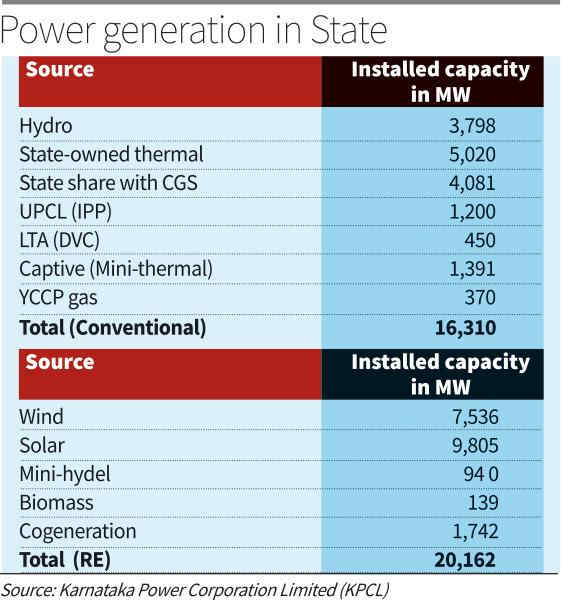
  • Karnataka currently has a total installed power generation capacity of about 36,472 megawatts (MW), with renewable energy accounting for a larger share than conventional sources. Of the total, around 20,162 MW comes from renewable sources, while 16,310 MW is generated from thermal, hydro, and gas-based plants.
  • Among conventional sources, State-owned thermal power plants contribute 5,020 MW, while Karnataka receives 4,081 MW as its share from Central Generating Stations. Hydropower accounts for another 3,798 MW. Additional sources include 1,200 MW from Udupi Power Corporation Limited, 1,391 MW from captive mini-thermal plants, 450 MW from the Damodar Valley Corporation, and 370 MW from the Yelahanka Combined Cycle Power Plant.
  • Renewables form the largest portion of the State’s installed capacity, with solar alone contributing about 9,805 MW, followed by wind at 7,536 MW. Other sources include 1,742 MW from co-generation, 940 MW from mini hydel projects, and 139 MW from biomass. Together, these account for more than half of Karnataka’s installed electricity capacity.
  • However, despite the rapid expansion of renewable energy in the State, this shift has not translated into viable alternatives for small eateries and commercial kitchens, which continue to rely almost entirely on LPG — a dependence now exposed by the ongoing supply disruption. Most households too continue to depend on LPG.

Practical barriers

  • Even in situations where alternatives are considered, operational constraints remain,Other alternatives such as piped natural gas (PNG) and biomass also face constraints. PNG infrastructure remains limited to certain areas, leaving many eateries without access, while installation requires time and upfront investment. Biomass-based fuels, on the other hand, require additional space, ventilation and handling due to smoke and residue, conditions that are difficult to manage in dense urban kitchens.
  • Waste-to-energy solutions face a more fundamental challenge; the lack of consistent waste segregation at source. Mixed waste, in practice, significantly reduces the efficiency of such systems.
  • Despite policy push and infrastructure in place, poor segregation by households and commercial establishments continues to limit the viability of waste-to-energy at an individual or decentralised level.

Beyond fuel availability

  • While alternatives exist, their adoption needs more policy support.
  • “If you look purely at the cost of use, electric cooking can turn out to be one of the cheapest option today. Electricity-based cooking is cheaper than both PNG and non-subsidised LPG, and is comparable to subsidised LPG for many consumers. PNG can be around 14% more expensive than electricity-based cooking, and non-subsidised LPG up to 37% more for a family of four in Delhi.”
  • However, operating costs alone does not drive adoption. “The real challenge lies in the upfront cost of procurement and awareness. LPG continues to dominate because most users already have the connection, equipment, and utensils. Even for a new connection, the initial cost is relatively low compared to other options,”.

Rooftop solar

  • This gap between potential and adoption is also visible in rooftop solar uptake across Bengaluru. According to data from the Energy Ddepartment, 14,944 buildings under the Bangalore Electricity Supply Company Limited have installed rooftop solar systems, including 215 government buildings, together generating about 352.35 MW of electricity.
  • Within Bengaluru Urban and Rural districts alone, there are 5,370 such installations, with 4,984 in urban areas.
  • Alternatives such as PNG and induction cooking come with higher entry barriers. “For PNG, the upfront cost of getting a connection, including deposits, is significantly higher, and more importantly, it is only available in areas where pipeline infrastructure exists. That geographic limitation itself becomes a constraint.”
  • Induction cooking, she added, faces both cost and design challenges. “The cost of buying induction cooktops and compatible utensils is higher, and the design itself can be a barrier. In India, even the most basic cooking setup typically involves at least two burners. Most induction systems are single-cooktop units, and upgrading to multiple units increases costs further. That becomes a constraint, especially for households or commercial kitchens used to cooking multiple dishes simultaneously.”

The way forward

  • “In a country like India, no single fuel can replace another entirely,” she added. “The focus should be on optimising different energy sources based on context, which requires long-term planning, not just short-term responses during crises.”

Paper-V: General Studies 4

Public Service and Administrative Responsibility

1. The Scenario
You are the Chief Executive Officer (CEO) of a Zilla Panchayat. Summer has begun, and several villages under your jurisdiction are facing a severe drinking water crisis. Months ago, the government had issued an order to “repair and keep all Reverse Osmosis (RO) water plants ready.” However, due to the negligence of your subordinate officers, more than 70 plants remain non-functional. People are struggling for drinking water, and critical reports against the government are appearing in the media.

    Challenges:
    Pressure from Above: There is immense pressure from senior officials and Ministers to take immediate action.
    Procedural Delays: Utilizing funds reserved for repairs involves technical and bureaucratic processes that take time.
    Exploitation: Private tanker mafias are exploiting the situation by overcharging desperate villagers.

    2. Ethical Dilemmas
    Dereliction of Duty vs. Accountability: Even if subordinates failed to perform, the ultimate accountability rests with you. Should you focus on punishing them first or getting the work done?
    Transparency vs. Emergency: Bypassing tender processes during an emergency might lead to “corruption” allegations later. However, following every rule strictly will delay water reaching the people.
    Public Interest vs. Administrative Delay: What is more important—saving lives or following office filing procedures?

    3. Options Available
    Option 1: Following rules strictly (Status Quo).
    Consequence: You remain procedurally safe, but water supply is delayed, increasing public anger. This is termed “Bureaucratic Apathy.”

      Option 2: Immediate suspension of negligent officers.
      Consequence: While it looks like a strict disciplinary move, it doesn’t solve the immediate water crisis and might lead to a shortage of staff to execute repairs.

      Option 3: Working in ‘Mission Mode’ and creating alternative arrangements.
      Consequence: This is the most ethical path. Responding to public suffering must be the top priority.

      4. Recommended Action Plan
      As an ethical officer, you should take the following steps:
      Immediate Relief: Order the supply of water through hired borewells and tankers until repairs are finished. Use GPS-based monitoring to prevent the tanker mafia from overcharging or skipping deliveries.
      Parallel Repair: Appoint technical teams on a “War Footing” to repair the 71 plants. Utilize the “Contingency Fund” to prevent financial delays from hindering the work.
      Fixing Responsibility: Issue “show-cause notices” to the officers responsible for the delay. To prevent future recurrences, mandate Annual Maintenance Contracts (AMC) for all plants.
      Transparency: Publicly publish data regarding which village is receiving how much water to gain public trust and ensure transparency.

        Ethical Lesson:
        In civil services, “Service to the public is the highest goal.” Rules are meant to serve the people; people should not suffer for the sake of rules. Responsiveness in times of crisis is the hallmark of an efficient and ethical administrator.

        Sources: The Hindu

        ಕೆಎಎಸ್ ಪ್ರಚಲಿತ ವಿದ್ಯಮಾನಗಳು

        ಪೂರ್ವಭಾವಿ ಪರೀಕ್ಷೆ

        ಪತ್ರಿಕೆ-I: ರಾಷ್ಟ್ರೀಯ ಮತ್ತು ಅಂತರರಾಷ್ಟ್ರೀಯ ಮಹತ್ವದ ಪ್ರಚಲಿತ ವಿದ್ಯಮಾನಗಳು

        ಒಡಿಶಾದಲ್ಲಿ 2028ರ ವಿಶ್ವ ಒಳಾಂಗಣ ಅಥ್ಲೆಟಿಕ್ಸ್
        ಸಂದರ್ಭ: ಭಾರತವು 2028ರ ವಿಶ್ವ ಅಥ್ಲೆಟಿಕ್ಸ್ ಒಳಾಂಗಣ ಚಾಂಪಿಯನ್ಷಿಪ್ಗೆ ಆತಿಥ್ಯ ವಹಿಸಲಿದೆ. ಭುವನೇಶ್ವರದಲ್ಲಿ ಈ ಪ್ರತಿಷ್ಠಿತ ಕೂಟ ನಡೆಯಲಿದೆ.

        • ‘2028ರ ವಿಶ್ವ ಅಥ್ಲೆಟಿಕ್ಸ್ ಒಳಾಂಗಣ ಚಾಂಪಿಯನ್ಷಿಪ್ ಅನ್ನು ಒಡಿಶಾ ಆಯೋಜಿಸುತ್ತಿದೆ.
        • ಭಾರತದಲ್ಲಿ ಮೊದಲ ಸಲ ಚಾಂಪಿಯನ್ಷಿಪ್ನ ಟ್ರ್ಯಾಕ್ ಮತ್ತು ಫೀಲ್ಡ್ ಸ್ಪರ್ಧೆಗಳು 2028ರ ಮಾರ್ಚ್ 3 ರಿಂದ 5ರವರೆಗೆ ಆಯೋಜನೆಯಾಗಲಿವೆ. ಮೂರು ದಿನಗಳಲ್ಲಿ ಪುರುಷರು ಮತ್ತು ಮಹಿಳೆಯರಿಗೆ ತಲಾ 13ರಂತೆ ಒಟ್ಟು 26 ಸ್ಪರ್ಧೆಗಳನ್ನು ಒಳಗೊಂಡಿರುತ್ತವೆ.


        ಪತ್ರಿಕೆ-II: ರಾಜ್ಯದ ಪ್ರಾಮುಖ್ಯತೆಯ ಪ್ರಸ್ತುತ ಘಟನೆಗಳು ಮತ್ತು ರಾಜ್ಯ ಸರ್ಕಾರದ ಪ್ರಮುಖ ಯೋಜನೆಗಳು

        ಕರ್ನಾಟಕದ ಪ್ರಮುಖ ಯೋಜನೆಗಳ ಸಮಗ್ರ ಮಾಹಿತಿ

        ಯೋಜನೆಯ ಹೆಸರುಉದ್ದೇಶ ಮತ್ತು ಗುರಿಪ್ರಮುಖ ಸವಾಲುಗಳು ಮತ್ತು ವಿರೋಧಕ್ಕೆ ಕಾರಣಗಳುಆರ್ಥಿಕ ಮತ್ತು ಇತರ ವಿವರಗಳು
        ಎತ್ತಿನಹೊಳೆ ಯೋಜನೆಕೋಲಾರ, ಚಿಕ್ಕಬಳ್ಳಾಪುರ, ಬೆಂಗಳೂರು ಗ್ರಾಮಾಂತರ ಜಿಲ್ಲೆಗಳಿಗೆ ಕುಡಿಯುವ ನೀರು ಪೂರೈಕೆ.ಪಶ್ಚಿಮ ಘಟ್ಟದ ಸೂಕ್ಷ್ಮ ಪರಿಸರಕ್ಕೆ ಹಾನಿ. ನದಿಯಲ್ಲಿ ನೀರಿನ ಲಭ್ಯತೆಯ ಬಗ್ಗೆ ತಜ್ಞರ ಆತಂಕ.ಆರಂಭಿಕ ಅಂದಾಜು ₹8,323 ಕೋಟಿ. ಪ್ರಸ್ತುತ ವೆಚ್ಚ ₹23,000 ಕೋಟಿಗೂ ಅಧಿಕ.
        ಶರಾವತಿ ಪಂಪ್ ಸ್ಟೋರೇಜ್2,000 ಮೆಗಾವಾಟ್ ಸಾಮರ್ಥ್ಯದ ಜಲವಿದ್ಯುತ್ ಉತ್ಪಾದನೆ.ಲಿಂಗನಮಕ್ಕಿ-ಗೇರುಸೊಪ್ಪ ನಡುವೆ ಸುರಂಗ ಮಾರ್ಗದಿಂದ ಅರಣ್ಯ ನಾಶ. ಸಿಂಹಬಾಲದ ಸಿಂಗಳೀಕದ ವಾಸಸ್ಥಳಕ್ಕೆ ಧಕ್ಕೆ.ಕೆಪಿಸಿಎಲ್ (KPCL) ಮೂಲಕ ಅನುಷ್ಠಾನ. ಅಂತರಾಷ್ಟ್ರೀಯ ಹಣಕಾಸು ಸಂಸ್ಥೆಗಳಿಂದ ನೆರವು.
        ಚಾಮುಂಡಿಬೆಟ್ಟ ರೋಪವೇಪ್ರವಾಸೋದ್ಯಮ ಅಭಿವೃದ್ಧಿ ಮತ್ತು ಭಕ್ತರ ಸುಲಭ ಸಂಚಾರ.ಬೆಟ್ಟದ ನೈಸರ್ಗಿಕ ಸೌಂದರ್ಯಕ್ಕೆ ಹಾನಿ ಮತ್ತು ಭೂಕುಸಿತದ ಭೀತಿ. ಪರಿಸರವಾದಿಗಳಿಂದ ತೀವ್ರ ಪ್ರತಿರೋಧ.ಕೇಂದ್ರ ಸರ್ಕಾರದ ‘ಪರ್ವತಮಾಲಾ’ ಯೋಜನೆಯಡಿ ಅನುಷ್ಠಾನ.
        ಕಳಸಾ-ಬಂಡೂರಿ ಯೋಜನೆಹುಬ್ಬಳ್ಳಿ-ಧಾರವಾಡ ಮತ್ತು ಗದಗ ಜಿಲ್ಲೆಗಳಿಗೆ ಕುಡಿಯುವ ನೀರು ಪೂರೈಕೆ.ಗೋವಾ ಸರ್ಕಾರದ ವಿರೋಧ ಮತ್ತು ಪರಿಸರ ಅನುಮತಿ ಪಡೆಯುವಲ್ಲಿ ವಿಳಂಬ. ಅರಣ್ಯ ಪ್ರದೇಶದ ಮುಳುಗಡೆ.ಮಹದಾಯಿ ನದಿಯ ನೀರನ್ನು ಮಲಪ್ರಭಾ ನದಿಗೆ ತಿರುಗಿಸುವ ಯೋಜನೆ.
        ನಂದಿಬೆಟ್ಟ ರೋಪವೇಪ್ರವಾಸೋದ್ಯಮ ಉತ್ತೇಜನ ಮತ್ತು ಬೆಟ್ಟಕ್ಕೆ ಪರ್ಯಾಯ ಸಂಚಾರ.ಯೋಜನೆಗೆ ತಗುಲುವ ವೆಚ್ಚ ಅಧಿಕ ಮತ್ತು ಪರಿಸರ ಸಮತೋಲನದಲ್ಲಿ ವ್ಯತ್ಯಯ.ಸಾರ್ವಜನಿಕ-ಖಾಸಗಿ ಸಹಭಾಗಿತ್ವ (PPP) ಮಾದರಿಯಲ್ಲಿ ₹97.3 ಕೋಟಿ ಮೊತ್ತದ ಯೋಜನೆ.
        ಆಗುಂಬೆ ಘಟ್ಟದ ಸುರಂಗಶಿವಮೊಗ್ಗ ಮತ್ತು ದಕ್ಷಿಣ ಕನ್ನಡದ ನಡುವಿನ ಸುಗಮ ಸಂಚಾರ.ಪಶ್ಚಿಮ ಘಟ್ಟದ ಜೀವವೈವಿಧ್ಯಕ್ಕೆ ಹಾನಿ ಮತ್ತು ಅಂತರ್ಜಲ ವ್ಯವಸ್ಥೆ ಏರುಪೇರಾಗುವ ಆತಂಕ.ರಾಷ್ಟ್ರೀಯ ಹೆದ್ದಾರಿ 169ರಲ್ಲಿ ಸುಮಾರು 3.1 ಕಿ.ಮೀ ಉದ್ದದ ಸುರಂಗ ಮಾರ್ಗ.
        ಕೆ.ಆರ್.ಎಸ್. ‘ಕಾವೇರಿ’ ಆರತಿಹರಿದ್ವಾರದ ಮಾದರಿಯಲ್ಲಿ ಪ್ರವಾಸಿಗರ ಆಕರ್ಷಣೆ ಮತ್ತು ನದಿ ಆರತಿ.ನದಿಯ ನೈಸರ್ಗಿಕ ಹರಿವಿಗೆ ಅಡ್ಡಿ ಮತ್ತು ನದಿ ಪಾತ್ರದಲ್ಲಿ ಕಾಂಕ್ರೀಟ್ ಕಾಮಗಾರಿಗಳ ವಿರೋಧ.ಸುಮಾರು ₹40 ಕೋಟಿ ವೆಚ್ಚದ ಯೋಜನೆ.
        ಗಣಿಗಾಜಿ ಕಾಡು (ಕಟ್ಟೆಹೊಳೆ)ಉತ್ತರ ಕನ್ನಡದ ಕುಮಟಾ ಬಳಿ ಉದ್ಯಾನವನ ಅಥವಾ ಪ್ರವಾಸೋದ್ಯಮ ಅಭಿವೃದ್ಧಿ.ಮೀಸಲು ಅರಣ್ಯ ಪ್ರದೇಶದ ನಾಶಕ್ಕೆ ಸ್ಥಳೀಯ ಪರಿಸರ ಸಂಘಟನೆಗಳ ತೀವ್ರ ಪ್ರತಿರೋಧ.ಸುಮಾರು 470.4 ಎಕರೆ ಅರಣ್ಯ ಪ್ರದೇಶದ ಮೇಲೆ ಪ್ರಭಾವ.

        1. ಎತ್ತಿನಹೊಳೆ ಸಮಗ್ರ ಕುಡಿಯುವ ನೀರು ಯೋಜನೆ
        ಇದು ಕರ್ನಾಟಕದ ಅತಿದೊಡ್ಡ ಮತ್ತು ಅತ್ಯಂತ ವಿವಾದಿತ ಕುಡಿಯುವ ನೀರಿನ ಯೋಜನೆಗಳಲ್ಲಿ ಒಂದಾಗಿದೆ.
        ವಿವರ: ಸಕಲೇಶಪುರ ತಾಲ್ಲೂಕಿನ ಎತ್ತಿನಹೊಳೆ ಸೇರಿದಂತೆ ಎಂಟು ಪಶ್ಚಿಮಕ್ಕೆ ಹರಿಯುವ ಹೊಳೆಗಳ ನೀರನ್ನು ಪೂರ್ವಕ್ಕೆ ತಿರುಗಿಸಿ ಕೋಲಾರ, ಚಿಕ್ಕಬಳ್ಳಾಪುರ, ತುಮಕೂರು, ಮತ್ತು ಬೆಂಗಳೂರು ಗ್ರಾಮಾಂತರ ಜಿಲ್ಲೆಗಳಿಗೆ ಕುಡಿಯುವ ನೀರು ನೀಡುವುದು ಇದರ ಗುರಿ.
        ವಿಸ್ತಾರ: ಸುಮಾರು 24.01 ಟಿ.ಎಂ.ಸಿ. ನೀರನ್ನು ಎತ್ತುವ ಗುರಿ ಹೊಂದಲಾಗಿದೆ.
        ಸವಾಲುಗಳು: * ನೀರಿನ ಲಭ್ಯತೆ: ತಜ್ಞರ ವರದಿಯ ಪ್ರಕಾರ ಅಲ್ಲಿ ಅಷ್ಟು ನೀರು ಲಭ್ಯವಿಲ್ಲ ಎಂಬ ವಾದವಿದೆ.
        ವೆಚ್ಚ: ಆರಂಭದಲ್ಲಿ ₹8,323 ಕೋಟಿ ಅಂದಾಜಿಸಲಾಗಿದ್ದ ವೆಚ್ಚ ಈಗ ₹23,000 ಕೋಟಿ ದಾಟಿದೆ.
        ಪರಿಸರ ನಾಶ: ಪೈಪ್‌ಲೈನ್ ಅಳವಡಿಸಲು ಸಾವಿರಾರು ಎಕರೆ ಅರಣ್ಯ ಭೂಮಿ ಬಳಕೆಯಾಗುತ್ತಿದೆ.

        2. ಶರಾವತಿ ಪಂಪ್ ಸ್ಟೋರೇಜ್ ಯೋಜನೆ
        ಇದು ವಿದ್ಯುತ್ ಬೇಡಿಕೆಯನ್ನು ಸರಿದೂಗಿಸಲು ರೂಪಿಸಲಾದ ಆಧುನಿಕ ತಂತ್ರಜ್ಞಾನದ ಯೋಜನೆಯಾಗಿದೆ.
        ವಿವರ: ಲಿಂಗನಮಕ್ಕಿ ಮತ್ತು ಗೇರುಸೊಪ್ಪ ಜಲಾಶಯಗಳ ನಡುವೆ ಸುರಂಗ ಮಾರ್ಗ ನಿರ್ಮಾಣ ಮಾಡಿ, ವಿದ್ಯುತ್ ಬೇಡಿಕೆ ಹೆಚ್ಚಿದ್ದಾಗ ನೀರನ್ನು ಬಳಸಿ ವಿದ್ಯುತ್ ತಯಾರಿಸುವುದು ಮತ್ತು ಬೇಡಿಕೆ ಕಡಿಮೆ ಇದ್ದಾಗ ಅದೇ ನೀರನ್ನು ಮತ್ತೆ ಮೇಲಿನ ಜಲಾಶಯಕ್ಕೆ ಪಂಪ್ ಮಾಡುವುದು ಇದರ ಉದ್ದೇಶ.
        ಸಾಮರ್ಥ್ಯ: 2,000 ಮೆಗಾವಾಟ್.
        ವಿರೋಧ: ಶರಾವತಿ ಕಣಿವೆಯು ಅತಿ ಸೂಕ್ಷ್ಮ ಪರಿಸರ ವಲಯವಾಗಿದೆ. ಸುರಂಗ ಮಾರ್ಗಕ್ಕಾಗಿ ಅರಣ್ಯ ನಾಶವಾಗುವುದರಿಂದ ಇಲ್ಲಿ ಮಾತ್ರ ಕಂಡುಬರುವ ಸಿಂಹಬಾಲದ ಸಿಂಗಳೀಕ (Lion-tailed Macaque) ಸೇರಿದಂತೆ ಅಪರೂಪದ ಪ್ರಾಣಿ ಸಂಕುಲಕ್ಕೆ ಧಕ್ಕೆಯಾಗುತ್ತದೆ ಎಂಬ ಆತಂಕವಿದೆ.

        3. ಚಾಮುಂಡಿಬೆಟ್ಟ ಮತ್ತು ನಂದಿಬೆಟ್ಟ ರೋಪವೇ ಯೋಜನೆಗಳು
        ಈ ಯೋಜನೆಗಳು ಧಾರ್ಮಿಕ ಮತ್ತು ಪ್ರಕೃತಿ ಪ್ರವಾಸೋದ್ಯಮವನ್ನು ಆಧರಿಸಿವೆ.
        ಚಾಮುಂಡಿಬೆಟ್ಟ: ಮೈಸೂರಿನ ಪಾರಂಪರಿಕ ಶ್ರೇಷ್ಠತೆಯನ್ನು ಕಾಪಾಡಲು ಮತ್ತು ಹಿರಿಯ ನಾಗರಿಕರಿಗೆ ಅನುಕೂಲವಾಗಲು ರೋಪವೇ ಪ್ರಸ್ತಾಪಿಸಲಾಗಿದೆ. ಆದರೆ, ಬೆಟ್ಟದಲ್ಲಿ ಈಗಾಗಲೇ ಭೂಕುಸಿತ ಸಂಭವಿಸುತ್ತಿರುವುದರಿಂದ ಕಾಂಕ್ರೀಟ್ ಕಾಮಗಾರಿಗಳು ಬೆಟ್ಟದ ಸ್ಥಿರತೆಯನ್ನು ಹಾಳುಮಾಡುತ್ತವೆ ಎಂದು ಸ್ಥಳೀಯರು ಪ್ರತಿಭಟಿಸುತ್ತಿದ್ದಾರೆ.
        ನಂದಿಬೆಟ್ಟ: ಬೆಂಗಳೂರಿಗೆ ಹತ್ತಿರವಿರುವ ಈ ಪ್ರವಾಸಿ ತಾಣದಲ್ಲಿ ಟ್ರಾಫಿಕ್ ಕಡಿಮೆ ಮಾಡಲು ರೋಪವೇ ಯೋಜನೆಯನ್ನು ಪಿಪಿಪಿ (PPP) ಮಾದರಿಯಲ್ಲಿ ಕೈಗೆತ್ತಿಕೊಳ್ಳಲಾಗಿದೆ.

        4. ಕಳಸಾ-ಬಂಡೂರಿ ನಾಲಾ ಯೋಜನೆ
        ಇದು ಉತ್ತರ ಕರ್ನಾಟಕದ ಜನರ ದಶಕಗಳ ಕಾಲದ ಬೇಡಿಕೆಯಾಗಿದೆ.
        ವಿವರ: ಮಹದಾಯಿ ನದಿಯ ಉಪನದಿಗಳಾದ ಕಳಸಾ ಮತ್ತು ಬಂಡೂರಿ ನಾಲಾಗಳ ನೀರನ್ನು ಮಲಪ್ರಭಾ ನದಿಗೆ ತಿರುಗಿಸಿ ಹುಬ್ಬಳ್ಳಿ-ಧಾರವಾಡ ಮತ್ತು ಗದಗ ಜಿಲ್ಲೆಗಳಿಗೆ ನೀರು ಒದಗಿಸುವುದು.
        ಸವಾಲುಗಳು: ಗೋವಾ ಸರ್ಕಾರದ ಕಾನೂನು ಹೋರಾಟ ಮತ್ತು ಅರಣ್ಯ ಇಲಾಖೆಯ ಅನುಮತಿ ದೊರೆಯಲು ಆಗುತ್ತಿರುವ ವಿಳಂಬ. ಈ ಯೋಜನೆಯು ಅರಣ್ಯ ಪ್ರದೇಶದ ಮುಳುಗಡೆಗೆ ಕಾರಣವಾಗುತ್ತದೆ ಎಂದು ಪರಿಸರವಾದಿಗಳು ಹೇಳುತ್ತಾರೆ.

        5. ಕೆ.ಆರ್.ಎಸ್. ‘ಕಾವೇರಿ’ ಆರತಿ
        ವಿವರ: ವಾರಣಾಸಿಯ ಗಂಗಾ ಆರತಿಯ ಮಾದರಿಯಲ್ಲಿ ಕೆ.ಆರ್.ಎಸ್ ಅಣೆಕಟ್ಟಿನ ಕೆಳಭಾಗದಲ್ಲಿ ಕಾವೇರಿ ನದಿಗೆ ಆರತಿ ಬೆಳಗುವ ವೇದಿಕೆ ಮತ್ತು ಪ್ರವಾಸಿ ತಾಣವನ್ನು ಅಭಿವೃದ್ಧಿಪಡಿಸುವುದು.
        ವಿರೋಧ: ನದಿ ಪಾತ್ರದಲ್ಲಿ ಕಾಂಕ್ರೀಟ್ ನಿರ್ಮಾಣ ಮಾಡುವುದರಿಂದ ನೈಸರ್ಗಿಕ ಹರಿವಿಗೆ ಅಡ್ಡಿಯಾಗುತ್ತದೆ ಮತ್ತು ನದಿ ಕಲುಷಿತಗೊಳ್ಳಬಹುದು ಎಂಬ ಭಯವಿದೆ.

        6. ಆಗುಂಬೆ ಘಟ್ಟದ ಸುರಂಗ ಮಾರ್ಗ
        ವಿವರ: ಮಲೆನಾಡು ಮತ್ತು ಕರಾವಳಿಯನ್ನು ಸಂಪರ್ಕಿಸುವ ಆಗುಂಬೆ ಘಟ್ಟದ ಹದಿನೆಂಟು ಹೇರ್‌ಪಿನ್ ತಿರುವುಗಳ ಸಂಚಾರ ಕಷ್ಟಕರವಾಗಿರುವುದರಿಂದ, ಪರ್ಯಾಯವಾಗಿ ಸುರಂಗ ಮಾರ್ಗ ನಿರ್ಮಿಸುವ ಪ್ರಸ್ತಾಪವಿದು.
        ಸವಾಲು: ಆಗುಂಬೆಯು ‘ದಕ್ಷಿಣದ ಚಿರಪುಂಜಿ’ ಎಂದೇ ಖ್ಯಾತವಾಗಿದ್ದು, ಅತಿ ಹೆಚ್ಚು ಮಳೆ ಬೀಳುವ ಪ್ರದೇಶ. ಇಲ್ಲಿ ಸುರಂಗ ಕೊರೆಯುವುದರಿಂದ ಅಂತರ್ಜಲ ವ್ಯವಸ್ಥೆ ಏರುಪೇರಾಗಬಹುದು ಮತ್ತು ಘಟ್ಟದ ಸಾಲಿನ ಜೀವವೈವಿಧ್ಯಕ್ಕೆ ದೊಡ್ಡ ಕೊಡಲಿ ಪೆಟ್ಟು ಬೀಳಬಹುದು.

        7. ಗಣಿಗಾಜಿ ಕಾಡು ನಾಶ (ಕಟ್ಟೆಹೊಳೆ)
        ವಿವರ: ಉತ್ತರ ಕನ್ನಡ ಜಿಲ್ಲೆಯ ಕುಮಟಾ ಬಳಿಯ ಸುಂದರ ಅರಣ್ಯ ಪ್ರದೇಶದಲ್ಲಿ ಪ್ರವಾಸೋದ್ಯಮ ಅಥವಾ ಸೌರ ವಿದ್ಯುತ್ ಯೋಜನೆಯಂತಹ ಕಾರ್ಯಕ್ರಮಗಳಿಗೆ ತಯಾರಿ ನಡೆಸಲಾಗುತ್ತಿದೆ.
        ಸವಾಲು: ಇದು ಮೀಸಲು ಅರಣ್ಯವಾಗಿದ್ದು, ಇಲ್ಲಿನ ಕಾಡನ್ನು ಕಡಿಯುವುದು ಪರಿಸರ ಸಮತೋಲನಕ್ಕೆ ಧಕ್ಕೆ ತರುತ್ತದೆ ಎಂದು ಸ್ಥಳೀಯ ಪರಿಸರ ಸಂಘಟನೆಗಳು ತೀವ್ರ ವಿರೋಧ ವ್ಯಕ್ತಪಡಿಸಿವೆ.

          ತೀರ್ಮಾನ:
          ಈ ಎಲ್ಲಾ ಯೋಜನೆಗಳು ಒಂದೆಡೆ ಆರ್ಥಿಕ ಪ್ರಗತಿ ಮತ್ತು ಸೌಲಭ್ಯಗಳನ್ನು ನೀಡಿದರೆ, ಇನ್ನೊಂದೆಡೆ ಪರಿಸರದ ಮೇಲೆ ಗಂಭೀರ ಪರಿಣಾಮಗಳನ್ನು ಬೀರುತ್ತವೆ. ಆದ್ದರಿಂದ, ಪರಿಸರ ಪ್ರಭಾವದ ಮೌಲ್ಯಮಾಪನ (EIA) ವನ್ನು ವೈಜ್ಞಾನಿಕವಾಗಿ ನಡೆಸಿ, ಸುಸ್ಥಿರ ಅಭಿವೃದ್ಧಿಯ ಹಾದಿಯನ್ನು ಕಂಡುಕೊಳ್ಳುವುದು ಇಂದಿನ ತುರ್ತು ಅಗತ್ಯವಾಗಿದೆ.

          https://l.facebook.com/l.php?u=https%3A%2F%2Fwww.prajavani.net%2Fexplainer%2Fdetail%2Fwestern-ghats-development-projects-environmental-concerns-karnataka-3847539&h=AT6F0ezEWUmjv7baH-9E96LF0_NZbDzMT3xkWTkQ8DHb3XXzmu_cDSMwBYHY6AKY8hlPGeh8UCb11WxtzKWfpRqra9y2i3neLohAAVjTli3L6UDoxMWwRVt6lWnb38hwSbTAowWmcTBIO9epUyVZk1A7ZPAkXNs8&tn=R*F

          ಮುಖ್ಯ ಪರೀಕ್ಷೆ

          ಪತ್ರಿಕೆ-I: ಪ್ರಬಂಧಗಳು

          ಪ್ರಬಂಧ-1: ರಾಷ್ಟ್ರೀಯ ಮತ್ತು ಅಂತರರಾಷ್ಟ್ರೀಯ ಮಹತ್ವದ ವಿಷಯ

          “ಜಾಗತಿಕ ಹವಾಮಾನ ಬದಲಾವಣೆಯು ಕೇವಲ ಅಂತರಾಷ್ಟ್ರೀಯ ವೇದಿಕೆಗಳ ಚರ್ಚೆಯ ವಿಷಯವಾಗಿ ಉಳಿಯದೆ, ಇಂದು ಸಾಮಾನ್ಯ ರೈತನ ಹೊಲದ ಬುಡಕ್ಕೆ ಬಂದು ನಿಂತಿದೆ. ಕರ್ನಾಟಕದ ಕೃಷಿ ವಲಯದ ಮೇಲೆ ಹವಾಮಾನ ವೈಪರೀತ್ಯದ ಪರಿಣಾಮಗಳು ಮತ್ತು ಇದನ್ನು ಎದುರಿಸಲು ಬೇಕಾದ ಸುಸ್ಥಿರ ಕ್ರಮಗಳನ್ನು ಚರ್ಚಿಸಿ.”

          ಪ್ರಬಂಧ-2: ರಾಜ್ಯ ಮಹತ್ವ/ ಸ್ಥಳೀಯ ಮಹತ್ವ ವಿಷಯ

          “ನವ ಕರ್ನಾಟಕದ ಅಭಿವೃದ್ಧಿ ಮಂತ್ರ ಮತ್ತು ಪಶ್ಚಿಮ ಘಟ್ಟಗಳ ಪರಿಸರ ರಕ್ಷಣೆ: ಶಕ್ತಿ, ಜಲ ಮತ್ತು ಪ್ರವಾಸೋದ್ಯಮ ಯೋಜನೆಗಳ ನಡುವಿನ ಸಂಘರ್ಷ ಹಾಗೂ ಸುಸ್ಥಿರ ಸಮತೋಲನದ ಅನಿವಾರ್ಯತೆ.”

          ಪತ್ರಿಕೆ-II: ಸಾಮಾನ್ಯ ಅಧ್ಯಯನ-1

          ಏಪ್ರಿಲ್ 1ರಿಂದ ಹೊಸ ಆದಾಯ ತೆರಿಗೆ ಕಾಯ್ದೆಯ ನಿಯಮಗಳು ಜಾರಿ: ಐ.ಟಿ ಕಾಯ್ದೆ : ಅಧಿಸೂಚನೆ ಪ್ರಕಟ
          ಸಂದರ್ಭ: ಆದಾಯ ತೆರಿಗೆ ಕಾಯ್ದೆ-2026ರ ಅನುಷ್ಠಾನಕ್ಕೆ ಅಗತ್ಯವಿರುವ ನಿಯಮಗಳ ಅಧಿಸೂಚನೆಯನ್ನು ಕೇಂದ್ರೀಯ ನೇರ ತೆರಿಗೆಗಳ ಮಂಡಳಿಯು (ಸಿಬಿಡಿಟಿ) ಪ್ರಕಟಿಸಿದೆ.

          • ಈ ಹೊಸ ನಿಯಮಗಳು ಏಪ್ರಿಲ್ 1ರಿಂದ ಜಾರಿಗೆ ಬರಲಿವೆ ಎಂದು ಗೆಜೆಟ್ ಅಧಿಸೂಚನೆಯಲ್ಲಿ ತಿಳಿಸಿದೆ.
          • ಬ್ಯಾಂಕ್‌ಗಳಲ್ಲಿ ನಗದು ಠೇವಣೆ ಮಾಡುವುದು/ ಹಿಂಪಡೆಯುವಿಕೆ, ಮೋಟಾರು ವಾಹನಗಳು ಹಾಗೂ ಆಸ್ತಿ ಖರೀದಿ ಮತ್ತು ಹೋಟೆಲ್ ಬಿಲ್‌ಗಳ ಪಾವತಿಗಾಗಿ ಪ್ಯಾನ್ ಉಲ್ಲೇಖಿಸಿ ನಡೆಸಬಹುದಾದ ವಹಿವಾಟು ಮಿತಿಯನ್ನು ಹೊಸ ಕಾಯ್ದೆಯು ಹೆಚ್ಚಿಸಿದೆ.
          • ಆರು ದಶಕಗಳಷ್ಟು ಹಳೆಯದಾದ 1961ರ ಆದಾಯ ತೆರಿಗೆ (ಐ.ಟಿ) ಕಾಯ್ದೆಯನ್ನು ಬದಲಿಸಲು, ಸಂಸತ್ತು 2025ರ ಆಗಸ್ಟ್ 12ರಂದು ಹೊಸ ಆದಾಯ ತೆರಿಗೆ ಮಸೂದೆಗೆ ಅಂಗೀಕಾರ ನೀಡಿತ್ತು. ಆಗಸ್ಟ್ 21ರಂದು ರಾಷ್ಟ್ರಪತಿಯವರು ಈ ಮಸೂದೆಗೆ ಅಂಕಿತ ಹಾಕಿದ ಬಳಿಕ ಇದು ಕಾಯ್ದೆಯಾಯಿತು.
          • ಇದು ಯಾವುದೇ ಹೊಸ ತೆರಿಗೆ ದರವನ್ನು ವಿಧಿಸುವುದಿಲ್ಲ ಸಂಕೀರ್ಣವಾಗಿರುವ ಹಳೆಯ ಆದಾಯ ತೆರಿಗೆ ಕಾಯ್ದೆಯ ಭಾಷೆಯು, ತೆರಿಗೆದಾರರಿಗೆ ಸರಳವಾಗಿ ಅರ್ಥಮಾಡಿಕೊಳ್ಳುವಂತೆ ಭಾಷೆಯನ್ನು ಸರಳೀಕರಿಸಲಾಗಿದೆ.
          • ಹಳೆಯ ಕಾಯ್ದೆಯಲ್ಲಿದ್ದ ಅನಗತ್ಯ ನಿಬಂಧನೆಗಳು ಮತ್ತು ಸಂಕೀರ್ಣ ಭಾಷೆಯನ್ನು ಹೊಸ ಕಾಯ್ದೆಯು ತೆಗೆದುಹಾಕಿದೆ. 1961ರ ಆದಾಯ ತೆರಿಗೆ ಕಾಯ್ದೆಯಲ್ಲಿ 819 ಸೆಕ್ಷನ್‌ಗಳಿದ್ದವು. ಅದು ಈಗ 536ಕ್ಕೆ ಇಳಿದಿದೆ. ಅಧ್ಯಾಯಗಳು ಸಹ 47ರಿಂದ 23ಕ್ಕೆ ಇಳಿದಿವೆ. ಹಳೆಯ ಕಾಯ್ದೆಯಲ್ಲಿ 5.12 ಲಕ್ಷ ಪದಗಳಿದ್ದವು. ಅವು ಈಗ 2.6 ಲಕ್ಷಕ್ಕೆ ಕಡಿಮೆ ಆಗಿವೆ. ಕಾಯ್ದೆ ಬಗ್ಗೆ ಹೆಚ್ಚಿನ ಸ್ಪಷ್ಟತೆ ಮೂಡಿಸಲು ಇದೇ ಮೊದಲ ಬಾರಿಗೆ 39 ಹೊಸ ಕೋಷ್ಟಕಗಳು ಮತ್ತು 40 ಹೊಸ ಸೂತ್ರಗಳನ್ನು ಪರಿಚಯಿಸಲಾಗಿದೆ.
          • ಹೊಸ ನಿಯಮಗಳು ಬಂಡವಾಳ ಗಳಿಕೆ, ಷೇರುಪೇಟೆ ವಿನಿಮಯ ವಹಿವಾಟುಗಳು ಮತ್ತು ಎನ್‌ಆರ್‌ಐಗಳ ತೆರಿಗೆಗೆ ಸಂಬಂಧಿಸಿದಂತೆ ಕಠಿಣ ನಿಯಮಗಳನ್ನು ಹೊಂದಿವೆ.
          • ಮನೆ ಬಾಡಿಗೆ ಭತ್ಯೆ (ಎಚ್‌ಆರ್‌ಎ) ವಿನಾಯಿತಿ ಲೆಕ್ಕ ಹಾಕುವಾಗ ಪ್ರಸ್ತುತ ಮುಂಬೈ, ದೆಹಲಿ, ಕೋಲ್ಕತ್ತ ಮತ್ತು ಚೆನ್ನೈನಲ್ಲಿ ವೇತನದಾರರು ತಮ್ಮ ಸಂಬಳದ ಶೇ 50ರಷ್ಟು ವಿನಾಯಿತಿ ಪಡೆಯಲು ಅವಕಾಶ ಇದೆ.
          • ಇದೀಗ ಹೊಸ ನಿಯಮಗಳಡಿ ಬೆಂಗಳೂರು, ಹೈದರಾಬಾದ್, ಪುಣೆ ಮತ್ತು ಅಹಮದಾಬಾದ್‌ನಲ್ಲಿನ ವೇತನ ಪಡೆಯುವ ಉದ್ಯೋಗಿಗಳಿಗೂ ಸಹ ಈ ಪ್ರಯೋಜನ ದೊರೆಯಲಿದೆ ಉಳಿದ ಪ್ರದೇಶದಲ್ಲಿನ ವೇತನದಾರರು ಶೇ 40ರಷ್ಟು ಮಿತಿಗೆ ಅರ್ಹರಾಗಿದ್ದಾರೆ, ಆದಾಯ ತೆರಿಗೆ ಕಡಿತದ ಪ್ರಯೋಜನ ಪಡೆಯಲು ಬಾಡಿಗೆದಾರ-ಭೂಮಾಲೀಕರ ಸಂಬಂಧವನ್ನು ಬಹಿರಂಗಪಡಿಸುವುದು ಕಡ್ಡಾಯ ವಾಗಿದೆ ಎಂದು ಅಧಿಸೂಚನೆಯಲ್ಲಿ ಹೇಳಲಾಗಿದೆ.
          • 50 ಸಾವಿರ ಹಾಗೂ ಅದಕ್ಕಿಂತ ಹೆಚ್ಚಿನ ಮೊತ್ತ ಜಮೆ ಮಾಡುವಾಗಲೆಲ್ಲ ಪ್ಯಾನ್ ಸಂಖ್ಯೆ ಉಲ್ಲೇಖಿಸುವ ಬದಲು, ವ್ಯಕ್ತಿಯೊಬ್ಬನ ಕಡೆಯಿಂದ ಆಗುವ ವಾರ್ಷಿಕ ಒಟ್ಟು ಜಮೆ ಮೊತ್ತ ಅಥವಾ ಹಣ ಹಿಂಪಡೆಯುವ ಮೊತ್ತವು ₹10 ಲಕ್ಷ ಮೀರಿದ್ದರೆ ಮಾತ್ರ ಪ್ಯಾನ್ ಉಲ್ಲೇಖ ಕಡ್ಡಾಯ ಎಂದು ಹೇಳಲಾಗಿದೆ.
          • ಕ್ರಿಪ್ರೊ ವಿನಿಮಯ ಕೇಂದ್ರಗಳು ತಮ್ಮಲ್ಲಿನ ಕೆಲವು ಮಾಹಿತಿಗಳನ್ನು ತೆರಿಗೆ ಇಲಾಖೆಯ ಜೊತೆ ಹಂಚಿಕೊಳ್ಳುವುದು ಕಡ್ಡಾಯ ಎಂದು ನಿಯಮಗಳಲ್ಲಿ ಹೇಳಲಾಗಿದೆ ಅಲ್ಲದೆ, ಕೇಂದ್ರೀಯ ಬ್ಯಾಂಕ್‌ನ ಡಿಜಿಟಲ್ ಕರೆನ್ಸಿಯು (ಸಿಬಿಡಿಸಿ) ಒಪ್ಪಿತ ಎಲೆಕ್ಟ್ರಾನಿಕ್ ಪಾವತಿ ವಿಧಾನಗಳಲ್ಲಿ ಒಂದು ಎಂದು ಹೇಳಿದೆ.
          • ದ್ವಿಚಕ್ರ ವಾಹನ ಸೇರಿದಂತೆ ₹5 ಲಕ್ಷಕ್ಕಿಂತ ಹೆಚ್ಚಿನ ಬೆಲೆಯ ಯಾವುದೇ ಮೋಟಾರು ವಾಹನ ಖರೀದಿಸುವಾಗ ಪ್ಯಾನ್ ಉಲ್ಲೇಖಿಸುವುದು ಕಡ್ಡಾಯ ಆಗುತ್ತದೆ.
          • ಹೋಟೆಲ್ ಅಥವಾ ರೆಸ್ಟೋರೆಂಟ್ ಬಿಲ್ ಮೊತ್ತ ಸಭಾಭವನಗಳಿಗೆ ಅಥವಾ ಬ್ಯಾಂಕ್ಷೆಟ್ ಹಾಲ್‌ಗಳಿಗೆ ಅಥವಾ ಕಾರ್ಯಕ್ರಮ ನಿರ್ವಹಣೆ ಮಾಡುವ ವ್ಯಕ್ತಿಗೆ ಮಾಡುವ ಪಾವತಿ ಮೊತ್ತ ₹1 ಲಕ್ಷಕ್ಕಿಂತ ಹೆಚ್ಚಿದ್ದರೆ ಪ್ಯಾನ್ ಸಂಖ್ಯೆ ನಮೂದು ಕಡ್ಡಾಯ ಆಗಲಿದೆ.
          • ಈಗಿರುವ ನಿಯಮಗಳ ಪ್ರಕಾರ ಹೋಟೆಲ್ ಅಥವಾ ರೆಸ್ಟೋರೆಂಟ್ ಶುಲ್ಕವು ₹50 ಸಾವಿರಕ್ಕಿಂತ ಹೆಚ್ಚಿದ್ದರೆ ಪ್ಯಾನ್ ಸಂಖ್ಯೆಉಲ್ಲೇಖಿಸಬೇಕಾಗುತ್ತದೆ.

          ಪತ್ರಿಕೆ-III: ಸಾಮಾನ್ಯ ಅಧ್ಯಯನ-2

          ಪತ್ರಿಕೆ-IV: ಸಾಮಾನ್ಯ ಅಧ್ಯಯನ-3

          ಶರಾವತಿ ಪಂಪ್ ಸ್ಟೋರೇಜ್ ಘಟಕ ವಿವರಣೆ ಕೇಳಿದ ವನ್ಯಜೀವಿ ಮಂಡಳಿ
          ಸಂದರ್ಭ: ಎರಡು ಸಾವಿರ ಮೆಗಾವಾಟ್ ಸಾಮರ್ಥ್ಯದ ಶರಾವತಿ ಪಂಪ್ ಸ್ಕೋರೇಜ್ ಘಟಕದ ಬಗ್ಗೆ ಹೆಚ್ಚುವರಿ ಮಾಹಿತಿ ಹಾಗೂ ವಿವರಣೆ ಒದಗಿಸುವಂತೆ ರಾಷ್ಟ್ರೀಯ ವನ್ಯಜೀವಿ ಮಂಡಳಿ ಸ್ಥಾಯಿ ಸಮಿತಿಯು ಕರ್ನಾಟಕ ಸರ್ಕಾರಕ್ಕೆ ನಿರ್ದೇಶನ ನೀಡಿದೆ.

          • ಕೇಂದ್ರ ಅರಣ್ಯ ಸಚಿವ ಭೂಪೇಂದರ್ ಯಾದವ್‌ ಅಧ್ಯಕ್ಷತೆಯಲ್ಲಿ ನಡೆದ ಮಂಡಳಿಯ 89ನೇ ಸಭೆಯಲ್ಲಿ ವನ್ಯಜೀವಿ ಅನುಮೋದನೆಯ ಈ ಪ್ರಸ್ತಾವವನ್ನು ಮುಂದೂಡಲು ತೀರ್ಮಾನಿಸಲಾಯಿತು.
          • ಯೋಜನೆಯಿಂದ ವಿದ್ಯುತ್ ಲಭ್ಯತೆಯ ಹೆಚ್ಚಳದ ಬಗ್ಗೆ ವಿವರವಾದ ಸಮರ್ಥನೆಯನ್ನು ರಾಜ್ಯ ಸರ್ಕಾರ ಒದಗಿಸಬೇಕು. ಸಂರಕ್ಷಿತ ಪ್ರದೇಶದ ಹೊರಗೆ ವಿದ್ಯುತ್ ಸಂಗ್ರಹದ ಪರ್ಯಾಯ ತಂತ್ರಜ್ಞಾನಗಳನ್ನು ಪರಿಶೀಲಿಸಬೇಕು. ಪ್ರಸ್ತಾವದ ಬಗ್ಗೆ, ನ್ಯಾಷನಲ್ ಇನ್‌ಸ್ಟಿಟ್ಯೂಟ್ ಆಫ್ ಅಡ್ವಾನ್ಸ್‌ಡ್ ಸ್ಟಡೀಸ್‌ನಿಂದ ಅಭಿಪ್ರಾಯ ಪಡೆದು ಸಲ್ಲಿಸಬೇಕು ಎಂದು ಸ್ಥಾಯಿ ಸಮಿತಿ ಸೂಚಿಸಿದೆ.
          • ಪಂಚ್ ಸ್ಟೋರೇಜ್ ಯೋಜನೆಯ ಪ್ರಸ್ತಾವ ಬಗ್ಗೆ, 2025ರ ಜೂನ್ 26ರಂದು ನಡೆದ ರಾಷ್ಟ್ರೀಯ ವನ್ಯಜೀವಿ ಮಂಡಳಿಯ ಸ್ಥಾಯಿ ಸಮಿತಿಯ 84ನೇ ಸಭೆಯಲ್ಲಿ ಚರ್ಚಿಸಲಾಗಿತ್ತು ಷರತ್ತುಗಳನ್ನು ವಿಧಿಸಿ ಯೋಜನೆಗೆ ತಾತ್ವಿಕ ಅನುಮೋದನೆ ನೀಡಲಾಗಿತ್ತು.
          • ಆಗಸ್ಟ್ 19ರಂದು ನಡೆದ ಸ್ಥಾಯಿ ಸಮಿತಿಯ 85ನೇ ಸಭೆಯಲ್ಲಿ ಪ್ರಸ್ತಾವವನ್ನು ಮರು ಪರಿಶೀಲಿಸಲಾಗಿತ್ತು ಪಶ್ಚಿಮ ಘಟ್ಟದಲ್ಲಿ ಜಾರಿಗೊಳ್ಳಲಿರುವ ಈ ಯೋಜನೆ ಬಗ್ಗೆ, ಕೆಲವು ಸದಸ್ಯರು ತೀವು ಶ್ರೀ ಕಳವಳ ವ್ಯಕ್ತಪಡಿಸಿದ್ದರು.
          • ಈ ಹಿನ್ನೆಲೆಯಲ್ಲಿ ತಜ್ಞರ ಸಮಿತಿ ರಚಿಸಿ ವರದಿ ಪಡೆದುಕೊಳ್ಳಲು ತೀರ್ಮಾನಿಸಲಾಗಿತ್ತು ‘ಯೋಜನೆಯ ಪ್ರಸ್ತಾವವು ತಾಂತ್ರಿಕ ಅರ್ಹತೆ, ಪರಿಸರ ಸುಸ್ಥಿರತೆ ಹಾಗೂ ಸಾರ್ವಜನಿಕ ಹಿತಾಸಕ್ತಿ ಹೊಂದಿಲ್ಲ’ ಎಂದು ಸಮಿತಿ ಇತ್ತೀಚೆಗೆ ವರದಿ ಸಲ್ಲಿಸಿತ್ತು.

          ಶರಾವತಿ ಪಂಪ್ ಸ್ಟೋರೇಜ್ ಯೋಜನೆ ಕರ್ನಾಟಕದ ಶಿವಮೊಗ್ಗ ಜಿಲ್ಲೆಯ ಪಶ್ಚಿಮ ಘಟ್ಟದಲ್ಲಿ 2,000 ಮೆಗಾವಾಟ್ ಸಾಮರ್ಥ್ಯದ ಹೈಡ್ರೋಎಲೆಕ್ಟ್ರಿಕ್ ಯೋಜನೆಯಾಗಿದೆ.

          ಶರಾವತಿ ಪಂಪ್ ಸ್ಟೋರೇಜ್ ಯೋಜನೆ-–ವಿವರಗಳು

          ಅಂಶವಿವರಗಳು
          ಯೋಜನೆಯ ಹೆಸರುಶರಾವತಿ ಪಂಪ್ ಸ್ಟೋರೇಜ್ ಹೈಡ್ರೋಎಲೆಕ್ಟ್ರಿಕ್ ಯೋಜನೆ
          ಸ್ಥಳಶರಾವತಿ ಕಣಿವೆ, ಶಿವಮೊಗ್ಗ ಜಿಲ್ಲೆ, ಕರ್ನಾಟಕ (ಪಶ್ಚಿಮ ಘಟ್ಟಗಳು)
          ಒಟ್ಟು ಸಾಮರ್ಥ್ಯ2,000 ಮೆಗಾವಾಟ್ (MW)
          ತಂತ್ರಜ್ಞಾನಪಂಪ್ ಸ್ಟೋರೇಜ್ ಹೈಡ್ರೋಎಲೆಕ್ಟ್ರಿಕ್ ಪ್ಲಾಂಟ್ (PSP)
          ನಿರ್ವಹಣೆ/ಮಾಲೀಕತ್ವಕರ್ನಾಟಕ ಪವರ್ ಕಾರ್ಪೊರೇಷನ್ ಲಿಮಿಟೆಡ್ (KPCL)
          ಯೋಜಿತ ಚಾಲನೆ ವರ್ಷ2029
          ಜಲಾಶಯಗಳ ಬಳಕೆಮೇಲಿನ ಜಲಾಶಯ: ತಲಕಳಲೆ ಅಣೆಕಟ್ಟು
          ಕೆಳಗಿನ ಜಲಾಶಯ: ಗೇರುಸೊಪ್ಪ ಅಣೆಕಟ್ಟು
          ತಾಂತ್ರಿಕ ಸೌಲಭ್ಯ14 ಕಿಲೋಮೀಟರ್ ಉದ್ದದ ಬೃಹತ್ ಭೂಗರ್ಭ ಸುರಂಗಗಳು
          ಅಂದಾಜು ವೆಚ್ಚ₹10,000 ಕೋಟಿಗೂ ಅಧಿಕ
          ಭೂಮಿಯ ಅಗತ್ಯತೆಒಟ್ಟು 153 ಹೆಕ್ಟೇರ್ (ಇದರಲ್ಲಿ 140 ಹೆಕ್ಟೇರ್ ದಟ್ಟ ಅರಣ್ಯ ಪ್ರದೇಶ)

          ಪರಿಸರ ಸವಾಲುಗಳು ಮತ್ತು ಪ್ರಸ್ತುತ ಸ್ಥಿತಿ

          ಅಂಶವಿವರಣೆ
          ಪರಿಸರ ಕಳವಳಗಳುಸಿಂಹಬಾಲದ ಸಿಂಗಳೀಕ (LTM) ಅಭಯಾರಣ್ಯಕ್ಕೆ ಹಾನಿ, ಜೀವವೈವಿಧ್ಯದ ನಾಶ ಮತ್ತು ವನ್ಯಜೀವಿಗಳ ಸಂಚಾರ ಮಾರ್ಗಕ್ಕೆ ಅಡ್ಡಿ.
          ಅರಣ್ಯ ಇಲಾಖೆ ಆಕ್ಷೇಪಸೂಕ್ಷ್ಮ ಪರಿಸರ ವಲಯದಲ್ಲಿ ಬೃಹತ್ ಸ್ಫೋಟ ಮತ್ತು ನಿರ್ಮಾಣ ಕಾರ್ಯಗಳಿಂದ ಆಗುವ ಹಾನಿ.
          ಪ್ರಸ್ತುತ ಸ್ಥಿತಿರಾಷ್ಟ್ರೀಯ ವನ್ಯಜೀವಿ ಮಂಡಳಿ (NBWL) ಹೆಚ್ಚುವರಿ ವಿವರಣೆ ಕೋರಿದೆ. ತಾಂತ್ರಿಕ ಮತ್ತು ಸಾರ್ವಜನಿಕ ಹಿತಾಸಕ್ತಿಯ ಕೊರತೆಯಿದೆ ಎಂದು ತಜ್ಞರ ವರದಿ ತಿಳಿಸಿದೆ.

          ಶರಾವತಿ ನದಿ

          ಮಾಹಿತಿವಿವರ
          ಮೂಲಅಂಬುತೀರ್ಥ (ತೀರ್ಥಹಳ್ಳಿ ತಾಲ್ಲೂಕು), ಶಿವಮೊಗ್ಗ ಜಿಲ್ಲೆ
          ಒಟ್ಟು ಉದ್ದಸುಮಾರು 128 ಕಿ.ಮೀ.
          ಮುಖ್ಯ ಆಕರ್ಷಣೆಜೋಗ ಜಲಪಾತ (ಭಾರತದ ಪ್ರಸಿದ್ಧ ಜಲಪಾತಗಳಲ್ಲಿ ಒಂದು)
          ನದಿಯ ಮುಖಜ ಭೂಮಿಹೊನ್ನಾವರ ಬಳಿ ಅರಬ್ಬೀ ಸಮುದ್ರವನ್ನು ಸೇರುತ್ತದೆ
          ಪ್ರಮುಖ ಪ್ರಾಣಿಗಳುಸಿಂಹಬಾಲದ ಸಿಂಗಳೀಕ (Lion-Tailed Macaque), ಮಲಬಾರ್ ಸಿವೆಟ್ (Malabar Civet)
          ಆರ್ಥಿಕ ಮಹತ್ವಕರ್ನಾಟಕದ ಅತಿದೊಡ್ಡ ವಿದ್ಯುತ್ ಉತ್ಪಾದನಾ ಮೂಲಗಳಲ್ಲಿ ಒಂದಾದ ‘ಶರಾವತಿ ಜಲವಿದ್ಯುತ್ ಯೋಜನೆ’ (ಲಿಂಗನಮಕ್ಕಿ ಅಣೆಕಟ್ಟು).
          • ಪಂಪ್ ಸ್ಟೋರೇಜ್ ಯೋಜನೆಯು ರಾತ್ರಿ ವೇಳೆ ಅಥವಾ ಸೌರಶಕ್ತಿ ಹೆಚ್ಚಿರುವಾಗ ನೀರನ್ನು ಮೇಲೆ ಪಂಪ್ ಮಾಡಿಟ್ಟುಕೊಂಡು, ವಿದ್ಯುತ್ ಬೇಡಿಕೆ ಹೆಚ್ಚಾದಾಗ ಅದನ್ನು ಬಳಸಿ ವಿದ್ಯುತ್ ಉತ್ಪಾದಿಸುವ ವಿಶಿಷ್ಟ ತಂತ್ರಜ್ಞಾನವಾಗಿದೆ.

          ಪತ್ರಿಕೆ-V: ಸಾಮಾನ್ಯ ಅಧ್ಯಯನ-4

          ಸಾರ್ವಜನಿಕ ಸೇವೆ ಮತ್ತು ಆಡಳಿತಾತ್ಮಕ ಜವಾಬ್ದಾರಿ

          1. ಸನ್ನಿವೇಶ (The Scenario)
          ನೀವು ಒಂದು ಜಿಲ್ಲೆಯ ಜಿಲ್ಲಾ ಪಂಚಾಯತ್ ಮುಖ್ಯ ಕಾರ್ಯನಿರ್ವಾಹಕ ಅಧಿಕಾರಿ (CEO) ಆಗಿದ್ದೀರಿ. ಬೇಸಿಗೆ ಆರಂಭವಾಗಿದ್ದು, ನಿಮ್ಮ ವ್ಯಾಪ್ತಿಯ ಅನೇಕ ಹಳ್ಳಿಗಳಲ್ಲಿ ಕುಡಿಯುವ ನೀರಿನ ತೀವ್ರ ಅಭಾವವಿದೆ. ಸರ್ಕಾರವು ತಿಂಗಳುಗಳ ಹಿಂದೆಯೇ “ಎಲ್ಲಾ ಶುದ್ಧ ಕುಡಿಯುವ ನೀರಿನ ಘಟಕಗಳನ್ನು (RO Plants) ದುರಸ್ತಿಗೊಳಿಸಿ ಸಿದ್ಧವಾಗಿಟ್ಟುಕೊಳ್ಳಿ” ಎಂದು ಆದೇಶಿಸಿತ್ತು. ಆದರೆ, ನಿಮ್ಮ ಕೆಳಗಿನ ಅಧಿಕಾರಿಗಳ ನಿರ್ಲಕ್ಷ್ಯದಿಂದಾಗಿ ಈಗಲೂ 70ಕ್ಕೂ ಹೆಚ್ಚು ಘಟಕಗಳು ಕೆಟ್ಟು ನಿಂತಿವೆ. ಜನರು ಕುಡಿಯುವ ನೀರಿಲ್ಲದೆ ಪರದಾಡುತ್ತಿದ್ದಾರೆ ಮತ್ತು ಮಾಧ್ಯಮಗಳಲ್ಲಿ ಸರ್ಕಾರದ ವಿರುದ್ಧ ವರದಿಗಳು ಪ್ರಕಟವಾಗುತ್ತಿವೆ.

            ಸವಾಲುಗಳು:
            ಹಿರಿಯ ಅಧಿಕಾರಿಗಳಿಂದ ಮತ್ತು ಮಂತ್ರಿಗಳಿಂದ ತಕ್ಷಣ ಕ್ರಮ ಕೈಗೊಳ್ಳುವಂತೆ ಒತ್ತಡವಿದೆ.
            ದುರಸ್ತಿಗೆ ಮೀಸಲಿಟ್ಟ ಹಣವನ್ನು ಬಳಸಲು ತಾಂತ್ರಿಕ ಪ್ರಕ್ರಿಯೆಗಳಿಗೆ ಸಮಯ ಬೇಕು.
            ಖಾಸಗಿ ಟ್ಯಾಂಕರ್ ಮಾಫಿಯಾದವರು ಈ ಪರಿಸ್ಥಿತಿಯ ಲಾಭ ಪಡೆದು ಹೆಚ್ಚಿನ ಹಣ ವಸೂಲಿ ಮಾಡುತ್ತಿದ್ದಾರೆ.

            2. ನೈತಿಕ ಸಂಘರ್ಷಗಳು (Ethical Dilemmas)
            ಕರ್ತವ್ಯ ಲೋಪ vs ಉತ್ತರದಾಯಿತ್ವ: ಕೆಳಗಿನ ಅಧಿಕಾರಿಗಳು ಕೆಲಸ ಮಾಡದಿದ್ದರೂ, ಅದರ ಅಂತಿಮ ಜವಾಬ್ದಾರಿ (Accountability) ನಿಮ್ಮ ಮೇಲಿರುತ್ತದೆ. ಅವರಿಗೆ ಶಿಕ್ಷೆ ನೀಡಬೇಕೆ ಅಥವಾ ಮೊದಲು ಕೆಲಸ ಮಾಡಿಸಿಕೊಳ್ಳಬೇಕೆ?
            ಪಾರದರ್ಶಕತೆ vs ತುರ್ತು ಪರಿಸ್ಥಿತಿ: ತುರ್ತು ಪರಿಸ್ಥಿತಿಯಲ್ಲಿ ಟೆಂಡರ್ ಪ್ರಕ್ರಿಯೆಗಳನ್ನು ಬದಿಗಿಟ್ಟು ಕೆಲಸ ಮಾಡಿಸಿದರೆ ನಂತರ ನಿಮ್ಮ ಮೇಲೆ ‘ಅವ್ಯವಹಾರ’ದ ಆರೋಪ ಬರಬಹುದು. ಆದರೆ ನಿಯಮ ಪಾಲಿಸಿದರೆ ಜನರಿಗೆ ನೀರು ಸಿಗುವುದು ತಡವಾಗುತ್ತದೆ.
            ಸಾರ್ವಜನಿಕ ಹಿತಾಸಕ್ತಿ vs ಆಡಳಿತಾತ್ಮಕ ವಿಳಂಬ: ಜನರ ಜೀವ ಉಳಿಸುವುದು ಮುಖ್ಯವೋ ಅಥವಾ ಕಚೇರಿಯ ಕಡತಗಳ ಪ್ರಕ್ರಿಯೆ ಮುಖ್ಯವೋ?

            3. ಲಭ್ಯವಿರುವ ಆಯ್ಕೆಗಳು (Options Available)
            ಆಯ್ಕೆ 1: ನಿಯಮಗಳ ಪ್ರಕಾರವೇ ಹೋಗುವುದು.
            ಪರಿಣಾಮ: ನೀವು ಸುರಕ್ಷಿತವಾಗಿರುತ್ತೀರಿ, ಆದರೆ ನೀರು ಪೂರೈಕೆ ವಿಳಂಬವಾಗಿ ಜನರ ಆಕ್ರೋಶ ಹೆಚ್ಚುತ್ತದೆ. ಇದು ‘ಬ್ಯೂರೋಕ್ರಾಟಿಕ್ ಅಪತಿ’ (Bureaucratic Apathy) ಎನಿಸಿಕೊಳ್ಳುತ್ತದೆ.
            ಆಯ್ಕೆ 2: ಅಧಿಕಾರಿಗಳನ್ನು ತರಾಟೆಗೆ ತೆಗೆದುಕೊಂಡು ಅಮಾನತು ಮಾಡುವುದು.
            ಪರಿಣಾಮ: ಇದು ಕಟ್ಟುನಿಟ್ಟಿನ ಕ್ರಮದಂತೆ ಕಂಡರೂ, ತಕ್ಷಣದ ನೀರಿನ ಸಮಸ್ಯೆಗೆ ಪರಿಹಾರ ನೀಡುವುದಿಲ್ಲ. ಬದಲಿಗೆ ಕೆಲಸ ಮಾಡುವ ಸಿಬ್ಬಂದಿಗಳ ಕೊರತೆ ಉಂಟಾಗಬಹುದು.
            ಆಯ್ಕೆ 3: ‘ಮಿಷನ್ ಮೋಡ್’ನಲ್ಲಿ ಕೆಲಸ ಮಾಡಿ ಪರ್ಯಾಯ ವ್ಯವಸ್ಥೆ ಮಾಡುವುದು.
            ಪರಿಣಾಮ: ಇದು ಅತ್ಯುತ್ತಮ ನೈತಿಕ ಹಾದಿ. ಜನರ ಸಂಕಷ್ಟಕ್ಕೆ ತಕ್ಷಣ ಸ್ಪಂದಿಸುವುದು ನಿಮ್ಮ ಮೊದಲ ಆದ್ಯತೆಯಾಗಬೇಕು.

            4. ಪರಿಹಾರ ಮತ್ತು ಕ್ರಮಗಳು (Recommended Action Plan)
            ಒಬ್ಬ ನೈತಿಕ ಅಧಿಕಾರಿಯಾಗಿ ನೀವು ಈ ಕೆಳಗಿನ ಕ್ರಮಗಳನ್ನು ತೆಗೆದುಕೊಳ್ಳಬೇಕು:
            ತಕ್ಷಣದ ಪರಿಹಾರ (Immediate Relief): ದುರಸ್ತಿ ಆಗುವವರೆಗೆ ಬಾಡಿಗೆ ಕೊಳವೆಬಾವಿ ಮತ್ತು ಟ್ಯಾಂಕರ್ ಮೂಲಕ ನೀರು ಒದಗಿಸಲು ಆದೇಶಿಸುವುದು. ಟ್ಯಾಂಕರ್ ಮಾಫಿಯಾ ತಡೆಯಲು ಜಿಪಿಎಸ್ (GPS) ಆಧಾರಿತ ಮೇಲ್ವಿಚಾರಣೆ ಮಾಡುವುದು.
            ಸಮಾನಾಂತರ ದುರಸ್ತಿ (Parallel Repair): 71 ಘಟಕಗಳ ದುರಸ್ತಿಗೆ ವಾರ್ ಫೂಟಿಂಗ್ (War footing) ಆಧಾರದಲ್ಲಿ ತಾಂತ್ರಿಕ ತಂಡಗಳನ್ನು ನೇಮಿಸುವುದು. ಹಣಕಾಸಿನ ವಿಳಂಬವಾಗದಂತೆ ‘ತುರ್ತು ನಿಧಿ’ (Contingency fund) ಬಳಸುವುದು.
            ಜವಾಬ್ದಾರಿ ನಿಗದಿ (Fixing Responsibility): ಕೆಲಸ ವಿಳಂಬ ಮಾಡಿದ ಅಧಿಕಾರಿಗಳಿಗೆ ‘ನೋಟಿಸ್’ ನೀಡಿ ವಿವರಣೆ ಕೇಳುವುದು. ಭವಿಷ್ಯದಲ್ಲಿ ಇಂತಹ ತಪ್ಪು ಮರುಕಳಿಸದಂತೆ ವಾರ್ಷಿಕ ನಿರ್ವಹಣಾ ಒಪ್ಪಂದ (AMC) ಕಡ್ಡಾಯಗೊಳಿಸುವುದು.
            ಪಾರದರ್ಶಕತೆ (Transparency): ಯಾವ ಹಳ್ಳಿಗೆ ಎಷ್ಟು ನೀರು ಹೋಗುತ್ತಿದೆ ಎಂಬುದನ್ನು ಸಾರ್ವಜನಿಕವಾಗಿ ಪ್ರಕಟಿಸಿ ಸಾರ್ವಜನಿಕರ ವಿಶ್ವಾಸ ಗಳಿಸುವುದು.

              ನೈತಿಕ ಪಾಠ (Ethical Lesson):
              ನಾಗರಿಕ ಸೇವೆಯಲ್ಲಿ “ಸಾರ್ವಜನಿಕ ಸೇವೆಯೇ ಪರಮೋಚ್ಚ” (Service to public is the highest goal). ನಿಯಮಗಳು ಜನರಿಗಾಗಿ ಇರಬೇಕೇ ಹೊರತು, ಜನರು ನಿಯಮಗಳಿಗಾಗಿ ಕಷ್ಟಪಡಬಾರದು. ಸಕಾಲದಲ್ಲಿ ಸ್ಪಂದಿಸುವುದು (Responsiveness) ಒಬ್ಬ ಉತ್ತಮ ಅಧಿಕಾರಿಯ ಲಕ್ಷಣ.

              Sources: Prajavani

              KAS Current Affairs

              Preliminary Examination

              Paper-I: Current Events of National and International Importance

              India showing steady progress in reducing child deaths amid slowing global gains: report
              Context: An estimated 4.9 million children died before their fifth birthday in 2024 worldwide, including 2.3 million newborns, according to the latest estimates released by a UN report on child mortality. The report, released, said that most of these deaths were preventable with proven, low-cost interventions, and access to quality healthcare.

              • The report titled “Levels and Trends in Child Mortality” added that under-five deaths globally have fallen by more than half since 2000. However, since 2015, this pace has slowed by more than 60%.
              • However, India is among the countries demonstrating steady progress in reducing child mortality through sustained public health efforts. The latest United Nations Inter-Agency Group for Child Mortality Estimation (UNIGME) Report, 2025 states that the status of neonatal mortality rate reduction in India has shown progress.
              • The Union Health Ministry added that India, over the past two decades, has played a pivotal role in reducing child mortality in the South Asia region.
              • The Ministry, in its release, said that the Neonatal Mortality Rate (NMR) recorded a decline since 1990. In 1990, India had an NMR of 57 per 1,000 live births, which fell to 17 in 2024.
              • Also, the Under-5 Mortality Rate (U5MR) witnessed a sharp fall — in 1990, the U5MR stood at 127 per 1,000 live births, while in 2024, it declined to 27.
              • “This sharp reduction is due to targeted public health interventions, improved institutional delivery systems, and expanded immunisation coverage,” the Ministry said.
              • The UN report found that an estimated 2.1 million children, adolescents, and youth – in the age group of 5-24 – died in 2024. Infectious diseases and injuries remain leading causes among younger children, while self-harm is the leading cause among girls aged 15 to 19, and road traffic injuries among boys.
              • “This year’s report for the first time estimates deaths directly caused by severe acute malnutrition. It found more than 1,00,000 children aged 1-59 months — or 5% — died from it in 2024. The toll is far greater when indirect effects are considered, as malnutrition weakens children’s immunity and increases their risk of dying from common childhood diseases,’’ the report by the UNIGME states.
              • Mortality data also frequently fail to capture severe acute malnutrition as an underlying cause of death, suggesting the burden is likely substantially underestimated. Some of the countries with the highest numbers of direct deaths from severe acute malnutrition include Pakistan, Somalia, and Sudan.
              • Newborn deaths account for nearly half of all under-five deaths. Leading causes of newborn deaths were complications from preterm birth (36%), and complications during labour and delivery (21%).
              • Beyond the first month, infectious diseases, including malaria, diarrhoea, and pneumonia were major killers. Malaria remained the single largest killer in this age group (17%), with most deaths occurring in endemic areas of sub-Saharan Africa.
              • In 2024, sub-Saharan Africa accounted for 58% of all under-five deaths.

              A.P. CM launches free bus travel for differently abled

              • Andhra Pradesh Chief Minister N. Chandrababu Naidu launched the ‘Divyang Shakti’ scheme, which offers free bus travel to differently abled persons.
              • Under the scheme, those with more than 40% disability can travel free of cost in APSRTC buses. Attendants will get a 50 per cent concession on the fare.

              Paper-II: Current Events of State Importance and Important Government
              Schemes and Programs

              Main Examination

              Paper-I: Essays

              Essay – 1: Topic of International/National Importance

              The ‘Creamy Layer’ Policy in Indian Reservation System: Constitutional Intentions, Judicial Interventions, and Challenges before Social Justice

              Essay-2: Topic of State importance/Local Importance

              Karnataka’s 11G Model Economy: A New Compass for Inclusive and Sustainable Development

              Paper-II: General Studies 1

              Paper-III: General Studies 2

              State Information Commission brings Apex Bank under RTI Act
              Context: As the State Co-op Apex Bank has now been declared as public authority, the information relating to its functioning, including financial decisions, will now be subject to public scrutiny under RTI.

              • In a significant order that goes a long way in ensuring transparency in the cooperative banking sector, the Karnataka Information Commission has ruled that the Karnataka State Co-operative Apex Bank qualifies as a public authority under the Right to Information Act, 2005, directing it to comply with provisions of this transparency law.
              • The ruling came while hearing a second appeal filed by Hanumantha Vasanth Shinde, who had sought copies of documents submitted by Nirani Sugars Ltd. while availing loans from the Apex Bank between March 2022 and June 2024. The bank had declined the request, stating that it was a cooperative society and hence did not come under the purview of the RTI Act.
              • The bank argued that it was neither owned nor substantially financed by the State government and therefore did not fall within the definition of “public authority” under Section 2(h) of the RTI Act.
              • However, State Information Commissioner Rajashekara S., who heard the case, rejected the argument, observing that the institution functions under deep and pervasive state control.
              • In his order, the Commissioner examined the historical evolution of the bank, statutory provisions governing cooperative institutions, and the extent of administrative and financial oversight exercised by the State.
              • The order pointed out that the bank traces its origins to the cooperative movement in the erstwhile Mysore State and was founded by the Registrar of Cooperative Societies in his official capacity. Over the decades, the State government has continued to influence its functioning through policy directions and institutional oversight, it noted.
              • The commission observed that the Registrar of Cooperative Societies serves as an ex-officio director on the bank’s board and retains statutory powers to inspect records, conduct inquiries, and order audits under the Karnataka Co-operative Societies Act, 1959.
              • Further, audit reports of apex cooperative institutions are required to be submitted to the State government and placed before the legislature. The bank is also regulated by the Reserve Bank of India and supervised by the National Bank for Agriculture and Rural Development for rural credit operations, the order pointed out.
              • The commission relied on several judicial precedents to determine whether the bank could be treated as an instrumentality of the State.
              • It cited the Supreme Court judgment in Ajay Hasia v/s International Airport Authority case, which laid down tests for identifying State-controlled bodies.
              • It referred to the Karnataka High Court ruling in B.T. Krishnegowda v/s Karnataka State Co-Operative Apex Bank, which held that the Apex Bank is an instrumentality of the state and therefore subject to writ jurisdiction.
              • The commission directed the Apex Bank to appoint Public Information Officers (PIOs) and First Appellate Authorities (FAAs) across its offices and comply with the proactive disclosure requirements under Sections 4(1)(A) and 4(1)(B) of the RTI Act. It instructed the Principal Secretary of the Cooperation Department and the Registrar of Cooperative Societies to ensure that the bank implements the RTI framework without delay.

              Wider implications

              • The order could have broader implications for cooperative financial institutions in Karnataka as many of which have resisted RTI requests citing their cooperative status.
              • With the Apex Bank now being declared a public authority, information relating to its functioning — including governance practices and financial decisions — may be subject to public scrutiny under the RTI Act. This is expected to have wider implications as this institution that wields significant political influence, especially at grass-roots, is now being opened to public scrutiny.

              Bill seeking to prevent ‘honour killings’, caste-based crimes tabled in Assembly
              Context: The State government tabled the Karnataka Freedom of Choice in Marriage and Prevention and Prohibition of Crimes in the Name of Honour and Tradition (Eva Nammava, Eva Nammava) Bill, 2026, in the Legislative Assembly. It aims to curb “honour killings” and violence arising from caste-based objections to inter-caste marriages.

              • The Bill notes that caste-based discrimination continues to persist in the State and often manifests in brutal forms of violence, including honour killings, particularly against young adults who exercise their constitutional right to choose their life partners through inter-caste marriages.
              • The proposed legislation seeks to ensure freedom of choice in marriage, prevent caste-based crimes, safeguard human rights, and promote dignity in inter-caste unions. It also proposes the creation of an Eva Nammava, Eva Nammava Vedike (meaning “he/she is ours”) to solemnise and support inter-caste marriages.
              • The government decided to introduce the Bill in view of rising incidents of violence and killings linked to inter-caste marriages.

              Stringent punishments

              • The Bill guarantees protection for consenting adults entering into marriage and provides safeguards against family or community coercion. It proposes a minimum punishment of five years’ imprisonment in cases where a person or couple is killed in the name of “honour”.
              • In cases of injury inflicted in the name of “honour”, the punishment includes a minimum of two years’ imprisonment along with a fine of ₹2 lakh.

              Unlawful gatherings

              • The legislation prohibits the assembly of five or more persons with the intention of condemning or opposing a marriage on grounds of caste, tribe, community, tradition, or family objections.
              • Those found guilty of participating in unlawful assemblies or engaging in criminal intimidation will face up to three years’ ​imprisonment and a fine of ₹2 lakh.
              • All State government officials will be required and empowered to assist law enforcement agencies in implementing the provisions of the law.
              • The government will identify districts, sub-divisions, and villages where such crimes have been reported over the past five years. Each district magistrate will constitute a monitoring committee to ​oversee implementation, review relief and rehabilitation measures, and track prosecution of cases.
              • Additionally, an Eva Nammava Vedike will be set up in every district, comprising a retired judge, police officer, revenue officer, sub-registrar, and other members as prescribed.
              • The government, in consultation with the High Court, will designate certain district courts as special fast-track courts to try cases related to crimes committed in the name of “honour”.

              Tax Bill

              • The Karnataka Tax on ​Profession, Trades, Callings and Employments (Amendment) Bill, 2026, was also tabled in the Assembly. It aims to simplify compliance, reduce paperwork, and improve ease of doing business.
              • The Bill proposes that filing of returns may be deemed complete in cases where an enrolled person has paid the due tax for the year.
              • The move is expected to streamline tax administration, improve voluntary compliance, and enable more efficient use of departmental resources.

              Commercial ads to be banned near heritage structures
              Context: The State Legislative Council passed two amendment Bills related to advertisements in urban areas and the transfer of police officers. Both the Bills were adopted by the Karnataka Assembly.

              • Urban Development Minister Byrathi Suresh, who tabled the Bill, announced a ban on commercial advertisements in and around heritage structures. Moving the amendments to the Karnataka Municipal Corporations Act, 1976, and the Karnataka Municipalities Act, 1964, the Minister said the decision is intended to protect the aesthetic and cultural value of heritage buildings while also streamlining advertisement regulation.
              • Mr. Suresh said that over the past seven to eight years, thousands of unauthorised advertisements have come up across the State without payment of any fee or tax to local bodies, resulting in significant revenue losses running into hundreds of crores.
              • “The amendments are aimed at curbing such unauthorised advertisements and ensuring that urban local bodies receive due revenue,” he said.
              • In cases where advertisements are displayed on private property, the property owner will not be taxed. Instead, the advertiser or company concerned will be held responsible for payment. Advertisements will be permitted only in designated locations identified by local bodies, ensuring that they do not inconvenience the public. However, no advertisements will be allowed on the walls of heritage structures or in their immediate surroundings in a manner that affects their appearance.
              • Exemptions have been provided for professionals such as doctors and lawyers. However, political parties and leaders who put up flex boards, banners and buntings will be required to pay fees based on size, as determined by local authorities.
              • The Minister said that advertisement charges will be fixed based on the location and category of urban areas, and the revenue generated will be utilised exclusively for the development of the respective local bodies.
              • Responding to members’ queries, he said ​separate rates will be prescribed for LED advertisement boards.

              Police Bill

              • The Karnataka Police Bill, 2026, moved by Home Minister G. Parameshwara, empowers the Police Establishment Board to immediately transfer police officers up to the rank of Deputy Superintendent of Police for misconduct, negligence, or dereliction of duty.
              • This amendment allows for action before the mandatory two-year tenure expires. The Act covers cases of “misconduct or gross negligence or dereliction of duty or an act of moral turpitude”.
              • The Police Establishment Board is authorised to take action directly rather than waiting for lengthy government approval, aiming to reduce political interference and speed up disciplinary actions.

              Paper-IV: General Studies 3

              Indian wolf gives birth to 7 pups

              • Seven pups of an Indian wolf born at Pilikula Biological Park in January have now been let in the display enclosure. This is the first time an Indian wolf under captivity gave birth to pups at the park.

              Centre offers 10% additional LPG to States, UTs that fast track CGD network

              Context: Seeking to enhance penetration of piped natural gas (PNG) among commercial entities whilst attempting to support supplies of liquified petroleum gas (LPG), which has been constrained due to tensions in West Asia, the Ministry of Petroleum and Natural Gas (MoPNG) has written to State governments and Union Territories, offering to allocate them an additional 10% of cooking gas provided they facilitated speedy expansion of city gas distribution (CGD) networks.

              LPG vs. PNG: Strategic Shift in India’s Energy Policy

              1. The Core Context: Why the Shift?
              India is currently facing a constraint in Liquefied Petroleum Gas (LPG) supplies due to geopolitical tensions in West Asia.
              Import Dependency: India imports 60% of its LPG consumption.
              Logistical Bottleneck: Approximately 90% of these imports pass through the Strait of Hormuz, which is currently facing effective closure/disruption.
              The Solution: To ease this pressure, the Centre is pushing for a rapid transition to Piped Natural Gas (PNG) for commercial and domestic use.

              Comparative Analysis: LPG vs. PNG

              FeatureLPG (Liquefied Petroleum Gas)PNG (Piped Natural Gas)
              CompositionPropane and Butane (By-product of oil refining).Primarily Methane (Natural Gas).
              DeliveryStored in cylinders under high pressure.Delivered via underground pipelines.
              SafetyHeavier than air; settles on the floor during leaks (higher fire risk).Lighter than air; disperses quickly into the atmosphere (safer).
              Supply ChainRequires physical transport, booking, and replacement of cylinders.24/7 continuous supply; no storage or booking required.
              Environmental ImpactModerate carbon footprint.Cleanest fossil fuel; lower emissions than LPG.
              Cost & EfficiencySubject to international crude price volatility.Generally more economical for high-volume users.

              Solar ingot plan to take off June ’28, boost local output
              Context: In a bid to boost local output of solar ingots and wafers – constituents of solar cells fitted on solar panels – the Ministry for New and Renewable Energy (MNRE) said from June 2028, only ingots and wafers made in India would be eligible for domestic projects.

              • It did this by announcing the Approved List of Module Manufacturers (ALMM) List-III for Ingots and Wafers — a list of firms making the components — on Wednesday. As of date, such an ALMM list exists for manufacturers of solar cells and modules. The ALMM is a compulsory registration regime by the MNRE, first issued in 2019.

              In Govt.-funded plans

              • Only ALMM-listed modules can be used in government-funded, open-access and net-metering solar projects such as PM Surya Ghar and PM Kusum scheme and Solar Energy Corporation of India tenders. Only domestic produce are eligible for Production-Linked incentives.

              Grandfathering clauses

              • “Suitable grandfathering provisions have been built in to protect projects already in the pipeline. The current order of MNRE extends mandatory sourcing needs from ALMM lists already in place for modules and cells, one step further up the solar supply chain to include ingots and wafers, which now are heavily import-dependent,” the MNRE said.
              • India has targeted adding 280 GW of solar capacity by 2030 and installed about 132 GW as of November 2025.

              Cabinet okays ₹33,660-cr. BHAVYA plan for 100 industrial parks by ’32
              Context: The Union Cabinet approved the Bharat Audyogik Vikas Yojna (BHAVYA), with an allocation of ₹33,660 crore for the development of 100 ‘plug-and-play’ industrial parks across the country.

              • The aim was to create 100 “future ready” industrial parks integrated with the PM GatiShakti to make use of the latter’s multi-modal connectivity and last-mile access.
              • “These parks will set new benchmarks in industrial infrastructure, ensuring reliability, reducing inefficiencies and enhancing productivity across sectors,” the government said.
              • As per Department for Promotion of Industry and Internal Trade Secretary Amardeep Singh Bhatia, the scheme’s duration would be for six years starting 2026-27. The first phase would see 50 parks being set up.
              • The minimum land need for the parks would be 100 acre in most cases, and 25 acre for industrial parks in hilly or North Eastern States. The maximum size is 1,000 acre.

              States, pvt. sector

              • While the Union government will provide up to ₹1 crore per acre, the scheme is meant to involve State governments as well as the private sector.
              • “At the heart of BHAVYA lies a strong push for deregulation and ease of doing business, with streamlined approvals, effective single-window systems, and investor-friendly reforms led by States,” the government said.

              CCI gets ₹1,719 crore to pay support price

              Context: The Cabinet Committee on Economic Affairs has approved a funding of ₹ 1,718.56 crore to the Cotton Corporation of India (CCI) to meet the minimum support price (MSP) needs for the cotton season 2023–24. The Government said the move is aimed at providing direct price support to cotton farmers in India.

              • The Centre hoped this intervention would stabilise cotton prices, prevent distress sales, and ensure better returns to farmers.
              • The MSP per quintal of medium staple cotton was ₹6,620 and ₹7,020 for long staple cotton, in the 2023-24 season. During that season, with an estimated 114.47 lakh hectares under cultivation and production pegged at 325.22 lakh bales, this accounted for nearly 25% of global cotton output, the release noted.

              Large Hadron Collider discovers a new particle
              Context: The Large Hadron Collider has discovered a new particle, the 80th identified so far by the world’s most powerful particle smasher, Europe’s CERN physics laboratory announced.

              • The new particle has been named “Xi-cc-plus”. Scientists have expressed hope that the particle — which is similar to a proton but four times heavier — will reveal more about the strange behaviour of quantum mechanics.
              • All the matter around us, including the protons and neutrons that make up the nucleus of atoms, are made of baryons. These common particles are composed of three quarks, which are fundamental building blocks of matter.
              • Quarks come in six “flavours”: up, down, charm, strange, top and bottom. Each has varying mass, electric charge and quantum properties. In theory, there could be many different types of baryons that mix these flavours. However, most are extremely difficult to observe.
              • To chase them down, the Large Hadron Collider sends particles whizzing around an underground ring at phenomenal speeds until they smash into each other. This gives scientists a brief chance to measure how the more stable elements decay, then deduce the properties of the original particle.
              • The newly discovered Xi-cc-plus contains two “charm” quarks and one “down” quark. Normal protons have two “up” quarks and one “down” quark. Because the new particle has two heavier “charm” quarks instead of “up” ones, it is much heavier.
              • Vincenzo Vagnoni, spokesman for the Large Hadron Collider beauty (LHCb) experiment, said it was “only the second time a baryon with two heavy quarks has been observed”. It is also “the first new particle identified after the upgrades to the LHCb detector that were completed in 2023,” he said in a statement.
              • “The result will help theorists test models of quantum chromodynamics, the theory of the strong force that binds quarks into not only conventional baryons and mesons but also more exotic hadrons such as tetraquarks and pentaquarks.”
              • In 2017, the LHCb experiment announced that it had discovered a similar particle, made of two “charmed” quarks and one “up” quark. The new particle differs only in having a “down” quark in place of the “up” quark — a small change that has profound consequences.
              • Due to complex quantum effects, the new particle has a predicted lifetime up to six times shorter than its counterpart, making it far more tricky to spot, CERN said.
              • The collaboration observed the new baryon by analysing data from proton-proton collisions recorded during the third run of the LHC, achieving a statistical significance of 7 sigma, well above the 5 sigma threshold required to claim a discovery. CERN Director-General Mark Thomson called it “a fantastic example of how LHCb’s unique capabilities play a vital role in the success of the LHC.”
              • The Large Hadron Collider is a 27-km long proton-smashing ring running 100 metres below France and Switzerland. Famously, it proved the existence of the Higgs boson — known colloquially as the “God particle” — in 2012.

              Paper-V: General Studies 4

              Ethics and Human Rights
              As AI systems continue to be deployed in a number of sectors that have an impact on the social, economic and political structure of society (prompting experts to declare a “Fourth Industrial Revolution“), the question of whether AI is “good” or “bad” for humankind continues to be debated.

              • Some issues that arise for consideration are: will we face mass-scale unemployment due to AI systems replacing humans? how to avoid AI being used for inappropriate or dangerous purposes? the impact of AI on human dignity and personhood? and the implications of private and/or public ownership of AI systems on society’s structure issues such as manipulating information in the run up to elections and potential hacking into the election process itself are now becoming realities that democracies have to contend with.
              • According to the World Economic Forum, unemployment, inequality, racism, security and the rights of a robot are some of the ethical concerns raised by the existence of AI systems. Some of these questions are being considered by national and international organizations of late, as part of an examination of policy to govern AI systems.
              • The private sector is also putting out its views, along with industry associations and non-profits.For instance, private companies like Microsoft, Google, SAP and IBM have also formulated ethics guidelines to be considered while developing AI systems. Considering the scale and reach of these companies, and the fact that they are at the forefront of the development of AI technology, the perspectives of private companies on the ethical principles governing the use of AI systems is valuable.
              • The calls for ethical principles to guide AI converge around the following principles, although the discussion around each of these principles may vary in terms of their exact constituents and the context in which each is prioritised:
              • Transparency – transparency is typically broken down into improving explainability and ensuring disclosure, and in the areas of data use, human-AI interaction, automated decision-making and understanding the purpose of AI systems, primarily with a view to increase trust in AI systems and as an important step to protect legal rights while using AI systems. There is a push to greater disclosure, in a manner that is understandable by non-experts, although the understanding of what may be disclosed is still uncertain, given the push to protect intellectual property rights of the developers of AI systems.
              • Justice and fairness – the focus in this category is typically fairness or prevention of bias or discrimination; but in some cases, discussion has extended to the impact of AI on diversity, the labour market, democratic governance, due process rights, etc. There have been suggestions to improve AI systems in these areas by incorporating these norms into technical standards and codes; increasing transparency; increasing public awareness and education about the possible influences of AI systems on rights; increased auditing or monitoring of AI systems’ performance; strengthening existing legal systems to account for the issues that arise from AI systems, etc.
              • Non-malfeasance – the discussion around this principle has largely pertaining to the need for security and safety in the deployment of AI systems, i.e. that AI systems should not cause any foreseeable or unintentional harm. More specifically, these discussions have considered cybersecurity threats such as hacking, and the risk that technology advancements may outpace the ability to regulate. The various kinds of harm that have been considered are erosion of privacy, safety, negative impact on social well-being, and even physical harm. Proposed solutions include interventions in AI at the design stage, including privacy by design, multidisciplinary cooperation, establishing industry standards, increased oversight, etc.
              • Responsibility and accountability – the discussion relating to these principles have been quite varied, including recommendations on integrity, clarification on liability, and providing for remedies where AI systems could potentially cause harm. There is also lack of clarity on whether there is a difference in the way accountability is considered in the case of AI systems vis-à-vis humans.
              • Privacy – in the case of privacy, most jurisdictions connect the discussion to the right to privacy, which must be protected, and the issue is generally presented as a data protection or data security issue. In terms of potential solutions, stakeholders have considered privacy by design, differential privacy, data minimization and access control. There have been calls for privacy laws to adapt to AI..
              • Beneficence – this principle relates to the promotion of wellbeing, peace and happiness, the creation of socio-economic opportunities and economic prosperity, for all people or all society.
              • Freedom and autonomy – the discussion around freedom and autonomy relates to measures ensuring that users are at the core of the system, protecting the freedom of expression, informational self-determination, freedom to use different platforms and other aspects of positive freedom. However, in some cases, freedom and autonomy has been interpreted to mean negative aspects of freedom as well, such as the freedom against technological experimentation, manipulation and surveillance. In most cases, freedom is believed to be served by ensuring that individuals have sufficient options and information about AI and its interactions with the world.
              • Trust – discussions around the principle of trust have typically involved ensuring trust in AI systems from users and society in general. This is ensured through other aspects mentioned above, such as accountability, explainability, transparency, etc. as a means to fulfil public expectations.
              • Dignity – dignity is discussed purely in the context of human beings, and that AI systems should be constructed such that they do not destroy, diminish or reduce human dignity in any way, and on the contrary, work to preserve and promote human dignity.
              • Sustainability – the idea of sustainability is referenced in the context of developing and using AI to protect the environment, contribute to fairer and more equal societies, and create systems that are sustainable and endure over time.
              • Solidarity – the principle of solidarity has been discussed as a fallout of AI systems on the labour market, and with the push for a strong safety net. The goal with this principle is to push for greater protections for vulnerable groups and ensure that AI does not destabilize social cohesion.
              • One of the most prominent AI ethics guidelines are the OECD Principles on AI in 2019 that formed the base for the human centred principles adopted in the G-20 Summit also in 2019. Both the instruments present a list of five principles that were adopted by the member nations, that included human-centred values and fairness, transparency and explainability, robustness, security and safety and accountability.
              • Similarly, the Global Partnership on AI (GPAI) was established in June 2020, with a view to support the responsible and human-centric development and use of AI in a manner consistent with human rights, fundamental freedoms, and our shared democratic values, as elaborated in the OECD Recommendations on AI. The GPAI proposes to involve multiple stakeholders across industry, civil society, governments and academia to collaborate across four Working Groups – (a) Responsible AI; (b) Data Governance; (c) the Future of Work; and (d) Innovation & Commercialisation. One of the first priorities of the GPAI is to consider how AI can be used to better respond to the COVID-19 pandemic. The GPAI is to comprise a Secretariat hosted by the OECD, along with two Centres of Expertise. The first GPAI Multistakeholder Experts Group Plenary is proposed to be held in December 2020, and hosted in Canada.

              Ethics and Human Rights

              Sources: The Hindu

              ಕೆಎಎಸ್ ಪ್ರಚಲಿತ ವಿದ್ಯಮಾನಗಳು

              ಪೂರ್ವಭಾವಿ ಪರೀಕ್ಷೆ

              ಪತ್ರಿಕೆ-I: ರಾಷ್ಟ್ರೀಯ ಮತ್ತು ಅಂತರರಾಷ್ಟ್ರೀಯ ಮಹತ್ವದ ಪ್ರಚಲಿತ ವಿದ್ಯಮಾನಗಳು

              ಕೈಗಾರಿಕಾ ಪಾರ್ಕ್‌ಗಳ ನಿರ್ಮಾಣಕ್ಕೆ 233,660 ಕೋಟಿಗೆ ಅನುಮೋದನೆ L 15 ಲಕ್ಷ ನೇರ ಉದ್ಯೋಗ ಸೃಷ್ಟಿ ನಿರೀಕ್ಷೆ: ‘ಭವ್ಯ’ ಯೋಜನೆಗೆ ಕೇಂದ್ರ ಅಸ್ತು

              • ದೇಶದಲ್ಲಿ ತಯಾರಿಕಾ ವಲಯಕ್ಕೆ ಉತ್ತೇಜನ ನೀಡಲು ‘ಭಾರತ್ ಔದ್ಯೋಗಿಕ್ ವಿಕಾಸ್ ಯೋಜನೆ’ಗೆ (ಭವ್ಯ) ಯೋಜನೆಗೆ ಪ್ರಧಾನಿ ನೇತೃತ್ವದ ಸಚಿವ ಸಂಪುಟವು ಅನುಮೋದನೆ ನೀಡಿದೆ.
              • ಈ ಯೋಜನೆಯ ಅಡಿ ಬಳಕೆಗೆ ಸಿದ್ಧವಾಗಿರುವ 100 ಕೈಗಾರಿಕಾ ಪಾರ್ಕ್‌ಗಳನ್ನು ದೇಶದ ವಿವಿಧೆಡೆ ಅಭಿವೃದ್ಧಿಪಡಿಸಲು ಉದ್ದೇಶಿಸಲಾಗಿದೆ. ಇದಕ್ಕಾಗಿ 33,660 ಕೋಟಿ ವ್ಯಯಿ ಸಲು ಸಚಿವ ಸಂಪುಟವು ಒಪ್ಪಿಗೆ ನೀಡಿದೆ. ಈ ಯೋಜನೆಯಿಂದ 15 ಲಕ್ಷ ನೇರ ಉದ್ಯೋಗ ಸೃಷ್ಟಿಯಾಗುವ ನಿರೀಕ್ಷೆ ಇದೆ.
              • ‘ವಿಶ್ವದರ್ಜೆಯ ಕೈಗಾರಿಕಾ ಮೂಲಸೌಕರ್ಯವನ್ನು ಈ ಯೋಜನೆಯ ಅಡಿ ಅಭಿವೃದ್ಧಿ ಮಾಡಲಾಗುವುದು ತಯಾರಿಕಾ ಘಟಕಗಳಲ್ಲಿ ಗರಿಷ್ಠ ಮಟ್ಟದ ಉತ್ಪಾದನೆ, ದಕ್ಷತೆ ಮತ್ತು ನಾವೀನ್ಯತೆ ಇರಲಿದೆ’.
              • ಈ ಪಾರ್ಕ್‌ಗಳು ರಸ್ತೆಗಳು, ನೀರು, ವಿದ್ಯುತ್‌, ಚರಂಡಿಗಳು, ಐಸಿಟಿ ಸೇರಿದಂತೆ ಪ್ರಮುಖ ಮೂಲಸೌಕರ್ಯ ಗಳನ್ನು ಹೊಂದಿರಲಿವೆ. ಇದರ ಜೊತೆಗೆ ಪರೀಕ್ಷಾ ಪ್ರಯೋಗಾಲಯಗಳು, ಗೋದಾಮು, ಕಾರ್ಮಿಕರಿಗೆ ವಸತಿ ಸೌಕರ್ಯ ಮತ್ತು ಇತರೆ ಸೌಲಭ್ಯಗಳು ಇರಲಿವೆ.
              • ರಾಷ್ಟ್ರೀಯ ಕೈಗಾರಿಕಾ ಕಾರಿಡಾರ್ ಅಭಿವೃದ್ಧಿ ಕಾರ್ಯಕ್ರಮದ (ಎನ್‌ಐಸಿಡಿಪಿ) ಅಡಿಯಲ್ಲಿ ಅಭಿವೃದ್ಧಿ ಪಡಿಸಲಾದ ಕೈಗಾರಿಕಾ ಸ್ಮಾರ್ಟ್ ಸಿಟಿಗಳ ಯಶಸ್ಸಿನ ಆಧಾರದ ಮೇಲೆ, ರಾಜ್ಯಗಳು, ಕೇಂದ್ರಾಡಳಿತ ಪ್ರದೇಶಗಳು ಮತ್ತು ಖಾಸಗಿ ವಲಯದ ಪಾಲುದಾರರ ಸಹಭಾಗಿತ್ವದಲ್ಲಿ ಈ ಯೋಜನೆಯನ್ನು ಜಾರಿಗೆ ತರಲಾಗುವುದು.
              • ನಿಯಮಗಳ ಸಡಿಲಗೊಳಿಸುವಿಕೆ, ತ್ವರಿತವಾಗಿ ಯೋಜನೆಗಳಿಗೆ ಅನುಮೋದನೆ ನೀಡುವುದು, ಏಕಗವಾಕ್ಷಿ ವ್ಯವಸ್ಥೆಯನ್ನು ಪರಿಣಾಮ ಕಾರಿಯಾಗಿ ಜಾರಿಗೆ ತರುವುದು ಮತ್ತು ರಾಜ್ಯಗಳಿಂದ ಹೂಡಿಕೆದಾರ ಸ್ನೇಹಿ ಸುಧಾರಣೆಗಳ ಜಾರಿ ಮೂಲಕ ಸುಲಲಿತ ವಹಿವಾಟು ಸಾಧ್ಯವಾಗುವಂತೆ ಮಾಡುವ ಉದ್ದೇಶವನ್ನು ‘ಭವ್ಯ’ ಯೋಜನೆಯು ಹೊಂದಿದೆ.
              • ಹೊಸ ಯೋಜನೆಯು ಬಳಕೆಗೆ ಸಿದ್ಧವಾಗಿರುವ ಕೈಗಾರಿಕಾ ಮೂಲ ಸೌಕರ್ಯವನ್ನು ಬಯಸುವ ತಯಾರಿಕಾ ಘಟಕಗಳಿಗೆ, ಎಂಎಸ್‌ಎಂಇ ವಲಯದ ಉದ್ದಿಮೆಗಳಿಗೆ, ನವೋದ್ಯಮಗಳಿಗೆ, ಜಾಗತಿಕ ಹೂಡಿಕೆದಾರರಿಗೆ ನೇರವಾಗಿ ಅನುಕೂಲ ಮಾಡಿಕೊಡಲಿದೆ.
              • 100 ಎಕರೆಯಿಂದ 1 ಸಾವಿರ ಎಕರೆಯವರೆಗಿನ ವಿಸ್ತೀರ್ಣದ ಕೈಗಾರಿಕಾ ಪಾರ್ಕ್‌ಗಳ ಅಭಿವೃದ್ಧಿಗೆ ಪ್ರತಿ ಎಕರೆಗೆ 1 ಕೋಟಿ ಹಣಕಾಸಿನ ನೆರವನ್ನು ಈ ಯೋಜನೆಯ ಅಡಿಯಲ್ಲಿ ನೀಡಲಾಗುತ್ತದೆ.

              ₹2,585 ಕೋಟಿ ವೆಚ್ಚದ ಕಿರು ಜಲ ವಿದ್ಯುತ್ ಅಭಿವೃದ್ಧಿ ಯೋಜನೆ: ಕೇಂದ್ರದ ಒಪ್ಪಿಗೆ
              ಸಂದರ್ಭ: ₹2,585 ಕೋಟಿ ವೆಚ್ಚದ ಕಿರು ಜಲ ವಿದ್ಯುತ್ ಅಭಿವೃದ್ಧಿ ಯೋಜನೆಗೆ ಕೇಂದ್ರ ಸಚಿವ ಸಂಪುಟ ಅನುಮೋದನೆ ನೀಡಿದೆ. 1,500 ಮೆಗಾ ವಾಟ್ ಸಾಮರ್ಥ್ಯದ ನವೀಕರಿಸಬಹುದಾದ ಇಂಧನ ಅಭಿವೃದ್ಧಿಯ ಉದ್ದೇಶ ಇದಾಗಿದೆ.

              • ‘ನದಿ ಹರಿಯುವ ಪ್ರದೇಶದಲ್ಲಿ ಅಣೆಕಟ್ಟು ನಿರ್ಮಿಸದೆ, ಜನರನ್ನು ಸ್ಥಳಾಂತರ ಮಾಡದೇ ವಿದ್ಯುತ್ ಉತ್ಪಾದಿಸುವ ಯೋಜನೆ, ಇದು ದೇಶದ 7,133 ಸ್ಥಳಗಳಲ್ಲಿ 21,000 ಮೆ.ವಾ ವಿದ್ಯುತ್ ಉತ್ಪಾದಿಸುವ ಸಣ್ಣ ಜಲ ವಿದ್ಯುತ್ ಉತ್ಪಾದನಾ ಕೇಂದ್ರಗಳಿಗೆ ಅವಕಾಶ ಇದೆ.
              • ಒಂದು ಘಟಕದಿಂದ 1 ಮೆಗಾ ವಾಟ್‌ನಿಂದ 25 ಮೆಗಾ ವಾಟ್ವರೆಗೂ ವಿದ್ಯುತ್ ಉತ್ಪಾದಿಸಬಹುದಾಗಿದೆ’.
              • ‘ಮುಂದಿನ ಐದು ವರ್ಷಗಳಲ್ಲಿ (2030-31) ಯೋಜನೆಗಳನ್ನು ಅನುಷ್ಠಾನಗೊಳಿಸಲಿದ್ದು, ₹ 15,000 ಹೂಡಿಕೆ ಆಕರ್ಷಿಸುವ ಸಾಧ್ಯತೆ ಇದೆ.
              • ಗರಿಷ್ಠ 30 ಕೋಟಿ ವೆಚ್ಚದ ಒಂದು ಯೋಜನೆಗೆ ಕೇಂದ್ರ ಸರ್ಕಾರ ಯೋಜನಾ ವೆಚ್ಚದ ಶೇ.30ರಷ್ಟು ಆರ್ಥಿಕ ನೆರವು ನೀಡಲಿದೆ’.
              • ಸದ್ಯ ದೇಶದಲ್ಲಿ ಸಣ್ಣ ಜಲ ವಿದ್ಯುತ್ ಯೋಜನೆಗಳಿಂದ 5,100 ಮೆ.ವಾ ವಿದ್ಯುತ್ ಉತ್ಪಾದಿಸಲಾಗುತ್ತಿದೆ.

              ‘ದಿವ್ಯಾಂಗ ಶಕ್ತಿ’ ಯೋಜನೆಗೆ ಚಾಲನೆ

              • ಅಂಗವಿಕಲರಿಗೆ ಉಚಿತ ಬಸ್ ಪ್ರಯಾಣ ಕಲ್ಪಿಸುವ ‘ದಿವ್ಯಾಂಗ ಶಕ್ತಿ’ ಯೋಜನೆಗೆ ಆಂಧ್ರ ಪ್ರದೇಶ ಮುಖ್ಯಮಂತ್ರಿ ಎನ್. ಚಂದ್ರಬಾಬು ನಾಯ್ಡು ಅವರು ಚಾಲನೆ ನೀಡಿದರು. ಯುಗಾದಿ ಹಬ್ಬದ ವಿಶೇಷ ಉಡುಗೊರೆಯಾಗಿ ಘೋಷಿಸಲಾದ ಈ ಯೋಜನೆಯು ಸಾಮಾಜಿಕ ಸಮಾನತೆ, ಸಂಚಾರ ಸೌಲಭ್ಯ ಮತ್ತು ಕಟ್ಟಕಡೆಯ ವ್ಯಕ್ತಿಗೂ ಘನತೆಯ ಬದುಕು ನೀಡುವ ಗುರಿ ಹೊಂದಿದೆ.
              • ಯೋಜನೆಯು 21 ಅಂಗವೈಕಲ್ಯ ಇರುವವರನ್ನು ಒಳಗೊಳ್ಳಲಿದ್ದು, ಆಂಧ್ರ ಪ್ರದೇಶ ರಾಜ್ಯ ರಸ್ತೆ ಸಾರಿಗೆ ನಿಗಮದ (ಎಪಿಎಸ್‌ಆರ್‌ಟಿಸಿ) ಐದು ವಿಧದ ಬನ್‌ಗಳಲ್ಲಿ ಉಚಿತ ಪ್ರಯಾಣದ ಜೊತೆಗೆ, ಅವರ ಸಹಾಯಕರಿಗೆ ಶೇ 50ರಷ್ಟು ರಿಯಾಯಿತಿ ನೀಡುತ್ತದೆ.


              ಪತ್ರಿಕೆ-II: ರಾಜ್ಯದ ಪ್ರಾಮುಖ್ಯತೆಯ ಪ್ರಸ್ತುತ ಘಟನೆಗಳು ಮತ್ತು ರಾಜ್ಯ ಸರ್ಕಾರದ ಪ್ರಮುಖ ಯೋಜನೆಗಳು

              ಮುಖ್ಯ ಪರೀಕ್ಷೆ

              ಪತ್ರಿಕೆ-I: ಪ್ರಬಂಧಗಳು

              ಪ್ರಬಂಧ-1: ರಾಷ್ಟ್ರೀಯ ಮತ್ತು ಅಂತರರಾಷ್ಟ್ರೀಯ ಮಹತ್ವದ ವಿಷಯ

              “ಭಾರತೀಯ ಮೀಸಲಾತಿ ವ್ಯವಸ್ಥೆಯಲ್ಲಿ ‘ಕೆನೆಪದರ’ (Creamy Layer) ನೀತಿ: ಸಂವಿಧಾನಾತ್ಮಕ ಆಶಯಗಳು, ನ್ಯಾಯಾಂಗದ ಹಸ್ತಕ್ಷೇಪ ಮತ್ತು ಸಾಮಾಜಿಕ ನ್ಯಾಯದ ಮುಂದಿರುವ ಸವಾಲುಗಳು.”

              ಪ್ರಬಂಧ-2: ರಾಜ್ಯ ಮಹತ್ವ/ ಸ್ಥಳೀಯ ಮಹತ್ವ ವಿಷಯ

              “ಕರ್ನಾಟಕದ 11G ಮಾದರಿ ಆರ್ಥಿಕತೆ: ಸಮಗ್ರ ಮತ್ತು ಸುಸ್ಥಿರ ಅಭಿವೃದ್ಧಿಯ ಹೊಸ ದಿಕ್ಸೂಚಿ.”

              ಪತ್ರಿಕೆ-II: ಸಾಮಾನ್ಯ ಅಧ್ಯಯನ-1

              ಪತ್ರಿಕೆ-III: ಸಾಮಾನ್ಯ ಅಧ್ಯಯನ-2

              ಆರ್‌ಟಿಐ ವ್ಯಾಪ್ತಿಗೆ ಅಪೆಕ್ಸ್ ಬ್ಯಾಂಕ್‌ : ಮಾಹಿತಿ ಆಯೋಗ
              ಸಂದರ್ಭ: ಅಪೆಕ್ಸ್ ಬ್ಯಾಂಕ್ ಅನ್ನು ಮಾಹಿತಿ ಹಕ್ಕು ಕಾಯ್ದೆಯಡಿ (ಆರ್‌ಟಿಐ) ಸಾರ್ವಜನಿಕ ಪ್ರಾಧಿಕಾರ ಎಂದು ಘೋಷಿಸಿರುವ ರಾಜ್ಯ ಮಾಹಿತಿ ಆಯೋಗವು, ಎಲ್ಲಾ ಕಚೇರಿಗಳಲ್ಲಿ ತಕ್ಷಣವೇ ಸಾರ್ವಜನಿಕ ಮಾಹಿತಿ ಅಧಿಕಾರಿಗಳು ಮತ್ತು ಪ್ರಥಮ ಮೇಲ್ಮನವಿ ಪ್ರಾಧಿಕಾರಿಗಳನ್ನು ನೇಮಿಸಬೇಕು ಎಂದೂ ಆದೇಶಿಸಿದೆ.

              • ರಾಜ್ಯ ಮಾಹಿತಿ ಆಯುಕ್ತ ಎಸ್. ರಾಜಶೇಖರ ಈ ಆದೇಶ ಹೊರಡಿಸಿದ್ದಾರೆ.
              • ಹನುಮಂತ ವಸಂತ ಶಿಂಧೆ ಸಲ್ಲಿಸಿದ್ದ ದ್ವಿತೀಯ ಮೇಲ್ಮನವಿಯಲ್ಲಿ ನಿರಾಣಿ ಶುಗರ್ಸ್ ಲಿಮಿಟೆಡ್ ಸಂಸ್ಥೆಯು ಮಾರ್ಚ್ 2022ರಿಂದ ಜೂನ್ 2024ರವರೆಗೆ ಅಪೆಕ್ಸ್ ಬ್ಯಾಂಕಿನಿಂದ ಪಡೆದ ಸಾಲಗಳಿಗೆ ಸಂಬಂಧಿಸಿದಂತೆ ಸಲ್ಲಿಸಿದ ದಾಖಲೆಗಳ ಪ್ರತಿಗಳನ್ನು ನೀಡುವಂತೆ ಅರ್ಜಿ ಸಲ್ಲಿಸಿದ್ದರು. ಆದರೆ ಬ್ಯಾಂಕ್ ತಾವು ಸಹಕಾರ ಸಂಘವಾಗಿರುವುದರಿಂದ ಮಾಹಿತಿ ಹಕ್ಕು ಕಾಯ್ದೆಯ ವ್ಯಾಪ್ತಿಗೆ ಬರುವುದಿಲ್ಲ ಎಂದು ಹೇಳಿ ಮಾಹಿತಿ ನೀಡಲು ನಿರಾಕರಿಸಿತ್ತು.
              • ಈ ಬಗ್ಗೆ ವಿಚಾರಣೆ ನಡೆಸಿದ ಮಾಹಿತಿ ಆಯುಕ್ತರು, ಬ್ಯಾಂಕ್ ಕಾರ್ಯಾಚರಣೆಯ ಮೇಲೆ ಸರ್ಕಾರದ ಆಳವಾದ ಮತ್ತು ವ್ಯಾಪಕ ನಿಯಂತ್ರಣ ಇದೆ’ ಎಂದು ತಮ್ಮ ಆದೇಶದಲ್ಲಿ ಸ್ಪಷ್ಟಪಡಿಸಿದ್ದಾರೆ.
              • ಮಾಹಿತಿ ಹಕ್ಕು ಕಾಯ್ದೆಯ ಸೆಕ್ಷನ್ 4(1)(ಎ) ಮತ್ತು 4(1)(ಬಿ) ಅಡಿಯಲ್ಲಿ ಪ್ರಮುಖ ಮಾಹಿತಿಯನ್ನು ಅಪೆಕ್ಸ್ ಬ್ಯಾಂಕ್ ರ್ಸಾಜನಿಕವಾಗಿ ಪ್ರಕಟಿಸಬೇಕು. ಇದನ್ನು ತಕ್ಷಣ ಜಾರಿಗೆ ತರಲು ಸಹಕಾರ ಇಲಾಖೆಯ ಪ್ರಧಾನ ಕಾರ್ಯದರ್ಶಿ ಹಾಗೂ ಸಹಕಾರ ಸಂಘಗಳ ನೋಂದಣಾಧಿಕಾರಿಗಳು ಕ್ರಮವಹಿಸಬೇಕು ಎಂದು ಸೂಚನೆ ನೀಡಿದ್ದಾರೆ.

              ಕರ್ನಾಟಕ ಮುನ್ಸಿಪಾಲಿಟಿಗಳ ಮತ್ತು ಕೆಲವು ಇತರಕಾನೂನು ತಿದ್ದುಪಡಿಗೆ ವಿಧಾನ ಪರಿಷತ್ ಒಪ್ಪಿಗೆ: ಖಾಸಗಿ ಜಾಗದಲ್ಲಿನ ಜಾಹೀರಾತಿಗೂ ಶುಲ್ಕ
              ಸಂದರ್ಭ: ಸಾರ್ವಜನಿಕ, ಖಾಸಗಿ ಜಾಗಗಳಲ್ಲಿ ಜಾಹೀರಾತು ಪ್ರದರ್ಶಿಸುವ ಕಂಪನಿಗಳಿಂದ ಶುಲ್ಕ ವಸೂಲಿಗೆ ಹಾಗೂ ಅನಧಿಕೃತವಾಗಿ ಜಾಹೀರಾತು ಫಲಕ ಹಾಕಿದವರಿಗೆ ದಂಡ ವಿಧಿಸಲು ಅವಕಾಶ ಕಲ್ಪಿಸುವ ಮಸೂದೆಗೆ ವಿಧಾನ ಪರಿಷತ್ ಒಪ್ಪಿಗೆ ನೀಡಿತು.

              • ಕರ್ನಾಟಕ ಮುನ್ಸಿಪಾಲಿಟಿಗಳ ಮತ್ತು ಕೆಲವು ಇತರ ಕಾನೂನು (ತಿದ್ದುಪಡಿ) ಮಸೂದೆ ಮಂಡಿಸಿದ ನಗರಾಭಿವೃದ್ಧಿ ಸಚಿವ, ‘ಬೆಂಗಳೂರು ಬಿಟ್ಟು, ನಗರ ಸ್ಥಳೀಯ ಸಂಸ್ಥೆಗಳ ವ್ಯಾಪ್ತಿಯಲ್ಲಿ ಜಾಹೀರಾತು ಕಂಪನಿಗಳಿಂದ ಶುಲ್ಕ ವಸೂಲಿ ಮಾಡಲು ಮಸೂದೆ ಅವಕಾಶ ಕಲ್ಪಿಸುತ್ತದೆ. ಖಾಸಗಿ ಜಾಗದ ಮಾಲೀಕರಿಂದ ಶುಲ್ಕ ವಸೂಲಿ ಮಾಡುವುದಿಲ್ಲ.
              • ಅನಧಿಕೃತವಾಗಿ ಜಾಹೀರಾತು ಫಲಕಗಳನ್ನು ಹಾಕಿದವರ ವಿರುದ್ಧ ಕ್ರಿಮಿನಲ್ ಪ್ರಕರಣ ದಾಖಲಿಸಲಾಗುವುದು. ಇವುಗಳನ್ನು ಪತ್ತೆಹಚ್ಚಲು ಡೋನ್ ಮೂಲಕ ಸರ್ವೆ ಮಾಡಲಾಗುವುದು.
              • ‘ಸ್ಥಳೀಯ ಸಂಸ್ಥೆಗಳು ಗುರುತಿಸಿರುವ ಜಾಗದಲ್ಲಿ ಮಾತ್ರ ಜಾಹೀರಾತು ಪ್ರದರ್ಶಿಸಲು ಅವಕಾಶ ಇದೆ. ಶುಲ್ಕ ಕಟ್ಟಿದೆ ಇದ್ದರೆ ಜಾಹೀರಾತು ಫಲಕಗಳನ್ನು ನೆಲಸಮಗೊಳಿಸಲಾಗುವುದು. ಸರ್ಕಾರ ಮತ್ತು ಖಾಸಗಿ ಸಂಸ್ಥೆಗಳ ಎಷ್ಟು ಜಾಹೀರಾತು ಫಲಕಗಳು ಇವೆ, ಇವುಗಳಲ್ಲಿ ಅಧಿಕೃತ ಯಾವುದು? ಅನಧಿಕೃತ ಯಾವುದು ಎಂದು ತಿಳಿಯಲು ಆಡಿಟ್ ಮಾಡಿಸುತ್ತೇವೆ’ ಎಂದರು.

              ಪೊಲೀಸ್ ಮಂಡಳಿ ಮೂಲಕವೇ ವರ್ಗಾವಣೆ

              • ದುರ್ನಡತೆ, ನಿರ್ಲಕ್ಷ್ಯ, ಕರ್ತವ್ಯಲೋಪ ಪ್ರಕರಣಗಳಲ್ಲಿ ಭಾಗಿಯಾದ ಅಧಿಕಾರಿಗಳನ್ನು ಸರ್ಕಾರದ ಬದಲು ಪೊಲೀಸ್ ಸಿಬ್ಬಂದಿ ಮಂಡಳಿ ಮೂಲಕವೇ ವರ್ಗಾವಣೆ ಮಾಡಲು ಅವಕಾಶ ನೀಡುವ ಕರ್ನಾಟಕ ಪೊಲೀಸ್ (ತಿದ್ದುಪಡಿ) ಮಸೂದೆಗೆ ವಿಧಾನ ಪರಿಷತ್ ಅನುಮೋದನೆ ನೀಡಿತು.
              • ತಿದ್ದುಪಡಿ ಮಸೂದೆ ಮಂಡಿಸಿದ ಗೃಹ ಸಚಿವ , ‘ಸರ್ಕಲ್ ಇನ್‌ಸ್ಪೆಕ್ಟ‌ರ್, ಇನ್‌ಸ್ಪೆಕ್ಟರ್, ಡಿವೈಎಸ್‌ಪಿ ಹಂತದವರೆಗಿನ ಅಧಿಕಾರಿಗಳಿಗೆ ಮಾತ್ರ ಇದು ಅನ್ವಯವಾಗಲಿದೆ.
              • ಸರ್ಕಾರದ ಮಟ್ಟದಲ್ಲಿ ನಿರ್ಧಾರ ತೆಗೆದುಕೊಳ್ಳುವುದು ವಿಳಂಬವಾಗುತ್ತಿತ್ತು ಮಂಡಳಿಗೆ ಅಧಿಕಾರ ನೀಡುವುದರಿಂದ ತ್ವರಿತವಾಗಿ ನಿರ್ಧಾರಗಳನ್ನು ತೆಗೆದುಕೊಳ್ಳಲು ಸಾಧ್ಯವಾಗಲಿದೆ’.
              • ಕಾರ್ಯನಿರ್ವಾಹಕೇತರ ಹುದ್ದೆಗೆ ವರ್ಗಾವಣೆ ಮಾಡುವ ಕೆಲಸವನ್ನಷ್ಟೇ ಮಂಡಳಿಯು ಮಾಡಲಿದೆ. ಆರೋಪಗಳ ಬಗ್ಗೆ, ತನಿಖೆ ನಡೆಸಿ ಶಿಸ್ತುಕ್ರಮಕೈಗೊಳ್ಳುವ ಅಧಿಕಾರ ಸರ್ಕಾರದ ಬಳಿಯೇ ಇರಲಿದೆ.

              ಮರ್ಯಾದೆಗೇಡು ಹತ್ಯೆ ನಿಷೇಧ ಮಸೂದೆ ಮಂಡನೆ

              ಸಂದರ್ಭ: ಜಾತಿ ಮೀರಿ ಪ್ರೀತಿಸುವ, ಮದುವೆಯಾದವರನ್ನು ಮರ್ಯಾದೆ ಹೆಸರಿನಲ್ಲಿ ಹಲ್ಲೆ, ಹತ್ಯೆ ಮಾಡುವ ಹಾಗೂ ಬಹಿಷ್ಕರಿಸುವವರನ್ನು ಕಠಿಣ ಶಿಕ್ಷೆಗೆ ಗುರಿಪಡಿಸುವ ಉದ್ದೇಶದ ‘ಇವ ನಮ್ಮವ, ಇವ ನಮ್ಮವ’ ಮಸೂದೆಯನ್ನು ವಿಧಾನಸಭೆಯಲ್ಲಿ ಮಂಡಿಸಲಾಯಿತು.

              • ರಾಜ್ಯದ ವಿವಿಧ ಜಿಲ್ಲೆಗಳಲ್ಲಿ ಮರ್ಯಾದೆಗೇಡು ಹತ್ಯೆ’ ಹೆಸರಿನಲ್ಲಿ ನಡೆದ ಕೊಲೆ, ದೌರ್ಜನ್ಯಗಳ ಬಗ್ಗೆ, ಸಾರ್ವಜನಿಕ ವಲಯದಲ್ಲಿ ತೀವ್ರ ಆಕ್ರೋಶ ವ್ಯಕ್ತವಾಗಿತ್ತು. ಇಂತಹ ಕೃತ್ಯಗಳ ತಡೆಗೆ ಕಠಿಣ ಕಾನೂನು ತರಬೇಕೆಂದು ನಾಗರಿಕರು, ವಿವಿಧ ಸಂಸ್ಥೆಗಳು ಸರ್ಕಾರದ ಮೇಲೆ ಒತ್ತಡ ಹೇರಿದ್ದವು.
              • ‘ಕರ್ನಾಟಕ ವಿವಾಹದಲ್ಲಿ ಆಯ್ಕೆಯ ಸ್ವಾತಂತ್ರ್ಯ ಹಾಗೂ ಮರ್ಯಾದೆ ಮತ್ತು ಸಂಪ್ರದಾಯದ ಹೆಸರಿನಲ್ಲಿ ಅಪರಾಧಗಳ ಪ್ರತಿಬಂಧಕ ಮತ್ತು ನಿಷೇಧ (ಇವ ನಮ್ಮವ ಇವ ನಮ್ಮವ) ಮಸೂದೆ-2026’ ಸಿದ್ಧಪಡಿಸಲಾಗಿದ್ದು, ಈಚೆಗೆ ಸಂಪುಟ ಸಭೆಯಲ್ಲೂ ಅನುಮೋದನೆ ಪಡೆಯಲಾಗಿತ್ತು.
              • ಮಸೂದೆಯು ಅಂತರ್ಜಾತಿ ವಿವಾಹಗಳನ್ನು ಮಾನ್ಯಮಾಡುವುದು, ಅಂತಹ ಮದುವೆಯಾದವರಿಗೆ ತಾರತಮ್ಯ ಮಾಡುವುದರ ವಿರುದ್ಧ ರಕ್ಷಣೆ ಒದಗಿಸುವುದು, ಮರ್ಯಾದೆ ಅಥವಾ ಸಂಪ್ರದಾಯದ ಹೆಸರಿನಲ್ಲಿ ದೌರ್ಜನ್ಯ ಎಸಗುವ, ಹತ್ಯೆ ಮಾಡುವ ಕೃತ್ಯಗಳನ್ನು ತಡೆಯುವುದು, ಮೇಲ್ವಿಚಾರಣಾ ಸಮಿತಿಗಳನ್ನು ರಚಿಸುವುದು, ಪ್ರತಿ ಜಿಲ್ಲೆಯಲ್ಲೂ, ‘ಇವ ನಮ್ಮವ’ ವೇದಿಕೆಗಳನ್ನು ರಚಿಸುವುದು, ವಿಶೇಷ ತ್ವರಿತ ನ್ಯಾಯಾಲಯಗಳನ್ನು ಸ್ಥಾಪಿಸುವುದು ಅಪರಾಧಿಗಳಿಗೆ ಐದು ವರ್ಷಗಳಿಗೆ ಕಡಿಮೆ ಇಲ್ಲದಂತಹ ಕಠಿಣ ಶಿಕ್ಷೆ ವಿಧಿಸಲು ಮಸೂದೆಯಲ್ಲಿ ಅವಕಾಶ ಮಾಡಿಕೊಡಲಾಗಿದೆ.

              ಪತ್ರಿಕೆ-IV: ಸಾಮಾನ್ಯ ಅಧ್ಯಯನ-3

              ಪಿಲಿಕುಳ ಜೈವಿಕ ಉದ್ಯಾನದಲ್ಲಿರುವ ತೋಳ ‘ಗೀತಾ’ ಜನವರಿ ತಿಂಗಳಿನಲ್ಲಿ ಜನ್ಮ

              ಪ್ರಮುಖ ಮಾಹಿತಿ
              ಸ್ಥಳ: ಪಿಲಿಕುಳ ಜೈವಿಕ ಉದ್ಯಾನ, ಮಂಗಳೂರು
              ತೋಳದ ಹೆಸರು: ಗೀತಾ (Indian Wolf)
              ಜನನ: ಜನವರಿ 2026
              ಮರಿಗಳ ಸಂಖ್ಯೆ: 7 (4 ಗಂಡು, 3 ಹೆಣ್ಣು)
              ಪ್ರಥಮ ಸಾಧನೆ: ಉದ್ಯಾನದಲ್ಲಿ ಬಂಧಿತ ಪರಿಸರದಲ್ಲಿ ತೋಳಗಳ ಮೊದಲ ಸಂತಾನೋತ್ಪತ್ತಿ

              ಮಹತ್ವ

              • ಸಂರಕ್ಷಣೆ: ಇದು ಭಾರತೀಯ ತೋಳಗಳ ಸಂರಕ್ಷಣಾ ಪ್ರಯತ್ನಗಳಿಗೆ ಮಹತ್ವದ ಹೆಜ್ಜೆ. ಬಂಧಿತ ಪರಿಸರದಲ್ಲಿ ಸಂತಾನೋತ್ಪತ್ತಿ ಯಶಸ್ವಿಯಾಗಿರುವುದು ಅಪರೂಪ.
              • ಜೈವಿಕ ವೈವಿಧ್ಯತೆ: ಪಿಲಿಕುಳ ಉದ್ಯಾನವು ಕರ್ನಾಟಕದ ಪ್ರಮುಖ ಜೈವಿಕ ಉದ್ಯಾನವಾಗಿದ್ದು, ಈ ಸಾಧನೆ ಅದರ ಸಂರಕ್ಷಣಾ ಕಾರ್ಯಕ್ಕೆ ಹೊಸ ಗೌರವ ತಂದಿದೆ.

              ಪಿಲಿಕುಳ ಉದ್ಯಾನದ ಪಾತ್ರ

              • ಉದ್ಯಾನವು ಕಳೆದ ಮೂರು ವರ್ಷಗಳಿಂದ ಭಾರತೀಯ ತೋಳಗಳನ್ನು ಸಂರಕ್ಷಿಸುತ್ತಿದೆ.
              • ಈ ಸಂತಾನೋತ್ಪತ್ತಿ ಕ್ಯಾಪ್ಟಿವ್ ಬ್ರೀಡಿಂಗ್ (Captive Breeding) ಕ್ಷೇತ್ರದಲ್ಲಿ ಮಹತ್ವದ ಸಾಧನೆ.
              • ಉದ್ಯಾನವು ಈಗಾಗಲೇ ಹಲವು ಅಪರೂಪದ ಪ್ರಾಣಿಗಳನ್ನು ಸಂರಕ್ಷಿಸುತ್ತಿದ್ದು, ತೋಳ ಮರಿಗಳ ಜನನವು ಅದರ ಸಂರಕ್ಷಣಾ ಕಾರ್ಯಕ್ಕೆ ಹೊಸ ಚೈತನ್ಯ ನೀಡಿದೆ.

              ಪಿಎನ್‌ಜಿಗೆ ಆದ್ಯತೆ ನೀಡಿದರೆ ಹೆಚ್ಚು ಎಲ್‌ಪಿಜಿ
              ಸಂದರ್ಭ: ಕೊಳವೆ ಮೂಲಕ ಅನಿಲ ಪೂರೈಕೆ ಮಾಡುವ ಜಾಲದ ನಿರ್ಮಾಣ ಕಾರ್ಯಕ್ಕೆ ವೇಗ ನೀಡುವ ರಾಜ್ಯಗಳಿಗೆ ವಾಣಿಜ್ಯ ಬಳಕೆ ಎಲ್‌ಪಿಜಿ ವಿತರಣೆಯನ್ನು ಹೆಚ್ಚು ಮಾಡಲಾಗುತ್ತದೆ ಎಂಬ ಭರವಸೆಯನ್ನು ಕೇಂದ್ರ ಸರ್ಕಾರ ನೀಡಿದೆ.

              • ಪಶ್ಚಿಮ ಏಷ್ಯಾದಲ್ಲಿನ ಯುದ್ಧದ ಕಾರಣದಿಂದಾಗಿ ದೇಶಕ್ಕೆ ಎಲ್‌ಪಿಜಿ ಪೂರೈಕೆಯಲ್ಲಿ ಸಮಸ್ಯೆ ಸೃಷ್ಟಿಯಾಗಿದೆ. ಕೇಂದ್ರ ಸರ್ಕಾರವು ಮನೆಗಳಿಗೆ ಅಡುಗೆ ಮಾಡಲು ಎಲ್‌ಪಿಜಿ ಪೂರೈಕೆಗೆ ಆದ್ಯತೆ ನೀಡಿದೆ. ಹೋಟೆಲ್‌ನಂತಹ ವಾಣಿಜ್ಯ ಘಟಕಗಳಿಗೆ ಎಲ್‌ ಪಿಜಿ ವೂರೈಕೆಯನ್ನು ಆರಂಭದಲ್ಲಿ ಸ್ಥಗಿತಗೊಳಿಸಲಾಗಿತ್ತು ಈಗ ವಾಣಿಜ್ಯ ಘಟಕಗಳ ಬೇಡಿಕೆಯ ಶೇ 20ರಷ್ಟನ್ನು ಪೂರೈಕೆ ಮಾಡಲಾಗುತ್ತಿದೆ.
              • ಕೊಳವೆ ಮೂಲಕ ನೈಸರ್ಗಿಕ ಅನಿಲ ಪೂರೈಸುವ ಮೂಲಸೌಕರ್ಯ ಕಲ್ಪಿಸುವ ಕೆಲಸಕ್ಕೆ ಚುರುಕು ನೀಡುವ ರಾಜ್ಯಗಳಿಗೆ ವಾಣಿಜ್ಯ ಬಳಕೆ ಎಲ್‌ಪಿಜಿ ಪೂರೈಕೆಯನ್ನು ಶೇ 30ಕ್ಕೆ ಹೆಚ್ಚು ಮಾಡುವುದಾಗಿ ಕೇಂದ್ರ ಹೇಳಿದೆ. ಕೊಳವೆ ಮೂಲಕ ನೈಸರ್ಗಿಕ ಅನಿಲವನ್ನು ಮನೆಗಳಿಗೂ ವಾಣಿಜ್ಯ ಬಳಕೆಗೂ ಪೂರೈಕೆ ಮಾಡಲಾಗುತ್ತದೆ.

              ಎಲ್‌ಪಿಜಿ (Liquefied Petroleum Gas) ಮತ್ತು ಪಿಎನ್‌ಜಿ (Piped Natural Gas) ನಡುವಿನ ವ್ಯತ್ಯಾಸ:

              ಅಂಶಎಲ್‌ಪಿಜಿ (LPG)ಪಿಎನ್‌ಜಿ (PNG)
              ಪೂರ್ಣ ರೂಪLiquefied Petroleum Gas (ದ್ರವೀಕೃತ ಪೆಟ್ರೋಲಿಯಂ ಅನಿಲ)Piped Natural Gas (ಪೈಪ್ಡ್ ನೈಸರ್ಗಿಕ ಅನಿಲ)
              ಮೂಲ ಸಂಪನ್ಮೂಲಕ್ರೂಡ್ ತೈಲ ಶೋಧನೆ ವೇಳೆ ಉತ್ಪಾದನೆಯಾಗುವ ಪ್ರೋಪೇನ್ ಮತ್ತು ಬ್ಯೂಟೇನ್ನೈಸರ್ಗಿಕ ಅನಿಲ (ಮುಖ್ಯವಾಗಿ ಮೆಥೇನ್)
              ಉತ್ಪಾದನಾ ಸ್ಥಳಪೆಟ್ರೋಲಿಯಂ ರಿಫೈನರಿಗಳು (ತೈಲ ಶುದ್ಧೀಕರಣ ಘಟಕಗಳು) ಮತ್ತು ನೈಸರ್ಗಿಕ ಅನಿಲ ಸಂಸ್ಕರಣಾ ಕೇಂದ್ರಗಳು.ನೈಸರ್ಗಿಕ ಅನಿಲದ ಬಾವಿಗಳು (ತೈಲ ಮತ್ತು ಅನಿಲ ಕ್ಷೇತ್ರಗಳು) ಮತ್ತು ಅನಿಲ ಸಂಸ್ಕರಣಾ ಘಟಕಗಳು.
              ರೂಪದ್ರವ ರೂಪದಲ್ಲಿ ಸಿಲಿಂಡರ್‌ಗಳಲ್ಲಿ ಸಂಗ್ರಹಣೆ.ಅನಿಲ ರೂಪದಲ್ಲಿ ಪೈಪ್‌ಗಳ ಮೂಲಕ ನೇರ ಪೂರೈಕೆ.
              ಸಂಗ್ರಹಣೆಸಿಲಿಂಡರ್‌ಗಳಲ್ಲಿ ಹೆಚ್ಚಿನ ಒತ್ತಡದಲ್ಲಿ ಸಂಗ್ರಹಿಸಲಾಗುತ್ತದೆ.ಪೈಪ್‌ಲೈನ್ ಜಾಲದ ಮೂಲಕ ನಿರಂತರವಾಗಿ ಹರಿಯುತ್ತದೆ.
              ಬಳಕೆಮನೆ ಅಡುಗೆ, ಹೋಟೆಲ್‌ಗಳು, ಕೈಗಾರಿಕೆಗಳು ಮತ್ತು ವಾಹನಗಳು.ಮನೆ ಅಡುಗೆ, ಹೋಟೆಲ್‌ಗಳು ಮತ್ತು ಕೈಗಾರಿಕೆಗಳು.
              ಪೂರೈಕೆ ಸ್ಥಿತಿಆಮದು ಅವಲಂಬಿತ; ಯುದ್ಧ ಅಥವಾ ಅಂತರಾಷ್ಟ್ರೀಯ ಕಾರಣಗಳಿಂದ ಅಡಚಣೆ ಸಾಧ್ಯತೆ.ಪೈಪ್‌ಲೈನ್ ಇರುವ ಪ್ರದೇಶಗಳಲ್ಲಿ ನಿರಂತರ ಮತ್ತು ಅಬಾಧಿತ ಪೂರೈಕೆ.
              ಸರ್ಕಾರದ ನೀತಿಮನೆಗಳಿಗೆ ಆದ್ಯತೆ; ವಾಣಿಜ್ಯ ಘಟಕಗಳಿಗೆ ಸೀಮಿತ ಪೂರೈಕೆ.PNG ಜಾಲ ವಿಸ್ತರಿಸಿದ ರಾಜ್ಯಗಳಿಗೆ ಹೆಚ್ಚಿನ ವಾಣಿಜ್ಯ ಪ್ರೋತ್ಸಾಹ.
              ಅನುಕೂಲತೆಎಲ್ಲೆಡೆ ಲಭ್ಯವಿದೆ, ಆದರೆ ಸಿಲಿಂಡರ್ ಬದಲಾವಣೆ/ಬುಕಿಂಗ್ ಅಗತ್ಯ.ಸುರಕ್ಷಿತ, ನಿರಂತರ ಪೂರೈಕೆ, ಸಿಲಿಂಡರ್ ಬದಲಿಸುವ ಕಿರಿಕಿರಿ ಇಲ್ಲ.
              ಸವಾಲುಗಳುಆಮದು ಅವಲಂಬನೆ ಮತ್ತು ಪೂರೈಕೆಯಲ್ಲಿ ಏರಿಳಿತ.ಪೈಪ್‌ಲೈನ್ ಮೂಲಸೌಕರ್ಯ ನಿರ್ಮಾಣಕ್ಕೆ ಹೆಚ್ಚಿನ ಹೂಡಿಕೆ ಬೇಕು.

              ಪ್ರಮುಖ ಮಾಹಿತಿ:

              • LPG ಅನ್ನು ಹೆಚ್ಚಾಗಿ ಸೌದಿ ಅರೇಬಿಯಾ, ಕತಾರ್‌ನಂತಹ ದೇಶಗಳಿಂದ ಆಮದು ಮಾಡಿಕೊಳ್ಳಲಾಗುತ್ತದೆ ಅಥವಾ ದೇಶೀಯ ರಿಫೈನರಿಗಳಲ್ಲಿ (ಉದಾಹರಣೆಗೆ ಮಂಗಳೂರಿನ MRPL) ತಯಾರಿಸಲಾಗುತ್ತದೆ.
              • PNG ಗಾಗಿ ಭಾರತವು ತನ್ನದೇ ಆದ ನೈಸರ್ಗಿಕ ಅನಿಲದ ಬಾವಿಗಳನ್ನು (ಉದಾಹರಣೆಗೆ ಕೃಷ್ಣ-ಗೋದಾವರಿ ಬೇಸಿನ್) ಬಳಸುತ್ತದೆ ಮತ್ತು ದ್ರವೀಕೃತ ನೈಸರ್ಗಿಕ ಅನಿಲವನ್ನು (LNG) ಆಮದು ಮಾಡಿಕೊಂಡು ಅದನ್ನು ಅನಿಲ ರೂಪಕ್ಕೆ ಬದಲಿಸಿ ಪೂರೈಸುತ್ತದೆ.

              ಪತ್ರಿಕೆ-V: ಸಾಮಾನ್ಯ ಅಧ್ಯಯನ-4

              ನೈತಿಕತೆ ಮತ್ತು ಮಾನವ ಹಕ್ಕುಗಳು (Ethics and Human Rights)
              ಕೃತಕ ಬುದ್ಧಿಮತ್ತೆ (AI) ವ್ಯವಸ್ಥೆಗಳು ಸಮಾಜದ ಸಾಮಾಜಿಕ, ಆರ್ಥಿಕ ಮತ್ತು ರಾಜಕೀಯ ರಚನೆಗೆ ಪರಿಣಾಮ ಬೀರುವ ಹಲವು ಕ್ಷೇತ್ರಗಳಲ್ಲಿ ವ್ಯಾಪಕವಾಗಿ ಬಳಸಲ್ಪಡುತ್ತಿವೆ. ಇದನ್ನು “ನಾಲ್ಕನೇ ಕೈಗಾರಿಕಾ ಕ್ರಾಂತಿ” ಎಂದು ಕರೆಯಲಾಗುತ್ತಿದೆ. AI ಮಾನವಕುಲಕ್ಕೆ “ಉತ್ತಮ” ಅಥವಾ “ಕೆಟ್ಟ” ಎಂಬ ಪ್ರಶ್ನೆ ಇನ್ನೂ ಚರ್ಚೆಯಲ್ಲಿದೆ.

              ಪ್ರಮುಖ ನೈತಿಕ ಪ್ರಶ್ನೆಗಳು
              ಉದ್ಯೋಗ ಕಳೆದುಕೊಳ್ಳುವ ಭೀತಿ: AI ಮಾನವರನ್ನು ಬದಲಾಯಿಸಿದರೆ ಸಾಮೂಹಿಕ ನಿರುದ್ಯೋಗ ಉಂಟಾಗಬಹುದೇ?
              ಅನರ್ಹ/ಅಪಾಯಕಾರಿ ಬಳಕೆ: AI ಅನ್ನು ಅಪಾಯಕಾರಿ ಉದ್ದೇಶಗಳಿಗೆ ಬಳಸುವುದನ್ನು ಹೇಗೆ ತಡೆಯುವುದು?
              ಮಾನವ ಗೌರವ: AI ಮಾನವ ವ್ಯಕ್ತಿತ್ವ ಮತ್ತು ಗೌರವಕ್ಕೆ ಏನು ಪರಿಣಾಮ ಬೀರುತ್ತದೆ?
              ಮಾಹಿತಿ ಮರುಕಳಿಕೆ: ಚುನಾವಣೆಗಳ ಸಂದರ್ಭದಲ್ಲಿ ಮಾಹಿತಿ ಮರುಕಳಿಕೆ, ಹ್ಯಾಕಿಂಗ್ ಮುಂತಾದವುಗಳು ಪ್ರಜಾಪ್ರಭುತ್ವಕ್ಕೆ ಸವಾಲು.

              ವಿಶ್ವ ಆರ್ಥಿಕ ವೇದಿಕೆ (WEF) ಉಲ್ಲೇಖಿಸಿದ ನೈತಿಕ ಚಿಂತೆಗಳು
              ನಿರುದ್ಯೋಗ
              ಅಸಮಾನತೆ
              ಜಾತ್ಯಾತೀತತೆ
              ಭದ್ರತೆ
              ರೋಬೋಟ್‌ಗಳ ಹಕ್ಕುಗಳು

              ಖಾಸಗಿ ಕಂಪನಿಗಳ ನೈತಿಕ ಮಾರ್ಗಸೂಚಿಗಳು
              Microsoft, Google, SAP, IBM ಮುಂತಾದ ಕಂಪನಿಗಳು AI ಅಭಿವೃದ್ಧಿಯಲ್ಲಿ ಪಾಲಿಸಬೇಕಾದ ನೈತಿಕ ತತ್ವಗಳನ್ನು ರೂಪಿಸಿವೆ.

              AI ನೈತಿಕ ತತ್ವಗಳು

              ತತ್ವವಿವರಣೆ
              ಪಾರದರ್ಶಕತೆ (Transparency)AI ನಿರ್ಧಾರಗಳ ವಿವರ, ಡೇಟಾ ಬಳಕೆ ಮತ್ತು ಮಾನವ-ಯಂತ್ರ ಸಂವಹನದಲ್ಲಿ ಸ್ಪಷ್ಟತೆ ಇರುವುದು.
              ನ್ಯಾಯ ಮತ್ತು ಸಮಾನತೆ (Justice & Fairness)ಭೇದಭಾವ ತಪ್ಪಿಸುವುದು, ವೈವಿಧ್ಯತೆ ಕಾಪಾಡುವುದು ಮತ್ತು ಪ್ರಜಾಪ್ರಭುತ್ವದ ಮೇಲೆ ಧನಾತ್ಮಕ ಪರಿಣಾಮ ಬೀರುವುದು.
              ಹಾನಿ ಮಾಡದಿರುವುದು (Non-malfeasance)ಸುರಕ್ಷತೆ ಒದಗಿಸುವುದು, ಸೈಬರ್ ಹ್ಯಾಕಿಂಗ್ ತಡೆಗಟ್ಟುವುದು ಮತ್ತು ಬಳಕೆದಾರರ ಗೌಪ್ಯತೆ ಕಾಪಾಡುವುದು.
              ಜವಾಬ್ದಾರಿ ಮತ್ತು ಹೊಣೆಗಾರಿಕೆ (Responsibility)AI ಮೂಲಕ ಯಾವುದಾದರೂ ಹಾನಿ ಉಂಟಾದರೆ ಅದರ ಪರಿಹಾರ ಮತ್ತು ಹೊಣೆಗಾರಿಕೆಯನ್ನು ಸ್ಪಷ್ಟಪಡಿಸುವುದು.
              ಗೌಪ್ಯತೆ (Privacy)ಡೇಟಾ ರಕ್ಷಣೆ, ‘Privacy by design’ ಅಳವಡಿಕೆ ಮತ್ತು ಅನಗತ್ಯ ಡೇಟಾ ಸಂಗ್ರಹಣೆ ತಡೆಯುವುದು (Data minimization).
              ಹಿತಚಿಂತನೆ (Beneficence)ಸಮಾಜದ ಕಲ್ಯಾಣ, ಶಾಂತಿ ಮತ್ತು ಆರ್ಥಿಕ ಅವಕಾಶಗಳನ್ನು ವೃದ್ಧಿಸುವುದು.
              ಸ್ವಾತಂತ್ರ್ಯ ಮತ್ತು ಸ್ವಾಯತ್ತತೆ (Autonomy)ಅಭಿವ್ಯಕ್ತಿ ಸ್ವಾತಂತ್ರ್ಯ ಮತ್ತು ತಂತ್ರಜ್ಞಾನದ ದುರുപಯೋಗ ತಡೆದು ಮಾಹಿತಿ ಸ್ವಯಂ ನಿರ್ಧಾರಕ್ಕೆ ಅವಕಾಶ ನೀಡುವುದು.
              ನಂಬಿಕೆ (Trust)ಪಾರದರ್ಶಕತೆ ಮತ್ತು ಹೊಣೆಗಾರಿಕೆಯ ಮೂಲಕ AI ವ್ಯವಸ್ಥೆಯ ಮೇಲೆ ಸಾರ್ವಜನಿಕ ನಂಬಿಕೆ ಬೆಳೆಸುವುದು.
              ಗೌರವ (Dignity)ಮಾನವನ ಘನತೆ ಮತ್ತು ಗೌರವವನ್ನು ಯಾವುದೇ ಸಂದರ್ಭದಲ್ಲೂ ಕುಗ್ಗಿಸದಂತೆ ಕಾಪಾಡುವುದು.
              ಸತತತೆ (Sustainability)ಪರಿಸರ ರಕ್ಷಣೆ ಮತ್ತು ದೀರ್ಘಕಾಲೀನ ಸಮಾನ ಸಾಮಾಜಿಕ ವ್ಯವಸ್ಥೆಗಳ ನಿರ್ಮಾಣ ಮಾಡುವುದು.
              ಏಕತೆ (Solidarity)ಸಮಾಜದ ದುರ್ಬಲ ಗುಂಪುಗಳಿಗೆ ರಕ್ಷಣೆ ನೀಡುವುದು ಮತ್ತು ಸಾಮಾಜಿಕ ಒಗ್ಗಟ್ಟನ್ನು ಕಾಪಾಡುವುದು.

              ಅಂತರರಾಷ್ಟ್ರೀಯ ಮಾರ್ಗಸೂಚಿಗಳು
              OECD Principles on AI (2019): ಮಾನವ ಕೇಂದ್ರಿತ ಮೌಲ್ಯಗಳು, ಪಾರದರ್ಶಕತೆ, ಸುರಕ್ಷತೆ, ಹೊಣೆಗಾರಿಕೆ.
              G-20 Summit (2019): OECD ತತ್ವಗಳನ್ನು ಅಳವಡಿಸಿಕೊಂಡಿತು.
              Global Partnership on AI (GPAI, 2020): ಮಾನವ ಹಕ್ಕುಗಳು, ಪ್ರಜಾಪ್ರಭುತ್ವ ಮೌಲ್ಯಗಳಿಗೆ ಅನುಗುಣವಾಗಿ AI ಅಭಿವೃದ್ಧಿ.
              ಕಾರ್ಯ ಗುಂಪುಗಳು: (a) Responsible AI, (b) Data Governance, (c) Future of Work, (d) Innovation & Commercialisation.
              COVID-19 ಪ್ರತಿಕ್ರಿಯೆಯಲ್ಲಿ AI ಬಳಕೆ ಮೊದಲ ಆದ್ಯತೆ.

              ಸಾರಾಂಶ
              AI ನೈತಿಕತೆ ಮತ್ತು ಮಾನವ ಹಕ್ಕುಗಳ ಚರ್ಚೆ ಪಾರದರ್ಶಕತೆ, ನ್ಯಾಯ, ಹೊಣೆಗಾರಿಕೆ, ಗೌಪ್ಯತೆ, ಸ್ವಾತಂತ್ರ್ಯ, ನಂಬಿಕೆ, ಗೌರವ, ಸತತತೆ ಮತ್ತು ಏಕತೆ ಎಂಬ ತತ್ವಗಳ ಸುತ್ತ ನಡೆಯುತ್ತಿದೆ. OECD ಮತ್ತು GPAI ಮುಂತಾದ ಅಂತರರಾಷ್ಟ್ರೀಯ ವೇದಿಕೆಗಳು ಮಾನವ ಕೇಂದ್ರಿತ, ಹೊಣೆಗಾರಿಕೆಯಿಂದ AI ಅಭಿವೃದ್ಧಿಗೆ ಒತ್ತು ನೀಡುತ್ತಿವೆ.

              Sources: Prajavani

              ಸಿಂಧೂ ನಾಗರಿಕತೆ (Indus Valley Civilization)

              ಸಿಂಧೂ ನಾಗರಿಕತೆ (Indus Valley Civilization) ವಿಶ್ವದ ಅತ್ಯಂತ ಪ್ರಾಚೀನ ನಾಗರಿಕತೆಗಳಲ್ಲಿ ಒಂದು.

              ಸಿಂಧೂ ನಾಗರಿಕತೆಯು ವಿಶ್ವದ ಅತ್ಯಂತ ಪ್ರಾಚೀನ ನಗರ ನಾಗರಿಕತೆಗಳಲ್ಲಿ ಒಂದಾಗಿದೆ. ಇದು ಮೆಸೊಪೊಟೇಮಿಯಾ ಮತ್ತು ಈಜಿಪ್ಷಿಯನ್ ನಾಗರಿಕತೆಗಳಿಗಿಂತ ಸಮಕಾಲೀನವಾಗಿ ಬೆಳೆದ ಶ್ರೀಮಂತ ಸಂಸ್ಕೃತಿ.

              ಭೌಗೋಳಿಕ ವ್ಯಾಪ್ತಿ
              ಈ ನಾಗರಿಕತೆಯು ಇಂದಿನ ಭಾರತ ಮತ್ತು ಪಾಕಿಸ್ತಾನದ ಒಟ್ಟು 12.5 ಲಕ್ಷ ಚದರ ಕಿ.ಮೀ. ಪ್ರದೇಶದಲ್ಲಿ ಹರಡಿತ್ತು. ಪಶ್ಚಿಮದಲ್ಲಿ ಬಲೂಚಿಸ್ತಾನದಿಂದ ಪೂರ್ವದಲ್ಲಿ ಉತ್ತರ ಪ್ರದೇಶದ ಮೇರಠ್ ವರೆಗೂ ಹಾಗೂ ಉತ್ತರದಲ್ಲಿ ಹಿಮಾಲಯ ತಪ್ಪಲಿನಿಂದ ದಕ್ಷಿಣದಲ್ಲಿ ಗುಜರಾತ್‌ನ ಸೌರಾಷ್ಟ್ರ ವರೆಗೂ ವ್ಯಾಪಿಸಿತ್ತು.

              ನಗರ ಯೋಜನೆ ಮತ್ತು ವಾಸ್ತುಶಿಲ್ಪ
              ಸಿಂಧೂ ನಾಗರಿಕತೆಯ ಅತ್ಯಂತ ಅದ್ಭುತ ಲಕ್ಷಣವೆಂದರೆ ಅದರ ಉತ್ತಮ ನಗರ ಯೋಜನೆ. ಬೀದಿಗಳು ಪರಸ್ಪರ ಲಂಬ ಕೋನದಲ್ಲಿ (grid pattern) ಕಟ್ಟಲ್ಪಟ್ಟಿದ್ದವು. ಇಟ್ಟಿಗೆ ಮನೆಗಳು ಎರಡು ಮಹಡಿಯವರೆಗೆ ಎತ್ತರವಿದ್ದವು. ಪ್ರತಿ ಮನೆಗೆ ಸ್ವಂತ ಬಾವಿ ಮತ್ತು ಸ್ನಾನಗೃಹ ಇತ್ತು. ಕಟ್ಟಡ ನಿರ್ಮಾಣದಲ್ಲಿ ಅಳತೆ ಮಾಡಲ್ಪಟ್ಟ ಏಕರೂಪದ ಇಟ್ಟಿಗೆಗಳನ್ನು ಬಳಸಲಾಗುತ್ತಿತ್ತು.
              ಮೊಹೆಂಜೋ-ದಾರೋ (ಅರ್ಥ: ಸತ್ತವರ ದಿಬ್ಬ) ಅತ್ಯಂತ ಪ್ರಮುಖ ನಗರ. ಇಲ್ಲಿ 40,000ಕ್ಕೂ ಹೆಚ್ಚು ಜನರು ವಾಸಿಸುತ್ತಿದ್ದರು. ಪ್ರಸಿದ್ಧ “ಮಹಾ ಸ್ನಾನಾಗಾರ” (Great Bath) ಇಲ್ಲಿಯೇ ಪತ್ತೆಯಾಯಿತು — ಇದು ಧಾರ್ಮಿಕ ಅಥವಾ ಸಾಮಾಜಿಕ ಉದ್ದೇಶಕ್ಕೆ ಬಳಕೆಯಾಗುತ್ತಿತ್ತು ಎಂದು ನಂಬಲಾಗಿದೆ.

              ಒಳಚರಂಡಿ ವ್ಯವಸ್ಥೆ
              ಸಿಂಧೂ ನಾಗರಿಕತೆಯ ಒಳಚರಂಡಿ ವ್ಯವಸ್ಥೆ ಆ ಕಾಲಕ್ಕೆ ಅತ್ಯಂತ ಮುಂದುವರಿದ ತಂತ್ರಜ್ಞಾನ. ಮನೆಗಳ ಕೊಳಕು ನೀರು ಮುಚ್ಚಿದ ಇಟ್ಟಿಗೆ ಚರಂಡಿ ಮೂಲಕ ಮುಖ್ಯ ಚರಂಡಿಗೆ ಸೇರುತ್ತಿತ್ತು. ಇಂತಹ ಸ್ವಚ್ಛತೆ ಮತ್ತು ನಗರ ನೈರ್ಮಲ್ಯದ ಕಾಳಜಿ ನಂತರದ 2000 ವರ್ಷಗಳಲ್ಲಿ ಯಾವ ನಾಗರಿಕತೆಯೂ ತೋರಲಿಲ್ಲ.

              ಸಿಂಧೂ ಲಿಪಿ
              ಸುಮಾರು 400ಕ್ಕೂ ಹೆಚ್ಚು ಚಿಹ್ನೆಗಳನ್ನು ಹೊಂದಿದ ಸಿಂಧೂ ಲಿಪಿ ಇನ್ನೂ ಪೂರ್ಣವಾಗಿ ಅರ್ಥ ವಿವರಿಸಲ್ಪಟ್ಟಿಲ್ಲ. ಮೊಹರುಗಳು (seals), ಮಣ್ಣಿನ ಮಡಕೆಗಳು ಮತ್ತು ತಾಮ್ರದ ವಸ್ತುಗಳ ಮೇಲೆ ಈ ಲಿಪಿ ಕೆತ್ತಲ್ಪಟ್ಟಿದೆ. ಇದನ್ನು ಬಲದಿಂದ ಎಡಕ್ಕೆ ಬರೆಯಲಾಗಿದೆ ಎಂಬ ಅನುಮಾನ ಇದೆ.

              ಆರ್ಥಿಕತೆ ಮತ್ತು ವ್ಯಾಪಾರ
              ಕೃಷಿ ಆಧಾರಿತ ಆರ್ಥಿಕತೆ ಇತ್ತು. ಗೋಧಿ, ಬಾರ್ಲಿ, ಎಳ್ಳು, ಹತ್ತಿ ಮತ್ತು ದ್ವಿದಳ ಧಾನ್ಯ ಬೆಳೆಯಲಾಗುತ್ತಿತ್ತು. ಲೋಥಾಲ್‌ನಲ್ಲಿ ಪತ್ತೆಯಾದ ಡಾಕ್ ಯಾರ್ಡ್ (dockyard) ಸಮುದ್ರ ವ್ಯಾಪಾರ ನಡೆಯುತ್ತಿತ್ತು ಎಂದು ಸಾಬೀತು ಮಾಡುತ್ತದೆ. ಮೆಸೊಪೊಟೇಮಿಯಾ (ಇರಾಕ್), ಪರ್ಷಿಯಾ ಮತ್ತು ಅರೇಬಿಯಾದ ಜತೆ ವ್ಯಾಪಾರ ಸಂಬಂಧ ಇತ್ತು.

              ಕಲೆ ಮತ್ತು ಸಂಸ್ಕೃತಿ
              ಮಣ್ಣಿನ ಆಟಿಕೆಗಳು, ಆಭರಣಗಳು ಮತ್ತು ಮೂರ್ತಿಗಳು ಪತ್ತೆಯಾಗಿವೆ. “ನೃತ್ಯಗಾರ್ತಿ” (Dancing Girl) ಕಂಚಿನ ಮೂರ್ತಿ ಅತ್ಯಂತ ಪ್ರಸಿದ್ಧ ಕಲಾಕೃತಿ. ಪಶು-ಪತಿ ಮೊಹರು (Pashupati Seal) ಶಿವನ ಆರಂಭಿಕ ಸ್ವರೂಪ ಎಂದು ತಿಳಿಯಲಾಗಿದೆ. ಸಿಂಧೂ ಜನರು ಮಣ್ಣಿನ ಮಡಕೆ ತಯಾರಿಕೆ, ಚಿನ್ನ-ಬೆಳ್ಳಿ ಆಭರಣ ತಯಾರಿಕೆಯಲ್ಲಿ ನಿಪುಣರಾಗಿದ್ದರು.

              ನಾಗರಿಕತೆಯ ಅವನತಿ
              1900 BCE ಹೊತ್ತಿಗೆ ನಾಗರಿಕತೆ ಕ್ಷೀಣಿಸಲು ಆರಂಭಿಸಿತು. ಸರಸ್ವತಿ ನದಿ (ಘಗ್ಗರ್-ಹಕ್ರಾ) ಒಣಗಿ ಹೋಗಿರಬಹುದು, ಹವಾಮಾನ ಬದಲಾವಣೆ ಕೃಷಿಯ ಮೇಲೆ ಪರಿಣಾಮ ಬೀರಿರಬಹುದು, ಮತ್ತು ನದಿ ಮಾರ್ಗ ಬದಲಾಗಿ ಪ್ರವಾಹಗಳು ಬಂದಿರಬಹುದು ಎಂದು ಸಂಶೋಧಕರು ಅಭಿಪ್ರಾಯಪಡುತ್ತಾರೆ. ಆರ್ಯ ಆಕ್ರಮಣ ಸಿದ್ಧಾಂತವನ್ನು ಇಂದು ಹೆಚ್ಚಿನ ಇತಿಹಾಸಕಾರರು ತಿರಸ್ಕರಿಸಿದ್ದಾರೆ.

              ಆವಿಷ್ಕಾರ ಇತಿಹಾಸ
              1921ರಲ್ಲಿ ಹರಪ್ಪಾ ಮತ್ತು 1922ರಲ್ಲಿ ಮೊಹೆಂಜೋ-ದಾರೋ ಉತ್ಖನನ ಆರಂಭವಾಯಿತು. ರಾಖಲ್ ದಾಸ್ ಬ್ಯಾನರ್ಜಿ ಮತ್ತು ದಯಾರಾಮ್ ಸಾಹ್ನಿ ಈ ಆವಿಷ್ಕಾರಗಳ ಮುಖ್ಯ ಪಾತ್ರಧಾರಿಗಳು. ಇಂದಿನವರೆಗೆ 1000ಕ್ಕೂ ಹೆಚ್ಚು ತಾಣಗಳನ್ನು ಗುರುತಿಸಲಾಗಿದ್ದು, ಕೇವಲ ಒಂದು ಭಾಗ ಮಾತ್ರ ಉತ್ಖನನ ಆಗಿದೆ.

              ಸಿಂಧೂ ನಾಗರಿಕತೆ

              1. ಪರಿಚಯ

              ಸಿಂಧೂ ನಾಗರಿಕತೆಯನ್ನು “ಹರಪ್ಪಾ ನಾಗರಿಕತೆ” ಎಂದೂ ಕರೆಯಲಾಗುತ್ತದೆ. ಪ್ರಸಿದ್ಧ ಹರಪ್ಪಾ ಮೊಹರು ಈ ನಾಗರಿಕತೆಯ ಅತ್ಯಂತ ಗುರುತಿಸುವ ಕಲಾಕೃತಿಯಾಗಿದ್ದು, ಸ್ಟೆಟೈಟ್ ಕಲ್ಲಿನಿಂದ ತಯಾರಿಸಲ್ಪಟ್ಟಿದೆ. ಈ ಮೊಹರುಗಳಲ್ಲಿ ಪ್ರಾಣಿ ಚಿತ್ರಗಳು ಮತ್ತು ಇನ್ನೂ ಅರ್ಥ ವಿವರಿಸಲ್ಪಡದ ಲಿಪಿ ಅಡಕವಾಗಿದೆ.

              ಈ ನಾಗರಿಕತೆಯ ಒಟ್ಟು ಕಾಲಾವಧಿ 6000 BCE ಯಿಂದ 1300 BCE ವರೆಗೆ ವ್ಯಾಪಿಸುತ್ತದೆ. ಆರಂಭಿಕ ಹರಪ್ಪಾ ಕಾಲ (6000 BCE–2600 BCE) ಒಂದು ರಚನಾತ್ಮಕ ಹಂತ; ನಗರ ಹಂತ ಅಥವಾ ಪ್ರಬುದ್ಧ ಹರಪ್ಪಾ (2600 BCE–1900 BCE) ಅತ್ಯಂತ ಸಮೃದ್ಧ ಹಂತ; ಮತ್ತು 1900 BCE ನಂತರ ಅವನತಿ ಹಂತ ಆರಂಭವಾಯಿತು.

              ಪ್ರಾಚೀನ ಈಜಿಪ್ಟ್ ಮತ್ತು ಮೆಸೊಪೊಟೇಮಿಯಾದ ಜತೆ, ಸಿಂಧೂ ನಾಗರಿಕತೆ ನಿಕಟ ಪೂರ್ವ ಮತ್ತು ದಕ್ಷಿಣ ಏಷ್ಯಾದ ಮೂರು ಆರಂಭಿಕ ನಾಗರಿಕತೆಗಳಲ್ಲಿ ಒಂದಾಗಿದೆ. ಇವೆಲ್ಲಕ್ಕಿಂತ ಹೆಚ್ಚು ವಿಸ್ತಾರವಾದ ಈ ನಾಗರಿಕತೆ ಪಾಕಿಸ್ತಾನ, ವಾಯವ್ಯ ಮತ್ತು ಪಶ್ಚಿಮ ಭಾರತ, ಮತ್ತು ಈಶಾನ್ಯ ಅಫ್ಘಾನಿಸ್ತಾನದಲ್ಲಿ ಹಬ್ಬಿತ್ತು.

              2. ಆವಿಷ್ಕಾರದ ಇತಿಹಾಸ

              1921ರಿಂದ 1924ರ ನಡುವೆ ಭಾರತೀಯ ಪುರಾತತ್ವ ಸರ್ವೇಕ್ಷಣ ಇಲಾಖೆ (ASI)ಯ ಮಹಾನಿರ್ದೇಶಕ ಸರ್ ಜಾನ್ ಮಾರ್ಷಲ್ ಅವರ ಮೇಲ್ವಿಚಾರಣೆಯಲ್ಲಿ ಭಾರತೀಯ ಪುರಾತತ್ವಶಾಸ್ತ್ರಜ್ಞರಾದ ದಯಾ ರಾಮ್ ಸಾಹ್ನಿ ಮತ್ತು ಆರ್.ಡಿ. ಬ್ಯಾನರ್ಜಿ ಪಂಜಾಬ್ ಮತ್ತು ಸಿಂಧ್‌ನ ಎರಡು ತಾಣಗಳಲ್ಲಿ ಉತ್ಖನನ ನಡೆಸಿದರು. ಸೆಪ್ಟೆಂಬರ್ 20, 1924ರಂದು ಮಾರ್ಷಲ್ ಅವರು “A Forgotten Age Revealed” ಎಂಬ ಶೀರ್ಷಿಕೆಯಡಿ ಈ ಆವಿಷ್ಕಾರವನ್ನು ಪ್ರಪಂಚಕ್ಕೆ ಘೋಷಿಸಿದರು.

              ಪ್ರಸ್ತುತ ಸುಮಾರು 1,500 ಹರಪ್ಪಾ ತಾಣಗಳು ಉಪಖಂಡದಲ್ಲಿ ತಿಳಿದಿವೆ. ಅವುಗಳಲ್ಲಿ ಅತ್ಯಂತ ಮಹತ್ವದ ನಗರಗಳೆಂದರೆ ಹರಪ್ಪಾ ಮತ್ತು ಮೊಹೆಂಜೋ-ದಾರೋ; ಇವೆರಡೂ ನಗರಗಳು 483 ಕಿ.ಮೀ. ಅಂತರದಲ್ಲಿ ಸಿಂಧೂ ನದಿಯ ಮೂಲಕ ಸಂಪರ್ಕಿತವಾಗಿದ್ದವು.

              2008ರ ಹೊತ್ತಿಗೆ ಭಾರತದಲ್ಲಿ 616 ತಾಣಗಳು ಮತ್ತು ಪಾಕಿಸ್ತಾನದಲ್ಲಿ 406 ತಾಣಗಳು ದಾಖಲಾಗಿದ್ದವು. ಮುಖ್ಯ ನಗರ ತಾಣಗಳು ಐದು: ಹರಪ್ಪಾ, ಮೊಹೆಂಜೋ-ದಾರೋ, ಧೋಲಾವೀರಾ, ಗಣೇರಿವಾಲ ಮತ್ತು ರಾಖಿಗರ್ಹಿ.

              3. ಭೌಗೋಳಿಕ ವ್ಯಾಪ್ತಿ

              ಈ ನಾಗರಿಕತೆ ಪಂಜಾಬ್, ಹರ್ಯಾಣ, ಸಿಂಧ್, ಬಲೂಚಿಸ್ತಾನ, ಗುಜರಾತ್, ರಾಜಸ್ಥಾನ ಮತ್ತು ಪಶ್ಚಿಮ ಉತ್ತರ ಪ್ರದೇಶದ ಭಾಗಗಳನ್ನು ಆವರಿಸಿತ್ತು. ಉತ್ತರದಲ್ಲಿ ಜಮ್ಮುವಿನಿಂದ ದಕ್ಷಿಣದಲ್ಲಿ ನರ್ಮದಾ ಮುಖಜ ಭೂಮಿಯವರೆಗೂ, ಪಶ್ಚಿಮದ ಬಲೂಚಿಸ್ತಾನ ಮಕ್ರಾನ್ ಕರಾವಳಿಯಿಂದ ಈಶಾನ್ಯದ ಮೀರತ್‌ವರೆಗೂ ವ್ಯಾಪಿಸಿದ ಈ ನಾಗರಿಕತೆ ಸರಿಸುಮಾರು 12,99,600 ಚದರ ಕಿ.ಮೀ. ಪ್ರದೇಶ ಆಕ್ರಮಿಸಿಕೊಂಡಿತ್ತು.

              4. ಪ್ರಮುಖ ತಾಣಗಳು

              ಮೊಹೆಂಜೋದಾರೋ: ಇಲ್ಲಿ ಪ್ರಸಿದ್ಧ “ಮಹಾ ಸ್ನಾನಾಗಾರ” (Great Bath) ಕಂಡುಬಂದಿದ್ದು, ಧಾರ್ಮಿಕ ಅಥವಾ ಸಾಮಾಜಿಕ ಉದ್ದೇಶಕ್ಕೆ ಬಳಸಲ್ಪಡುತ್ತಿತ್ತು. “ನೃತ್ಯಗಾರ್ತಿ” (Dancing Girl) ಕಂಚಿನ ಮೂರ್ತಿ ಮತ್ತು ದಾಡಿಯ “ಪ್ರಧಾನ ಪುರೋಹಿತ” ಶಿಲ್ಪ ಇಲ್ಲಿ ಪತ್ತೆಯಾಗಿವೆ.

              ಹರಪ್ಪಾ: 1826ರಲ್ಲಿ ಚಾರ್ಲ್ಸ್ ಮ್ಯಾಸನ್ ಮೊದಲು ಗಮನಿಸಿದ ಈ ತಾಣವನ್ನು 1921ರಲ್ಲಿ ದಯಾ ರಾಮ್ ಸಾಹ್ನಿ ಉತ್ಖನನ ಮಾಡಿದರು. ಇಲ್ಲಿ ಕೋಟೆಯ ಹೊರಗಿರುವ ಆರು ಧಾನ್ಯಾಗಾರಗಳು, ಕಾರ್ಮಿಕ ವಸತಿ ಗೃಹಗಳು ಮತ್ತು ಎರಡು ವಿಭಿನ್ನ ಶ್ಮಶಾನ ಪದ್ಧತಿಗಳು ಪತ್ತೆಯಾಗಿವೆ.

              ಧೋಲಾವೀರಾ: ಗುಜರಾತ್‌ನ ಕಚ್ಛ್ ಜಿಲ್ಲೆಯ ಖಾದಿರ್ ಬೇಟ್ ದ್ವೀಪದಲ್ಲಿ ನೆಲೆಗೊಂಡ ಈ ತಾಣ ಸುಮಾರು 100 ಹೆಕ್ಟೇರ್ ಅಳತೆ ಹೊಂದಿದ್ದು, 3000–1500 BCE ನಡುವಿನ ಸತತ ವಾಸ್ತವ್ಯದ ಏಳು ಸಾಂಸ್ಕೃತಿಕ ಘಟ್ಟಗಳನ್ನು ದಾಖಲಿಸಿದೆ. ಇಲ್ಲಿನ ವಿಶೇಷ ಆವಿಷ್ಕಾರ ಎಂದರೆ ಸಿಂಧೂ ಲಿಪಿಯ 10 ದೊಡ್ಡ ಶಿಲಾ ಶಾಸನಗಳು — ಬಹುಶಃ ಜಗತ್ತಿನ ಮೊಟ್ಟಮೊದಲ ಸೂಚನಾ ಫಲಕ.

              ಧೋಲಾವೀರಾ 2021ರಲ್ಲಿ UNESCO ವಿಶ್ವ ಪರಂಪರೆ ತಾಣವಾಗಿ ಸೇರ್ಪಡೆಗೊಂಡು ಭಾರತದ 40ನೇ ವಿಶ್ವ ಪರಂಪರೆ ತಾಣ ಎನಿಸಿಕೊಂಡಿತು ಮತ್ತು ಭಾರತದಲ್ಲಿ UNESCO ಪಟ್ಟ ಪಡೆದ ಮೊದಲ IVC ತಾಣ ಎಂಬ ಹೆಗ್ಗಳಿಕೆಗೆ ಪಾತ್ರವಾಯಿತು.

              ರಾಖಿಗರ್ಹಿ: ಹರ್ಯಾಣದಲ್ಲಿರುವ ರಾಖಿಗರ್ಹಿ 80–550 ಹೆಕ್ಟೇರ್ ಅಳತೆ ಹೊಂದಿದ ಅತಿ ದೊಡ್ಡ IVC ತಾಣ. ಪ್ರೊ. ವಸಂತ ಶಿಂದೆ ಅವರ ಪ್ರಕಾರ, ಇದು ಹರಪ್ಪಾ ನಾಗರಿಕತೆಯ ರಾಜಧಾನಿ ನಗರ ಆಗಿರಬಹುದು. ASI ನಡೆಸಿದ ಉತ್ಖನನಗಳಲ್ಲಿ ತಾಮ್ರ ಮತ್ತು ಚಿನ್ನದ ಆಭರಣ, ಟೆರಾಕೋಟಾ ಆಟಿಕೆಗಳು, ಸಾವಿರಾರು ಮಣ್ಣಿನ ಮಡಕೆಗಳು ಮತ್ತು ಮೊಹರುಗಳು ಪತ್ತೆಯಾಗಿವೆ.

              ಲೋಥಾಲ್: ಗುಜರಾತ್‌ನ ಲೋಥಾಲ್ ಡಾಕ್ ಯಾರ್ಡ್ ಹೊಂದಿದ ಪ್ರಮುಖ ವ್ಯಾಪಾರ ಕೇಂದ್ರ. ಇಲ್ಲಿ 21 ಮಾನವ ಅಸ್ಥಿಪಂಜರಗಳು ಪತ್ತೆಯಾದ ಸ್ಮಶಾನ ಮತ್ತು ತಾಮ್ರ ವಸ್ತು ತಯಾರಿಕೆ ಘಟಕಗಳು ಕಂಡುಬಂದಿವೆ.

              ಕಾಲಿಬಂಗನ್: ರಾಜಸ್ಥಾನದ ಕಾಲಿಬಂಗನ್‌ನಲ್ಲಿ ಜಗತ್ತಿನ ಅತ್ಯಂತ ಪ್ರಾಚೀನ ಉಳುಮೆ ಮಾಡಿದ ಹೊಲದ ಪ್ರಮಾಣ ಪತ್ತೆಯಾಗಿದ್ದು, ಇಲ್ಲಿ ಅಗ್ನಿ ವೇದಿಕೆಗಳು ಕಂಡುಬಂದಿವೆ, ಇದು ಯಾಗ-ಯಜ್ಞದ ಸಂಪ್ರದಾಯ ಇತ್ತು ಎಂದು ಸಂಕೇತಿಸುತ್ತದೆ.

              5. ನಗರ ಯೋಜನೆ ಮತ್ತು ವಾಸ್ತುಶಿಲ್ಪ

              ಸಿಂಧೂ ನಾಗರಿಕತೆಯ ಅತ್ಯಂತ ಅದ್ಭುತ ಲಕ್ಷಣ ಎಂದರೆ ಅದರ ಉತ್ತಮ ಮತ್ತು ಸುವ್ಯವಸ್ಥಿತ ನಗರೀಕರಣ. ಮನೆಗಳು ಸಾಮಾನ್ಯವಾಗಿ ಬಹುಮಹಡಿ ಇದ್ದು ಪಕ್ಕದ ಪ್ರವೇಶದ್ವಾರ ಹೊಂದಿದ್ದವು. ಮುಖ್ಯ ರಸ್ತೆಗಳ ಕಡೆಗೆ ಕಿಟಕಿಗಳಿರಲಿಲ್ಲ. ಸುಟ್ಟ ಇಟ್ಟಿಗೆಗಳ ಬಳಕೆ ಪ್ರಧಾನವಾಗಿದ್ದು, ಕಲ್ಲಿನ ಕಟ್ಟಡಗಳು ಕಂಡುಬರಲಿಲ್ಲ.

              ಒಳಚರಂಡಿ ವ್ಯವಸ್ಥೆ ಅತ್ಯಂತ ಪ್ರಭಾವಶಾಲಿ — ದೊಡ್ಡ ಮತ್ತು ಚಿಕ್ಕ ಎಲ್ಲಾ ಮನೆಗಳಿಗೂ ಸ್ವಂತ ಅಂಗಳ ಮತ್ತು ಸ್ನಾನಗೃಹ ಇತ್ತು. ಮನೆಗಳ ನೀರು ಬೀದಿ ಚರಂಡಿಗೆ ಹರಿಯುತ್ತಿತ್ತು. ಭೂಗತ ಚರಂಡಿ ವ್ಯವಸ್ಥೆ ಎಲ್ಲ ಮನೆಗಳನ್ನು ರಸ್ತೆ ಚರಂಡಿಗಳ ಜತೆ ಸಂಪರ್ಕಿಸಿತ್ತು. ಇವು ಸುಣ್ಣ ಮತ್ತು ಜಿಪ್ಸಂ ಗಾರೆಯಿಂದ ನಿರ್ಮಿಸಲ್ಪಟ್ಟು, ಇಟ್ಟಿಗೆ ಅಥವಾ ಕಲ್ಲಿನ ಹಲಗೆಗಳಿಂದ ಮುಚ್ಚಲ್ಪಟ್ಟಿದ್ದವು.

              ನಗರ ವಾಸ್ತುಶಿಲ್ಪದಲ್ಲಿ ಡಾಕ್‌ಯಾರ್ಡ್‌ಗಳು, ಧಾನ್ಯಾಗಾರಗಳು, ಗೋದಾಮುಗಳು, ಇಟ್ಟಿಗೆ ಅಡಿಪಾಯಗಳು ಮತ್ತು ಪ್ರವಾಹ ರಕ್ಷಣೆ ಮತ್ತು ಭದ್ರತೆ ಎರಡೂ ಉದ್ದೇಶಗಳಿಗೆ ನಿರ್ಮಿಸಲ್ಪಟ್ಟ ರಕ್ಷಣಾ ಗೋಡೆಗಳು ಇದ್ದವು. ಮೆಸೊಪೊಟೇಮಿಯಾ ಮತ್ತು ಪ್ರಾಚೀನ ಈಜಿಪ್ಟ್‌ಗಿಂತ ಭಿನ್ನವಾಗಿ, ದೊಡ್ಡ ಸ್ಮಾರಕ ರಚನೆಗಳು ನಿರ್ಮಿಸಲ್ಪಡಲಿಲ್ಲ.

              6. ಧೋಲಾವೀರಾ— ಜಲ ನಿರ್ವಹಣೆ ವಿಸ್ಮಯ

              ಧೋಲಾವೀರಾ ಒಂದು ಅದ್ವಿತೀಯ ಉದಾಹರಣೆ — ಮೊದಲೇ ಯೋಜಿಸಲ್ಪಟ್ಟ ನಗರ ಯೋಜನೆ, ಬಹು-ಪದರ ಕೋಟೆಗಳು, ಅತ್ಯಾಧುನಿಕ ಜಲ ಸಂಗ್ರಹಾಗಾರಗಳು ಮತ್ತು ಒಳಚರಂಡಿ ವ್ಯವಸ್ಥೆ, ಹಾಗೂ ನಿರ್ಮಾಣದಲ್ಲಿ ಕಲ್ಲಿನ ವ್ಯಾಪಕ ಬಳಕೆ — ಇವು ಸಂಪೂರ್ಣ ಹರಪ್ಪಾ ನಾಗರಿಕತೆಯ ವ್ಯಾಪ್ತಿಯಲ್ಲಿ ಧೋಲಾವೀರಾದ ವಿಶಿಷ್ಟ ಸ್ಥಾನವನ್ನು ಎತ್ತಿ ತೋರಿಸುತ್ತವೆ.

              ಇಲ್ಲಿ 16 ಭಾರಿ ಜಲ ಸಂಗ್ರಹಾಗಾರಗಳು, ಮೆಟ್ಟಿಲು ಬಾವಿಗಳು, ಚೆಕ್ ಡ್ಯಾಂಗಳು ಮತ್ತು ಅಂತರ್ಭೌಮ ಜಲ ಸಂಗ್ರಹ ರಚನೆಗಳಿವೆ. ಎರಡು ಬಹು-ಉಪಯೋಗಿ ಮೈದಾನಗಳು ಕಂಡುಬಂದಿದ್ದು ಅವು ಉತ್ಸವ ಮತ್ತು ಮಾರುಕಟ್ಟೆ ಉದ್ದೇಶಕ್ಕೆ ಬಳಸಲ್ಪಡುತ್ತಿದ್ದವು.

              7. ಆರ್ಥಿಕತೆ— ಕೃಷಿ ಮತ್ತು ವ್ಯಾಪಾರ

              ಕೃಷಿ ಅತ್ಯಂತ ಮಹತ್ವದ ಉದ್ಯೋಗ. ಹತ್ತಿ ಬೆಳೆಯಲ್ಪಟ್ಟ ಮೊದಲ ನಾಗರಿಕತೆ ಇದಾಗಿದೆ. ಗೋಧಿ, ಜವೆಗೋಧಿ, ಹತ್ತಿ, ರಾಗಿ, ಖರ್ಜೂರ ಮತ್ತು ಮಟಾರ ಬೆಳೆಗಳು ಬೆಳೆಯಲ್ಪಡುತ್ತಿದ್ದವು. ಕಬ್ಬಿಣ ಇವರಿಗೆ ತಿಳಿದಿರಲಿಲ್ಲ. ತಾಮ್ರ, ಕಂಚು, ತವರ ಮತ್ತು ಸೀಸದ ಲೋಹ ಉತ್ಪನ್ನಗಳನ್ನು ತಯಾರಿಸಲಾಗುತ್ತಿತ್ತು.

              ಧೋಲಾವೀರಾ ವ್ಯಾಪಾರಿಗಳು ರಾಜಸ್ಥಾನ ಮತ್ತು ಓಮಾನ್-UAE ಯಿಂದ ತಾಮ್ರ ಅದಿರು ಆಮದು ಮಾಡಿ ಸಿದ್ಧ ಉತ್ಪನ್ನ ರಫ್ತು ಮಾಡುತ್ತಿದ್ದರು. ಕಾರ್ನೆಲಿಯನ್ ಮತ್ತು ಮ್ಯಾಗೆಟ್‌ನಂತಹ ಅರೆ-ಮೌಲ್ಯಯುತ ರತ್ನಗಳ ಆಭರಣ ತಯಾರಿಕೆ ಮತ್ತು ರಫ್ತು ನಡೆಯುತ್ತಿತ್ತು.

              8. ಸಿಂಧೂ ಲಿಪಿ

              ಸಿಂಧೂ ಲಿಪಿಯಲ್ಲಿ ಸುಮಾರು 400 ಮೂಲ ಚಿಹ್ನೆಗಳಿದ್ದು ಹಲವು ರೂಪಾಂತರಗಳಿವೆ. ಈ ಚಿಹ್ನೆಗಳು ಪದ ಮತ್ತು ಅಕ್ಷರ ಎರಡಕ್ಕೂ ಸಂಕೇತಿಸುತ್ತಿದ್ದವು ಎಂದು ನಂಬಲಾಗಿದೆ. ಬರಹದ ದಿಕ್ಕು ಸಾಮಾನ್ಯವಾಗಿ ಬಲದಿಂದ ಎಡಕ್ಕೆ ಇತ್ತು. ಮೊಹರುಗಳು, ಮಡಕೆಗಳು, ತಾಮ್ರದ ಫಲಕಗಳು, ಕಂಚಿನ ಉಪಕರಣಗಳ ಮೇಲೆ ಈ ಲಿಪಿ ಕಂಡುಬರುತ್ತದೆ.

              9. ನಾಗರಿಕತೆಯ ಅವನತಿ

              ಧೋಲಾವೀರಾ ತೀವ್ರ ಬರ ಮತ್ತು ಸರಸ್ವತಿ ನದಿ ಒಣಗಿ ಹೋಗುವಿಕೆಯಿಂದ ಕ್ಷೀಣಿಸಿತು. ಜನರು ಗಂಗಾ ಕಣಿವೆ, ದಕ್ಷಿಣ ಗುಜರಾತ್ ಮತ್ತು ಮಹಾರಾಷ್ಟ್ರ ಕಡೆ ವಲಸೆ ಹೋದರು. ಹಿಂದೆ ನಾವಿಕ ಸಂಚಾರ ಯೋಗ್ಯವಾಗಿದ್ದ ಕಚ್ಛ್ ರಣ್ ಕ್ರಮೇಣ ಕೆಸರು ಭೂಮಿಯಾಯಿತು.

              ಅವನತಿ ಕಾಲ (1900–1300 BCE)ದಲ್ಲಿ ನಗರ ಏಕರೂಪತೆಯ ಬದಲು ಪ್ರಾದೇಶಿಕ ಸಂಸ್ಕೃತಿಗಳು ಮೂಡಿಬಂದವು. ಸಿಂಧ್‌ನ ಜುಕ್ಕರ್ ಸಂಸ್ಕೃತಿ, ಪಂಜಾಬ್‌ನ ಸ್ಮಶಾನ H ಸಂಸ್ಕೃತಿ ಮತ್ತು ಗುಜರಾತ್‌ನ ಹೊಳಪಿನ ಕೆಂಪು ಮಡಕೆ ಸಂಸ್ಕೃತಿ ರೂಪುಗೊಂಡವು.

              10. ಇತ್ತೀಚಿನ ಆವಿಷ್ಕಾರಗಳು(2025)

              ಜುಲೈ 2025ರಲ್ಲಿ ರಾಜಸ್ಥಾನದ ಜೈಸಲ್ಮೇರ್ ಜಿಲ್ಲೆಯ ರತಾಡಿಯಾ ರಿ ದೇರಿಯಲ್ಲಿ ಪ್ರಬುದ್ಧ ಹರಪ್ಪಾ ವಸಾಹತು ಪತ್ತೆಯಾಯಿತು. ಇದು ಥಾರ್ ಮರಭೂಮಿಯಲ್ಲಿ ದೃಢಪಟ್ಟ ಮೊದಲ ಹರಪ್ಪಾ ತಾಣ. ಇಲ್ಲಿ ಕೆಂಪು ಮತ್ತು ಹಳದಿ ಮಣ್ಣಿನ ಮಡಕೆಗಳು, ಚೆರ್ಟ್ ಬ್ಲೇಡ್‌ಗಳು, ಮಣ್ಣಿನ ಮತ್ತು ಚಿಪ್ಪಿನ ಬಳೆಗಳು, ಹರಪ್ಪಾ ಶೈಲಿಯ ಇಟ್ಟಿಗೆಗಳು ಮತ್ತು ಒಲೆ ರಚನೆ ಕಂಡುಬಂದಿವೆ.

              ಆಧಾರ ಮೂಲಗಳು: NCERT Class 6 ಮತ್ತು Class 12 ಇತಿಹಾಸ ಪಠ್ಯಪುಸ್ತಕ · Archaeological Survey of India (ASI) · UNESCO World Heritage Centre · PIB India · Indian Culture Portal (indianculture.gov.in)